







































Why Is My Clitoris So Sensitive? How to Adjust Touch and Intensity
Stack & Save: Extra 15% with Jissbon15
Jissbon15
A clitoris can feel extremely sensitive because the external glans has dense sensory innervation and arousal changes blood flow to the area. Sensitivity that is intense but still comfortable can be normal and may vary from one day or one stage of arousal to another.
If contact feels too strong, move off the exposed glans to the clitoral hood or surrounding tissue, lower the vibrator setting, use a broader contact surface, reduce friction with a compatible lubricant, or pause. Make one change at a time so you can tell what improves comfort.
If discomfort begins only during stimulation and settles after stopping, treat it first as a comfort and recovery issue. Do not repeatedly test an area that is numb, sore, or irritated.
New or persistent pain, burning, swelling, redness, sores, unusual discharge, urinary pain, skin changes, or symptoms that interfere with sitting, walking, sleep, sex, or daily activities should be evaluated by a qualified healthcare professional.
A Quick Decision Guide

First ask whether the sensation is intense but comfortable, or painful. Comfortable sensitivity that changes with touch, placement, arousal, or device settings may be managed by adjusting stimulation. Pain or symptoms that continue without contact need a different response.
If it is contact-specific, try less pressure, a lower vibration setting, indirect touch through the hood or surrounding tissue, a broader surface, less friction, or a break.
If it is persistent, worsening, or accompanied by swelling, sores, discharge, urinary symptoms, or skin changes, arrange a clinical assessment rather than self-diagnosing the cause.
Why Is the Clitoris So Sensitive?
The clitoris is highly sensitive because it contains dense sensory nerve endings. Sensitivity varies between people and can change with arousal, recent stimulation, friction, skin irritation, hormonal changes, injury, or certain health conditions.
The visible glans is only one part of the clitoris. Cleveland Clinic describes external and internal structures, while Planned Parenthood places the clitoris within the wider vulva alongside the labia and vaginal and urethral openings. This anatomy helps explain why touch around the hood or nearby tissue can still feel strongly clitoral.
The clitoral hood covers and helps protect the glans. Because anatomy and preferred contact vary, direct touch may feel comfortable for one person and too concentrated for another; hood coverage alone cannot predict that response.
Several factors can overlap: nerve sensitivity, arousal, recent stimulation, friction, irritants, hormonal changes, pressure, injury, infection, skin conditions, or nerve-related pain. The pattern of symptoms helps determine the next step.
Is a Sensitive Clitoris Normal?
Often, yes. Intense but comfortable sensation can fall within normal variation. Preferring lighter pressure, indirect contact, or low settings does not by itself indicate a problem.
Sensitivity may increase during arousal or remain heightened for a period after orgasm or prolonged stimulation. Temporary tenderness should improve with rest; if it persists, recurs frequently, or becomes painful, do not assume it is ordinary overstimulation.
Pain sits elsewhere. Burning, stinging, swelling, itching, sores, unusual discharge, or sensitivity that persists when nothing is touching you at all may need medical attention.
Sensitive vs Painful: What’s the Difference?

|
Normal Sensitivity |
Possible Problem |
|
Feels intense but still pleasurable |
Feels painful, burning, or sharp |
|
Changes with arousal |
Continues even when stimulation stops |
|
Improves when pressure is reduced |
Gets worse or spreads |
|
No visible irritation |
Swelling, redness, sores, or skin changes |
|
Varies by touch or vibrator setting |
Interferes with daily life, sex, sleep, or urination |
Sensitivity alone may reflect normal variation. Pain, new symptoms, or symptoms that persist without stimulation require a different response.
Why Does Clitoral Stimulation Sometimes Feel Too Intense?

Direct Pressure
Contact on the exposed glans concentrates sensation in a small area. Even light direct touch may feel sharp, overwhelming, or ticklish, while contact through the hood or nearby tissue spreads the sensation. Pressure is only one variable; placement and contact area matter too.
Strong Vibration
Higher settings or prolonged vibration in one place may become uncomfortable and can be followed by temporary numbness or tenderness. Stop and allow recovery if this happens. Persistent or worsening symptoms need clinical advice rather than an assumption that the vibrator is the only cause.
Too Much Friction
Dry rubbing, repeated movement in one place, or a device held still for a long period can irritate tissue. A compatible lubricant can reduce friction, but burning, pain, or visible irritation means stop rather than continue.
Increased Sensitivity During Arousal
Blood flow increases during arousal, and sensitivity can change with it. A setting that felt comfortable earlier may later feel too intense, so placement and intensity can be adjusted during the session.
Sensitivity After Orgasm
Heightened sensitivity after orgasm can be brief. If continued direct contact feels unpleasant, pause or switch to indirect touch rather than continuing through discomfort.
Irritation or Skin Sensitivity
Fragranced soap, wipes, bubble bath, laundry products, tight clothing, and rough seams can irritate vulvar tissue. Remove possible irritants and seek medical advice if tenderness, itching, redness, or burning continues.
Common Reasons Your Clit May Feel Too Sensitive
Several causes worth separating, because the right response differs for each. Summary first.
|
Possible cause |
What it may look like |
Reasonable next step |
|
Recent or intense stimulation |
Tender or over-responsive, settles with rest |
Pause direct contact, go gentler |
|
Friction or dryness |
Soreness, stinging during contact |
Reduce friction, stop if it burns |
|
Irritating products |
Itching, redness, general tenderness |
Remove the product, avoid fragrance |
|
Infection or inflammation |
Discharge, odor, itching, burning when urinating |
Get assessed, do not self-diagnose |
|
Hormonal changes |
Dryness, changed sensitivity over weeks |
Discuss with a clinician |
|
Skin conditions |
Visible skin changes, itching, burning |
Get assessed before applying anything |
|
Nerve-related pain |
Pain with no obvious irritation or trigger |
Clinical evaluation |
|
Pressure or injury |
Tenderness after cycling, sitting, or rough contact |
Rest, avoid pressure, seek care if severe |
Recent or Intense Stimulation
Repeated direct contact, high intensity, or a long session may leave the area temporarily over-responsive. Stop or switch to gentler indirect contact and allow recovery. Do not assume persistent pain or numbness is harmless.
Friction or Not Enough Lubrication
Dry friction, rough movement, tight clothing, and prolonged stimulation can contribute to soreness. A compatible lubricant may reduce friction; check the toy manufacturer's material guidance because not every lubricant suits every material.
Irritating Products
Potential irritants include fragranced soap, wipes, bubble bath, lotion, laundry detergent, and deodorant sprays. Avoid putting cleansers inside the vagina, and follow clinical guidance if external irritation does not improve after the suspected product is removed.
Infection or Inflammation
Vulvovaginal or urinary conditions, including yeast infection, bacterial vaginosis, UTI, and some STIs, can produce irritation or pain around the vulva. Itching, unusual discharge or odor, burning during urination, sores, redness, and swelling overlap across conditions, so diagnosis requires an appropriate clinical assessment.
Hormonal Changes
Hormonal changes may affect vulvar tissue, lubrication, and comfort, including during postpartum recovery or menopause and with some medications. New, persistent, or disruptive symptoms are worth discussing with a clinician.
Skin Conditions
Dermatitis and other vulvar skin conditions can cause itching, burning, tenderness, or visible skin changes. Avoid unprescribed creams or essential oils on irritated tissue; a clinician can distinguish irritation, allergy, infection, and a skin condition.
Nerve-Related Pain
Persistent vulvar or clitoral pain may involve nerve sensitivity; clitorodynia is the term used for pain centered on the clitoris. Cleveland Clinic lists burning, stinging, throbbing, itching, and soreness among possible symptoms and notes several potential causes. This is not a self-diagnosis: ongoing pain needs clinical assessment.
Pressure, Injury, or Tight Clothing
Cycling, prolonged sitting, tight clothing, rough contact, or injury can place pressure on the area. Reduce pressure and rest; seek prompt care for significant injury or rapidly worsening pain.
How to Adjust Clitoral Touch and Intensity

Start With Less Pressure
Begin with light contact and increase pressure only while it remains comfortable. Rest the hand or device against the area instead of pressing into painful tissue.
Reduce Vibration Intensity
Start at the lowest setting and increase one step at a time. Move the device or pause if the sensation becomes dull, numb, sharp, or sore.
Try Indirect Clitoral Stimulation
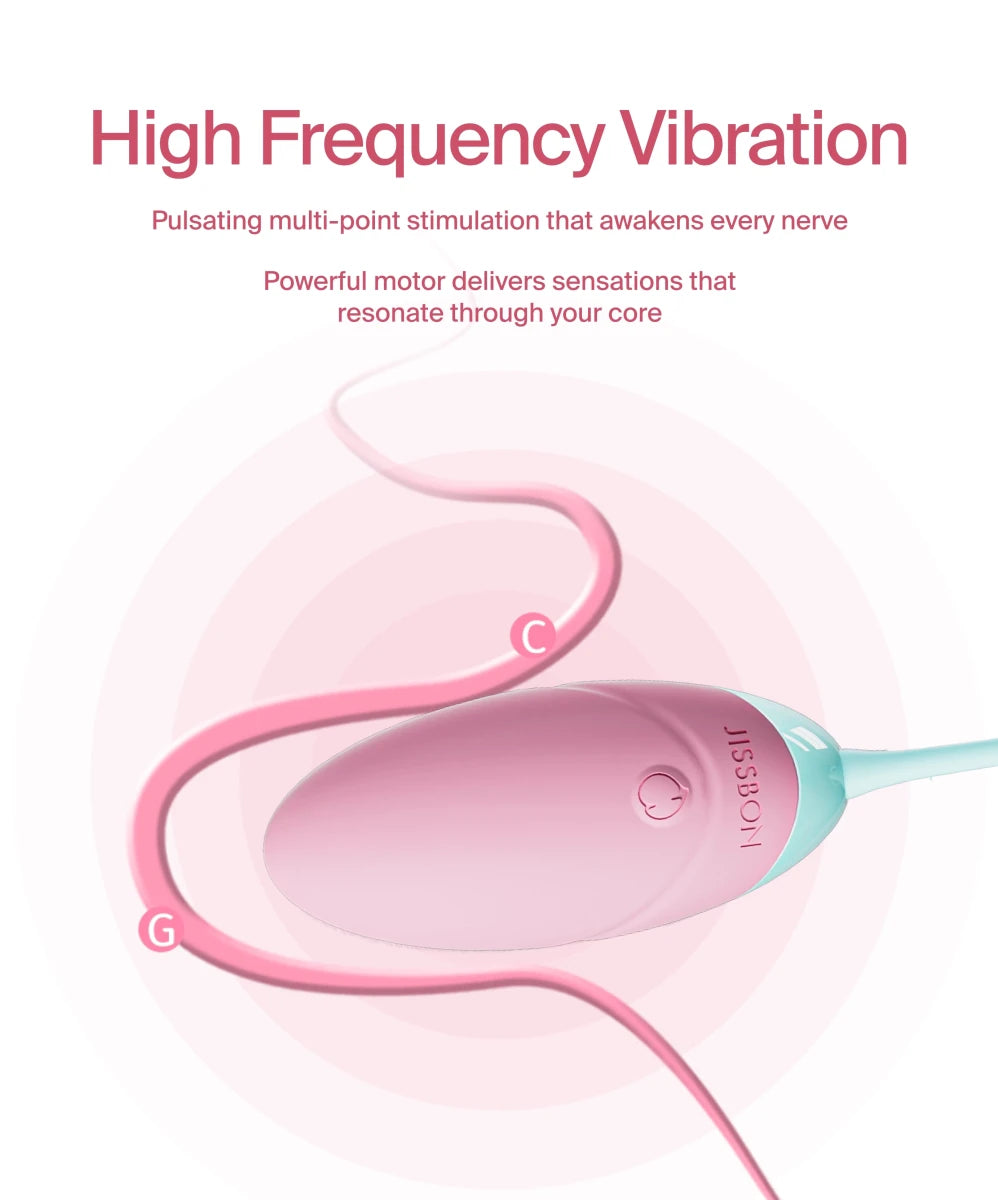
Indirect stimulation reaches the clitoral area through the hood, labia, mons pubis, surrounding vulvar tissue, or a soft barrier. The larger contact area may feel less concentrated than direct touch on the exposed glans.
Change the Position
Try small position changes: slightly to the side, from above, or through the hood instead of directly on the glans. Change angle and contact area before adding pressure.
Use a Barrier
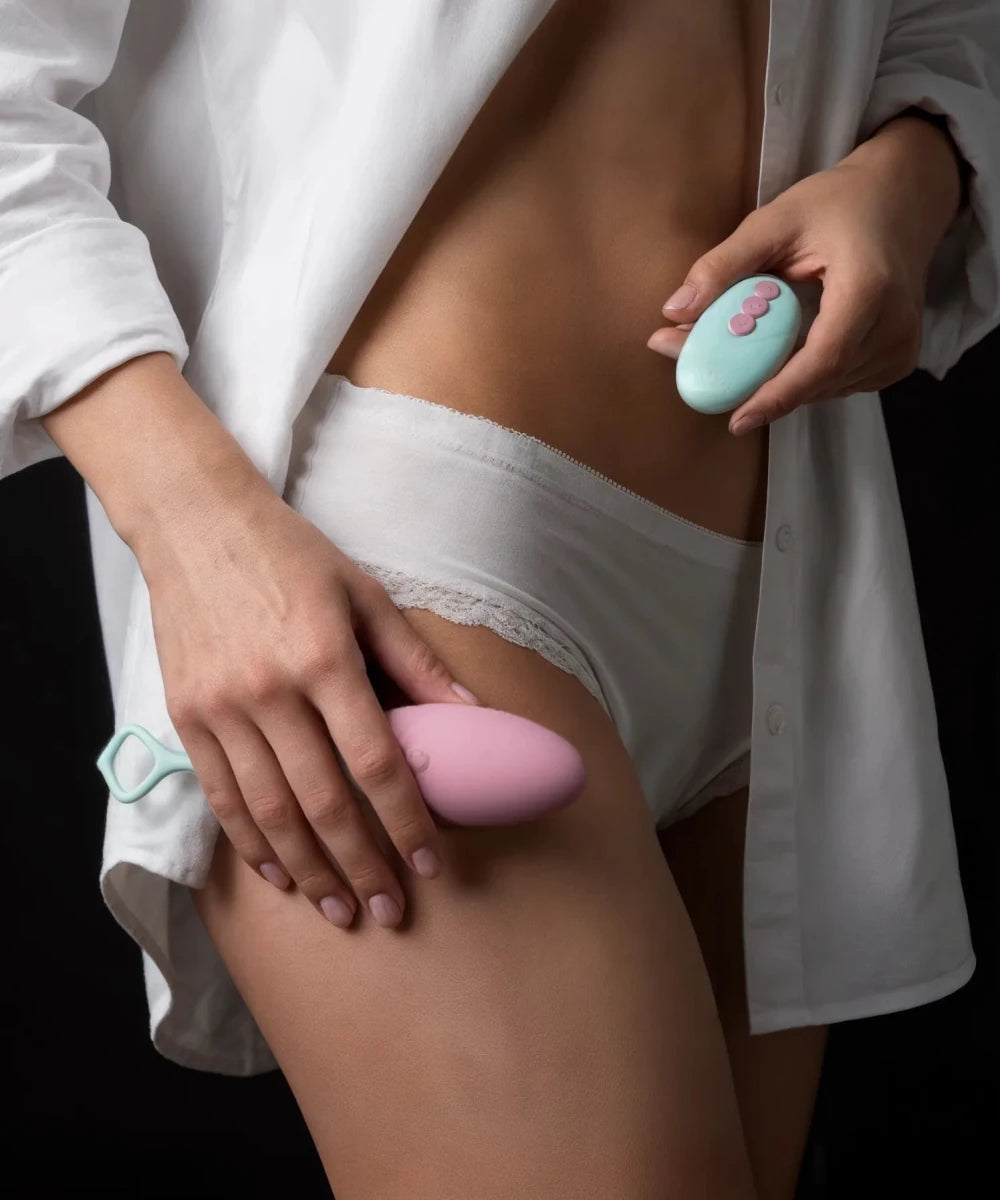
Clean underwear or another soft, clean barrier can buffer contact. Stop if the fabric creates friction, bunching, or discomfort.
Take Breaks
Pause for numbness, soreness, sharp sensation, or pain. Resume only after the area feels comfortable; do not continue through pain.
Direct vs Indirect Clitoral Stimulation

|
Method |
Sensation |
May Suit |
|
Direct contact |
More concentrated |
People comfortable with focused stimulation |
|
Through clitoral hood |
More buffered |
People sensitive to direct contact |
|
Surrounding vulva |
More diffuse |
People preferring broader stimulation |
|
Vibration |
Rhythmic mechanical stimulation |
People who enjoy vibration |
|
Air-pulse / suction |
Pulsed stimulation around the clitoris |
People who prefer less continuous rubbing |
|
Over underwear |
Reduced intensity |
People testing a new setting or toy |
No method is inherently best. Choose according to comfort, current sensitivity, arousal, and the ability to adjust placement or intensity.
How to Adjust Vibrator Intensity

Start at the Lowest Setting
Even with experience, because sensitivity today is not sensitivity last month.
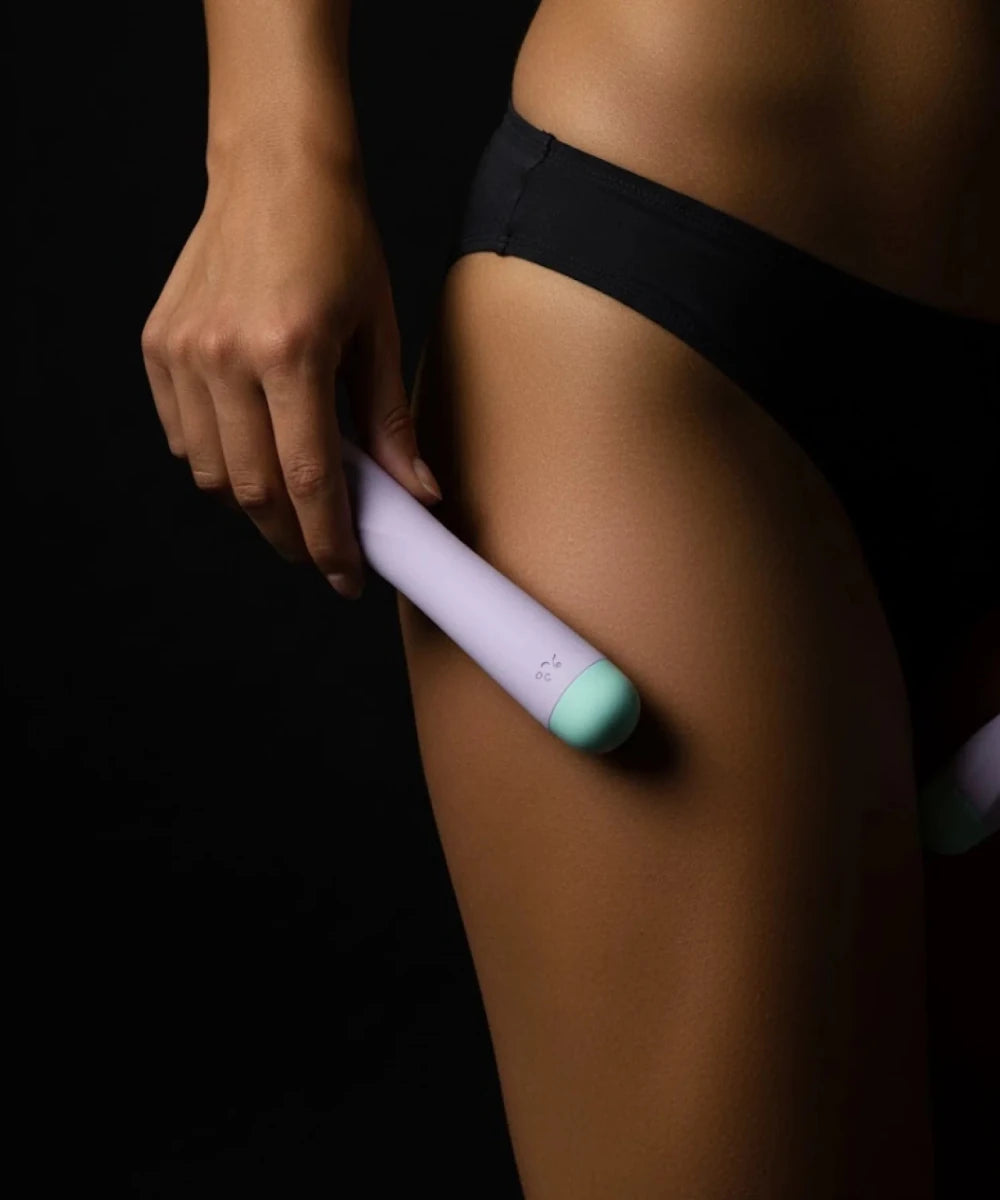
Use the Side or Body of the Vibrator
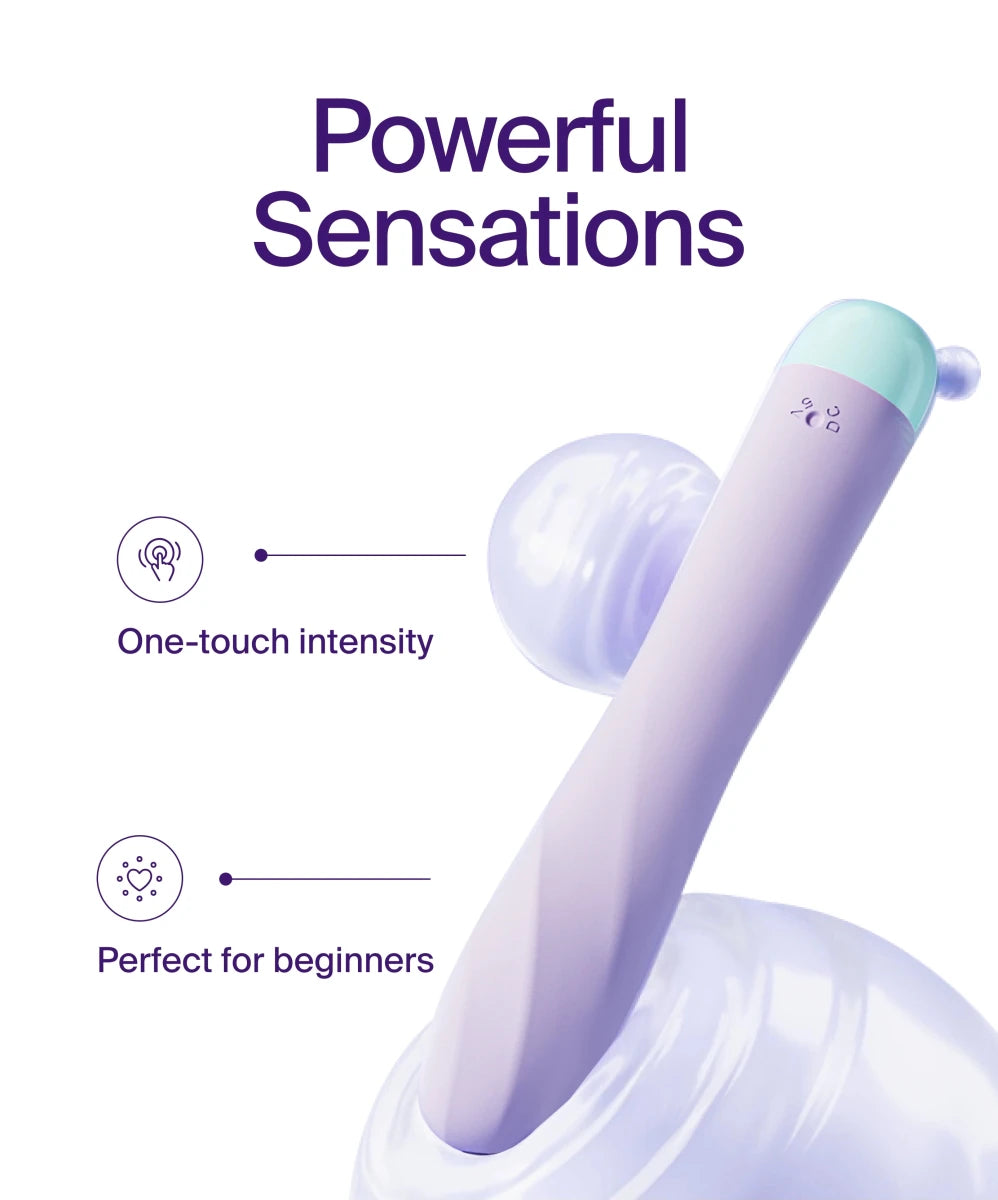
The tip concentrates vibration while a side or broader surface spreads it, which is often the whole difference between too much and about right.
Add Distance
Hold it slightly off the body, or put a hand, a layer of underwear, or the hood itself between the toy and the glans.
Change the Stimulation Pattern
Slower pulses, lower frequencies, and different rhythms all read differently. Some people want steady vibration and nothing else. Others do better with patterns that give the tissue a break. Healthline on using a vibrator covers the general approach of adjusting settings gradually.
Move Instead of Holding Still
Rather than holding the device on one point, try small circles, side-to-side movement, or placement beside the most sensitive area.
Take Breaks
Stop for numbness or soreness, and do not continue through pain.
How to Use a Clitoral Stimulator If You’re Sensitive
Control is the feature that matters. A stimulator with adjustable intensity gives you room to work that a single-speed device cannot. What to look for:
- Adjustable intensity, with a genuinely low bottom setting
- Several modes rather than one
- Buttons you can find and operate without looking
- A shape that is comfortable to hold and reposition
- Body-safe materials, clearly listed
- Easy cleaning, with few seams to trap residue
- Waterproofing stated plainly, with the rating given
- Quiet operation, if privacy is a factor
- Clear manufacturer instructions
For sensitive use, a low minimum setting and predictable controls matter more than maximum power.
One Product Example for Adjustable Air-Pulse Stimulation

One Jissbon device is included as a category example, not as a universal recommendation. Specifications are manufacturer-stated and should be checked again before purchase. No product diagnoses or treats clitoral pain.
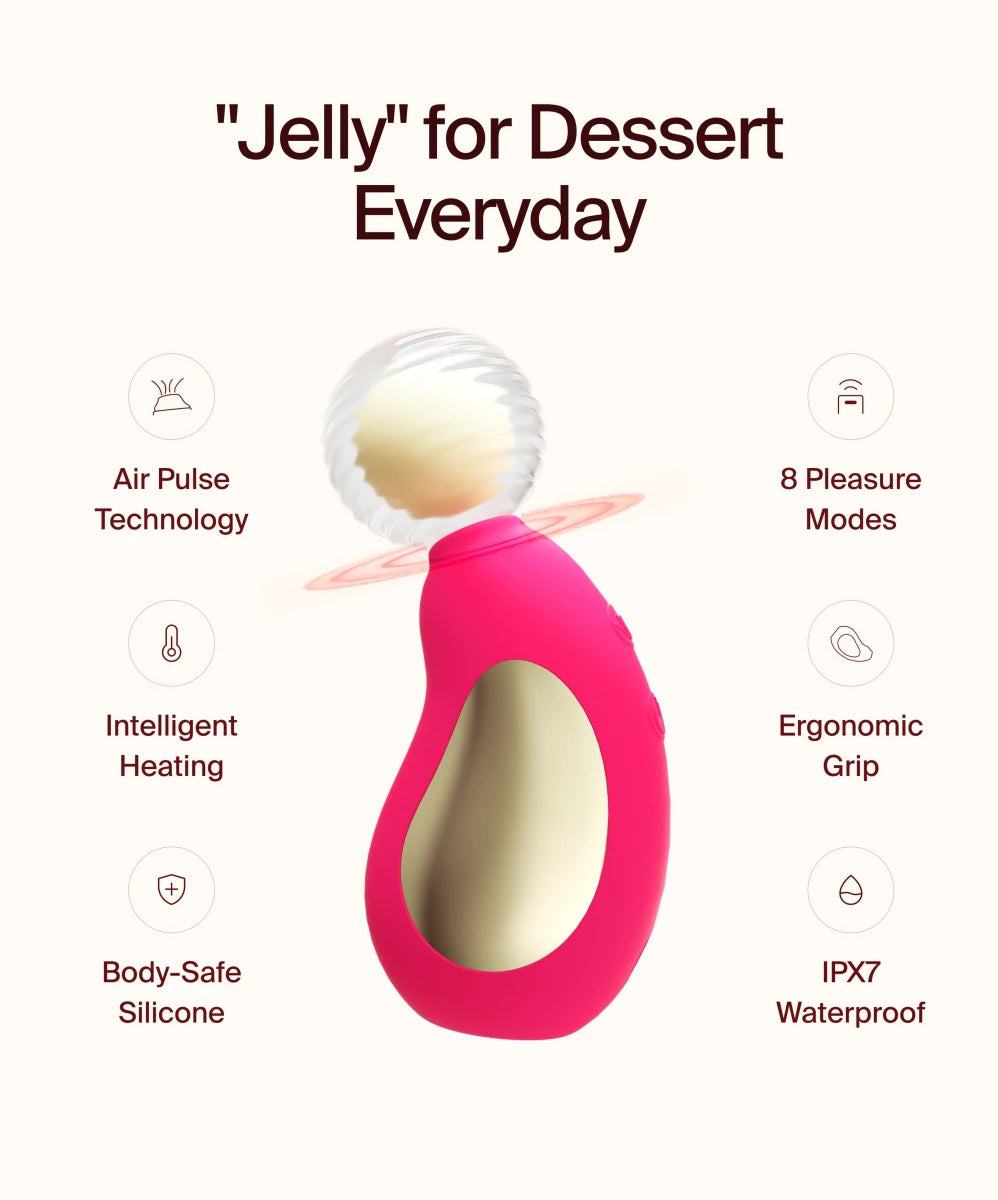
Miss Jelly: Air-Pulse Clitoral Stimulator
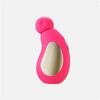
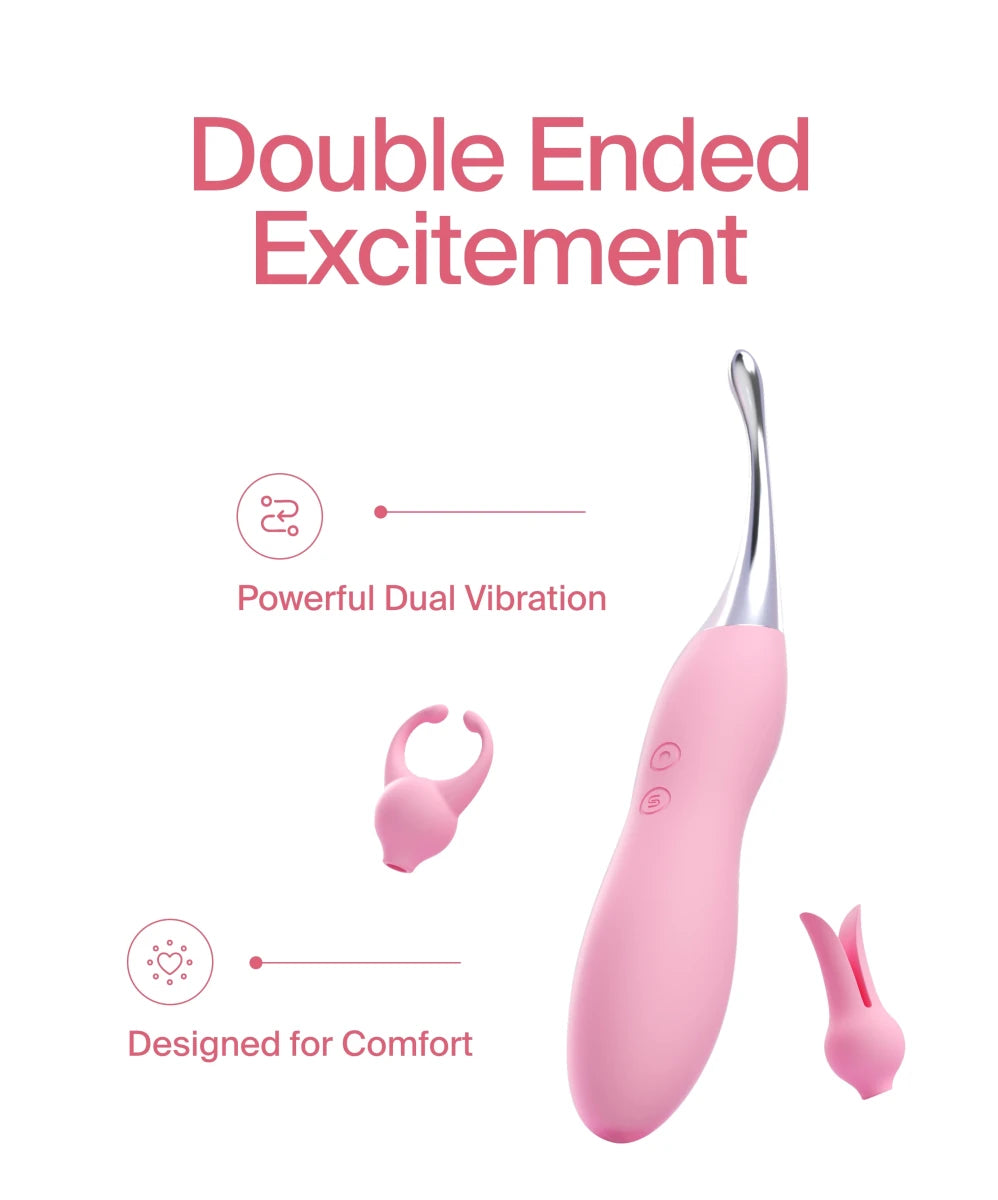
Jissbon lists Miss Jelly as a double-ended air-pulse clitoral stimulator with eight modes across three intensity levels and five patterns, a 20 mm opening, a warming function, IPX7 waterproofing, and silicone/ABS construction. For sensitive use, the relevant checks are opening fit, comfort at the lowest setting, control layout, cleaning instructions, and whether air-pulse feels preferable to broad vibration or manual pressure. Manufacturer specifications cannot predict an individual's response.
When a Different Format May Suit Better
Air-pulse is not automatically gentler. Someone who dislikes an enclosed opening or pressure changes may prefer manual pressure, a broad vibrator, or a small vibrator used through the hood or a soft barrier. Compare formats by minimum intensity, contact area, ease of repositioning, materials, cleaning requirements, and return policy.
What to Compare Before Buying
Compare stimulation style, lowest intensity, contact shape, opening size where relevant, materials, waterproof rating, control layout, cleaning instructions, and return policy before choosing.
What Features Matter Most for Sensitive Users?
|
Feature |
Why It Matters |
|
Adjustable intensity |
Lets users start gently |
|
Multiple modes |
Provides more control |
|
Comfortable shape |
Helps with positioning |
|
Body-safe material |
Important for intimate contact |
|
Easy cleaning |
Supports hygiene |
|
Waterproofing |
Helps cleaning when manufacturer-supported |
|
Quiet operation |
Useful for privacy |
|
Simple controls |
Reduces accidental intensity changes |
|
Clear manual |
Helps avoid misuse |
|
Auto shutoff |
May help prevent accidental long use |
For sensitive use, the minimum intensity and ease of control are more relevant than the maximum setting. If the lowest setting is not stated, ask the manufacturer or choose a retailer with a clear return policy.
What to Avoid When Your Clit Is Very Sensitive

- Maximum intensity from the first second
- Too much pressure, where an angle change would do more
- Staying in one position too long
- Assuming stronger stimulation is better stimulation
- Ignoring discomfort because you expect it to pass
- Using a device without reading the instructions
- Continuing after pain starts
- Fragranced products anywhere on the vulva
- A vibrator on irritated or broken skin
- Numbing creams without medical advice
- Assuming every symptom must be the vibrator’s fault
- Persistent symptoms left unchecked
Gentle Care After Overstimulation
- Stop direct stimulation rather than testing whether it still hurts.
- Change into loose, breathable clothing.
- Rinse away possible irritants with lukewarm water if needed.
- Skip fragranced soaps, wipes, sprays, and bubble baths.
- Let the area rest instead of checking it repeatedly.
- A cool compress wrapped in cloth can soothe. Never apply ice directly.
- Seek medical advice if things do not improve, or get worse.
These steps are for ordinary overstimulation. Not for an infection, a skin condition, or pain that persists.
When Should You Talk to a Healthcare Professional?

Book an appointment for any of the following:
- Clitoral pain that persists
- Burning or stinging
- Swelling
- Tenderness with no clear explanation
- Pain that has nothing to do with stimulation
- Symptoms that continue or worsen
- Sores, blisters, lumps, or bleeding
- Unusual discharge or odor
- Itching or visible changes to the skin
- Pain affecting urination, sleep, sex, walking, or daily life
- Any concern about STI exposure
Do not diagnose yourself from symptoms alone. Irritation, infection, skin conditions, injury, hormonal change, and nerve pain overlap in how they feel. Telling them apart is the appointment.
When Urgent Care May Be Appropriate
Some symptoms should not wait for a routine appointment:
- Severe or rapidly worsening pain
- Major swelling
- Fever
- Pus, or foul-smelling discharge
- Painful blisters or sores
- Significant injury
- Difficulty urinating
- Heavy bleeding
FAQs
Is a very sensitive clitoris normal?
It can be. Intense but comfortable sensation that changes with arousal, touch, position, or vibrator settings may fall within normal variation. Sensitivity is not the same as pain, and preferring indirect touch or a low setting does not by itself indicate a problem.
Why can sensitivity increase during arousal or after orgasm?
Arousal increases blood flow and changes tissue response, so the same touch may feel different as a session progresses. After orgasm, direct contact may briefly feel too intense. Pause or switch to gentler indirect touch; do not continue through discomfort.
How can I make direct touch feel less intense?
Change one variable at a time so you can identify what helps.
- If the glans feels too exposed, move to the clitoral hood, labia, or nearby tissue.
- If vibration feels too strong, lower the setting, use a broader surface, or place a clean soft barrier between the device and skin.
- If friction is the problem, stop and use a lubricant compatible with the device material before trying again.
- If the area is numb, sore, sharp, or painful, pause until it feels comfortable.
Can a vibrator cause temporary numbness or soreness?
Prolonged, intense, or stationary vibration may be followed by temporary numbness or tenderness. Stop and allow recovery. Persistent, recurrent, or worsening symptoms should be assessed rather than attributed automatically to the vibrator.
Can products, clothing, or an infection make the clitoris sensitive?
Yes. Fragranced cleansers, wipes, laundry products, tight clothing, friction, skin conditions, and vulvovaginal or urinary infections can all contribute to vulvar irritation. Remove likely irritants, but do not self-diagnose an infection because itching, discharge, odor, urinary burning, redness, and swelling can overlap across conditions.
When should clitoral sensitivity be checked by a clinician?
Arrange medical assessment when symptoms are new, painful, persistent, worsening, or unrelated to stimulation.
- Seek care for burning, stinging, swelling, redness, sores, bleeding, unusual discharge or odor, urinary pain, or visible skin changes.
- Seek prompt care for severe or rapidly worsening pain, major swelling, fever, significant injury, heavy bleeding, or difficulty urinating.
- If symptoms interfere with sitting, walking, sleep, sex, or daily activities, do not keep adjusting technique in place of evaluation.
Final Takeaway
Clitoral sensitivity varies and may become more noticeable during arousal or after sustained stimulation. Intensity that remains comfortable does not by itself indicate a problem.
Pain requires a different response. Burning, itching, swelling, sores, unusual discharge, skin changes, or symptoms that persist should be assessed rather than managed only by changing technique.
To reduce intensity, try indirect touch, lower vibration, lighter pressure, broader contact, a clean soft barrier, or a break. Do not continue through discomfort.
Product features can improve control, but a vibrator does not diagnose or treat the cause of pain or persistent sensitivity.
If you are choosing a vibrator for gentler stimulation, compare low-intensity controls, broad contact surfaces, air-pulse options, noise, waterproofing, and cleaning requirements across the clitoral vibrators range. If sensitivity is painful or persistent, speak with a qualified healthcare professional before continuing use.
Sources
- Cleveland Clinic. “clitoris anatomy and sensitivity”. Accessed Aug. 18, 2026.
- Cleveland Clinic. “clitoral pain symptoms”. Accessed Aug. 18, 2026.
- Cleveland Clinic. “vulva anatomy and clitoral hood”. Accessed Aug. 18, 2026.
- Planned Parenthood. “female sexual anatomy”. Accessed Aug. 18, 2026.
- Healthline. “vibrator sensitivity”. Accessed Aug. 18, 2026.
- Healthline. “sex toys and STI safety”. Published Jun. 15, 2020.
- Healthline. “how to clean sex toys”. Published Mar. 15, 2021.
- Healthline. “how to use a vibrator”. Accessed Aug. 18, 2026.
- American College of Obstetricians and Gynecologists. “Persistent Vulvar Pain.” Accessed Aug. 18, 2026.
- Jissbon Collection. “clitoral vibrators”. Accessed Aug. 18, 2026.
- Jissbon Product Page. “clitoral suction vibrator”. Accessed Aug. 18, 2026.
- International Society for Sexual Medicine. “Clitorodynia (Clitoral Pain).” Accessed Aug. 18, 2026.
- WebMD. “Vibrators: Uses and Safety.” Accessed Aug. 18, 2026.


Looking for something else?

What Is Flogging in Sex? Complete BDSM Flogging Guide
LEARN MORE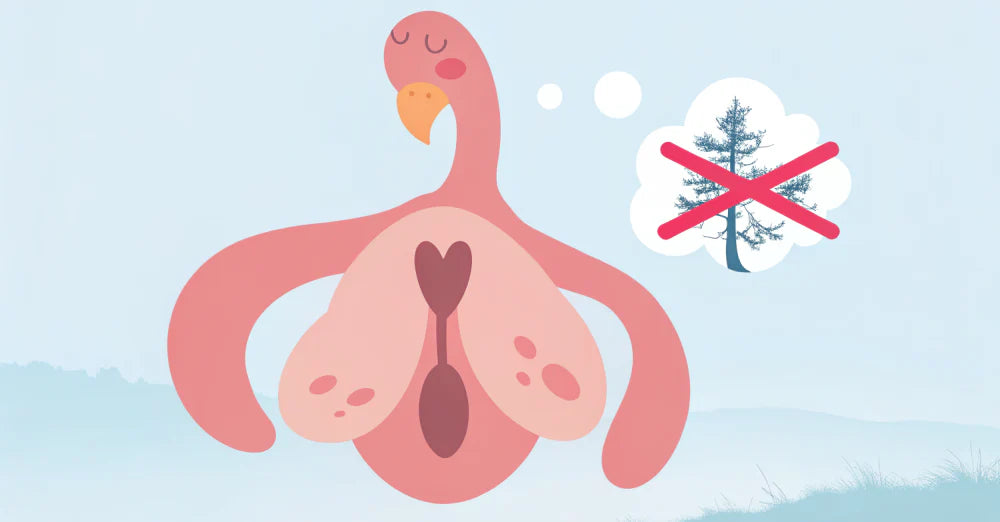
What Does Overstimulated Mean Sexually? Causes & Solutions
LEARN MORE
Can You Get a Tattoo on Your Vagina? Safety, Pain & What to Expect
LEARN MORE
Public Sex Kink: Understanding Exhibitionism & Safe Exploration
LEARN MORELooking for something else?

A-Spot Orgasm: Best Positions & How to Find It
LEARN MORE
Bondage Play: Complete Beginner's Guide to Rope BDSM
LEARN MORE
Vibrator Stories: Real Experiences, Tips & What to Expect
LEARN MOREYou may also like
20% off

20% off

20% off

20% off

20% off

20% off

Further reading

How to Clean an Automatic Blowjob Machine Without Damaging the Motor

Remote-Controlled Automatic Masturbators for Couples and Solo Play
Best Automatic Strokers for Edging and Stamina Training