














































Can You Get a Tattoo on Your Vagina? Safety, Pain & What to Expect
Stack & Save: Extra 15% with Jissbon15
Jissbon15
Getting a tattoo on your vagina—or more accurately, your vulva—is a bold body modification choice that's gained attention in recent years. While genital tattoos are technically possible, they come with unique challenges, intense pain, and serious health considerations that go far beyond a typical arm or back piece.
This guide covers the anatomy involved, why people choose vulva tattoos, what to expect during the process, healing timelines, and crucial safety information. Whether you're seriously considering one or just curious, here's everything you need to know.
Who Gets Genital Tattoos & Why They're Considered
Vulva and genital tattoos aren't mainstream, but certain groups explore them for specific reasons:
- Scar coverage seekers – Concealing episiotomy scars, surgery marks, or trauma-related scarring
- Body modification enthusiasts – People with extensive tattoo coverage looking for new, intimate territory
- Empowerment and reclaiming – Survivors using tattoos to reclaim agency over their bodies
- Aesthetic expression – Those who view genital tattoos as private art or sensual enhancement
- Couples' intimacy projects – Partners getting matching or complementary designs in intimate areas
Important note: Not all tattoo artists will perform genital tattoos. Many refuse due to liability, discomfort, or shop policies. Finding an experienced, licensed professional who specializes in sensitive areas is critical.
Understanding the Anatomy: Vagina vs. Vulva
Before discussing genital tattoos, let's clarify terms:
|
Term |
What It Is |
Can You Tattoo It? |
|
Vagina |
The internal muscular canal connecting the cervix to the outside of the body |
No – Internal mucosal tissue cannot hold tattoo ink and tattooing it would cause severe medical complications |
|
Vulva |
External genitalia including labia majora, labia minora, clitoris, and mons pubis |
Yes, but with extreme caution – The skin here is delicate, highly nerve-dense, and prone to infection |
|
Mons Pubis |
The fatty tissue above the pubic bone (where pubic hair grows) |
Most common genital tattoo location – Thicker skin and fat padding make it slightly less risky |
When people say "vagina tattoo," they almost always mean vulva tattoo or mons pubis tattoo. Tattooing the actual vagina (internal canal) is medically dangerous and not performed by legitimate artists.
What Exactly Is a Vulva Tattoo?

A vulva tattoo involves applying permanent ink to the external genital region—typically the mons pubis (pubic mound) or, less commonly, the labia majora (outer vaginal lips). The procedure uses the same tattoo gun and ink as body tattoos, but the location creates unique challenges.
Common Placement Areas
- Mons pubis (pubic mound) – Most popular; thicker skin and fat cushion reduce (but don't eliminate) pain
- Labia majora (outer lips) – Rarer; extremely painful due to thin skin and high nerve concentration
- Bikini line/groin – Technically not genital but still sensitive; often chosen as a compromise
Popular Design Choices
- Small symbols (stars, hearts, initials)
- Floral or vine patterns
- Text (names, dates, empowerment phrases)
- Scar cover-ups (often incorporating scars into nature scenes or abstract art)
- Matching couple tattoos (controversial—consider breakup implications)
Why Do People Want Genital Tattoos?
Discretion & Privacy
Some people appreciate that genital tattoos are completely hidden from public view. Unlike visible tattoos that might affect job prospects or family perceptions, vulva tattoos remain private unless the person chooses to reveal them.
Scar Coverage & Trauma Healing
Medical procedures (childbirth episiotomies, gender-affirming surgeries, sexual assault scars) can leave marks some people wish to reclaim or conceal. Tattoos offer a way to transform trauma reminders into chosen art.
Visual Aesthetics & Body Positivity
For some, genital tattoos enhance confidence during intimate moments. Adding decorative elements to an area often hidden can feel empowering—like wearing lingerie no one else sees.
Relationship Symbolism
Couples sometimes get matching genital tattoos as private commitment symbols. Caution: Relationships end, but tattoos are permanent. Laser removal in genital areas is exceptionally painful and risky.
Pain Levels: How Much Does a Vulva Tattoo Hurt?

Short answer: It's one of the most painful tattoo locations.
The genital region has dense nerve endings, thin skin, and minimal fat padding (except on the mons pubis). Most people describe the pain as:
- Mons pubis: Comparable to hip or lower abdomen tattoos—intense burning/stinging, but tolerable for many
- Labia majora: Excruciating—some compare it to childbirth or severe menstrual cramps
- Labia minora: Extremely dangerous and painful; almost no reputable artist will tattoo this area
Pain Factors That Vary
- Individual pain tolerance – What's unbearable for one person might be manageable for another
- Artist speed and skill – Faster, more experienced artists reduce exposure time
- Design size – Small tattoos (under 2 inches) finish quicker; large pieces require multiple sessions
- Anesthesia options – Some artists use topical numbing creams (discuss beforehand)
Pro tip: Schedule tattoos mid-cycle if you menstruate. Pain sensitivity peaks right before and during periods.
Health Risks & Safety Considerations
Genital tattoos carry higher infection and complication risks than tattoos elsewhere. The area is:
- Warm and moist – Creates bacterial breeding grounds
- Friction-prone – Clothing, walking, and sexual activity irritate healing skin
- Difficult to keep clean – Sweat, urine, and discharge complicate hygiene
Potential Complications
|
Risk |
Description |
Prevention |
|
Bacterial infection |
Redness, swelling, pus, fever |
Sterile equipment, proper aftercare |
|
Viral infection |
Herpes, HPV transmission via unsterilized equipment |
Licensed studio, single-use needles |
|
Allergic reactions |
Red ink especially causes delayed allergic responses |
Patch test inks beforehand |
|
Scarring/keloids |
Raised, discolored scar tissue |
Know your keloid risk; avoid if prone |
|
Ink migration |
Pigment spreads under thin, elastic skin |
Choose experienced artist |
|
Sexual dysfunction |
Nerve damage causing numbness or hypersensitivity |
Avoid labia minora/clitoral area |
Critical: If you develop fever, severe swelling, or foul-smelling discharge, seek medical attention immediately. Genital infections can escalate to sepsis.
External resource: Mayo Clinic's tattoo safety guide covers infection prevention and warning signs.
Preparing for Your Genital Tattoo Appointment
Find the Right Artist
Not every tattoo artist will perform genital work. Look for:
- Licensed professionals in your state/country
- Portfolio evidence of sensitive area tattoos (ask to see healed results)
- Comfortable boundaries – Artists should discuss consent, privacy, and positioning openly
- Strict sterilization protocols – Autoclave-sterilized equipment, single-use needles, fresh gloves
Red flags: Artists who seem uncomfortable, lack portfolios, or work outside licensed studios.
Hair Removal Decisions
You don't have to remove pubic hair, but it makes tattooing easier. Options:
- Shaving – Do it 1-2 days before (not same-day to avoid razor burn)
- Waxing – Schedule 3-5 days prior to let skin calm
- Laser hair removal – Plan months in advance if you want permanent hair removal in the design area
Some artists will work around hair; others require bare skin. Confirm expectations during consultation.
Day-of Preparation
- Shower thoroughly and wear clean, loose cotton underwear
- Avoid alcohol or blood thinners (aspirin, ibuprofen) 24 hours before—they increase bleeding
- Eat a full meal—low blood sugar worsens pain tolerance
- Bring a support person if allowed (for distraction/emotional support)
Menstrual Timing
Can you get tattooed on your period? Technically yes, but most artists and clients prefer to avoid it:
- Increased pain sensitivity during menstruation
- Hygiene complications (blood, discharge)
- Higher infection risk
Schedule appointments mid-cycle (days 7-21 of a typical 28-day cycle).
What to Expect During the Tattoo Process

Positioning
You'll likely be asked to lie on your back with legs apart—similar to a gynecological exam. Some studios offer privacy screens or female chaperones. Discuss comfort needs upfront.
The Procedure
- Stencil application – Artist places temporary outline on your skin
- Skin preparation – Cleaning with antiseptic
- Tattooing – Gun needle punctures skin 50-3,000 times per minute (varies by design)
- Wiping and checking – Artist cleans excess ink and blood to assess progress
- Final cleaning and bandaging – Protective covering applied
Duration: Small designs (1-2 inches) take 30-60 minutes. Larger pieces may require 2-4 hours or multiple sessions.
Pain Management
- Topical numbing creams (ask beforehand—not all artists allow them)
- Deep breathing and distraction techniques
- Taking breaks as needed (don't push through unbearable pain)
Aftercare & Healing Timeline for Genital Tattoos
Genital tattoos heal slower and require more meticulous care than body tattoos.
Healing Timeline
|
Stage |
Timeframe |
What Happens |
|
Initial healing |
2-3 weeks |
Scabbing, itching, flaking |
|
Deep healing |
4-6 weeks |
Skin fully closes; ink settles |
|
Full maturation |
3-6 months |
Color stabilizes; true appearance emerges |
Daily Aftercare Steps
- Wash gently 2-3 times daily with unscented antibacterial soap
- Pat dry (don't rub) with clean paper towels
- Apply thin layer of artist-recommended ointment or unscented lotion
- Avoid tight clothing – Cotton underwear or go commando at home
- No submerging – No baths, pools, hot tubs, or ocean swimming for 2-3 weeks
Activities to Avoid
- Sexual activity – Wait at least 2-3 weeks (friction and bodily fluids increase infection risk)
- Masturbation – Same timeline; avoid contact with healing area
- Exercise – No sweaty workouts, cycling, or yoga for 1-2 weeks
- Sun exposure – Keep covered; UV damages fresh ink
Tip: Sleeping without underwear helps air circulation and speeds healing.
Sex, Masturbation & Intimacy After a Genital Tattoo

When Can You Resume Sexual Activity?
Minimum wait time: 2-3 weeks for initial healing. However, many dermatologists recommend 4-6 weeks to ensure the skin has fully closed. Premature activity risks:
- Reopening wounds
- Introducing bacteria (partner's bodily fluids, saliva, hands)
- Ink distortion from friction
- Severe pain
Can You Masturbate?
Same guidelines apply. Even if you avoid direct contact with the tattoo, increased blood flow and friction in the genital area can disrupt healing. Wait at least 2 weeks; 3-4 is safer.
If you choose to masturbate during healing:
- Wash hands thoroughly
- Avoid touching the tattooed area
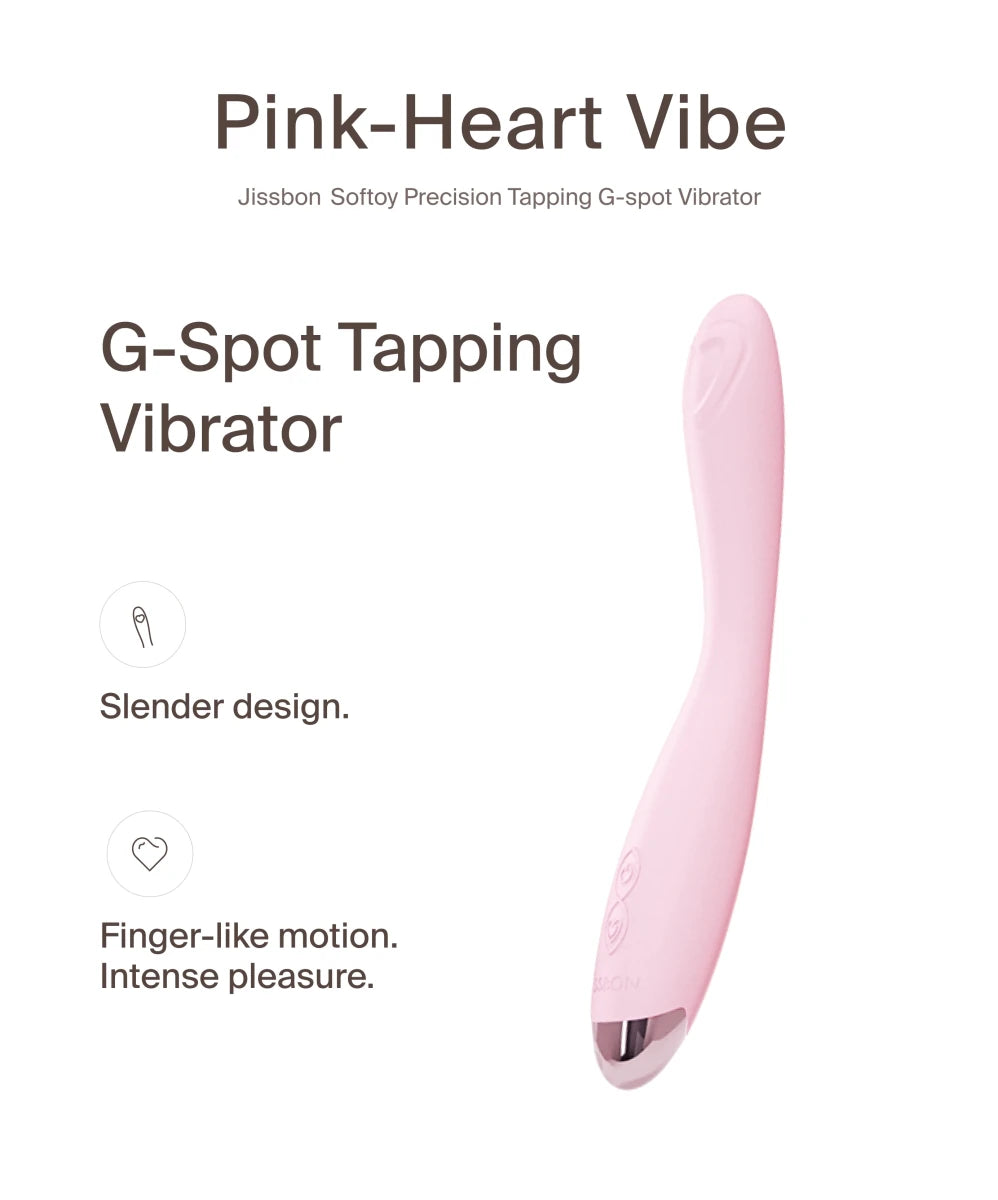
- Use clitoral vibrators or external toys that don't require direct genital contact
- Clean toys before and after with antibacterial spray
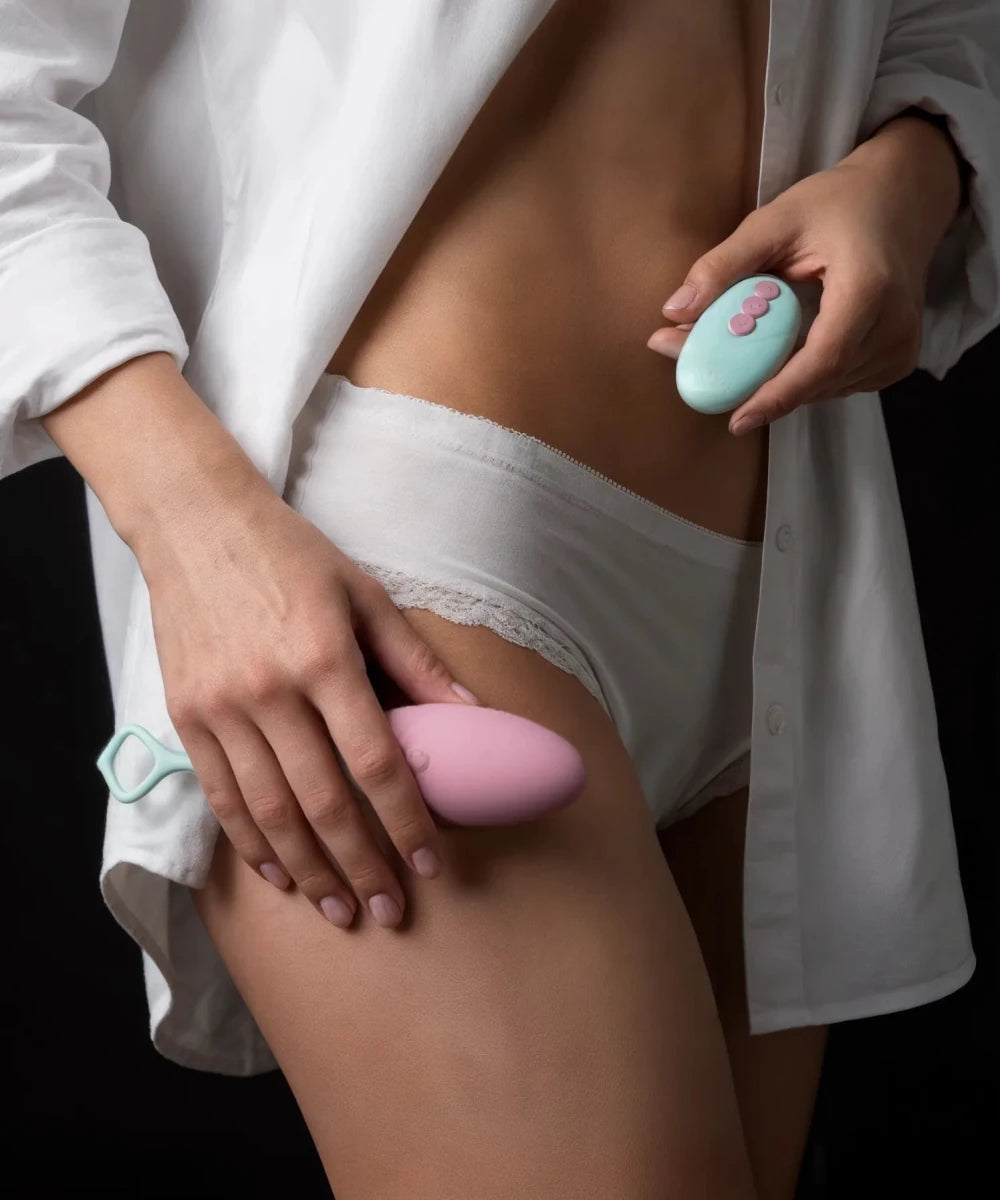
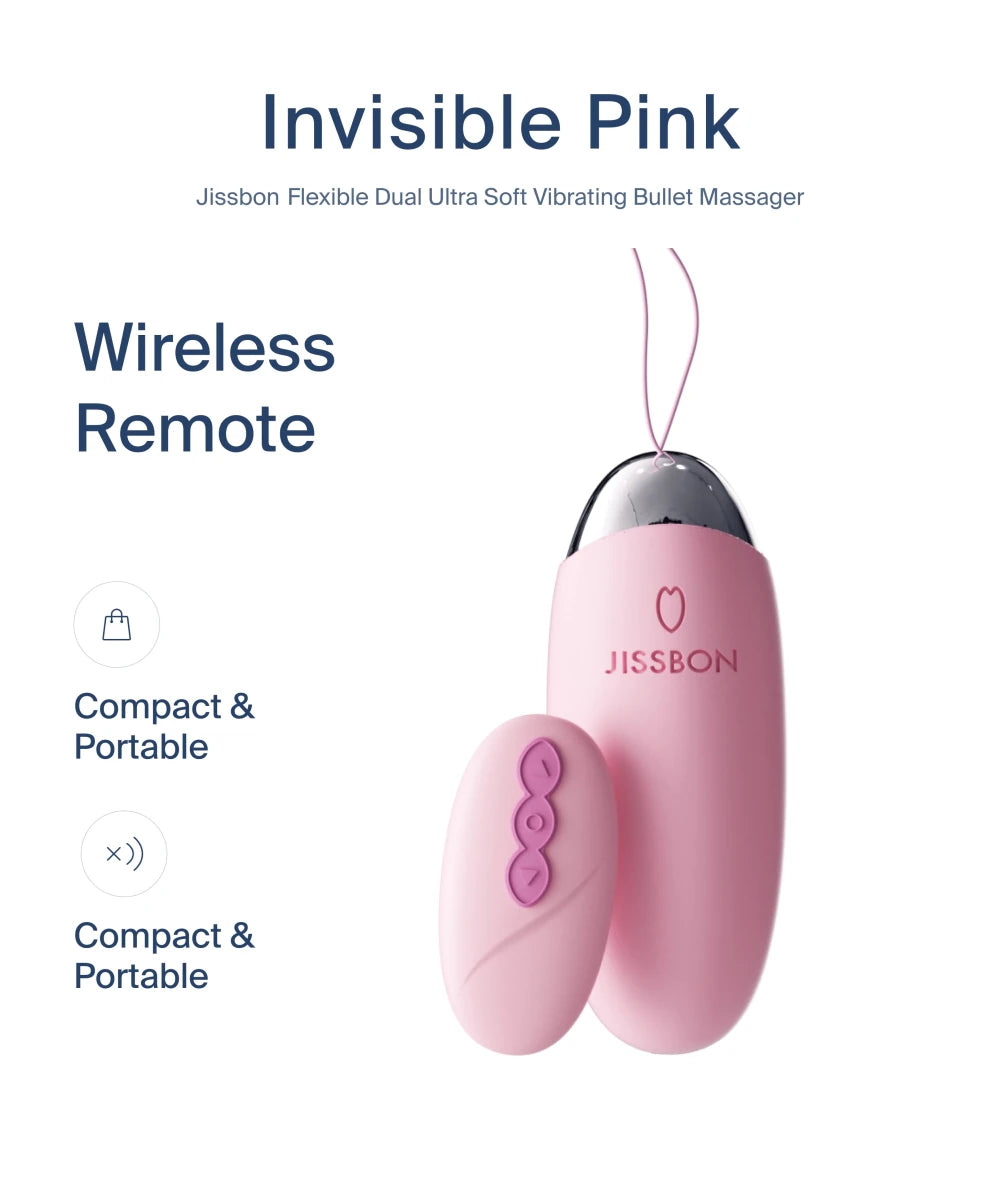
Pro tip: Remote controlled bullet vibrators allow hands-free stimulation, reducing accidental contact with healing tattoos.
Long-Term Intimacy Considerations
Once healed, genital tattoos don't typically affect sensation or sexual function—unless nerve damage occurred (rare with skilled artists). Some people report:
- Increased confidence during intimacy
- Partners finding tattoos visually appealing
- No physical sensation changes
Genital Tattoos vs. Other Body Modifications
|
Modification |
Pain Level |
Healing Time |
Infection Risk |
Social Acceptance |
|
Mons pubis tattoo |
High |
4-6 weeks |
Medium-High |
Private/hidden |
|
Labia tattoo |
Extreme |
6-8 weeks |
Very High |
Private/hidden |
|
Genital piercing |
Moderate-High |
3-6 months |
High |
Private/hidden |
|
Pubic hair design |
Low (temporary) |
Immediate |
None |
Private/hidden |
|
Intimate cosmetic surgery |
High |
6-12 weeks |
Medium |
Private/hidden |
Takeaway: Genital tattoos sit mid-range for risk and pain compared to piercings or surgery, but they're permanent—unlike pubic hair designs or temporary henna.
Common Mistakes & How to Avoid Them
Choosing an Inexperienced Artist
Mistake: Going with the cheapest or most convenient option.
Fix: Prioritize portfolios, licensing, and comfort level over cost. Travel to a reputable artist if necessary.
Ignoring Aftercare Instructions
Mistake: Assuming genital tattoos heal like arm tattoos.
Fix: Follow your artist's aftercare precisely. Genital skin is more delicate and infection-prone.
Rushing Into Sexual Activity
Mistake: Testing the waters at 1 week because "it feels okay."
Fix: Wait the full 2-3 weeks minimum. Infection can set in days after premature activity.
Getting a Partner's Name
Mistake: Tattooing a partner's name in an intimate location.
Fix: Relationships end. Choose designs with personal meaning independent of others. Laser removal in genital areas is painful and expensive.
Skipping the Consultation
Mistake: Booking an appointment without discussing pain management, positioning, or design feasibility.
Fix: Always do a consultation. Reputable artists insist on it for genital work.
Frequently Asked Questions
Can you actually tattoo the inside of the vagina?
No. The vagina's internal mucosal tissue (similar to the inside of your mouth) cannot hold tattoo ink and would reject it. Attempting to tattoo internal vaginal walls would cause severe infections and permanent damage. All legitimate "vagina tattoos" are actually vulva tattoos on external skin.
How much does a genital tattoo cost?
Prices vary widely based on artist experience, design size, and location. Expect $150-$500 for small designs (1-2 inches). Larger or more complex pieces can cost $500-$2,000+. High-quality work costs more—don't bargain hunt for something this risky.
Will a genital tattoo affect childbirth?
If placed on the mons pubis (pubic mound), it shouldn't interfere. However, labia tattoos could be affected by episiotomy scars or natural tearing during delivery. Discuss plans with your artist if you may have children in the future. Tattoos may stretch or distort during pregnancy.
Can you get laser removal on genital tattoos?
Technically yes, but it's extremely painful, expensive (often $300-$1,000 per session), and requires multiple treatments. Genital skin is sensitive, and laser removal in this area has higher scarring risks than elsewhere. Consider tattoos permanent before proceeding.
Do genital tattoos hurt more than other tattoos?
Yes. The genital region ranks among the most painful tattoo locations due to thin skin, dense nerve endings, and proximity to bone (pubic bone). Pain tolerance varies individually, but most people rate it 8-10/10 on pain scales.
Will pubic hair grow through the tattoo?
Yes. Hair follicles aren't destroyed by tattooing. If you shaved or waxed before the tattoo, hair will regrow through the inked skin. Some people maintain permanent hair removal (laser) in tattooed areas; others embrace the natural look.
Conclusion
Getting a tattoo on your vulva or mons pubis is a deeply personal decision that requires careful consideration of pain tolerance, health risks, and long-term commitment. While it's technically possible and safe with the right artist and aftercare, it's not for everyone.
If you're seriously considering it, prioritize finding a licensed, experienced artist who specializes in sensitive areas, follow aftercare instructions religiously, and be prepared for intense pain and a lengthy healing process. For those curious about body modification and intimate aesthetics, exploring other options first—like temporary henna or intimate grooming—can help clarify your preferences.
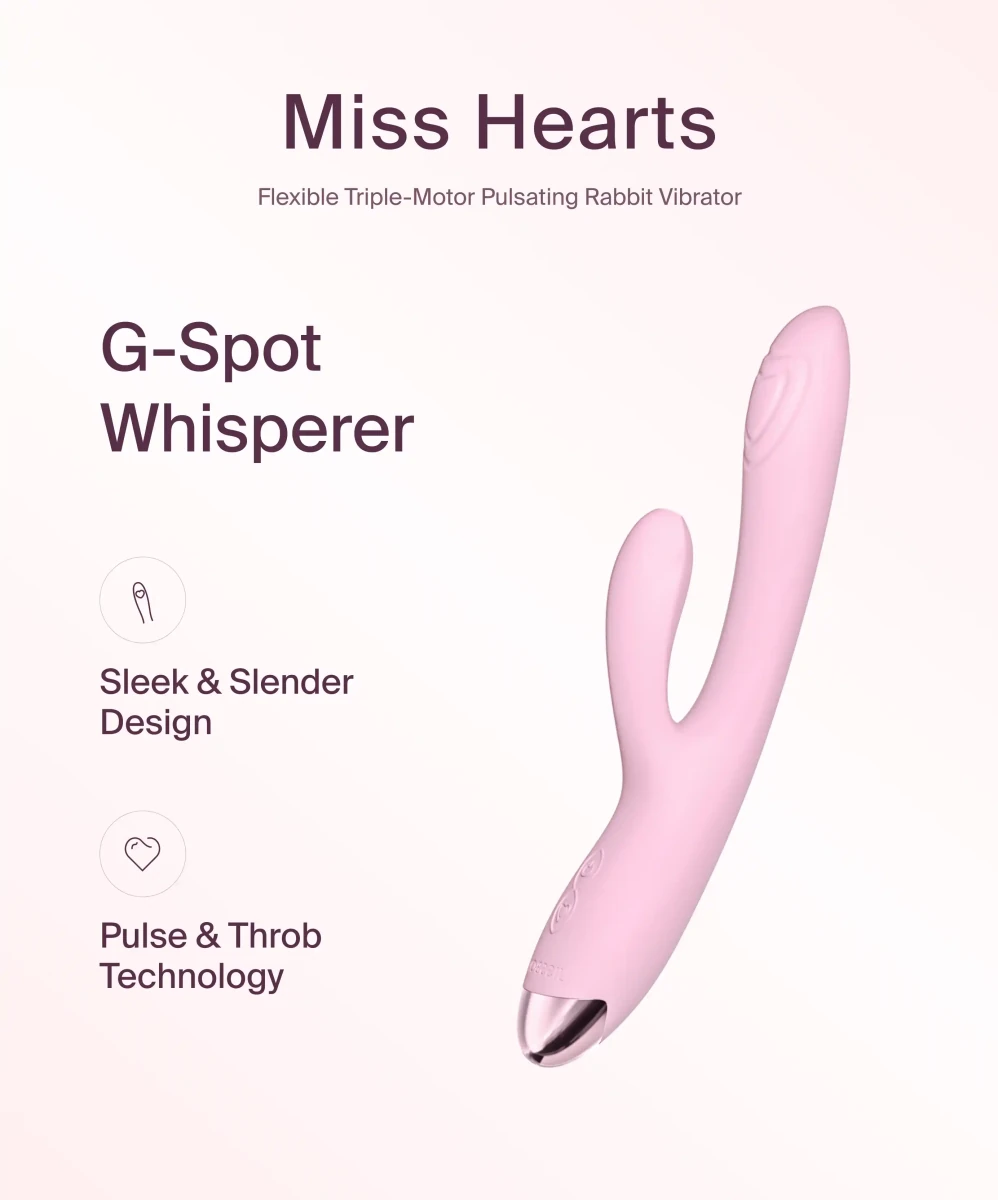
Curious about other ways to enhance intimate experiences? Explore our collection of sex toys for women designed for comfort, pleasure, and body positivity.


Looking for something else?

What Is Flogging in Sex? Complete BDSM Flogging Guide
LEARN MORE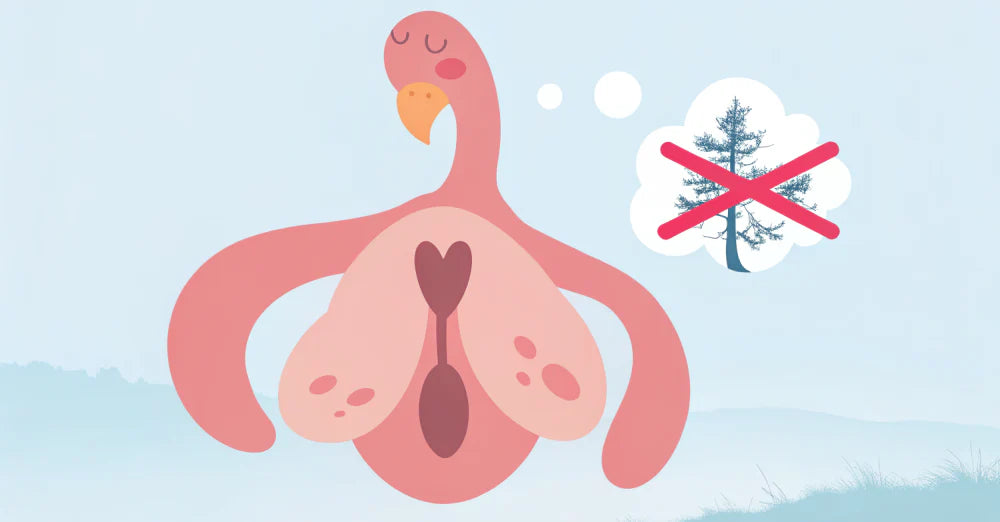
What Does Overstimulated Mean Sexually? Causes & Solutions
LEARN MORE
Can You Get a Tattoo on Your Vagina? Safety, Pain & What to Expect
LEARN MORE
Public Sex Kink: Understanding Exhibitionism & Safe Exploration
LEARN MORELooking for something else?

A-Spot Orgasm: Best Positions & How to Find It
LEARN MORE
Bondage Play: Complete Beginner's Guide to Rope BDSM
LEARN MORE
Vibrator Stories: Real Experiences, Tips & What to Expect
LEARN MOREYou may also like
20% off

20% off

20% off

20% off

20% off

20% off

Further reading

How to Clean an Automatic Blowjob Machine Without Damaging the Motor

Remote-Controlled Automatic Masturbators for Couples and Solo Play
Best Automatic Strokers for Edging and Stamina Training