













































What Is Jerking Off: Definition, Meaning & Facts
Stack & Save: Extra 15% with Jissbon15
Jissbon15
"Jerking off" is informal slang for masturbation, specifically referring to manual self-stimulation of the penis for sexual pleasure, typically leading to orgasm. The term comes from the "jerk" motion a quick, pulling movement describing the hand action during penile stimulation.
While considered casual or vulgar language inappropriate for medical or formal contexts, "jerking off" is widely understood in everyday conversation and appears frequently in discussions about male sexuality and self-pleasure.
This guide explains what jerking off means, the term's origins and usage contexts, the actual practice it describes, health benefits and myths, frequency considerations, and related terminology. You'll learn factual information about this common sexual behavior affecting 70–95% of people at some point in their lives.
Who Uses This Term
"Jerking off" appears in various contexts:
- Everyday conversation among friends discussing sexual topics casually
- Online forums and communities where people share experiences or ask questions about masturbation
- Popular media and entertainment including movies, TV shows, comedy routines, and music
- Sexual health discussions in informal settings, though clinical terms are preferred professionally
- Young adults and teenagers learning about sexuality through peer conversation rather than formal education
- People seeking relatable language connecting to sexual topics without medical terminology
- Cultural references in idioms beyond sexual meaning (e.g., "stop jerking around" meaning wasting time)
Understanding this terminology helps navigate sexual health information presented in various language registers from clinical to colloquial.
Etymology and Language Context

Origin of "Jerk Off"
The verb "jerk":
Originally meaning to pull, yank, or move something with sudden force. The term dates back to the 1500s describing abrupt, sharp movements.
Sexual application:
By the early 1900s, "jerk off" emerged as slang describing the pulling/stroking motion during male masturbation. The physical action of hand moving up and down the penis shaft resembles "jerking" motion.
American English origin:
This particular phrase developed primarily in American English, though equivalent slang exists in other English-speaking regions ("wank" in British English, "toss off" in Australian English).
Formality and Appropriateness
Informal/vulgar classification:
"Jerking off" is considered casual, somewhat crude language. Not appropriate for medical discussions, academic writing, professional settings, or conversations with people you don't know well.
Preferred alternatives in formal contexts:
- Medical/clinical: "masturbation" or "self-stimulation"
- Educational: "solo sexual activity" or "self-pleasure"
- Technical: "manual genital stimulation"
When casual language is acceptable:
Among friends, in informal online forums, in entertainment media with appropriate ratings, and in sexual health discussions where relatability matters more than formality.
Beyond Sexual Meaning
"Jerk-off" as noun/insult:
Can describe an obnoxious, stupid, or contemptible person (e.g., "Don't be a jerk-off"). This usage has no sexual connotationit's simply an insult.
"Jerking around" idiom:
Means wasting time or being unproductive (e.g., "Stop jerking around and get to work"). Also non-sexual despite similar phrasing.
What the Term Describes: The Physical Act

Basic Definition
Masturbation explained:
Self-stimulation of genitals for sexual pleasure, arousal, and typically (but not always) orgasm. For people with penises, this usually involves manual stroking of the shaft and head.
Common technique:
Wrapping hand around the penis shaft and moving up and down in rhythmic motion. Speed, grip pressure, and stroke length vary based on individual preference.
Not limited to one method:
While "jerking off" specifically references hand stimulation, masturbation encompasses various techniques including toys, different hand positions, and stimulation of other areas beyond just the penis.
Why People Do It
Physical reasons:
- Release sexual tension or arousal
- Experience pleasurable sensations
- Achieve orgasm and its associated relaxation
- Explore one's own body and sexual responses
- Maintain sexual function
Psychological reasons:
- Stress relief and mood enhancement
- Boredom or routine habit
- Sleep aid (post-orgasm relaxation promotes sleep)
- Sexual expression when partnered sex is unavailable
- Maintaining sexual confidence and body awareness
Health motivations:
- Prostate health (regular ejaculation correlates with reduced prostate cancer risk)
- Sexual function maintenance
- Understanding personal preferences for partnered experiences
Normal Frequency
No "normal" standard:
Some people masturbate daily; others weekly, monthly, or rarely. All frequencies are normal when not causing distress or interfering with life responsibilities.
Age variations:
Frequency often peaks in late teens through twenties, may decrease in thirties and beyond, but enormous individual variation exists at all ages.
Relationship status:
Masturbation continues throughout life regardless of relationship status. People in happy, sexually active relationships still masturbate regularlyit's not a replacement for partnered sex but a complementary practice.
Health Benefits and Facts
Physical Health Benefits
Stress reduction:
Orgasm releases endorphins (natural mood elevators) and oxytocin (relaxation hormone), reducing cortisol (stress hormone) levels for hours afterward.
Improved sleep:
Post-orgasm relaxation and prolactin release promote drowsiness and better sleep quality, especially helpful for insomnia.
Prostate health:
Research suggests regular ejaculation (21+ times monthly) correlates with 20–30% reduced prostate cancer risk, though causation isn't definitively established.
Pelvic floor exercise:
Rhythmic contractions during arousal and orgasm engage pelvic floor muscles, supporting urinary continence and sexual function.
Pain relief:
Endorphin release provides natural pain relief for headaches, menstrual cramps, and muscle tension.
Immune function:
Studies show orgasm increases immunoglobulin A levels (antibodies supporting immune function).
Mental Health Benefits
Mood enhancement:
Dopamine and serotonin release during sexual arousal and orgasm create feelings of pleasure and satisfaction lasting beyond the immediate experience.
Anxiety management:
Regular sexual release helps manage anxiety symptoms for many people, providing healthy coping mechanism for daily stressors.
Body confidence:
Exploring your own body through masturbation builds comfort with sexuality and can improve body image and sexual confidence.
Safe sexual expression:
Masturbation provides sexual outlet without pregnancy risk, STI transmission, or need for partner consentcompletely safe sexual expression.
Common Myths and Misconceptions

Myth: Masturbation Causes Harm
False claims:
Historical myths include blindness, hairy palms, mental illness, infertility, erectile dysfunction, or physical weakness from masturbation.
Reality:
No scientific evidence supports any of these claims. Medical consensus considers masturbation a normal, healthy sexual behavior causing no physical or mental harm when practiced reasonably.
Harm only occurs when:
Masturbation becomes compulsive (interfering with daily life), uses excessive force (causing injury), or creates distress. These situations warrant professional consultation but represent small minority of cases.
Myth: Only Single People Masturbate
False assumption:
People in relationships don't need to masturbate because they have partnered sex available.
Reality:
Studies show 70–80% of people in relationships masturbate regularly. Masturbation serves different purposes than partnered sexit's about personal pleasure, stress relief, and body exploration, not replacing intimacy.
Healthy relationships:
Open communication about masturbation supports healthy relationships. It's not betrayal or indication of dissatisfaction with partnered sex.
Myth: Too Much Masturbation Is Harmful
Concern:
Frequent masturbation depletes energy, causes addiction, or damages sexual function.
Reality:
No medically defined "too much" exists. Daily masturbation is perfectly safe for most people. Concerns only arise if it interferes with responsibilities, causes physical injury, or creates significant distress.
Actual red flags:
Masturbating instead of attending work/school, physical injury from excessive force, or feeling unable to control the behavior despite negative consequences. These warrant professional consultation.
Myth: Masturbation Reduces Sexual Performance
False belief:
Masturbating frequently will reduce stamina, cause erectile dysfunction, or make you unable to enjoy partnered sex.
Reality:
Masturbation can actually improve sexual performance by building body awareness, practicing ejaculatory control, and maintaining sexual function. Overly specific or intense techniques (death grip) can cause adaptation issues, but varied, moderate masturbation enhances rather than harms sexual performance.
Related Terminology and Variations
Other Slang Terms
Regional variations:
- "Wanking" (British English)
- "Tossing off" (Australian English)
- "Beating off" or "whacking off" (American English)
- "Rubbing one out" (casual American)
- "Choking the chicken" (humorous euphemism)
Gender-neutral terms:
- "Getting off"
- "Solo sex"
- "Self-pleasure"
Clinical terminology:
- "Masturbation"
- "Self-stimulation"
- "Autoeroticism"
For Other Anatomies
Female masturbation slang:
- "Flicking the bean"
- "Rubbing one out" (also used)
- "Getting yourself off"
Medical terms apply universally:
"Masturbation" and "self-stimulation" describe the behavior regardless of anatomy.
Distinguishing from Partnered Terms
Hand job:
Manual stimulation of someone else's penis by a partnerdifferent from masturbation (which is self-stimulation).
Mutual masturbation:
Partners masturbating in each other's presence, watching each other, or stimulating each other manually simultaneously.
When to Seek Information or Help

Normal Curiosity
Educational needs:
Questions about technique, frequency, health effects, or normalcy are completely appropriate. Reliable sources include Planned Parenthood, Cleveland Clinic, medical professionals, and evidence-based sexual health websites.
Avoid misinformation:
Many internet sources spread myths or shame-based messages about masturbation. Prioritize medical and educational sources over anecdotal forums.
Potential Concerns Warranting Discussion
Compulsive behavior:
If masturbation interferes with work, school, relationships, or daily responsibilities despite attempts to reduce it, consult a mental health professional or sex therapist.
Physical injury:
Pain, bleeding, significant soreness, or visible injury from masturbation indicates overly aggressive technique. Consult a healthcare provider if injuries occur or persist.
Distress or shame:
If masturbation causes significant guilt, shame, or emotional distress affecting quality of life, therapy can help address underlying beliefs or trauma.
Changes in sexual function:
Difficulty achieving erection without very specific stimulation, inability to orgasm during partnered sex, or other sexual function changes potentially linked to masturbation habits warrant medical consultation.
Healthcare Provider Communication
Don't feel embarrassed:
Healthcare providers discuss sexual health regularly. They've heard everything and won't judge questions about masturbation.
Be direct:
Use whatever terminology you're comfortable with. Doctors understand slang terms and can translate to clinical language.
Relevant to overall health:
Sexual function indicates cardiovascular health, hormonal balance, and psychological wellbeing. Discussing masturbation habits provides valuable health information.
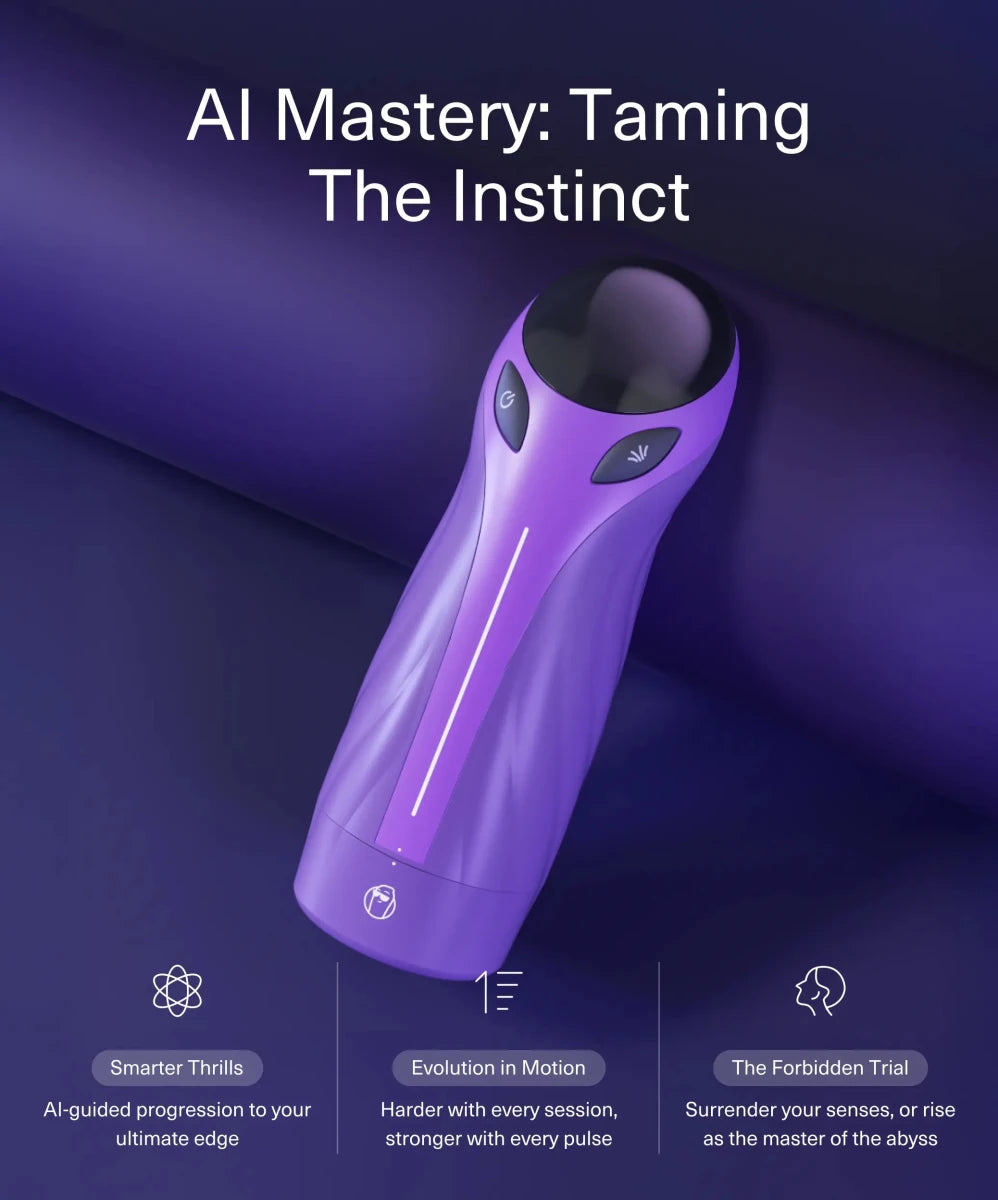
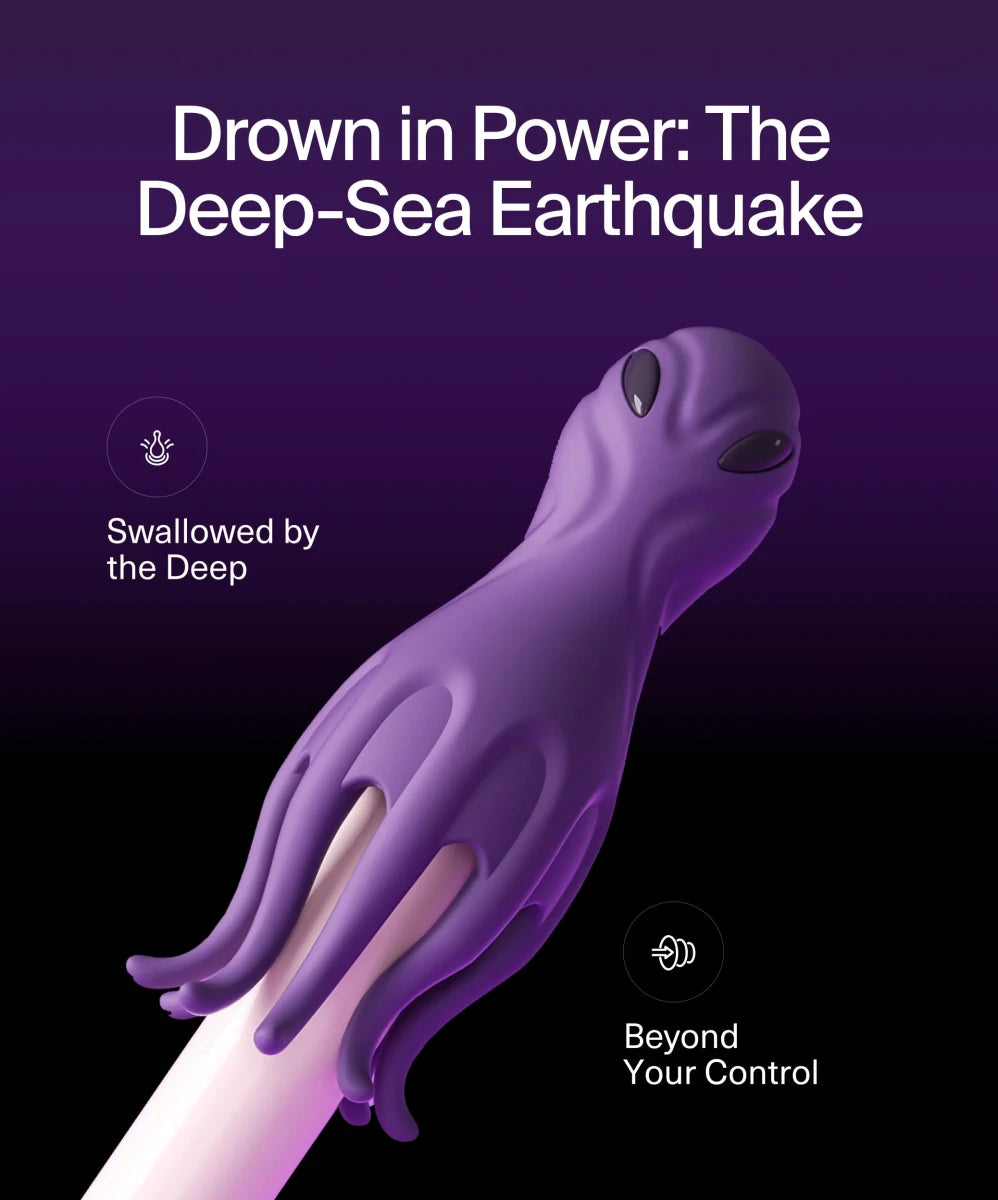
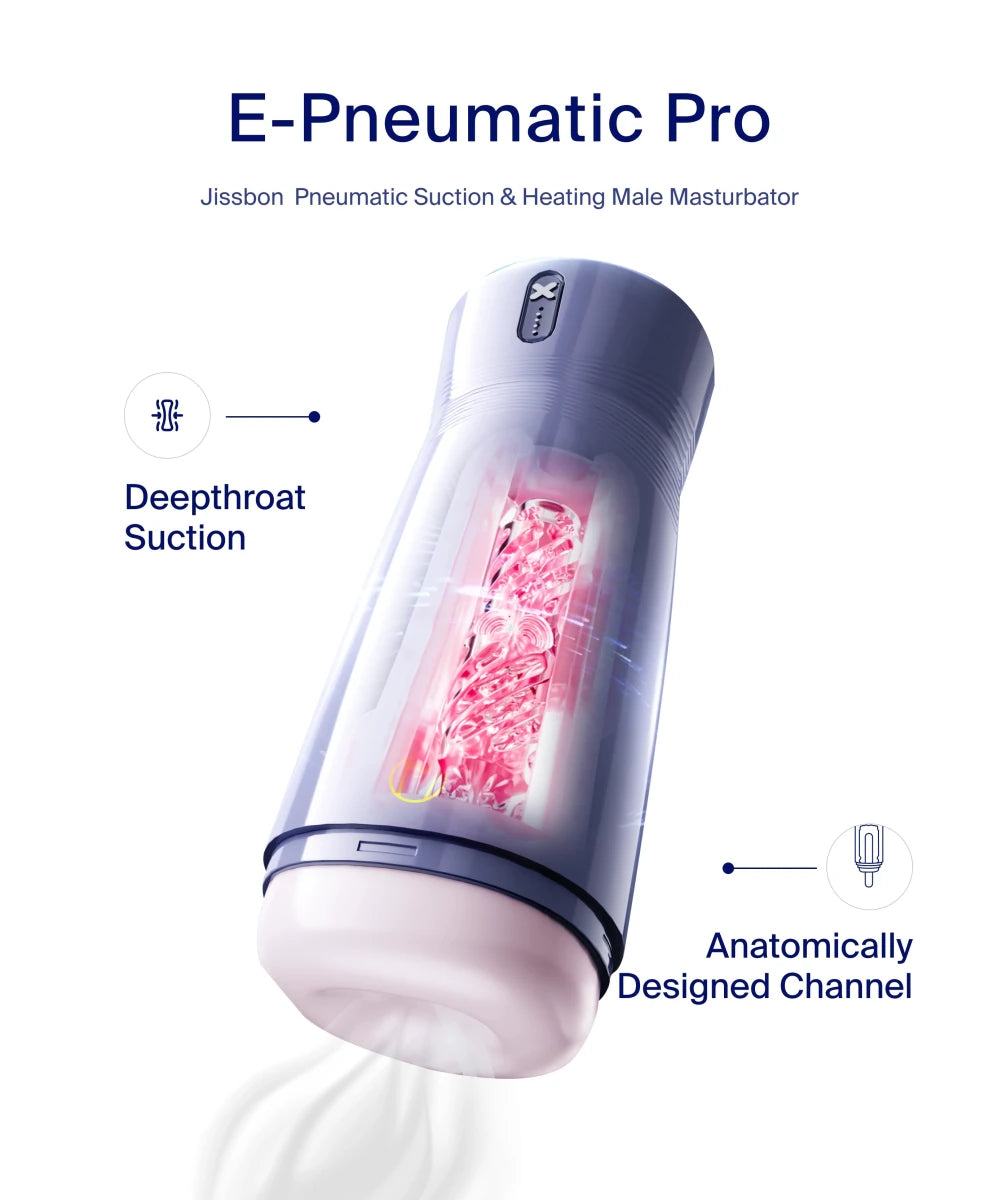
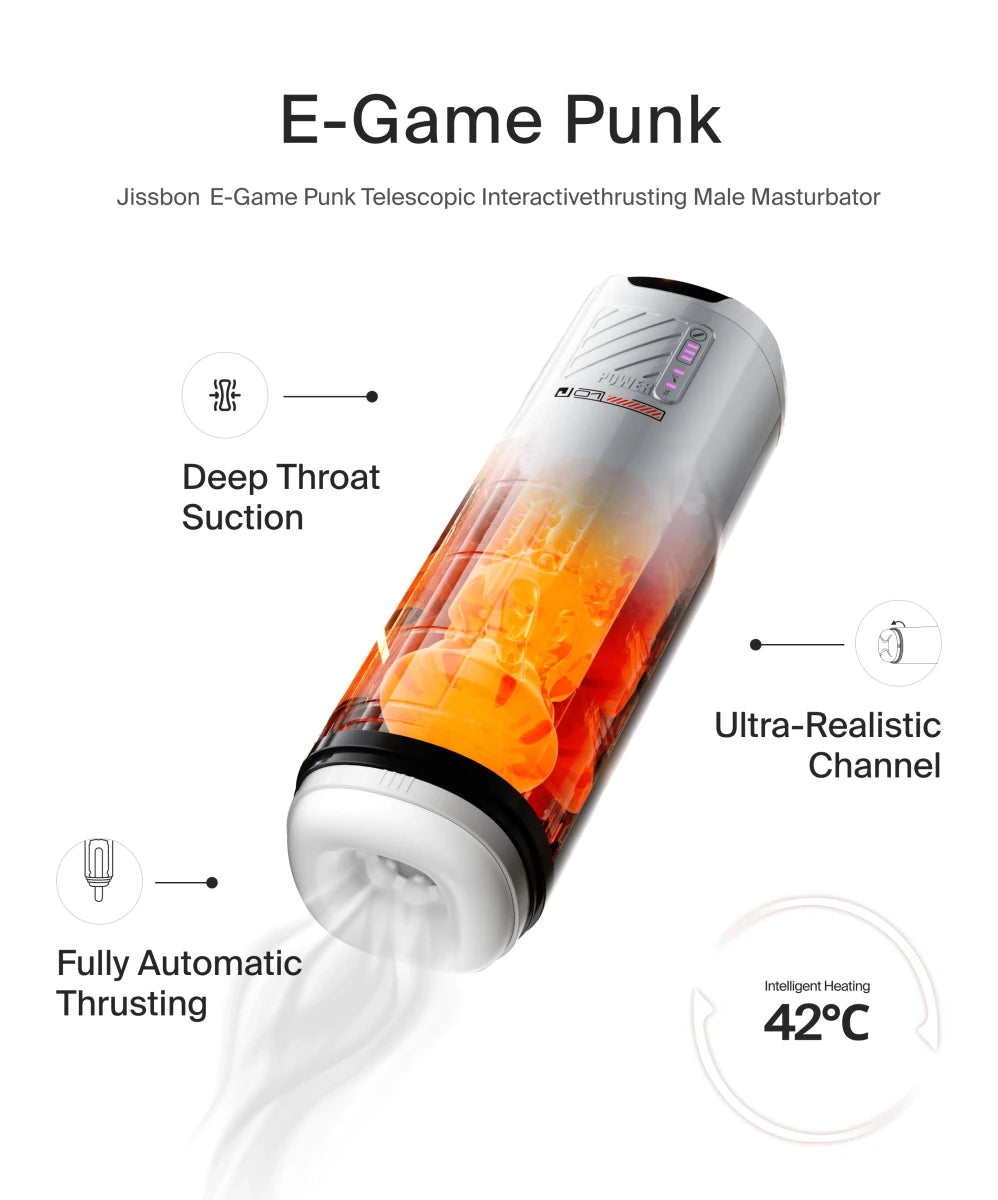
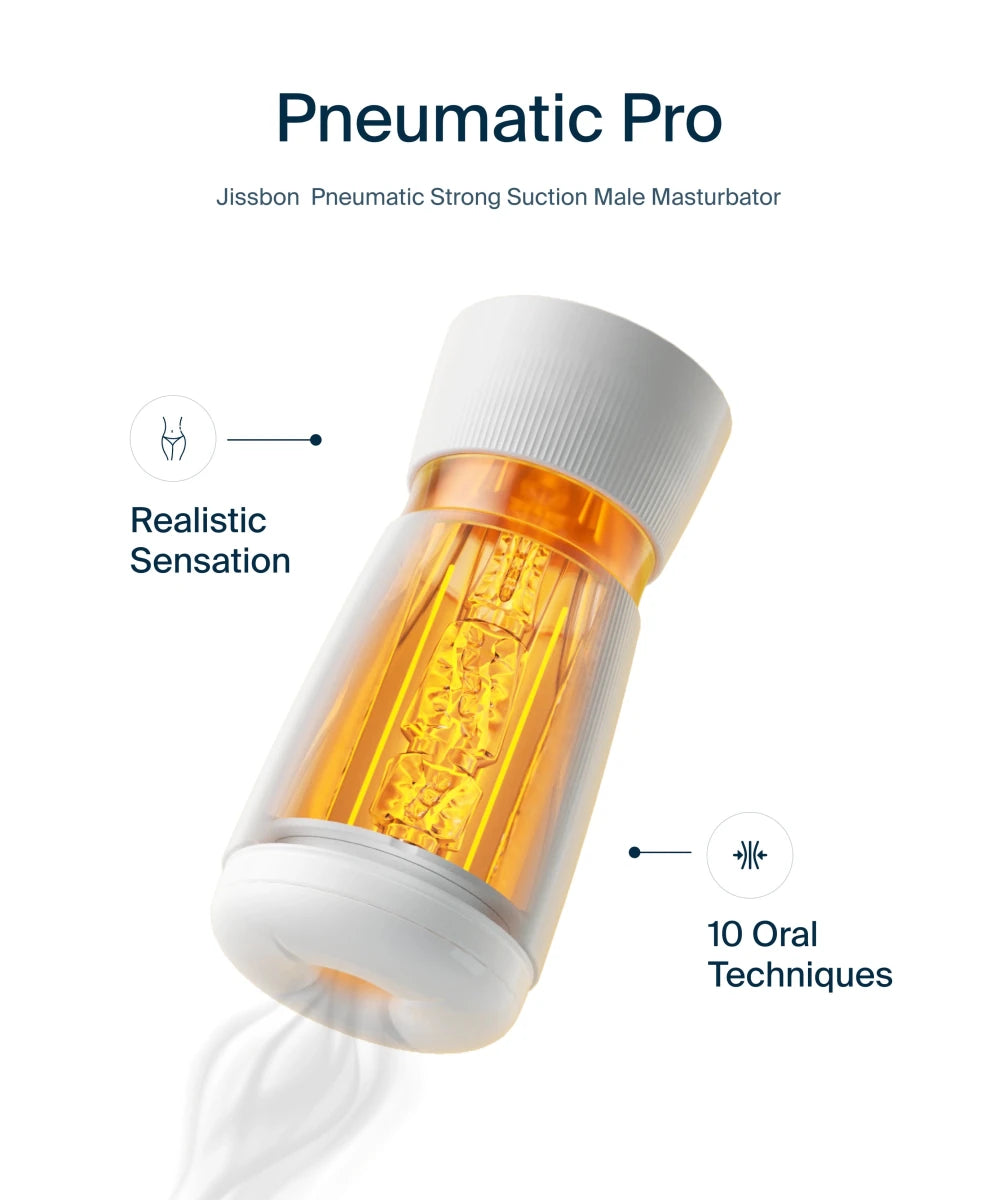
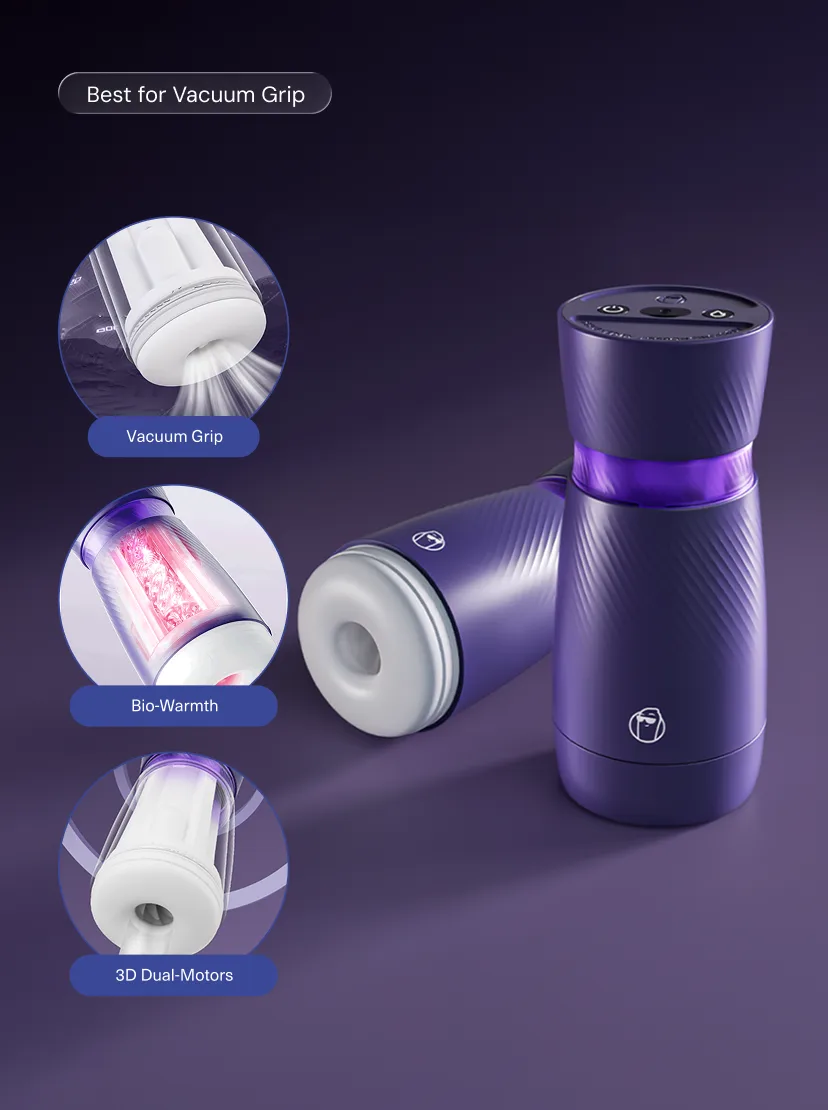
For male wellness products designed for comfortable experiences, explore male masturbators supporting healthy self-exploration.
Frequently Asked Questions
What does "jerking off" literally mean?
"Jerking off" is slang for male masturbationmanually stimulating your own penis for sexual pleasure, typically to orgasm. The term comes from the "jerk" motion (quick pulling movement) describing the up-and-down hand motion during penile stroking. It's informal, somewhat vulgar language used in casual conversation but inappropriate for medical or professional contexts where "masturbation" is the preferred term.
Is it normal to jerk off every day?
Yes, daily masturbation is completely normal and safe for most people. Frequency varies enormouslysome masturbate multiple times daily, others weekly or monthly. All are normal. Masturbation only becomes concerning if it interferes with daily responsibilities, causes physical injury from excessive force, or creates significant distress. Otherwise, daily practice is perfectly healthy and common, especially during teens and twenties.
Does jerking off have health benefits?
Yes, research documents multiple benefits: stress reduction through endorphin and oxytocin release, improved sleep quality from post-orgasm relaxation, potential prostate health benefits from regular ejaculation, natural pain relief for headaches and tension, improved mood through dopamine release, and maintained sexual function.
Can you jerk off too much?
There's no medically defined "too much." Frequency concerns only arise when masturbation interferes with work, school, relationships, or daily life, causes physical injury or persistent soreness, or feels compulsive despite attempts to reduce it. For most people, even daily masturbation causes no problems. If you experience negative consequences or feel unable to control the behavior, consult a healthcare provider or therapist for personalized guidance.
Is jerking off the same as sex?
No, they serve different purposes and provide different experiences. Masturbation is self-stimulation offering complete control, no partner needed, quick stress relief, and body exploration. Partnered sex involves emotional connection, communication, compromise, and intimacy beyond physical sensation.
Why is it called "jerking off" instead of masturbation?
"Jerking off" is informal slang that emerged in early 1900s American English, derived from the "jerk" motion (sharp, pulling movement) describing the hand action during penile stroking. Slang develops because people prefer casual, relatable language in everyday conversation over formal medical terms.
Final Thoughts
"Jerking off" is widely understood slang for male masturbationa normal, healthy sexual behavior practiced by most people at various points throughout their lives. Understanding both casual and clinical terminology helps you navigate sexual health information, communicate comfortably in appropriate contexts, and recognize that masturbation is a natural part of human sexuality deserving accurate, shame-free information.
Whether you call it jerking off, masturbation, or self-pleasure, the practice supports physical health, mental well being, and sexual self-awareness when approached without guilt or misinformation. Ready to explore products designed for comfortable, satisfying experiences? Discover our collection of sex toys for men supporting healthy sexual wellness.


Looking for something else?

Sex Positions from Behind: 8 Beyond Doggy Style
LEARN MORE
What Does a Vulva Taste Like? Facts & Myths Explained
LEARN MORE
Straddle Sex Position: 7 Variations & Tips
LEARN MORE
Mistress Slave Relationship in BDSM: Complete Guide
LEARN MORELooking for something else?

Sensual Domination: Guide to Affectionate Power Play
LEARN MORE
Best Prostate Massager for Beginners: Complete Guide
LEARN MORE
Dominant Sex Positions: 8 Power Positions & Tips
LEARN MOREYou may also like
20% off

20% off

20% off

20% off

20% off

20% off

Further reading
Automatic Male Masturbator vs Manual Stroker: Which Should You Buy?
11 Best Automatic Blowjob Machines for Men in 2026

Understanding Smoking Fetish: The Erotic Appeal of Cigarettes