


















































What Does a Vulva Taste Like? Facts & Myths Explained
Stack & Save: Extra 15% with Jissbon15
Jissbon15
Curious about what a vulva tastes like? You're not alone. Many people wonder about the natural taste and smell of vulvas before giving or receiving oral sex. The short answer: healthy vulvas taste slightly salty, musky, or tangy—but everyone's flavor is unique and influenced by diet, hormones, and hygiene.
This guide explains what affects vulva taste, why flavor varies from person to person, what's normal versus what might signal an issue, and how to maintain healthy vaginal pH. We'll also cover common myths about taste, tips for enjoyable oral sex, and when to consult a healthcare provider.
Who Benefits from Understanding Vulva Taste

This information is helpful for:
- People preparing to give oral sex – Knowing what to expect reduces anxiety and builds confidence.
- Vulva owners curious about their own bodies – Understanding what's normal helps identify changes that may need attention.
- Partners wanting to improve intimacy – Open communication about taste preferences enhances connection.
- Anyone experiencing taste or smell changes – Learning what's normal helps determine when to see a doctor.
- People exploring sexual wellness – Understanding natural body variations promotes body positivity.
The key is recognizing that vulvas aren't supposed to taste like fruit or candy—they taste like healthy human bodies.
What Does a Healthy Vulva Taste Like?

A healthy vulva has a mild, natural taste that most people describe as:
Common Flavor Descriptors
- Slightly salty – Similar to mild sweat or skin.
- Musky or earthy – A natural, skin-like flavor.
- Tangy or acidic – Due to healthy vaginal pH (3.8–4.5).
- Metallic – Especially around menstruation due to trace amounts of blood.
- Subtly sweet or bitter – Varies based on diet and hormones.
The vulva includes the outer labia, inner labia, clitoris, and vaginal opening. Each area may have slightly different tastes due to gland secretions and natural lubrication.
Why Taste Varies
No two vulvas taste exactly the same. Factors that influence flavor include:
- Menstrual cycle phase – Hormones change throughout the month.
- Diet – What you eat affects bodily secretions.
- Hydration – Dehydration concentrates flavors.
- Time since bathing – Natural oils and sweat accumulate.
- Arousal level – Vaginal lubrication during arousal has its own mild taste.
- Individual body chemistry – Everyone's microbiome is unique.
What Affects Vulva Taste? Diet, Hygiene & Health
Several controllable and uncontrollable factors influence taste and smell.
Diet & Hydration
What you eat and drink can subtly alter taste:
|
Food/Drink |
Effect on Taste |
|
Water |
Keeps secretions mild and balanced |
|
Citrus fruits |
May add slight sweetness or tanginess |
|
Pineapple, mango |
Commonly believed to sweeten taste (limited scientific evidence) |
|
Coffee, alcohol |
Can make taste more bitter or strong |
|
Garlic, onions |
May intensify musky or pungent notes |
|
Red meat |
Can make taste stronger or saltier |
|
Asparagus |
May affect urine smell more than vulva taste |
Note: While diet has some effect, it's subtle. Don't expect dramatic changes from eating pineapple once.
Menstrual Cycle Phase
Hormones shift throughout the month, affecting lubrication and pH:
- Follicular phase (after period) – Often milder taste, less discharge.
- Ovulation – Increased clear, slippery discharge (cervical mucus).
- Luteal phase (before period) – Thicker discharge, possibly stronger taste.
- Menstruation – Metallic taste due to blood; some people avoid oral sex during this time.
Hygiene Practices
Over-washing or using harsh products disrupts natural pH balance.
Best practices:
- Wash external vulva with warm water only – Soap can irritate and alter pH.
- Avoid douching – Removes healthy bacteria and increases infection risk.
- Wear breathable cotton underwear – Reduces moisture and bacteria buildup.
- Change out of sweaty clothes – Especially after exercise.
Important: The vagina is self-cleaning. Internal washing is unnecessary and harmful.
For more on vaginal hygiene, see Planned Parenthood's guide to vulva care.
Health Conditions
Certain infections or imbalances change taste and smell noticeably:
- Bacterial vaginosis (BV) – Fishy odor, gray discharge.
- Yeast infections – Thick, cottage cheese-like discharge, little to no odor.
- Trichomoniasis – Strong, foul smell, frothy discharge.
- STIs – Some infections cause unusual discharge or odor.
If taste or smell suddenly changes significantly, especially with itching, burning, or unusual discharge, see a healthcare provider.
Common Myths About Vulva Taste

Let's debunk some widespread misconceptions:
Myth 1: "Vulvas should taste sweet or like fruit."
Reality: Healthy vulvas taste like human bodies—slightly salty, musky, or tangy. They're not meant to taste like strawberries or candy. This expectation comes from misinformation and unrealistic media portrayals.
Myth 2: "Eating pineapple makes you taste better."
Reality: While diet has some effect, the impact of pineapple is minimal and temporary. Staying hydrated and eating a balanced diet has more overall effect than any single food.
Myth 3: "Strong taste means poor hygiene."
Reality: Natural musk is normal, especially if it's been hours since bathing or if someone is aroused. Strong taste doesn't automatically indicate uncleanliness—it's often just natural body chemistry.
Myth 4: "You should douche to improve taste."
Reality: Douching disrupts healthy vaginal flora, increases infection risk, and can make taste worse. The vagina maintains its own pH balance naturally.
Myth 5: "All vulvas taste the same."
Reality: Everyone has unique body chemistry, diet, and hormones. Taste varies significantly from person to person and day to day.
Tips for Enjoyable Oral Sex

Whether giving or receiving, these tips enhance the experience:
For People Giving Oral Sex
Set realistic expectations:
- Expect a natural, human taste—not fruit or candy.
- Recognize that taste changes throughout the day and month.
- Communicate with your partner about preferences.
Enhance comfort:
- Shower together beforehand – Makes both partners feel fresh and builds intimacy.
- Use flavored lubricant – If you genuinely dislike natural taste, water-based flavored lubes add sweetness without disrupting pH.
- Try different positions – Some angles provide better access and comfort.
- Take breaks – Oral sex doesn't need to be continuous.
Technique tips:
- Start gently with broad tongue strokes.
- Pay attention to partner's reactions (breathing, moaning, body movement).
- Focus on the clitoris and surrounding area.
- Vary speed, pressure, and patterns.
For People Receiving Oral Sex
Preparation:
- Shower within a few hours if you feel more comfortable.
- Trim pubic hair if desired (not required—personal preference).
- Urinate before oral sex to empty bladder.
During:
- Communicate what feels good: "A little higher," "Softer," "That's perfect."
- Let go of anxiety about taste—most partners enjoy giving oral sex and don't mind natural flavor.
- Focus on pleasure rather than worrying about how you taste.
Enhance intimacy with sex toys for couples designed to complement oral play.
When Taste or Smell Indicates a Problem
While natural variations are normal, sudden or dramatic changes may signal infection or imbalance.
See a Doctor If You Notice:
- Fishy odor – Especially after sex; common sign of bacterial vaginosis.
- Strong, foul smell – Different from natural musk; may indicate infection.
- Thick, white, cottage cheese-like discharge – Classic yeast infection symptom.
- Green, yellow, or gray discharge – Possible bacterial infection or STI.
- Itching, burning, or pain – Especially during urination or sex.
- Sudden taste change – If taste becomes extremely bitter, sour, or unpleasant without clear cause.
Don't self-diagnose. Many infections have overlapping symptoms. A healthcare provider can test and prescribe appropriate treatment.
How to Maintain Healthy Vaginal pH

A balanced pH (3.8–4.5) keeps infections at bay and maintains normal taste.
Do:
- Use water only for external cleaning – Or very mild, fragrance-free soap on the outer vulva only.
- Wear cotton underwear – Allows airflow and reduces moisture.
- Change tampons/pads regularly – Every 4–8 hours during menstruation.
- Stay hydrated – Drink plenty of water throughout the day.
- Eat probiotic-rich foods – Yogurt, kefir, sauerkraut support healthy bacteria.
- Urinate after sex – Reduces UTI risk.
Don't:
- Douche – Removes healthy bacteria and disrupts pH.
- Use scented products near the vulva – Sprays, powders, and scented wipes cause irritation.
- Wear tight, non-breathable clothing constantly – Especially synthetic fabrics.
- Leave wet swimsuits or workout clothes on – Change promptly after swimming or exercising.
Explore wellness products at Jissbon for body-safe intimate care.
Communicating About Taste with Partners
Open communication prevents misunderstandings and builds intimacy.
How to Bring It Up
If you're giving oral sex and notice a concern:
- Approach gently: "I noticed something different. Have you felt any discomfort lately?"
- Don't shame: Avoid "You taste bad" or "Something's wrong with you."
- Offer to shower together: "Want to take a quick shower before we continue?"
If you're receiving and feel self-conscious:
- Ask for reassurance: "Does everything seem okay to you?"
- Suggest a pre-sex shower: "Let's rinse off together first."
- Discuss preferences: "Would you prefer if I used flavored lube?"
If someone makes rude comments:
- Set boundaries: "That's hurtful. My body is healthy and normal."
- Educate: "Vulvas aren't supposed to taste like candy."
- Reconsider the relationship: Partners should respect your body.
Frequently Asked Questions
What does a vulva normally taste like?
A healthy vulva tastes slightly salty, musky, or tangy—similar to mild sweat or skin. The exact flavor varies from person to person based on diet, hydration, hormones, and individual body chemistry. Expect a natural human taste, not fruit or candy.
Does eating pineapple really make you taste better?
The effect of pineapple on taste is minimal and temporary. While diet has some influence on bodily secretions, no single food dramatically changes taste. Staying hydrated, eating a balanced diet, and maintaining good hygiene have more overall impact.
What does an unhealthy vulva taste like?
Infections typically cause noticeable smell changes rather than taste changes. Bacterial vaginosis creates a fishy odor, while yeast infections produce thick discharge with little smell. If you notice sudden, dramatic changes in taste accompanied by itching, burning, or unusual discharge, see a healthcare provider.
How can I make my vulva taste better?
Focus on overall health: stay hydrated, eat a balanced diet, avoid douching, wear breathable underwear, and practice gentle hygiene with water only. Don't use perfumed products or douches—these disrupt natural pH and can make taste worse.
Is it normal for taste to change throughout the month?
Yes, hormonal fluctuations during your menstrual cycle affect vaginal discharge and pH, which can alter taste. Taste may be milder after your period, stronger before it, and slightly metallic during menstruation. These variations are completely normal.
Should I be embarrassed about how I taste?
No. Vulvas have a natural taste that varies from person to person. Anyone engaging in oral sex should expect and accept natural human flavor. If a partner shames you about your taste, that's a reflection of their ignorance—not a problem with your body.
Conclusion
Understanding what a vulva tastes like helps set realistic expectations, reduces anxiety, and promotes body positivity. Natural variations in taste and smell are normal, influenced by diet, hormones, hygiene, and individual chemistry. Focus on overall health, open communication, and mutual respect rather than trying to taste like something you're not.
Ready to enhance your intimate experiences? Explore our curated collection of sex toys for couples designed to complement oral play and deepen connection.


Looking for something else?

How to Use a Dildo for Beginners: Complete Guide
LEARN MORE
The Hanging Garden Sex Position: Complete Guide & Tips
LEARN MORE
What Is Breast Bondage? Safe Guide to Breast BDSM
LEARN MORE
Do Women Like Dildos? Preferences, Stats & What to Know
LEARN MORELooking for something else?

Oral Sex 101: How to Give Great Oral for Beginners
LEARN MORE
Prostate Milking Guide: How to Stimulate the P-Spot Safely
LEARN MORE
Breast Sex Positions: Complete Guide to Intimate Play
LEARN MOREYou may also like
20% off

20% off

20% off

20% off

20% off

20% off

Further reading
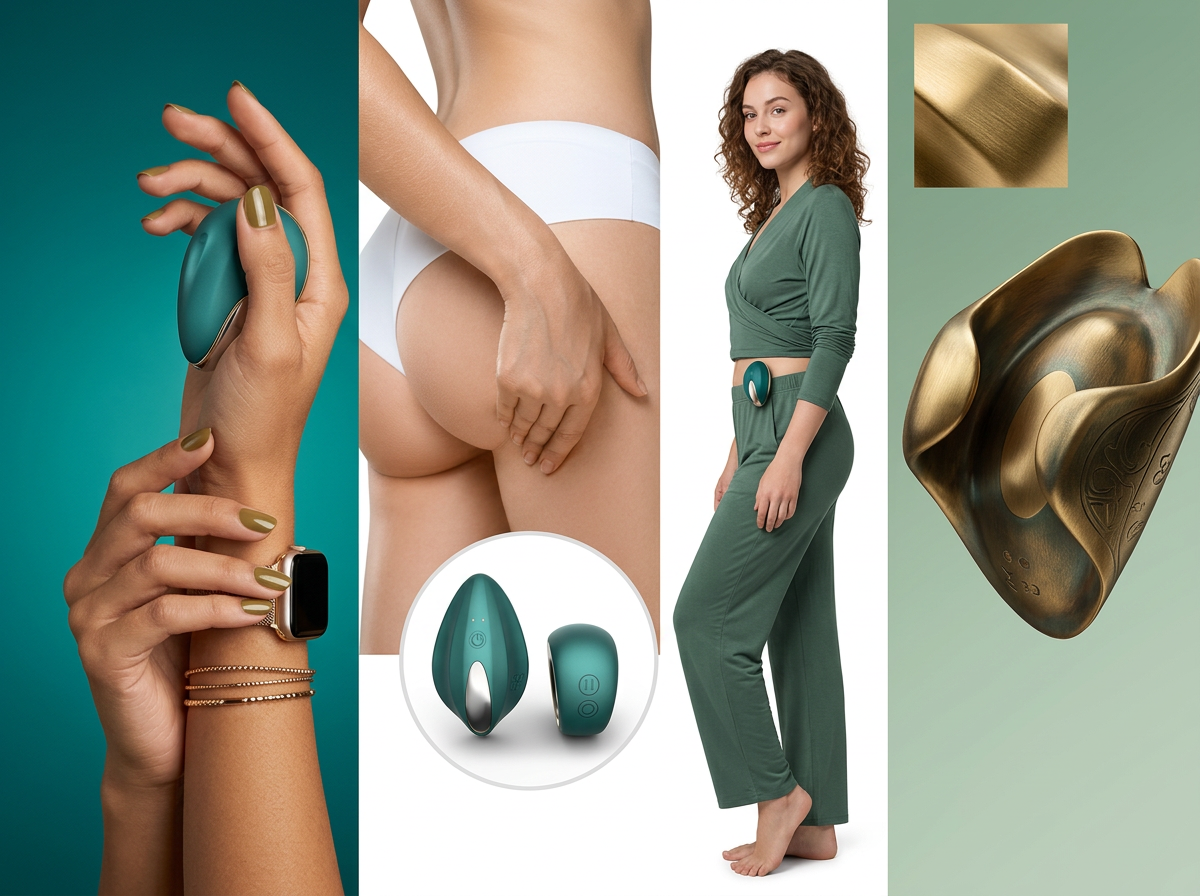
Wearable vs Handheld Vibrator: Comfort, Control and Real-World Use
Waterproof Vibrators: What IPX Ratings and “Water-Resistant” Really Mean
First Time Using a Vibrator: What to Choose and What to Expect