
















































What Is an Orgasm: Complete Guide to Pleasure & Types
Stack & Save: Extra 15% with Jissbon15
Jissbon15
An orgasm is the peak of sexual arousal—an intense release of built-up tension characterized by rhythmic muscle contractions, waves of pleasure, and a euphoric sensation. It involves physical, emotional, and neurological responses that vary significantly between individuals and even between experiences for the same person.
Whether you're curious about different orgasm types, wondering why experiences vary so much, or seeking to understand your own body better, this guide breaks down the science, sensations, and diverse ways people experience climax. From clitoral to prostate to rarely-discussed variations, we'll explore what makes each unique.
What Is an Orgasm?
An orgasm is the peak of sexual arousal — a short, involuntary release of built-up tension marked by intense pleasure, pelvic muscle contractions, increased heart rate, and a wave-like neurological release.
It typically lasts a few seconds, though some people experience longer or repeated peaks.
During orgasm, the body experiences:
- rhythmic pelvic contractions
- rapid breathing
- a surge of dopamine, oxytocin, and endorphins
- a sudden release of sexual tension
The Four Stages of the Sexual Response Cycle
- increased blood flow to genitals
- lubrication (vulva owners)
- erection (penis owners)
- elevated heart rate and sensitivity
Plateau
- intensified arousal
- muscle tension
- “the edge” or pre-orgasmic build-up
- heightened sensitivity
Orgasm
- involuntary rhythmic contractions
- sudden peak of pleasure
- ejaculation (often but not always for penis owners)
- neurochemical release
Resolution
- tension fades
- warm relaxation
- refractory period for penis owners
How Orgasms Feel: Penis Owners vs Vulva Owners
People With Vulvas
Common sensations:
- increasing pressure inside pelvis
- clitoral tingling that becomes overwhelming
- waves radiating through stomach, thighs, or back
- rhythmic internal contractions
- warmth or release, sometimes emotional
Orgasm may be:
Refractory period: often very short or nonexistent, allowing multiple orgasms.
People With Penises
Common sensations:
- tightness and throbbing in penis
- pelvic pressure that becomes “unstoppable”
- rhythmic contractions that expel semen
- intense but short peak
Understanding the Physical Experience
Orgasms involve coordinated responses across multiple body systems working together.
What Happens During Orgasm
According to research on sexual response, orgasms involve sudden release of accumulated sexual excitement through the sexual response cycle, creating intense pleasure and rhythmic involuntary muscular contractions in the pelvic region.
Your heart rate increases (sometimes to 150+ beats per minute), blood pressure rises, breathing quickens, and muscles throughout your body—not just genitals—may contract. Blood that engorged genital tissues during arousal releases rapidly, creating the pulsing sensation.
The brain releases a flood of neurochemicals: dopamine (pleasure and reward), oxytocin (bonding and relaxation), endorphins (natural pain relief), and prolactin (satisfaction and sleepiness). This chemical cocktail explains why orgasms feel so good and why many people feel deeply relaxed afterward.
Duration & Intensity
Orgasms typically last between 10-60 seconds, though this varies considerably. Female orgasms average 20-35 seconds, while male orgasms average slightly shorter. Some people report extended orgasms lasting several minutes, though these are less common.
Intensity varies dramatically based on arousal level, physical health, emotional state, stress, and stimulation type. The same person might experience a subtle, brief release one time and an intense, full-body experience another time.
Muscle Contractions
Rhythmic contractions occur approximately once per second. For people with vaginas, contractions happen in the vagina, uterus, and pelvic floor. For people with penises, contractions occur at the base of the penis and throughout the urethra, usually accompanied by ejaculation.
These aren't consciously controlled—they're involuntary responses managed by the autonomic nervous system.
How Orgasm Feels: Personal Descriptions

Sensation is subjective and difficult to capture in words, but patterns emerge.
Common Descriptions Include:
- Building pressure or tension that suddenly releases
- Waves or pulses radiating from genitals outward through the body
- Intense tingling or electric sensations
- Loss of awareness of surroundings (mental transcendence)
- Muscle spasms or involuntary movements
- Overwhelming pleasure that borders on too intense
- Complete relaxation and release after the peak
Individual Variation
Research indicates that written descriptions of male versus female orgasm experiences show more similarities than differences—so much so that independent raters couldn't consistently distinguish between them. This suggests orgasm sensation has more universal qualities than gender-specific ones.
However, everyone's nervous system and past experiences shape perception uniquely. What feels like fireworks to one person might feel like warm honey to another. Both are valid orgasmic experiences.
Female Orgasm: Types & Pathways

People with vulvas can experience orgasms through various stimulation methods.
Clitoral Orgasm
What It Is: Stimulation of the external clitoris—the small, highly sensitive structure at the top of the vulva where the inner labia meet. The clitoris contains approximately 8,000 nerve endings, more than any other body part.
How It Feels: Often described as sharp, intense, and localized initially, then radiating outward in waves. Many people report these feel more "surface level" compared to vaginal orgasms—tingling across skin rather than deep internal sensations.
Statistics: General statistics indicate 70-80% of women require direct clitoral stimulation to achieve orgasm Wikipedia. This makes clitoral orgasms the most common and reliable pathway for most people with vulvas.
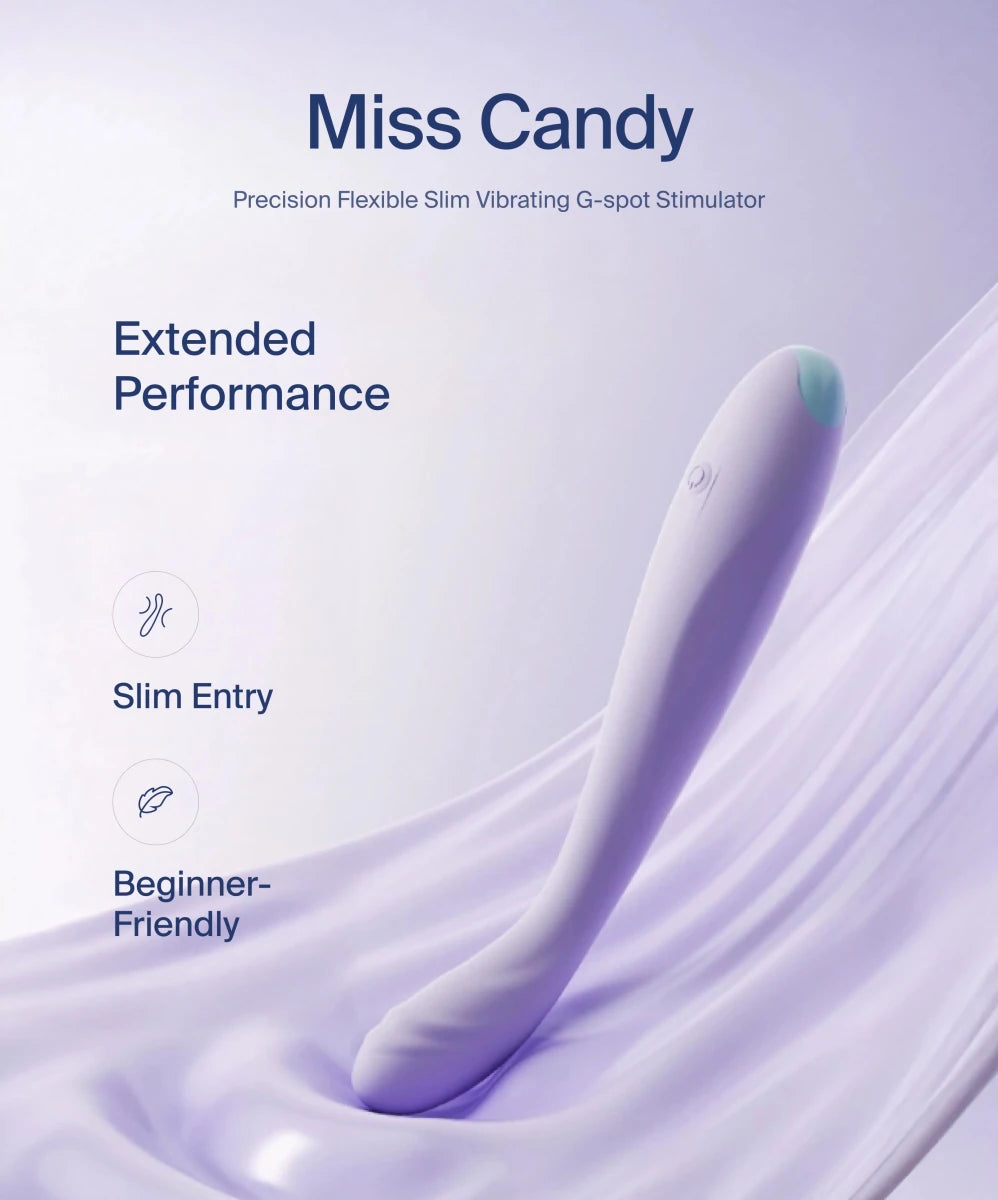
Achieving It: Direct stimulation through fingers, tongue, or vibrators works best. Clitoral vibrators designed specifically for this anatomy provide focused, consistent stimulation that many find effective.
Vaginal Orgasm
What It Is: Orgasm achieved through penetration and stimulation of the vaginal walls, particularly the anterior (front) wall where the internal clitoris and G-spot sit.
How It Feels: Typically described as deeper, fuller, and more diffuse than clitoral orgasms. Some describe a feeling of release or "opening" internally. Others note a building fullness that eventually bursts.
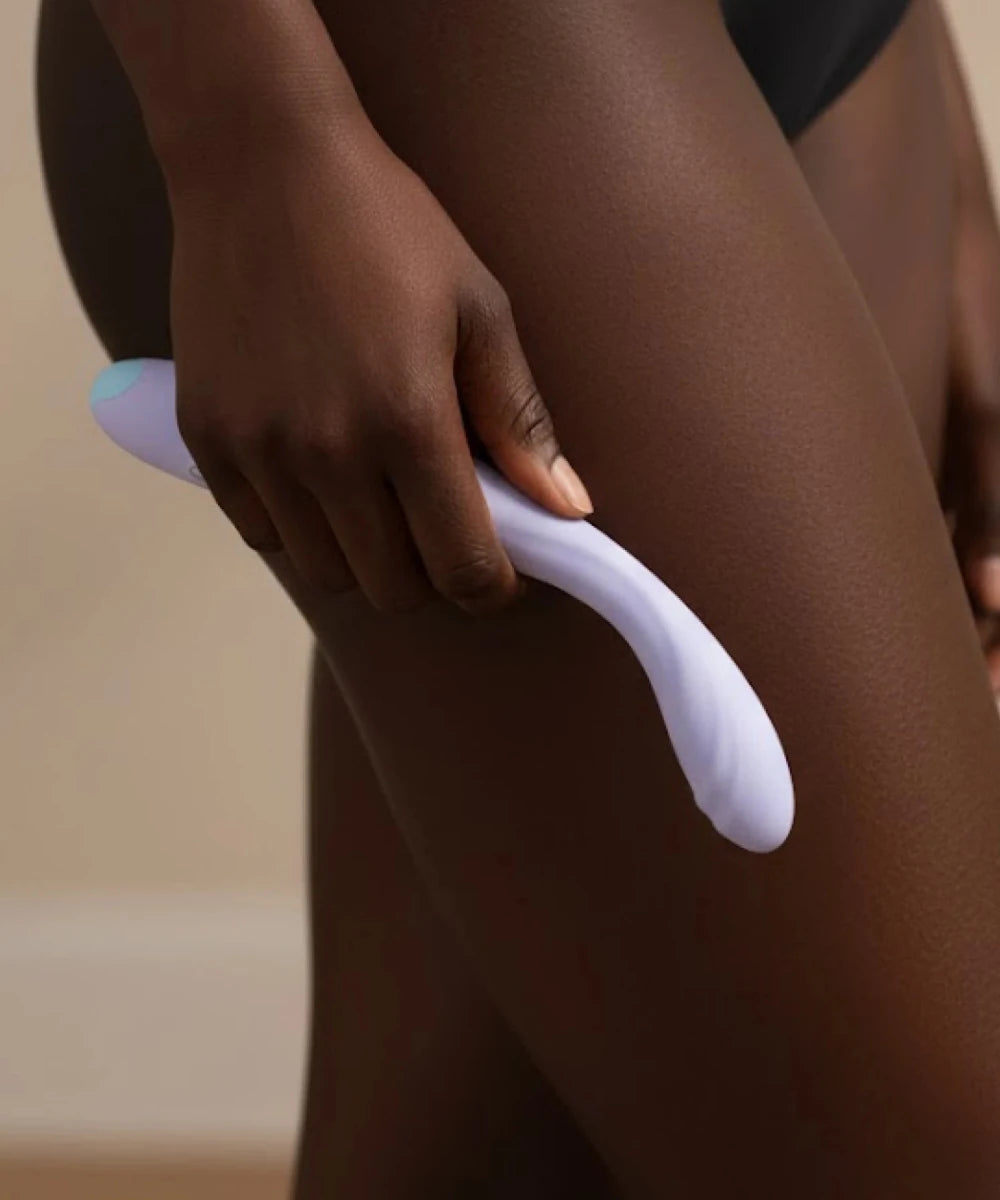
Achieving It: Penetration with fingers, penis, or toys at angles that stimulate the front vaginal wall. Positions matter—some angles press against sensitive areas better than others. G-spot vibrators with curved tips target this area specifically.
Blended Orgasm
What It Is: Simultaneous stimulation of the clitoris and vagina, creating orgasm from both pathways at once.
How It Feels: Often reported as more intense than either type alone—combining the sharp intensity of clitoral stimulation with the deep fullness of vaginal orgasm. Many describe these as the most powerful experiences.
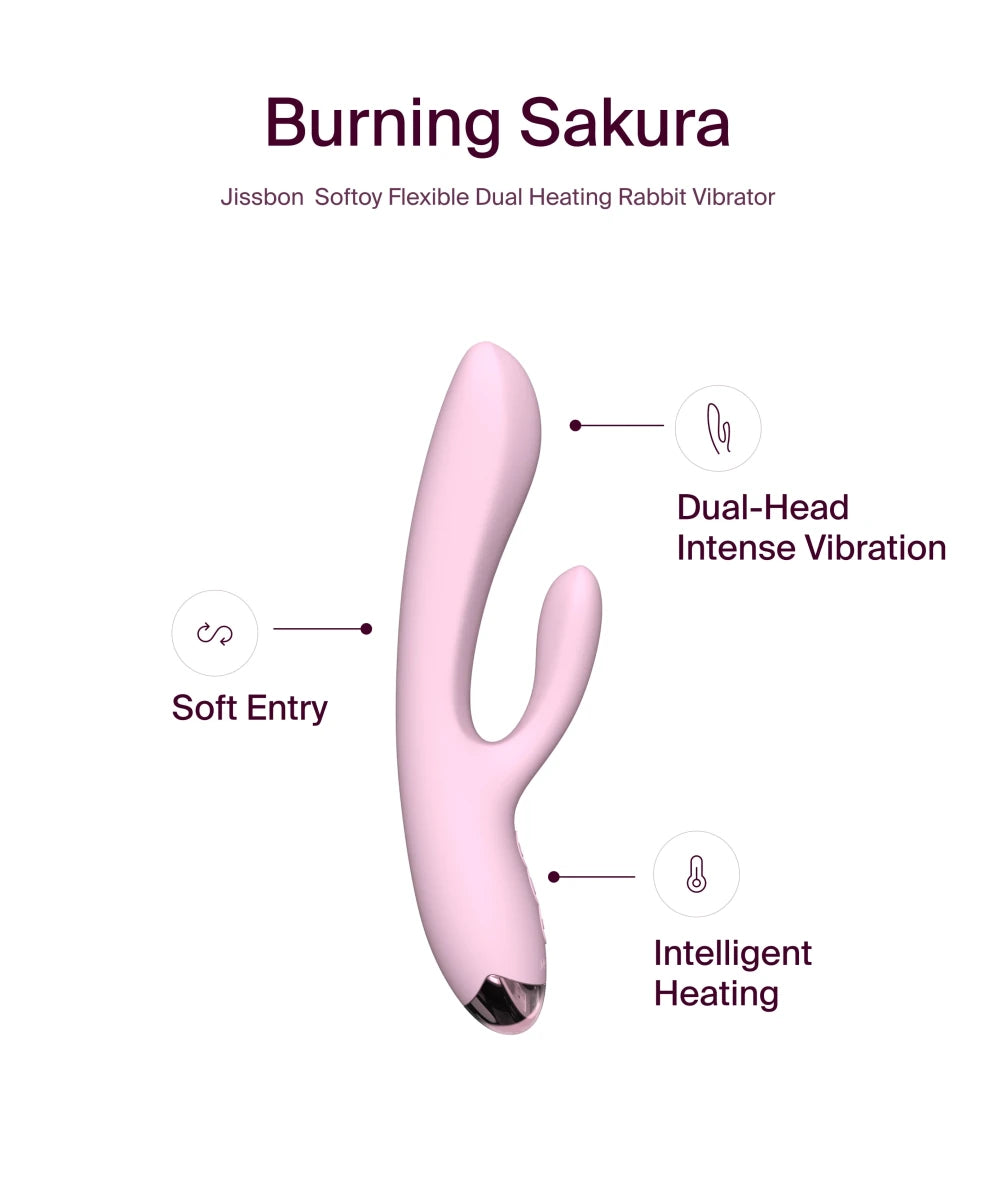
Achieving It: Rabbit vibrators excel at this, with dual stimulation designs. Manual combination of external touch with penetration works well. Certain positions during partnered sex allow hand or toy access to the clitoris during penetration.
Other Pathways
Anal Orgasm: Stimulation of the highly nerve-dense anal area and rectum can produce orgasms, especially when combined with other stimulation. The pudendal nerve that serves genital sensation also innervates anal tissue.
Nipple Orgasm: While rare, some people can orgasm from breast and nipple stimulation alone. The sensory cortex areas that process nipple and genital sensation sit adjacent to each other in the brain, potentially explaining the connection.
Mental/Spontaneous: Some people achieve orgasm without physical touch—from erotic thoughts, dreams, or specific breathing techniques. Those with spinal cord injuries have reported orgasms achieved through mental focus alone.
Male Orgasm: Beyond the Basics

For people with penises, orgasm and ejaculation usually coincide but are actually separate processes.
Standard Penile Orgasm
What Happens: Stimulation of the penis—particularly the glans (head) and frenulum (underside ridge)—builds arousal until threshold is reached. Orgasm triggers ejaculation in most cases: rhythmic contractions of the prostate, seminal vesicles, and vas deferens propel semen through the urethra.
How It Feels: Intense concentrated pleasure in the penis and pelvic region, with pressure building until sudden release. Many describe a feeling of inevitability seconds before orgasm when it becomes unstoppable.
Refractory Period: After ejaculation, most people with penises experience a refractory period—minutes to hours where further arousal and orgasm are difficult or impossible. This recovery time increases with age.
Prostate Orgasm
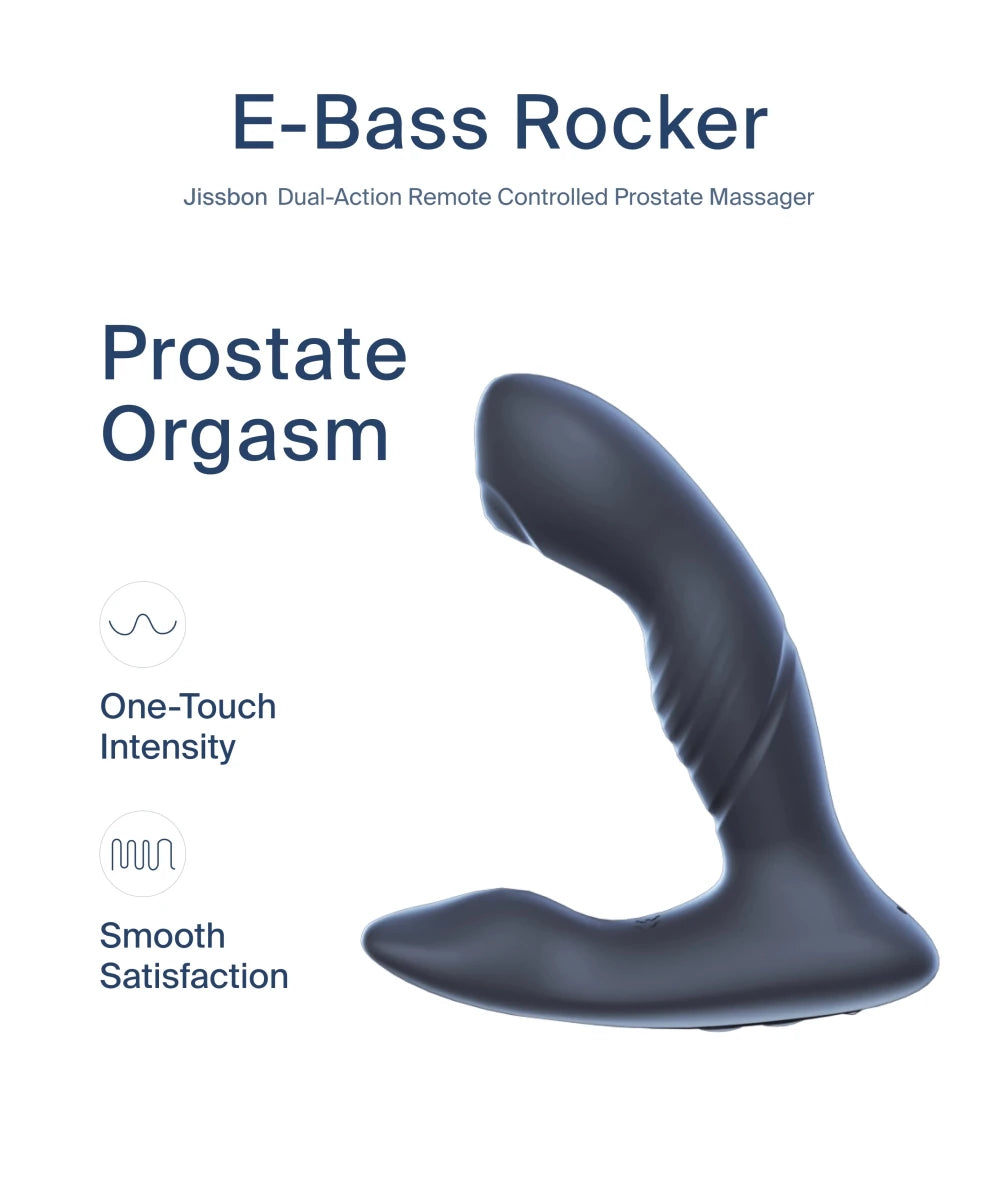
What It Is: Stimulation of the prostate gland (located 2-3 inches inside the rectum toward the belly) creates distinct orgasmic sensations separate from penile stimulation.
How It Feels: Described as deeper, more intense, and longer-lasting than standard orgasms. Some report full-body waves and multiple consecutive orgasms without refractory periods. The sensation radiates throughout the pelvis rather than concentrating in the penis.
Achieving It: Internal anal stimulation with fingers or prostate massagers angled toward the front rectal wall. Curved toys designed for this purpose simplify the process. External pressure on the perineum (space between scrotum and anus) can also stimulate the prostate indirectly.
Dry Orgasm
What It Is: Experiencing full orgasmic sensation without ejaculation. This can be learned through technique or occurs naturally in certain circumstances.
When It Happens:
- After multiple orgasms when semen reserves are temporarily depleted
- Through retrograde ejaculation (semen enters bladder instead of exiting)
- Via specific muscle control techniques practiced in tantric traditions
- After certain surgeries or with some medications
Benefits: Separation of orgasm from ejaculation can allow multiple orgasms without refractory periods. Some people prefer the sensation; others miss the ejaculatory component.
Ruined Orgasm
What It Is: Stimulation stops right at the moment of orgasmic inevitability, causing ejaculation but without the pleasurable release sensation. The physical response happens but the mental/pleasure component is dramatically reduced.
Context: Sometimes accidental (poorly timed interruption), but also used intentionally in certain dominant/submissive dynamics. The physical relief without accompanying pleasure creates frustration some find appealing in controlled contexts.
Factors Affecting Orgasm Experience
Many variables influence whether, how easily, and how intensely orgasms occur.
|
Factor |
Impact on Orgasm |
Modification Strategies |
|
Stress & Anxiety |
Significantly reduces ability to orgasm |
Relaxation techniques, addressing underlying concerns |
|
Medication |
SSRIs, some blood pressure meds reduce orgasm |
Discuss alternatives with doctor; timing adjustments |
|
Physical Health |
Diabetes, cardiovascular issues affect blood flow |
Medical treatment of underlying conditions |
|
Relationship Quality |
Poor communication reduces satisfaction |
Couples therapy, open dialogue about needs |
|
Body Image |
Self-consciousness interferes with arousal |
Self-compassion work, affirming environments |
|
Fatigue |
Exhaustion decreases arousal capacity |
Prioritize energy; schedule sex when rested |
|
Alcohol/Substances |
Can inhibit orgasm or ejaculation |
Moderation; awareness of personal thresholds |
Psychological Components
Your mental state dramatically affects physical response. Worry, distraction, performance pressure, or trauma history can prevent orgasm even with adequate physical stimulation.
Conversely, feeling safe, desired, and present enhances orgasmic capacity. This explains why orgasms with trusted partners often feel more intense than solo experiences, despite technically less "efficient" stimulation.
Learning Your Body
Orgasm research indicates that many people have difficulties not due to dysfunction but simply from not knowing what works for their specific body Medical News Today. Self-exploration through masturbation provides valuable information you can then communicate to partners.
Quality products from Jissbon designed for solo exploration help people discover their preferences, rhythms, and responsive areas without partner pressure.
Multiple Orgasms: Reality vs. Myth

Some people can experience several orgasms in one session; others cannot.
How They Work: Multiple orgasms occur when someone experiences a series of orgasms over a short period Medical News Today. For people with vulvas, this is more common because the refractory period is typically much shorter or nonexistent.
Between orgasms, arousal may dip slightly but doesn't return to baseline. Continued or resumed stimulation builds to another peak relatively quickly—sometimes within seconds or minutes.
Individual Variation: Not everyone can have multiple orgasms, and that's completely normal. Some people find a single orgasm fully satisfying and additional stimulation uncomfortable. Others naturally experience waves of multiple peaks.
For Penis Owners: Multiple orgasms are possible but less common. They typically require either:
- Dry orgasms (separating orgasm from ejaculation to avoid refractory period)
- Very short refractory periods (more common in younger people)
- Prostate-focused orgasms which sometimes don't trigger typical refractory responses
When Orgasm Is Difficult or Absent
Many people experience challenges reaching orgasm—this is common and treatable.
Anorgasmia: The medical term for persistent difficulty or inability to orgasm despite adequate stimulation. According to medical guidance, this affects a significant percentage of people, particularly women.
Common Causes:
- Insufficient or incorrect type of stimulation
- Medications (especially SSRIs)
- Hormonal imbalances
- Past trauma or negative sexual experiences
- Relationship problems or poor communication
- Medical conditions affecting nerves or blood flow
- Unrealistic expectations about how orgasms "should" happen
Solutions: Working with sex therapists or medical professionals helps identify specific barriers. Many cases resolve with education about anatomy, experimentation with different stimulation types, addressing relationship dynamics, or adjusting medications.
According to Planned Parenthood guidance on sexual pleasure, challenges with orgasm don't reflect personal failure—bodies and circumstances vary enormously, and support is available.
Enhancing Orgasmic Experience
Several strategies can improve orgasm quality and accessibility.
Edging (Orgasm Control): Bringing yourself close to orgasm repeatedly, then backing off before the threshold, builds intensity. When you finally allow climax, the prolonged arousal often creates more powerful orgasms.
Kegel Exercises: Strengthening pelvic floor muscles through regular contraction/release exercises can intensify orgasmic contractions and improve control.
Mindfulness & Presence: Staying mentally focused on sensations rather than letting thoughts wander enhances pleasure perception. Anxiety and distraction are orgasm's biggest enemies.
Communication: Telling partners what feels good—during the act, not just before or after—helps them provide optimal stimulation. Many people struggle to vocalize needs, but it's crucial for mutual satisfaction.
Variety & Exploration: Trying different positions, speeds, pressures, and toy types helps you discover what works best. What triggered orgasm easily at 20 might not work at 40—bodies change.
Frequently Asked Questions
Can everyone have an orgasm?
Most people can with appropriate stimulation, though a small percentage experience anorgasmia (inability to orgasm) despite adequate stimulation. Medical conditions, medications, psychological factors, or simply not discovering what works for your specific body can all affect this.
Do you have to orgasm to enjoy sex?
Absolutely not. Sexual satisfaction encompasses intimacy, connection, pleasurable sensations, and emotional bonding—orgasm is just one potential component. Many people thoroughly enjoy sexual experiences without orgasm. Pressure to orgasm every time can actually reduce pleasure.
What's the difference between orgasm and ejaculation?
They're separate processes that usually occur together in people with penises. Orgasm is the pleasure and release; ejaculation is the physical expulsion of fluid. Some people orgasm without ejaculating (dry orgasm), and occasionally ejaculation occurs without the accompanying pleasure (ruined orgasm).
Why do my orgasms feel different each time?
Orgasm sensation varies based on arousal level, stress, physical health, hormones, stimulation type, emotional connection, fatigue, and dozens of other factors. This variation is completely normal—even expected. The same person can have subtle orgasms and earth-shaking ones at different times.
How do I know if I've had an orgasm?
If you're unsure, you probably haven't—orgasms are typically unmistakable when they happen. However, some people do experience subtle orgasms they might question. Generally, you'll feel building tension followed by sudden release, rhythmic contractions, and a sense of completion or satisfaction.
Can you improve orgasm quality?
Yes, through several methods: strengthening pelvic floor muscles, practicing edging, reducing stress and anxiety, improving communication with partners, experimenting with different stimulation types, addressing medical issues, and learning more about your specific body's responses through exploration.
Conclusion
Orgasms are complex experiences involving physical, neurological, and emotional components that vary significantly between people and contexts. Understanding the different types—from clitoral and vaginal to prostate and beyond—helps you explore what works for your unique body.
Whether you orgasm easily, struggle to climax, or fall somewhere between, remember that pleasure exists on a spectrum and satisfaction doesn't require following a script.
Ready to explore products designed to enhance your orgasmic potential? Discover body-safe, thoughtfully engineered options at sex toys for women and sex toys for men crafted for diverse bodies and preferences.


Looking for something else?

What Is Flogging in Sex? Complete BDSM Flogging Guide
LEARN MORE
What Does Overstimulated Mean Sexually? Causes & Solutions
LEARN MORE
Can You Get a Tattoo on Your Vagina? Safety, Pain & What to Expect
LEARN MORE
Public Sex Kink: Understanding Exhibitionism & Safe Exploration
LEARN MORELooking for something else?

A-Spot Orgasm: Best Positions & How to Find It
LEARN MORE
Bondage Play: Complete Beginner's Guide to Rope BDSM
LEARN MORE
Vibrator Stories: Real Experiences, Tips & What to Expect
LEARN MOREYou may also like
20% off

20% off

20% off

20% off

20% off

20% off

Further reading

How to Clean an Automatic Blowjob Machine Without Damaging the Motor
Remote-Controlled Automatic Masturbators for Couples and Solo Play
Best Automatic Strokers for Edging and Stamina Training