
































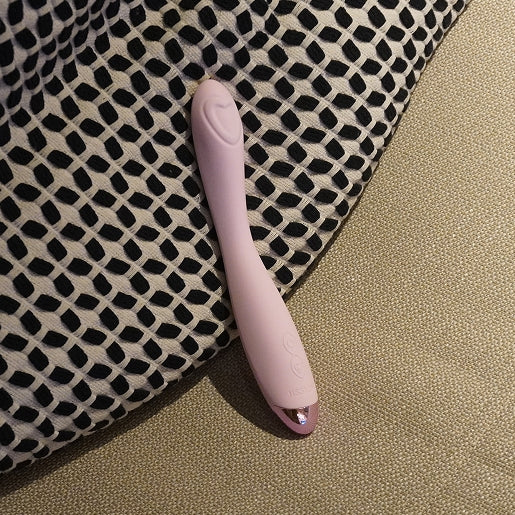
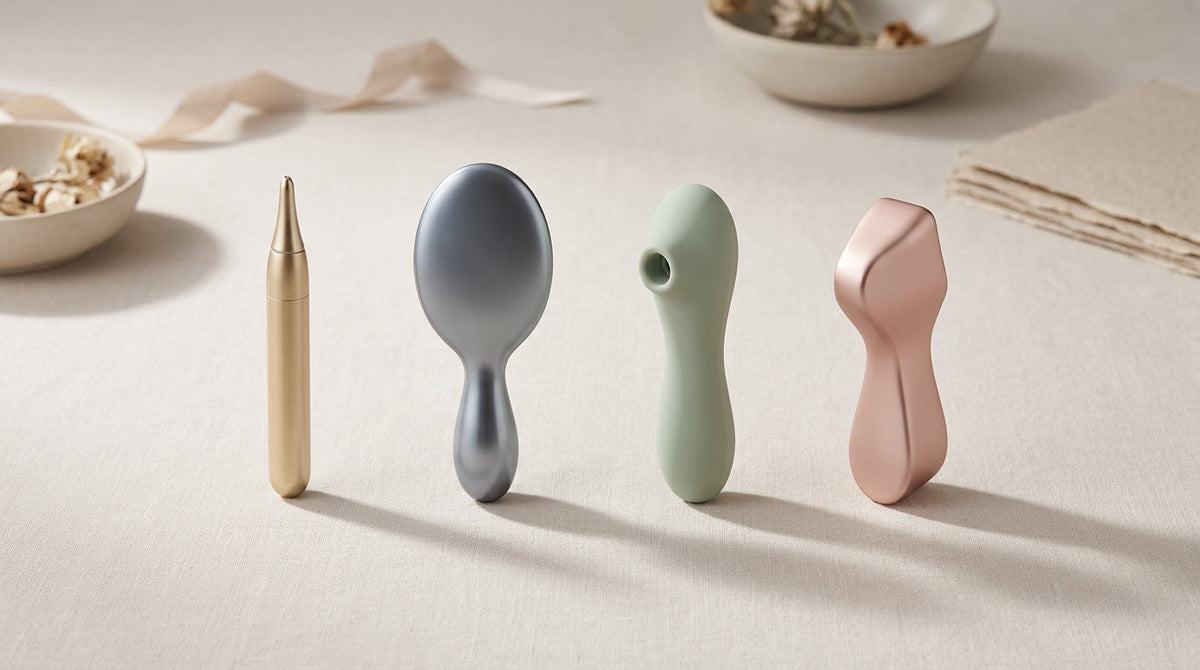
Thrusting Vibrator vs Rabbit Vibrator: Motion or Dual Stimulation?
Stack & Save: Extra 15% with Jissbon15
Jissbon15
A thrusting vibrator and a rabbit vibrator are not opposite versions of the same product. Thrusting describes a motion mechanism; rabbit describes a two-contact-point shape. Understanding that distinction prevents a buyer from expecting features that a product does not have.
The main decision is whether automated internal motion or simultaneous internal and external contact matters more. A hybrid can provide both, but it also adds fit, control, cleaning, weight, and charging considerations.
There is no universal winner. Compare the mechanism, stimulation zones, stroke, dimensions, external-arm geometry, controls, noise, water rating, and maintenance before choosing a specific model.
Quick Answer: Motion or Dual Stimulation?

A thrusting vibrator uses a powered mechanism to create repeated in-and-out travel. The shaft may also vibrate, rotate, or warm, but reciprocating motion is the defining feature.
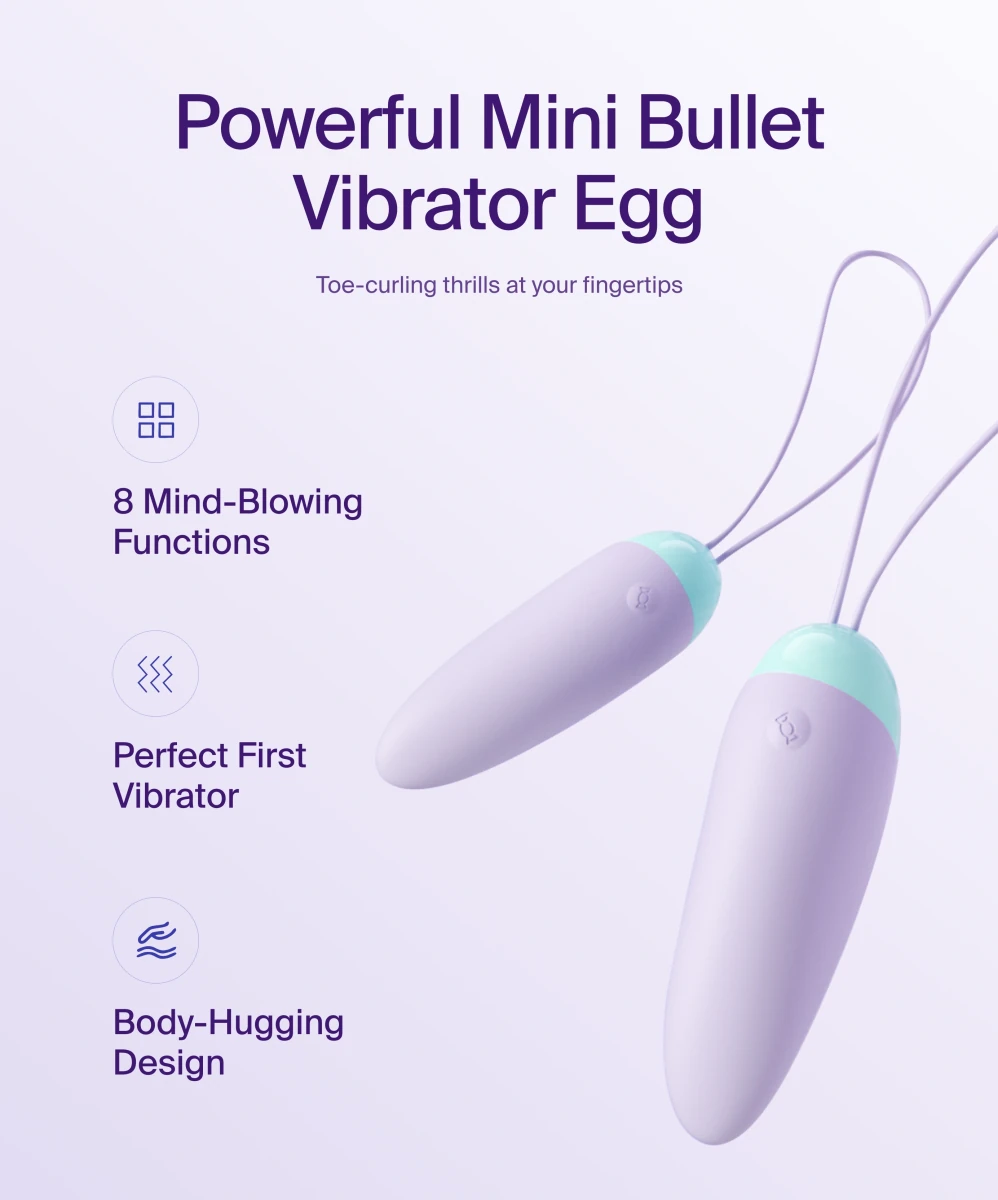
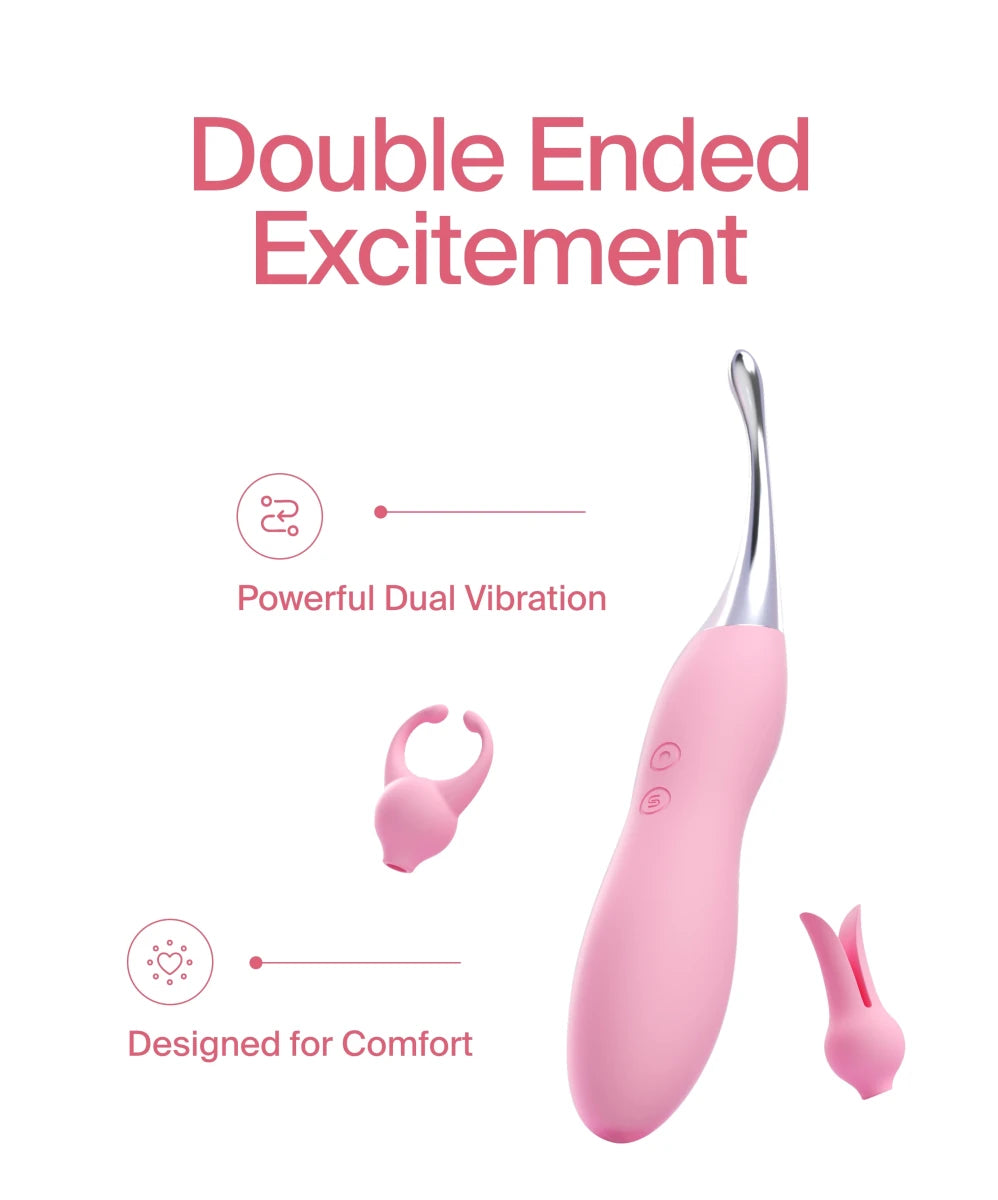
A rabbit vibrator has an insertable shaft and an external arm intended to provide internal and clitoral contact at the same time. A standard rabbit may vibrate without thrusting.
A thrusting rabbit combines both categories: a moving internal section and a separate external contact point. Choose a hybrid only when both functions are wanted and the geometry, controls, and dimensions are workable.
|
Choose This |
If You Want |
|
Thrusting vibrator |
Automated motion and a more active internal sensation |
|
Rabbit vibrator |
Internal and external stimulation at the same time |
|
Thrusting rabbit vibrator |
Motion plus dual stimulation in one device |
|
Standard rabbit vibrator |
Dual contact without mechanical thrust |
What Is a Thrusting Vibrator?

A thrusting vibrator is an insertable powered toy in which part or all of the shaft moves in and out. Vibration may be included, but it does not define the category.
The relevant specifications are stroke length, thrust rate, moving-section location, usable length, diameter, curve, and whether speed and vibration can be adjusted independently. A short stroke may feel like localized pressure, while a longer stroke creates more obvious movement.
Automatic movement can magnify a poor angle or uncomfortable diameter, so begin with the toy switched off, find a comfortable static position, and test the lowest motion setting. Heating, rotation, remote control, or app functions are secondary unless they support a use you already want.
What Is a Rabbit Vibrator?
A rabbit vibrator is a dual-contact design with an insertable shaft and an external arm intended to reach the clitoral area.
The shaft and external arm may have separate motors, shared controls, or different patterns. The defining feature is the attempt to maintain two contact points, not any guarantee that both will align.
Independent controls can make a rabbit easier to adjust, but motor count alone does not establish quality. Compare arm length, angle, flexibility, contact area, and the distance between the arm and shaft. If aligning the arm requires uncomfortable internal leverage, the geometry is wrong for that position.
What Is a Thrusting Rabbit Vibrator?

A thrusting rabbit combines reciprocating internal movement with a separate external arm. It can provide motion and dual contact in one product when both sections align comfortably.
Models may add vibration, air-pulse stimulation, heating, rotation, remote control, or flexible arms. These functions should be independently controllable where possible; otherwise, changing one sensation may disrupt another.
A hybrid may be heavier, larger, noisier, and more complex to clean than a simpler vibrator, although the actual trade-offs vary by model. It is appropriate when the buyer specifically wants both functions and accepts the extra fit and control variables.
Thrusting Vibrator vs Rabbit Vibrator: The Key Contrasts

Use a four-way map: a standard rabbit provides dual contact without mechanical thrusting; a dedicated thrusting toy provides internal motion without a rabbit arm; a thrusting rabbit provides both; and a standard insertable vibrator may provide neither. Product names do not always state this clearly.
If external contact is essential, confirm that a rabbit arm can reach and maintain pressure at a comfortable shaft depth. If internal motion is essential, confirm true stroke rather than vibration, rotation, or tapping. Then compare control independence, handling, sound, seams, and the exact water rating.
Category labels are only a starting point. Two products in the same category can differ substantially in stroke, arm geometry, diameter, control layout, sound, and care. Read the design and specifications rather than inferring performance from the name.
Key Difference 1: Motion
Motion is the clearest distinction. A thrusting mechanism creates linear travel; vibration oscillates in place; rotation turns; tapping creates repeated impacts. These motions can be combined, but they should not be treated as synonyms.
For a hybrid, stroke can shift the external arm or change its pressure during each cycle. Test the lowest stroke and one function at a time. Stop for pinching, sharp pain, burning, persistent numbness, or uncomfortable cervical contact.
Key Difference 2: Dual Stimulation
A rabbit is organized around two simultaneous contact zones: an internal shaft and an external arm. Both may vibrate, but the product still depends on anatomical alignment.
Some users prefer or require external clitoral stimulation in addition to penetration. A rabbit may support that preference, but no fixed arm can guarantee alignment and no product type guarantees orgasm.
Fit depends on shaft depth, pelvic position, arm reach, flexibility, and contact surface. A flexible arm may adapt more easily, but dimensions and user-controlled positioning still determine whether both zones stay in contact.
Key Difference 3: Vibration
Many products in both categories also vibrate, but not all thrusting toys do. Compare which section vibrates, whether internal and external motors are independent, and whether intensity can be changed without altering the thrust setting.
Mode count is not a quality measure. A useful low setting, separate controls where needed, intensity down as well as up, and a quick stop are more important than a long pattern list.
Key Difference 4: Controls
Control design determines whether the user can adjust the toy without losing placement. Separate buttons for thrust, shaft vibration, and external stimulation are useful when the functions need different intensities.
Speed describes repetition rate; intensity describes perceived strength; stroke describes travel distance. A remote or app can extend reach, but the toy should retain a clear local stop control and, ideally, basic onboard operation if the connection fails.
Key Difference 5: Size and Fit
Thrusting mechanisms can add length, diameter, weight, or a larger handle, but the effect varies by design. For rabbits, also compare external-arm reach, flexibility, and the spacing between the two contact zones.
Do not judge scale from a product photo. Compare maximum insertable diameter, usable length, stroke, curve, flexibility, and product weight. A gradual shape and controllable low motion can be easier to evaluate than a larger, rigid design.
Key Difference 6: Noise and Discretion
Mechanical movement can add sound, but category alone does not predict real-world volume. Motor tone, stroke, setting, contact pressure, room, furniture, and multiple simultaneous functions all affect what is heard.
Manufacturer decibel figures are difficult to compare when test distance and conditions are missing. If privacy matters, check the stated figure and recent reviews that discuss sound under pressure and on a bed or other surface.
Key Difference 7: Cleaning and Maintenance
Cleaning is not the exciting part, but it does matter. Follow the manufacturer's instructions, and wash the toy before and after each use. WebMD explains the reason plainly: bacteria left on a toy can contribute to infections.
The rest is a short routine that works for either style. Check whether your toy is fully waterproof or only water-resistant, since the two are different, and keep the charging port dry unless the maker says otherwise. After cleaning, let it dry completely before storing it, and keep it somewhere free of heat, moisture, dust, and lint. If you want details for specific materials, Healthline covers cleaning and storage by type.
Pros and Cons of Thrusting Vibrators

A thrusting vibrator supplies repeated internal movement without requiring the user to move the whole toy. It may reduce repetitive hand motion and can hold a consistent stroke. Hands-free use depends on the base, position, fit, and whether the product remains stable under load.
The mechanism may add weight, sound, seams, battery demand, and cleaning effort. A dedicated thrusting toy may also omit external stimulation. These are model-specific trade-offs to confirm, not universal properties of every thruster.
Pros and Cons of Rabbit Vibrators
A rabbit offers internal and external stimulation in one shape and may require less manual repositioning once both contact points align. The category includes different sizes, arm designs, motor layouts, and prices, so the label does not establish beginner suitability.
The trade-offs are fit, control, and cleaning. A fixed arm can miss the intended area, independent motors can complicate controls, and extra curves can require more careful cleaning. Separate internal and external toys provide more placement freedom when a fixed rabbit shape does not align.
Which Is Better for Beginners?
Beginner suitability depends on prior comfort with insertion, desired stimulation, dimensions, lowest setting, and control clarity. Use the following conditions rather than treating one category as the default.
Choose a thrusting vibrator when automatic internal movement is the primary goal, insertion is already comfortable, and the stroke and diameter can be started conservatively.
Choose a standard rabbit when simultaneous internal and external contact matters more than mechanical movement and the external arm can align without forcing the shaft into an uncomfortable angle.
Choose a thrusting rabbit only when both motion and dual contact are wanted, the functions can be controlled clearly, and the added weight, fit, sound, and cleaning are acceptable.
Product Examples: Motion Hybrid vs Flexible Rabbit

Rosy Bloom illustrates a thrusting-rabbit hybrid. The manufacturer lists an 8 mm stroke, up to 560 thrusts per minute, 10 thrust modes, eight air-pulse modes, heating up to about 42 C, IPX6 water resistance, and noise at or below 55 dB. It may suit someone who wants short-stroke internal motion plus external air-pulse stimulation. IPX6 does not authorize immersion, and an 8 mm stroke may feel too localized for someone seeking longer travel.
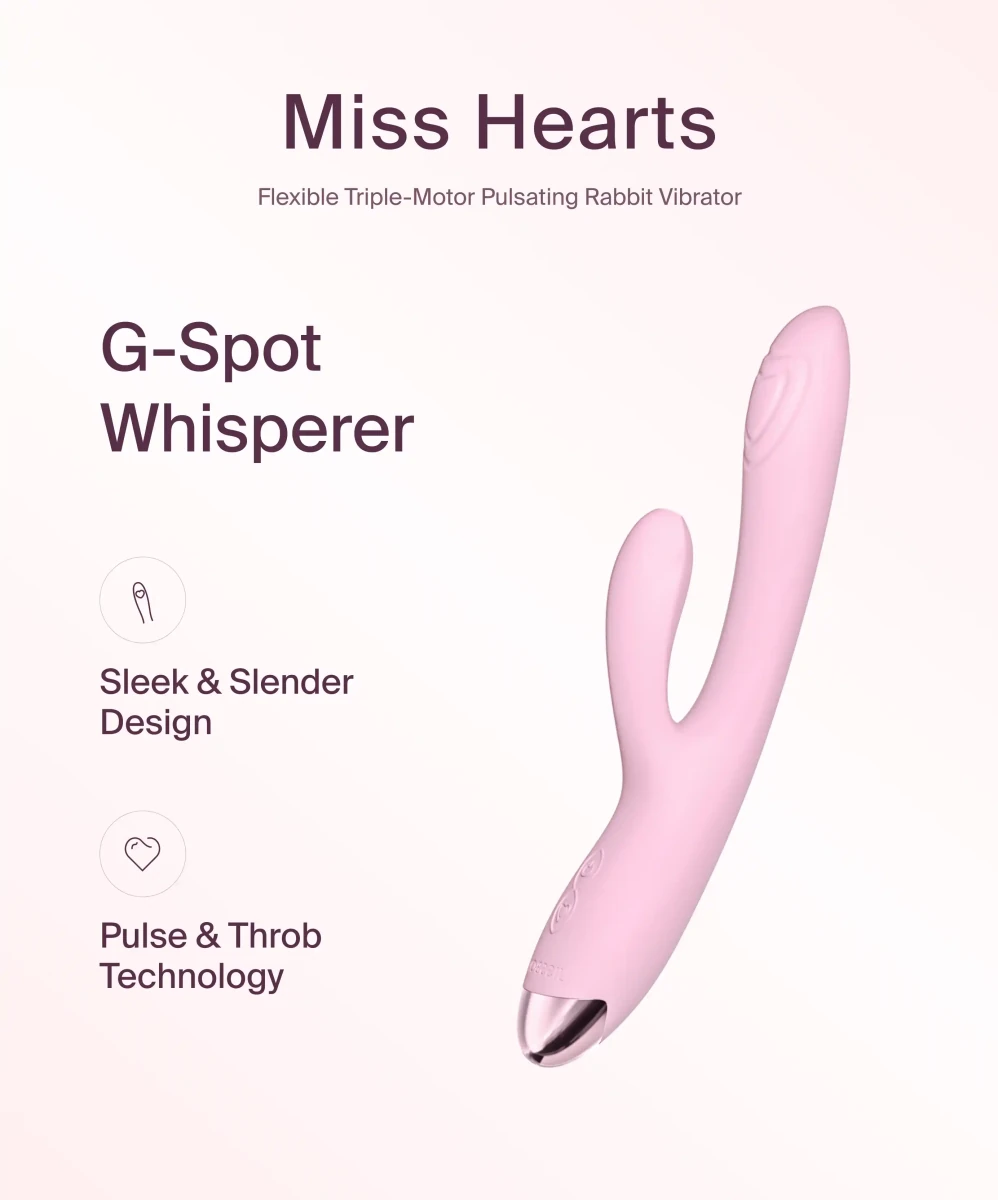
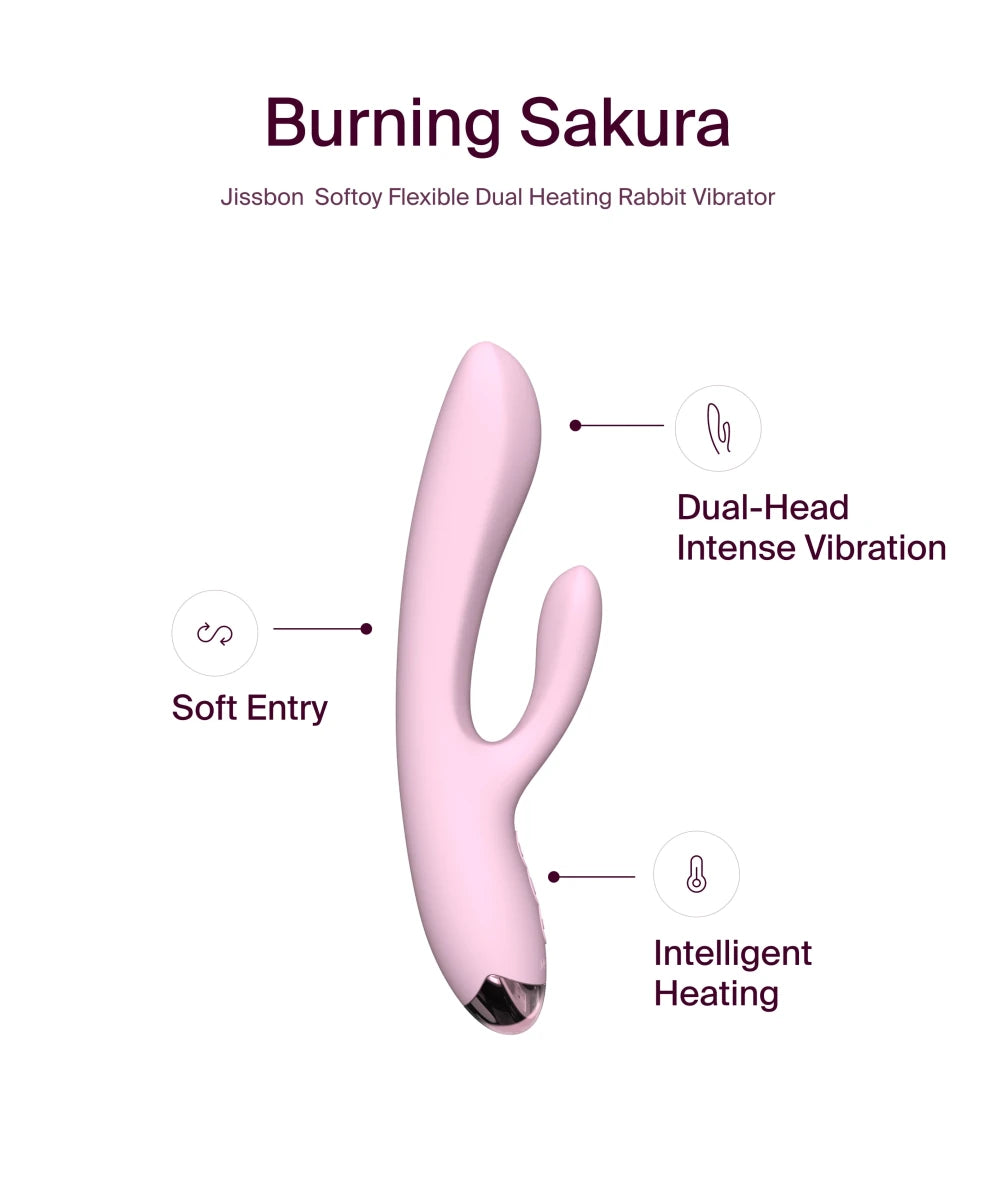
Miss Hearts illustrates a non-thrusting rabbit. The manufacturer lists a triple-motor layout, eight pulse modes, eight vibration modes, a 25 mm insertable diameter, IPX6 water resistance, noise below 50 dB, and more than 60 minutes of runtime. It may suit someone who wants dual stimulation without a thrust mechanism. It still depends on external-arm alignment and does not provide reciprocating motion.
Compare the rabbit vibrator collection by mechanism, shaft dimensions, external-arm geometry, control independence, water rating, sound, and care. Do not infer thrusting from the rabbit label alone.
Common Buying Mistakes
Avoid the assumptions that create the largest fit and usability problems:
- Assuming every rabbit vibrator thrusts or every thrusting vibrator has an external arm.
- Choosing from maximum speed or mode count without checking stroke, lowest setting, and controls.
- Trusting product photos instead of maximum diameter, usable length, weight, and arm geometry.
- Treating an IP rating as permission for every shower, bath, cleaner, or water temperature.
- Ignoring sound, grip, charging, seams, and cleaning until after purchase.
- Buying a hybrid for versatility when only one of its core functions is actually wanted.
How to Choose the Right One
Step 1: Choose the Primary Sensation
Name the non-negotiable goal. Automated internal movement points toward a thrusting vibrator. Simultaneous internal and external contact points toward a rabbit. Wanting both is the only reason to begin with a thrusting rabbit.
Step 2: Verify the Mechanism
Confirm which part moves, the stroke length, thrust rate, and whether thrust, internal vibration, and external stimulation can be controlled independently. Do not treat rotation, tapping, or strong vibration as thrusting.
Step 3: Check Fit Before Features
Compare maximum insertable diameter, usable length, curve, flexibility, external-arm reach, spacing, product weight, and grip. If the arm must be forced into place, a fixed rabbit shape is not the right fit for that position.
Step 4: Check Controls and Ownership
Prefer controls that can be identified by touch, reduce intensity as well as increase it, and stop quickly. Then verify material, water rating, cleaning, charging, sound, warranty, and hygiene return policy.
Step 5: Set a Conservative First-Use Plan
Find a comfortable static position before switching on motion. Test one function at a time, begin at the lowest setting, use compatible lubricant, and stop for pinching, sharp pain, burning, persistent numbness, or uncomfortable deep contact.
Safety Tips for First-Time Buyers
A few habits reduce avoidable discomfort, product damage, and hygiene risk. Read the product manual before use and choose a lubricant compatible with the toy and any barrier. Planned Parenthood notes that water-based lubricants are easy to clean and widely compatible with condoms; the product instructions should still control material compatibility.
Start with the lowest setting and increase only while the sensation remains comfortable. Stop for pain, pinching, burning, or persistent numbness. Do not use a cracked or damaged product; keep electronics out of water unless the stated rating permits immersion; and dry the toy completely before storage. For shared use, clean the product as directed and use a new barrier for each person or body area. Planned Parenthood recommends condoms on shared toys to lower STI risk.
Frequently Asked Questions
What is the main difference between a thrusting vibrator and a rabbit vibrator?
A thrusting vibrator is defined by powered in-and-out motion. A rabbit vibrator is defined by two intended contact zones: an insertable shaft and an external arm. A product can be one, the other, both, or neither.
Do all rabbit vibrators thrust?
No. Many rabbit vibrators only vibrate. Look for an explicitly stated reciprocating mechanism, stroke length, or thrust rate. If the product page describes only vibration, rotation, tapping, or pulsing, do not assume that the shaft moves in and out.
Which type is better for a beginner?
Use the buyer's prior experience and primary goal:
- Choose a thrusting vibrator if insertion is already comfortable and automatic internal movement is the main interest.
- Choose a standard rabbit if simultaneous internal and external contact matters more and the arm can align comfortably.
- Choose two separate toys if independent placement is more important than an all-in-one shape.
- Choose a thrusting rabbit only if both functions are wanted and the controls allow a conservative start.
What specifications matter most before buying?
Check the specifications that affect fit and real use:
- Stroke length and thrust rate for a thrusting mechanism.
- Maximum insertable diameter, usable length, curve, flexibility, and product weight.
- External-arm length, contact area, flexibility, and spacing for a rabbit.
- Independent controls, lowest setting, quick stop, runtime, charging, sound, material, and water rating.
Which type is quieter and easier to clean?
Neither category wins automatically. A thrusting mechanism can add mechanical sound, while a rabbit may use multiple motors. A smooth, sealed product with fewer seams is usually easier to clean than a design with moving joints or complex curves. Compare model-specific sound information and follow the manufacturer's cleaning instructions.
How should a thrusting or rabbit vibrator be used safely?
Use a conservative sequence:
- Read the manual and inspect the toy before use.
- Apply a compatible lubricant and find a comfortable static position.
- Start with one function at the lowest setting.
- Increase only while the sensation remains comfortable.
- Stop for pinching, sharp pain, burning, persistent numbness, or uncomfortable cervical contact.
- Clean and dry the product as directed, and do not immerse it unless the manual explicitly permits immersion.
Final Verdict: Which One Should You Buy?
The choice follows the primary sensation. Select a thrusting vibrator for automated internal movement, a standard rabbit for simultaneous internal and external contact, or a thrusting rabbit only when both functions and the added complexity are wanted.
For a first purchase, prioritize transparent materials, realistic dimensions, a controllable low setting, clear controls, cleaning instructions, and a water rating that matches actual use. Specifications reduce uncertainty; they cannot guarantee personal fit or satisfaction.
Sources
- Jissbon Collection — “rabbit thrusting vibrator collection” (Accessed Aug. 14, 2026)
- Jissbon Product Page — “thrusting rabbit vibrator” (Accessed Aug. 14, 2026)
- Jissbon Product Page — “flexible rabbit vibrator” (Accessed Aug. 14, 2026)
- Planned Parenthood South Texas — “water-based lube for toys” (Accessed Aug. 14, 2026)
- Planned Parenthood — “condoms on shared sex toys” (Accessed Aug. 14, 2026)
- Healthline — “how to clean sex toys” (Published Mar. 15, 2021)
- Healthline — “sex toys and STI safety” (Published Jun. 15, 2020)
- WebMD — “how to use vibrators safely” (Accessed Aug. 14, 2026)
- WebMD — “clean sex toys after use” (Updated Jun. 24, 2025)
- ISSM — “vibrator sexual health benefits” (Published 2022)
- ISSM — “clitoral stimulation and orgasm” (Accessed Aug. 14, 2026)


Looking for something else?

What Is Flogging in Sex? Complete BDSM Flogging Guide
LEARN MORE
What Does Overstimulated Mean Sexually? Causes & Solutions
LEARN MORE
Can You Get a Tattoo on Your Vagina? Safety, Pain & What to Expect
LEARN MORE
Public Sex Kink: Understanding Exhibitionism & Safe Exploration
LEARN MORELooking for something else?

A-Spot Orgasm: Best Positions & How to Find It
LEARN MORE
Bondage Play: Complete Beginner's Guide to Rope BDSM
LEARN MORE
Vibrator Stories: Real Experiences, Tips & What to Expect
LEARN MOREYou may also like
20% off

20% off

20% off

20% off

20% off

20% off

Further reading
How to Clean an Automatic Blowjob Machine Without Damaging the Motor
Remote-Controlled Automatic Masturbators for Couples and Solo Play
Best Automatic Strokers for Edging and Stamina Training