
























































Things to Use as Lube: Safe Alternatives and What to Avoid
Stack & Save: Extra 15% with Jissbon15
Jissbon15
Running out of lubricant at an inopportune moment leads many people to wonder about safe alternatives. While commercial water-based or silicone lubricants remain the gold standard for use with sex toys, certain household items can work temporarily for solo or partnered play.
However, not all slippery substances are body-safe, and some can damage condoms, irritate sensitive tissue, or harm toy materials. This guide covers what you can safely use as homemade lube, compatibility concerns, and which common household items pose serious risks.
Understanding both safe options and dangerous substitutes helps you make informed decisions that protect your health and equipment.
Who Needs Alternative Lubricant Information?
This knowledge helps various situations:
- People who've run out of commercial lube unexpectedly
- Those seeking natural, chemical-free alternatives to store-bought options
- Users with sensitive skin who react to commercial lubricant ingredients
- Individuals traveling without access to specialty products
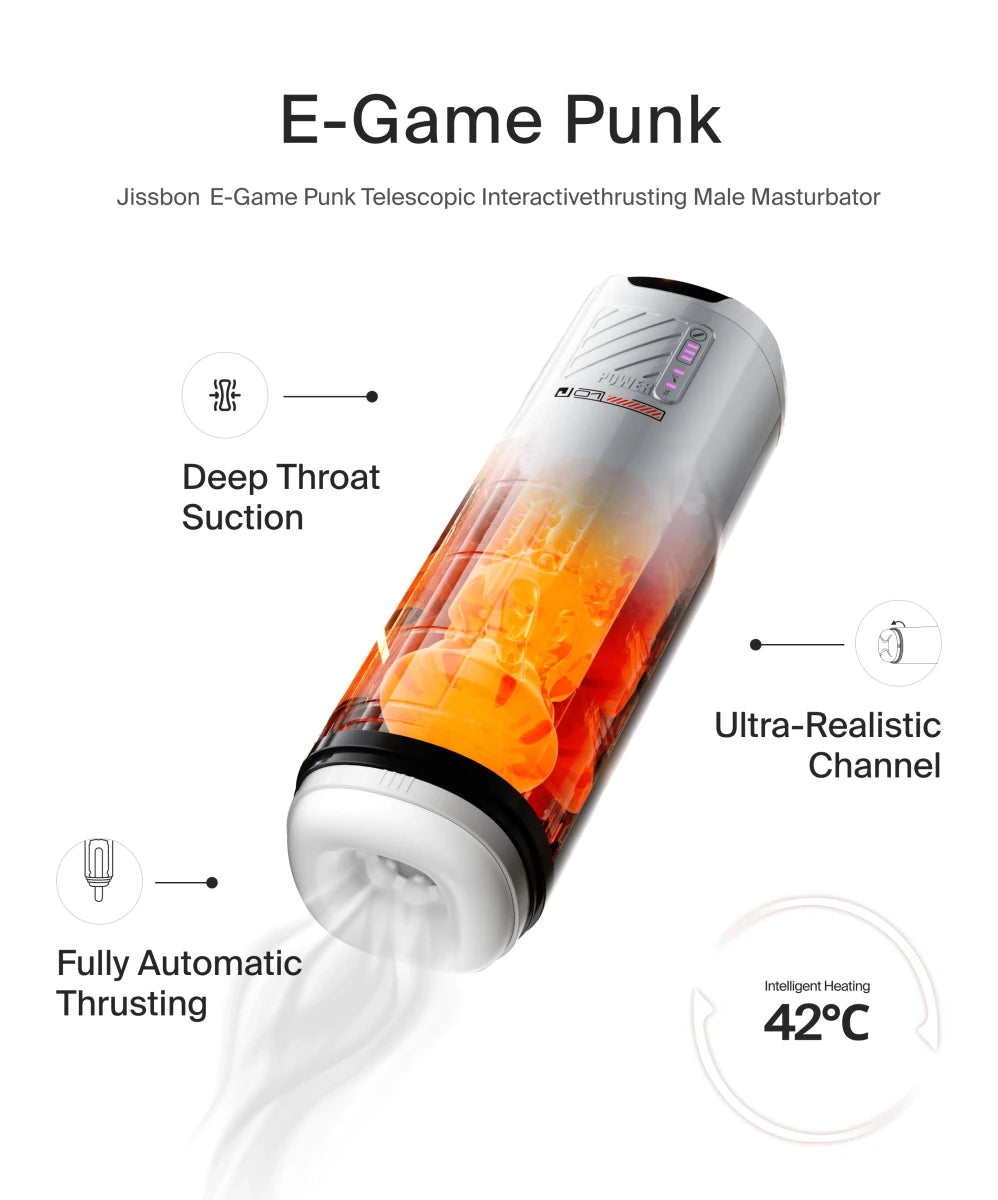
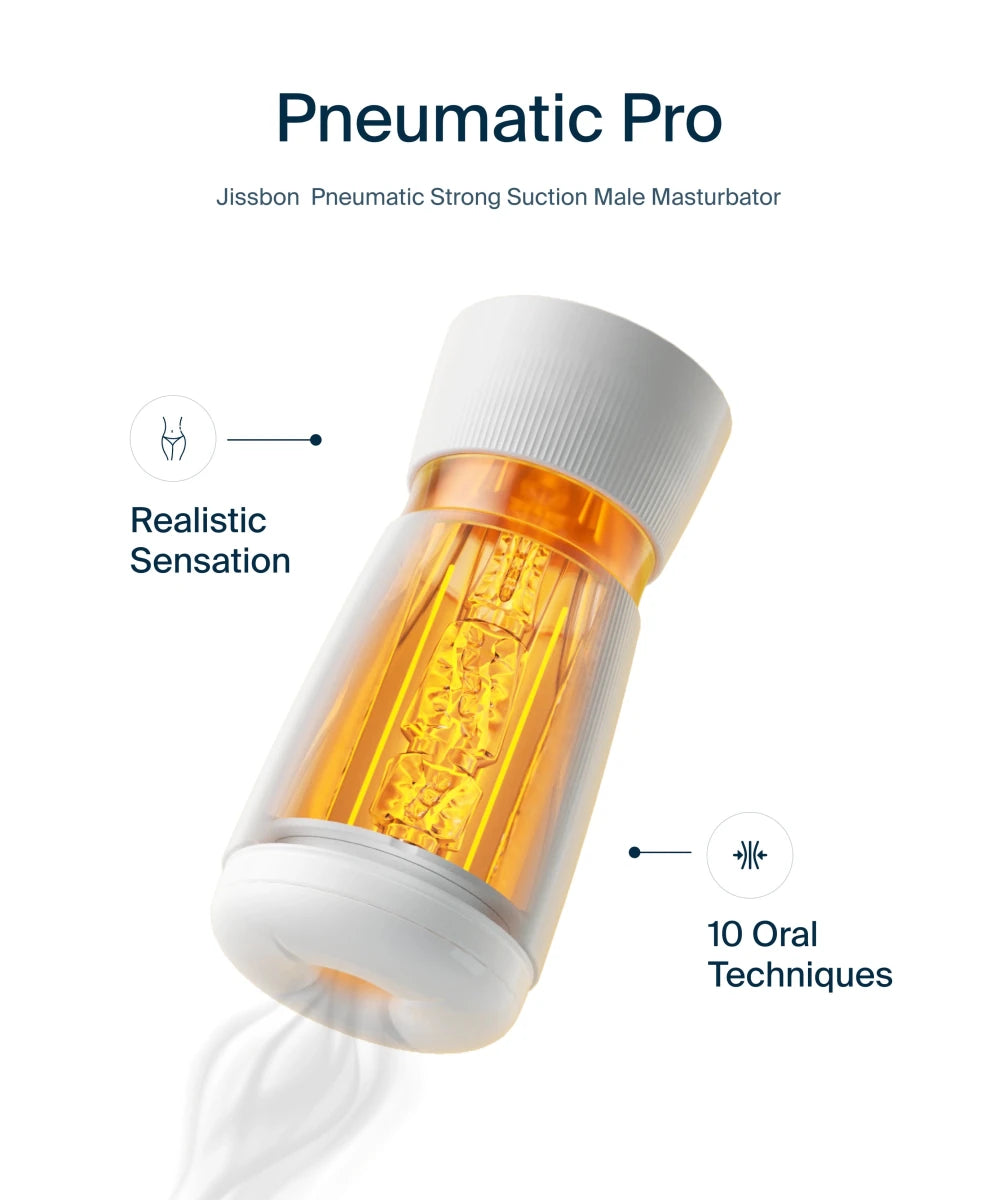
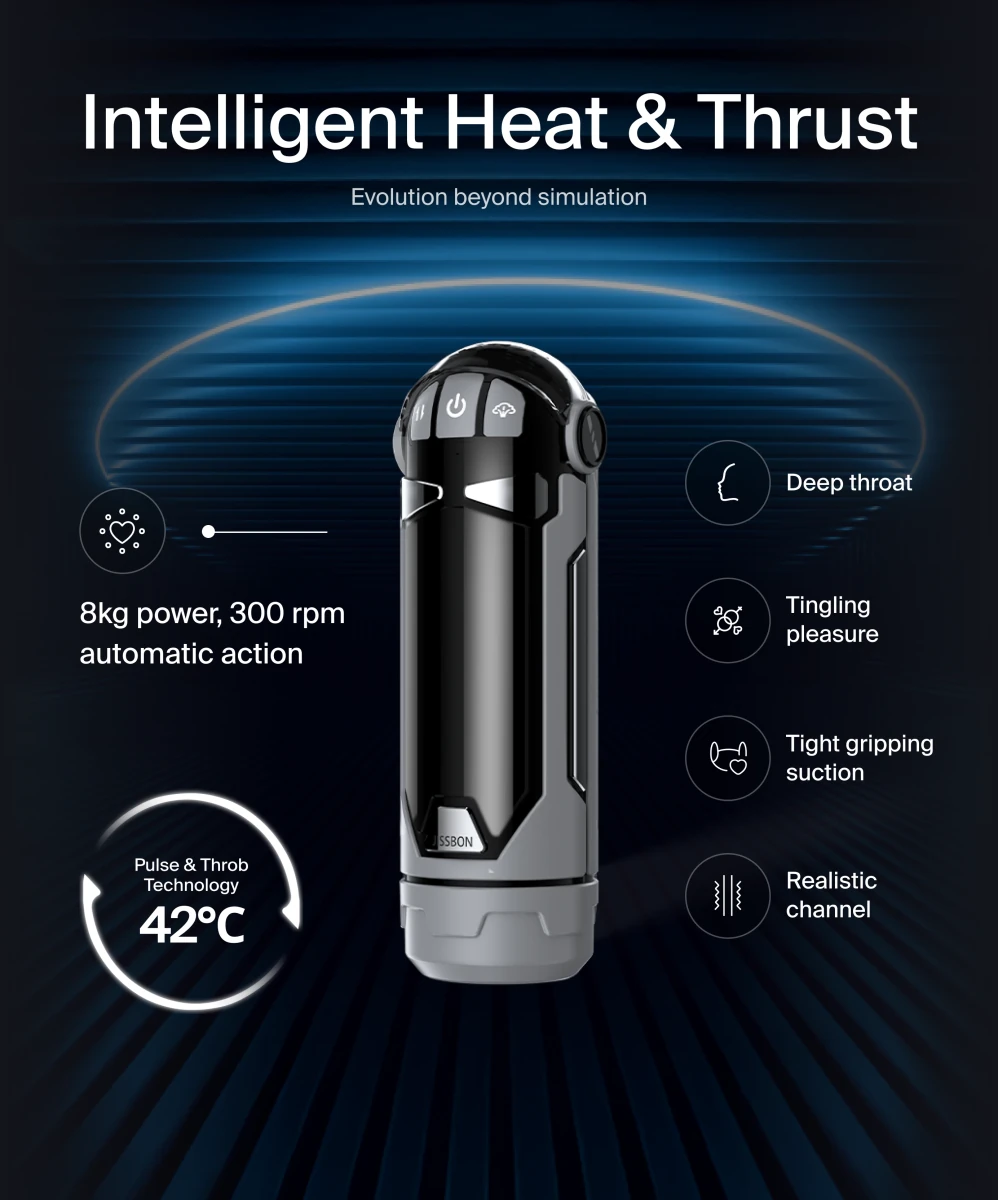
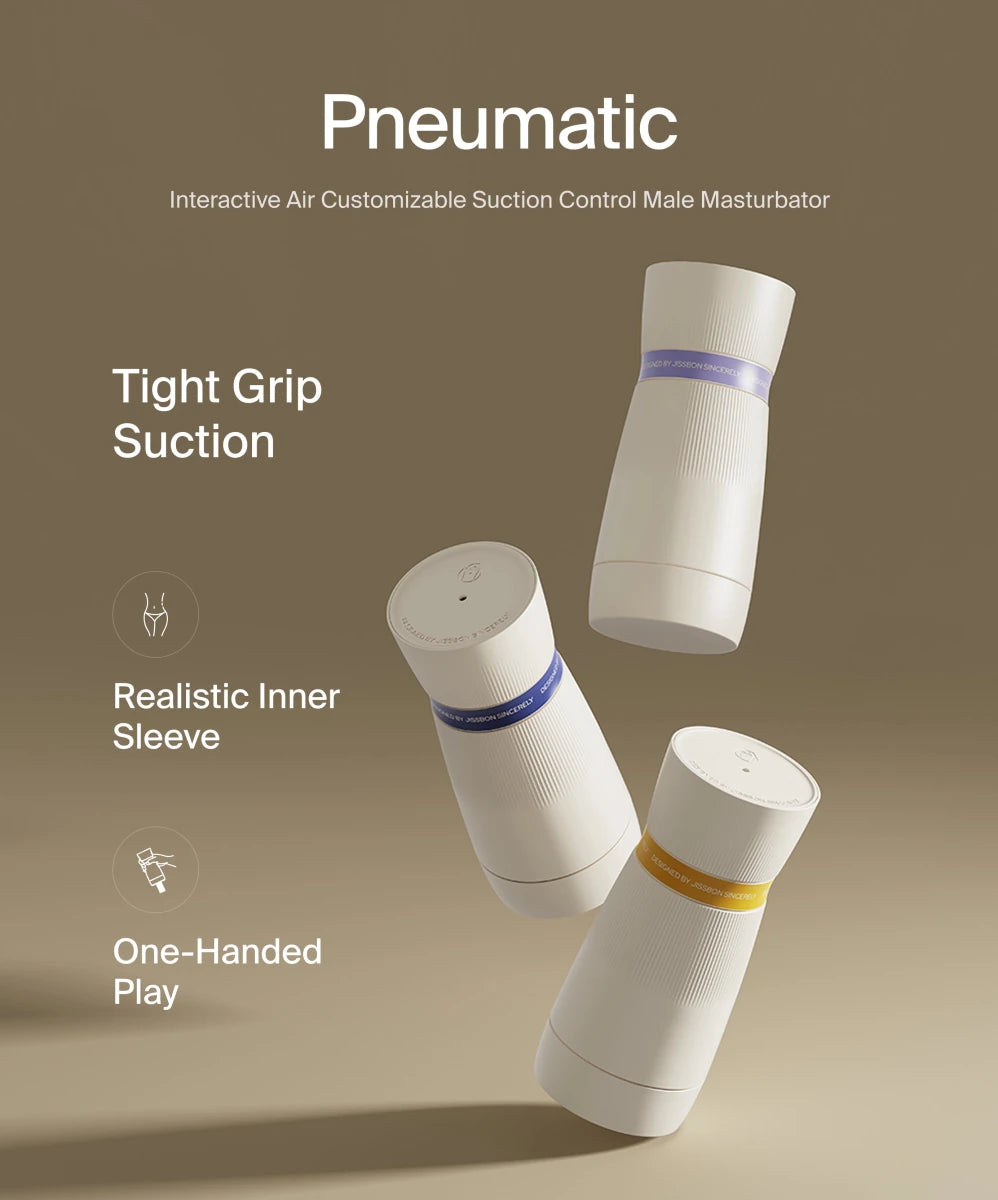
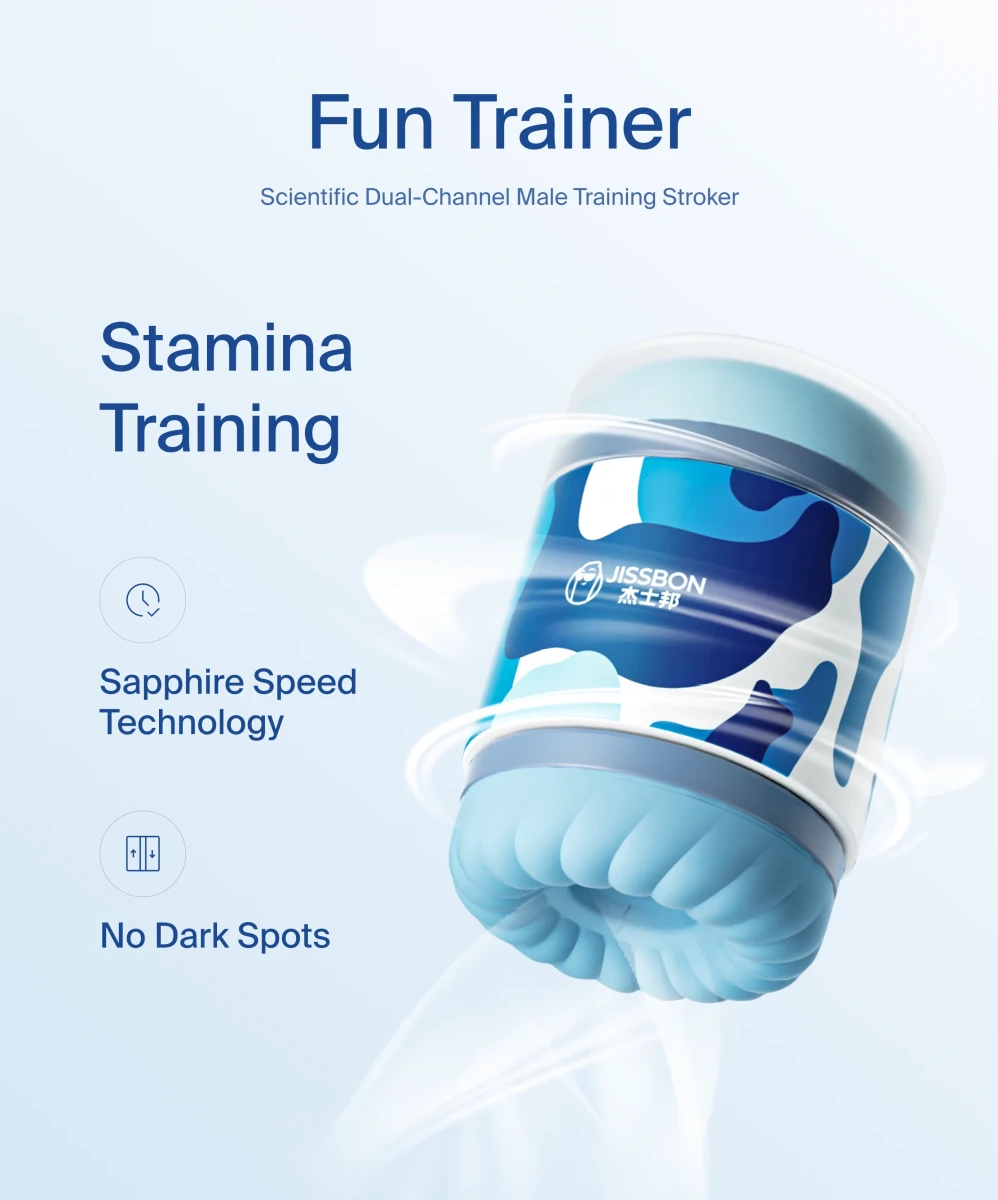
- Anyone curious about DIY solutions for male masturbators or other toys
- Budget-conscious explorers looking for household substitutes
Emergency alternatives exist, but understanding their limitations prevents harm.
Safe Household Items You Can Use as Lubricant

Coconut Oil (Virgin, Organic)
Why it works:
- Naturally slippery and long-lasting
- Antibacterial and antifungal properties
- Pleasant scent and hypoallergenic for most people
- Solid at room temperature but melts with body heat
Best for:
- Solo masturbation with bare hands
- Partnered play without latex barriers
- Use with glass or metal toys only
Critical warnings:
- Destroys latex condoms and dental dams
- Degrades silicone toys over time
- Can disrupt vaginal pH balance in some users
- Stains sheets and fabrics
Application: Warm a small amount between palms until liquid, then apply.
Aloe Vera Gel (Pure, No Additives)
Advantages:
- Gentle on sensitive skin
- Naturally hydrating and soothing
- Water-based consistency similar to commercial lube
- Compatible with latex condoms
Best for:
- External genital stimulation
- Use with silicone or TPE toys
- People with irritation-prone skin
Limitations:
- Dries out faster than oil-based options
- Must be pure aloe (no alcohol, fragrance, or lidocaine)
- Less slippery than dedicated lubricants
- Check ingredients carefully—many store brands contain irritants
Where to find: Health food stores carry pure aloe gel; avoid drugstore versions with additives.
Vitamin E Oil
Characteristics:
- Extremely smooth and moisturizing
- Long-lasting with minimal reapplication needed
- Skin-nourishing properties
- Fragrance-free and gentle
Best for:
- Solo masturbation
- External massage
- Dry skin relief during intimate activities
Warnings:
- Oil-based, so incompatible with latex
- Can be messy and difficult to wash off
- May stain fabrics
- Not ideal for internal vaginal use (can trap bacteria)
Usage tip: Pierce vitamin E capsules and squeeze out contents for small amounts.
Plain Yogurt (Unsweetened, Unflavored)
Why some use it:
- Contains probiotics that support vaginal health
- Smooth, creamy texture
- Safe for internal vaginal use
Important considerations:
- Only suitable for vaginal penetration, never anal
- Must be completely plain (no sugar, flavoring, or fruit)
- Extremely limited slipperiness compared to real lube
- Requires refrigeration and has short shelf life
- Not recommended for toy use
Reality check: This is far from ideal and should only be considered in genuine emergencies for vaginal use specifically.
Egg Whites (Raw, Room Temperature)
Traditional use:
- Historically used before commercial lubricants existed
- Slippery, viscous texture
- No synthetic chemicals
Significant drawbacks:
- Risk of salmonella contamination
- Dries sticky and unpleasant
- Difficult cleanup
- Protein content can cause allergic reactions
- Not compatible with any toys
Verdict: Better options exist; avoid unless absolutely no alternatives available.
Things to Use as Lube: Compatibility Chart
|
Substance |
Condom Safe? |
Toy Compatible? |
Internal Use? |
Duration |
|
Coconut oil |
No (latex) |
Glass/metal only |
Limited vaginal |
Long-lasting |
|
Aloe vera gel |
Yes |
Most toys |
Yes (external best) |
Moderate |
|
Vitamin E oil |
No (latex) |
Glass/metal only |
Not recommended |
Very long |
|
Plain yogurt |
Yes |
No |
Vaginal only |
Short |
|
Egg whites |
Yes |
No |
Not recommended |
Short |
|
Olive oil |
No (latex) |
Glass/metal only |
Not recommended |
Long-lasting |
|
Shea butter |
No (latex) |
Glass/metal only |
External only |
Long-lasting |
Understanding lubricant safety and compatibility prevents damage to both your body and equipment.
How to Make Homemade Lube Safely

Basic Aloe-Based Recipe
Ingredients:
- ½ cup pure aloe vera gel (no additives)
- 1 teaspoon vegetable glycerin (optional, for thickness)
- 2–3 drops vitamin E oil (optional, for skin benefits)
Instructions:
- Combine all ingredients in a clean glass jar
- Stir thoroughly until fully mixed
- Store in refrigerator for up to one week
- Test on inner wrist before genital application
- Discard if color, smell, or texture changes
Pros: Customizable consistency, body-safe, condom-compatible
Cons: Short shelf life, requires refrigeration, less effective than commercial options
Flaxseed Gel Alternative
Process:
- Boil ¼ cup flaxseeds in 1 cup water
- Simmer for 10 minutes until gel-like consistency forms
- Strain through cheesecloth to remove seeds
- Cool completely before use
- Refrigerate; lasts 3–5 days
Characteristics: Natural, inexpensive, slippery texture
Drawbacks: Time-consuming preparation, very short shelf life, moderate slipperiness
Why Commercial Lube Remains Superior
Advantages of store-bought products:
- pH-balanced specifically for genital tissue
- Sterile and free from contamination
- Tested for safety with condoms and toys
- Consistent texture and performance
- Long shelf life (months to years)
- Available in various formulations for specific needs
Bottom line: Homemade solutions work temporarily but shouldn't replace quality commercial lubricants for regular use.
Dangerous Household Items: What Never to Use as Lube

Petroleum Jelly (Vaseline)
Why it's harmful:
- Destroys latex condoms instantly
- Creates a breeding ground for bacteria
- Extremely difficult to wash from skin and toys
- Can cause yeast infections and bacterial vaginosis
- Never breaks down inside the body
Verdict: Avoid completely for any sexual activity.
Hand Lotion or Body Cream
Serious risks:
- Contains fragrances that irritate mucous membranes
- Includes alcohol that dries delicate tissue
- May have parabens or preservatives causing reactions
- Not designed for internal use
- Can disrupt vaginal or anal flora
Reality: The burning sensation people experience is tissue damage occurring.
Butter, Margarine, or Cooking Oils
Problems:
- Contain milk proteins that promote bacterial growth
- Can cause infections when used internally
- Rancid fats develop quickly at body temperature
- Stain everything they touch
- Terrible cleanup
Exception: Pure olive oil shares similar properties to coconut oil but is messier with less pleasant scent.
Soap, Shampoo, or Shower Gel
Dangerous for multiple reasons:
- Surfactants strip natural protective oils from genital tissue
- High pH disrupts delicate balance
- Causes intense burning and inflammation
- Can lead to UTIs, yeast infections, or chemical burns
- Never appropriate for penetration or toy use
Emergency note: Even if you're in the shower, never use these as lubricants.
Saliva (Spit)
Why it's inadequate:
- Dries almost immediately
- Contains enzymes that break down skin barriers
- Can transmit STIs or oral bacteria to genitals
- Provides virtually no lubrication beyond initial wetness
- May cause irritation with repeated use
Limited exception: Brief oral sex as foreplay, but never as primary lubricant for penetration or toys.
Toothpaste, Icy Hot, or Menthol Products
Extremely dangerous:
- Cause chemical burns on genital tissue
- Create intense, painful sensations
- Can result in emergency room visits
- Damage toys permanently
- No legitimate use in sexual contexts
Warning: Despite internet myths, these are never appropriate.
Homemade Lube for Fleshlight and Stroker Toys
Best DIY Options for Male Strokers
Coconut oil advantages:
- Long-lasting slipperiness reduces need for reapplication
- Won't dry out during extended sessions
- Easy to warm before use
- Cost-effective for frequent users
Application for toys:
- Warm small amount in microwave (5–10 seconds)
- Apply generously to both toy interior and yourself
- Start slowly to ensure even distribution
- Reapply as needed during session
Cleaning requirement: Coconut oil requires thorough washing with soap and warm water immediately after use. Understanding proper toy cleaning methods prevents bacterial growth.
Aloe Vera for Strokers
When to choose it:
- Using TPE or silicone strokers (oil damages these materials)
- Prefer water-based consistency
- Want easier cleanup than oils
Drawbacks for toys:
- Dries faster, requiring frequent reapplication
- Less slippery than commercial stroker lubes
- Can become sticky during extended use
Commercial Alternatives Worth Buying
Why specialized stroker lube excels:
- Formulated specifically for friction reduction
- Remains slippery for 20+ minutes
- Safe for all toy materials
- Designed for the specific movements stroking requires
Investment value: A $15 bottle lasts months and provides dramatically better experiences than DIY alternatives.
Safe Usage Guidelines for Alternative Lubricants
Before Application
- Patch test on inner wrist — wait 10 minutes for reactions
- Check product purity — read ingredients for additives
- Verify toy material compatibility — especially important for silicone
- Warm oils slightly — cold application feels unpleasant
- Have proper cleanup supplies ready — towels, wipes, toy cleaner
During Use
- Start with less than you think needed — add more gradually
- Monitor for burning, stinging, or discomfort — stop immediately if present
- Keep substances away from urethra — reduces UTI risk
- Reapply as needed — don't continue with insufficient lubrication
- Never switch from anal to vaginal without thorough cleaning
After Use
- Wash genitals with mild soap and water — remove oil residues
- Clean toys immediately with appropriate cleaners
- Change sheets if oils were used — prevent staining
- Urinate after vaginal or anal play — helps flush bacteria
- Monitor for delayed reactions — redness, itching, unusual discharge
Learn about reducing irritation and infection risks through proper hygiene.
Why Commercial Lubricants Remain the Best Choice
Water-Based Lubricants
Advantages:
- Safe with all condom types and toy materials
- Easy cleanup with water alone
- Available in various thicknesses and formulations
- pH-balanced for genital tissue
- Long shelf life
Best for: Daily use, toy play, partnered activities with barriers
Silicone-Based Lubricants
Benefits:
- Extremely long-lasting
- Waterproof for shower play
- Hypoallergenic and safe for sensitive skin
- Minimal reapplication needed
Cautions: Never use with silicone toys; can degrade material permanently
Hybrid Formulas
Modern solutions:
- Combine water and silicone benefits
- Balance longevity with easy cleanup
- Safe for most (but not all) silicone toys—verify first
Ideal users: Those wanting versatility in one product
Common Questions and Quick Troubleshooting
Issue: Coconut oil caused a yeast infection
Why this happens:
- Oil can trap bacteria and disrupt vaginal pH
- Some people are more susceptible than others
- Prolonged or frequent use increases risks
Prevention: Limit coconut oil to external use or choose water-based alternatives for internal vaginal play.
Issue: Homemade lube dried out too quickly
Solutions:
- Add vegetable glycerin to aloe recipes for moisture retention
- Use oil-based alternatives (if condom-safe not required)
- Reapply more frequently
- Consider that DIY options simply can't match commercial formulations
Issue: Toy feels sticky after using alternative lube
Cleanup steps:
- Wash immediately with toy cleaner or mild soap
- Rinse thoroughly with warm water
- Dry completely before storage
- For persistent stickiness, try rubbing alcohol (for non-porous toys only)
Issue: Allergic reaction to homemade lubricant
Immediate actions:
- Stop use immediately and rinse area thoroughly
- Apply cool compress to reduce inflammation
- Take antihistamine if swelling occurs
- Seek medical attention if symptoms worsen or persist
Future prevention: Always patch test new substances; stick to proven commercial products if reactions continue.
Frequently Asked Questions
Can I use coconut oil with all sex toys?
No. Coconut oil is only safe with glass, metal, and hard plastic toys. It will degrade silicone, TPE, TPR, and other soft materials over time, causing them to become sticky, deteriorate, or break down. If you want to use coconut oil, pair it with toys made from non-porous, oil-safe materials or stick to manual stimulation. For rabbit vibrators and other silicone toys, always choose water-based lubricants.
Is saliva safe as emergency lubricant?
Saliva provides minimal, very temporary lubrication and carries risks. It dries almost instantly, contains enzymes that can irritate tissue, and may transmit oral bacteria or STIs to genital areas. While brief use during oral sex foreplay is common, it should never serve as primary lubrication for penetration or toy use. Water-based lube is always the safer, more effective choice.
How long do homemade lubricants last?
Most homemade lubricants have extremely short shelf lives compared to commercial products. Aloe-based mixtures last about one week refrigerated, flaxseed gel only 3–5 days, and yogurt just 2–3 days. Pure oils like coconut or vitamin E last longer (months) if stored properly, but once contaminated by hand contact, they should be discarded within weeks. Commercial lubes typically last 1–3 years.
What's the safest alternative if I've completely run out of lube?
Pure aloe vera gel (with no additives) is the safest household alternative for most situations. It's condom-compatible, works with most toys, and is gentle on skin. If that's unavailable and you're not using latex barriers, organic coconut oil provides good slipperiness for manual or external play. However, the truly safest option is to keep backup commercial water-based lube on hand so you never face this situation.
Can essential oils be added to homemade lubricants?
This is strongly discouraged. Essential oils are highly concentrated and can cause severe irritation, burning, or allergic reactions on delicate genital tissue. Even small amounts of tea tree, peppermint, cinnamon, or other oils can damage mucous membranes. If you want scented lubricant, purchase commercial products specifically formulated for intimate use with safe fragrance levels.
Why does my homemade lube feel different than store-bought?
Commercial lubricants undergo extensive testing to achieve ideal viscosity, pH balance, and skin compatibility. They contain polymers and humectants that create specific textures and prevent drying. Homemade versions lack these specialized ingredients, so they typically feel thinner, dry faster, or provide less consistent glide. The difference reflects the sophistication of professional formulation versus simple household substitutes.
Invest in Proper Lubricant for Best Experiences
While things to use as lube in emergencies include coconut oil, pure aloe vera, and vitamin E oil, these alternatives come with significant limitations around compatibility, safety, and effectiveness.
Homemade lubricant options work temporarily but can't replicate the performance, safety testing, or convenience of commercial products designed specifically for intimate use. For regular solo or partnered play, investing in quality water-based or silicone lubricants protects your health, preserves your toys, and dramatically improves sensation.
Ready to enhance your experiences with proper supplies? Explore body-safe sex toys for couples designed to work perfectly with commercial lubricants for maximum pleasure and safety.


Looking for something else?

What Is Flogging in Sex? Complete BDSM Flogging Guide
LEARN MORE
What Does Overstimulated Mean Sexually? Causes & Solutions
LEARN MORE
Can You Get a Tattoo on Your Vagina? Safety, Pain & What to Expect
LEARN MORE
Public Sex Kink: Understanding Exhibitionism & Safe Exploration
LEARN MORELooking for something else?

A-Spot Orgasm: Best Positions & How to Find It
LEARN MORE
Bondage Play: Complete Beginner's Guide to Rope BDSM
LEARN MORE
Vibrator Stories: Real Experiences, Tips & What to Expect
LEARN MOREYou may also like
20% off

20% off

20% off

20% off

20% off

20% off

Further reading

How to Clean an Automatic Blowjob Machine Without Damaging the Motor

Remote-Controlled Automatic Masturbators for Couples and Solo Play
Best Automatic Strokers for Edging and Stamina Training