







































Squirting 101: A Beginner's Guide to Female Ejaculation
Stack & Save: Extra 15% with Jissbon15
Jissbon15
Female ejaculation, commonly called "squirting," remains one of the most misunderstood aspects of sexual response. Despite widespread curiosity, many people have questions about what it actually is, whether everyone can experience it, and how to explore it safely.
This guide provides evidence-based information about the anatomy involved, realistic expectations, techniques for exploration, and how to approach the topic without pressure or frustration. Whether you're curious for yourself or learning with a partner, understanding the basics helps create a healthier, more informed approach.
What Actually Happens: The Science
Female ejaculation involves fluid release during sexual arousal or orgasm. Research identifies two distinct phenomena:
Ejaculate vs. Squirting Fluid
|
Type |
Volume |
Composition |
Source |
|
Ejaculate |
Small (0.3-3ml) |
Prostate-like fluid with PSA enzyme |
Skene's glands (female prostate) |
|
Squirting Fluid |
Larger (10-150ml+) |
Primarily diluted urine with trace PSA |
Bladder with some Skene's gland secretions |
Medical studies using ultrasound imaging show that the bladder, even when emptied beforehand, refills rapidly during intense arousal. The fluid released combines bladder contents with secretions from the Skene's glands, creating a unique composition.
Key point: Both types are normal physiological responses. Neither is "better" or more valid than the other.
Anatomy Essentials: What's Involved

Understanding the relevant structures removes mystery and helps with technique:
The Skene's Glands
- Located on either side of the urethra
- Produce fluid similar to male prostate secretions
- Ducts open near or into the urethral opening
- Swell with arousal due to increased blood flow
The Urethral Sponge
- Surrounds the urethra on the front vaginal wall
- Contains erectile tissue that engorges during arousal
- Houses the Skene's glands within its structure
- Often referred to in discussions about the "G-spot"
The Bladder's Role
- Sits directly behind the front vaginal wall
- Fills more rapidly during high arousal states
- Sphincter control may relax during intense pleasure
- Contributes most of the volume in larger releases
Research published in sexual medicine journals confirms that stimulation of the front vaginal wall, where these structures cluster, most commonly triggers ejaculation responses.
Can Everyone Squirt? Setting Realistic Expectations
Short answer: Possibly, but not guaranteed—and that's completely fine.
What Research Shows
Studies estimate 10-54% of women report experiencing ejaculation at some point, though numbers vary based on definitions and survey methods. Anatomical differences, individual nervous system responses, and psychological factors all play roles.
Why It May or May Not Happen
Factors supporting potential:
- Relaxed pelvic floor muscles
- Strong arousal and comfort levels
- Adequate front vaginal wall stimulation
- Willingness to feel "unusual" sensations without resisting
Why some people don't experience it:
- Anatomical variation in gland size or placement
- Naturally different arousal response patterns
- Habitual tension in pelvic floor
- Psychological blocks related to letting go
Critical perspective: Sexual satisfaction doesn't require ejaculation. Many people have deeply fulfilling experiences without ever squirting, and pursuing it solely as a "goal" can create counterproductive pressure.
Before You Start: Essential Groundwork

Mental Preparation
Exploration works best when approached with curiosity rather than expectation:
- Release the outcome – Treat this as discovery, not a test
- Allow time – First experiences may take 30-60+ minutes
- Embrace awkwardness – Unfamiliar sensations feel strange initially
- Accept all results – No outcome means "failure"
Physical Preparation
Bladder considerations:
- Empty completely 10-15 minutes before starting
- Understand fluid may still release (this is normal, not a mistake)
- Use waterproof barriers (towels, pads, or specialized blankets)
Environment setup:
- Privacy with zero interruption risk
- Comfortable temperature (cold causes muscle tension)
- Adequate lighting to see what you're doing
- All supplies within arm's reach (lube, toys, towels)
Body readiness:
- Nails trimmed short with smooth edges
- Hands washed thoroughly
- Muscles relaxed (warm bath or stretching helps)
Step-by-Step Exploration: Solo Approach
Phase 1: Build Arousal (10-20 minutes)
Start with what already feels good:
- Clitoral stimulation using fingers, clitoral vibrators, or preferred method
- Focus on pleasure without thinking about ejaculation
- Notice body responses – warmth, swelling, increased wetness
- Breathe deeply into your lower belly
- Continue until highly aroused – this is crucial for the next phase
Phase 2: Front Wall Stimulation (15-30 minutes)
Once deeply aroused:
- Insert 1-2 fingers (palm facing up) about 2-3 inches inside
- Locate the textured area – it feels slightly ridged or spongy, different from surrounding smooth tissue
- Apply firm pressure – use "come hither" motion or steady pressure
- Adjust angle and pressure – every body is different; explore variations
- Maintain clitoral stimulation – many people need continued external touch
- Push through the "need to pee" sensation – this is the urethral sponge responding, not actual urination urgency
Toy options:
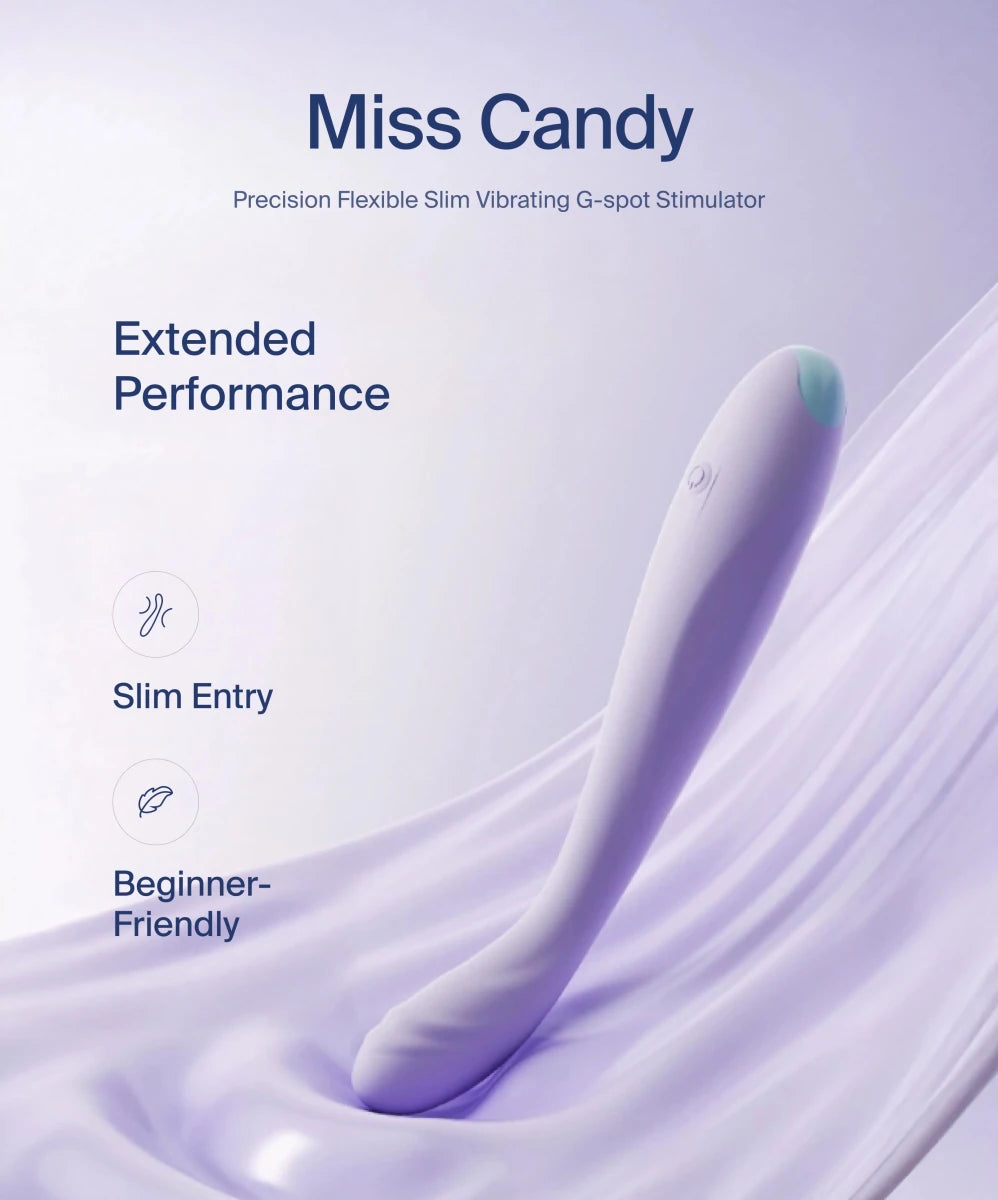
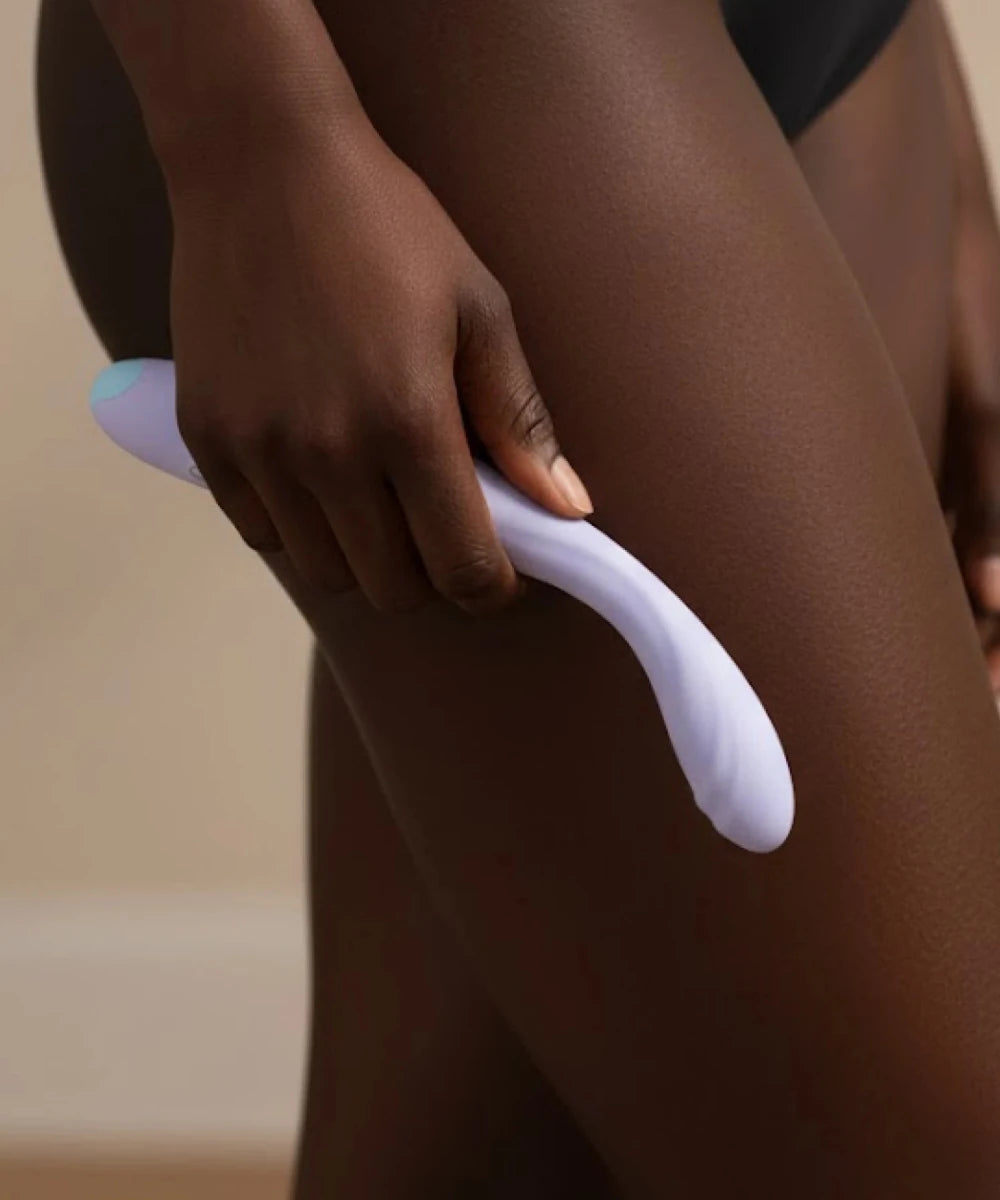
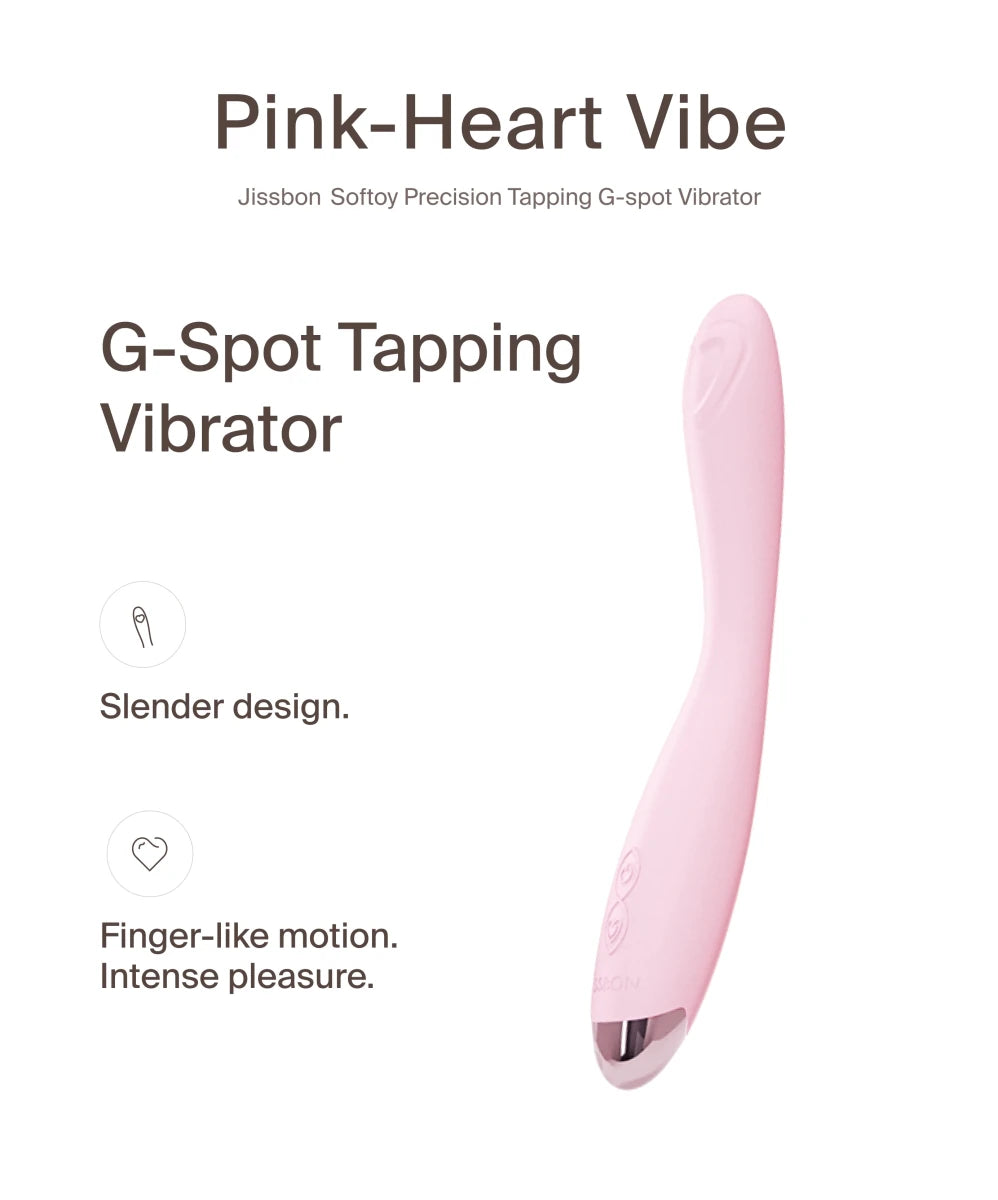
- G-spot vibrators with curved heads for targeted pressure
- Firmer materials (glass, metal, hard silicone) for intense stimulation
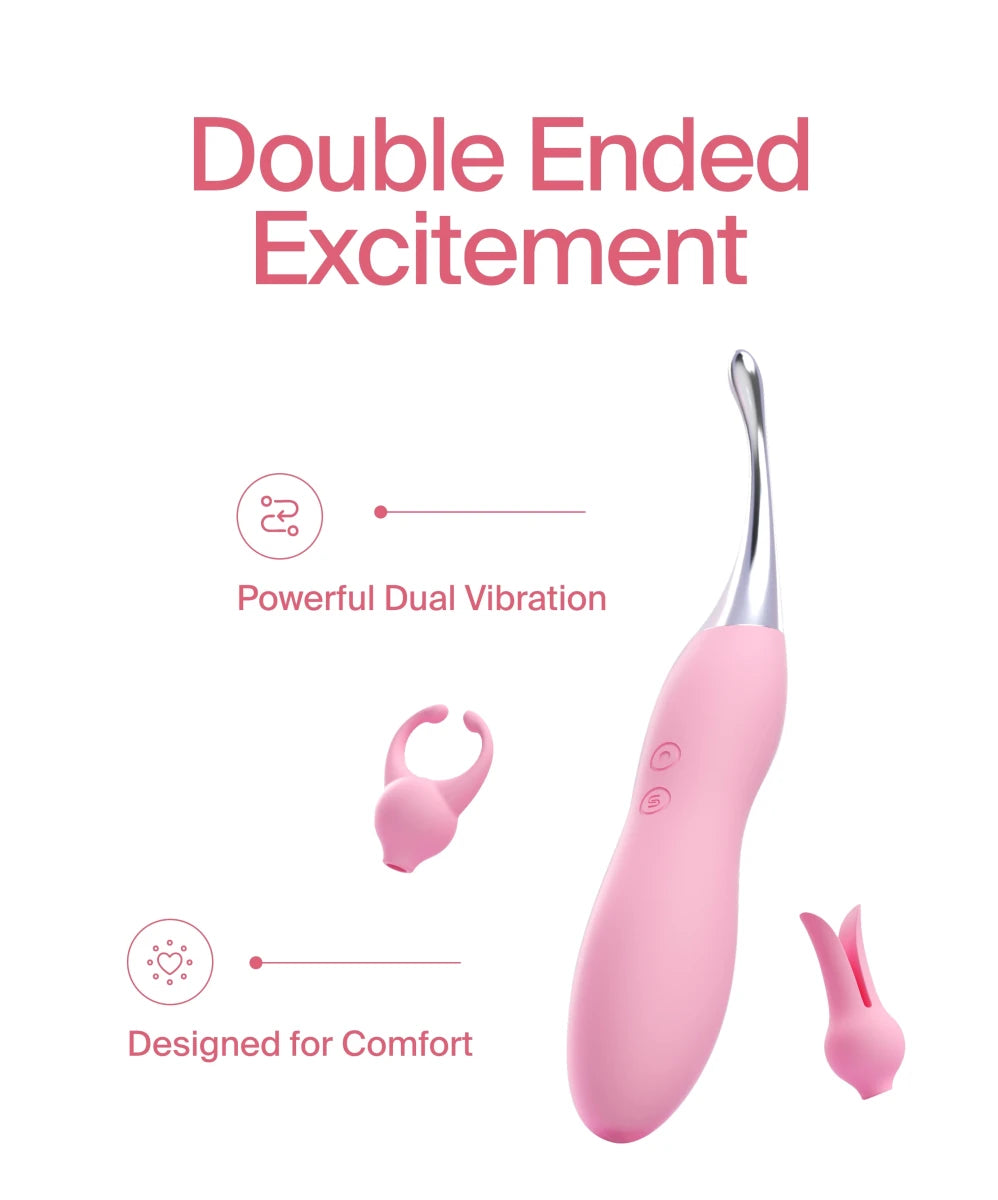
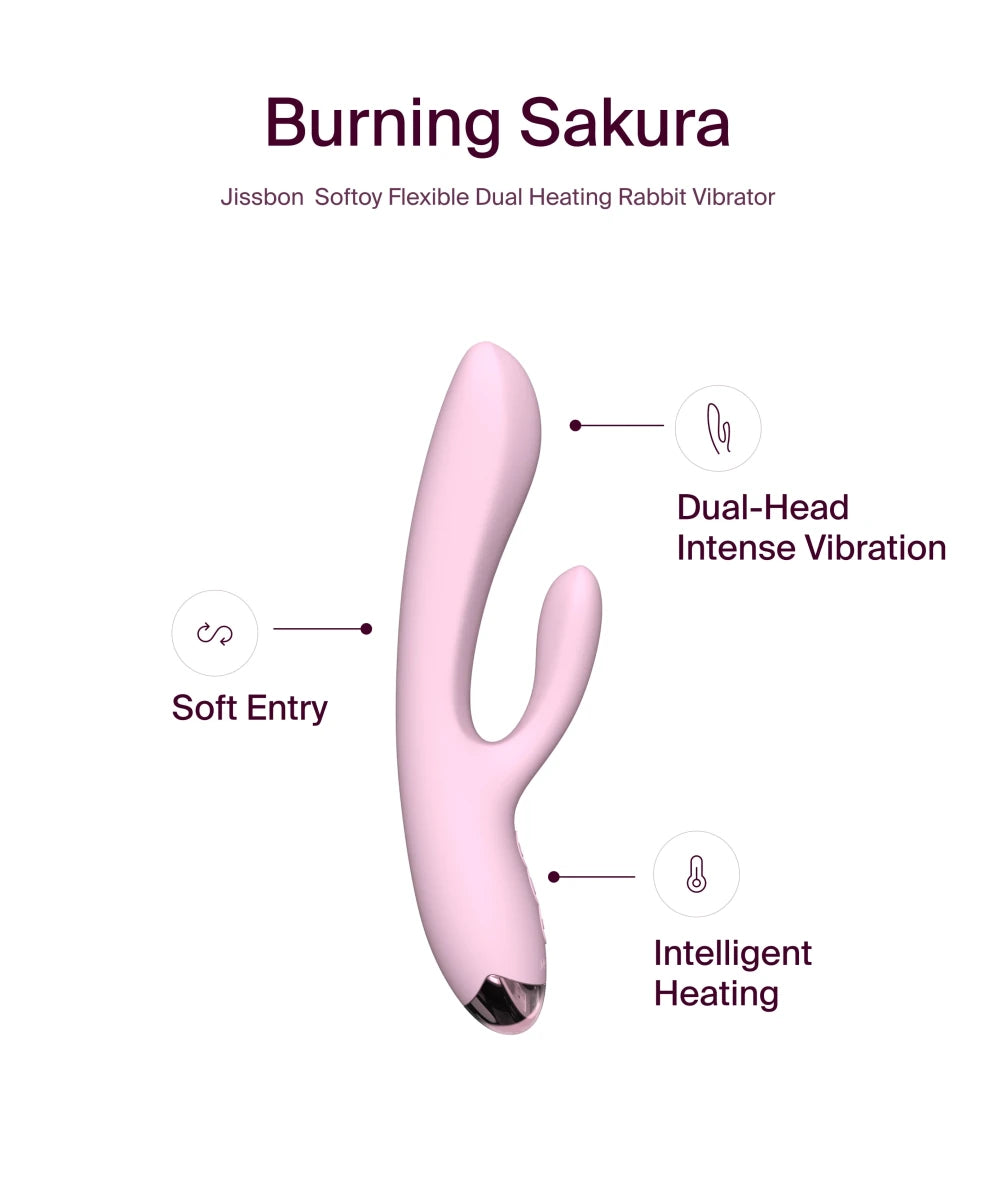
- Dual-action toys combining internal and external stimulation
Phase 3: The Release
What to expect:
- Strong pressure sensation in the front vaginal area
- Feeling similar to urgent need to urinate
- Sudden release of tension
- Fluid expulsion (can be a trickle or forceful stream)
- May or may not coincide with orgasm
Technique for release:
- When pressure builds, push out gently as if urinating
- This is counterintuitive—most people clench, which prevents release
- Some describe it as "bearing down" similar to childbirth breathing
- Relaxing the pelvic floor is key
Partner-Assisted Techniques

Communication becomes paramount when another person is involved:
Before Starting
Discuss together:
- Is this mutual curiosity or one-sided pressure?
- What happens if it doesn't occur?
- How will you signal discomfort or need for changes?
- What's the aftercare plan regardless of outcome?
Positioning Options
|
Position |
Advantages |
Considerations |
|
Lying on back, knees bent |
Partner has good angle for front wall access |
Requires partner finger stamina |
|
On hands and knees |
Gravity assists fluid release |
Less clitoral access, more vulnerable feeling |
|
Seated on partner's lap |
Face-to-face intimacy, easy communication |
Requires strong partner core |
|
Standing with one leg elevated |
Easy fluid cleanup, different angle |
Less stable, tiring for extended sessions |
Partner Technique
- Extended foreplay (15-25 minutes minimum)
- Start with 1-2 fingers inserted, palm up
- Firm, rhythmic pressure on front vaginal wall
- Maintain consistent speed – rushing interrupts build-up
- Simultaneous clitoral attention using other hand or mouth
- Watch for body cues – breathing changes, muscle tension, vocal responses
- Encourage "letting go" verbally if helpful
Common mistakes partners make:
- Stopping when the "urination" sensation starts (this is when to continue)
- Using too gentle pressure (this area requires firmness)
- Changing technique constantly (consistency matters)
- Making it about their ego rather than mutual exploration
Toy Recommendations for Practice
Best Features to Look For
Design elements:
- Pronounced curve (45-60° angle)
- Firm material (ABS plastic, glass, stainless steel, or firm silicone)
- Smooth, rounded tip (1-2 inch diameter)
- Comfortable handle (important for maintaining pressure)
Specific Toy Types
Curved vibrators:
- Provide targeted stimulation without hand fatigue
- Adjustable vibration helps with arousal building
- Look for models with strong motors (not buzzy, weak vibrations)
Non-vibrating G-spot wands:
- Allow precise pressure control
- Glass and metal maintain firmness
- Temperature play option (warm or cool before use)
Dual-stimulation designs:
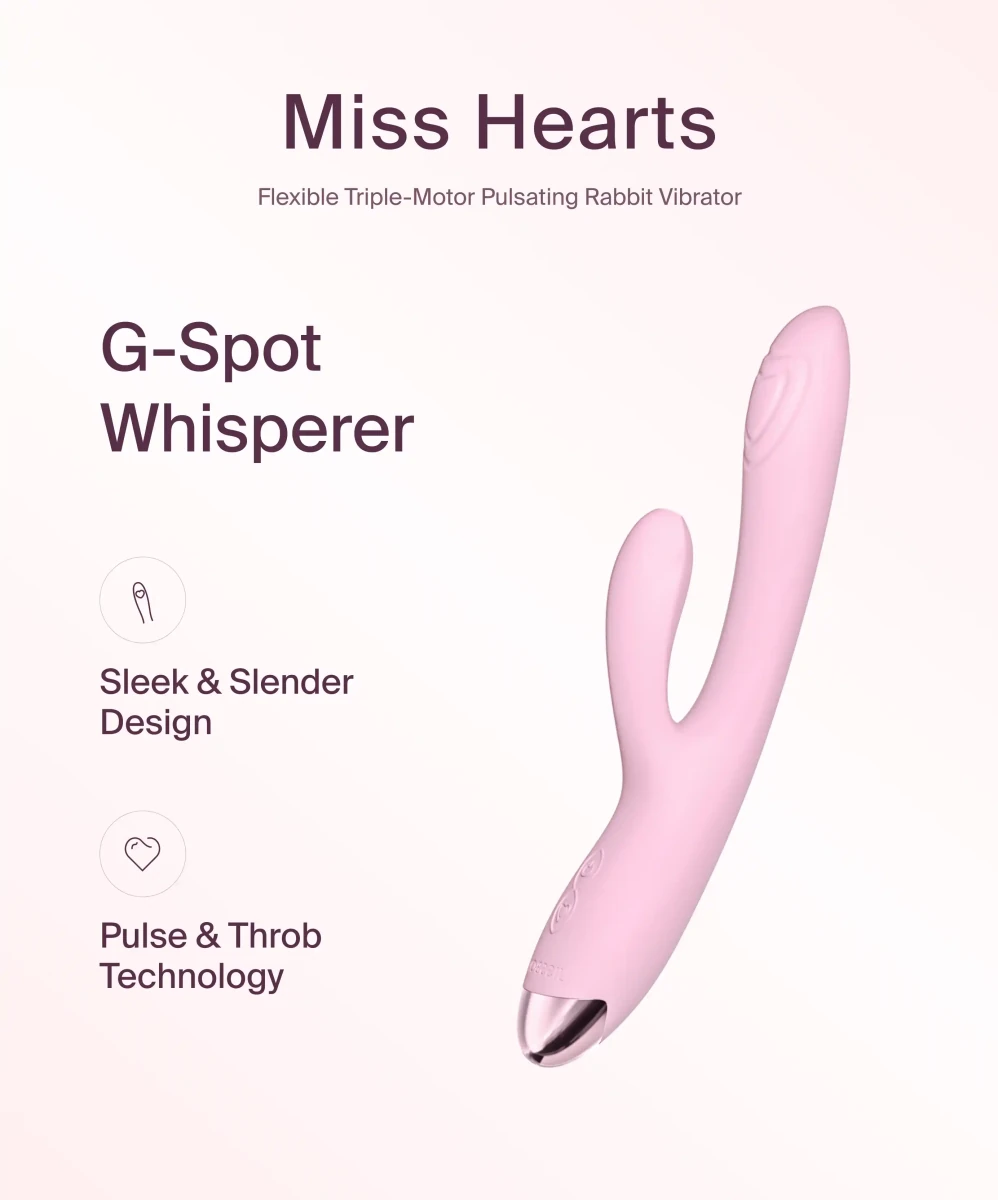
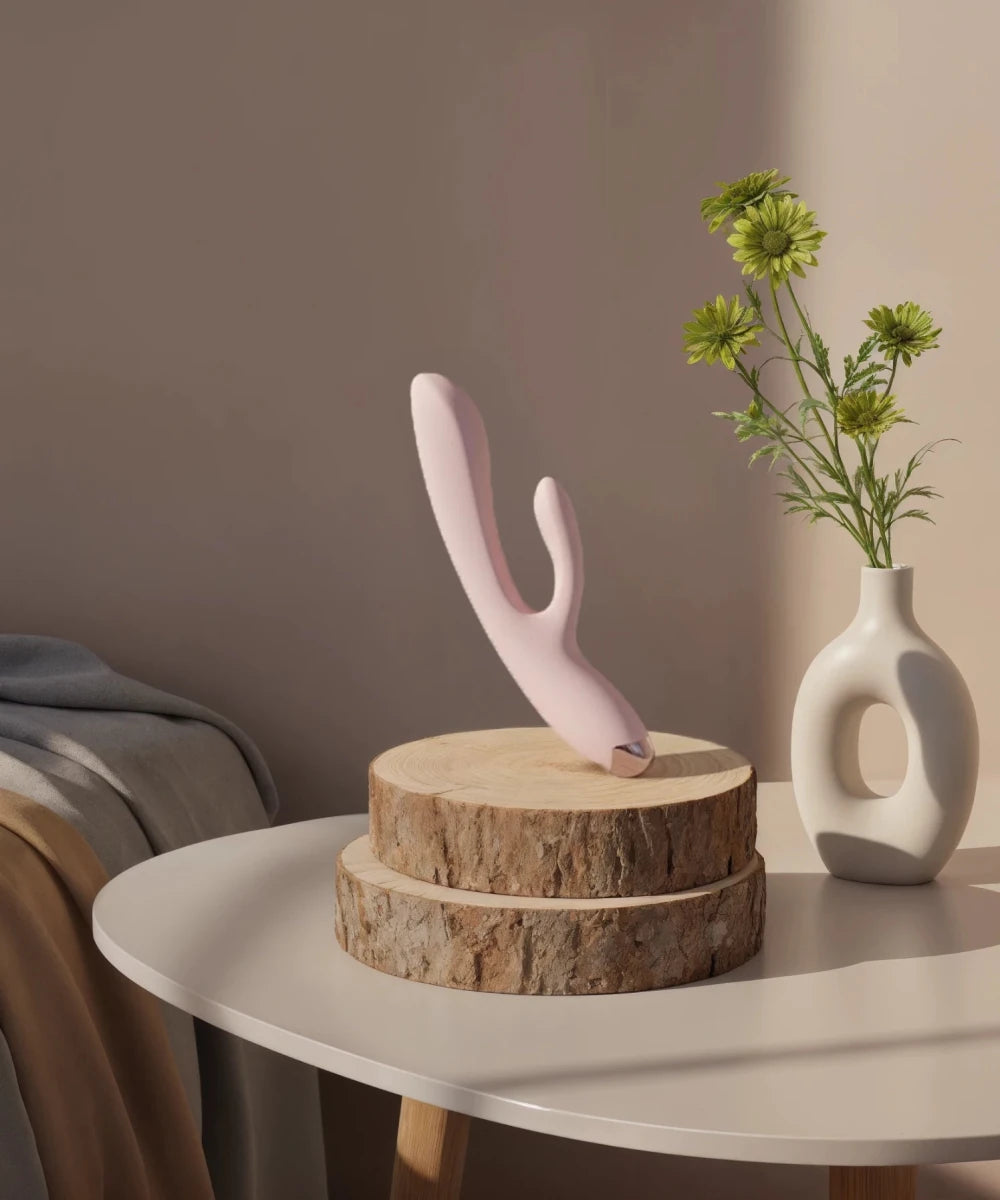
- Rabbit vibrators address both areas simultaneously
- Reduces coordination challenges
- Helpful for people who need continuous clitoral contact
Managing the "Pee Fear" Hurdle

This is the most common barrier preventing release.
Understanding the Sensation
The urethral sponge sits directly against the bladder. Pressure on it mimics bladder fullness signals. This doesn't mean you're about to urinate, even though nerves can't distinguish between the sensations.
Practical Reassurances
Test before sessions:
- Empty bladder completely
- Wait 30 minutes
- Try to urinate again – little to nothing should come out
- Begin exploration knowing your bladder is truly empty
During exploration:
- Remind yourself: "I just emptied my bladder; this is a different sensation"
- Use waterproof layers so fear of mess isn't a factor
- Practice "pushing out" slightly when the feeling builds
- Understand that even if trace urine is present, it's not shameful or unhygienic
Reframing the Experience
Many who successfully ejaculate describe finally "letting go" of this fear as the turning point. Accepting that you might release urine—and being okay with it—often paradoxically leads to the desired outcome.
Pelvic Floor Considerations
When Tension Prevents Release
Chronically tight pelvic floor muscles can block ejaculation:
Signs of excessive tension:
- Difficulty starting urination
- Incomplete bladder emptying
- Pain during penetration
- Inability to relax muscles consciously
Helpful practices:
- Pelvic floor physical therapy (specialized professionals exist for this)
- Reverse kegels (pushing out rather than squeezing)
- Deep belly breathing during arousal
- Progressive muscle relaxation exercises
When Weakness Is the Issue
Conversely, very weak pelvic floor muscles may lack the control needed:
Strengthening approaches:
- Standard kegel exercises (squeeze, hold 5 seconds, release)
- Pelvic floor trainers with biofeedback
- Graduated resistance exercises
- Consultation with pelvic floor specialist
Medical professionals emphasize that pelvic floor health impacts sexual function, and targeted exercises can improve both strength and relaxation capacity.
Cleanup and Aftercare
Immediate Post-Session
Hygiene steps:
- Urinate shortly after (reduces UTI risk)
- Gentle external cleansing with warm water
- Pat dry with soft towel
- Allow skin to air briefly before clothing
Toy care:
- Wash immediately with toy cleaner or mild soap
- Pay attention to textured areas where fluid collects
- Air dry completely before storage
- Inspect for damage from intense use
Emotional Processing
Regardless of whether ejaculation occurred:
- Acknowledge the experience – exploration itself is valuable
- Discuss with partner what felt good or uncomfortable
- Release expectations for next time
- Appreciate your body for whatever it offered
Troubleshooting Common Challenges
"I get close but nothing happens"
Possible issues:
- Not maintaining pressure consistently through the peak
- Clenching instead of pushing out at the crucial moment
- Insufficient overall arousal before attempting
- Psychological blocking from fear or tension
Adjustments to try:
- Extend foreplay by 10-15 minutes
- Practice pushing out sensation separately (during urination, notice the muscle feeling)
- Use firmer toys or more pressure
- Try different positions that change angle
"It feels uncomfortable, not pleasurable"
Reasons this happens:
- Insufficient arousal before internal stimulation
- Too aggressive pressure too quickly
- Naturally lower sensitivity in that area
- Previous negative experiences creating mental associations
Solutions:
- Always begin with extensive external pleasure
- Gradually increase pressure over several minutes
- Accept this might not be your body's preference—and that's valid
- Focus on what does feel good instead
"I think I'm doing it but barely any fluid comes out"
This likely represents true ejaculate (small volume) rather than squirting:
- Completely normal variation
- Still represents successful exploration
- Volume doesn't correlate with pleasure intensity
- Some bodies simply produce less fluid
Myths and Misconceptions
Myth: "All women can squirt with the right technique"
Reality: Individual anatomical and neurological differences mean this isn't universal. Inability to ejaculate doesn't indicate dysfunction.
Myth: "Squirting always accompanies orgasm"
Reality: These can occur separately. Some experience ejaculation without orgasm; others orgasm without ejaculation. Both combinations are normal.
Myth: "The fluid is just urine"
Reality: Analysis shows it contains prostatic-type enzymes alongside diluted urine, creating a distinct composition. The exact ratio varies individually.
Myth: "More fluid means better orgasm"
Reality: Volume has no relationship to pleasure intensity. Small releases can accompany profound pleasure; large volumes might feel neutral.
Myth: "You have to bear down forcefully"
Reality: Gentle releasing of pelvic tension is sufficient. Forcing can cause discomfort and isn't necessary.
Frequently Asked Questions
Is female ejaculation the same as vaginal lubrication?
No. Vaginal lubrication is a continuous process during arousal, produced by plasma seeping through vaginal walls. Ejaculation is a distinct event involving fluid release from the Skene's glands and bladder, typically occurring at or near peak arousal.
Can squirting happen from clitoral stimulation alone?
While less common, some people report ejaculation from exclusively external stimulation. However, most require direct or indirect front vaginal wall pressure. Individual nervous system wiring creates these variations.
Does squirting feel like orgasm?
Not necessarily. Many describe it as a release of pressure that may feel pleasurable, neutral, or occur alongside orgasm. Treating it as a separate phenomenon from orgasm helps manage expectations and reduces confusion.
How often can you squirt in one session?
This varies dramatically. Some experience it once and find continued stimulation uncomfortable. Others report multiple releases during extended sessions. Listen to your body's signals about what feels sustainable versus overwhelming.
Will practicing make it easier over time?
Potentially. Increased body awareness, mental comfort with the sensations, and refined technique can improve consistency. However, it's not guaranteed—some people find it remains elusive despite practice, which doesn't reflect inadequacy.
Should I feel embarrassed about the fluid?
No. Ejaculation is a natural physiological response, similar to sweating or salivation. Partners involved in exploration should approach it with curiosity and acceptance rather than judgment. If embarrassment persists, examine where those feelings originate and whether they deserve space in your intimate life.
Moving Forward: Pressure-Free Exploration
Approaching female ejaculation as one possible aspect of sexual experience—rather than a milestone to achieve—creates healthier exploration. Some bodies respond readily; others don't, regardless of technique or effort. Sexual satisfaction exists independently of any specific response.
If curiosity leads you to experiment, prioritize comfort, communication, and genuine pleasure over predetermined outcomes. And if ejaculation never happens, that doesn't diminish your sexuality or your capacity for profound physical experiences.
Ready to explore toys designed for internal pleasure? Browse Jissbon's collection of ergonomically designed, body-safe options built for comfortable exploration.


Looking for something else?

What Is Flogging in Sex? Complete BDSM Flogging Guide
LEARN MORE
What Does Overstimulated Mean Sexually? Causes & Solutions
LEARN MORE
Can You Get a Tattoo on Your Vagina? Safety, Pain & What to Expect
LEARN MORE
Public Sex Kink: Understanding Exhibitionism & Safe Exploration
LEARN MORELooking for something else?

A-Spot Orgasm: Best Positions & How to Find It
LEARN MORE
Bondage Play: Complete Beginner's Guide to Rope BDSM
LEARN MORE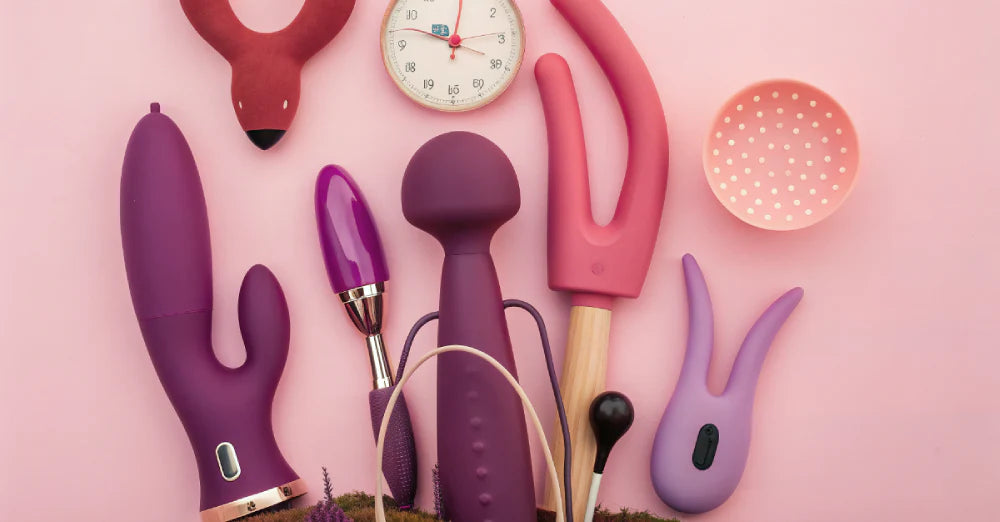
Vibrator Stories: Real Experiences, Tips & What to Expect
LEARN MOREYou may also like
20% off

20% off

20% off

20% off

20% off

20% off

Further reading

How to Clean an Automatic Blowjob Machine Without Damaging the Motor

Remote-Controlled Automatic Masturbators for Couples and Solo Play
Best Automatic Strokers for Edging and Stamina Training