










































































Sexless Marriages: Causes, Solutions & When to Seek Help
Stack & Save: Extra 15% with Jissbon15
Jissbon15
Sexless marriages typically defined as having sex fewer than 10 times per yearaffect approximately 15-20% of couples in the United States. While the term sounds harsh, it often reflects deeper emotional disconnection rather than just absent physical intimacy. This guide explores common causes of sexless marriages, the emotional impact on partners, practical steps for reconnecting, and when professional help becomes necessary.
Whether you're currently experiencing intimacy loss or want to prevent it, understanding these patterns can help strengthen your relationship. Let's examine why sexless marriages happen and how couples can rebuild connection.
Who Experiences Sexless Marriages?
Sexless marriages occur across all demographics, though certain life stages and circumstances increase risk:
- New parents managing exhaustion from childcare demands
- Middle-aged couples dealing with hormonal changes or chronic stress
- Partners with mismatched libidos who haven't found compromise
- Couples facing unresolved conflict or built-up resentment
- Those managing chronic illness affecting energy or function
- People on certain medications with libido-suppressing side effects
- Couples who've lost emotional connection and struggle to communicate
According to research on sexless marriages, about 7% of married adults in the U.S. haven't had sex in the past year, with rates increasing to 14-15% when including infrequent sexual activity.
Defining Sexless Marriage: What Does It Really Mean?

The technical definitionsex fewer than 10 times yearlyprovides a benchmark, but sexless marriages involve more than frequency:
Beyond the Numbers
What truly defines a sexless marriage:
- Sustained lack of sexual intimacy over extended periods
- Emotional distance accompanying physical absence
- One or both partners feeling dissatisfied or rejected
- Loss of affectionate touch beyond just intercourse
- Feeling more like roommates than romantic partners
Important distinction: Some couples mutually choose low-frequency or no sex and feel satisfied. A marriage isn't "sexless" in the problematic sense if both partners are content with the arrangement.
Common Patterns
How sexless marriages typically develop:
|
Stage |
Description |
Duration |
|
Initial decline |
Sex becomes less frequent due to stress, kids, or routine |
Months |
|
Growing gap |
Longer periods between intimate encounters; avoidance patterns form |
6-12 months |
|
Emotional distance |
Resentment, rejection feelings, or resignation develop |
1-2 years |
|
Entrenched pattern |
Both partners accept the new normal; reconnection feels impossible |
2+ years |
Key insight: The longer the pattern continues, the harder reconnection becomesbut it's rarely impossible with effort and willingness.
Common Causes of Sexless Marriages
Multiple factors contribute to declining intimacy. , several causes comOftenbine:
Life Stressors and Exhaustion
Major stress factors:
- Young children demanding constant attention and energy
- Career pressures and long working hours
- Financial stress creating anxiety and tension
- Caregiving for aging parents
- General overwhelm leaving no energy for intimacy
Why it matters: Sexual desire requires mental and physical energy. When depleted, libido naturally decreases for many people.
Unresolved Relationship Conflict
Common issues:
- Built-up resentment from unaddressed problems
- Poor communication about needs and expectations
- Feeling unappreciated or taken for granted
- Disagreements about parenting, money, or household responsibilities
- Loss of friendship and companionship underneath romance
The connection: For many people, emotional safety and connection are prerequisites for sexual desire. Unresolved anger or hurt creates barriers to intimacy.
Mismatched Libidos
The challenge:
- One partner desires sex more frequently than the other
- Differing attitudes about what constitutes "enough" sex
- Neither partner is "wrong," but compromise hasn't been found
- Rejection and pressure dynamics develop
Why it's difficult: The higher-libido partner feels rejected and unwanted, while the lower-libido partner feels pressured and guiltycreating a painful cycle.
Physical and Medical Issues
Health factors affecting sex:
- Hormonal changes (menopause, low testosterone, thyroid issues)
- Chronic pain conditions making sex uncomfortable
- Erectile dysfunction or other sexual performance issues
- Side effects from medications (antidepressants, blood pressure drugs)
- Chronic illnesses reducing energy and libido
- Body image concerns after weight changes or surgery
Important: Many medical causes have treatments. Consulting healthcare providers can resolve some physical barriers.
Mental Health Challenges
Psychological factors:
- Depression significantly reduces libido and pleasure
- Anxiety about performance, body image, or relationship
- Past sexual trauma affecting current intimacy
- Stress-related mental exhaustion
- Undiagnosed or untreated mental health conditions
The complexity: Mental health and sexuality deeply intertwine. Addressing underlying psychological issues often improves sexual connection.
Porn and Masturbation Patterns
When solo activities replace partnered sex:
- Using pornography or masturbation as primary sexual outlet
- Preference for solo sex due to convenience or control
- Unrealistic expectations from porn affecting partnered experiences
- Partner feeling rejected or inadequate
- Loss of interest in "real" sex compared to fantasy
Note: Solo sexuality isn't inherently problematic, but when it replaces rather than complements partnered intimacy, it can contribute to sexless patterns.
The Emotional Impact of Sexless Marriages

Lack of sexual intimacy affects partners differently but causes genuine pain:
Effects on the Higher-Libido Partner
Common experiences:
- Feeling rejected, unattractive, or unwanted
- Questioning partner's love and attraction
- Frustration, anger, or resentment building over time
- Temptation to seek intimacy elsewhere
- Loss of self-esteem and confidence
- Feeling trapped between staying and leaving
The suffering: Constant rejection creates deep emotional wounds that extend far beyond physical frustration.
Effects on the Lower-Libido Partner
Common experiences:
- Feeling pressured, guilty, or broken
- Anxiety about partner's unhappiness
- Shame about not meeting partner's needs
- Defensive reactions when sex is mentioned
- Avoiding affection for fear it will lead to sex expectations
- Feeling reduced to a sexual object rather than whole person
The suffering: Being made to feel inadequate for natural libido levels creates its own trauma.
Effects on the Relationship
Shared consequences:
- Growing emotional distance and loss of friendship
- Increased conflict or silent resentment
- Avoidance patterns around the topic
- Loss of other forms of affection and touch
- Considering separation or affairs
- General unhappiness despite love remaining
Critical point: Both partners suffer in sexless marriages, just in different ways. Recognizing mutual pain is the first step toward reconnection.
Steps to Reconnect in a Sexless Marriage
Rebuilding intimacy requires patience, communication, and commitment from both partners:
Step 1: Open, Honest Communication
How to start the conversation:
- Choose a calm, private time (not during conflict)
- Use "I feel" statements rather than accusations
- Express your needs without blaming partner
- Listen actively when partner shares their perspective
- Acknowledge both experiences are valid
Example opener: "I've been feeling distant from you lately, and I miss our physical connection. Can we talk about what's been happening for both of us?"
Common pitfall: Approaching the topic during moments of rejection or frustration creates defensiveness.
Step 2: Address Underlying Issues
Identify and tackle root causes:
- If stress is the issue: Find ways to reduce loads or manage better
- If conflict exists: Work on resolving specific resentments
- If medical: Schedule healthcare appointments to address physical issues
- If mental health: Seek therapy for depression, anxiety, or trauma
- If communication: Learn better ways to express needs and listen
Key principle: Treating symptoms (lack of sex) without addressing causes rarely works long-term.
Step 3: Rebuild Emotional Intimacy First
Non-sexual connection rebuilding:
- Schedule regular quality time together without phones
- Resume activities you enjoyed early in relationship
- Practice daily affection (hugs, kisses) without sex expectations
- Express appreciation and gratitude regularly
- Share thoughts, dreams, and fears to rebuild closeness
Why this matters: For many people, emotional intimacy must precede sexual intimacy. Rushing to sex without emotional reconnection often fails.
Step 4: Reintroduce Physical Touch Gradually
Sensate focus approach:
- Start with non-sexual touching (hand-holding, cuddling)
- Progress to massage or back rubs with no genital contact
- Gradually add more intimate touch over weeks
- Remove pressure to "perform" or reach orgasm
- Build comfort and pleasure without goals
Benefits: Removes performance pressure while rebuilding physical comfort and trust.
Step 5: Explore New Approaches Together
Variety and novelty can help:
- Try scheduling sex to ensure it happens (removes spontaneity pressure)
- Explore new activities or locations for intimacy
- Consider introducing sex toys for couples for variety
- Read books or watch educational content together
- Discuss fantasies or desires you haven't shared
Why novelty helps: New experiences can reignite interest and excitement that routine eroded.
Step 6: Seek Professional Help
When to consider therapy:
- DIY efforts haven't improved situation after several months
- Resentment or anger feels too deep to resolve alone
- Past trauma affects current intimacy
- Medical or psychological issues require professional treatment
- Communication repeatedly breaks down into conflict
Types of professionals:
- Couples therapist: Addresses relationship dynamics and communication
- Sex therapist: Specializes in intimacy and sexual function issues
- Individual therapist: Helps with personal trauma, depression, or anxiety
- Medical doctor: Treats hormonal, physical, or medication-related issues
When Sexless Marriages Work

Not all sexless marriages are unhappy. Some couples thrive without regular sexual activity:
Mutually Agreed Arrangements
When low/no sex works:
- Both partners have naturally low libidos
- Asexual or demisexual orientations for one or both
- Medical conditions making sex painful or impossible
- Mutual agreement that other forms of intimacy satisfy
- Both feel fulfilled and connected despite infrequent sex
The difference: Contentment vs. distress. If both partners feel satisfied, the marriage isn't "sexless" in the problematic sense.
Maintaining Intimacy Without Sex
Alternative forms of connection:
- Cuddling, kissing, and non-sexual physical affection
- Emotional intimacy through deep conversation and shared experiences
- Acts of service and quality time together
- Mutual respect and appreciation
- Shared goals and partnership focus
Key point: Intimacy encompasses far more than sex. Some couples maintain deep connection through other channels.
Products and Tools That Can Help
While products can't fix relationship issues, they can support reconnection efforts:
For Rebuilding Physical Connection
Helpful options:
- Massage oils for non-sexual touch practice
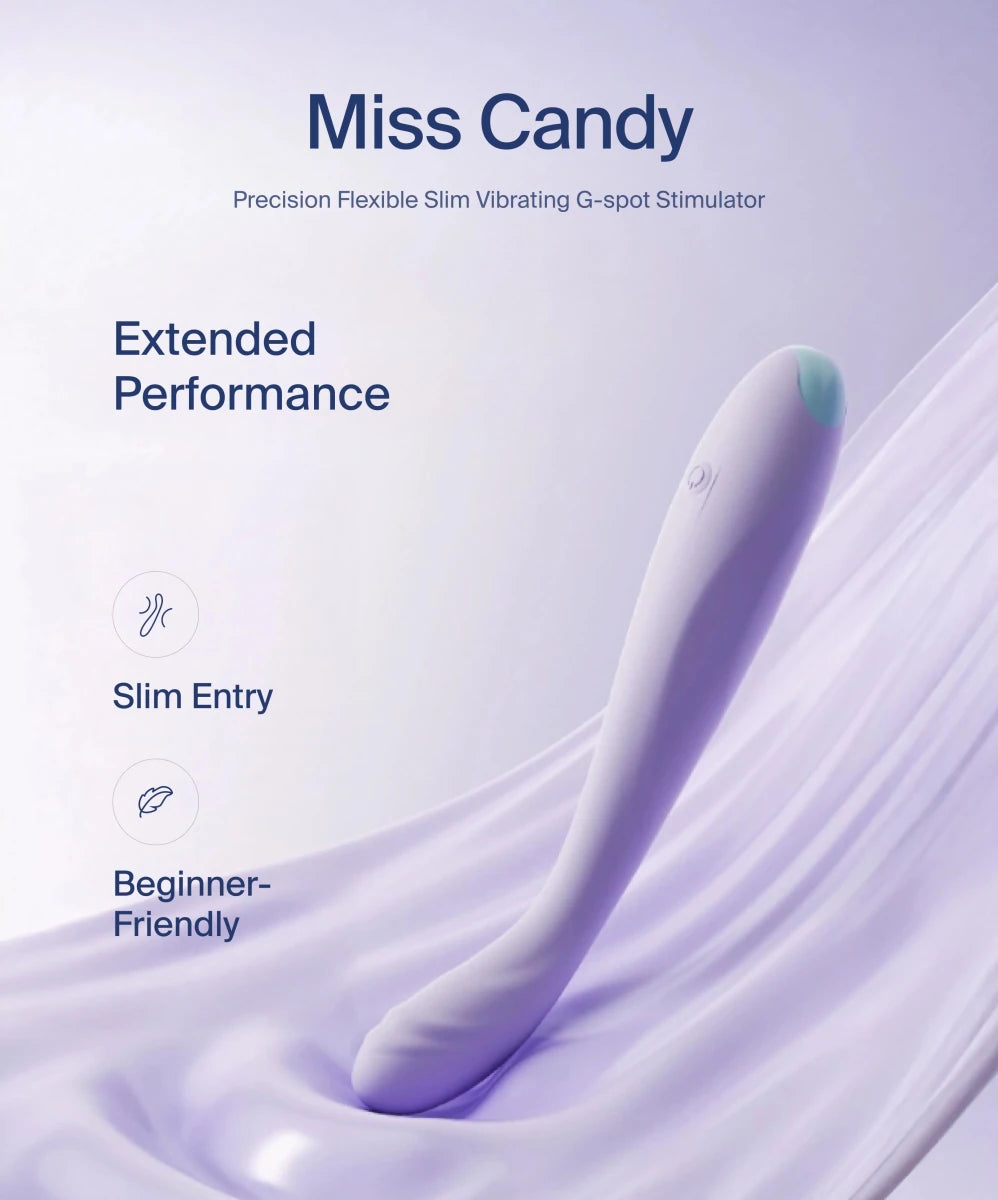
- Couple-friendly vibrators for shared exploration
- Remote-controlled devices for playful anticipation-building
- Lubricants for comfort (especially with age or hormonal changes)
- Educational books or resources
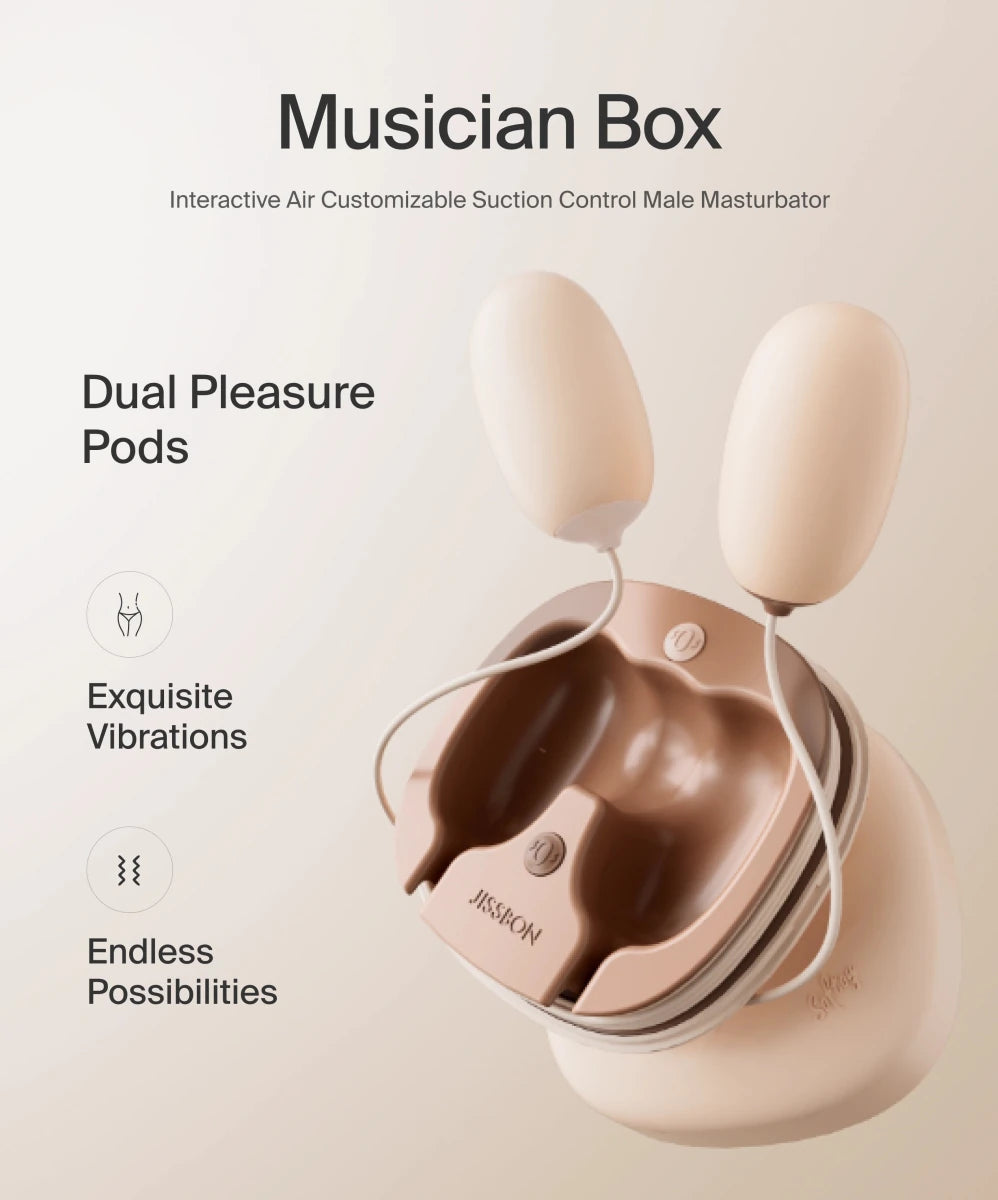
From Jissbon: Quality products designed to enhance comfort and pleasure can remove physical barriers and add variety.
For Individual Exploration
Supporting personal sexuality:
- Solo exploration tools help maintain sexual health during reconnection
- Understanding your own pleasure improves communication with partner
- Maintaining sexual function through use prevents "use it or lose it" issues
Balance: Solo sexuality should complement rather than replace partnered intimacy during reconnection efforts.
When to Consider Ending the Marriage
Sometimes, despite best efforts, staying in a sexless marriage isn't healthy:
Signs It May Be Time to Leave
Consider separation if:
- One partner refuses to acknowledge problem or try solutions
- Resentment has destroyed respect and friendship
- Affairs or betrayals have occurred
- You've tried therapy with no improvement
- You're staying only for children, finances, or fear
- Your mental health is seriously suffering
- Physical or emotional abuse is present
Important distinction: Sexlessness alone isn't necessarily reason to leave, but lack of willingness to address it or work together might be.
Before Making the Decision
Steps to take first:
- Clearly communicate how serious the situation is
- Give therapy a genuine attempt (6+ months)
- Ensure partner understands you're considering leaving
- Explore all possible solutions
- Consider trial separation before permanent decision
Reality: Some marriages can't or shouldn't be saved, but many can improve if both partners commit to change.
Frequently Asked Questions
How common are sexless marriages in the United States?
Research indicates 15-20% of U.S. marriages qualify as sexless (sex fewer than 10 times yearly). About 7% of married adults report no sex in the past year, rising to 14-15% when including very infrequent activity. Rates increase with age, stress, and presence of young children, but sexless marriages occur across all demographics.
What are the main causes of sexless marriages?
Common causes include: exhaustion from young children or work stress, unresolved relationship conflict and resentment, mismatched libidos between partners, medical issues (hormonal changes, chronic illness, medication side effects), mental health challenges like depression or anxiety, and loss of emotional connection. Usually multiple factors combine rather than one single cause.
Can a sexless marriage be fixed?
Yes, many sexless marriages can improve when both partners commit to addressing underlying issues. Success requires: open communication about needs and feelings, resolving emotional conflicts, addressing medical or mental health issues, rebuilding emotional intimacy before physical, seeking professional therapy when needed, and patience with gradual reconnection. Change requires effort from both partners.
When should couples seek professional help for sexless marriage?
Consider therapy if: DIY efforts show no improvement after several months, resentment feels too deep to resolve alone, past trauma affects current intimacy, medical or psychological issues need professional treatment, communication repeatedly breaks down, or one partner is considering leaving. Sex therapists specialize in these issues and can provide structured guidance.
Is it normal for sex frequency to decline over time?
Yes, some decline is common as relationships mature, life gets busier, and bodies age. However, there's a difference between reduced frequency (from daily to weekly) and sexless patterns. Many long-term couples maintain satisfying sexual connectiondecline isn't inevitable. The key is whether both partners feel satisfied with the level of intimacy present.
What's the difference between low-sex and sexless marriage?
Low-sex marriages involve infrequent intimacy (monthly or every few months) but maintain some physical connection. Sexless marriages typically mean sex fewer than 10 times yearly, often with months-long gaps. The real distinction is whether both partners feel the frequency is adequate some couples are satisfied with less frequent sex, while others in the same situation feel distressed.
Final Thoughts
Sexless marriages affect millions of couples, but they don't have to be permanent. Understanding common causesfrom stress and conflict to medical issues and mismatched libidos helps identify solutions. Rebuilding intimacy requires open communication, addressing root causes, restoring emotional connection before physical, and sometimes seeking professional guidance.
While some couples thrive without regular sex through mutual agreement, those distressed by intimacy loss can often reconnect with patience and commitment from both partners. If you're working on rebuilding physical connection, exploring quality products from sex toys for couples might support your reconnection journey alongside emotional work and communication.


Looking for something else?

What Is Flogging in Sex? Complete BDSM Flogging Guide
LEARN MORE
What Does Overstimulated Mean Sexually? Causes & Solutions
LEARN MORE
Can You Get a Tattoo on Your Vagina? Safety, Pain & What to Expect
LEARN MORE
Public Sex Kink: Understanding Exhibitionism & Safe Exploration
LEARN MORELooking for something else?

A-Spot Orgasm: Best Positions & How to Find It
LEARN MORE
Bondage Play: Complete Beginner's Guide to Rope BDSM
LEARN MORE
Vibrator Stories: Real Experiences, Tips & What to Expect
LEARN MOREYou may also like
20% off

20% off

20% off

20% off

20% off

20% off

Further reading

How to Clean an Automatic Blowjob Machine Without Damaging the Motor

Remote-Controlled Automatic Masturbators for Couples and Solo Play
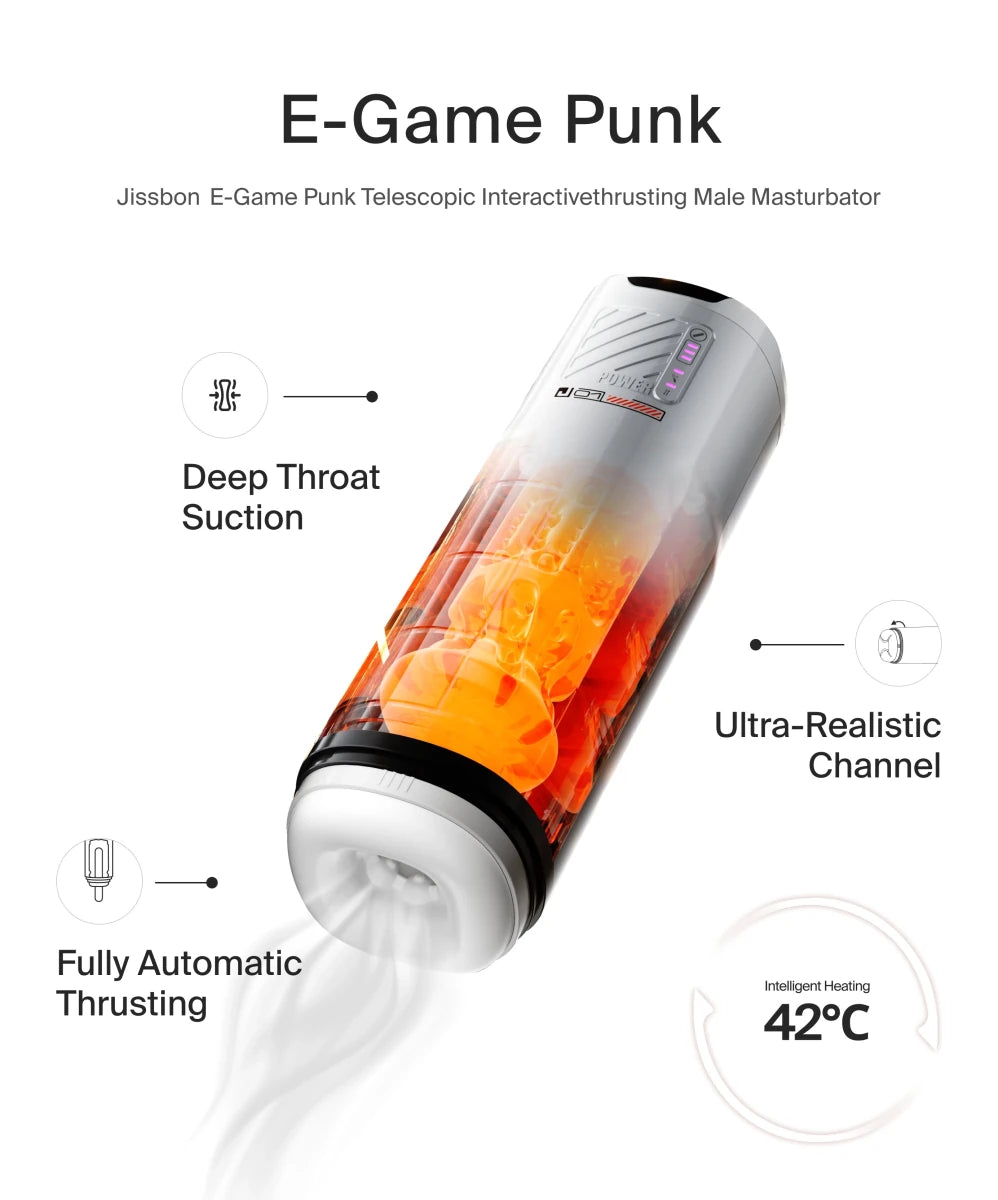
Best Automatic Strokers for Edging and Stamina Training