




























































Sex Journal Guide: Transform Your Intimate Life Through Writing
Stack & Save: Extra 15% with Jissbon15
Jissbon15
A sex journal is a personal record where you document sexual experiences, desires, feelings, fantasies, and reflections about intimacy. This private space for exploring your sexuality helps identify patterns, communicate needs, track what brings pleasure, and deepen self-awareness around one of life's most significant aspects.
Whether journaling solo to understand your desires better, with a partner to strengthen communication, or simply tracking what works physically, this comprehensive guide covers benefits, getting started, prompts for individuals and couples, maintaining consistency, privacy considerations, and using insights to enhance your sexual wellness journey.
How Sex Journaling Specifically Improves Your Sex Life
Beyond general mindfulness, sex-specific journaling delivers unique intimacy benefits:
1. Clarifies Your Pleasure Blueprint
Regular journaling helps you identify:
- Which touches, positions, rhythms work best
- What ruins arousal
- What consistently leads to orgasm
- What conditions (lighting, time of day, emotional tone) matter most
This forms your personal pleasure map — a resource many people don't realize they need.
2. Strengthens Emotional Connection With Partners
Researchers note that written reflection reduces defensiveness during conversations. When both partners journal:
- Tricky topics feel easier to express
- Desires become clearer
- Misunderstandings reduce dramatically
This builds trust and intimacy beyond sexual technique.
3. Helps Heal Anxiety, Shame, or Past Sexual Conditioning
Journaling supports emotional unlearning:
- Challenging harmful beliefs inherited from family, religion, or culture
- Rewriting internal narratives (“I take too long to orgasm,” “my desires are weird”)
- Normalizing your evolving needs
This reduces sexual inhibitions and increases pleasure potential.
4. Improves Body Awareness & Orgasm Reliability
Journaling improves mind-body connection by tracking:
- Sensation changes
- Arousal build-up
- Orgasm intensity
- Triggers for disconnect or shutdown
People who kept journals for 30 days (according to Self Magazine) experienced increased orgasm reliability and satisfaction.
Add Before “Solo Journaling”
What to Write in a Sex Journal (Simple Formula)
If you're unsure where to begin, use the S.E.X. Formula:
S — Sensations
Describe physical sensations without judgment.
- Warmth, tingling, pulsing, tension, numbness, pressure
- Areas that woke up vs. areas that stayed quiet
E — Emotions
Capture your emotional state before, during, after sex.
Examples:
- Excited
- Nervous
- Disconnected
- Overwhelmed
- Proud
- Tender
- Curious
X — Expression
Write what you'd express to yourself or a partner if no shame existed:
- Needs
- Turn-ons
- Boundaries
- Fantasies
- Gratitudes
Why Sex Journaling Matters
Regular reflection on sexual experiences creates measurable improvements in satisfaction and self-knowledge.
Documented Benefits
Research on journaling's psychological effects shows writing about experiences helps:
- Process emotions more effectively
- Identify patterns not obvious in the moment
- Reduce stress and anxiety (both enemies of good sex)
- Improve communication skills through clarifying thoughts
- Increase self-awareness and confidence
Applied specifically to sexuality, these benefits translate into better sex, clearer boundaries, and more satisfying relationships.
Mindfulness & Presence
According to guidance from sexual wellness experts, being fully present during intimacy significantly enhances pleasure. Journaling builds mindfulness practice by encouraging reflection on sensations, emotions, and experiences—skills that transfer directly to sexual encounters.
Pattern Recognition
Writing consistently reveals:
- Which activities consistently bring pleasure
- Circumstances surrounding best experiences (time of day, stress levels, specific foreplay)
- Communication patterns that lead to connection or disconnect
- How your desires shift with your cycle, stress, or relationship dynamics
- Triggers for performance anxiety or body image concerns
Communication Foundation
Clarifying thoughts through writing makes it easier to communicate needs to partners. Many people find verbalizing desires difficult—journaling provides rehearsal space for those conversations.
Solo Journaling: Individual Sexual Exploration

Personal sex journals focus on self-discovery and understanding your unique sexuality.
Getting Started
Choose Your Format
Physical Notebook:
- Pros: Private, no digital footprint, tactile satisfaction, can't be hacked
- Cons: Can be found by others, limited space, can't back up
Digital Document:
- Pros: Password-protected, searchable, unlimited space, backups possible
- Cons: Potential security risks, less private feeling, screen time
Dedicated App:
- Pros: Prompts built-in, reminder features, designed for purpose
- Cons: Privacy concerns (read terms carefully), requires trust in company
Setting the Routine
Consistency matters more than length. Options include:
- Nightly 5-minute reflection
- Post-sexual activity entries (solo or partnered)
- Weekly deeper reflections
- Monthly review of patterns
Find what feels sustainable rather than overwhelming.
Essential Solo Journal Prompts
Self-Discovery Questions
- What does my ideal sexual experience look like? Include all five senses in description.
- How do I define sexuality for myself? What activities count as "sex" to me?
- What messages did I receive about sex growing up? How do these affect me now?
- What parts of my body do I feel most connected to during arousal? Least connected?
- If I could change one thing about my sex life, what would it be?
Experience Tracking
After solo or partnered sexual experiences, record:
|
Element |
Details to Note |
|
Date & Time |
Patterns may emerge around timing |
|
Physical State |
Energy level, stress, health |
|
Mental State |
Mood, anxiety level, distractions |
|
Activity Type |
What you did specifically |
|
What Worked |
Techniques, positions, toys that brought pleasure |
|
What Didn't |
Discomfort, distractions, disconnection |
|
Orgasm |
Yes/no, intensity, type (if applicable) |
|
Overall Rating |
1-10 satisfaction scale |
Desire Exploration
- What fantasies excite me? (No judgment—fantasy doesn't equal wanting reality)
- What new activities am I curious about trying?
- What boundaries are non-negotiable for me?
- How has my desire changed over time? What influenced changes?
- What makes me feel sexy and confident?
Body Relationship
- Which body parts do I appreciate most? How can I show them love?
- What negative self-talk arises during sexual activities? Where does it come from?
- How does my body communicate pleasure? Discomfort?
- What aspects of my body am I learning to accept?
Couples Sex Journaling

Shared journaling strengthens intimacy through structured communication and reflection.
Two Approaches
Shared Journal: Both partners write in the same book/document, reading each other's entries. Creates transparency and joint record of your sexual journey together.
Separate Journals with Discussion: Each partner keeps private entries, then shares selected insights or summaries during conversations. Maintains individual privacy while building communication.
Getting Started as a Couple
Initial Conversation
Discuss:
- Goals for journaling together (better communication, trying new things, understanding each other)
- Format preference (shared vs separate)
- Frequency (after every encounter or weekly reflections)
- Ground rules (no judgment, honesty prioritized, consent to read each other's entries)
- What feels off-limits to write about
Creating Safety
Establish that:
- Entries can include constructive feedback without blame
- Honesty won't result in punishment or resentment
- The goal is growth, not criticism
- Either person can take a break if it feels overwhelming
Couples Journal Prompts
After Intimate Encounters
Both partners independently answer then compare:
- What did I enjoy most tonight?
- What surprised me?
- What would I like to try next time?
- How connected did I feel (1-10)?
- What do I appreciate about my partner's efforts?
Exploration Questions
- What does our ideal sex life look like? Compare visions.
- What's one new activity we're both curious about?
- How can we improve our sexual communication?
- What do I need from my partner to feel more comfortable sexually?
- When do I feel most attracted to my partner? When does my partner feel most attractive?
Gratitude Practice
Regular entries focused on:
- Three things I appreciate about our sexual relationship
- A specific moment when my partner made me feel desired
- Something my partner did recently that showed care for my pleasure
- What our sex life adds to the overall relationship
Conflict Resolution
After challenges, both write:
- What happened from my perspective?
- What emotions came up for me?
- What do I need to feel better moving forward?
- What can I do differently next time?
Then exchange and discuss with compassion.
Tracking Desire, Arousal & Satisfaction
Quantitative tracking alongside qualitative reflection reveals patterns.
Creating Your Tracking System
Desire Level: Daily rating (1-10) of sexual interest. Tracking over months reveals patterns tied to menstrual cycles, stress, relationship dynamics, or season.
Arousal Quality: How easily you became aroused (1-10). Low numbers consistently might indicate need for more foreplay, different stimulation, or addressing underlying stress.
Satisfaction: Post-experience rating separating physical pleasure from emotional connection. Both matter but may not always align.
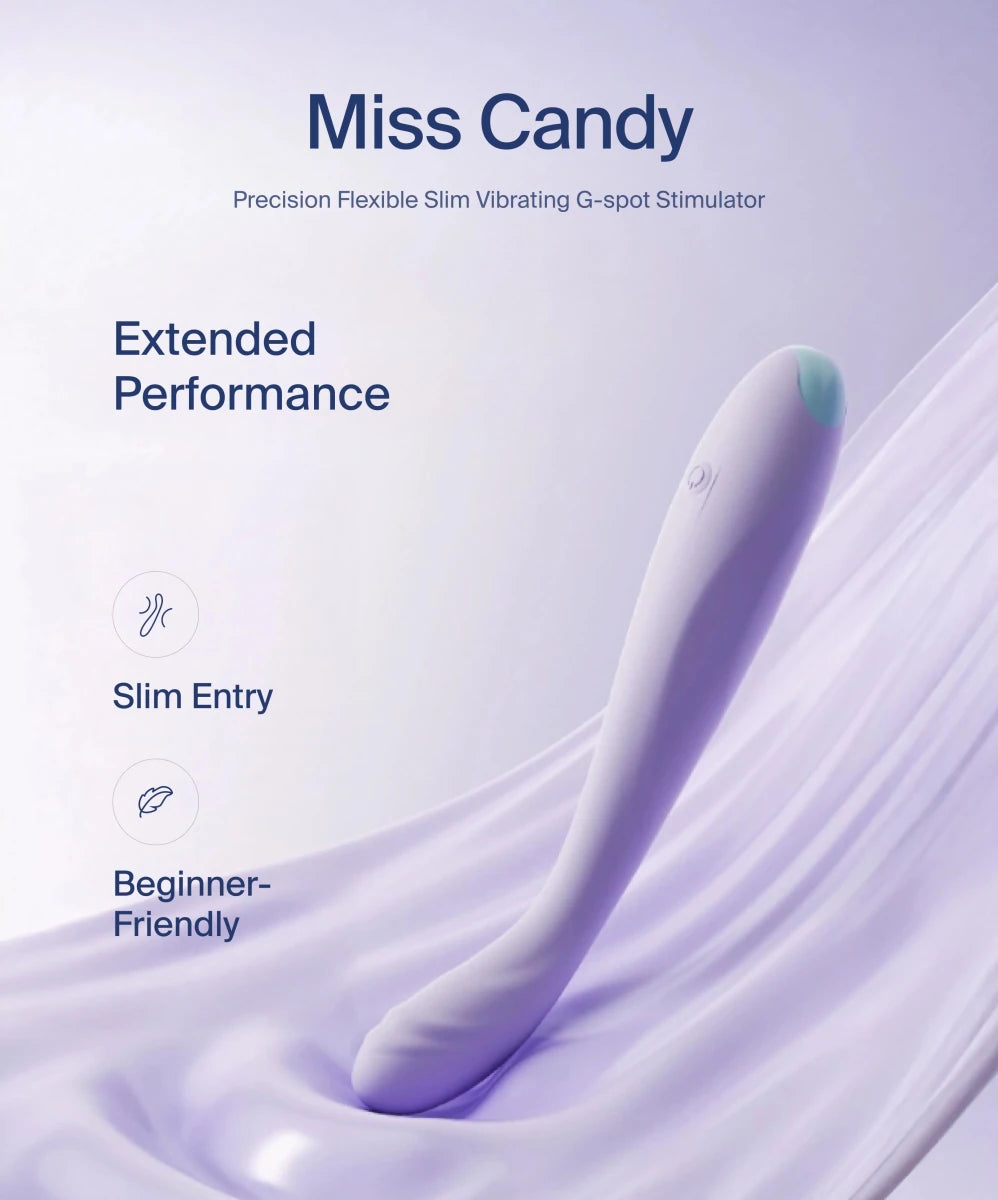
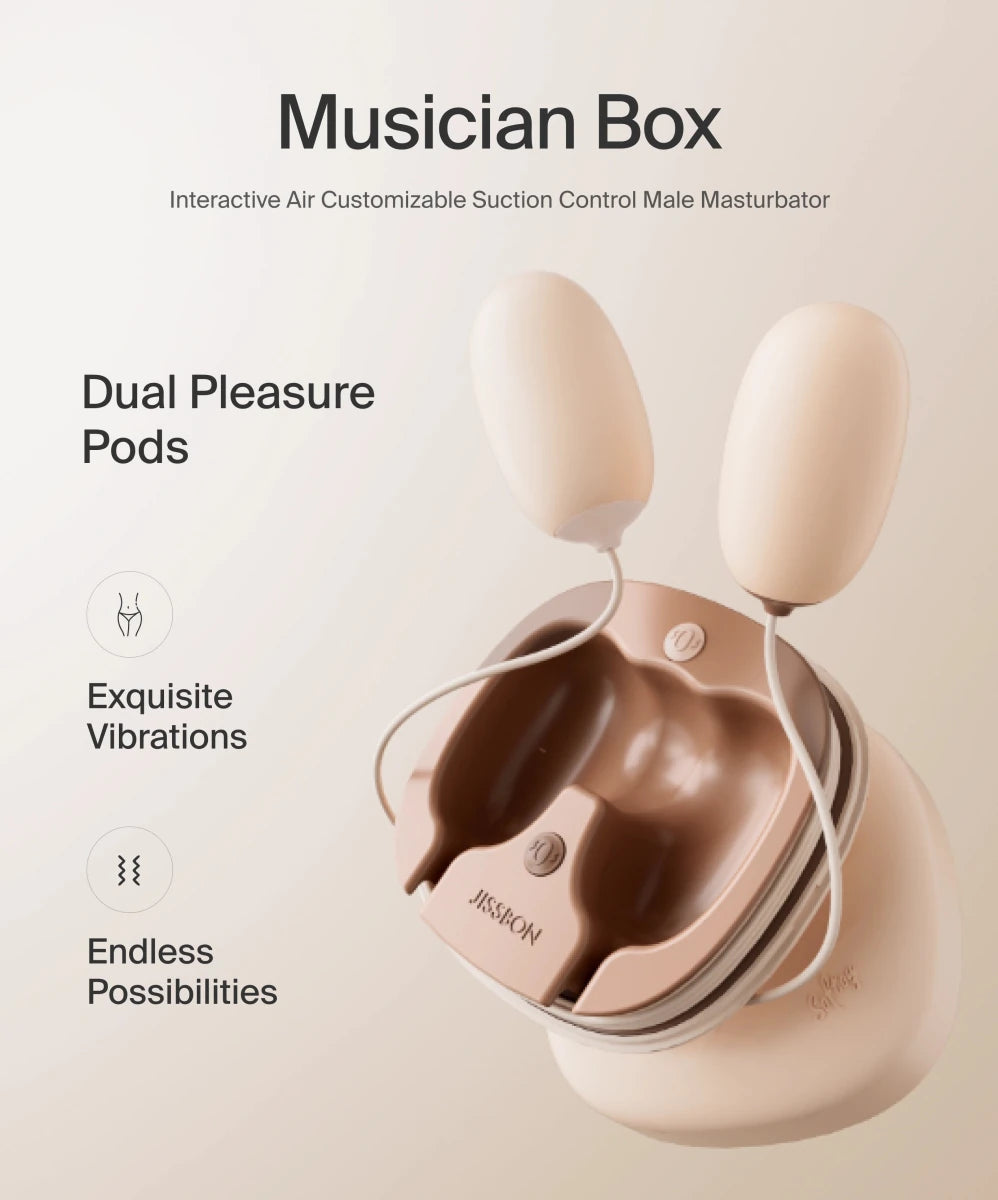
Using Products to Enhance Experiences Worth Journaling

Quality intimate products create experiences worth documenting and reflecting upon.
Tracking Toy Experiences
When trying new products, journal:
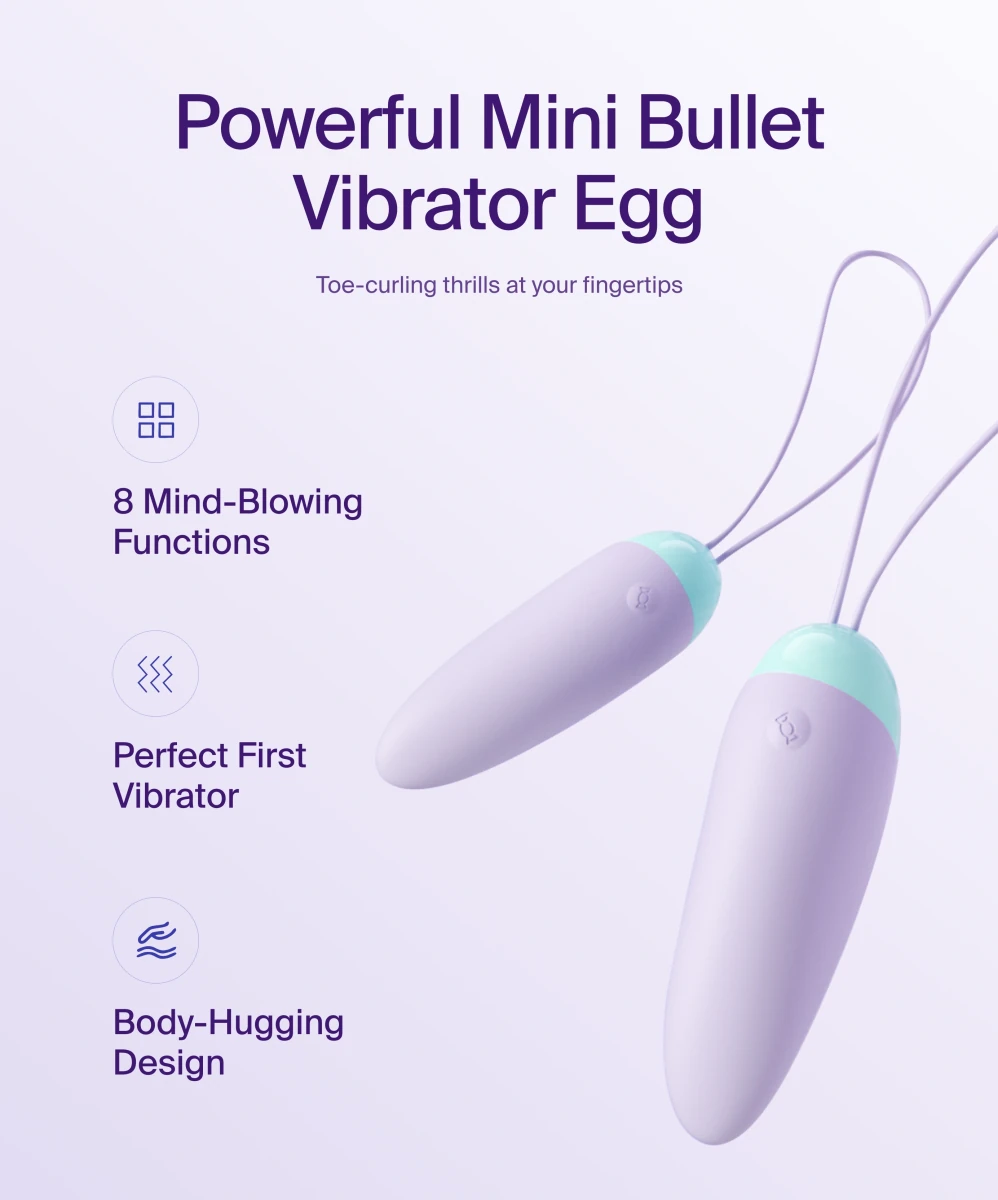
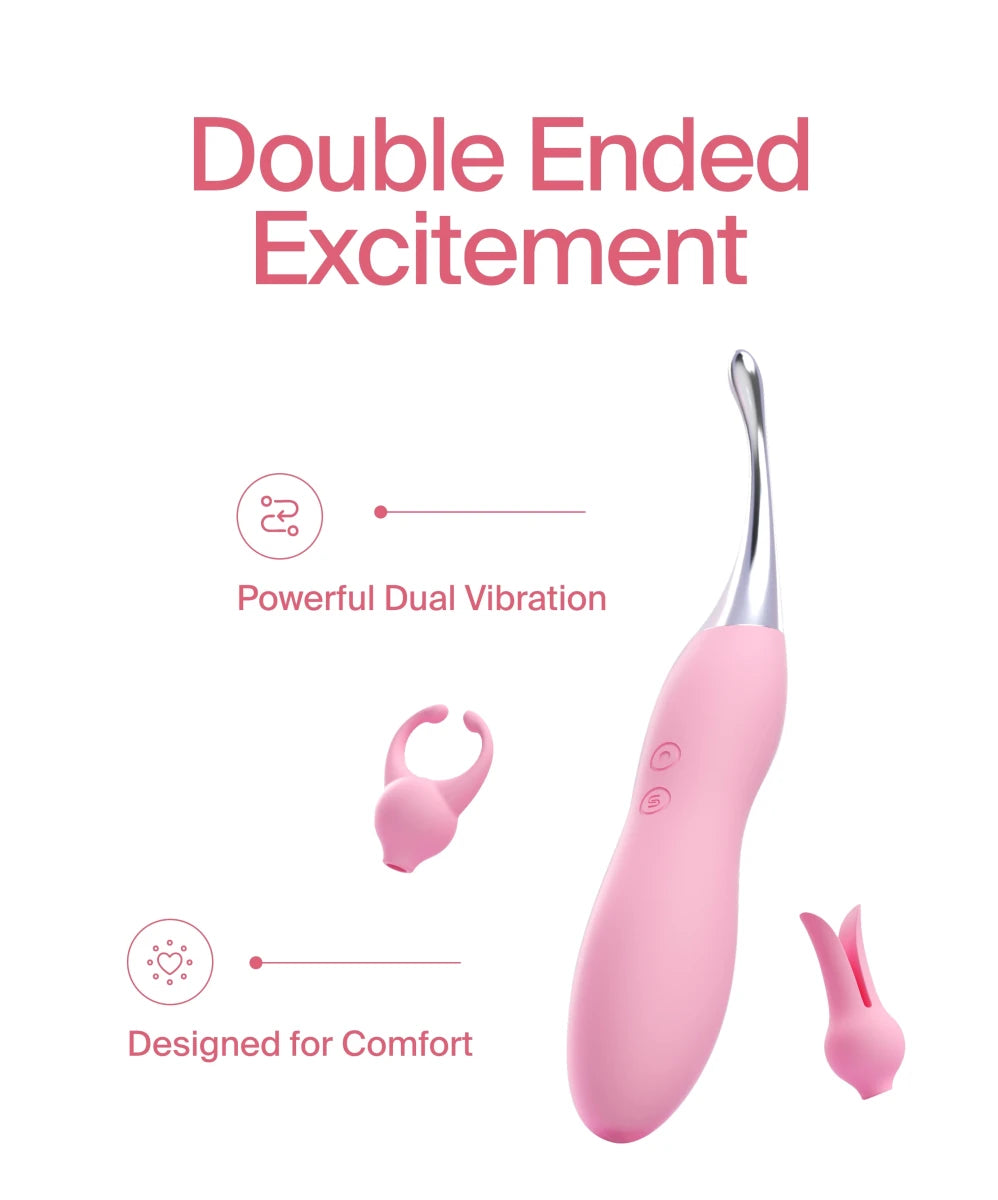
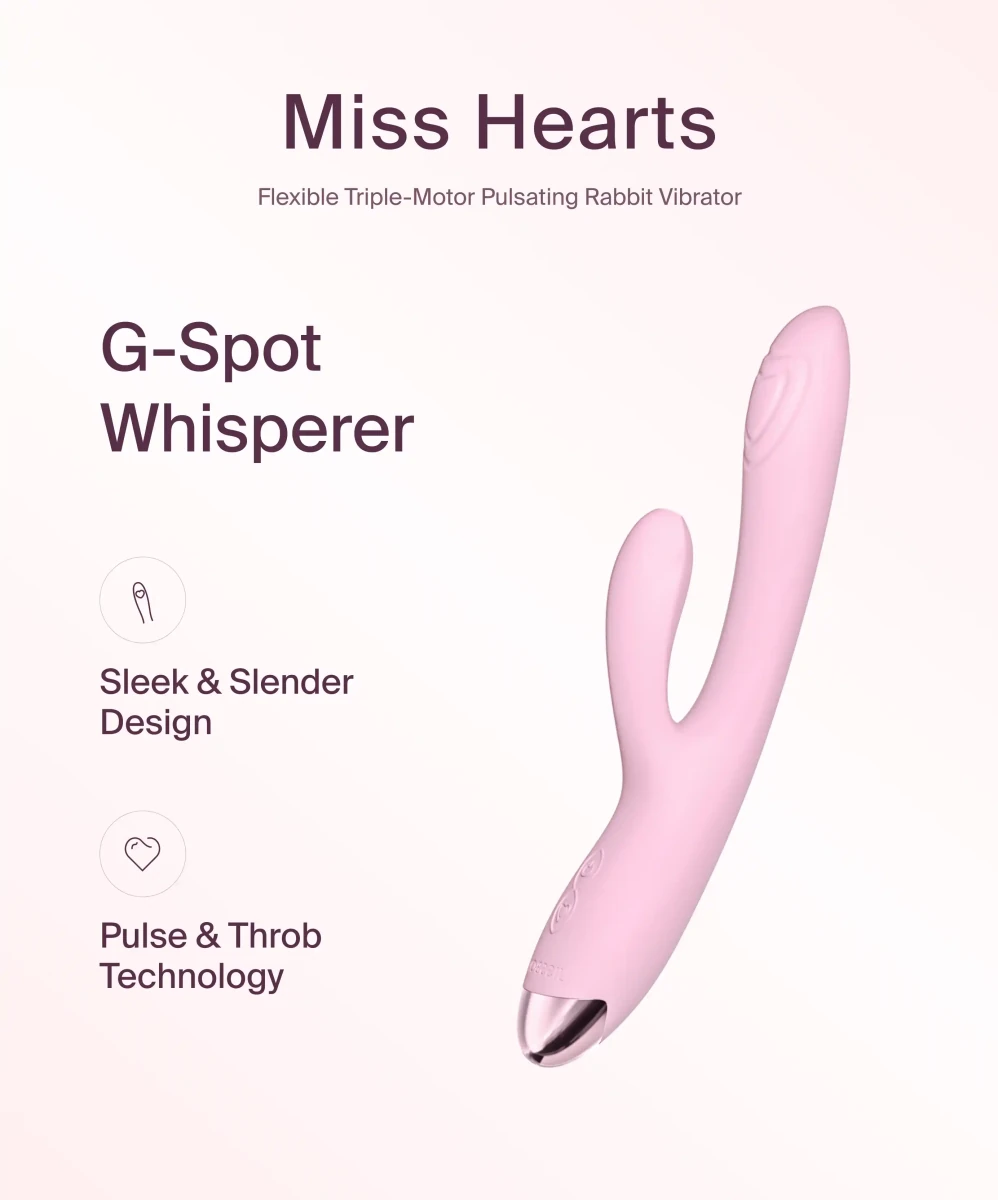
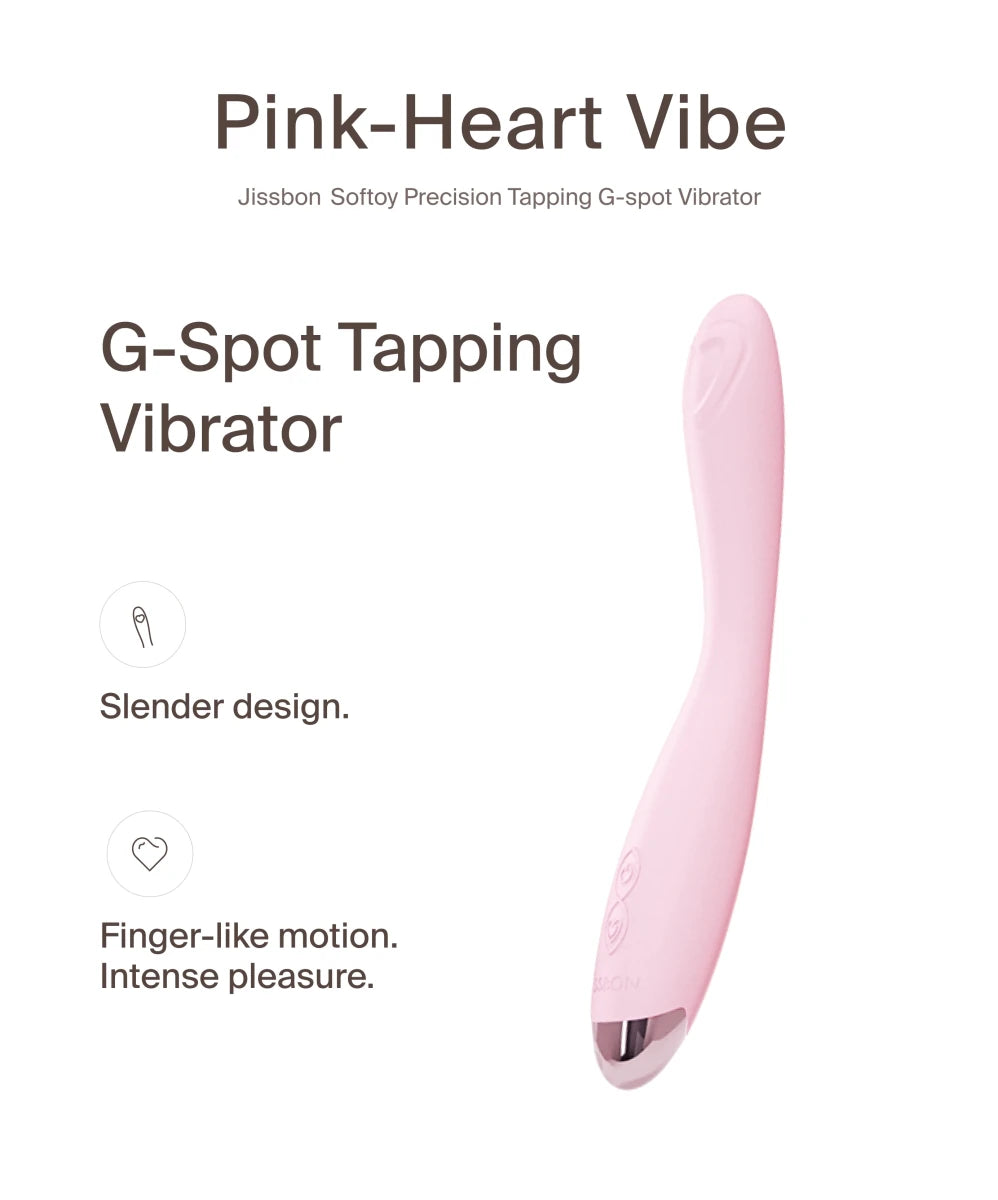
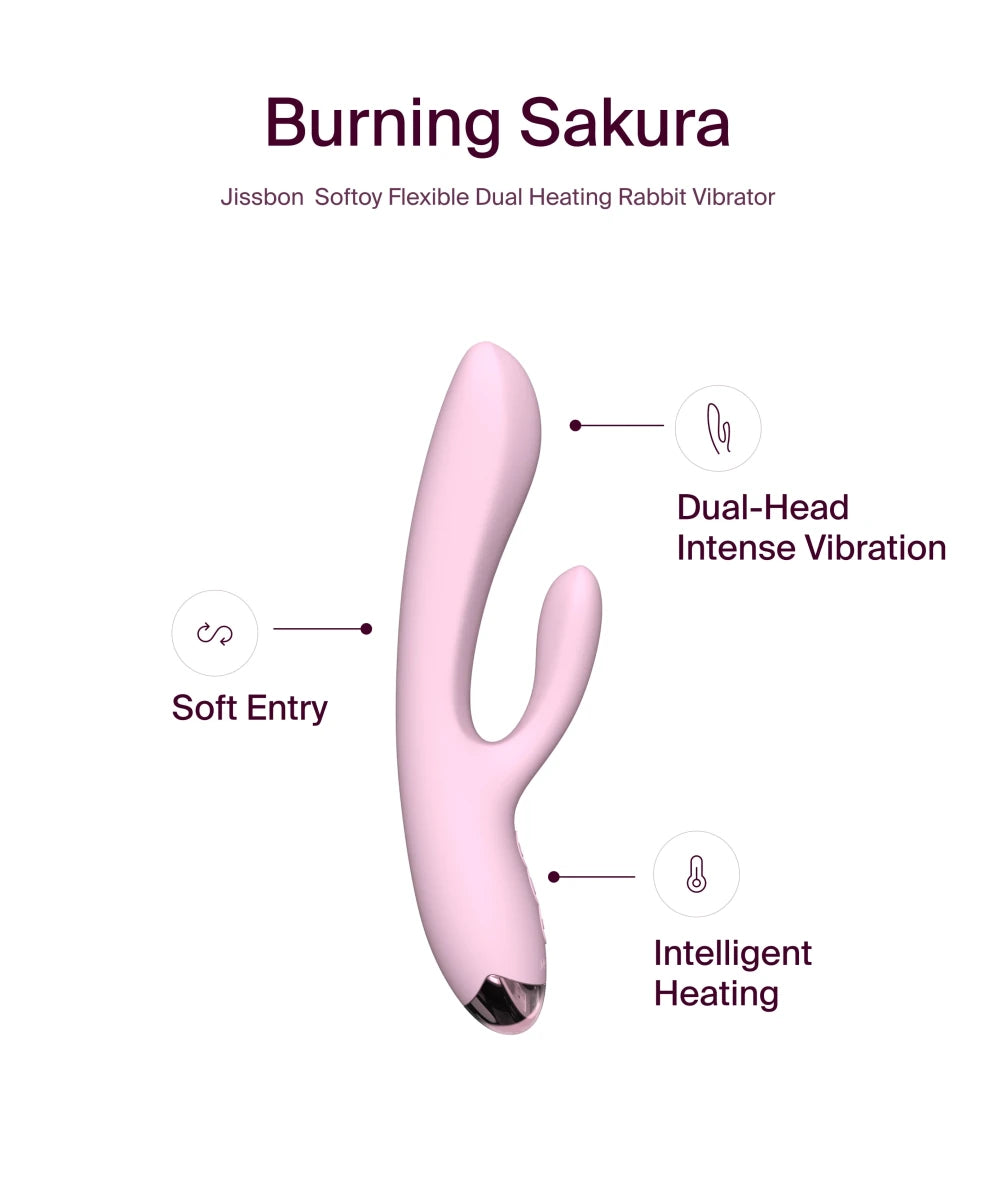
- Product name and type (e.g., rabbit vibrator)
- First impressions (packaging, appearance, feel)
- How it was used (solo, with partner, specific techniques)
- Physical sensations produced
- Satisfaction level (1-10)
- Would you use again? What would you change?
This creates a personal reference guide for future purchases and helps identify what stimulation types work best for your body.
Comparing Experiences
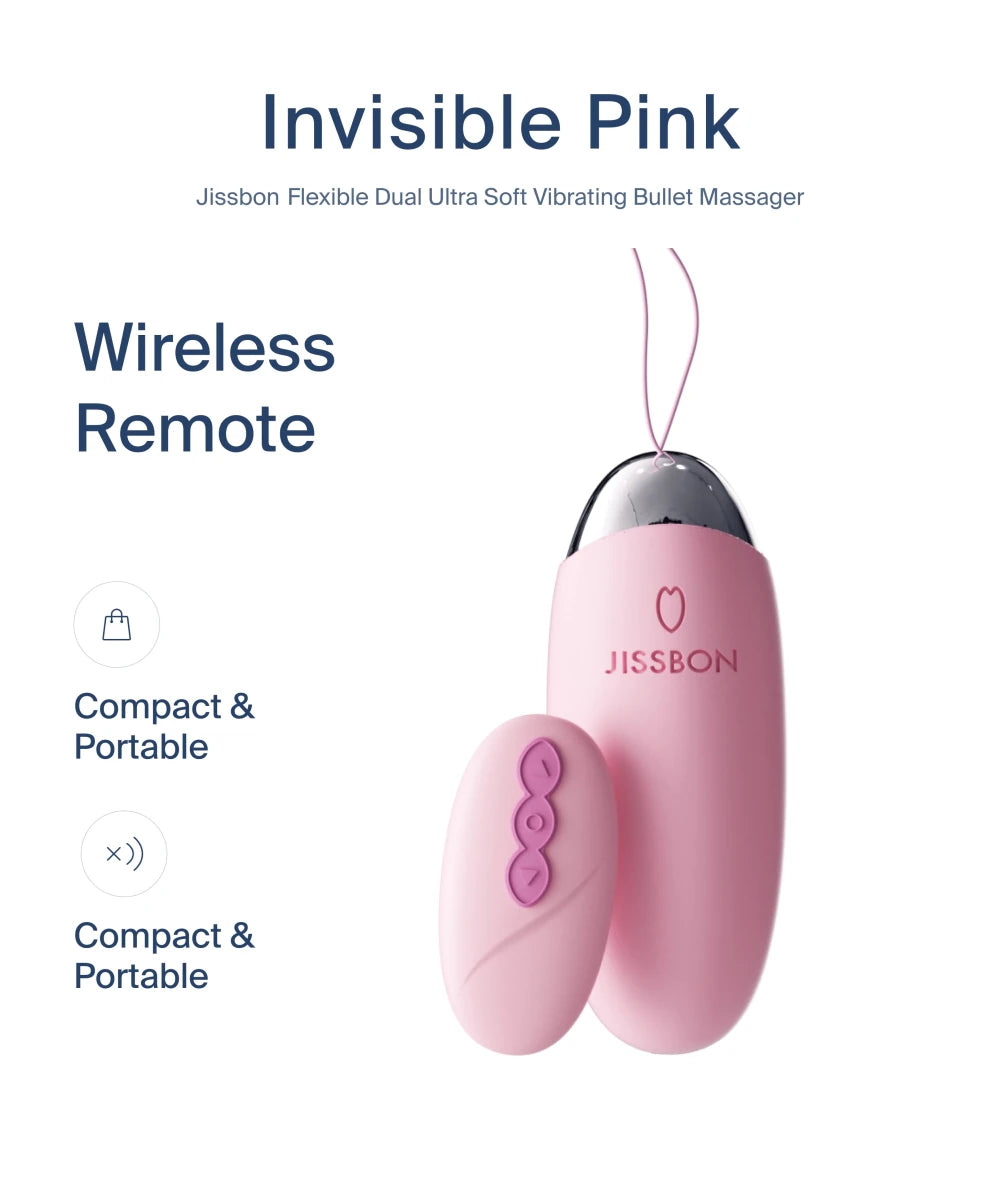
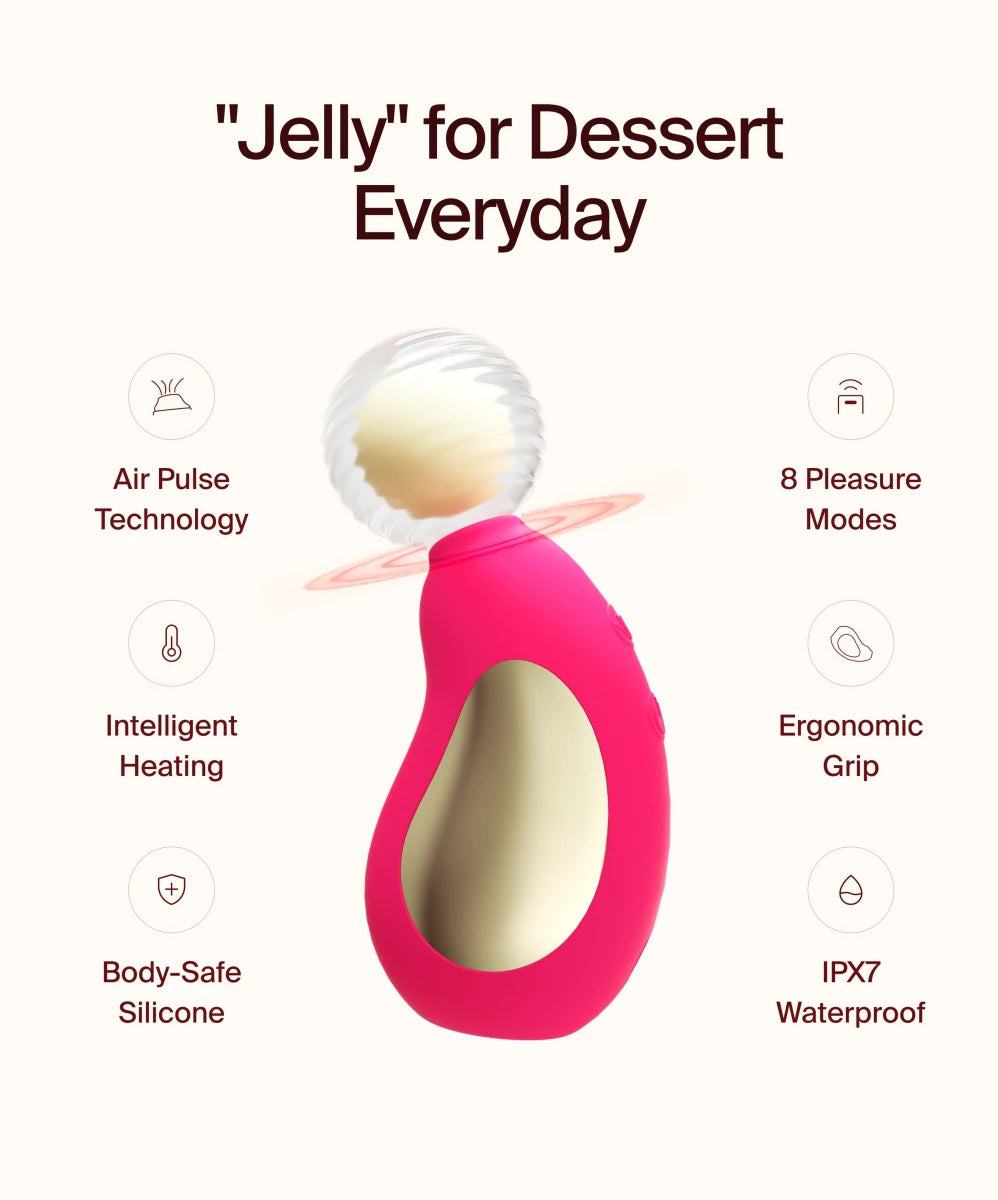
After trying products from Jissbon, note differences between:
- Vibration types (rumbly vs. buzzy)
- Materials (silicone vs. glass sensations)
- Sizes (what felt best)
- Features (heating, thrusting, suction)
These comparisons inform future shopping and deepen understanding of your preferences.
Privacy & Security Considerations
Sexual information is deeply personal—protect it appropriately.
Physical Journal Security
- Store in locked drawer or safe
- Never leave out where visitors, children, or roommates might find it
- Consider using initials or code words for very explicit content
- If you live with others, be explicit about privacy expectations
Digital Security
- Use strong, unique passwords
- Enable encryption if available
- Never store in shared accounts or cloud services without encryption
- Consider local storage only (not cloud)
- Use private browsing when accessing if web-based
- Log out after every session
Sharing Boundaries
Even in relationships:
- Clarify what's okay to read vs. what's private
- Don't read partner's private journal without explicit permission
- Respect requests not to share certain experiences or thoughts
- Remember: journal entries are processing, not necessarily final truth
Disposal Considerations
If ending journaling:
- Shred physical journals (don't just throw away)
- Permanently delete digital files (empty trash/recycle bin)
- Consider keeping rather than destroying—future you might appreciate the history
Maintaining Consistency
Many people start journaling with enthusiasm that fades quickly.
Realistic Expectations
You don't need to write after every sexual experience or even weekly. Monthly reflections still provide value. Start small and sustainable.
Linking to Existing Habits
Pair journaling with established routines:
- After morning coffee when reflecting on previous night
- During Sunday evening weekly planning
- Immediately after intimate experiences while impressions are fresh
Prompts Prevent Blank Page Syndrome
Keep a running list of prompts so you're never staring at an empty page wondering what to write. Reference the prompt lists in this article or create your own based on what you're working through.
Reviewing Past Entries
Monthly or quarterly, reread old entries to:
- Notice growth and changes
- Identify recurring patterns
- Celebrate progress
- Adjust current practices based on insights
When to Seek Professional Support
Journaling reveals insights but isn't therapy—some discoveries warrant professional guidance.
Consider Therapy If You Notice:
- Consistent pain or discomfort during sex
- Recurring negative emotions (shame, guilt, anxiety) around sexuality
- Unresolved trauma surfacing through entries
- Relationship conflicts sex journaling highlights but doesn't help resolve
- Persistent dissatisfaction despite trying various approaches
Sex therapists and relationship counselors help navigate complex issues journaling identifies but can't solve alone.
Frequently Asked Questions
What should I not write in a sex journal?
Avoid writing with self-criticism or judgment. Journaling is a space for exploration, not self-attack. Also avoid identifying details if privacy is a concern (names, locations).
Is a sex journal normal?
Yes—sex educators, therapists, and relationship coaches all recommend reflective writing as one of the most evidence-backed tools for improving intimacy.
How often should I write in a sex journal?
There is no required schedule. Options include:
- After each sexual experience
- Weekly summaries
- Monthly deep reflections
The goal is consistency, not frequency.
Can a sex journal fix a relationship?
It can significantly improve communication and understanding, but it is not a substitute for therapy if deeper issues exist. It works best as a relationship enhancement tool—not a crisis repair tool.
Should I share my sex journal with my partner?
This depends entirely on your relationship and journal's purpose. Shared journaling strengthens some couples' communication, while others prefer processing privately before discussing insights. Neither approach is superior—choose what serves your relationship. Always obtain consent before sharing.
What if I'm too embarrassed to write certain things?
Start with less vulnerable topics and build comfort gradually. Remember: no one will read this unless you choose to share it. Consider using euphemisms or code words initially if that feels more comfortable. Journaling's value comes from honesty—work toward that as comfort increases.
How long should journal entries be?
There's no required length. Some people write paragraphs; others bullet point keywords. Five meaningful sentences beat two pages of empty rambling. Quality and consistency matter more than quantity.
Can sex journaling help with low desire?
Journaling helps identify patterns and factors affecting desire, which is the first step toward addressing it. By tracking when desire is higher or lower, you can identify contributing factors (stress, relationship dynamics, health changes). However, persistent low desire may require medical evaluation.
What if my partner finds my private journal?
This breach of trust requires serious conversation. Your thoughts and processing deserve privacy. If concerned about discovery, consider digital options with better security or storing physical journals outside your home (lockbox at a trusted friend's place).
Should I journal about every sexual experience?
Not necessarily. Some people journal only notable experiences (particularly good or challenging). Others track everything for pattern analysis. Experiment to find what feels valuable without becoming burdensome.
Conclusion
Sex journaling transforms intimate life through increased self-awareness, improved communication, pattern recognition, and mindful presence. Whether practiced solo for personal growth or shared with partners for relationship development, regular reflection on sexual experiences builds understanding that translates directly into more satisfying encounters.
Start small, maintain consistency, and honor both the insights gained and the privacy deserved around such personal content.Ready to enhance experiences worth journaling about? Explore thoughtfully designed intimate products at Jissbon that create memorable encounters worth reflection and celebration.


Looking for something else?

What Is Flogging in Sex? Complete BDSM Flogging Guide
LEARN MORE
What Does Overstimulated Mean Sexually? Causes & Solutions
LEARN MORE
Can You Get a Tattoo on Your Vagina? Safety, Pain & What to Expect
LEARN MORE
Public Sex Kink: Understanding Exhibitionism & Safe Exploration
LEARN MORELooking for something else?

A-Spot Orgasm: Best Positions & How to Find It
LEARN MORE
Bondage Play: Complete Beginner's Guide to Rope BDSM
LEARN MORE
Vibrator Stories: Real Experiences, Tips & What to Expect
LEARN MOREYou may also like
20% off

20% off

20% off

20% off

20% off

20% off

Further reading

How to Clean an Automatic Blowjob Machine Without Damaging the Motor

Remote-Controlled Automatic Masturbators for Couples and Solo Play
Best Automatic Strokers for Edging and Stamina Training