











































Sensation Play 101: A Beginner's Guide to Sensory Exploration
Stack & Save: Extra 15% with Jissbon15
Jissbon15
Sensation play opens doors to pleasure beyond traditional touch by deliberately manipulating how your nervous system processes stimuli. This approach to intimacy focuses on contrasting textures, temperatures, pressures, and even sensory deprivation to create heightened awareness and unexpected responses.
Whether you're curious about incorporating ice cubes during foreplay, exploring blindfolds to amplify other senses, or discovering how different materials feel against skin, sensation techniques offer accessible ways to deepen connection and discover new pleasure pathways. This guide breaks down practical methods, safety considerations, and creative combinations that work for beginners and experienced explorers alike.
Who Benefits from Sensory Exploration
This resource serves anyone interested in expanding their intimate experiences through deliberate sensory manipulation:
- Curious beginners wanting to experiment beyond routine touch without complex equipment or extensive preparation
- Couples seeking novelty who want fresh experiences that require minimal investment and easy setup
- Those with responsive nervous systems who notice their arousal increases dramatically with varied stimulation types
- People exploring trust dynamics where vulnerability and anticipation create psychological arousal alongside physical sensation
- Anyone bored with predictable intimacy looking for simple ways to make familiar activities feel completely different
Understanding How Sensation Affects Arousal

Your nervous system processes different stimuli through specialized nerve endings that communicate with your brain. Sensory receptors in the skin respond to pressure, temperature, vibration, and pain—but your brain interprets these signals based on context, expectation, and emotional state.
Why Deliberate Sensory Manipulation Works:
When you introduce unexpected sensations—cold following warmth, soft after scratchy, vibration alongside stillness—your brain pays closer attention. This heightened awareness intensifies pleasure signals that might otherwise fade into background noise during routine touch. The contrast creates novelty that keeps your nervous system engaged.
Psychological Components:
Anticipation activates the same brain regions as actual physical touch. When you can't see what's coming next (through blindfolds or positioning), your mind generates predictions that often amplify the eventual sensation. This mental engagement transforms simple physical stimuli into emotionally charged experiences.
Arousal Thresholds:
Some people maintain relatively stable arousal levels regardless of stimulation variety. Others—particularly those with responsive desire patterns—experience dramatic arousal spikes when sensory input changes unpredictably. Sensation play benefits the latter group especially, though nearly everyone finds certain contrasts pleasurable.
Core Sensation Categories Explained
Different sensory approaches create distinct experiences. Understanding categories helps you design combinations that match your interests:
|
Sensation Type |
How It Works |
Example Tools |
Intensity Level |
|
Temperature play |
Thermoreceptors respond to heat/cold contrast |
Ice cubes, warm massage oil, metal toys |
Moderate to intense |
|
Texture variation |
Mechanoreceptors detect surface differences |
Feathers, silk, leather, rough fabrics |
Gentle to moderate |
|
Pressure/impact |
Deeper nerve endings respond to force |
Hands, paddles, pinching, massage |
Moderate to very intense |
|
Vibration |
Rapidly alternating pressure excites nerves |
Bullet vibrators, wands, electric massagers |
Moderate to intense |
|
Sensory deprivation |
Removing input amplifies remaining senses |
Blindfolds, earplugs, restraints |
Psychological intensity varies |
|
Tickling/light touch |
Activates surface nerves unpredictably |
Fingertips, feathers, breath |
Gentle; can become overwhelming |
Most effective sessions combine 3-4 categories rather than focusing on just one. The contrasts between types create the heightened awareness that makes sensation play distinctive.
Sensation Play vs Other Intimate Activities
Different approaches to intimacy serve different purposes and create unique experiences:
|
Activity Type |
Primary Focus |
Skill Requirement |
Best For |
|
Sensation play |
Nervous system stimulation through varied input |
Low to moderate |
Discovery, novelty, trust-building |
|
Traditional foreplay |
Gradual arousal building toward climax |
Low |
Reliable pleasure, efficiency |
|
Massage |
Relaxation, muscle tension release |
Moderate |
Stress relief, intimate connection |
|
BDSM/kink |
Power dynamics, psychological intensity |
Moderate to high |
Exploring dominance/submission |
|
Tantric practices |
Energy awareness, prolonged arousal |
Moderate to high |
Spiritual connection, extended sessions |
Sensation techniques overlap with several categories—you might incorporate temperature play during massage, or use sensory deprivation within BDSM contexts. The flexibility makes these methods accessible entry points for various interests. For couples wanting to add excitement without complicated protocols, combining sensation play with sex toys for couples creates layered experiences.
Temperature Play: Hot & Cold Techniques
Temperature manipulation produces some of the most dramatic sensory responses with minimal equipment:
Cold Sensations
Tools & Methods:
- Ice cubes (trace along skin, hold against pulse points, place in mouth during oral activities)
- Chilled metal toys (refrigerate for 15-20 minutes before use)
- Cold water (run hands under cold tap before touching partner)
- Frozen fruit (grapes, berries—edible and temperature-providing)
Best Practices:
- Never apply ice directly to genitals for extended periods (30 seconds maximum)
- Keep moving—static ice causes discomfort quickly
- Alternate cold with warm within 30-60 seconds for contrast effect
- Have towels ready to dry cold water/melted ice
Warm Sensations
Tools & Methods:
- Massage candles (specially formulated to melt at body-safe temperatures)
- Warm towels (microwave damp cloth for 20-30 seconds)
- Body-temperature water or oil
- Breath (blow warm air across skin)
- Hands warmed by rubbing together vigorously
Best Practices:
- Test temperature on your inner wrist first—if it feels uncomfortably hot there, it's too hot for sensitive areas
- Drip warm oil from 6-12 inches above skin rather than pouring directly
- Reheat implements as needed; lukewarm doesn't provide contrast
Effective Combinations
Create memorable sequences by alternating temperatures:
- Trace ice along collarbone and shoulders (30 seconds)
- Follow immediately with warm breath or heated oil on same path (30 seconds)
- Repeat pattern down arms, across chest, along inner thighs
- Build anticipation by varying timing—sometimes quick switches, sometimes longer intervals
The unpredictability keeps the nervous system engaged more effectively than consistent patterns.
Texture & Material Exploration

Different surfaces against skin create distinct sensations that range from soothing to startling:
Soft & Smooth Textures
Materials:
- Silk scarves or fabric
- Feathers (ostrich, peacock)
- Soft brushes (makeup brushes, paintbrushes)
- Velvet or satin
Technique: Use light, sweeping motions that barely make contact. The gentleness forces heightened attention to perceive the touch. Effective on: neck, inner arms, behind knees, lower back.
Rough & Textured Materials
Materials:
- Leather (gloves, straps, clothing)
- Rope (soft cotton or hemp)
- Fingernails (lightly scratching)
- Textured fabrics (burlap, denim)
Technique: Apply slightly more pressure than with soft materials—roughness requires contact to register fully. Drag slowly rather than quick strokes. Effective on: back, thighs, buttocks, shoulders.
Creating Contrast Sequences
The transition between textures creates impact:
- Feather strokes for 2 minutes → fingernail scratching for 30 seconds → back to feathers
- Silk fabric gliding → leather strap pressure → silk return
- Soft brush → ice cube → warm oil → brush again
Your partner's nervous system responds more intensely to the differences than to any single texture sustained continuously.
Sensory Deprivation: Amplifying Through Removal
Removing one or more senses forces your brain to compensate by heightening others:
Vision Removal (Blindfolds)
Effects:
- Touch becomes 3-4 times more noticeable
- Anticipation and surprise amplify emotional responses
- Time perception distorts (minutes feel longer)
- Vulnerability increases, deepening trust dynamics
Implementation: Use comfortable, light-blocking blindfolds (sleep masks, silk scarves, specialized blindfolds). Establish clear communication methods since eye contact disappears. Consider having the blindfolded partner say "green" periodically to confirm comfort.
Sound Reduction
Effects:
- Eliminates auditory cues about what's coming next
- Forces focus onto physical sensations exclusively
- Can feel isolating (use carefully with partners prone to anxiety)
Implementation: Soft earplugs or noise-canceling headphones. Combine with blindfolds only if both partners have established significant trust—dual deprivation intensifies vulnerability dramatically.
Movement Restriction
Effects:
- Inability to pull away makes even gentle touch feel more intense
- Psychological submission amplifies physical sensation
- Increases focus on receiving rather than reciprocating
Implementation: Soft restraints (silk scarves, padded cuffs) on wrists or ankles. Never restrict breathing or circulation. Always have safety scissors nearby for emergency release.
Combining Deprivations
Most people find single-sense deprivation pleasantly intense, while dual deprivation (vision + sound, or vision + movement) crosses into more advanced territory requiring strong communication foundations.
Pressure & Touch Intensity Variations
How firmly you apply contact dramatically changes the sensory experience:
Feather-Light Touch
Barely-there contact that activates surface nerve endings. Often produces ticklish responses initially, then transforms into heightened sensitivity. Trace fingertips across skin using minimal pressure—imagine trying not to wake someone.
Firm Massage Pressure
Deep touch that reaches muscle tissue beneath skin. Creates grounding, relaxing sensation contrasting with surface stimulation. Use palms and fingertips with significant weight behind strokes.
Pinching & Gripping
Focused pressure on small skin areas. Intensity ranges from gentle tweaking to firm grasping. Common target areas: nipples, inner thighs, earlobes, sides of neck (avoid front of throat).
Impact Play
Striking skin with hands or implements. Creates sharp, startling sensation followed by warming/tingling afterglow. Start with cupped-hand spanking on fleshy areas (buttocks, thighs). Never impact bony areas, joints, kidneys, or neck.
Effective Progression
Build intensity gradually rather than starting intense:
- Feather-light (2-3 minutes)
- Standard massage pressure (2-3 minutes)
- Firmer massage with occasional gentle pinches (2-3 minutes)
- Moderate pinching with light impact (1-2 minutes)
- Return to feather-light touch (contrast makes it feel electric)
The return to gentleness after intensity creates surprising sensitivity.
Vibration & Mechanical Stimulation

Vibrating sensations activate nerves differently than static touch:
Low-Frequency Rumble
Deep, thuddy vibration (like wand vibrators) that feels more massage-like. Travels through tissue to stimulate broadly. Less pinpoint-focused than high-frequency.
High-Frequency Buzz
Surface-level, intense vibration (like small bullet vibes) that stimulates concentrated areas. Feels more electric and sharp. Better for targeted stimulation.
Application Beyond Genitals
Vibration works anywhere nerve density is high:
- Base of skull and neck
- Palms and fingertips
- Soles of feet
- Lower back and sacrum
- Inner elbows and behind knees
Creating Surprise
Use vibrating toys unexpectedly during other sensation sequences. The mechanical nature contrasts sharply with human touch, making the transition surprising and engaging.
Building Complete Sensation Sequences
Effective sessions combine multiple elements into flowing experiences:
Sample 20-Minute Beginner Sequence
- Blindfold partner (1 min: adjustment period)
- Feather strokes along arms, neck, torso (3 min)
- Ice cube trail down spine, across shoulders (2 min)
- Warm massage oil on same areas (3 min)
- Firm massage with pressure variation (4 min)
- Light scratching with fingernails on back and thighs (2 min)
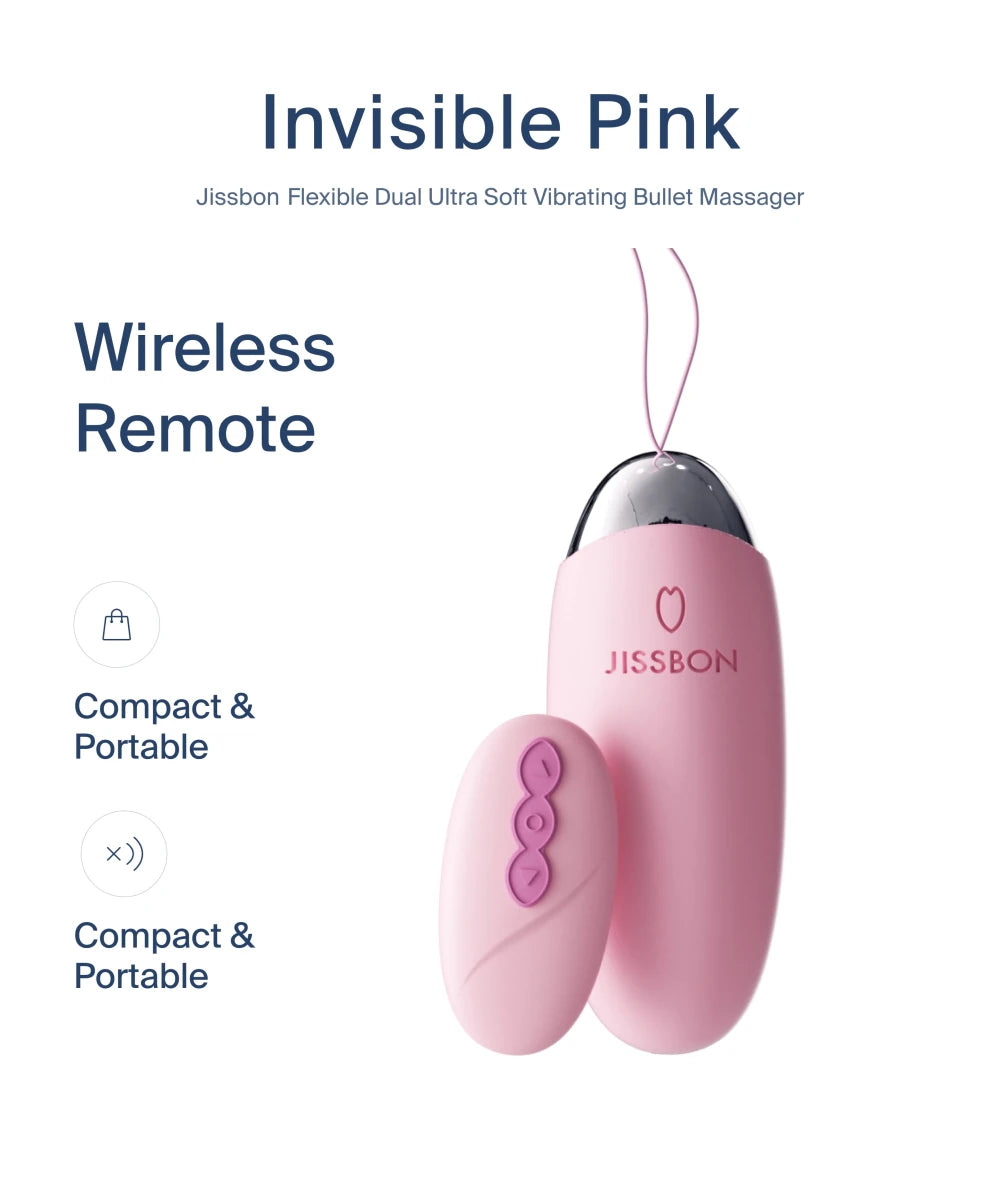
- Remote controlled bullet vibrator on non-genital areas (3 min)
- Return to feather-light touch everywhere (2 min)
Advanced 45-Minute Session Structure
Layer additional elements and longer intervals:
- Extended blindfolded anticipation (5 min: no touch, just waiting)
- Temperature cycling (10 min: alternate hot/cold every 60 seconds)
- Texture exploration (10 min: cycle through 5-6 different materials)
- Pressure progression (10 min: light to firm to impact and back)
- Vibration integration (5 min: unexpected placement of toys)
- Gentle integration phase (5 min: slow return to normal sensation)
Customization Tips
- Note which sensations produce strongest responses
- Repeat favorites with slight variations
- Eliminate anything that caused genuine discomfort (versus intense-but-pleasurable)
- Adjust timing based on attention span and engagement levels
Communication & Consent Essentials
Sensation play requires explicit communication before, during, and after:
Pre-Session Negotiation
Discuss boundaries clearly:
During-Session Check-Ins
Even with safe words, periodic checking maintains connection:
- "Color check—green, yellow, or red?" (traffic light system)
- "Scale of 1-10, how intense is this?"
- "Want me to keep going or switch to something else?"
Watch body language constantly: muscle tension, breathing changes, pulling away, sounds of discomfort versus pleasure.
Post-Session Discussion
Debrief within 30 minutes while memory remains fresh:
- "What did you love? What surprised you?"
- "Anything you'd skip next time?"
- "Did you feel safe and cared for throughout?"
This feedback shapes future sessions and strengthens trust.
Safety Guidelines & Risk Awareness
Sensation play carries specific risks requiring attention:
Universal Safety Rules
- Establish safe words/signals before any activity begins
- Never restrict breathing or blood circulation
- Keep safety scissors nearby when using restraints
- Avoid numbing products (you need to feel warning signals)
- Stop immediately if sharp pain, numbness, or nausea occurs
Temperature Play Risks
- Frostbite from prolonged ice contact (30-second maximum direct contact)
- Burns from insufficiently tested warm items (always test on wrist first)
- Thermal shock to genitals (more gradual temperature changes here)
Impact Play Cautions
- Never strike spine, kidneys, neck, joints, or bony prominences
- Start gentle—bruising happens easier than expected
- Watch for skin breaking (stop if any bleeding occurs)
- Impact can trigger unexpected emotional responses—have aftercare plans
Sensory Deprivation Concerns
- Some people experience panic when vision/hearing/movement restricted
- Always maintain verbal contact ability
- Remove restraints immediately upon any distress
- Never leave restrained/blindfolded partner alone
Common Challenges & Solutions
Challenge: Partner Seems Distracted or Unengaged
Solution: The sensations may be too gentle to register through mental noise. Increase intensity slightly, or incorporate more dramatic contrasts (ice immediately following warm oil). Also check if they need more psychological setup—dirty talk or scenario-setting engages the mind alongside body.
Challenge: Ticklishness Interrupts Enjoyment
Solution: Firmer pressure eliminates tickling better than lightening touch further. Place their hand over yours to show exactly how much pressure feels good. Some highly ticklish people can't enjoy light touch regardless—shift entirely to firm massage, temperature play, or vibration.
Challenge: Running Out of Ideas Mid-Session
Solution: Prepare a mental or written list beforehand of 8-10 specific sensations with designated tools. Having a structure prevents awkward pauses. Alternatively, simply ask: "Want more of what I've been doing, or something completely different?"
Challenge: Sensation Becomes Overwhelming
Solution: This signals success—you've pushed past comfort into intensity territory. Return immediately to familiar, gentle touch (soft stroking, warm embrace) for 2-3 minutes. This grounds the nervous system. Resume exploration only if partner explicitly requests it.
Incorporating Toys & Tools
Strategic product choices expand sensation possibilities:
Vibrating Options
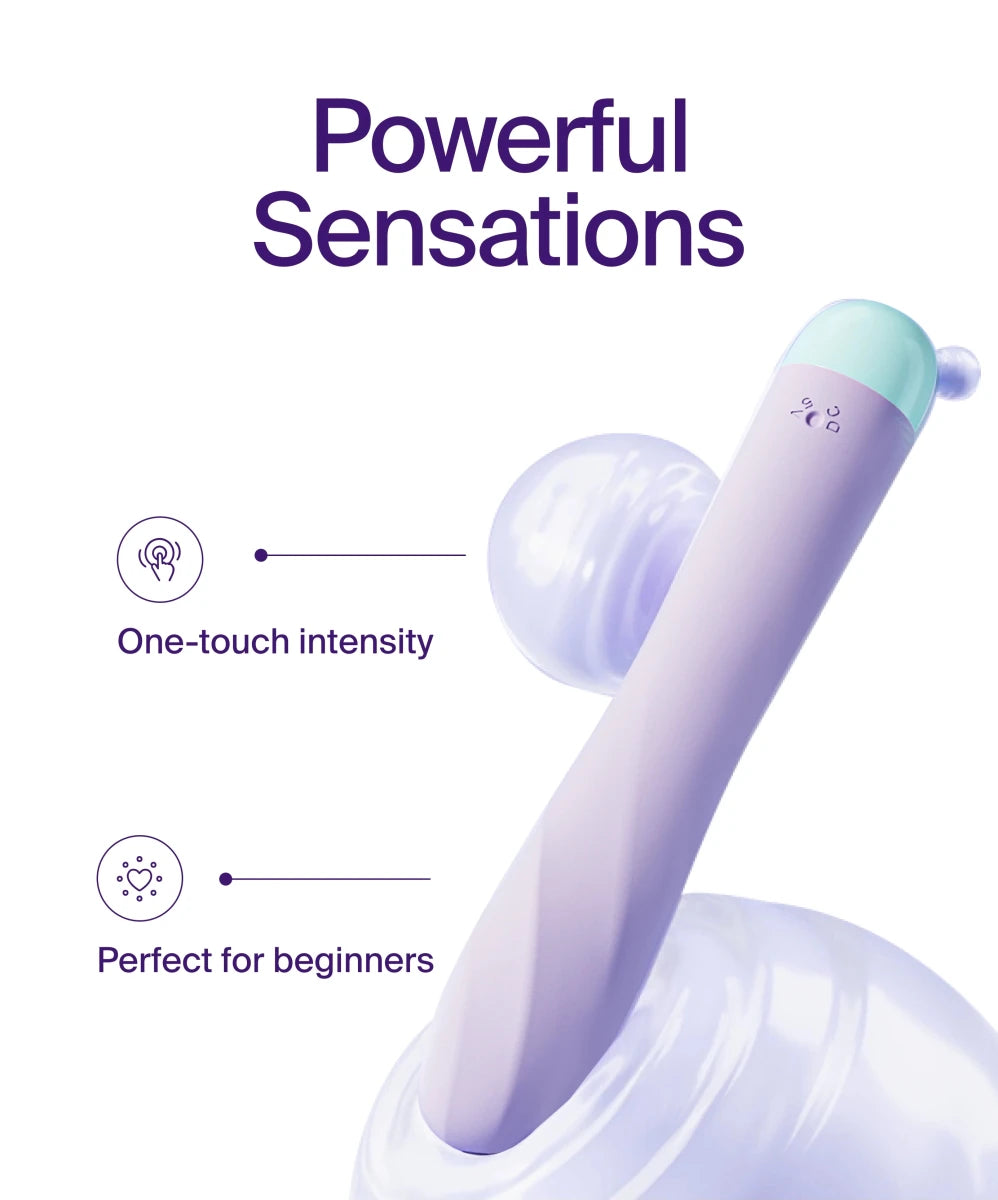
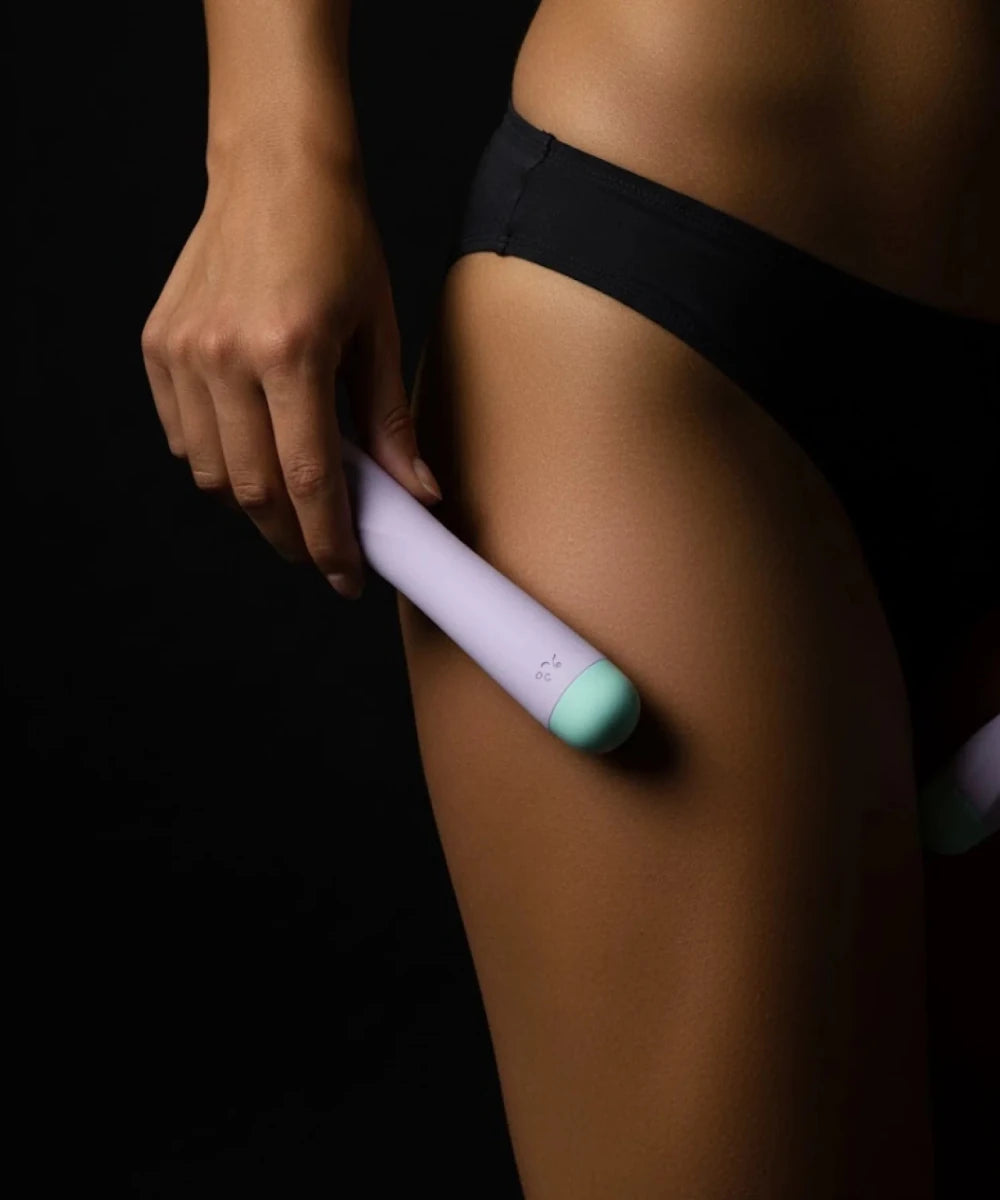
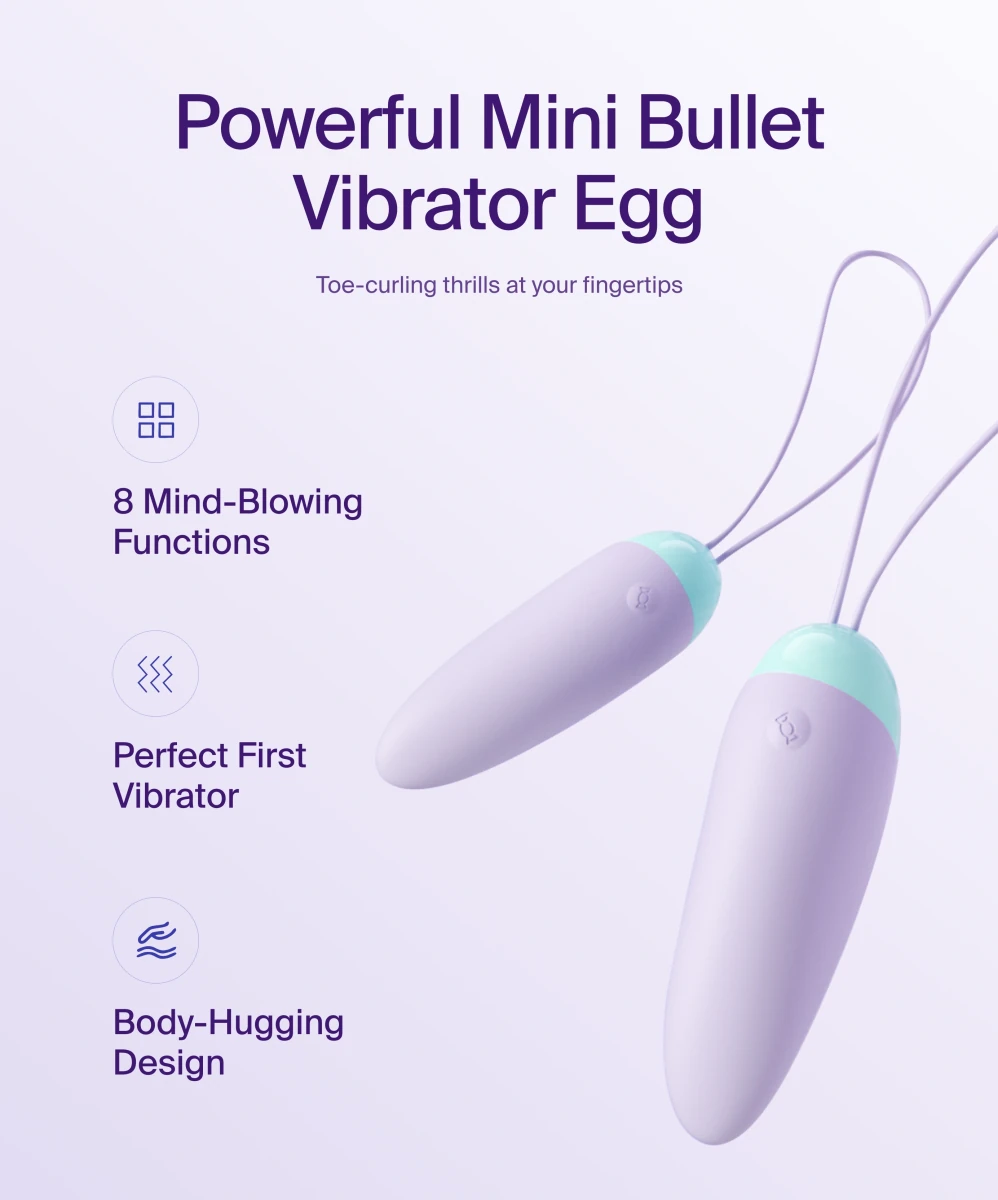
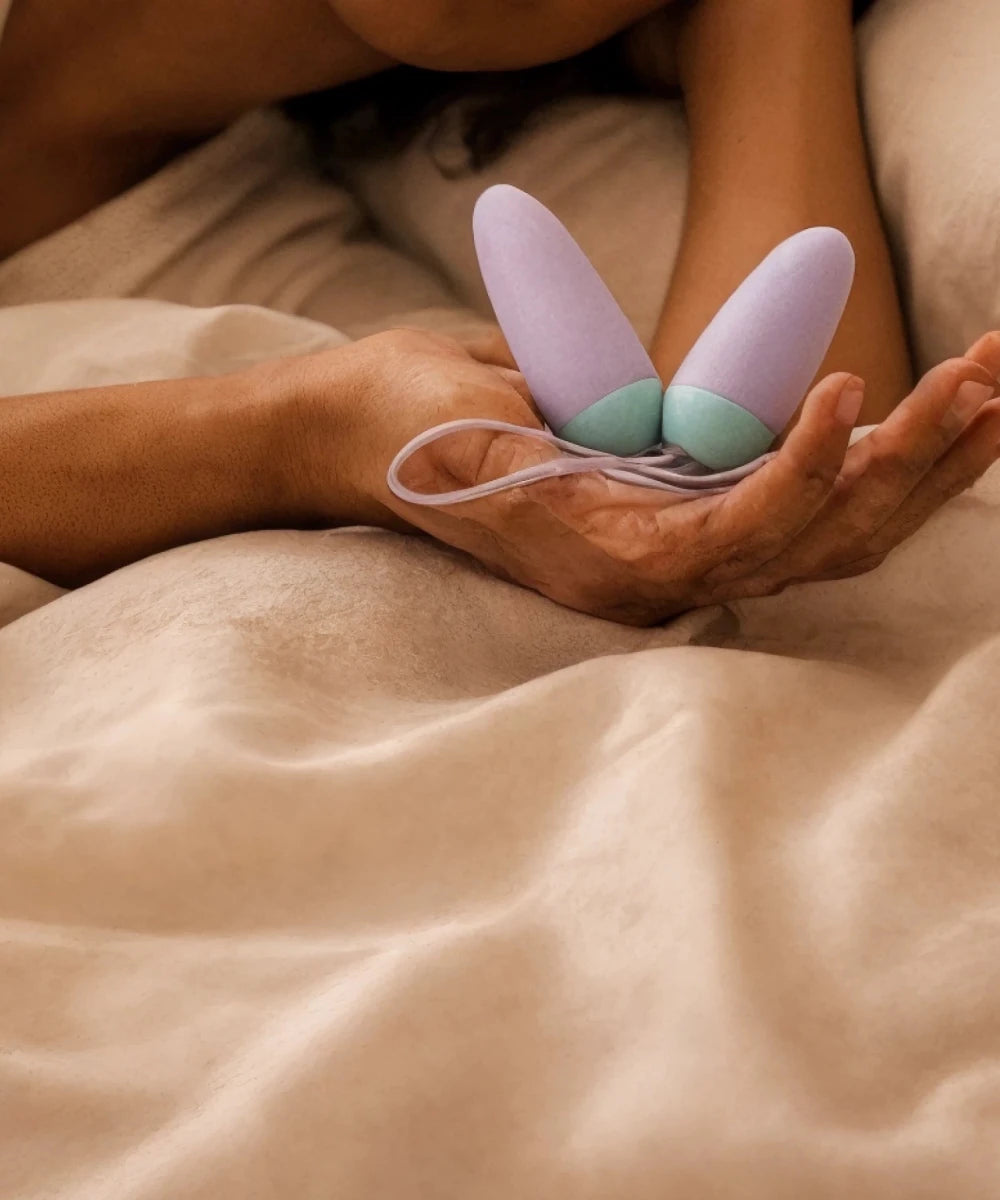
Bullet vibrators work excellently for non-genital exploration due to small size and control. Use on: temples, neck, palms, soles of feet, anywhere muscle tension exists.
Temperature-Responsive Materials
Glass or stainless steel toys can be warmed or cooled, then used to trace skin or apply pressure. Their smoothness contrasts beautifully with rough textures used previously.
Multipurpose Items
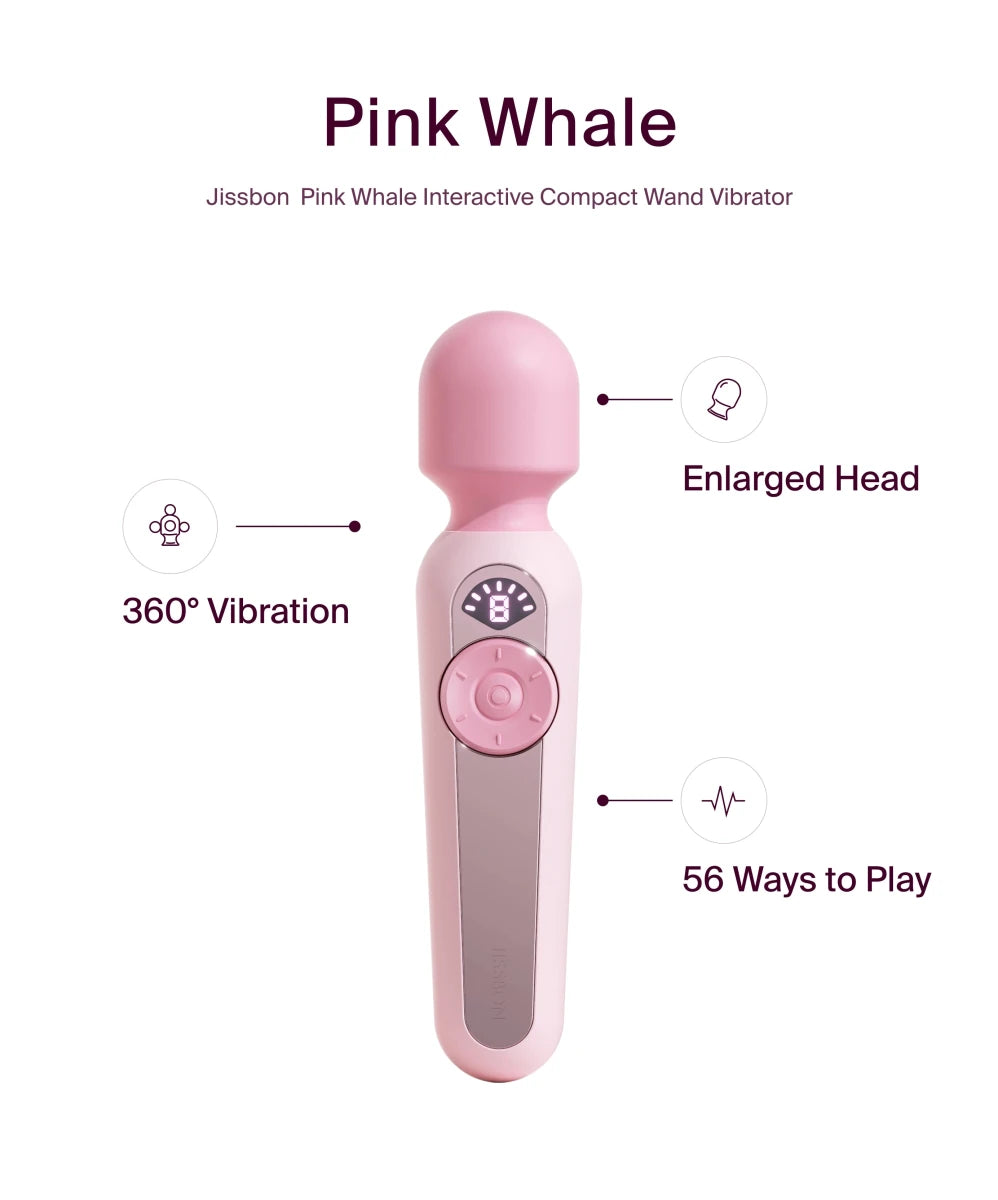
Wand vibrators serve dual purposes—traditional use plus full-body massage. The broad head distributes sensation across large areas rather than pinpoint focus.
Frequently Asked Questions
Do I need expensive equipment to try sensation play?
Not at all. Start with household items: ice cubes, warm water, feathers, silk scarves, and your own hands. These create powerful experiences without any purchase. As you discover preferences, you might invest in specialty items like massage candles or textured implements, but they're optional rather than necessary.
How do I know if I'm doing it "right"?
Your partner's responses tell you everything. Positive indicators: deeper breathing, muscle relaxation followed by engagement, vocalizations of pleasure, leaning into touch, explicit verbal encouragement. If you're getting these responses, you're succeeding regardless of whether you're following any particular technique exactly.
Can sensation play work for people with reduced sensitivity?
Yes, often especially well. Varying stimulation types can activate different nerve pathways that still function well even when overall sensitivity has decreased. Temperature contrast and vibration particularly tend to register clearly. Focus on areas with higher preserved sensitivity and use more pronounced variations.
Is sensation play part of BDSM, or something separate?
Sensation play exists both within and outside BDSM contexts. Many vanilla couples enjoy temperature and texture exploration without any power-exchange dynamics. Others incorporate sensation techniques into dominance/submission frameworks. You define the context—the physical techniques work identically regardless of psychological framing.
How long should a sensation play session last?
Beginner sessions typically run 15-30 minutes before attention spans wane. Experienced practitioners might extend to 45-90 minutes. There's no "should"—stop when engagement naturally decreases or when you've explored what you wanted to explore. Quality matters far more than duration.
What if my partner and I have very different sensitivity levels?
This requires calibration but doesn't prevent enjoyment. The more sensitive person needs gentler touch and slower progression. The less sensitive person may need more intense stimulation to register comparable pleasure. Take turns being the focus, adjusting your approach for each person's nervous system rather than assuming identical techniques work equally.
Final Thoughts
Sensation play offers infinitely customizable ways to deepen intimacy without requiring complicated skills or expensive investments. The core principle—deliberately varying how you stimulate your partner's nervous system—applies whether you're incorporating simple ice cubes during foreplay or orchestrating elaborate 90-minute sessions with blindfolds and dozens of implements.
Start with one or two contrasting sensations during your next intimate encounter, pay close attention to responses, and gradually expand your repertoire based on what creates the strongest positive reactions. The beauty of this approach lies in its flexibility: every body responds differently, giving you endless opportunities to discover unique combinations that feel extraordinary to your specific partner.
Ready to enhance your exploration? Browse our collection at Jissbon for toys designed to complement every sensation journey.


Looking for something else?

What Is Flogging in Sex? Complete BDSM Flogging Guide
LEARN MORE
What Does Overstimulated Mean Sexually? Causes & Solutions
LEARN MORE
Can You Get a Tattoo on Your Vagina? Safety, Pain & What to Expect
LEARN MORE
Public Sex Kink: Understanding Exhibitionism & Safe Exploration
LEARN MORELooking for something else?

A-Spot Orgasm: Best Positions & How to Find It
LEARN MORE
Bondage Play: Complete Beginner's Guide to Rope BDSM
LEARN MORE
Vibrator Stories: Real Experiences, Tips & What to Expect
LEARN MOREYou may also like
20% off

20% off

20% off

20% off

20% off

20% off

Further reading

How to Clean an Automatic Blowjob Machine Without Damaging the Motor

Remote-Controlled Automatic Masturbators for Couples and Solo Play
Best Automatic Strokers for Edging and Stamina Training