
















































































Roleplay Ideas for the Bedroom: Complete Guide to Sexy Scenarios
Stack & Save: Extra 15% with Jissbon15
Jissbon15
Roleplay ideas for the bedroom let you step into different characters, fantasies, and power dynamics that transform ordinary intimacy into exciting, imaginative experiences.
Whether you're curious about boss-employee scenarios, classic nurse-patient fantasies, or playful strangers-at-a-bar encounters, roleplay offers couples a creative outlet to explore desires, break routines, and deepen emotional connection through shared storytelling.
It doesn't require elaborate costumes or perfect acting—just willingness to play, communicate openly, and laugh when things don't go exactly as planned.
This guide walks you through popular roleplay scenarios, how to choose what's right for you, preparation tips, boundaries, and troubleshooting common concerns so you can start exploring confidently.
Who Benefits from Bedroom Roleplay

Roleplay appeals to couples and individuals with diverse interests and relationship dynamics:
- Long-term couples seeking variety and breaking out of sexual routines
- Partners wanting to explore fantasies in safe, consensual contexts
- People curious about power dynamics like dominance, submission, or authority
- Couples rebuilding intimacy after stress, parenthood, or relationship challenges
- Anyone interested in creative expression and playful experimentation
- Partners with different arousal styles who benefit from novelty and mental stimulation
Why Roleplay Works: Psychology and Benefits
Understanding why roleplay enhances intimacy helps you approach it with confidence and intention.
Engages Mental Arousal
Sexual arousal isn't just physical—it's deeply psychological. Roleplay activates imagination, anticipation, and storytelling, engaging your brain's reward centers. Studies show that novelty triggers dopamine release, the same neurochemical associated with excitement and pleasure.
Creates Safe Distance for Exploration
Stepping into a character allows you to express desires or behaviors you might feel shy about in "real life." The nurse or the boss isn't really you—it's a role you're playing. This distance reduces self-consciousness and judgment.
Breaks Routine and Adds Novelty
Routine sex, while comfortable, can become predictable. Roleplay injects surprise, variety, and unpredictability. Even familiar partners feel new when they're playing different characters.
Strengthens Communication and Trust
Planning scenarios together requires talking about desires, boundaries, and fantasies. This vulnerability deepens emotional intimacy. Navigating roleplay scenes builds trust as you learn to read each other's cues and respect limits.
Offers Power Exchange Safely
Many people find power dynamics—dominance, submission, authority, vulnerability—arousing. Roleplay provides structured ways to explore these dynamics consensually, with clear boundaries and the ability to stop anytime.
For more on sexual wellness and communication, visit Planned Parenthood's guide to sexual pleasure and relationships.
Popular Roleplay Ideas for the Bedroom

These scenarios consistently rank among couples' favorites. Choose based on what excites you both, not what you think you "should" try.
1. Boss and Employee (Power Dynamic)
The setup: One partner plays an authority figure (boss, manager, executive) while the other is the subordinate employee. The "boss" has control over the employee's tasks, performance reviews, or after-hours assignments.
Why it works:
- Clear power dynamic: one person leads, the other follows
- Built-in tension and forbidden attraction
- Easy to improvise dialogue around "work performance" and "special assignments"
How to start:
- Set the scene: "You've been called into my office for a performance review."
- Use workplace language: "I need you to stay late tonight" or "You've impressed me with your... dedication."
- Props: Desk, chair, glasses, professional clothing, briefcase
Variations:
- Teacher and student (college-aged only, never minor roleplay)
- CEO and intern
- Senior executive and new hire
2. Stranger Pickup (Mystery and Novelty)
The setup: Pretend you don't know each other. One partner "picks up" the other at a bar, café, hotel lobby, or other public-ish space (your home set up to look like a bar works too).
Why it works:
- Recaptures early-relationship excitement and nervousness
- Removes familiarity and routine
- Allows you to "meet" your partner fresh, as a mysterious stranger
How to start:
- Agree on a location (even if it's your living room reimagined as a bar)
- Use different names, backstories, or accents if you want
- Flirt as if you've just met: "I couldn't help noticing you across the room..."
Variations:
- Strangers on a plane, train, or vacation
- Hotel guests who "accidentally" meet
- Speed dating scenario
3. Doctor/Nurse and Patient (Caretaking and Vulnerability)
The setup: One partner plays medical professional; the other is the patient needing an "examination" or "treatment." This taps into caretaking dynamics and vulnerability.
Why it works:
- Clear roles: one cares for, the other receives care
- Physical touch is built into the scenario ("examination")
- Combines authority with tenderness
How to start:
- Set up an "examination room" (bedroom with a chair or bed)
- Use medical-adjacent language: "Let me check your vitals" or "This treatment requires your full cooperation."
- Props: Stethoscope, lab coat, gloves (non-latex if needed)
Variations:
- Physical therapist and client
- Massage therapist and client
- Personal trainer and gym-goer
Important note: Keep scenarios clearly fantasy-based and consensual. Medical roleplay should never mimic real medical abuse or violate consent.
4. Maid/Butler and Employer (Service and Authority)
The setup: One partner plays domestic help (maid, butler, housekeeper) while the other is the employer. The "employee" serves, cleans, or attends to the employer's needs.
Why it works:
- Service-oriented dynamic appeals to both dominance and submission desires
- Visual appeal of uniforms or specific attire
- Can be playful or serious depending on tone
How to start:
- "Employee" wears uniform-like clothing (apron, bow tie, simple black and white)
- Employer gives tasks: "I need you to tidy the bedroom" or "Serve me a drink."
- Build tension through instructions and responses
Variations:
- Personal assistant and executive
- Chauffeur and wealthy client
- Chef and diner
5. Captive and Captor (Intense Power Exchange)
The setup: One partner plays the captor (pirate, kidnapper, vampire, etc.) who has "captured" the other. This explores consensual non-consent fantasies within agreed boundaries.
Why it works:
- Intense power dynamics
- Built-in resistance and pursuit tension
- Appeals to primal, chase-based arousal
How to start:
- Establish clear safe words and boundaries before starting. This is non-negotiable.
- Captor "captures" the other (gently, playfully, consensually)
- Use restraints like silk scarves or soft cuffs (never anything dangerous)
- Language: "You're not going anywhere" or "You belong to me now."
Variations:
- Superhero and villain
- Alien abduction
- Fantasy captive (elf and orc, etc.)
Critical safety note: Consensual non-consent (CNC) requires extensive negotiation, trust, and clear safe words. Never attempt without explicit discussion and enthusiastic consent from both partners. For information on consent, visit Planned Parenthood's consent resources.
6. Photographer and Model (Visual and Exhibitionist)
The setup: One partner is a photographer directing a "photoshoot"; the other is the model posing. This appeals to exhibitionist/voyeur dynamics.
Why it works:
- One partner gets to admire and direct; the other gets to be admired and show off
- Natural progression from posing to touching
- Camera or phone can be used (with consent) or pantomimed
How to start:
- Set up lighting (lamps, candles)
- Photographer directs poses: "Turn to the side," "Look over your shoulder," "Now remove your shirt."
- Build intensity through increasingly revealing poses
Variations:
- Artist and life model
- Fashion photographer and runway model
- Boudoir photographer and client
7. Spy or Secret Agent Scenario (Intrigue and Danger)
The setup: One or both partners play spies, agents, or undercover operatives on a mission that involves seduction, interrogation, or secret exchanges.
Why it works:
- Built-in drama and tension
- Allows for playful "interrogation" or "extracting information"
- Appeals to adventure and danger fantasies
How to start:
- Set the scene: "I've been sent to retrieve classified information from you."
- Use spy tropes: hidden identities, double-crosses, seduction for intel
- Props: Trench coats, dark clothing, toy handcuffs, blindfolds
Variations:
- Detective interrogating suspect
- Undercover agents on opposite sides
- Spy and the person they're sent to seduce
8. Royalty and Servant (Historical Fantasy)
The setup: One partner is royalty (king, queen, prince, princess); the other is a servant, knight, or subject who must serve and obey.
Why it works:
- Clear hierarchy and formality create structure
- Appeals to historical or fantasy interests
- Language can be playfully archaic or modern
How to start:
- Use titles: "Your Majesty," "My Lord/Lady," "Sire"
- Servant kneels, bows, or awaits commands
- Royalty gives orders: "Attend to my needs" or "You may approach the throne."
Variations:
- Knight and damsel (or knight and lord/lady)
- Pirate captain and captive royal
- Fantasy creatures (elf royalty and human)
How to Choose the Right Roleplay for You

Not every scenario appeals to every couple. Use these questions to find what fits.
What Turns You On Mentally?
Power dynamics: Do you enjoy leading or following? Boss/employee, captor/captive, royal/servant all emphasize control.
Novelty and mystery: Stranger pickup, spy scenarios, and photographer/model focus on newness and discovery.
Caretaking: Doctor/nurse, maid/employer appeal if nurturing or being nurtured excites you.
What Are Your Boundaries?
Discuss hard limits:
- Are there scenarios that feel uncomfortable or triggering?
- Do you have concerns about specific language or actions?
- Are there power dynamics you're not interested in?
Agree on safe words:
- Choose a word that immediately stops the scene (e.g., "red" or "stop")
- Consider a "yellow" word for "slow down, check in"
How Much Effort Do You Want to Invest?
Low-effort scenarios:
- Stranger pickup (minimal props, easy dialogue)
- Boss/employee (just office-style clothing)
Moderate effort:
- Doctor/nurse (lab coat, stethoscope)
- Photographer/model (camera, lighting setup)
High effort:
- Historical or fantasy (costumes, specific language, detailed setting)
Start simple and build complexity over time as you gain confidence.
What Props or Costumes Appeal?
Visual interest matters. If you're excited by nurse uniforms, prioritize medical scenarios. If suits and ties turn you on, lean into boss/employee.
DIY works: You don't need expensive costumes. A white button-down and stethoscope create a doctor. A tie and glasses suggest a boss.
Step-by-Step: How to Start Roleplaying
Follow these steps for a successful first (or fiftieth) roleplay experience.
1. Discuss and Negotiate Before Play
Talk openly about:
- Which scenario excites both of you
- Boundaries, hard limits, and safe words
- What language or actions are off-limits
- How long the scene might last (15 minutes? An hour?)
Confirm enthusiastic consent. Both partners should be genuinely excited, not just agreeing to please the other.
2. Set the Scene
Physical space:
- Rearrange furniture if needed (desk for office, bed as "examination table")
- Adjust lighting—dim lights or candles create ambiance
- Play background music or ambient sound (jazz for a bar, instrumental for a spa)
Mental preparation:
- Decide on your character's name, personality, and backstory (even briefly)
- Agree on how you'll start the scene: knock on the door, text message, walking into the room
3. Start Slow and Build Tension
Don't rush. Roleplay thrives on anticipation and buildup.
Use dialogue:
- Stay in character: "You wanted to see me, sir?"
- Build tension gradually: flirtation, suggestion, then escalation
Body language matters:
- Maintain eye contact (or break it shyly, depending on the role)
- Use gestures, posture, and movement to embody the character
4. Transition to Physical Play When Ready
Natural progression:
- Let conversation and tension lead to touch
- Start with "in-character" touches: adjusting clothing, "examining," guiding positions
Blend roleplay with sex:
- You don't have to maintain character perfectly throughout—blend fantasy and reality
- If you break character or giggle, that's okay—regroup and continue or shift to regular intimacy
5. Debrief After the Scene
Check in emotionally:
- "How did that feel for you?"
- "Was there anything you didn't like?"
- "What should we keep or change next time?"
Aftercare:
- Cuddle, talk, or decompress together
- Roleplay, especially intense scenes, can bring up unexpected emotions
- Reassure each other with affection and gratitude
For more on communication, visit Planned Parenthood's relationship communication guide.
Enhancing Roleplay with Toys and Tools
Sex toys integrate naturally into many roleplay scenarios. For more on sexual health and toy safety, visit NHS sexual health guidance.
Vibrators for Sensory Play
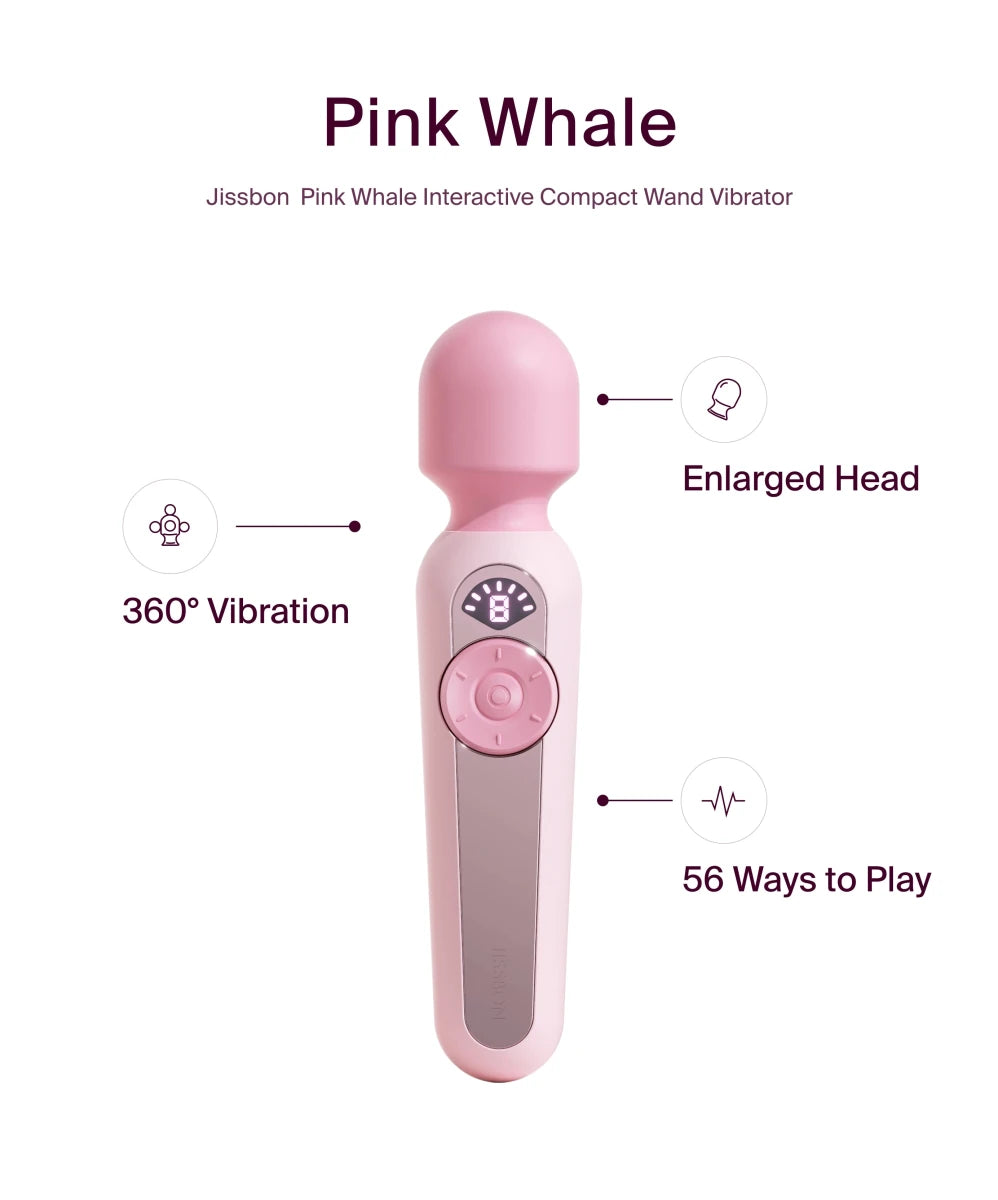
Wand vibrators: "Medical exams," massage scenarios, or "rewarding" employees. Check wand vibrators.
Bullet vibrators: Discreet, versatile, perfect for any scenario requiring targeted stimulation.
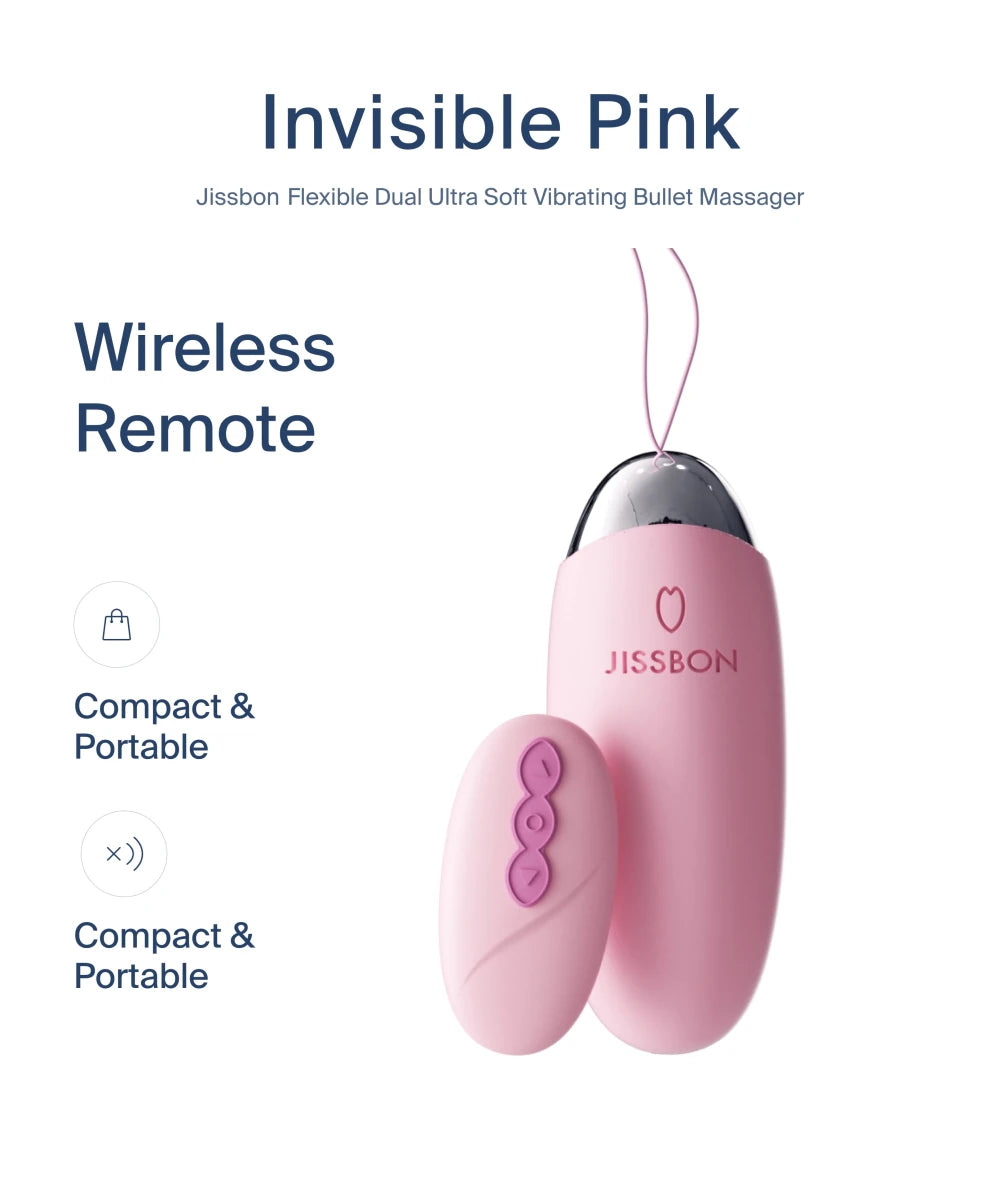
Remote-controlled vibrators: Ideal for stranger pickup (partner controls from across the room) or boss/employee power dynamics.
Restraints for Power Dynamics
Soft cuffs or scarves: Captive scenarios, boss/employee "discipline," royal/servant obedience.
Spreader bars or under-bed restraints: Advanced power exchange scenarios.
Always use quick-release restraints and keep safety scissors nearby.
Sensation Tools
Feathers, brushes, ice: Photographer directing poses, doctor exams, spa attendant scenarios.
Blindfolds: Captive scenarios, stranger mystery, sensory deprivation in medical play.
Massage oils: Spa, massage therapist, or caretaking scenarios.
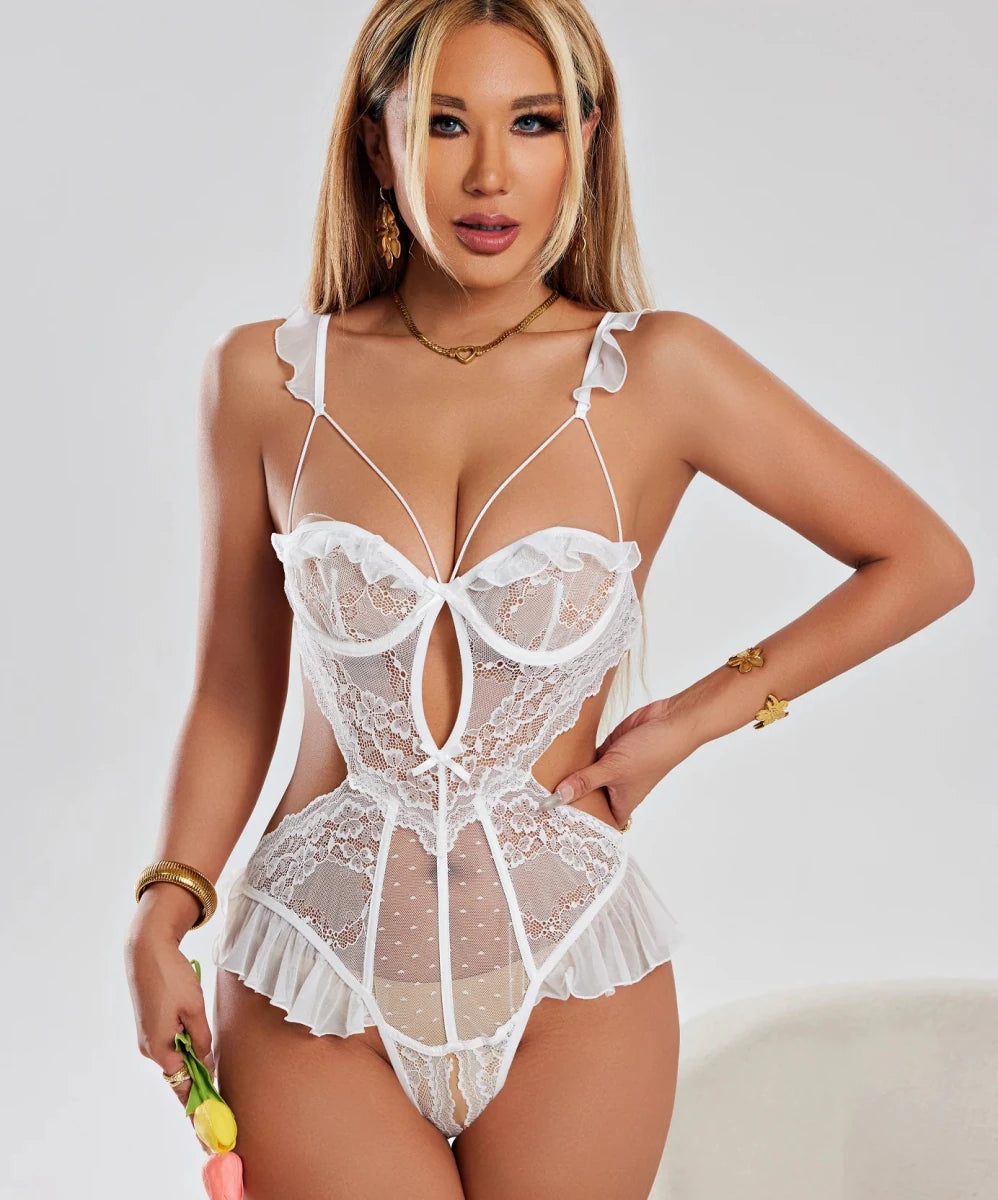
Costumes and Lingerie
Wearing something different than your everyday clothes helps you slip into character. Even small changes—different underwear, a robe, or a specific color—signal "I'm in character now."
Aftercare and Emotional Check-Ins
Roleplay can be emotionally intense, even when fun. Aftercare ensures both partners feel safe and connected.
Immediate Aftercare
Physical:
- Remove costumes or props
- Offer water, snacks, or a warm blanket
- Cuddle, hold hands, or sit together quietly
Emotional:
- "How do you feel?"
- "Was there anything that surprised you?"
- Reassure with affirmations: "That was fun," "I loved seeing you like that," "Thank you for trusting me."
Delayed Check-Ins
The next day:
- Check in again: "How are you feeling about last night?"
- Discuss what to keep or adjust next time
Watch for "drop":
- Some people experience emotional vulnerability or sadness hours or days after intense scenes
- Offer continued support, affection, and open communication
Frequently Asked Questions
How do I introduce roleplay to my partner?
Start with a low-pressure conversation: "I've been curious about trying some roleplay—nothing intense, just playing around with different scenarios. What do you think?" Share specific ideas and ask what excites them.
What are easy roleplay ideas for beginners?
Stranger pickup (pretend you don't know each other), boss and employee (simple power dynamic), or photographer and model (visual and playful). These require minimal props, simple dialogue, and aren't too far removed from everyday interactions, making them less intimidating than complex fantasy scenarios.
Do I need costumes for bedroom roleplay?
No. Costumes enhance immersion but aren't required. A tie, glasses, or different clothing can signal "I'm in character." What matters most is intention, dialogue, and willingness to play. Start with what you have and invest in costumes only if roleplay becomes a regular thing.
What if I feel awkward during roleplay?
Awkwardness is normal, especially at first. Laugh it off and keep going, or pause and check in with your partner. Agree beforehand that breaking character is okay. Over time, you'll build confidence. Start with lighter scenarios and gradually try more involved ones as comfort grows.
How do I set boundaries for roleplay scenarios?
Discuss boundaries before starting: "Are there words, actions, or scenarios that are off-limits?" Agree on safe words (e.g., "red" to stop, "yellow" to slow down). Revisit boundaries regularly as your comfort evolves. Never pressure your partner into scenarios they're uncomfortable with.
Can roleplay help improve intimacy?
Yes. Roleplay requires communication, vulnerability, and trust. Planning scenarios together fosters openness. Exploring fantasies safely deepens emotional connection. The novelty and creativity break routines, making sex feel fresh and exciting again. Even if the scene isn't "perfect," the process of trying together strengthens bonds.
Conclusion
Roleplay ideas for the bedroom offer endless possibilities to explore fantasies, break routines, and deepen intimacy through playful storytelling and character play. Whether you start with simple stranger scenarios or dive into elaborate boss-employee dynamics, the key is open communication, mutual enthusiasm, and willingness to laugh when things don't go perfectly.
By setting clear boundaries, choosing scenarios that genuinely excite both partners, and approaching roleplay with curiosity rather than pressure, you create memorable, connecting experiences that transform ordinary intimacy into shared adventure. Ready to explore creative pleasure? Discover sex toys for couples designed to enhance roleplay and power exchange scenarios.


Looking for something else?

What Is Flogging in Sex? Complete BDSM Flogging Guide
LEARN MORE
What Does Overstimulated Mean Sexually? Causes & Solutions
LEARN MORE
Can You Get a Tattoo on Your Vagina? Safety, Pain & What to Expect
LEARN MORE
Public Sex Kink: Understanding Exhibitionism & Safe Exploration
LEARN MORELooking for something else?

A-Spot Orgasm: Best Positions & How to Find It
LEARN MORE
Bondage Play: Complete Beginner's Guide to Rope BDSM
LEARN MORE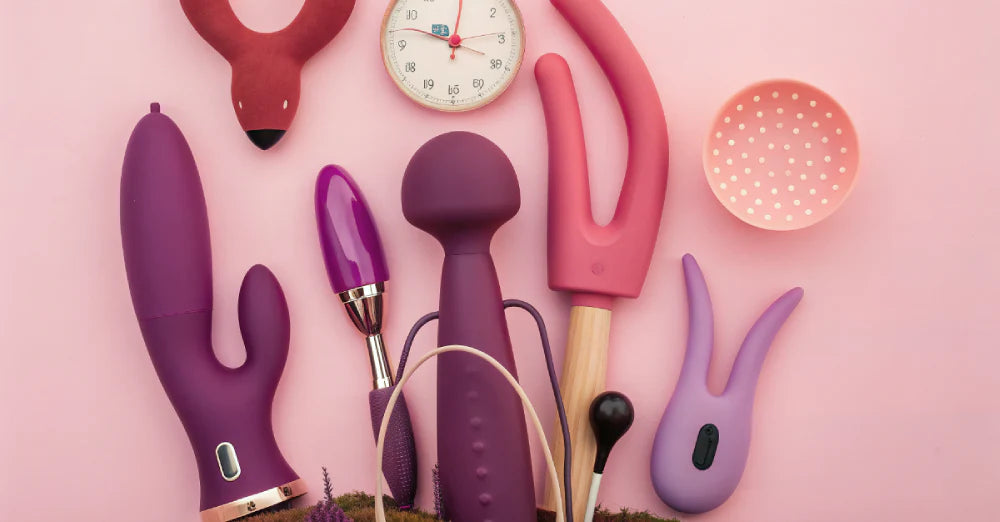
Vibrator Stories: Real Experiences, Tips & What to Expect
LEARN MOREYou may also like
20% off

20% off

20% off

20% off

20% off

20% off

Further reading

How to Clean an Automatic Blowjob Machine Without Damaging the Motor

Remote-Controlled Automatic Masturbators for Couples and Solo Play
Best Automatic Strokers for Edging and Stamina Training