











































How to Prevent Sex Chafing: Your Complete Guide to Friction-Free Intimacy
Stack & Save: Extra 15% with Jissbon15
Jissbon15
Sex chafing—that uncomfortable burning, redness, or raw feeling during or after intimacy—affects nearly everyone at some point. Whether it's from extended sessions, insufficient moisture, or sensitive skin rubbing against fabric or a partner, friction-related discomfort can turn pleasure into frustration.
The good news? Chafing is preventable with simple adjustments to lubrication, positioning, clothing choices, and care routines. This guide explains why chafing happens, how to stop it before it starts, and what to do if irritation has already appeared.
Who Experiences Chafing & Why It Matters
Chafing doesn't discriminate—it can happen to anyone, regardless of experience level or body type:
- People with active sex lives — longer or more frequent sessions increase friction exposure
- Those with sensitive skin — conditions like eczema or allergies amplify irritation risk
- Anyone experiencing hormonal changes — menopause, pregnancy, or menstrual cycles reduce natural lubrication
- Partners using toys — sex toys create new friction points without proper prep
- Athletes or active individuals — thigh and genital chafing from movement compounds during intimacy
- Folks trying new positions — unfamiliar angles or sustained pressure create unexpected hot spots
Ignoring chafing can lead to micro-tears in the skin, which increase infection risk and make future intimacy painful. Addressing it early preserves comfort, confidence, and connection.
Understanding the Root Causes of Sex Chafing
Identifying why chafing occurs helps you target prevention strategies effectively.
Primary Friction Triggers
|
Cause |
Why It Happens |
Quick Fix |
|
Insufficient lubrication |
Natural moisture isn't enough for duration or intensity |
Add water-based or silicone lube |
|
Dry skin or dehydration |
Skin lacks elasticity and tears more easily |
Moisturize daily; drink more water |
|
Rough fabrics or seams |
Underwear, sheets, or clothing rub sensitive areas |
Switch to seamless, breathable materials |
|
Extended sessions |
Prolonged friction overwhelms skin's protective barrier |
Take breaks; reapply lube often |
|
Toy materials or textures |
Hard plastic, seams, or large sizes create pressure points |
Use body-safe silicone; start smaller |
|
Shaving or waxing irritation |
Fresh hair removal leaves skin vulnerable |
Wait 24–48 hours before intimacy |
Body Chemistry Factors
- Hormonal fluctuations — estrogen levels affect vaginal moisture; lower levels mean less natural lubrication
- Medications — antihistamines, antidepressants, and birth control can reduce genital wetness
- Skin conditions — eczema, psoriasis, or contact dermatitis increase sensitivity
- Sweat and heat — moisture buildup softens skin, making it prone to tearing (similar to "nappy rash" in infants)
Environmental Contributors
- Temperature and humidity — hot, sticky conditions worsen friction; cold, dry air cracks skin
- Chlorine or saltwater exposure — pools and oceans strip natural oils
- Harsh soaps or douches — disrupt pH balance and dry out delicate tissue
Chafing Prevention vs. Other Intimacy Challenges

Knowing how chafing differs from similar issues helps you choose the right solution.
Chafing (Friction Irritation)
Symptoms: Redness, burning, raw skin, stinging sensation.
Best fix: Lubrication, moisture barriers, gentler materials.
Skip if: You're dealing with infections (yeast, bacterial) that need medical treatment.
Vaginal Dryness (Lubrication Deficiency)
Symptoms: Tightness, discomfort during penetration, itching.
Best fix: Long-lasting lubricants, estrogen creams (consult doctor), hydration.
Skip if: Dryness is temporary or easily resolved with basic lube.
Allergic Reactions (Contact Dermatitis)
Symptoms: Itching, hives, swelling, rash beyond friction zones.
Best fix: Identify allergen (latex, fragrance, lube ingredient); switch products.
Skip if: Symptoms appear only after friction, not from product contact alone.
Infections (Yeast, BV, UTIs)
Symptoms: Unusual discharge, odor, pain unrelated to friction.
Best fix: Medical diagnosis and treatment; avoid intimacy until healed.
Skip if: Redness is limited to areas that experienced direct rubbing.
Micro-Tears or Abrasions
Symptoms: Sharp pain, visible cuts, bleeding.
Best fix: Pause intimacy; apply antibiotic ointment; see a doctor if severe.
Skip if: Skin is only red or irritated without breaks.
Step-by-Step Chafing Prevention Plan
Follow this sequence to eliminate friction discomfort before, during, and after intimacy.
Before Intimacy: Prep Your Skin
-
Hydrate from the inside out
Drink plenty of water throughout the day. Well-hydrated skin is more elastic and resistant to tearing.
-
Moisturize dry-prone areas
Apply a fragrance-free, hypoallergenic lotion to thighs, underarms, or anywhere you've experienced chafing. Let it absorb for 15–20 minutes before activity.
-
Skip harsh cleansers
Wash with warm water and a gentle, pH-balanced soap. Avoid anything labeled "antibacterial" or heavily scented—these strip protective oils. How to reduce irritation safely explains that mild, fragrance-free products minimize reactions.
-
Choose the right clothing
Wear seamless, moisture-wicking underwear or go commando under loose-fitting fabrics. Avoid lace, rough cotton blends, or anything with thick elastic bands.
-
Time hair removal wisely
If you shave or wax, do so at least 48 hours before planned intimacy. Freshly removed hair leaves follicles open and skin inflamed.
-
Apply a protective barrier
For high-friction zones (inner thighs, groin folds), use anti-chafe balms or petroleum jelly. These create a slippery layer that reduces skin-on-skin or skin-on-fabric rubbing.
During Intimacy: Maintain Moisture & Adjust Technique
-
Use lubricant generously
Apply before starting and reapply every 10–15 minutes, especially if you feel dryness returning. More is always better—there's no such thing as "too much lube."
- Choose lube based on activity
- Water-based: Safe for all toys and condoms; easy cleanup; reapply often.
- Silicone-based: Long-lasting; waterproof; don't use with silicone toys.
- Hybrid (water + silicone): Balanced moisture and longevity.
- Oil-based: Great for massage and external play; degrades latex condoms.
-
Adjust positions to reduce pressure
If one position causes discomfort, switch to angles that distribute weight differently. Pillows under hips or knees can relieve direct friction.
-
Take breaks for rehydration
Pause every 15–20 minutes to drink water, reapply lube, and check in with your body and partner. This also builds anticipation.
-
Incorporate toys mindfully
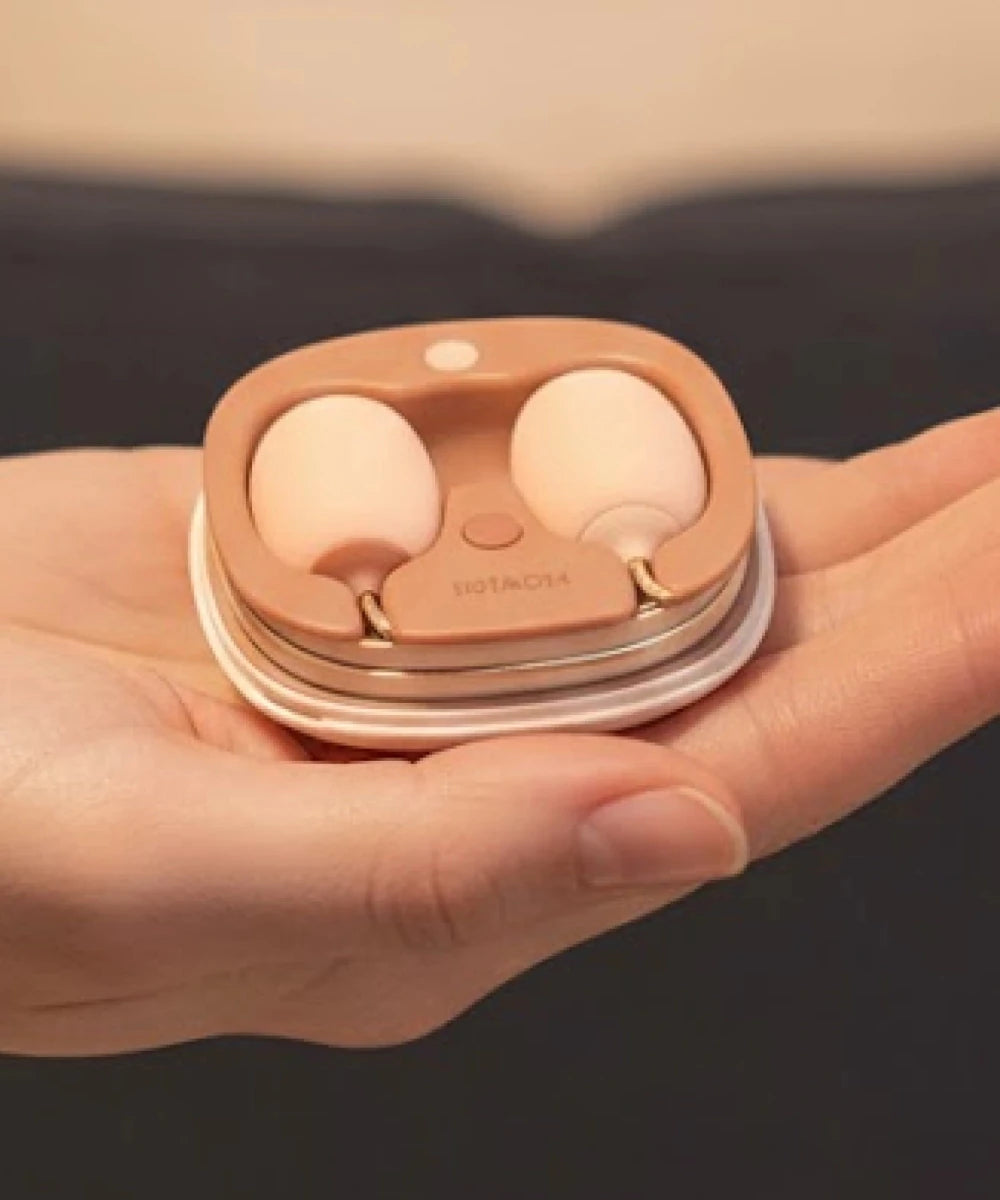
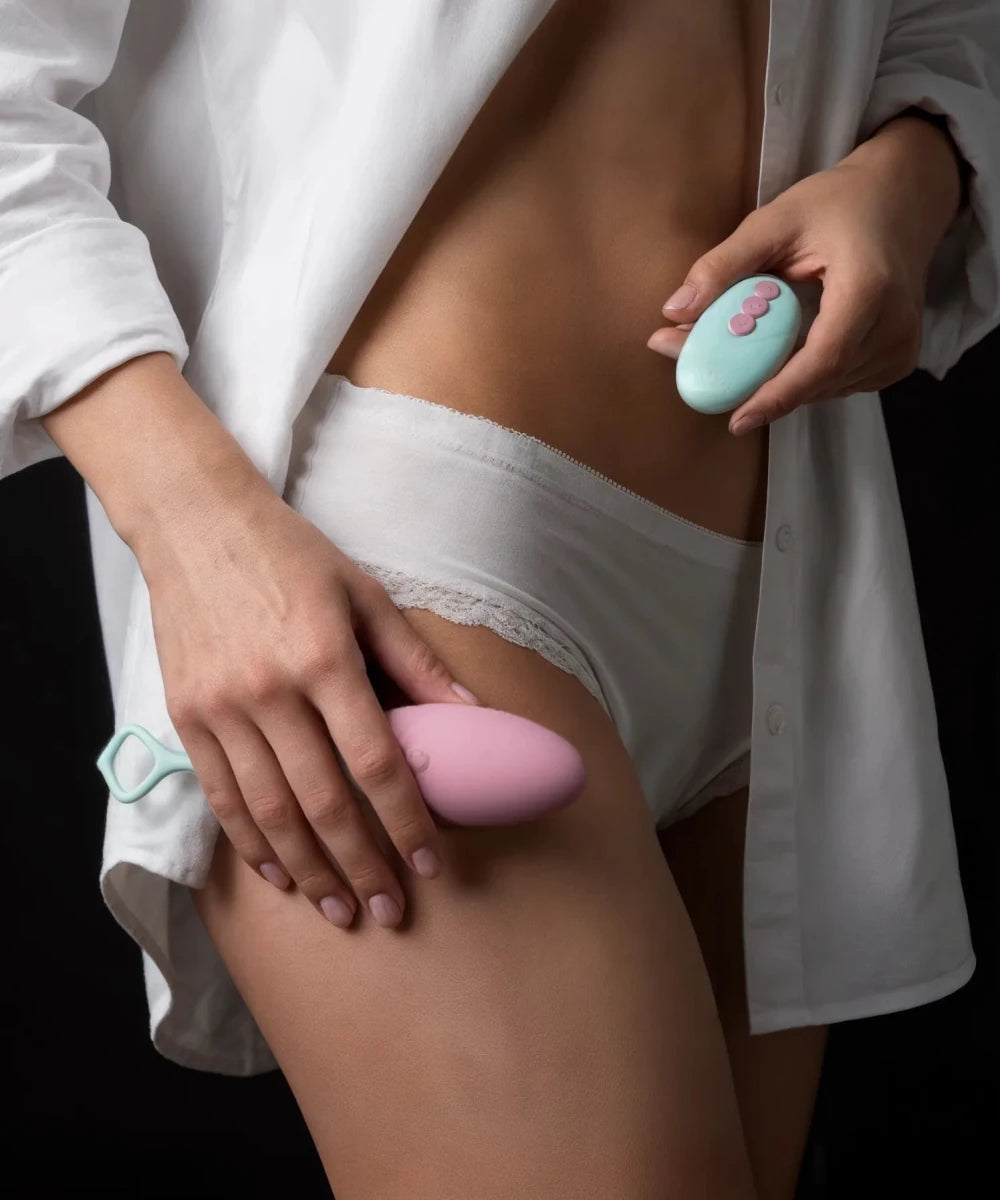
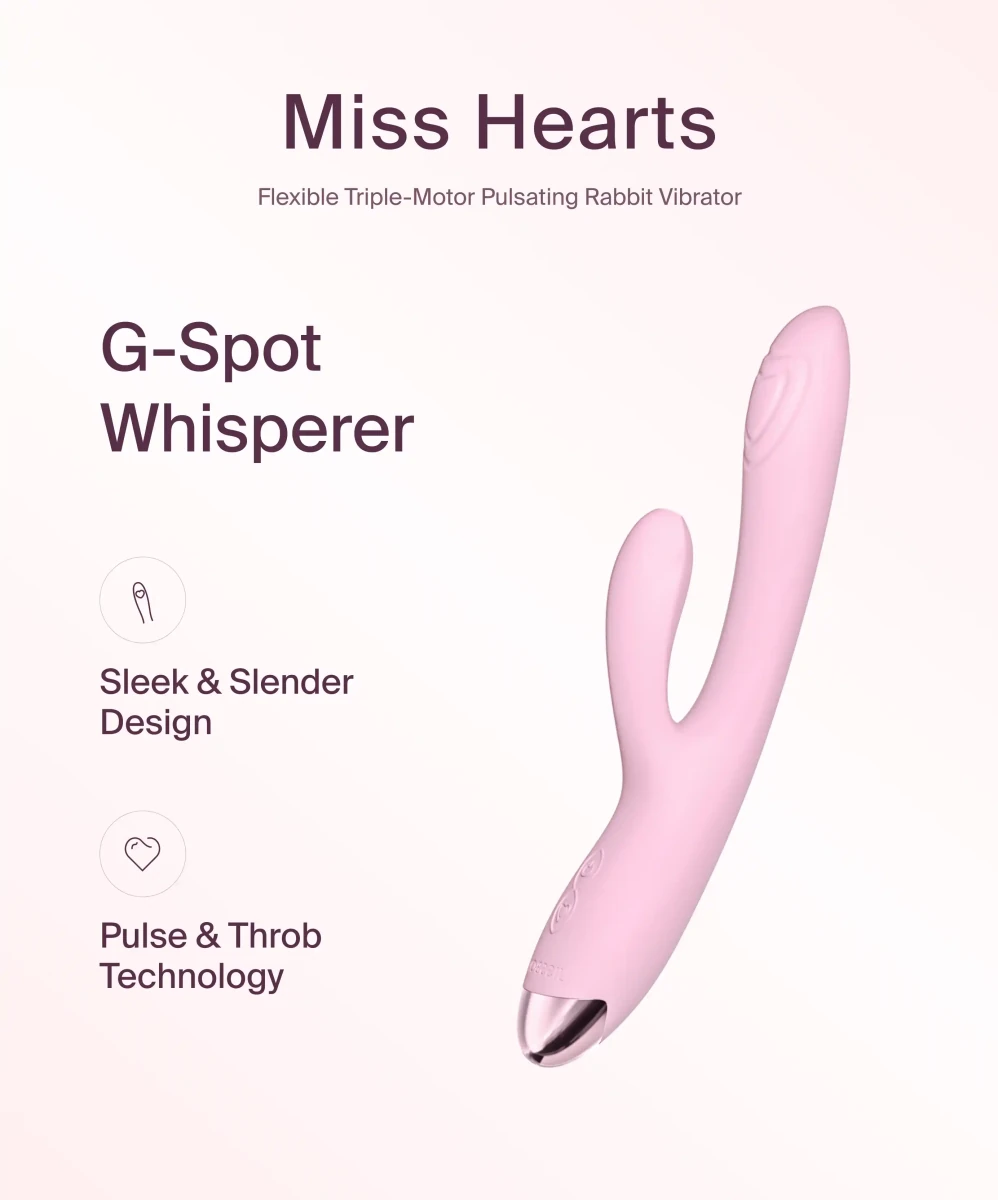
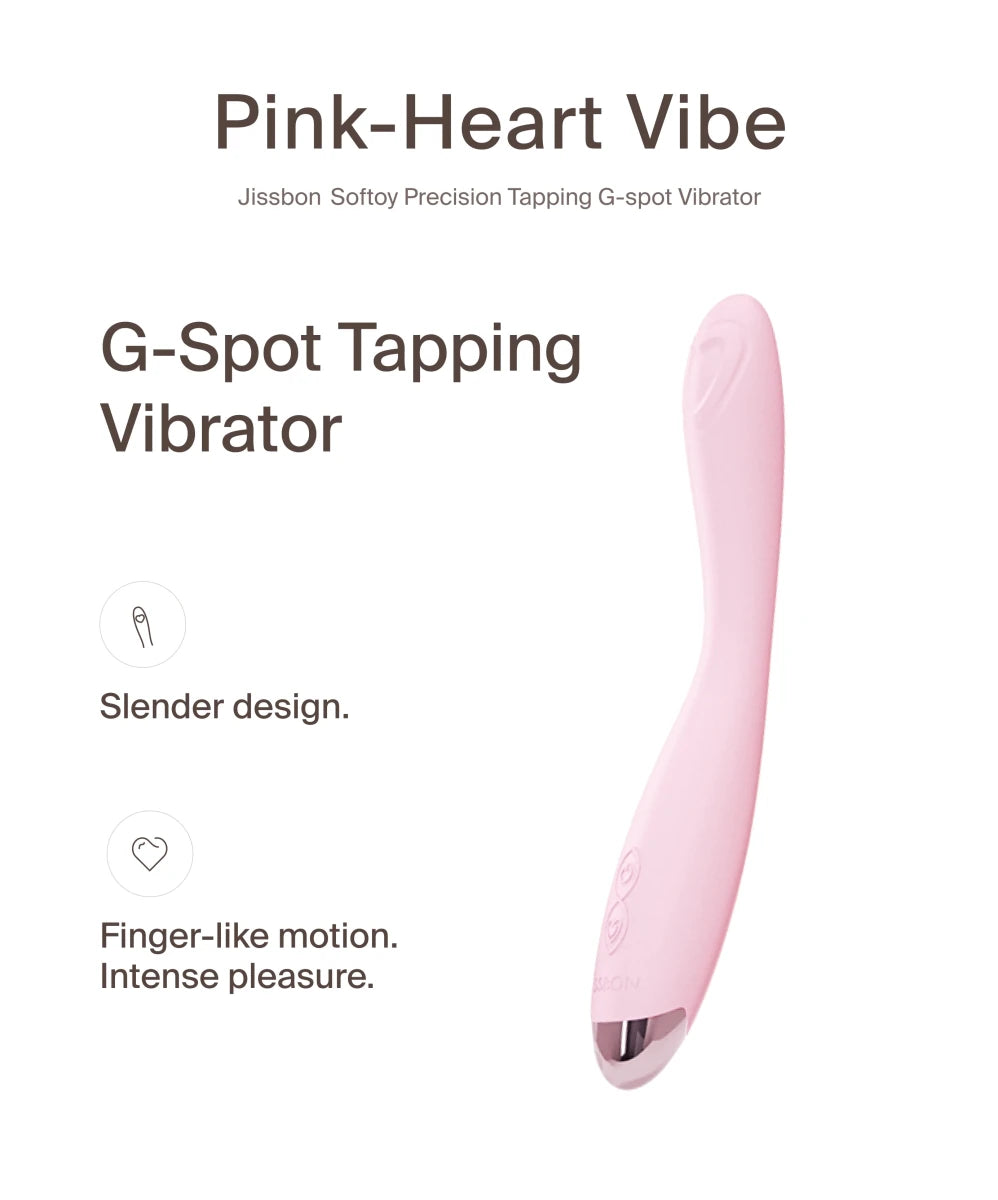
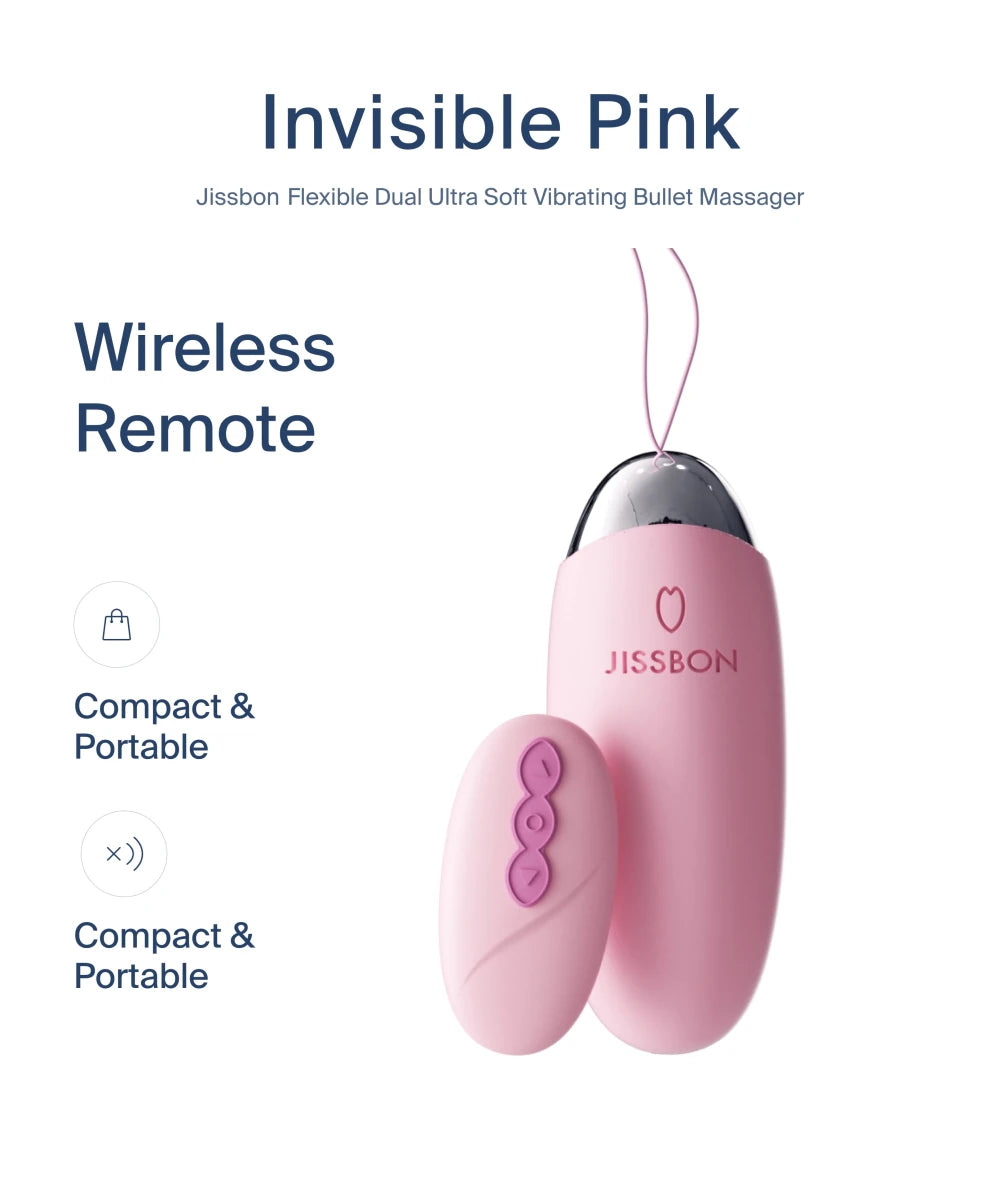
Bullet vibrators with smooth silicone coatings reduce friction compared to rigid plastic. Always coat toys with lube before use.
-
Communicate discomfort immediately
If you feel burning or soreness starting, stop and address it. Pushing through worsens damage.
After Intimacy: Soothe & Recover
-
Rinse with cool water
Gently wash affected areas with lukewarm or cool water to remove lube, sweat, and bacteria. Pat dry with a soft towel—no rubbing.
-
Apply a soothing agent
Use aloe vera gel (100% pure, no alcohol), a fragrance-free moisturizer, or diaper rash cream (zinc oxide-based) to calm redness.
-
Avoid tight clothing
Wear loose, breathable pajamas or underwear. Give your skin airflow to heal.
-
Monitor for infection signs
Watch for increased redness, swelling, pus, or fever in the next 24–48 hours. These indicate infection—seek medical care.
Lube Selection Guide: Matching Product to Need

Choosing the right lubricant is the single most effective chafing prevention tool.
Water-Based Lubricants
Best for: Beginners, all toy materials, condom compatibility, easy cleanup.
Pros: Non-staining, hypoallergenic options available, safe for sensitive skin.
Cons: Dries faster; needs frequent reapplication.
Ideal scenarios: Quick sessions, toy play, oral-friendly options.
Silicone-Based Lubricants
Best for: Extended sessions, shower/bath play, minimal reapplication.
Pros: Lasts 3–4× longer than water-based; silky texture; waterproof.
Cons: Not safe with silicone toys; harder to wash off sheets.
Ideal scenarios: Marathon sessions, water-based intimacy, reducing friction during manual stimulation.
Hybrid Lubricants
Best for: People who want longevity without sacrificing easy cleanup.
Pros: Balanced formula; longer-lasting than water-based; easier to clean than pure silicone.
Cons: Slightly more expensive.
Ideal scenarios: Versatile everyday use.
Oil-Based Lubricants
Best for: Massage, external play, male masturbators (non-latex).
Pros: Ultra-slippery; moisturizes skin; natural options like coconut oil available.
Cons: Degrades latex condoms; harder to wash off; can trap bacteria if used internally.
Ideal scenarios: Solo play, body massages, non-penetrative activities.
Specialty Lubricants
- Cooling/warming lubes: Contain menthol or capsaicin for tingle. Patch-test first—can irritate sensitive skin.
- Organic/natural: Free from parabens, glycerin, and propylene glycol. Good for allergy-prone individuals.
- Thick/gel formulas: Stay in place better for anal play or positions requiring sustained lubrication.
Pro Tip: Understanding lubricant ingredients helps you avoid allergens like glycerin (can feed yeast) or propylene glycol (irritates some people).
Care & Maintenance for Chafed Skin

If irritation has already occurred, proper care speeds healing and prevents scarring.
Immediate Relief (First 24 Hours)
- Stop all friction — pause intimacy, avoid tight clothing, skip workouts that involve the area.
- Cool compress — apply a clean, damp cloth for 10–15 minutes to reduce inflammation.
- Zinc oxide cream — creates a protective barrier and soothes rawness (same ingredient in diaper rash cream).
- Hydrocortisone (0.5–1%) — apply sparingly if itching is severe; don't use for more than 3 consecutive days without consulting a doctor.
Ongoing Healing (Days 2–7)
- Keep the area dry — moisture prolongs healing. Use cornstarch powder (not talc) to absorb sweat.
- Avoid scented products — no perfumed lotions, soaps, or wipes until skin is fully healed.
- Wear breathable fabrics — 100% cotton underwear; avoid synthetic blends.
- Take oral anti-inflammatories — ibuprofen or acetaminophen reduces pain and swelling if over-the-counter options are safe for you.
When to See a Doctor
- Signs of infection: Pus, yellow or green discharge, fever, spreading redness, intense pain.
- Non-healing wounds: Chafing that doesn't improve after 5–7 days of home care.
- Recurring issues: Frequent chafing despite prevention efforts may indicate an underlying condition like a skin disorder or hormonal imbalance.
Frequently Asked Questions
What is sex chafing and how do I recognize it?
Sex chafing is skin irritation caused by friction during intimacy. Symptoms include redness, burning sensations, rawness, and stinging, especially when exposed to water or urine. It typically appears on genitals, inner thighs, or anywhere skin rubs against skin, toys, or fabric. Chafing differs from infections because it's localized to friction zones and improves with rest and moisture barriers.
What's the best lubricant to prevent chafing?
Silicone-based lubricant is most effective for chafing prevention because it lasts longer and doesn't dry out quickly. Water-based lubes work well for shorter sessions but require frequent reapplication. Choose hypoallergenic, fragrance-free formulas to minimize irritation risk. Avoid lubes with warming or cooling agents if you have sensitive skin—they can worsen discomfort.
Can I use regular lotion or Vaseline to prevent chafing?
Petroleum jelly (Vaseline) works well for external thigh chafing but degrades latex condoms, so don't use it with barrier protection. Regular lotion often contains fragrances that irritate genital skin. For internal or genital use, stick to body-safe lubricants. For thighs and external areas, anti-chafe balms or petroleum jelly are safe options.
How long does chafed skin take to heal?
Mild chafing heals in 3–5 days with proper care (rest, moisture, gentle cleansing). Moderate cases with visible rawness may take 5–7 days. Severe chafing with micro-tears or infection requires medical attention and can take 1–2 weeks. Avoid intimacy until skin is fully healed to prevent worsening damage.
Does shaving or waxing increase chafing risk?
Yes. Hair removal irritates skin and opens follicles, making the area more vulnerable to friction. Wait 24–48 hours after shaving or waxing before intimacy. Use a sharp razor, shave in the direction of hair growth, and apply a soothing, alcohol-free balm afterward. Consider trimming instead of full removal to reduce irritation.
Can toys cause chafing even with lube?
Yes, if toys are too large, have rough seams, or are made from porous materials. Hard plastic creates more friction than smooth silicone. Always coat toys generously with lube, start with smaller sizes, and choose body-safe materials. If a toy consistently causes discomfort despite lube, switch to a smoother or more flexible option.
Conclusion
Chafing doesn't have to ruin intimate moments. With the right lubrication, mindful technique, and quick adjustments, you can enjoy friction-free pleasure every time.
Ready to explore comfortable intimacy? Discover our collection of sex toys for couples designed with smooth, body-safe materials that prioritize your comfort alongside pleasure.


Looking for something else?

What Is Flogging in Sex? Complete BDSM Flogging Guide
LEARN MORE
What Does Overstimulated Mean Sexually? Causes & Solutions
LEARN MORE
Can You Get a Tattoo on Your Vagina? Safety, Pain & What to Expect
LEARN MORE
Public Sex Kink: Understanding Exhibitionism & Safe Exploration
LEARN MORELooking for something else?

A-Spot Orgasm: Best Positions & How to Find It
LEARN MORE
Bondage Play: Complete Beginner's Guide to Rope BDSM
LEARN MORE
Vibrator Stories: Real Experiences, Tips & What to Expect
LEARN MOREYou may also like
20% off

20% off

20% off

20% off

20% off

20% off

Further reading
How to Clean an Automatic Blowjob Machine Without Damaging the Motor

Remote-Controlled Automatic Masturbators for Couples and Solo Play
Best Automatic Strokers for Edging and Stamina Training