


















































Pre-Sex Rituals: Your Guide to Building Arousal & Connection
Stack & Save: Extra 15% with Jissbon15
Jissbon15
Pre-sex rituals encompass the intentional practices, routines, and preparations that happen before intimate activity begins. These rituals range from practical hygiene steps to emotional connection practices and physical preparation exercises.
Establishing consistent pre-intimacy routines enhances arousal, reduces anxiety, and creates psychological transitions between everyday life and sexual space. This guide explores various ritual types, their benefits, and how to develop personalized practices that enhance your intimate experiences.
What does “presex” actually mean?
“Presex” is just an adjective meaning “before sex” — like “pre-sex routine” or “pre-sex checklist.” Dictionaries and language sites list it as “before sexual activity or preceding sexual development/maturity,” formed from pre- + sex.
In practice, people use it to talk about:
- Things you do right before intimacy (shower, brush teeth, set the mood)
- Habits or routines that help you transition from daily life into a more erotic headspace
It’s not the same as “presexual,” which usually refers to a developmental stage before puberty and has nothing to do with adult intimacy planning.
What are pre-sex activities called?
Depending on what you’re talking about, people use different terms:
- Pre-sex rituals / routines – the broader phrase for everything you intentionally do beforehand: shower, tidy room, light candles, talk about boundaries, stretch, meditate, etc.
- Foreplay – usually refers to sexual touch and interaction before penetration or climax (kissing, oral, touching, grinding).
- Warm-up – casual way to describe both mental and physical prep (like stretching, breathing, or a “pep talk”).
In your article, it’s helpful to distinguish:
- Rituals: can be sexual or non-sexual prep
- Foreplay: explicitly sexual stimulation
Both matter, but rituals often start much earlier than the first kiss.
Is pre-sex drinking a “ritual” and is it safe?
Some people do use alcohol as part of a pre-sex pattern (a drink to “loosen up”), and research even talks about “pre-sex drinking” as a recurring behavior.
But there are important caveats:
- Alcohol can blur consent, decision-making, and your ability to notice pain or discomfort.
- Studies have found that regular pre-sex drinking is associated with higher sexual risk (less condom use, more partners, more regret), especially in some groups.
- It can also dampen arousal and orgasm for many people, even if it reduces nerves.
If you choose to include alcohol in your pre-sex rituals:
Understanding Pre-Sex Rituals & Their Purpose
What Qualifies as a Pre-Sex Ritual?
Any repeated, intentional practice performed before intimate activity can constitute a ritual:
- Hygiene routines: Showering, grooming, applying products
- Environmental preparation: Adjusting lighting, music, temperature
- Physical warm-ups: Stretching, breathing exercises, body awareness practices
- Mental transitions: Meditation, fantasy engagement, stress release
- Connection activities: Dancing, massage, intentional conversation
- Sensory engagement: Aromatherapy, special clothing, tactile experiences
The defining characteristic is intentionality—these aren't random activities but deliberate practices creating a bridge between ordinary consciousness and intimate presence.
Why Rituals Enhance Intimacy
Psychological benefits:
- Creates mental transition: Signals to brain that intimate time is beginning
- Reduces performance anxiety: Familiar routine provides comfort and predictability
- Builds anticipation: Elongated preparation increases arousal naturally
- Establishes presence: Pulls attention away from external stressors into the moment
Physiological benefits:
- Increases blood flow: Physical movement and stretching prepare body for activity
- Relaxes muscles: Reduces tension that inhibits pleasure
- Activates arousal response: Body learns to associate ritual with sexual activity
- Improves flexibility: Stretching enhances position comfort and prevents injury
Relational benefits:
- Demonstrates care: Taking time for preparation shows partner you value the experience
- Synchronizes energy: Both partners align emotionally and physically
- Creates shared meaning: Rituals become unique to your relationship
- Builds intimacy beyond sex: The preparation itself becomes bonding time
Understanding sexual pleasure and arousal helps you recognize why preparation matters significantly.
Types of Pre-Sex Rituals

Hygiene & Grooming Rituals
Basic cleanliness practices:
- Showering or bathing within 1–2 hours before intimacy
- Brushing teeth and using mouthwash
- Washing hands thoroughly
- Applying deodorant or light fragrance
Enhanced grooming:
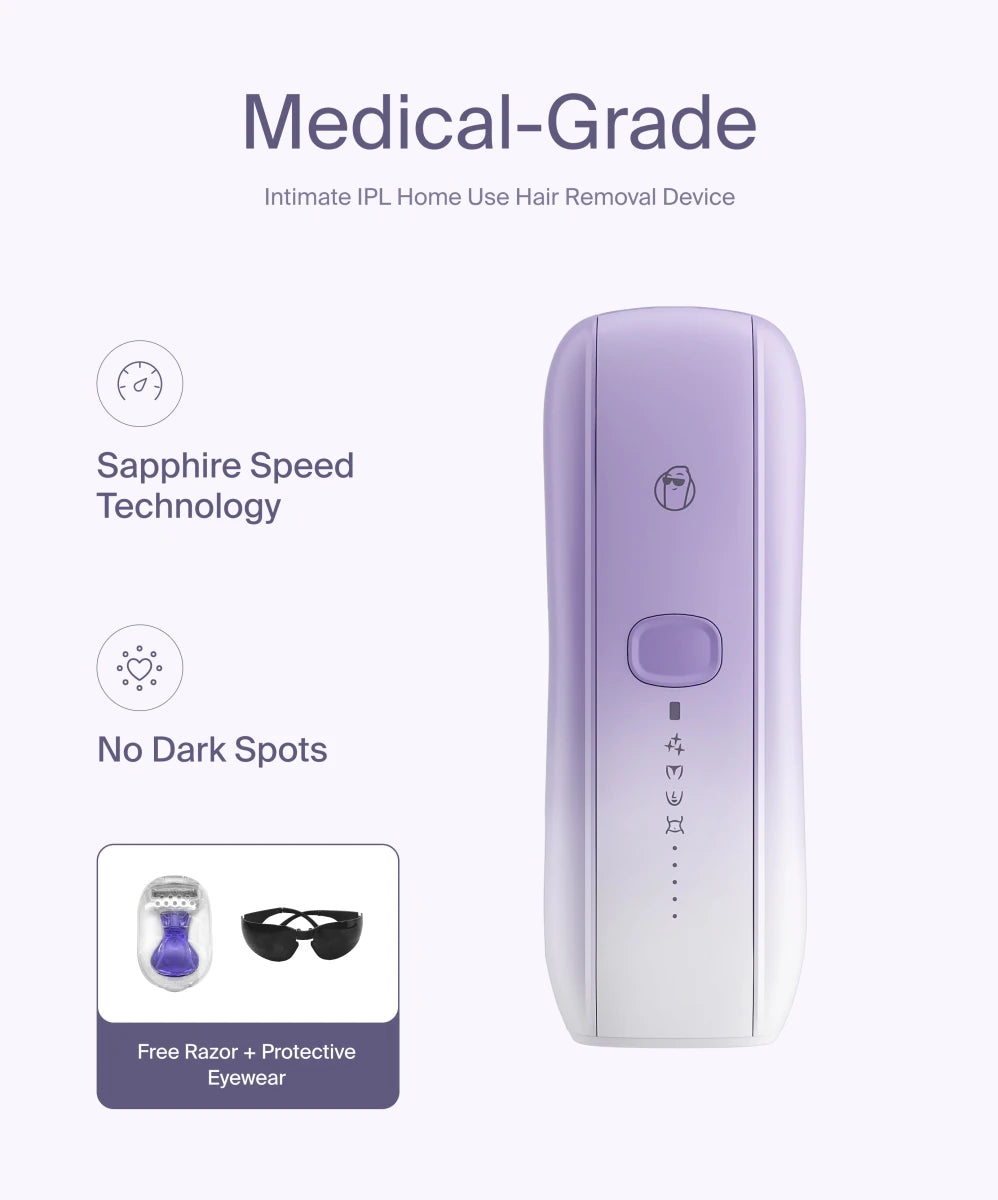
- Shaving or trimming preferred areas
- Moisturizing skin with unscented lotion
- Applying body oil for enhanced touch sensation
- Styling hair or grooming facial hair
Psychological impact:
- Creates feeling of freshness and attractiveness
- Reduces self-consciousness about body odors or appearance
- Signals to yourself that something special is happening
- Shows respect and consideration for partner
Environmental Preparation
Sensory atmosphere creation:
|
Element |
Options |
Purpose |
|
Lighting |
Dimmed lights, candles, colored bulbs, blackout |
Sets mood, reduces self-consciousness |
|
Sound |
Curated playlist, white noise, nature sounds, silence |
Masks external noise, enhances relaxation |
|
Temperature |
Warmer than usual (72–76°F), blankets available |
Prevents distraction from cold, allows nudity comfort |
|
Scent |
Essential oils, incense, fresh sheets |
Engages olfactory arousal, creates association |
|
Tidiness |
Clean space, fresh linens, clutter removed |
Reduces mental distraction, creates sacred space |
Practical setup:
- Place water, lubricant, and toys within arm's reach
- Ensure privacy (lock doors, silence phones)
- Prepare any props or accessories you plan to use
- Have towels or cleanup supplies accessible
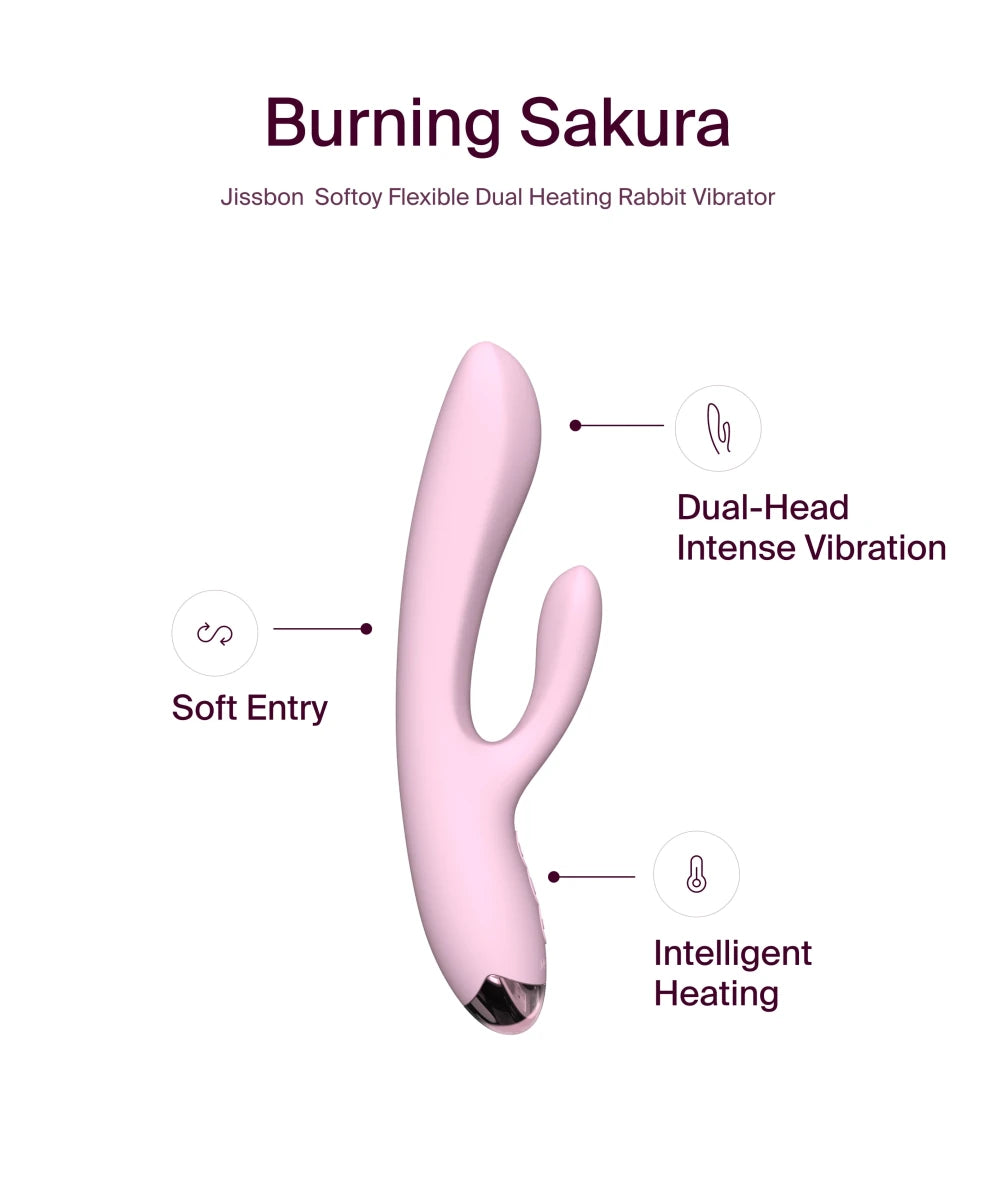
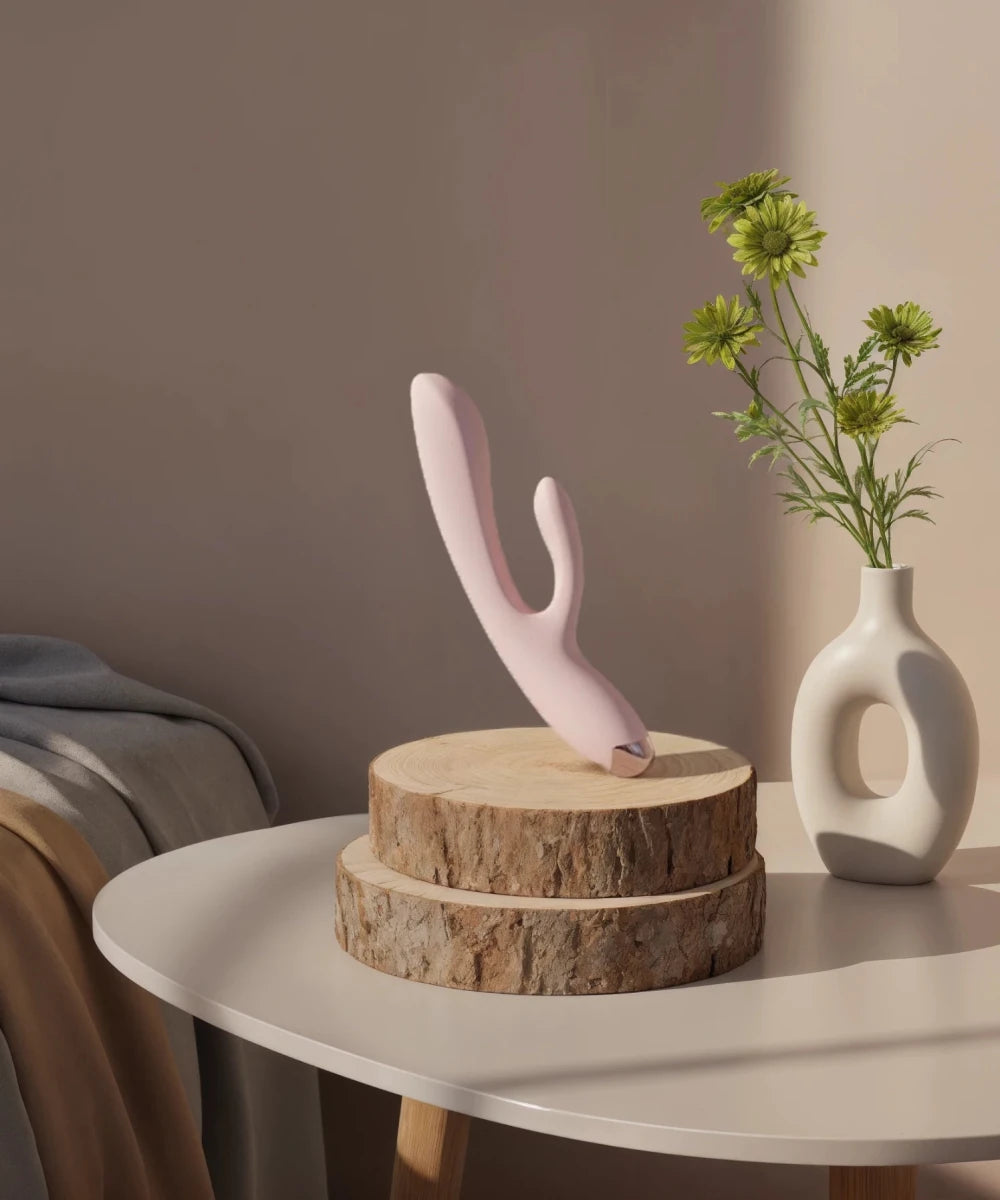
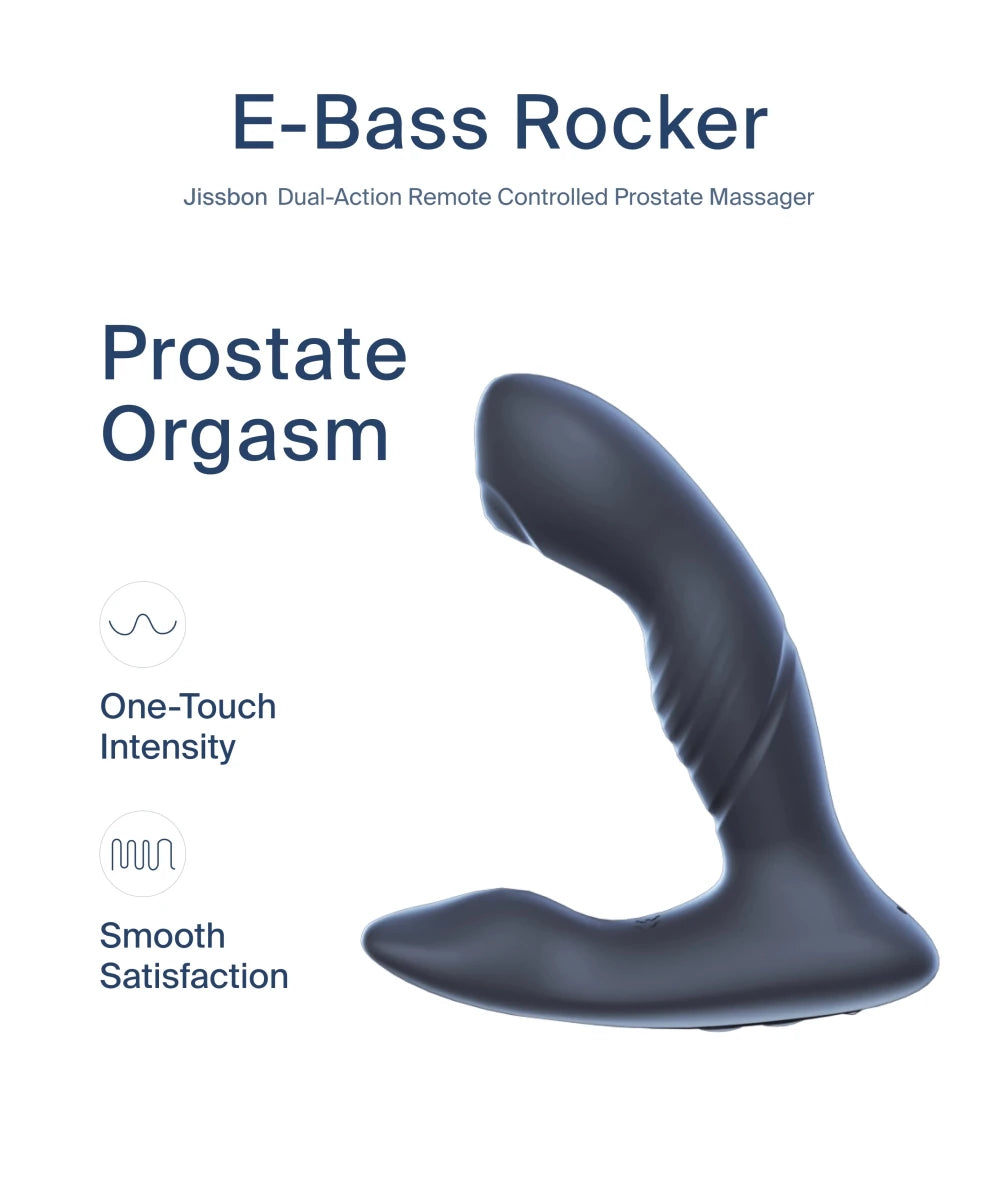
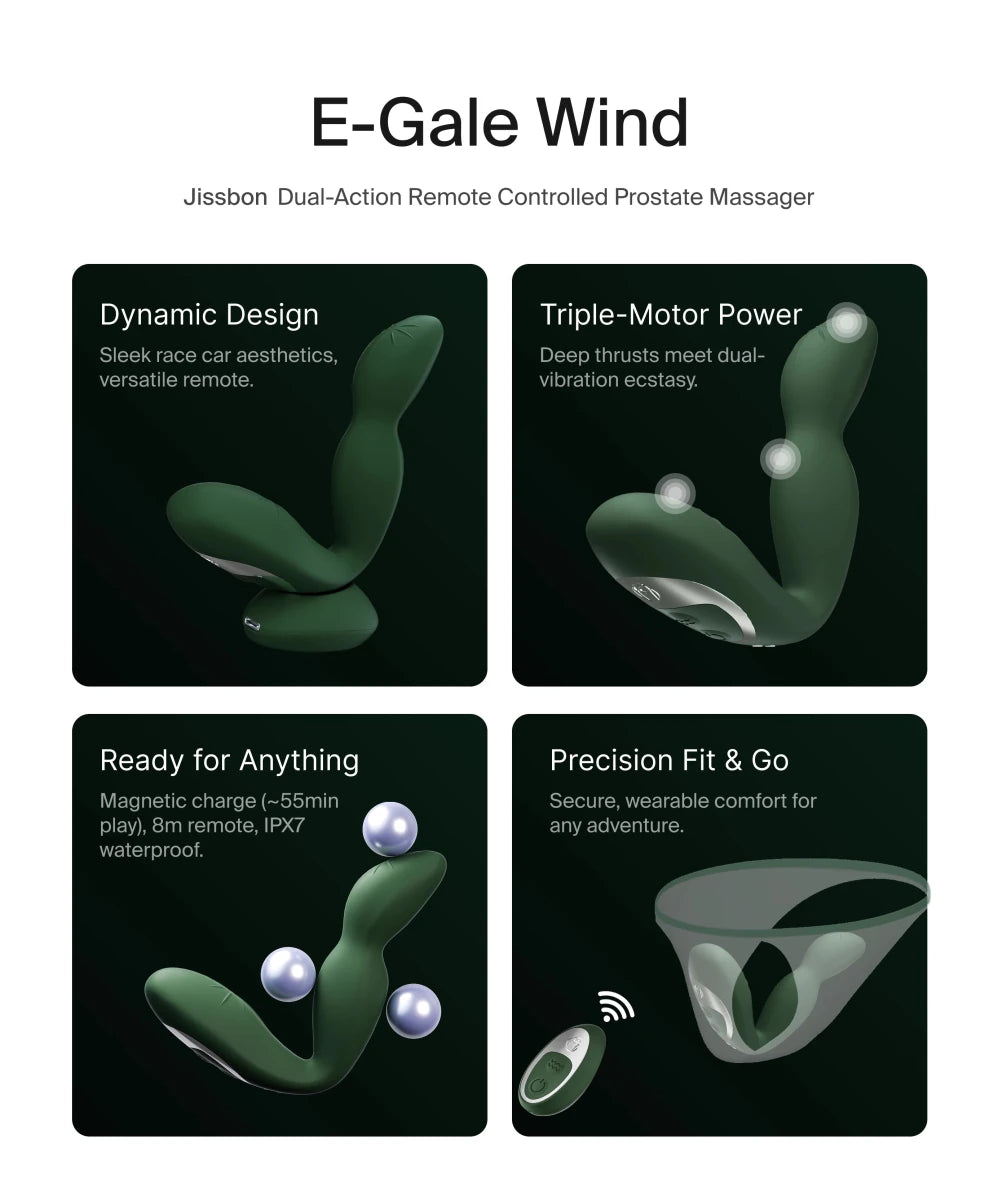
Products from Jissbon can be arranged as part of environmental preparation, creating visual anticipation.
Physical Preparation & Stretching
Pre-sex stretches (5–10 minutes):
1. Hip flexor stretch:
- Kneel with one leg forward, knee bent at 90 degrees
- Other leg extended behind with knee on ground
- Push hips forward gently, feeling stretch in front of back leg
- Hold 30 seconds each side
- Benefits: Opens hips for missionary, cowgirl, and other positions
2. Butterfly stretch:
- Sit with soles of feet together, knees falling outward
- Hold feet and gently press knees toward floor with elbows
- Lean forward for deeper stretch
- Hold 45–60 seconds
- Benefits: Prepares for wide-legged positions, reduces inner thigh strain
3. Cat-cow spine stretch:
- On hands and knees, alternate arching back (cow) and rounding spine (cat)
- Move slowly, synchronizing with breath
- Repeat 8–10 times
- Benefits: Loosens lower back, prepares for doggy style and arching positions
4. Figure-four glute stretch:
- Lie on back, cross one ankle over opposite knee
- Pull uncrossed leg toward chest
- Hold 30 seconds each side
- Benefits: Releases hip tension, prevents cramping during active positions
5. Neck and shoulder rolls:
- Slowly roll head in circles, both directions
- Roll shoulders backward and forward
- Stretch neck side to side
- Benefits: Prevents tension headaches, prepares for oral sex positioning
6. Pelvic tilts:
- Lie on back with knees bent, feet flat
- Tilt pelvis up (pressing lower back to floor), then down
- Repeat 10–15 times
- Benefits: Engages pelvic floor, prepares muscles for thrusting motions
Breathing & Meditation Practices
Conscious breathing (3–5 minutes):
- Box breathing: Inhale 4 counts, hold 4 counts, exhale 4 counts, hold 4 counts, repeat
- Belly breathing: Place hand on abdomen, breathe deeply into belly rather than chest
- Synchronized breathing: Partners breathe in unison, creating energetic connection
Benefits:
- Activates parasympathetic nervous system (relaxation response)
- Increases present-moment awareness
- Reduces performance anxiety
- Enhances body sensitivity to touch
Brief meditation:
- Sit comfortably, close eyes
- Scan body from head to toes, noticing sensations
- Release tension with each exhale
- Set intention for intimate experience ("I want to feel deeply connected")
Connection Rituals for Partners
Non-sexual touch (10–15 minutes):
- Massage hands, feet, or shoulders
- Brush or play with partner's hair
- Hold each other without agenda or expectation
- Trace fingertips along arms, back, or face
Intentional conversation:
- Share what you appreciate about partner
- Express what you're looking forward to
- Check in about energy levels and desires
- Use "I feel..." statements to create emotional safety
Eye gazing:
- Sit facing each other, maintain eye contact for 2–3 minutes
- Breathe together
- Allow vulnerability without speaking
- Creates profound intimacy and presence
Sensory play:
- Feed each other fruit or chocolate
- Take turns applying lotion to each other's skin
- Dance together to music (slow or energetic)
- Share a bath or shower
Solo Pre-Sex Rituals
For partnered sex:
- Self-pleasure to build initial arousal
- Read or watch erotica to engage mind
- Journal about desires or fantasies
- Practice body-positive affirmations
For solo play:
- Create dedicated space and time
- Apply scented lotion or oil to skin
- Use favorite sheets or clothing
- Engage fantasy through mental imagery or media
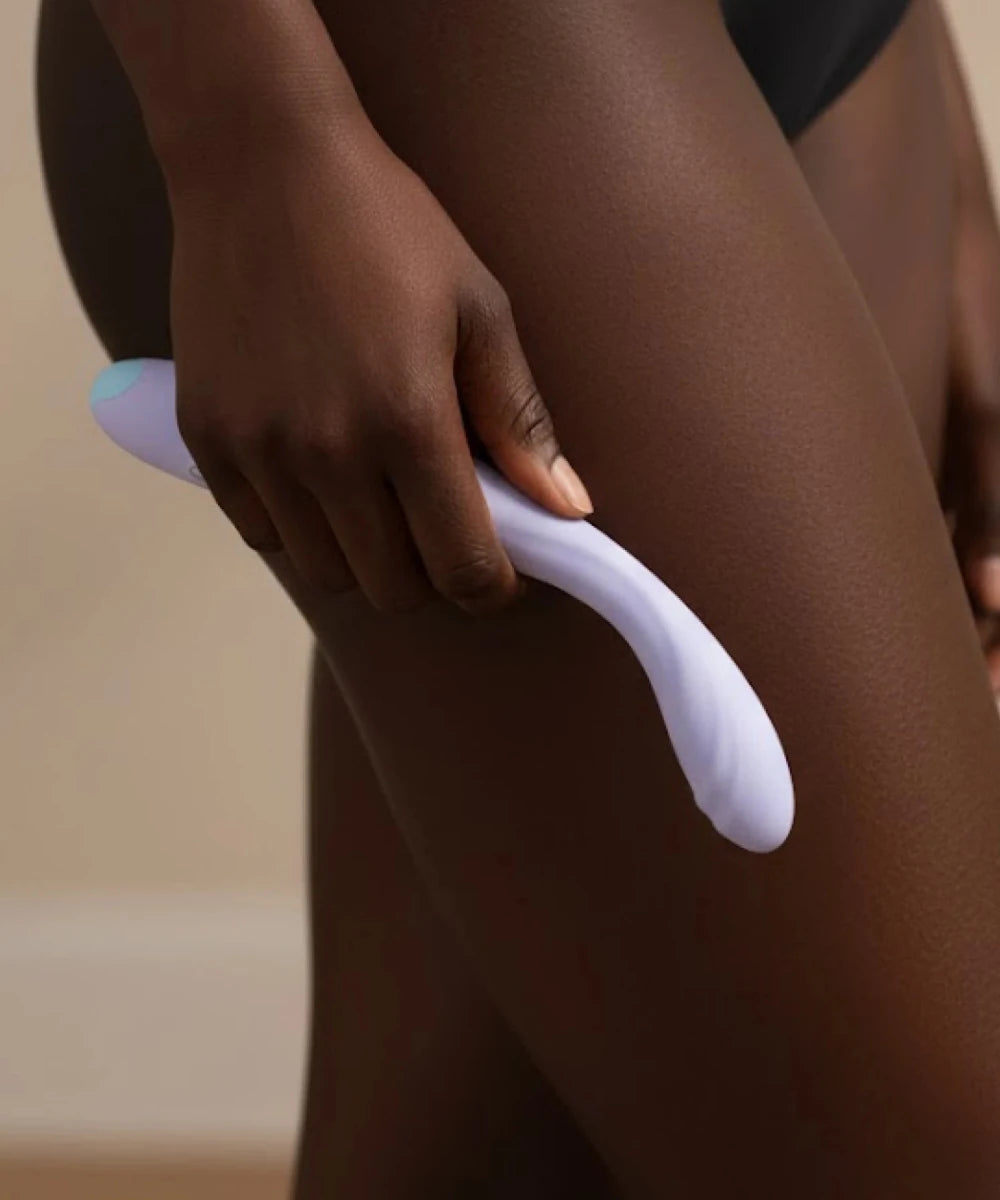
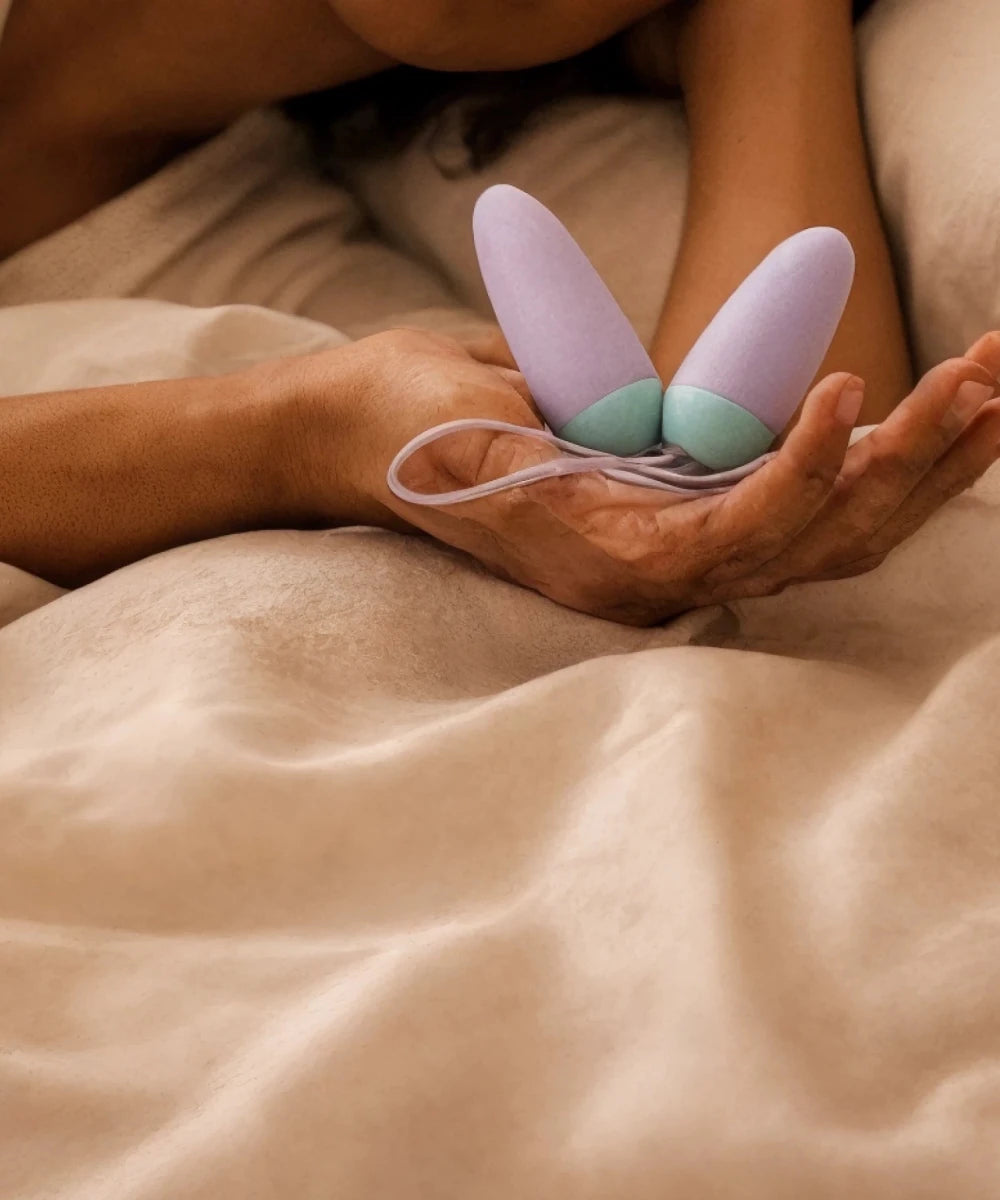
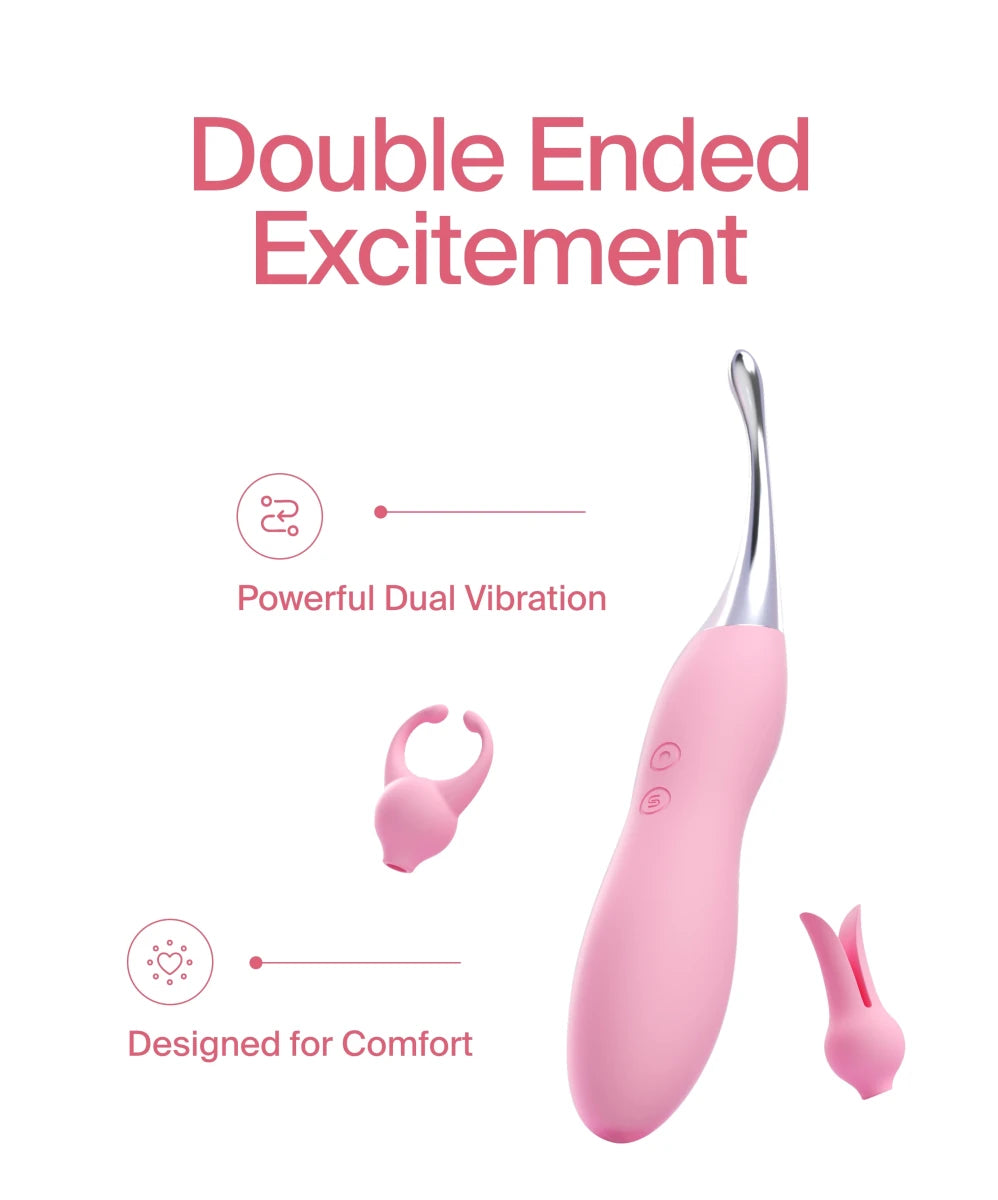
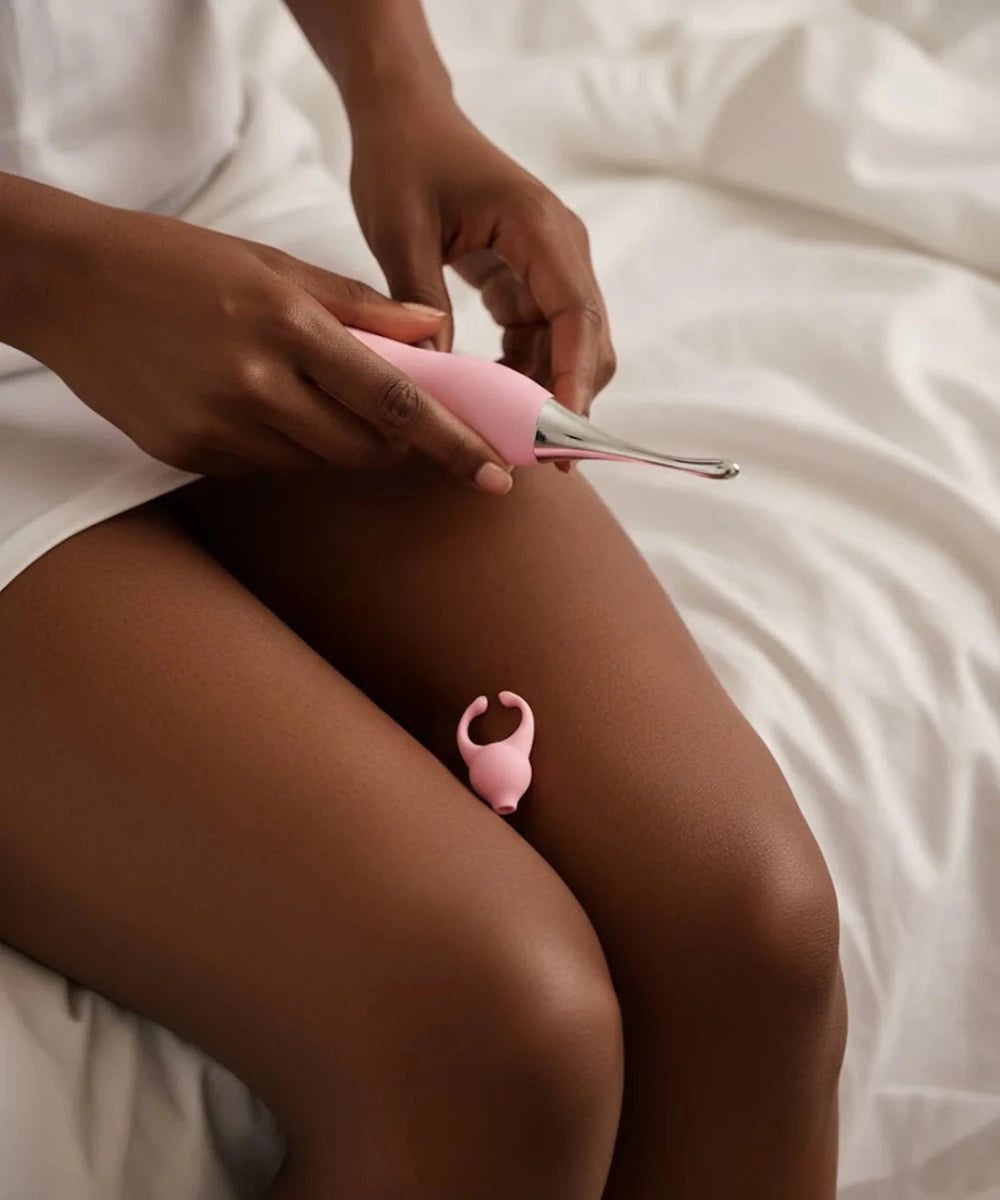
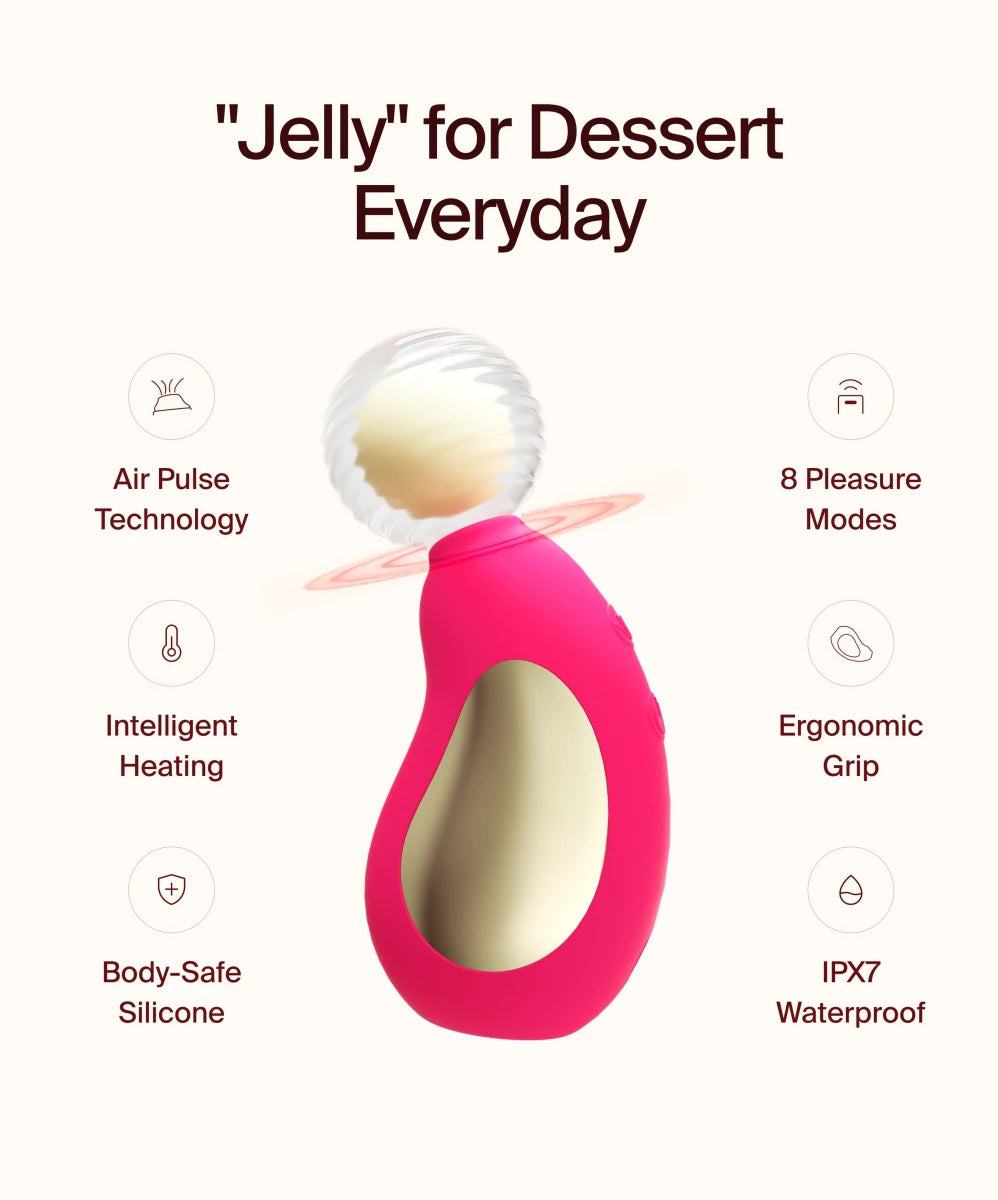
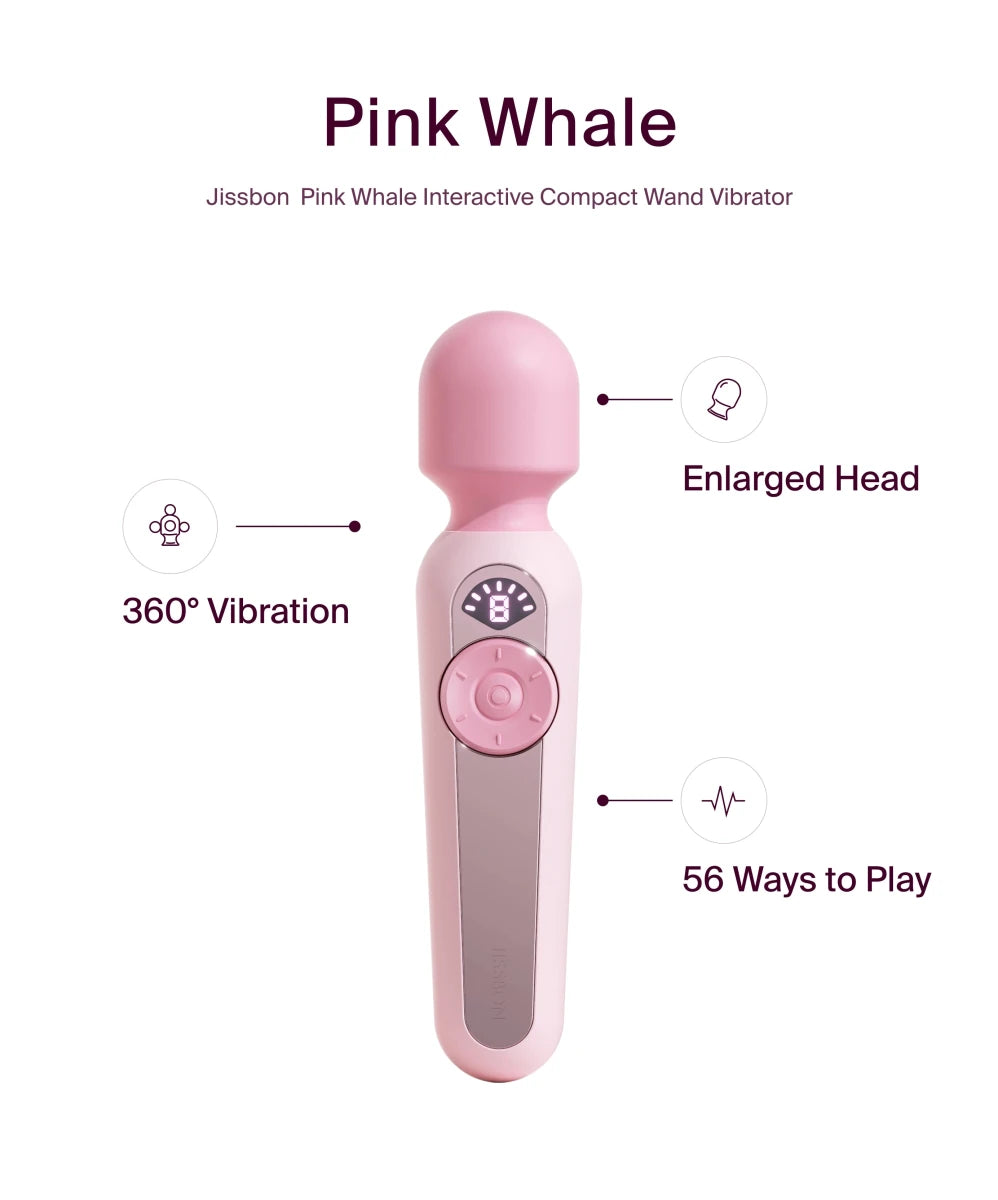
Consider incorporating wand vibrators or clitoral vibrators as part of solo arousal building.
Building Your Personal Pre-Sex Ritual

Identifying What Works for You
Reflect on past experiences:
- When have you felt most aroused and present during intimacy?
- What conditions were present (environment, preparation, mental state)?
- What preparation activities felt meaningful versus obligatory?
- What helps you transition from everyday stress to intimate space?
Consider your needs:
|
Need Category |
Ritual Ideas |
|
Physical relaxation |
Stretching, warm bath, massage, gentle yoga |
|
Mental transition |
Meditation, journaling, music listening, phone-free time |
|
Sensory arousal |
Specific scents, textures, lighting, temperature adjustment |
|
Emotional connection |
Conversation, eye contact, shared activity, cuddling |
|
Confidence building |
Grooming, favorite clothing, affirmations, solo arousal |
Starting Simple
Beginner ritual (15–20 minutes total):
- Quick shower (5 minutes)
- Change into comfortable clothing or favorite lingerie (2 minutes)
- Dim lights and light candle (1 minute)
- Three deep breaths together (1 minute)
- 5-minute massage exchange (hands, shoulders, or feet)
- Brief check-in conversation about desires (2–3 minutes)
As this becomes natural, add elements gradually.
Avoiding Rigid Perfectionism
Healthy ritual characteristics:
- Flexible: Can adapt to time constraints or energy levels
- Enhancing: Adds to experience rather than creating stress
- Optional: Can be skipped occasionally without guilt
- Mutual: Both partners find it meaningful (for couples)
Problematic ritual signs:
- Anxiety or distress if any element is skipped
- Rituals consuming excessive time (90+ minutes regularly)
- Partner feeling pressured or resentful about requirements
- Inability to enjoy intimacy without completing entire ritual
If rituals feel compulsive rather than enhancing, consider discussing with a therapist specializing in sexual health.
Time-Appropriate Rituals
Quickie Rituals (5–10 Minutes)
When time is limited:
- 2-minute synchronized breathing
- Quick genital wash with warm washcloth
- Apply lubricant together as foreplay
- 30-second intention setting ("Let's make this connection count")
- Music playlist queued to favorite song
Standard Rituals (20–40 Minutes)
For typical intimate sessions:
- Full shower or bath
- Basic stretching routine (5–7 minutes)
- Environmental setup (lighting, music, supplies)
- 10-minute massage or sensual touch
- Brief meditation or breathing practice
Extended Rituals (60–90 Minutes)
For special occasions or tantric experiences:
- Shared bath with essential oils and candles
- Full-body massage exchange (20–30 minutes each)
- Extensive stretching and movement practice
- Meditation or energy work
- Sensual meal or feeding each other
- Intentional conversation about desires and connection
Partner Considerations & Communication
Discussing Rituals with Partners
Introducing the concept:
- "I've been thinking about how we prepare for intimacy. Would you be interested in creating some intentional routines together?"
- "I notice I feel more present when we take time to transition into intimate space. Can we experiment with preparation practices?"
Finding mutual preferences:
- Share individual needs and preferences
- Identify overlapping interests
- Compromise on elements where preferences differ
- Create both shared and individual ritual components
Ongoing check-ins:
- "Is this ritual still working for you?"
- "What parts feel most meaningful versus obligatory?"
- "Should we adjust timing or elements?"
Respecting Different Needs
Common differences:
- One partner needs extensive preparation; other feels ready quickly
- Different hygiene preferences or sensitivities
- Varying energy levels and time availability
- Divergent preferences for spontaneity versus planning
Solutions:
- Create hybrid approaches honoring both needs
- Establish minimum rituals acceptable to both
- Respect that some rituals occur individually
- Recognize that rituals can evolve over time
When Rituals Become Problematic

Recognizing Compulsive Patterns
Red flags:
- Severe anxiety if unable to complete ritual
- Rituals expanding to occupy hours
- Inability to experience arousal without ritual completion
- Partner expressing frustration or feeling controlled
- Rituals preventing spontaneous intimacy entirely
- Using rituals to avoid intimacy (excessive preparation delaying activity)
Underlying issues may include:
- Obsessive-compulsive tendencies
- Anxiety disorders
- Avoidance of vulnerability or intimacy
- Control issues within relationship dynamics
Seeking Professional Support
When to consult therapists:
- Rituals causing relationship strain
- Inability to adjust or skip rituals without distress
- Rituals replacing rather than enhancing intimacy
- Suspicion that rituals mask deeper issues
Sex therapists or relationship counselors can help distinguish healthy preparation from problematic patterns.
Are pre-sex rituals just another word for foreplay?
Not quite. There’s overlap, but they’re not identical.
Pre-sex rituals include:
- Showering, grooming, clean sheets
- Adjusting lighting, sound, temperature, scent
- Stretching, breathing exercises, quick meditation
- Talking about boundaries, desires, and contraception/STIs
Foreplay includes:
- Kissing, touching, oral, grinding
- Dirty talk, mutual masturbation, roleplay
Rituals set the stage; foreplay is the beginning of the show. Good rituals make foreplay and sex feel safer, more connected, and more relaxed — especially if you’ve had a stressful day or struggle with anxiety.
Can pre-sex rituals help with performance issues like premature ejaculation?
They can absolutely help as part of a broader approach. Clinics and sex-ed resources often suggest pre-sex techniques such as:
- Deep breathing and relaxation to reduce anxiety
- Breaks and pacing during sex
- Positions where your partner is on top, giving you more control over stimulation
- Mental reframing to focus on sensation and connection rather than “I must last X minutes”
Pre-sex rituals support this by:
- Lowering stress before anything starts
- Giving you time to connect and talk about preferences
- Helping your nervous system shift out of “fight or flight” and into a calmer, more responsive state
They’re not a magic cure for PE or erectile issues, but they’re a valuable piece of the puzzle alongside medical advice, pelvic-floor work, or specific behavioral techniques.
What’s another word or phrase for pre-sex rituals that sounds less clinical?
If “pre-sex rituals” feels too formal, you can use softer language like:
- “Our warm-up routine”
- “Setting the mood”
- “Pre-intimacy routine”
- “Getting in the zone together”
- “Our little before-bed ritual”
Frequently Asked Questions
How long should pre-sex rituals last?
No universal "should" exists—duration depends on personal needs, relationship dynamics, and available time. Common ranges: 10–20 minutes for everyday intimacy, 30–60 minutes for special occasions. What matters is that rituals enhance rather than burden the experience. If partners consistently feel rituals take too long, simplify or shorten them.
Can rituals make sex feel too scheduled or mechanical?
When rigid or excessive, yes. Healthy rituals provide structure without eliminating spontaneity. Balance planned intimate time (with rituals) and spontaneous encounters (with minimal preparation). Many couples find that rituals actually enhance spontaneity by creating comfort and confidence, making unplanned intimacy feel easier.
What if my partner isn't interested in pre-sex rituals?
Respect their preference while honoring your needs. Options: create personal rituals you complete individually, establish minimal shared practices (just lighting a candle together), focus on rituals that don't require partner participation (solo meditation beforehand). Some people genuinely prefer spontaneity—neither approach is inherently better.
Are pre-sex rituals necessary for good intimacy?
Not necessary, but often helpful. Many people enjoy fulfilling intimate lives without formal rituals. Others find rituals transform their experiences. Experiment to discover whether rituals enhance your particular situation. If they create stress or feel forced, they're not serving their purpose.
How do I incorporate toys into pre-sex rituals?
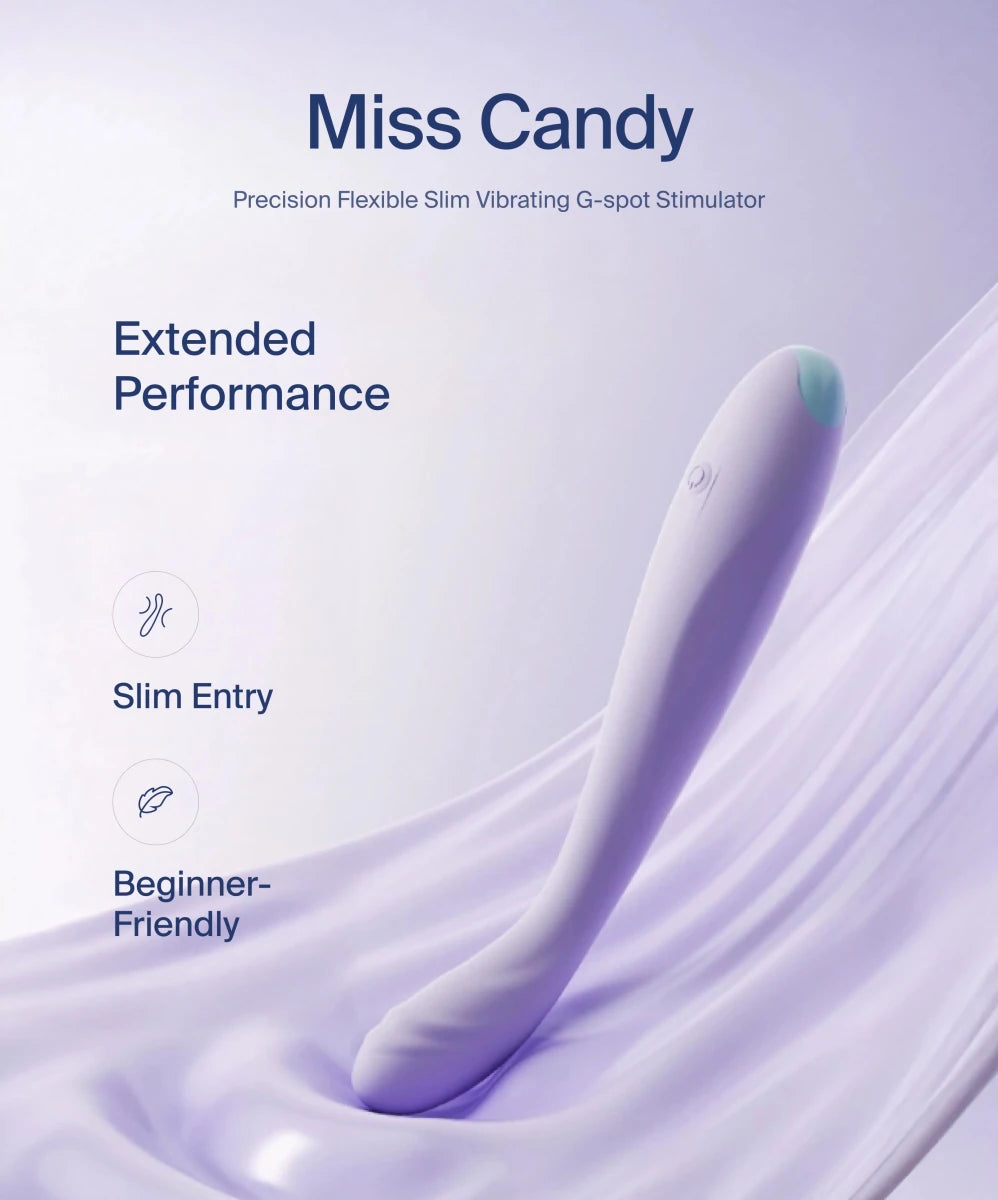
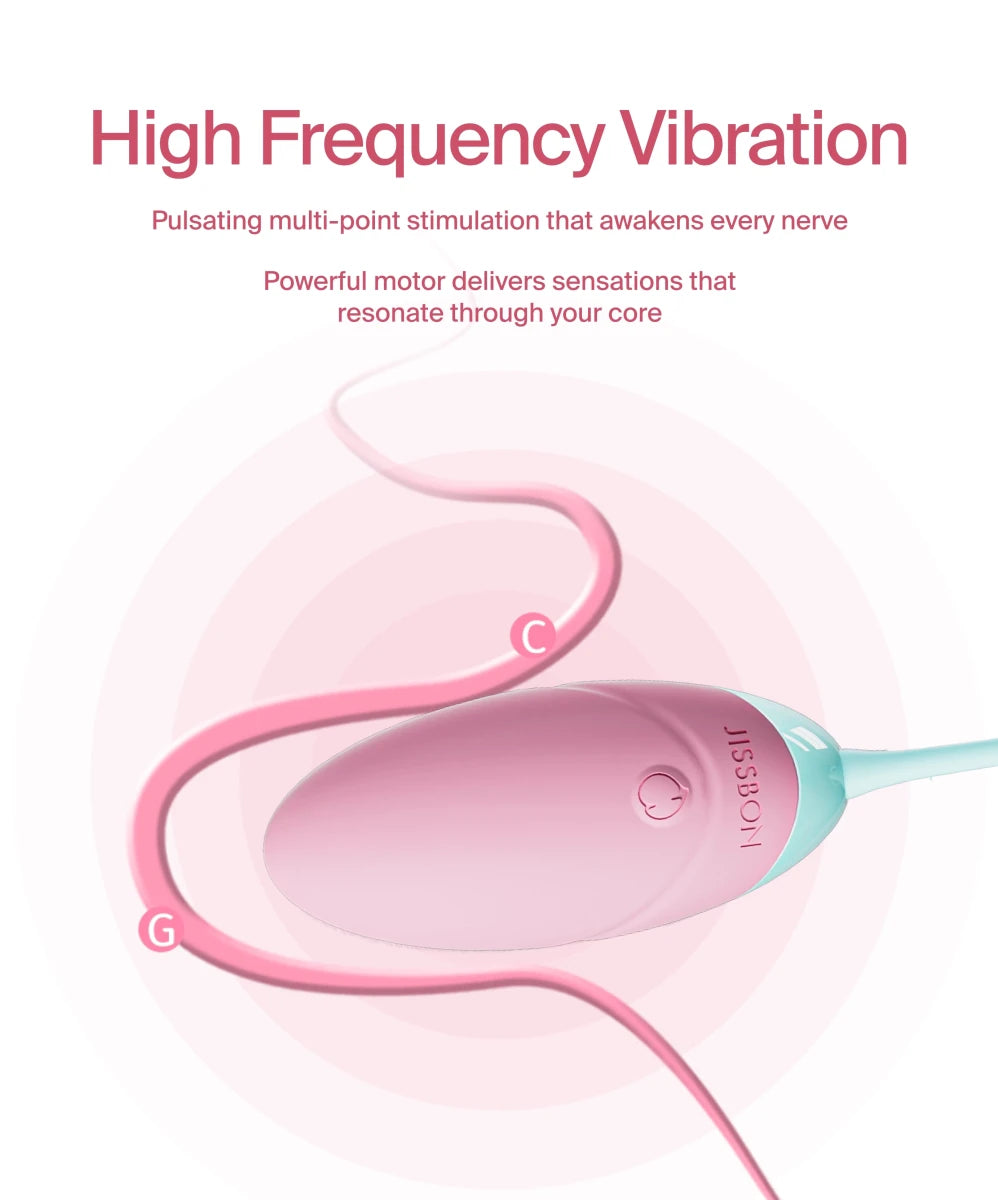
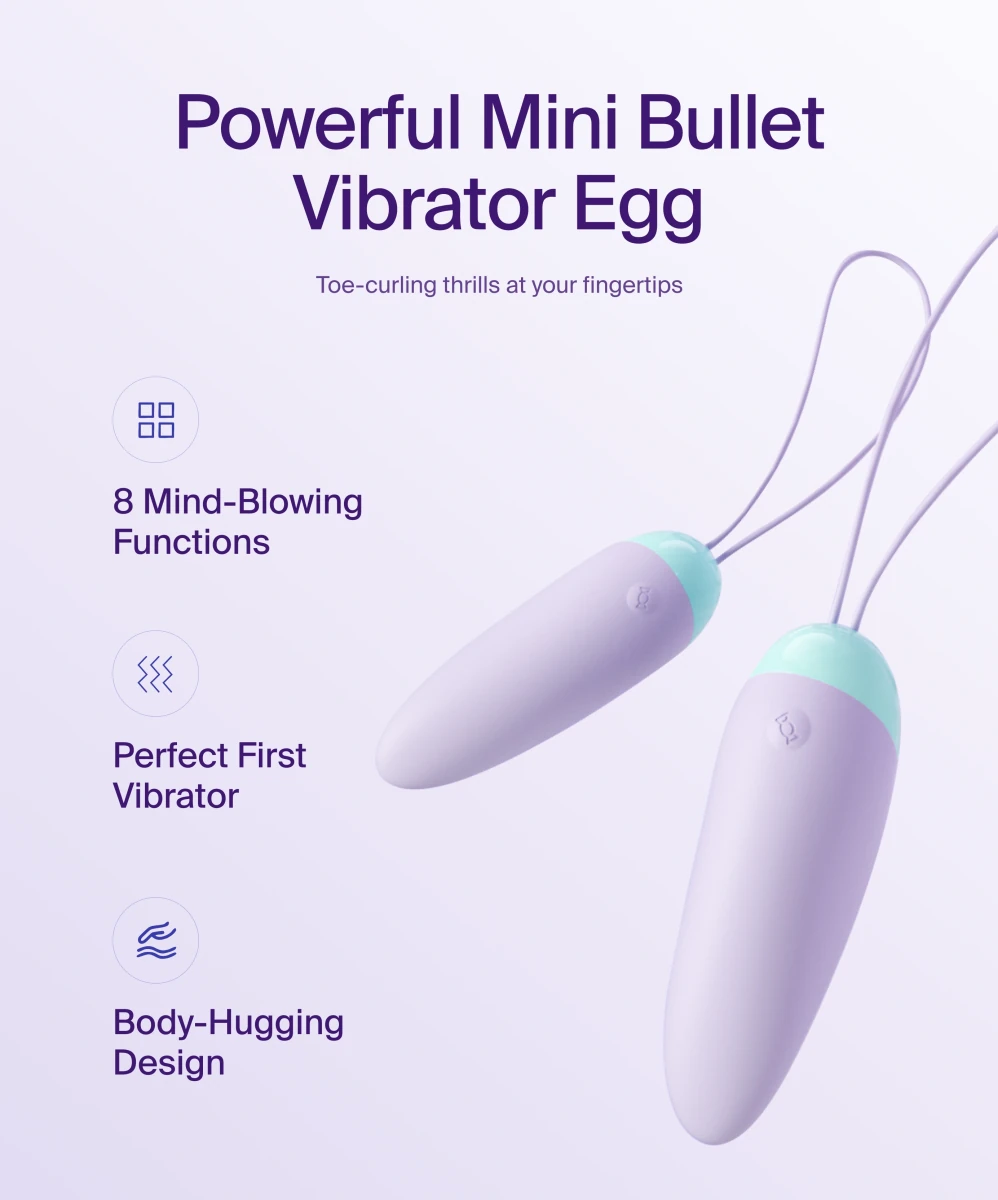
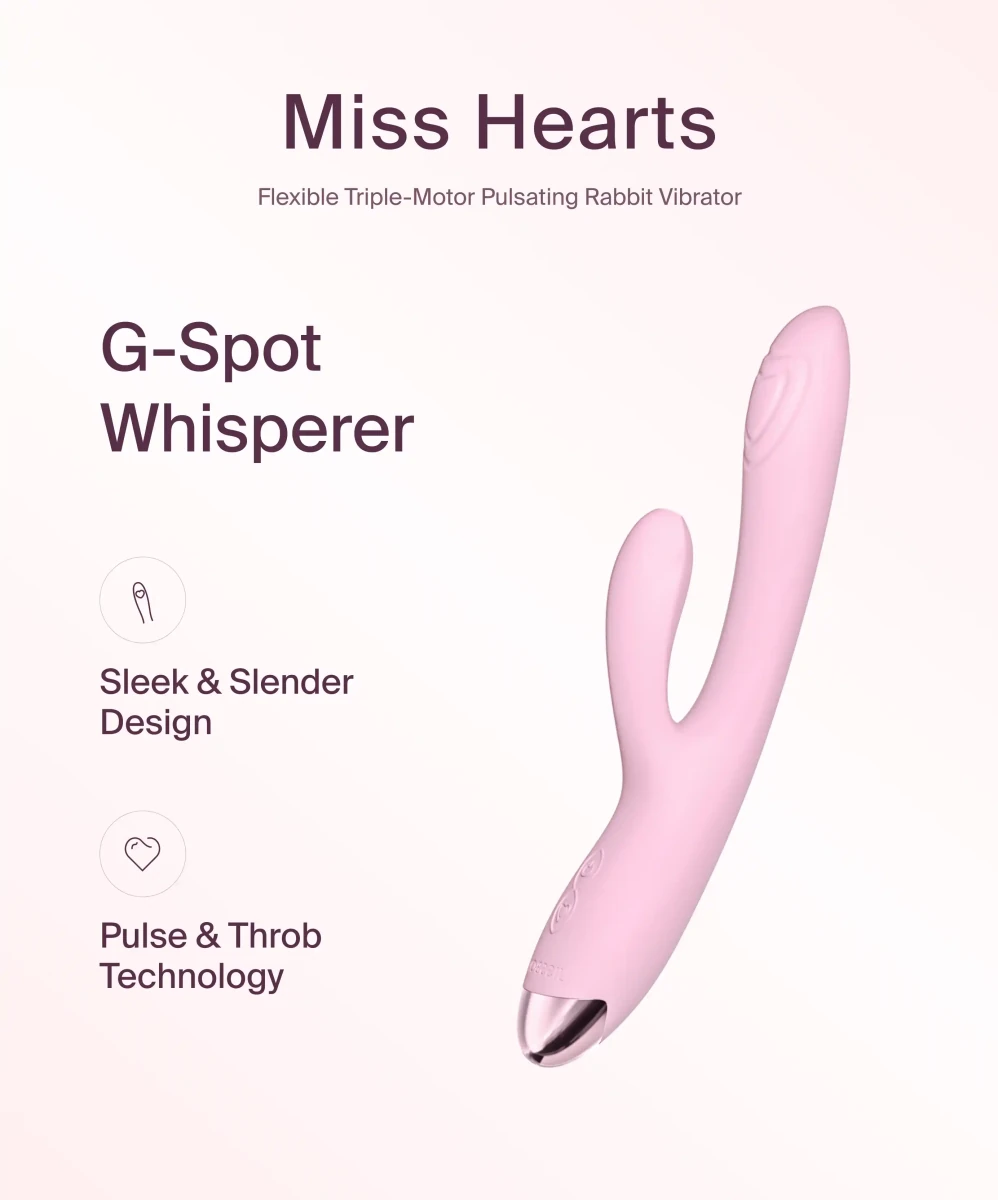
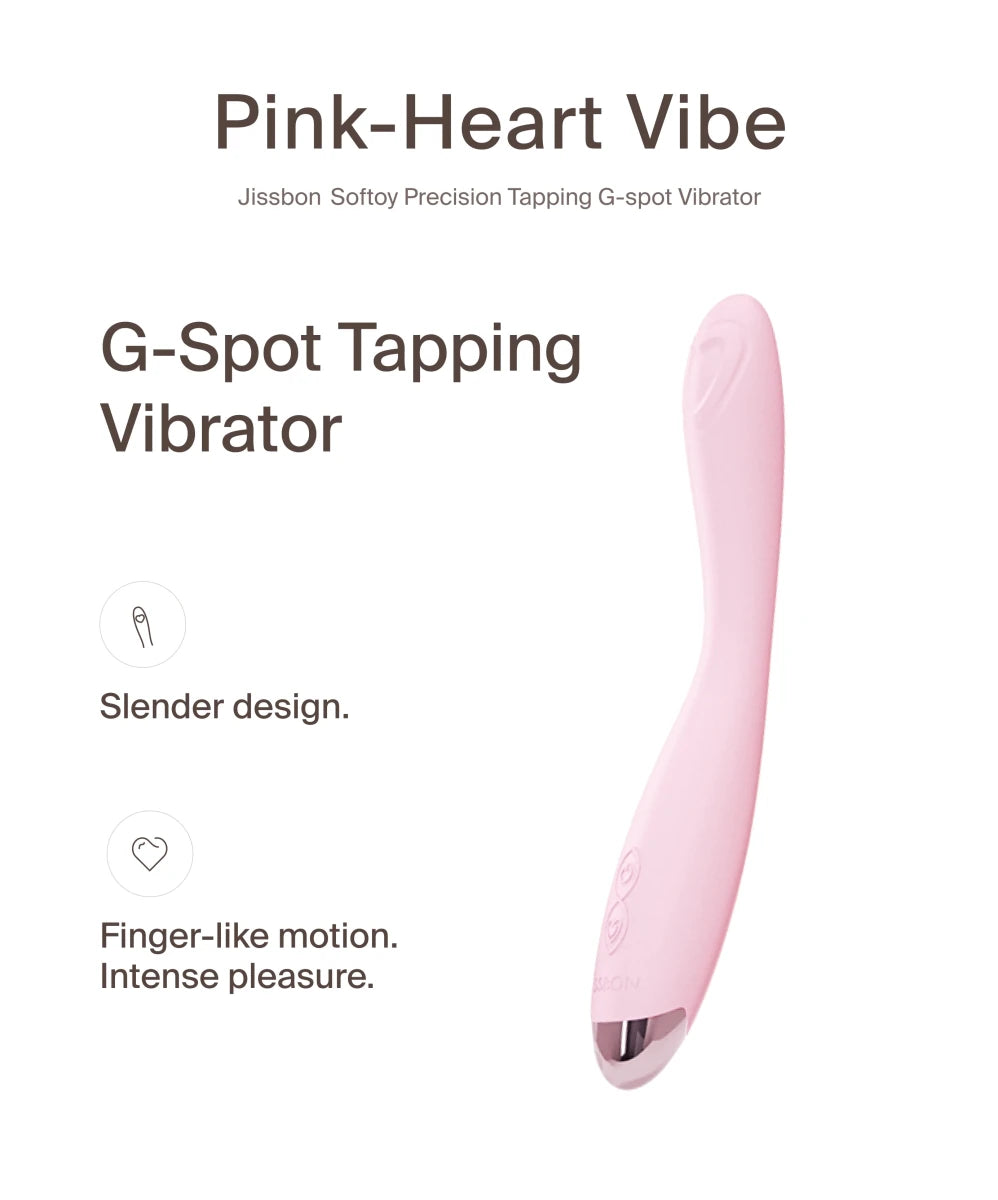
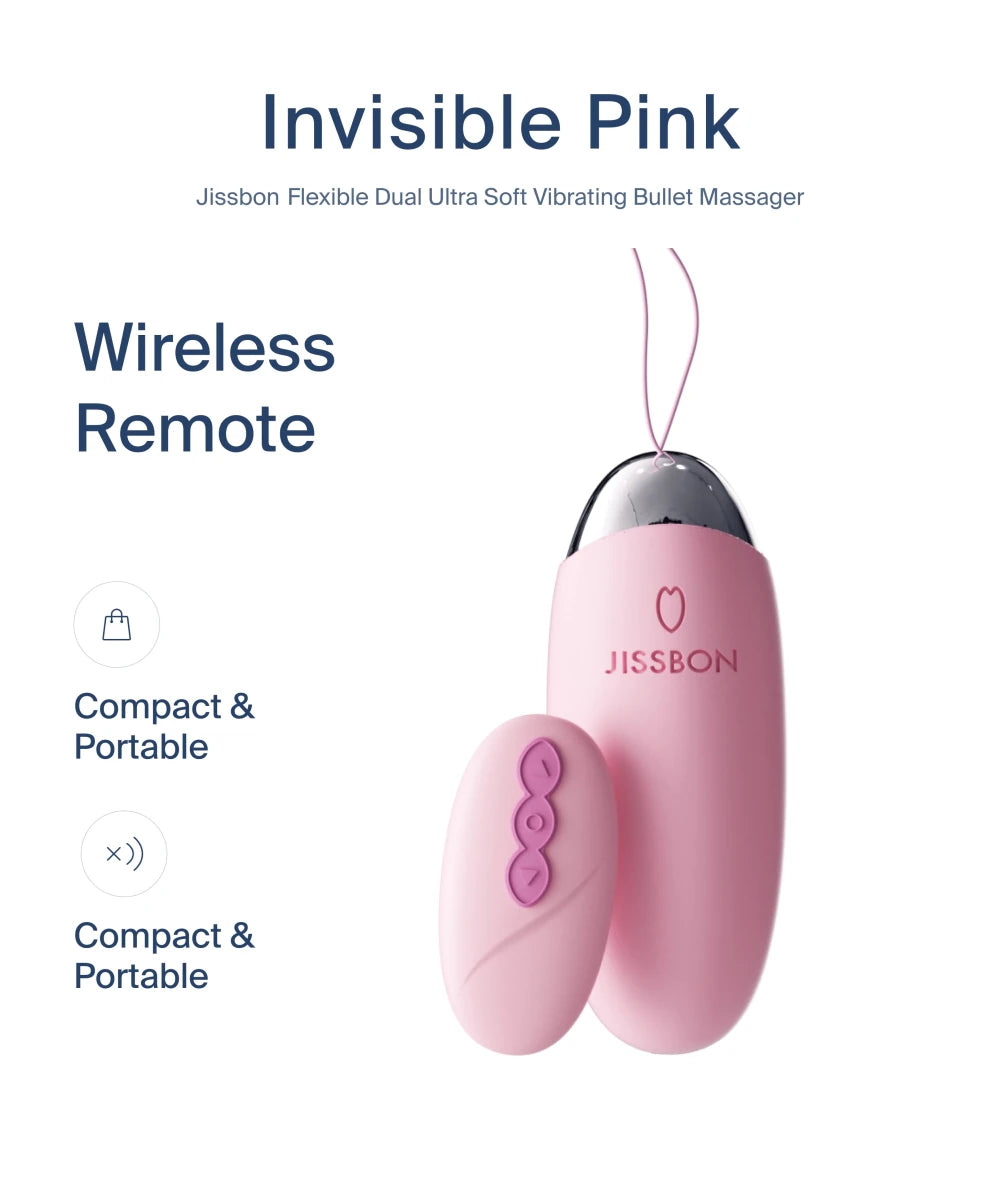
Laying out toys as part of environmental preparation builds anticipation. Solo warm-up with bullet vibrators or G-spot vibrators before partner activity increases arousal. Choosing toys together can become a ritual itself, discussing which sex toys for couples to use that session.
Can pre-sex rituals help with sexual difficulties?
Often, yes. For arousal challenges, rituals provide extended warm-up time. For performance anxiety, familiar routines create comfort and predictability. For connection issues in relationships, rituals build non-sexual intimacy translating into better sex. However, rituals don't replace professional treatment for diagnosed sexual dysfunctions—consult healthcare providers about sexual health concerns.
Creating Sustainable, Meaningful Rituals
Pre-sex rituals work best when they feel natural, enhancing rather than complicating intimacy. Start small, remain flexible, and adjust based on what actually improves your experiences. The goal isn't performing perfect preparation but creating transitions that help you feel present, connected, and aroused.
Your rituals should evolve as your needs and relationship develop. What works today may need adjustment in six months. Maintain open communication about what feels meaningful versus obligatory, always prioritizing genuine connection over rigid adherence to routines.
Ready to explore products that complement your intimate preparation? Discover options through sex toys for women and sex toys for men designed to enhance various aspects of intimate experiences.


Looking for something else?

What Is Flogging in Sex? Complete BDSM Flogging Guide
LEARN MORE
What Does Overstimulated Mean Sexually? Causes & Solutions
LEARN MORE
Can You Get a Tattoo on Your Vagina? Safety, Pain & What to Expect
LEARN MORE
Public Sex Kink: Understanding Exhibitionism & Safe Exploration
LEARN MORELooking for something else?

A-Spot Orgasm: Best Positions & How to Find It
LEARN MORE
Bondage Play: Complete Beginner's Guide to Rope BDSM
LEARN MORE
Vibrator Stories: Real Experiences, Tips & What to Expect
LEARN MOREYou may also like
20% off

20% off

20% off

20% off

20% off

20% off

Further reading

How to Clean an Automatic Blowjob Machine Without Damaging the Motor

Remote-Controlled Automatic Masturbators for Couples and Solo Play
Best Automatic Strokers for Edging and Stamina Training