














































Orgasm 101: Your Complete Guide to Understanding Climax
Stack & Save: Extra 15% with Jissbon15
Jissbon15
Orgasms represent the peak of sexual pleasure—a series of rhythmic muscle contractions releasing built-up tension. Despite being a universal human experience, confusion and misinformation surround how they work, why they vary, and what's considered normal.
This guide explains the physiology, explores different types, offers practical techniques, and addresses common concerns with straightforward, judgment-free information.
How long does the average female orgasm last?
Most sources estimate that the average female orgasm lasts around 10–20 seconds, with rhythmic muscle contractions happening roughly every 0.8 seconds.
Important nuances:
- Some orgasms are very short “spikes,” others feel like rolling waves.
- Intensity doesn’t always correlate with length — a brief orgasm can feel incredibly strong, while a longer one might feel softer and more diffuse.
- Hormones, arousal build-up, stress level, and stimulation type all affect how long a particular orgasm feels.
So if your orgasms don’t match a specific number of seconds, that’s still normal — duration varies from body to body and from day to day.
How many times can a girl finish in a row?
There’s no fixed number, and the answer is different for everyone.
Research and anecdotal reports suggest:
- Some people with vulvas are “one and done” — they need a break after a single climax.
- Others can have multiple orgasms back-to-back, especially with continued gentle stimulation. Many describe 2–3 in a session as their upper range, though some report more.
- Hormonal cycles, mental state, pelvic floor tone, and partner technique all matter more than a universal “limit.”
If someone can’t have multiples, that’s not a failure — multiple orgasms are a capacity, not a requirement. The focus should be on the quality of pleasure, not hitting a certain count.
What Happens During Orgasm: The Physiological Process
The Four-Phase Sexual Response Cycle
Sexual response follows a predictable pattern, though timing and intensity vary individually:
|
Phase |
Duration |
Physical Changes |
What You Experience |
|
Excitement |
Minutes to hours |
Blood flow increases to genitals, heart rate rises, breathing quickens |
Growing arousal, genital sensitivity increases |
|
Plateau |
30 seconds to 3 minutes |
Maximum blood engorgement, muscle tension peaks, "sex flush" may appear |
Feeling on the edge, intense focus on sensation |
|
Orgasm |
3–15 seconds |
Rhythmic muscle contractions (0.8-second intervals), blood pressure spikes |
Peak pleasure, involuntary muscle spasms, altered consciousness |
|
Resolution |
Minutes to hours |
Body returns to baseline, refractory period begins (varies by anatomy) |
Relaxation, satisfaction, potential drowsiness |
Understanding the human sexual response cycle helps you recognize where you are in the process and what comes next.
What's Actually Contracting
During climax, several muscle groups contract involuntarily:
- Pelvic floor muscles: The pubococcygeus (PC) muscle and surrounding structures
- Uterine muscles: In people with uteruses, contractions occur throughout the organ
- Anal sphincter: Rhythmic contractions regardless of where stimulation occurs
- Vaginal walls or penile urethra: Depending on anatomy
- Additional muscles: Face, hands, feet, and torso may tense involuntarily
These contractions create the physical sensation of release and pleasure.
Brain Chemistry & Hormones
Orgasm triggers a neurochemical cascade:
- Dopamine: Creates pleasure and reward sensation
- Oxytocin: Promotes bonding and emotional connection
- Endorphins: Natural painkillers producing euphoria
- Prolactin: Triggers satisfaction and sleepiness post-orgasm
- Serotonin: Contributes to mood elevation
This chemical release explains why orgasms affect mood, sleep quality, and emotional state beyond just physical sensation.
Types of Orgasms: Understanding Different Pathways to Climax

Orgasms aren't one-size-fits-all. Different stimulation points create distinct sensations.
Clitoral Orgasms
Stimulation source: Direct or indirect contact with the clitoris (external portion or internal structure)
Characteristics:
- Most common orgasm type for vulva owners
- Tends to build quickly with focused stimulation
- Often described as sharp, intense, concentrated sensation
- May produce full-body muscle tension
How to achieve:
- External touch (fingers, tongue, vibrators)
- Grinding or rubbing against surfaces
- Indirect pressure through mons pubis or clitoral hood
- Water stream from showerhead
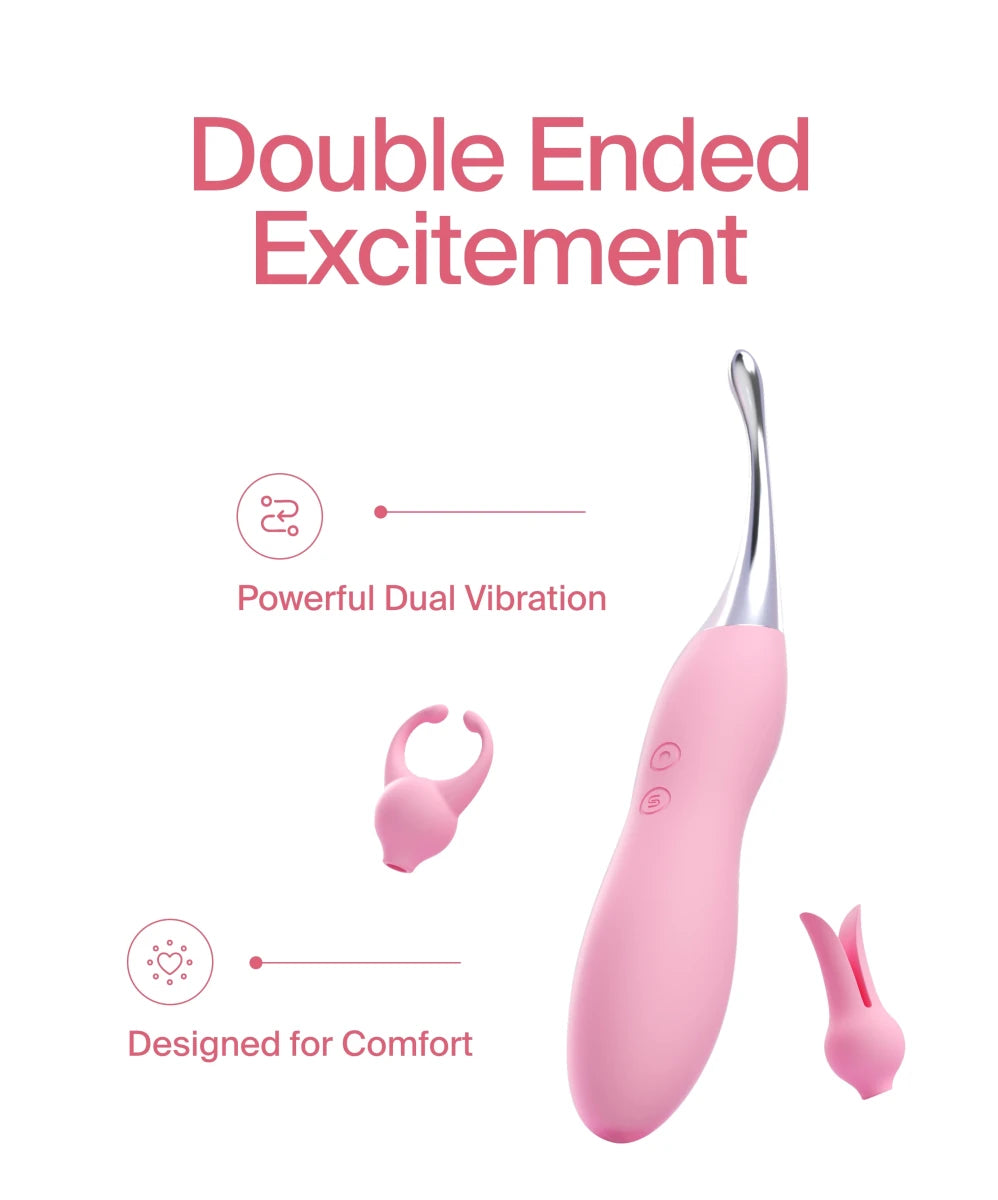
Approximately 70–80% of people with vulvas require clitoral stimulation to reach orgasm. Products like clitoral vibrators specifically target this pleasure center.
Vaginal Orgasms
Stimulation source: Internal vaginal walls, particularly the anterior (front) wall
Characteristics:
- Less common than clitoral (only 20–30% achieve reliably)
- Builds more slowly, requires sustained stimulation
- Often described as deeper, more diffuse sensation
- May involve feeling of pressure or fullness
How to achieve:
- Penetration with fingers, toys, or penis
- Angled thrusting targeting the G-spot area
- Combining with clitoral stimulation increases likelihood
- Relaxation and arousal must be very high
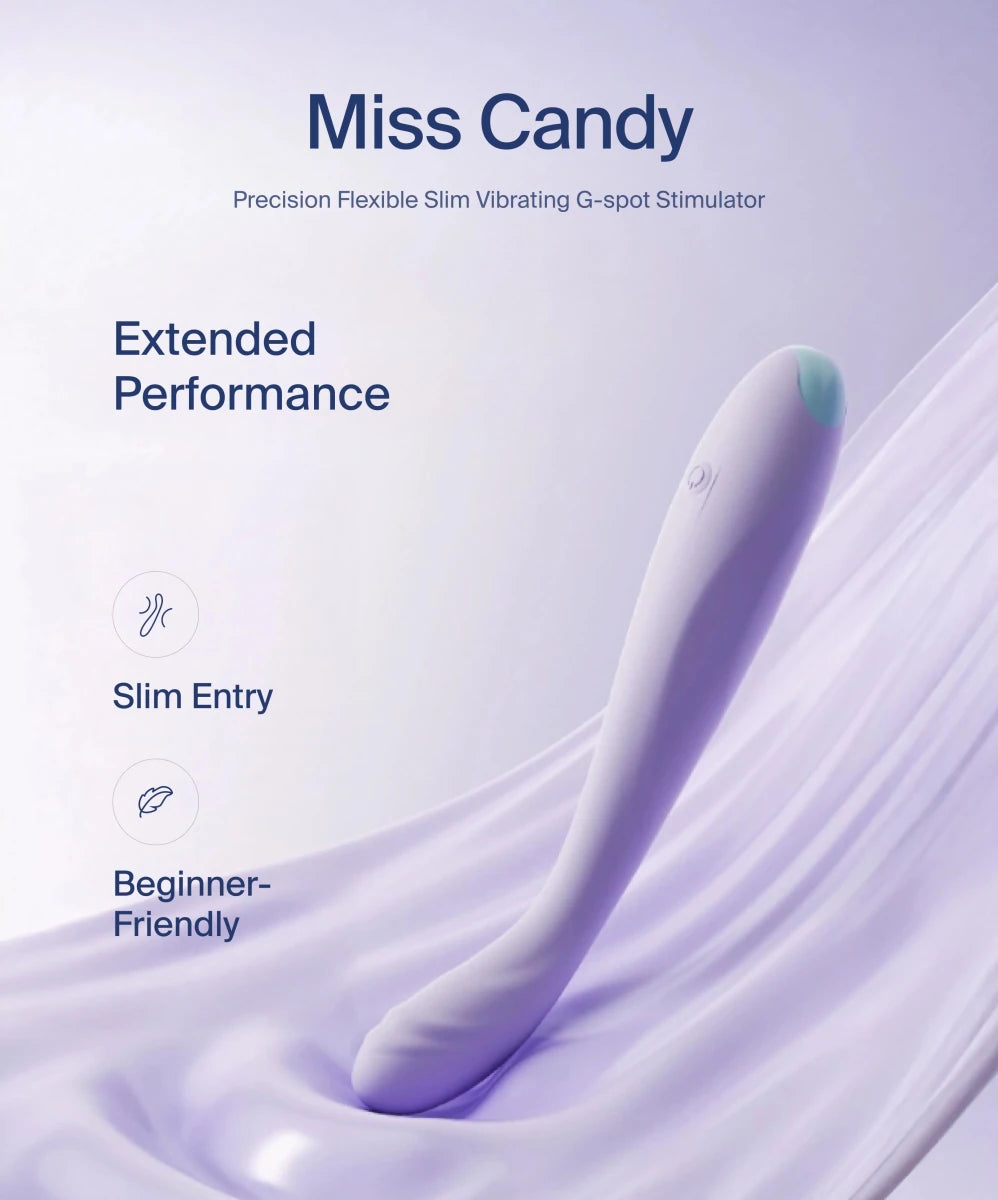
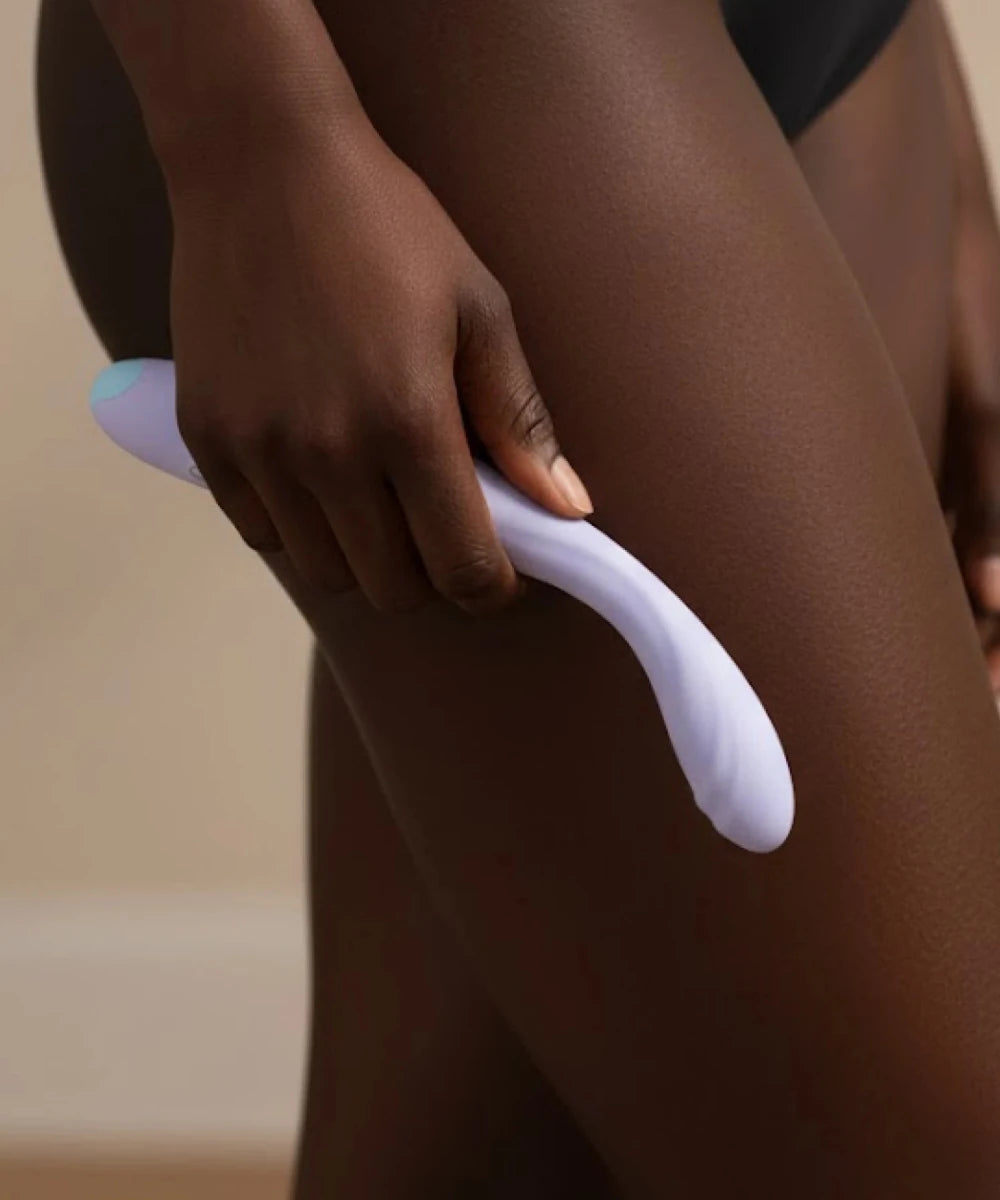
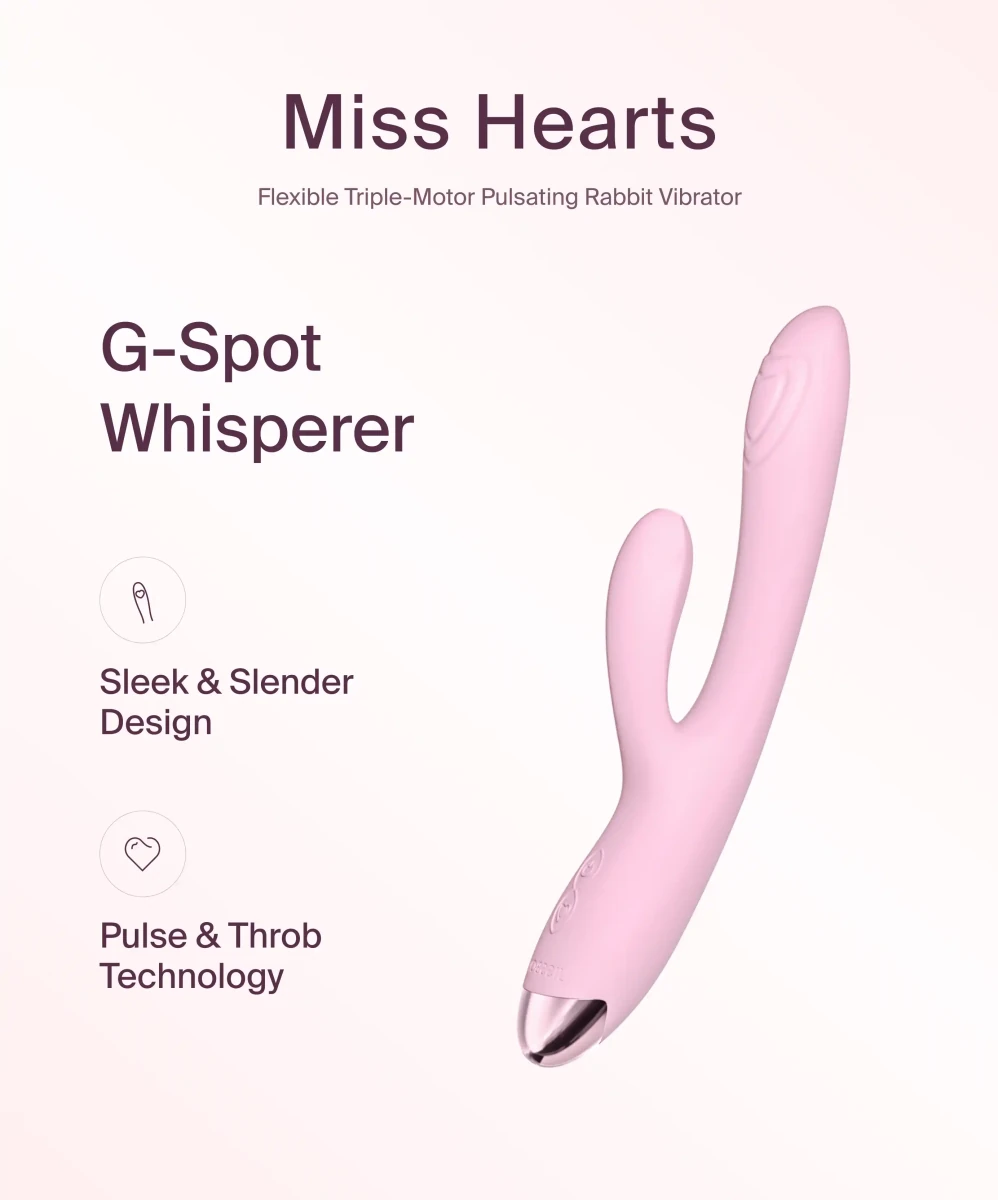
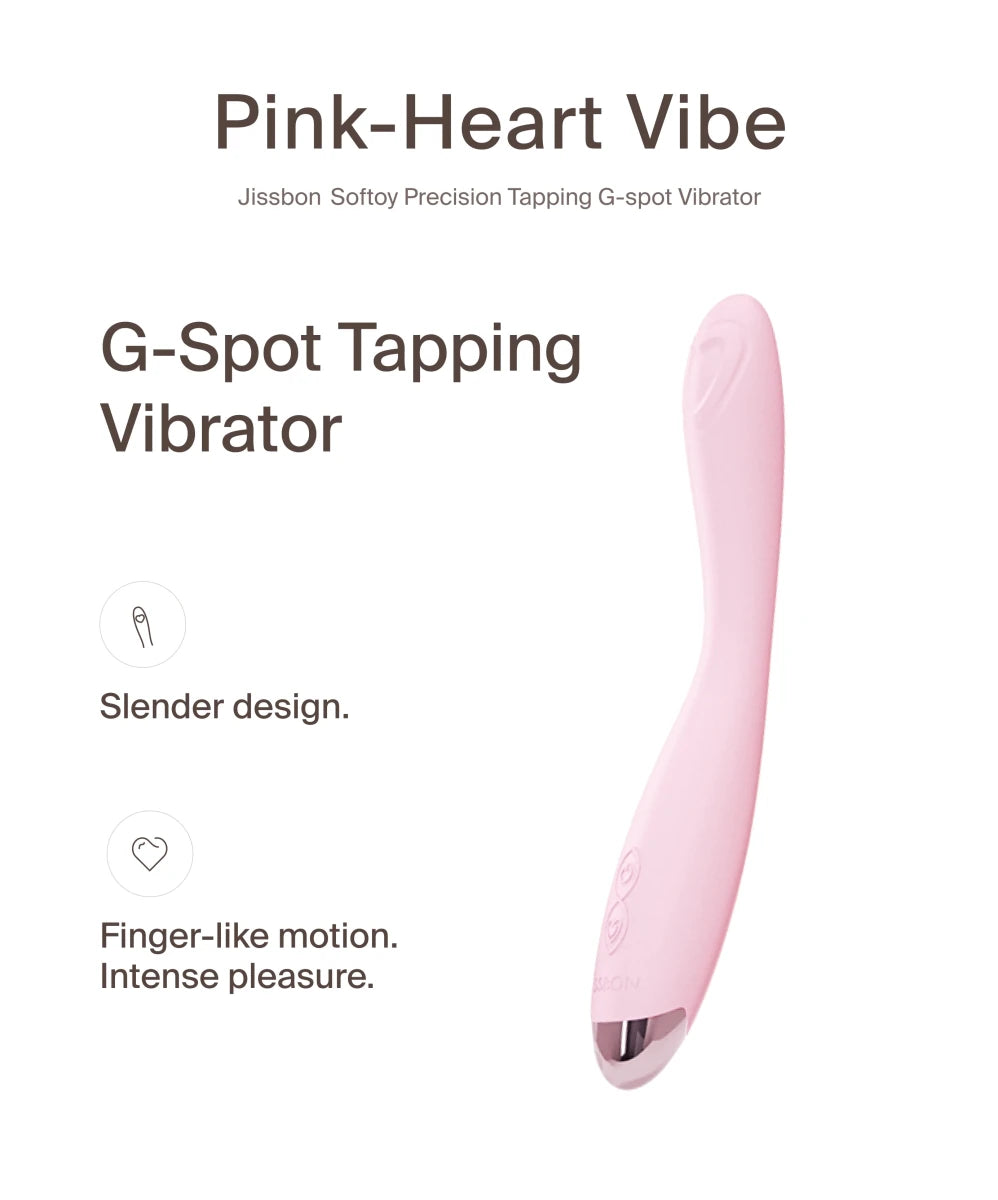
Products like G-spot vibrators feature curved designs targeting the anterior vaginal wall specifically.
Blended Orgasms
Stimulation source: Simultaneous internal and external stimulation
Characteristics:
- Combines sensations from multiple pleasure points
- Often reported as more intense than single-source orgasms
- May produce longer duration of contractions
- Can create full-body sensations
How to achieve:
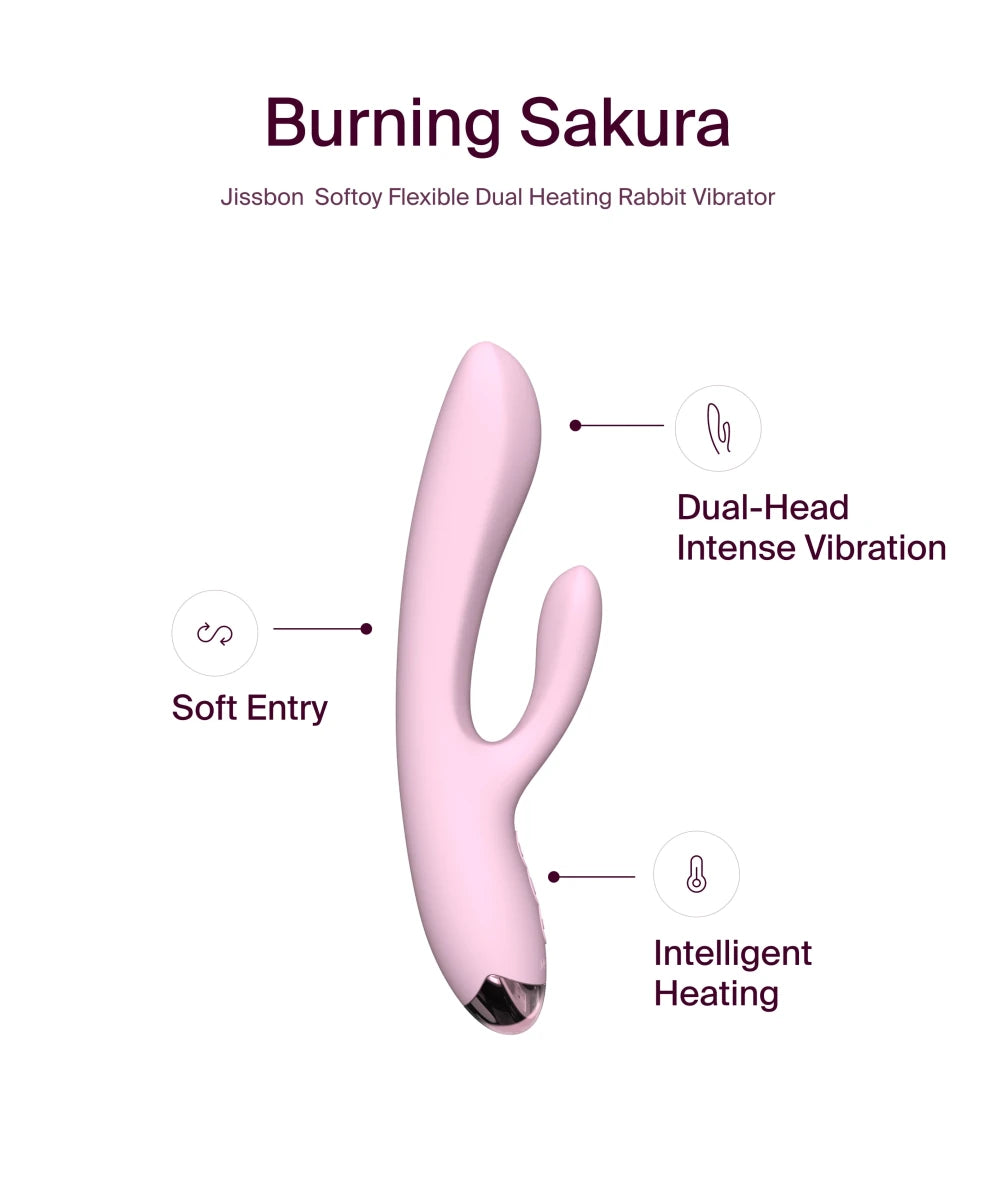
- Using rabbit vibrators providing dual stimulation
- Penetration plus manual clitoral touch
- Oral sex combined with finger insertion
- Partner positions allowing both types of contact
Anal Orgasms
Stimulation source: Anal canal, rectum, or prostate (in people with prostates)
Characteristics:
- Accessible to all anatomies
- Rich nerve density creates intense sensation
- Prostate orgasms described as deep, full-body experiences
- May occur without genital touch
How to achieve:
- Gradual insertion with generous lubrication
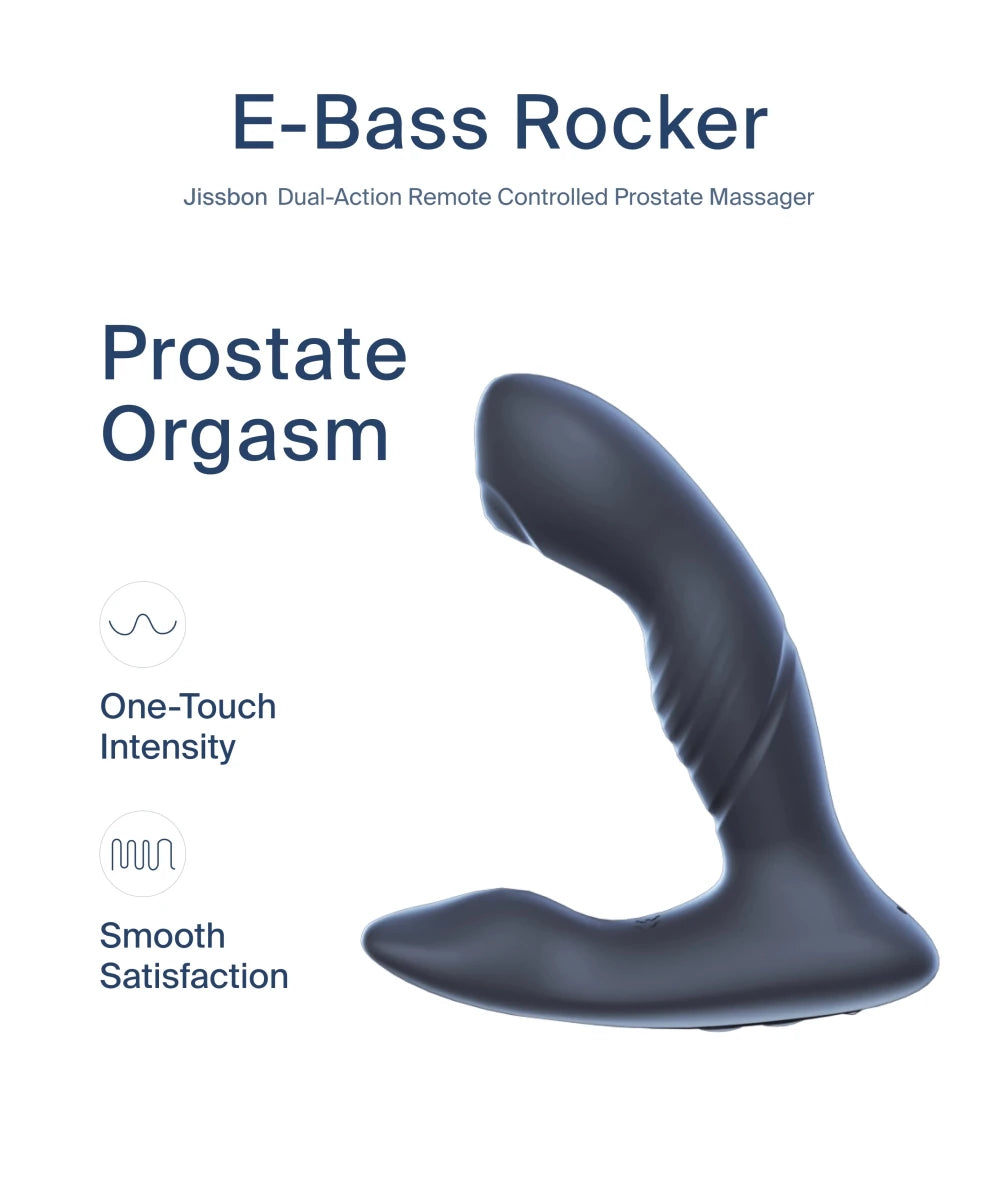
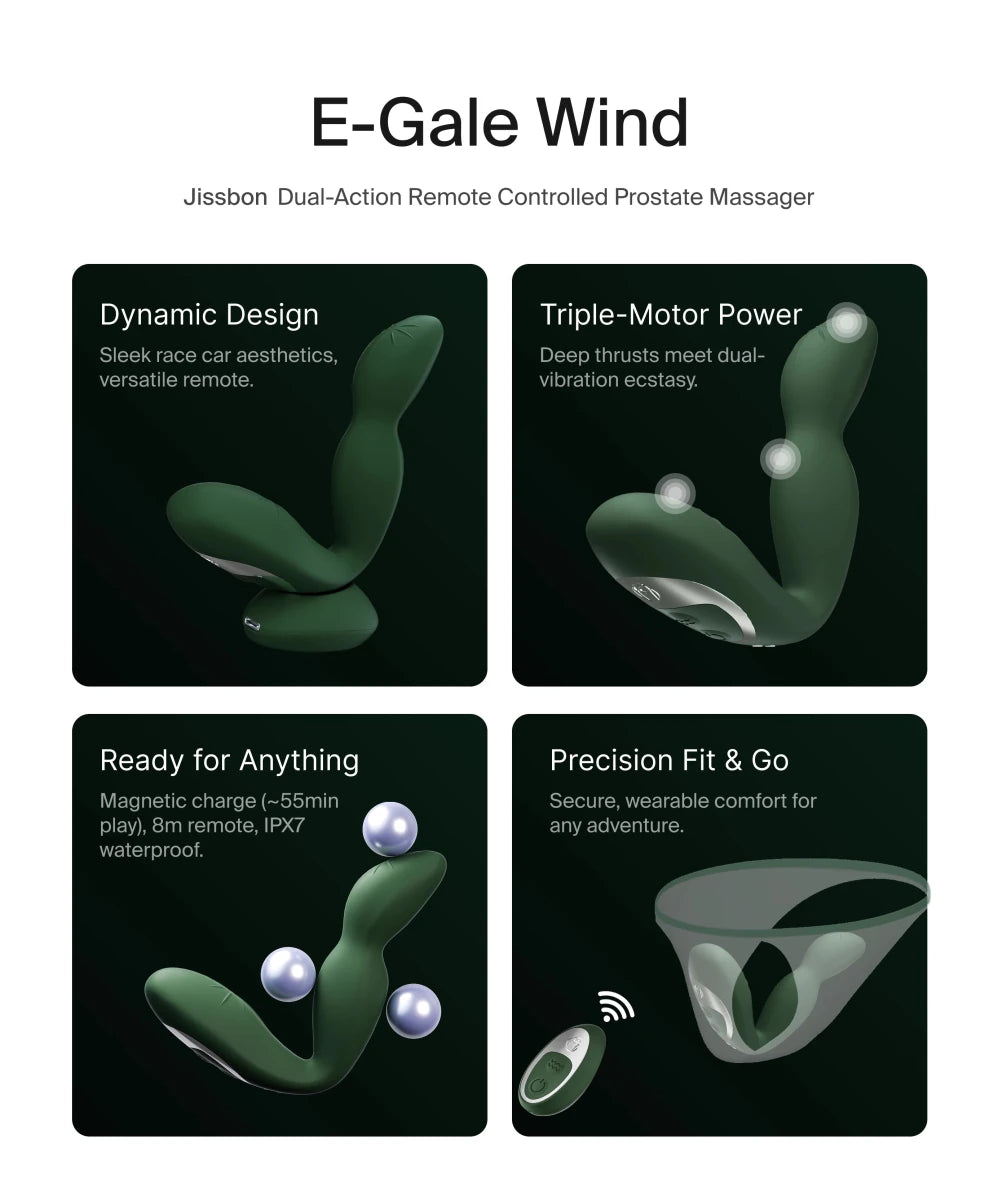
- Prostate massagers for targeted stimulation
- Anal vibrators for varied sensation
- Relaxation and patience are critical
Nipple Orgasms
Stimulation source: Nipple and areola stimulation
Characteristics:
- Rare but possible for some individuals
- Requires extended, focused attention (10–20 minutes)
- Activates same brain regions as genital stimulation
- Often combined with other stimulation types
How to achieve:
- Sustained touch, pinching, or sucking
- Temperature play (ice, warm breath)
- Nipple vibrators or suction devices
- Building arousal slowly over extended periods
Solo Techniques: Exploring Your Body

Getting Started with Self-Exploration
Creating the right environment:
- Privacy: Ensure uninterrupted time (30–60 minutes minimum)
- Comfort: Adjust room temperature, gather pillows for positioning
- Relaxation: Consider warm bath beforehand, dim lighting, calming music
- Supplies: Lubricant, tissues, towel, toys if desired
Mental preparation:
- Release goal-oriented thinking ("I must orgasm")
- Focus on sensation rather than outcome
- Allow fantasy or erotica to enhance arousal
- Practice deep breathing to reduce tension
Manual Stimulation Techniques
For clitoral stimulation:
- Direct touch: Use fingertips on the clitoral glans with circular motions
- Hood massage: Rub the hood covering the clitoris rather than direct contact
- Side-to-side: Gentle horizontal motions across the clitoral shaft
- Tapping: Light, rapid tapping creates vibration-like sensation
- Pressure: Firm, steady pressure without movement
Start slowly with minimal pressure, gradually increasing based on what feels pleasurable.
For internal stimulation:
- Come-hither motion: Insert 1–2 fingers, curl toward belly button, stroke the front wall
- Circular massage: Once inserted, make small circles against vaginal walls
- In-and-out: Mimic thrusting motions with varying depths and speeds
- Sustained pressure: Hold fingers still, pressing firmly against the G-spot area
Always use water-based lubricant for comfortable internal exploration.
Using Vibrators Effectively
Intensity progression:
- Begin on lowest setting to assess sensitivity
- Increase gradually rather than starting at maximum
- Alternate between intensities to prevent numbness
- Take breaks if sensation diminishes
Positioning strategies:
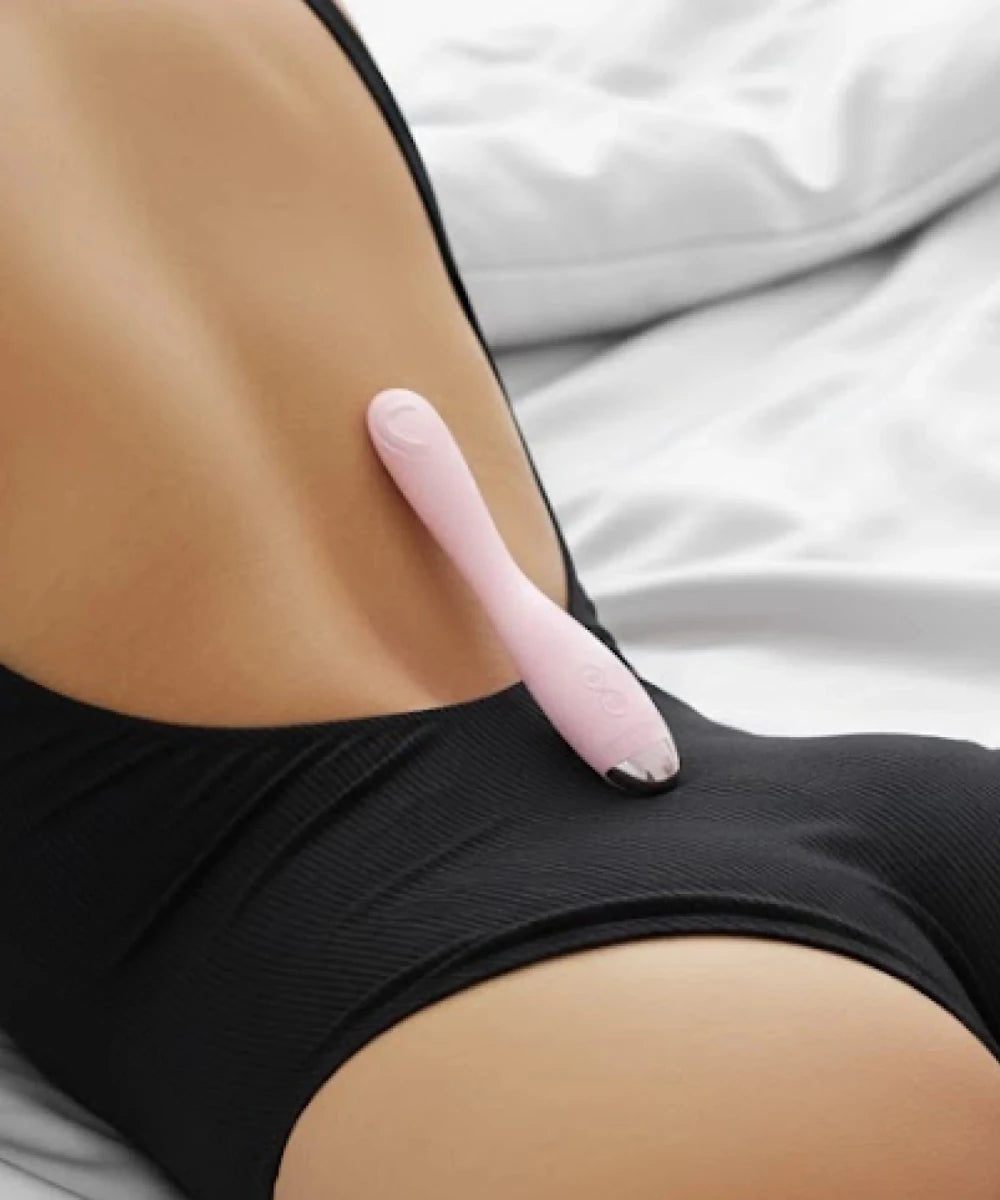
- Hold vibrator against clitoris through underwear initially (indirect stimulation)
- Move in circular patterns rather than holding perfectly still
- Experiment with different angles (perpendicular, diagonal, parallel)
- Combine with internal penetration for blended stimulation
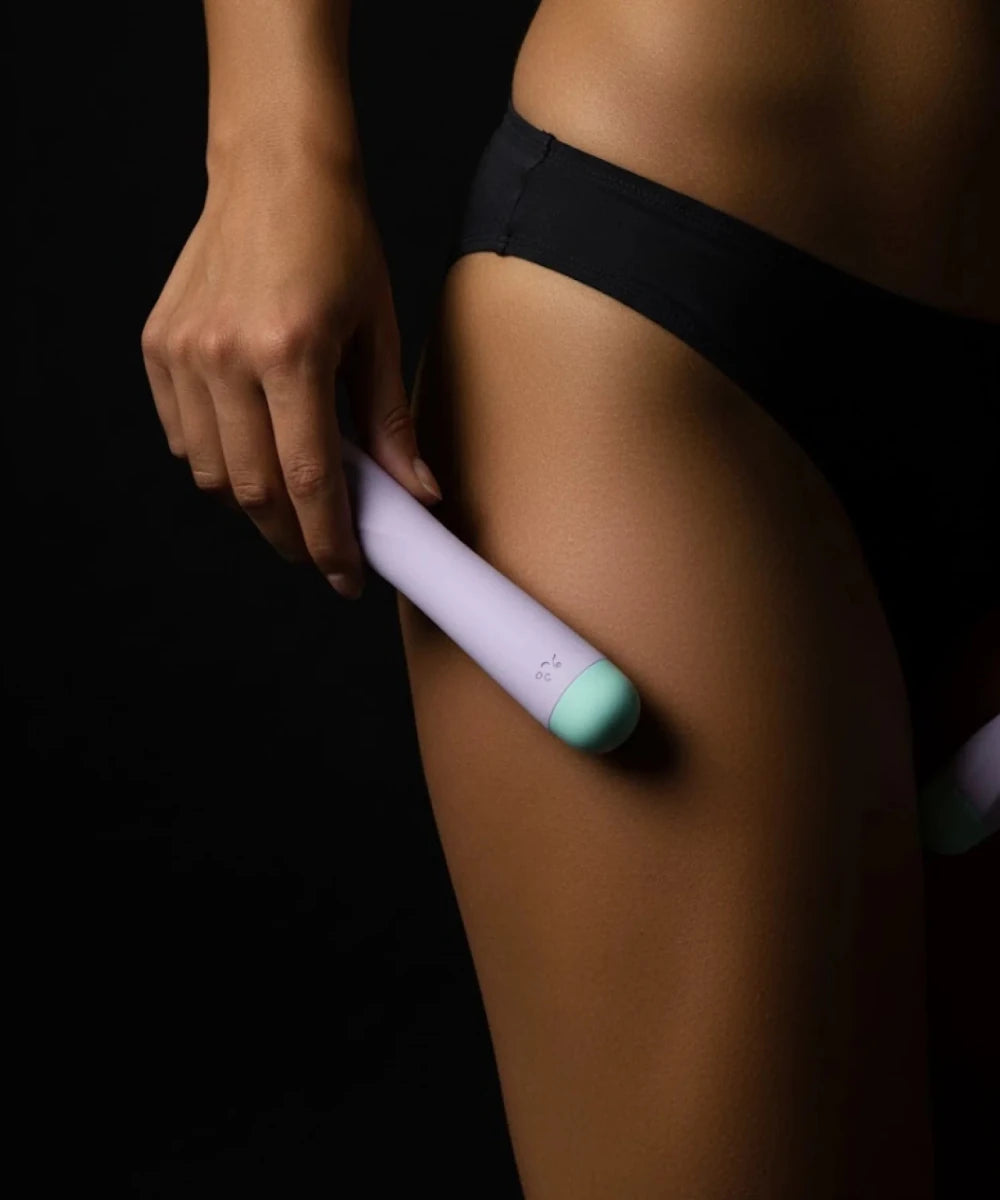
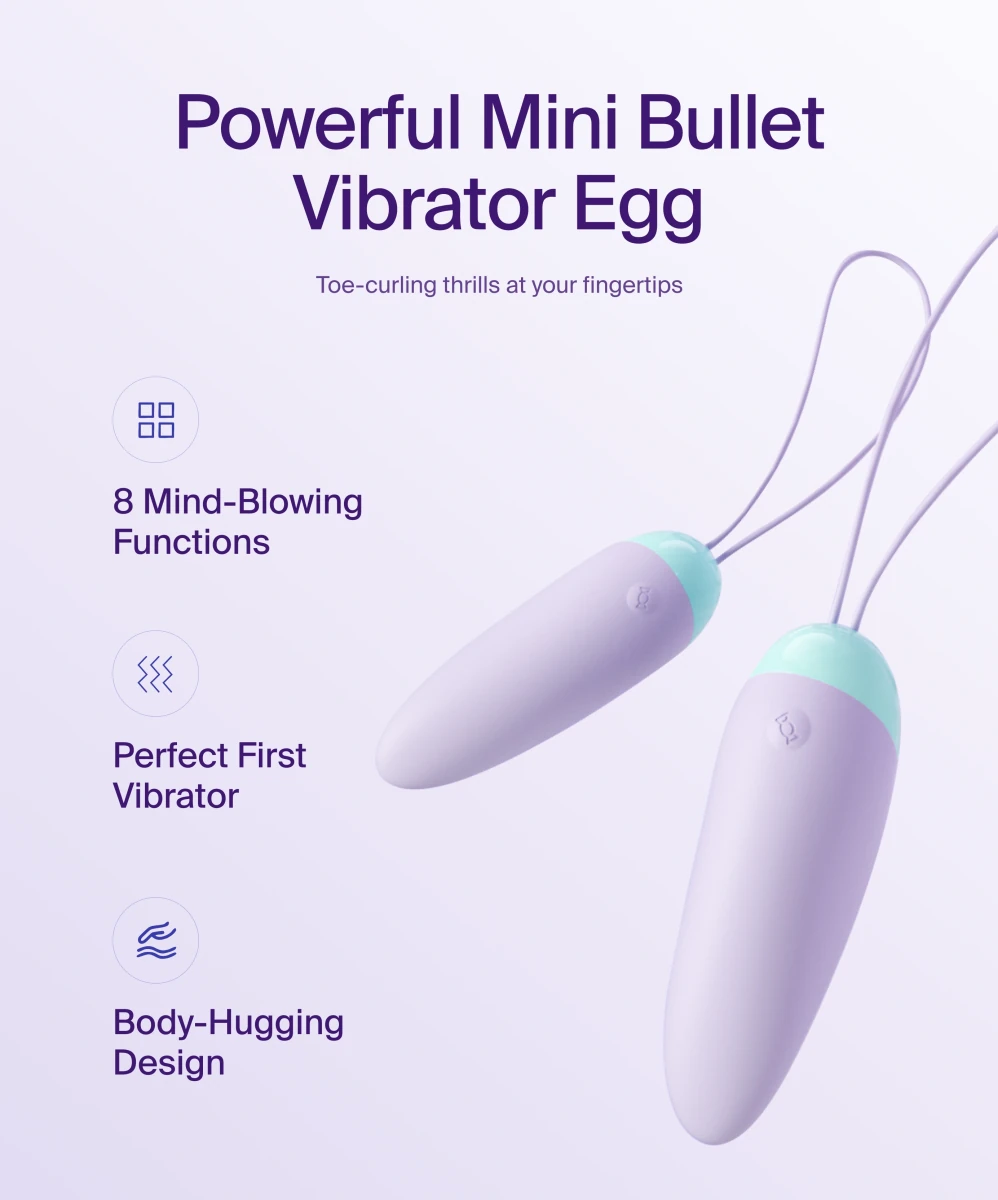
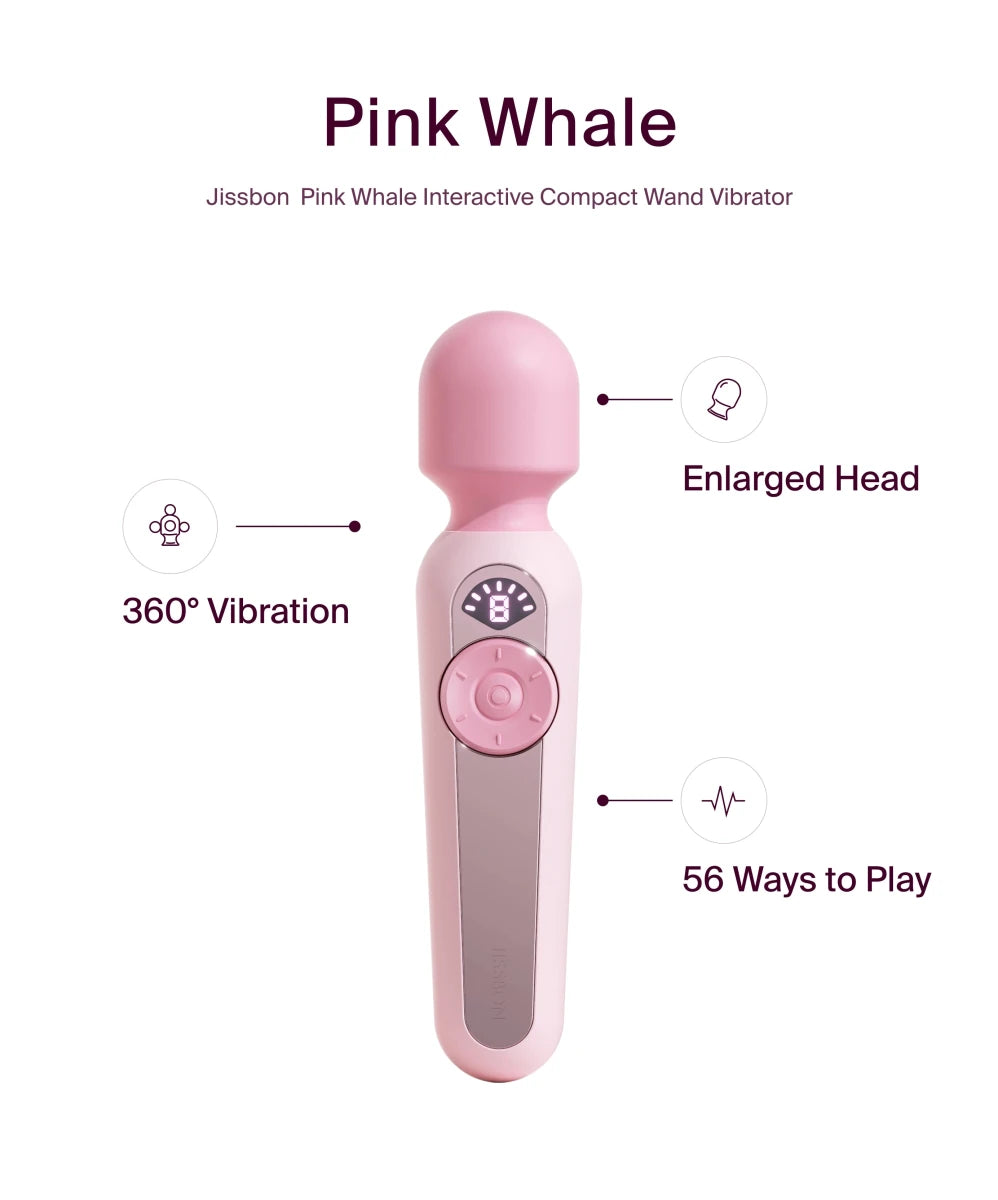
Consider starting with bullet vibrators for versatile, beginner-friendly options, or wand vibrators for powerful, broad stimulation.
Partnered Techniques: Communication & Coordination
Essential Communication Framework
Before intimacy begins:
- Discuss what you enjoy: "I really like when you..."
- Share what doesn't work: "That pressure is too intense for me"
- Establish feedback methods: Verbal cues, hand guidance, body language
- Set expectations: "I may not orgasm, but I still enjoy everything"
During intimate activity:
- Give real-time guidance: "A little to the left," "Slower," "Keep doing exactly that"
- Use positive reinforcement: "That feels amazing," "Yes, like that"
- Redirect without criticism: "Let's try this instead" rather than "That's wrong"
- Check in periodically: "How does this feel?" "Want more pressure?"
After intimacy:
- Share what worked well: "When you did X, that was perfect"
- Discuss adjustments: "Next time, could we try Y?"
- Validate effort: "I appreciated you paying attention to my responses"
Oral Sex Techniques
For vulva owners:
- Broad strokes: Use flat tongue across entire vulva before focusing on clitoris
- Consistent rhythm: Once you find a pattern that works, maintain it steadily
- Suction: Gently suck the clitoris while flicking with tongue tip
- Alphabet technique: Trace letters with tongue for varied movements
- Humming: Creates gentle vibration sensation
Combining with penetration: Insert fingers while performing oral stimulation for blended orgasms.
For penis owners:
- Vary suction and speed: Alternate between gentle and firmer suction
- Focus on frenulum: The sensitive underside of the glans responds well to tongue attention
- Hand coordination: Use hand on shaft while mouth focuses on head
- Deep throat alternative: Take as much as comfortable, use hand for the rest
- Swirl and spiral: Move tongue in circular patterns around the head
Manual Stimulation for Partners
Finger techniques for vulvas:
- Use 2–3 fingers in circular motions on clitoral hood
- Apply firm, consistent pressure rather than rapid movements
- Angle fingers to stimulate G-spot during internal touch
- Use free hand for breast or body stimulation simultaneously
Hand techniques for penises:
- Vary grip pressure and speed based on feedback
- Focus on frenulum and glans with thumb
- Twist motion on upstroke, straight stroke down
- Coordinate both hands for fuller sensation
Always use lubricant—natural arousal fluid isn't always sufficient for comfortable sustained touch.
Positions Facilitating Orgasm
For vulva owners:
- Modified missionary: Receiving partner's hips elevated on pillows, allows better clitoral contact
- Cowgirl/riding: Full control over angle, depth, and rhythm
- Prone bone: Lying face-down provides natural clitoral pressure
- Seated face-to-face: Enables grinding motions and eye contact
For penis owners:
- Reverse cowgirl: Visual stimulation plus partner-controlled movement
- Doggy style: Deep penetration and psychological appeal
- Standing positions: Different angle of penetration
- Spooning: Relaxed, intimate, allows manual stimulation simultaneously
Explore positioning accessories and supportive products at Jissbon designed to enhance comfort during various positions.
Common Challenges & Solutions

"I Can't Reach Orgasm"
Potential causes:
- Insufficient stimulation duration (arousal needs 20–45 minutes for many people)
- Wrong type of stimulation (trying vaginal when clitoral is needed)
- Anxiety or distraction preventing mental engagement
- Medical factors (medications, hormonal changes, health conditions)
- Inadequate arousal before attempting orgasm
Solutions to try:
- Extend foreplay to 30+ minutes minimum
- Experiment with different stimulation types and techniques
- Practice mindfulness to stay present during sensation
- Consult healthcare providers about medication effects
- Use fantasy, erotica, or mental imagery to enhance arousal
Review sexual health and pleasure information from trusted medical sources.
"Orgasms Feel Weak or Unsatisfying"
Common reasons:
- Pelvic floor muscle weakness reducing contraction strength
- Desensitization from repetitive stimulation patterns
- Insufficient arousal buildup before climax
- Certain medications reducing intensity
- Psychological factors affecting engagement
Strengthening strategies:
- Practice Kegel exercises daily (contract pelvic floor, hold 5 seconds, release, repeat 10–15 times)
- Vary stimulation techniques to prevent pattern dependency
- Practice edging (approaching orgasm, backing off, building again)
- Discuss medication alternatives with doctors if appropriate
- Address stress, anxiety, or relationship issues affecting intimacy
"Partner Orgasms Too Quickly"
For premature concerns:
- Practice start-stop technique (stimulate, pause before climax, resume)
- Use desensitizing products (applied 10–15 minutes before activity)
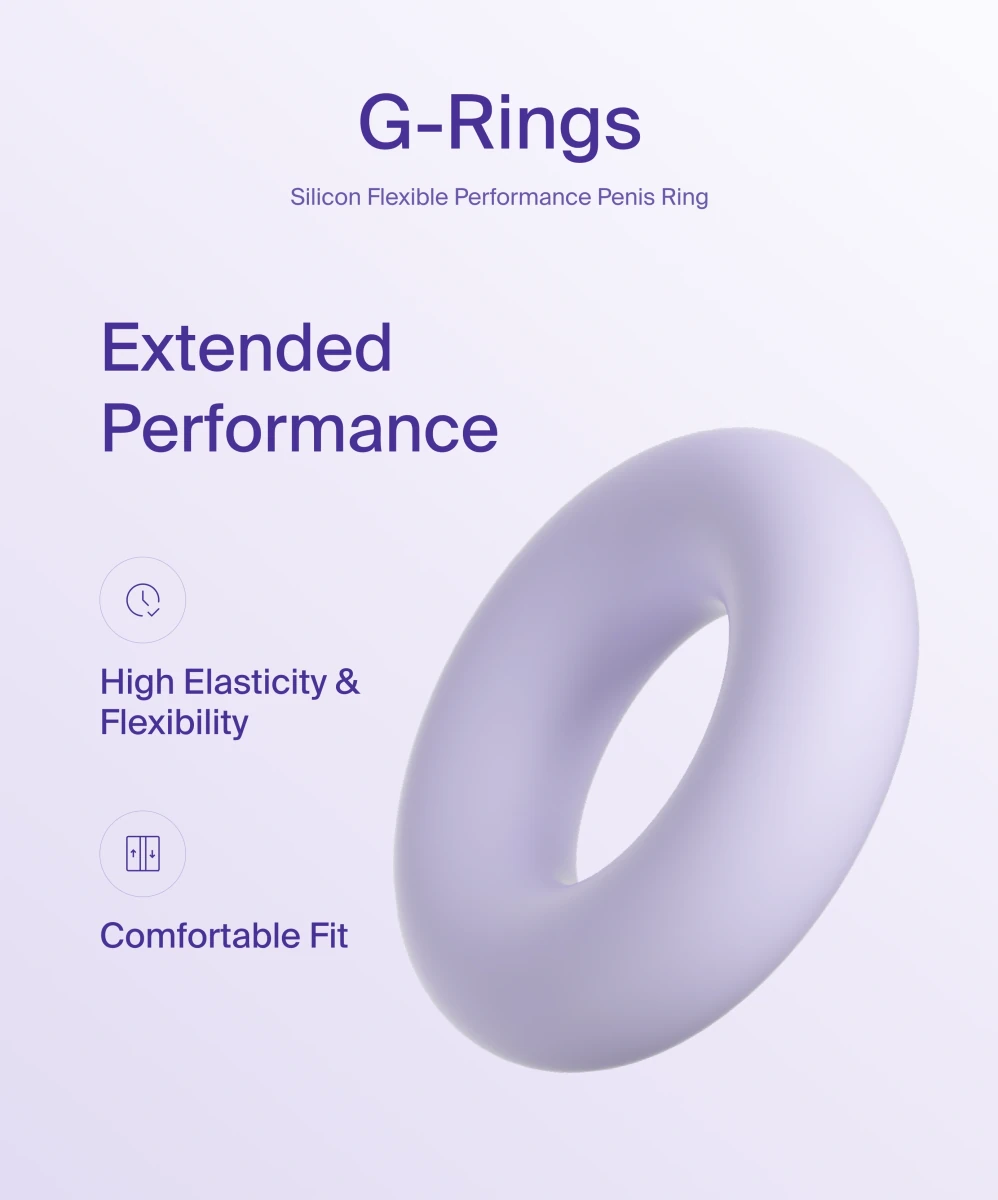
- Try cock rings to prolong stamina
- Focus on extended foreplay ensuring both partners are highly aroused
- Communicate about pacing needs without blame
"I Feel Pressure to Orgasm"
Addressing performance anxiety:
- Reframe intimacy as pleasure-focused rather than goal-oriented
- Communicate that you enjoy the journey regardless of destination
- Remove orgasm as a measure of success or skill
- Practice "sensate focus" exercises (touching without orgasm goals)
- Consider whether partner expectations create undue pressure
Many fulfilling intimate experiences don't include orgasm—pleasure exists on a spectrum beyond just climax.
Factors Affecting Orgasm
Physiological Influences
Hormonal fluctuations:
- Menstrual cycle phases affect arousal and sensitivity
- Pregnancy and postpartum periods alter hormonal landscapes
- Menopause reduces estrogen, potentially affecting lubrication and sensitivity
- Testosterone levels (in all genders) influence libido and orgasm intensity
Medications with known effects:
- SSRIs (antidepressants) commonly reduce orgasm ability or intensity
- Blood pressure medications may affect arousal
- Hormonal contraceptives alter sexual response for some individuals
- Antihistamines can reduce lubrication
Health conditions:
- Diabetes affects nerve sensitivity
- Cardiovascular issues impact blood flow
- Chronic pain conditions reduce capacity for pleasure
- Pelvic floor disorders affect muscle function
Consult healthcare providers about sexual health concerns related to medical conditions.
Psychological Factors
Mental barriers:
- Stress and anxiety redirect focus away from pleasure
- Body image concerns prevent full engagement
- Past trauma creates involuntary protective responses
- Relationship conflicts reduce emotional safety
Cognitive enhancers:
- Mindfulness practices improve present-moment awareness
- Fantasy and mental imagery heighten arousal
- Emotional connection with partners deepens response
- Removing distractions (phones, time pressure) increases focus
Lifestyle Elements
Positive influences:
- Regular exercise improves blood flow and body confidence
- Adequate sleep supports hormonal balance
- Stress management techniques enhance relaxation capacity
- Healthy diet supports overall sexual function
Negative impacts:
- Excessive alcohol consumption impairs arousal and orgasm
- Smoking reduces blood flow to genital tissues
- Chronic sleep deprivation lowers libido
- Poor nutrition affects energy and hormone production
Can a girl feel when she comes?
Yes — most people with vulvas can feel when they orgasm, but how it feels can vary a lot:
Common internal signs:
- A sudden release after a steady build-up — like a wave cresting and crashing.
- Rhythmic pulsing or squeezing inside the pelvis, vagina, or around the anus.
- A brief “blanking out” or shift in consciousness — losing words or focus for a moment.
External signs that often accompany those feelings:
- Changes in breathing (gasping, holding breath, then exhaling deeply).
- Involuntary sounds — moans, sighs, or even laughter.
- Muscle tension followed by relaxation, maybe shaking or twitching.
Some orgasms are subtle and quiet, others dramatic and obvious. If a person is unsure whether they’ve come, that’s also okay — with exploration and mindfulness over time, they often become better at recognizing their own internal signals.
How long does it usually take to reach orgasm?
There’s a huge range, but some averages help frame expectations:
- Many women and people with vulvas need around 20 minutes of direct or indirect clitoral stimulation to reach orgasm, especially during partnered sex.
- Some climax in 3–5 minutes; others may take 30–40 minutes or more.
- Solo sex often takes less time than partnered sex because you already know exactly what works and can go straight to it.
Factors that can lengthen the time:
- Stress, distraction, feeling rushed, or worry about “performance”
- Lack of adequate warm-up (arousal phase rushed)
- Medication, fatigue, or hormonal shifts
Rather than timing yourself, it’s more useful to ask, “Do I feel like I had enough build-up and enjoyed the process?”
Do orgasms feel the same for men and women?
Physiologically, there are similarities:
- Both involve rhythmic pelvic muscle contractions.
- Both trigger surges of dopamine, oxytocin, and other feel-good chemicals.
But many people describe different qualities depending on anatomy:
- People with penises often report a sharper peak linked closely with ejaculation and a more definite refractory period afterward.
- People with vulvas often describe a wider variety:
-
- Clitoral orgasms — more concentrated and sharp.
- Vaginal/G-spot orgasms — deeper and more wave-like.
- Blended orgasms — layered sensations that feel full-body.
Ultimately, we can’t “feel” someone else’s orgasm, so comparisons are more poetic than scientific. What matters most is learning your own body’s language, not matching anyone else’s description.
Frequently Asked Questions
Is it normal to never have orgasmed?
Yes, anorgasmia (inability to reach orgasm) affects approximately 10–15% of women and smaller percentages of other genders. Primary anorgasmia (never experiencing orgasm) differs from secondary (loss of previously present ability). Many factors contribute, including insufficient stimulation, psychological barriers, medical conditions, or medications. Working with sex therapists or healthcare providers often helps identify specific causes and solutions. Self-exploration without pressure frequently yields breakthroughs over time.
How long should it take to reach orgasm?
Highly variable and individual. Research suggests averages of 10–20 minutes for many people, but ranges from under 5 minutes to over 45 minutes are all normal. Factors include arousal level, stimulation type, mental state, and whether it's solo or partnered activity. Focusing on duration creates pressure that actually delays orgasm. Instead, focus on pleasure and let climax happen naturally without timeline expectations.
Can you orgasm without ejaculation, or vice versa?
Yes, these are separate physiological processes that usually coincide but don't have to. People with penises can experience "dry orgasms" (orgasmic sensation without ejaculation) through specific techniques or after certain medical procedures. Conversely, ejaculation can occur without the pleasure sensation of orgasm. People with vulvas may experience fluid release (sometimes called "squirting") separate from orgasmic contractions. Understanding that these processes are distinct helps remove confusion about what defines climax.
Do orgasms improve with age or decline?
Both patterns occur depending on multiple factors. Some people report improved orgasms with age due to better self-knowledge, reduced inhibitions, and refined communication skills. Others experience changes due to hormonal shifts, medical conditions, or medications. Pelvic floor strength, overall health, and relationship quality significantly influence trajectory. Orgasmic capacity isn't predetermined by age—many people enjoy satisfying climaxes throughout their lives with appropriate adjustments to changing bodies.
Are multiple orgasms possible for everyone?
Not everyone can achieve multiple orgasms, and that's anatomically normal. People without penises have structural advantages (no refractory period requirement) making multiples more achievable—roughly 40–50% can with proper technique. People with penises typically experience refractory periods (ranging from minutes to hours) preventing immediate subsequent orgasms, though some individuals train themselves to separate orgasm from ejaculation, allowing multiple climaxes. Inability to experience multiples doesn't indicate dysfunction or limitation.
Should orgasms feel the same every time?
No, variation is completely normal and expected. Factors like stress level, arousal buildup, stimulation type, hormonal fluctuations, and emotional state all affect intensity and sensation quality. Some orgasms feel explosive and full-body; others are gentler, more localized releases. Neither type is "better"—they're different expressions of the same physiological process. Expecting consistency creates disappointment when natural variation occurs.
Moving Forward: Embracing Your Unique Experience
Orgasm isn't a standardized experience with universal rules. Your body's responses are valid regardless of how they compare to others' descriptions or media portrayals. Focus on what feels pleasurable to you rather than achieving specific outcomes or matching external expectations.
Communication, self-knowledge, and patience form the foundation of satisfying experiences—whether that includes orgasm or simply enjoyable sensation. Remove pressure, embrace exploration, and remember that pleasure exists on a continuum far broader than just climax.
Ready to explore products designed to enhance your pleasure journey? Discover body-safe options through sex toys for women and sex toys for men suitable for various preferences and experience levels.


Looking for something else?

What Is Flogging in Sex? Complete BDSM Flogging Guide
LEARN MORE
What Does Overstimulated Mean Sexually? Causes & Solutions
LEARN MORE
Can You Get a Tattoo on Your Vagina? Safety, Pain & What to Expect
LEARN MORE
Public Sex Kink: Understanding Exhibitionism & Safe Exploration
LEARN MORELooking for something else?

A-Spot Orgasm: Best Positions & How to Find It
LEARN MORE
Bondage Play: Complete Beginner's Guide to Rope BDSM
LEARN MORE
Vibrator Stories: Real Experiences, Tips & What to Expect
LEARN MOREYou may also like
20% off

20% off

20% off

20% off

20% off

20% off

Further reading

How to Clean an Automatic Blowjob Machine Without Damaging the Motor

Remote-Controlled Automatic Masturbators for Couples and Solo Play
Best Automatic Strokers for Edging and Stamina Training