






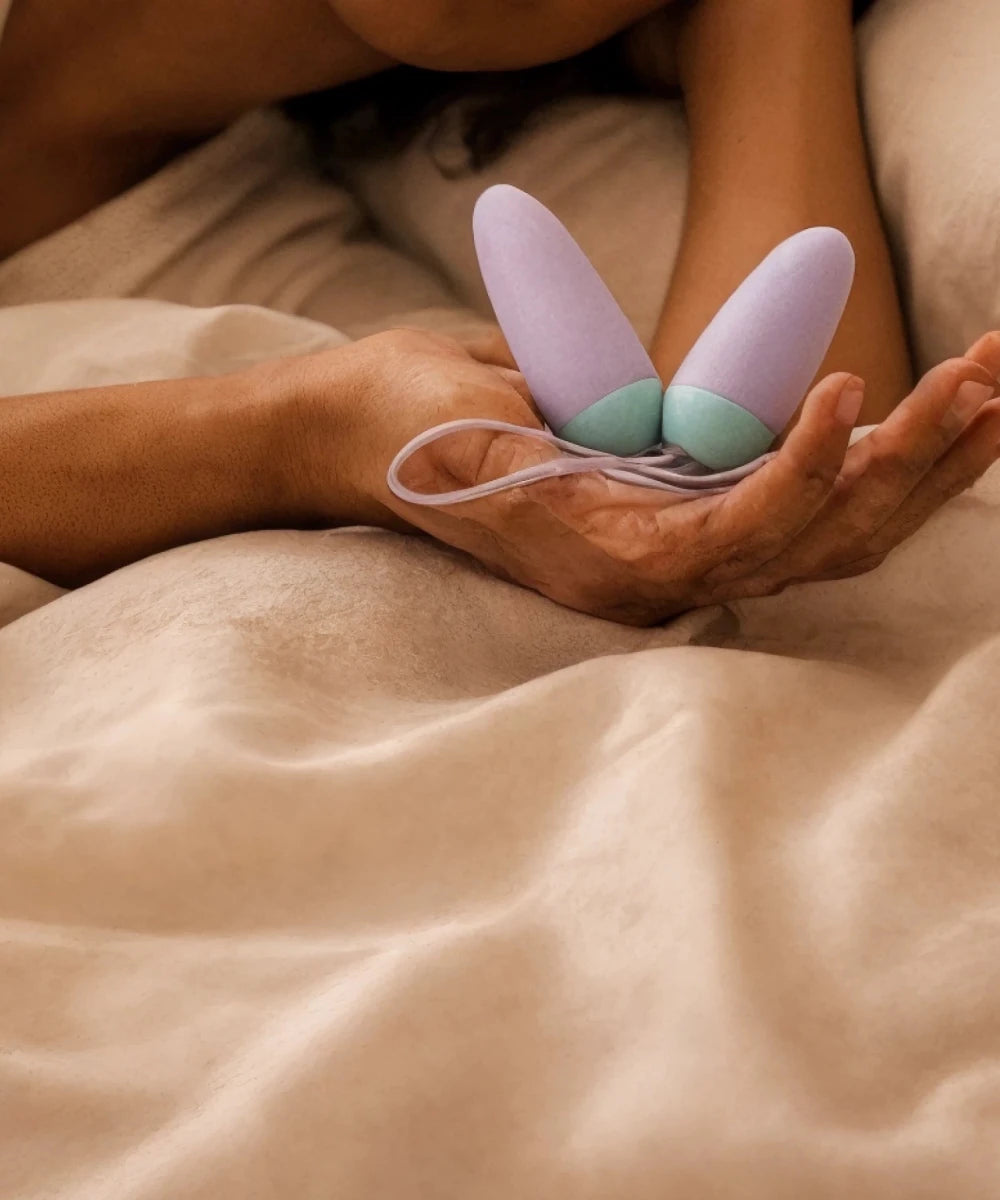
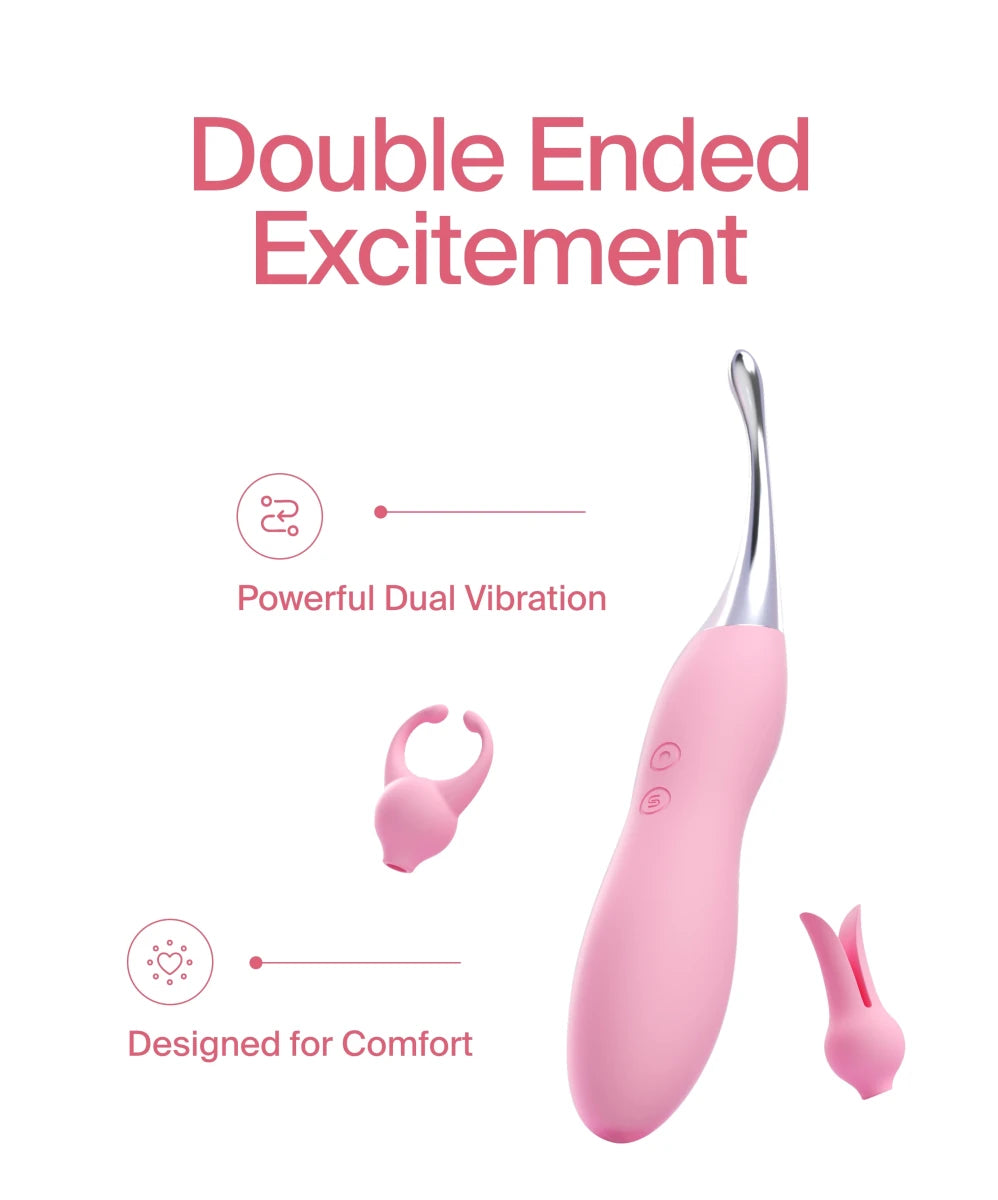
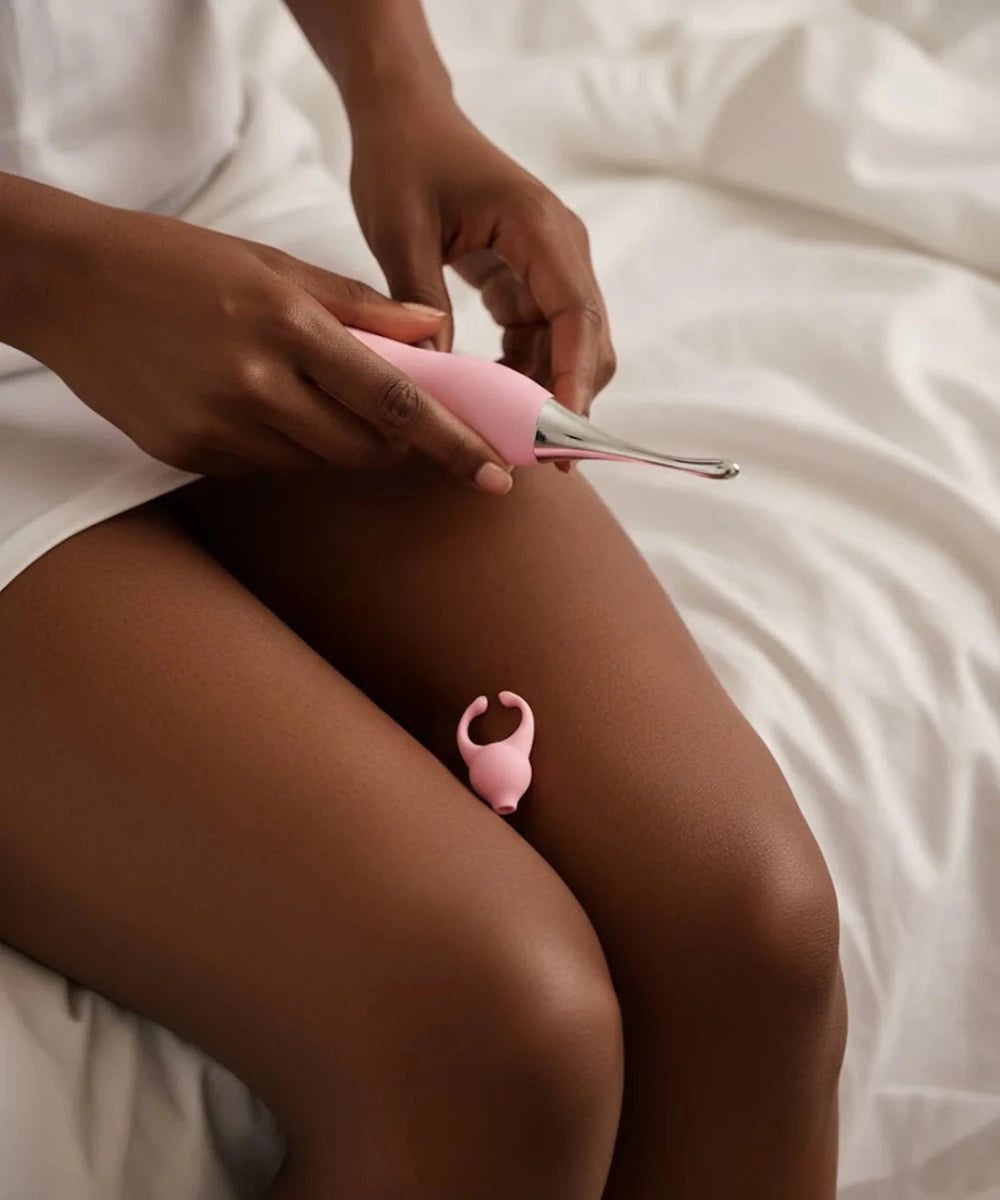
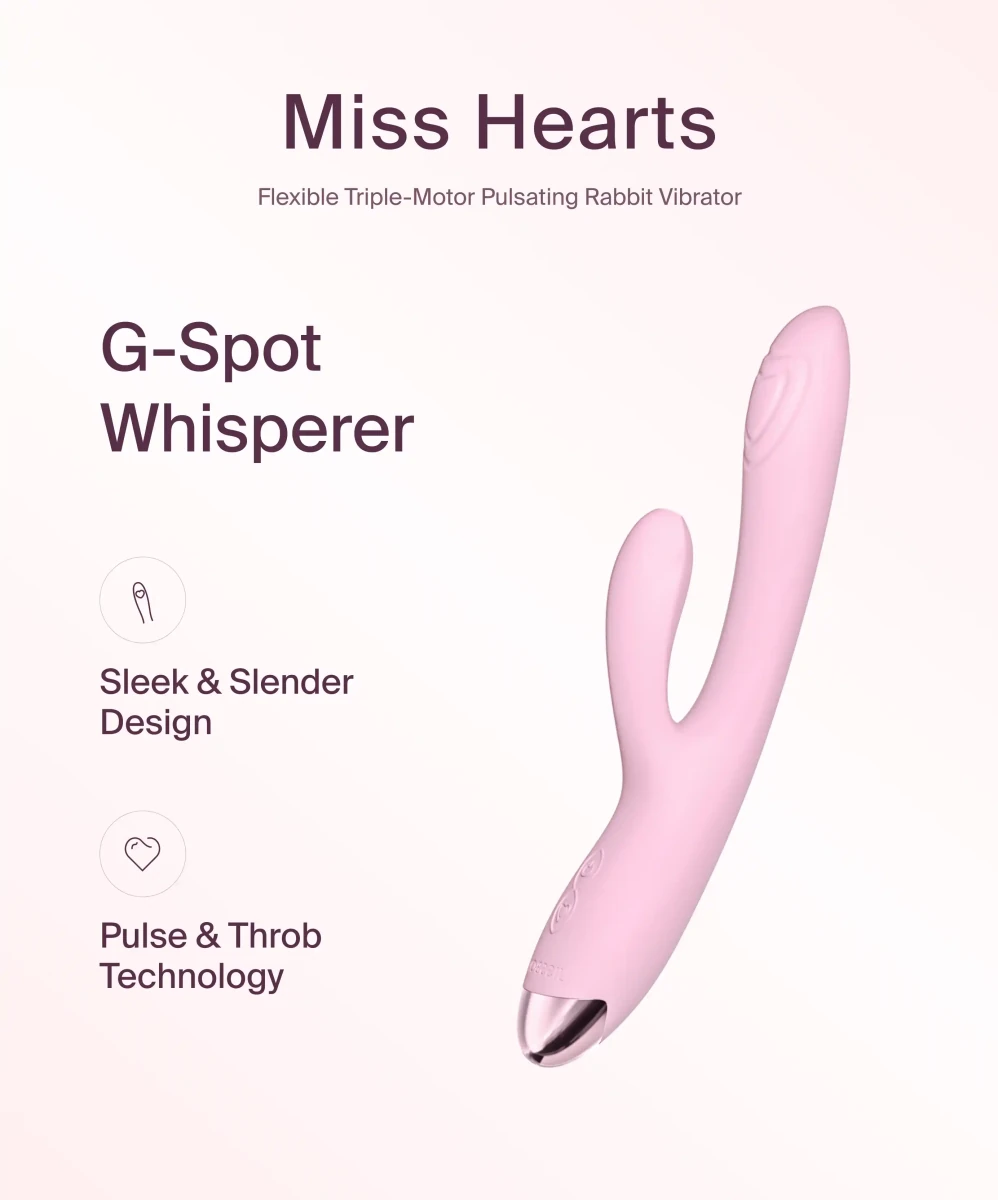































National Orgasm Day: Celebrating Pleasure & Sexual Wellness
Stack & Save: Extra 15% with Jissbon15
Jissbon15
National Orgasm Day, celebrated annually on July 31st, is a day dedicated to promoting sexual health, pleasure awareness, and open conversations about intimacy. Observed primarily in the United States, United Kingdom, Australia, Canada, and several other countries, this day encourages people to explore their bodies, prioritize pleasure, and challenge stigmas surrounding sexual satisfaction.
Whether you're learning about this celebration for the first time or looking for meaningful ways to participate, this guide covers the history, significance, health benefits of orgasms, the orgasm gap issue, and practical celebration ideas that honor both solo and partnered pleasure.
How National Orgasm Day Is Celebrated Around the World
Though unofficial, July 31 has become widely recognized thanks to sex-positive organizations, wellness brands, researchers, and educators. Common observances include:
Sexual Health Organizations
Planned Parenthood, ISSWSH, Lioness, ASHA and others publish:
- orgasm facts
- anatomy infographics
- pleasure-focused education
- stigma-reducing campaigns
Media & Wellness Campaigns
Magazines like Glamour, Cosmopolitan, and Health launch articles such as:
- “Fun facts about orgasms”
- “How to close the orgasm gap”
- “Orgasm myths doctors want you to stop believing”
Brands & Retailers
Offer:
- educational webinars
- sales on vibrators, lubricants, and couples toys
- social media giveaways
- “Orgasm challenge” content encouraging positive body awareness
Social Trends
TikTok and Instagram creators often share:
- “How would you describe your orgasm?” videos
- sex-therapist Q&As
- debunking myths about female pleasure
- accessible tips for improving arousal
These real-world examples help users connect the holiday to cultural awareness.
When Is National Orgasm Day?
National Orgasm Day is typically celebrated on July 31 in places such as the United Kingdom, Australia, United States, the Netherlands, Canada and South Africa Wikipedia.
Related Observances
International Female Orgasm Day occurs on August 8th, originating from Brazil in 2004 through municipal legislation. This date specifically focuses on women's rights to sexual pleasure and addresses gender disparities in orgasmic experiences.
Some people extend National Orgasm Day celebrations through the weekend if July 31st falls midweek, creating a multi-day focus on sexual wellness and pleasure.
Calendar Placement
The late July timing places the observance during summer months in the Northern Hemisphere, when people often feel more relaxed, have more free time, and may be more open to focusing on personal wellness and intimacy.
The History & Origins

The exact founding of National Orgasm Day remains somewhat unclear, adding to its grassroots appeal.
Establishing the Day
National Orgasm Day was established in 2015 in the United Kingdom by a group of sexual health experts and relationship counselors seeking to foster open discussions about sexual pleasure and challenge associated taboos.
The initiative aimed to promote healthier attitudes toward sexuality, emphasizing communication, consent, and body positivity in intimate relationships. Early recognition came primarily through media coverage and informal advocacy rather than official governmental designation.
Evolution Over Time
Over the years, National Orgasm Day has evolved to encompass a broader range of topics related to sexual health, including consent, communication, and body positivity Journée Mondiale. The observance has become a platform for sex educators, health professionals, and advocacy groups to share information and resources.
What began as primarily UK-focused has expanded to multiple countries, with retailers, educators, and wellness advocates creating events, promotions, and educational content around the date.
Connection to Broader Movements
The day aligns with sex-positive movements challenging Victorian-era taboos and promoting comprehensive sexual education. It reflects growing cultural acceptance of discussing sexual health as a legitimate component of overall wellness.
Why Sexual Wellness Days Matter
Designating specific days for sexual health awareness serves important social and educational functions.
Breaking Stigma & Taboo
Despite progress, many cultures still treat sexual pleasure—especially female pleasure—as shameful or inappropriate to discuss. Dedicated awareness days normalize conversations that improve individual and relationship health.
Creating social "permission" to discuss topics like orgasms, sexual satisfaction, and pleasure techniques helps people access information they might otherwise feel too embarrassed to seek.
Educational Opportunities
According to comprehensive sexual health education research, many people receive inadequate education about pleasure, anatomy beyond reproduction, and communication about sexual needs.
National Orgasm Day provides a framework for media outlets, educators, and health professionals to share accurate information reaching broad audiences who might not otherwise engage with sexual health content.
Commercial Awareness
Retailers in the sexual wellness industry use the day to promote products, offer educational workshops, and connect with customers. While commercial interests exist, this also increases accessibility to quality products and information for people who might not otherwise explore these resources.
The Orgasm Gap: Why Representation Matters
One of the central issues National Orgasm Day highlights is the significant disparity in orgasm frequency between different groups.
Statistical Reality
According to a 2017 study conducted by the Archives of Sexual Behavior, 95% of heterosexual men climaxed during their last sexual encounter while only 65% of heterosexual women did.
The gap narrows significantly for women in same-sex relationships (86% report consistent orgasm) compared to heterosexual women, suggesting the disparity stems from social, educational, and communication factors rather than purely biological ones.
Root Causes
Several factors contribute to this gap:
- Inadequate sexual education focusing primarily on reproduction and male pleasure
- Cultural emphasis on penetrative sex over clitoral stimulation
- Social conditioning encouraging women to prioritize partner satisfaction over their own
- Lack of anatomical knowledge (many people don't understand clitoral anatomy)
- Communication barriers preventing partners from expressing needs
Addressing the Disparity
National Orgasm Day serves as a platform to address these disparities, promoting equal focus on all partners' pleasure and encouraging comprehensive sexual education. Conversations initiated around this day help normalize discussing what actually works for each person's body.
Health Benefits of Orgasms

Beyond pleasure, orgasms offer measurable physical and psychological benefits.
Physical Health Advantages
Research indicates orgasms provide multiple health benefits:
- Stress reduction: Release of endorphins and oxytocin creates relaxation and mood improvement
- Better sleep: Post-orgasm hormonal changes have sedative effects helping combat insomnia
- Pain relief: Endorphin release can temporarily alleviate pain from arthritis, headaches, and menstrual cramps
- Immune support: Some studies suggest regular sexual activity may strengthen immune response
- Cardiovascular health: Sexual activity provides mild cardiovascular exercise
- Pelvic floor exercise: Orgasmic contractions help maintain pelvic floor muscle tone
Mental & Emotional Benefits
Beyond physical effects, orgasms contribute to:
- Improved body image and self-confidence
- Stress and anxiety management
- Enhanced mood through neurochemical release
- Better sleep quality improving overall functioning
- Relationship satisfaction and bonding through shared pleasure
Longevity Connections
Some research suggests that regular sexual activity and orgasms may correlate with increased longevity, though causation versus correlation remains debated. The combination of exercise, stress relief, and emotional connection likely contributes to overall wellness.
Creative Ways to Celebrate
National Orgasm Day can be observed in various ways depending on comfort levels and circumstances.
Solo Celebration Ideas
Educational Exploration
- Read books about sexual anatomy and pleasure techniques
- Watch educational videos from certified sex educators
- Explore pleasure-mapping—discovering which areas of your body respond to different types of touch
- Try new masturbation techniques or positions
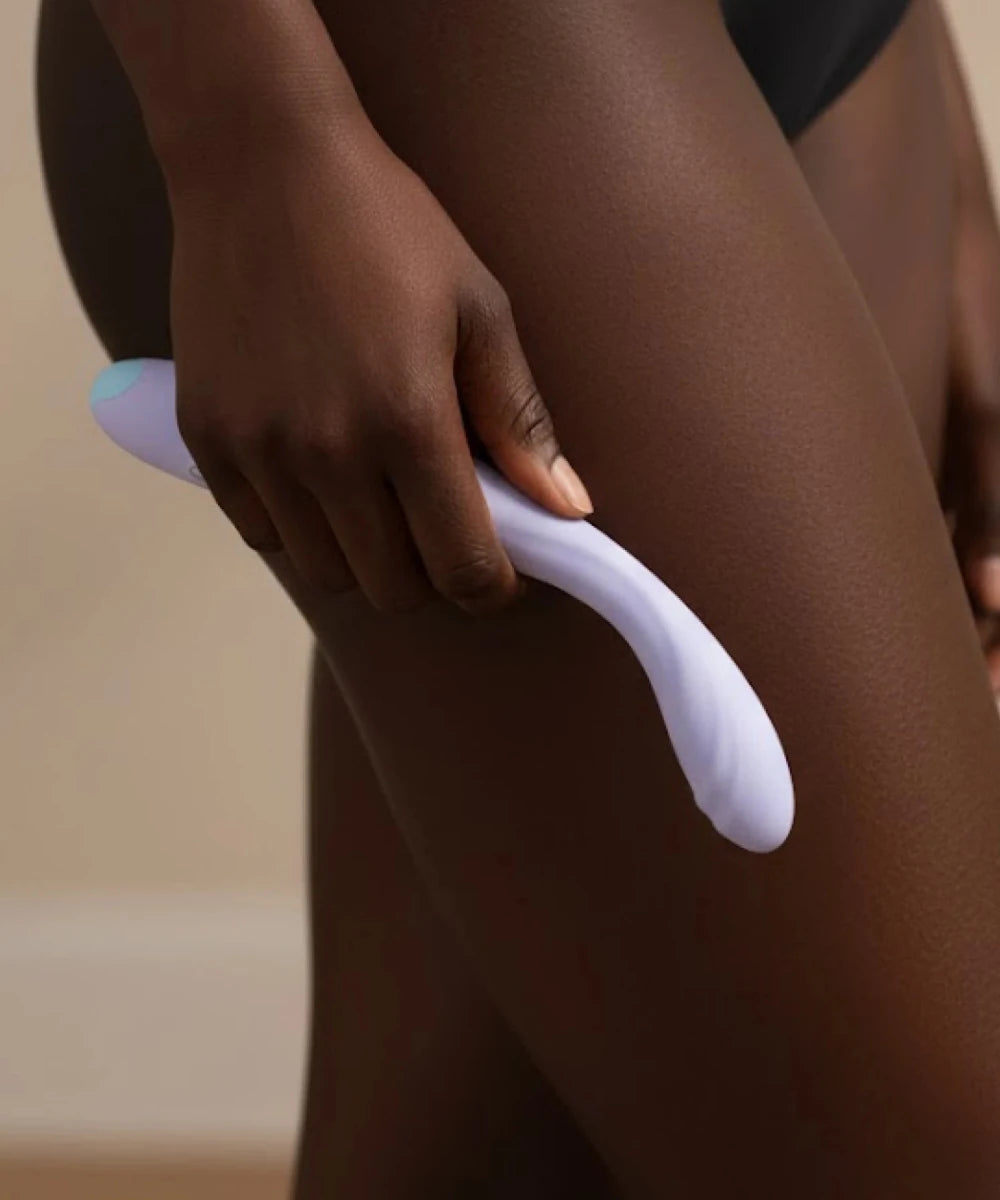
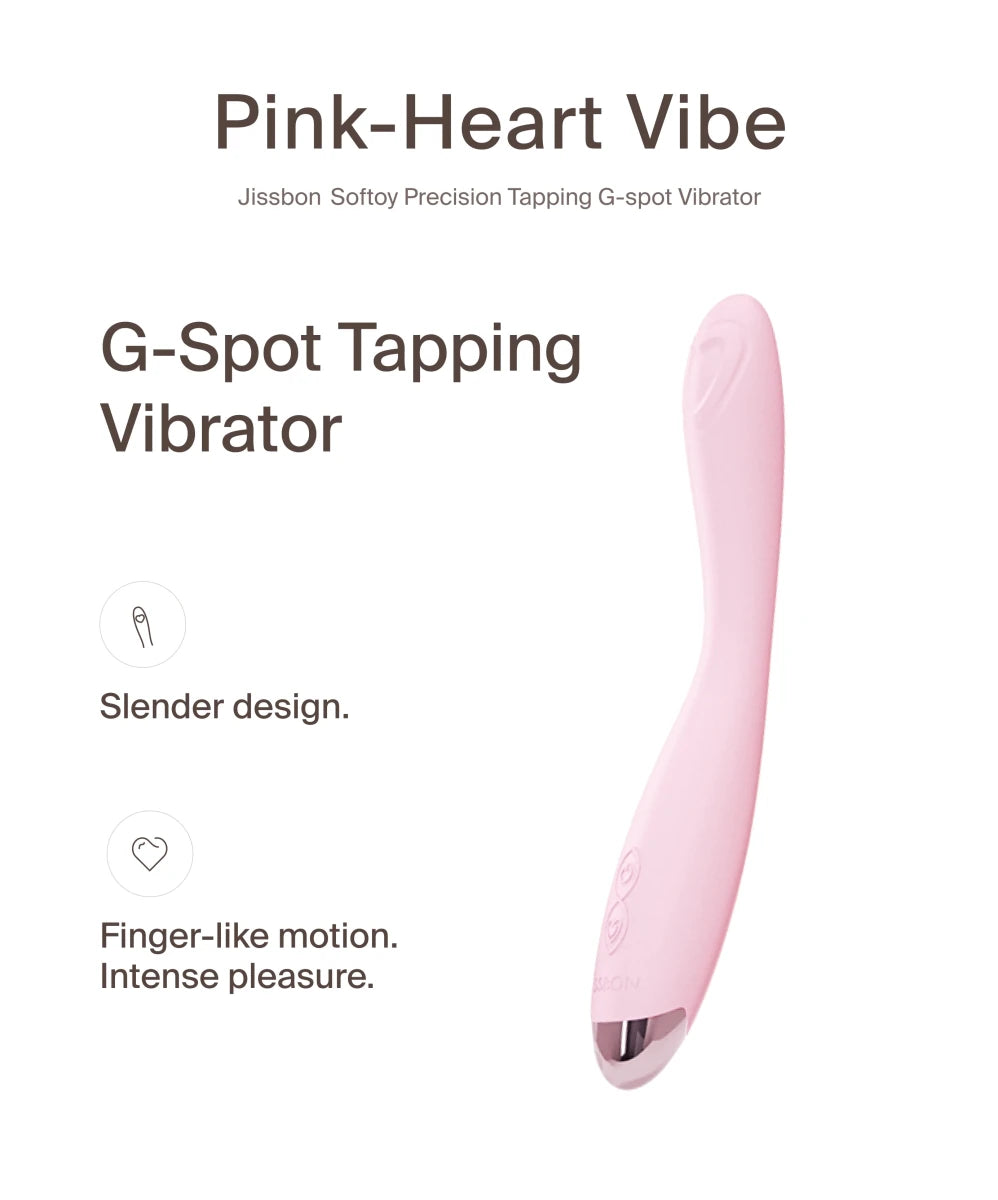
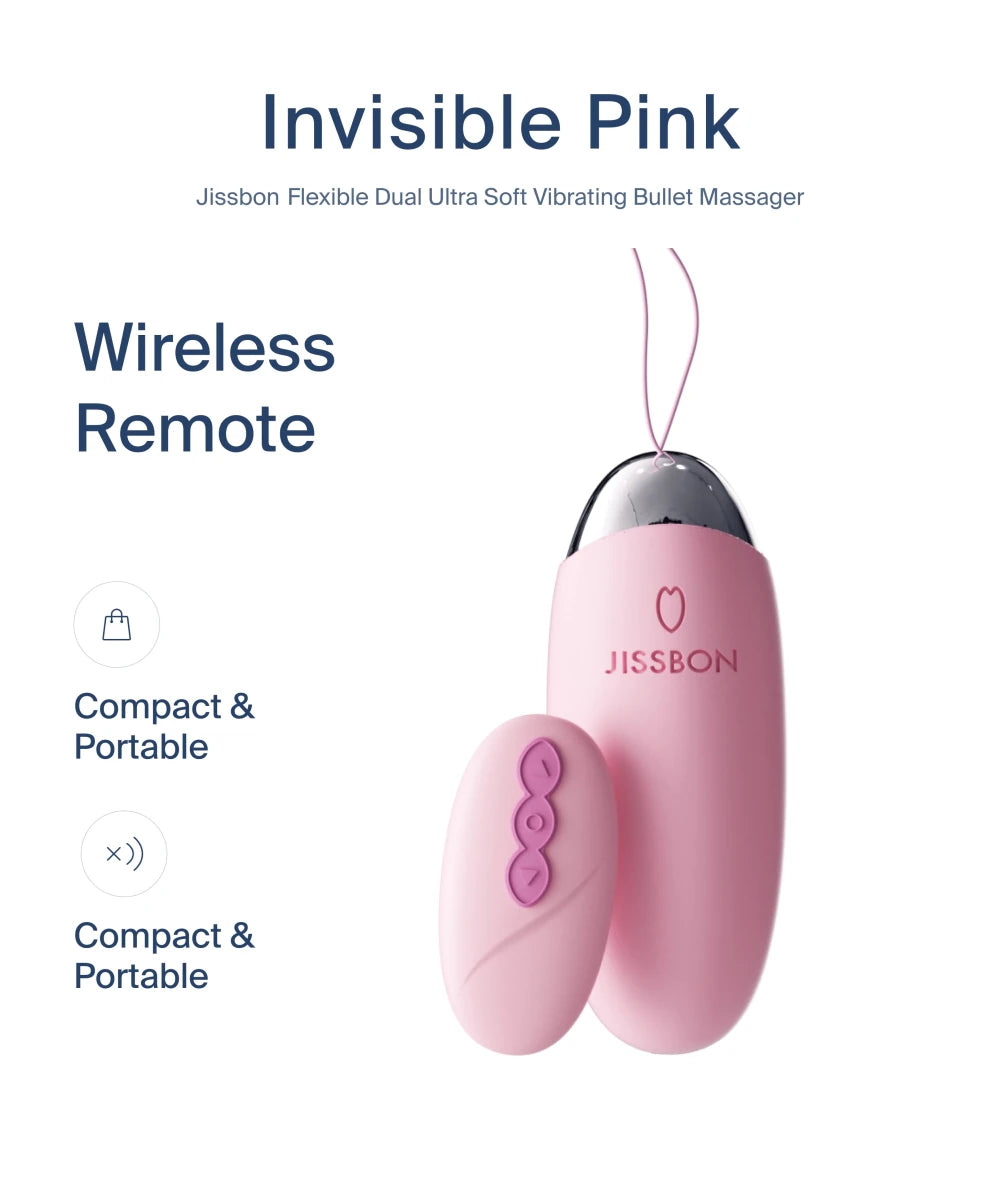
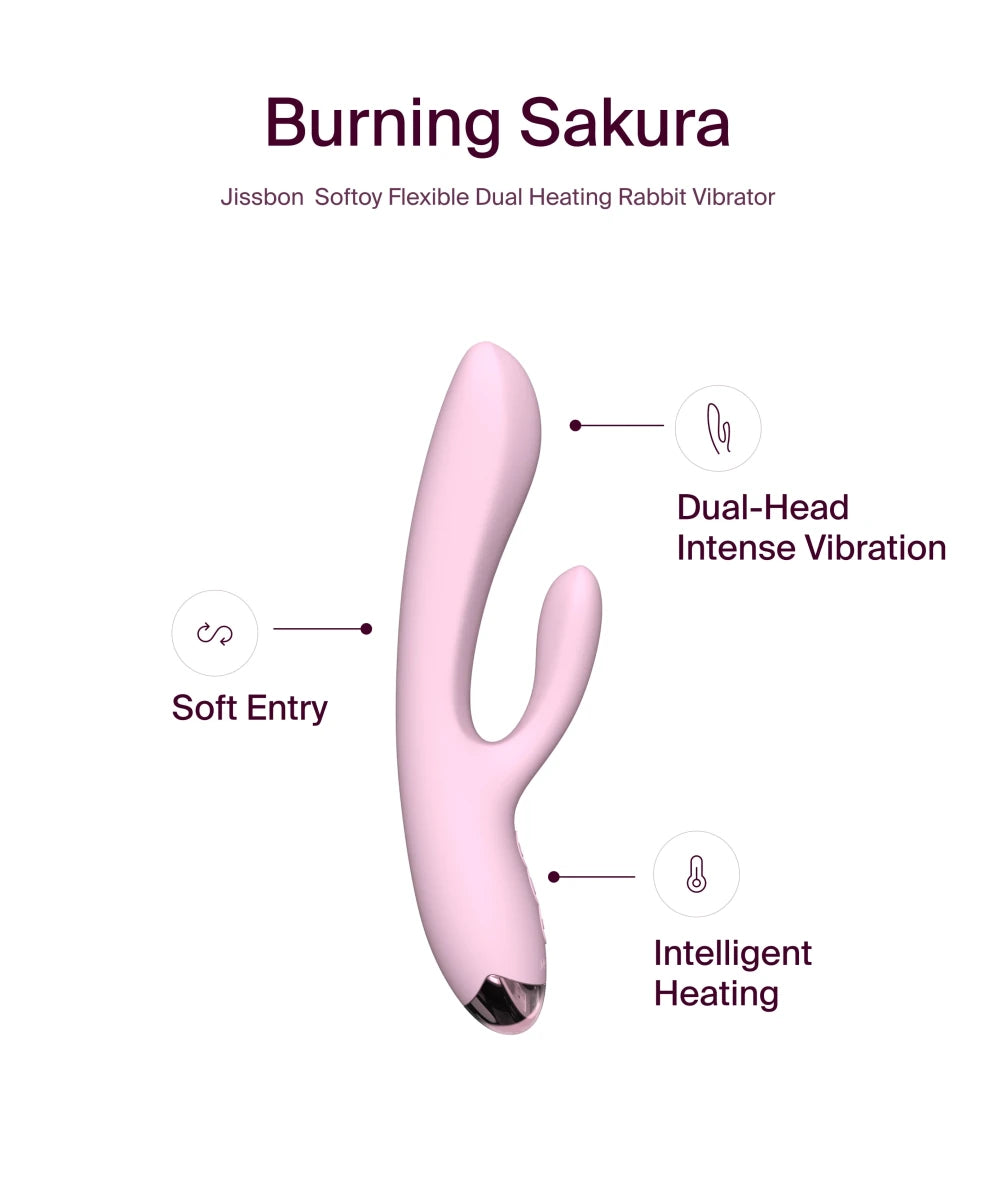
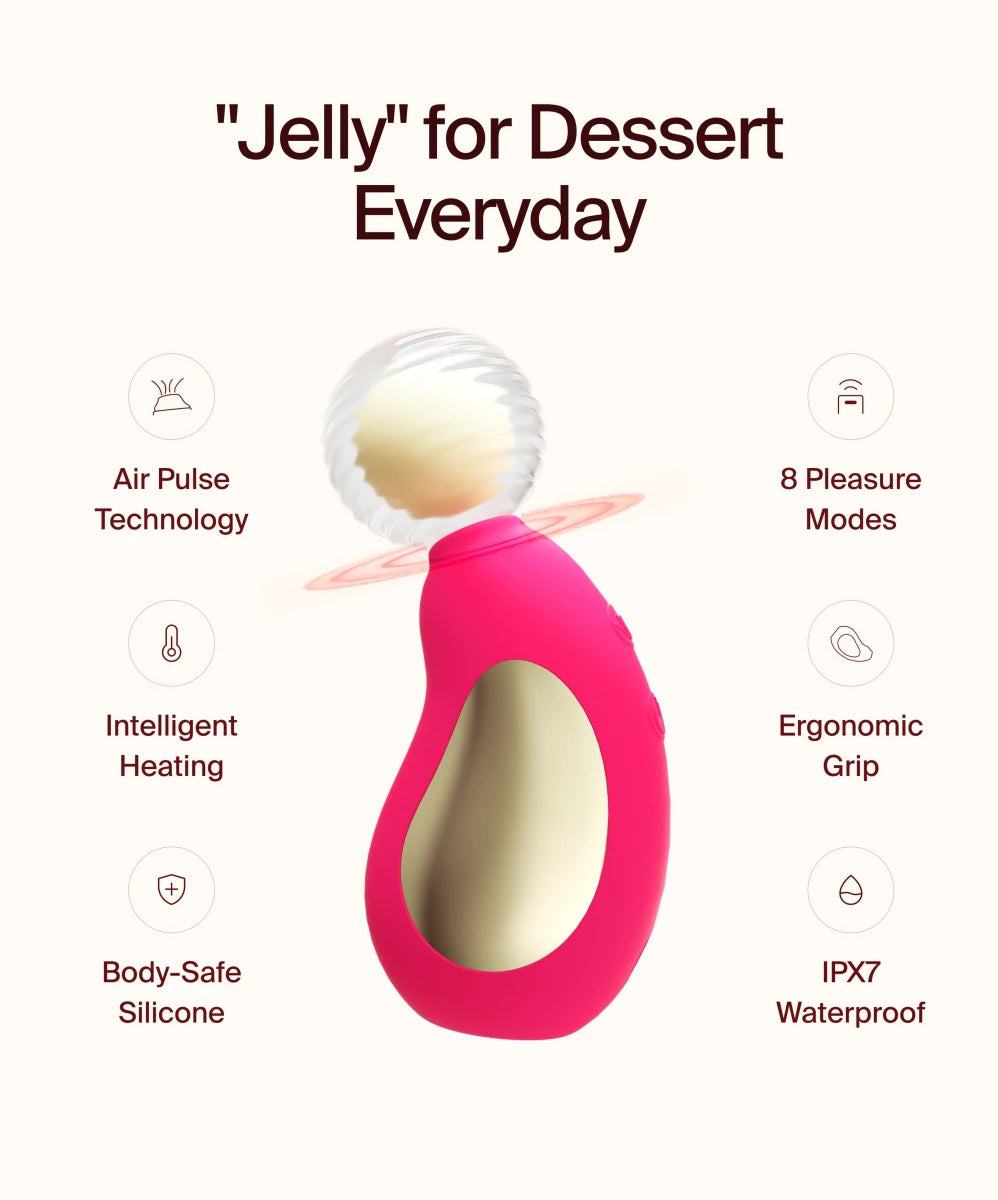
- Experiment with clitoral vibrators or other toys designed for self-exploration
Self-Care Focus
- Create a relaxing environment with candles, music, and privacy
- Practice mindfulness during self-pleasure, staying present with sensations
- Journal about your relationship with pleasure and sexuality
- Take a luxurious bath followed by self-massage
- Dedicate time without pressure for outcome—just exploration
Partnered Celebration Ideas
Communication & Connection
- Take a couples' sexual compatibility quiz together
- Have an honest conversation about desires, boundaries, and fantasies
- Share something new you'd like to try without pressure to act immediately
- Read erotic literature together
- Attend a virtual workshop on sexual communication or techniques
Experiential Activities
- Dedicate extended time to foreplay without rushing toward orgasm
- Try sensation play with different textures, temperatures, or pressures
- Explore sex toys for couples designed for shared pleasure
- Practice giving each other pleasure with no expectation of reciprocation
- Experiment with a new position or technique discussed earlier
Relationship Building
- Create a shared playlist of music that enhances intimacy
- Plan a sensual date night focused on touch and connection
- Give each other sensual massages leading wherever feels natural
- Practice extended eye contact and synchronized breathing
- Express appreciation for your partner's efforts to prioritize mutual pleasure
Educational Resources & Learning
National Orgasm Day provides excellent opportunities to expand knowledge.
Books Worth Reading
- Come As You Are by Emily Nagoski - Science-based exploration of female sexuality
- She Comes First by Ian Kerner - Guide to oral pleasure and clitoral stimulation
- The Guide to Getting It On by Paul Joannides - Comprehensive manual covering diverse topics
Online Learning
Many sex educators offer free or low-cost content:
- OMGYes.com - Interactive educational platform about female pleasure
- YouTube channels from certified sexologists
- Podcasts discussing sexual health, pleasure, and relationships
- Articles from reputable sexual health organizations
Professional Guidance
If experiencing persistent difficulties with orgasm or sexual satisfaction, certified sex therapists can provide personalized guidance addressing physical, psychological, or relational factors.
Addressing Common Orgasm Challenges

National Orgasm Day conversations can help normalize seeking solutions for common issues.
Difficulty Reaching Orgasm
Many people, particularly women, experience anorgasmia (difficulty or inability to orgasm). This can stem from:
- Insufficient or incorrect stimulation type
- Medications (especially SSRIs)
- Medical conditions affecting circulation or nerves
- Psychological factors (stress, anxiety, past trauma)
- Inadequate arousal before attempting orgasm
Solutions often include:
- Exploring solo to learn what works for your specific body
- Increasing foreplay duration significantly
- Incorporating clitoral stimulation during penetration
- Addressing underlying medical or psychological factors with professionals
- Using quality products from trusted retailers like Jissbon designed for diverse bodies and needs
Partner Communication Barriers
Many people struggle to tell partners what they need. National Orgasm Day conversations can normalize:
- Guiding partners physically during sex
- Discussing preferences outside the bedroom first
- Using positive reinforcement ("I love when you..." rather than criticizing)
- Exploring resources together rather than placing responsibility on one person
Celebrating Body Diversity & Inclusivity
Modern National Orgasm Day observances increasingly recognize diverse experiences.
Beyond Binary Understanding
Sexual pleasure and orgasm aren't limited to cisgender, heterosexual experiences. The day promotes:
- Recognition that people of all genders experience orgasm
- Understanding that pleasure looks different for different bodies
- Celebrating that there's no single "correct" way to experience sexual satisfaction
- Acknowledging that some people don't experience orgasm and that's also valid
Accessibility Considerations
People with disabilities, chronic illnesses, or other physical differences deserve pleasure-focused conversations that include them:
- Adaptive equipment and positioning for varied mobility needs
- Recognition that orgasm can be achieved through many types of stimulation
- Validation that pleasure matters regardless of physical capabilities
The Commercial Side: Navigating Promotions
Many retailers offer National Orgasm Day sales and events—this can be beneficial but requires consumer awareness.
Legitimate Benefits
Sales events make quality sexual wellness products more accessible to people with budget constraints. Educational workshops and content produced for the day provide valuable information.
Critical Consumption
Evaluate promotional content critically:
- Does it educate or just sell?
- Are health claims evidence-based?
- Does the company prioritize body-safe materials and ethical practices?
- Is the marketing inclusive and sex-positive?
Quality companies use the day to genuinely educate while offering products. Others purely capitalize on the theme without providing real value.
Frequently Asked Questions
What is National Orgasm Day?
National Orgasm Day is a sex-positive awareness holiday observed on July 31 to encourage pleasure education, reduce stigma, and promote sexual wellness through conversations, events, and educational content.
What is International Female Orgasm Day on August 8?
A Brazilian-origin holiday dedicated to acknowledging female pleasure, challenging the orgasm gap, and advocating for inclusive sexual education.
Is it healthy to climax every day?
For most people, yes—daily orgasms pose no health risk and can even reduce stress. However, emotional comfort, physical wellbeing, and personal preference matter more than frequency.
At what age do girls climax?
There is no universal age. Many experience their first orgasm in adolescence during masturbation, while others explore later in adulthood. It depends on comfort, education, and access to correct anatomical knowledge.
What if my orgasms aren’t strong anymore?
Changes in intensity can result from stress, medications, hormonal shifts, aging, or inadequate stimulation. Techniques like extended foreplay, pelvic floor exercises, clitoral stimulation, or using toys can help.
Is National Orgasm Day only for people in relationships?
No. The day celebrates both solo and partnered pleasure. Many people observe it through self-exploration, education, or simply appreciating their own body's capacity for pleasure. Single people, people in relationships, and everyone in between can participate meaningfully.
Do I have to have an orgasm on National Orgasm Day?
Absolutely not. The day promotes awareness and healthy attitudes about pleasure—not pressure to perform. Celebrate through education, self-care, communication, or simply reflecting on what sexual wellness means to you personally.
Is this day appropriate to discuss with teenagers?
Age-appropriate sexual health education includes discussing pleasure, anatomy, and consent. Parents and educators can use the day as a framework for conversations about bodies, boundaries, and healthy relationships tailored to developmental stage. Comprehensive sex education improves health outcomes.
Why is there a separate Female Orgasm Day?
International Female Orgasm Day (August 8) specifically addresses the orgasm gap and challenges historical neglect of female pleasure in sexual education and practice. It originated in Brazil to affirm women's rights to sexual satisfaction.
Can orgasm frequency really affect overall health?
Research shows correlations between regular sexual activity (including orgasms) and various health markers like stress reduction, better sleep, and pain relief. However, quality of relationships and emotional health matter more than frequency alone. There's no specific "healthy" frequency—what feels right for you is appropriate.
What if I'm unable to orgasm?
Anorgasmia is common and addressable. Start with self-exploration to understand your body's responses. Consider factors like medications, stress, or medical conditions. If concerns persist, sex therapists and medical professionals can help identify specific barriers and solutions.
Conclusion
National Orgasm Day on July 31st offers an annual opportunity to celebrate sexual wellness, challenge stigmas, and promote pleasure equality. Whether observed through education, self-exploration, partnered connection, or simply appreciating the importance of sexual health in overall wellbeing, the day encourages healthier attitudes toward intimacy.
By normalizing conversations about orgasm, addressing the orgasm gap, and promoting body-positive approaches to sexuality, this observance contributes to broader cultural shifts toward sex-positive education and inclusive wellness.Ready to explore products designed to enhance your pleasure journey? Discover thoughtfully crafted options at Jissbon where sexual wellness meets quality, safety, and inclusive design.


Looking for something else?

What Is Flogging in Sex? Complete BDSM Flogging Guide
LEARN MORE
What Does Overstimulated Mean Sexually? Causes & Solutions
LEARN MORE
Can You Get a Tattoo on Your Vagina? Safety, Pain & What to Expect
LEARN MORE
Public Sex Kink: Understanding Exhibitionism & Safe Exploration
LEARN MORELooking for something else?

A-Spot Orgasm: Best Positions & How to Find It
LEARN MORE
Bondage Play: Complete Beginner's Guide to Rope BDSM
LEARN MORE
Vibrator Stories: Real Experiences, Tips & What to Expect
LEARN MOREYou may also like
20% off

20% off

20% off

20% off

20% off

20% off

Further reading
How to Clean an Automatic Blowjob Machine Without Damaging the Motor
Remote-Controlled Automatic Masturbators for Couples and Solo Play
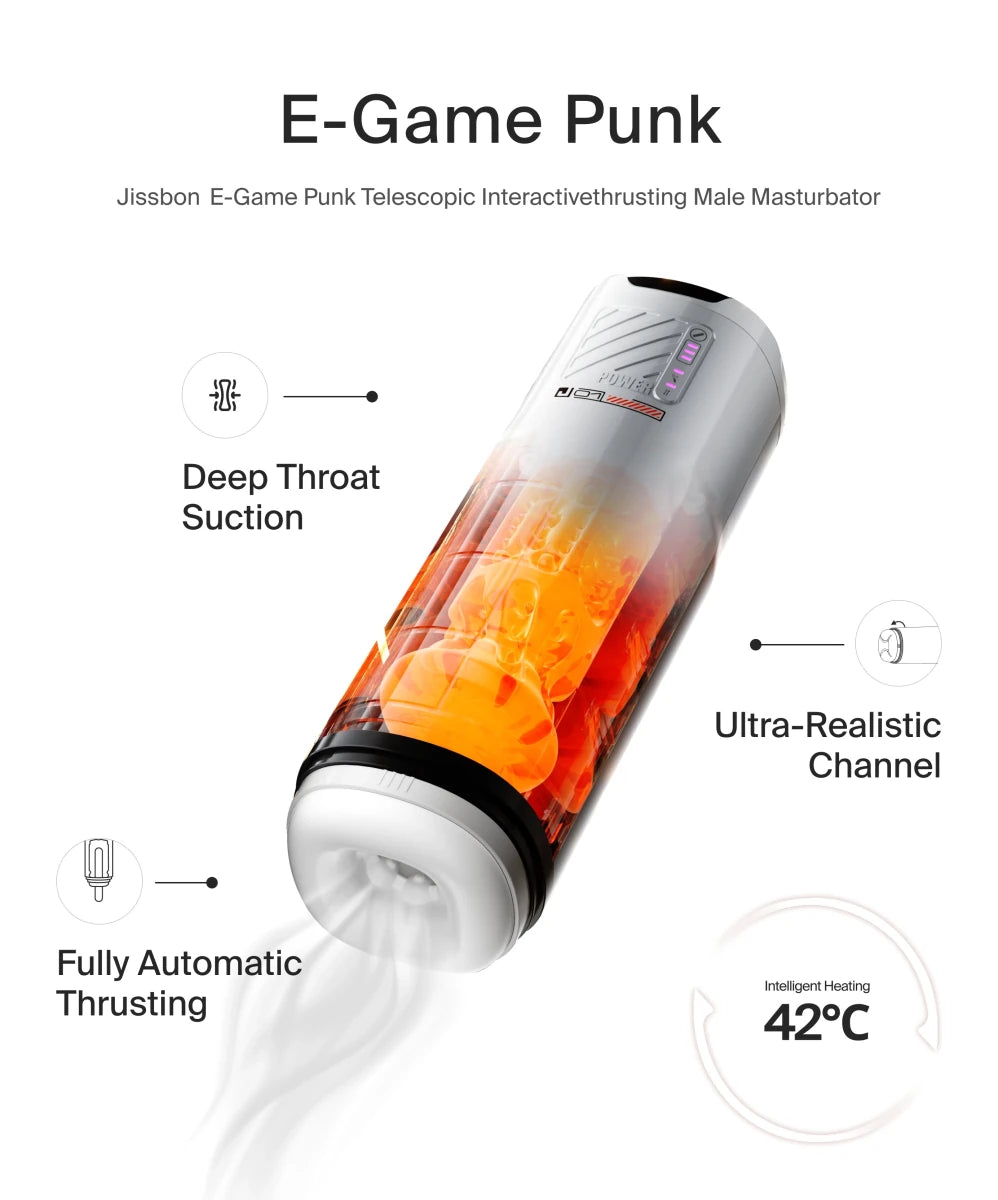
Best Automatic Strokers for Edging and Stamina Training