














































































Masturbation Therapy: When and How It Can Help
Stack & Save: Extra 15% with Jissbon15
Jissbon15
Masturbation therapy refers to two very different types of professional treatment: therapeutic masturbation for sexual wellness and exploration, and therapy for compulsive masturbation behaviors. Understanding which type applies to your situation helps you find appropriate support. This guide explains both approaches, when each is helpful, and how to access qualified professionals who can support your sexual health journey.
Let's explore what masturbation therapy involves, who benefits from it, and how to determine if professional guidance might help you.
Understanding the Two Types of Masturbation Therapy
The term "masturbation therapy" encompasses distinct therapeutic approaches:
Type 1: Therapeutic Masturbation (Sex Therapy)
This involves working with a sex therapist or counselor to:
- Explore healthy sexual function and increase pleasure awareness
- Address sexual difficulties like anorgasmia (difficulty reaching orgasm) or low libido
- Overcome sexual trauma through gradual, safe self-exploration
- Improve body awareness and sexual confidence
- Learn techniques for better solo and partnered experiences
- Reduce sexual anxiety through guided self-discovery
Who benefits: People seeking to enhance sexual wellness, overcome dysfunction, heal from trauma, or develop healthier relationships with their bodies.
Type 2: Therapy for Compulsive Masturbation
This addresses problematic patterns where masturbation interferes with daily life:
- Managing compulsive behaviors that feel out of control
- Addressing underlying issues like anxiety, depression, or past trauma driving excessive behavior
- Developing healthier coping mechanisms for stress and emotions
- Setting boundaries around sexual behavior
- Understanding triggers and patterns
- Rebuilding relationships affected by compulsive sexual behavior
Who benefits: Individuals experiencing distress from excessive masturbation, those unable to reduce frequency despite negative consequences, or people whose behavior impacts work or relationships.
According to Cleveland Clinic's guidance on masturbation, therapy becomes relevant when masturbation causes significant distress or interferes with daily functioning.
When Therapeutic Masturbation Helps Sexual Wellness

Sex therapy that includes masturbation exercises can address numerous sexual health concerns:
Sexual Dysfunction and Pleasure Issues
Common concerns addressed:
- Difficulty reaching orgasm (anorgasmia)
- Low libido or lack of sexual desire
- Painful sex or vaginismus
- Premature ejaculation management
- Erectile difficulties
- Disconnection from sexual pleasure
How therapy helps: A sex therapist provides structured exercisessometimes called "homework"that guide gradual exploration in a safe, private setting. These exercises help you understand your body's responses without pressure.
Trauma Recovery and Healing
For survivors of sexual trauma, masturbation therapy offers a way to reclaim bodily autonomy:
Therapeutic goals:
- Reconnecting with your body in a safe, controlled way
- Distinguishing pleasure from past negative experiences
- Establishing new associations with touch and sensation
- Building trust in your body's responses
- Processing trauma through gradual, consensual self-exploration
Important note: This work requires a trauma-informed therapist who specializes in sexual trauma recovery. The pace is entirely controlled by the client.
Body Image and Self-Acceptance
Many people struggle with shame, body image issues, or negative beliefs about sexuality. Therapeutic masturbation can:
- Challenge internalized shame about sexual pleasure
- Improve body acceptance and self-compassion
- Explore what genuinely feels good rather than performing for partners
- Build sexual confidence through self-knowledge
Relationship Enhancement
Sex therapists sometimes recommend masturbation exercises to improve partnered sex:
- Learning what you enjoy to communicate preferences
- Managing libido mismatches in relationships
- Maintaining sexual connection during partner absence
- Overcoming performance anxiety through solo practice
When to Seek Therapy for Compulsive Masturbation
While masturbation is healthy, certain patterns indicate a need for professional support:
Warning Signs of Compulsive Behavior
Consider seeking therapy if you experience:
Loss of control:
- Unable to reduce frequency despite wanting to
- Feeling driven to masturbate even when you don't want to
- Masturbating in risky or inappropriate situations
- Continuing despite physical injury or pain
Life interference:
- Missing work, school, or social obligations
- Neglecting responsibilities due to time spent masturbating
- Avoiding intimacy with partners in favor of solo activity
- Experiencing relationship conflicts related to behavior
Emotional distress:
- Persistent guilt, shame, or anxiety about masturbation
- Using masturbation as primary coping mechanism for all negative emotions
- Feeling powerless over urges
- Depression or self-esteem issues linked to behavior
Physical consequences:
- Genital injury, soreness, or irritation that doesn't heal
- Sleep disruption from late-night sessions
- Physical exhaustion affecting daily functioning
Understanding Compulsive Sexual Behavior
Compulsive masturbation often indicates underlying issues:
Common root causes:
- Anxiety and stress: Using masturbation to manage overwhelming emotions
- Depression: Seeking temporary mood elevation through orgasm
- Past trauma: Reenacting or coping with traumatic experiences
- Addiction patterns: Similar brain reward mechanisms as other behavioral addictions
- Relationship avoidance: Using solo activity to avoid intimacy fears
Key distinction: Frequency alone doesn't determine whether behavior is problematic. Someone masturbating once daily who feels fine isn't experiencing compulsion, while someone masturbating twice weekly who feels unable to stop might need support.
Types of Professional Help Available

Multiple therapeutic approaches address masturbation-related concerns:
Sex Therapy
What it involves: Working with a certified sex therapist (CST) who specializes in sexual health and wellness.
Typical approaches:
- Sensate focus exercises for body awareness
- Mindfulness practices for present-moment pleasure
- Communication skills for partnered relationships
- Education about sexual anatomy and response
- Homework assignments for gradual exploration
Finding a sex therapist: Look for credentials from the American Association of Sexuality Educators, Counselors and Therapists (AASECT). These professionals have specialized training in sexual health.
Cognitive Behavioral Therapy (CBT)
What it involves: Addressing thought patterns and behaviors contributing to compulsive patterns.
How it helps with compulsive masturbation:
- Identifying triggers and high-risk situations
- Developing alternative coping strategies
- Challenging cognitive distortions about sexuality
- Creating action plans for managing urges
- Building healthier behavioral patterns
CBT is evidence-based and effective for various compulsive behaviors, including problematic sexual patterns.
Trauma-Informed Therapy
What it involves: Specialized approach for addressing trauma underlying sexual behavior.
Key elements:
- Safety and trust-building
- Understanding trauma's impact on sexuality
- Processing traumatic experiences at appropriate pace
- Developing healthy relationship with body and pleasure
- Integration and healing
Appropriate for: Anyone whose sexual behavior relates to past abuse, assault, or other traumatic experiences.
Support Groups
What they offer: Peer support and shared experiences in non-judgmental settings.
Common groups:
- Sex Addicts Anonymous (SAA)
- Sex and Love Addicts Anonymous (SLAA)
- Online communities moderated by professionals
- Hospital or clinic-based support groups
Benefits: Reducing isolation, learning from others' experiences, accountability, and community support.
What to Expect in Masturbation Therapy
Understanding the therapeutic process helps reduce anxiety about seeking help:
Initial Assessment
First session typically includes:
- Comprehensive sexual history
- Discussion of current concerns and goals
- Assessment of overall mental and physical health
- Evaluation of relationship status and dynamics
- Exploration of cultural and religious influences on sexuality
What therapists won't do: Ethical sex therapists never engage in sexual contact with clients, observe sexual activity, or provide direct physical stimulation. Therapy is conversational and educational.
Treatment Planning
Based on assessment, your therapist develops a personalized plan:
For sexual wellness therapy:
- Education about sexual anatomy and response
- Mindfulness and body awareness exercises
- Gradual exploration assignments (done privately at home)
- Communication skills development
- Processing emotions and barriers
- Progress evaluation and adjustment
For compulsive behavior therapy:
- Identifying triggers and patterns
- Developing coping strategies for urges
- Addressing underlying emotional issues
- Building alternative stress management techniques
- Creating relapse prevention plans
- Ongoing support and accountability
Homework Assignments
Many sex therapists assign "homework" to practice between sessions:
Common exercises:
- Body mapping: Exploring non-genital touch and sensation
- Sensate focus: Gradual progression from non-sexual to sexual touch
- Masturbation journaling: Noting emotions, triggers, and patterns
- Mindfulness during self-pleasure: Focusing on present sensations
- Communication practice: Discussing sexuality with partners
These assignments are private and completed at your own pace. You discuss experiences in sessions without pressure to "perform."
Progress and Duration
Timeline varies widely:
- Sexual wellness issues: Often 8-16 sessions over 3-6 months
- Compulsive behavior: May require 6-12+ months of ongoing support
- Trauma recovery: Typically longer-term, progress-dependent
Important: Therapy is collaborative. You control the pace and can pause or stop anytime.
Finding Qualified Professionals

Locating appropriate support requires knowing where to look:
Credentials to Seek
For sexual wellness therapy:
- AASECT-certified sex therapist (CST): Specialized training in sexual health
- Licensed therapist with sex therapy focus: LMFT, LCSW, or psychologist specializing in sexuality
- Sex educator: For educational rather than clinical needs
For compulsive behavior:
- Licensed mental health professional: LMFT, LCSW, psychologist, or psychiatrist
- Addiction specialist: Experience with behavioral addictions
- Trauma therapist: If trauma is a factor
Verify credentials: Check state licensing boards and AASECT directories to confirm qualifications.
Where to Search
Professional directories:
- AASECT therapist directory (sexuality specialists)
- Psychology Today therapist finder (filter by specialty)
- National Coalition for Sexual Freedom Kink and Polyamory Aware Professionals
- Local mental health clinics and hospitals
- University counseling centers (often offer reduced-fee services)
Telehealth options: Many therapists now offer virtual sessions, expanding access to specialized providers regardless of location.
Questions to Ask Potential Therapists
Before committing, interview potential therapists:
- What are your credentials and training in sexual health?
- Do you have experience with [your specific concern]?
- What is your therapeutic approach?
- What does treatment typically involve?
- What are your fees and do you accept insurance?
- Are you comfortable working with [any relevant identity factors]?
Green flags: Openness about training, clear boundaries, non-judgmental attitude, respect for your autonomy.
Red flags: Pushiness, judgmental comments, boundary violations, unwillingness to answer questions.
Self-Help Strategies While Seeking or Alongside Therapy
Professional support is ideal, but these strategies can help in the meantime:
For Enhancing Sexual Wellness
Body awareness practices:
- Practice non-sexual self-touch to reconnect with your body
- Use mirrors to observe yourself without judgment
- Explore different types of touch and pressure
- Pay attention to what genuinely feels pleasurable
Educational resources:
- Read evidence-based books on sexual anatomy and pleasure
- Watch educational videos from certified sex educators
- Explore anatomy through reputable medical sources
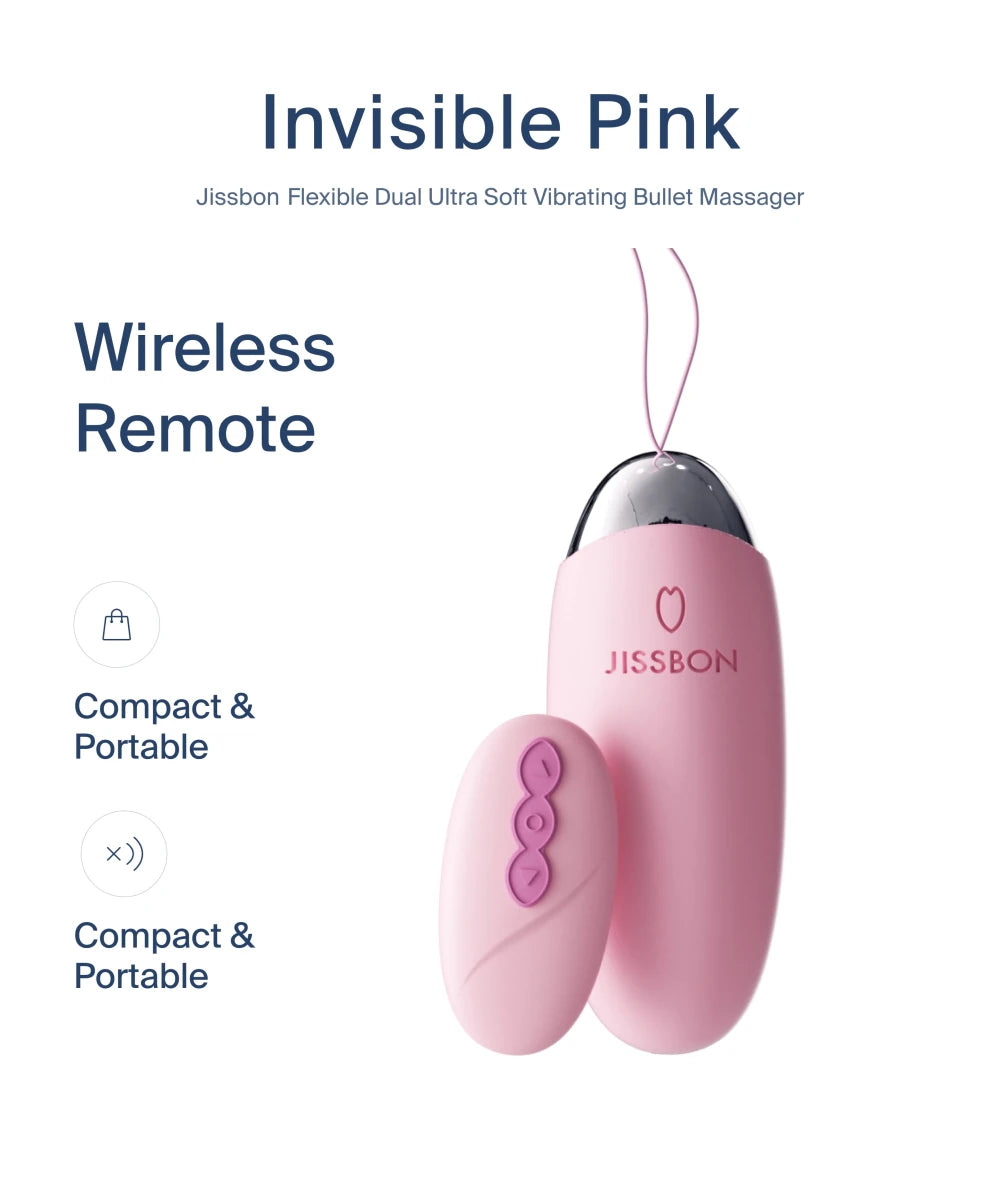
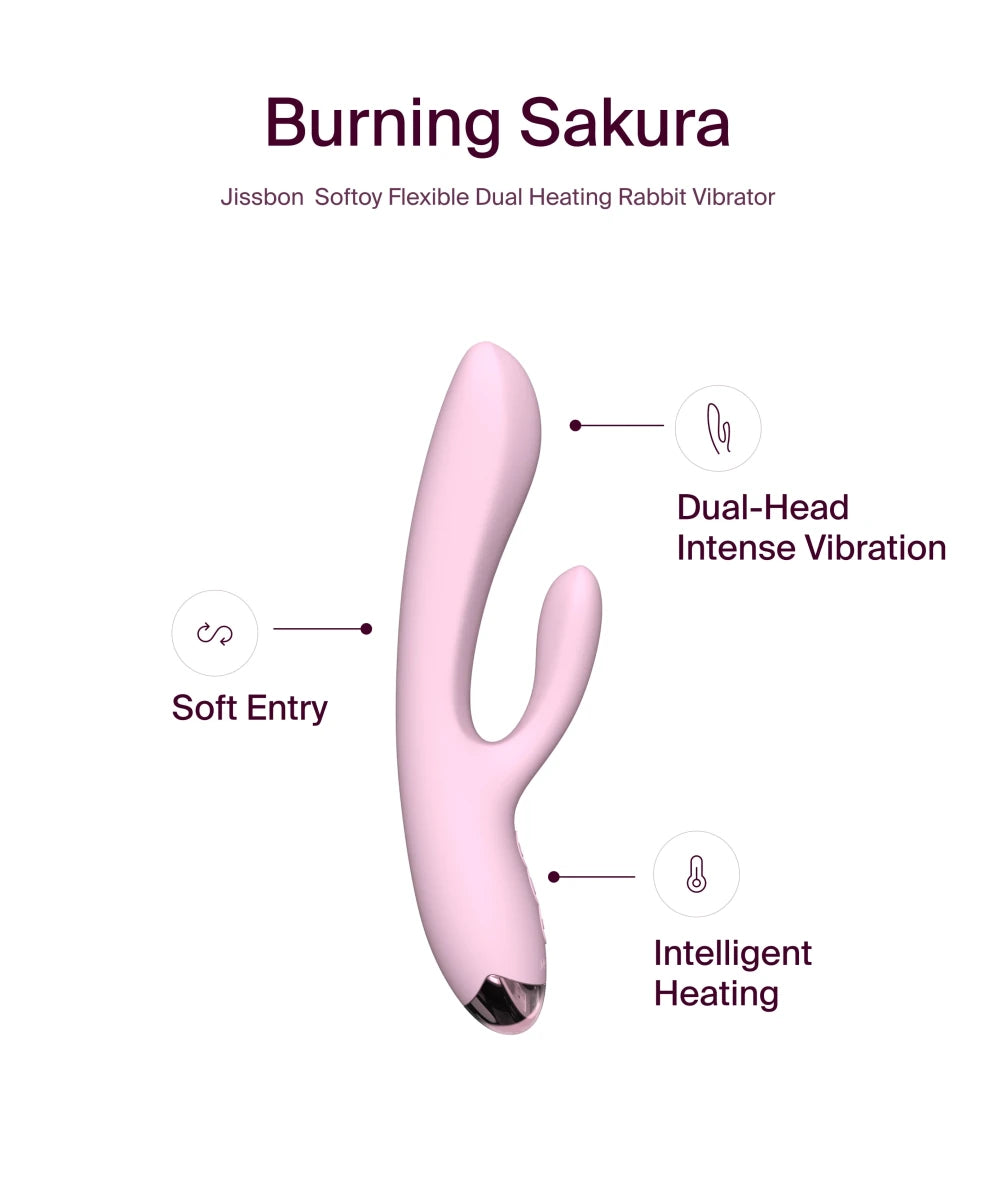
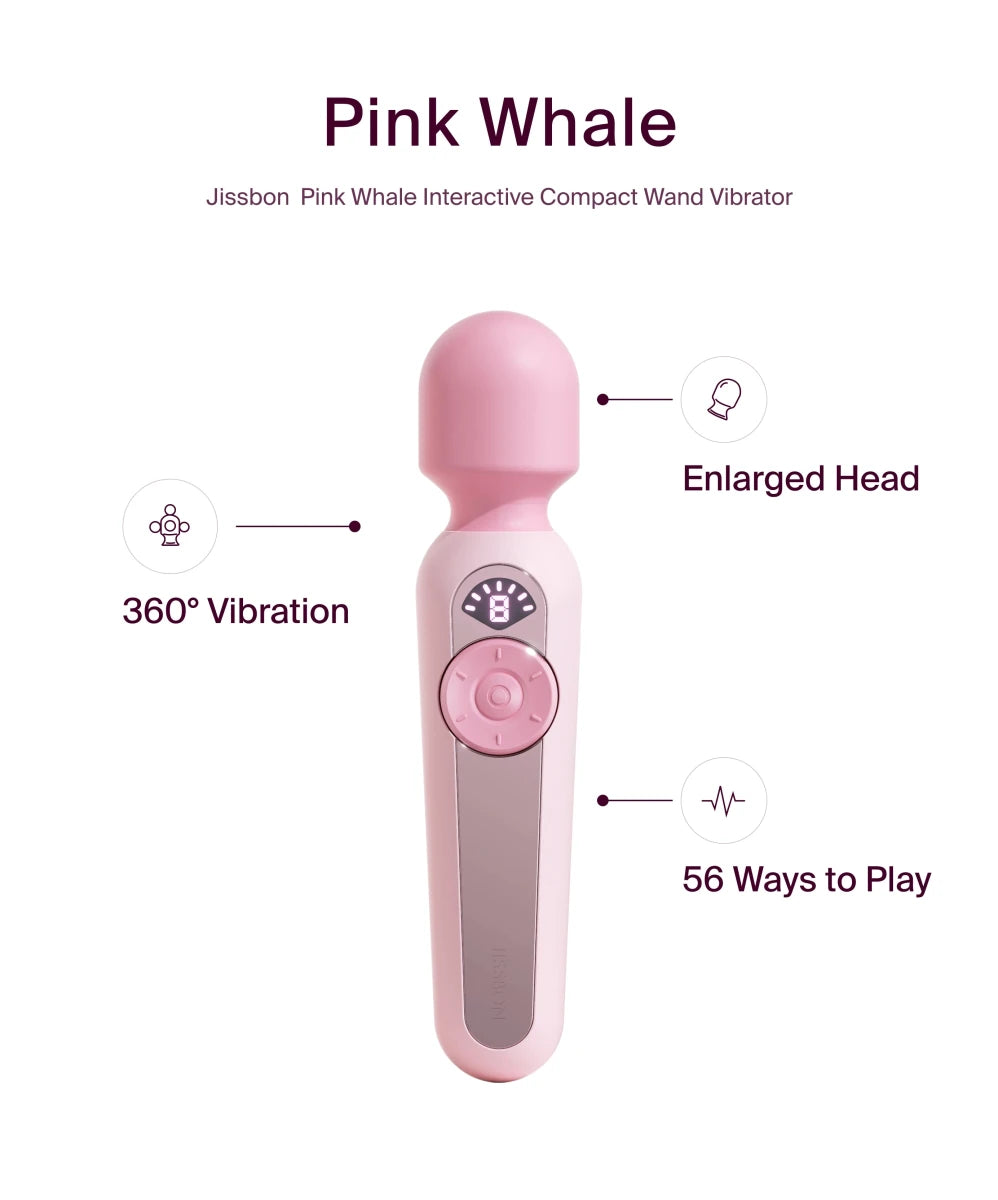
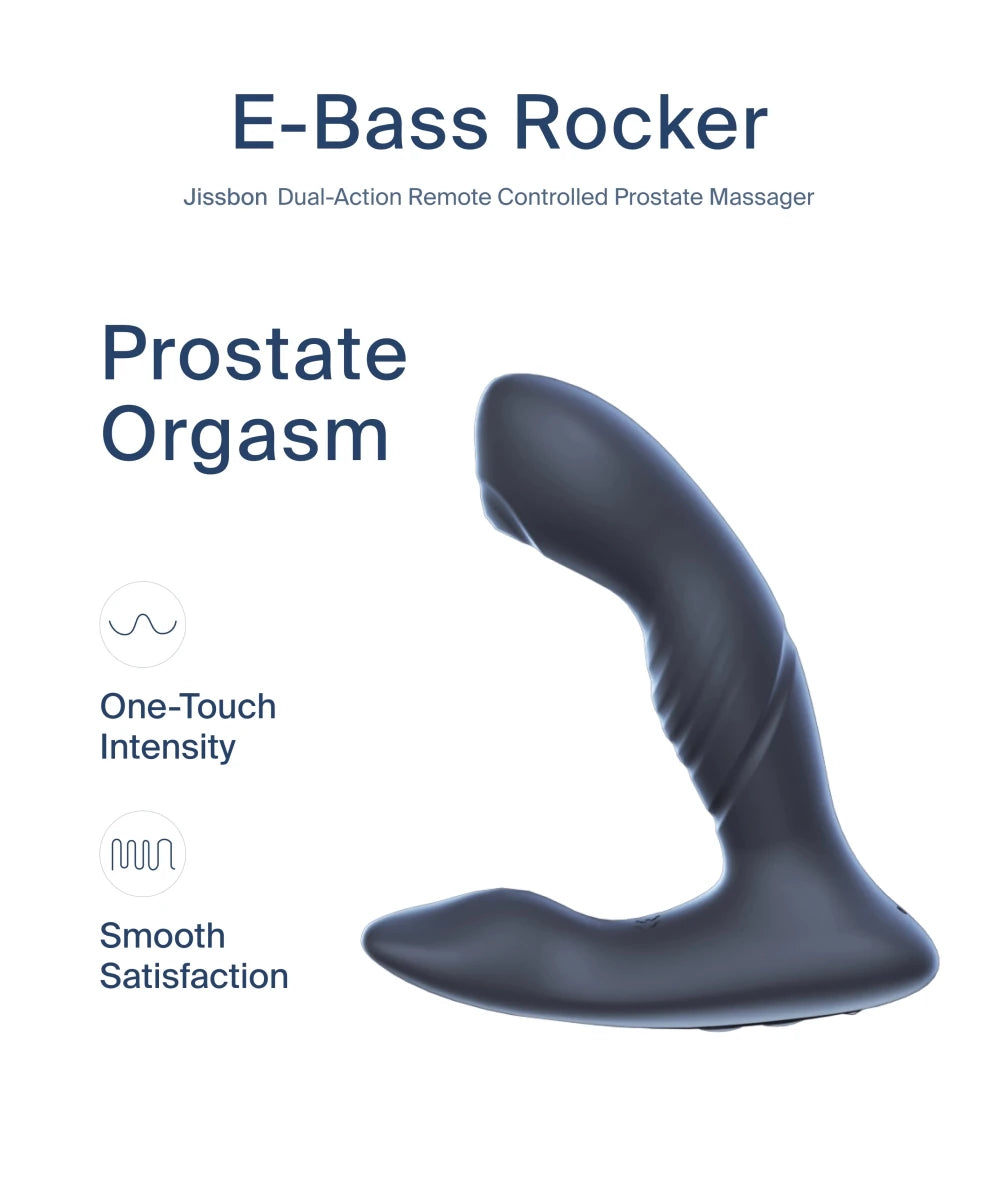
- Consider quality products from Jissbon designed for comfort and exploration
Mindfulness techniques:
- Focus on physical sensations during masturbation
- Practice deep breathing to stay present
- Notice thoughts without judgment and return to sensation
- Explore different environments and times of day
For Managing Compulsive Patterns
Trigger identification:
- Keep a journal noting when urges arise
- Identify emotional states preceding masturbation
- Notice environmental or situational triggers
- Look for patterns over time
Alternative coping strategies:
- Physical exercise for stress relief and mood regulation
- Creative outlets like art, music, or writing
- Social connection and support
- Meditation, deep breathing, or progressive muscle relaxation
- Structured activities that occupy hands and mind
Environmental changes:
- Remove easy access to pornography if that's a factor
- Create barriers to impulsive behavior (device placement, public spaces)
- Establish routines that reduce idle time
- Build accountability through trusted friends or support groups
Addressing Common Concerns About Therapy

Many people hesitate to seek help due to fears or misconceptions:
"Isn't Masturbation Healthy? Why Would I Need Therapy?"
Masturbation is indeed healthy for most people. Therapy isn't about stopping all masturbationit's about addressing specific concerns:
- Enhancing pleasure and function (wellness therapy)
- Managing compulsive patterns that cause distress (behavior therapy)
- Healing from trauma that affects sexuality
- Developing healthier relationship with your body
According to Planned Parenthood's sexual health resources, healthy sexuality includes the ability to enjoy sexual activity without shame or compulsion.
"Will Therapy Tell Me to Stop Masturbating?"
Not necessarily. Goals depend on your concerns:
For wellness therapy: The goal is usually enhancing pleasure and comfort, not stopping masturbation.
For compulsive behavior: The goal is developing healthy balance and control, not necessarily complete abstinence. Some people choose temporary abstinence as part of recovery, but others work toward moderation.
"I'm Embarrassed to Discuss This"
Sexual concerns feel intensely private, but remember:
- Therapists are trained professionals who discuss sexuality regularly
- They've heard similar concerns many times before
- Confidentiality protects your privacy
- Feeling comfortable discussing sexuality with your therapist is part of healing
If one therapist doesn't feel like the right fit, it's okay to find another.
When Therapy Might Not Be Necessary
Not every masturbation-related concern requires professional help:
You probably don't need therapy if:
- You masturbate regularly but it doesn't interfere with your life
- You feel generally comfortable with your sexual behavior
- Frequency fluctuates based on stress or life circumstances but stabilizes
- You can reduce frequency if desired without distress
- Your behavior doesn't cause relationship problems
Self-help may be sufficient for:
- Minor discomfort or experimentation with techniques
- Curiosity about enhancing pleasure
- Managing fluctuations in libido
- Exploring different types of stimulation
Quality products like male stroker toys or other wellness items can support healthy exploration without necessarily requiring professional guidance.
Frequently Asked Questions
What is masturbation therapy?
Masturbation therapy refers to two distinct approaches: (1) sex therapy that uses masturbation exercises to address sexual dysfunction, enhance pleasure, or heal from trauma, and (2) therapy for compulsive masturbation behaviors that interfere with daily life. The type you need depends on whether you're seeking wellness enhancement or addressing problematic patterns.
When should I seek therapy for masturbation?
Seek therapy if masturbation causes significant distress, interferes with work or relationships, feels compulsive and uncontrollable, stems from trauma, or if you're experiencing sexual dysfunction. If you're simply curious about enhancing pleasure without these concerns, educational resources may suffice before pursuing professional therapy.
What happens in sex therapy for masturbation?
Sex therapy typically involves talking sessions where you discuss your concerns, learn about sexual anatomy and response, and receive "homework" assignments to practice at home privately. Therapists never observe or participate in sexual activity. The focus is education, exploration guidance, and processing emotions around sexuality in a safe, professional setting.
Can therapy help with excessive masturbation?
Yes. Therapy for compulsive masturbation uses approaches like cognitive behavioral therapy (CBT) to identify triggers, develop healthier coping strategies, address underlying issues like anxiety or trauma, and create plans for managing urges. The goal is typically balance and control rather than complete abstinence, though some choose temporary abstinence during recovery.
How do I find a sex therapist for masturbation therapy?
Look for AASECT-certified sex therapists through their directory, or search Psychology Today's therapist finder filtering for sexual health specialties. Verify credentials through state licensing boards. During initial consultations, ask about their training, experience with your specific concerns, therapeutic approach, and whether they're comfortable working with your identity and situation.
Is masturbation therapy covered by insurance?
Coverage varies widely. Some insurance plans cover sex therapy under mental health benefits, while others don't. Therapy for compulsive behavior is more likely to be covered when billed under anxiety, depression, or compulsive disorder codes. Check with your insurance provider and potential therapists about coverage, fees, and whether they accept your insurance.
Final Thoughts
Masturbation therapywhether focused on sexual wellness enhancement or addressing compulsive behaviors offers professional support for improving your relationship with your sexuality and body. Understanding which type of therapy aligns with your needs helps you find appropriate resources and make informed decisions about seeking help.
If you're exploring sexual wellness independently, quality products from sex toys for men or other intimate wellness categories can support healthy, pleasurable self-exploration alongside or instead of therapy, depending on your needs.


Looking for something else?

What Is Flogging in Sex? Complete BDSM Flogging Guide
LEARN MORE
What Does Overstimulated Mean Sexually? Causes & Solutions
LEARN MORE
Can You Get a Tattoo on Your Vagina? Safety, Pain & What to Expect
LEARN MORE
Public Sex Kink: Understanding Exhibitionism & Safe Exploration
LEARN MORELooking for something else?

A-Spot Orgasm: Best Positions & How to Find It
LEARN MORE
Bondage Play: Complete Beginner's Guide to Rope BDSM
LEARN MORE
Vibrator Stories: Real Experiences, Tips & What to Expect
LEARN MOREYou may also like
20% off

20% off

20% off

20% off

20% off

20% off

Further reading

How to Clean an Automatic Blowjob Machine Without Damaging the Motor

Remote-Controlled Automatic Masturbators for Couples and Solo Play

Best Automatic Strokers for Edging and Stamina Training