



























































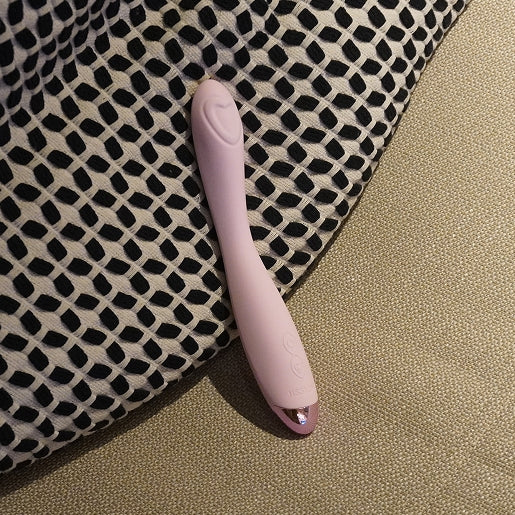

Masturbation: Techniques, Benefits & What's Normal
Stack & Save: Extra 15% with Jissbon15
Jissbon15
Masturbation the act of sexually stimulating yourself for pleasure is one of the most common and healthy sexual behaviors across all ages, genders, and relationship statuses. Despite its prevalence, many people still have questions about how to masturbate, whether their habits are normal, and what techniques work best.
This guide covers masturbation basics, proven techniques for all genders, health benefits, common myths, and how to explore solo pleasure safely and confidently.
Who Benefits from Understanding Masturbation
Accurate information about masturbating helps various people:
- First-time explorers wanting guidance on safe, pleasurable techniques
- Anyone experiencing changes in sexual response due to age, hormones, or health conditions
- People with partners looking to understand how solo and partnered sex complement each other
- Individuals exploring sex toys to enhance solo experiences
- Those feeling shame or guilt who need evidence-based reassurance about normality
- Anyone seeking stress relief or better sleep through healthy sexual expression
Whether you're new to masturbation or refining your technique, understanding the basics supports sexual wellness and confidence.
What Is Masturbation and Why Do People Do It?

Masturbation is self-stimulation of the genitals or other erogenous zones for sexual pleasure, often leading to orgasm. It's a natural behavior observed across cultures, age groups, and species.
Common Reasons People Masturbate
- Pleasure and stress relief: Releases endorphins and dopamine that improve mood and reduce anxiety
- Sexual exploration: Helps you learn what feels good before partnered experiences
- Sleep improvement: Orgasm releases oxytocin and prolactin, which promote relaxation and sleep
- Tension release: Provides outlet for sexual energy when partnered sex isn't available or desired
- Body awareness: Builds understanding of your own anatomy and sexual response
- Hormone balance: Regular orgasms support healthy testosterone levels and menstrual cycle regulation
For scientific background on masturbation and health, educational resources provide comprehensive biological and psychological context.
Is Masturbating Normal? Statistics and Cultural Attitudes
Yes, masturbation is extremely normal across demographics. Global surveys consistently show that the majority of adults masturbate at some point in their lives.
Prevalence by Gender
- Men: Studies indicate 90–95% of men have masturbated, with many doing so regularly throughout adulthood
- Women: Research shows 70–85% of women masturbate, though frequency varies more widely than for men
- Non-binary individuals: Limited data exists, but available research suggests similar prevalence to cisgender populations
Frequency Patterns
There's no "normal" frequencyhealthy ranges span from never to multiple times daily. Most adults fall somewhere between a few times per month to several times per week. Frequency changes with age, stress levels, relationship status, and health.
Cultural Shifts
Attitudes toward masturbation have evolved significantly. While religious or cultural taboos persist in some communities, mainstream acceptance has grown. Open discussions in media, sex education, and healthcare contexts help normalize what was once considered shameful.
Health Benefits of Masturbation

Regular masturbation supports physical and mental wellness when practiced mindfully.
Physical Health Benefits
- Prostate health: Studies suggest regular ejaculation (21+ times monthly) may reduce prostate cancer risk in men
- Pelvic floor strength: Orgasms engage and exercise pelvic floor muscles, supporting bladder control and sexual function
- Pain relief: Endorphin release during orgasm temporarily reduces headaches, menstrual cramps, and muscle tension
- Immune support: Some research indicates orgasm boosts immune function markers
- Cardiovascular benefits: Increased heart rate during arousal provides mild cardiovascular exercise
Mental Health Benefits
- Stress reduction: Lowers cortisol levels and provides mental break from daily pressures
- Improved mood: Dopamine, oxytocin, and endorphin release creates feelings of well-being
- Better sleep: Post-orgasm hormone cascade promotes relaxation and sleep onset
- Body confidence: Positive solo experiences improve body image and sexual self-esteem
- Anxiety management: Provides healthy coping mechanism during stressful periods
Sexual Function Benefits
- Enhanced arousal: Regular practice maintains nerve sensitivity and blood flow to genitals
- Better partnered sex: Understanding your own pleasure improves communication and satisfaction with partners
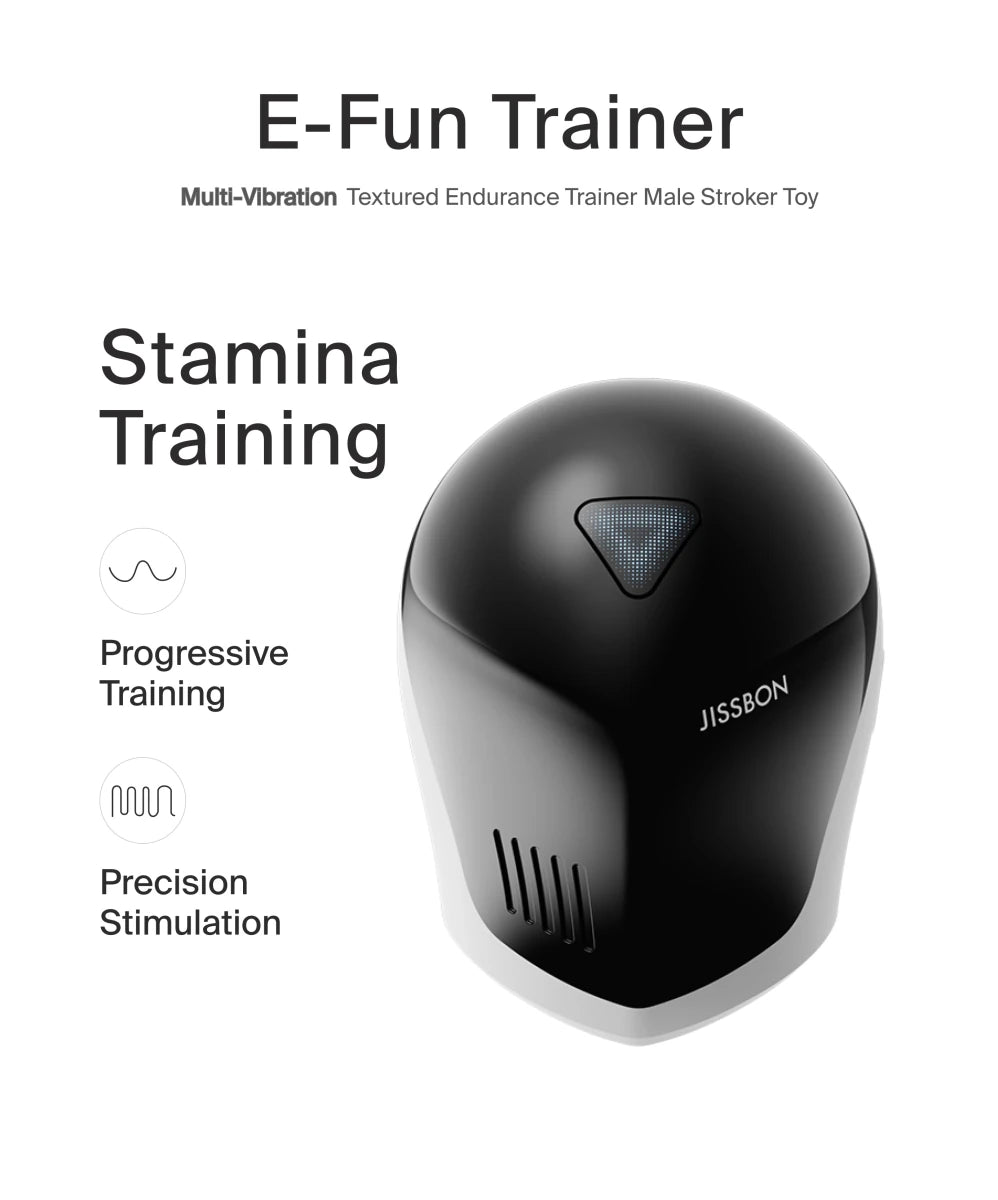
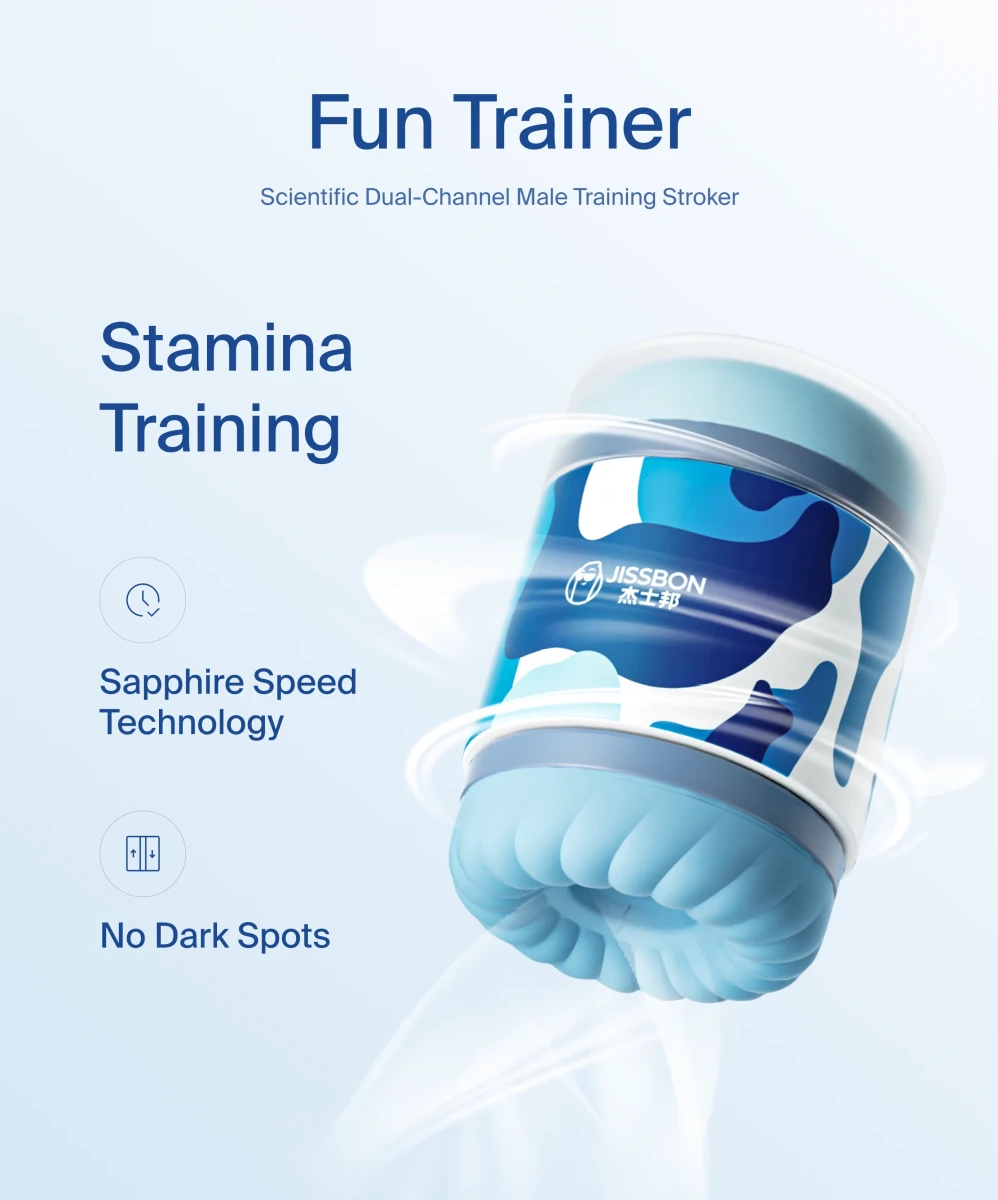
- Stamina training: Men can practice ejaculatory control; women can strengthen pelvic floor response
- Libido maintenance: Regular sexual activity (solo or partnered) supports ongoing desire
For medical perspectives on masturbation benefits, healthcare professionals provide evidence-based guidance.
How to Masturbate: Techniques for All Genders
Effective masturbation focuses on exploration, comfort, and pleasure rather than performance.
General Guidelines for Everyone
- Create Privacy: Ensure uninterrupted time in a comfortable, private space
- Start Relaxed: Take a warm bath, dim lights, or play calming music to reduce tension
- Use Lubrication: Water-based lube reduces friction and enhances sensation for all genital types
- Explore Slowly: Touch various body parts (neck, chest, thighs) before focusing on genitals
- Vary Stimulation: Alternate between pressure, speed, and rhythm to build arousal
- Focus on Sensation: Pay attention to what feels good rather than rushing toward orgasm
Techniques for People with Penises
- Standard stroking: Grip shaft with hand and move up and down, varying speed and pressure
- Frenulum focus: Concentrate stimulation on the underside of the glans (head) where the frenulum is located
- Two-handed technique: Use one hand at the base and one at the head for varied sensation
- Edging: Build arousal close to orgasm, then pause; repeat several times before finishing
- Perineum pressure: Apply pressure between scrotum and anus during stimulation for prostate sensation
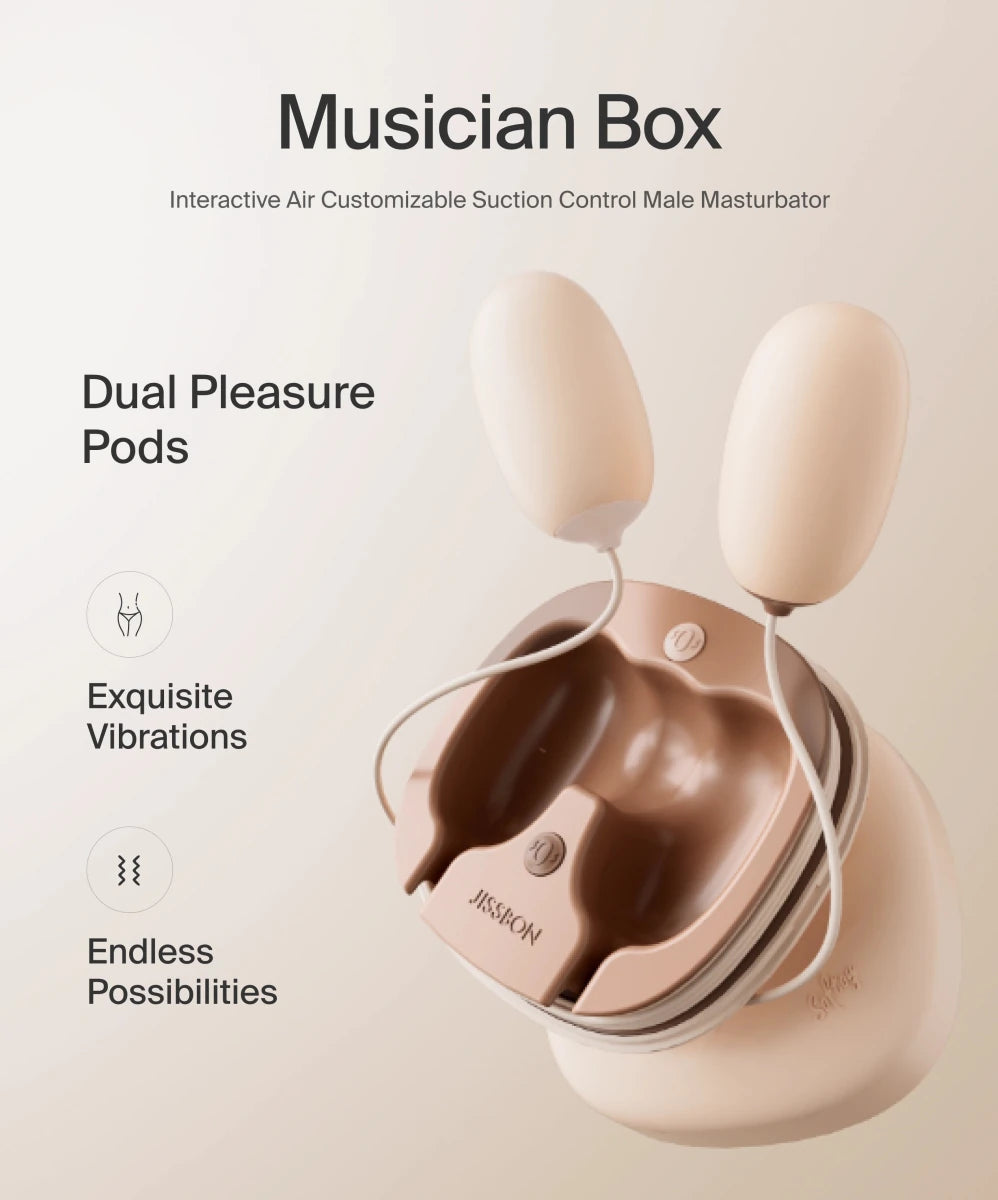
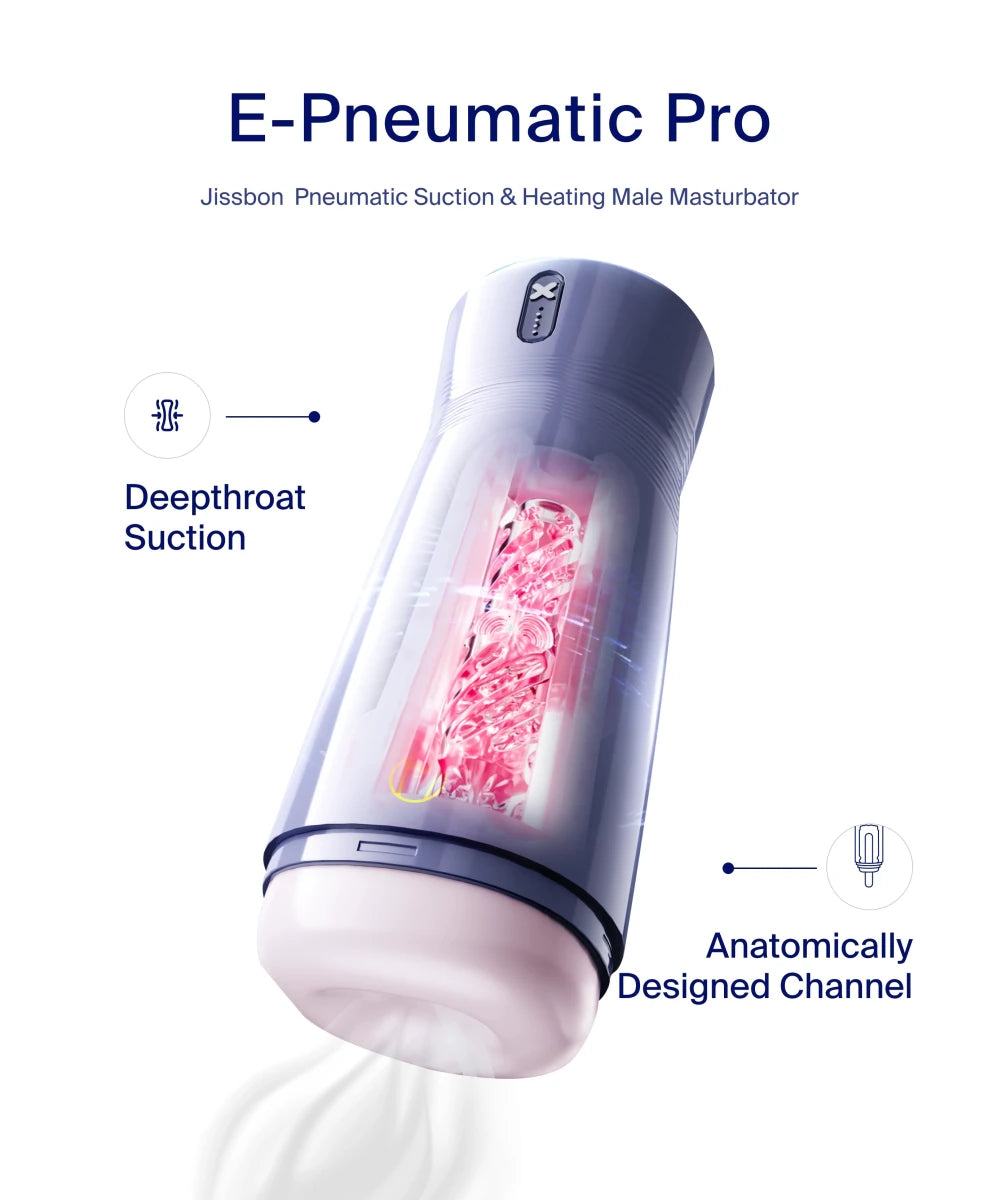
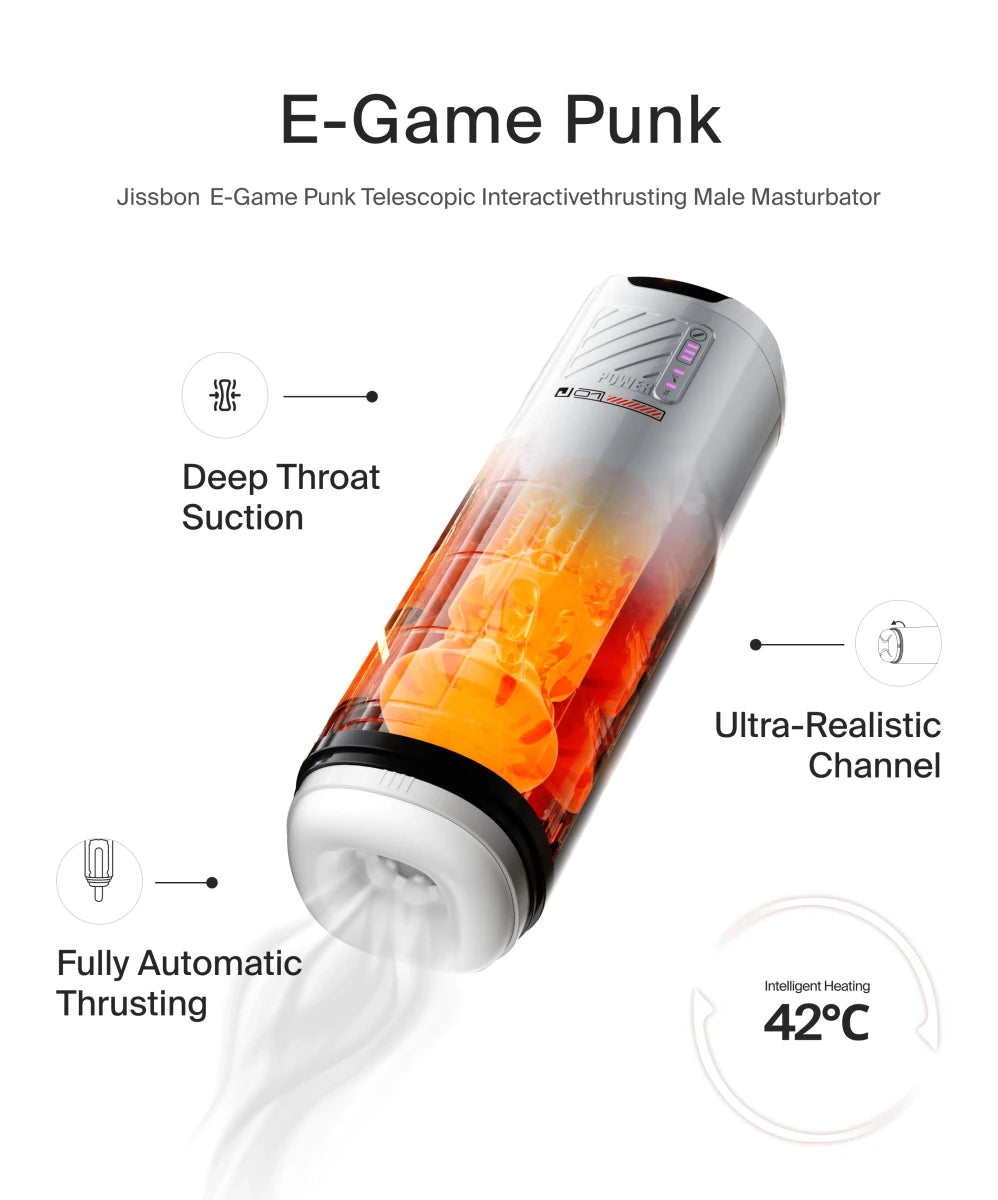
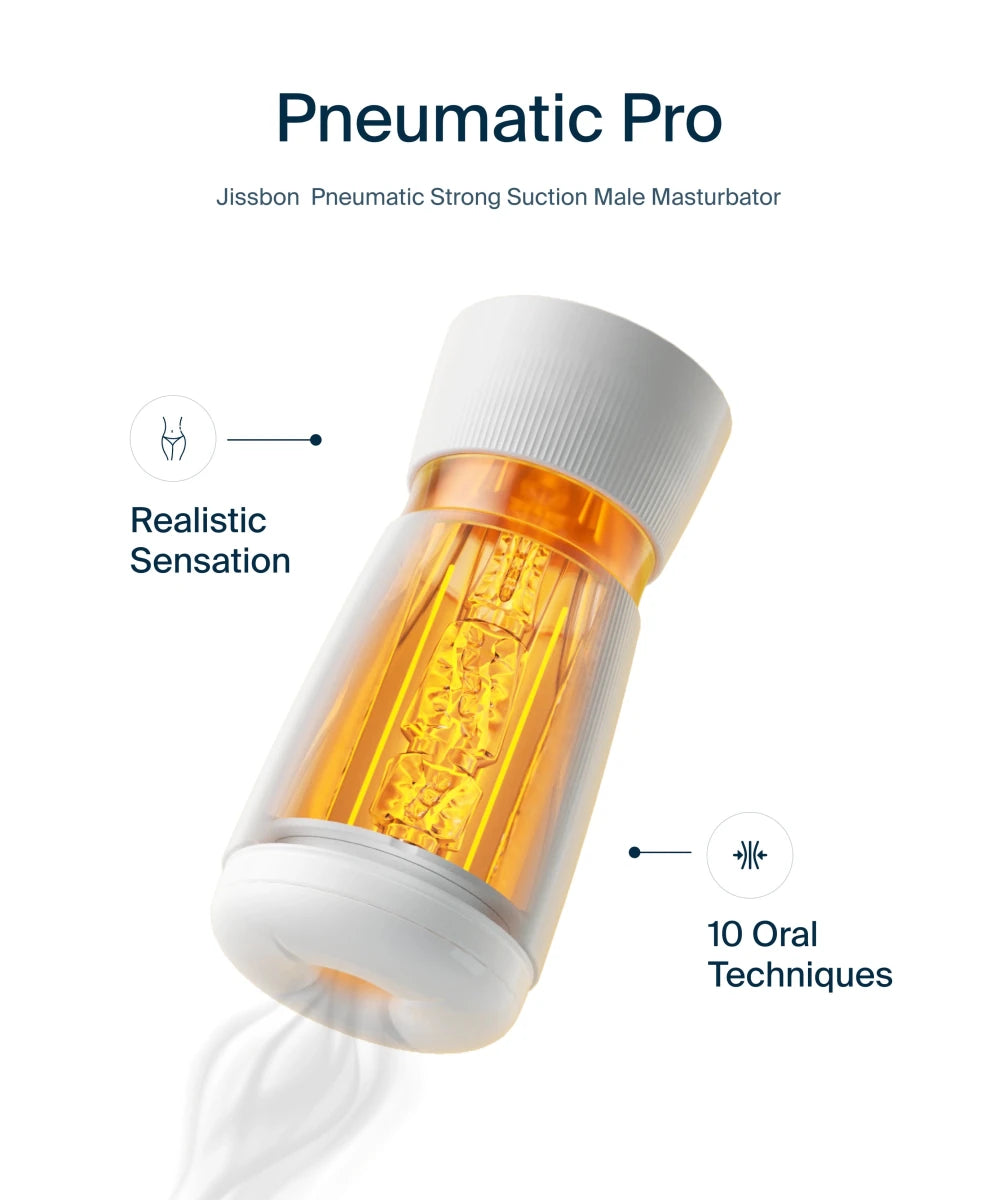
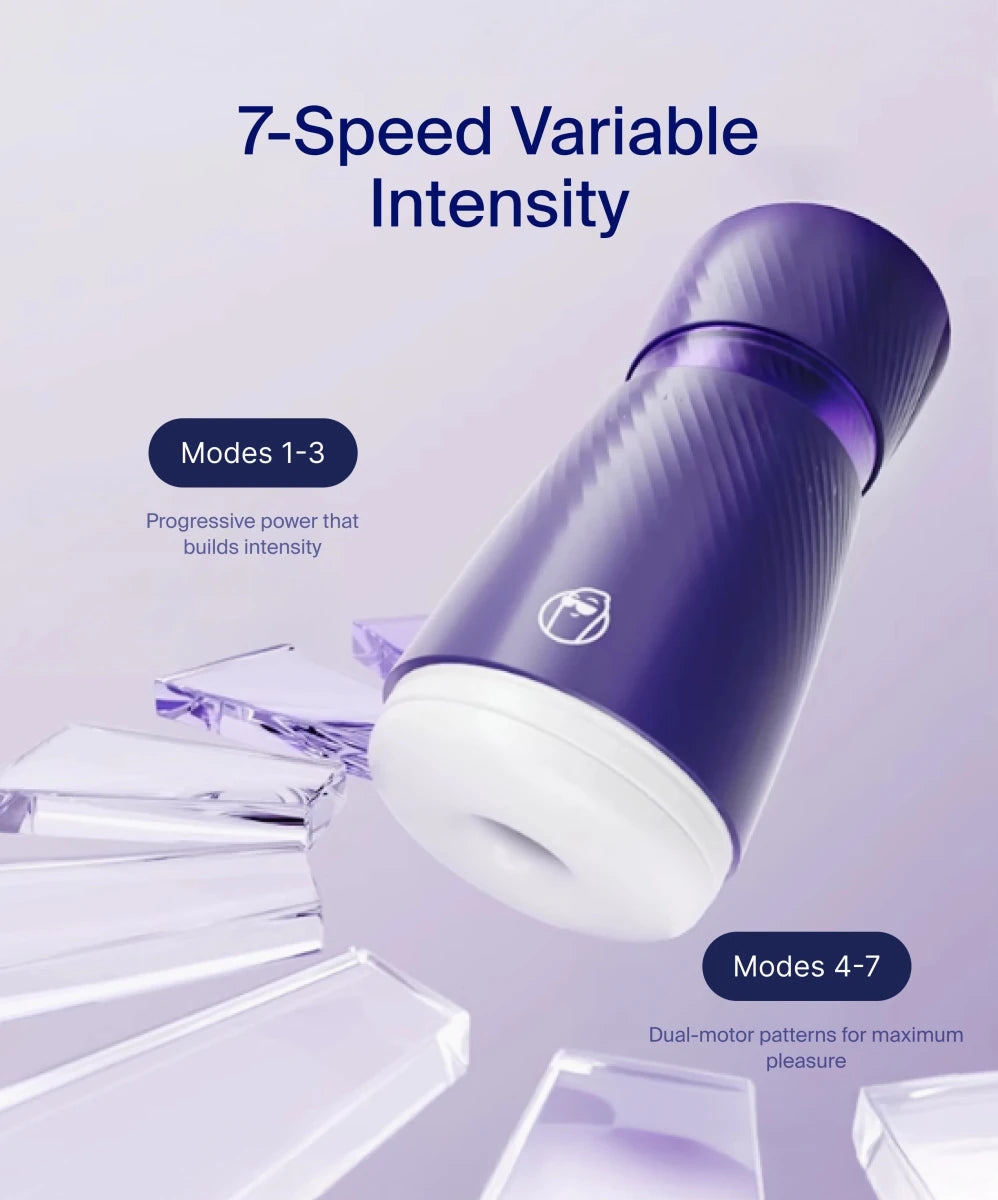
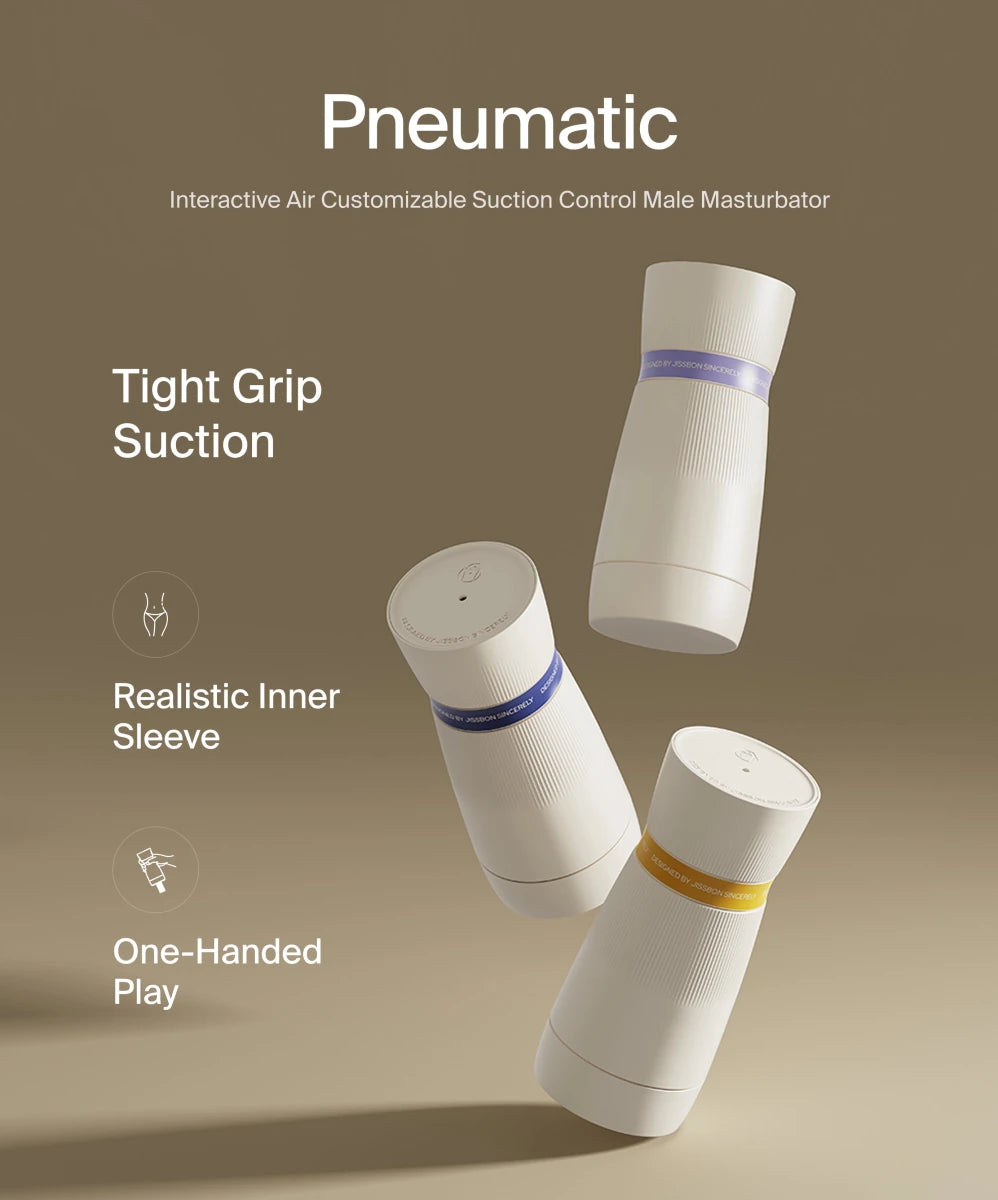
- Male masturbators: Use textured sleeves or strokers for varied sensation
Techniques for People with Vulvas
- Clitoral stimulation: Use fingers or palm to rub, circle, or tap the clitoral hood and glans
- G-spot exploration: Insert one or two fingers (palm up) and curl toward the front vaginal wall
- Combination stimulation: Stimulate clitoris and G-spot simultaneously for blended orgasm
- External-only: Many people prefer clitoral stimulation without penetration
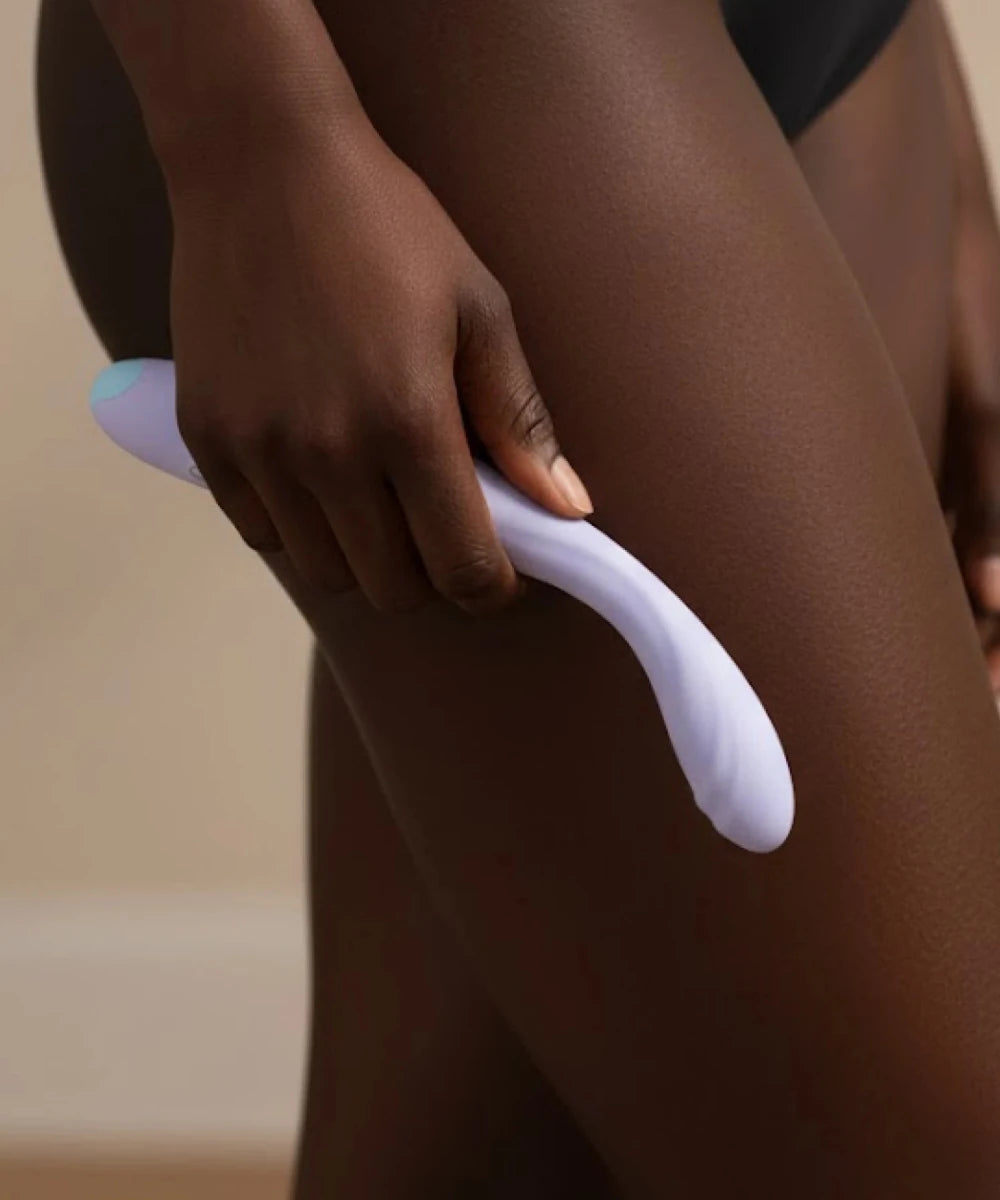
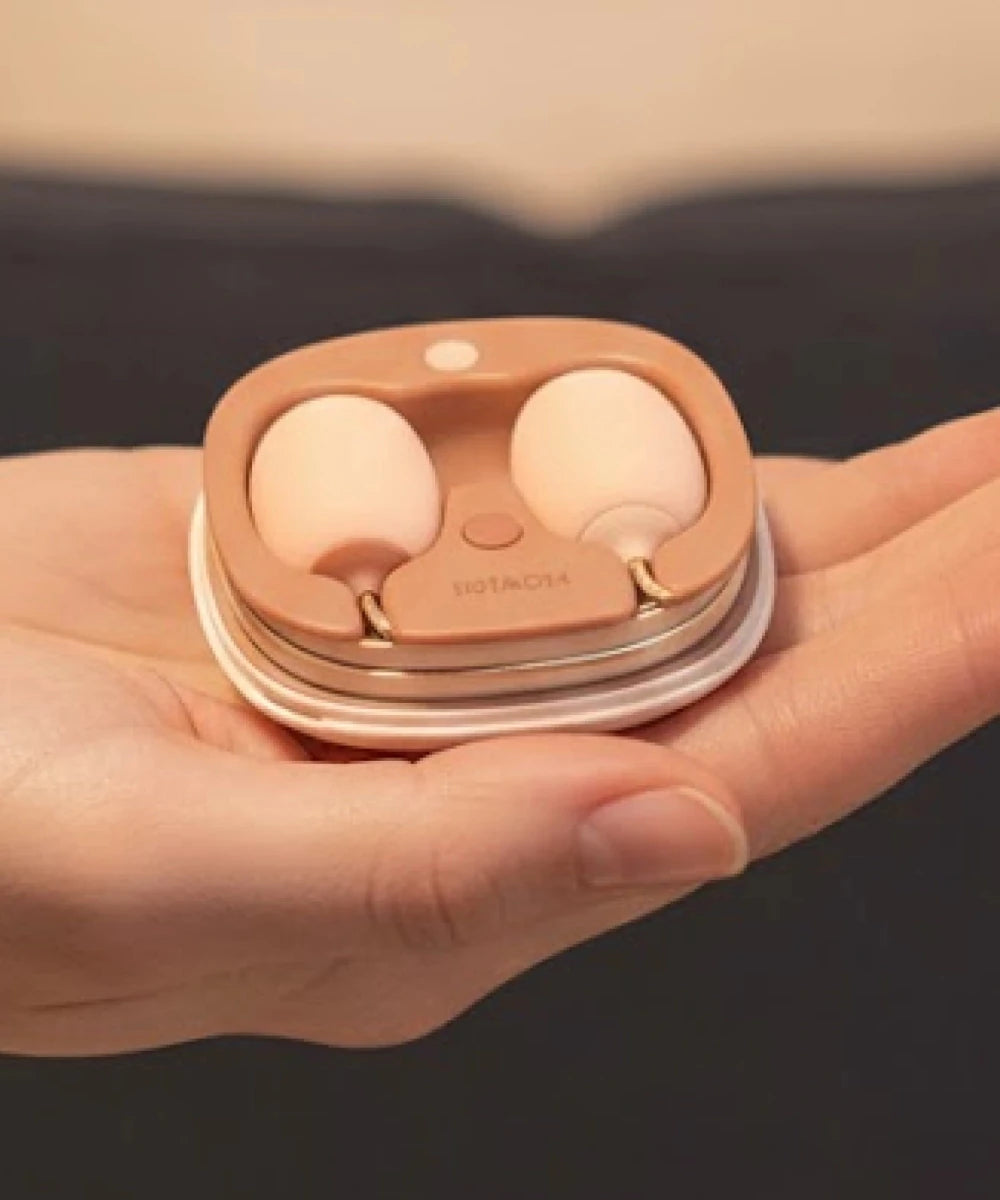
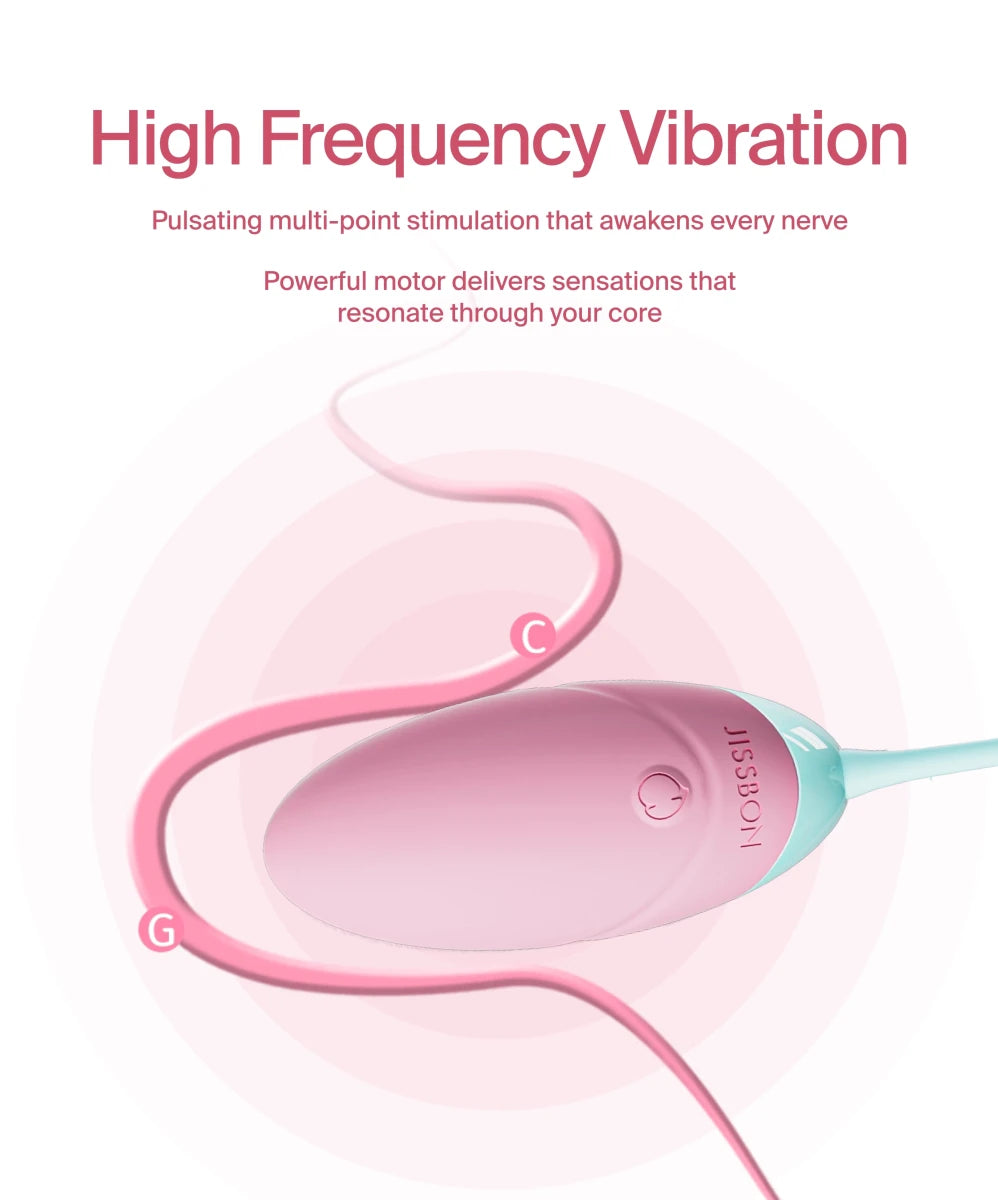
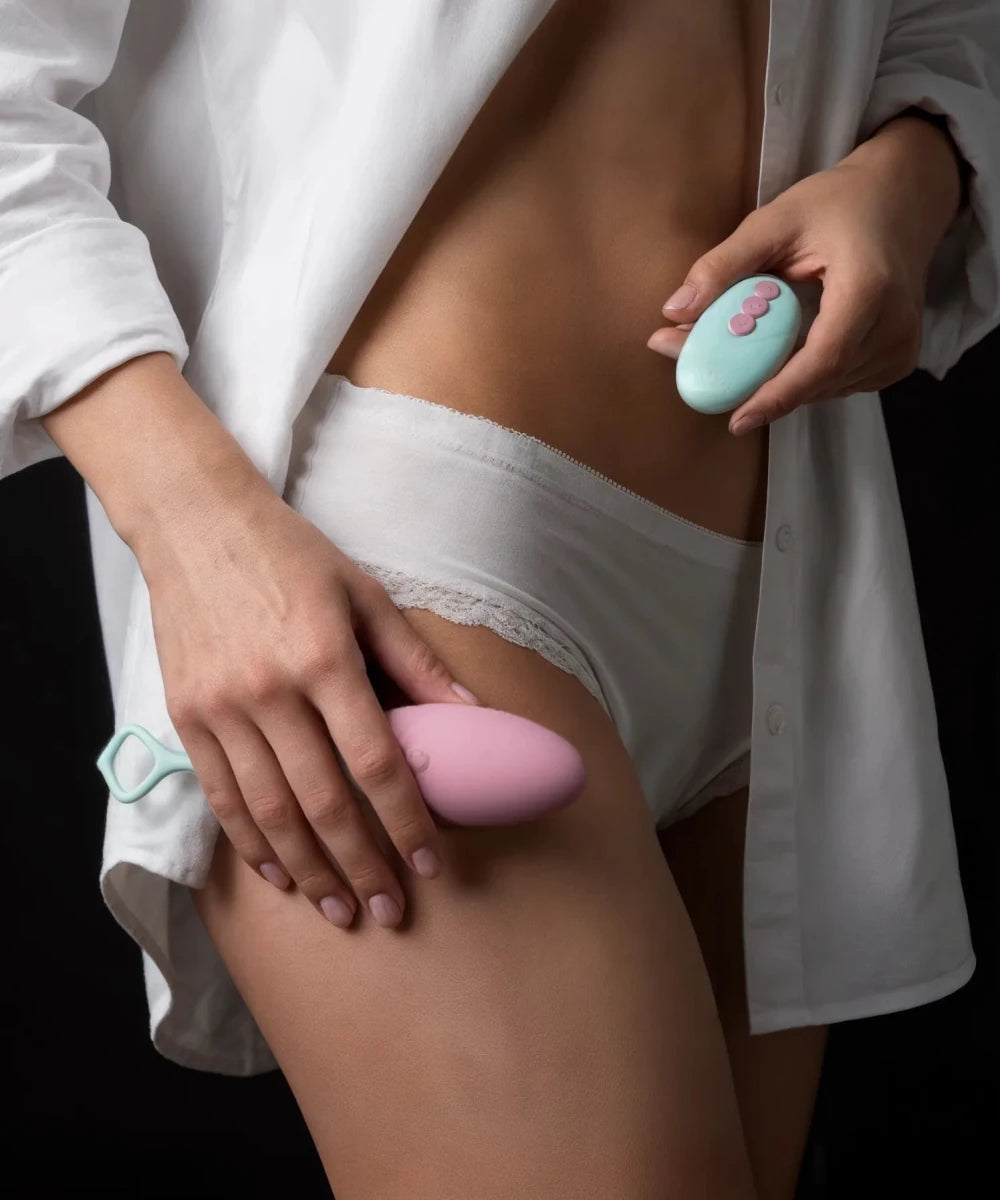
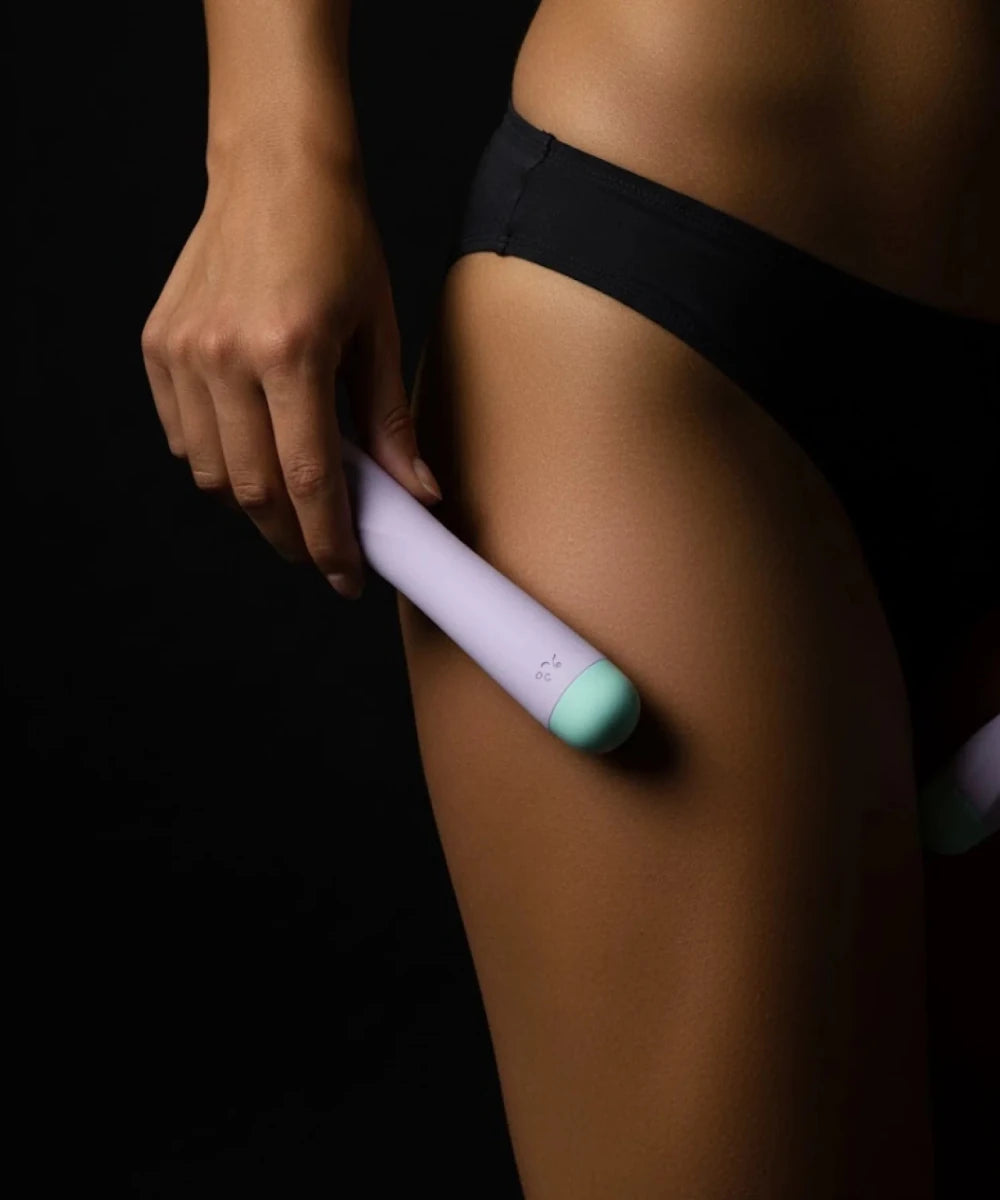
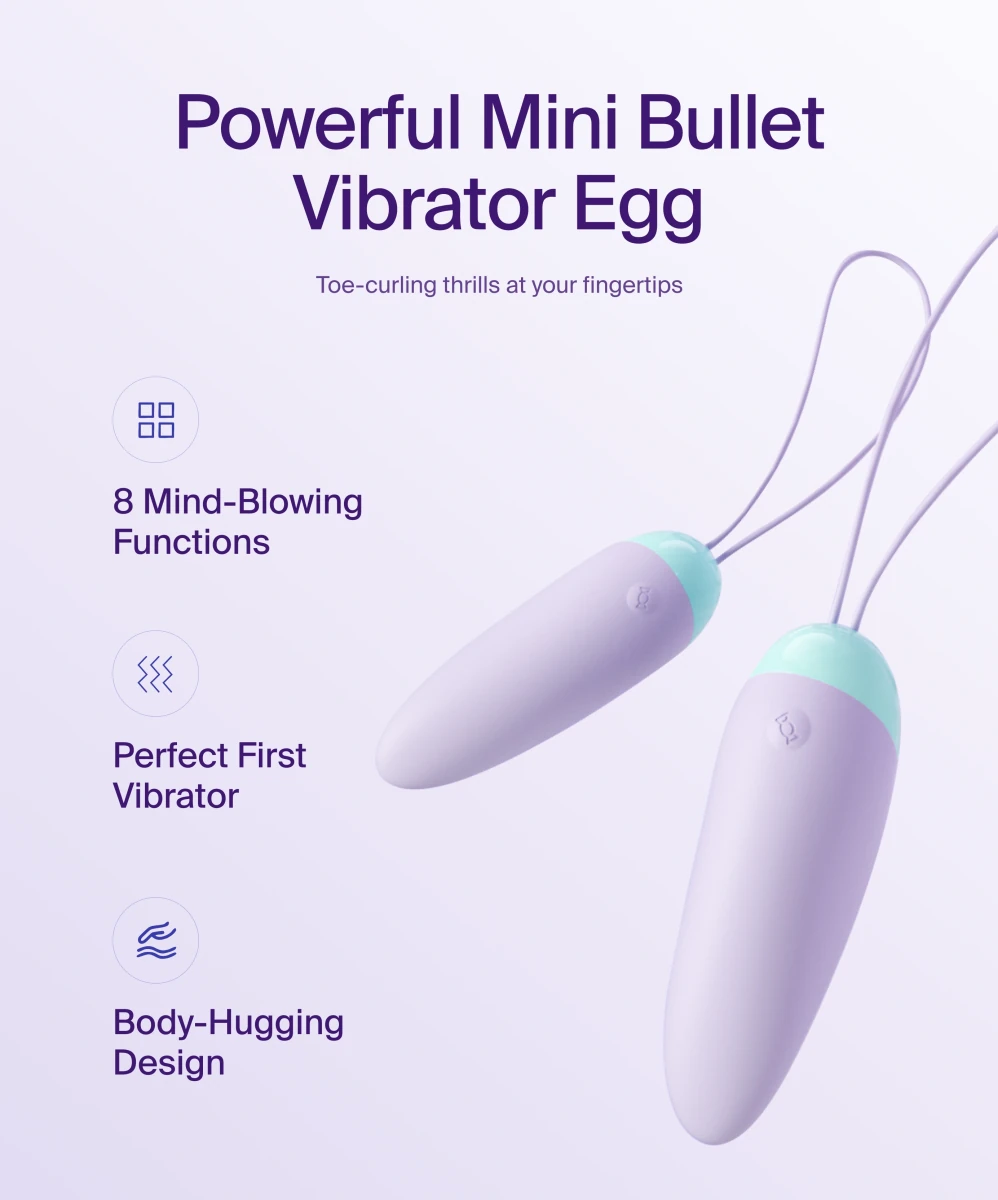
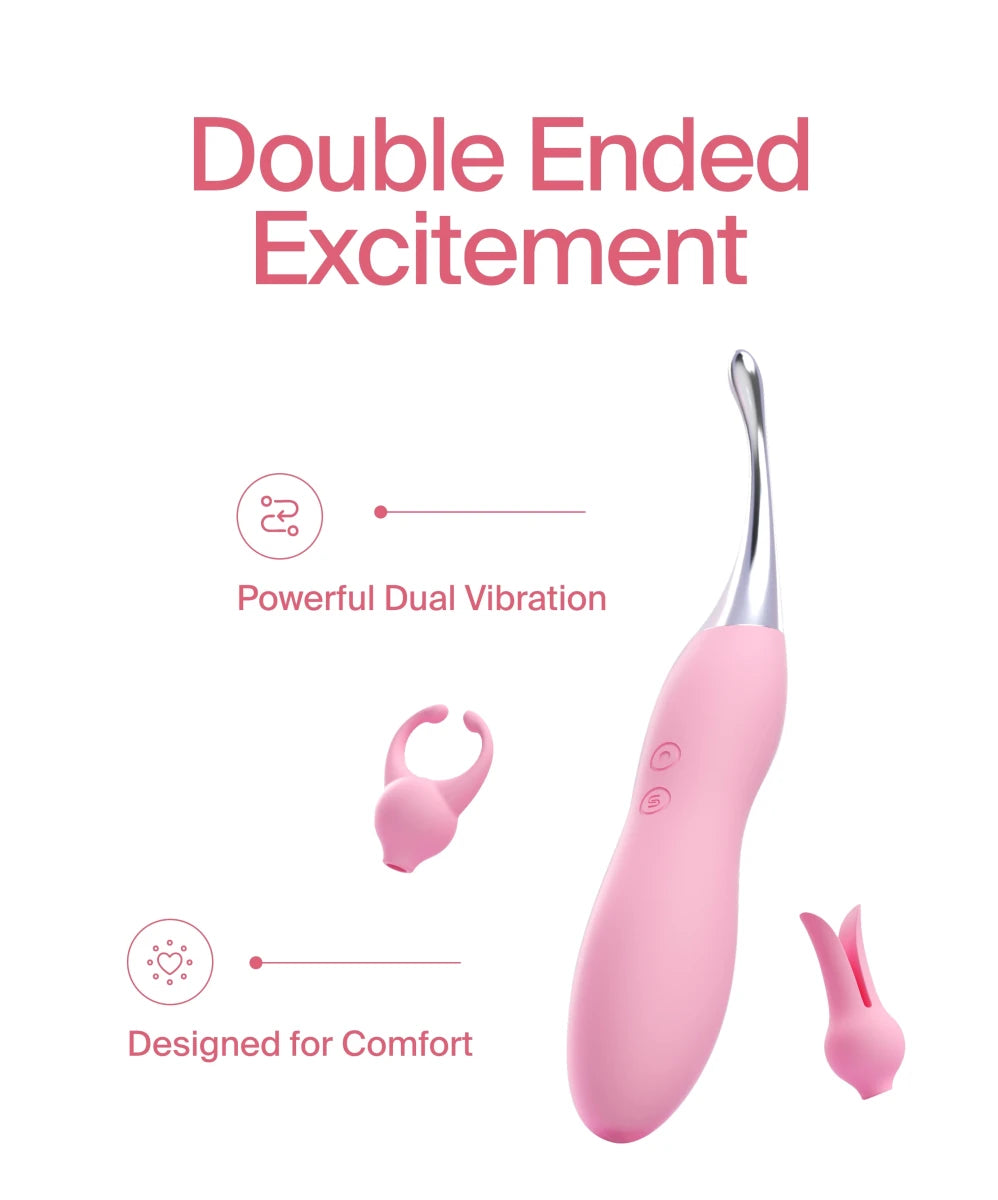
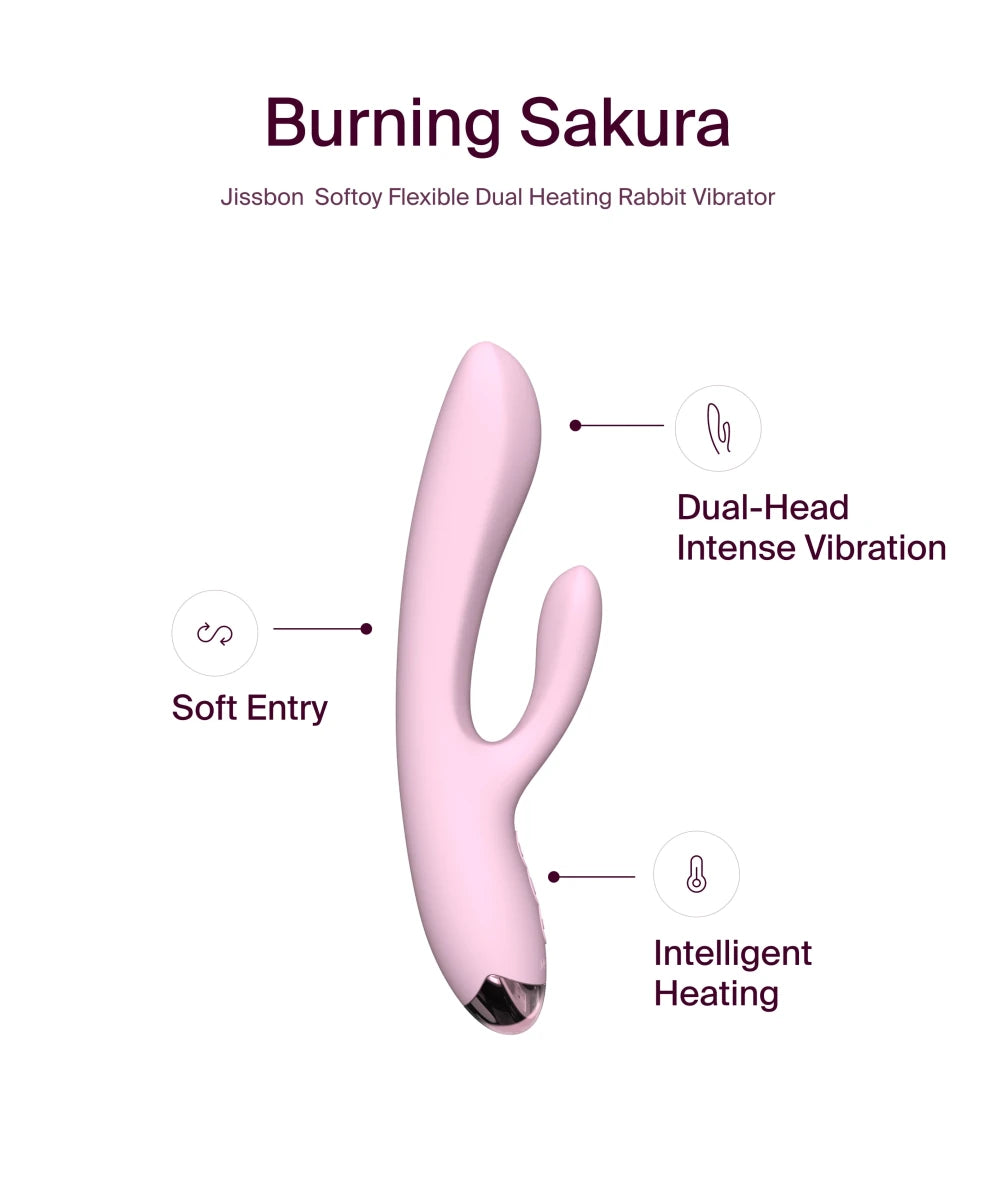
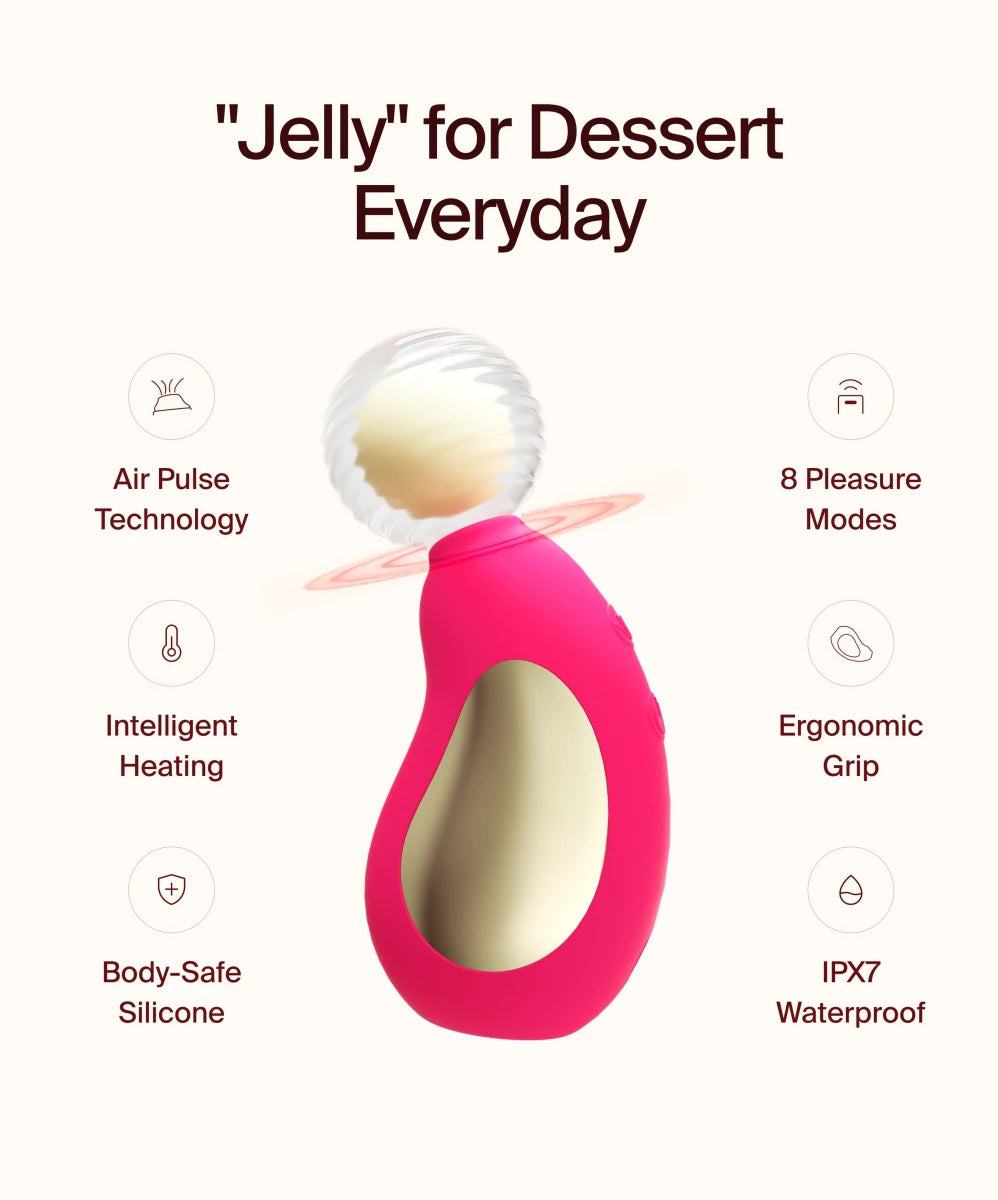
- Vibrator use: Bullet vibes, wands, or clitoral vibrators offer consistent, adjustable stimulation
- Thigh pressure: Squeeze thighs together while lying on stomach for indirect clitoral stimulation
Full-Body Techniques
- Nipple stimulation: Pinch, rub, or use vibrators on nipplessensitivity varies individually
- Inner thigh massage: Build arousal through touch near but not directly on genitals
- Breath work: Coordinate breathing with touch to intensify sensations
- Fantasy engagement: Use mental imagery, memory, or erotica to enhance arousal
Common Masturbation Myths Debunked
Misconceptions about masturbating persist despite scientific evidence. Here's the truth:
Myth 1: Masturbation Causes Health Problems
Reality: Masturbation does not cause blindness, infertility, erectile dysfunction, acne, or any other health issues. These myths originated from Victorian-era shame campaigns and have zero scientific basis.
Myth 2: Only Single People Masturbate
Reality: Masturbation remains common in committed relationships. Solo and partnered sex serve different purposes and complement each other rather than competing.
Myth 3: Masturbating Too Much Is Harmful
Reality: There's no medically defined "too much" unless it interferes with daily life, causes physical injury, or replaces all other activities. Frequency alone isn't problematiccontext matters.
Myth 4: You Can Run Out of Orgasms
Reality: The body continuously produces sperm and sexual fluids. Frequent orgasms don't "deplete" you or reduce pleasure over time.
Myth 5: Masturbation Means You're Unsatisfied with Your Partner
Reality: Solo play is about self-care, not relationship dissatisfaction. Many people in happy relationships maintain regular masturbation habits.
When to Use Toys and Tools for Masturbation

Sex toys enhance sensation, provide variety, and make certain techniques easier.
Benefits of Using Toys
- Consistent stimulation: Vibrators deliver steady intensity hands can't match
- Reduced hand fatigue: Toys do the work, letting you relax and enjoy
- New sensations: Textures, vibration patterns, and shapes create experiences impossible manually
- Accessibility: People with limited hand mobility find toys easier to use
- Partnered integration: Many toys designed for solo use also work during partnered sex
Choosing Your First Toy
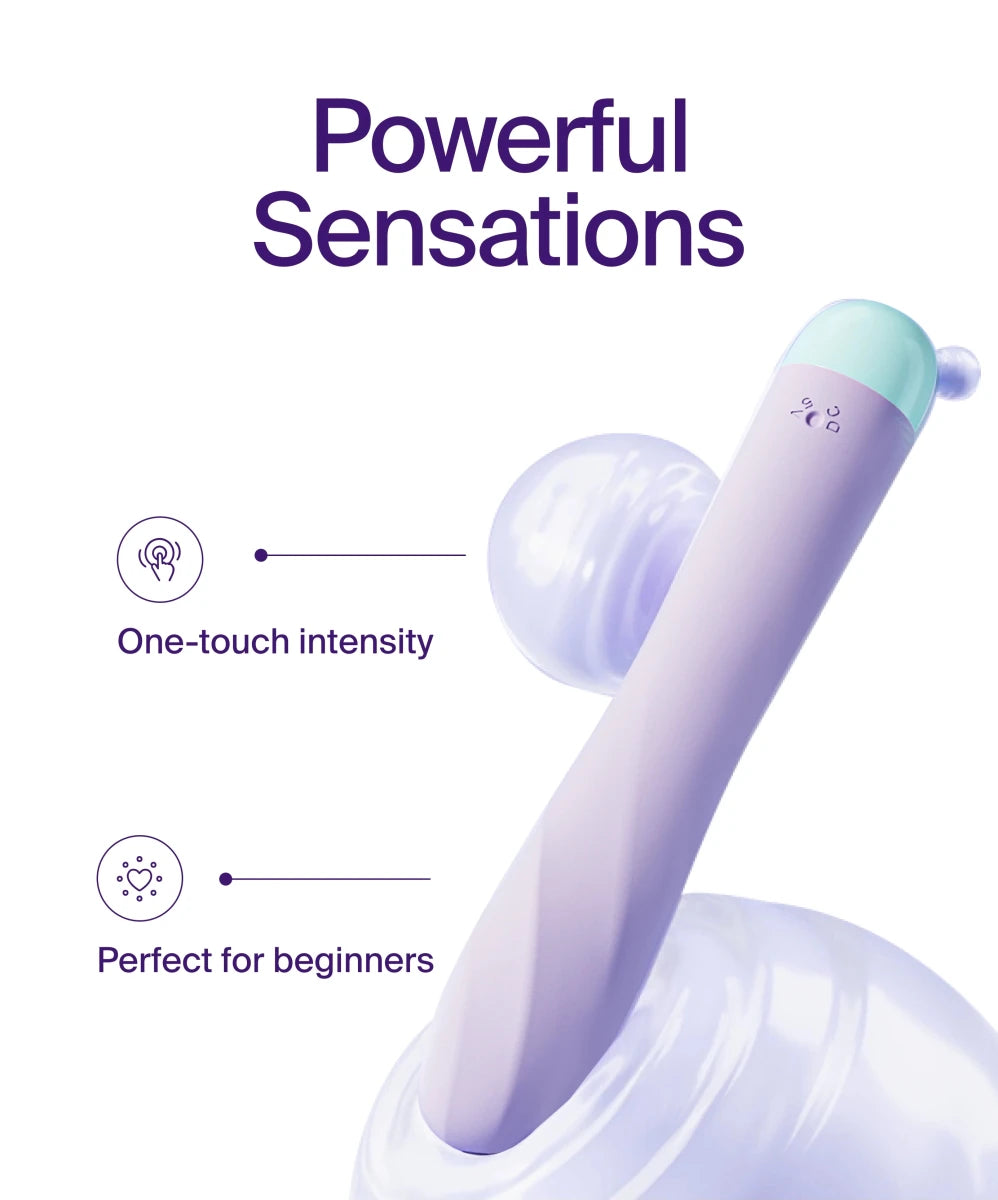
Start with versatile, beginner-friendly options:
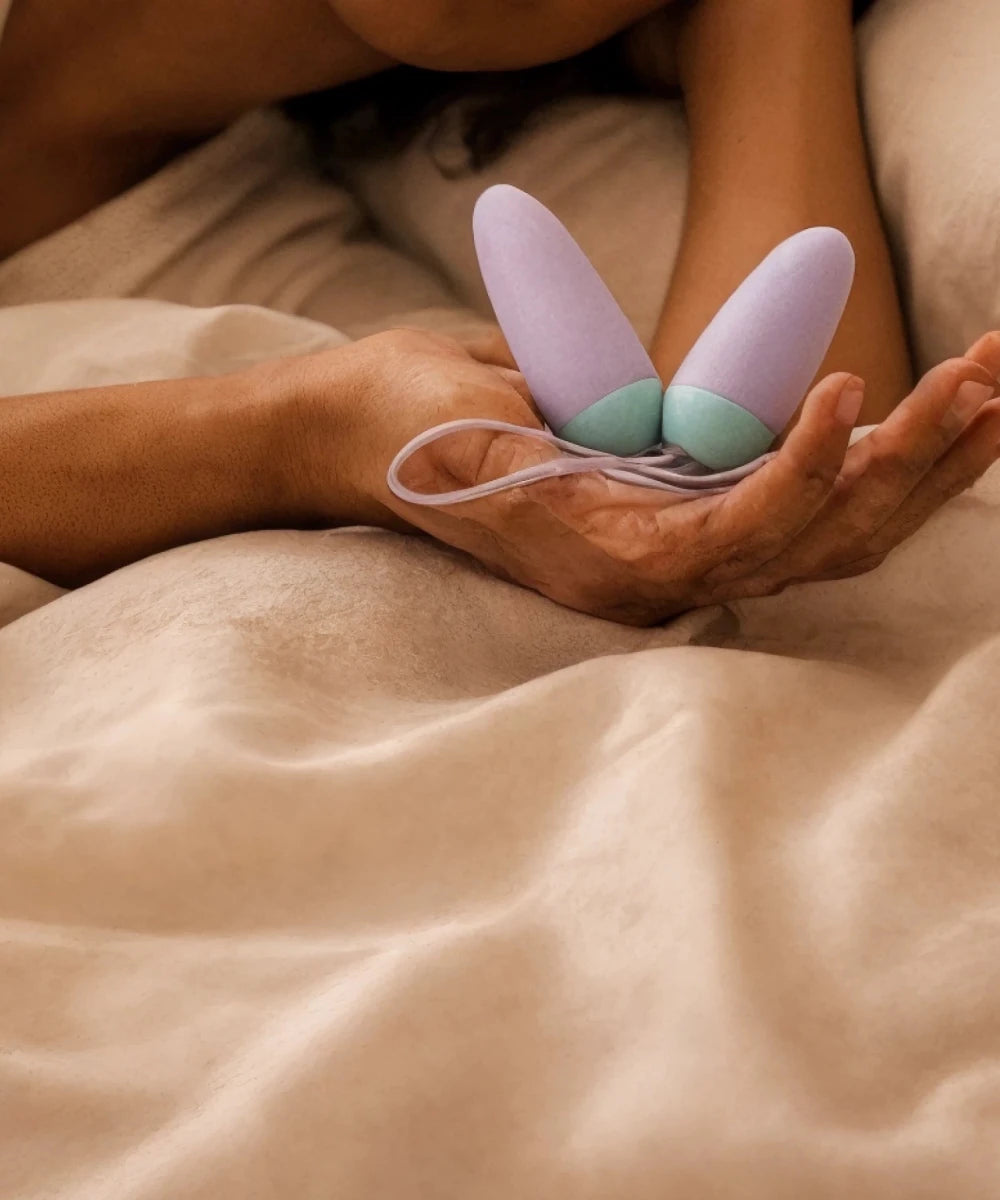
- Bullet vibrator: Small, discreet, easy to control, works on any external area
- Basic stroker sleeve: Soft, textured interior enhances manual stroking
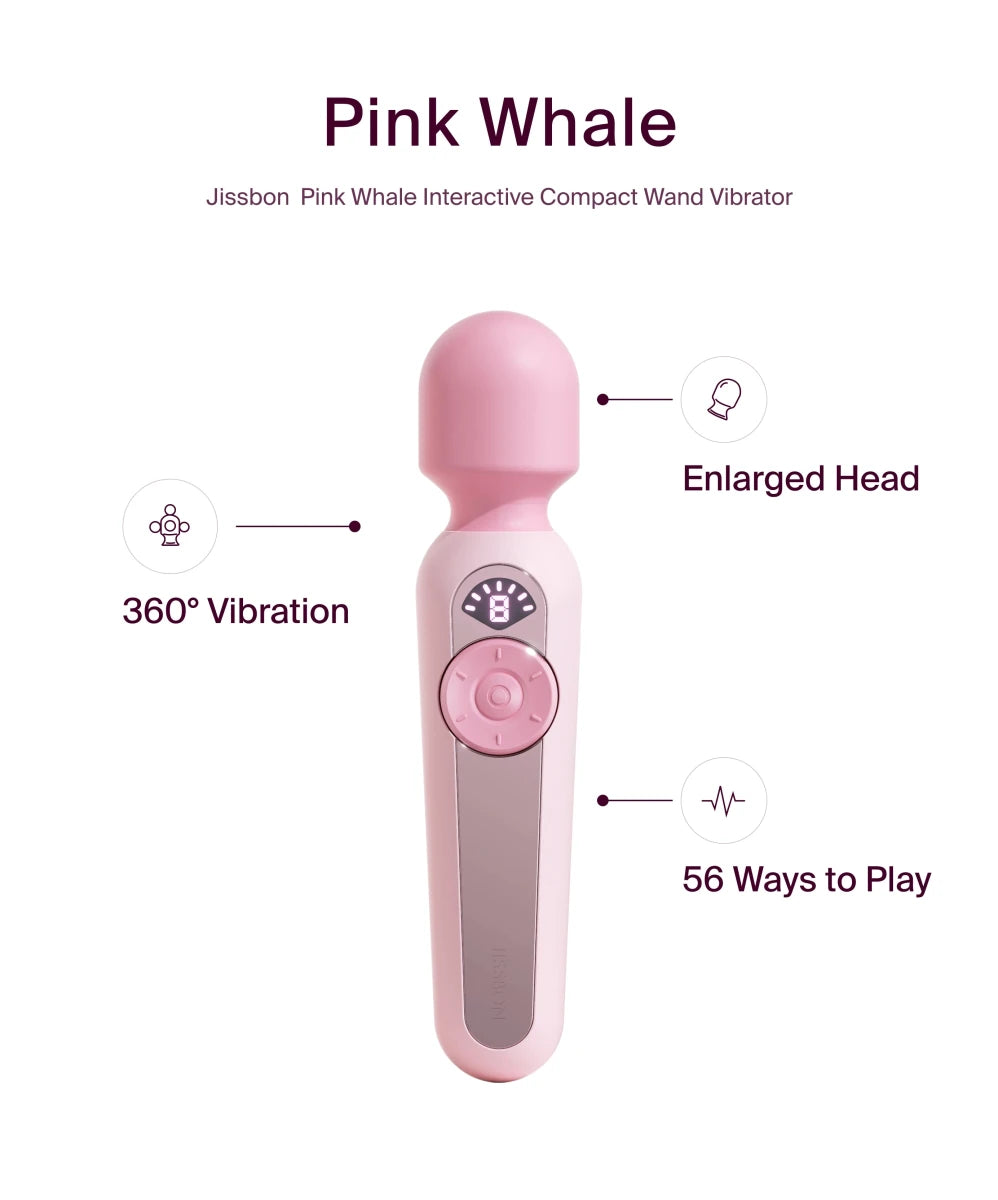
- Simple wand: Broad stimulation head works for external massage on any body
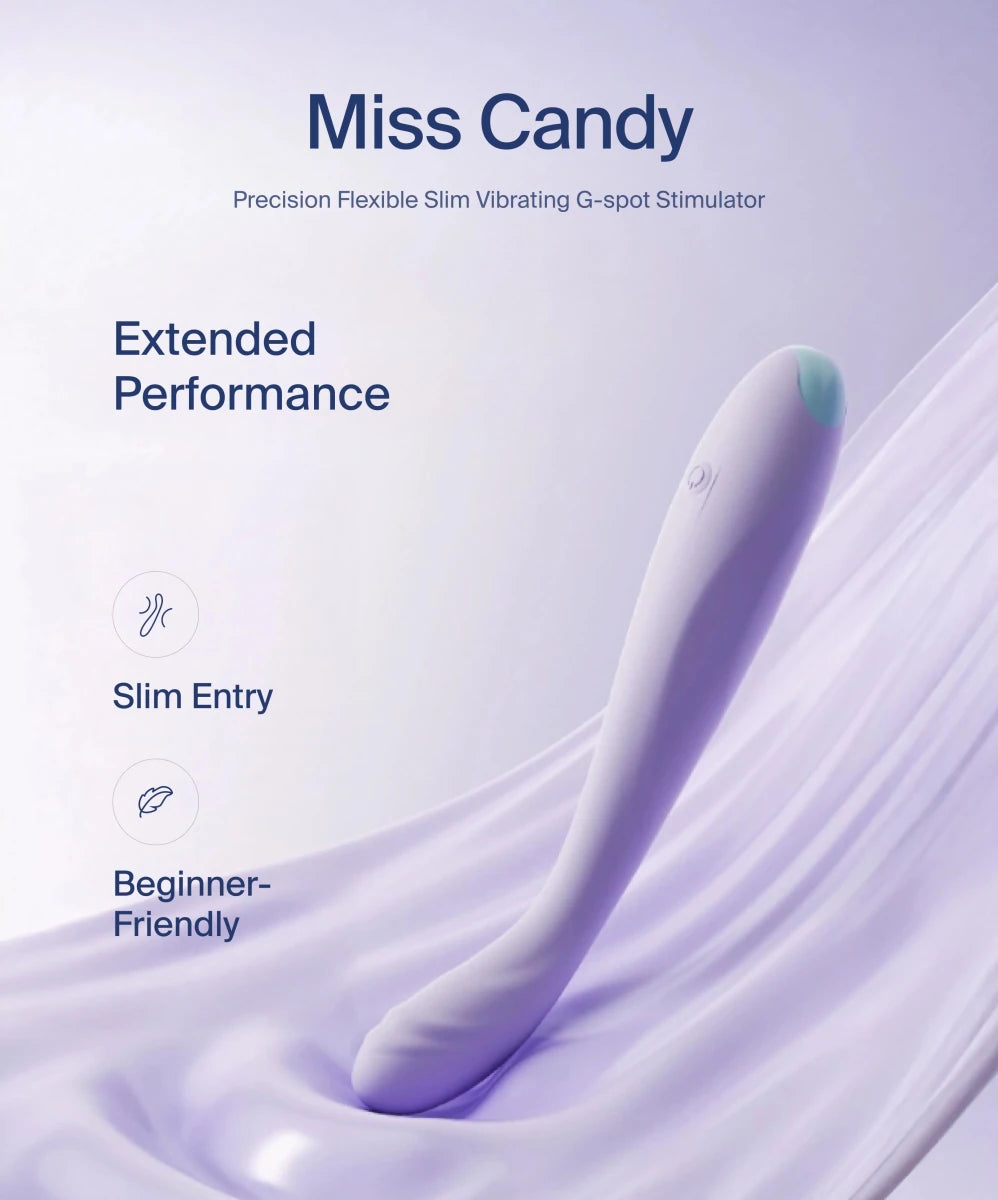
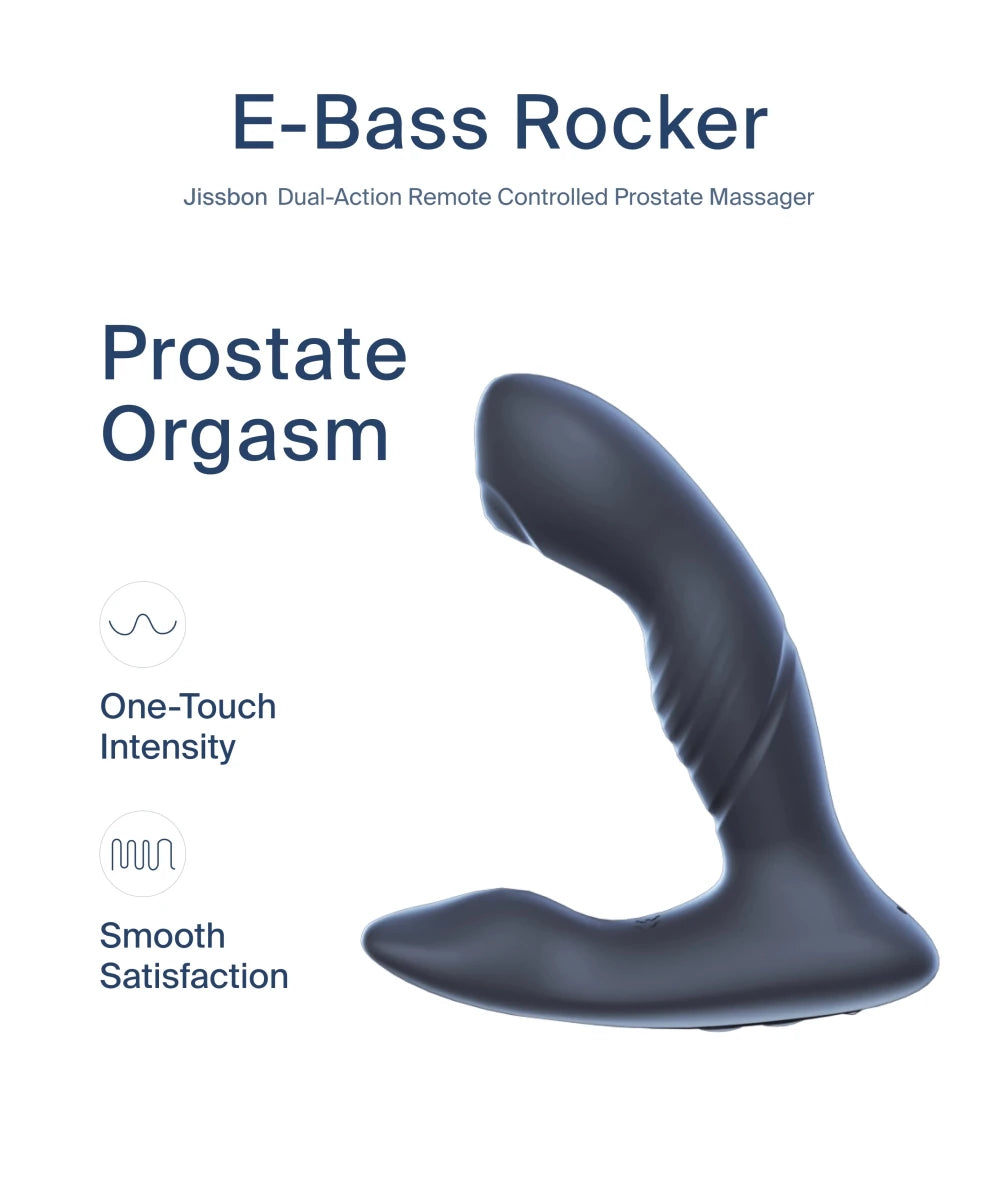
- G-spot or prostate toy: Curved design targets specific internal pleasure points
Toy Safety and Hygiene
- Use body-safe materials (medical-grade silicone, ABS plastic, glass, or stainless steel)
- Clean before and after each use with mild soap and water or toy cleaner
- Use water-based lube to prevent material degradation
- Store in breathable pouches away from direct sunlight
Explore quality options at Jissbon for body-safe toys designed with comfort and hygiene in mind.
How Often Is Normal to Masturbate?
Frequency varies enormously and depends on individual factors rather than universal standards.
Factors Affecting Frequency
- Age: Younger adults typically masturbate more frequently than older adults
- Hormones: Testosterone and estrogen levels influence libido and desire
- Stress: Both high stress (seeking relief) and low stress (more time/energy) can increase frequency
- Relationship status: Partnered individuals may masturbate more or less depending on sexual satisfaction
- Health: Medications, chronic conditions, and mental health affect desire and frequency
Signs Your Habit May Be Problematic
Masturbation becomes concerning when it:
- Interferes with responsibilities: Missing work, neglecting relationships, or avoiding commitments
- Causes physical injury: Skin irritation, bruising, or soreness from excessive or aggressive technique
- Replaces all other intimacy: Avoiding partnered sex entirely in favor of solo play
- Creates distress: Feeling compelled to masturbate despite wanting to stop
- Disrupts sleep or daily function: Losing sleep or productivity due to frequency
If you experience these signs, consider speaking with a sexual health therapist or counselor.
Masturbation in Relationships
Solo play can enhance rather than threaten healthy partnerships.
Benefits for Couples
- Reduced pressure: Partners don't feel responsible for every sexual need
- Sexual self-knowledge: You learn preferences to communicate during partnered sex
- Libido management: Helps balance desire differences between partners
- Independent pleasure: Maintains sexual wellness during partner travel, illness, or separation
Communication Guidelines
- Be honest: Share your masturbation habits if asked directly
- Respect boundaries: Discuss comfort levels around solo play openly
- Avoid comparisons: Solo and partnered sex serve different purposes
- Explore together: Some couples enjoy mutual masturbation as part of their sex life
For guidance on healthy sexual communication, relationship resources provide practical advice.
Frequently Asked Questions
How do you masturbate for the first time?
Start by exploring your body in a private, comfortable space. Use plenty of water-based lube and begin with gentle external touch before progressing to direct genital stimulation. Focus on what feels good rather than achieving orgasm. Experiment with different pressures, speeds, and techniques. Many people don't orgasm their first timelearning your body takes practice and patience.
Is masturbating every day healthy?
Yes, daily masturbation is healthy for most people if it doesn't cause physical discomfort, interfere with daily responsibilities, or create distress. Frequency alone isn't a problemcontext matters. If you feel compelled to masturbate despite wanting to stop, or if it replaces all other activities, consider speaking with a healthcare provider.
Can masturbation affect your sex life with a partner?
Masturbation typically enhances partnered sex by helping you understand your own pleasure. However, if you exclusively masturbate to pornography or develop techniques that don't translate to partnered scenarios, it may create challenges. Balancing solo and partnered intimacy, communicating openly, and varying your solo techniques helps maintain healthy sexual function in relationships.
What's the best way to masturbate?
The "best" way is whatever feels good to youthere's no universal technique. Experiment with different touches, pressures, rhythms, and tools. Pay attention to your body's responses and adjust accordingly. Use lube to reduce friction, take your time, and focus on pleasure rather than performance. Many people benefit from incorporating toys like vibrators or strokers for added sensation.
Is it normal to not masturbate?
Yes, some people rarely or never masturbate, and that's perfectly normal. Reasons varylow libido, lack of interest, physical limitations, personal or religious beliefs, or simply preferring partnered sex. There's no health requirement to masturbate. As long as you're comfortable with your choices and not avoiding it due to shame, any frequency (including zero) can be healthy.
Does masturbation have side effects?
Masturbation has no negative health side effects when practiced safely. Temporary effects include slight fatigue, drowsiness (from hormone release), or mild genital sensitivity. Rare issues like skin irritation or soreness occur with excessive friction or aggressive techniqueeasily avoided with lube and gentler touch. Overall, masturbation supports physical and mental health with minimal risks.
Final Thoughts
Masturbation is a healthy, normal part of sexual wellness for people of all ages, genders, and relationship statuses. Whether you're exploring for the first time or refining your technique, focus on pleasure, comfort, and self-discovery rather than performance or frequency. Use lube, experiment with different approaches, and consider toys if you want variety.
Above all, release any shame solo pleasure is a natural expression of your sexuality that supports both physical health and emotional well-being.Ready to enhance your solo experiences? Browse our curated collection of sex toys for men designed for comfort, safety, and maximum pleasure.


Looking for something else?

Sex Positions from Behind: 8 Beyond Doggy Style
LEARN MORE
What Does a Vulva Taste Like? Facts & Myths Explained
LEARN MORE
Straddle Sex Position: 7 Variations & Tips
LEARN MORE
Mistress Slave Relationship in BDSM: Complete Guide
LEARN MORELooking for something else?

Sensual Domination: Guide to Affectionate Power Play
LEARN MORE
Best Prostate Massager for Beginners: Complete Guide
LEARN MORE
Dominant Sex Positions: 8 Power Positions & Tips
LEARN MOREYou may also like
20% off

20% off

20% off

20% off

20% off

20% off

Further reading
Automatic Male Masturbator vs Manual Stroker: Which Should You Buy?
11 Best Automatic Blowjob Machines for Men in 2026

Understanding Smoking Fetish: The Erotic Appeal of Cigarettes