




















































Masturbation and the Brain: Separating Science from Myths
Stack & Save: Extra 15% with Jissbon15
Jissbon15
Concerns about negative effects of masturbation to the brain circulate widely online, but what does science actually say? This guide examines masturbation and dopamine, explores potential impacts on mental health, and separates evidence-based facts from cultural myths. Understanding masturbation effects on brain function helps you make informed decisions about your sexual wellness.
Let's explore what happens neurologically during masturbation, when concerns are valid, and when they're based on misinformation.
Understanding Masturbation and Brain Chemistry
First, let's establish what happens in your brain during sexual activity and orgasm:
The Neurochemical Process
When you masturbate, your brain releases several chemicals:
- Dopamine: The "reward" neurotransmitter that creates pleasure and motivation
- Oxytocin: Often called the "bonding hormone," promotes relaxation and emotional connection
- Endorphins: Natural pain relievers that create feelings of euphoria
- Serotonin: Mood regulator that contributes to feelings of wellbeing and satisfaction
- Prolactin: Post-orgasm hormone that produces the "refractory period" and relaxation
This neurochemical cocktail is similar whether you're masturbating or engaging in partnered sex. According to research on sexual behavior, these releases are part of normal, healthy brain function.
The Brain's Reward System
Masturbation activates the same reward pathways as eating, exercising, or achieving goals. This doesn't make it inherently harmfulit means sexual pleasure is wired into our survival and wellbeing systems.
Important context: The brain's reward system evolved to encourage behaviors that promote survival and reproduction. Sexual pleasure is natural, not pathological.
Potential Negative Effects: When Concerns Are Valid

While moderate masturbation is healthy, certain patterns or contexts can create genuine issues:
Compulsive Behavior Patterns
When masturbation becomes compulsivemeaning you feel unable to control the urge despite negative consequencesit may indicate a problem.
Warning signs of compulsive behavior:
- Masturbating even when it causes physical discomfort or injury
- Missing work, school, or social obligations due to masturbation
- Feeling unable to stop despite wanting to reduce frequency
- Masturbating in inappropriate or risky situations
- Experiencing significant distress about the behavior
Why this matters: Compulsive sexual behavior can indicate underlying anxiety, depression, or impulse control issues that benefit from professional treatment.
Guilt and Shame-Related Mental Health Issues
The negative effects of masturbation to the brain often stem from guilt and shame rather than the act itself. Growing up with religious, cultural, or family messages that condemn masturbation can create:
- Persistent anxiety around normal sexual feelings
- Depression linked to perceived moral failure
- Low self-esteem and negative self-image
- Difficulty forming healthy intimate relationships
- Sexual dysfunction caused by psychological conflict
According to mental health research on masturbation, these psychological effects result from internalized shame, not from any biological harm caused by masturbation.
Porn-Related Desensitization Concerns
Heavy use of highly stimulating pornography during masturbation may lead to:
- Delayed ejaculation or difficulty climaxing with a partner due to conditioning to specific visual stimuli
- Unrealistic expectations about bodies, performance, or sexual scenarios
- Reduced arousal to real-life intimacy compared to digital content
- Preference for masturbation over partnered sex affecting relationships
Important nuance: These issues relate to pornography consumption patterns and content type, not to masturbation itself. Many people masturbate without pornography and experience no negative effects.
Temporary Fatigue or "Brain Fog"
Some individuals report feeling temporarily tired, unfocused, or mentally sluggish after masturbating, especially multiple times in one day.
What's happening:
- Post-orgasm prolactin release creates drowsiness
- Energy expenditure (though minimal) can contribute to fatigue
- Hormonal fluctuations affect alertness temporarily
Reality check: This effect is typically short-lived (minutes to a few hours) and similar to post-exercise fatigue. It doesn't indicate brain damage or lasting cognitive impairment.
Relationship Impacts
If masturbation habits interfere with intimate relationshipssuch as preferring solo activity over partnered sex, or if frequency creates conflict with a partnerit can cause emotional distress.
When to address this:
- Your partner feels rejected or neglected due to masturbation habits
- You're avoiding intimacy because masturbation feels easier or more satisfying
- Secrecy or dishonesty about masturbation is creating trust issues
These are relationship dynamics issues, not direct neurological effects.
Debunking Common Myths About Masturbation Effects on Brain

Let's address widespread misconceptions with scientific clarity:
Myth: "Masturbation Kills Brain Cells"
Reality: There is zero scientific evidence that masturbation damages or kills brain cells. Your brain remains structurally and functionally intact regardless of masturbation frequency.
Myth: "Masturbation Causes Memory Loss"
Reality: Masturbation does not impair memory formation or recall. This myth likely stems from temporary post-orgasm relaxation being confused with cognitive decline.
Myth: "Masturbation Depletes Dopamine Permanently"
Reality: While masturbation triggers dopamine release, your brain naturally replenishes neurotransmitters. Normal masturbation doesn't "use up" dopamine or damage the reward system.
The dopamine concern explained: Excessive engagement in any highly rewarding activity (gambling, gaming, eating) can temporarily alter dopamine sensitivity. This is about behavioral patterns, not masturbation specifically.
Myth: "Masturbation Causes Mental Illness"
Reality: Masturbation doesn't cause depression, anxiety, or psychosis. However, compulsive patterns may co-occur with existing mental health conditions that require treatment.
Myth: "NoFap Benefits Prove Masturbation Is Harmful"
Reality: Some people report improvements after abstaining from masturbation, often because they're simultaneously quitting excessive pornography use, addressing compulsive behavior, or experiencing placebo effects. These benefits don't prove masturbation itself is inherently harmful.
Masturbation and Dopamine: Understanding the Science
The relationship between masturbation and dopamine deserves deeper examination, as it's central to many concerns:
How Dopamine Works
Dopamine isn't simply a "pleasure chemical"it's primarily involved in motivation, reward anticipation, and learning. It surges when you anticipate reward and when you receive it.
During masturbation:
- Anticipation phase: Dopamine rises as arousal builds
- Peak at orgasm: Dopamine reaches maximum levels
- Post-orgasm drop: Dopamine and arousal decrease naturally
This cycle is identical to other rewarding activities and is part of healthy brain function.
When Dopamine Patterns Become Problematic
Issues arise when an activity becomes the only or primary source of dopamine release, potentially leading to:
- Reduced motivation for other activities (work, exercise, socializing)
- Needing increased stimulation to achieve the same dopamine response
- Difficulty experiencing pleasure from everyday activities
Critical distinction: This pattern requires excessive, compulsive engagement. Moderate masturbation doesn't cause these changes any more than enjoying a good meal does.
Dopamine Sensitivity and Recovery
If someone has developed compulsive patterns, the brain's dopamine sensitivity can recover. Neuroplasticity the brain's ability to reorganize and adaptmeans behavioral changes can restore healthy reward system function.
Recovery strategies:
- Reducing frequency gradually rather than sudden abstinence (which can increase obsessive thinking)
- Diversifying sources of pleasure and reward (hobbies, social connection, exercise)
- Addressing underlying mental health issues with professional support
- Separating masturbation from pornography if that's a factor
Positive Effects of Masturbation on Brain Health

For balance, it's important to recognize masturbation's well-documented benefits:
Stress Reduction and Mood Enhancement
The endorphin and oxytocin release during orgasm provides genuine stress relief and mood improvement. Research shows masturbation can help manage anxiety and improve emotional regulation.
Improved Sleep Quality
Post-orgasm prolactin release promotes relaxation and sleepiness, which is why many people masturbate before bed. Better sleep supports overall brain health and cognitive function.
Pain Relief
Endorphins released during orgasm act as natural pain relievers. Some people find masturbation helpful for managing headaches, menstrual cramps, or muscle tension.
Self-Understanding and Body Confidence
Learning what feels pleasurable builds body awareness and self-confidence, which contributes to positive mental health and better communication in intimate relationships.
Sexual Function Maintenance
Regular sexual activityincluding masturbationhelps maintain healthy sexual function by promoting blood flow and preserving tissue elasticity. This is particularly relevant as people age.
When to Seek Professional Help
Consider speaking with a healthcare provider or therapist if you experience:
Psychological distress:
- Persistent guilt, shame, or anxiety about masturbation interfering with daily life
- Depression or self-esteem issues linked to sexual behavior
- Inability to stop despite genuine desire to reduce frequency
Compulsive patterns:
- Masturbating in inappropriate or risky situations
- Missing important obligations due to masturbation
- Continuing despite physical injury or pain
Relationship problems:
- Partner conflict related to masturbation habits
- Preference for masturbation causing intimacy avoidance
- Dishonesty or secrecy creating trust issues
Physical concerns:
- Genital injury, pain, or irritation from excessive friction
- Erectile dysfunction or difficulty achieving orgasm in partnered situations
Mental health professionals, particularly those specializing in sexual health, can provide evidence-based treatment without judgment.
Healthy Masturbation Practices for Brain and Body
If you want to maintain healthy habits, consider these guidelines:
Frequency Balance
There's no universal "healthy" frequencyit varies by individual. For most people, anywhere from several times per week to a few times per month is common and healthy.
Self-assessment questions:
- Does your frequency interfere with work, relationships, or responsibilities?
- Do you feel physical discomfort or injury?
- Are you masturbating out of boredom, stress, or emotional avoidance rather than genuine desire?
If answers are "no," your frequency is likely fine for you.
Mindful Approach
Being present and intentional during masturbationrather than using it purely as stress escape or sleep aidcan enhance the experience and reduce compulsive patterns.
Mindful masturbation tips:
- Focus on physical sensations rather than relying heavily on fantasy or visual stimuli
- Explore different types of touch and stimulation
- Practice body awareness and self-acceptance
Managing Pornography Use
If you use pornography, consider these harm-reduction approaches:
- Limit session length and frequency
- Choose ethical, realistic content over extreme or degrading material
- Take regular breaks from pornography entirely
- Notice if you're developing preferences that don't align with your values
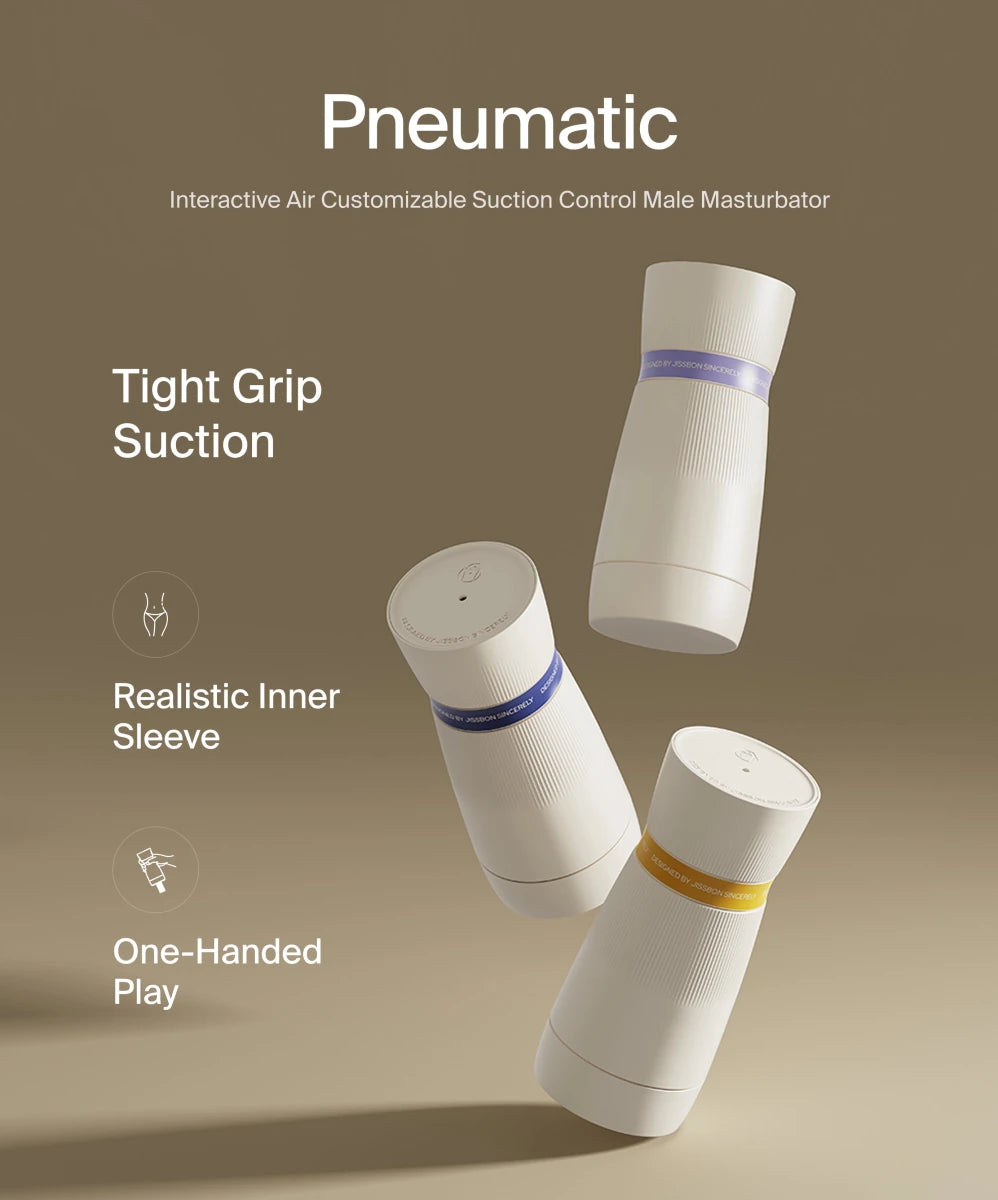
Many people find that using male masturbators or other physical sensations helps them focus on tactile pleasure rather than relying solely on visual stimulation.
Physical Care
Proper technique and hygiene prevent physical problems:
- Use adequate lubrication to prevent friction injuries (water-based lubricant is safe for most materials)
- Clean any toys before and after use with mild soap and water
- Allow recovery time if you experience any soreness or irritation
- Trim fingernails to avoid scratching sensitive tissue
Exploring quality products from Jissbon designed with body-safe materials can enhance both comfort and pleasure during solo sessions.
Addressing Guilt and Shame
Since much of the "negative effects" of masturbation stem from psychological factors rather than biological harm, addressing internalized shame is crucial:
Understanding Cultural Context
Recognize that negative messages about masturbation often reflect cultural, religious, or historical attitudesnot medical or scientific facts. Modern sexual health research consistently affirms masturbation as normal and healthy.
Challenging Internalized Beliefs
If you grew up with anti-masturbation messages, it takes conscious effort to separate those beliefs from your current values and understanding:
- Examine where your beliefs about masturbation originated
- Research the scientific consensus on sexual health
- Consider whether your beliefs align with your current values
- Practice self-compassion rather than self-judgment
Therapy Can Help
A sex-positive therapist can help you work through shame, improve sexual self-acceptance, and develop healthier attitudes toward your sexuality.
Masturbation Frequency: What's Normal?
People often wonder if their frequency is "normal." Here's what research shows:
Frequency varies widely among healthy adults:
|
Age Group |
Average Weekly Frequency |
Range Considered Normal |
|
18-29 years |
3-5 times |
0-15+ times |
|
30-39 years |
2-4 times |
0-10+ times |
|
40-49 years |
1-3 times |
0-7+ times |
|
50+ years |
1-2 times |
0-5+ times |
Key insight: These are averages. Individual variation is enormous and influenced by libido, stress, relationship status, and personal preference. There's no "correct" number.
Frequently Asked Questions
Does masturbation damage your brain or cause memory loss?
No. Scientific evidence shows masturbation doesn't damage brain tissue, kill neurons, or impair memory. These are myths with no medical basis. The temporary "brain fog" some people experience post-orgasm is brief hormonal relaxation, not cognitive impairment, and resolves within minutes to hours.
Can masturbation cause dopamine depletion or addiction?
Masturbation doesn't deplete dopamineyour brain naturally replenishes neurotransmitters. While excessive engagement in any rewarding activity can temporarily affect dopamine sensitivity, moderate masturbation doesn't cause addiction or permanent brain changes. Compulsive patterns may indicate underlying issues that benefit from professional support.
How does excessive masturbation affect mental health?
The mental health impacts typically stem from guilt and shame rather than the physical act itself. If masturbation becomes compulsiveinterfering with work, relationships, or causing distress it may signal underlying anxiety or depression requiring treatment. Moderate masturbation has positive mental health benefits including stress reduction.
Is masturbation healthy or harmful for brain function?
For most people, masturbation is healthy and beneficial for brain function. It releases stress-reducing hormones, improves mood, promotes better sleep, and supports sexual health. Negative effects occur primarily when behavior becomes compulsive, when guilt creates psychological distress, or when excessive pornography use creates unrealistic expectations.
What are the warning signs of compulsive masturbation?
Warning signs include: inability to stop despite wanting to reduce frequency, masturbating in inappropriate situations, missing work or social obligations, experiencing physical injury but continuing, and significant distress about the behavior. These patterns warrant conversation with a mental health professional.
Does stopping masturbation improve brain function?
Some people report benefits from abstinence, often related to simultaneously addressing pornography use or breaking compulsive patterns. However, there's no evidence that stopping moderate masturbation inherently improves brain function. Benefits reported in "NoFap" communities may reflect placebo effects, lifestyle changes, or recovery from truly compulsive behavior.
Final Thoughts
The negative effects of masturbation to the brain are largely overstated and often rooted in cultural stigma rather than scientific evidence. For the vast majority of people, masturbation is a normal, healthy part of sexual wellness with genuine mental and physical benefits.
Concerns become valid when behavior becomes compulsive, when guilt creates psychological distress, or when excessive pornography use interferes with real-life intimacy. In these cases, professional support can help address underlying issues and restore healthy patterns.
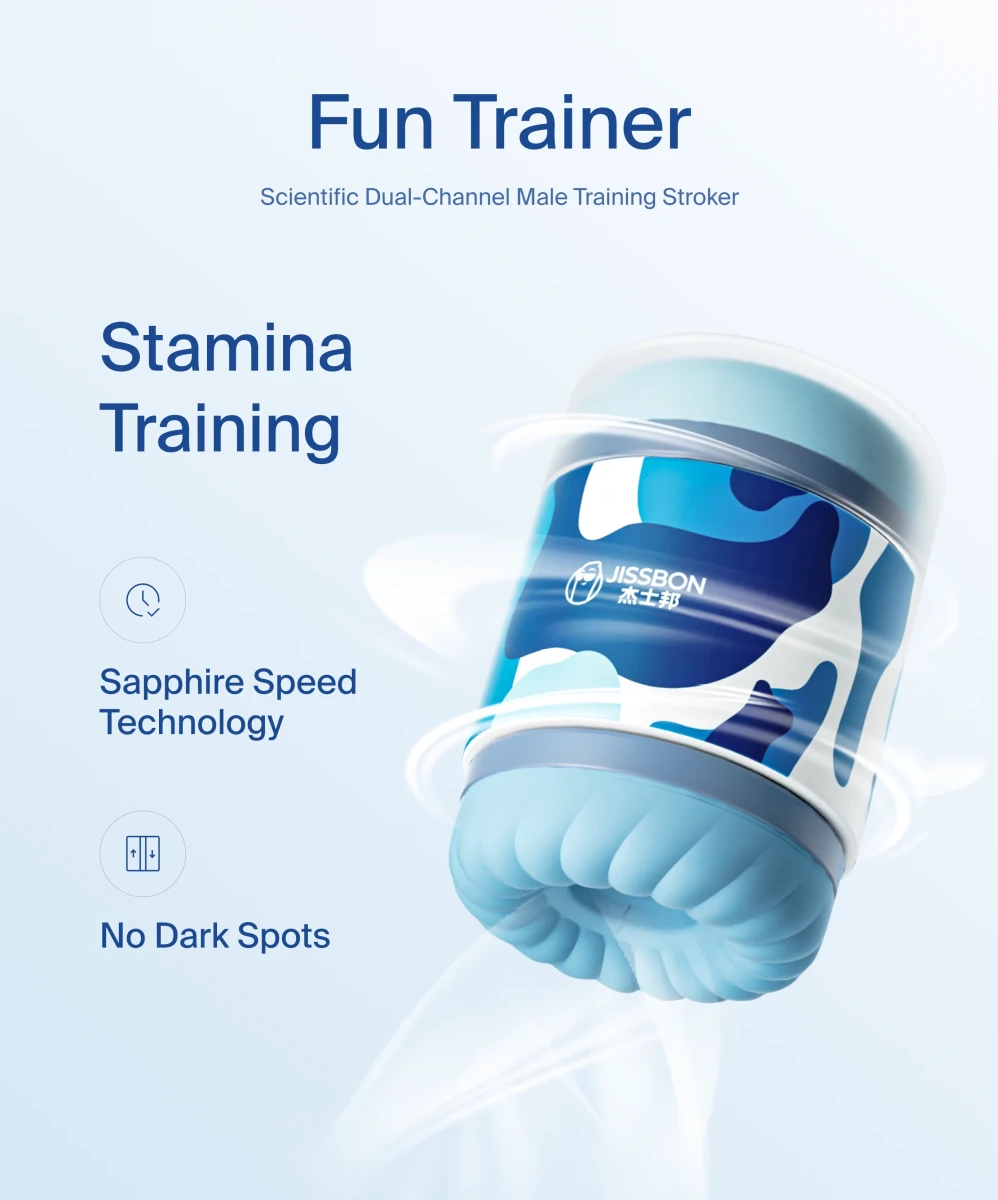
If you're exploring ways to enhance your solo pleasure mindfully, male stroker toys and other quality intimate wellness products offer body-safe options that focus on physical sensation and self-care.


Looking for something else?

What Is Flogging in Sex? Complete BDSM Flogging Guide
LEARN MORE
What Does Overstimulated Mean Sexually? Causes & Solutions
LEARN MORE
Can You Get a Tattoo on Your Vagina? Safety, Pain & What to Expect
LEARN MORE
Public Sex Kink: Understanding Exhibitionism & Safe Exploration
LEARN MORELooking for something else?

A-Spot Orgasm: Best Positions & How to Find It
LEARN MORE
Bondage Play: Complete Beginner's Guide to Rope BDSM
LEARN MORE
Vibrator Stories: Real Experiences, Tips & What to Expect
LEARN MOREYou may also like
20% off

20% off

20% off

20% off

20% off

20% off

Further reading

How to Clean an Automatic Blowjob Machine Without Damaging the Motor
Remote-Controlled Automatic Masturbators for Couples and Solo Play
Best Automatic Strokers for Edging and Stamina Training