


















































Is the Penis a Muscle? Anatomy, Function & Common Myths
Stack & Save: Extra 15% with Jissbon15
Jissbon15
One of the most common questions about male anatomy is whether the penis is a muscle. The short answer: no, the penis is not a muscle, though it contains muscles that support its function. The penis is primarily composed of spongy erectile tissue that fills with blood during arousal, along with connective tissue, nerves, and blood vessels.
This guide breaks down penis anatomy, explains how erections work, debunks related myths, and covers what this means for sexual health and wellness.
Who Benefits from Understanding Penis Anatomy
Accurate information about whether your penis is a muscle helps:
- Adolescents and young adults learning about their bodies during sex education
- Anyone curious about sexual function and how erections work mechanically
- People exploring sex toys for men who want to understand how anatomy affects toy selection
- Partners seeking to better understand male sexual response
- Individuals concerned about erectile function who want factual information
- Anyone who's heard the "penis exercise" myth and wants to know what actually works
Understanding the real structure of the penis clears up misconceptions and supports informed decisions about sexual health.
What the Penis Is Actually Made Of

The penis is an organ, not a muscle, composed of several distinct tissue types working together.
Erectile Tissue (Corpus Cavernosum and Corpus Spongiosum)
The penis contains three columns of spongy erectile tissue that fill with blood during arousal:
- Corpus cavernosum (two chambers): Run along the top and sides of the penis shaft. These chambers contain thousands of small spaces that expand when filled with blood, creating rigidity during erection.
- Corpus spongiosum (one chamber): Surrounds the urethra and extends to form the glans (head) of the penis. This tissue stays softer during erection to keep the urethra open for ejaculation.
These tissues are made of smooth muscle fibers, collagen, and elastin arranged in a mesh-like structure. They're highly elastic, allowing the penis to expand significantly during erection.
Connective Tissue and Fascia
Several layers of connective tissue wrap around and support the erectile chambers:
- Tunica albuginea: Dense fibrous tissue that encases the corpus cavernosum, maintaining pressure during erection
- Buck's fascia: Layer beneath the skin that contains blood vessels and nerves
- Dartos fascia: Loose connective tissue beneath the skin containing smooth muscle
These tissues provide structural integrity while allowing expansion.
Blood Vessels and Nerves
The penis has extensive vascular and nerve networks:
- Arteries: Deliver blood to erectile tissue during arousal
- Veins: Drain blood away when erection subsides
- Nerves: Transmit sensation and control blood flow
For detailed scientific information on human penis anatomy, educational resources provide comprehensive diagrams and explanations.
Muscles That Support Penis Function
While the penis itself isn't a muscle, several skeletal muscles at its base play crucial roles in erection, ejaculation, and urination.
Bulbospongiosus Muscle
This muscle wraps around the base of the penis and the bulb of the corpus spongiosum. It contracts rhythmically during orgasm to propel semen through the urethra. It also helps empty the urethra after urination and contributes to the final phase of erection by compressing veins and trapping blood.
Ischiocavernosus Muscle
Located on either side of the penis base, these muscles cover the crura (roots) of the corpus cavernosum. They contract during peak erection to push additional blood into the erectile tissue, creating maximum rigidity. They also help maintain erection by compressing veins that would otherwise drain blood away.
Levator Ani and Other Pelvic Floor Muscles
The broader pelvic floor muscle group supports the penis and controls ejaculation timing. Strong pelvic floor muscles contribute to firmer erections and better ejaculatory control.
Can You Exercise These Muscles?
Yes, pelvic floor exercises (often called Kegel exercises) strengthen the bulbospongiosus and ischiocavernosus muscles. This can improve erection quality, ejaculatory control, and urinary function. However, exercising these muscles doesn't increase penis sizethey support function, not dimensions.
How Erections Work: The Role of Blood, Not Muscle
Understanding that the penis is not a muscle but an erectile organ explains how erections function.
The Erection Process Step-by-Step
- Arousal Signal: Sexual stimulation (physical, visual, mental) triggers nerve signals from the brain and spinal cord
- Blood Vessel Relaxation: Nerves release nitric oxide, causing arteries in the penis to relax and widen
- Blood Flow Increase: Relaxed arteries allow significantly more blood to flow into the erectile tissue
- Tissue Expansion: The spongy chambers of the corpus cavernosum fill with blood and expand
- Vein Compression: Expanded tissue compresses veins against the tunica albuginea, trapping blood inside
- Rigidity: Trapped blood creates pressure that makes the penis firm and erect
- Supporting Muscle Contraction: Ischiocavernosus and bulbospongiosus muscles contract to maximize rigidity
What Ends an Erection
When arousal decreases or after ejaculation, nerve signals reverse the process. Arteries constrict, reducing blood inflow. Smooth muscle in the erectile tissue contracts, pushing blood out through veins. The penis returns to its flaccid state.
This entire process depends on vascular (blood vessel) and neurological (nerve) function, not muscle contraction in the traditional sense.
Common Myths About the Penis Being a Muscle

Several misconceptions persist about penis anatomy and function. Here's the truth:
Myth 1: You Can Make Your Penis Bigger by Exercising It
Reality: Since the penis isn't a muscle, traditional exercise (like lifting weights) doesn't increase its size. Pelvic floor exercises strengthen supporting muscles and may improve erection quality, but they don't add length or girth to the penis itself.
Penis size is determined by genetics and the amount of erectile tissue present. No exercise can create new tissue.
Myth 2: The Penis Contains a Bone
Reality: Humans do not have a penis bone (called a baculum in animals that do). Some mammals, including dogs, bears, and primates, have this bone, but humans evolved without it. The phrase "boner" is slang, not anatomical fact.
The rigidity of an erection comes entirely from blood pressure within elastic tissue, not skeletal structure.
Myth 3: Losing Weight Won't Affect Penis Appearance
Reality: Excess abdominal fat can hide a portion of the penis shaft, making it appear smaller than it actually is. Losing weight doesn't increase actual penis size, but it can reveal more of the visible length by reducing the fat pad around the base.
Myth 4: Frequent Masturbation Weakens the Penis
Reality: Masturbation doesn't weaken, shrink, or damage the penis. The erectile tissue is designed for repeated expansion and contraction. Frequent erections may actually support vascular health by maintaining blood flow to the tissue.
Myth 5: Penis Pumps and Stretchers Create Permanent Growth
Reality: Vacuum pumps and stretching devices temporarily increase size by drawing blood into the tissue or stretching skin and ligaments. These effects are temporary and don't create new erectile tissue. Long-term or aggressive use can cause injury.
For evidence-based information on male sexual health myths, trusted health organizations separate fact from fiction.
What Actually Affects Penis Health and Function
Since the penis is an organ, not a muscle, maintaining its health involves vascular, neurological, and hormonal factors.
Cardiovascular Health
Healthy blood vessels are essential for strong erections. Conditions that damage blood vesselssuch as high blood pressure, high cholesterol, diabetes, and smokingdirectly impair erectile function. Regular exercise, balanced diet, and avoiding smoking support vascular health.
Hormone Levels
Testosterone plays a role in libido and erectile function, though it's not the only factor. Extremely low testosterone can reduce sexual desire and erection quality. If you suspect hormone issues, consult a healthcare provider for testing.
Pelvic Floor Strength
As mentioned, exercises targeting the bulbospongiosus and ischiocavernosus muscles improve erection rigidity and ejaculatory control. These are the only "exercises" that directly impact penis function.
Mental and Emotional Health
Stress, anxiety, depression, and relationship issues all affect sexual function. The brain plays a major role in triggering the erection process, so psychological wellness matters as much as physical health.
Avoiding Injury
Aggressive masturbation, rough sex without adequate lubrication, or trauma can damage erectile tissue or blood vessels. Use lube generously with male masturbators and toys to reduce friction and injury risk.
Does Penis Anatomy Affect Sex Toy Selection?

Understanding that the penis is not a muscle but an organ with specific tissue types helps you choose appropriate toys.
Texture and Pressure Considerations
Erectile tissue is sensitive to pressure and texture. Toys with adjustable tightness or suction let you customize stimulation without overwhelming nerve endings. Too much pressure can restrict blood flow, reducing sensation.
Size and Fit
The expandable nature of erectile tissue means most penises accommodate a range of toy sizes. Look for stretchy materials or adjustable designs. Open-ended toys work better for varied sizes than closed-end sleeves.
Temperature Play
Erectile tissue responds to temperature changes. Warming or cooling toys before use (within safe ranges) creates unique sensations. Never use extreme temperatures that could damage delicate blood vessels.
Supporting Muscles with Toys
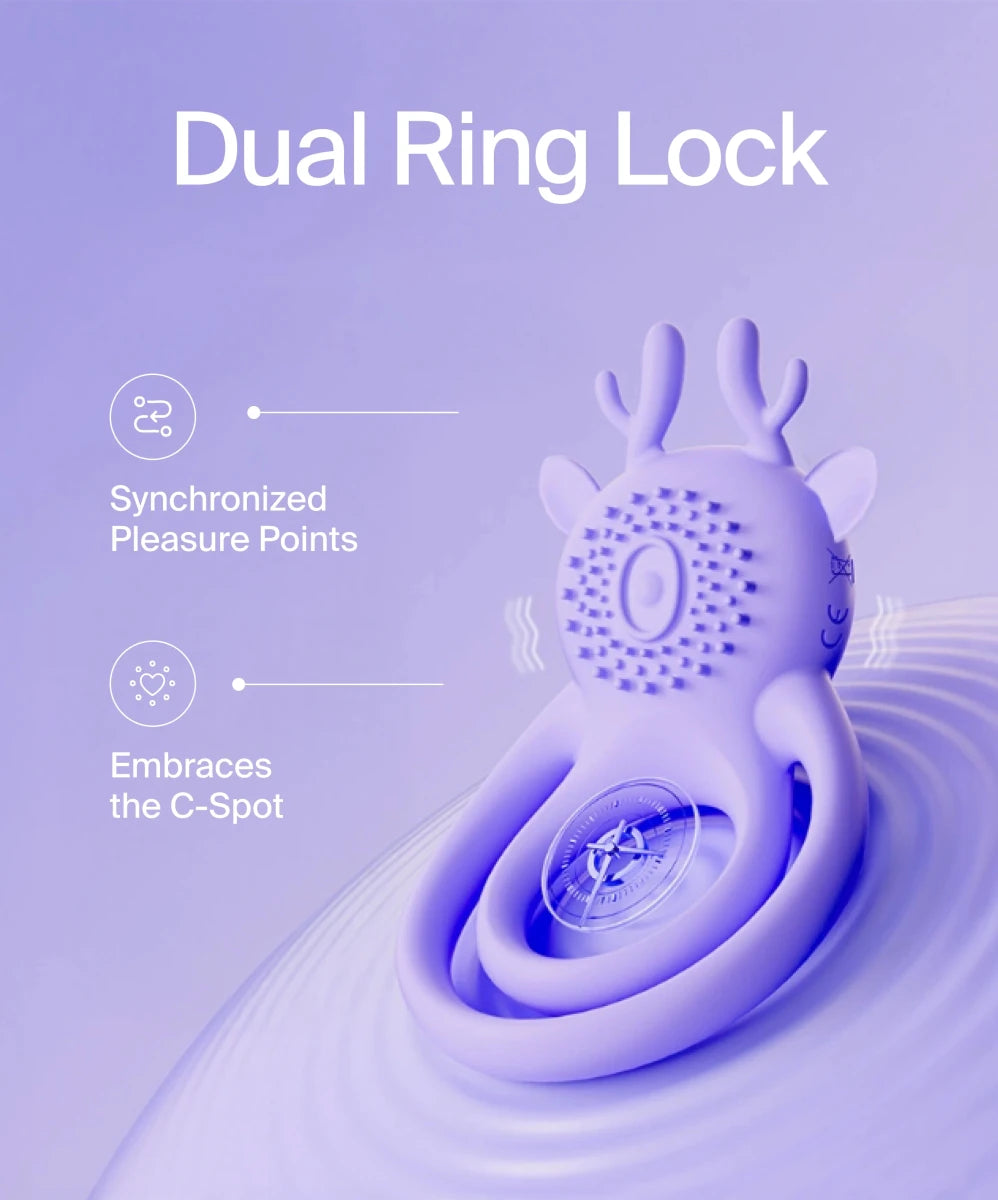
Some cock rings are designed to engage the supporting muscles (ischiocavernosus and bulbospongiosus) by adding pressure at the base. Vibrating rings can stimulate these muscles while enhancing partnered sex.
Pelvic Floor Exercises for Penis-Supporting Muscles
Since you can't exercise the penis itself, focus on the muscles that support its function.
How to Perform Kegel Exercises for Men
- Identify the Right Muscles: While urinating, stop the flow mid-stream. The muscles you engage are your pelvic floor. (Only do this once to identify musclesdon't make a habit of stopping urination.)
- Practice When Not Urinating: Contract these muscles for 3–5 seconds, then relax for 3–5 seconds
- Repeat 10–15 Times: Do this 3 times per day (morning, afternoon, evening)
- Gradually Increase Duration: Work up to 10-second contractions over several weeks
- Maintain Regular Breathing: Don't hold your breath during contractions
Benefits of Pelvic Floor Training
- Stronger, more rigid erections
- Better ejaculatory control (can help with premature ejaculation)
- Improved urinary control
- Enhanced orgasm intensity
- Faster recovery between erections
Common Mistakes to Avoid
- Over-contracting: Don't clench abdominal, buttock, or thigh musclesisolate the pelvic floor
- Overdoing it: More isn't better; excessive exercises can cause muscle fatigue
- Poor technique: If you're unsure, a pelvic floor physical therapist can provide guidance
When to Consult a Healthcare Provider
Understanding penis anatomy helps you recognize when issues require professional attention.
Warning Signs
- Persistent erectile dysfunction: Difficulty achieving or maintaining erections for 3+ months
- Painful erections: Curvature, discomfort, or pain during erection (could indicate Peyronie's disease)
- Sudden loss of sensation: Numbness or reduced sensitivity
- Priapism: Erection lasting longer than 4 hours without sexual stimulation (medical emergency)
- Changes in urination: Pain, blood, or difficulty urinating
What to Expect
Doctors can assess vascular health, hormone levels, and tissue integrity. Treatments range from lifestyle changes and medications to therapy and, in rare cases, surgical interventions. Early intervention usually produces the best outcomes.
Frequently Asked Questions
Is the penis a muscle or an organ?
The penis is an organ, not a muscle. It's composed primarily of spongy erectile tissue (corpus cavernosum and corpus spongiosum) that fills with blood during arousal, creating an erection. While the penis contains smooth muscle fibers within this tissue and has skeletal muscles at its base (bulbospongiosus and ischiocavernosus), the shaft itself is not muscular.
Does the penis have muscles in it?
Yes, the penis contains smooth muscle fibers within the erectile tissue that help regulate blood flow. At the base, two skeletal muscles (bulbospongiosus and ischiocavernosus) support erection and ejaculation by compressing veins and pushing blood into the erectile chambers. However, these are supporting structuresthe penis shaft itself is not made of muscle.
Can you exercise your penis to make it bigger?
No, you cannot increase penis size through exercise because the penis is not a muscle. Pelvic floor exercises (Kegels) strengthen the supporting muscles at the base, which can improve erection quality and control, but they don't add length or girth. Penis size is determined by the amount of erectile tissue, which is genetically fixed.
Is a penis a bone?
No, the human penis does not contain bone. Some animals have a bone called a baculum, but humans evolved without one. The rigidity during an erection comes from blood trapped under pressure in the spongy erectile tissue, not from any skeletal structure. The slang term "boner" is inaccurate anatomically.
Why doesn't the penis get tired like a muscle?
The penis doesn't fatigue like skeletal muscle because erections are maintained by blood pressure in elastic tissue, not sustained muscle contraction. The smooth muscle in erectile tissue regulates blood vessel dilation and constriction, which doesn't tire the way voluntary muscles do. However, the supporting pelvic floor muscles can fatigue with prolonged or repeated contractions.
What tissue is the penis made of?
The penis consists of three main columns of erectile tissue: two corpora cavernosa (top and sides) and one corpus spongiosum (bottom, surrounding the urethra). These contain smooth muscle, collagen, and elastin arranged in a spongy mesh. The tunica albuginea (dense connective tissue) wraps around the corpora cavernosa, and layers of fascia, blood vessels, nerves, and skin complete the structure.
Final Thoughts
The penis is not a muscle it's an organ composed primarily of erectile tissue designed to fill with blood during arousal. Understanding this anatomy explains how erections work, why you can't "exercise" the penis to increase size, and what actually supports healthy sexual function.
The muscles at the penis base (bulbospongiosus and ischiocavernosus) can be strengthened through pelvic floor exercises, improving erection quality and control. Focus on cardiovascular health, mental wellness, and proper technique to maintain optimal penis function throughout your life.
Interested in exploring toys designed with male anatomy in mind? Browse our collection at Jissbon for body-safe products that complement natural function and sensation.


Looking for something else?

Sex Positions from Behind: 8 Beyond Doggy Style
LEARN MORE
What Does a Vulva Taste Like? Facts & Myths Explained
LEARN MORE
Straddle Sex Position: 7 Variations & Tips
LEARN MORE
Mistress Slave Relationship in BDSM: Complete Guide
LEARN MORELooking for something else?

Sensual Domination: Guide to Affectionate Power Play
LEARN MORE
Best Prostate Massager for Beginners: Complete Guide
LEARN MORE
Dominant Sex Positions: 8 Power Positions & Tips
LEARN MOREYou may also like
20% off

20% off

20% off

20% off

20% off

20% off

Further reading
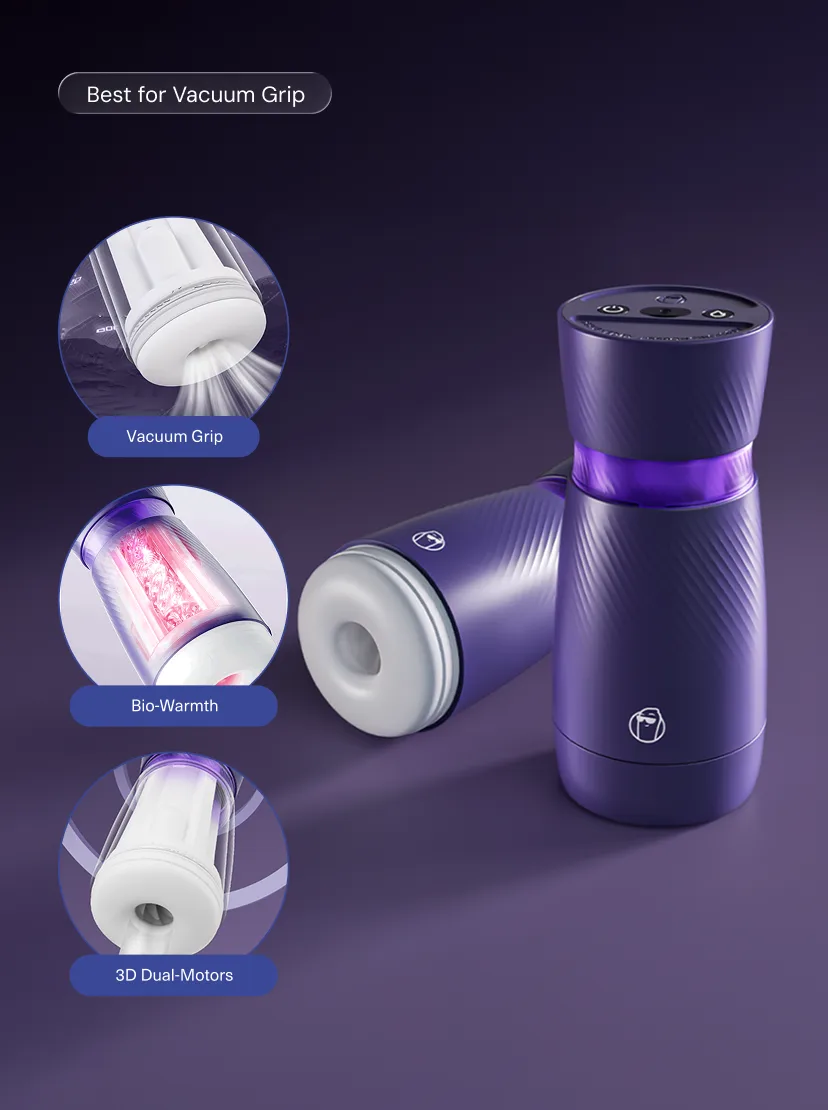
Automatic Male Masturbator vs Manual Stroker: Which Should You Buy?
11 Best Automatic Blowjob Machines for Men in 2026

Understanding Smoking Fetish: The Erotic Appeal of Cigarettes