
















































Is Masturbation Good for You? Science-Backed Benefits
Stack & Save: Extra 15% with Jissbon15
Jissbon15
If you're wondering "is masturbation good for you," the answer from medical and sexual health experts is a clear yes. The benefits of masturbating extend far beyond simple pleasure masturbation health impacts include stress reduction, better sleep, pain relief, and improved sexual function. This guide explores what science says about masturbation, why it's considered healthy, and how to approach it in a balanced way.
Let's examine the evidence-based benefits of masturbation and address common questions about this normal aspect of human sexuality.
Who Benefits from Masturbation?
Masturbation offers health advantages for nearly everyone, regardless of age, gender, or relationship status:
- People managing stress and anxiety seeking natural mood regulation
- Those with sleep difficulties looking for relaxation techniques
- Individuals experiencing chronic pain or menstrual cramps
- Anyone exploring their sexual preferences and learning about their body
- People in relationships maintaining sexual health independently
- Those without current partners expressing sexuality safely
- Individuals with certain sexual dysfunctions working with therapists on treatment
According to Cleveland Clinic research on masturbation, it's one of the safest forms of sexual activity with virtually no health risks when practiced normally.
Science-Backed Benefits of Masturbation

Medical research has identified numerous physical and mental health benefits associated with regular masturbation:
Stress Reduction and Mood Enhancement
Masturbation triggers the release of several "feel-good" neurochemicals:
- Dopamine: Creates feelings of pleasure and reward
- Endorphins: Natural mood elevators that reduce stress
- Oxytocin: The "bonding hormone" that promotes relaxation and emotional wellbeing
- Serotonin: Regulates mood and contributes to feelings of happiness
These chemical releases help lower cortisol (the stress hormone) levels, providing genuine stress relief. Many people find masturbation more effective than other relaxation techniques during particularly anxious periods.
Research support: Studies show that orgasmwhether from masturbation or partnered sexsignificantly reduces stress markers and improves overall mood for several hours afterward.
Improved Sleep Quality
The hormonal cocktail released during orgasm includes prolactin, which creates drowsiness and promotes deeper sleep. This is why many people masturbate before bed as part of their sleep hygiene routine.
How it helps:
- Reduces time needed to fall asleep
- Increases sleep depth and quality
- Provides natural alternative to sleep medications
- Helps reset disrupted sleep cycles
The combination of physical relaxation, stress hormone reduction, and prolactin release makes masturbation an effective natural sleep aid.
Natural Pain Relief
The endorphins released during orgasm act as the body's natural painkillers. Research shows masturbation can help manage various types of pain:
- Headaches and migraines: Endorphin release can reduce headache intensity
- Menstrual cramps: Orgasm causes uterine contractions that may relieve cramping
- Muscle tension: Physical relaxation eases tension-related pain
- Chronic pain conditions: Regular endorphin release may help pain management
While not a replacement for medical treatment, masturbation offers a drug-free pain management tool for minor to moderate discomfort.
Enhanced Sexual Health and Function
Regular masturbation contributes to overall sexual wellness in multiple ways:
For people with penises:
- Maintains erectile function through regular blood flow
- May reduce prostate cancer risk (research suggests frequent ejaculation correlates with lower risk)
- Helps manage premature ejaculation through better control awareness
- Preserves sexual function during aging
For people with vulvas:
- Maintains vaginal elasticity and lubrication
- Strengthens pelvic floor muscles (especially when combined with Kegel exercises)
- Reduces vaginal atrophy risk in postmenopausal individuals
- Improves natural lubrication response
According to Planned Parenthood's sexual health resources, masturbation is the safest possible sexual activity it carries zero risk of pregnancy or sexually transmitted infections.
Body Awareness and Sexual Confidence
Exploring your own body through masturbation teaches you:
- What types of touch feel pleasurable
- How your arousal and orgasm patterns work
- What fantasies or mental stimulation enhance pleasure
- How to communicate preferences to partners
This self-knowledge improves sexual confidence and helps you guide partners toward what works best for you. People who masturbate tend to report higher sexual satisfaction in partnered relationships.
Immune System Support
Some research suggests that sexual activity, including masturbation, may provide mild immune system benefits:
- Increases immunoglobulin A (IgA), an antibody that helps fight infections
- Reduces inflammation markers
- Supports overall hormonal balance
While masturbation isn't a substitute for vaccines or medical care, it may contribute to general wellness as part of a healthy lifestyle.
Cardiovascular Health
Like other forms of physical activity, masturbation provides mild cardiovascular exercise:
- Increases heart rate temporarily (similar to light exercise)
- Improves blood circulation throughout the body
- May support heart health when combined with other healthy habits
The cardiovascular intensity is modestcomparable to climbing stairsbut contributes to overall physical activity levels.
Mental Health and Emotional Regulation
Beyond immediate stress relief, regular masturbation may support long-term mental health:
- Provides healthy outlet for sexual energy and tension
- Offers sense of control over one's own pleasure and body
- Creates regular dopamine and serotonin exposure that supports mood regulation
- Helps process sexual thoughts and feelings in safe, private context
For people experiencing depression or anxiety, masturbation's mood-boosting effects can complement other treatment approaches (though it's not a replacement for professional mental health care).
Masturbation Benefits by Category
Here's a quick reference table summarizing the key benefits:
|
Benefit Category |
Specific Effects |
Mechanism |
|
Mental Health |
Stress reduction, mood improvement, anxiety relief |
Dopamine, serotonin, endorphin release |
|
Physical Wellness |
Pain relief, better sleep, cardiovascular activity |
Endorphins, prolactin, mild exercise |
|
Sexual Health |
Improved function, cancer risk reduction, body awareness |
Regular blood flow, pelvic floor engagement, self-knowledge |
|
Relationship Health |
Better communication, sexual confidence, satisfaction |
Increased self-awareness translates to partnered experiences |
|
Safety |
Zero STI risk, zero pregnancy risk |
Solo activity with no exchange of fluids |
Is It Good to Masturbate Regularly?

The short answer: yes, for most people. There's no medically defined "healthy frequency"what's normal varies widely among individuals.
Common frequency ranges (per week):
- Young adults (18-29): Anywhere from 0-15+ times
- Adults (30-49): Anywhere from 0-7 times
- Older adults (50+): Anywhere from 0-5 times
The key factors for healthy masturbation:
- It doesn't interfere with work, relationships, or daily responsibilities
- You're doing it because you want to, not out of compulsion
- You're not experiencing physical discomfort or injury
- It's not causing emotional distress or guilt
As long as these conditions are met, masturbating as often or as seldom as you like is perfectly healthy.
Enhancing the Benefits: Healthy Masturbation Practices
To maximize masturbation health benefits while ensuring safety and comfort:
Physical Care
Use adequate lubrication: Reduces friction and prevents irritation. Water-based lubricants work with all materials and are easy to clean.
Maintain hygiene: Wash hands before and after. Clean any toys thoroughly with mild soap and water or toy cleaner.
Listen to your body: Stop if you experience pain, discomfort, or excessive soreness. Allow recovery time between sessions if needed.
Trim fingernails: Prevents accidental scratching of sensitive tissue.
Psychological Approach
Practice self-acceptance: Recognize that masturbation is normal and healthy. Challenge any shame or guilt with factual information.
Be mindful: Focus on physical sensations and present-moment pleasure rather than rushing or treating it as a purely mechanical release.
Respect your boundaries: Only engage when you genuinely desire to, not because you feel you "should."
Balance with other activities: Ensure masturbation is part of a balanced life that includes social connection, physical activity, and other sources of pleasure.
Exploring Tools and Toys
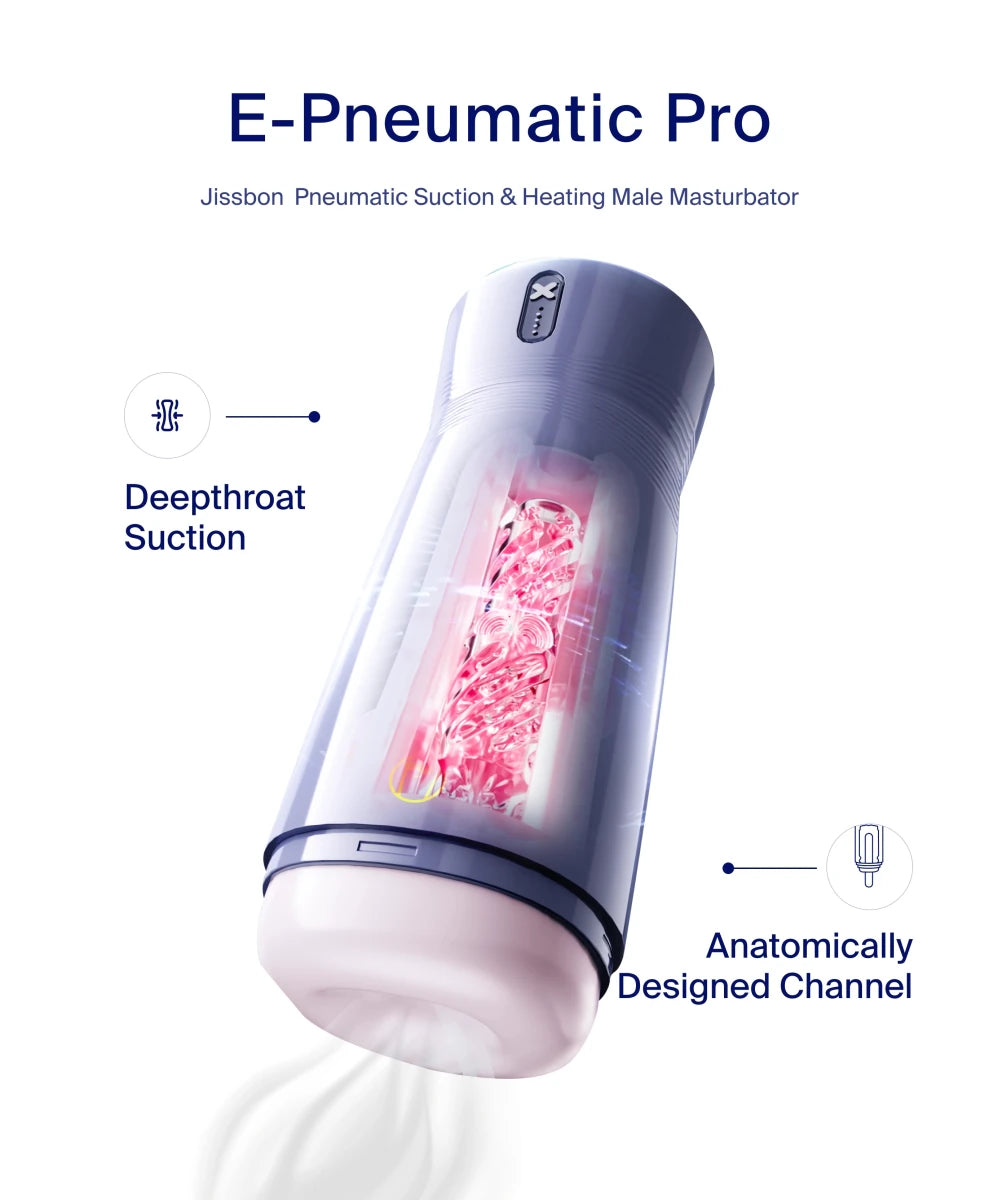
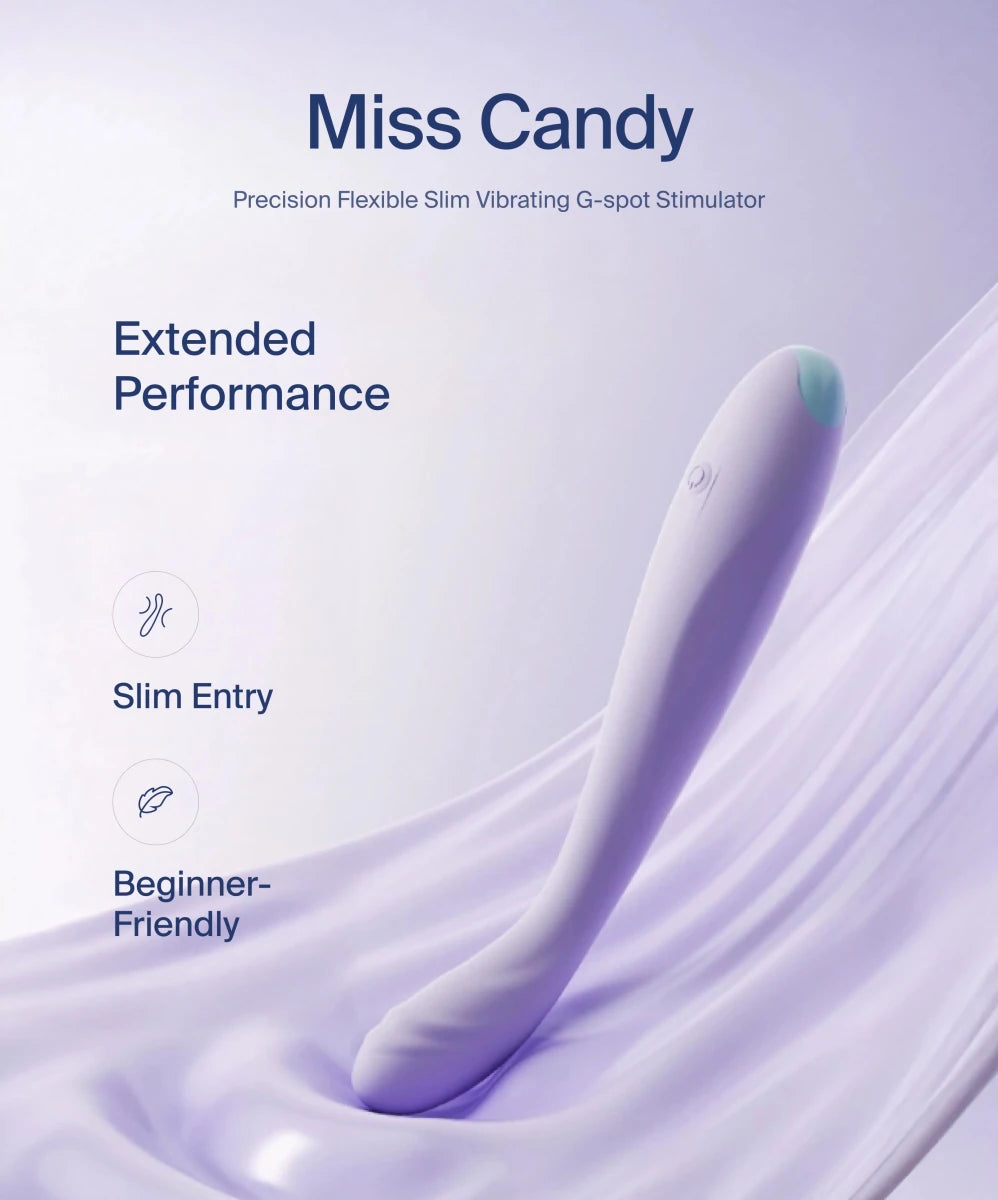
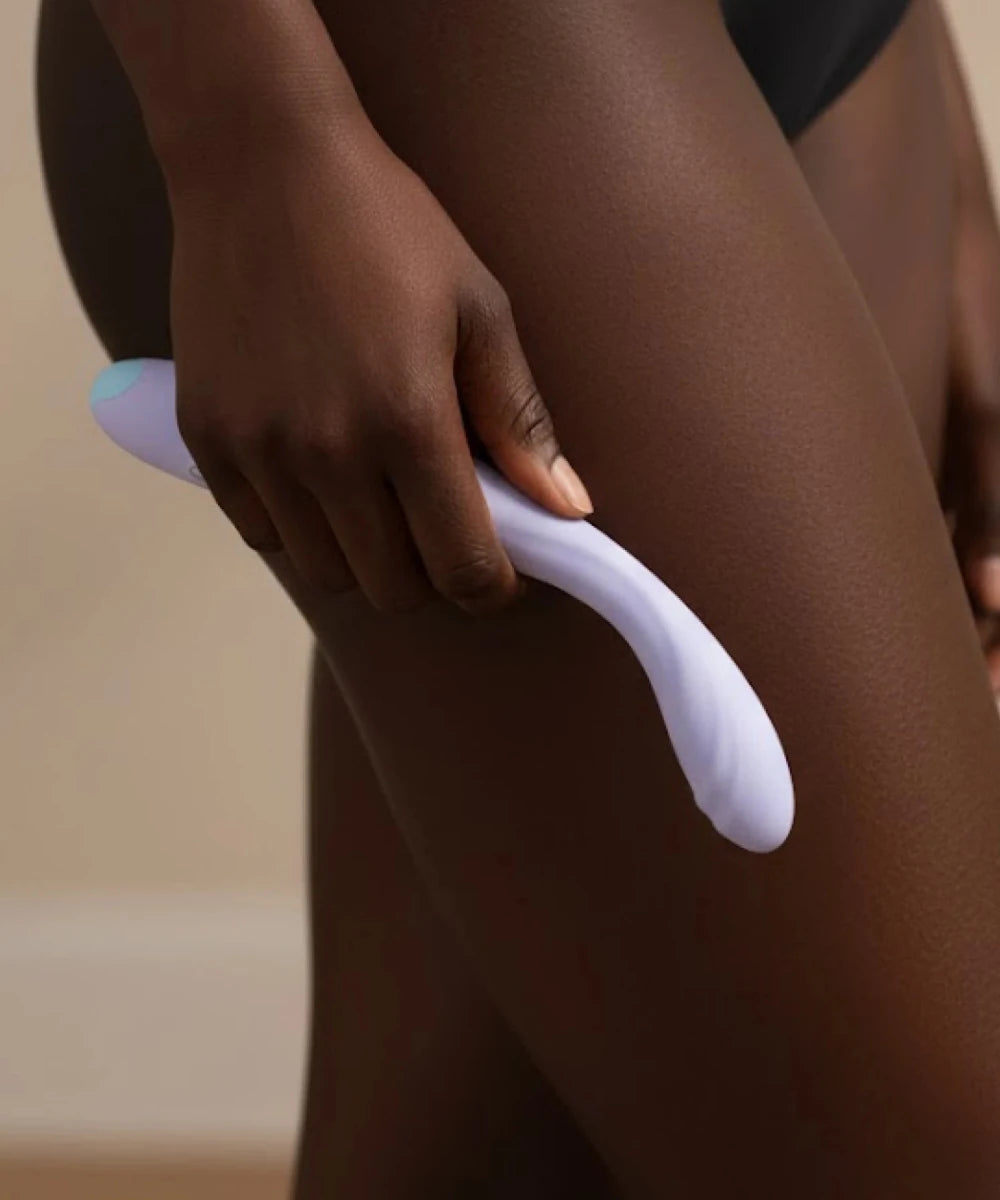
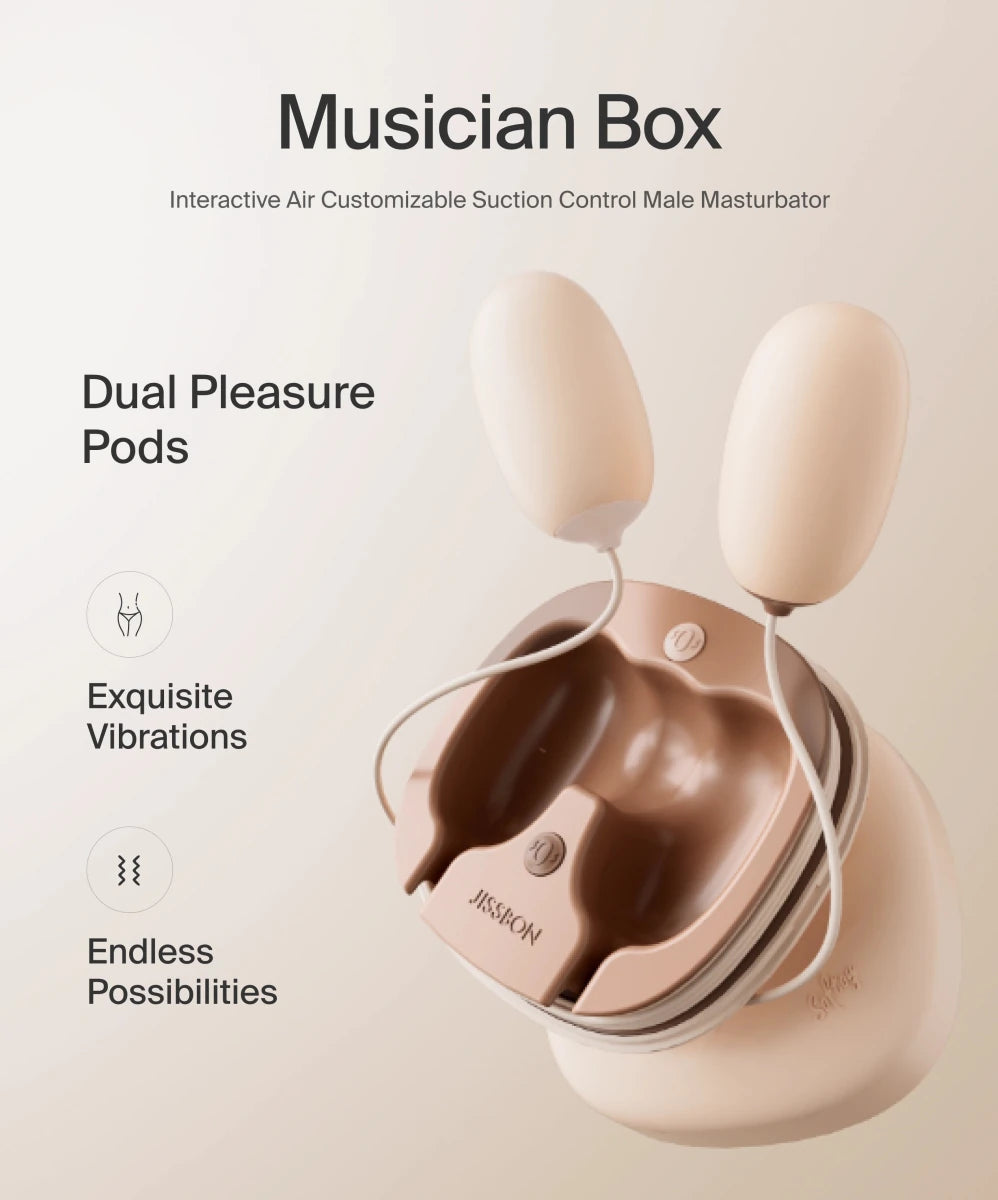
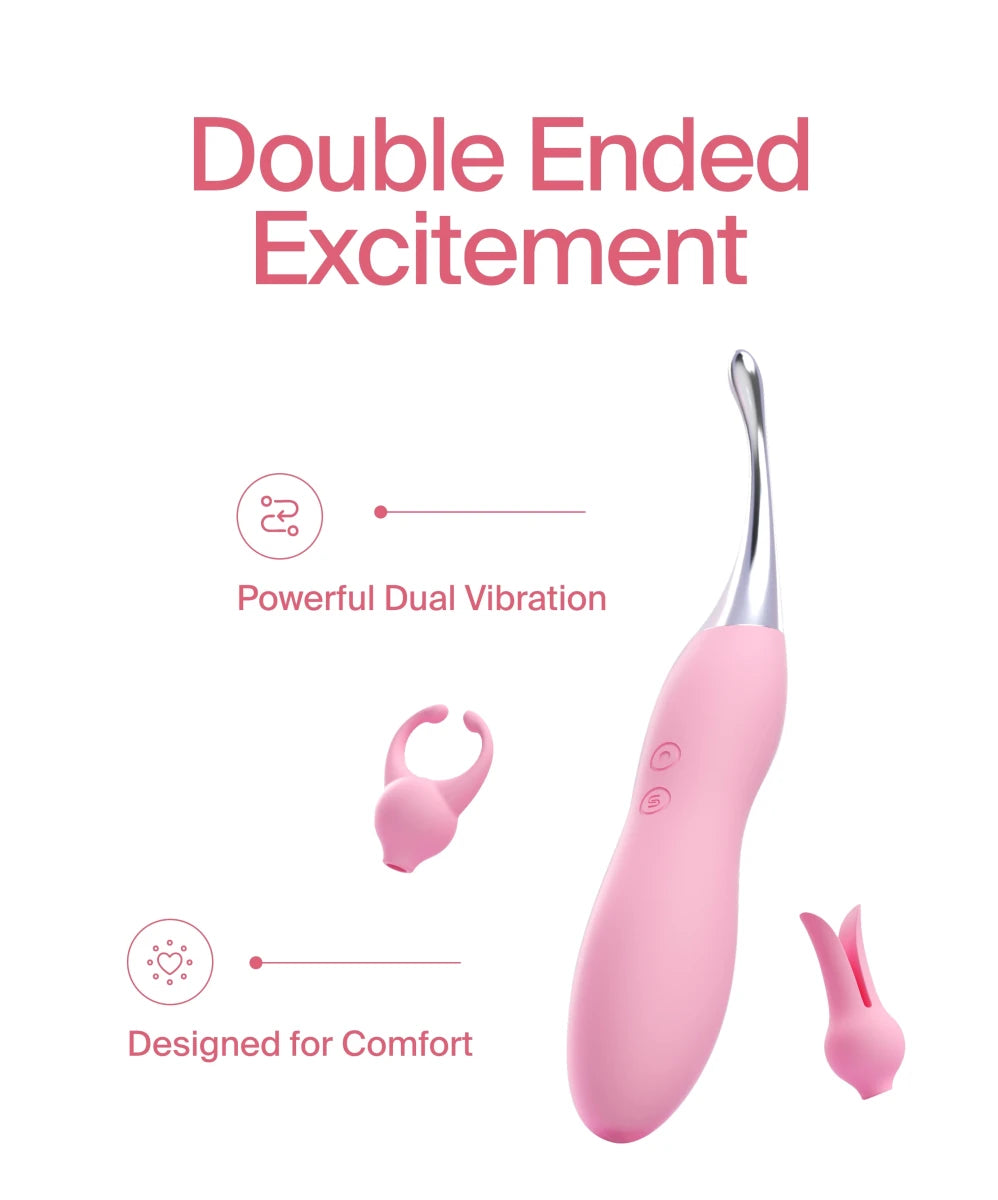
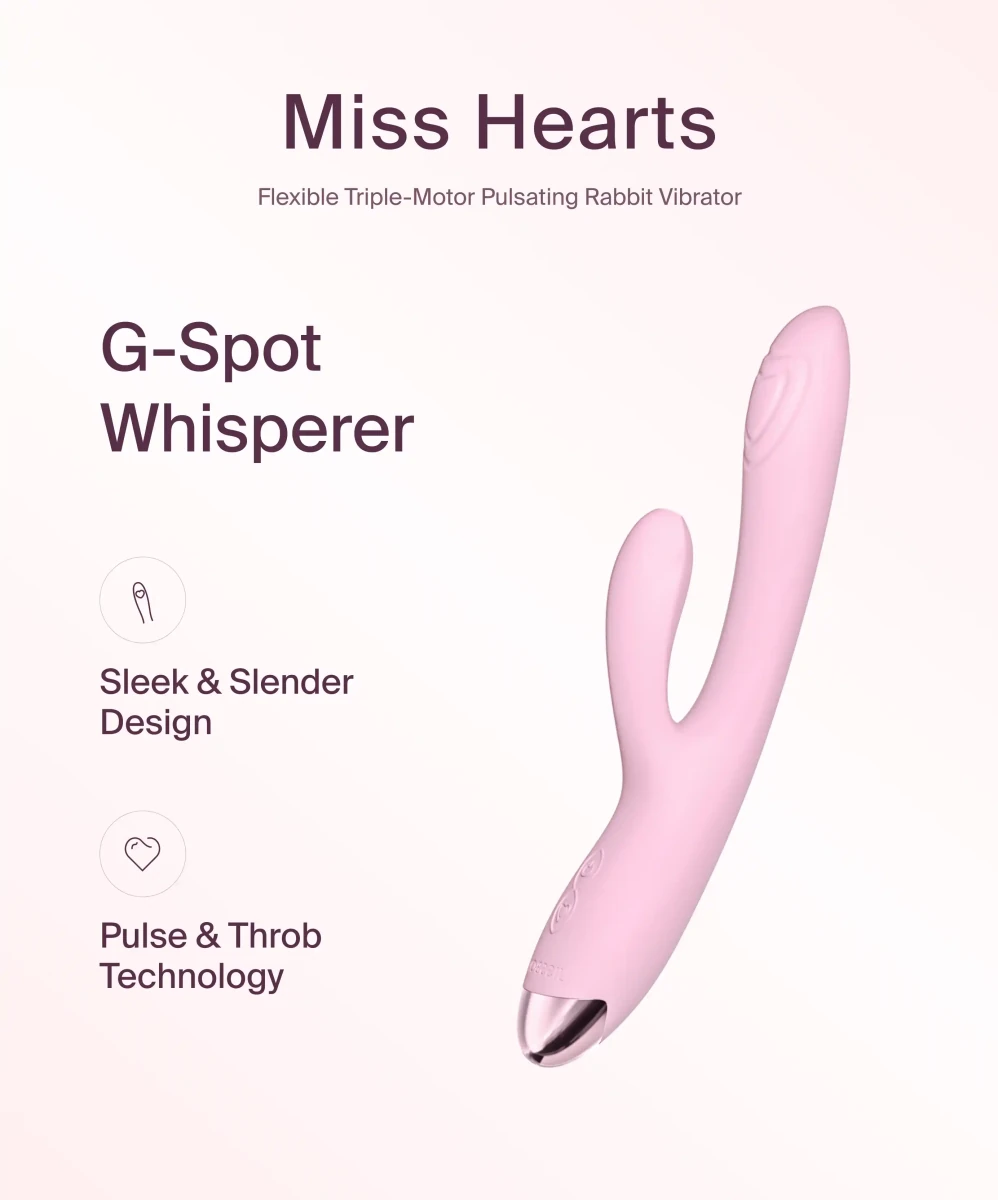
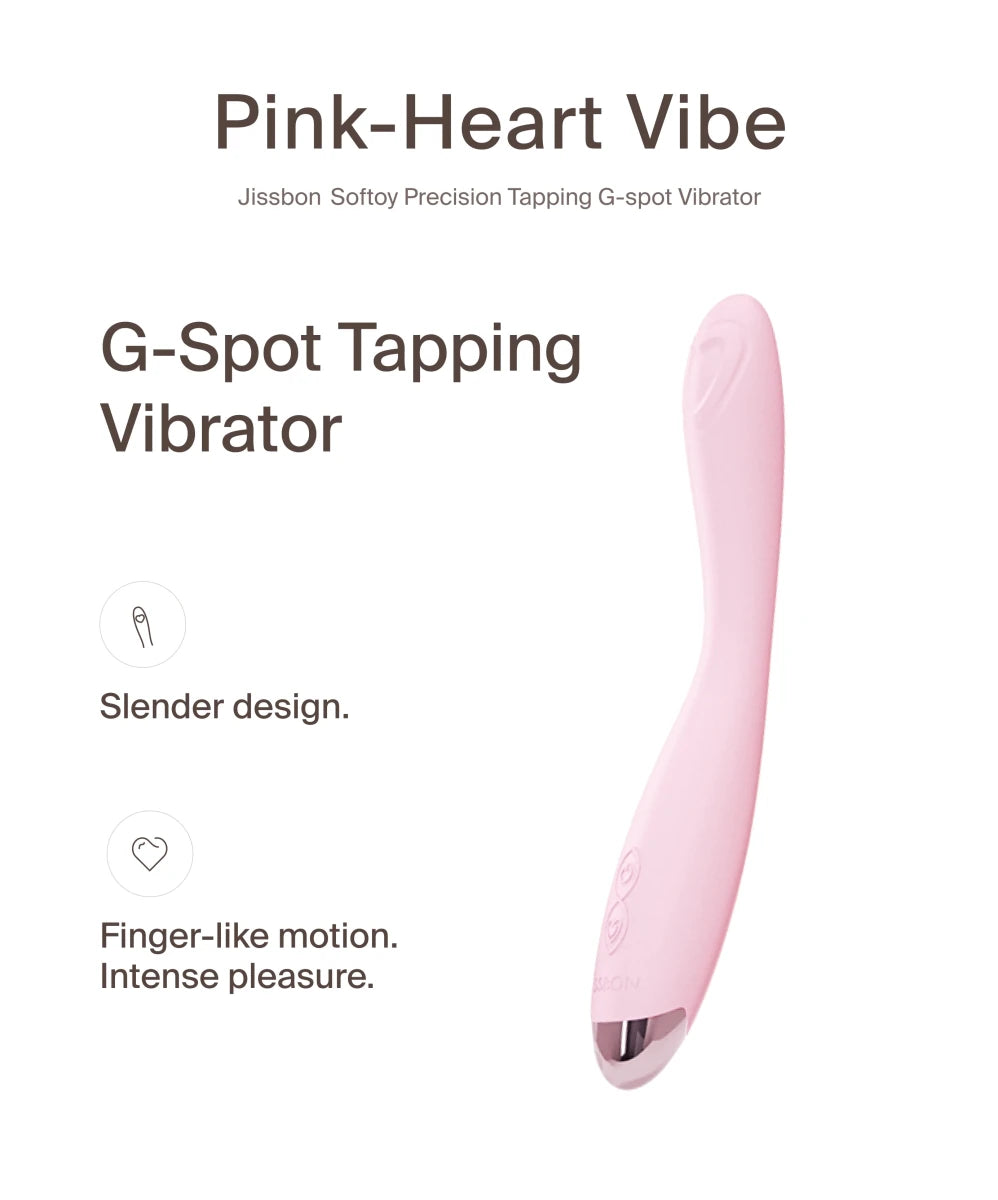
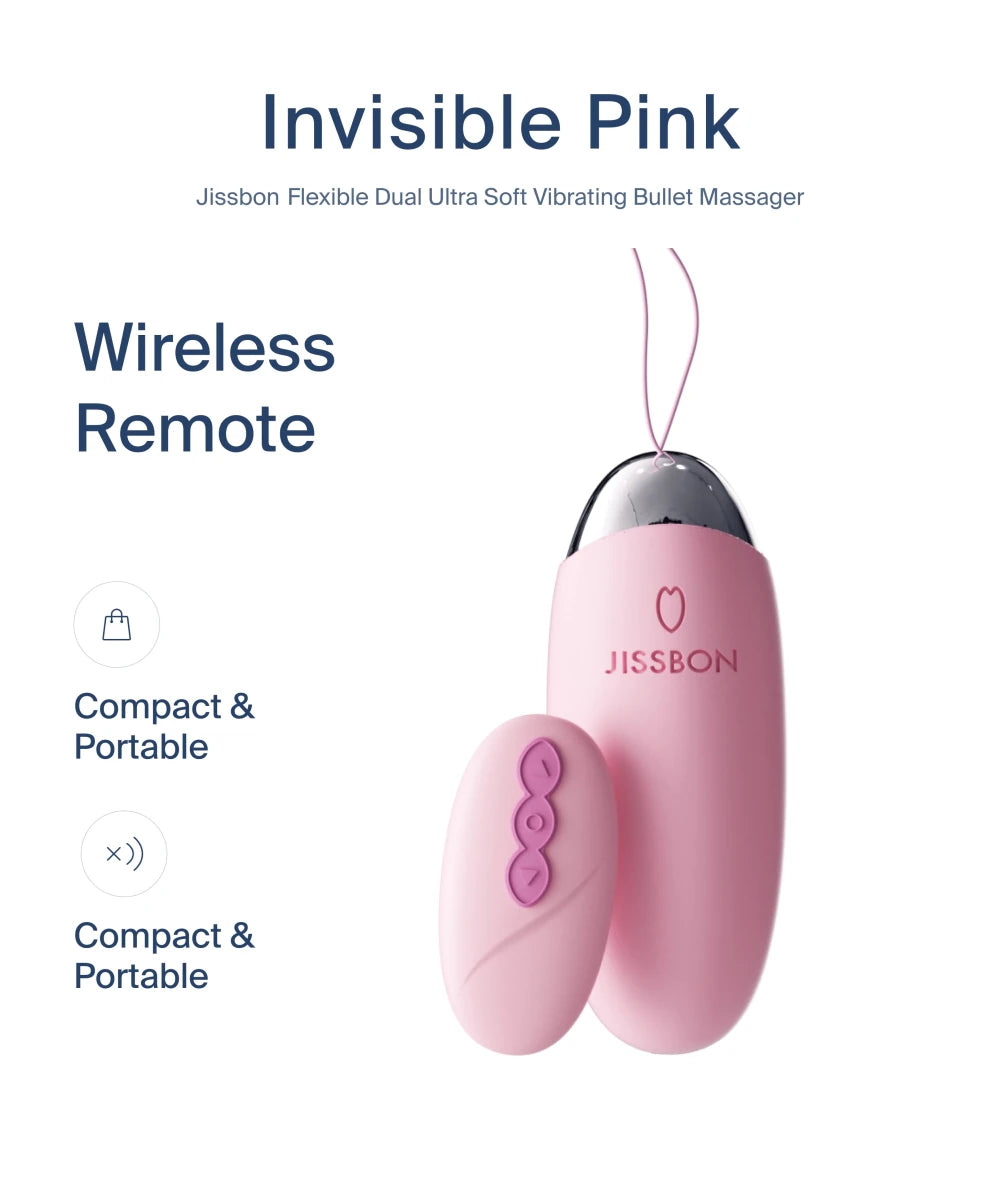
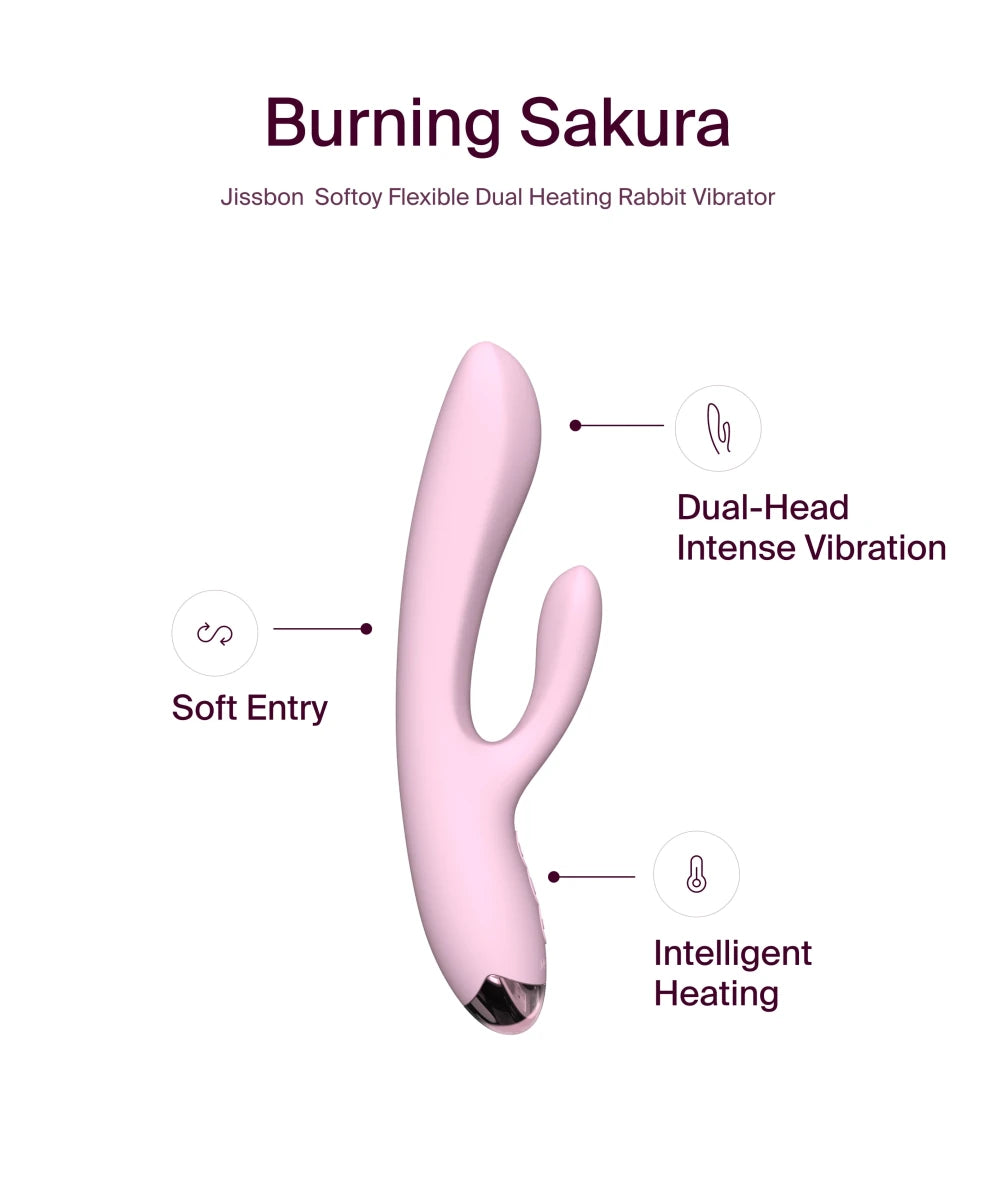
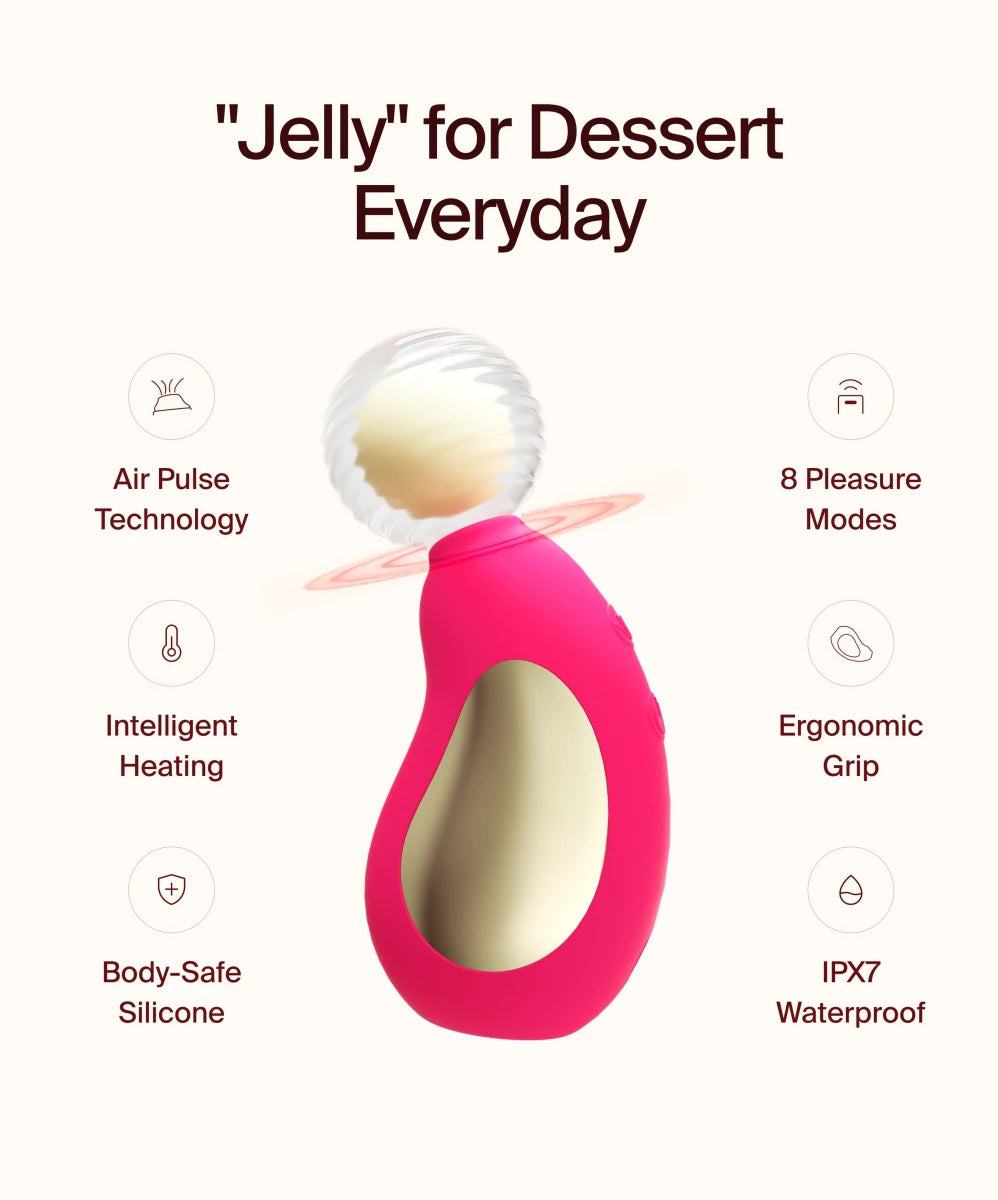
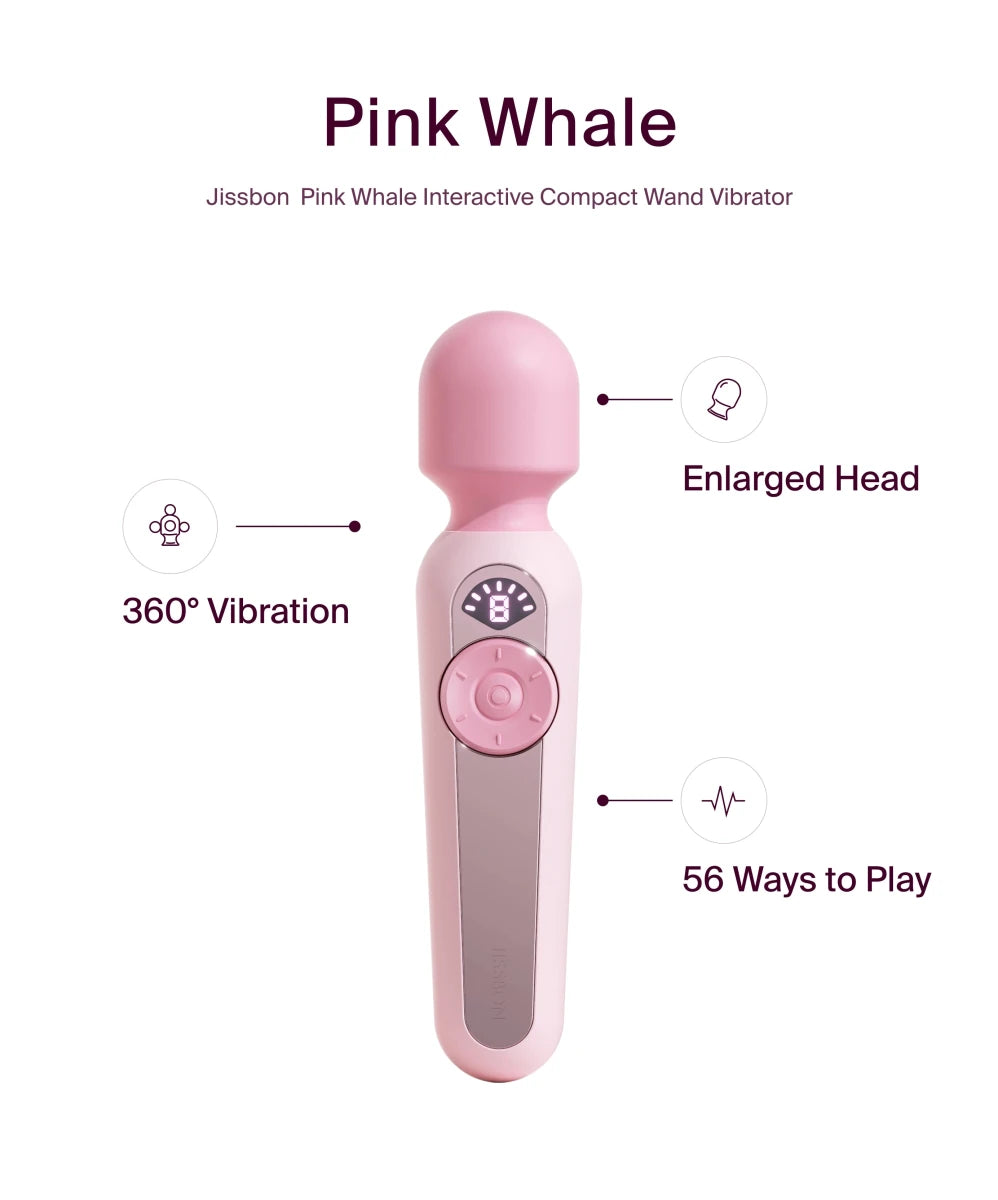
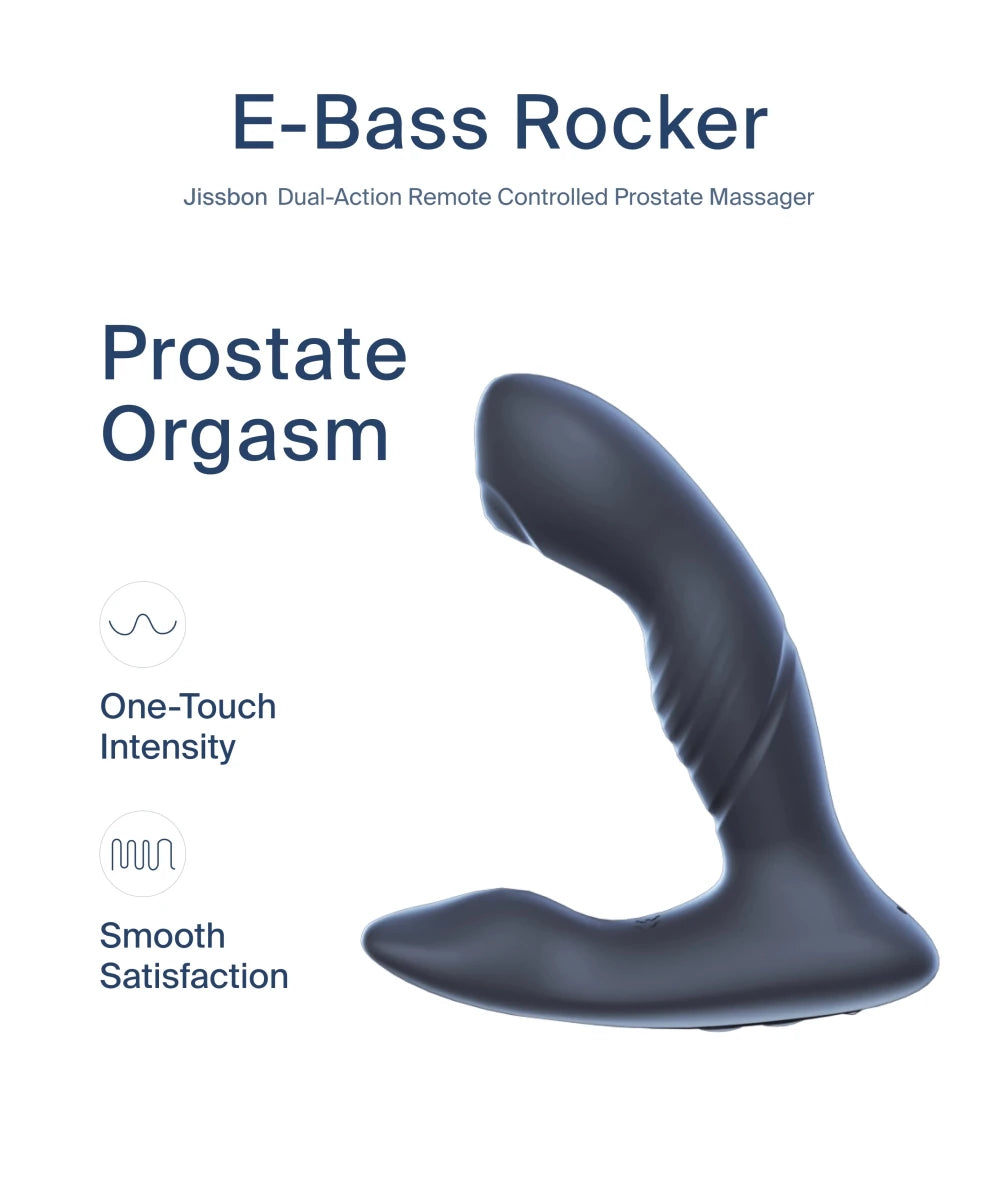
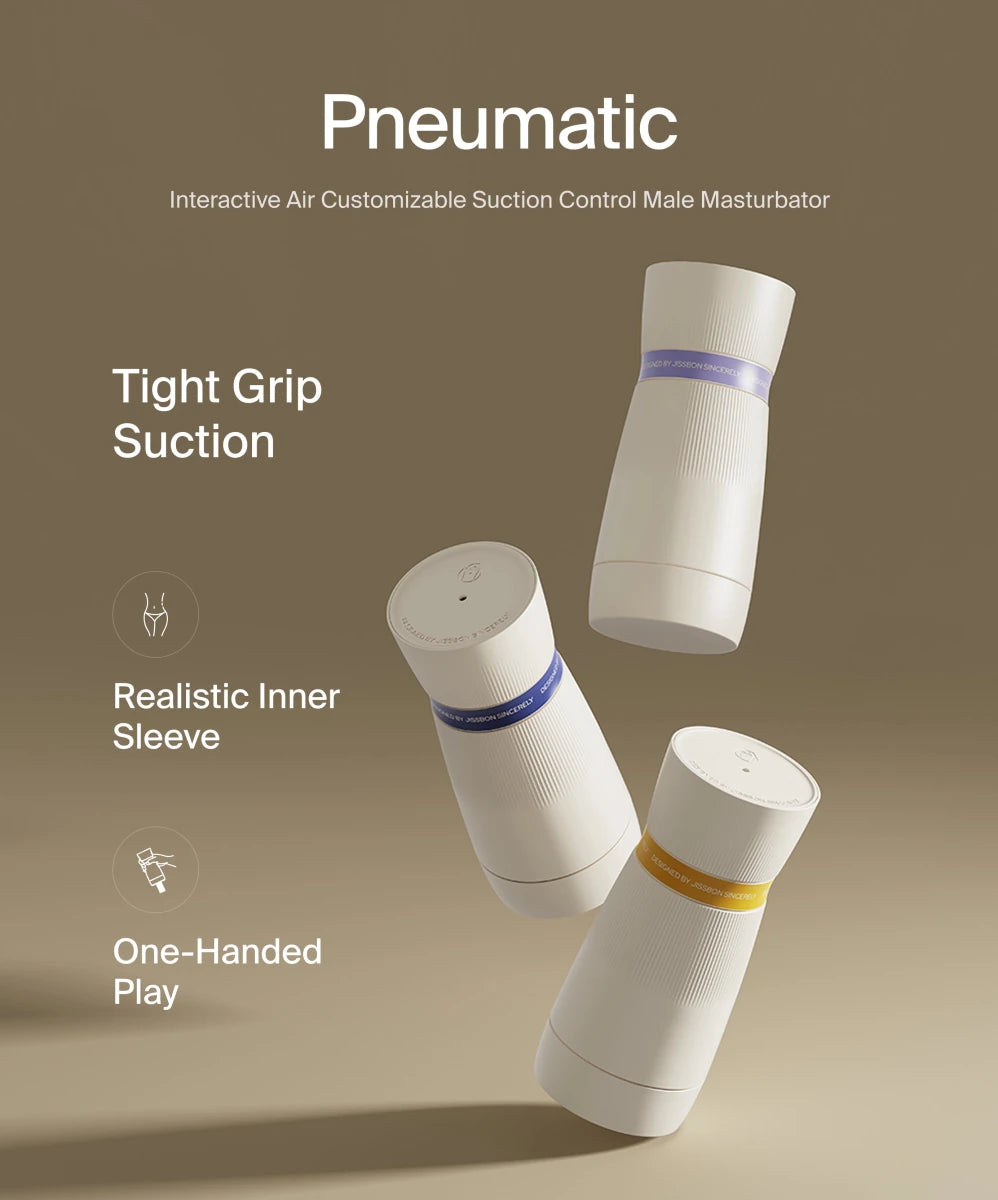
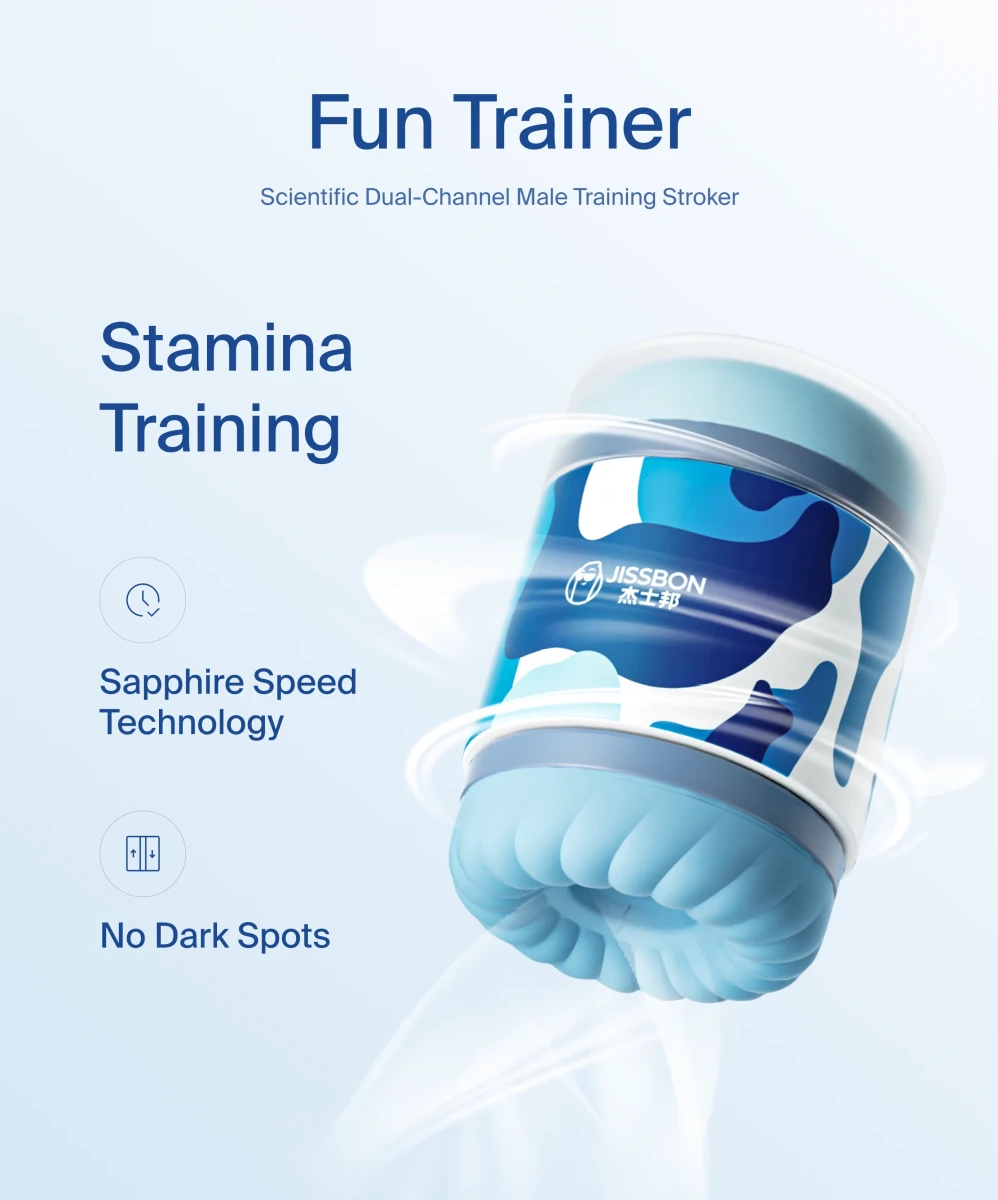
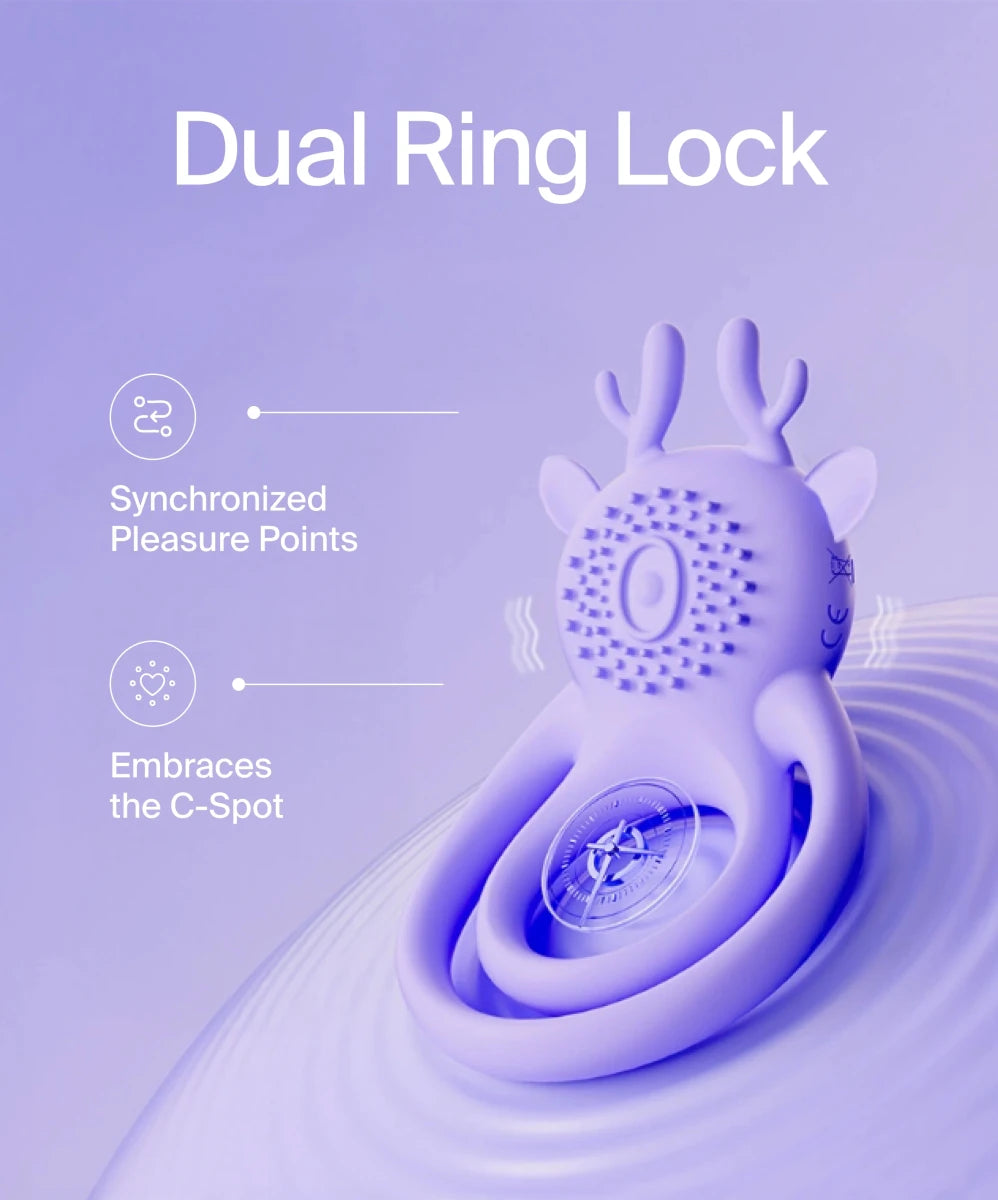
Many people find that incorporating sex toys for women or male masturbators enhances the experience and adds variety. Quality products from Jissbon use body-safe materials and offer different sensations to explore.
Benefits of using toys:
- Reduces repetitive strain from manual stimulation
- Provides consistent, controlled stimulation
- Allows exploration of different sensation types
- Can help people with mobility limitations or low grip strength
When choosing toys, prioritize body-safe materials like medical-grade silicone, and always follow cleaning instructions to prevent bacterial growth.
Addressing Common Concerns

Can You Masturbate Too Much?"
Technically, yesthough it's uncommon. Signs of excessive masturbation include:
- Physical injury (soreness, skin irritation, swelling that doesn't heal)
- Interference with daily life (missing work, avoiding social activities)
- Compulsive behavior (feeling unable to stop despite wanting to)
- Relationship problems (choosing masturbation over partnered intimacy consistently)
For the vast majority of people, these issues don't arise. If you're concerned about compulsive patterns, speaking with a therapist can help.
Does Masturbation Cause Sexual Dysfunction?"
No. The myth that masturbation causes erectile dysfunction or difficulty orgasming during partnered sex is unfounded. However, very specific patternslike using an extremely tight grip or only being able to orgasm with very particular stimulationcan sometimes create temporary conditioning that makes partnered sex less responsive.
Solution: Vary your technique, try different positions, and occasionally take breaks to reset sensitivity if needed.
What About Religious or Cultural Concerns?"
This is deeply personal. From a purely medical and scientific perspective, masturbation is healthy. Many people successfully navigate personal, religious, or cultural values alongside their sexual health needs. If you experience significant distress, speaking with a sex-positive therapist or counselor can help.
When Masturbation Might Be Problematic
While masturbation is generally beneficial, certain situations warrant attention:
Compulsive patterns: If you feel unable to control urges despite negative consequences, this may indicate underlying anxiety, depression, or impulse control issues requiring professional support.
Using it to avoid emotional issues: If masturbation becomes your only coping mechanism for stress, sadness, or boredomreplacing other healthy strategiesit may signal broader mental health concerns.
Physical injury: Continuing to masturbate despite pain or injury, or using objects not designed for sexual use that cause harm, requires medical attention.
Relationship conflicts: If secrecy or frequency is creating serious trust issues or avoiding intimacy with a partner, couples counseling may help.
Guilt causing distress: If masturbation consistently creates severe guilt, shame, or anxiety that affects your wellbeing, therapy can help address internalized beliefs.
Masturbation Across Different Life Stages
Masturbation remains healthy throughout life, though approaches may change:
Adolescence and Young Adulthood
Masturbation helps young people learn about their bodies during sexual development. It provides a safe way to explore sexuality without risks associated with partnered activity.
Adulthood and Relationships
Masturbation complements partnered sex for many people, not replaces it. It maintains sexual function during partner absence, mismatched libidos, or times when partnered sex isn't possible (illness, pregnancy, postpartum recovery).
Aging and Menopause
Regular masturbation helps maintain sexual function as people age. For postmenopausal individuals, it preserves vaginal health and reduces atrophy. For people experiencing erectile changes, it maintains blood flow and tissue health.
Frequently Asked Questions
Is masturbation good for your health?
Yes. Medical organizations including Cleveland Clinic and Planned Parenthood affirm that masturbation is a normal, healthy activity with multiple benefits. It reduces stress, improves sleep, provides pain relief, maintains sexual function, and carries no risk of pregnancy or STIs. Most health concerns about masturbation are myths without scientific basis.
What are the main benefits of masturbating?
Key benefits include: stress and anxiety reduction through endorphin release, improved sleep quality from prolactin, natural pain relief including headache and menstrual cramp management, enhanced sexual health and function, increased body awareness and confidence, and a safe outlet for sexual expression with zero disease or pregnancy risk.
Can masturbation improve mental health?
Yes. Masturbation releases dopamine, serotonin, and endorphinsneurotransmitters that regulate mood and reduce stress. Regular masturbation can help manage anxiety, improve overall mood, and provide healthy emotional regulation. However, it should complement other mental health strategies and isn't a replacement for professional treatment when needed.
Is it healthy to not masturbate?
Absolutely. While masturbation offers benefits, choosing not to masturbate is equally healthy. There's no medical requirement to masturbate, and abstinence causes no harm. Some people have low sex drives, personal or religious reasons for abstaining, or simply don't enjoy itall of which are completely normal.
How often is it healthy to masturbate?
There's no universal "healthy" frequency it varies dramatically among individuals. Anywhere from never to multiple times daily can be normal depending on libido and circumstances. Masturbation is healthy as long as it doesn't interfere with daily responsibilities, cause physical injury, or create emotional distress.
Does masturbation have any negative side effects?
For most people, no. Potential issues are rare and typically involve: excessive frequency causing physical irritation (easily prevented with lubrication and moderation), compulsive behavior interfering with daily life (which may indicate underlying mental health issues), or guilt and shame from cultural or religious beliefs (which is psychological, not a direct physical effect).
Final Thoughts
Is masturbation good for you? The medical consensus is overwhelmingly positive. The benefits of masturbating include genuine physical and mental health advantages, from stress reduction and better sleep to pain relief and enhanced sexual wellness.
Masturbation health is supported by decades of research showing it's a normal, safe, and beneficial part of human sexuality.If you're interested in exploring new ways to enhance your solo wellness routine, sex toys for men and other quality intimate products offer body-safe options designed for comfort and pleasure.


Looking for something else?

What Is Flogging in Sex? Complete BDSM Flogging Guide
LEARN MORE
What Does Overstimulated Mean Sexually? Causes & Solutions
LEARN MORE
Can You Get a Tattoo on Your Vagina? Safety, Pain & What to Expect
LEARN MORE
Public Sex Kink: Understanding Exhibitionism & Safe Exploration
LEARN MORELooking for something else?

A-Spot Orgasm: Best Positions & How to Find It
LEARN MORE
Bondage Play: Complete Beginner's Guide to Rope BDSM
LEARN MORE
Vibrator Stories: Real Experiences, Tips & What to Expect
LEARN MOREYou may also like
20% off

20% off

20% off

20% off

20% off

20% off

Further reading

How to Clean an Automatic Blowjob Machine Without Damaging the Motor
Remote-Controlled Automatic Masturbators for Couples and Solo Play
Best Automatic Strokers for Edging and Stamina Training