



































































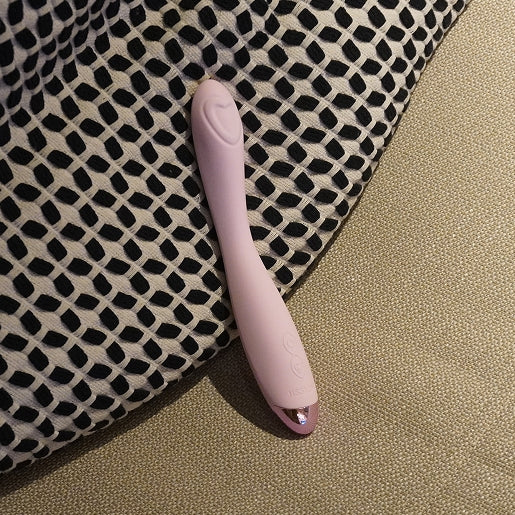

How to Introduce Sex Toys Into Your Relationship: A Practical Guide
Stack & Save: Extra 15% with Jissbon15
Jissbon15
Bringing up intimate products with your partner can feel nerve-wracking, even in established relationships. This guide provides straightforward strategies for starting the conversation, choosing beginner-friendly options together, and creating positive first experiences that enhance connection rather than create tension.
Whether you're curious about adding variety or seeking solutions to specific challenges, you'll find practical approaches that respect both partners' comfort levels.
Signs Your Partner Might Already Be Open to Toys
Many partners show subtle openness long before a direct conversation happens. Look for gentle indicators such as:
Curiosity During Media Moments
They laugh or react positively during movie scenes involving toys, or they make playful comments when topics arise online.
Interest in Enhancing Intimacy
They express desire for more variety, longer sessions, or new ideas, even if they don’t explicitly mention toys.
Positive Response to Sensual Products
They enjoy massage oils, lingerie, slow-build intimacy, or other sensory tools that lead naturally toward toy exploration.
Comfort Discussing Sexual Preferences
A partner who already talks openly about desires, fantasies, or sensations usually adapts easily to toy conversations.
If you notice even one of these, you’re likely entering the discussion from a positive starting point.
What NOT to Do When Introducing Toys
Avoiding common missteps makes your partner feel safe, respected, and included.
1. Don’t Bring It Up During Conflict
Toys should never be framed as a solution to an argument or disappointment. Linking them to dissatisfaction instantly triggers defensiveness.
2. Don’t Present Toys as a Replacement
Avoid phrasing like "This will help you orgasm faster" or "This is better than what we do." Keep the focus on shared enjoyment, not performance.
3. Don’t Introduce Toys for the First Time During Sex
Surprising a partner mid-intimacy can cause embarrassment, confusion, or shutdown. Discuss beforehand wherever possible unless you already have established exploratory trust.
4. Don’t Pressure, Compare, or Justify Excessively
If your partner hesitates, pushing harder makes acceptance less likely. Give them time and revisit gently later.
Who This Guide Helps
These strategies work for various relationship situations:
- Long-term partners wanting to refresh familiar routines
- New relationships exploring preferences together
- Couples managing mismatched desires or physical limitations
- Partners rebuilding intimacy after life changes (childbirth, health issues, stress)
- Anyone curious but uncertain how to start the conversation
- People who've tried unsuccessfully to discuss toys before
- Couples where one partner already uses toys solo
The goal is opening dialogue that leads to mutual exploration without pressure or discomfort.
Why the Conversation Feels Difficult

Understanding common barriers helps you navigate them effectively.
Fear of judgment: "Will my partner think I'm weird or perverted for suggesting this?"
Worry about adequacy: "Will they think they're not enough for me?"
Uncertainty about interest: "What if they're completely turned off by this idea?"
Past negative experiences: "I brought this up before and it went badly."
Cultural or religious conditioning: "I was taught that toys mean something's wrong with the relationship."
These concerns are valid and widespread. Most partners who eventually explore toys together started with similar hesitations. The key is approaching the topic thoughtfully rather than avoiding it due to discomfort.
Five Effective Introduction Strategies
Different approaches work for different relationship dynamics. Choose the method that feels most natural for your communication style.
Strategy 1: The Casual Media Reference
Use movies, shows, articles, or social media as conversation starters.
How it works:
When you encounter toy-related content together (comedy scene, article, social media post), make a light comment:
- "That's interesting—I never really thought about trying something like that"
- "I wonder if that actually works the way they show it"
- "Have you ever been curious about stuff like that?"
This approach feels less direct and threatening than formal sit-down conversations.
Best for: Partners who communicate through casual conversations rather than scheduled serious talks, relationships where humor and lightness work well, couples who already discuss intimate topics occasionally.
Implementation tips:
- Choose moments when both partners are relaxed and in good moods
- Keep your tone genuinely curious rather than suggestive or pushy
- Let the conversation develop naturally without forcing it toward immediate decisions
- If your partner seems uncomfortable, acknowledge it and move on: "Just curious—no pressure at all"
Follow-up approach:
If the initial conversation goes well, revisit the topic a few days later with more specific curiosity: "I've been thinking about that conversation we had. Would you ever actually want to try something like that together?"
Strategy 2: The Self-Improvement Angle
Frame exploration as enhancing an already good relationship.
How it works:
Position toys as additions rather than solutions to problems:
- "I read that trying new things together strengthens relationships. Want to explore some options?"
- "I love what we do together. I'm curious if we could make it even better by trying [specific type]"
- "I've been thinking about ways we could have more fun together. One idea is exploring toys—what do you think?"
This approach emphasizes enhancement rather than fixing deficiencies.
Best for: Established relationships with solid foundations, partners who respond well to growth mindsets, couples who already work on their relationship intentionally, situations where intimacy is good but could be more frequent or varied.
Implementation tips:
- Lead with genuine appreciation for current intimacy
- Use "we" and "together" language consistently
- Avoid comparisons to past partners or relationships
- Suggest researching options together rather than presenting pre-selected products
Follow-up approach:
Schedule a relaxed time to browse options online together. Make it a date—order takeout, pour wine, and explore websites while discussing what appeals to each of you and what doesn't.
Strategy 3: The Direct Conversation

Have an explicit discussion about desires, curiosities, and boundaries.
How it works:
Choose a private, relaxed moment away from intimate contexts:
- "I want to talk about something I've been curious about. I'm interested in exploring toys together. How do you feel about that?"
- "I've been thinking about our intimate life. I'd love to try adding [specific product]. Can we discuss it?"
- "There's something I want to try with you. Are you open to hearing about it?"
This approach values honesty and direct communication.
Best for: Relationships with strong communication foundations, partners who prefer straightforward discussions, couples who've successfully navigated difficult conversations before, situations where subtlety hasn't worked.
Implementation tips:
Choose timing carefully:
- Not right before or after intimate moments (creates pressure)
- When both partners are relaxed and undistracted
- Somewhere private and comfortable
- When you have 30+ minutes without interruptions
Use clear, non-threatening language:
- State your interest without demands
- Emphasize curiosity and exploration
- Acknowledge potential discomfort
- Offer to answer questions
Prepare for various responses:
- Immediate enthusiasm (great—plan next steps together)
- Hesitation or uncertainty (give time to process)
- Concern or worry (address specific fears)
- Flat refusal (respect boundaries and possibly revisit later)
Follow-up approach:
If your partner needs time to think, establish when you'll revisit the conversation: "No pressure at all. Maybe we can talk about it again next week after you've had time to consider?"
Strategy 4: The Gift or Surprise Approach
Present a toy as a gift for both of you to enjoy together.
How it works:
Purchase a beginner-friendly, non-intimidating product and present it as a gift:
- "I got something for us to try together if you're interested"
- "I saw this and thought it might be fun for both of us"
- "I have a surprise that I hope you'll like—want to see?"
This approach shows you've put thought into enhancing shared experiences.
Best for: Relationships with playful dynamics, partners who enjoy surprises, couples who've hinted at interest without explicit conversations, situations where direct conversations feel too formal.
Critical warnings:
Only use this approach if:
- You've had hints or indirect conversations suggesting openness
- Your partner generally responds well to surprises
- You choose extremely beginner-friendly, non-intimidating options
- You're prepared for potential rejection without taking it personally
Never use this approach if:
- Your partner has expressed disinterest or discomfort previously
- You haven't gauged their general attitude toward toys
- You're using it to pressure someone into trying something
- The relationship has poor communication or trust issues
Implementation tips:
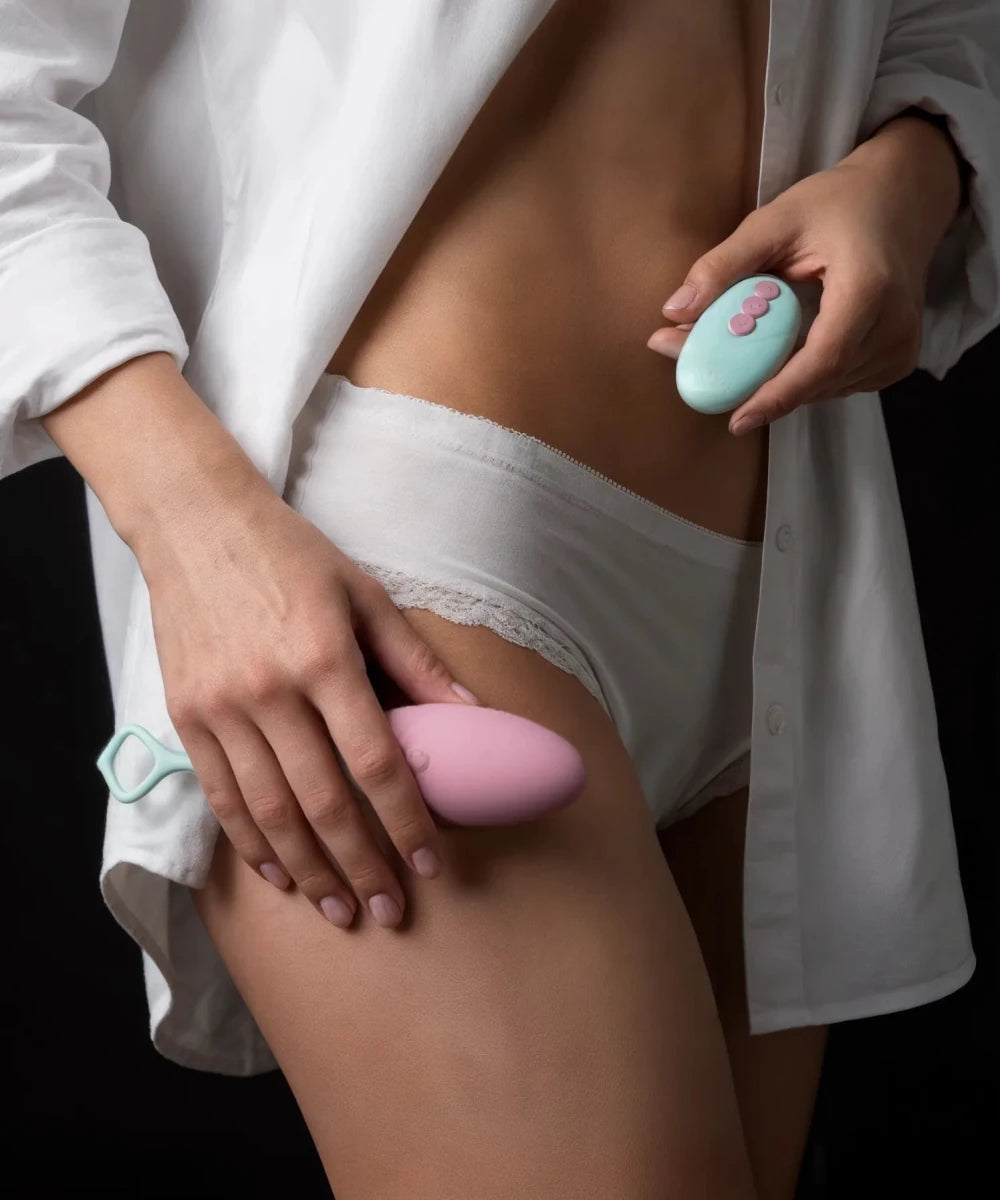
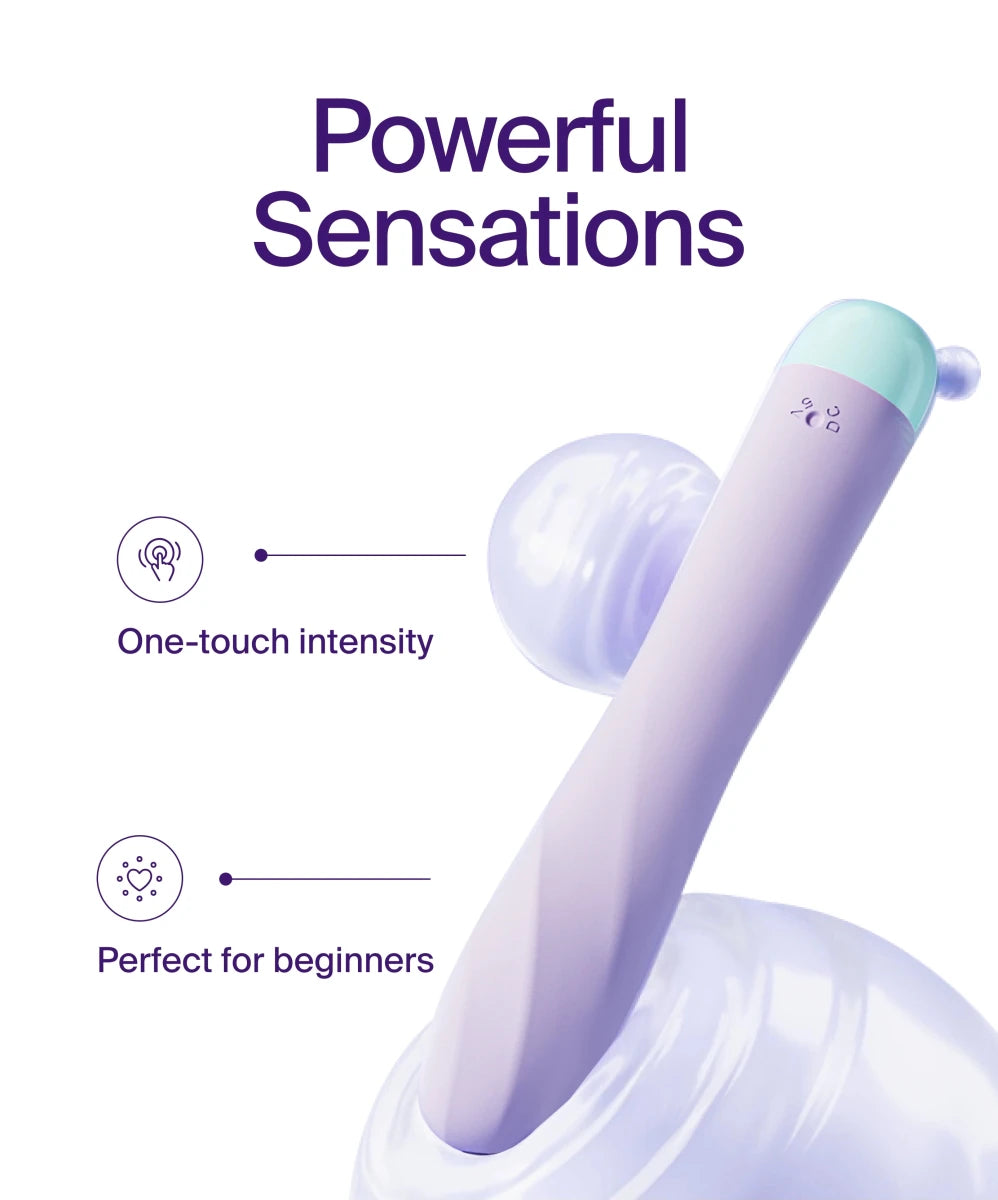
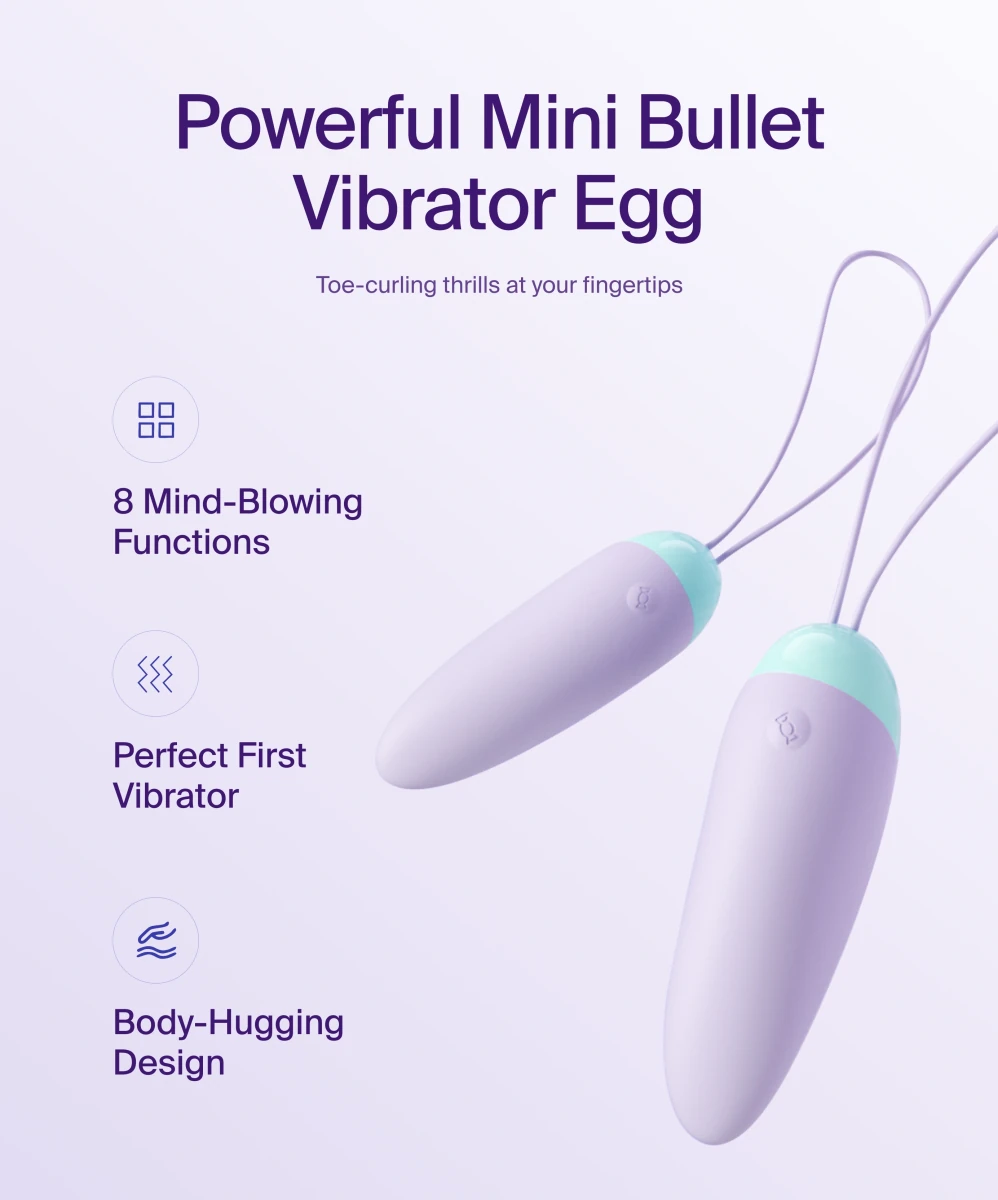
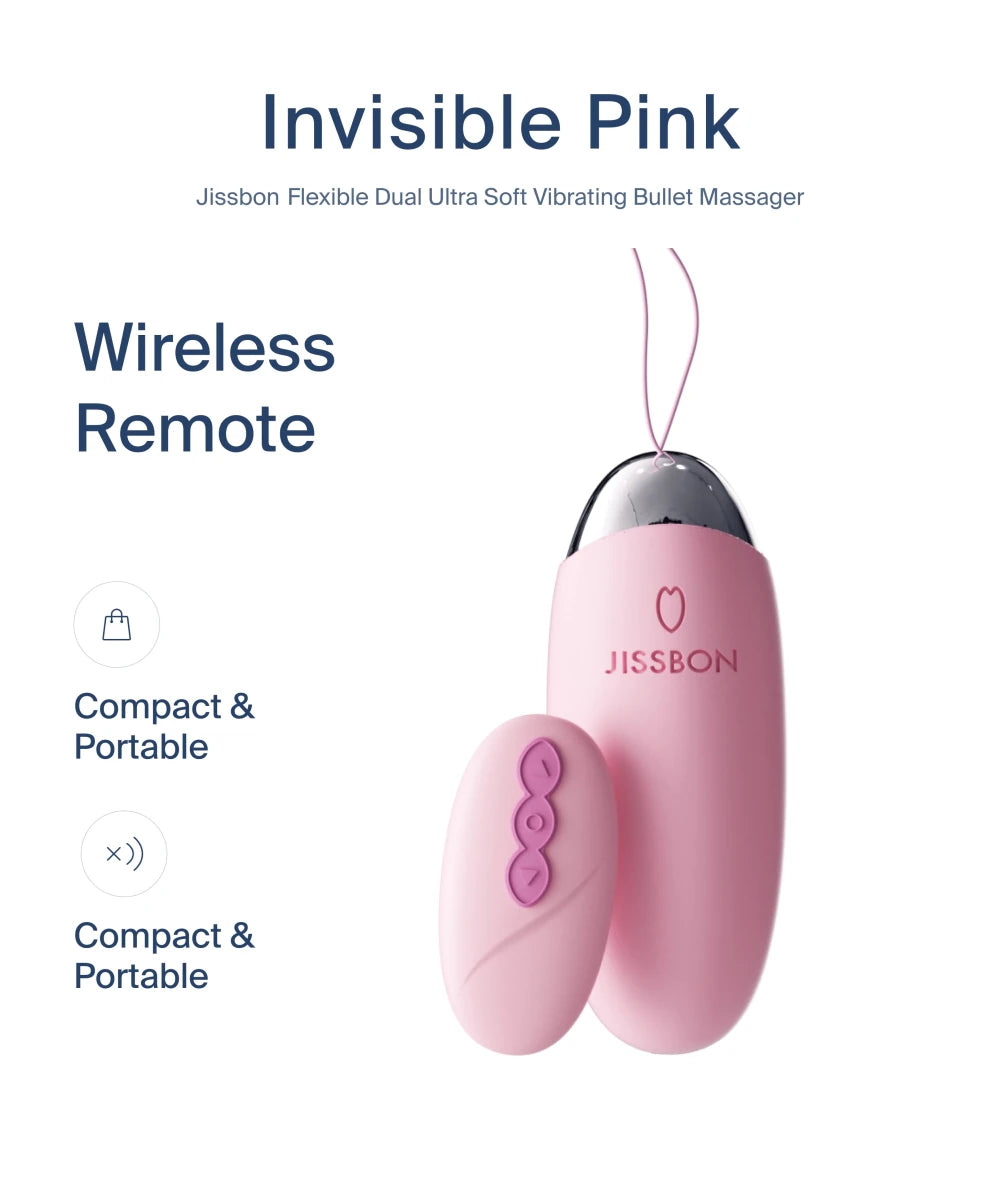
- Choose small, simple options (bullet vibrators, massage oils, beginner couples' products)
- Present during relaxed, positive moments
- Include clear messaging: "Only if you want to—absolutely no pressure"
- Have alternative plans if they're not interested
Follow-up approach:
If they're hesitant, don't push: "We can save it for whenever you might be curious, or not use it at all. Totally up to you." If enthusiastic, discuss boundaries and preferences before actually using it.
Strategy 5: The Problem-Solving Discussion
Address specific challenges that toys might help resolve.
How it works:
Identify legitimate issues where toys offer practical solutions:
- Mismatched libidos: "I know I want intimacy more often than you do. What if we found something that made it easier and more fun when you're less interested?"
- Physical limitations: "Since [injury/condition/medication], certain things are harder. I read that [specific type] helps with this situation"
- Difficulty reaching orgasm: "I really want to experience climax with you. Could we try something designed to help with that?"
This approach frames toys as tools rather than recreational additions.
Best for: Relationships navigating specific challenges, partners who respond to logical problem-solving, couples already discussing intimate issues openly, situations where both partners acknowledge a concern.
Implementation tips:
- Lead with empathy and shared concern
- Present research or recommendations from credible sources
- Emphasize partnership: "Let's find solutions together"
- Acknowledge that toys are one option among many
Critical considerations:
Frame toys as potential helpers, not guaranteed fixes. Unrealistic expectations create disappointment. Also ensure your partner doesn't feel blamed for the "problem" you're trying to solve.
Follow-up approach:
Research options together, focusing on products specifically designed for your situation. Consult healthcare providers if physical issues are involved—they often have product recommendations.
Choosing Your First Toy Together
Once you've opened the conversation successfully, selecting the right product matters significantly.
Best First-Choice Categories
|
Product Type |
Why It Works |
Average Price |
Intimidation Level |
|
Small, versatile, affordable |
$25-$50 |
Very low |
|
|
Enhances familiar activities |
$20-$45 |
Low |
|
|
Massage oils/candles |
Sensual without being explicit |
$15-$35 |
Very low |
|
Playful, controllable |
$35-$70 |
Low-moderate |
|
|
Powerful but non-penetrative |
$40-$80 |
Low-moderate |
What to Avoid Initially
Large or intimidating sizes: Start smaller than seems necessary. What looks manageable in photos often feels larger in person. You can always upgrade later.
Highly specialized products: Avoid items designed for specific kinks, fetishes, or advanced users. These assume comfort levels most beginners haven't developed yet.
Expensive luxury items: Don't invest $150+ until you've confirmed both partners enjoy toy use. Mid-range quality ($40-$70) provides excellent experiences without financial risk.
Products requiring elaborate setup: Complex positioning, numerous parts, or extensive preparation create frustration rather than fun for first experiences.
Anything resembling realistic anatomy: Many people find abstract designs less threatening than realistic representations. Gauge your partner's comfort before choosing detailed designs.
Shopping Together vs. Separately
Shopping together benefits:
- Both partners influence the choice
- Discusses features and preferences openly
- Builds anticipation and excitement
- Ensures mutual comfort with selection
Shopping separately works when:
- One partner has more knowledge and can guide
- Surprising your partner has been discussed and approved
- One person feels too embarrassed to browse together initially
- You're purchasing for specific solo use first
If shopping separately, share options before purchasing: "I've been looking at a few things. Want me to send you links so we can decide together?"
Creating Positive First Experiences
How you introduce the physical product significantly impacts whether it gets used again.
Before the first session:
- Charge and clean the product several hours in advance
- Read instructions together to understand functions
- Test controls separately so you know how buttons work
- Gather supplies: water-based lubricant, towels, tissues
- Agree on signals: what means "pause," "stop," "keep going"
Setting the right atmosphere:
Choose a relaxed time:
- No time pressure or upcoming obligations
- Both partners in good moods
- Adequate energy (not exhausted after long day)
- Privacy guaranteed (no interruptions expected)
Reduce performance pressure:
- Explicitly state: "This is about exploring, not achieving specific outcomes"
- Agree that it's fine to stop any time
- No expectation of orgasms or particular responses
- Permission to laugh if things feel awkward
During the first experience:
1. Start with familiar activities first
Build arousal naturally before introducing the toy. This reduces anxiety and increases natural responsiveness. Spend 10-15 minutes on activities you both enjoy before bringing out the new product.
2. Introduce the toy gradually
Don't immediately use it on intimate areas. Let both partners:
- Touch and handle it
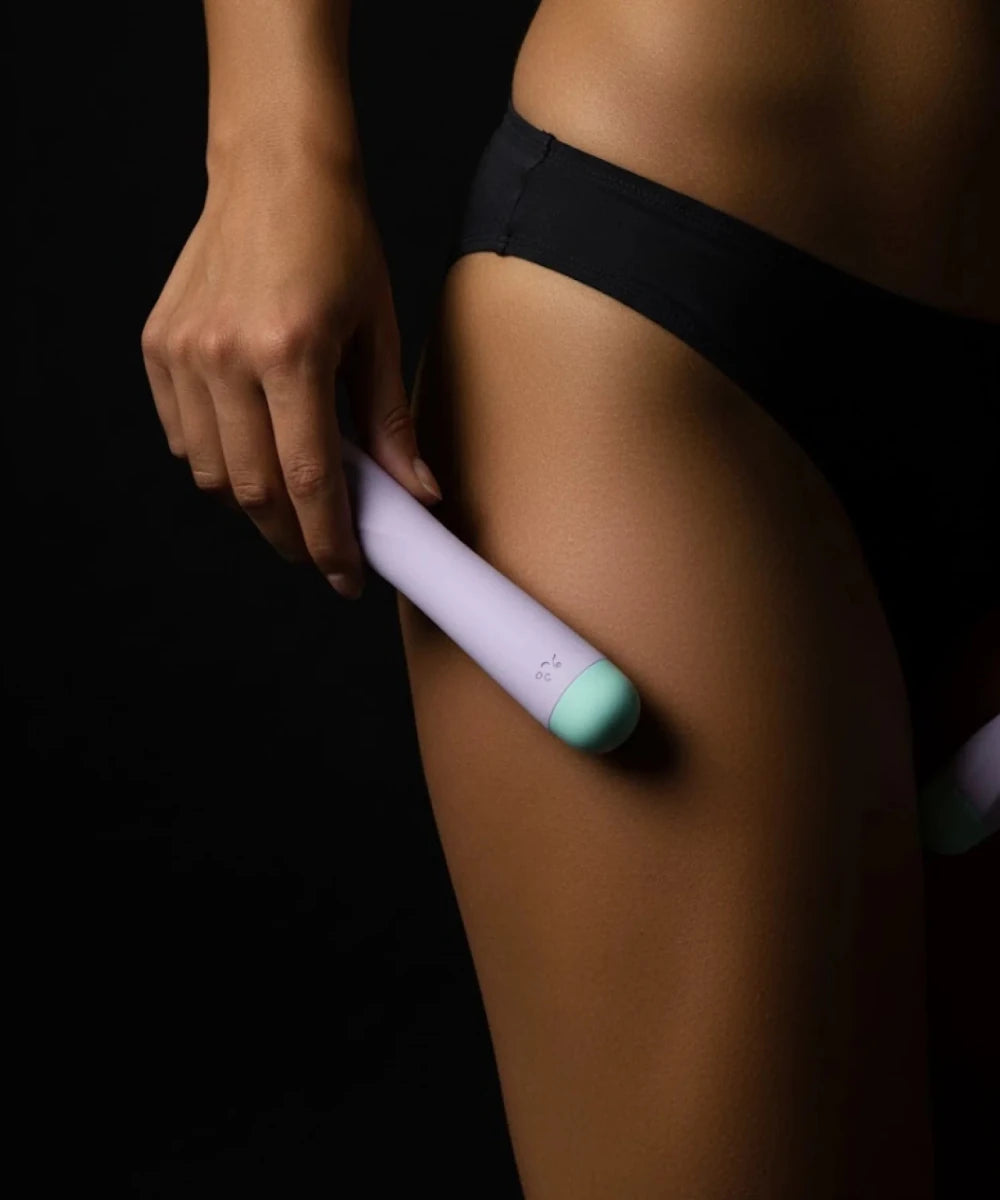
- Feel vibrations on neutral areas (wrist, shoulder, thigh)
- Adjust to the sensation before moving forward
3. Begin on lowest settings
Overwhelming sensation causes discomfort and numbness. Start gentle and increase gradually based on verbal and non-verbal feedback.
4. Communicate constantly
- "How does this feel?"
- "Should I move it, or keep it right here?"
- "More pressure or less?"
- "Want me to try a different setting?"
Ongoing check-ins feel awkward initially but become natural with practice.
5. Give permission to stop
Either partner can pause or stop completely without explanation or guilt. "Actually, let's take a break" should be met with immediate, judgment-free compliance.
6. Focus on pleasure, not orgasm
Your first experience might not include climax for either or both partners—and that's completely fine. Exploration and learning matter more than specific outcomes.
After the first experience:
Immediate debrief (5-10 minutes):
- Clean the toy together while chatting casually
- Share what felt good
- Mention anything uncomfortable
- Discuss whether you'd try again
Deeper conversation (later that day or next):
- What would you change next time?
- Different positions, intensity, or timing?
- Interest in trying similar products?
- Comfortable with frequency of use?
Process any unexpected emotions:
Some people experience vulnerability, embarrassment, or confusion after first toy experiences—even positive ones. Discuss these feelings openly without judgment or defensiveness.
Addressing Common Concerns

Your partner might raise specific worries. Here's how to respond constructively.
"Does this mean I'm not enough for you?"
Why they're concerned: They interpret your interest as criticism of their abilities or attractiveness.
Effective response:
"Not at all. I love what we do together—you absolutely satisfy me. This is about adding variety and fun, not replacing anything. Think of it like trying a new restaurant when your favorite place is still amazing. It's exploration, not replacement."
"I don't know if I'll know what to do with it"
Why they're concerned: Anxiety about performance or appearing inexperienced.
Effective response:
"We'll figure it out together—neither of us is an expert. There's no test or right way to do this. We can read instructions, practice, and laugh when things are awkward. The whole point is exploring without pressure."
"What if it's better than me?"
Why they're concerned: Fear that mechanical stimulation will make human touch feel inadequate.
Effective response:
"Toys don't replace people—they're just tools. They can't provide emotional connection, respond to feedback, or create the intimacy we share. Many people who use toys say it enhances appreciation for human touch rather than replacing it."
"This feels weird or uncomfortable to talk about"
Why they're concerned: Cultural conditioning, embarrassment, or unfamiliarity with explicit conversations.
Effective response:
"I get that—it feels a little awkward for me too. That's completely normal. We don't have to decide anything right now. Maybe just think about it, and we can talk again when you've had time to process?"
"I'm worried about what people would think if they knew"
Why they're concerned: Shame or worry about social judgment.
Effective response:
"This is private and between us—nobody else needs to know. And honestly, way more people use toys than talk about it. There's nothing shameful about adults exploring pleasure together safely."
When Your Partner Says No
Rejection of your suggestion doesn't mean permanent refusal or relationship problems.
Immediate response:
"That's completely fine—I appreciate you considering it. No pressure at all."
Then genuinely drop the subject. Don't:
- Sulk or act disappointed
- Try to convince or negotiate
- Bring it up repeatedly
- Make comparisons to others
Understanding reasons for refusal:
- Religious or cultural beliefs
- Past negative experiences
- Current stress or life challenges
- Need more time to warm to the idea
- Genuine lack of interest
All reasons are valid. Respect them without trying to change your partner's mind.
Revisiting the conversation later:
If circumstances change or time passes (6+ months), you can gently reopen discussion:
"I know we talked about trying toys before and you weren't interested. I'm still curious about it. Has your thinking changed at all, or are you still not feeling it?"
Accept their answer either way without pressure.
Compromise options:
If they're not interested in toys but you are:
- Solo use for yourself (if that's acceptable in your relationship)
- Other forms of variety or exploration they find more appealing
- Focusing on non-toy ways to enhance intimacy
Making Toys a Regular Part of Intimacy
Once you've had positive initial experiences, integration becomes easier.
Frequency guidelines:
There's no "should" regarding how often to use toys. Some couples incorporate them regularly; others use them occasionally for variety. Let mutual interest guide usage rather than feeling obligated.
Storage and accessibility:
- Keep toys clean and charged
- Store in accessible locations (not requiring major excavation)
- Maintain discretion (bedside drawer, storage box)
- Treat as normal part of intimate life, not hidden shamefully
Expanding your collection:
After successfully integrating one toy:
- Discuss what worked well about the first choice
- Identify what you might want differently (size, intensity, type)
- Research options together
- Start with one new product at a time rather than purchasing many at once
Maintaining human connection:
Balance toy use with toy-free intimacy:
- Don't use toys every single time
- Maintain non-toy intimate activities
- Focus on emotional connection alongside physical pleasure
- Remember sex toys enhance rather than replace human touch
Frequently Asked Questions
How do I know if my partner is ready to talk about sex toys?
Look for open body language during intimacy discussions, curiosity during media depictions of toys, or interest in enhancing intimacy. If your partner already asks questions about preferences, sensations, or fantasies, they’re likely ready for toy conversations.
Are sex toys only for couples with problems in the bedroom?
Not at all. Many healthy, satisfied couples use toys to explore, laugh, experiment, and deepen intimacy. Toys enhance pleasure—they don’t signal dysfunction or dissatisfaction.
What if my partner thinks toys are embarrassing?
Normalize the topic gently: many adults use toys, and nothing about them is shameful. Emphasize privacy, choice, and the idea that experimenting doesn’t define your relationship—it simply adds options.
Should I try a toy myself before introducing it to my partner?
It depends. Some people feel more confident if they understand how a toy works first. Others prefer discovering together for a sense of novelty and mutual exploration. Either choice is valid as long as you communicate openly.
What if my partner agrees but feels awkward during the first experience?
Awkwardness is normal. Laugh together, slow down, or switch to something familiar. The goal isn’t perfect execution—it’s shared curiosity. Comfort grows quickly after the first few attempts.
What if my partner makes fun of me for suggesting toys?
Mockery or ridicule about your sexual interests is concerning relationship behavior. If your partner responds with genuine mean-spiritedness rather than nervous laughter, that's a communication problem needing addressing beyond toy conversations. Consider relationship counseling if they habitually dismiss or mock your desires.
How soon in a relationship should you introduce toys?
No universal timeline exists, but most experts suggest waiting until you've established trust, discussed sexual health openly, and feel comfortable being vulnerable together. For most couples, this means several months minimum. Prioritize emotional safety before physical exploration.
Can introducing toys save a struggling relationship?
No. Toys might add variety to fundamentally solid relationships, but they don't fix communication problems, trust issues, or deep incompatibilities. If your relationship struggles significantly, address core issues through counseling before adding complexity.
What if I'm interested but my partner is enthusiastic to the point of pressure?
Your boundaries matter as much as theirs. If their enthusiasm feels pressuring, communicate clearly: "I'm interested in exploring this, but I need us to go at my pace. Can we slow down?" If they can't respect your comfort level, that's a concerning sign.
Should we use toys every time we're intimate?
Definitely not required. Many couples use toys occasionally for variety while maintaining toy-free intimacy most times. Overuse can create dependence or reduce sensitivity to non-toy stimulation. Balance matters.
What if toys don't work for us after trying?
That's valuable information. Not every couple enjoys mechanical stimulation, and that's completely valid. Focus on what does work for your relationship rather than forcing something that doesn't enhance your connection.
Moving Forward Together
Introducing sex toys into your relationship successfully depends on thoughtful communication, mutual respect, and realistic expectations. Choose conversation strategies that match your communication style, select beginner-friendly products, and create first experiences that prioritize exploration over outcomes.
Remember that rejection or hesitation doesn't mean permanent refusal. Give your partner space to process, respect their boundaries, and focus on maintaining overall intimacy regardless of whether toys become part of your relationship.
Ready to explore beginner-friendly options? Discover Jissbon's collection of couples' products designed for comfortable, confident exploration together.


Looking for something else?

What Is Flogging in Sex? Complete BDSM Flogging Guide
LEARN MORE
What Does Overstimulated Mean Sexually? Causes & Solutions
LEARN MORE
Can You Get a Tattoo on Your Vagina? Safety, Pain & What to Expect
LEARN MORE
Public Sex Kink: Understanding Exhibitionism & Safe Exploration
LEARN MORELooking for something else?

A-Spot Orgasm: Best Positions & How to Find It
LEARN MORE
Bondage Play: Complete Beginner's Guide to Rope BDSM
LEARN MORE
Vibrator Stories: Real Experiences, Tips & What to Expect
LEARN MOREYou may also like
20% off

20% off

20% off

20% off

20% off

20% off

Further reading

How to Clean an Automatic Blowjob Machine Without Damaging the Motor

Remote-Controlled Automatic Masturbators for Couples and Solo Play

Best Automatic Strokers for Edging and Stamina Training