




















































Incredible Orgasms: Science-Backed Strategies for Intense Pleasure
Stack & Save: Extra 15% with Jissbon15
Jissbon15
Incredible orgasms result from optimizing physical comfort, mental relaxation, adequate arousal buildup, proper stimulation techniques, and removing barriers that interfere with climax. While everyone's body responds differently, research identifies consistent factors that enhance orgasmic intensity and reliability across diverse individuals.
This guide explores the neuroscience behind powerful orgasms, practical techniques for increasing intensity, the surprising role of environmental factors like temperature, communication strategies, product choices, and troubleshooting approaches when orgasms feel underwhelming or elusive. You'll discover actionable methods to transform ordinary experiences into extraordinary ones.
The Hormonal Cocktail That Makes Orgasms Feel Incredible
During orgasm, your body releases a coordinated mix of hormones that directly influence intensity:
Dopamine — The Reward Hormone
Creates feelings of pleasure, motivation, and satisfaction. Higher dopamine levels = more intense pleasure perception.
Oxytocin — The Bonding Hormone
Peaks during orgasm and enhances sensations of closeness, emotional warmth, and relaxation. Higher oxytocin correlates with stronger orgasm aftershocks.
Endorphins — Natural Painkillers
These produce the “floaty,” euphoric after-orgasm state. They also enhance sensory pleasure by reducing pain signals.
Prolactin — The “Completion” Hormone
Spikes immediately after orgasm and helps the body transition into the relaxed, satisfied state.
Adrenaline — The Arousal Amplifier
Released at the moment of orgasm, intensifying physical sensations (rapid heart rate, tensing, trembling).
Together, these chemicals explain why orgasms can feel overwhelming, emotional, or even transcendent.
Everyday Behaviors Scientifically Linked to Better Orgasms
These habits don’t seem sexual, but they measurably influence sexual response:
Regular Exercise
Cardio and strength training improve blood flow, hormonal balance, and pelvic floor function.
Stress Reduction Practices
Chronic stress increases cortisol, which suppresses arousal pathways. Meditation, stretching, and breathwork restore parasympathetic dominance.
Better Sleep
Studies show sleep deprivation lowers genital blood flow, libido, and orgasm frequency.
Healthy Diet Rich in Omega-3s & Antioxidants
Improves circulation and nerve health—both essential for sensitivity.
Pelvic Floor Training (Science-Confirmed)
Research shows people with stronger pelvic floors report:
- higher orgasm frequency
- stronger contractions
- more intense climaxes
The Science of Extraordinary Orgasms
Understanding what happens in your body and brain during orgasm reveals how to enhance the experience.
Neurological Cascade
Orgasm involves coordinated activity across multiple brain regions. The prefrontal cortex (responsible for self-consciousness and judgment) decreases activity, while pleasure centers flood with dopamine. The hypothalamus triggers oxytocin and prolactin release, creating the euphoric, bonding sensations.
According to research on sexual response and brain activity, the more completely you can "let go" mentally—reducing self-monitoring and overthinking—the more intense the neurological response becomes.
Physiological Components
Peak orgasms involve:
- Maximum blood engorgement in genital tissues (more blood = more nerve stimulation)
- Rhythmic muscular contractions at approximately one-second intervals
- Full-body muscle tension release creating waves of sensation
- Rapid heart rate and breathing providing oxygen and adrenaline
What Makes Some Orgasms Stronger
Intensity correlates with:
- Arousal duration: Longer buildup creates more tension to release
- Physical comfort: Discomfort diverts nervous system attention
- Mental presence: Focus amplifies sensation perception
- Pelvic floor strength: Stronger muscles create more powerful contractions
- Overall relaxation: Anxiety inhibits full nervous system engagement
The Surprising Temperature Connection

One of the most unexpected factors affecting orgasm quality involves body temperature regulation.
The Sock Study Findings
Research frequently cited indicates that 80% of couples wearing socks during sex reached orgasm, compared to only 50% without socks. While the study's methodology has limitations, the underlying principle holds merit.
Why Temperature Matters
Cold extremities signal potential danger to the brain's survival centers. This activates sympathetic nervous system responses (fight-or-flight), which directly compete with parasympathetic activation necessary for sexual arousal and orgasm.
When blood flow diverts to warm cold feet, less circulation reaches genital tissues. Adequate genital blood flow is essential for arousal, sensitivity, and orgasmic capacity.
Practical Temperature Optimization
Beyond socks, consider:
- Ambient room temperature around 70-72°F (not too hot or cold)
- Warm blankets or comforters creating cozy cocoon effects
- Preheating the bed with electric blankets before intimacy
- Warm baths or showers beforehand increasing overall body temperature
- Avoiding cold sheets (flannel or warmed linens work better in winter)
Individual Variation
Some people run naturally warm and overheat easily—for them, slightly cooler environments work better. The key is eliminating temperature as a distraction, whether that means warming up or cooling down.
Mental & Emotional Optimization
Your psychological state dramatically impacts orgasmic potential and intensity.
Presence vs. Performance Anxiety
Minds wandering to work stress, body image concerns, or "am I taking too long?" questions prevent full engagement with physical sensations. Performance pressure specifically inhibits orgasm—worrying about whether you'll climax virtually guarantees you won't.
Mindfulness Techniques
Practices that enhance presence:
- Focus deliberately on physical sensations rather than thoughts
- When your mind wanders (it will), gently redirect attention to touch, pressure, temperature
- Use breath awareness—deep, slow breathing activates parasympathetic response
- Verbalize sensations aloud: "That feels warm" or "I notice tingling" anchors attention
Emotional Safety Requirements
According to guidance from sexual health professionals, feeling emotionally safe with partners matters enormously. Trust, absence of judgment, and genuine affection create conditions where vulnerability (necessary for intense orgasm) feels acceptable.
Clearing Mental Clutter
Before initiating intimacy:
- Briefly address nagging tasks (set a reminder, make a note) so they stop cycling mentally
- Communicate concerns with partners rather than silently stewing
- Create ritual transitions (shower, lighting candles, specific music) signaling "sex time"
Arousal Patterns: Building vs. Rushing
How you approach arousal profoundly affects orgasm quality.
The Buildup Principle
Rushing directly to intense stimulation often produces weaker orgasms or makes climax difficult to achieve. Gradual arousal buildup creates stronger eventual release.
Think of orgasm as a wave—gentle arousal forms the wave's base. Skipping this foundation and trying to create the crest results in choppy, unsatisfying experiences.
Recommended Arousal Timeline
|
Phase |
Duration |
Activities |
Physiological Markers |
|
Initial Arousal |
5-10 min |
Kissing, light touching, building anticipation |
Heart rate increases slightly, genital warmth begins |
|
Building Arousal |
10-20 min |
Focused touching, oral, manual stimulation away from most sensitive areas |
Noticeable genital engorgement, increased lubrication/firmness |
|
High Arousal |
5-15 min |
Direct clitoral/penile stimulation, penetration if desired |
Muscle tension, rapid breathing, approaching threshold |
|
Orgasmic |
10-60 sec |
Continued stimulation through climax |
Rhythmic contractions, peak pleasure |
These durations are suggestions—individual needs vary. The pattern matters more than exact timing.
Edging Technique
Deliberately approaching orgasm repeatedly, then backing off before threshold, intensifies eventual climax. This works by:
- Maximizing blood engorgement over extended time
- Building psychological anticipation
- Creating more tension that releases explosively
Try bringing yourself to 7-8 out of 10 arousal three or four times, pulling back to 5-6, before allowing orgasm.
Stimulation Techniques for Intensity

How you touch matters as much as where you touch.
Variation Creates Intensity
Repetitive identical stimulation causes nerve adaptation—sensation becomes less noticeable. Vary:
The "Tease and Build" Approach
Rather than constant direct stimulation of the most sensitive area:
- Stimulate surrounding areas building anticipation
- Briefly touch the most sensitive spot
- Return to surrounding areas
- Gradually increase time on the sensitive area
- Build to consistent direct stimulation as orgasm approaches
Multiple Stimulation Points
Combining different pleasure sources creates more intense experiences:
- Clitoral + vaginal stimulation simultaneously (blended orgasms)
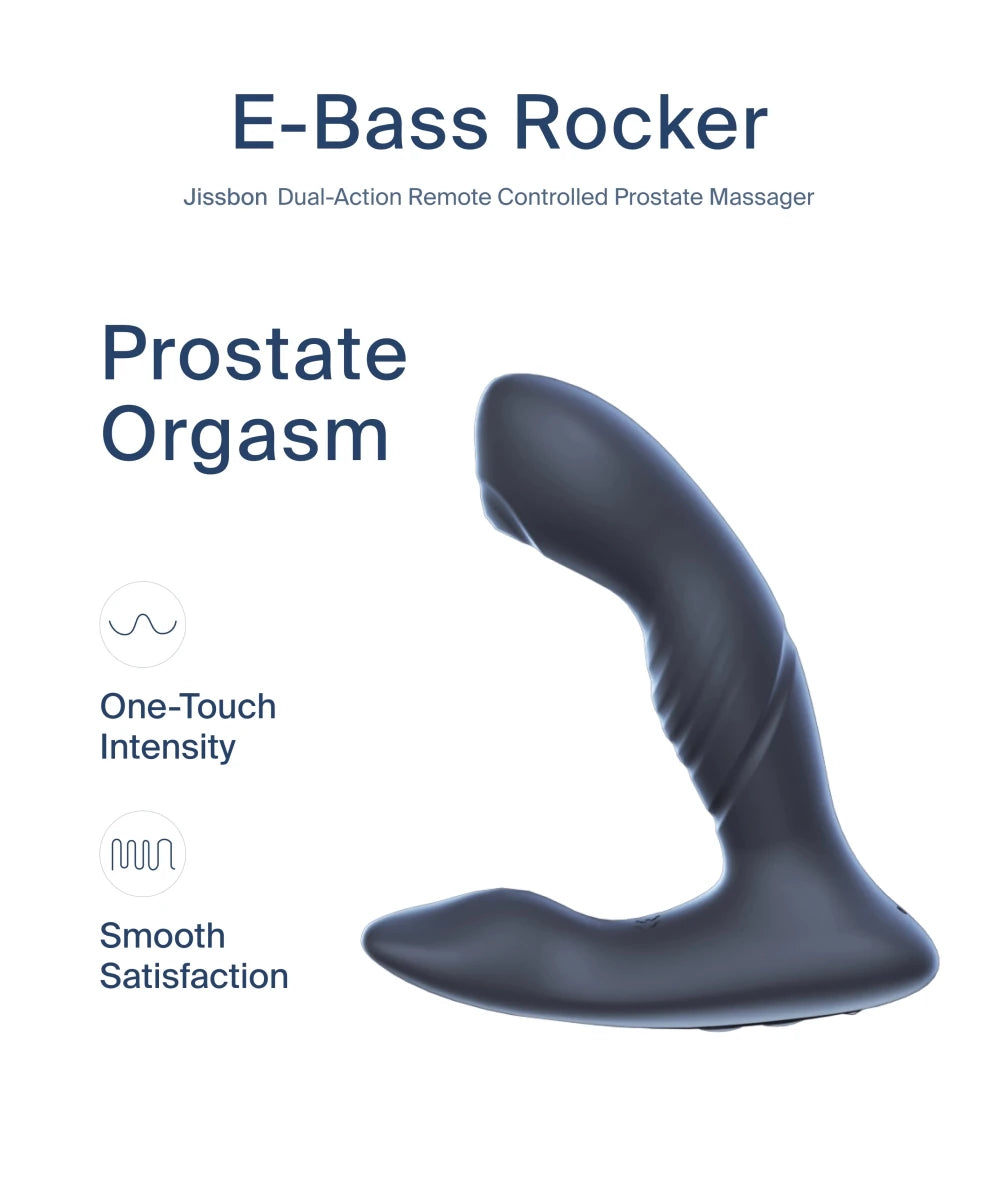
- Penile stimulation + prostate massage
- Genital stimulation + nipple play
- Primary stimulation + anal play
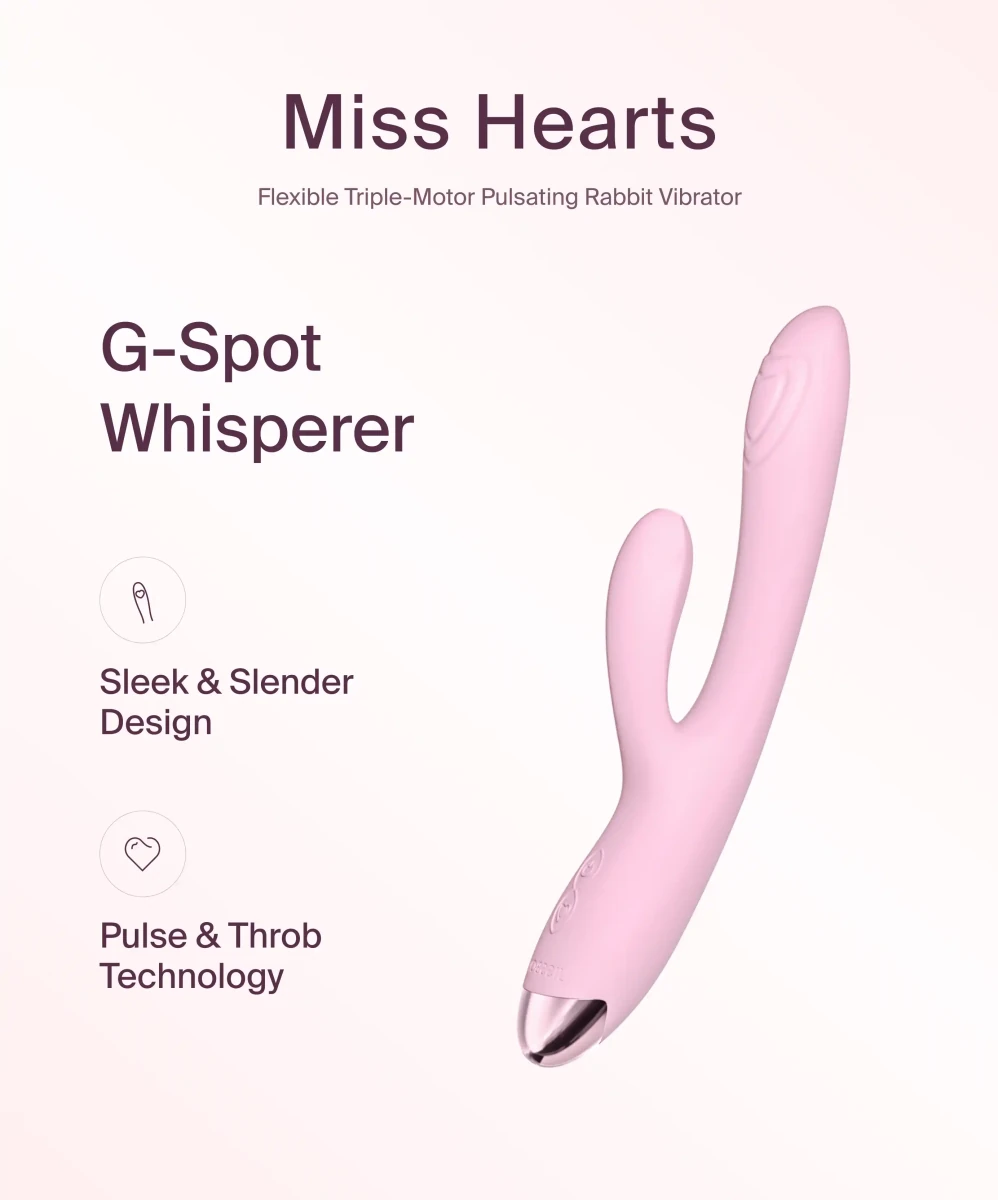
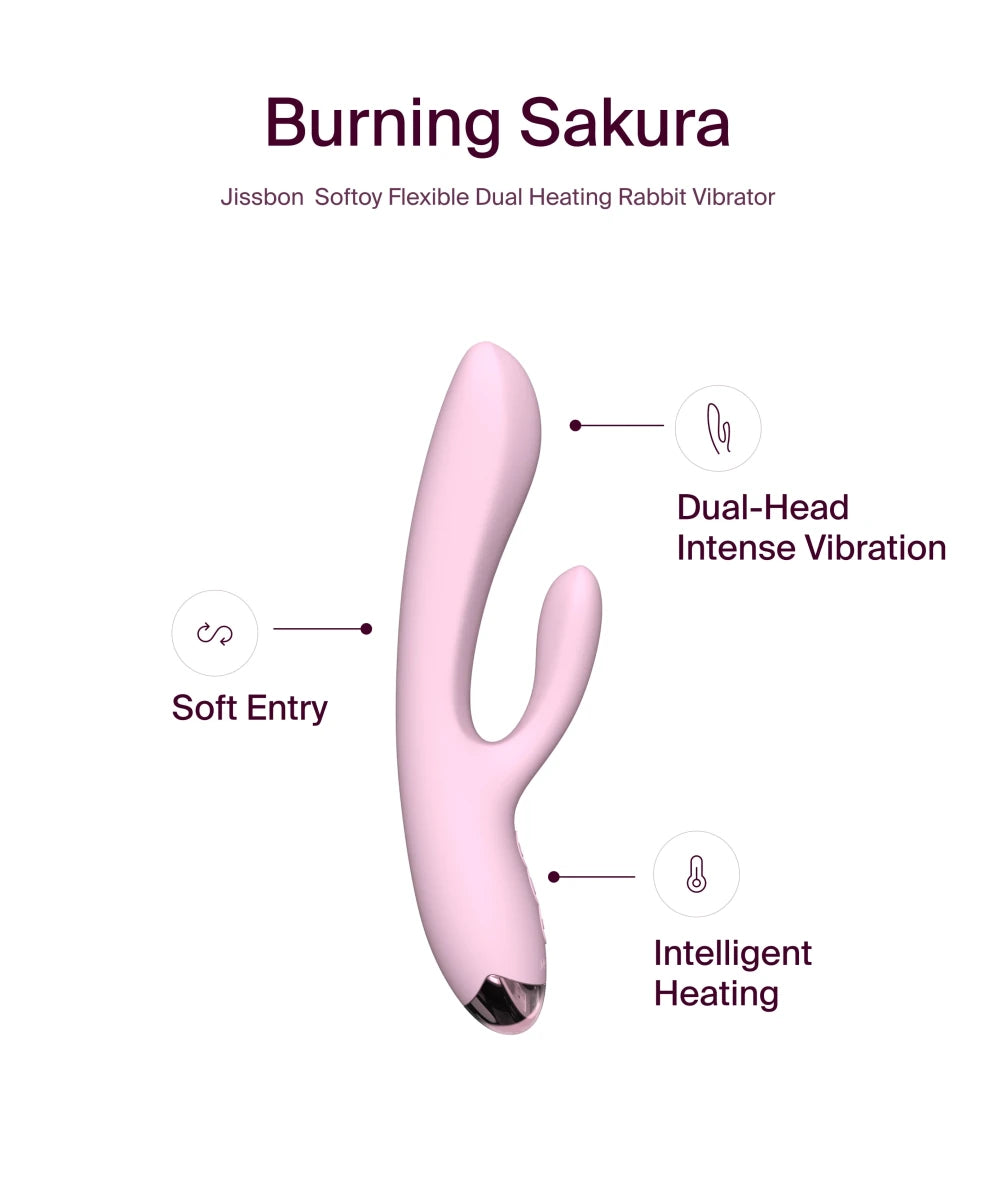
Rabbit vibrators specifically design for dual stimulation, providing both internal and external sensation simultaneously—many users report this creates more intense orgasms than single-point stimulation.
Product Choices That Enhance Intensity
Strategic tool selection amplifies pleasure beyond manual stimulation alone.
Motor Quality Matters
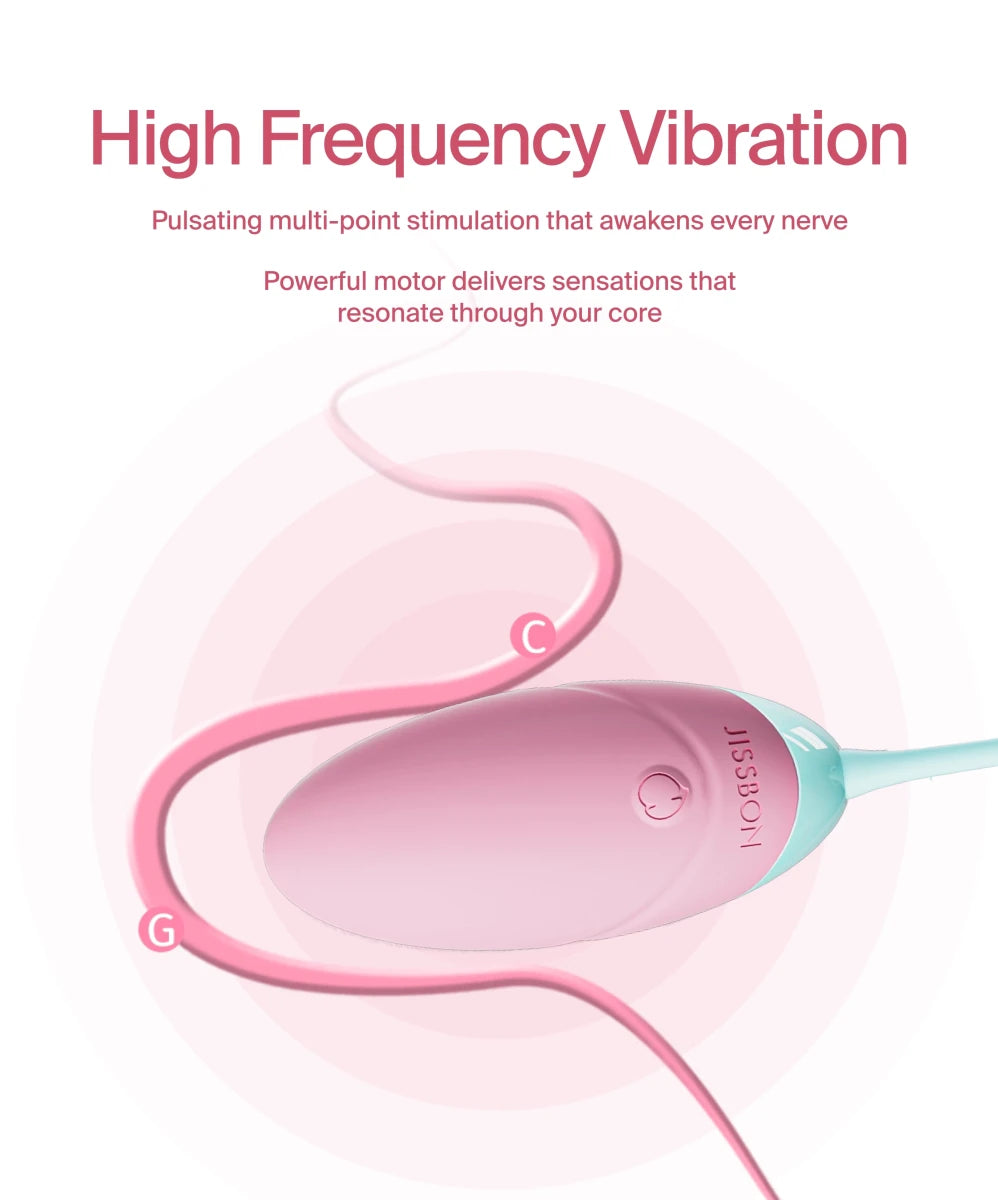
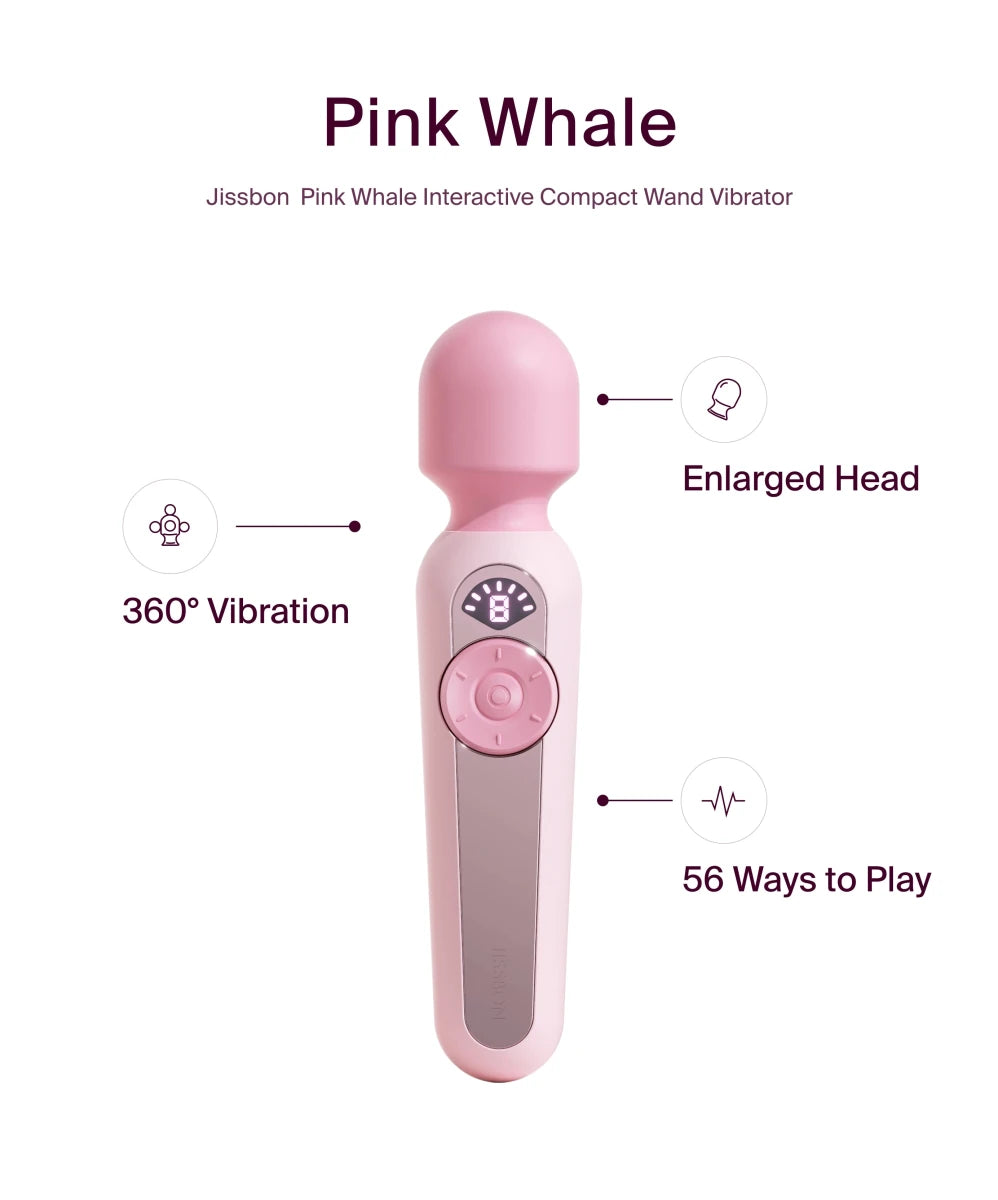
Premium motors deliver "rumbly" vibrations that penetrate deeply into tissue, stimulating nerves throughout the area. Cheap motors produce surface-level "buzzy" vibrations that feel intense initially but cause numbness quickly.
Quality brands like Jissbon invest in motor engineering specifically for sustained, deep pleasure without the numbing effect inferior products cause.
Size & Shape Considerations
Larger isn't automatically better. Products matching your anatomy create better stimulation:
- For clitoral focus: broad, soft surfaces covering the entire clitoral structure
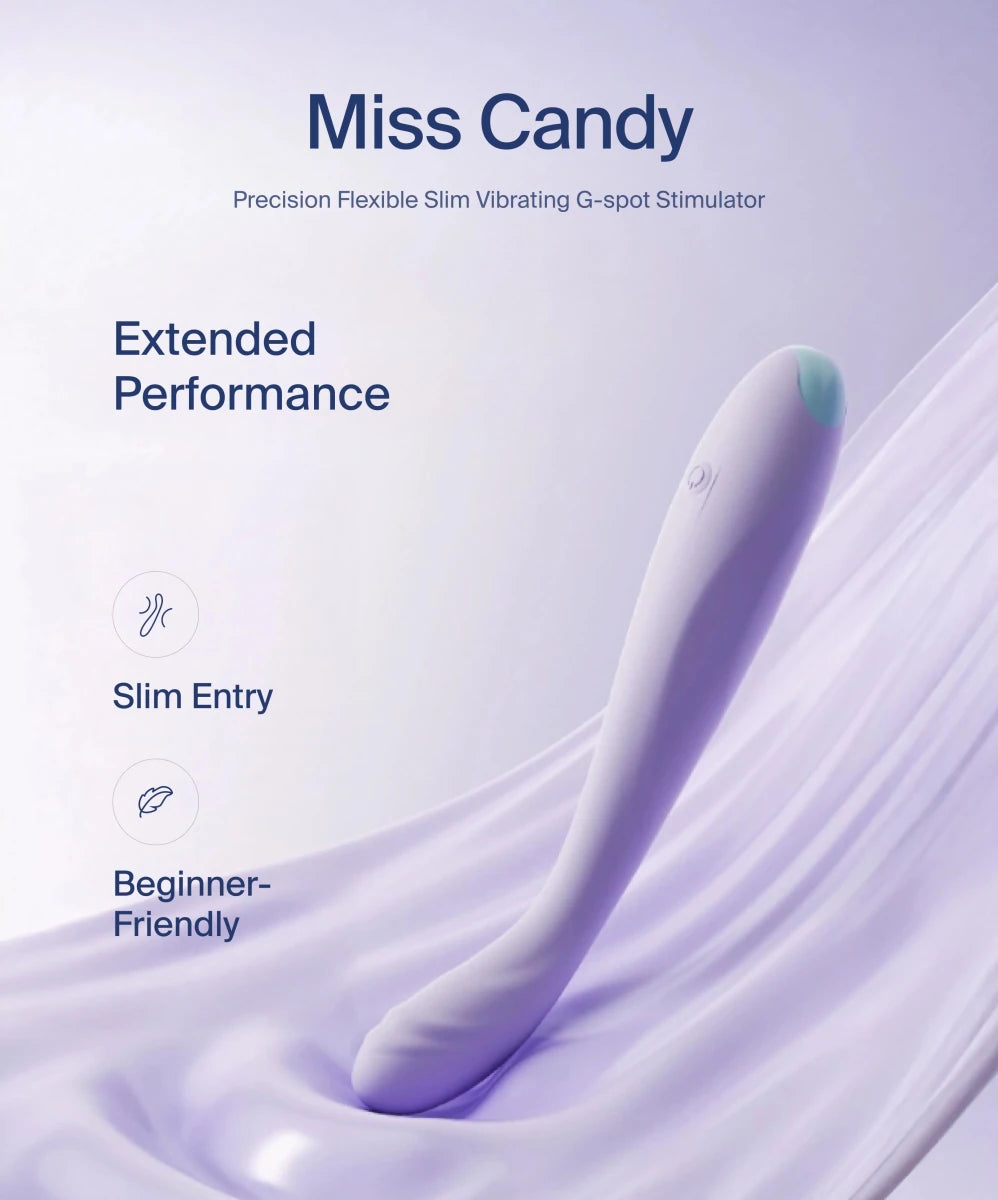
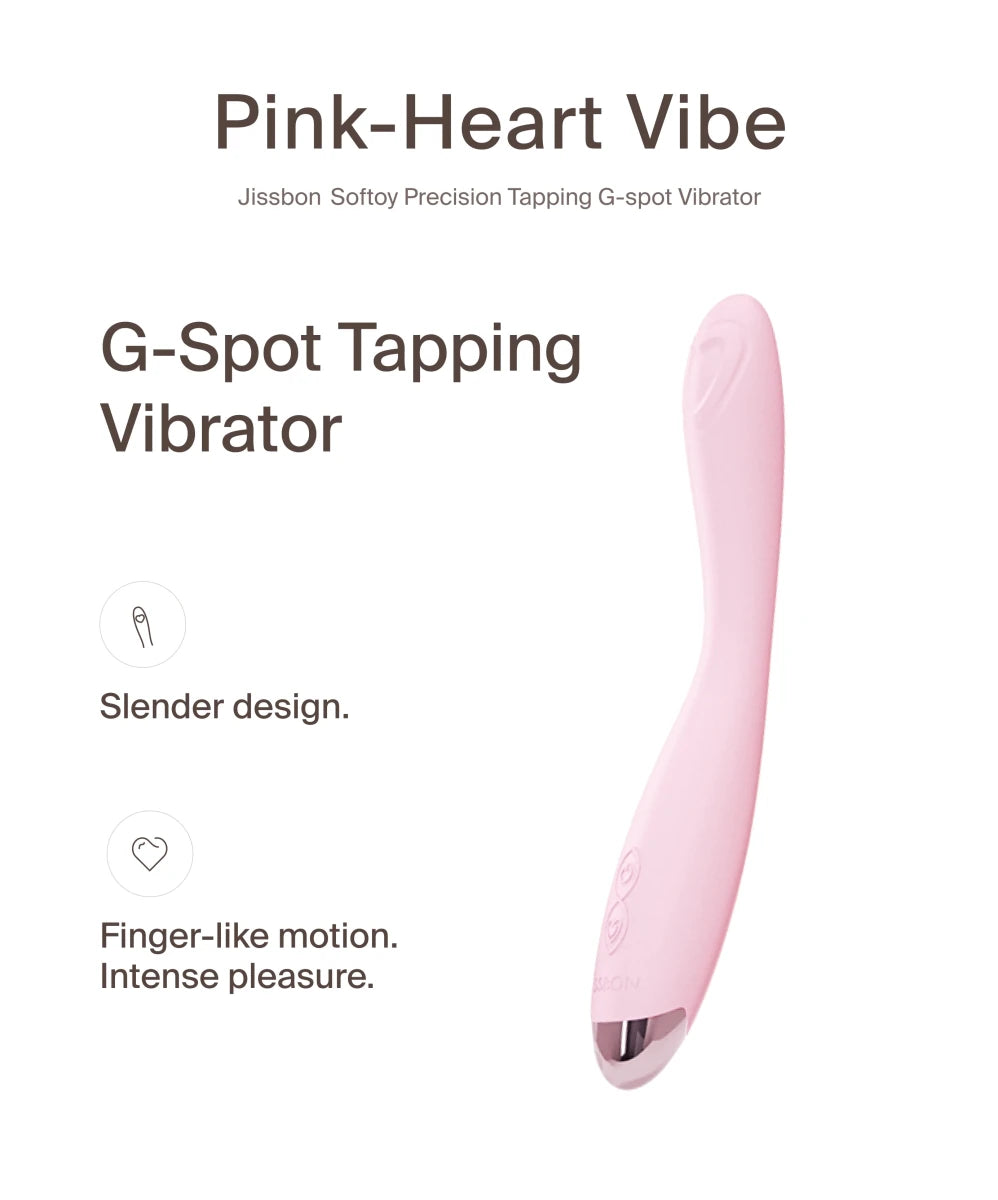
- For G-spot targeting: curved tips pressing anterior vaginal wall
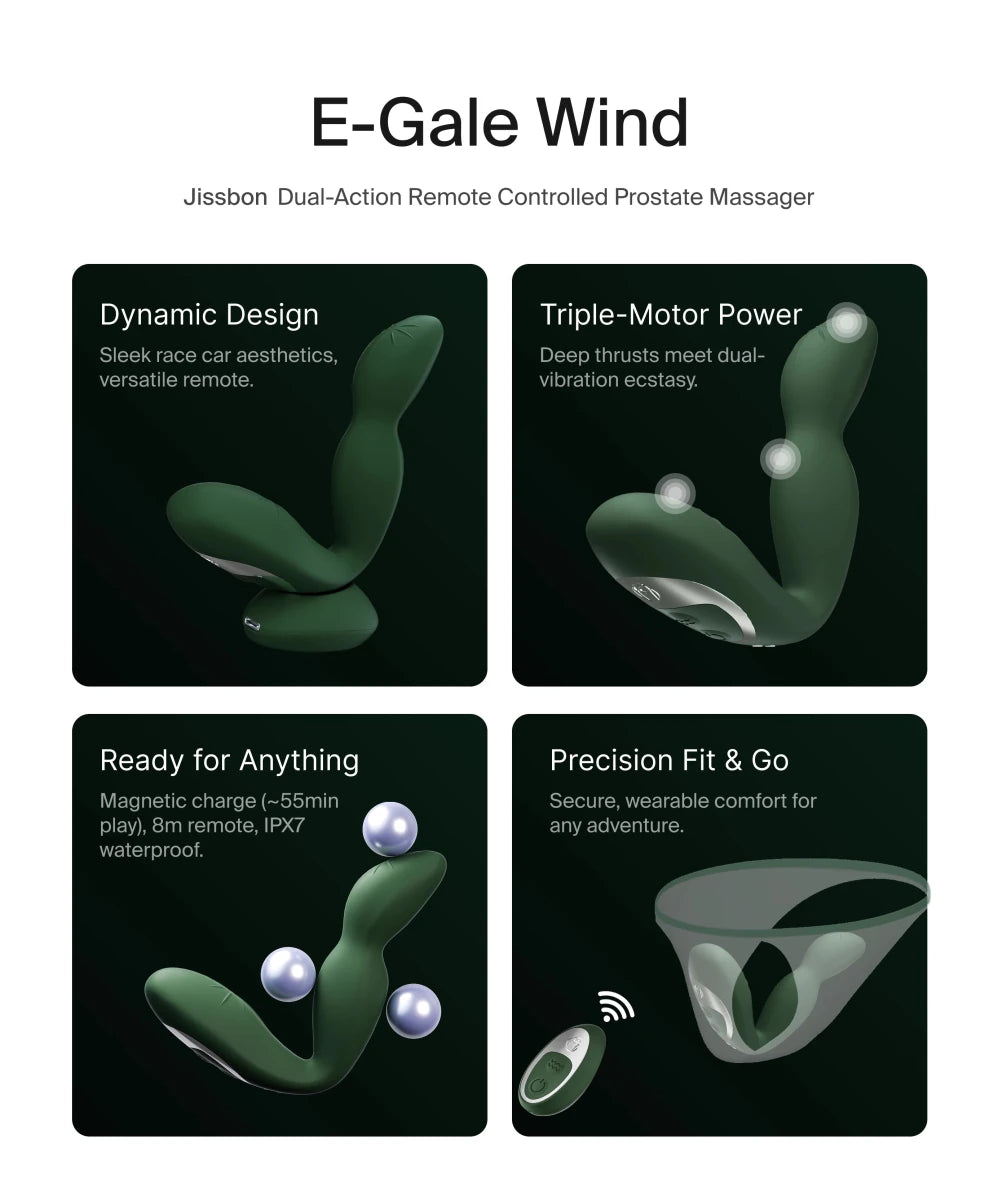
- For prostate stimulation: angled designs reaching the front rectal wall
- For fullness sensations: girthier options with smooth, gradual increases
Material Sensations
Body-safe silicone offers warmth transmission, slight give that molds to your body, and non-porous hygiene. Glass and metal provide firmness, temperature play options (warming or cooling), and distinctive rigid sensations some people prefer.
Specialized Features
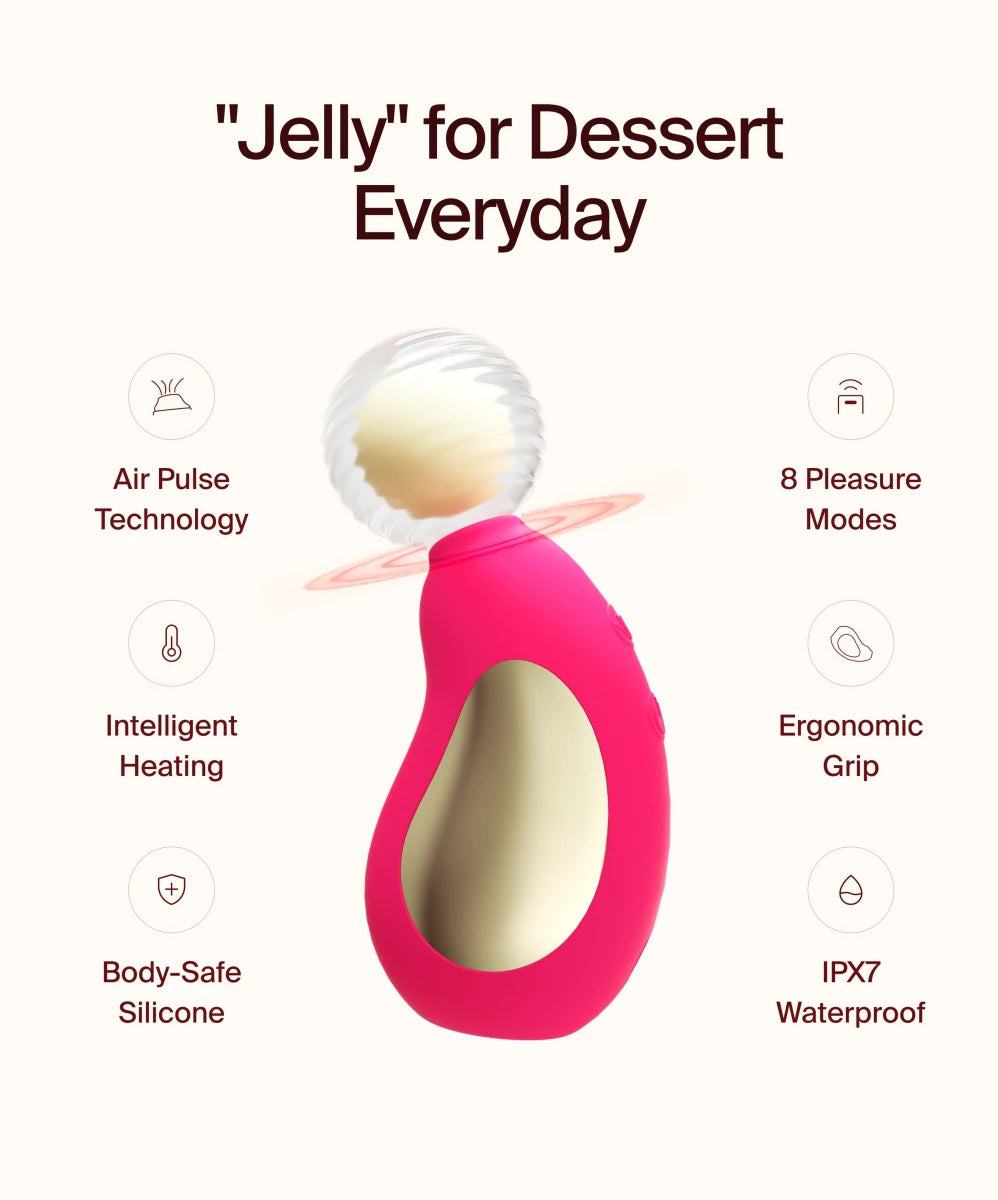
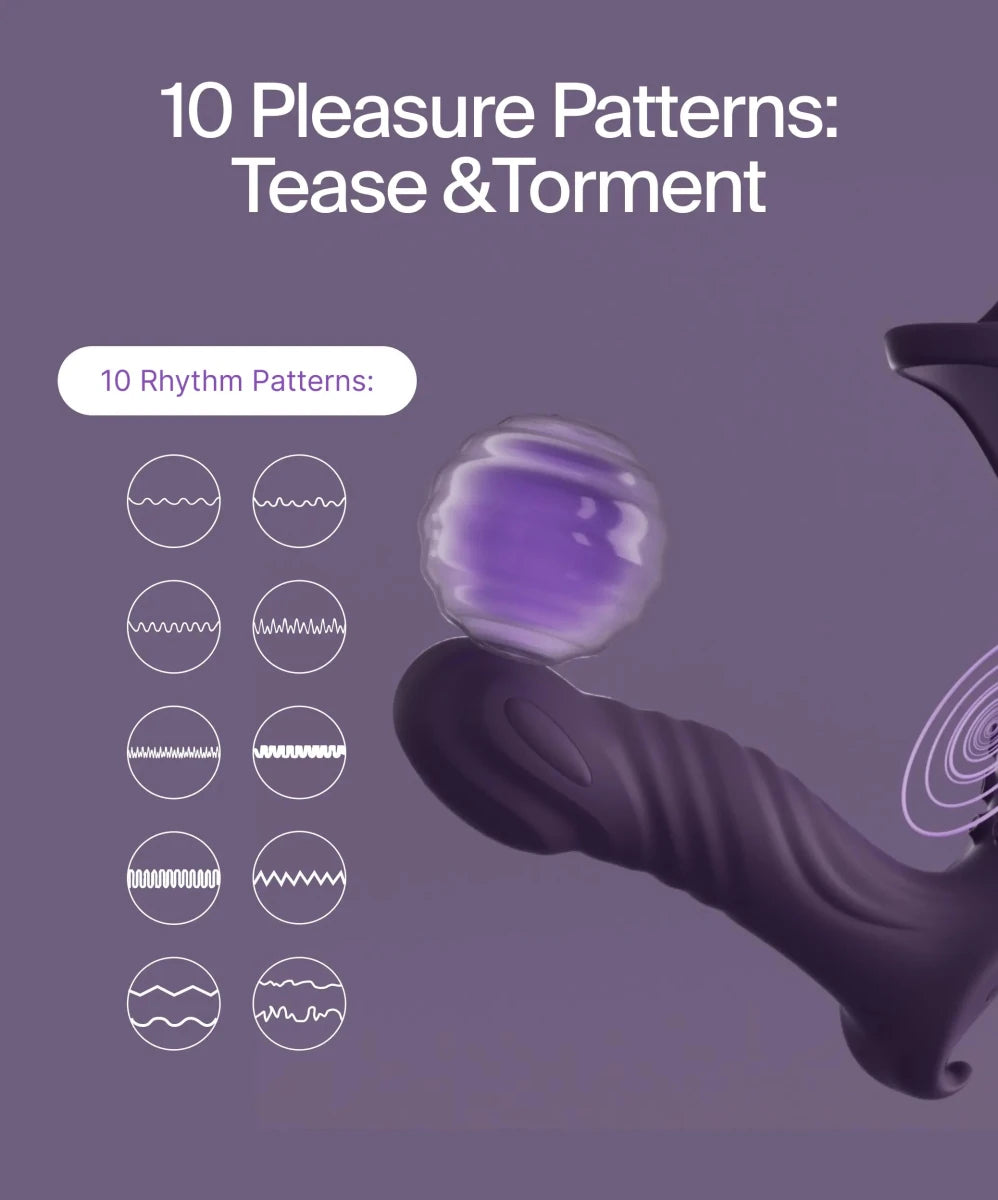
- Pulsation patterns: Varying rhythms prevent nerve adaptation
- Dual motors: Simultaneous internal and external stimulation
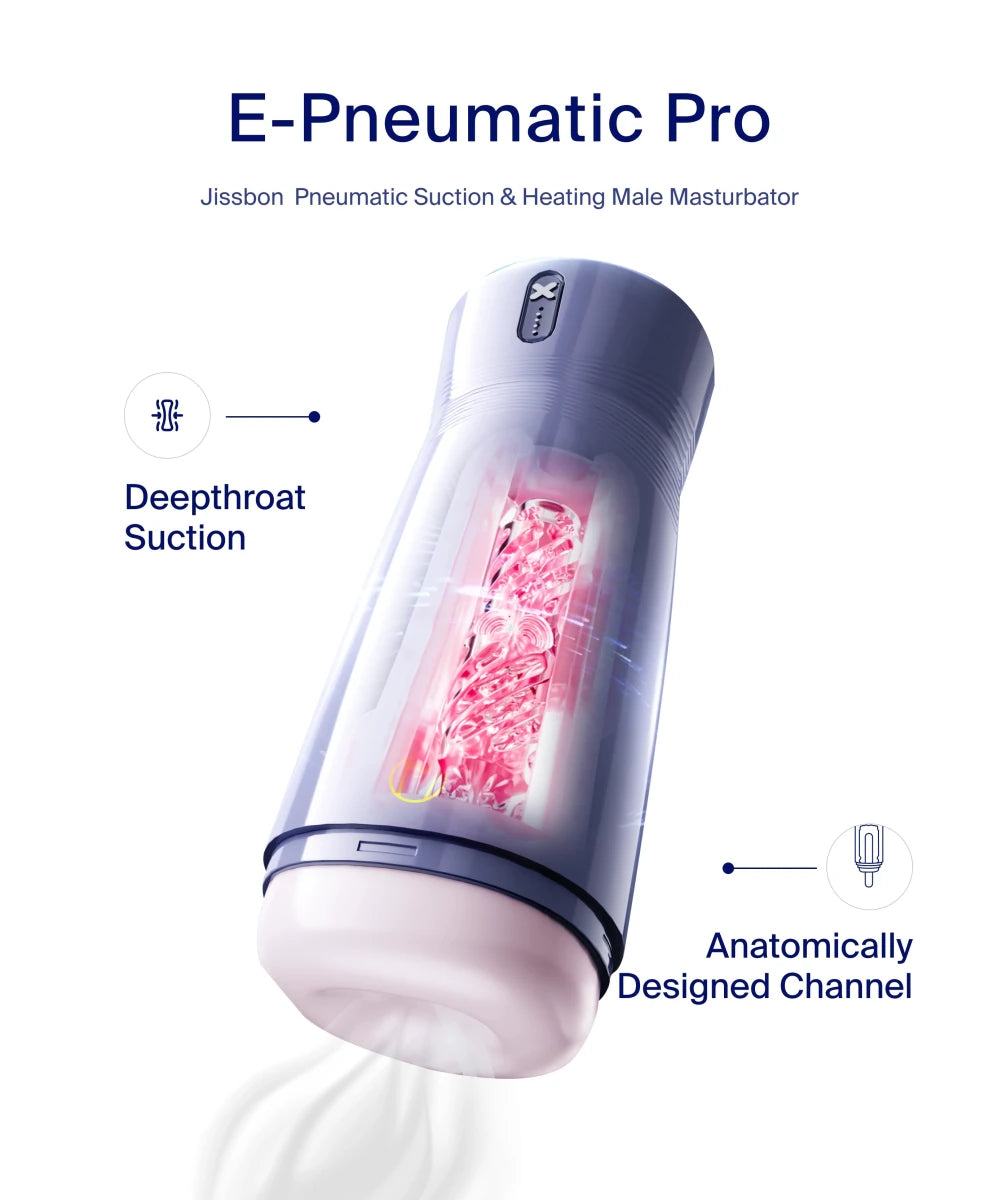
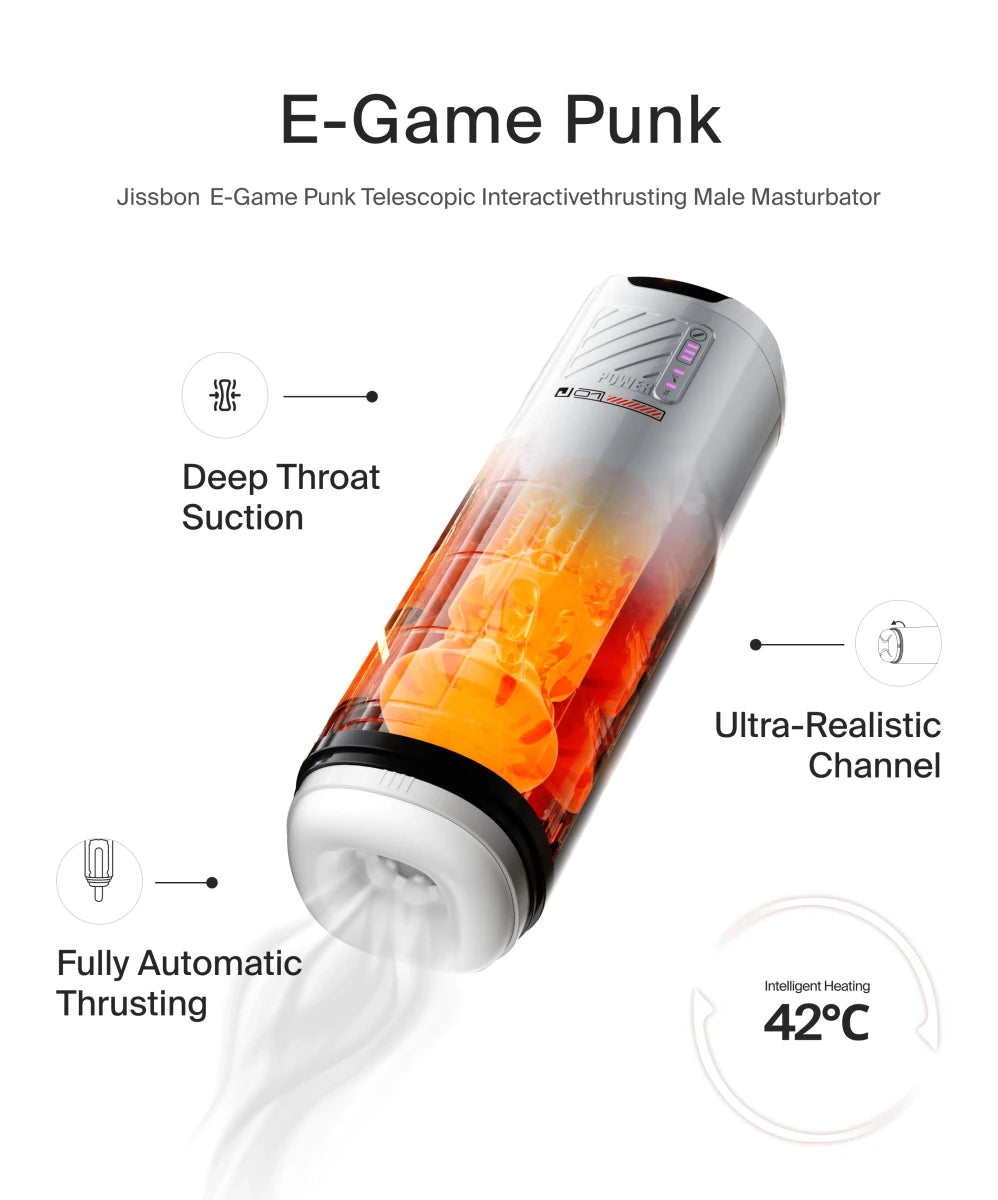
- Heating functions: Some toys warm to body temperature, enhancing realism and comfort
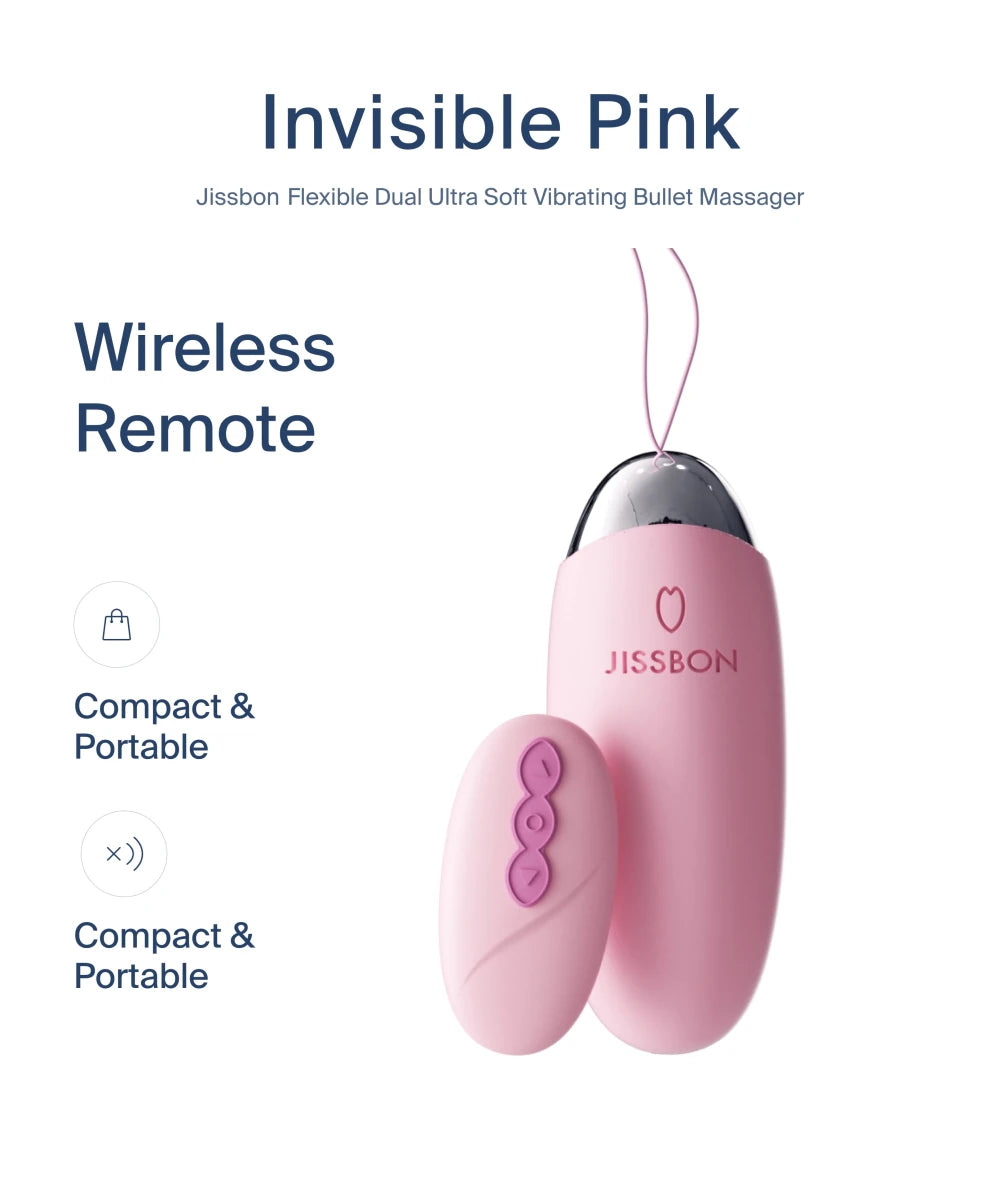
- App control: Allows partners to control stimulation remotely, adding psychological elements
Pelvic Floor Strength & Orgasmic Power

Often overlooked, pelvic floor muscle tone directly affects orgasm intensity.
Why Muscle Strength Matters
Orgasmic contractions happen in pelvic floor muscles. Stronger muscles produce more forceful contractions, creating more intense sensation. Weak pelvic floors result in barely perceptible contractions and muted orgasms.
Kegel Exercise Basics
Identify muscles by stopping urine mid-stream (though don't do this regularly—just for identification). Those are your pelvic floor muscles.
Exercise routine:
- Contract muscles for 5 seconds
- Release for 5 seconds
- Repeat 10 times
- Do 3 sets daily
Avoid tensing abs, thighs, or buttocks—isolate pelvic floor only.
Advanced Techniques
Once basic Kegels feel easy:
- Hold contractions for 10 seconds
- Do rapid pulse contractions (squeeze-release-squeeze quickly)
- Practice while aroused to strengthen the specific muscles involved in orgasm
During Sexual Activity
Actively engaging pelvic floor muscles during arousal and orgasm can intensify sensation. Some people squeeze repeatedly as they approach climax, then release completely during orgasm for maximum contrast.
Partner Communication for Mutual Intensity
Solo techniques translate imperfectly to partnered sex without clear communication.
Before the Bedroom
Discuss preferences when not aroused or pressured:
- What type of stimulation works reliably?
- How much buildup time do you typically need?
- Are there specific positions or techniques that consistently work?
- What kills arousal or makes orgasm difficult?
Real-Time Feedback
During intimacy, guide partners:
- Verbal cues: "Slower," "More pressure," "Right there," "Keep doing exactly that"
- Physical guidance: Move their hand to the right spot, demonstrate pressure you want
- Positive reinforcement: "That feels amazing" encourages them to continue
Avoid vague encouragement that doesn't specify what's working. "You're so good at this" doesn't tell them whether to continue current action or try something different.
After Experiences
Debrief about what worked especially well. Positive framing ("I loved when you...") builds partner confidence and increases likelihood they'll repeat successful techniques.
Environmental Factors Beyond Temperature
Multiple environmental elements affect orgasmic capacity.
Lighting
Some people need darkness to eliminate self-consciousness. Others find candlelight or dim lighting romantic and arousing. Bright overhead lights tend to feel clinical and reduce relaxation.
Sound
Background music masks potentially embarrassing sounds (queefing, bed creaking, vocalizations) that might cause self-consciousness. White noise machines serve the same function in shared living situations.
Conversely, some people need complete silence to focus. Experiment to find what works for you.
Privacy Assurance
Locked doors, knowledge that roommates are gone, or being in a hotel rather than shared home significantly impact relaxation. Worry about interruption activates vigilance that inhibits orgasm.
Scent
Certain aromas activate the limbic system (emotional brain). Familiar comforting scents (specific candles, incense, or essential oils associated with relaxation) can trigger conditioned relaxation responses.
Comfort Elements
Beyond temperature:
- Supportive pillows preventing neck or back strain
- Soft sheets that feel pleasant against skin
- Ensuring you're not hungry, thirsty, or needing the bathroom
- Removing tight clothing or jewelry creating pressure points
Troubleshooting Underwhelming Orgasms

When orgasms happen but feel disappointing, specific adjustments often help.
Insufficient Buildup
If orgasms feel quick and weak, you're likely rushing arousal. Extend foreplay by 10-15 minutes and see if intensity improves.
Technique Monotony
Using identical stimulation every time leads to nerve adaptation. Vary approach, position, or product used even if current method "works." Novelty enhances sensation.
Performance Pressure
Paradoxically, trying too hard to have an amazing orgasm often produces mediocre ones. Approach with curiosity rather than expectations: "I wonder what this will feel like today."
Physical Fatigue
Orgasm requires energy. When exhausted, your nervous system prioritizes rest over sexual response. Schedule intimacy when you're rested rather than as an afterthought before sleep.
Relationship Tension
Unresolved conflicts create emotional barriers even when you're trying to ignore them. Addressing issues improves not just relationship health but sexual satisfaction.
Advanced Techniques for Experienced Practitioners
Once comfortable with basics, these approaches offer new dimensions.
Multiple Orgasms
Some people can experience several orgasms in one session. This requires:
- Continuing or resuming stimulation shortly after first orgasm
- High arousal that doesn't fully dissipate after climax
- Willingness to tolerate brief hypersensitivity
Not everyone can achieve multiples—this is normal and doesn't indicate anything wrong.
Full-Body Orgasms
Rather than sensation localizing in genitals, some people report waves throughout their entire body. Techniques include:
- Deep breathing that spreads sensation awareness
- Consciously relaxing all muscle groups as orgasm approaches
- Mental visualization of pleasure radiating outward
Combination Orgasms
Experimenting with multiple simultaneous stimulation points:
- Clitoral + nipple
- Vaginal + anal
- Penile + prostate
Products designed for this include prostate massagers that allow continued penile stimulation while internally massaging the prostate.
Frequently Asked Questions
Why do some orgasms feel more powerful than others?
Intensity depends on arousal duration, blood flow, pelvic floor tension, mental state, and stimulation type. If buildup is short or the mind is anxious, orgasms tend to feel weaker.
How can I make my orgasm last longer?
Use edging, slow breathing, pelvic floor pulsing, and stimulation reduction right before climax to prolong the peak phase.
What is the most intense orgasm type?
Research suggests blended orgasms (clitoral + internal or penile + prostate) often produce the highest reported intensity due to multi-zone stimulation.
Why do I struggle to orgasm with a partner but not alone?
Common reasons include performance anxiety, insufficient arousal buildup, lack of direct clitoral stimulation, or mismatched timing. Communication and guided touch help bridge the gap.
Is it normal to shake or cry during intense orgasms?
Yes. Strong neurological and hormonal release (oxytocin, dopamine, endorphins) can trigger shaking, laughter, tears, or emotional release.
Can everyone achieve incredibly intense orgasms?
Most people can improve orgasm quality through the techniques described, though baseline intensity varies individually. Factors like nerve density, hormonal levels, pelvic floor strength, and psychological factors affect potential. Focus on improving your personal baseline rather than comparing to others.
How long should it take to have an orgasm?
There's no "correct" duration. Average time ranges from 5-20 minutes of focused stimulation, but much longer or shorter is completely normal. Anxiety about timing often makes orgasm more difficult—let it take as long as it takes.
Do I need expensive toys for incredible orgasms?
No, though quality tools can enhance experiences. Many people achieve intense orgasms through manual stimulation alone. When purchasing products, prioritize body-safe materials and good motor quality over elaborate features or high prices.
Why do orgasms feel more intense some times than others?
Variability is normal. Factors affecting intensity include stress levels, how recently you last had an orgasm, arousal duration before climax, physical health, relationship dynamics, and even time of month (hormonal fluctuations). Accept that not every orgasm will be earth-shattering.
Can medication affect orgasm intensity?
Yes. SSRIs (antidepressants) commonly reduce orgasmic intensity or make climax difficult. Some blood pressure medications, antihistamines, and other drugs also affect sexual response. Consult healthcare providers about alternatives if this significantly impacts quality of life.
Is it normal if orgasms feel good but not "incredible"?
Absolutely. Media portrayals create unrealistic expectations. Many people experience pleasant, satisfying orgasms that don't involve screaming or life-altering sensations—and that's perfectly healthy and normal.
Conclusion
Incredible orgasms result from optimizing multiple factors: physical comfort (including temperature), adequate arousal buildup, mental presence, effective stimulation techniques, pelvic floor strength, and removal of barriers like anxiety or discomfort. While individual capacity varies, most people can enhance their orgasmic experiences through deliberate attention to these elements. Rather than chasing an ideal, focus on discovering what specifically works for your unique body and circumstances.
Ready to explore products designed to enhance pleasure and orgasmic intensity? Discover thoughtfully engineered options at Jissbon crafted with body-safe materials and user-focused design.


Looking for something else?

Sex Positions from Behind: 8 Beyond Doggy Style
LEARN MORE
What Does a Vulva Taste Like? Facts & Myths Explained
LEARN MORE
Straddle Sex Position: 7 Variations & Tips
LEARN MORE
Mistress Slave Relationship in BDSM: Complete Guide
LEARN MORELooking for something else?

Sensual Domination: Guide to Affectionate Power Play
LEARN MORE
Best Prostate Massager for Beginners: Complete Guide
LEARN MORE
Dominant Sex Positions: 8 Power Positions & Tips
LEARN MOREYou may also like
20% off

20% off

20% off

20% off

20% off

20% off

Further reading
Automatic Male Masturbator vs Manual Stroker: Which Should You Buy?
11 Best Automatic Blowjob Machines for Men in 2026

Understanding Smoking Fetish: The Erotic Appeal of Cigarettes