




























































How Was Sex Invented? Origins of Human Intimacy
Stack & Save: Extra 15% with Jissbon15
Jissbon15
If you’ve ever wondered how was sex invented, the short answer is: no one “invented” sex. Sexual reproduction is an ancient evolutionary solution—older than animals, older than plants, older than us. Humans later layered culture, language, and love onto that biological foundation, making intimacy a powerful glue for bonds and families.
This guide explains how sex was invented in humans (and long before), why evolution favored sex over cloning, what science says about pleasure and pair bonding, and where “how was oral sex invented” fits into the bigger story. We’ll keep the language simple, the science solid, and the focus on consent and adult readers (18+).
Part 1 — Before humans: why sex evolved at all
Sex is ancient. Among complex life (eukaryotes), scientists think “true” sex—cells fusing, then shuffling genes via meiosis—arose once in the last eukaryotic common ancestor (LECA). That means the blueprint for sex almost certainly predates animals by hundreds of millions of years.
When was sex ‘discovered’ in nature? We can’t pinpoint the first act, but fossils offer landmarks. The red alga Bangiomorpha pubescens (~1.2 billion years old) shows distinct reproductive cells—our earliest unambiguous fossil evidence of sexual reproduction.
Why not just clone? Sexual reproduction persists because it solves problems that asexual lineages struggle with:
- Variation for survival (Red Queen hypothesis). Parasites and pathogens evolve quickly; mixing genes each generation helps hosts keep up in these biological arms races. Experiments and reviews support this “run to stay in place” logic.
- Clearing harmful mutations (Muller’s ratchet). Without recombination, asexual genomes accumulate deleterious mutations over time. Sex lets populations reshuffle genes and shed some of that load.
There are other benefits (DNA repair during meiosis; combining helpful mutations), but together these ideas explain why sex spread and stuck.
Who made sex? Who came up with sex? No one. Sex wasn’t designed—it evolved gradually as single‑celled eukaryotes developed meiosis and gamete fusion, later giving rise to anisogamy (two sex cells of different size—sperm and eggs), which is the evolutionary origin of “male” and “female.”
Part 2 — How was sex invented in humans?
Biology first, culture later. Human sex is built on that ancient machinery (sperm + egg, meiosis, recombination). But our intimacy—the way sex binds partners, soothes stress, and nurtures families—comes from social and neurological upgrades that emerged with our lineage.
1) Pair bonding & the social brain
Humans are unusually social great apes. In many people, sex releases dopamine, oxytocin, and vasopressin, neurochemicals linked to reward, trust, and pair bonding. Studies in humans and monogamous prairie voles—classic models for bonding—connect these systems to attachment and caregiving.
2) Cooperative child‑rearing (alloparenting)
Human infants are costly and slow to mature. Anthropologists argue our species thrived via cooperative breeding (parents plus “alloparents” like grandparents, kin, or friends). Intimacy and pair bonds help organize those support networks; hormones like oxytocin also show up in caregiving across mammals.
3) Continuous sexuality & concealed ovulation
Unlike many mammals, humans don’t advertise ovulation. We also show interest and receptivity beyond fertility windows—a pattern sometimes called “concealed ovulation” and “extended sexuality.” Scholars debate the exact reasons (paternity confusion, pair‑bonding benefits, social cooperation), but the pattern is well‑documented.
In short: how was sex invented in humans? The reproductive basics are ancient; humans later emphasized bonding, cooperation, and communication, turning sex into a central part of social life.
Part 3 — “When was sex discovered?” (and other timelines)
- Eukaryotic sex: likely one origin in LECA, well over a billion years ago.
- Oldest fossil of sexual reproduction: Bangiomorpha, ~1.2 Ga.
- Animals: sexual reproduction widespread by the late Ediacaran and early Cambrian; many lineages used both sexual and asexual strategies.
- Humans: anatomically modern humans (~300,000 years) inherited sex; our unique intimacy features (pair bonding intensity, cooperative care) reflect social evolution rather than an “invention” moment.
Part 4 — How was oral sex invented?
It wasn’t “invented” by any single culture or person. Across animals, oral‑genital behaviors are rare but real. For example:
- Fruit bats: studies filmed fellatio and cunnilingus during copulation; oral stimulation was linked with longer copulation times.
- Dolphins: research shows a functional clitoris and rich sociosexual behavior, consistent with sex beyond reproduction.
- Bonobos: use sex (including genital contact) to ease tension and reconcile, highlighting social roles for sexual behaviors beyond conception.
In humans, oral sex appears in many cultures and periods. Its functions vary—pleasure, foreplay, bonding, sometimes contraception, sometimes ritual. There’s no single “inventor”; rather, a toolkit of sexual behaviors emerges wherever consenting adults explore touch and sensation.
Part 5 — Why sex feels good: the intimacy advantage
If reproduction were the only goal, nature didn’t need to make it feel this good. But pleasure motivates bonding and caregiving—useful for a species that depends on long partnerships and cooperative care.
- Neurochemistry & bonding: Oxytocin and vasopressin systems contribute to attachment in mammals; human studies and vole models show overlapping circuitry.
- Social soothing: In bonobos, post‑conflict sexual contact reduces stress behaviors; in humans, gentle, consensual intimacy can lower tension and increase closeness.
Part 6 — Quick science keys (plain English)
- Sex helps beat germs and bad mutations. Mixing genes (recombination) helps populations outrun parasites (Red Queen) and shed harmful mutations (Muller’s ratchet).
- Two sexes come from gamete size differences. The move from equal‑sized gametes (isogamy) to anisogamy (small sperm, big eggs) underlies the origin of male and female in many lineages.
- Human intimacy is more than reproduction. Concealed ovulation, continuous sexuality, pair bonding, and cooperative care mean sex also builds social fabric—a big part of why it matters so much to us.
Part 7 — Common myths, gently corrected
-
Who made sex?
No single inventor. Sex is a biological process that evolved in early eukaryotes and diversified across life. -
When was sex discovered?
Long before humans. The oldest fossil evidence of sexual reproduction comes from Bangiomorpha (~1.2 Ga). -
Humans invented love to sell marriage.
Human attachment is rooted in ancient neurochemistry and caregiving needs; cultures then built institutions (marriage, kinship rules) on top. -
Oral sex is modern.
No—animals like fruit bats show oral‑genital behaviors; in humans it appears across cultures and eras.
Frequently Asked Questions
So… how was sex invented?
Sex evolved—probably once—in early eukaryotes. Meiosis and fertilization created variation and helped populations solve problems cloning couldn’t.
How was sex invented in humans specifically?
We inherited the ancient machinery (sperm/egg). What’s distinct is how humans use sex for pair bonding, stress relief, and social cohesion, supported by oxytocin/vasopressin systems and cooperative child‑rearing.
Who came up with sex / who made sex?
No one. It’s an evolutionary process, not a human invention.
When was sex discovered?
In nature: >1 billion years ago (evidence by Bangiomorpha). In human terms, our species didn’t “discover” it—we participated like other animals, then built meanings and rules around it.
How was oral sex invented?
It wasn’t “invented”; it’s one of many consensual behaviors. Some animals (e.g., fruit bats) use oral stimulation; in humans it’s a common way to give/receive pleasure.
Why do we enjoy sex if reproduction is the point?
Pleasure motivates bonding and care, which are crucial for human offspring. Neurochemistry (dopamine, oxytocin, vasopressin) links sex with reward and attachment.
Is sex only for making babies?
No. Humans often have sex for closeness, fun, and stress relief; even in other primates like bonobos, sexual behavior helps manage social tension.
The takeaway
- Asking “how was sex invented” opens a window onto evolution. Sex wasn’t invented—it evolved as a flexible strategy that made lineages more resilient.
- Humans made sex deeply social: pair bonds, cooperative care, and neurochemistry turn sex into glue for long relationships.
- Behaviors like oral sex are variations on a theme of touch and pleasure, seen (rarely) in other species and widely across human cultures.
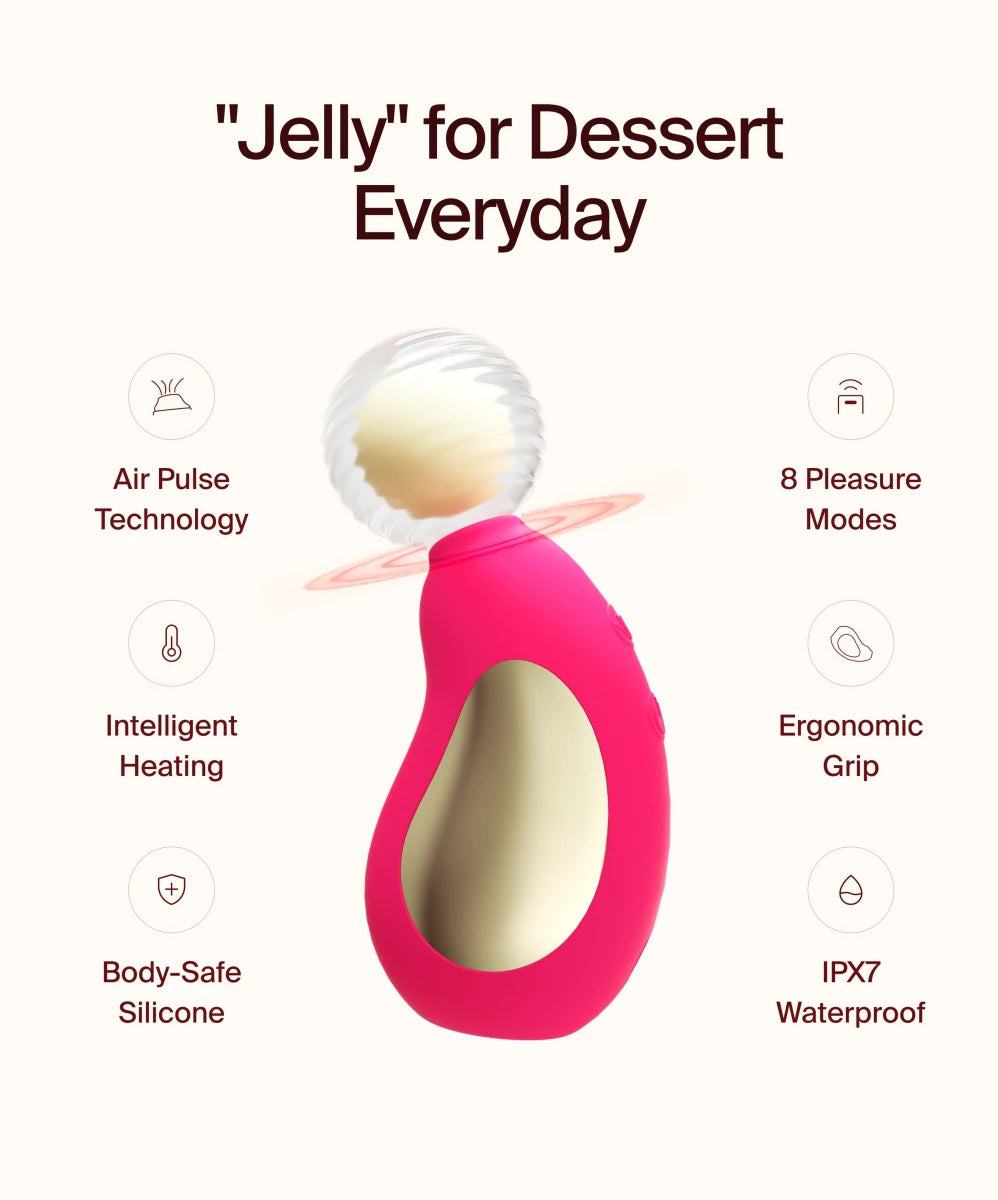
If you’re exploring intimacy today, prioritize consent, communication, and comfort. Pleasure is personal—start where you are, and if you’d like gentle, hands‑free stimulation to reduce pressure and heighten sensation, browse clitoral vibrators or try a focused suction‑style toy like Miss Jelly.


Looking for something else?

What Is Flogging in Sex? Complete BDSM Flogging Guide
LEARN MORE
What Does Overstimulated Mean Sexually? Causes & Solutions
LEARN MORE
Can You Get a Tattoo on Your Vagina? Safety, Pain & What to Expect
LEARN MORE
Public Sex Kink: Understanding Exhibitionism & Safe Exploration
LEARN MORELooking for something else?

A-Spot Orgasm: Best Positions & How to Find It
LEARN MORE
Bondage Play: Complete Beginner's Guide to Rope BDSM
LEARN MORE
Vibrator Stories: Real Experiences, Tips & What to Expect
LEARN MOREYou may also like
20% off

20% off

20% off

20% off

20% off

20% off

Further reading

How to Clean an Automatic Blowjob Machine Without Damaging the Motor
Remote-Controlled Automatic Masturbators for Couples and Solo Play

Best Automatic Strokers for Edging and Stamina Training