










































How to Turn Yourself On: Complete Guide to Solo Arousal & Self-Pleasure
Stack & Save: Extra 15% with Jissbon15
Jissbon15
Sexual arousal involves both psychological and physical components that you can intentionally activate without requiring a partner. Learning to turn yourself on enhances self-pleasure experiences, reduces dependence on external stimulation, and builds understanding of your unique arousal patterns.
This guide covers mental arousal techniques, physical stimulation methods, environmental optimization, and practical tips for cultivating desire and building sexual energy independently.
Lifestyle Factors That Increase Natural Arousal (Daily Habits That Boost Libido)
Arousal doesn’t start in the bedroom—your daily habits strongly influence your baseline desire. Many people only try to “turn themselves on” in the moment, but your nervous system, hormones, and stress load determine how responsive your body can be.
1. Reduce Stress & Cortisol Levels
High stress is the #1 libido killer (Women’s Health repeatedly emphasizes this).
Daily practices that lower cortisol:
- 10–15 minutes of walking outside
- Slow yoga or stretching
- Meditation or deep breathing
- Warm baths
- Journaling to clear mental clutter
When cortisol drops, the body becomes more receptive to sexual cues.
2. Improve Sleep Quality
Sleep deprivation reduces:
- estrogen
- testosterone
- dopamine
- vaginal lubrication
- erectile response
Better sleep → easier arousal.
Quick sleep optimization tips:
- Keep 7–9 hours nightly
- Create dark, cool sleep environment
- Reduce screen time 1 hour before bed
- Morning sunlight exposure
3. Move Your Body Regularly
Light movement increases blood flow to pelvic region and boosts dopamine—helping spark desire throughout the day.
Great arousal-boosters:
- Hip circles
- Dancing sensually in your room
- Glute bridges
- Pelvic floor activation
- Pilates or yoga
These prime your body’s sexual energy before any stimulation.
4. Pleasure Practice Outside Sexual Context
Planned Parenthood emphasizes making “non-sexual pleasure a habit.”
Examples:
- Eating something delicious slowly
- Enjoying warm sunlight
- Taking mindful showers
- Soft self-massage
Training your brain to notice pleasure in daily life increases sexual pleasure response too.
Mental Blocks That Reduce Arousal & How to Remove Them
Many people don’t struggle with technique—they struggle with mental interference.
1. Overthinking & Anxiety
Thoughts like:
- “This is taking too long.”
- “Why am I not turned on yet?”
-
“I need to hurry.”
create pressure that shuts arousal down.
Solution:
Switch from goal-focused thinking to sensation-focused awareness.
Ask yourself:
“Where do I feel even a tiny bit of pleasure right now?”
“How can I make that sensation stronger?”
This moves attention from anxiety → body.
2. Body Image Interference
Many Reddit users share that they lose arousal when thinking:
- “My stomach looks weird.”
- “I don’t look sexy enough.”
Solution:
Use soft lighting, self-affirmations, and sensual movement to shift self-perception to feeling, not appearance.
Goop recommends placing a hand on your lower abdomen and breathing into it—this reconnects body and mind.
3. Guilt or Shame Conditioning
ABC and Planned Parenthood highlight shame as a core block.
Internal questions like:
- “Is this wrong?”
- “Should I be doing this?”
Solution:
Use compassionate reframing:
“Pleasure is healthy.”
“My body deserves joy.”
“Arousal is natural.”
Understanding Solo Arousal
How Arousal Works
Two-pathway model:
Physical arousal:
- Blood flow increases to genitals
- Lubrication production (for vulva owners)
- Genital sensitivity heightens
- Heart rate and breathing increase
- Muscle tension builds in anticipation
Mental/psychological arousal:
- Brain processes sexual thoughts, images, or scenarios
- Imagination activates desire centers
- Anticipation and fantasy create cognitive excitement
- Emotional readiness and openness to pleasure
The feedback loop: Mental arousal triggers physical responses, which then intensify mental arousal, creating self-reinforcing cycle. Intentionally engaging either component activates the other.
Individual variation: Some people respond more strongly to mental stimulation (fantasy, erotica), while others require physical touch for arousal. Most need combination of both, with ratios varying individually.
Understanding sexual arousal mechanisms provides foundation for effective self-stimulation.
Why Solo Arousal Matters
Benefits of self-arousal skills:
Sexual autonomy:
- Reduces pressure on partners to initiate or create arousal
- Enables satisfying solo sexual experiences
- Builds confidence in your desirability and pleasure capacity
Self-knowledge:
- Discovers what specifically arouses you
- Identifies arousal patterns and preferences
- Creates sexual self-awareness translating to partnered experiences
Relationship enhancement:
- Addresses libido mismatches (can self-manage when partner unavailable)
- Brings higher baseline arousal to partnered activities
- Communicates specific desires more clearly
Stress relief & wellness:
- Provides accessible pleasure without requiring coordination
- Offers healthy outlet for sexual energy
- Supports mental and physical health through orgasm benefits
Mental Arousal Techniques

Fantasy & Imagination
Using mental scenarios:
Creating fantasy narratives:
- Imagine detailed sexual scenarios involving yourself
- Include sensory details (sights, sounds, textures, smells)
- Build story with anticipation and progression
- Revisit favorite recurring fantasies or create new ones
Fantasy categories to explore:
|
Fantasy Type |
Description |
Why It Works |
|
Memory-based |
Recalling past pleasurable experiences |
Concrete details, proven arousal trigger |
|
Partner-focused |
Imagining scenarios with current/desired partner |
Personal connection enhances arousal |
|
Stranger/novelty |
Scenarios with unknown people or unusual situations |
Novelty and taboo elements increase excitement |
|
Power dynamics |
Dominant or submissive role fantasies |
Control or surrender psychological appeal |
|
Forbidden/taboo |
Scenarios culturally restricted but consensual in imagination |
Transgression creates psychological intensity |
Important distinction: Fantasy is private mental space—enjoying certain fantasies doesn't mean wanting them in reality. Imagination is consequence-free exploration.
Erotic Content Consumption
Reading erotica:
Advantages over visual porn:
- Engages imagination actively
- Allows pacing control (slow or fast reading)
- Often includes emotional context and character development
- Wide variety of scenarios and writing styles
Where to find:
- Dedicated erotica websites and apps
- Romance novels with explicit scenes
- Short story collections
- Fan fiction communities (various quality levels)
Watching or listening:
Visual pornography:
- Quick, direct arousal for many people
- Provides visual stimulation and scenario ideas
- Ethical consumption important (see ethical porn guide)
Audio erotica:
- Voice-focused arousal through storytelling
- Engages imagination while providing structure
- Often more intimate feeling than visual content
- Accessible for visually impaired users
Considerations: Choose content aligning with your values and comfort. Ethical, consensual production matters. Avoid content creating guilt or shame.
Mindfulness & Present-Moment Awareness
Body scanning technique:
- Close eyes and take deep breaths
- Notice sensations throughout body without judgment
- Focus on skin sensitivity—temperature, texture of clothing
- Tune into pulse and heartbeat
- Notice areas of warmth or tingling
- Imagine touch on various body parts
Why this works: Shifting attention to bodily sensations activates awareness of pleasure potential and builds arousal from within.
Breath-based arousal:
Deep belly breathing:
- Inhale deeply into lower abdomen for 4 counts
- Hold for 2 counts
- Exhale slowly for 6 counts
- Notice warmth spreading through pelvis
Pelvic floor engagement:
- Gently contract pelvic floor muscles
- Hold for 3 seconds, release
- Creates blood flow to genital region
- Builds subtle arousal foundation
Physical Arousal Methods

Non-Genital Touch
Starting away from genitals:
Why this matters: Beginning with non-sexual touch builds anticipation, spreads arousal throughout body, and prevents rushing to genitals before full arousal.
High-sensitivity zones:
Neck and ears:
- Light fingertip trailing along neck
- Gentle touching behind ears
- Warm breath near these areas (can simulate)
Inner arms and wrists:
- Soft stroking from elbow to wrist
- Circular motions on inner wrist
- Light scratching with fingernails
Stomach and sides:
- Fingertips grazing lower abdomen
- Circular patterns around belly button
- Light touch along sides/ribs
Inner thighs:
- Stroking from knee toward groin (not touching genitals yet)
- Gentle squeezing of thigh muscles
- Creating anticipation through proximity
Breasts and nipples:
- Cupping breasts gently
- Circular motions around areola
- Light pinching or rolling nipples
- Varying pressure from soft to firmer
Technique tip: Use varied touch—alternating between feather-light and firmer pressure keeps nervous system engaged.
Genital Stimulation
For vulva owners:
External arousal building:
- Apply water-based lubricant to fingers
- Touch outer labia gently (not clitoris yet)
- Stroke inner labia with increasing pressure
- Approach clitoral area gradually
- Begin with touch through hood, not directly on glans
- Use circular, side-to-side, or up-down motions
- Vary speed and pressure based on sensation
Internal exploration:
- Insert one or two lubricated fingers when ready
- Explore vaginal walls with gentle touching
- Locate G-spot (1–3 inches inside, front wall, slightly ridged)
- Apply firm pressure in "come hither" motion
- Combine with external clitoral stimulation
For penis owners:
Arousal building technique:
- Touch shaft and testicles without stroking initially
- Apply lubricant generously
- Begin slow stroking with varied grip pressure
- Focus on frenulum (underside of glans, very sensitive)
- Vary speed—slow builds arousal, fast provides intensity
- Incorporate twisting motion on upstroke
- Edge (approach orgasm, back off) to prolong arousal
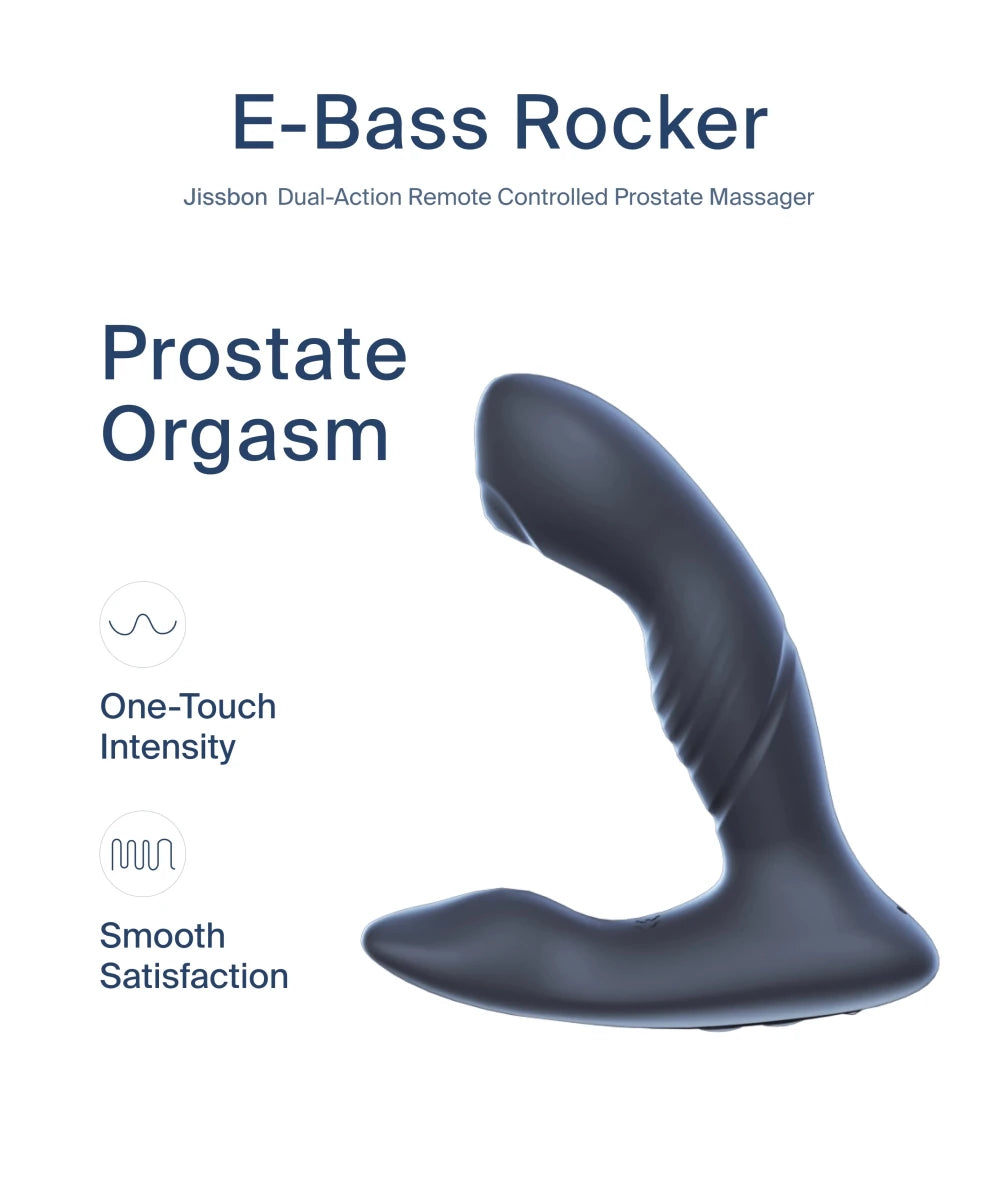
Prostate stimulation (internal):
- Requires anal penetration with lubricated finger or toy
- Provides different arousal pathway than penile stimulation
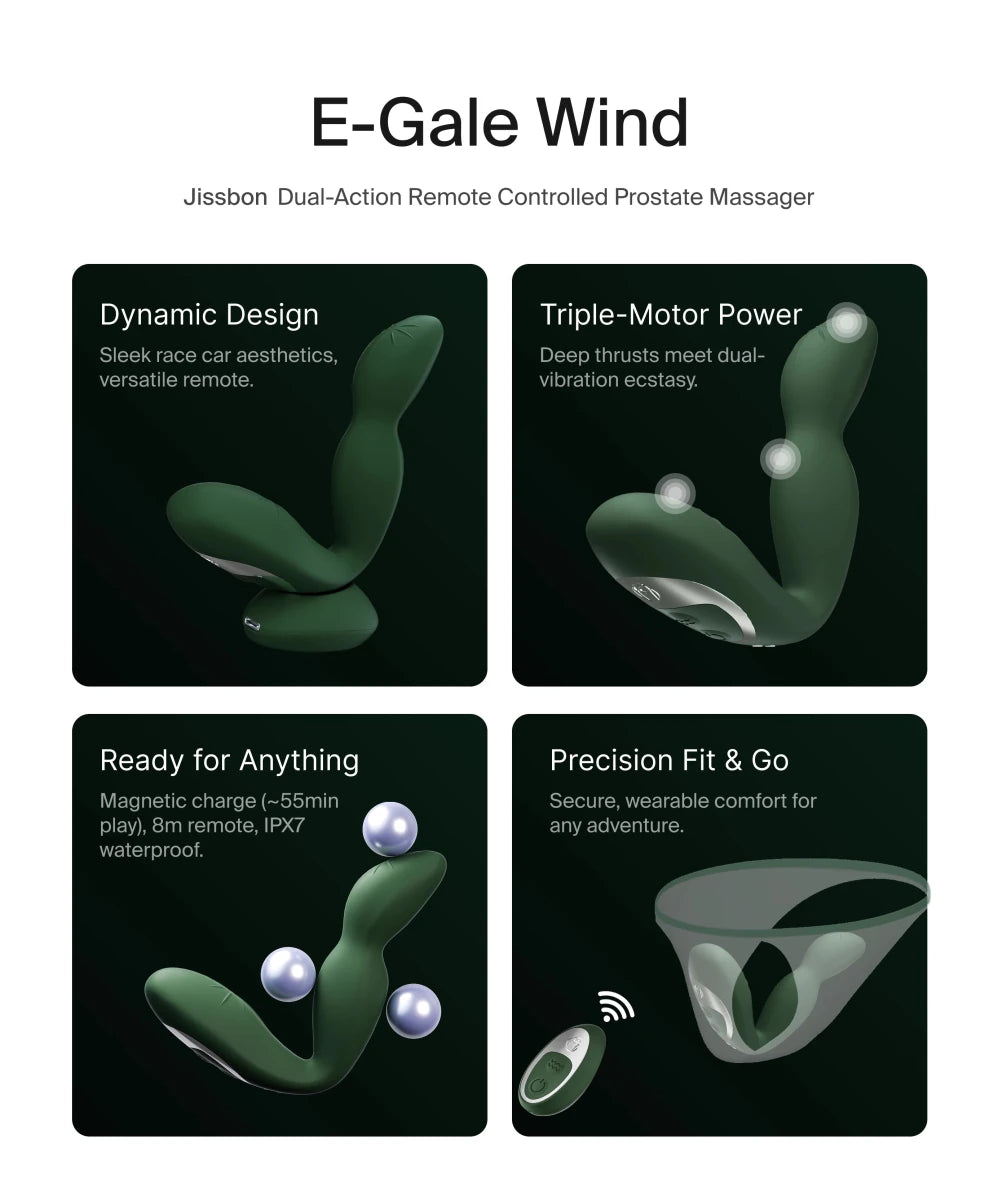
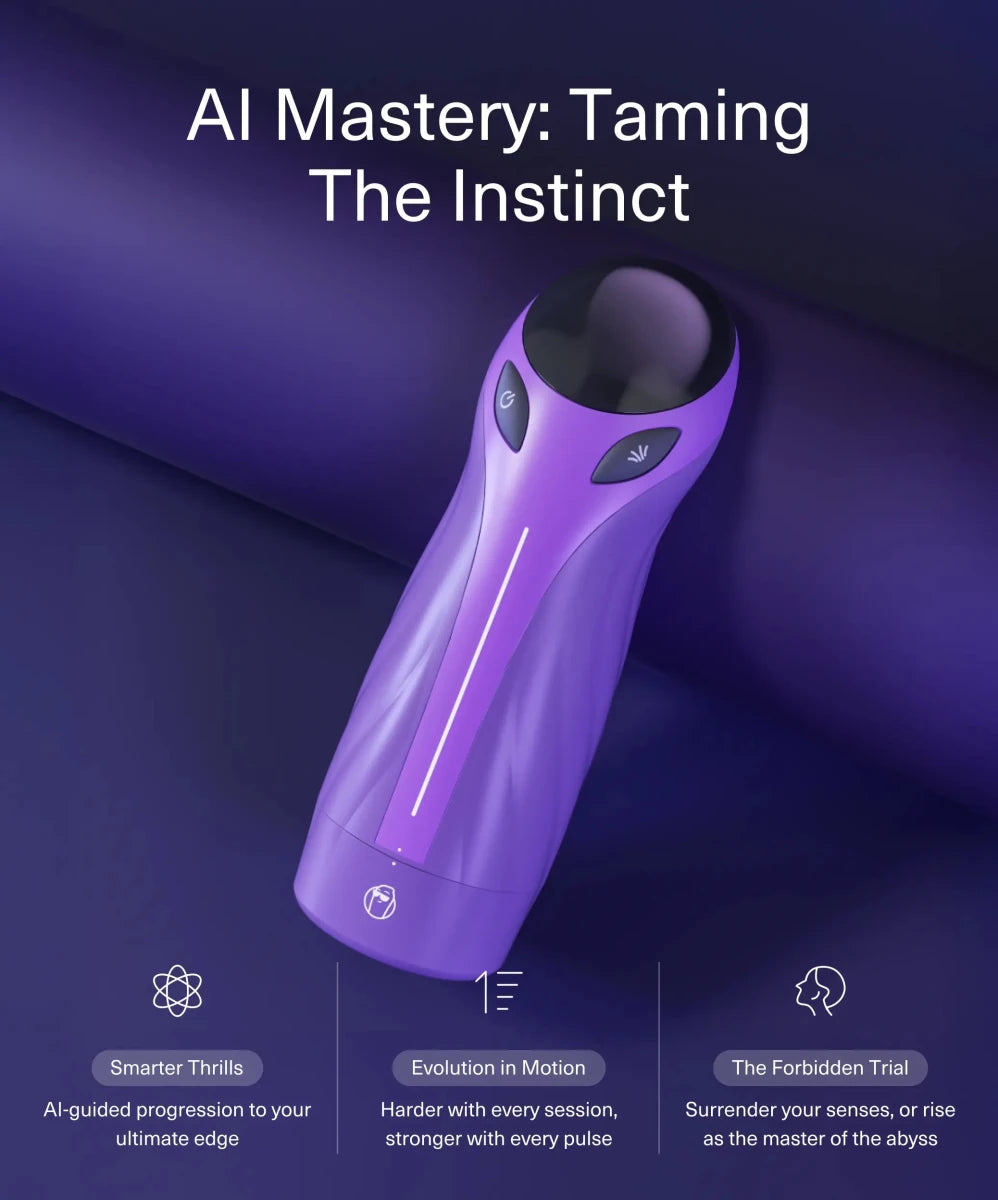
- Curved prostate massagers designed specifically for this
Using Toys to Enhance Arousal
Why toys help:
- Provide consistent, powerful stimulation
- Free mental bandwidth from technique focus to sensation enjoyment
- Offer varied stimulation types (vibration, suction, penetration)
- Create novelty enhancing arousal
Toy categories for solo arousal:
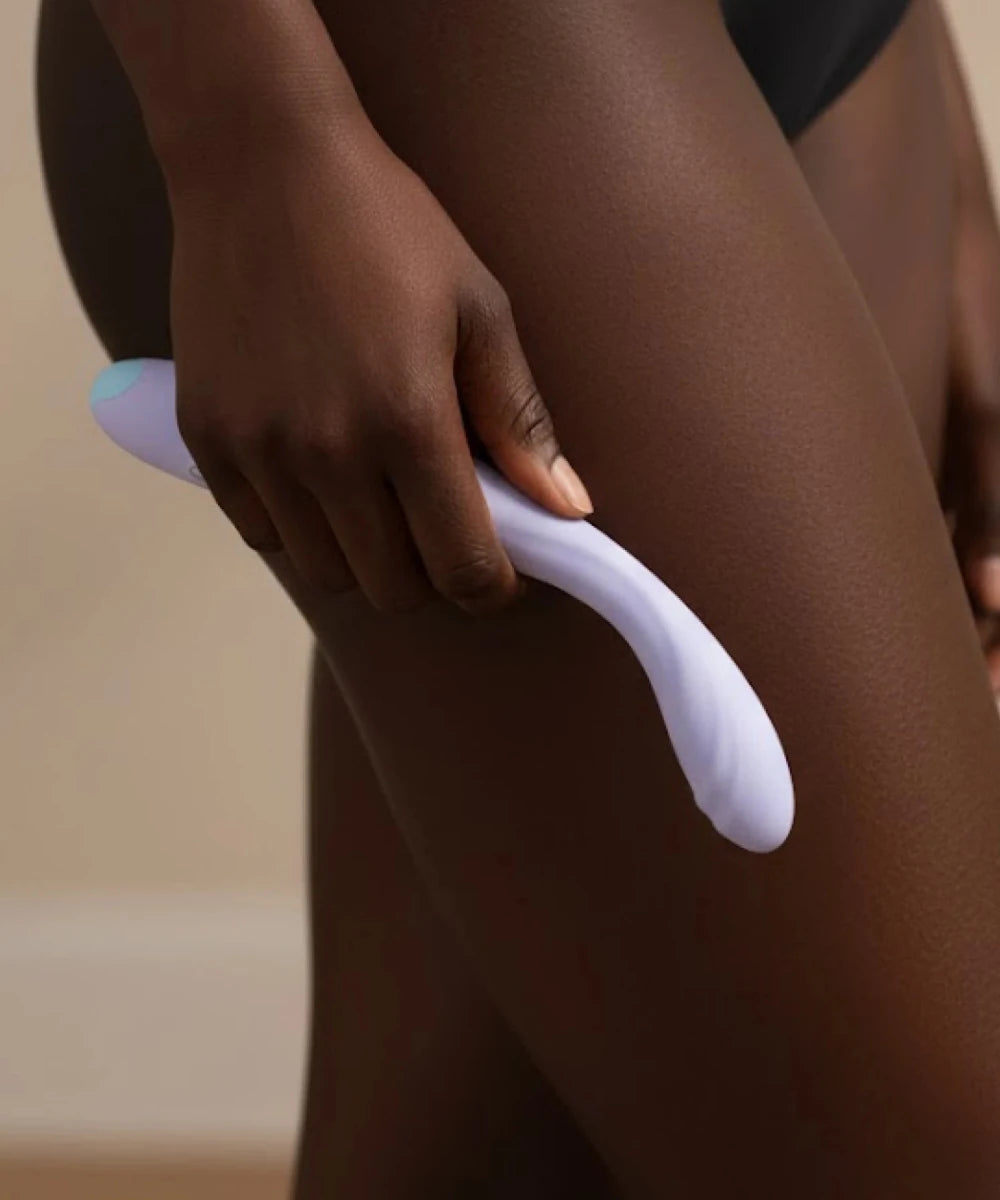
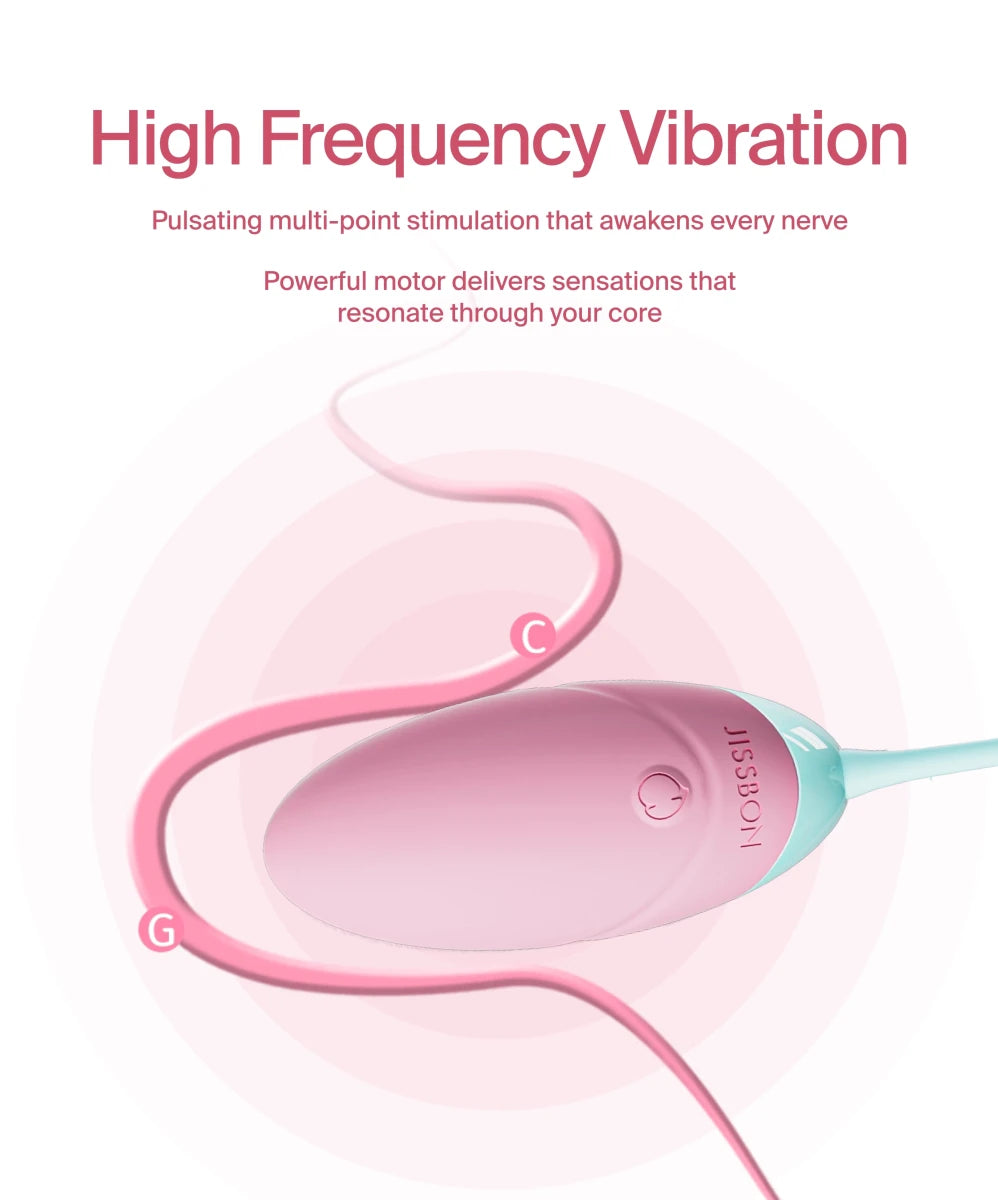
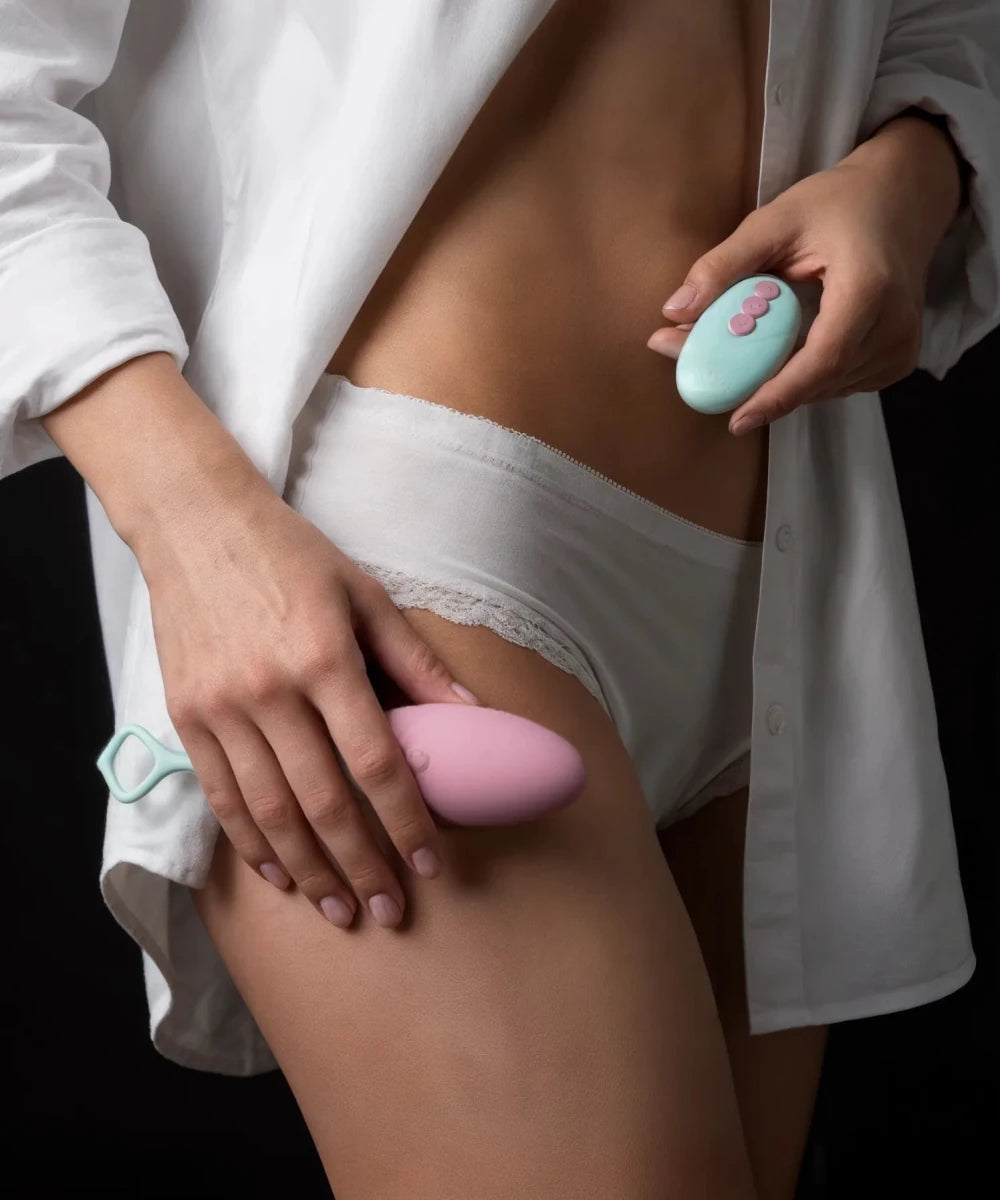
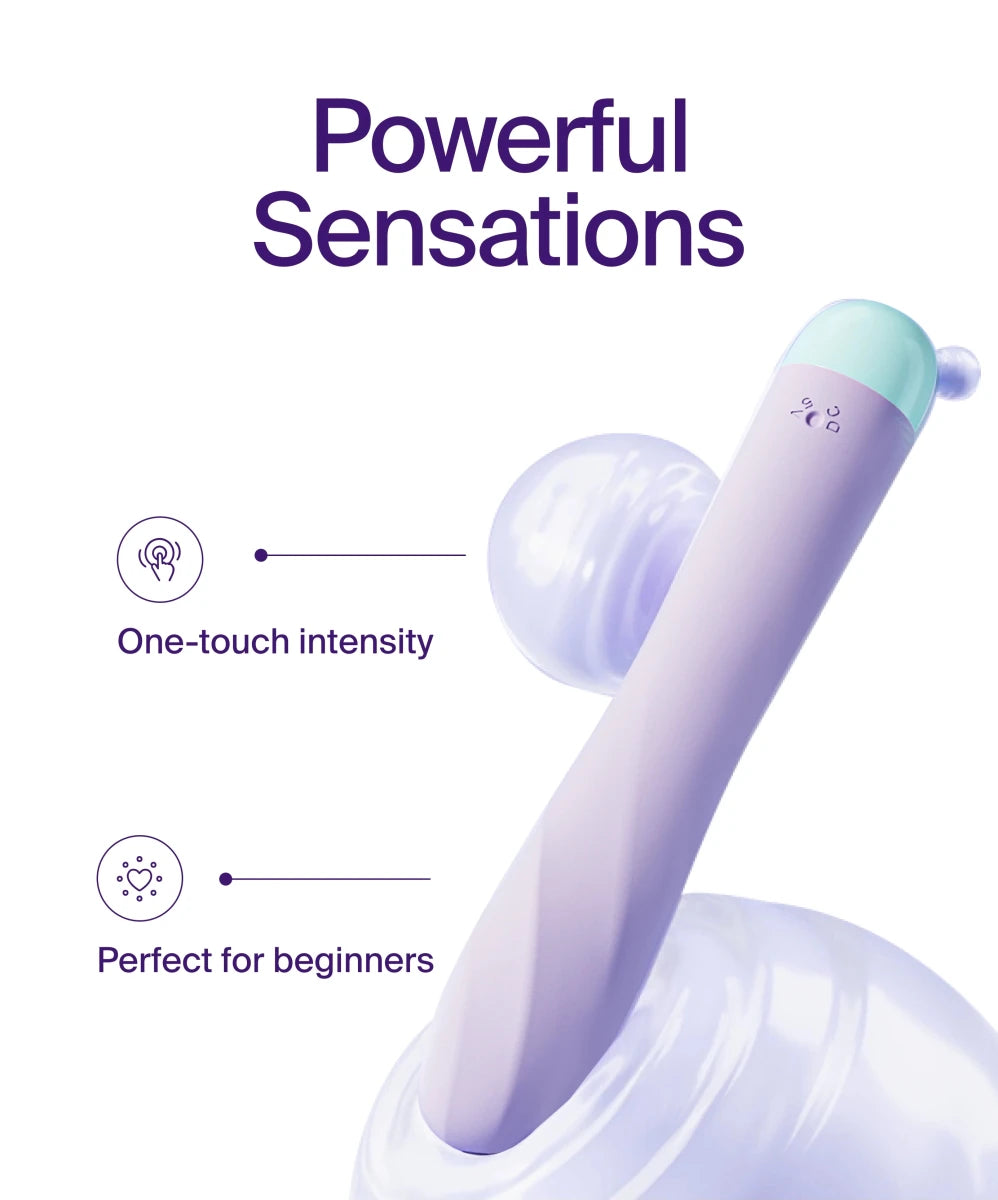
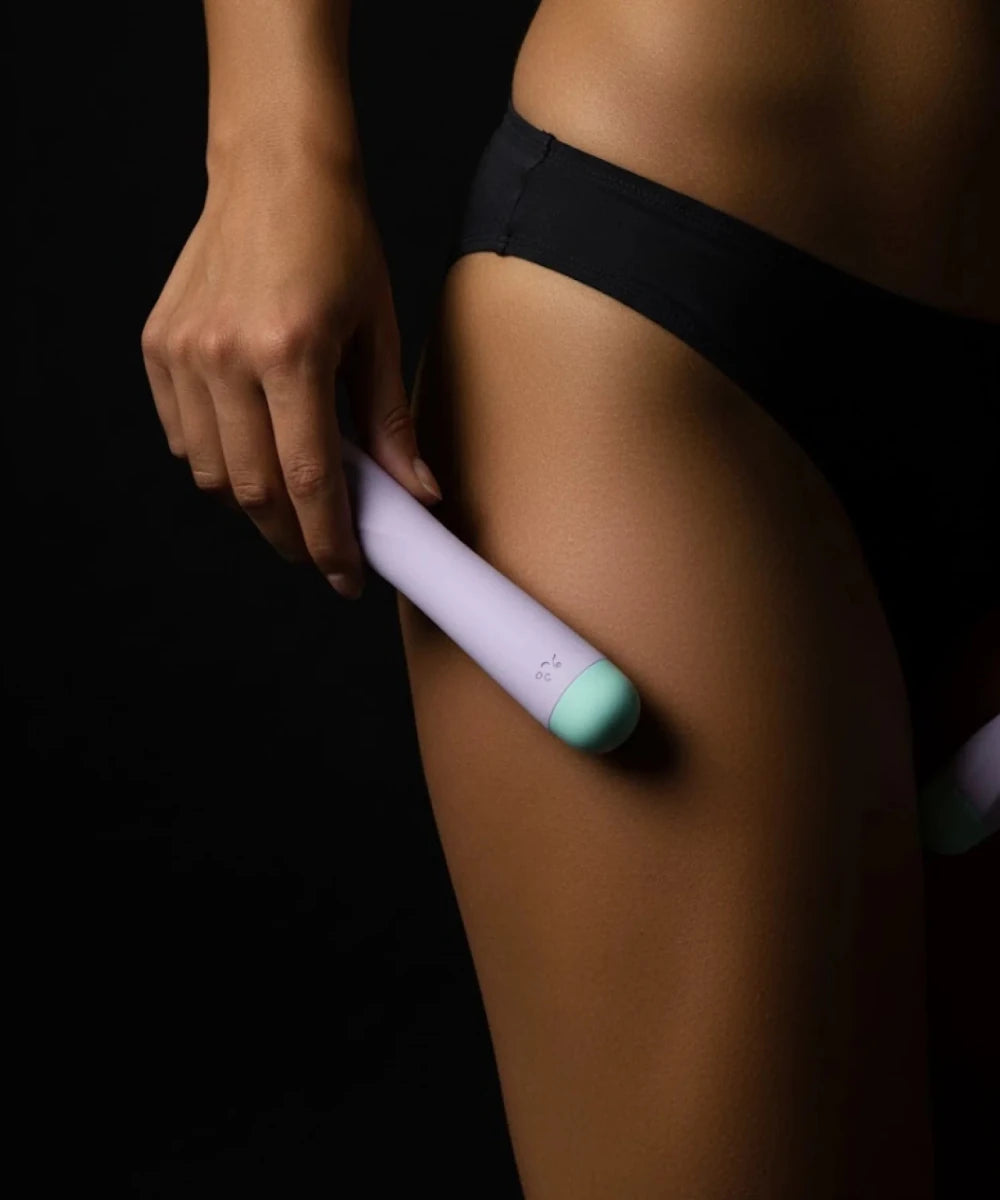
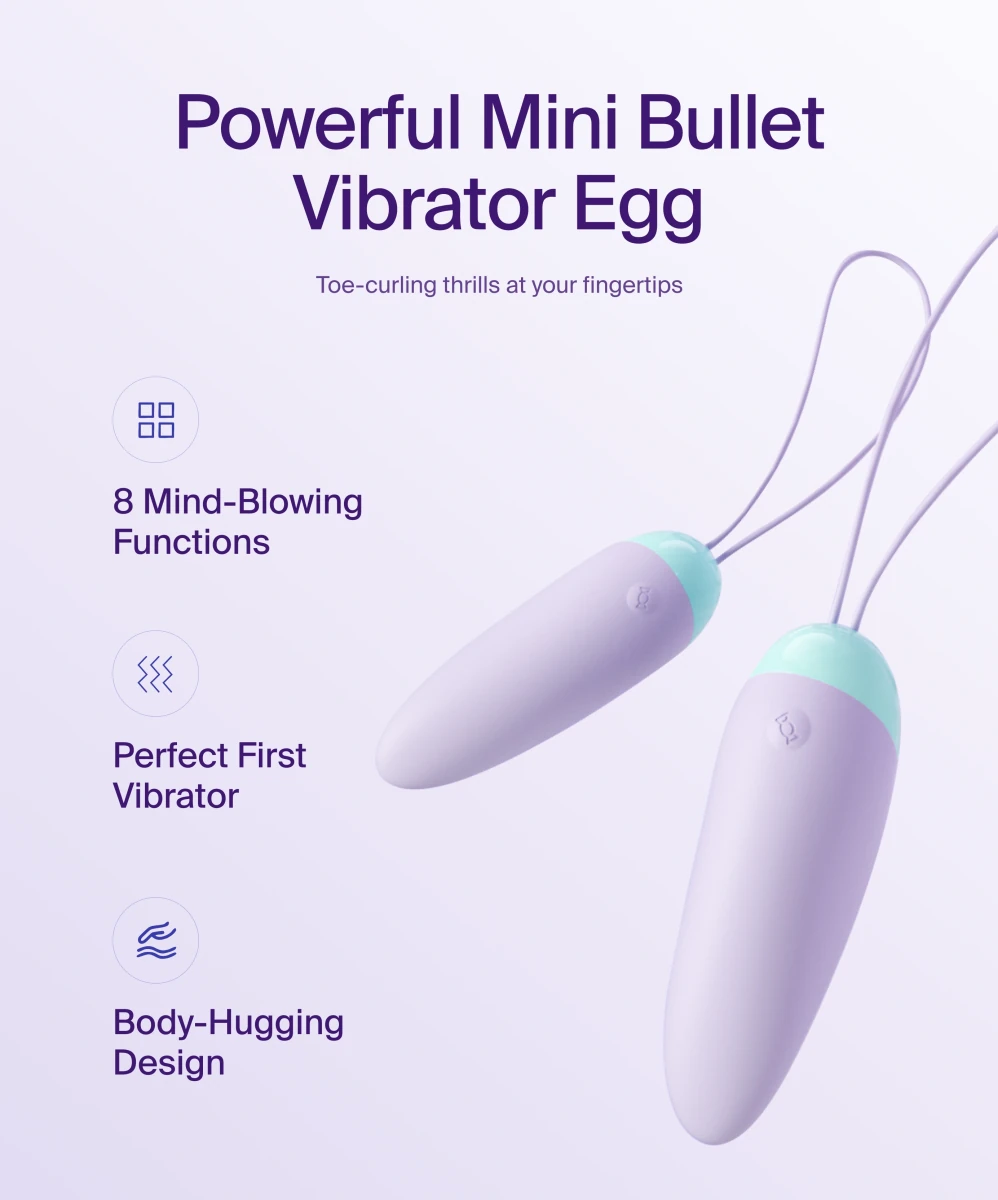
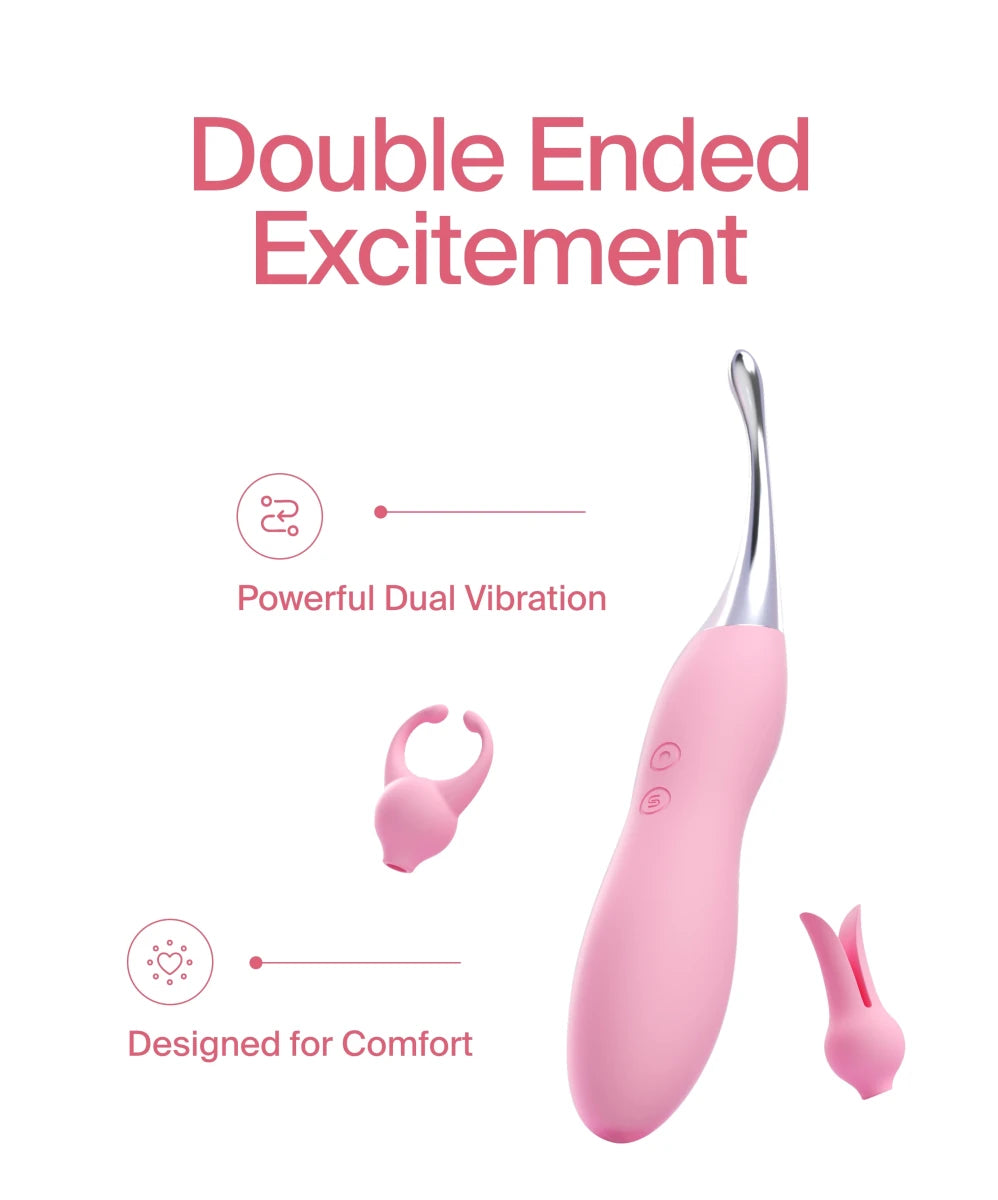
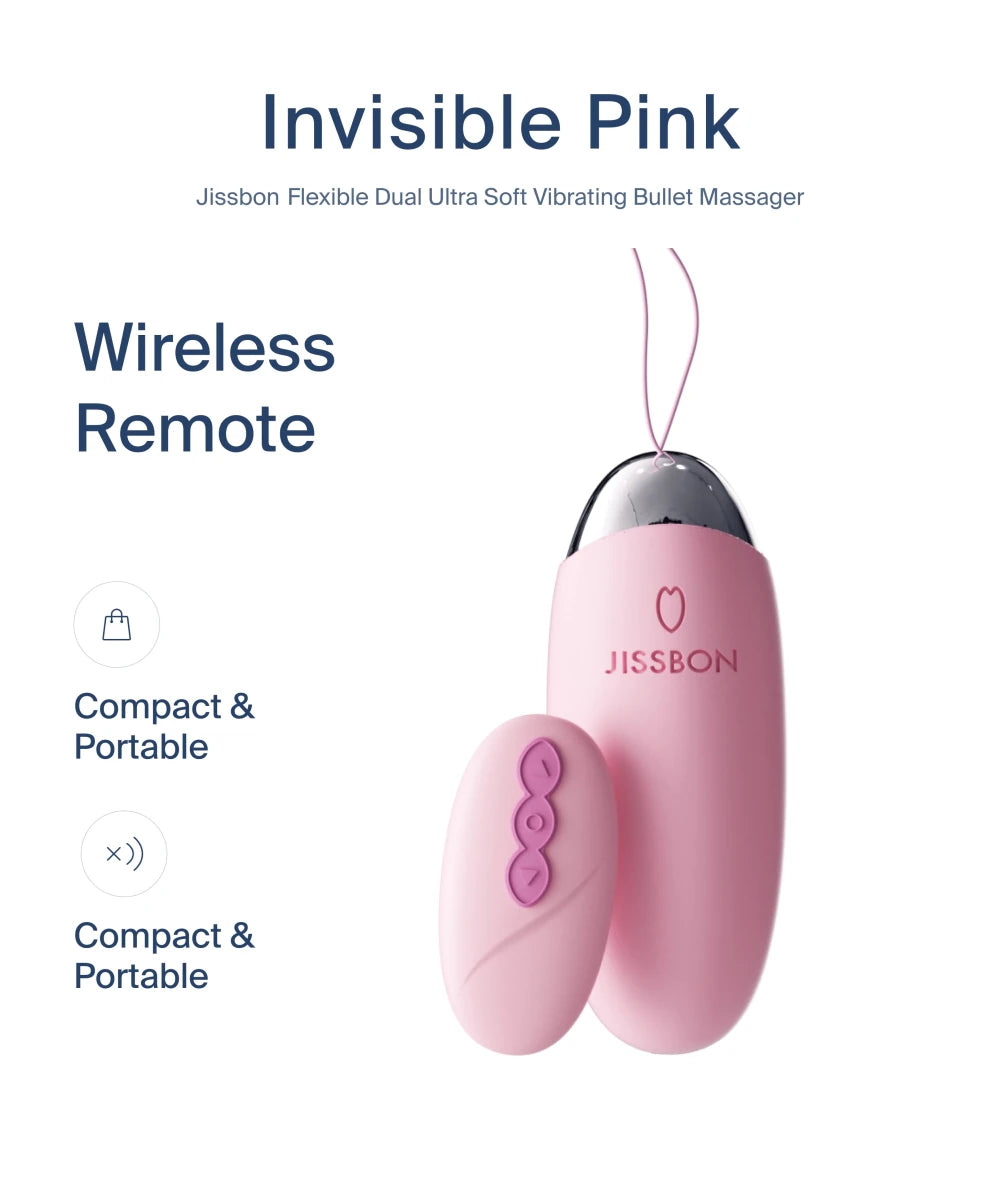
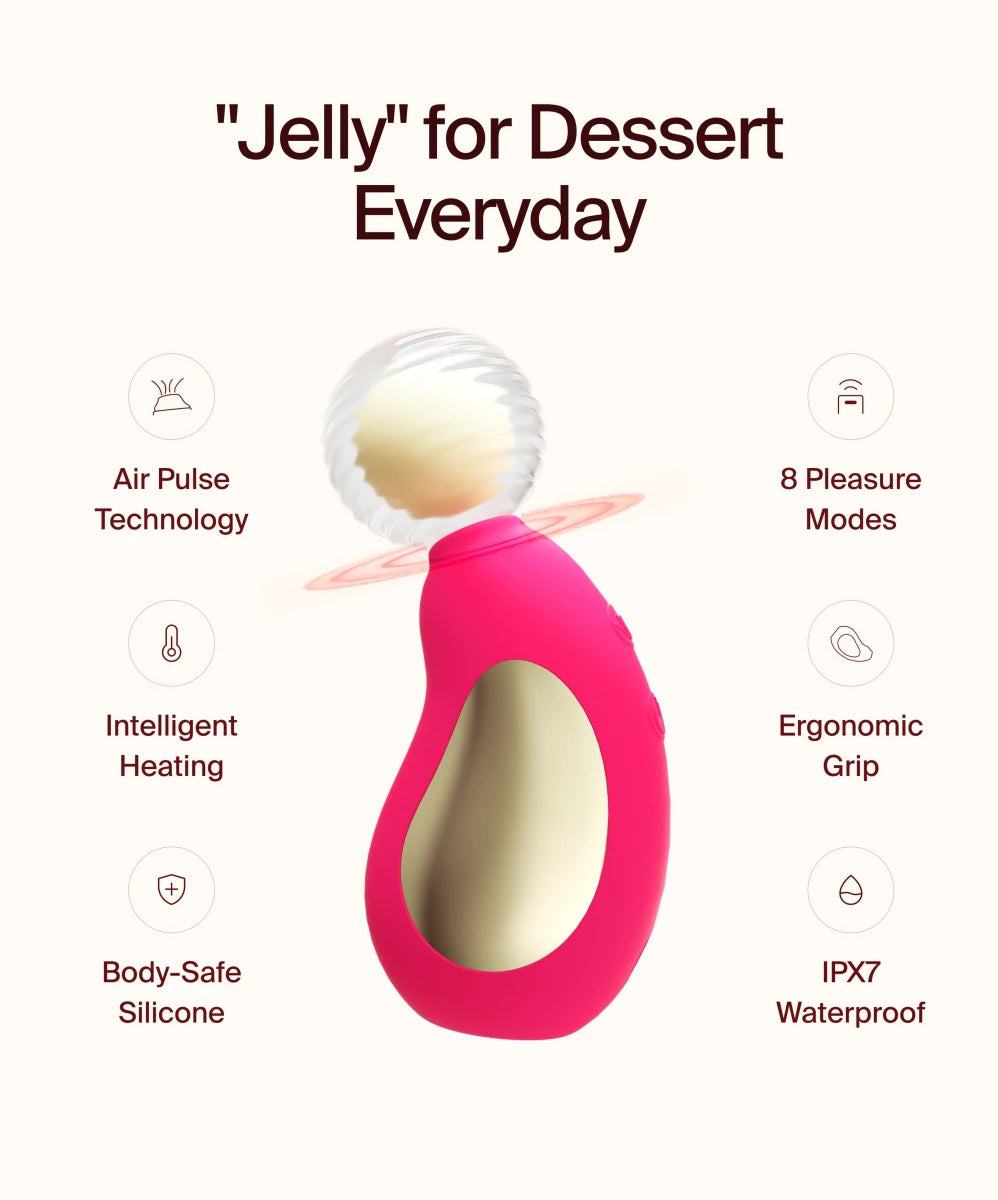
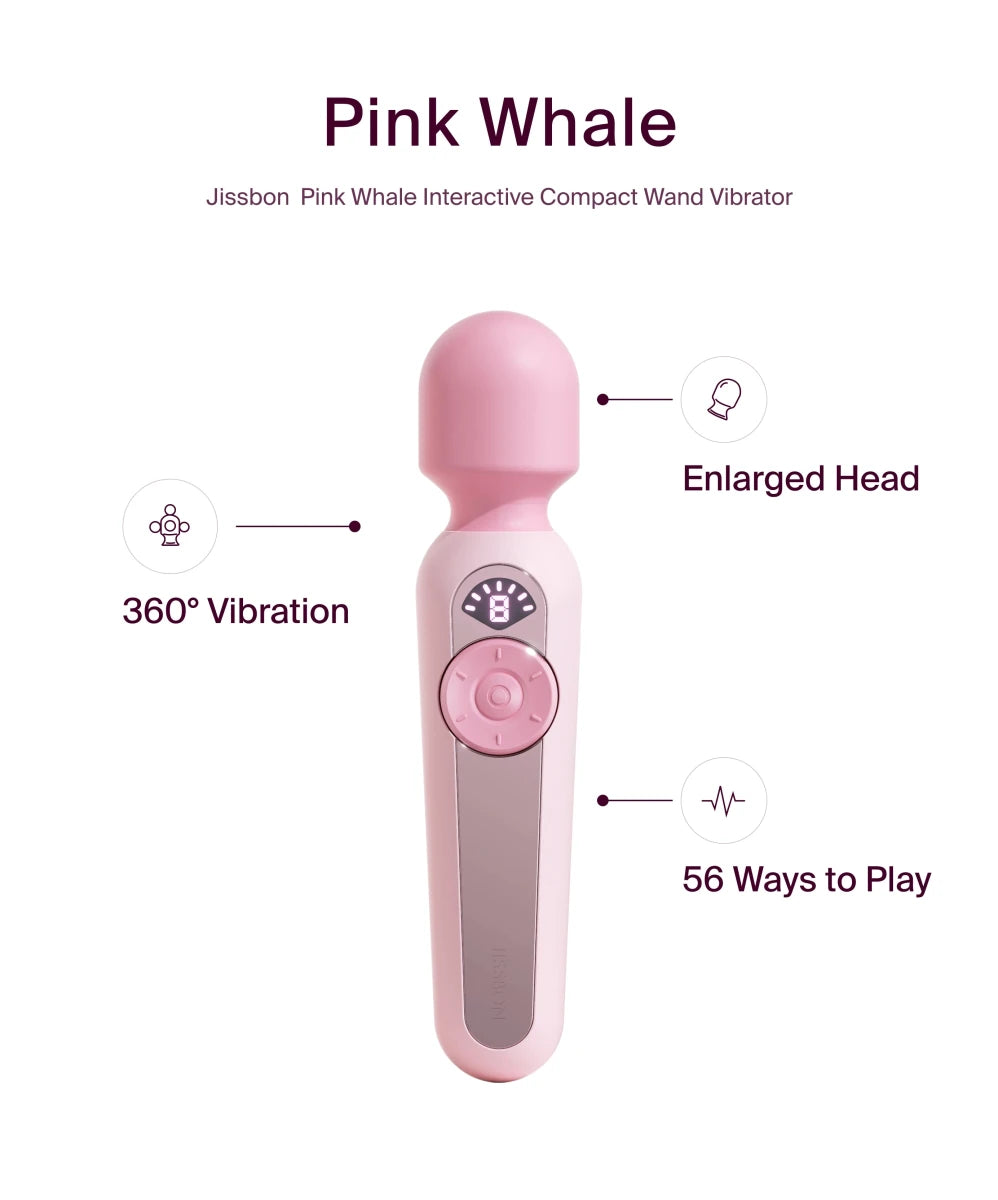
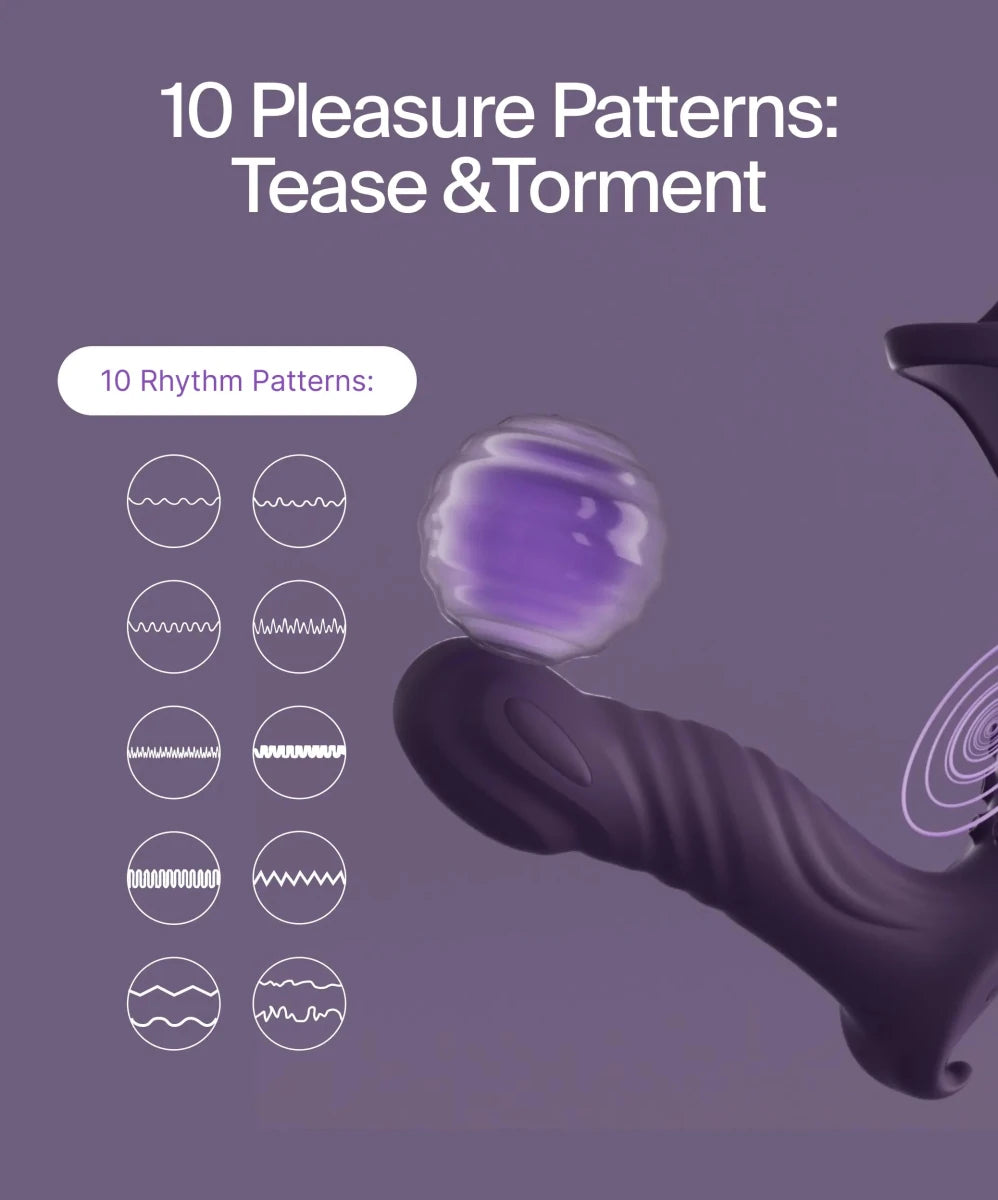
External vibrators: Bullet vibrators, wand vibrators, or clitoral vibrators provide targeted external stimulation.
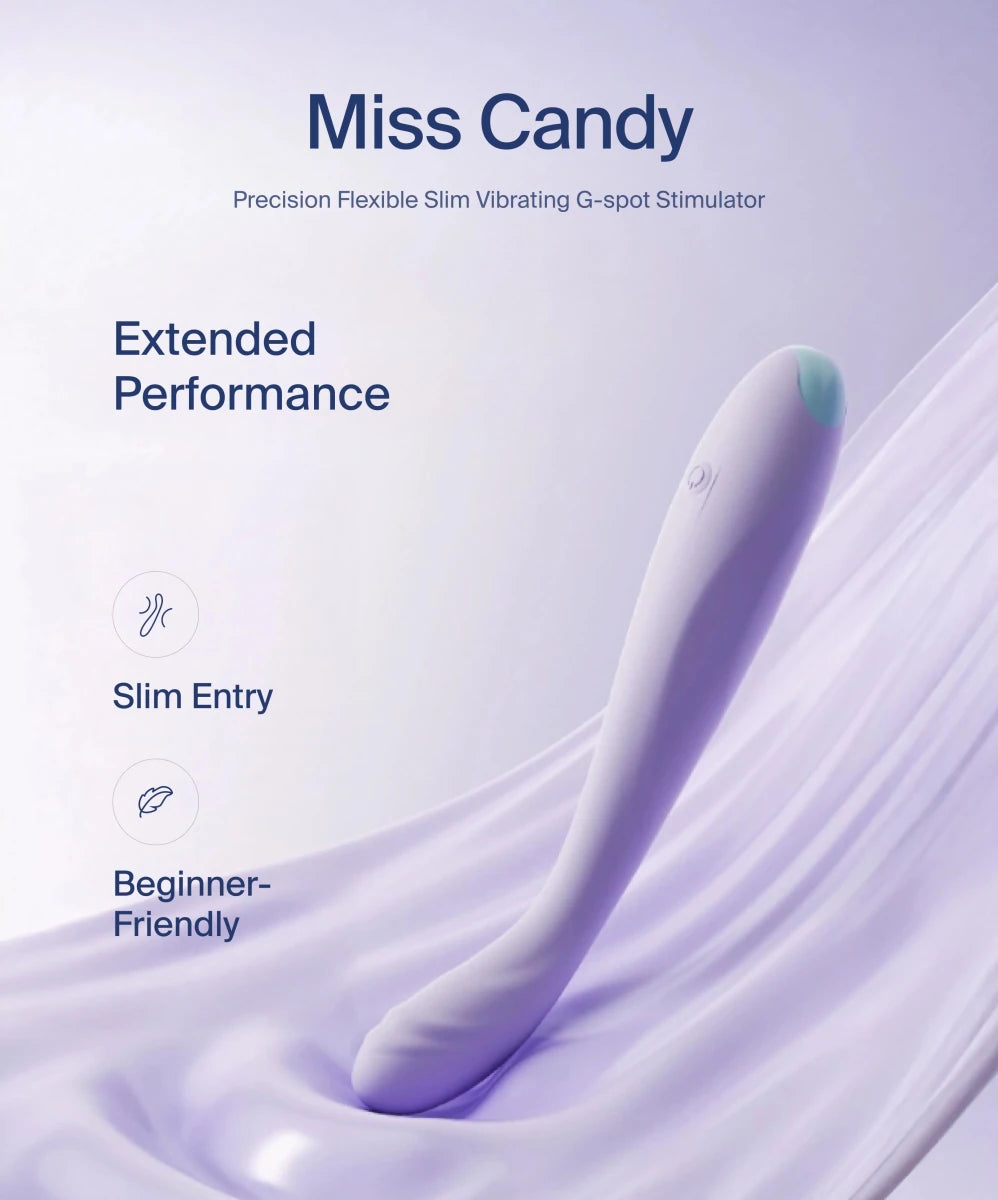
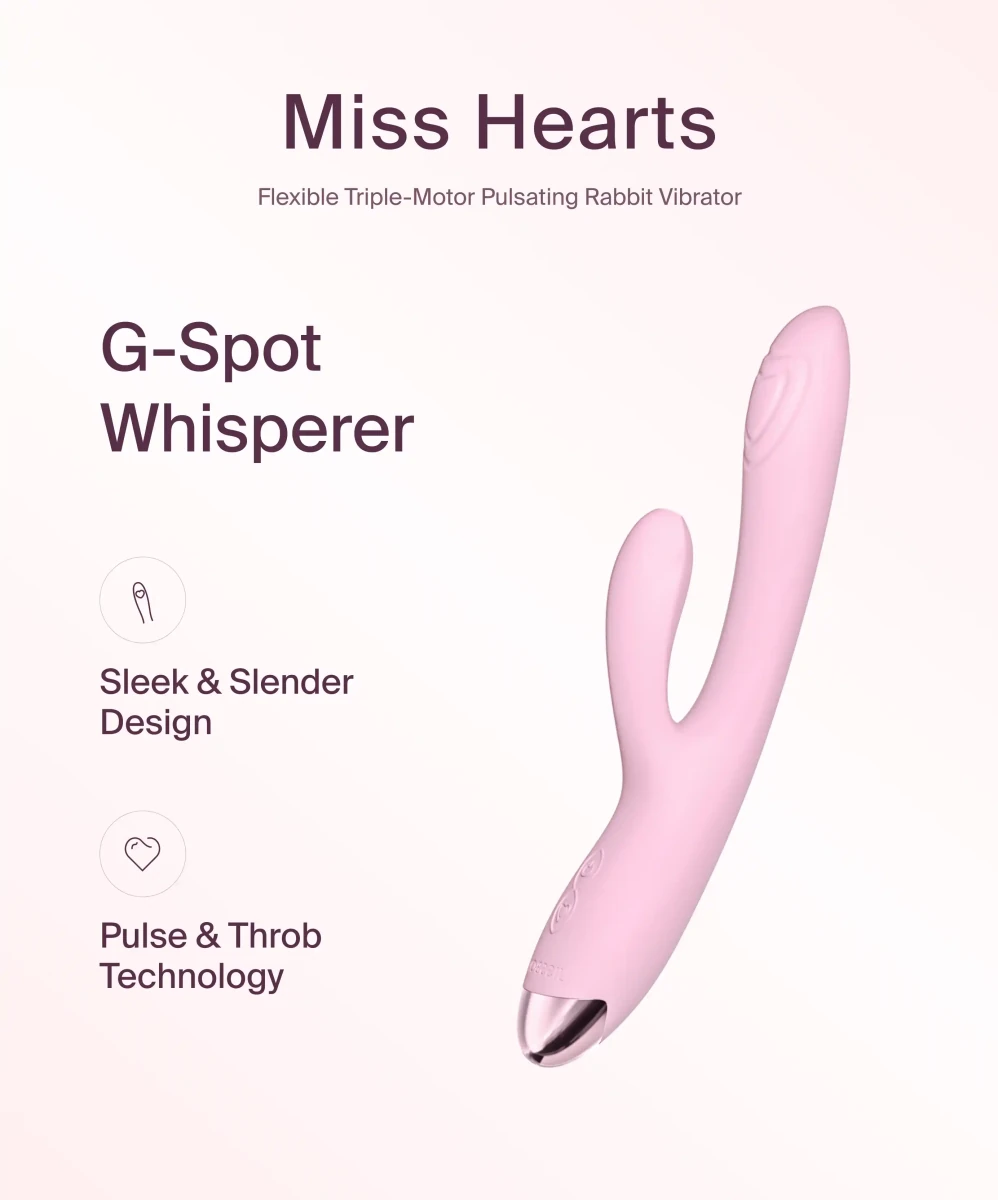
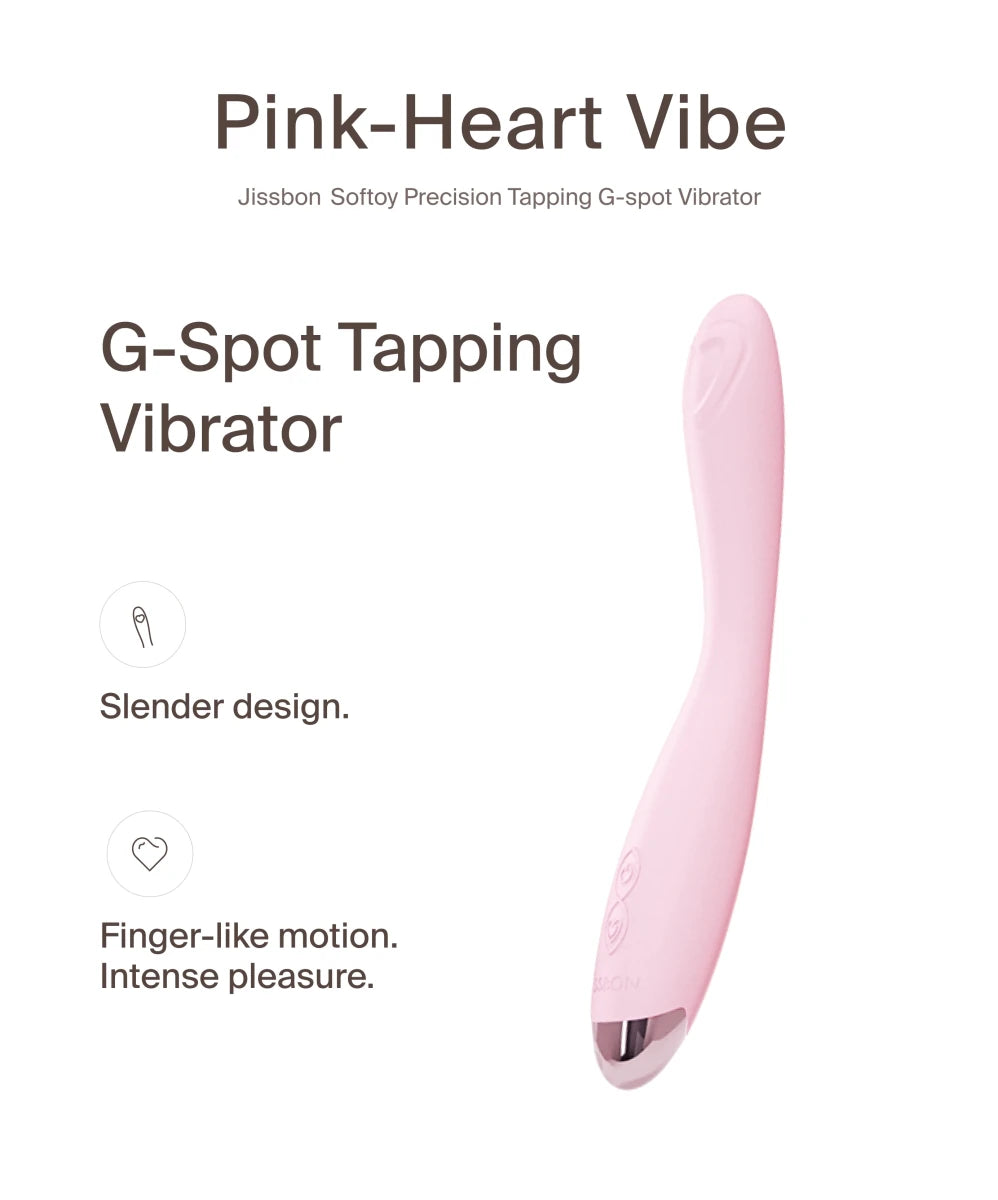
Internal toys: G-spot vibrators with curved designs target specific pleasure zones.
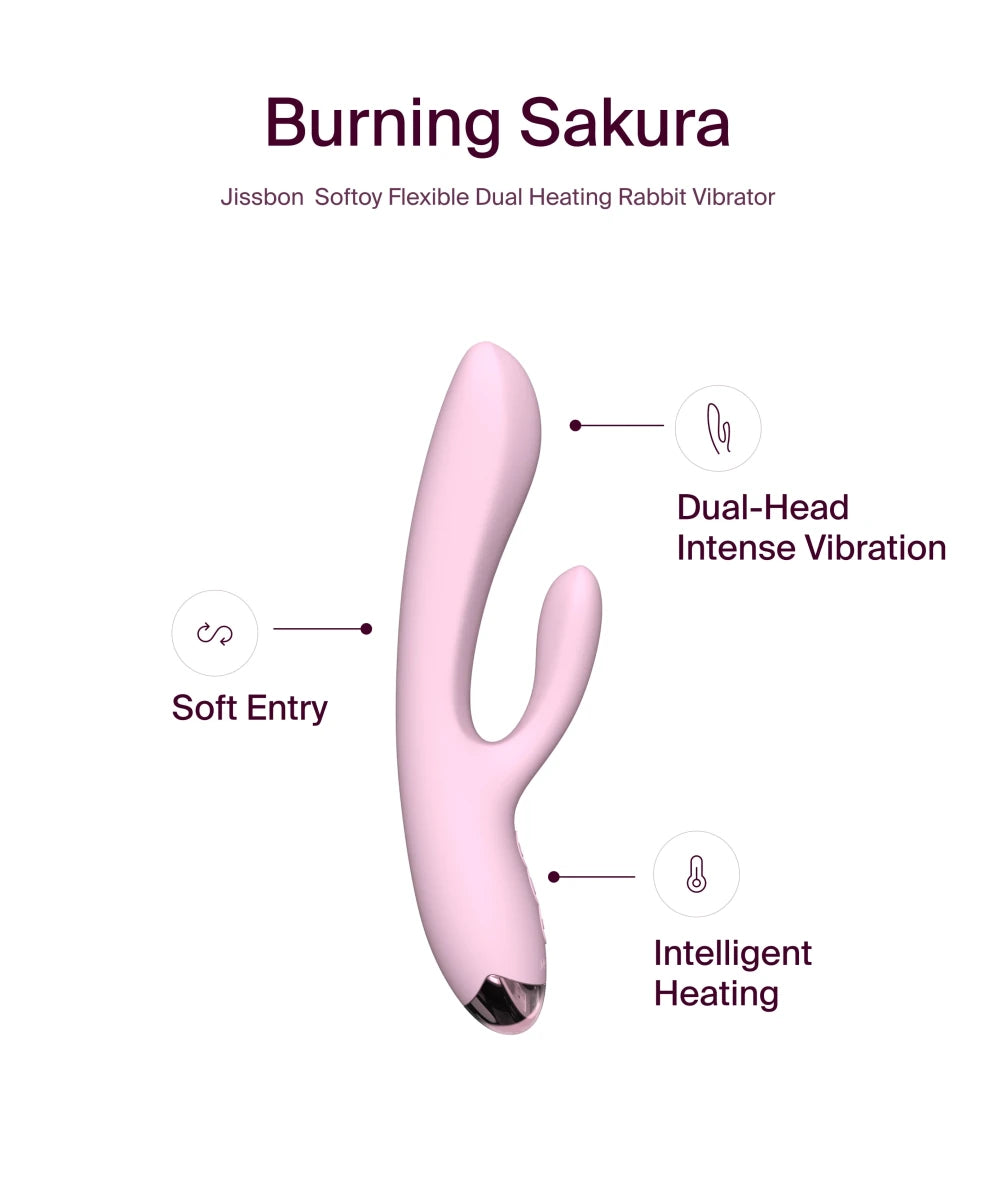
Combination options: Rabbit vibrators provide simultaneous internal and external stimulation.
Environmental Optimization
Creating Arousal-Friendly Space
Privacy assurance:
- Lock door or ensure uninterrupted time
- Silence phone notifications
- Choose times when alone or household members occupied
- Reduces anxiety allowing full mental presence
Physical comfort:
- Adjust room temperature to slightly warm (easier to relax when comfortable)
- Arrange pillows for comfortable positioning
- Have lubricant, tissues, and toys within arm's reach
- Wear comfortable clothing or nothing at all
Sensory enhancement:
Lighting:
- Dim lights or use candles (softer than bright overhead)
- Darkness works for some (removes self-consciousness)
- Experiment with what feels most comfortable
Sound:
- Play music matching desired mood (sensual, energetic, relaxing)
- Use white noise to mask external sounds
- Or embrace silence for heightened body awareness
Scent:
- Light candles or use essential oils (lavender for relaxation, ylang-ylang or jasmine for sensuality)
- Fresh, clean sheets
- Avoid overwhelming fragrances
Temperature:
- Warm environment (72–76°F typically comfortable)
- Use blankets for cozy feeling
- Cold reduces arousal for most people
Timing Considerations
When you're naturally more aroused:
Hormonal factors:
- Many vulva owners experience heightened arousal mid-menstrual cycle (ovulation)
- Testosterone peaks at certain times for all genders (often morning)
- Track patterns to identify personal high-arousal times
Energy levels:
- Some people feel more aroused when well-rested (morning, after naps)
- Others prefer evening when day's stresses have settled
- Experiment with different times to discover preference
Blocking adequate time:
- Don't rush—arousal needs 20–45 minutes typically
- Eliminate deadline pressure (not "must finish in 15 minutes")
- Allow exploration without time constraints
Overcoming Mental Barriers

Addressing Shame or Guilt
Common sources:
- Religious or cultural conditioning about sexuality
- Messages that self-pleasure is selfish or wrong
- Body image concerns preventing relaxation
Reframing strategies:
Self-pleasure as self-care: Recognize that pleasure is healthy, normal, and your right. Your body deserves enjoyment.
Releasing performance pressure: You don't need to "perform" for yourself. Remove expectations about how arousal "should" look or how long it "should" take.
Challenging negative messages: Identify specific beliefs causing shame. Question their validity. Replace with sex-positive affirmations.
Dealing with Distraction
Mind wandering solutions:
Mindfulness return: When thoughts drift to to-do lists or worries, gently return attention to physical sensation without judgment.
Sensory anchoring: Focus intensely on one sensation—texture of sheets, warmth of hand on skin, rhythm of breathing.
Fantasy reinforcement: When distracted, actively re-engage fantasy or erotic content to pull mind back to arousal.
Accepting variation: Some sessions will be more mentally focused than others. This is normal—not every attempt needs to be intensely arousing.
Building Arousal When "Not in the Mood"
Responsive vs spontaneous desire:
Spontaneous desire: Arousal appears without prompting—you feel "in the mood" before any stimulation.
Responsive desire: Arousal develops in response to stimulation—you become "in the mood" after beginning physical or mental engagement.
For responsive desire types:
- Begin stimulation even without initial arousal
- Use erotic content to jumpstart mental arousal
- Start with non-genital touch
- Give yourself 15–20 minutes before deciding arousal isn't coming
- Accept some sessions won't lead to full arousal—that's okay
Review sexual desire types for understanding your patterns.
Advanced Self-Arousal Techniques
Edging for Intensified Arousal
Concept: Build arousal to near-orgasm, back off, repeat several times before allowing climax.
Benefits:
- Prolongs pleasurable arousal state
- Often creates more intense eventual orgasm
- Builds intimacy with your arousal patterns
- Teaches recognition of pre-orgasmic sensations
Method:
- Stimulate until 7–8 out of 10 arousal (10 being orgasm)
- Stop or drastically reduce stimulation
- Allow arousal to drop to 5–6
- Resume stimulation
- Repeat 3–6 times
- Eventually allow orgasm
Temperature Play
Using temperature contrast:
Cold sensations:
- Ice cube trails along skin
- Cold glass or metal toy (briefly chilled)
- Cool breath near sensitive areas
Warm sensations:
- Warm massage oil or lotion
- Heated toy (warmed in warm water)
- Warm breath
Alternating: Creates neurological surprise enhancing sensation awareness.
Incorporating Movement
Pelvic rocking:
- Lie on back with knees bent
- Tilt pelvis up and down rhythmically
- Engages pelvic floor and increases genital blood flow
Dancing or swaying:
- Move body sensually to music
- Connect with physical embodiment
- Builds arousal through movement
Stretching:
- Gentle yoga or stretching before self-pleasure
- Releases muscle tension
- Increases body awareness
Frequently Asked Questions
Why can’t I turn myself on even when I want to?
Common causes:
- stress or anxiety
- distractions
- hormonal fluctuations
- lack of sleep
- medication side effects (especially SSRIs)
- unresolved shame about sexuality
Try removing pressure, increasing daily pleasure, and experimenting with mental arousal instead of starting with genital touch.
What activates horniness in a woman?
SERP suggests:
- mental imagery
- erotic fantasy
- nipple/neck stimulation
- slow build-up (not rushing genitals)
- good sleep and low stress
- pelvic blood flow
- clitoral stimulation
- intimate atmosphere
Arousal is cumulative—not instant.
Why am I hard to turn on?
Possible factors:
- responsive desire type
- heightened stress
- depression
- routine/dullness
- self-esteem interference
- overly goal-driven mindset (“I must orgasm.”)
Arousal often requires relaxation and slow buildup.
How long should it take to get aroused?
Highly variable—anywhere from 5 to 45+ minutes is normal. Factors include stress levels, hormone fluctuations, time since last arousal, and stimulation type. Don't compare to others or set time expectations. Some days arousal builds quickly; others require extended effort. Both are normal.
What if I can't seem to get aroused no matter what I try?
Common causes: stress/anxiety, medications (especially SSRIs), hormonal changes, relationship issues, or physical health conditions. If persistent: (1) Examine lifestyle factors (sleep, stress, exercise), (2) Review medications with doctor, (3) Address underlying anxiety or depression, (4) Consider sex therapy, (5) Rule out medical causes. Occasional difficulty is normal; consistent inability warrants investigation.
Is it normal to need external content (porn, erotica) to get aroused?
Yes, many people use external content as arousal catalyst. This isn't dependence or dysfunction—it's using available tools. However, if you cannot become aroused without content, consider: (1) Practicing fantasy-only sessions occasionally, (2) Exploring what specifically in content arouses you (transfer to imagination), (3) Varying content types to prevent over-reliance on specific scenarios.
Can I turn myself on without touching myself?
Yes, through mental arousal techniques alone. Fantasy, erotic content, mindfulness, and breath work can create arousal without physical touch. For some people, this produces full arousal and even orgasm (rare but possible).
How do I maintain arousal when it keeps fading?
Fluctuating arousal is normal—it's not linear progression. Solutions: (1) Re-engage fantasy or erotic content when fading, (2) Change stimulation type (switch from manual to toy or vice versa), (3) Vary stimulation location (move from genitals to breasts, back to genitals), (4) Take brief break then resume, (5) Accept that some sessions won't maintain arousal—try again later.
Are there products that help with self-arousal?
Yes, various tools support solo arousal. Wand vibrators provide powerful external stimulation. Clitoral vibrators offer targeted pleasure. G-spot vibrators provide internal stimulation. Bullet vibrators offer versatile, compact options. Quality lubricant enhances all stimulation. Explore options through sex toys for women or sex toys for men designed for solo pleasure.
Embracing Your Unique Arousal Pattern
Self-arousal is deeply individual. What works for others may not work for you, and vice versa. Your arousal pattern—how quickly you become aroused, what types of stimulation work best, mental versus physical focus—is uniquely yours and completely valid.
Approach self-arousal as exploration rather than achievement. Some sessions will lead to intense pleasure and orgasm; others will simply feel good without climax. Both outcomes are valuable. The goal is discovering what brings you pleasure and building relationship with your sexual self.
Release comparisons to media portrayals, partners' experiences, or imagined "normal" patterns. Your body's responses are the only relevant standard. Honor them, learn from them, and enjoy the process of self-discovery.
Ready to enhance your solo pleasure experiences? Explore quality products designed for self-arousal through sex toys for couples suitable for both solo and shared use.


Looking for something else?

Sex Positions from Behind: 8 Beyond Doggy Style
LEARN MORE
What Does a Vulva Taste Like? Facts & Myths Explained
LEARN MORE
Straddle Sex Position: 7 Variations & Tips
LEARN MORE
Mistress Slave Relationship in BDSM: Complete Guide
LEARN MORELooking for something else?

Sensual Domination: Guide to Affectionate Power Play
LEARN MORE
Best Prostate Massager for Beginners: Complete Guide
LEARN MORE
Dominant Sex Positions: 8 Power Positions & Tips
LEARN MOREYou may also like
20% off

20% off

20% off

20% off

20% off

20% off

Further reading
Automatic Male Masturbator vs Manual Stroker: Which Should You Buy?
11 Best Automatic Blowjob Machines for Men in 2026

Understanding Smoking Fetish: The Erotic Appeal of Cigarettes