
























































How to Ruin an Orgasm: A Beginner's Guide to Controlled Denial
Stack & Save: Extra 15% with Jissbon15
Jissbon15
Ruined orgasms involve intentionally stopping stimulation at the exact moment climax becomes inevitable, creating a frustrating release without the satisfying pleasure waves. This consensual practice exists within BDSM dynamics, exploring power exchange, anticipation, and controlled frustration.
When approached with proper communication and technique, it offers unique sensations and psychological experiences. This guide explains what happens physiologically, why people explore this practice, and how to execute it safely with full consent.
What’s the difference between edging and a ruined orgasm?
They sound similar but they’re not the same:
- Edging
-
- You get close to orgasm, then stop or slow down before the “point of no return.”
- The goal is to delay orgasm and make the final one stronger, not to take it away.
- Often involves several cycles of build–pause–build, then a full release at the end.
- Ruined orgasm
-
- You let the body cross the point of no return, then stop stimulation exactly as orgasm hits, so release happens but the pleasure is blunted or cut off.
- The goal is frustration and denial, not a better final orgasm.
- Often used in BDSM or orgasm-control dynamics.
Think of it like this: edging is teasing on the edge of the cliff; ruined orgasm is pushing them off but yanking away the parachute at the last second (with consent).
Can ruined orgasms help you last longer or not finish as fast?
Indirectly, yes — but you need to be thoughtful about it.
Ruined orgasms and edging are sometimes used as training tools to:
- Increase awareness of your “point of no return”
- Build skill in slowing down or changing stimulation before that point
- Practice tolerating high arousal without automatically finishing
However:
- If you only focus on ruining and never allow full, satisfying orgasms, you can end up with frustration, anxiety, or pelvic discomfort.
- For people worried about “finishing too fast,” classic techniques like start–stop, squeeze, changing positions, and focusing on whole-body pleasure are usually more sustainable than pure ruin play.
So: ruined orgasms can be one tool in stamina play, but shouldn’t replace kinder, more balanced methods of lasting longer.
What Is a Ruined Orgasm? Understanding the Phenomenon
The Physiological Mechanism
A typical orgasm involves two phases:
Phase 1 - Point of No Return (Emission): Semen moves from the prostate and seminal vesicles into the urethral bulb (for people with penises), or pelvic floor muscles begin their rhythmic contractions (for people with vulvas). This happens 2–3 seconds before the pleasurable sensations begin.
Phase 2 - Expulsion (Orgasm): Rhythmic muscle contractions expel fluid while the brain releases dopamine, oxytocin, and endorphins, creating intense pleasure.
A ruined orgasm interrupts between these phases. Stimulation stops after Phase 1 begins but before Phase 2 fully develops. The physical release happens—ejaculation or pelvic contractions occur—but without the accompanying pleasure sensations or satisfying buildup.
What It Feels Like
For the experiencing person:
- Physical release occurs (ejaculation or fluid discharge)
- Minimal to no pleasure waves
- Frustration, incomplete feeling, or "denial" sensation
- Desire often remains or quickly returns (unlike post-orgasm satisfaction)
- No typical post-climax refractory period for many
Psychological experience:
- Can feel intensely frustrating (in a consensually desired way)
- Creates vulnerability through incomplete satisfaction
- Builds anticipation for future complete release
- Reinforces power dynamics in BDSM contexts
Understanding the human sexual response cycle helps you identify the precise timing required.
Why People Explore Ruined Orgasms

This practice appeals to specific dynamics and desires:
Power Exchange & Control
- Dominants/tops: Exercising control over partner's pleasure demonstrates power
- Submissives/bottoms: Surrendering control over satisfaction reinforces submission
- Both: The psychological intensity deepens trust and vulnerability
Extended Arousal Maintenance
- Allows release without satisfaction, permitting continued play
- Maintains high arousal state for multiple sessions
- Extends sexual experiences without typical refractory limitations
Orgasm Training & Discipline
- Used in orgasm control protocols where permission is required
- Creates consequences for unauthorized climax attempts
- Builds capacity for delayed gratification
Novelty & Sensation Exploration
- Offers unique physical and psychological sensations
- Different from both full orgasm and complete denial
- Appeals to those seeking varied intimate experiences
Chastity Play Integration
- Complements chastity devices and long-term denial
- Provides partial release without ending denial periods
- Satisfies physical need while maintaining psychological denial
This is advanced intimate exploration requiring maturity, communication, and established trust.
The Non-Negotiable Foundation: Consent & Communication
Pre-Scene Negotiation Essentials
Both partners must discuss these elements before attempting:
1. Explicit consent for the practice:
- Clear "yes" to ruined orgasms specifically (not assumed from general consent)
- Understanding that this will feel frustrating by design
- Agreement on whether this is one-time experiment or ongoing dynamic
2. Establish parameters:
|
Element |
What to Discuss |
Example Agreement |
|
Frequency |
How often will this occur |
"One ruined, then one complete" or "All orgasms ruined for one week" |
|
Context |
Solo, partnered, or both |
"Only during partnered play" |
|
Aftermath |
When complete orgasm will be allowed |
"After three ruined attempts" or "At my discretion" |
|
Safe words |
Signals to stop entirely |
Red = stop everything; Yellow = need check-in |
3. Discuss motivations:
- Why does this appeal to each partner?
- What does each person hope to experience?
- Are there concerns or hesitations?
4. Aftercare requirements:
- What support does the receiving partner need afterward?
- How will the dominant/giving partner process the experience?
- Duration and type of physical/emotional care needed
Ongoing Consent During Practice
Negotiation beforehand isn't sufficient—consent must be continuous:
- Watch body language for distress versus consensual frustration
- Distinguish between pleasurable frustration and genuine discomfort
- Respond immediately to safe words without hesitation
- Accept that consent can be withdrawn at any point
Review consensual BDSM practices from trusted resources for foundational knowledge.
Techniques: How to Execute a Ruined Orgasm

Identifying the Point of No Return
Successful ruining requires precise timing—stopping stimulation exactly when climax becomes inevitable but before pleasure begins.
Physical indicators (for people with penises):
- Testicles fully retract toward body
- Pelvic floor muscles begin subtle pulsing
- Penis becomes maximally rigid
- Breathing becomes very rapid or temporarily stops
- Subtle involuntary hip thrusting begins
Physical indicators (for people with vulvas):
- Vaginal opening contracts rhythmically
- Clitoris becomes extremely engorged
- Breathing pattern shifts dramatically
- Pelvic tilting or thrusting motions intensify
- Vocalizations change pitch or cease
The "point of no return" happens 2–3 seconds before pleasurable sensations. This narrow window requires practice to identify consistently.
Method 1: Complete Stimulation Cessation (Most Common)
Process:
- Build arousal gradually over 10–20 minutes minimum
- Increase intensity as climax approaches
- Watch for point-of-no-return indicators listed above
- Stop all stimulation immediately the moment those signs appear
- Remove hands/mouth/toy completely—no contact at all
- Remain still and silent for 5–10 seconds minimum
Result: Physical release occurs (ejaculation/contractions) with minimal pleasure sensation. The person experiences frustration rather than satisfaction.
Common mistake: Stopping too early prevents any release; stopping too late allows full orgasm.
Method 2: Reduced Stimulation (Gentler Approach)
Process:
- Follow steps 1–3 from Method 1
- Drastically reduce stimulation to barely-there touch
- Maintain minimal contact (feather-light touches, no pressure)
- Continue this light touch through the physical release
Result: Slightly more sensation than complete cessation but still significantly less than full orgasm.
When to use: First attempts, or with partners who find complete cessation too intense psychologically.
Method 3: Post-Point Interruption
Process:
- Allow stimulation to continue 1–2 seconds past the point of no return
- Stop abruptly once the first contraction begins
- This creates partial orgasm—some pleasure, but incomplete
Result: More sensation than classic ruined orgasm but still frustrating and unsatisfying.
Purpose: Creates a spectrum between ruined and full orgasm, allowing gradual exploration.
Using Toys for Ruining
Advantages:
- Consistent, controllable stimulation
- Easier to stop instantly than manual techniques
- Allows precise timing with practice
Recommended products:
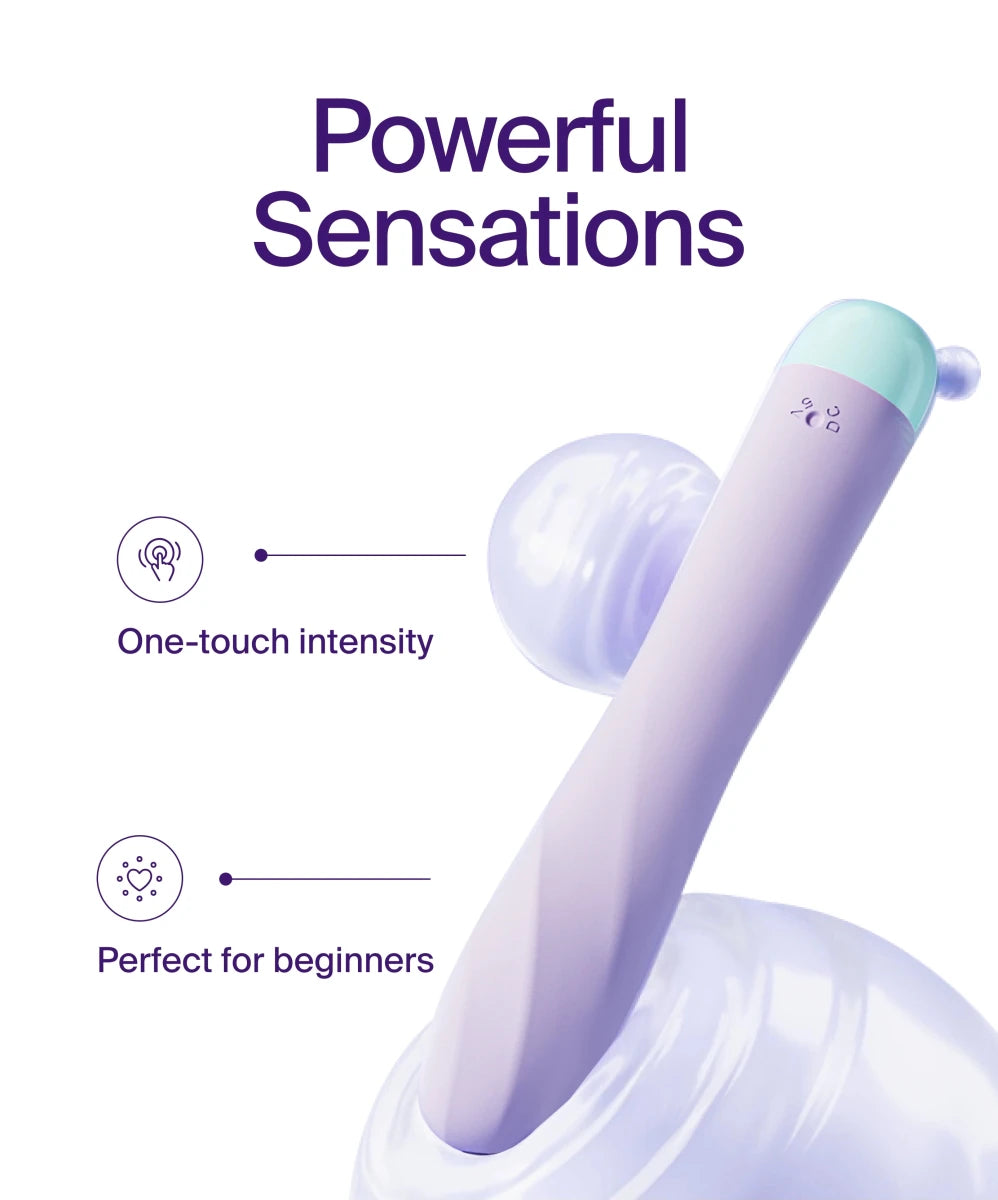
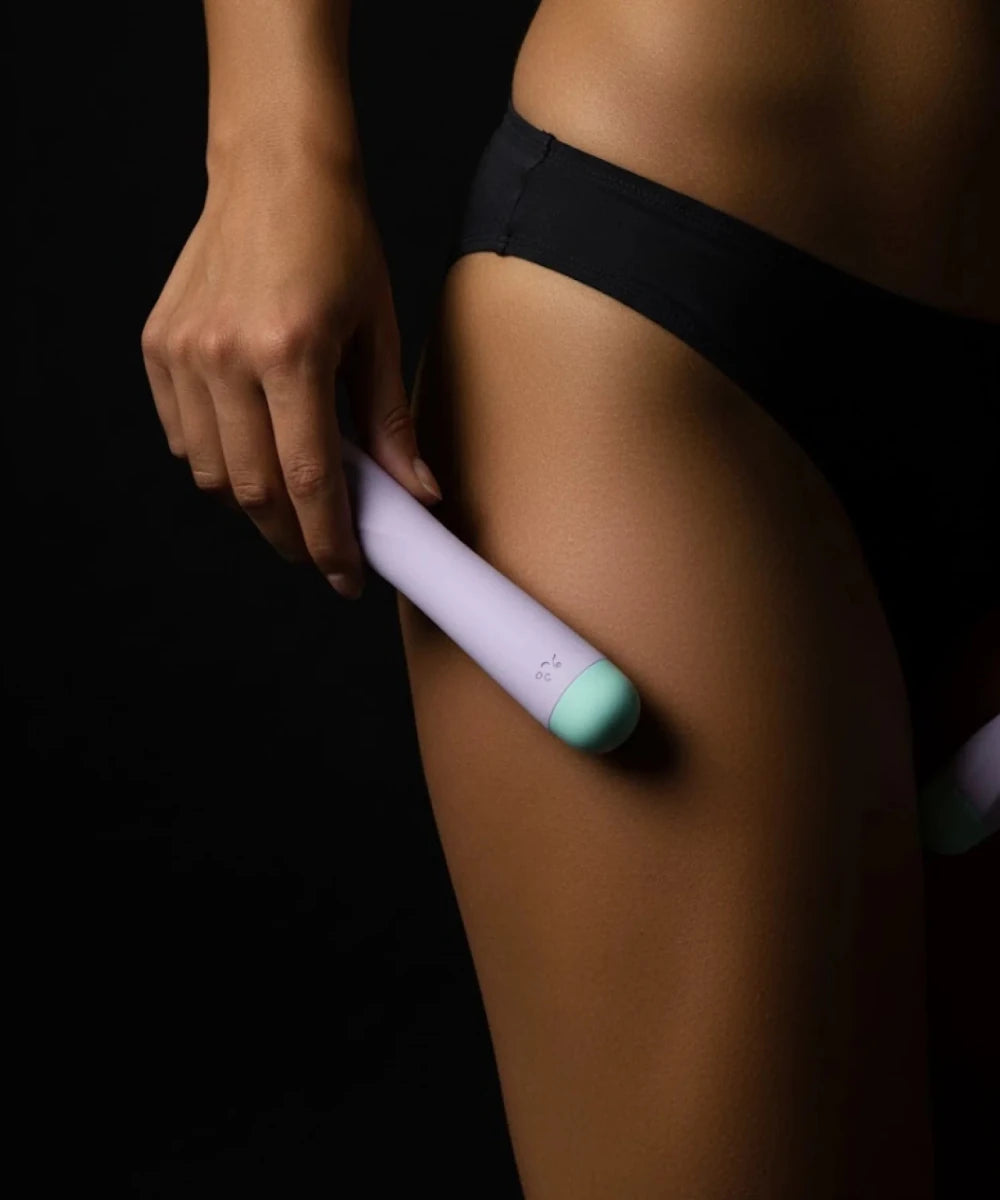
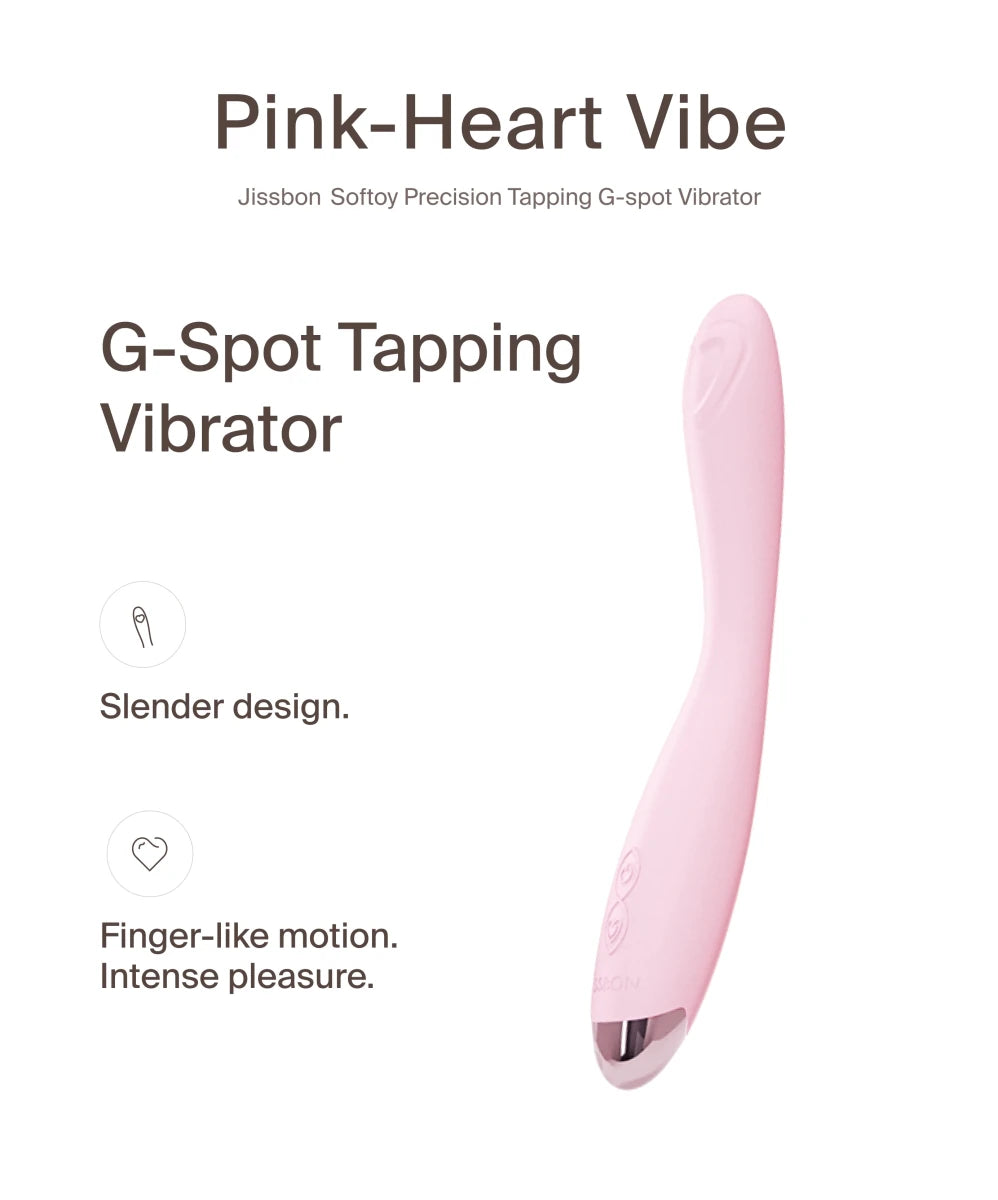
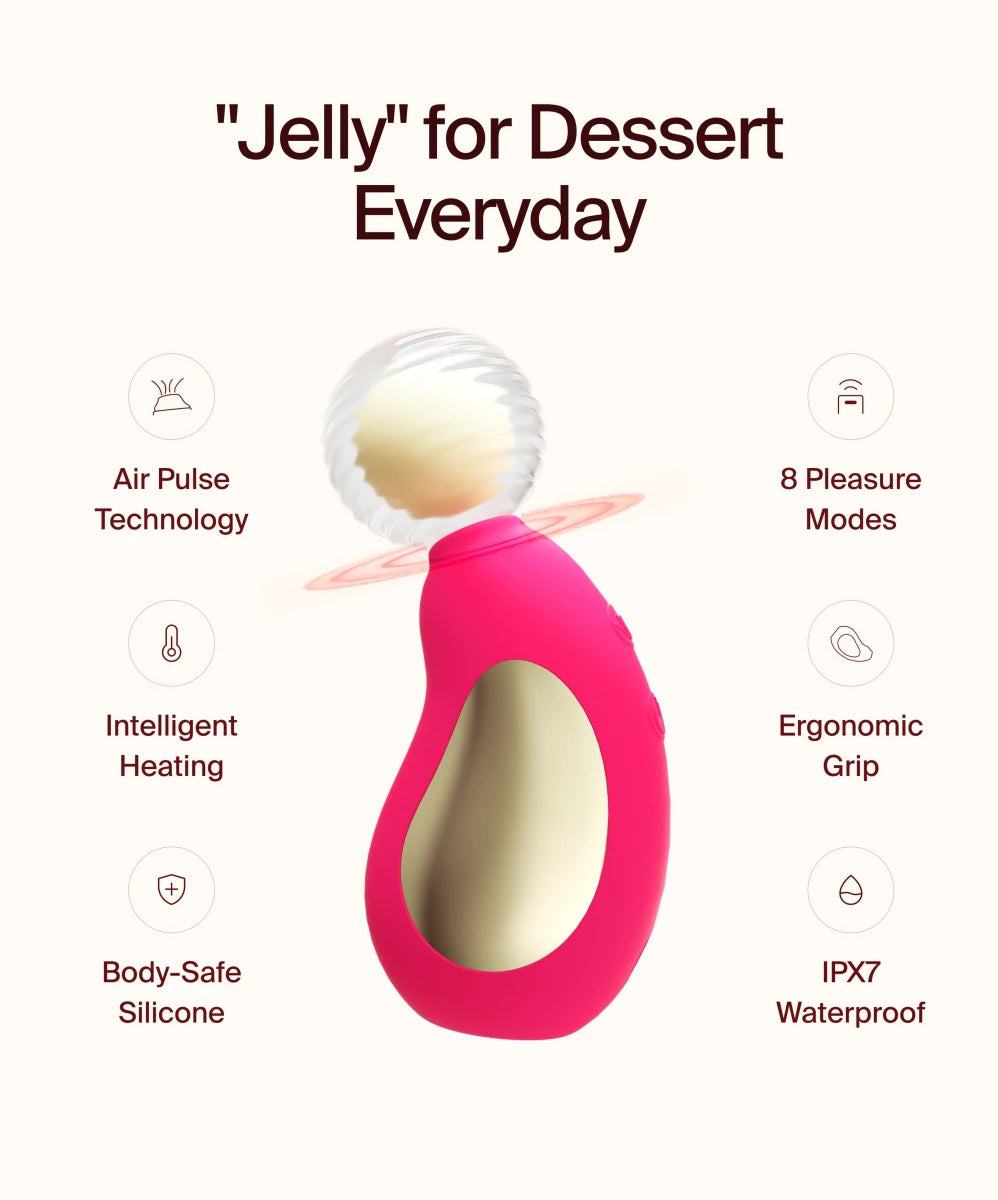
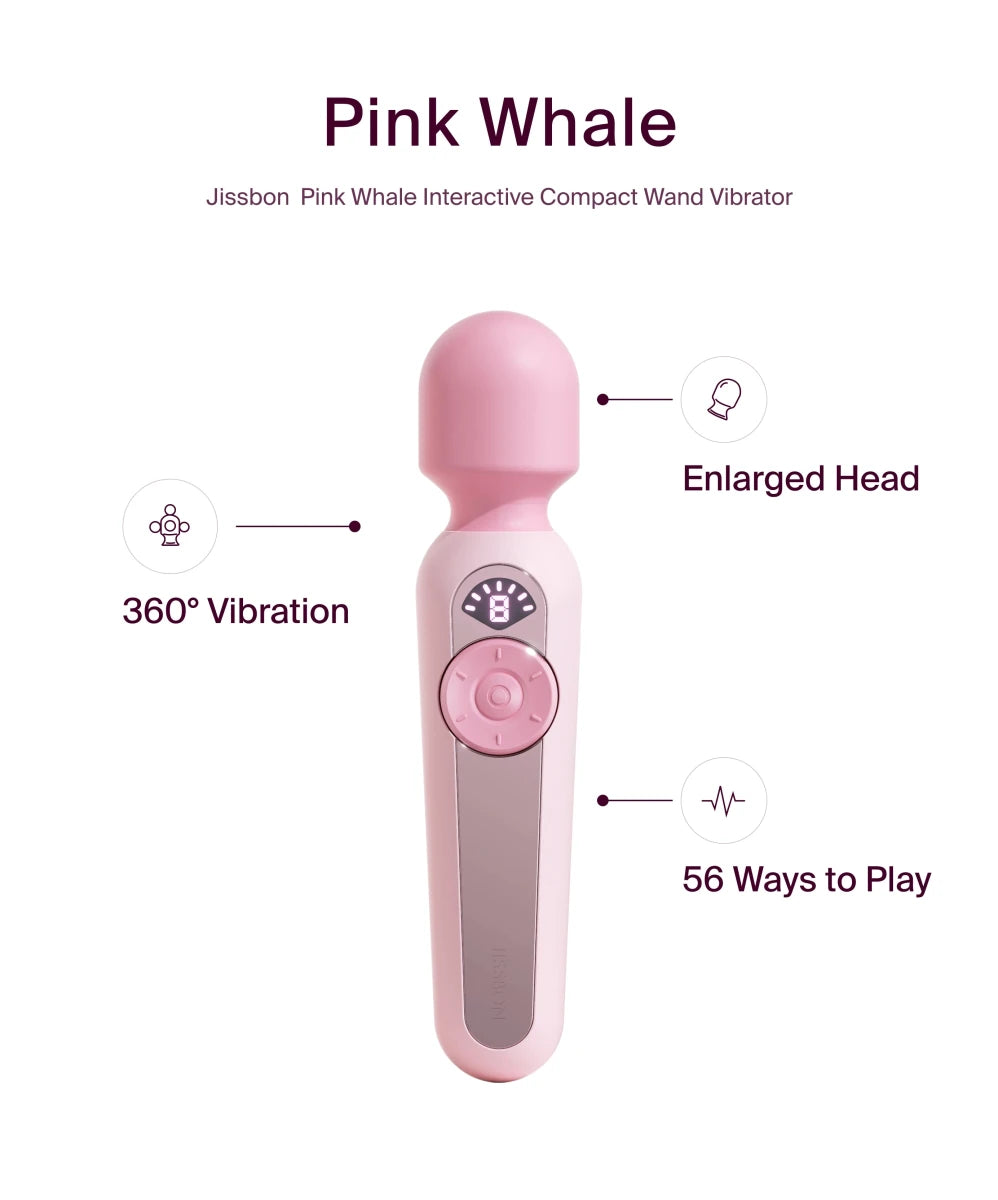
- Wand vibrators for external stimulation (easy on/off control)
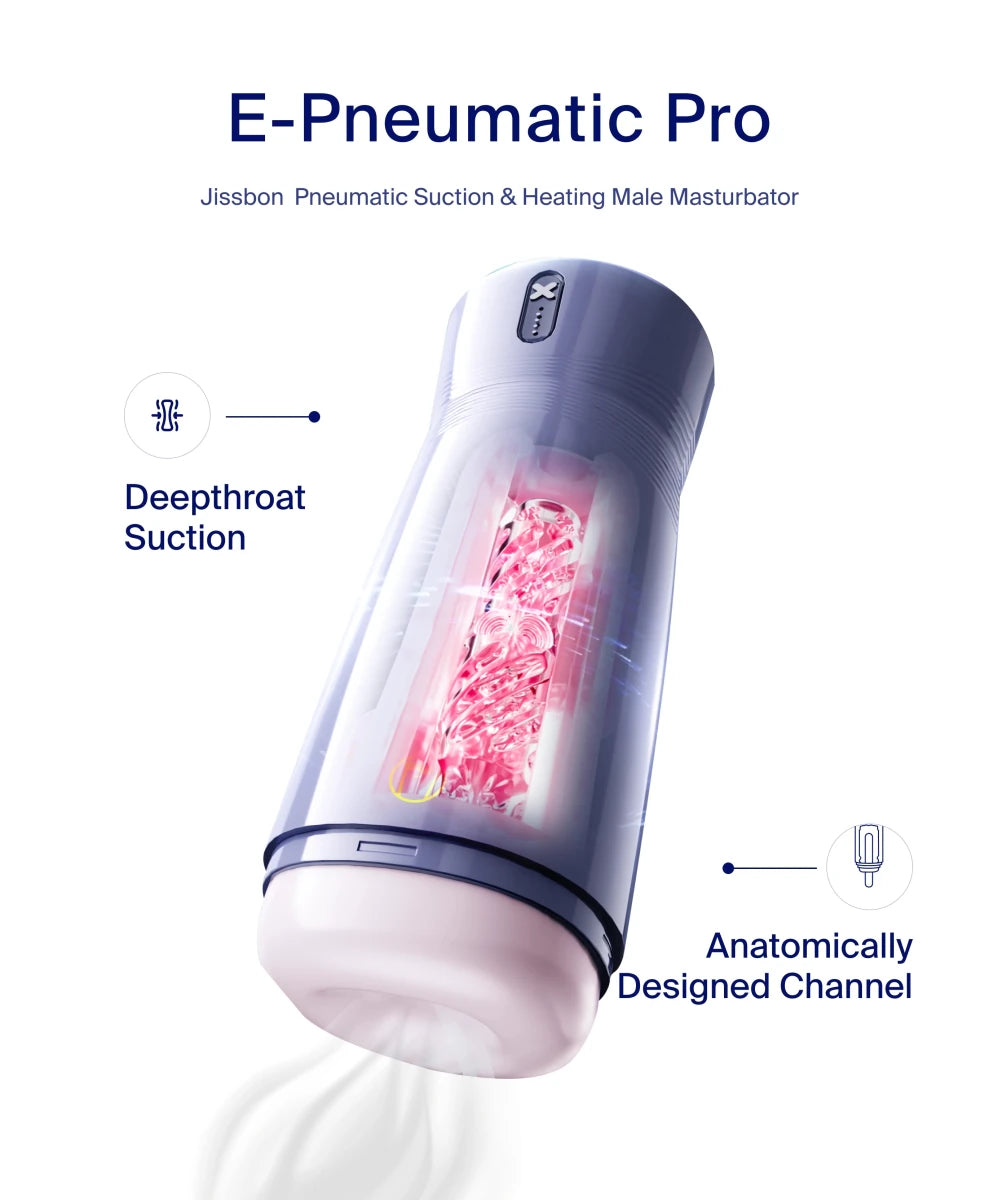
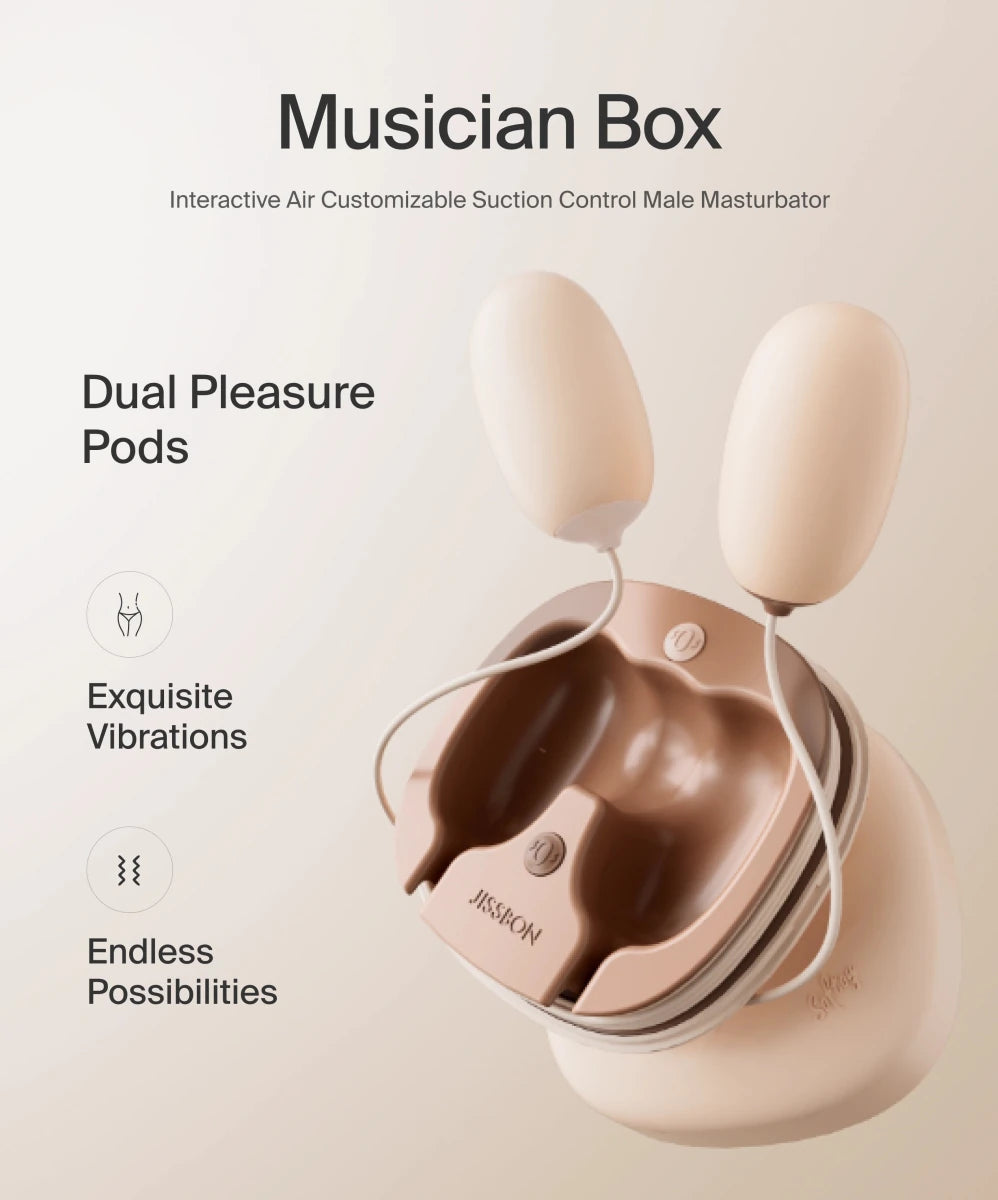
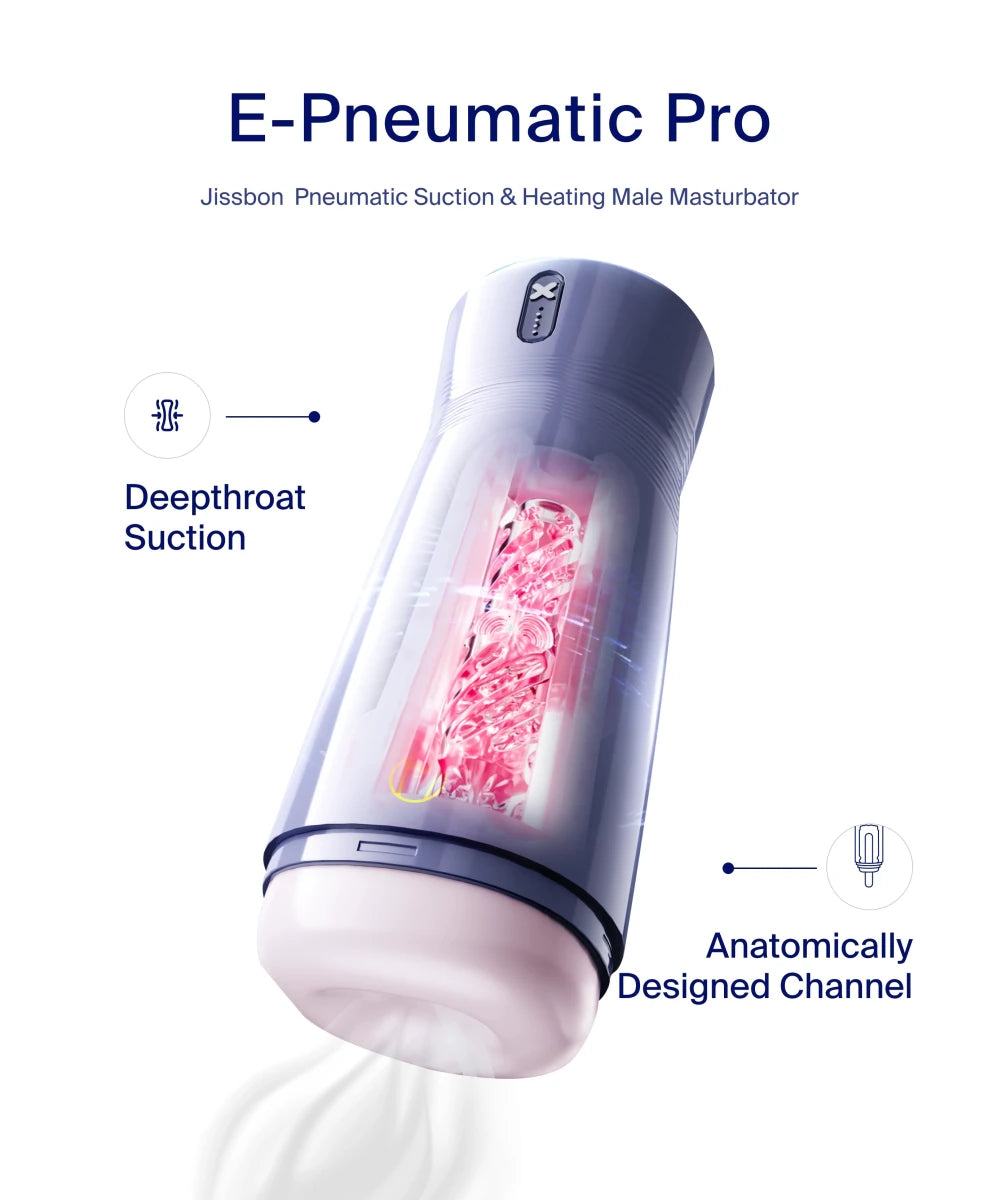
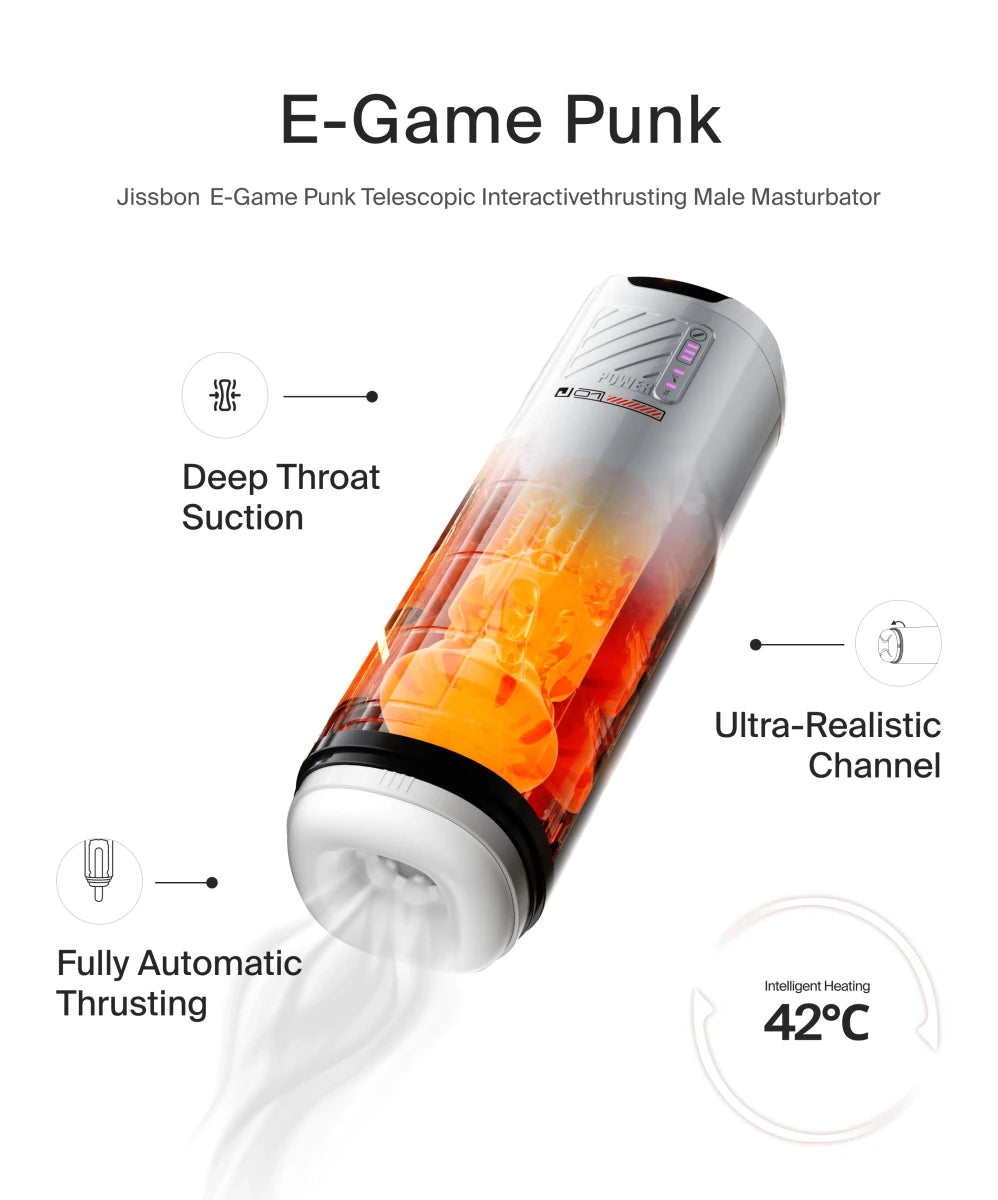
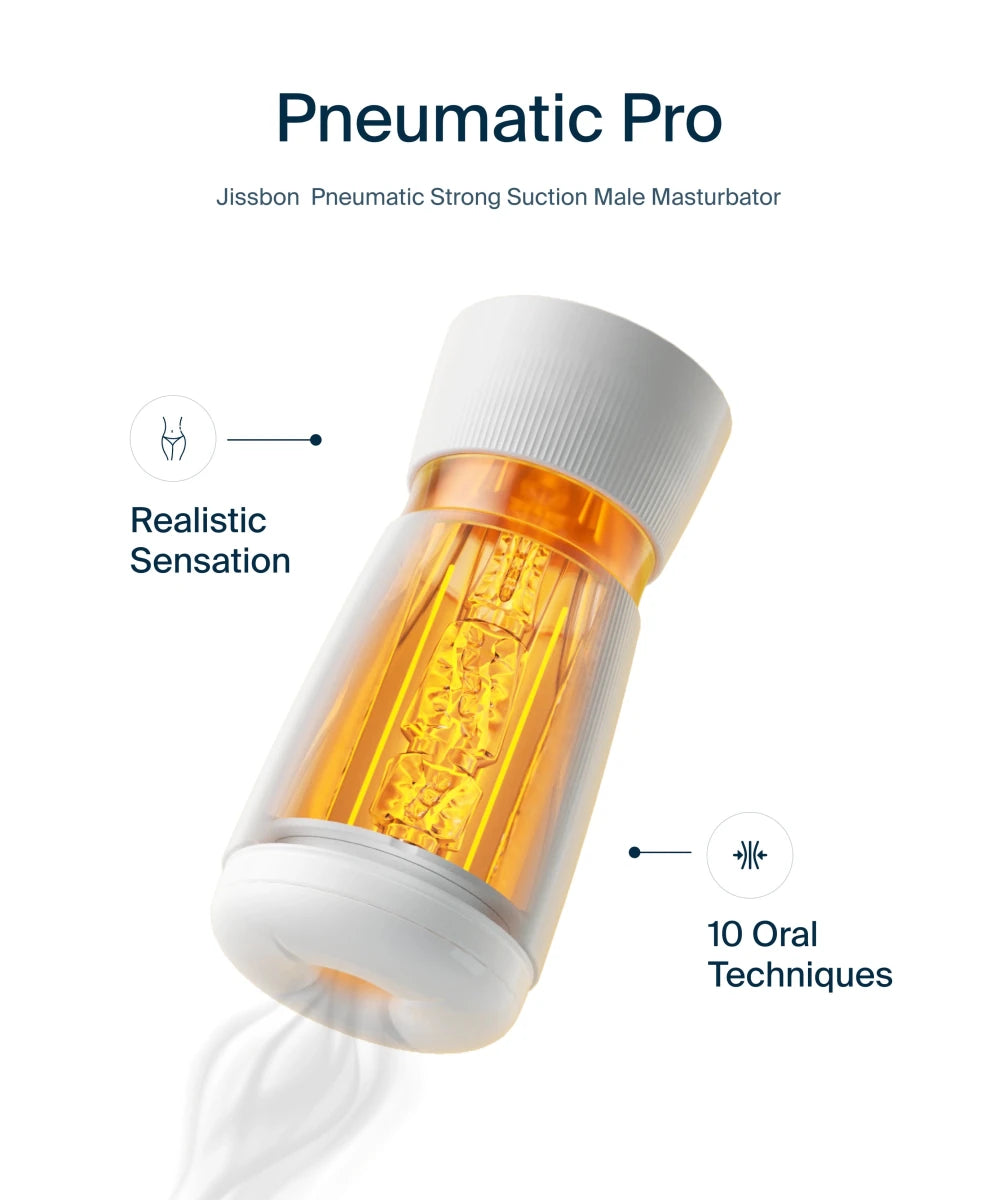
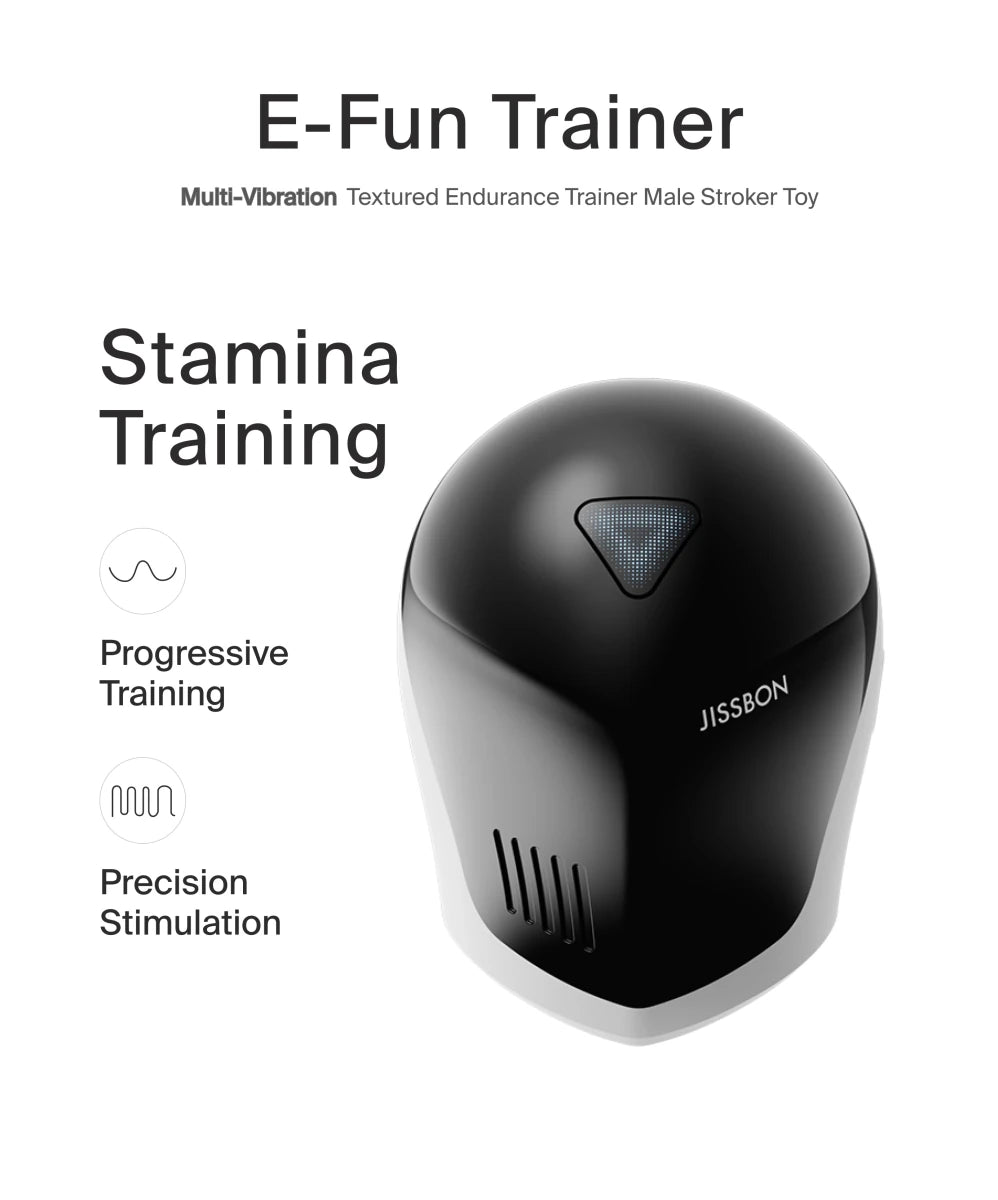
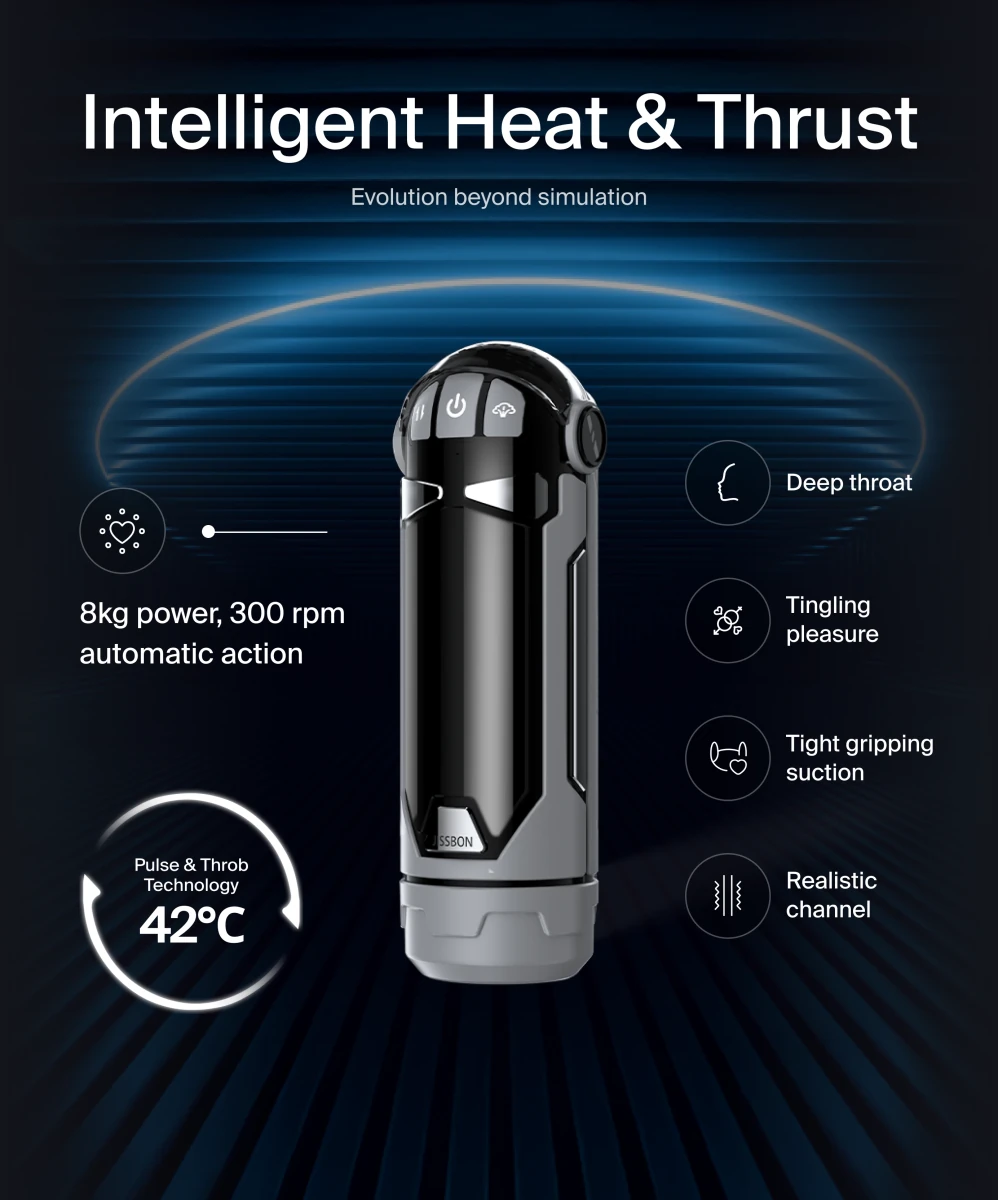
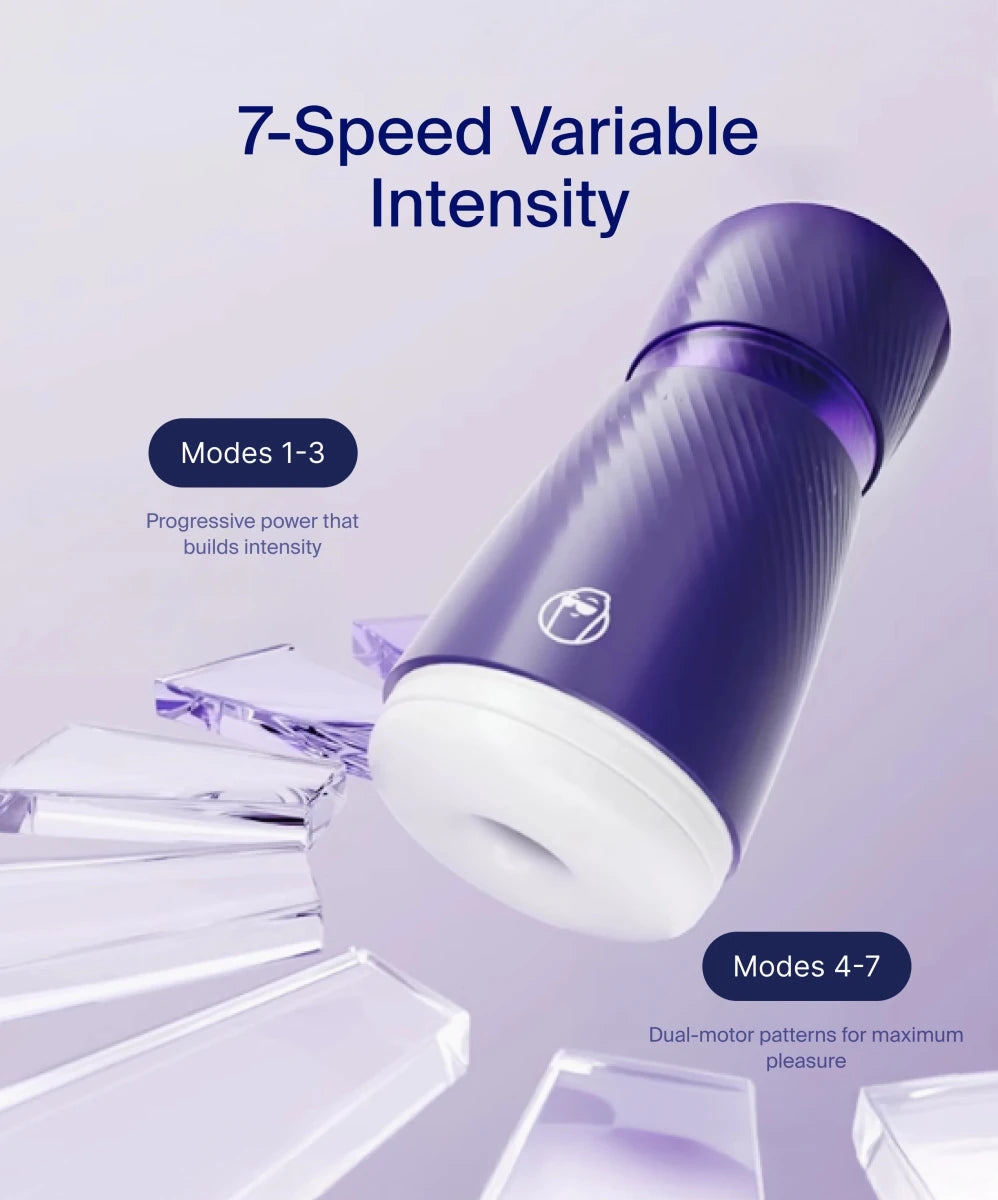
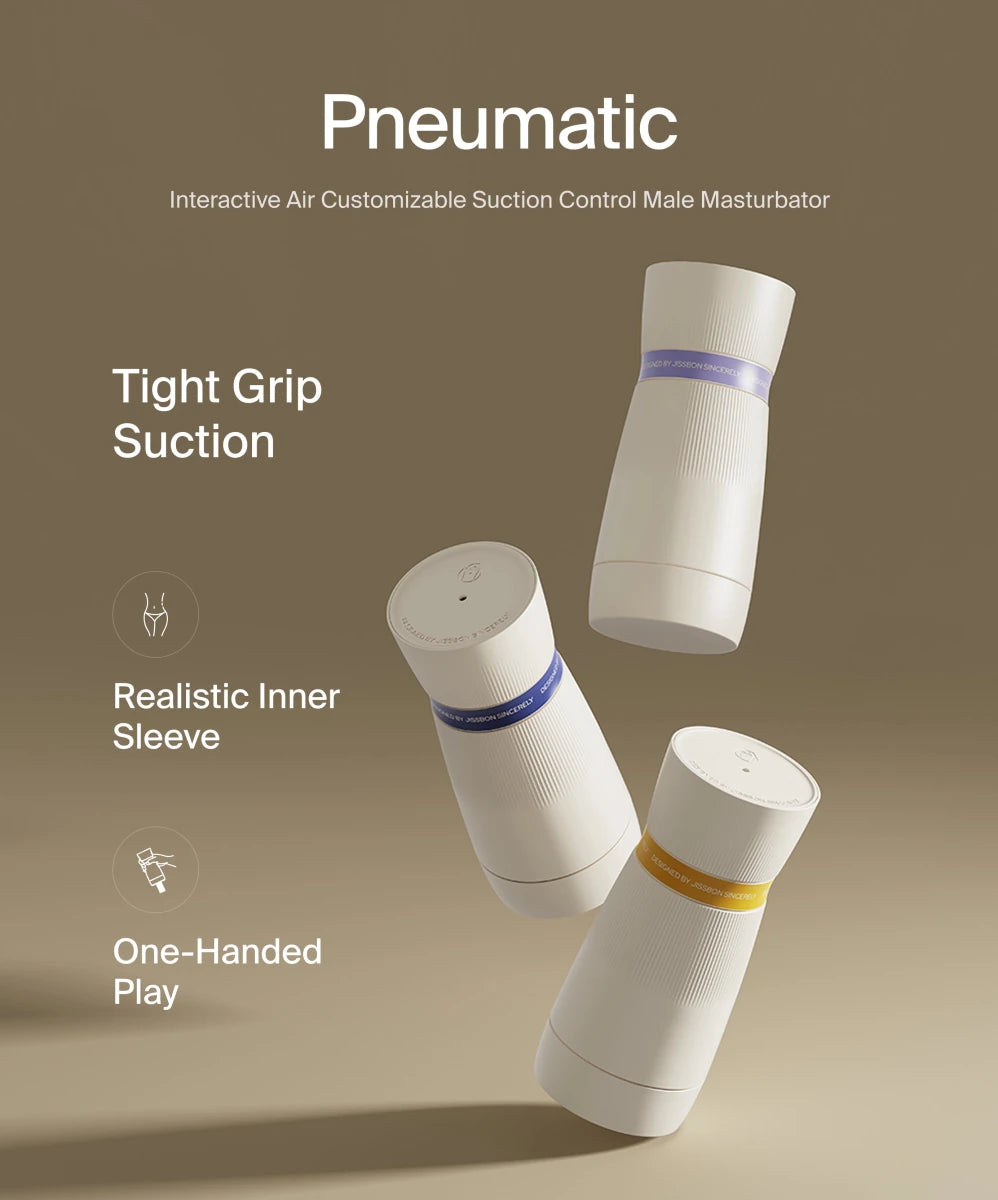
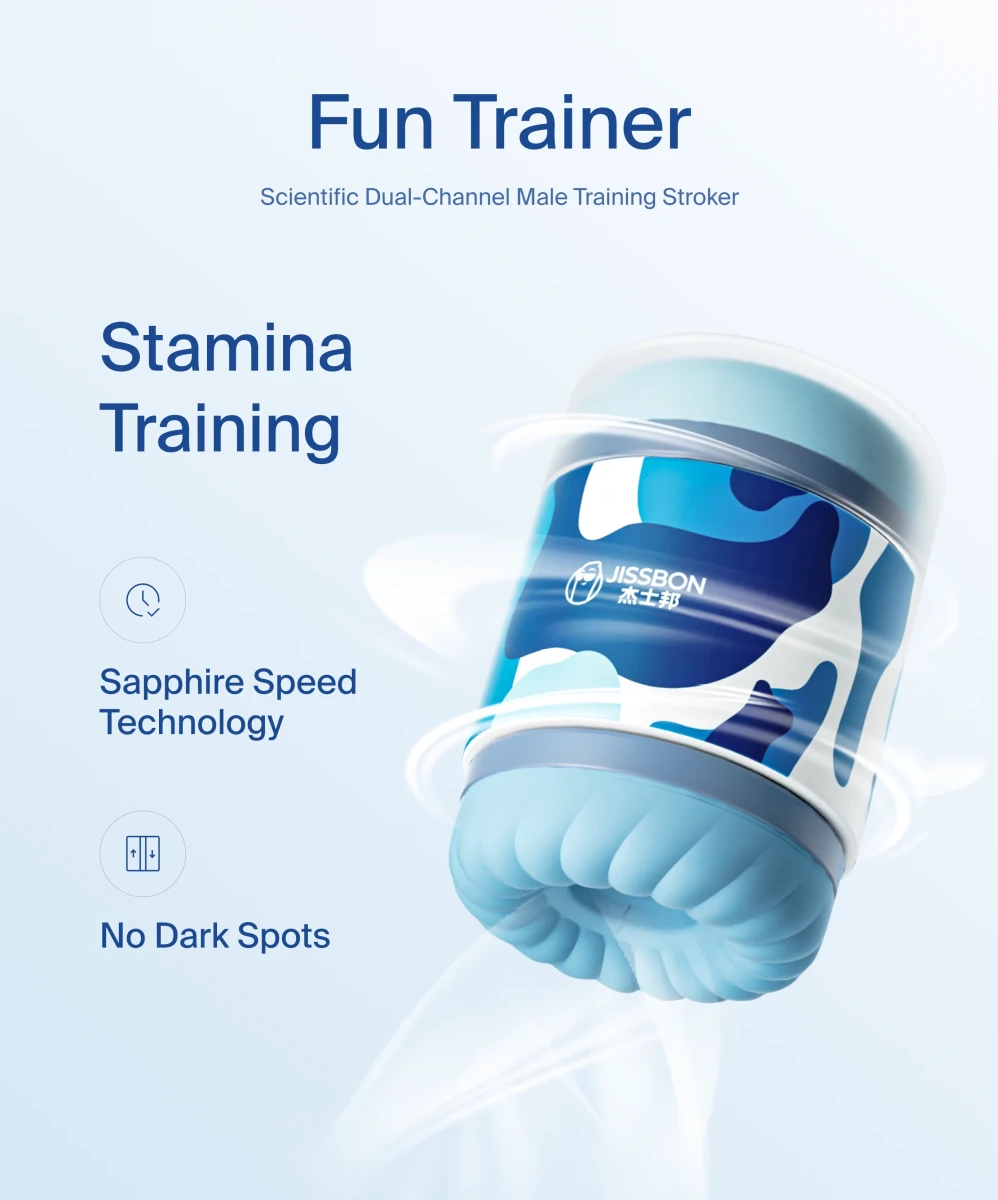
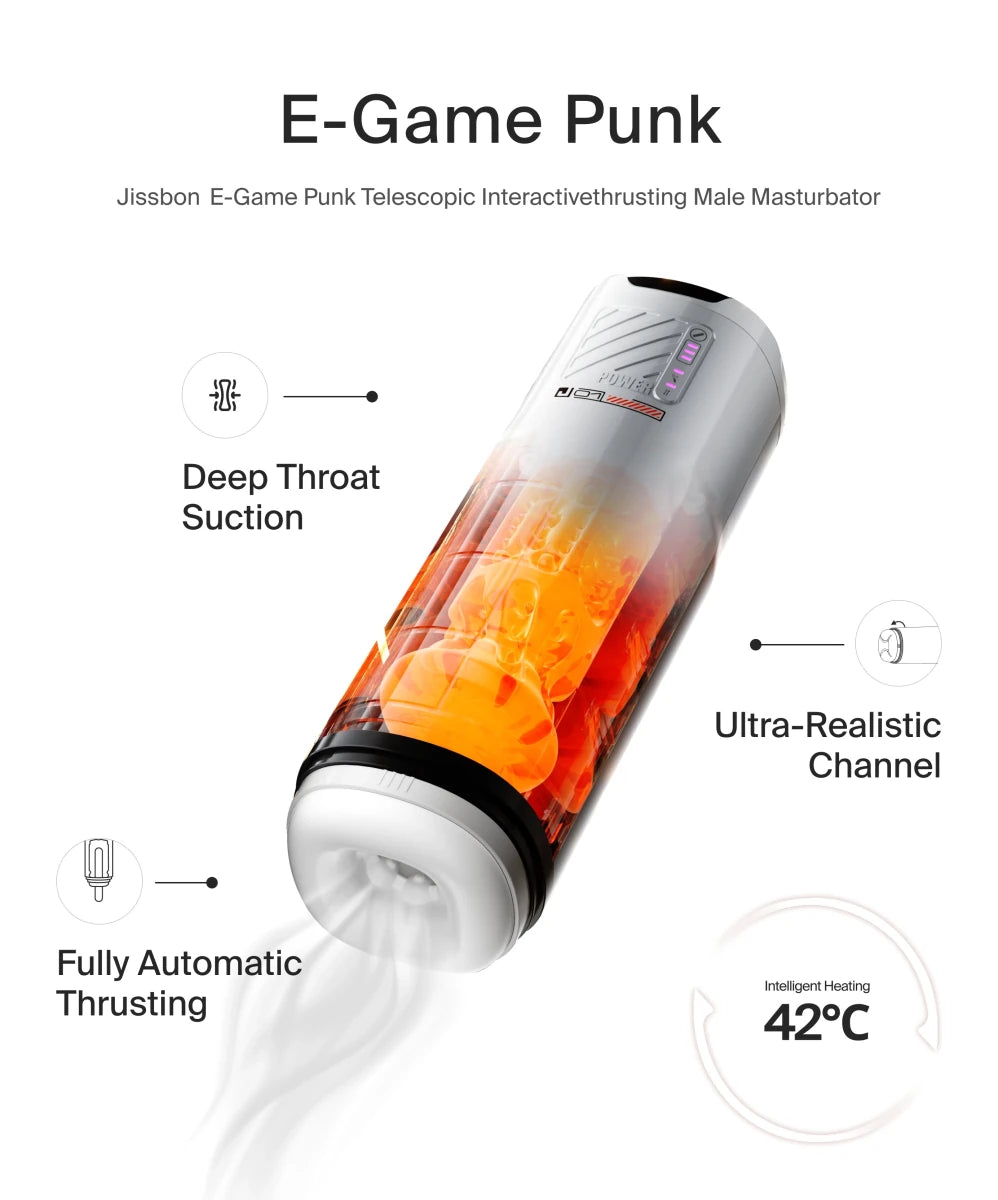
- Male strokers providing consistent friction
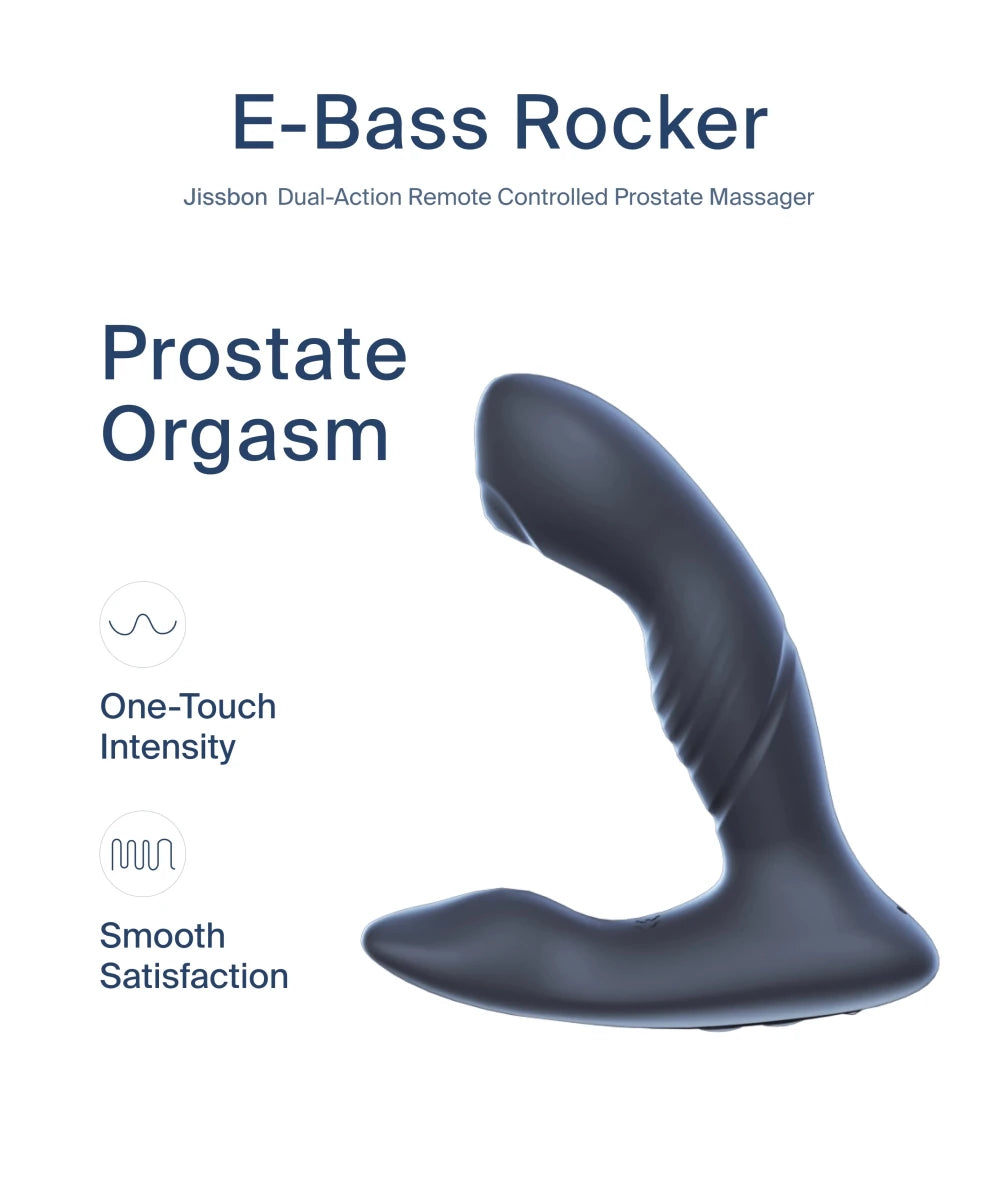
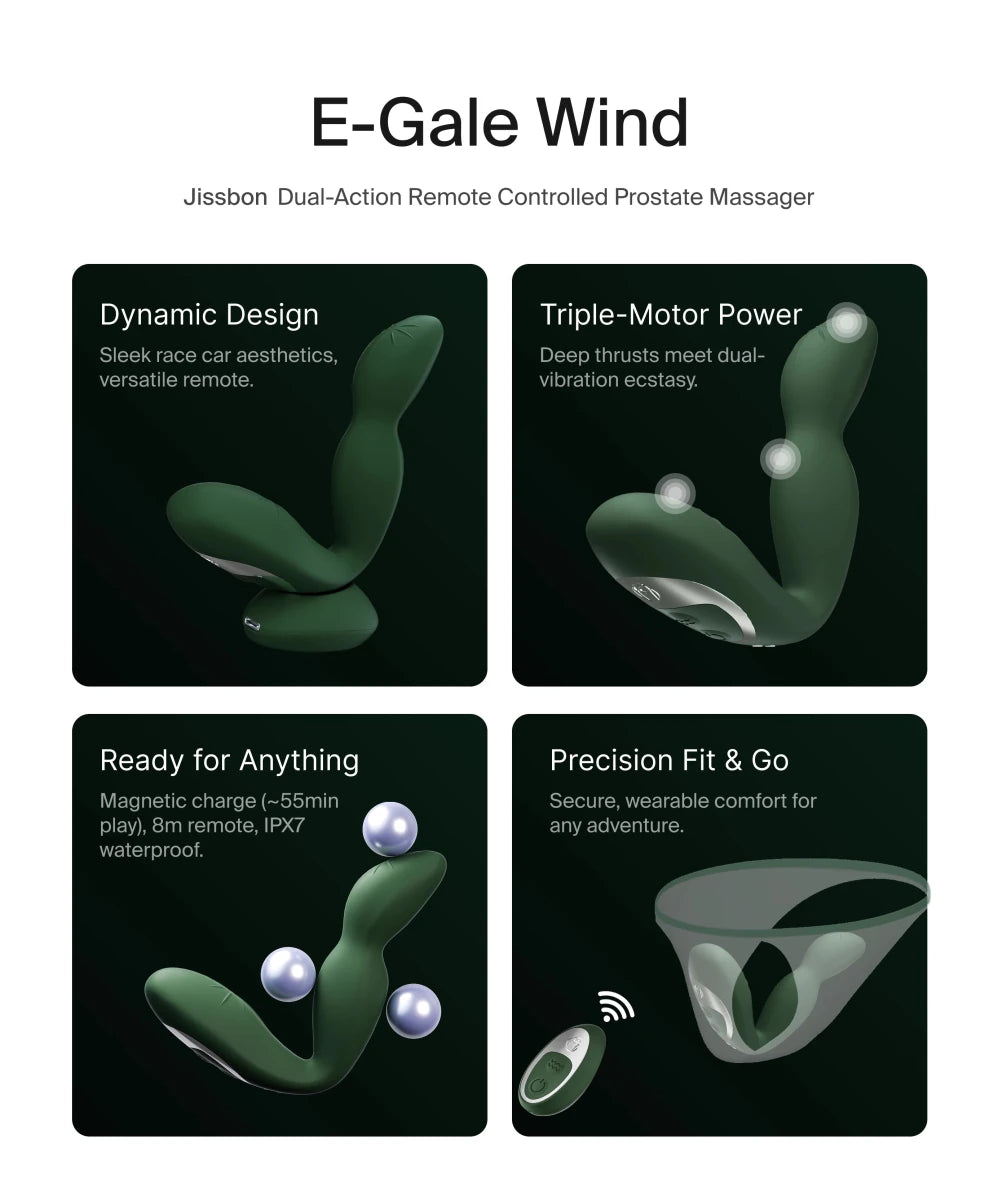
- Prostate massagers for internal orgasm ruining
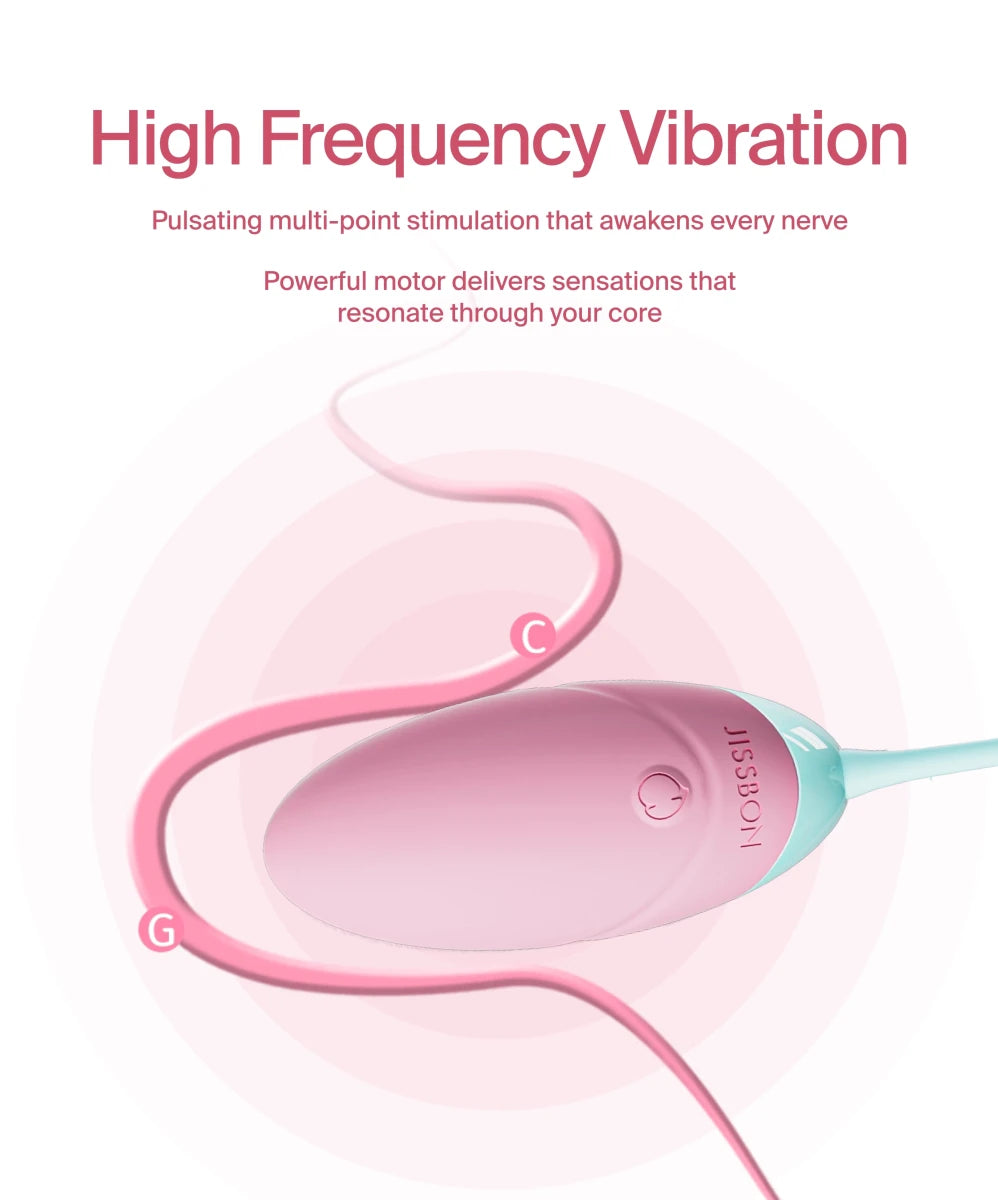
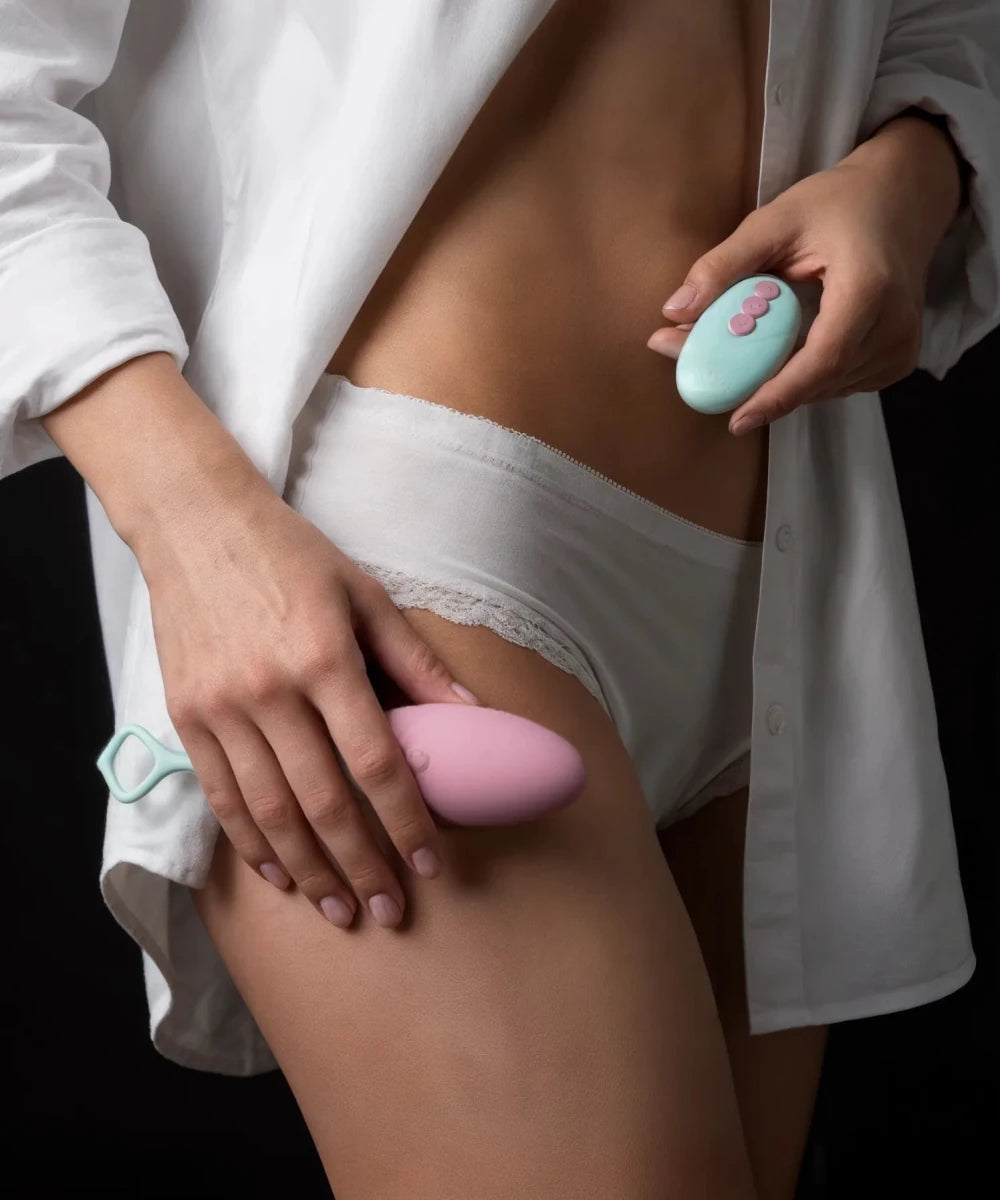
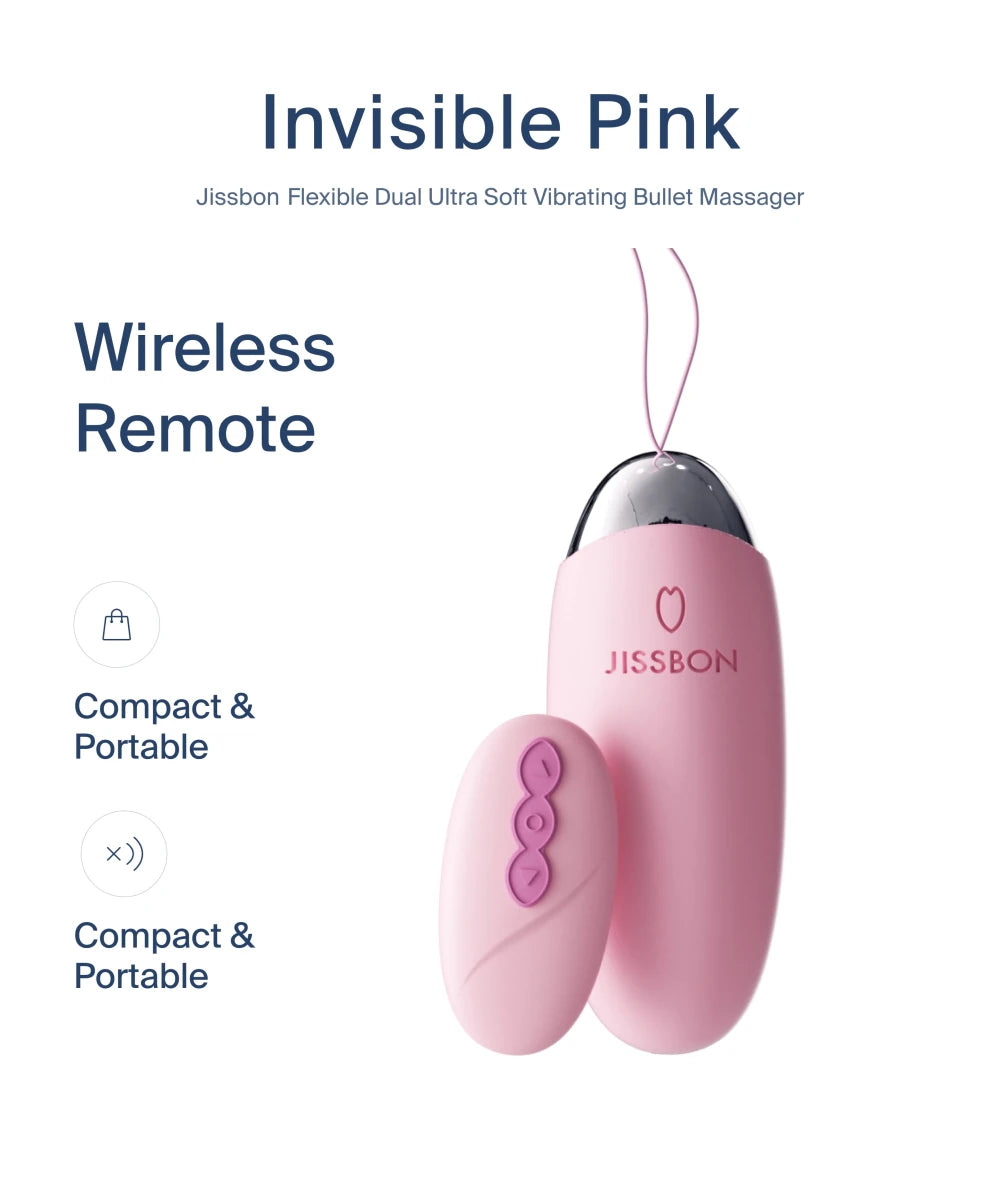
- Remote controlled vibrators giving the dominant partner instant control
Technique tip: Keep your finger on the power button, ready to turn off at the exact moment indicators appear.
Advanced Variations & Techniques
Edging Before Ruining
Process:
- Bring the person to the edge of climax 3–5 times
- Each time, reduce stimulation before the point of no return
- On the final approach, continue past the point then stop (ruining it)
Effect: Intensifies frustration and psychological impact through repeated denial before the ruined release.
Multiple Sequential Ruins
Process:
- Execute one ruined orgasm
- Since satisfaction doesn't occur, arousal often remains high or quickly returns
- Continue stimulation toward a second ruined orgasm
- Repeat 2–4 times in one session
Effect: Compounds frustration, creates intense desperation for complete release.
Safety note: Monitor emotional state carefully—this can be psychologically intense.
Incorporating Physical Restraint
Setup:
- Restrain hands and/or legs to prevent interference with ruining
- The restrained person cannot stop the process or provide additional stimulation
Why it intensifies: Removes agency, deepening power dynamic and helplessness feeling.
Safety requirements:
- Use quick-release restraints
- Check circulation every 5–7 minutes
- Keep safety scissors immediately accessible
- Never leave restrained person unattended
Explore beginner-friendly restraint options at Jissbon if interested in this variation.
Post-Ruin Continued Stimulation
Process:
- After ruining, immediately resume stimulation
- The heightened sensitivity post-release creates intense sensation
- Can lead to second orgasm (ruined or complete, depending on agreement)
Effect: Overstimulation combined with frustration creates unique sensation profile.
Reading Responses & Adjusting Technique

Positive Engagement Signs
- Vocalizing frustration in playful or consensual manner ("No, please don't stop!")
- Maintaining eye contact or engaged body language
- Attempting to continue stimulation themselves (if not restrained)
- Verbal confirmation during check-ins ("Yes, I'm okay, keep going")
Distress Signals Requiring Immediate Check-In
- Sudden emotional shift (crying that seems distressed rather than cathartic)
- Complete silence after being vocal
- Pulling away or attempting to leave the situation
- Disassociated appearance (blank stare, no responsiveness)
- Using safe words or non-verbal safe signals
When distress appears: Stop immediately, remove any restraints, ask "Are you okay? What do you need?" Wait for clear verbal response before proceeding or ending the scene.
Aftercare: The Essential Component
Ruined orgasms create unique emotional states requiring specific aftercare.
Immediate Physical Care (First 10 Minutes)
- Release any restraints immediately when scene ends
- Provide physical comfort: Holding, warmth, gentle touch
- Offer hydration: Water or electrolyte drinks
- Clean up together: Assist with washing if needed
- Check physical status: "Any discomfort? Cramping? Soreness?"
Emotional Processing (10–30 Minutes)
- Validate feelings: "It's okay to feel frustrated, that's what we intended"
- Discuss experience: "What was that like for you?"
- Provide reassurance: "You did so well" or "Thank you for trusting me"
- Clarify completion plan: "We agreed you'll have a complete orgasm tomorrow" (if applicable)
- Offer comfort activities: Cuddling, watching something together, quiet time
Extended Aftercare (Hours to Days)
Some people experience "sub drop"—emotional crash 24–72 hours later:
Symptoms: Sadness, irritability, feeling used, regret (even when experience was consensual and desired)
Support strategies:
- Check in via text or call daily
- Provide reassurance: "That was a shared, consensual experience we both wanted"
- Offer low-pressure companionship
- Follow through on agreements about complete orgasms
Both partners may need aftercare—"top drop" affects dominants too.
Safety Considerations & Risk Awareness
Physical Safety
Low physical risk: Ruined orgasms don't cause physical harm to genitals or pelvic structures when executed properly.
Potential physical discomfort:
- "Blue balls"/pelvic congestion (temporary, uncomfortable but not harmful)
- Mild cramping from incomplete release
- Soreness from extended arousal periods
When to stop:
- Sharp pain (distinct from frustration or pressure)
- Numbness or loss of sensation
- Dizziness or nausea
- Any signs of medical distress
Psychological Safety
Higher psychological impact: This practice significantly affects emotional state.
Red flags:
- Feeling genuinely used or disrespected (beyond consensual dynamic)
- Persistent anger or resentment toward partner
- Difficulty distinguishing scene from reality
- Intrusive thoughts or anxiety about the experience
When to discontinue:
- If aftercare doesn't resolve negative emotions
- If the practice causes relationship strain
- If either partner loses interest or consent
Review sexual health and emotional wellbeing from medical experts for broader context.
Relationship Impact
Potential positive effects:
- Deepened trust through vulnerability
- Enhanced communication about desires and boundaries
- Increased novelty in intimate life
- Stronger power dynamic understanding
Potential negative effects:
- Resentment if consent isn't truly enthusiastic
- Frustration spillover into daily interactions
- Mismatched expectations about frequency or intensity
Regular check-ins outside of scenes help maintain healthy dynamics.
How many times can you safely ruin an orgasm in a row?
There’s no magic number, but some practical guidelines help:
- Most bodies do fine with 1–3 ruined orgasms in a session, if:
- There are breaks between attempts
- Plenty of lube and gentle pacing
- Good aftercare and eventual full release at some point
Things to watch for:
- Pain, deep aching, or strong “blue balls”/pelvic congestion
- Emotional overwhelm, irritability, or feeling used instead of deliciously frustrated
- Numbness or drop in sensitivity from too much stimulation
If any of that shows up, it’s time to stop, rest, hydrate, and probably allow a proper orgasm later. Articles aimed at keyholders and ruined-orgasm players generally describe a small handful of ruins, not endless back-to-back attempts.
Can ruined orgasms damage your ability to orgasm later or “ruin orgasms forever”?
There’s no evidence that occasional, consensual ruined orgasms permanently break your orgasm response.
What can cause problems is:
- Chronic physical overuse without rest (e.g., hours of intense play every day)
- Ignoring pain or ongoing discomfort
- Using ruined orgasms in a way that creates shame or trauma, especially if boundaries aren’t respected
Handled well:
- Most people find their ability to have “normal” orgasms returns as soon as they’re allowed a full, relaxed climax again.
- Any temporary sensitivity or congestion usually settles after rest, hydration, and a day or two of lighter activity.
The clickbait idea of “ruin her orgasms forever” is not a healthy or realistic goal. If someone’s orgasms feel consistently blunted or impossible after this kind of play, that’s a sign to stop and, if needed, talk with a sex-positive therapist or medical provider.
Frequently Asked Questions
Is this practice safe for everyone?
Physically safe for most people without specific contraindications. Psychologically, it requires emotional maturity, secure attachment, and excellent communication skills. Avoid if: either partner has sexual trauma history without therapeutic processing, relationship has power imbalance issues outside consensual dynamics, or if unable to distinguish scene dynamics from everyday respect. People with certain medical conditions (prostate issues, pelvic pain disorders) should consult healthcare providers first.
Can people with vulvas experience ruined orgasms?
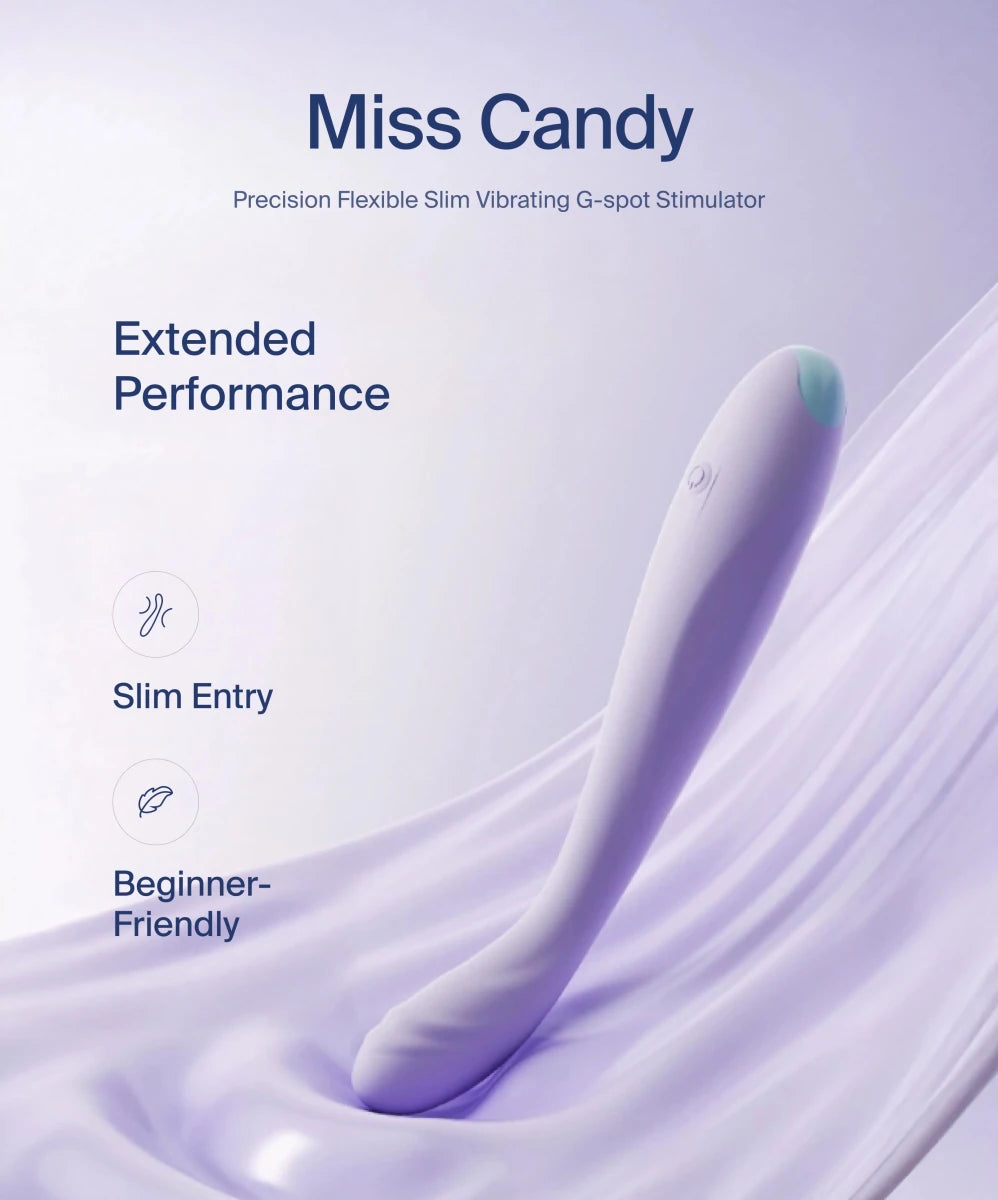
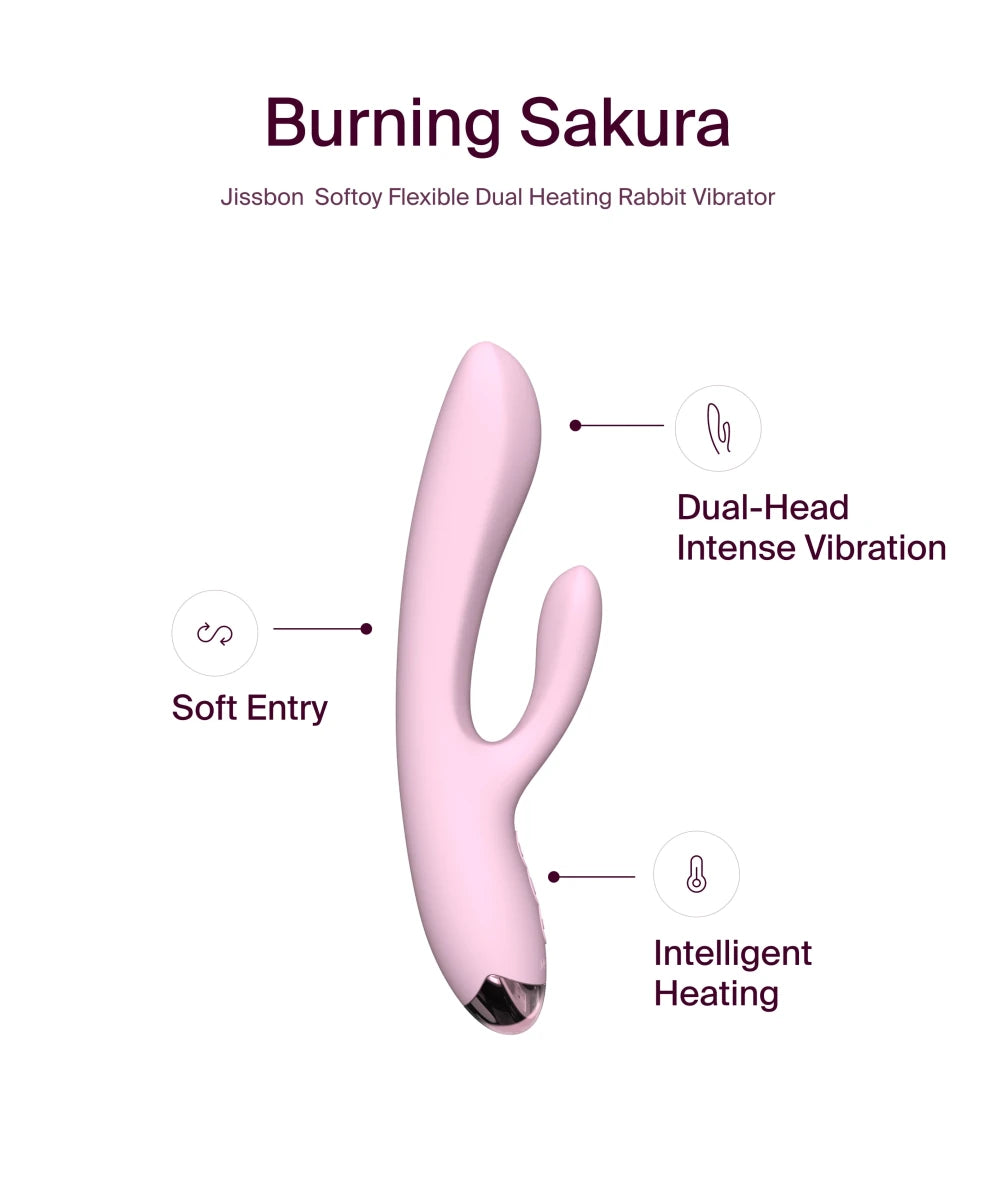
Yes, though the physiological mechanism differs slightly. The technique involves stopping stimulation precisely when pelvic floor contractions begin but before the pleasure waves fully develop. This timing is harder to identify externally than with penises (where ejaculation provides visible confirmation). Internal awareness and communication become essential. Using toys like clitoral vibrators or G-spot vibrators with instant on/off capability helps execute precise timing.
Does this replace complete orgasms entirely?
For most dynamics, no. Ruined orgasms supplement rather than replace satisfying climaxes. Extended periods of only ruined orgasms may lead to physical discomfort (pelvic congestion) and psychological frustration beyond consensual play. Most practitioners integrate ruins occasionally within broader intimate experiences, or use them strategically within orgasm control protocols that eventually allow full release.
How do I bring this up with my partner?
Share educational resources (like this guide) rather than making direct demands. Frame as exploration: "I came across this concept and found it intriguing. Would you be interested in learning about it together?" Gauge reaction before proposing experimentation. Emphasize this requires their enthusiastic consent, not obligation. Give time for research and consideration before expecting answers.
What if I'm interested in experiencing this solo?
Solo ruined orgasms are entirely possible and provide safe space for learning timing without partner pressure. Use toys with remote controls or easy off-switches. Practice identifying your point of no return through repeated edging sessions first. Solo exploration lets you understand sensations before introducing the vulnerability of partner dynamics.
Can this practice be part of healthy sexuality?
Yes, when built on enthusiastic consent, clear communication, and mutual respect. Like all BDSM activities, problems arise from coercion, poor boundaries, or inadequate aftercare—not from the act itself.
Healthy exploration includes: checking in frequently, respecting limits, providing care, maintaining relationship health outside scenes. If these elements exist, consensual ruined orgasms represent valid intimate expression within broader sexual wellness practices.


Looking for something else?

What Is Flogging in Sex? Complete BDSM Flogging Guide
LEARN MORE
What Does Overstimulated Mean Sexually? Causes & Solutions
LEARN MORE
Can You Get a Tattoo on Your Vagina? Safety, Pain & What to Expect
LEARN MORE
Public Sex Kink: Understanding Exhibitionism & Safe Exploration
LEARN MORELooking for something else?

A-Spot Orgasm: Best Positions & How to Find It
LEARN MORE
Bondage Play: Complete Beginner's Guide to Rope BDSM
LEARN MORE
Vibrator Stories: Real Experiences, Tips & What to Expect
LEARN MOREYou may also like
20% off

20% off

20% off

20% off

20% off

20% off

Further reading

How to Clean an Automatic Blowjob Machine Without Damaging the Motor
Remote-Controlled Automatic Masturbators for Couples and Solo Play
Best Automatic Strokers for Edging and Stamina Training