















































How to Make a Sock Pussy: DIY Pocket Pussy Ideas and Safety Tips
Stack & Save: Extra 15% with Jissbon15
Jissbon15
Creating a DIY pocket pussy, sometimes called a sock pussy or homemade fleshlight, is a common curiosity for people exploring solo pleasure on a budget or out of privacy concerns. While household items like socks, gloves, and towels can be fashioned into makeshift strokers, these DIY solutions come with hygiene, comfort, and durability limitations.
This guide explains several popular DIY methods, the materials you'll need, safety considerations, and why investing in a purpose-built stroker often delivers a better, safer experience. Whether you're experimenting or looking for a temporary solution, understanding the pros and cons helps you make an informed choice.
Who Might Consider DIY Pocket Pussy Methods
Homemade strokers appeal to various people for different reasons:
- Curious beginners exploring solo pleasure without committing to a purchase
- Budget-conscious individuals looking for a no-cost or low-cost temporary option
- People prioritizing privacy who can't order toys online or visit adult stores
- Travelers or students needing something discreet and disposable
- Anyone wanting to understand the mechanics before buying a commercial product
- Users with limited access to adult retail due to location or shipping restrictions
That said, DIY options are best viewed as temporary experiments. Purpose-built strokers offer superior hygiene, comfort, and sensation.
Popular DIY Pocket Pussy Methods

Several household techniques have gained popularity online. Each method uses common items and basic assembly. Remember that none of these replicate the quality, safety, or sensation of a body-safe, purpose-designed male masturbator.
Sock Method
What you need: Two socks, a latex or nitrile glove, a towel or washcloth, and rubber bands.
How to make it:
- Fold the towel lengthwise to create a firm cylinder about the width of your fist.
- Place the glove flat on the towel with the opening at one end and the fingers extending past the other end.
- Roll the towel tightly around the glove, keeping the glove opening exposed.
- Secure the roll with rubber bands at both ends.
- Fold the glove cuff back over one end of the roll to hold it in place.
- Slide the entire roll into a long sock for structure, then add a second sock if needed for extra grip.
Pros: Uses items most people already have. Easy to assemble and disassemble.
Cons: Minimal texture. Glove can tear. Requires frequent lubrication. Cleanup is messy.
Glove-and-Sponge Method
What you need: Two soft sponges, a latex or nitrile glove, a plastic cup or bottle with the bottom cut off, and tape or rubber bands.
How to make it:
- Cut the bottom off a plastic cup or wide-mouth bottle to create an open tube.
- Place the glove inside the cup with the opening hanging over the rim.
- Sandwich the glove between two damp (not dripping) sponges inside the cup.
- Fold the glove cuff back over the cup's rim to secure it.
- Adjust sponge tightness by squeezing them together or pulling them apart slightly.
Pros: Sponges add some cushion and texture. Adjustable tightness.
Cons: Glove still tears easily. Sponges can dry out or absorb lube. Hard edges of the cup can be uncomfortable.
Towel Roll Method
What you need: A thick towel, a latex or nitrile glove, and a hair tie or rubber band.
How to make it:
- Lay a towel flat and place the glove on top with the opening at one short edge.
- Roll the towel tightly around the glove, leaving the glove opening exposed.
- Secure the roll with a hair tie or rubber band.
- Fold the glove cuff back over the end to hold everything in place.
Pros: Very quick to assemble. Soft and flexible.
Cons: No structure means it can collapse or shift during use. Minimal sensation.
Bubble Wrap and Glove Method
What you need: Bubble wrap, a latex or nitrile glove, a cardboard tube (like from paper towels), and tape.
How to make it:
- Slide the glove inside the cardboard tube with the opening hanging out one end.
- Fold the glove cuff back over the tube's edge.
- Wrap bubble wrap around the glove inside the tube for texture.
- Secure the bubble wrap with tape if needed.
Pros: Bubble wrap adds unique texture. Cardboard provides structure.
Cons: Bubble wrap can pop or shift. Cardboard softens if it gets wet. Still requires lots of lube.
No-Glove Methods (Not Recommended)
Some methods skip the glove entirely and use soft fabrics or foam. These are not recommended because porous materials like socks, towels, or foam cannot be properly sanitized. Bacteria, mold, and skin irritants can build up quickly, leading to infections or rashes.
Safety and Hygiene Considerations for DIY Options

Homemade strokers carry risks that purpose-built toys are designed to avoid. Here's what to watch for:
Material Safety
Household items aren't made for intimate contact. Latex gloves can cause allergic reactions in people sensitive to latex. Use nitrile gloves if you have a latex allergy. Avoid using materials with rough edges, abrasive textures, or chemical residues like cleaning products.
Bacteria and Mold Growth
Porous materials like sponges, towels, and socks trap moisture and bacteria. Even with washing, they can't be fully sterilized. Mold can grow inside within days, especially in warm, damp environments. Single-use or frequent replacement is essential.
Tearing and Sharp Edges
Gloves tear easily during use, exposing you to rough materials or sharp edges from plastic cups or cardboard. Always inspect your DIY device before each use and discard it if anything looks damaged.
Lube Compatibility
Use only body-safe, water-based lubricant with DIY devices. Avoid oil-based lubes, which degrade latex gloves and are harder to clean. Silicone lube can stain fabrics and towels. Learn more about lubricant types and safety from Planned Parenthood.
Disposal
DIY strokers should be used once or twice at most, then disassembled and thrown away. Do not share homemade devices with anyone else under any circumstances.
Why Purpose-Built Strokers Are Worth Considering
While DIY methods can satisfy curiosity, commercial strokers offer significant advantages in safety, comfort, and performance.
Body-Safe Materials
Quality strokers use medical-grade silicone, TPE, or ABS plastic that are non-porous, hypoallergenic, and free from harmful chemicals. These materials are designed for skin contact and can be properly cleaned and sanitized.
Superior Sensation
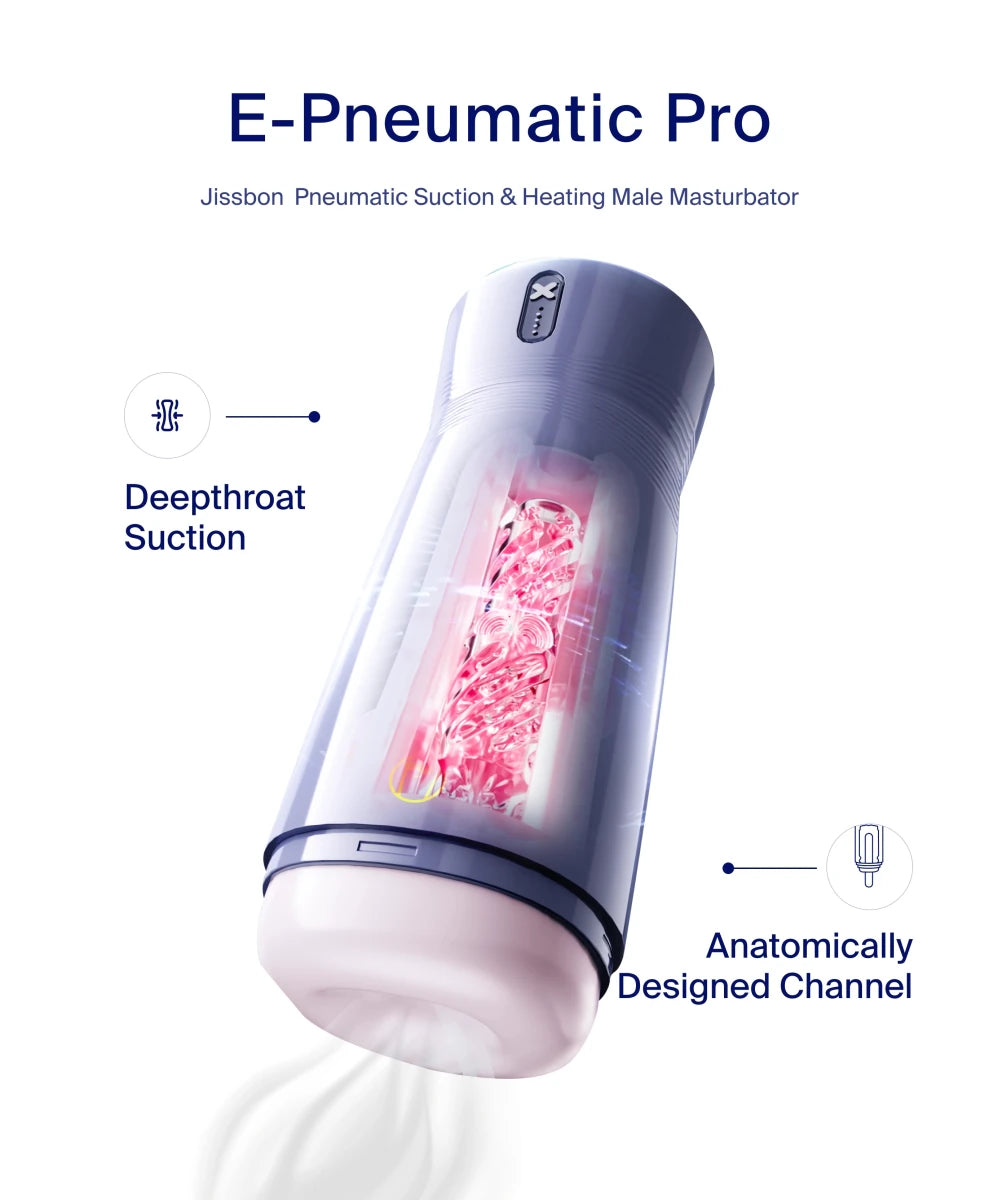
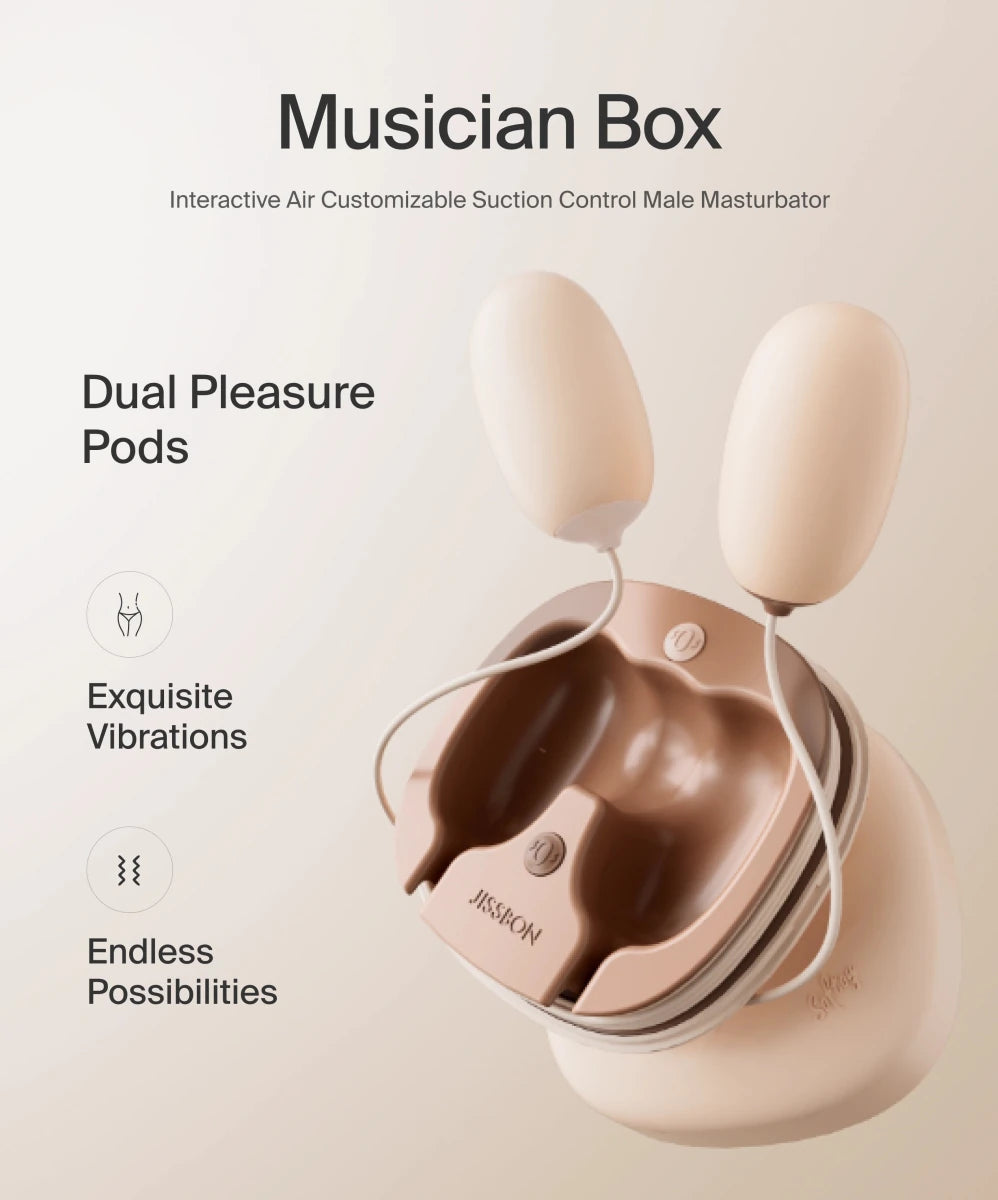
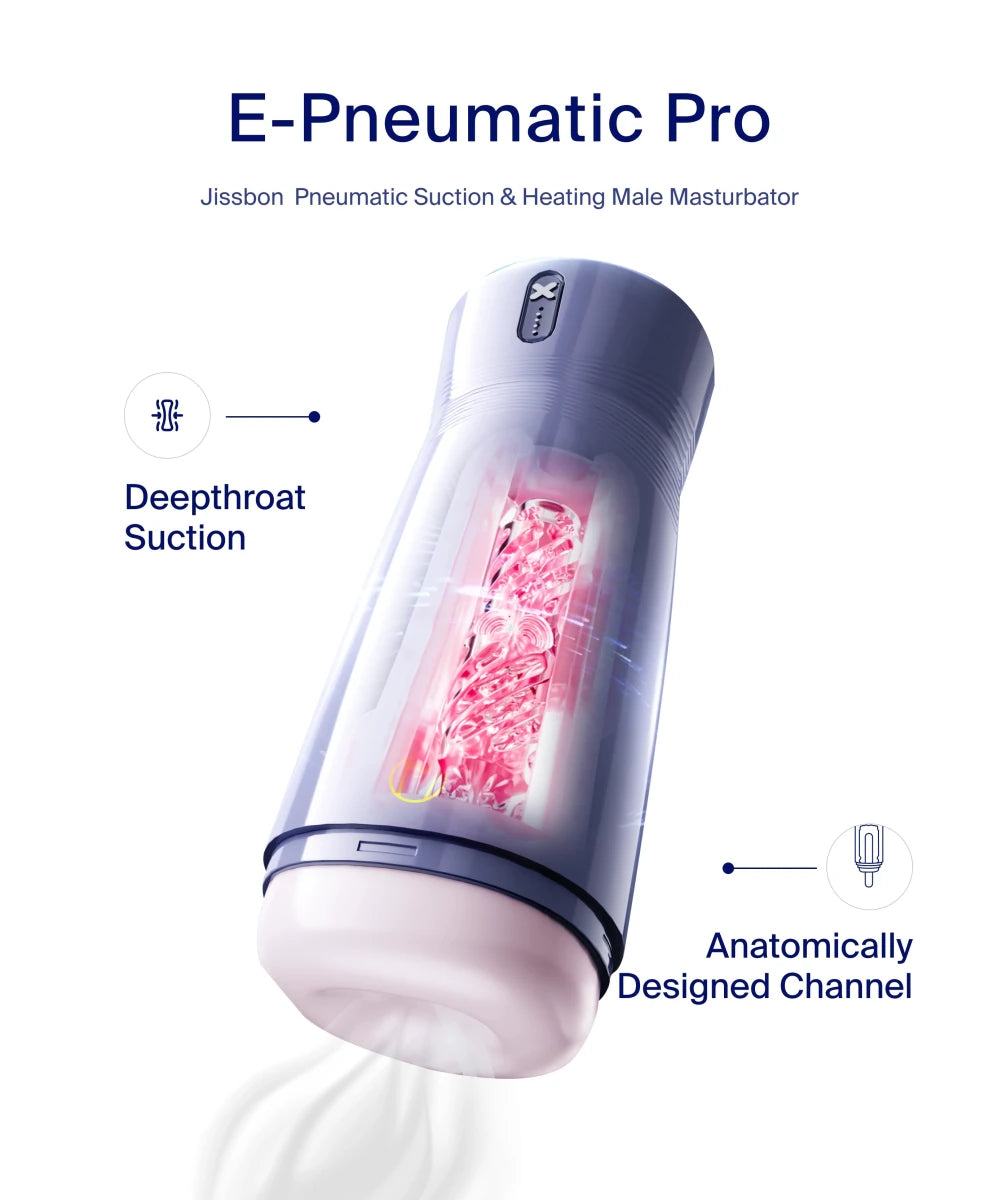
Commercial strokers feature engineered textures, adjustable tightness, and ergonomic designs that DIY methods can't replicate. Many include vibration, suction, heating, or thrusting features for varied stimulation.
Hygiene and Longevity
Purpose-built toys can be thoroughly cleaned with toy cleaner or mild soap. Silicone strokers can even be boiled for sterilization. With proper care, they last months or years, making them more cost-effective than repeatedly buying household supplies.
Comfort and Fit
Strokers are designed to fit comfortably and securely. Many offer adjustable tightness, realistic textures, and smooth entry points that prevent irritation or discomfort.
Discretion and Storage
Modern strokers come in discreet designs and cases. Many are compact, quiet, and rechargeable, making them travel-friendly and easy to store.
For a range of options, explore sex toys for men to compare manual, automatic, and textured stroker styles.
Step-by-Step: How to Use a DIY Pocket Pussy Safely

If you're proceeding with a homemade device, follow these steps to minimize risks and maximize comfort.
- Inspect materials before assembly. Check gloves for tears or punctures. Ensure sponges or towels are clean and dry. Avoid any items with rough edges or chemical odors.
- Assemble carefully. Follow one of the methods above. Make sure the glove opening is secure and there are no exposed sharp edges or loose parts.
- Apply water-based lubricant generously. Lube the inside of the glove and yourself. Reapply frequently, as DIY devices absorb or displace lube quickly.
- Start slowly. Test the device gently to ensure it's comfortable and secure. Adjust tightness or positioning as needed.
- Take breaks. Stop if you feel discomfort, irritation, or if the device shifts or tears. Inspect the device and reapply lube before continuing.
- Disassemble and dispose immediately after use. Do not reuse gloves or porous materials. Throw away all components responsibly.
- Wash your hands and clean any reusable holders. If you used a plastic cup or bottle, wash it thoroughly with soap and hot water before storing or recycling.
Lube Selection for DIY Devices
Choosing the right lubricant improves comfort and protects materials.
Water-Based Lubricants
Best choice for DIY strokers. Safe for latex and nitrile gloves. Washes off easily from fabrics and skin. Dries faster than other types, so reapply often.
Silicone-Based Lubricants
Longer-lasting but can stain towels, socks, and fabrics. Only use with nitrile gloves, as it can degrade latex. Harder to clean up.
Oil-Based Lubricants
Not recommended. Degrades latex gloves quickly. Can cause infections if not fully cleaned. Difficult to wash out of fabrics.
Hybrid Lubricants
Blends of water and silicone offer some staying power with easier cleanup. Still requires frequent reapplication with absorbent materials like sponges or towels.
For more details, visit the Cleveland Clinic's guide to personal lubricants.
Cleanup and Disposal Tips
Proper cleanup prevents health risks and keeps your space hygienic.
Immediate Disassembly
Take apart the device right after use. Separate gloves, sponges, towels, and any holders.
Disposing of Single-Use Items
Throw away gloves, sponges, and any porous materials in a sealed bag. Do not flush them down the toilet.
Cleaning Reusable Holders
Wash plastic cups, bottles, or cardboard tubes (if dry) with hot, soapy water. Rinse thoroughly. Dry completely before storing or recycling.
Washing Towels and Socks
If you reuse towels or socks for other purposes, wash them separately in hot water with detergent. Do not mix with regular laundry until after a full wash cycle.
Hand and Body Hygiene
Wash your hands and any body parts that contacted the device with mild soap and warm water. Pat dry with a clean towel.
Read more about how to clean sex toys safely from the NHS, which includes general hygiene principles applicable to DIY devices.
Frequently Asked Questions
Can you make a pocket pussy with a sock?
Yes, by rolling a sock around a glove-lined towel or sponge. However, socks are porous and can harbor bacteria, so this method should only be used once and disposed of immediately. It's not as safe, comfortable, or effective as a purpose-built stroker.
How do you make a pocket pussy without a glove?
Some methods use soft fabrics or foam directly, but these are not recommended. Without a non-porous barrier like a glove, bacteria and mold grow quickly, leading to infections or skin irritation. Always use a latex or nitrile glove for hygiene.
What's the safest DIY pocket pussy method?
The glove-and-sponge method inside a plastic cup offers the most structure and hygiene, as long as you use a fresh glove each time and dispose of sponges after one or two uses. Still, no DIY method matches the safety of a medical-grade silicone stroker.
How long can you use a DIY pocket pussy?
Only once or twice at most. Gloves tear, sponges absorb bacteria, and towels trap moisture. Disassemble and throw away all porous components after each use to avoid health risks.
Are DIY pocket pussies as good as real ones?
No. DIY devices lack the texture, comfort, durability, and safety of commercial strokers. They're useful as temporary experiments but don't provide the same quality or hygiene. For regular use, a body-safe stroker is a better investment.
What should I use for lube with a homemade stroker?
Water-based lubricant is the safest choice. It's compatible with latex and nitrile gloves, washes off easily, and won't damage fabrics. Avoid oil-based lubes, which degrade gloves and increase infection risk.
Conclusion
Making a sock pussy or other DIY pocket pussy can satisfy curiosity and provide a temporary, budget-friendly solo option, but these homemade devices come with significant hygiene, comfort, and safety limitations.
If you're exploring solo pleasure regularly, a purpose-built stroker made from body-safe materials offers superior sensation, durability, and peace of mind. Ready to upgrade your experience? Explore our collection of male stroker toys and discover safe, high-quality options designed for your comfort and pleasure.


Looking for something else?

What Is Flogging in Sex? Complete BDSM Flogging Guide
LEARN MORE
What Does Overstimulated Mean Sexually? Causes & Solutions
LEARN MORE
Can You Get a Tattoo on Your Vagina? Safety, Pain & What to Expect
LEARN MORE
Public Sex Kink: Understanding Exhibitionism & Safe Exploration
LEARN MORELooking for something else?

A-Spot Orgasm: Best Positions & How to Find It
LEARN MORE
Bondage Play: Complete Beginner's Guide to Rope BDSM
LEARN MORE
Vibrator Stories: Real Experiences, Tips & What to Expect
LEARN MOREYou may also like
20% off

20% off

20% off

20% off

20% off

20% off

Further reading

How to Clean an Automatic Blowjob Machine Without Damaging the Motor

Remote-Controlled Automatic Masturbators for Couples and Solo Play
Best Automatic Strokers for Edging and Stamina Training