











































































How Important Is Sex in a Relationship? The Real Truth
Stack & Save: Extra 15% with Jissbon15
Jissbon15
Is sex important in a relationship? The short answer: it depends on the couple. Research shows that regular sexual intimacy strengthens emotional bonds, reduces stress, and improves overall relationship satisfaction but its importance varies based on individual needs, life stages, and circumstances.
This guide explores why sex matters in relationships, how to navigate mismatched desires, and when sex becomes critical (or less critical) for long-term partnership health.
Who This Guide Helps
Understanding sex's role in relationships benefits:
- New couples setting realistic expectations about intimacy frequency
- Long-term partners navigating changes in desire over time
- Mismatched libidos finding compromise without resentment
- Post-parenthood couples reconnecting after life changes
- Anyone questioning their relationship identifying whether intimacy issues signal deeper problems
Why Is Sex Important in a Relationship?

It Builds Emotional Connection
Sexual intimacy releases oxytocinthe "bonding hormone"which increases feelings of trust, affection, and attachment between partners. Regular physical intimacy helps couples feel closer emotionally, not just physically.
Studies consistently show that couples who maintain active sex lives report higher relationship satisfaction. The act of being vulnerable and open with a partner strengthens your emotional foundation.
It Reduces Stress and Improves Health
Sex provides measurable health benefits:
- Lowers blood pressure and cortisol levels
- Boosts immune system function
- Improves sleep quality
- Releases endorphins that reduce pain and anxiety
- Enhances cardiovascular health
These benefits extend beyond the bedroom. Couples who have regular sex often report feeling more resilient during stressful life periods.
Research from Verywell Mind on relationship intimacy confirms that sexual activity supports both mental and physical wellness in committed relationships.
It Serves as a Relationship Barometer
Sexual frequency and satisfaction often reflect the overall health of a relationship. When intimacy declines suddenly, it can signal:
- Unresolved conflicts or resentment
- Communication breakdowns
- Depression or anxiety in one or both partners
- Physical health issues
- Life stress (work, finances, family)
Conversely, couples who maintain satisfying sex lives typically communicate better and resolve conflicts more effectively.
How Important Is Sex in a Relationship to Women vs Men?
Individual Variation Matters More Than Gender
Common stereotypes suggest men always want more sex than women, but research shows individual differences far outweigh gender patterns. Many women have higher sex drives than their male partners. Many men prefer emotional intimacy over frequent sex.
What matters is compatibilitynot meeting gender expectations.
Women's Perspective
For many women, sexual desire connects closely to emotional intimacy. Feeling emotionally close, appreciated, and secure often precedes physical desire. Stress, fatigue, and relationship tension can significantly impact arousal.
Women also tend to experience more responsive desiremeaning arousal builds during intimacy rather than appearing spontaneously. This doesn't mean sex is less important; it just requires different conditions to flourish.
Men's Perspective
For many men, sexual intimacy represents a primary way to feel emotionally connected. Physical touch and sex help them express vulnerability and affection they might struggle to verbalize.
Men often experience more spontaneous desire, but this doesn't mean they're always ready for sex or that emotional connection doesn't matter to them.
Learn more about sexual response differences from trusted health educators.
How Often Should Couples Have Sex?

There's No "Normal" Frequency
Studies show average frequencies ranging from once a week to once a month among happy couples. The key isn't hitting a specific numberit's whether both partners feel satisfied with the frequency.
Research suggests that:
- Couples having sex at least once weekly report higher relationship satisfaction
- Beyond once weekly, more sex doesn't necessarily increase happiness
- Quality matters more than quantity
- Life stages dramatically affect frequency (new parents vs empty nesters)
When Mismatched Desire Becomes a Problem
Differences in sexual desire cause relationship stress when:
- One partner consistently initiates while the other always declines
- Resentment builds around rejection or pressure
- Sex becomes a bargaining chip or control issue
- Emotional intimacy suffers due to physical disconnection
- Communication about sex shuts down completely
If you're experiencing persistent desire mismatch, couples therapy can help you navigate this common challenge.
What Is a Sexual Relationship (Beyond Just Sex)?
A sexual relationship encompasses more than intercourse. It includes:
Physical Intimacy
- Kissing, cuddling, and non-sexual touch
- Massage and sensual exploration
- Shared showers or baths
- Sleeping close and morning affection
Emotional Intimacy
- Vulnerability and openness about desires
- Trust to express fantasies without judgment
- Feeling safe discussing boundaries
- Prioritizing each other's pleasure
Playfulness and Experimentation
- Trying new positions or locations
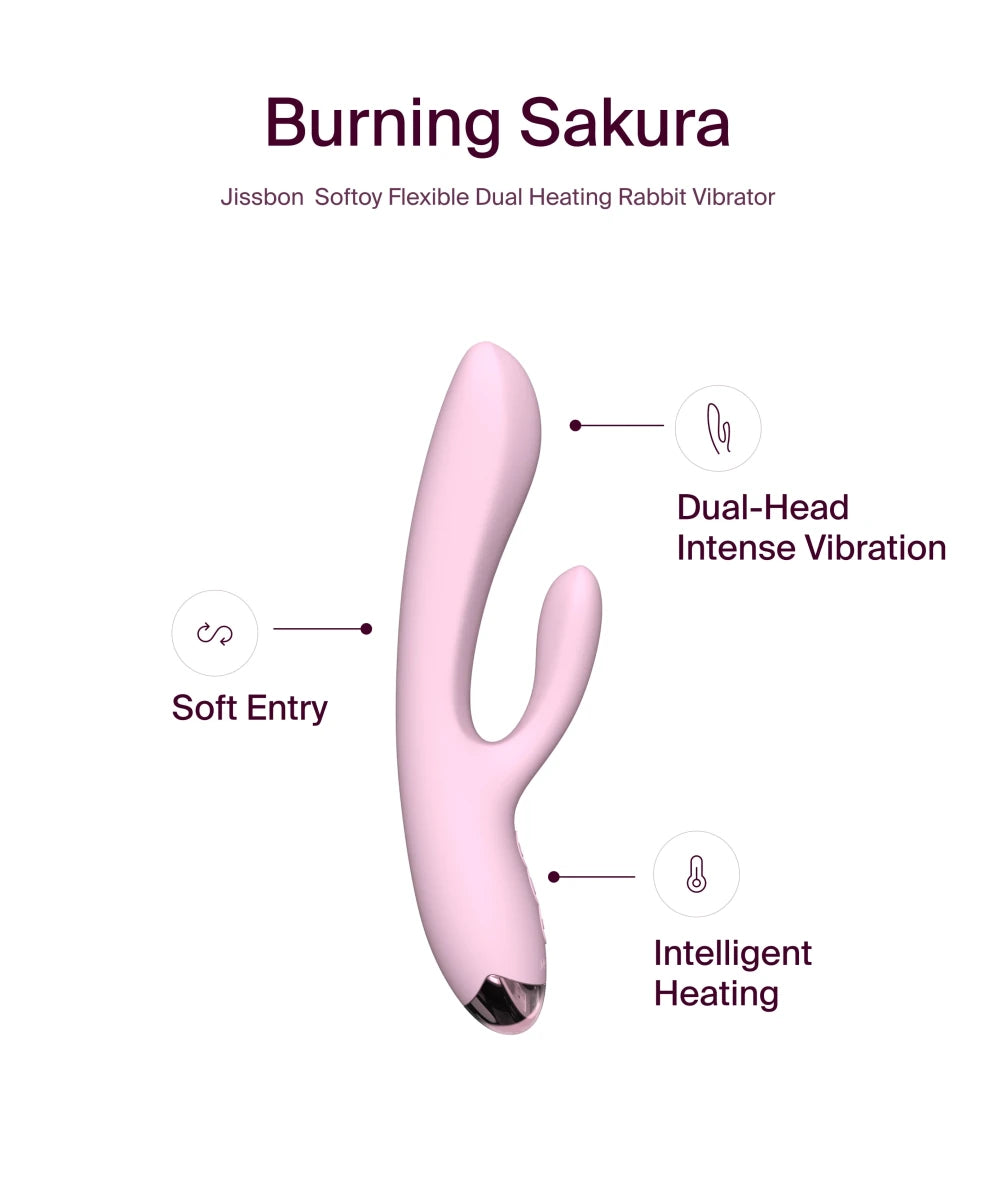
- Incorporating sex toys for couples to enhance shared pleasure
- Sending flirty messages during the day
- Planning date nights that build anticipation
A healthy sexual relationship means both partners feel desired, respected, and satisfiednot that you're having sex a certain number of times per week.
How Important Is Sex in a Marriage?

Marriage Adds Unique Pressures
Long-term commitment brings specific challenges to sexual frequency:
Life responsibilities work stress, children, aging parents, financial pressure Familiarity the "spark" requires more intentional effort after years together Body changes pregnancy, aging, health conditions affect desire and function Routine predictability can dampen spontaneity and excitement
Sex Matters More When It's Missing
Experts often say: when sex is good, it's 10% of a relationship. When it's bad or absent, it becomes 90% of the relationship. This paradox holds true for most marriages.
Couples in sexless marriages (defined as 10 or fewer times per year) report significantly lower relationship satisfaction unless both partners are content with that frequency.
Maintaining Sexual Connection Over Time
Successful long-term couples prioritize intimacy through:
- Scheduling sex treating it like any important activity
- Date nights rebuilding romance outside the bedroom
- Honest communication discussing desires and concerns openly
- Novel experiences trying new activities together to spark excitement
- Physical affection maintaining touch even when sex is less frequent
The American Psychological Association's research on marital satisfaction shows that couples who intentionally nurture their sexual connection report stronger marriages overall.
Can a Relationship Last Without Sex?
Yes, But With Conditions
Relationships can absolutely survive and thrive without sex if:
- Both partners genuinely prefer a low-sex or no-sex relationship
- You've agreed to an open relationship allowing sexual needs to be met elsewhere
- Medical or psychological conditions make sex difficult, and you've adapted together
- You prioritize other forms of intimacy and connection
When Sexless Becomes a Problem
Lack of sex damages relationships when:
- Only one partner is satisfied with the frequency
- No physical intimacy exists at all (no kissing, cuddling, touch)
- Sexual rejection creates feelings of inadequacy or resentment
- One partner feels trapped or considers infidelity
- The relationship feels more like a friendship or roommate situation
If you're in a sexless relationship that troubles one or both of you, consider consulting a sex therapist or relationship counselor.
Rekindling Intimacy in Long-Term Relationships
Address the Underlying Issues First
Before trying to increase sexual frequency, identify what's blocking intimacy:
Unresolved conflict resentment kills desire faster than anything Poor communication not expressing needs leads to disconnection Stress and exhaustion overwhelm leaves no energy for sex Body image issues insecurity prevents vulnerability Hormonal changes medical factors affecting libido
Practical Steps to Reconnect
Start with non-sexual touch Rebuild physical comfort through cuddling, hand-holding, and massage before jumping to sex. Many couples lose all physical affection when sex decreases, creating a wider gap.
Schedule intimacy time This sounds unromantic, but it works. Block out time when you're both rested and free from distractions. Anticipation can rebuild excitement.
Try something new together Novel experiences increase dopamine, which fuels desire. This could mean:
- A weekend away without kids
- Taking a dance or cooking class together
- Trying a new restaurant or activity
- Exploring Jissbon products designed for couples
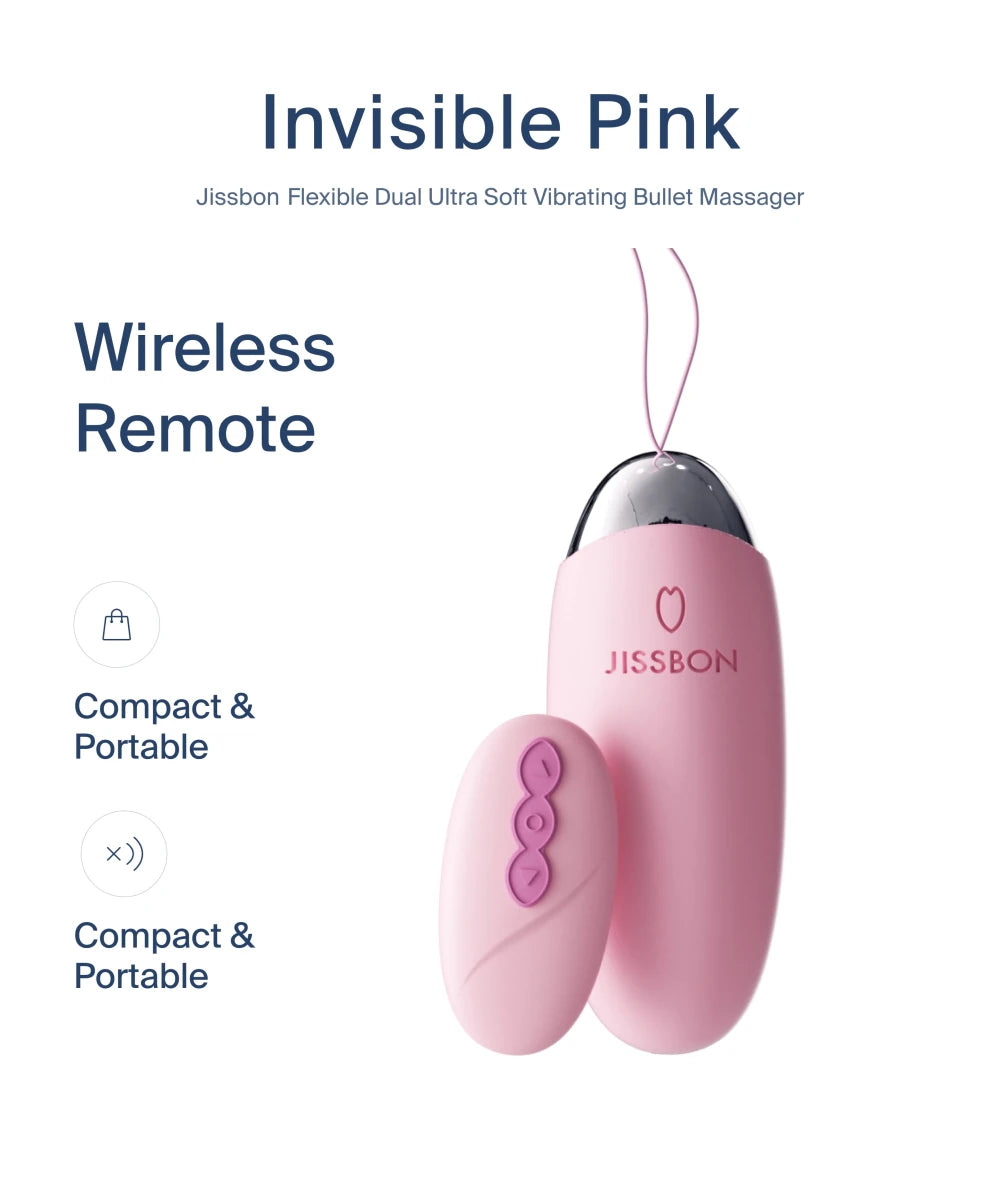
Focus on pleasure, not performance Remove the pressure to have intercourse. Agree that a session is just about giving each other pleasure through touch, oral sex, or using a remote controlled vibrator togetherwith no expectation of orgasm.
Talk about sex outside the bedroom Discuss your desires, boundaries, and fantasies when you're both relaxednot right before or after sex. Ask open-ended questions like "What would make you feel more desired?" or "What kind of touch do you miss?"
Common Intimacy Challenges and Solutions
Mismatched Libido
Challenge: One partner wants sex daily, the other prefers monthly
Solutions:
- Find a middle ground frequency both can accept
- The higher-desire partner explores solo satisfaction without shame
- The lower-desire partner initiates occasionally to show care
- Focus on quality over quantitymake each encounter count
- Consider whether relationship issues are suppressing desire
Physical Discomfort
Challenge: Sex hurts or feels uncomfortable for one partner
Solutions:
- Use significantly more lubrication
- Try different positions that reduce pressure
- See a pelvic health specialist or doctor
- Explore non-penetrative forms of intimacy
- Slow down and extend foreplay time
Learn about reducing sexual discomfort from medical professionals.
Body Image Issues
Challenge: One or both partners feel insecure about their bodies
Solutions:
- Express appreciation for your partner's body regularly
- Keep the lights dim if it helps initially
- Focus on sensation rather than appearance
- Understand that attraction involves connection, not perfection
- Seek therapy if negative self-image persists
Life Transitions
Challenge: New baby, job loss, illness, or other major change kills sex drive
Solutions:
- Acknowledge that temporary dry spells are normal
- Maintain some physical affection even without sex
- Support each other through the stressor
- Revisit intimacy once immediate crisis passes
- Lower expectations during particularly tough periods
When to Seek Professional Help
Consider couples therapy or sex therapy if:
- You haven't had sex in over 6 months and one partner is unhappy about it
- Sexual rejection creates fights or resentment
- One partner is considering (or having) an affair
- Past trauma affects current intimacy
- Physical pain during sex persists despite trying solutions
- You've stopped all physical affection, not just sex
Sex therapists specialize in intimacy issues. They're not there to force you to have more sexthey help you understand what sex means to each of you and find solutions that honor both partners' needs.
Frequently Asked Questions
How important is sex in a relationship percentage-wise?
Research suggests sex accounts for roughly 15-20% of relationship satisfaction when things are going well. When sex is absent or problematic, it can dominate up to 50-70% of relationship focus. The percentage varies dramatically based on individual priorities, but most couples rank emotional connection and communication as equally or more important than sexual frequency.
Is sex important in a relationship before marriage?
Sexual compatibility before marriage helps couples understand whether their desires, boundaries, and preferences align. Many relationship counselors recommend discussing expectations about frequency, what you enjoy, and dealbreakers before committing long-term. However, some couples choose to wait for marriage for religious or personal reasons and still build successful relationships through open communication about intimacy.
How important is sex to a woman in a relationship?
Importance varies enormously among womenjust like it does among men. Some women prioritize sexual intimacy highly and consider it essential for feeling connected. Others value emotional intimacy, shared activities, or communication more. Generalizing about women's sexual needs leads to misunderstanding. The best approach is asking your specific partner what role sex plays in their satisfaction.
Can lack of sex ruin a relationship?
Yes, if the lack of sex makes one or both partners feel rejected, unloved, or trapped. Relationships can survive with minimal sex if both partners genuinely prefer that arrangement. Problems arise when one person deeply desires more intimacy while the other consistently refuses without addressing the underlying issue. Long-term sexual rejection often leads to resentment, infidelity, or separation.
How important is sex in a long-term relationship according to psychology?
Psychological research shows that sexual satisfaction strongly predicts overall relationship satisfaction in long-term couples. Regular sex increases positive feelings toward partners, improves conflict resolution, and creates shared positive experiences. However, psychologists emphasize that quality matters more than quantityand that companionship, respect, and emotional support are equally critical for relationship longevity.
What is the 3-3-3 rule in a relationship?
The 3-3-3 rule suggests spending 3 hours alone together weekly, 3 days away quarterly, and 3 weeks away annually. This framework encourages couples to prioritize dedicated time together away from daily responsibilities. While not specifically about sex, this protected time naturally supports intimacy by reducing stress and allowing partners to reconnect.
Conclusion
So how important is sex in a relationship? For most couples, it's a significant component of satisfaction but rarely the most important one. Sexual intimacy strengthens emotional bonds, reduces stress, and serves as a barometer for relationship health. Yet relationships thrive when partners prioritize honest communication, mutual respect, and meeting each other's needs (sexual and otherwise).
If you're struggling with intimacy frequency, start by talking openly about what sex means to each of you. Often, desire mismatch reflects differences in feeling loved, not biological incompatibility.Ready to reconnect with your partner? Explore quality sex toys for couples designed to enhance shared pleasure and bring back excitement.


Looking for something else?

What Is Flogging in Sex? Complete BDSM Flogging Guide
LEARN MORE
What Does Overstimulated Mean Sexually? Causes & Solutions
LEARN MORE
Can You Get a Tattoo on Your Vagina? Safety, Pain & What to Expect
LEARN MORE
Public Sex Kink: Understanding Exhibitionism & Safe Exploration
LEARN MORELooking for something else?

A-Spot Orgasm: Best Positions & How to Find It
LEARN MORE
Bondage Play: Complete Beginner's Guide to Rope BDSM
LEARN MORE
Vibrator Stories: Real Experiences, Tips & What to Expect
LEARN MOREYou may also like
20% off

20% off

20% off

20% off

20% off

20% off

Further reading

How to Clean an Automatic Blowjob Machine Without Damaging the Motor

Remote-Controlled Automatic Masturbators for Couples and Solo Play
Best Automatic Strokers for Edging and Stamina Training