


































































Fractionated Coconut Oil as Lube: What You Need to Know Before Using It
Stack & Save: Extra 15% with Jissbon15
Jissbon15
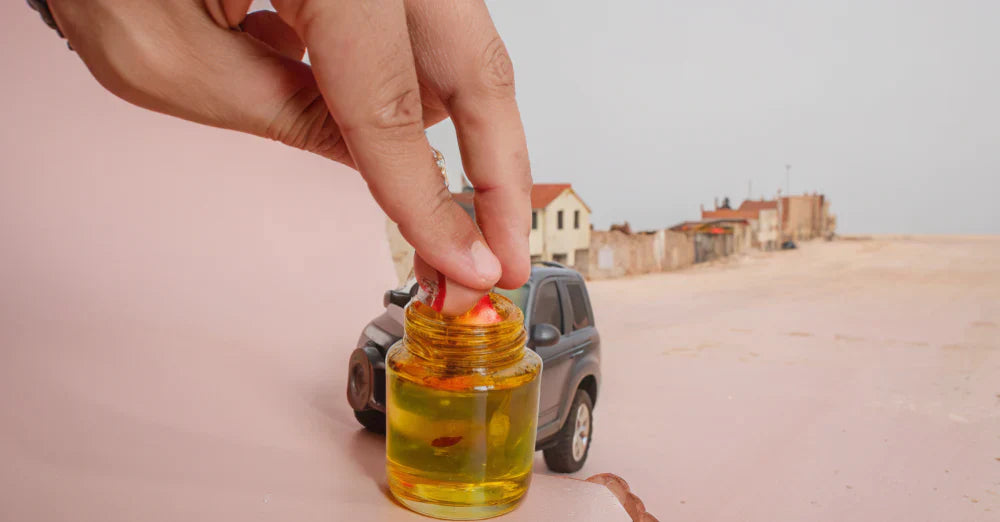
Fractionated coconut oil as lube has become a popular topic in sexual wellness discussions. Fractionated coconut oil is a processed version of regular coconut oil with long-chain fatty acids removed, creating a liquid that stays clear at room temperature and absorbs quickly into skin. While it's widely used in massage and skincare, many people wonder: can fractionated coconut oil be used as lube safely during sex?
The short answer is that while fractionated coconut oil can technically be used as a personal lubricant, it comes with significant limitations and risks—especially regarding condom compatibility, vaginal pH balance, and infection risk.
This guide explains exactly what fractionated coconut oil is, why it's not ideal for most sexual activities, what the science says about coconut oil for sex, and which alternatives offer better safety and performance.
Whether you're curious about natural lubricants or looking for the best options for your body, you'll find clear answers and practical recommendations below.
What Is Fractionated Coconut Oil & How Does It Differ from Regular Coconut Oil?

Regular coconut oil is extracted from coconut meat and contains both medium-chain and long-chain fatty acids. It's solid at room temperature (below 76°F/24°C) and melts into liquid when warmed. It's commonly used in cooking, skincare, and hair care.
Fractionated coconut oil (also called MCT oil or liquid coconut oil) undergoes a process that removes the long-chain fatty acids, leaving only medium-chain triglycerides (MCTs). This results in:
- A liquid that stays clear and fluid at any temperature
- Faster absorption into skin without a greasy residue
- A longer shelf life with no solidification
- No coconut scent or flavor (in most refined versions)
Fractionated coconut oil is popular in aromatherapy, massage therapy, and cosmetics because of its lightweight texture. However, these same properties don't necessarily make it ideal for sexual lubrication.
Can You Use Fractionated Coconut Oil as Lube? The Safety Concerns
Can fractionated coconut oil be used as lube? Technically yes, but with important cautions. Here's what you need to know:
Condom incompatibility (critical concern):
All oil-based lubricants—including fractionated coconut oil—degrade latex and polyisoprene condoms. Oil breaks down the latex structure, causing microscopic tears that significantly increase the risk of condom breakage, pregnancy, and sexually transmitted infections (STIs). If you're using latex condoms for protection, never use coconut oil or fractionated coconut oil as lube.
Vaginal health risks:
Oil-based lubricants can disrupt the vaginal microbiome and pH balance. Studies suggest that using oil-based products inside the vagina may increase the risk of bacterial vaginosis (BV) and yeast infections. Fractionated coconut oil, while lighter than regular coconut oil, still poses these risks because it's oil-based and can linger inside vaginal tissue.
Fractionated Coconut Oil Lube vs. Commercial Personal Lubricants

Here's how fractionated coconut oil lube compares to purpose-designed sexual lubricants:
Fractionated coconut oil pros:
- Natural, single-ingredient product
- Lightweight texture that absorbs quickly
- Long-lasting slickness compared to water-based lubes
- Affordable and widely available
Fractionated coconut oil cons:
- Destroys latex and polyisoprene condoms
- Increases infection risk for vaginal use
- Difficult to clean from skin and fabrics
- Not formulated for internal use or pH balance
- Can damage certain sex toys
Commercial water-based lube pros:
- Safe with all condom types
- Compatible with all sex toy materials
- Formulated to match vaginal pH (4.5–5.0)
- Easy cleanup with water
- Available in various formulas (sensitive skin, long-lasting, warming)
Commercial silicone-based lube pros:
- Extremely long-lasting and slick
- Safe with latex condoms
- Waterproof for shower or bath use
- Hypoallergenic and less likely to cause irritation
- Compatible with internal use
Commercial lube cons:
- Some formulas contain additives (glycerin, parabens) that may irritate sensitive users
- Silicone lubes can't be used with silicone toys
Step-by-Step: How to Use Fractionated Coconut Oil Safely (If You Choose To)
If you decide to use fractionated coconut oil for lube despite the risks, follow these guidelines to minimize harm:
- Confirm you're not using latex condoms: Only use fractionated coconut oil if you're relying on non-barrier birth control (IUD, pill, vasectomy) or polyurethane/nitrile condoms. Even then, check condom packaging for oil compatibility.
- Perform a patch test first: Apply a small amount of fractionated coconut oil to your inner wrist or thigh. Wait 24 hours to check for redness, itching, or irritation. Skip this step if you're already using the oil for skincare without issues.
- Use externally only (when possible): Limit fractionated coconut oil to external genital massage, foreplay, or handjobs. Avoid inserting oil-based products into the vagina or anus whenever possible.
- Start with a small amount: Fractionated coconut oil is more fluid than regular coconut oil, so a little goes a long way. Pour 1–2 teaspoons into your palm and warm it between your hands before applying.
- Avoid contact with sex toys: If you're incorporating sex toys for couples, use a separate water-based lube on the toy to prevent material degradation.
- Clean thoroughly afterward: Wash your hands, genitals, and any surfaces with warm water and mild soap immediately after use. Launder sheets and towels promptly to prevent oil stains and bacterial buildup.
- Monitor for irritation: If you experience itching, burning, unusual discharge, or odor in the days following use, discontinue immediately and consult a healthcare provider. These may be signs of infection or allergic reaction.
Better Alternatives to Coconut Oil for Sex

If you're interested in coconut oil for sex but concerned about the risks, consider these safer alternatives:
Water-based lubricants: Water-based lubes are the gold standard for versatility. They're safe with all condom types, compatible with all sex toys, easy to clean, and pH-balanced for internal use. Look for formulas labeled "glycerin-free" or "paraben-free" if you have sensitive skin.
Silicone-based lubricants: Silicone lubes provide long-lasting slickness similar to oil-based products but without the condom or health risks. They're ideal for longer sessions, anal sex, or water play. Just avoid using them with silicone toys—pair with glass, metal, or ABS plastic toys instead.
Hybrid lubricants: Hybrid lubes combine water and silicone for a balance of easy cleanup and long-lasting glide. They're safe with condoms and most toys (check labels for silicone toy compatibility).
Organic water-based lubes: If you prefer natural ingredients, organic water-based lubes often use aloe vera, plant extracts, and minimal additives. They offer the "natural" appeal of coconut oil without the safety drawbacks.
For external massage only: If you love the feel of fractionated coconut oil for sensual massage on non-genital skin, continue using it there—just switch to a dedicated sexual lubricant when transitioning to penetration or condom use.
Lube Safety 101: Condom Compatibility, pH Balance & Materials
Condom compatibility rules:
- Latex condoms: Use only water-based or silicone-based lube. Never use oil-based products.
- Polyurethane/nitrile condoms: Compatible with water, silicone, and oil-based lubes, but water or silicone are still safer for vaginal health.
- Internal (receptive) condoms: Follow the same rules as latex external condoms—stick with water or silicone.
Vaginal pH balance:
The vagina naturally maintains a pH of 4.5–5.0. Oil-based lubricants can disrupt this balance, increasing infection risk. Commercial lubes are often formulated to match vaginal pH, while coconut oil is not.
Toy material safety:
- Silicone toys: Use water-based lube only (silicone lube degrades silicone toys).
- Glass/metal/ABS plastic: Safe with all lube types.
- TPE/jelly/porous materials: Use water-based lube and consider upgrading to body-safe silicone toys for better hygiene.
When shopping for vibrators or other toys, check the material and follow manufacturer lube recommendations to extend product lifespan and maintain safety.
Care & Cleanup: Best Practices for Oil-Based Products
Immediate cleanup:
- Wash genitals with warm water and a gentle, fragrance-free soap designed for intimate areas.
- Use a washcloth or soft sponge to remove oil residue from skin folds.
- Urinate after sex to help flush bacteria from the urethra (especially important for people with vaginas).
Toy cleaning:
If you accidentally used fractionated coconut oil on a toy:
- Wash immediately with warm water and toy cleaner or mild soap.
- For silicone toys, inspect for any texture changes or degradation. If the surface feels sticky or damaged, discard the toy.
- Learn proper toy cleaning techniques to prevent bacterial growth.
Frequently Asked Questions
Can fractionated coconut oil be used as lube safely?
Fractionated coconut oil can technically be used as lubricant, but it's not recommended for most sexual activities. It destroys latex condoms, increases infection risk when used vaginally, and is difficult to clean. If you choose to use it, limit application to external massage only, avoid latex condoms, and monitor closely for signs of irritation or infection. Purpose-designed sexual lubricants are safer and more effective.
Can you use fractionated coconut oil as lube with condoms?
No, never use fractionated coconut oil (or any oil-based product) with latex or polyisoprene condoms. Oil degrades latex on contact, causing microscopic tears that dramatically increase the risk of breakage, pregnancy, and STI transmission. Even polyurethane condoms, which are oil-compatible, are better paired with water-based or silicone-based lubes for optimal vaginal health.
Is fractionated coconut oil better than regular coconut oil for sex?
Not significantly. Fractionated coconut oil has a lighter texture and absorbs faster, but it's still oil-based and carries the same risks: condom incompatibility, vaginal pH disruption, and increased infection potential. The processing that creates fractionated coconut oil doesn't eliminate these safety concerns. Both types are equally problematic for sexual lubrication.
What are the best alternatives to coconut oil for sex?
The best alternatives are water-based and silicone-based lubricants designed specifically for sexual use. Water-based lubes are safe with all condom types and sex toys, easy to clean, and pH-balanced. Silicone-based lubes offer long-lasting glide similar to oil but without the health risks. For natural options, choose organic water-based lubes with aloe vera or minimal additives.
Can fractionated coconut oil cause yeast infections or BV?
Yes, using fractionated coconut oil inside the vagina can increase the risk of yeast infections and bacterial vaginosis (BV). Oil-based products can disrupt the vaginal microbiome and pH balance, creating conditions that favor harmful bacteria and fungal overgrowth.
Can I use fractionated coconut oil with sex toys?
It's not recommended. Fractionated coconut oil can degrade certain toy materials, especially softer plastics, TPE, and porous materials. While it's generally safe with glass, metal, and hard ABS plastic, the cleanup difficulty and potential for bacterial buildup make it a poor choice. Use water-based lube with silicone toys and either water or silicone lube with non-porous materials for best results.
Conclusion
While fractionated coconut oil as lube may seem like a natural, simple solution, the risks—especially condom degradation and infection potential—make it a poor choice for most sexual activities. Can you use fractionated coconut oil as lube? Technically yes, but safer, more effective alternatives exist that won't compromise your health or protection.
For better sexual experiences with proper lubrication, explore body-safe, pH-balanced options at Jissbon. Whether you're shopping for clitoral vibrators, couples' toys, or just learning about sexual wellness, choosing the right lube makes all the difference.


Looking for something else?

What Is Flogging in Sex? Complete BDSM Flogging Guide
LEARN MORE
What Does Overstimulated Mean Sexually? Causes & Solutions
LEARN MORE
Can You Get a Tattoo on Your Vagina? Safety, Pain & What to Expect
LEARN MORE
Public Sex Kink: Understanding Exhibitionism & Safe Exploration
LEARN MORELooking for something else?

A-Spot Orgasm: Best Positions & How to Find It
LEARN MORE
Bondage Play: Complete Beginner's Guide to Rope BDSM
LEARN MORE
Vibrator Stories: Real Experiences, Tips & What to Expect
LEARN MOREYou may also like
20% off

20% off

20% off

20% off

20% off

20% off

Further reading

How to Clean an Automatic Blowjob Machine Without Damaging the Motor

Remote-Controlled Automatic Masturbators for Couples and Solo Play
Best Automatic Strokers for Edging and Stamina Training