



























































First Time Masturbating: What to Expect & Tips
Stack & Save: Extra 15% with Jissbon15
Jissbon15
First time masturbation is a natural part of sexual development and self-discovery, yet many people feel nervous, uncertain, or unsure where to start due to lack of practical information and surrounding stigma. Understanding what masturbation is, what to expect physically and emotionally, how to explore your body comfortably, and that there's no "right" way or timeline helps reduce anxiety and creates positive first experiences.
This guide explains what happens during first time masturbation, step-by-step techniques for different anatomies, realistic expectations, addressing common concerns, and creating comfortable environments for exploration. You'll learn about anatomy, arousal, discovering what feels good, and building healthy relationships with self-pleasure from the beginning.
Who This Guide Helps
This information supports:
- Teenagers and young adults beginning sexual self-discovery and wondering how to start safely
- People who've never masturbated feeling curious but uncertain about techniques or what to expect
- Individuals overcoming shame or stigma around masturbation seeking permission and factual information
- Those who tried once but felt confused wanting better guidance for more comfortable experiences
- People with disabilities needing adapted techniques or approaches for their specific bodies
- Late bloomers feeling self-conscious about exploring masturbation later than peers
- Anyone seeking judgment-free information about normal, healthy sexual self-exploration
Masturbation is a personal choice there's no mandatory timeline or pressure to begin. This guide exists for those choosing to explore when ready.
Understanding Masturbation Basics

What Masturbation Is
Simple definition:
Touching your own genitals for pleasure and sexual arousal. It's self-stimulation creating pleasurable sensations, often (but not always) leading to orgasm.
Normal and common:
Studies indicate 70–95% of people masturbate at some point. It's one of the most common sexual behaviors across all genders, orientations, and relationship statuses.
Not just about orgasm:
While orgasm is one potential outcome, masturbation also involves exploring your body, learning what creates pleasure, reducing stress, and enjoying physical sensation without any goals.
Why People Masturbate
Physical reasons:
- Release of sexual tension or arousal
- Stress relief and relaxation
- Help falling asleep
- Physical pleasure and sensation
- Practice for partnered sexual experiences
Emotional/psychological reasons:
- Understanding your own body and preferences
- Building comfort with sexuality
- Mood enhancement through endorphin release
- Private, safe sexual expression
- Curiosity and exploration
Health benefits:
Research suggests masturbation can relieve menstrual cramps, reduce prostate cancer risk, improve sleep quality, boost immune function, and support sexual function throughout life.
Learn more about sexual health and wellness from Planned Parenthood's educational resources.
What to Expect: Physical and Emotional
Physical Sensations
During arousal:
- Increased heart rate and breathing
- Warmth spreading through body, especially genitals
- For penis owners: erection (blood filling erectile tissue)
- For vulva owners: vaginal lubrication, clitoral swelling
- Heightened sensitivity in genital area
- Muscle tension building throughout body
During orgasm (if reached):
- Rhythmic muscle contractions in genitals and pelvic floor
- Intense pleasurable sensation radiating from genitals
- Brief loss of voluntary muscle control
- For penis owners: ejaculation (though not always"dry orgasms" exist)
- Peak followed by relaxation and decreased arousal
First time realities:
Your first time may not include orgasmthat's completely normal. Many people need several explorations to discover what works for their bodies.
Emotional Responses
Common feelings:
- Curiosity and excitement
- Nervousness or uncertainty
- Surprise at how sensations feel
- Guilt or shame (from religious/cultural messaging)
- Relief and relaxation afterward
- Pride in self-discovery
- Confusion about technique or what to do next
All reactions are valid:
There's no "correct" way to feel. Your emotions are influenced by upbringing, culture, religion, and personal valuesall of which vary dramatically between individuals.
How Long Does It Take?
No standard timeline:
First explorations might last 5 minutes or 30+ minutes. There's no rush. Some people orgasm quickly; others need extended time. Both are normal.
Focus on sensation, not speed:
Treating masturbation as a task to complete quickly reduces pleasure. Approach it as exploration without time pressure.
Creating a Comfortable Environment

Physical Privacy
Essential foundation:
Ensure you have private, uninterrupted time. Lock doors, wait until you're home alone, or find times when interruption risk is minimal.
Why privacy matters:
Worry about being caught or interrupted prevents relaxation and arousal. Feeling safe and private is critical for first experiences.
Comfortable Setting
Physical comfort:
- Lie on bed with pillows supporting your back and neck
- Ensure comfortable room temperature (slightly warm helps arousal)
- Have tissues, towel, or cleanup supplies nearby
- Consider dimmed lighting or darkness if you prefer
Reduce distractions:
Silence phone notifications, close laptop, eliminate things pulling attention away from physical exploration.
Mental Preparation
Give yourself permission:
Masturbation is normal, healthy, and your choice. You're not doing anything wrong or shameful by exploring your own body.
Release expectations:
Your first time doesn't need to be perfect or result in orgasm. It's simply explorationlearning what feels interesting, pleasant, or neutral.
Choose low-stress timing:
Avoid trying when you're rushed, exhausted, or stressed about other obligations. Choose relaxed, unhurried times.
Step-by-Step Guide for Penis Owners
Step 1: Understand Your Anatomy
Key areas:
- Shaft: Main body of penis; less sensitive than head
- Glans (head): Most sensitive area, especially underside
- Frenulum: Small tissue band connecting head to shaft undersideoften most sensitive spot
- Testicles: Can be pleasurable to touch but vary in sensitivity
- Perineum: Area between testicles and anuscontains sensitive nerve endings
Step 2: Begin Exploration
Start fully clothed if helpful:
Some people feel more comfortable beginning exploration through clothing, gradually progressing to direct skin contact.
Touch different areas:
Run hands over chest, thighs, abdomen, and genitals. Notice what creates pleasant sensations versus neutral or uncomfortable feelings.
No immediate goal:
Don't rush to stroke your penis. Spend 5–10 minutes simply noticing how different touches and pressures feel.
Step 3: Basic Stroking Technique
Hand position:
Wrap your dominant hand around the shaftthumb on one side, fingers on the other. Grip should be gentle initially (you can adjust pressure later).
Up-and-down motion:
Move your hand up from base toward head, then back down. This is the most basic technique. Experiment with speedstart slow.
Focus on the head:
The glans and frenulum typically provide the most intense sensation. Some people focus strokes on this area; others prefer full-shaft strokes.
Add lubrication (optional but recommended):
Water-based lubricant, lotion (fragrance-free), or coconut oil makes stroking more comfortable and pleasurable. Apply to hand and penis.
Step 4: Find Your Rhythm
Vary speed and pressure:
Try different stroke speeds (slow, medium, fast) and grip pressures (light, medium, firm). Notice what creates the most pleasant sensation.
Explore other stimulation:
Touch testicles gently, press on perineum, stimulate nipplesmany areas beyond the penis create arousal.
If approaching orgasm:
You'll notice building tension and pleasure intensifying. Continue your motion or change rhythm to explore how sensations shift.
Step 5: Post-Exploration
Cleanup:
Use tissues or towel for any ejaculate. Wash hands and genitals with warm water and mild soap.
Reflect without judgment:
Consider what felt good, what was neutral, what you're curious to try differently next time. Avoid self-criticismexploration has no "failures."
Step-by-Step Guide for Vulva Owners

Step 1: Understand Your Anatomy
Key areas:
- Clitoris: Small, bean-shaped organ at top where inner labia meetextremely sensitive, primary source of pleasure
- Clitoral hood: Skin covering clitoris; some prefer stimulation through the hood
- Labia (inner and outer): Folds of skin surrounding vaginal openingsensitive to touch
- Vaginal opening: Entry to vaginal canal; some enjoy internal stimulation
- G-spot: Internal area on front vaginal wall (toward belly), about 2–3 inches inside
Step 2: Begin External Exploration
Start fully clothed if helpful:
Beginning exploration through underwear or clothing can feel less intimidating initially.
Touch non-genital areas first:
Run hands over breasts, inner thighs, stomach, neck. Notice what creates pleasant tingling or warmth.
Gradually move toward vulva:
Touch outer labia gently, exploring texture and sensitivity before progressing to more sensitive areas.
Step 3: Clitoral Stimulation
Locate your clitoris:
Place fingers at top of vulva where inner labia meet. You'll feel a small, firm bumpthat's the clitoral glans (external tip of clitoris).
Try different touches:
- Circular motions around clitoris
- Side-to-side stroking
- Up-and-down motions
- Light tapping or pulsing
- Rubbing through clitoral hood (indirect) vs. direct contact
Use lubricant:
Even if naturally lubricating, adding water-based lube reduces friction and enhances comfort. Apply to fingers and clitoral area.
Adjust pressure:
The clitoris is very sensitive. Start with light, gentle touch and increase pressure only if desired. Some people never enjoy firm pressure.
Step 4: Internal Exploration (Optional)
No requirement:
Many people orgasm from external clitoral stimulation alone. Internal stimulation is optional and personal preference.
If exploring internally:
- Apply lubricant to fingers and vaginal opening
- Insert one finger slowlyangle slightly upward (toward belly)
- Notice sensationsstretching, fullness, pressure
- Try gentle in-out motions or come-here finger curls
- Combine with continued clitoral stimulation
G-spot exploration:
About 2–3 inches inside on the front vaginal wall, you may notice a slightly rougher, spongy area. Pressure here creates intense sensation for some people; others find it neutral or uncomfortable.
Step 5: Finding Your Pattern
Experiment with rhythm:
Try varying speed and pressure patterns. Consistent, repetitive motion often works best for orgasm, but exploration doesn't require orgasm as the goal.
If approaching orgasm:
You'll feel building tension, increased sensitivity, and desire to continue specific motions. Keep doing what's working rather than changing technique.
Be patient:
First time masturbation for vulva owners often takes longer than subsequent experiences. Your body is learning to respond.
Step 6: Post-Exploration
Cleanup:
Wipe external vulva gently with tissue or cloth. Wash hands. No need to clean internallyvagina is self-cleaning.
Reflection:
Consider what felt interesting versus what was neutral or uncomfortable. No judgmentjust gathering information about your unique body.
Learn about sexual anatomy and pleasure from Cleveland Clinic health resources.
Common First-Time Concerns
I Don't Think I'm Doing It Right"
Reality: There's no objectively "right" way. Masturbation techniques vary enormously between individuals. If something feels pleasant, you're doing it right for you.
Solution: Focus on what creates pleasurable sensation rather than trying to replicate techniques others describe. Your body's preferences are unique.
I Couldn't Orgasm"
Reality: Many people don't orgasm during first attempts. It often takes several exploration sessions to discover what works for your body.
Reframe: Treat early masturbation as exploration, not performance. Pleasure exists throughout the experienceorgasm is one potential outcome, not the only measure of success.
I Feel Guilty or Ashamed"
Reality: Cultural, religious, or family messaging often creates shame around masturbation despite it being normal, healthy behavior.
Address: Recognize these feelings come from external sources, not inherent wrongness. Consider talking with trusted friends, reading sex-positive resources, or consulting therapists if shame persists.
It Didn't Feel As Good As I Expected"
Reality: First experiences rarely match idealized expectations. Arousal, technique, and body awareness improve with practice.
Perspective: Like any skill, self-pleasure improves with exploration. Each session teaches you more about your preferences and responses.
I'm [Age] and Haven't Masturbated YetIs That Weird?"
Reality: People begin masturbating at widely varying agessome in childhood, some in adolescence, some in adulthood, and some never. There's no "normal" timeline.
Reassurance: Your sexual development follows your own path. There's no deadline or competition. Explore when and if you feel ready.
Tools and Resources for Beginners
Lubricant Basics
Why lubricant helps:
Reduces friction, increases comfort, and enhances sensation significantly compared to dry touch.
Types for beginners:
- Water-based: Safe for all uses, easy cleanup, available everywhere
- Silicone-based: Long-lasting, silky texture, waterproof
Avoid: Lotions with fragrances or additives. Opt for fragrance-free if using lotion instead of proper lubricant.
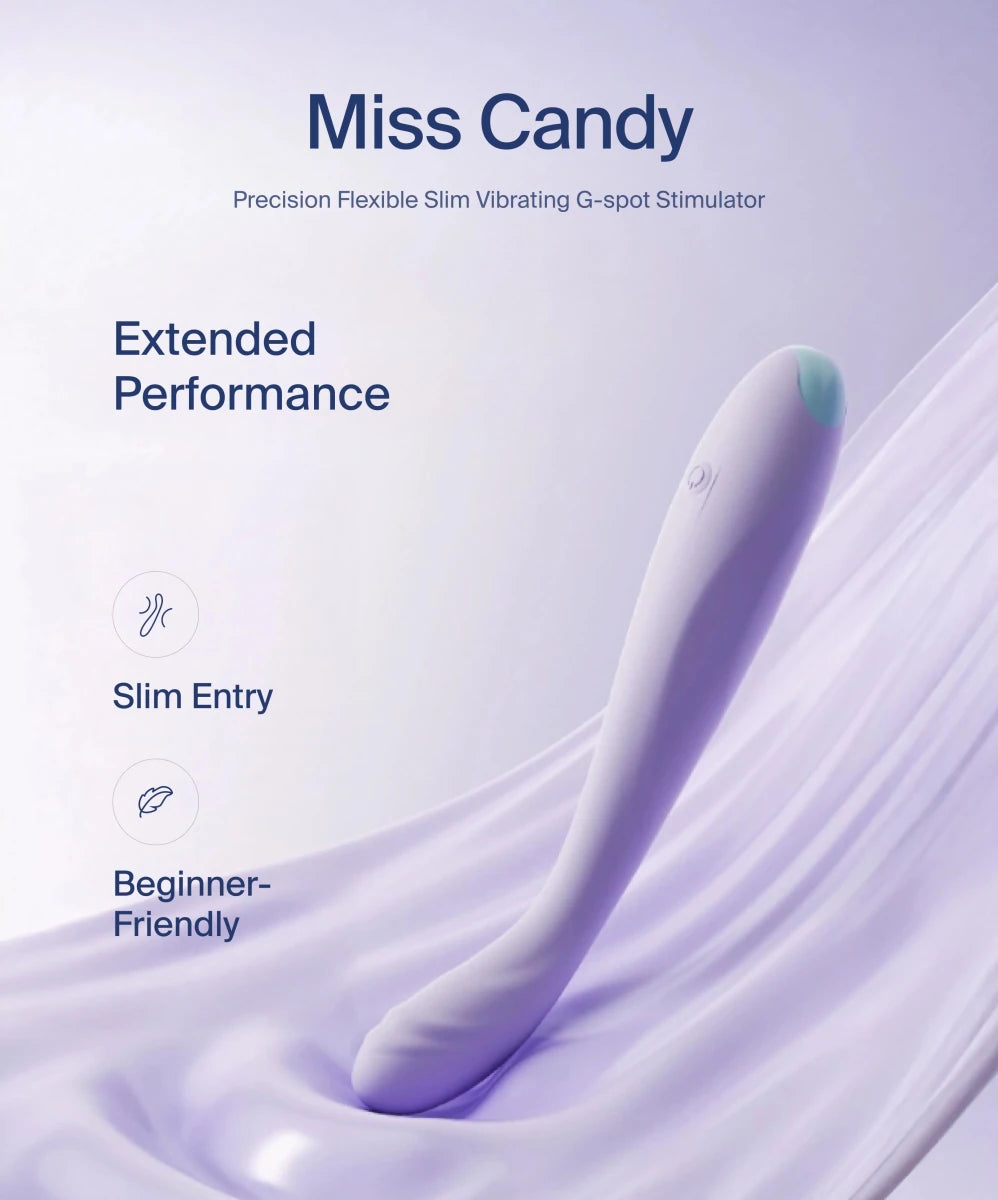
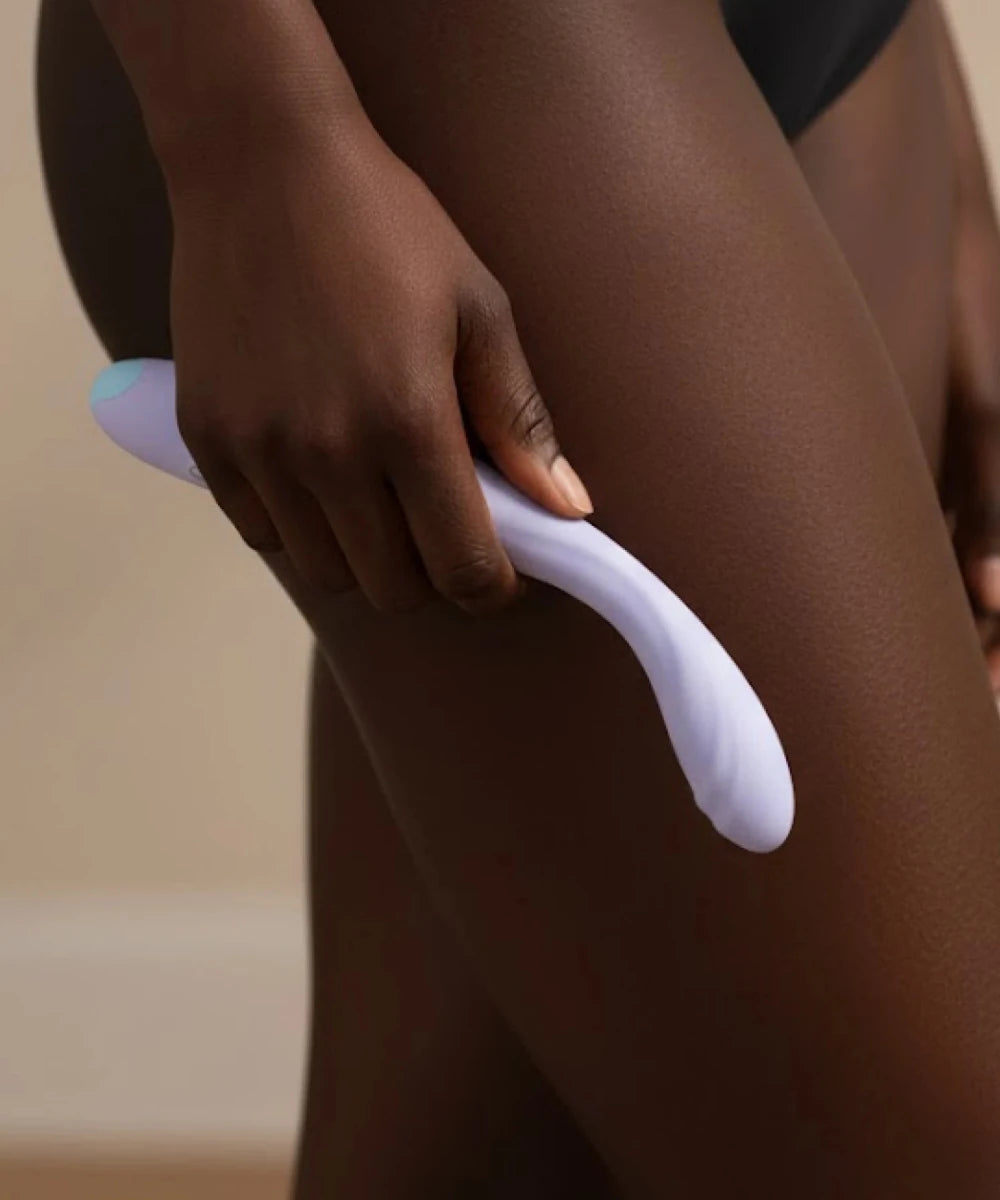
Beginner-Friendly Toys (Optional)
Not necessary initially:
Hands provide excellent first exploration. However, some people prefer trying toys designed for easy, comfortable first experiences.
For vulva owners:
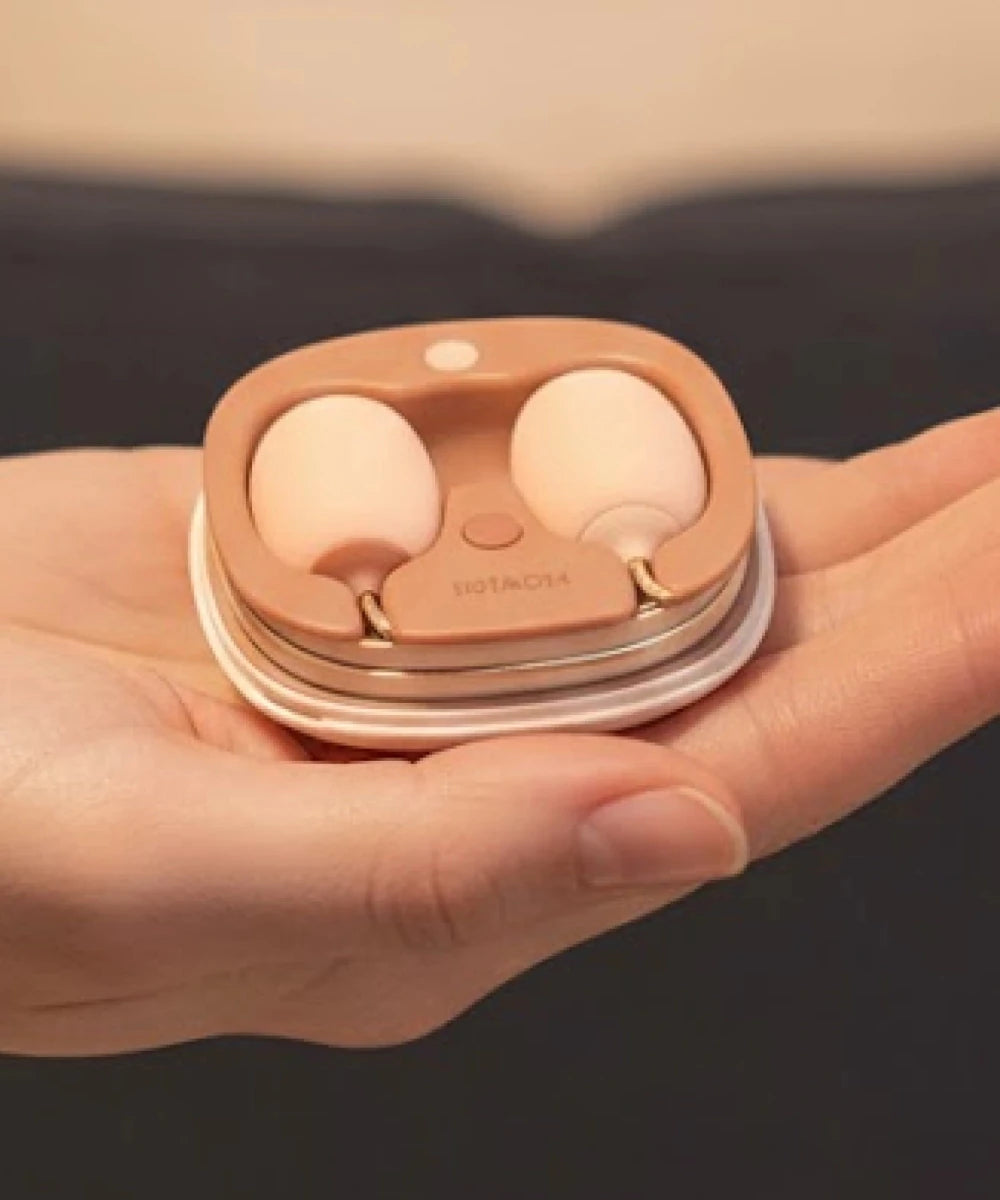
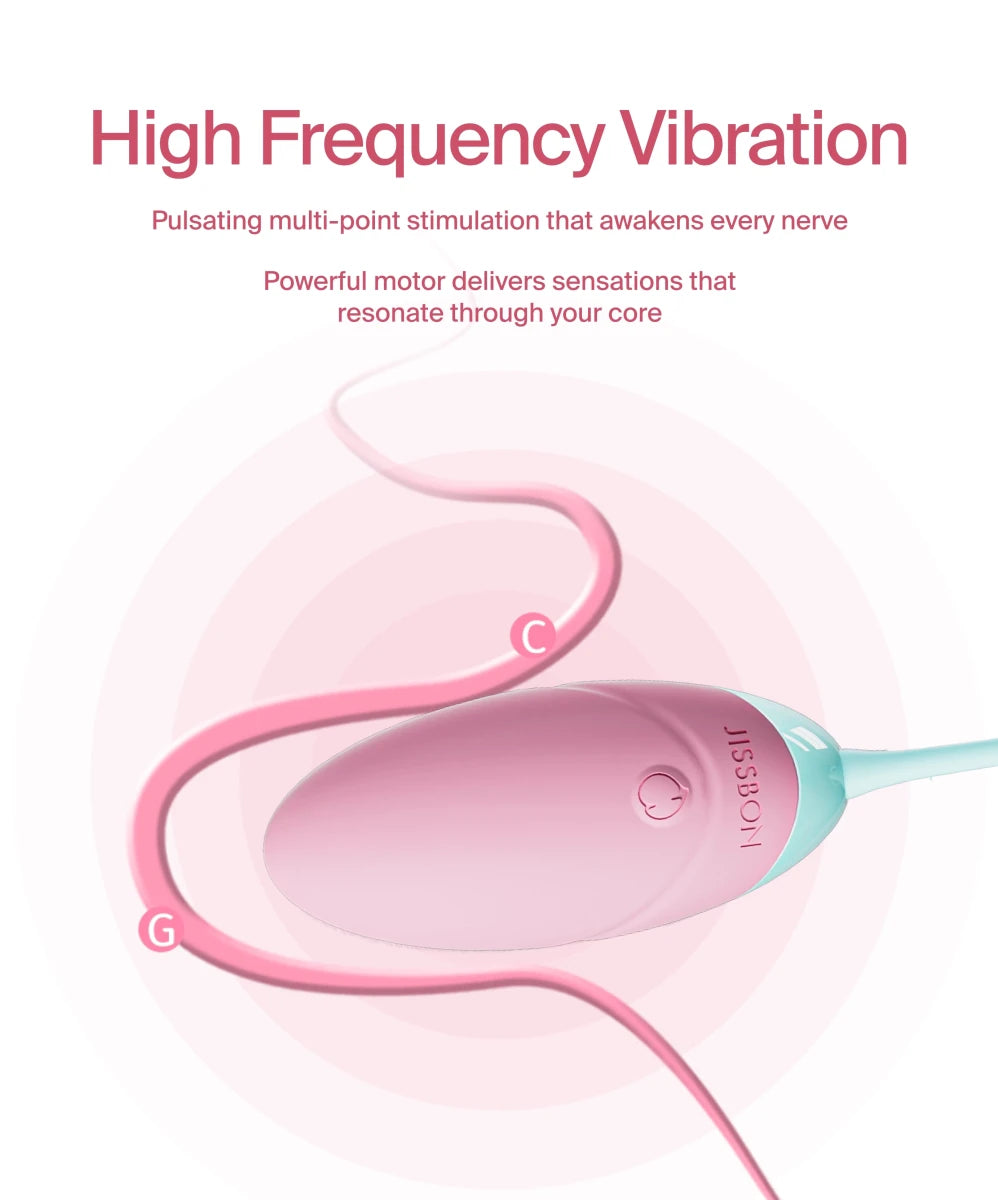
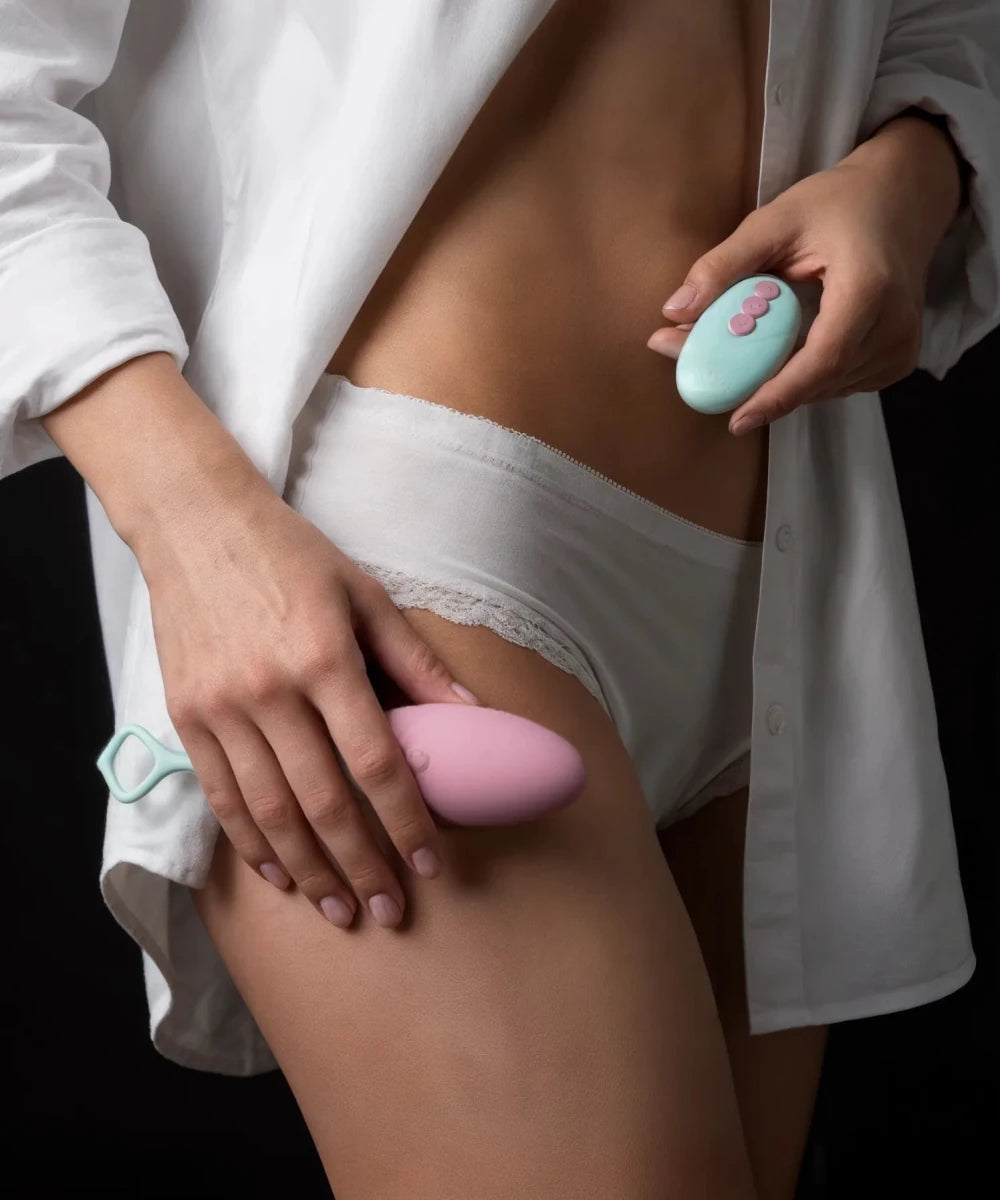
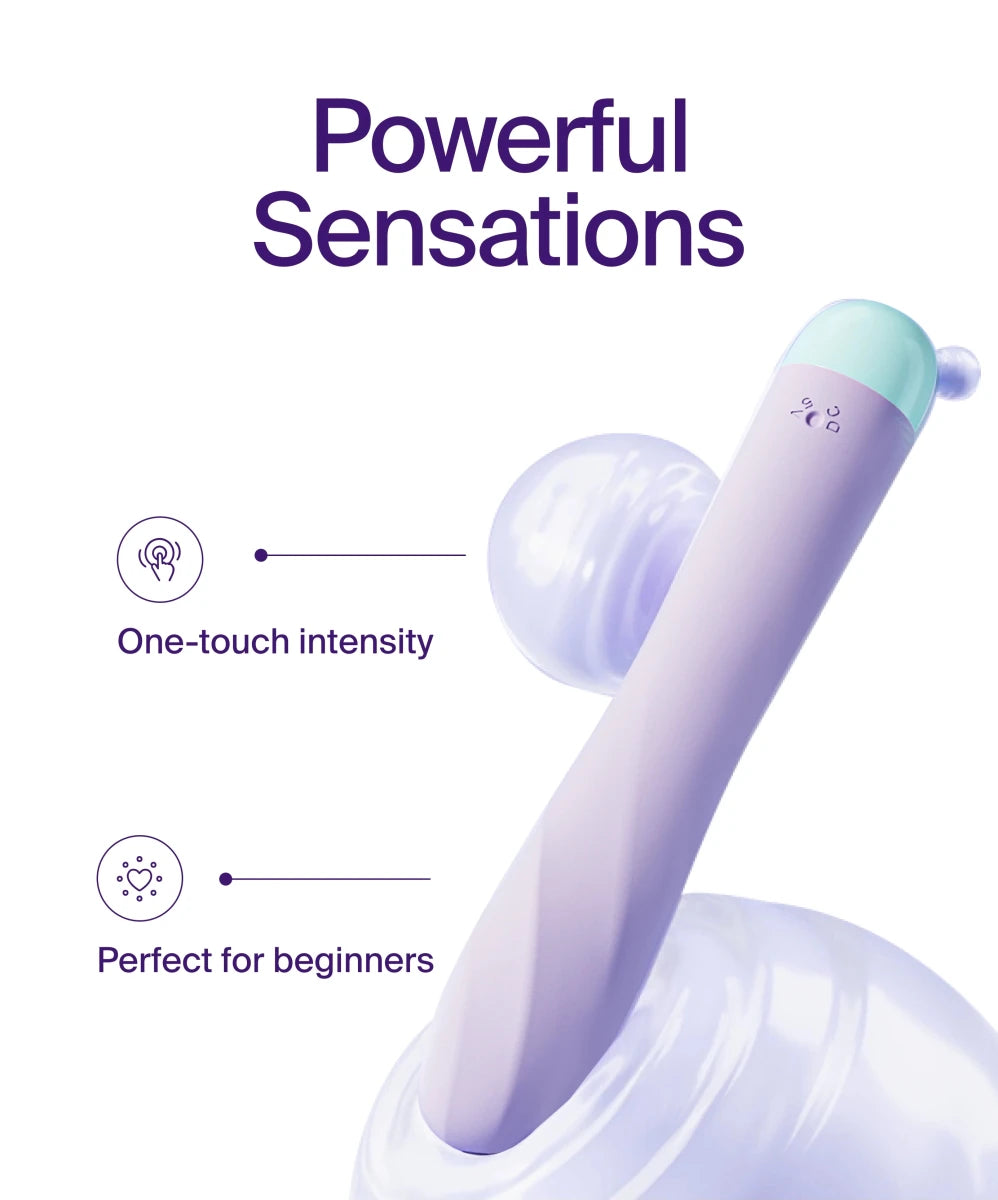
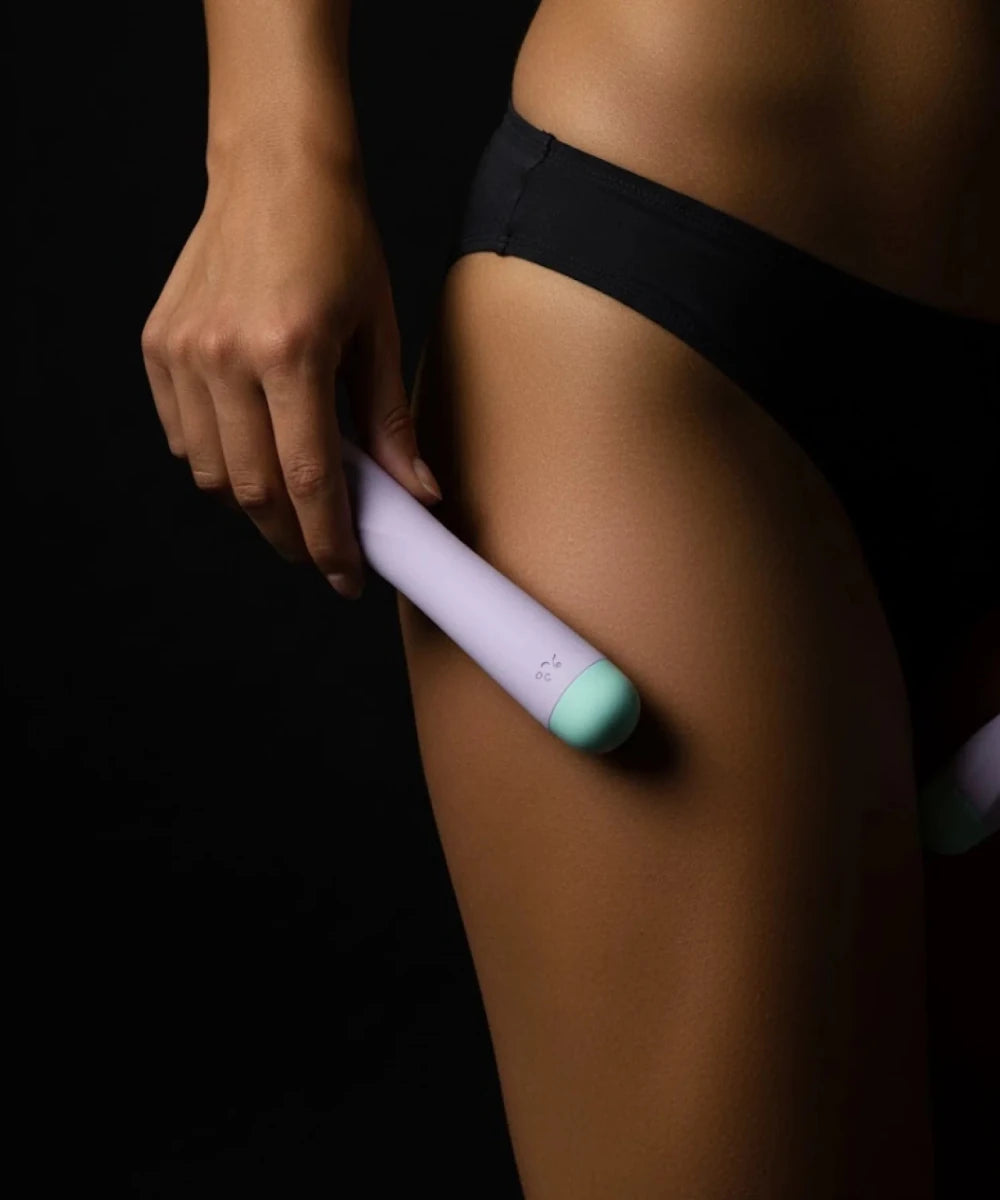
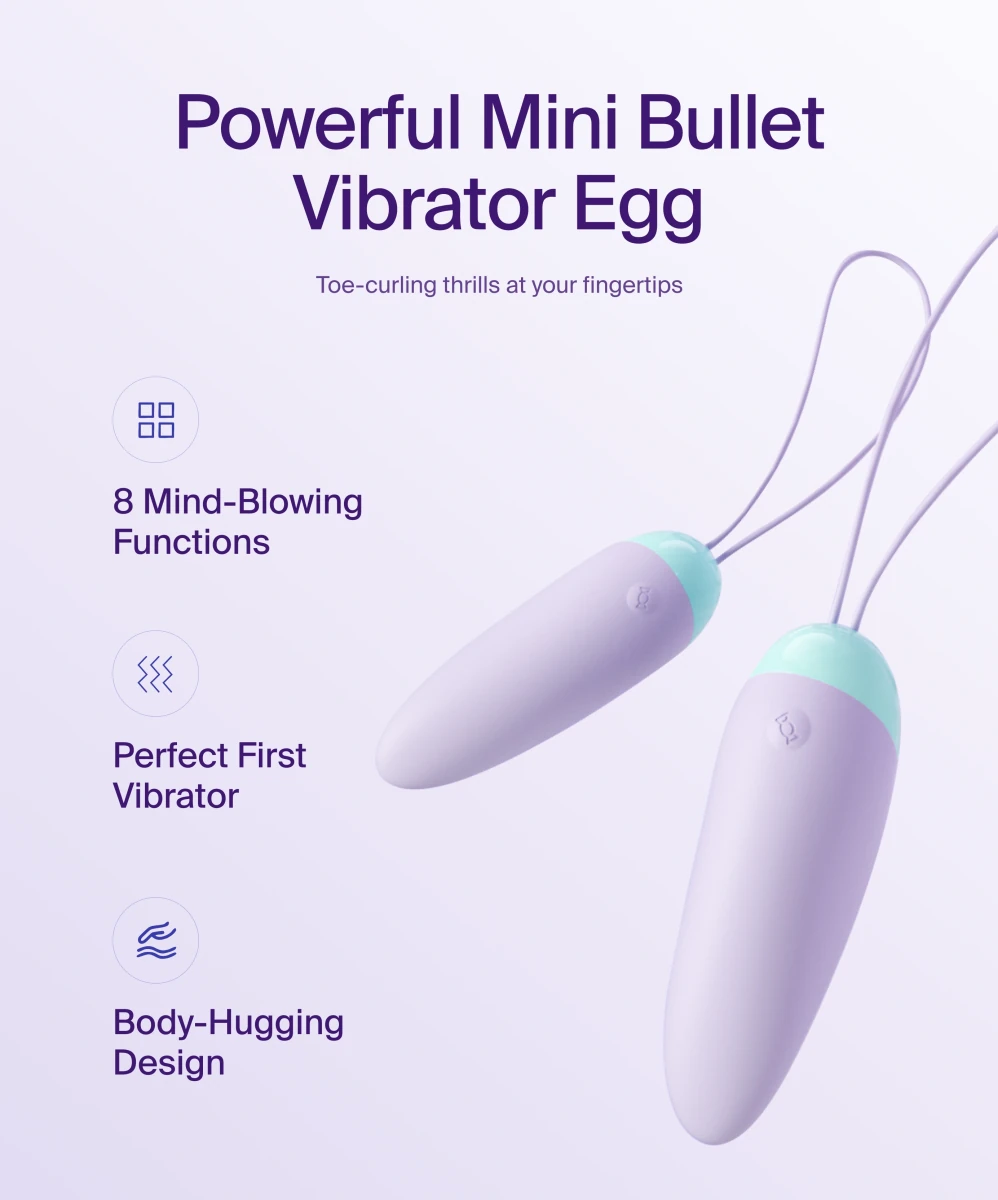
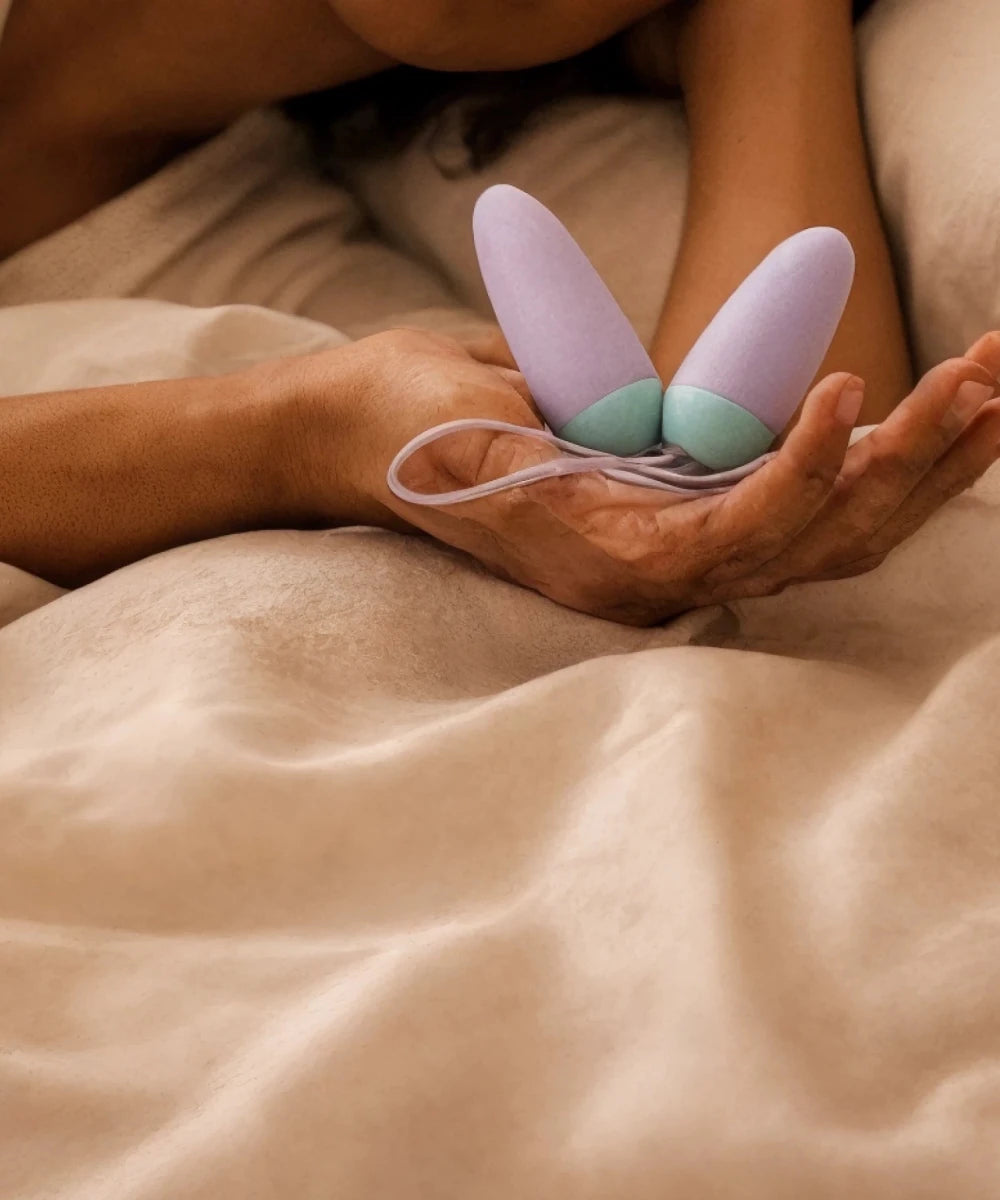
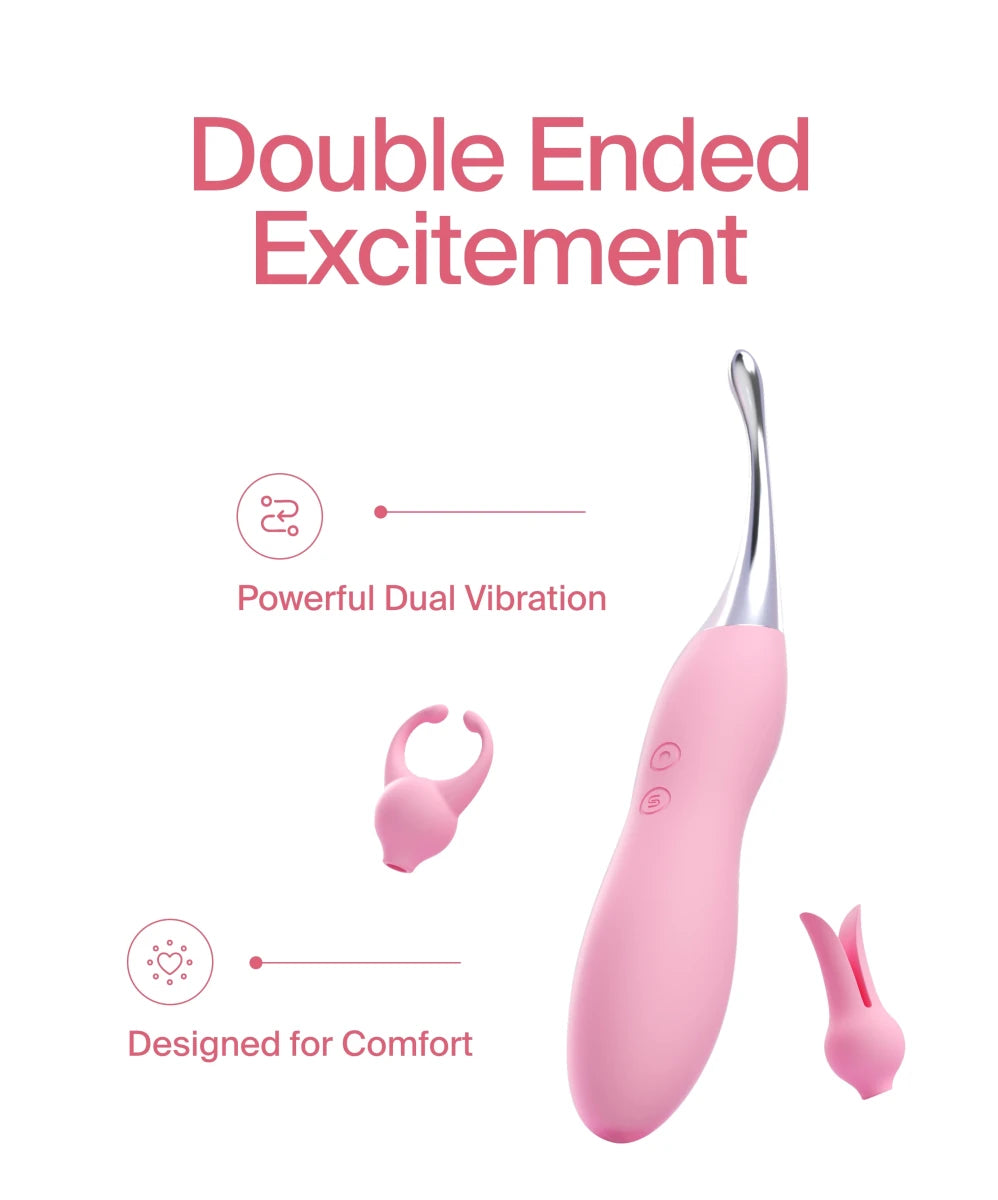
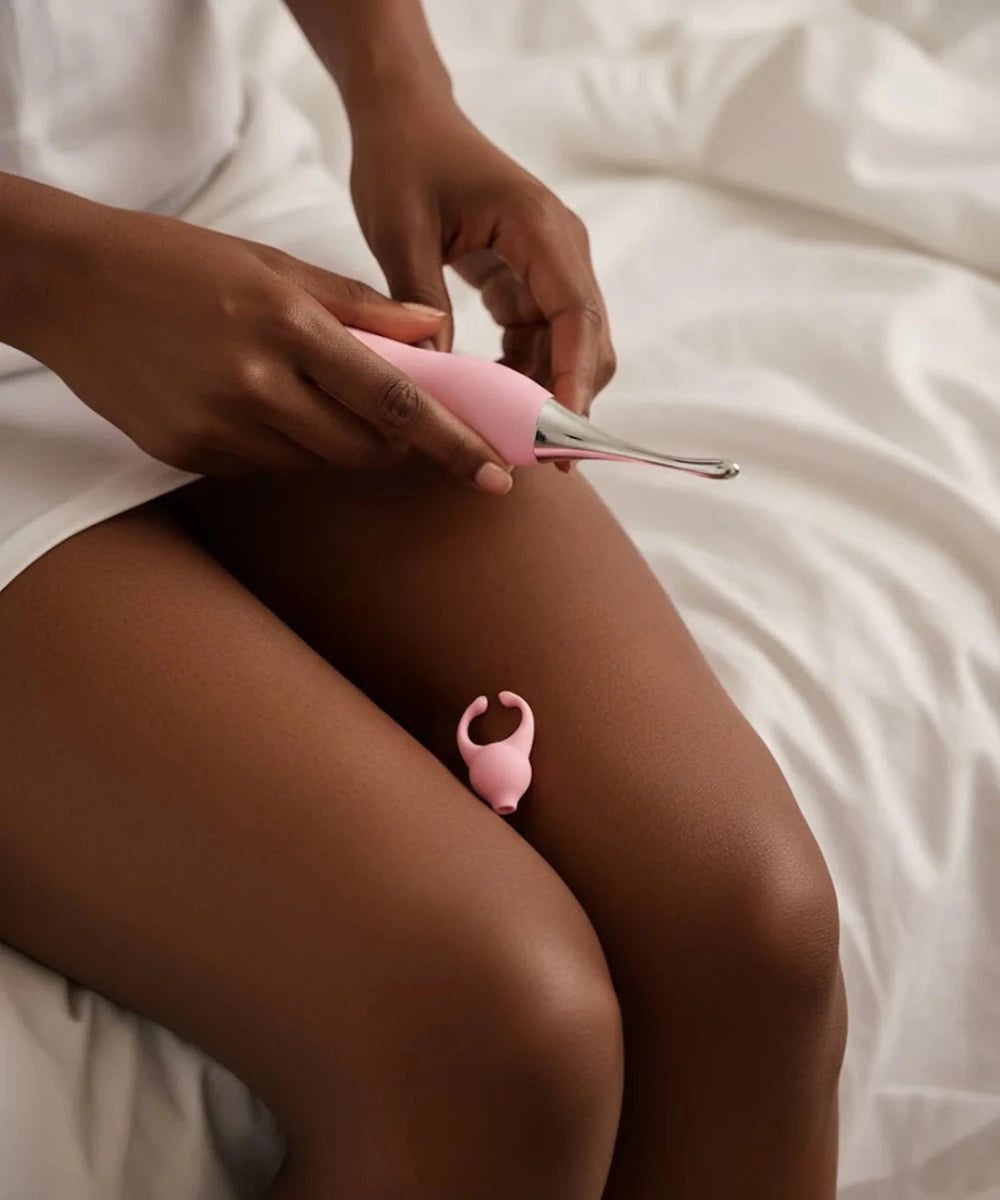
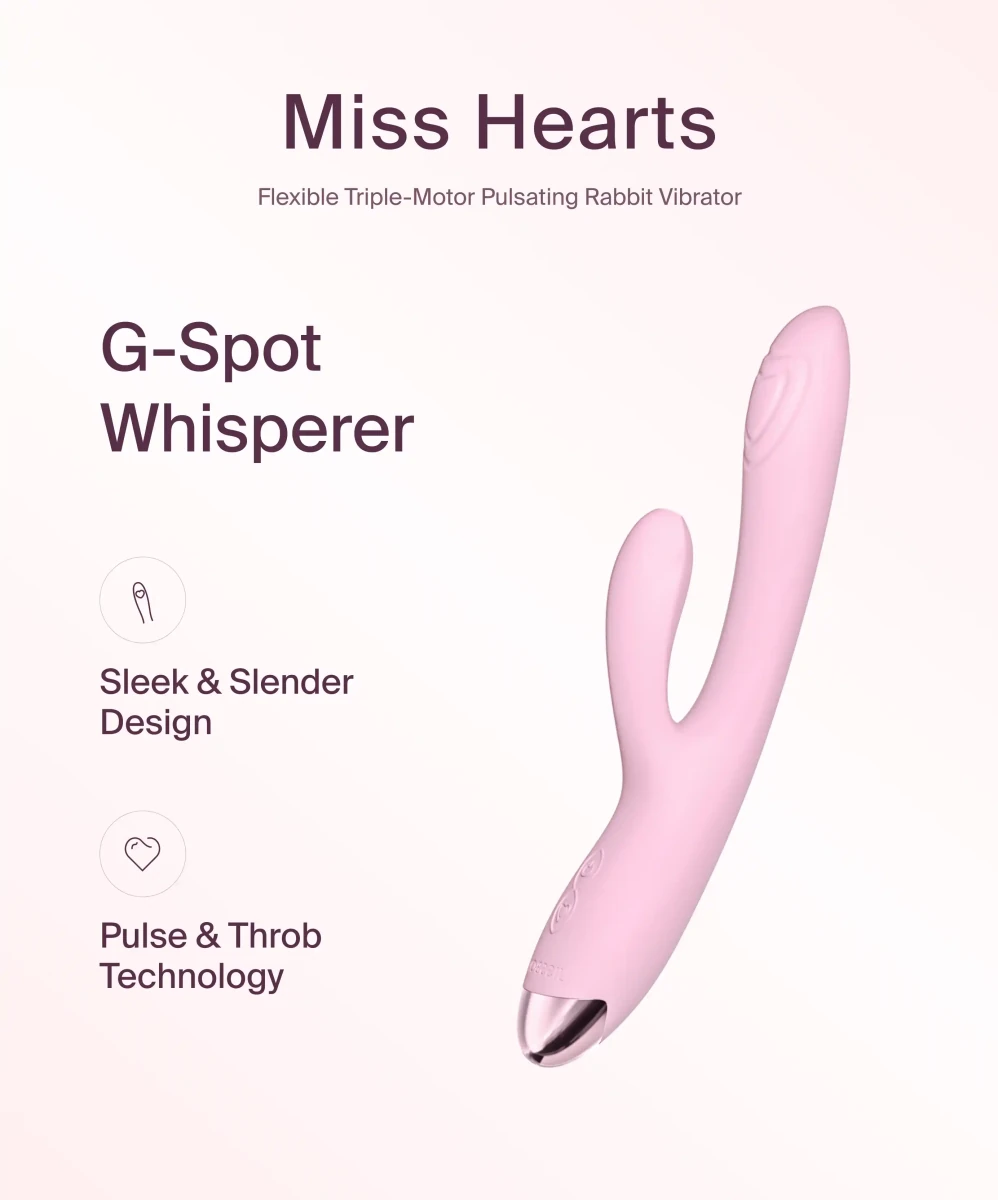
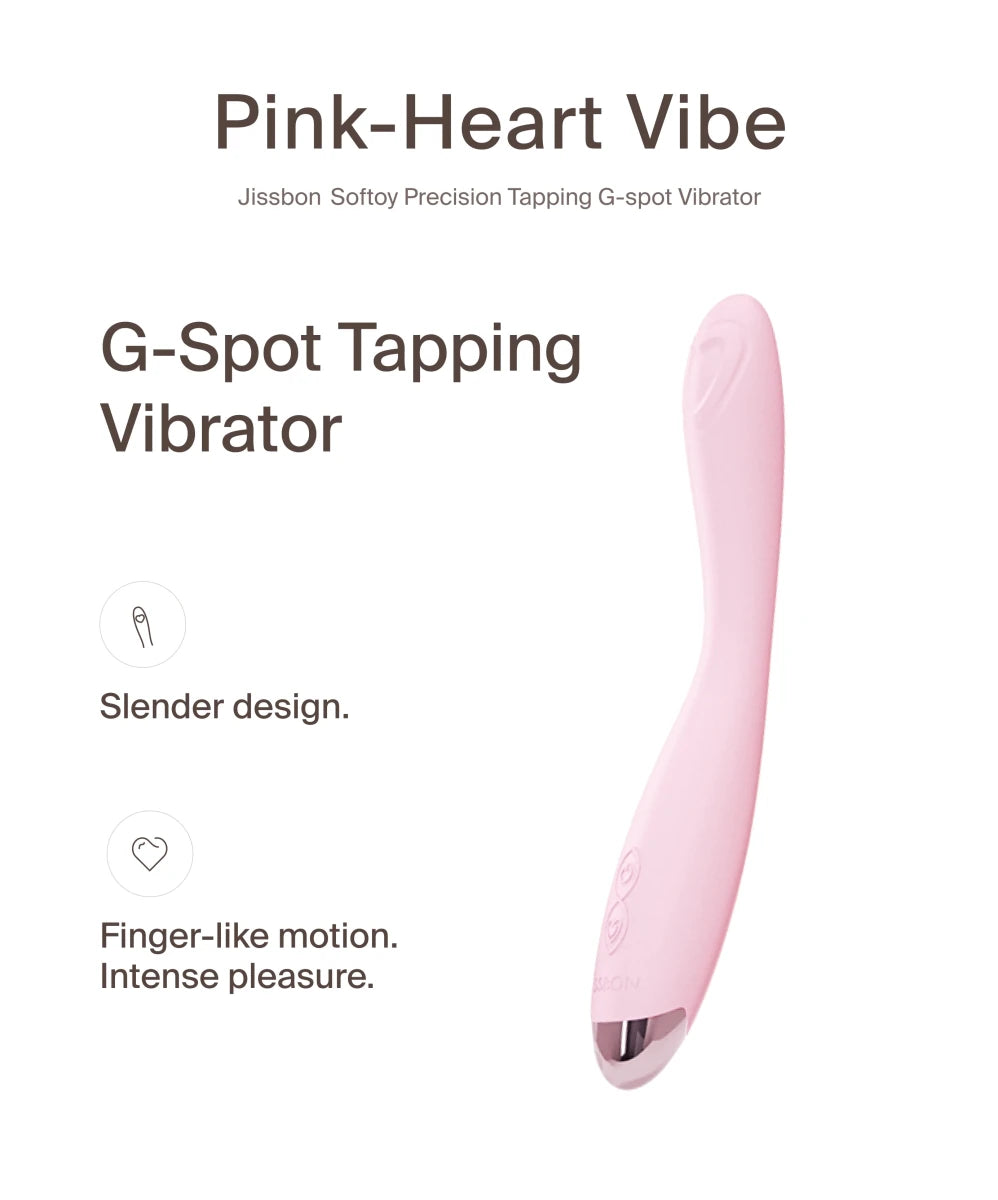
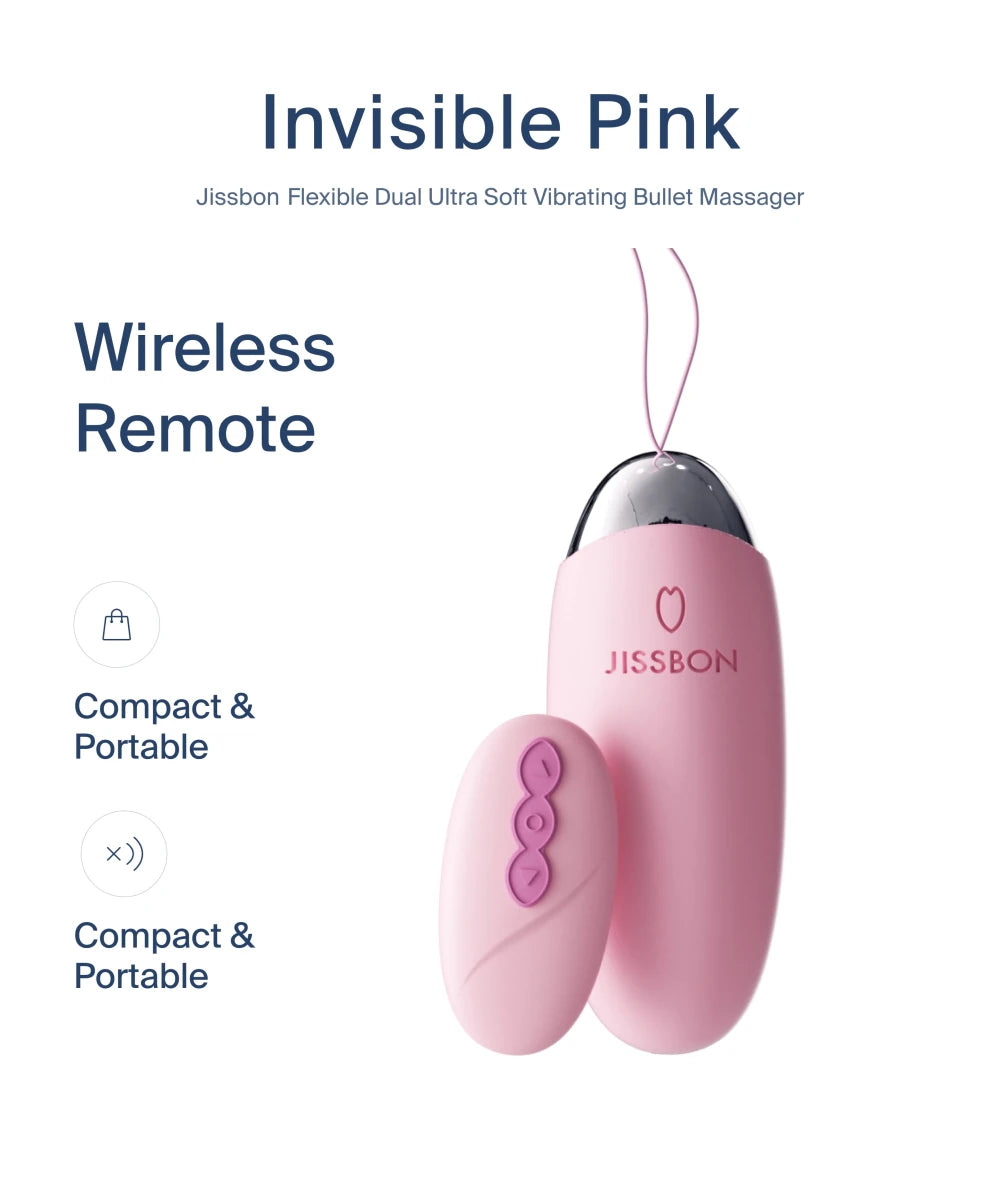
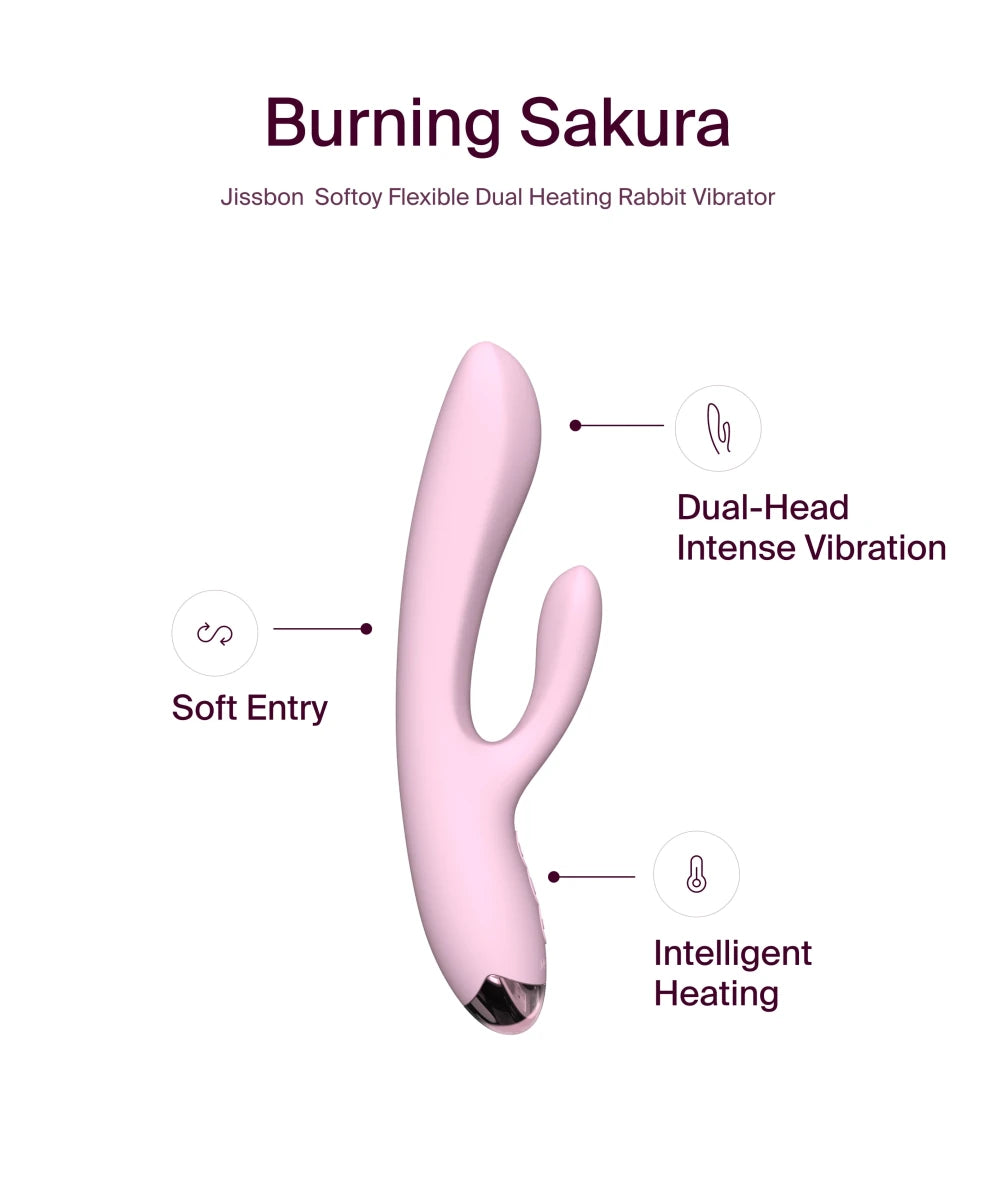
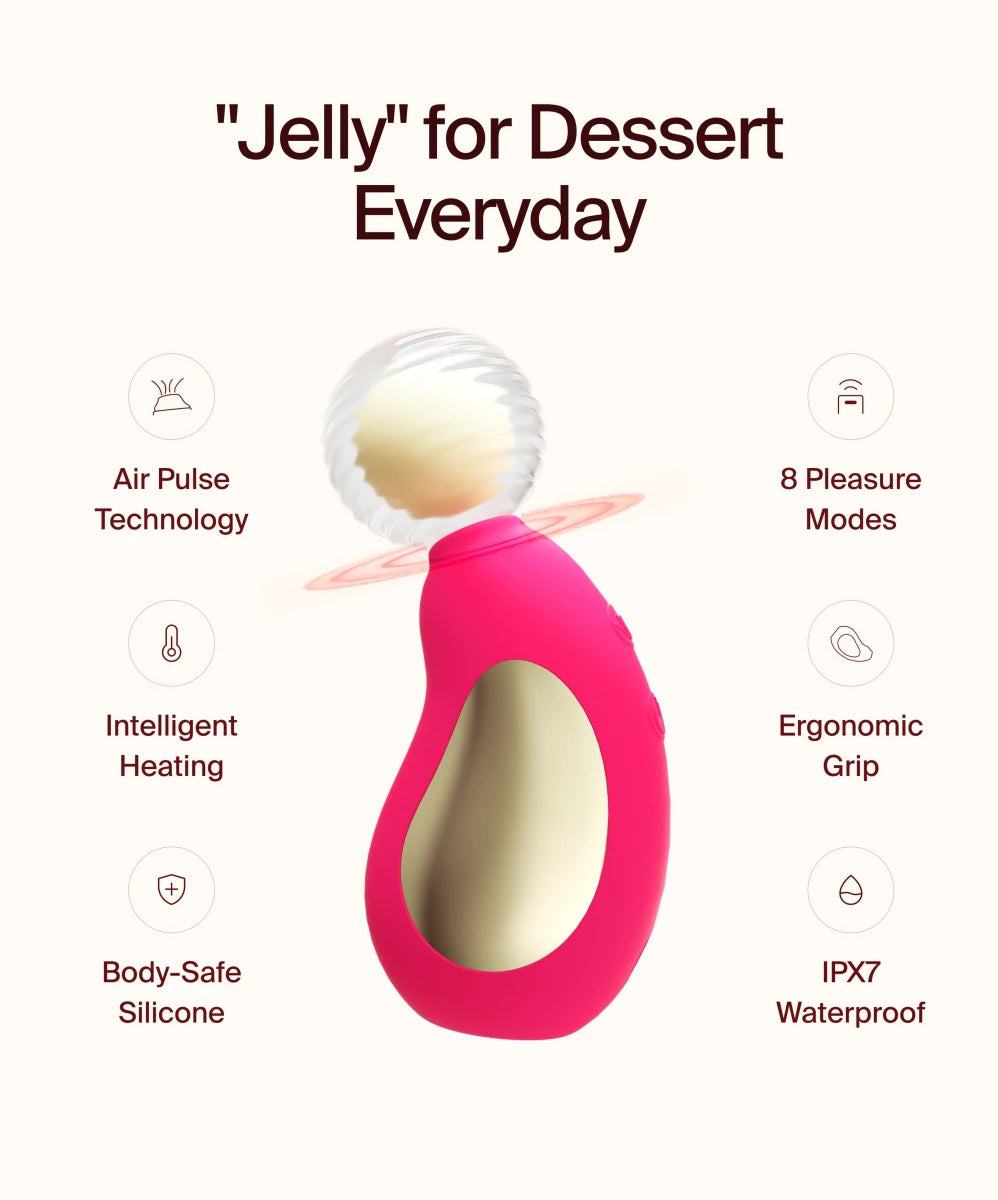
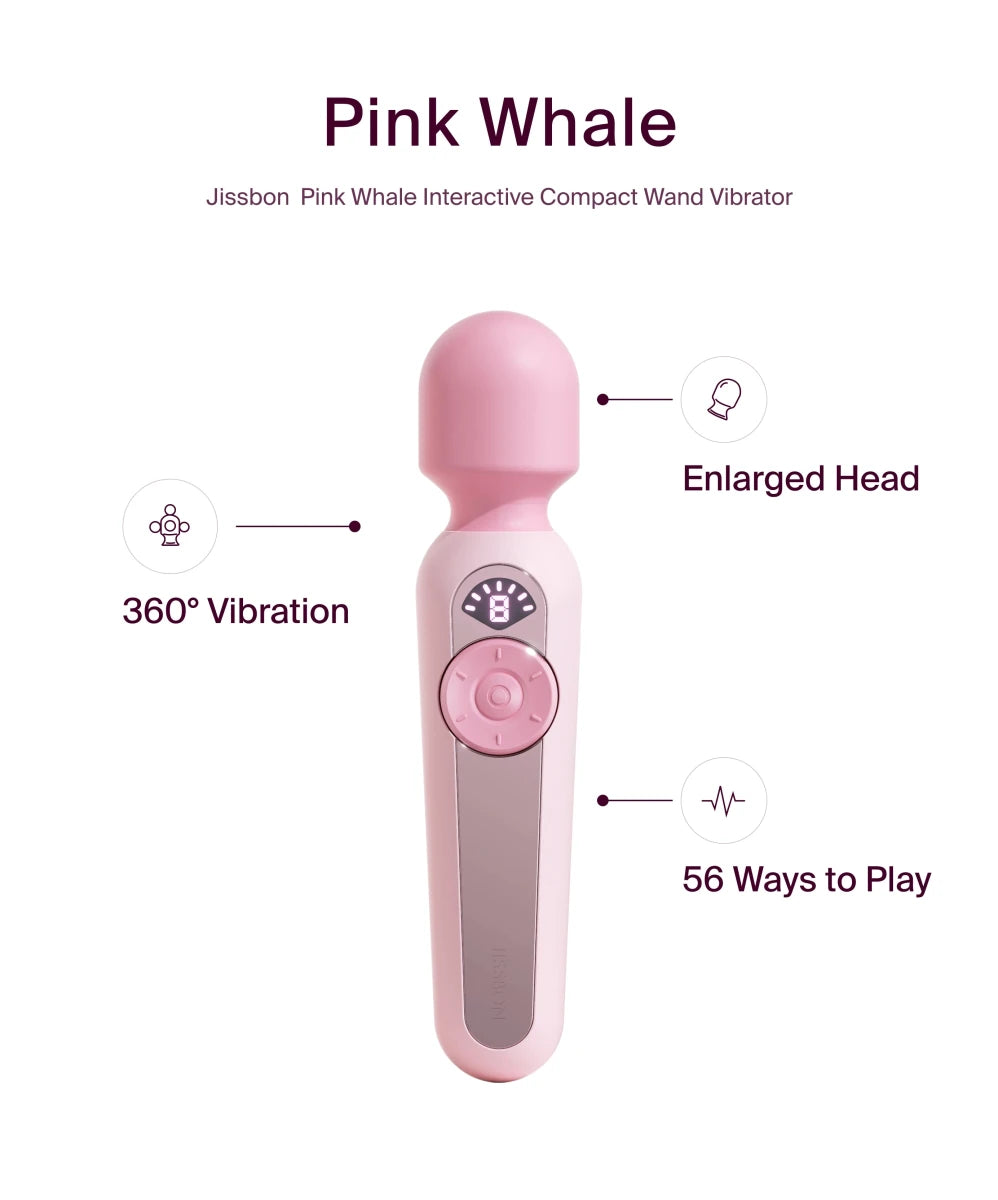
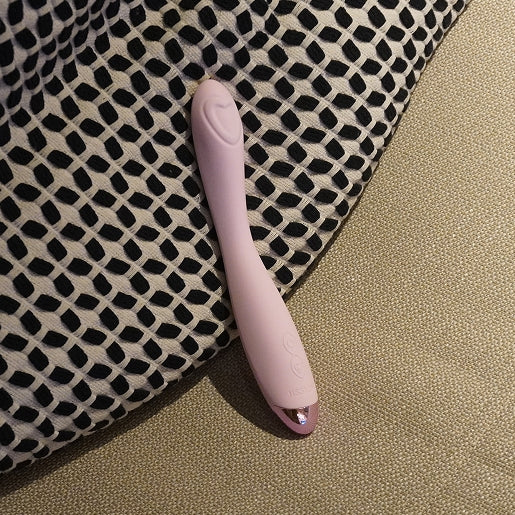
Small bullet vibrators offer gentle, consistent stimulation. Wand vibrators provide broad, powerful sensation. Clitoral suction toys create unique sucking sensation.
For penis owners:
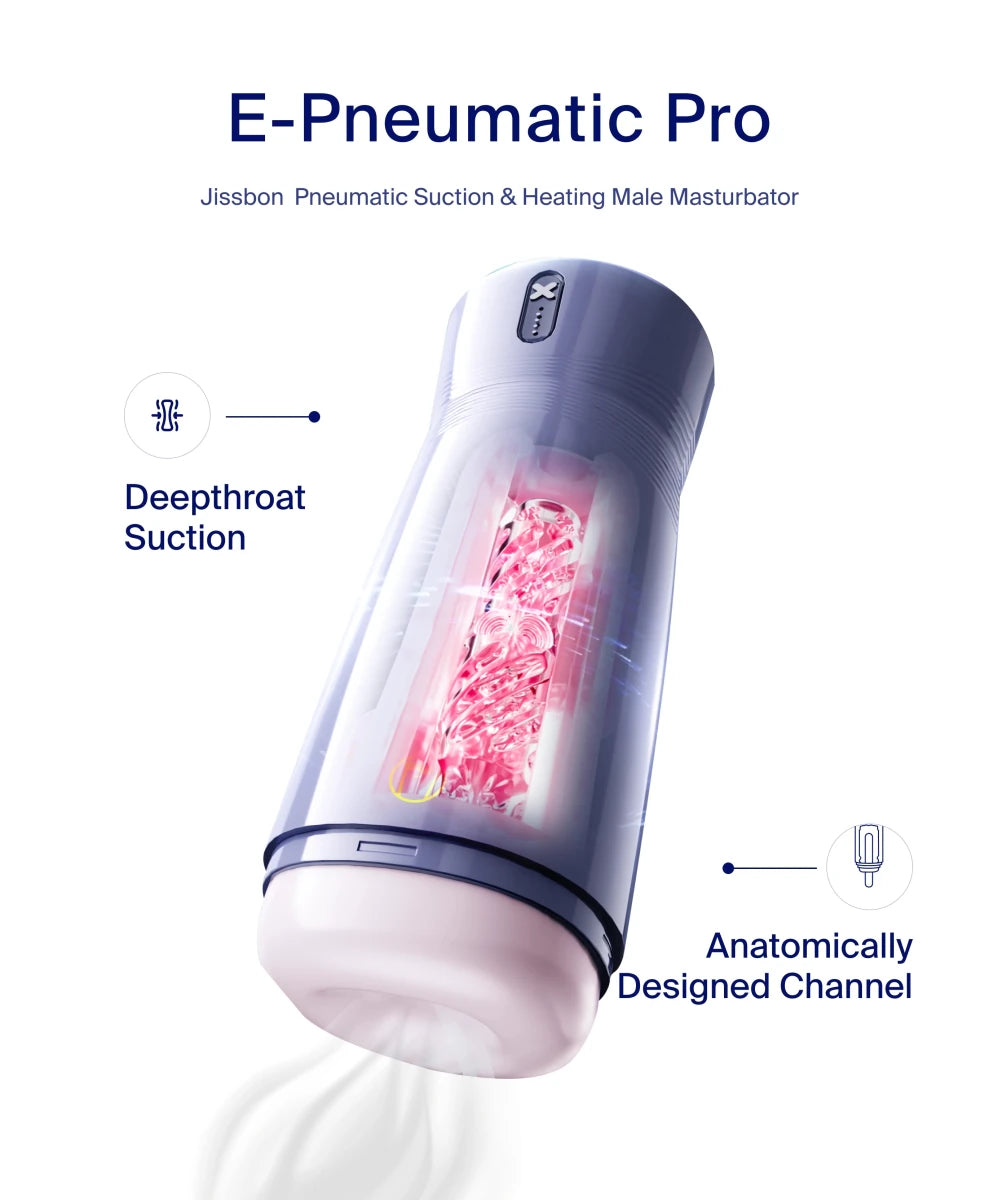
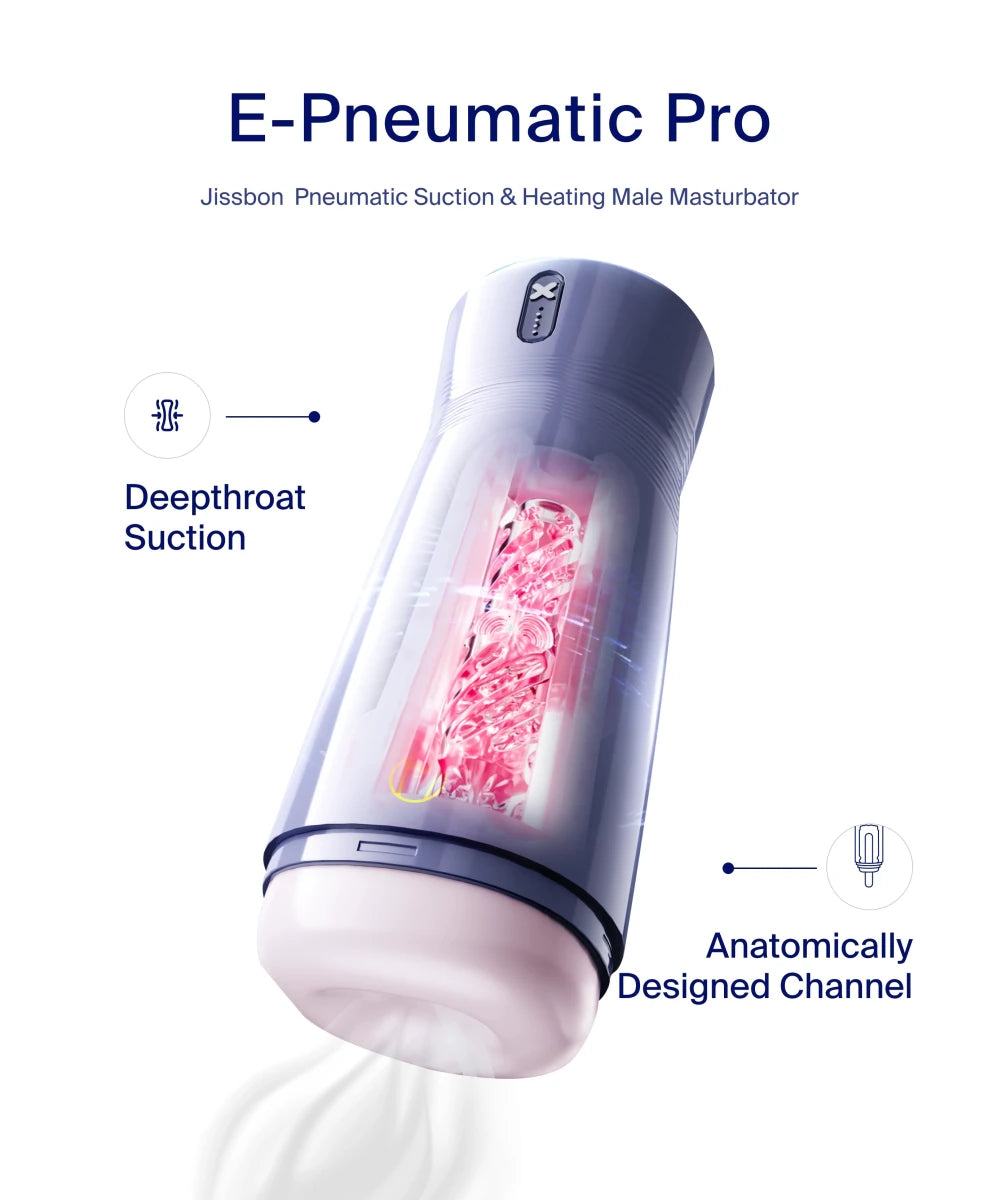
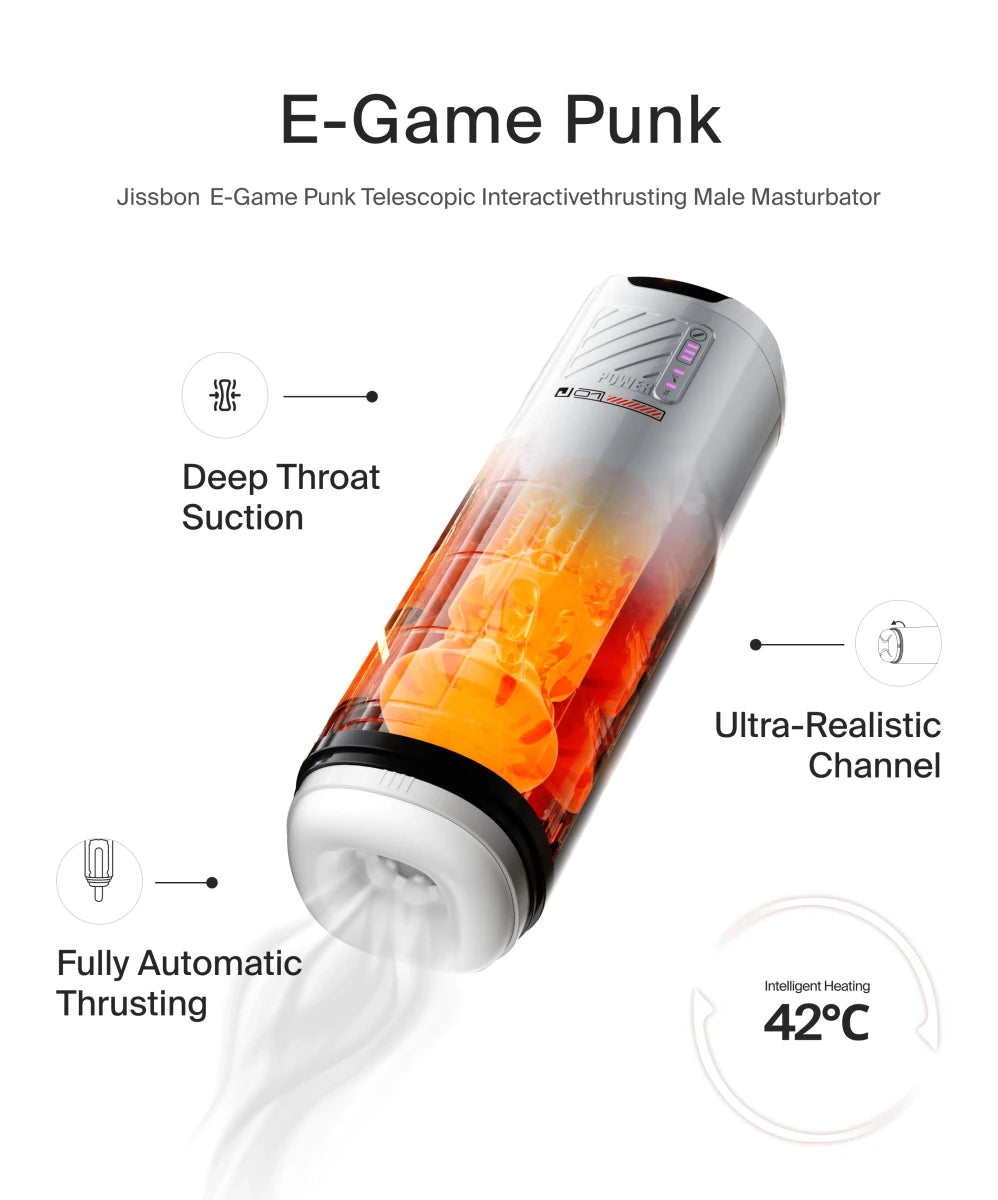
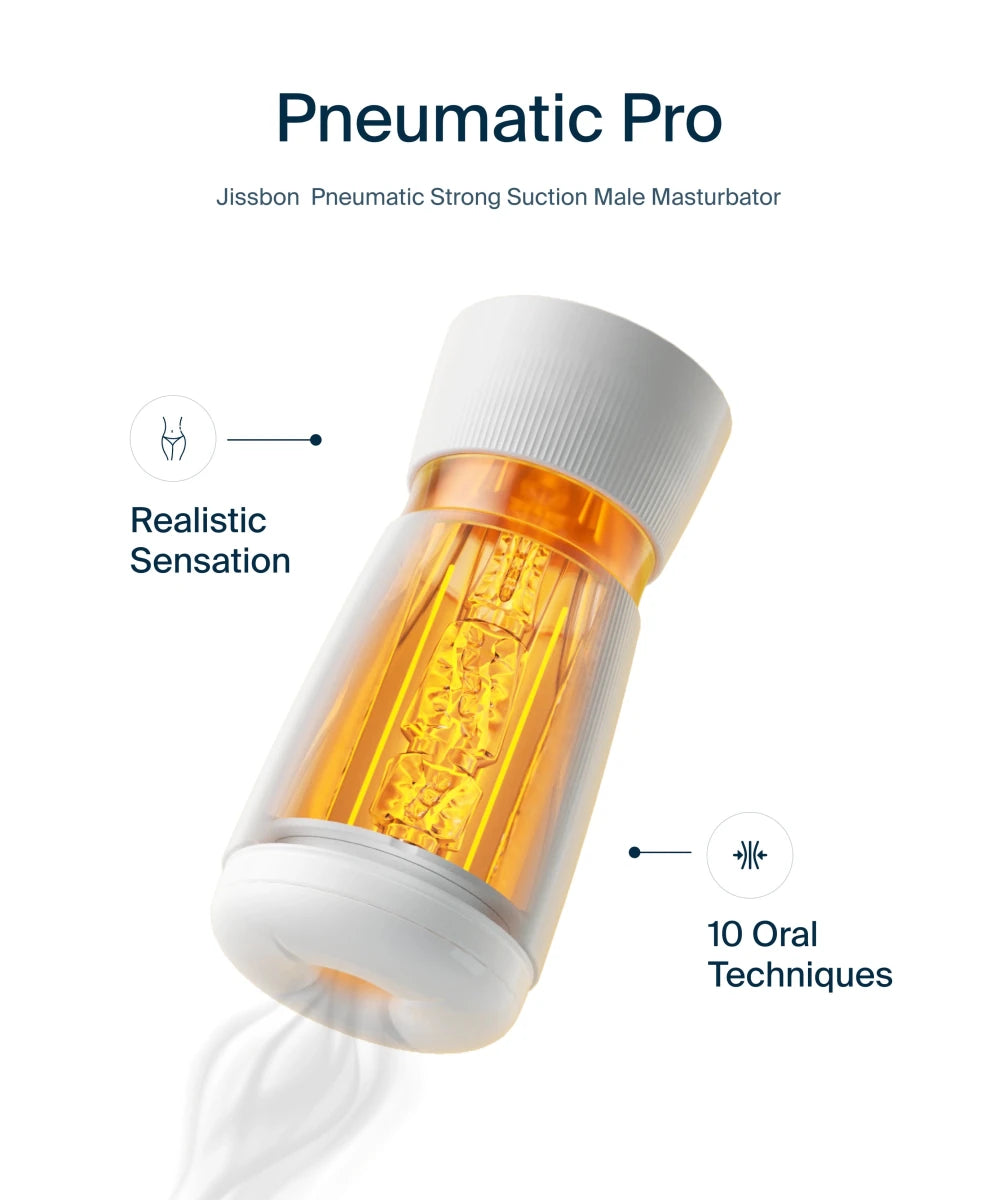
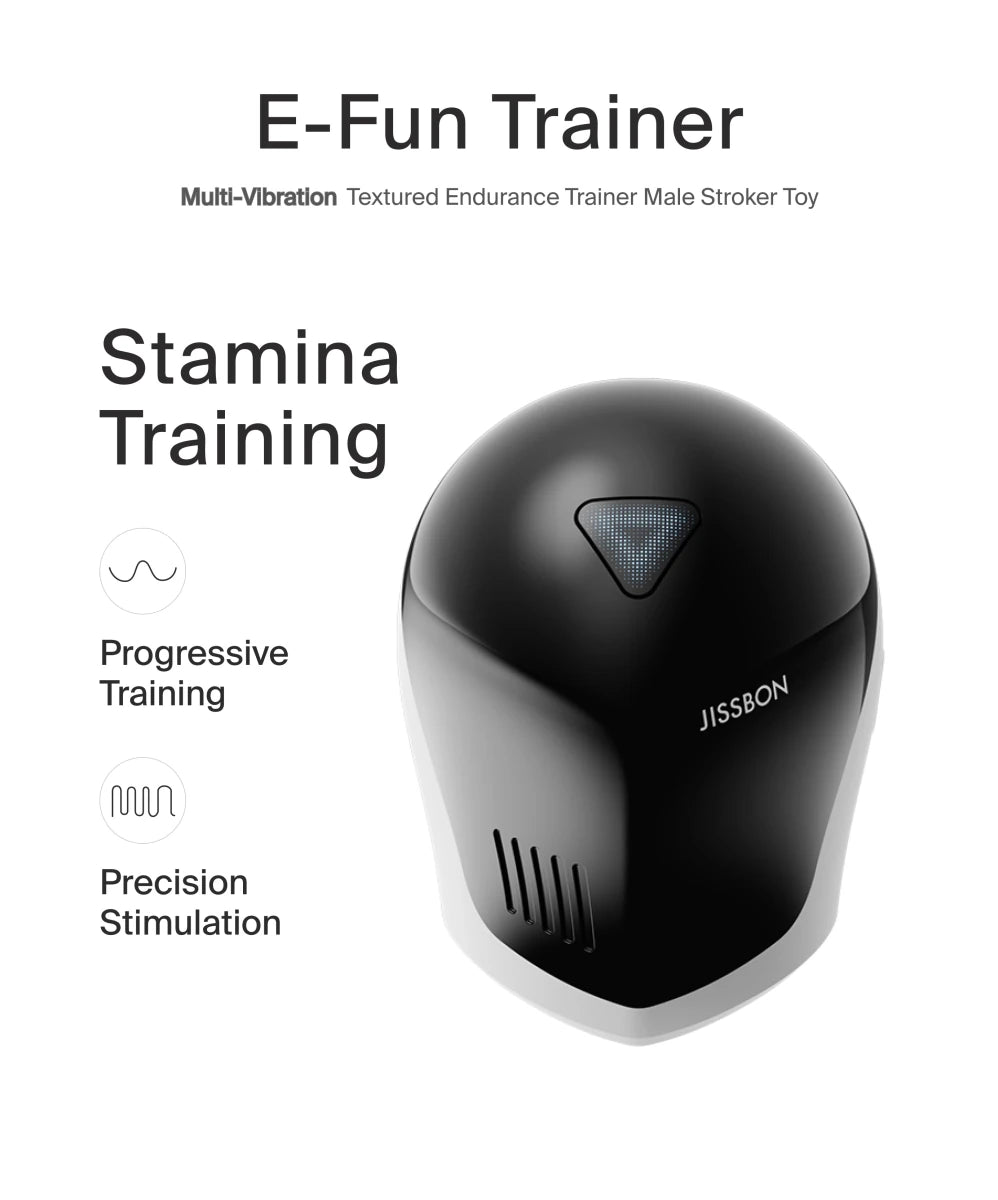
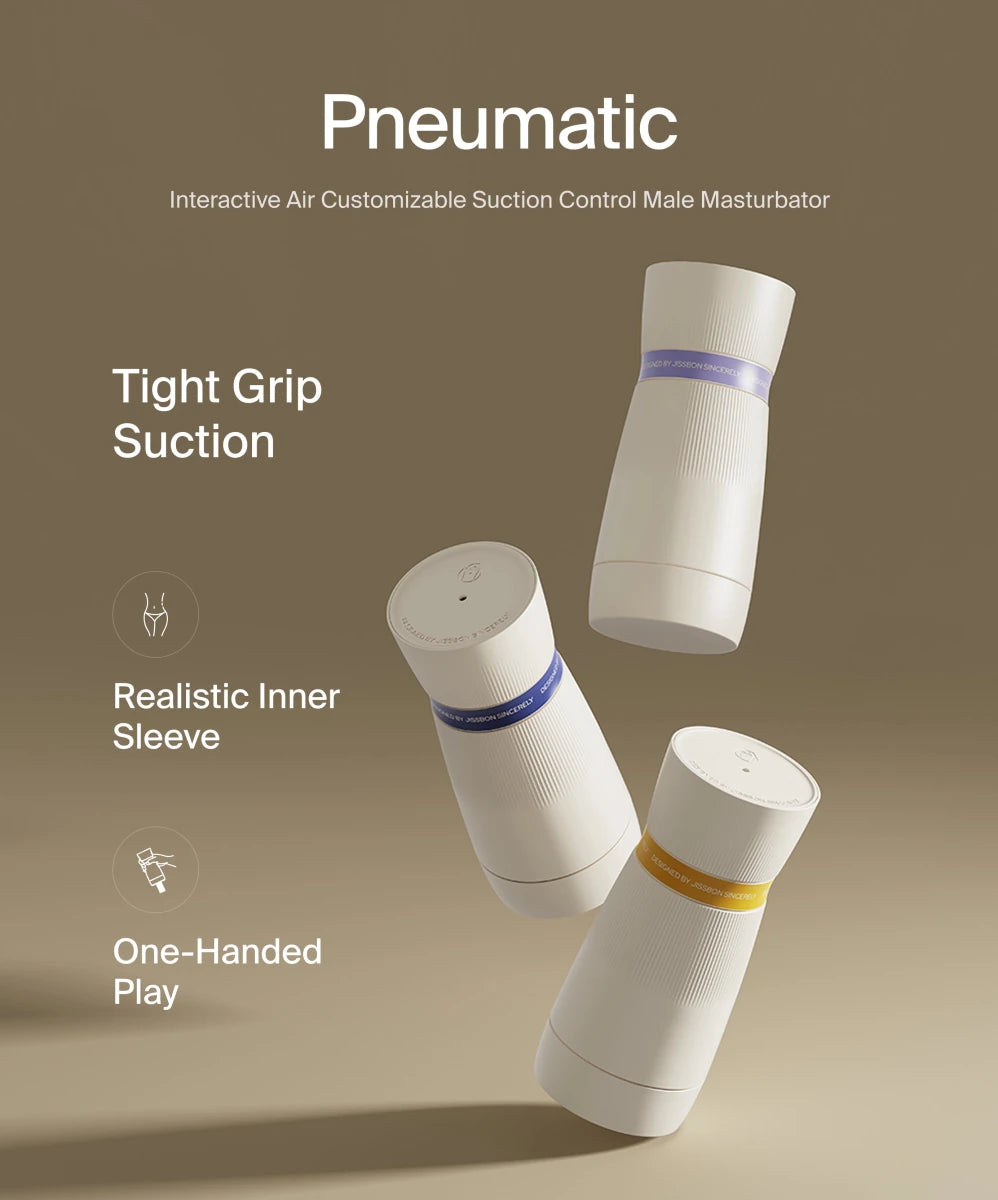
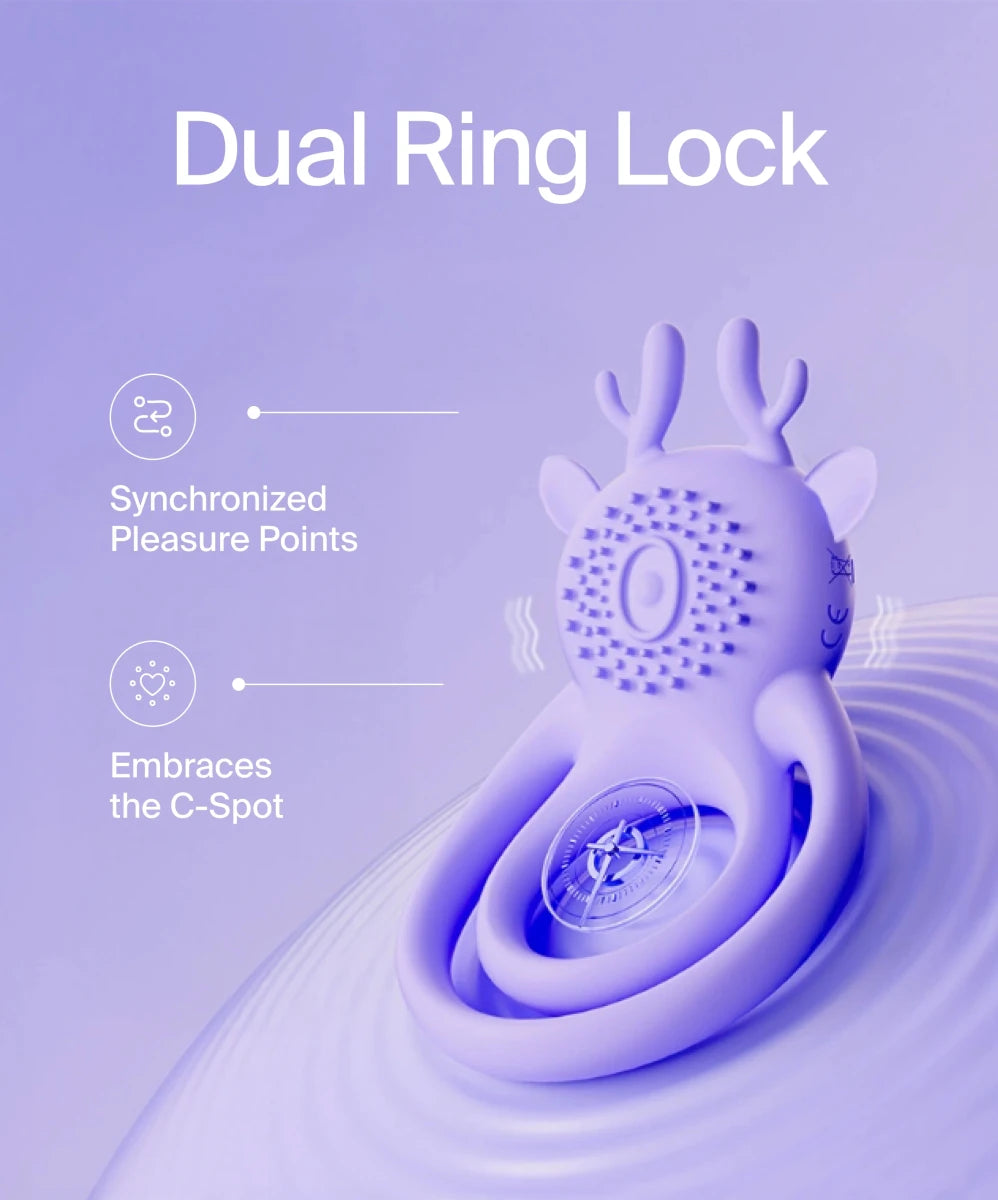
Simple manual stroker sleeves add textured sensation beyond hands. Vibrating toys create novel sensations impossible to replicate manually.
For exploration products designed for beginners, explore clitoral vibrators offering gentle, adjustable stimulation.
Building Healthy Masturbation Practices
Frequency and Balance
No "normal" frequency:
Some people masturbate daily; others weekly, monthly, or rarely. All are normal if it doesn't interfere with daily life or cause distress.
When it becomes problematic:
If masturbation consistently makes you late, prevents completing responsibilities, causes physical injury, or feels compulsive rather than chosen, consider talking with a healthcare provider or therapist.
Privacy and Respect
Masturbation is private:
It should occur in private spaces. Never masturbate in shared spaces, around others without consent, or in public areas.
Cleanup and hygiene:
Clean up after yourself. Wash hands and genitals. Don't leave evidence in shared spaces (bathrooms, etc.). Respect others sharing your living space.
Managing Expectations
Media distortion:
Pornography and media often misrepresent what masturbation and sex look like. Your real experiences will differthat's normal and healthy.
Individual variation:
What works for friends, partners, or people describing experiences online may not work for you. Your preferences and responses are unique.
For additional sexual wellness guidance, explore beginner vibrator options designed for comfortable first experiences.
Frequently Asked Questions
At what age do most people start masturbating?
Research shows extremely wide variation some people report beginning in early childhood (4–6 years) through exploratory touch, many start during puberty (11–14 years), and others begin in late teens, twenties, or beyond. There is no "normal" age. Sexual curiosity develops on individual timelines influenced by biology, environment, information access, and personal comfort. Starting earlier or later than peers doesn't indicate anything wrong.
Can masturbation affect my ability to enjoy partnered sex?
Generally no, when practiced healthily. However, very specific or intense techniques (extremely tight grip, very high-pressure vibration used exclusively) can make it harder to orgasm from gentler partnered stimulation. Prevent this by varying techniques, using different pressures and speeds, and occasionally using toys or methods similar to partnered sensations. Diverse masturbation practice actually improves partnered sex by teaching you what feels good.
Is it normal to not orgasm the first time?
Absolutely. Many people require several exploration sessions before discovering techniques that lead to orgasm. For vulva owners especially, first-time orgasm often takes significant time and experimentation since clitoral stimulation requires learning specific patterns and pressures. Focus on pleasurable sensation rather than orgasm as a goal. Orgasms typically become easier with practice and body awareness.
How do I know if I had an orgasm?
You'll knoworgasm is unmistakable once experienced. It involves rhythmic muscle contractions, intense pleasurable sensation, peak followed by relaxation, and distinct release of built-up tension. If you're unsure whether you orgasmed, you probably didn't (which is fineearly exploration doesn't require orgasm). Think of orgasm as similar to sneezingwhen it happens, there's no question.
Should I use pornography during first time masturbation?
Not necessary and potentially problematic. Pornography can create unrealistic expectations about what your body should do or how pleasure should feel. For first explorations, focus entirely on your own physical sensations without external comparison. Later, if you choose to use erotic content, approach it as fantasy rather than instruction manual. Your real experiences will differ significantly from pornographic performances.
Can masturbation cause any health problems?
When practiced safely, masturbation causes no health problems and may offer health benefits (stress relief, better sleep, improved sexual function, potential prostate health benefits). Overly aggressive technique can cause temporary soreness, chafing, or desensitizationremedied by gentler approaches and adequate lubrication. If experiencing pain, bleeding, or persistent discomfort, consult a healthcare provider. Otherwise, masturbation is safe and healthy.
Final Thoughts
First time masturbation is a personal exploration journeyone of learning what your unique body enjoys, building comfort with sexuality, and establishing healthy relationships with self-pleasure. There's no pressure to begin before you're ready, no "correct" technique to replicate, and no performance standards to meet.
Approach early masturbation with curiosity rather than expectations, focus on pleasurable sensation rather than specific outcomes, and give yourself permission to explore at your own pace. Your sexual development is yours alone, unfolding on your individual timeline. Ready to explore tools designed for comfortable first experiences? Discover our collection of sex toys for women featuring beginner-friendly options.


Looking for something else?

What Is Flogging in Sex? Complete BDSM Flogging Guide
LEARN MORE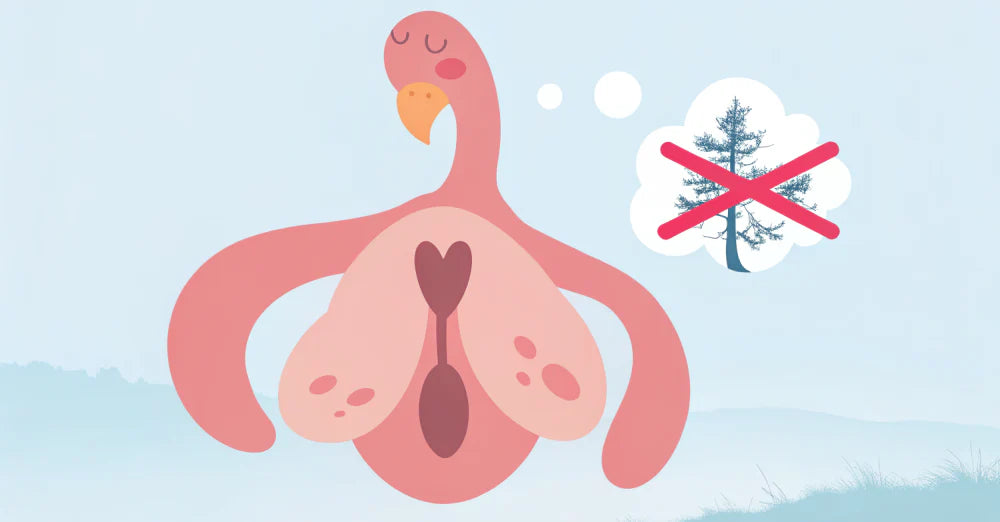
What Does Overstimulated Mean Sexually? Causes & Solutions
LEARN MORE
Can You Get a Tattoo on Your Vagina? Safety, Pain & What to Expect
LEARN MORE
Public Sex Kink: Understanding Exhibitionism & Safe Exploration
LEARN MORELooking for something else?

A-Spot Orgasm: Best Positions & How to Find It
LEARN MORE
Bondage Play: Complete Beginner's Guide to Rope BDSM
LEARN MORE
Vibrator Stories: Real Experiences, Tips & What to Expect
LEARN MOREYou may also like
20% off

20% off

20% off

20% off

20% off

20% off

Further reading

How to Clean an Automatic Blowjob Machine Without Damaging the Motor

Remote-Controlled Automatic Masturbators for Couples and Solo Play
Best Automatic Strokers for Edging and Stamina Training