
































Euphemisms for Masturbation: Playful Language for Self-Pleasure
Stack & Save: Extra 15% with Jissbon15
Jissbon15
Why We Use Euphemisms for Masturbation (And Why That's Okay)
Euphemisms for masturbation exist in every language and culture, offering lighthearted ways to discuss something deeply personal. Whether you call it "flying solo," "self-care," or "having me-time," these phrases reduce awkwardness while normalizing a healthy aspect of human sexuality. Understanding the creative language around solo pleasure helps break down stigma and opens up conversations about what feels good—whether you're exploring with your hands or experimenting with sex toys.
This guide covers popular slang terms, regional variations, and the psychology behind why we soften our language when discussing self-pleasure.
Who Benefits from Knowing Masturbation Slang?
These playful phrases help various groups:
- People seeking comfortable vocabulary for therapy or partner discussions
- Those wanting to joke about self-pleasure without clinical terminology
- Individuals curious about cultural attitudes toward solo sexuality
- Partners exploring dirty talk or flirty texting without being overly explicit
- Anyone interested in how language shapes our relationship with pleasure
- Writers, comedians, or educators addressing intimate topics accessibly
Understanding these terms removes mystery and shame, replacing them with curiosity and acceptance.
Classic Euphemisms: The Most Popular Slang Terms
Universal Phrases (Used Across Genders)
|
Euphemism |
Origin/Meaning |
Tone |
|
Flying solo |
Aviation metaphor for doing something alone |
Neutral, modern |
|
Me time |
Self-care framing |
Positive, wellness-focused |
|
Taking matters into your own hands |
Literal description |
Slightly cheeky |
|
Self-love |
Emphasizes care and acceptance |
Empowering, therapeutic |
|
Solo sex |
Direct but non-clinical |
Matter-of-fact |
|
Personal maintenance |
Mechanical metaphor |
Humorous, detached |
Euphemisms for Female Masturbation
These terms reflect creativity and reclaiming language around vulva-owners' pleasure:
- Flicking the bean — References clitoral stimulation
- Polishing the pearl — Poetic nod to the clitoris
- Double-clicking the mouse — Tech-savvy modern phrase
- Playing DJ — Music metaphor for rhythm and control
- Visiting the lady garden — British whimsy
- Auditioning the finger puppets — Theatrical humor
- Paddling the pink canoe — Aquatic imagery
Many of these center what the clitoris is and does—the primary source of external pleasure for most vulva-owners.
Euphemisms for Male Masturbation
Penis-owner slang often leans comedic and exaggerated:
- Jerking off / jacking off — Most common direct slang
- Stroking the salami — Deli humor
- Choking the chicken — Barnyard metaphor
- Spanking the monkey — Primate reference
- Buffing the banana — Fruit-based euphemism
- Tugging the slug — Silly alliteration
- Having a hand party — Celebratory framing
These phrases often focus on the physical motion, reflecting how penile stimulation typically works.
Regional and Cultural Variations in Masturbation Slang

Language evolves differently across borders, creating unique local flavor.
British Terms
The UK favors dry wit and understatement:
- Having a wank (most common British slang)
- Bashing the bishop (chess reference)
- Five-knuckle shuffle (card game metaphor)
- Making the bald man cry (visual humor)
American Terms
US slang skews toward sports and food metaphors:
- Beating off (combat imagery)
- Cranking one out (mechanical)
- Rubbing one out (physical action)
- Buttering the corn (agricultural)
Australian Expressions
Aussie slang embraces irreverence:
- Having a flog (blunt directness)
- Shaking hands with the milkman (absurdist humor)
- Feeding the ducks (inexplicable but used)
Why Regional Differences Matter
These variations show how cultural attitudes toward sexuality shape everyday language. Cultures with more open discussions often have fewer euphemisms, while those with stricter taboos create elaborate coded phrases. Understanding safe sex and sexual wellness education helps normalize these conversations globally.
Gender-Neutral and Inclusive Terminology
Modern language increasingly embraces all identities and experiences.
Inclusive euphemisms anyone can use:
- Solo play — Neutral, toy-friendly
- Personal pleasure time — Self-care framing
- Self-exploration — Educational tone
- Body discovery — Curious, positive
- Intimate alone time — Respectful
- Digital self-care — Modern wellness language
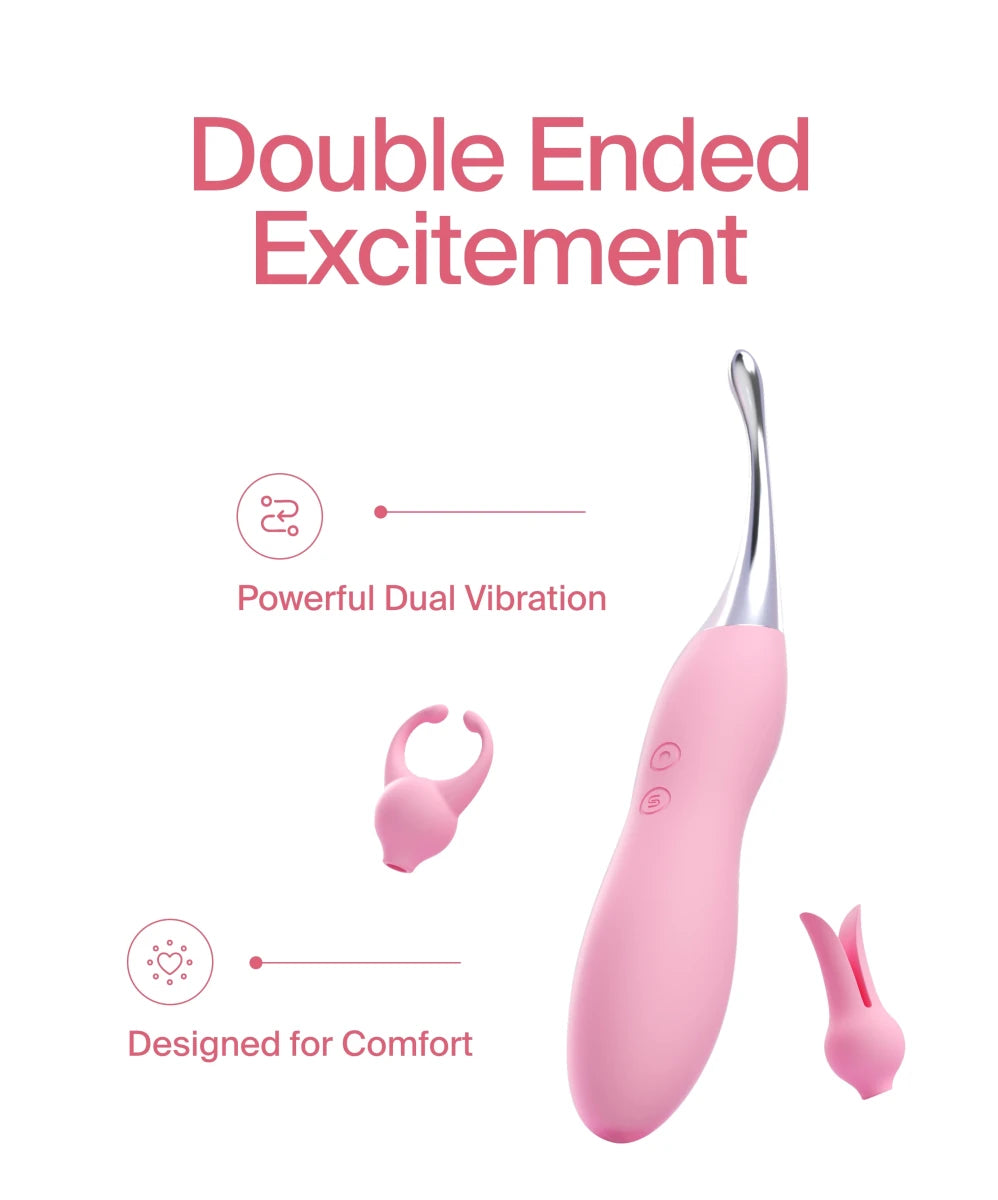
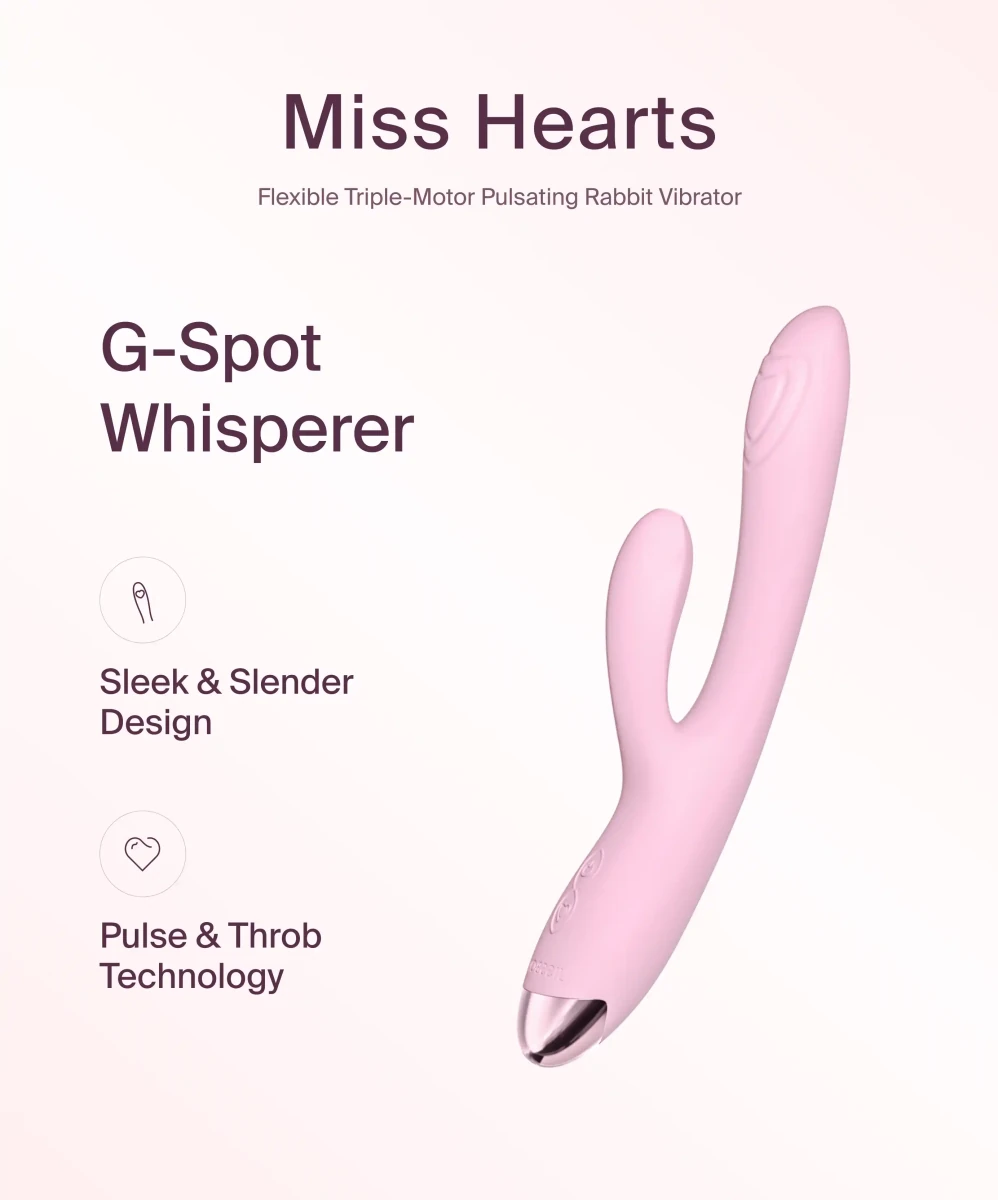
These terms work particularly well when discussing pleasure alongside tools like clitoral vibrators or other devices designed for diverse bodies.
Euphemisms vs. Clinical Terms vs. Slang: When to Use Each
Different contexts call for different vocabulary choices.
|
Language Type |
Examples |
Best Context |
|
Clinical/Medical |
Masturbation, self-stimulation, autoeroticism |
Healthcare settings, research, formal education |
|
Euphemisms |
Self-love, me time, solo play |
General conversation, therapy, wellness content |
|
Slang |
Jerking off, flicking the bean, rubbing one out |
Casual chat, comedy, flirty texting |
|
Poetic |
Self-worship, pleasure ritual, sacred touch |
Tantra, mindfulness, erotica |
Choosing the right register:
- With healthcare providers: Use clinical terms for clarity
- In intimate partnerships: Match your partner's comfort level
- In public or mixed company: Opt for softer euphemisms
- When solo journaling: Use whatever feels authentic
- In educational content: Blend clinical accuracy with accessible language
The goal is clear communication without shame or confusion.
The Psychology Behind Playful Language

Why do humans create dozens of funny phrases for the same act?
Discomfort Reduction
Euphemisms provide psychological distance from activities society has historically stigmatized. Calling it "flying solo" feels lighter than direct terminology, making conversations easier for those raised with shame around sexuality.
Humor as a Coping Mechanism
Laughter defuses tension. Phrases like "auditioning the finger puppets" turn potential awkwardness into shared amusement, building connection through comedy.
Reclaiming Power
Creating your own slang—especially for groups historically silenced—becomes an act of ownership. Female-centered euphemisms reclaim language around pleasure that was long considered taboo.
Community Building
Shared slang creates in-group identity. Knowing niche terms signals you're part of a sexually positive community that celebrates rather than shames pleasure.
Research on sexual health communication shows that comfortable vocabulary increases people's willingness to seek information and prioritize their needs.
How to Talk About Masturbation Without Awkwardness
Applying euphemisms thoughtfully improves real-world conversations.
With Romantic Partners
- Start with humor — "I've been enjoying some quality solo time lately" breaks the ice
- Frame it positively — "Self-exploration helps me know what I like"
- Connect it to shared experiences — "What I learned alone might be fun together"
- Respect boundaries — If they seem uncomfortable, dial back the detail
With Healthcare Providers
- Use clinical terms first — "I have questions about masturbation"
- Be specific about concerns — Pain, frequency, or irritation issues require clear description
- Don't apologize — It's a normal health topic
In Educational Settings (Parents, Educators)
- Match the audience's age — Younger children need simpler, non-loaded language
- Emphasize privacy and normalcy — "Many people touch their bodies because it feels good"
- Avoid euphemisms that create confusion — "Personal time" should still be clear
- Provide medically accurate information — Euphemisms supplement, don't replace, facts
In Friend Groups
- Read the room — Some groups embrace raunch; others prefer subtlety
- Avoid gendered assumptions — Not all vulva-owners or penis-owners prefer the same terms
- Keep it light — The goal is connection, not shock value
Modern Slang: Internet-Age Additions
Social media and meme culture generate fresh vocabulary constantly.
Recent additions to the euphemism lexbook:
- Self-checkout — Retail humor
- Pressing the easy button — Brand reference
- Charging your batteries — Tech metaphor
- Taking a personal day — Corporate speak applied to pleasure
- Attending a one-person party — Celebratory framing
- Logging onto Jissbon — Playful nod to toy shopping before solo sessions
The internet accelerates language evolution, with new phrases spreading virally through forums, TikTok, and meme accounts dedicated to sexual wellness.
Care and Comfort: Making Solo Time Even Better

No matter what you call it, enhancing the experience matters.
Preparation Steps
- Create privacy — Lock doors, silence notifications
- Set the mood — Lighting, music, or fantasy material
- Gather supplies — Lube, toys, cleanup materials
- Check your mindset — Release guilt or pressure
During the Experience
- Start slowly — Build arousal gradually
- Experiment freely — Try different touches, rhythms, or fantasies
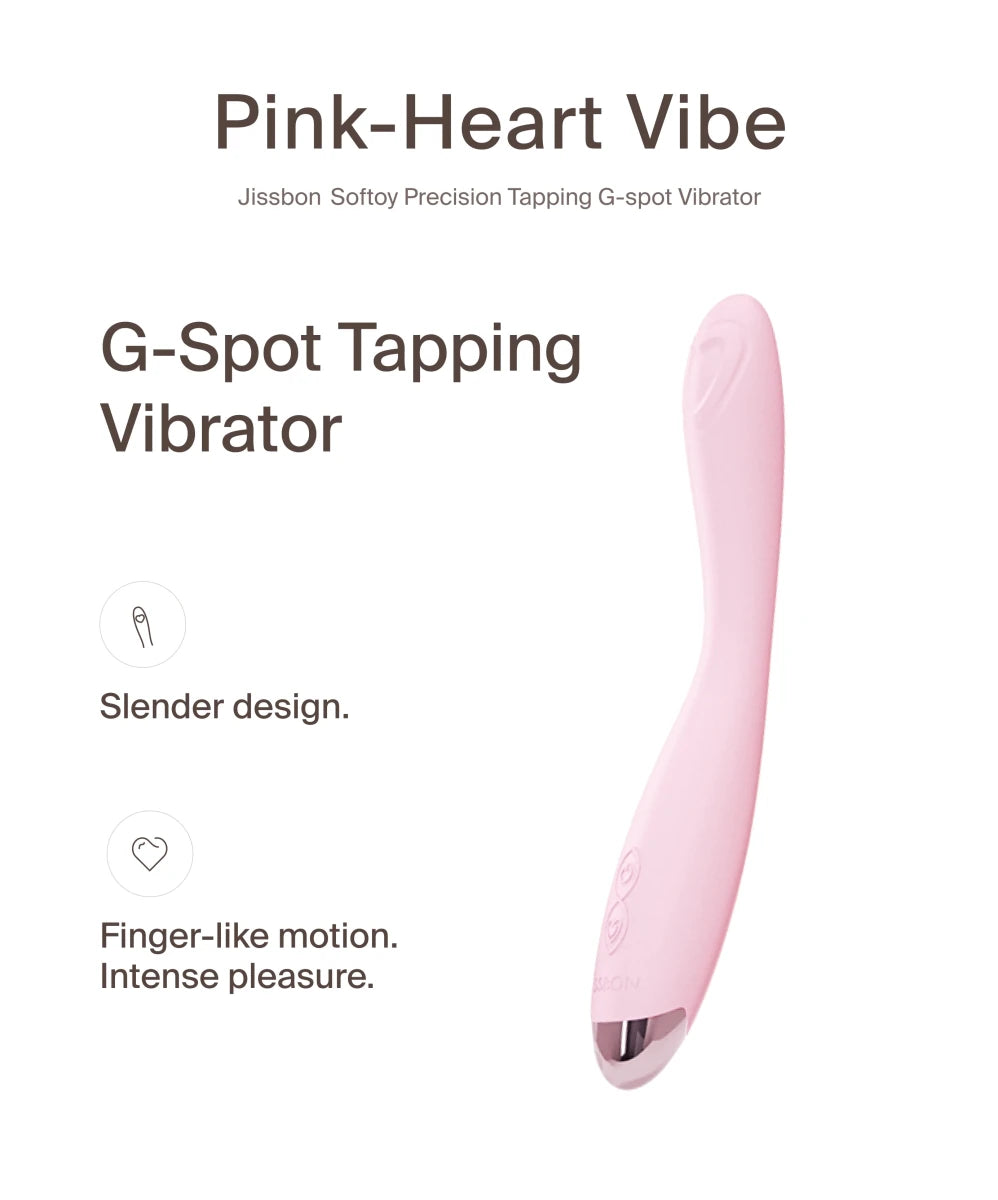
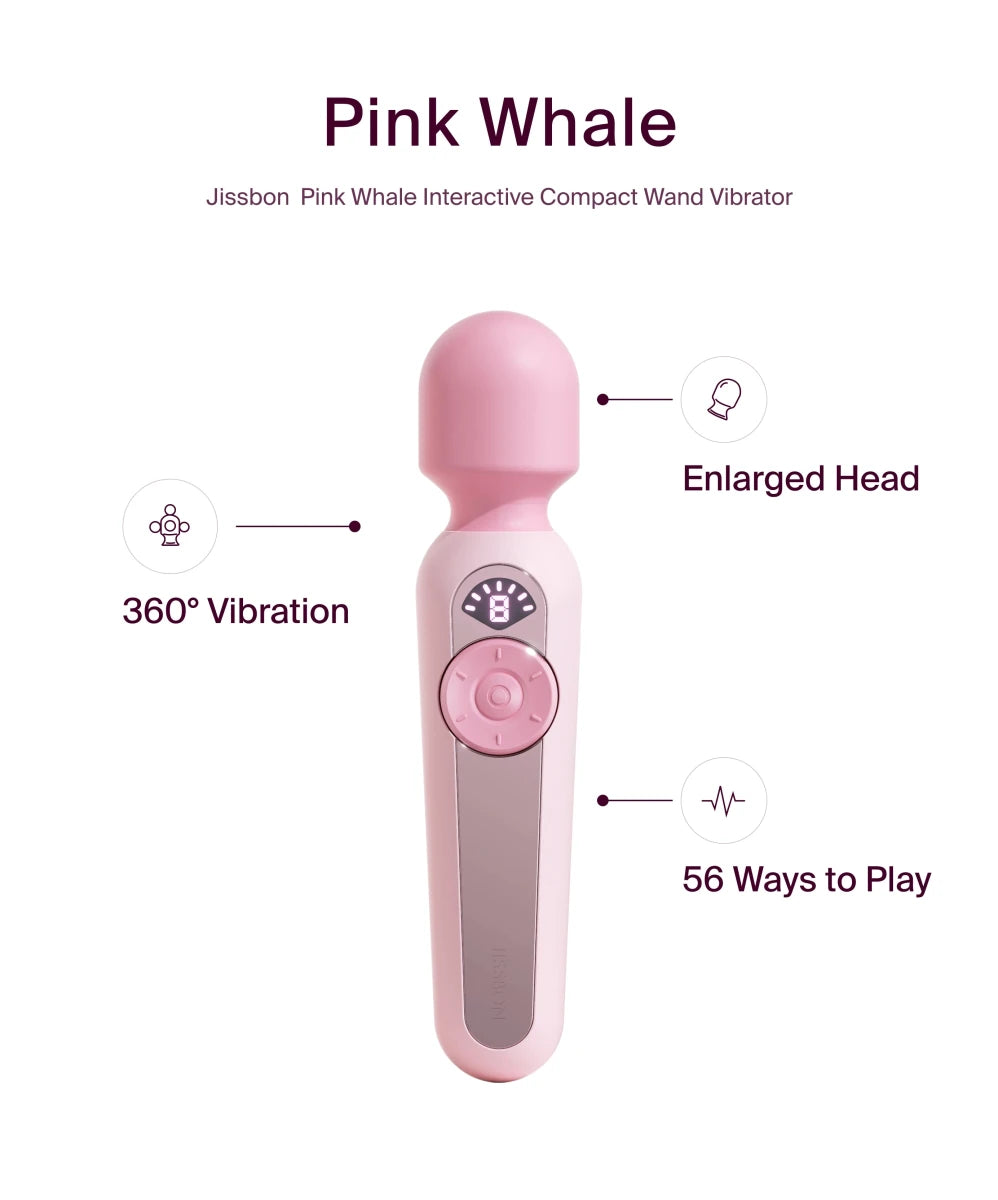
- Use quality tools — Body-safe wand vibrators or other devices designed for pleasure
- Breathe deeply — Enhances sensation and relaxation
Aftercare Basics
- Clean toys immediately — Prevents bacterial growth (proper cleaning methods)
- Hydrate — Physical activity deserves recovery
- Appreciate yourself — Acknowledge the positive act of self-care
- Store toys properly — Cool, dry places maintain material integrity
Frequently Asked Questions:
Why do we need euphemisms if masturbation is natural?
Language evolves to meet social needs. While masturbation is biologically normal, cultural taboos persist in many communities. Euphemisms provide a bridge—they acknowledge the reality while softening language for those still navigating discomfort. Over time, as acceptance grows, the need for coded language may decrease. For now, euphemisms serve an important function in opening conversations that might otherwise remain silent.
Are certain euphemisms offensive or outdated?
Some older slang carries sexist or homophobic undertones, particularly terms implying weakness or femininity as insults. Modern alternatives focus on neutrality and empowerment. If a phrase makes someone uncomfortable, simply ask what language they prefer. The goal is communication, not adherence to any specific vocabulary.
Can using funny slang reduce the intimacy or seriousness of self-pleasure?
Not necessarily. Humor and depth coexist—many people find that lighthearted language actually helps them relax into pleasure rather than treating it as a heavy, serious act. The key is matching your language to your intention. Playful slang works for casual moments; more reverent terms suit mindful practices. Both are valid.
How do I choose which euphemism to use?
Consider three factors: your audience, your comfort, and the context. With close friends, you might embrace raunchier slang. In therapy, softer terms like "self-care" feel appropriate. Solo, in your own thoughts, use whatever resonates authentically. There's no wrong choice as long as it facilitates the conversation you want to have.
Do other cultures have as many euphemisms as English?
Yes—virtually every language develops creative slang around sexuality. Romance languages, Asian languages, and African languages all feature rich euphemistic traditions. The specific metaphors vary (food, animals, technology, nature), but the universal human need to discuss taboo topics indirectly creates similar patterns worldwide.
Is it healthier to use direct language instead of euphemisms?
Both approaches have merit. Direct language reduces shame and promotes clarity, especially in medical or educational settings. Euphemisms can make difficult conversations more accessible and comfortable. The healthiest approach uses both strategically—clinical terms when precision matters, euphemisms when easing into vulnerable topics.
Embrace the Language That Feels Right for You
Euphemisms for masturbation reveal our collective creativity, discomfort, and gradual progress toward sexual openness. Whether you prefer "self-love," "solo play," or something more colorful, the vocabulary you choose shapes how you relate to your own pleasure.
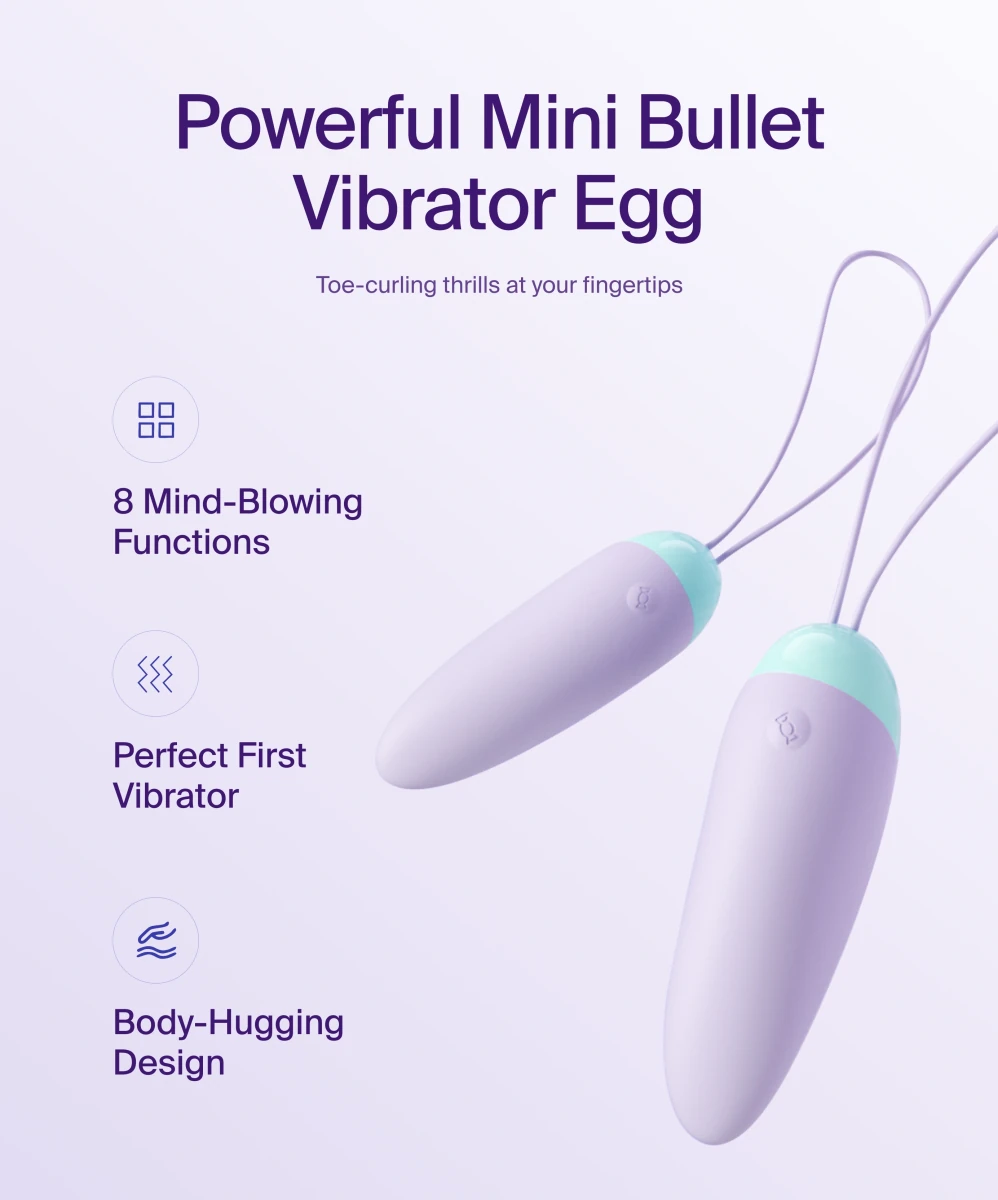
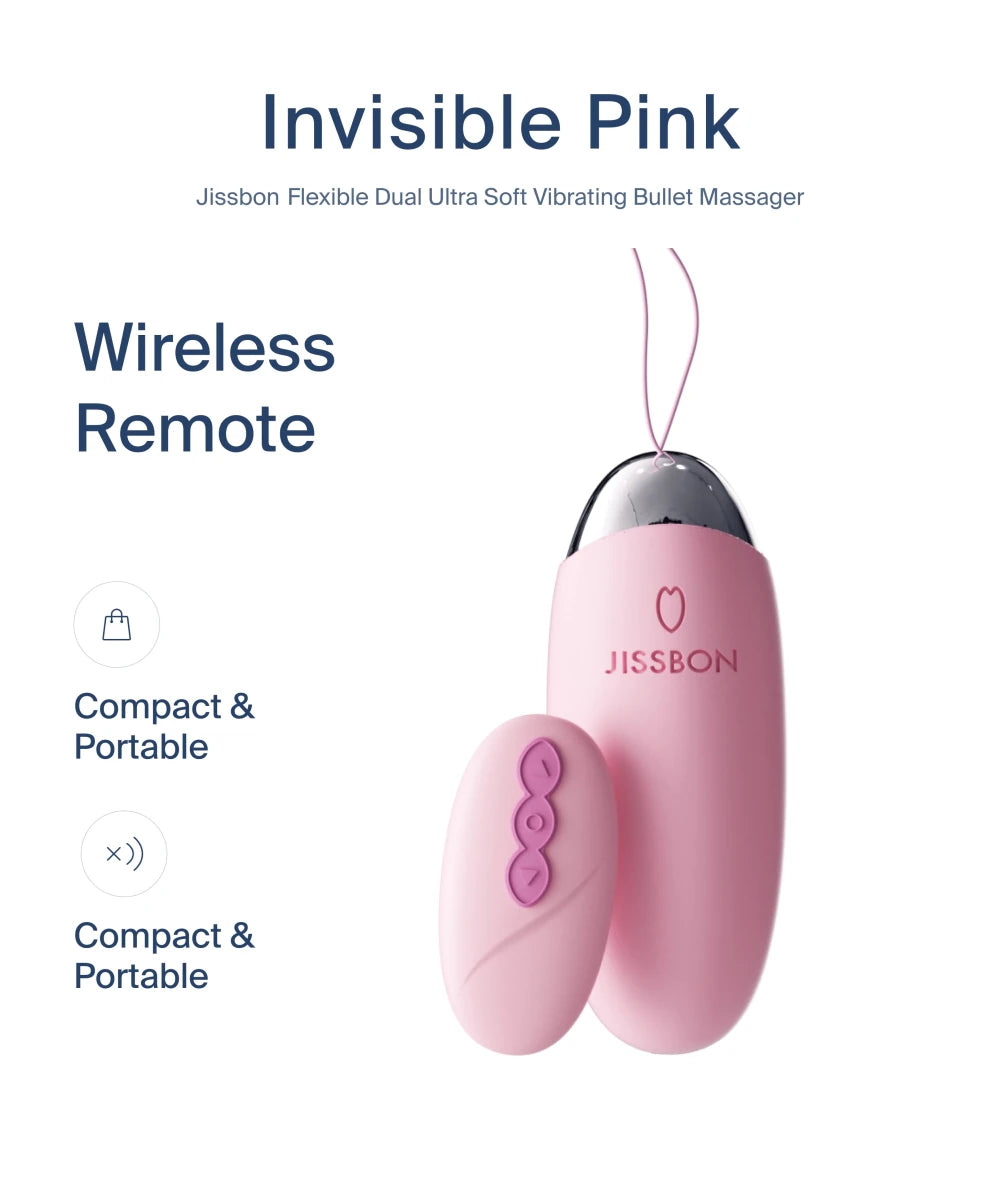
Language that feels authentic empowers you to explore confidently, communicate clearly, and prioritize satisfaction without shame. Ready to enhance your solo sessions? Explore high-quality bullet vibrators designed for discreet, powerful pleasure—whatever you choose to call it.


Looking for something else?
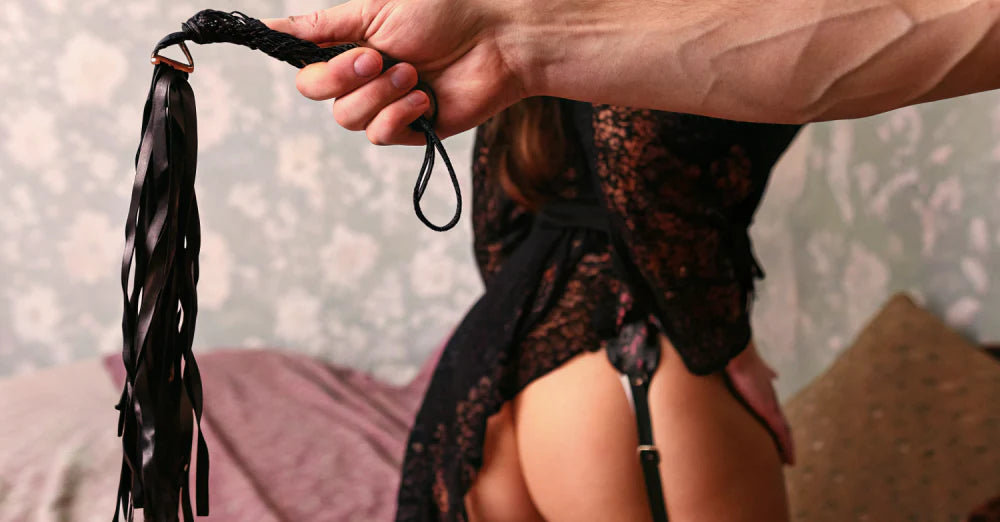
What Is Flogging in Sex? Complete BDSM Flogging Guide
LEARN MORE
What Does Overstimulated Mean Sexually? Causes & Solutions
LEARN MORE
Can You Get a Tattoo on Your Vagina? Safety, Pain & What to Expect
LEARN MORE
Public Sex Kink: Understanding Exhibitionism & Safe Exploration
LEARN MORELooking for something else?

A-Spot Orgasm: Best Positions & How to Find It
LEARN MORE
Bondage Play: Complete Beginner's Guide to Rope BDSM
LEARN MORE
Vibrator Stories: Real Experiences, Tips & What to Expect
LEARN MOREYou may also like
20% off

20% off

20% off

20% off

20% off

20% off

Further reading
How to Clean an Automatic Blowjob Machine Without Damaging the Motor
Remote-Controlled Automatic Masturbators for Couples and Solo Play
Best Automatic Strokers for Edging and Stamina Training