



























































Does Edging Make You Last Longer? What Is Edging Explained
Stack & Save: Extra 15% with Jissbon15
Jissbon15
If you're wondering "does edging make you last longer" and "what is edging," you're asking about one of the most effective techniques for improving sexual stamina and control. Edging—also called the "stop-start" technique—involves bringing yourself to the brink of orgasm and then stopping stimulation until the urge subsides.
This guide explores what edging is, the benefits of edging, and how it can help you last longer during sex and masturbation. Let's examine how this technique works, who it helps, and how to practice it effectively.
What Is Edging? The Basics Explained
Edging is a sexual practice where you intentionally delay orgasm by stopping or reducing stimulation just before reaching the "point of no return."
The Core Concept
What edging means:
- Bringing yourself (or being brought) to the edge of orgasm
- Stopping all stimulation just before climax
- Waiting for arousal to decrease slightly
- Resuming stimulation and repeating the cycle
- Eventually allowing orgasm after multiple "edges"
Alternative names:
- Stop-start technique
- Peaking
- Orgasm control
- Surfing (riding the waves of arousal)
According to Medical News Today's guide on edging, this technique is used both for pleasure enhancement and as a therapeutic approach for premature ejaculation.
Who Practices Edging
Common users include:
- People with premature ejaculation seeking better control
- Anyone wanting to experience more intense orgasms
- Those interested in extending sexual experiences
- Couples exploring new techniques together
- Individuals learning their arousal patterns
Solo vs. partnered: Edging can be practiced during masturbation or with a partner. Solo practice often helps build control that transfers to partnered experiences.
Does Edging Make You Last Longer?

Yes, edging can help you last longer by teaching control over your arousal and ejaculation response.
How Edging Improves Stamina
Building awareness:
- You learn to recognize the sensations leading up to orgasm
- Identifying the "point of no return" becomes easier with practice
- Awareness of arousal levels improves overall control
- Understanding your body's signals helps during partnered sex
Training the response:
- Repeatedly stopping before ejaculation teaches restraint
- Your body learns to handle higher arousal levels without immediately climaxing
- The pelvic floor muscles develop better control
- Neural pathways for delaying orgasm strengthen
Reducing anxiety:
- Confidence in your ability to control ejaculation reduces performance anxiety
- Less anxiety means better overall sexual function
- Knowing you have a "tool" for control reduces pressure
The Science Behind It
Physiological mechanisms:
- Edging engages the same pelvic floor muscles used to delay ejaculation
- The technique builds voluntary control over reflexive responses
- Repeated practice creates muscle memory for holding back orgasm
- Arousal becomes something you can modulate rather than a runaway train
Important note: Edging is most effective when practiced consistently over weeks or months, not as a one-time solution.
Benefits of Edging Beyond Lasting Longer
While stamina improvement is a primary benefit, edging offers several other advantages:
More Intense Orgasms
How it works:
- Delaying orgasm builds up sexual tension
- Neurotransmitters and hormones accumulate
- When you finally allow orgasm, the release is more powerful
- Many people report significantly stronger climaxes
The effect: The prolonged buildup creates a more satisfying payoff when you eventually orgasm.
Enhanced Body Awareness
Learning your patterns:
- Identifies exactly what sensations trigger your orgasm
- Helps you understand arousal stages
- Teaches you which touches, thoughts, or movements push you toward climax
- Improves overall sexual self-knowledge
Application: This awareness helps you communicate preferences to partners and make adjustments during sex.
Improved Sexual Confidence
Psychological benefits:
- Feeling in control reduces performance anxiety
- Success with edging builds sexual self-efficacy
- Confidence improves arousal and erectile function
- Reduced worry about premature ejaculation
The cycle: Confidence improves performance, which further builds confidence.
Prolonged Pleasure
Extended experiences:
- Sexual encounters last longer when you edge
- More time for intimacy, connection, and exploration
- Partners benefit from extended foreplay and attention
- Overall sexual satisfaction often increases
Better Partner Communication
When practiced with partners:
- Requires clear communication about sensations
- Builds trust and attentiveness
- Creates opportunities to discuss preferences
- Strengthens emotional intimacy
How to Practice Edging: Step-by-Step Guide

Whether practicing solo or with a partner, follow these steps for effective edging:
Solo Edging Technique
Step 1: Create the Right Environment
- Find private, comfortable space
- Allow adequate time (30-60 minutes minimum)
- Eliminate distractions and interruptions
- Consider products from Jissbon to help with consistent stimulation
Step 2: Begin Stimulation
- Start masturbating using your preferred technique
- Use adequate lubrication to prevent irritation
- Focus on sensations without rushing
- Pay attention to your arousal level
Step 3: Approach the Edge
- Continue until you feel you're about 80-90% toward orgasm
- Recognize the "point of no return" warning signs
- Common signs: increased heart rate, muscle tension, intensifying pleasure
- Stop or significantly reduce stimulation just before that point
Step 4: Cool Down
- Completely stop stimulation for 30-60 seconds
- Take deep breaths to calm arousal
- Think about non-sexual topics if helpful
- Wait until the urgent need to orgasm subsides
Step 5: Resume and Repeat
- Begin stimulation again once arousal decreases
- Build back up to the edge
- Stop again before reaching orgasm
- Repeat this cycle 3-5 times (or more)
Step 6: Allow Orgasm
- After several edges, allow yourself to orgasm when ready
- Notice the intensity compared to non-edged orgasms
- Reflect on what you learned about your arousal patterns
Partnered Edging
Communication is key:
- Explain what edging is and why you want to try it
- Use clear signals (verbal or non-verbal) to indicate approaching orgasm
- Agree on how partner should respond (stop, slow down, change technique)
- Debrief afterward about what worked
Roles:
- Receiving partner: Communicates arousal levels clearly and honestly
- Active partner: Pays close attention to signals and controls stimulation pace
- Both: Focus on connection and exploration rather than "perfect" execution
Variations:
- Take turns being the person who edges
- Edge together simultaneously
- Combine edging with other sexual activities
- Use male masturbators or other tools for varied sensation
Edging for Premature Ejaculation: Does It Work?
Yes, edging is a recognized technique used in sex therapy for premature ejaculation (PE).
How Edging Addresses PE
Building ejaculatory control:
- PE often involves difficulty recognizing arousal levels before the point of no return
- Edging specifically trains this recognition skill
- Repeated practice extends the time before ejaculation
- Control learned during masturbation transfers to partnered sex
Evidence-based approach:
- Sex therapists commonly recommend the stop-start technique
- It's often combined with squeeze technique (applying pressure to reduce arousal)
- Studies show behavioral techniques like edging can effectively manage PE
- Many people see improvement within 4-8 weeks of consistent practice
Combining Edging with Other PE Techniques
Comprehensive approach works best:
|
Technique |
How It Helps |
Best Used When |
|
Edging (stop-start) |
Builds awareness and control |
Practicing solo or with patient partner |
|
Squeeze technique |
Reduces arousal physically |
Partner can help apply pressure |
|
Pelvic floor exercises |
Strengthens muscles used to delay ejaculation |
Daily practice, ongoing maintenance |
|
Desensitizing products |
Reduces sensitivity temporarily |
Need immediate help during sex |
|
Mindfulness |
Reduces anxiety, improves focus |
Addressing psychological factors |
Important: If PE is severe or doesn't improve with behavioral techniques, consult a healthcare provider or sex therapist for comprehensive treatment options.
Common Mistakes and How to Avoid Them

Effective edging requires practice. Avoid these common pitfalls:
Waiting Too Long to Stop
The mistake: Continuing stimulation until you're already at the point of no return.
The result: You orgasm despite intending to edge, which defeats the training purpose.
How to fix it: Stop sooner than you think necessary at first. It's better to stop at 70-80% arousal and gradually learn to edge closer to orgasm.
Not Waiting Long Enough
The mistake: Resuming stimulation before arousal has sufficiently decreased.
The result: You quickly reach orgasm on the next attempt, not getting the stamina-building benefit.
How to fix it: Wait at least 30-60 seconds. Focus on deep breathing and let arousal genuinely subside.
Forgetting to Focus on Sensations
The mistake: Being mentally distracted or rushing through the process.
The result: Missing the learning opportunity that builds awareness.
How to fix it: Practice mindfulness. Pay attention to exactly what your body feels at different arousal stages. This awareness is the key benefit.
Being Too Goal-Oriented
The mistake: Treating edging as a performance or trying to edge a specific number of times.
The result: Creates pressure that increases anxiety rather than building control.
How to fix it: Approach edging as exploration. Some sessions you might edge twice, others six times. There's no "correct" number.
Neglecting Lubrication
The mistake: Edging for extended periods without adequate lubrication.
The result: Friction irritation, soreness, or discomfort that makes practice unpleasant.
How to fix it: Reapply water-based lubricant as needed throughout the session. This is especially important for longer edging sessions.
Edging Tools and Products That Can Help
While hands-only edging is effective, some products can enhance the experience:
For Solo Practice
Male masturbators and strokers:
- Provide consistent, controllable stimulation
- Reduce hand fatigue during longer sessions
- Offer different textures and sensations to explore
- Options like male stroker toys designed for comfort
Benefits for edging:
- Easier to maintain steady stimulation
- Can stop more cleanly than with hands
- Helps standardize sessions for consistent practice
For Partnered Play
Vibrators and toys:
- Allow partners to control stimulation precisely
- Create different sensations for varied edging experiences
- Reduce physical effort so attention stays on communication
- Products from sex toys for men or couples categories
Communication tools:
- Simple rating system (1-10 arousal scale)
- Hand signals or code words
- Timer apps for structured sessions
How Long Does It Take to See Results?
Timeline varies, but most people notice improvements within a few weeks:
Week 1-2: Learning Phase
What to expect:
- Building awareness of arousal levels
- Frequently reaching orgasm accidentally
- Learning where your "edge" actually is
- Developing the habit of paying attention
Progress markers: You can identify when you're approaching 80-90% arousal.
Week 3-4: Control Development
What to expect:
- Successfully stopping before the point of no return most times
- Beginning to extend sexual encounters naturally
- Noticing slightly more intense orgasms
- Increased confidence in your control
Progress markers: You can consistently edge 3-5 times before orgasming.
Week 5-8: Stamina Improvement
What to expect:
- Noticeable ability to last longer during partnered sex
- Significantly more intense orgasms after edging
- Control feels more automatic and less effortful
- Reduced anxiety about premature ejaculation
Progress markers: Partners notice longer sexual encounters and your increased confidence.
Ongoing: Maintenance
Long-term practice:
- Continue edging periodically to maintain skills
- Skills can diminish without occasional practice
- Works like muscle memory—easier to relearn if you take breaks
When Edging Might Not Help
While effective for many, edging isn't a universal solution:
Medical Conditions
When physical causes exist:
- Hormonal imbalances affecting sexual function
- Neurological conditions impacting ejaculatory control
- Prostate issues
- Side effects from medications
What to do: Consult a healthcare provider if behavioral techniques don't help after 8-12 weeks of consistent practice.
Severe Premature Ejaculation
When edging alone isn't enough:
- Ejaculation within 30 seconds to 1 minute consistently
- Inability to engage in penetrative sex due to immediate ejaculation
- Significant relationship distress from the issue
What to do: Seek help from a sex therapist or urologist. Medical treatments (medications, topical products) combined with behavioral techniques often work better than either alone.
Psychological Factors
When mental health issues are primary:
- Severe anxiety or depression
- Past sexual trauma affecting function
- Relationship conflicts creating pressure
- Body image issues preventing relaxation
What to do: Address underlying psychological issues with a therapist. Edging can complement this work but won't resolve deep-rooted psychological concerns alone.
Frequently Asked Questions
What is edging and how does it work?
Edging is the practice of bringing yourself to the brink of orgasm, then stopping stimulation until the urge subsides, and repeating this cycle multiple times before eventually allowing orgasm. It works by training you to recognize arousal levels and control ejaculatory reflexes, building stamina through repeated practice of delaying climax.
Does edging make you last longer in bed?
Yes, edging can help you last longer by teaching ejaculatory control and building awareness of your arousal patterns. Most people who practice edging consistently for 4-8 weeks notice improved ability to delay ejaculation during both masturbation and partnered sex. The technique strengthens voluntary control over reflexive orgasm responses.
What are the main benefits of edging?
The primary benefits of edging include: improved sexual stamina and lasting longer, more intense orgasms due to built-up tension, enhanced body awareness and arousal recognition, reduced performance anxiety and increased confidence, and better communication skills with partners. Many also enjoy the prolonged pleasure of extended sexual experiences.
How long should you practice edging before seeing results?
Most people begin noticing improved control within 3-4 weeks of consistent practice (3-4 times weekly). Significant stamina improvements typically appear by weeks 5-8. However, initial awareness benefits start immediately. Consistency matters more than intensity—regular short sessions work better than occasional marathon attempts.
Can edging help with premature ejaculation?
Yes, edging (the stop-start technique) is a standard behavioral approach used by sex therapists to treat premature ejaculation. It specifically addresses the core issue: difficulty recognizing and controlling arousal before reaching the point of no return. When combined with pelvic floor exercises and anxiety management, edging effectively manages PE for many people.
Are there any risks or downsides to edging?
Edging is generally safe, but potential issues include: minor discomfort from extended arousal, possible frustration when learning, temporary difficulty orgasming if overdone, and relationship tension if partners have mismatched interest. Using adequate lubrication prevents physical irritation. If edging creates significant distress or sexual dysfunction, take a break and consider consulting a sex therapist.
Final Thoughts
Does edging make you last longer? For most people, yes—consistent practice of this technique builds ejaculatory control, enhances body awareness, and improves sexual stamina. Understanding what is edging and the benefits of edging helps you approach it as a skill-building exercise rather than a quick fix. With patience and practice, edging can genuinely improve your sexual confidence and satisfaction.
If you're interested in exploring tools that support edging practice and sexual wellness, quality products from male masturbators collections offer body-safe, comfortable options designed to enhance your experience.


Looking for something else?

Sex Positions from Behind: 8 Beyond Doggy Style
LEARN MORE
What Does a Vulva Taste Like? Facts & Myths Explained
LEARN MORE
Straddle Sex Position: 7 Variations & Tips
LEARN MORE
Mistress Slave Relationship in BDSM: Complete Guide
LEARN MORELooking for something else?

Sensual Domination: Guide to Affectionate Power Play
LEARN MORE
Best Prostate Massager for Beginners: Complete Guide
LEARN MORE
Dominant Sex Positions: 8 Power Positions & Tips
LEARN MOREYou may also like
20% off

20% off

20% off

20% off

20% off

20% off

Further reading
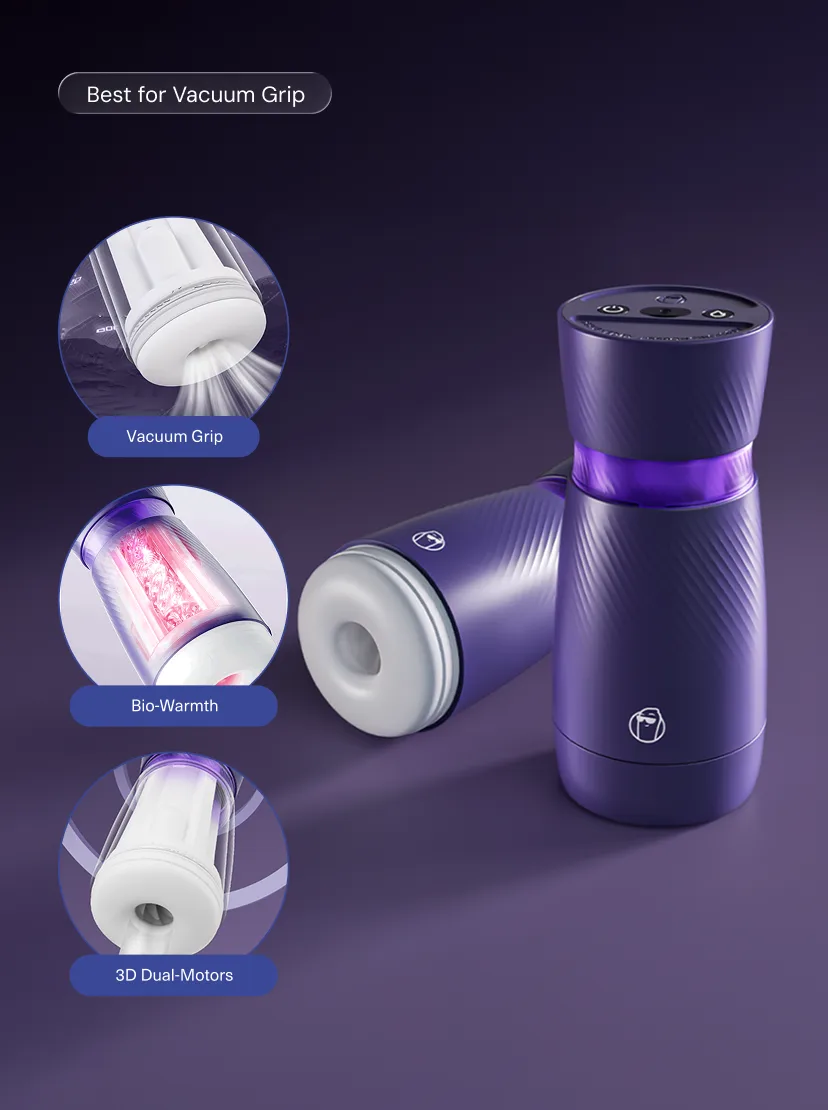
Automatic Male Masturbator vs Manual Stroker: Which Should You Buy?
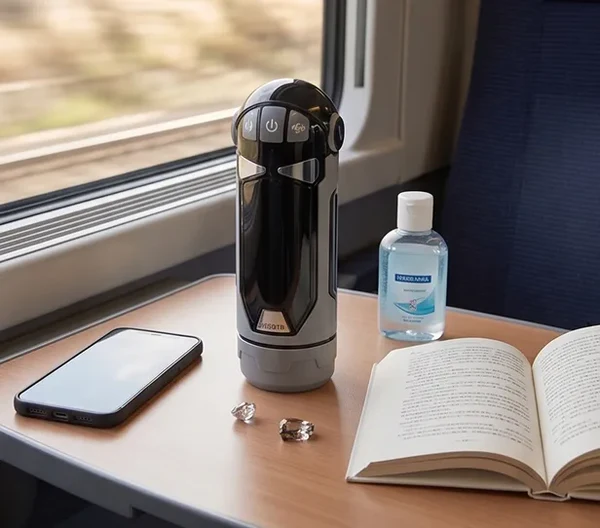
11 Best Automatic Blowjob Machines for Men in 2026

Understanding Smoking Fetish: The Erotic Appeal of Cigarettes