













































Coconut Method Intimacy: Hip Movement for Deeper Pleasure
Stack & Save: Extra 15% with Jissbon15
Jissbon15
The coconut method is a playful intimacy technique that focuses on deliberate hip movements rather than fast thrusting. The idea is simple: spell out the letters C-O-C-O-N-U-T with your hips during penetration or grinding, creating varied angles, pressure, and rhythm. This approach emphasizes exploration, communication, and sensation over speed or performance.
Whether you're looking to deepen connection, try something new, or find angles that feel better, this guide covers how the coconut method works, positions that support it, and practical tips for comfort and pleasure.
Who Benefits from the Coconut Method
This technique works well for many scenarios and preferences:
- Couples seeking variety who want to move beyond repetitive thrusting patterns
- People who enjoy grinding or circular motions over linear in-and-out movements
- Those exploring G-spot or prostate stimulation where angles and pressure matter more than speed
- Partners building intimacy and communication, as the method requires coordination and feedback
- Anyone curious about rhythmic, mindful movement during sex
How the Coconut Method Works

The Basic Concept
Instead of thrusting straight in and out, the person on top (or the one controlling hip movement) traces the letters of "COCONUT" with their pelvis. Each letter creates a different motion:
- C: Curve your hips in a C-shape, moving from one side, down, and across
- O: Circle your hips clockwise or counterclockwise in a full oval
- C: Repeat the C-shape in the opposite direction
- O: Another full circle, alternating direction if you like
- N: Move your hips in a zigzag—up-down, side-to-side
- U: Scoop your hips upward in a U-curve
- T: Move your hips in a T-shape—across, then straight down
These movements shift pressure, depth, and contact points, stimulating different internal and external areas with each letter.
Why It Works
The varied angles target different nerve-dense zones—like the G-spot, clitoris, or prostate—more effectively than repetitive thrusting. The slower pace also builds anticipation and lets both partners tune into sensation rather than rushing toward climax.
Communication Is Key
Because the movements are deliberate and varied, partners need to communicate what feels good. This makes the coconut method inherently collaborative—checking in, adjusting, and exploring together.
Positions That Support Coconut Method Hip Movements
Cowgirl (Partner on Top)
Why it works: The person on top has full control over hip direction and pressure. They can lean forward or sit upright to adjust the angle, making it easy to trace each letter.
Tip: The person on bottom can place hands on their partner's hips for gentle guidance or support.
Reverse Cowgirl
Why it works: Similar control as cowgirl, but the angle changes stimulation points. This position works well for targeting the G-spot or prostate with circular and scooping motions.
Tip: The person on top can brace their hands on their partner's thighs or the bed for better balance during complex movements.
Modified Missionary (Partner on Bottom with Elevated Hips)

Why it works: Placing a pillow under the receiving partner's hips tilts the pelvis, making circular and curved hip motions more effective. The person on top can kneel or stay on their toes for mobility.
Tip: The person on top leans slightly forward or back to shift pressure—forward for clitoral contact, back for deeper G-spot or prostate pressure.
Spooning (Side-by-Side)
Why it works: This position naturally supports slow, grinding motions. The person behind can move their hips in circles, curves, and zigzags without needing to support their full body weight.
Tip: The person in front can adjust their leg position (top leg bent or straight) to change depth and angle.
Sitting Face-to-Face
Why it works: Both partners wrap legs around each other, creating intimate contact and shared control over hip movement. This position emphasizes grinding and rocking rather than thrusting.
Tip: Use a sturdy chair, bed edge, or cushioned surface for support. Maintain eye contact and communicate about pace and pressure.
Step-by-Step: Trying the Coconut Method
1. Set the Mood & Communicate
Talk about what you want to try before starting. Agree on a pace, decide who will control hip movement, and establish that either partner can ask for adjustments or breaks.
2. Warm Up with Foreplay
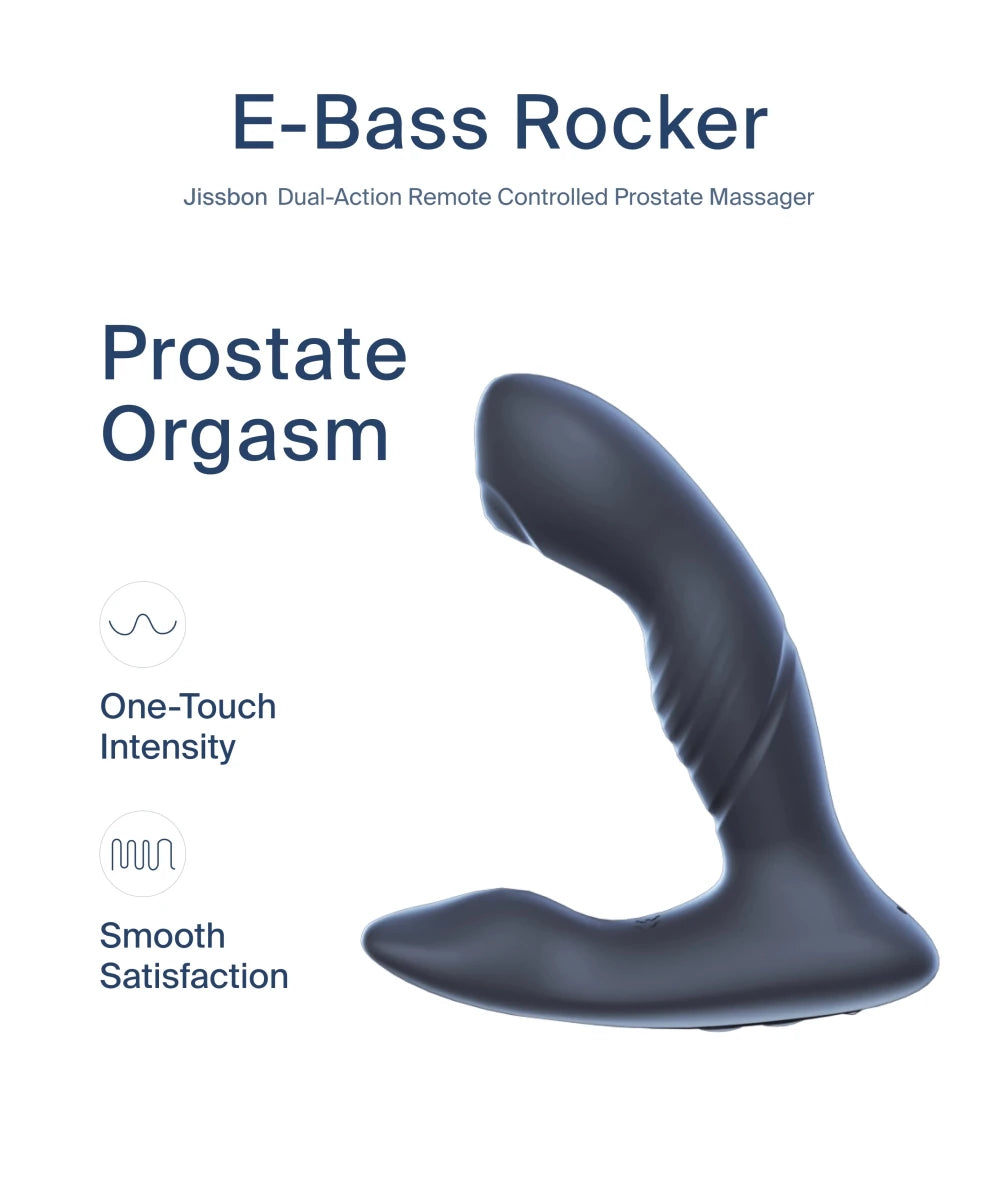
Arousal increases natural lubrication and makes penetration more comfortable. Spend time on kissing, touching, or using sex toys like clitoral vibrators or prostate massagers to build anticipation.
3. Apply Lube Generously
Even if you feel aroused, water-based lube reduces friction and prevents discomfort during extended grinding and circular motions. Reapply as needed.
4. Start with Simple Movements
Begin with one or two letters—like C and O—to get a feel for the motion. Focus on what feels good rather than spelling perfectly. There's no right or wrong way to move.
5. Explore Angles & Pressure
As you trace each letter, notice which movements hit the best spots. You might find that O (circles) or U (scooping upward) feels especially good—lean into those motions and repeat them.
6. Check In Frequently
Ask your partner how each movement feels. Use simple cues like "harder," "slower," "that angle," or "keep doing that." Adjust based on feedback.
7. Mix in Other Techniques
You don't have to spell the entire word every time. Alternate coconut method movements with traditional thrusting, grinding, or pausing for kissing and touch. Variety keeps things interesting.
Video (optional): How to Try the Coconut Method Comfortably — [YouTube example placeholder]
Lube & Comfort Tips
Why Extra Lube Matters
Circular and grinding motions create more friction than straight thrusting. Apply a coin-sized amount of water-based lube to both partners and the toy (if using), and reapply every few minutes.
Preventing Discomfort
If you feel pinching, pulling, or dryness, pause and add more lube. Deep circular motions can also cause muscle fatigue—take breaks, switch positions, or let your partner control movement for a while.
Using Toys Alongside the Coconut Method
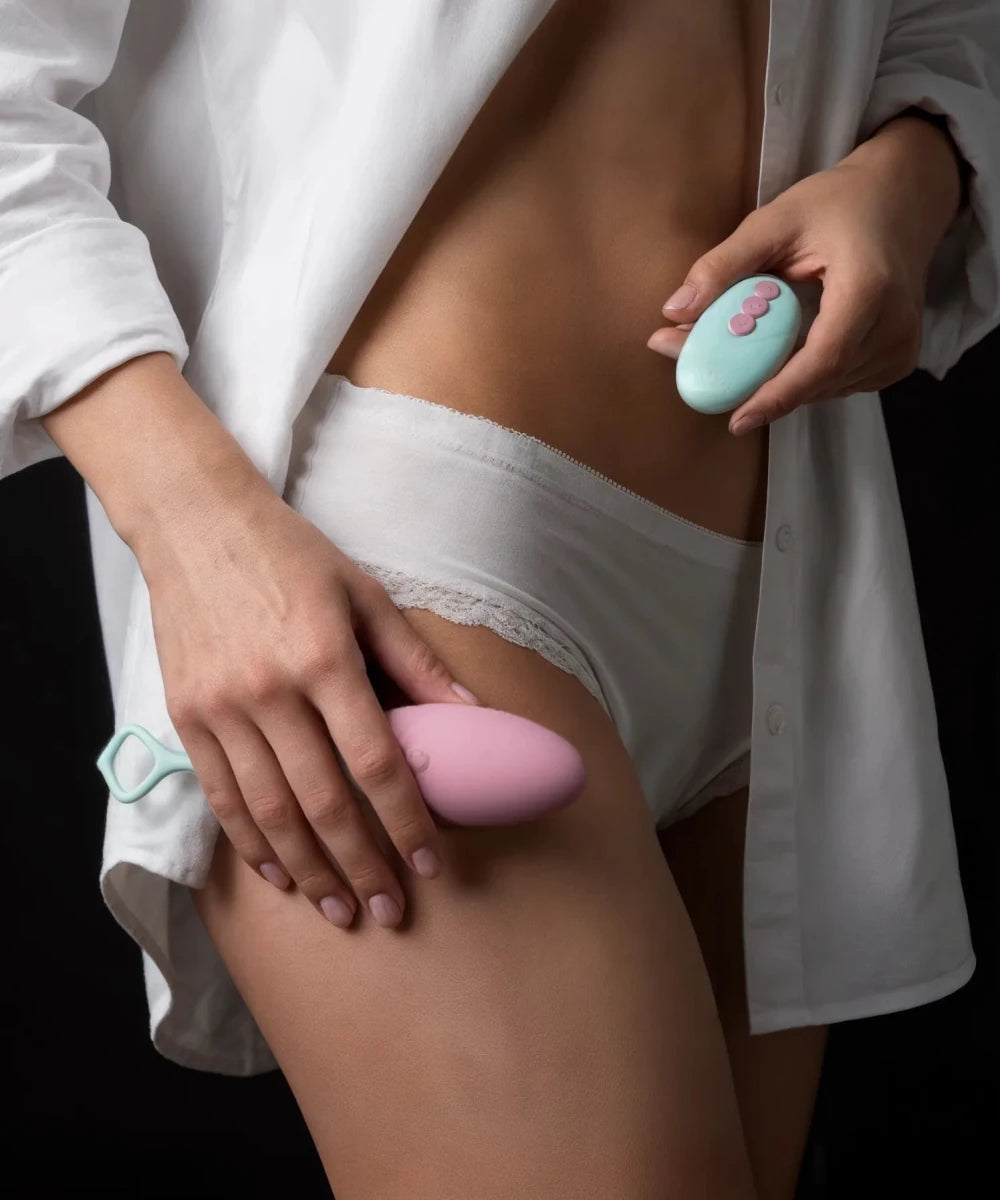
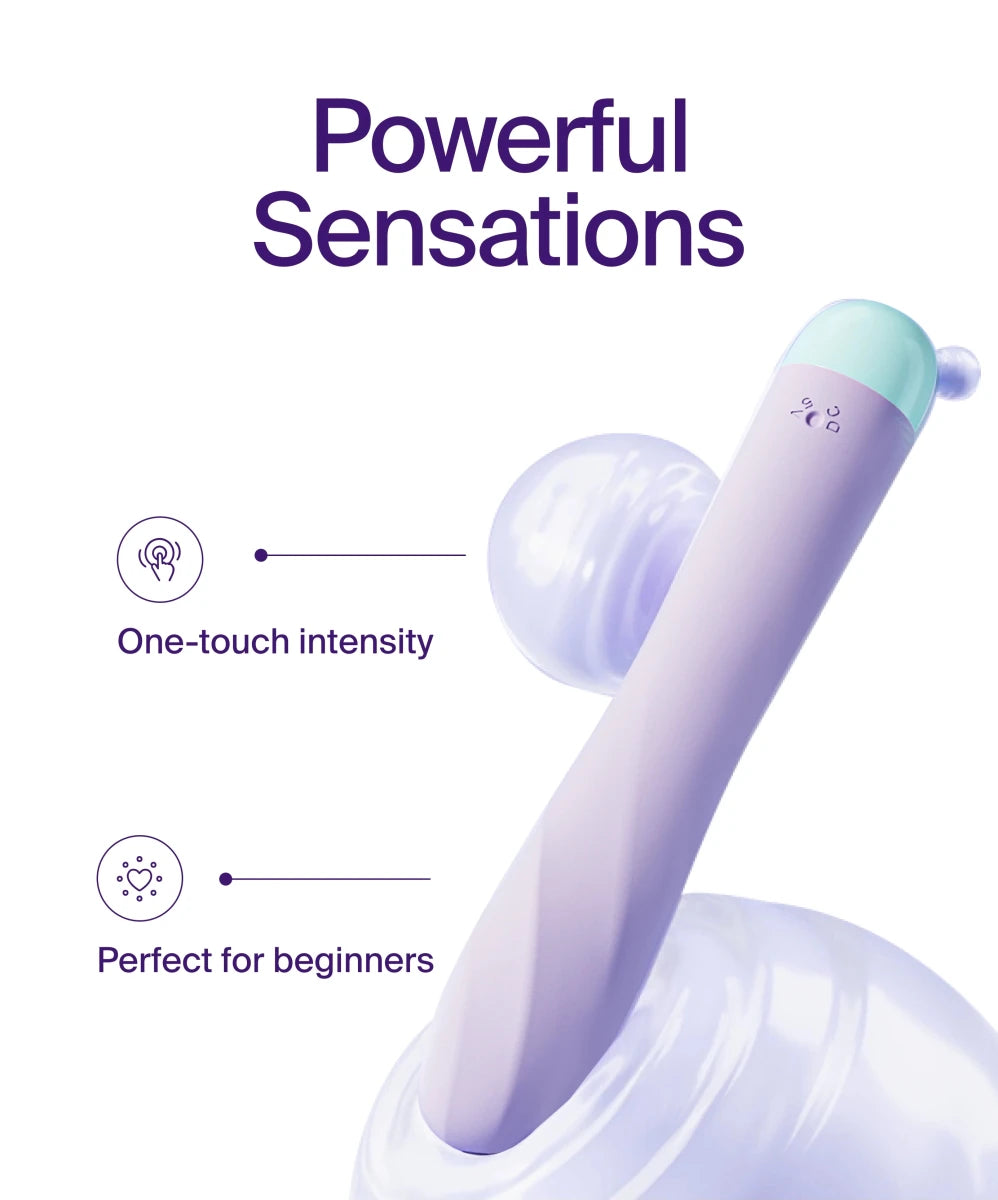
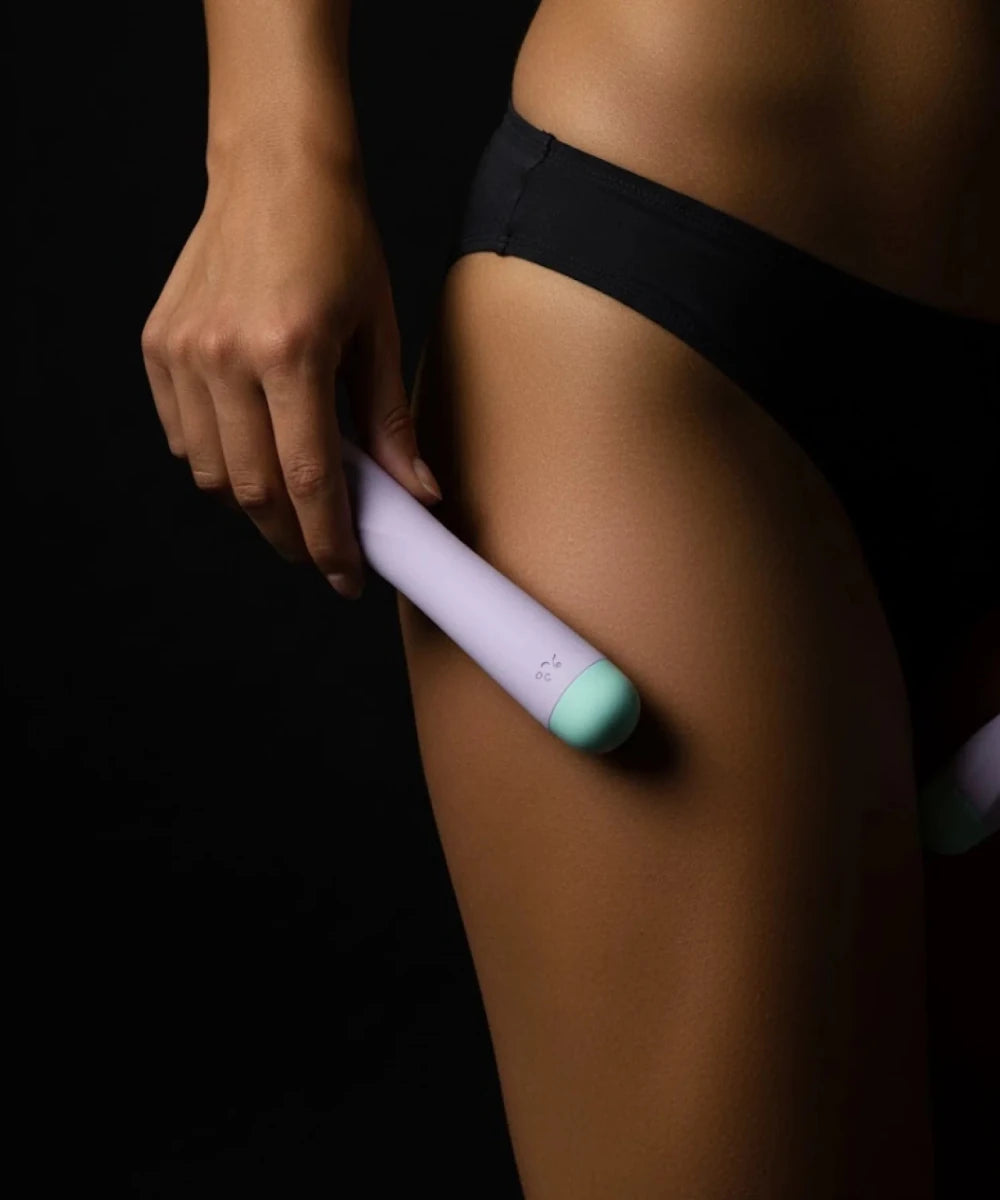
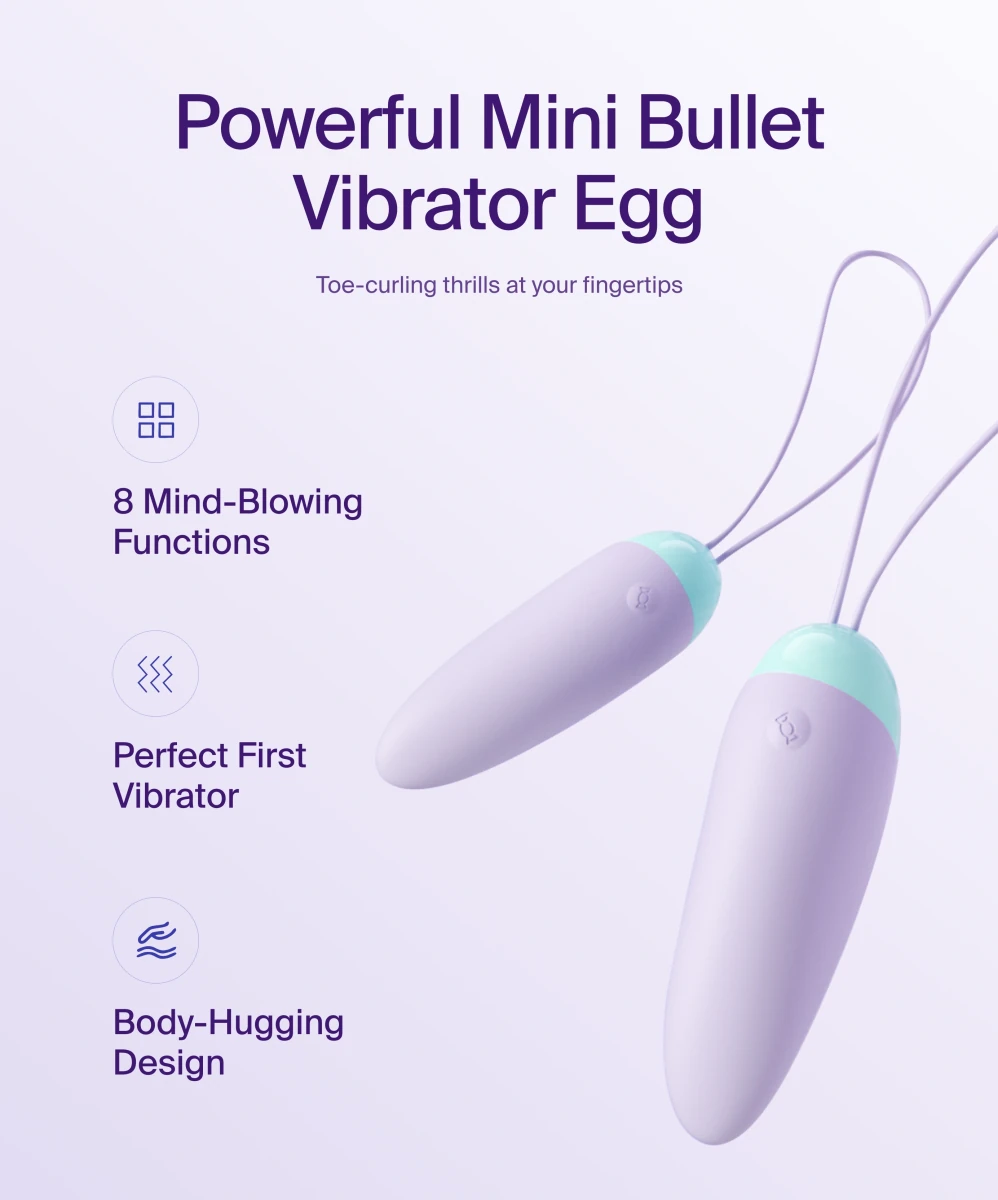
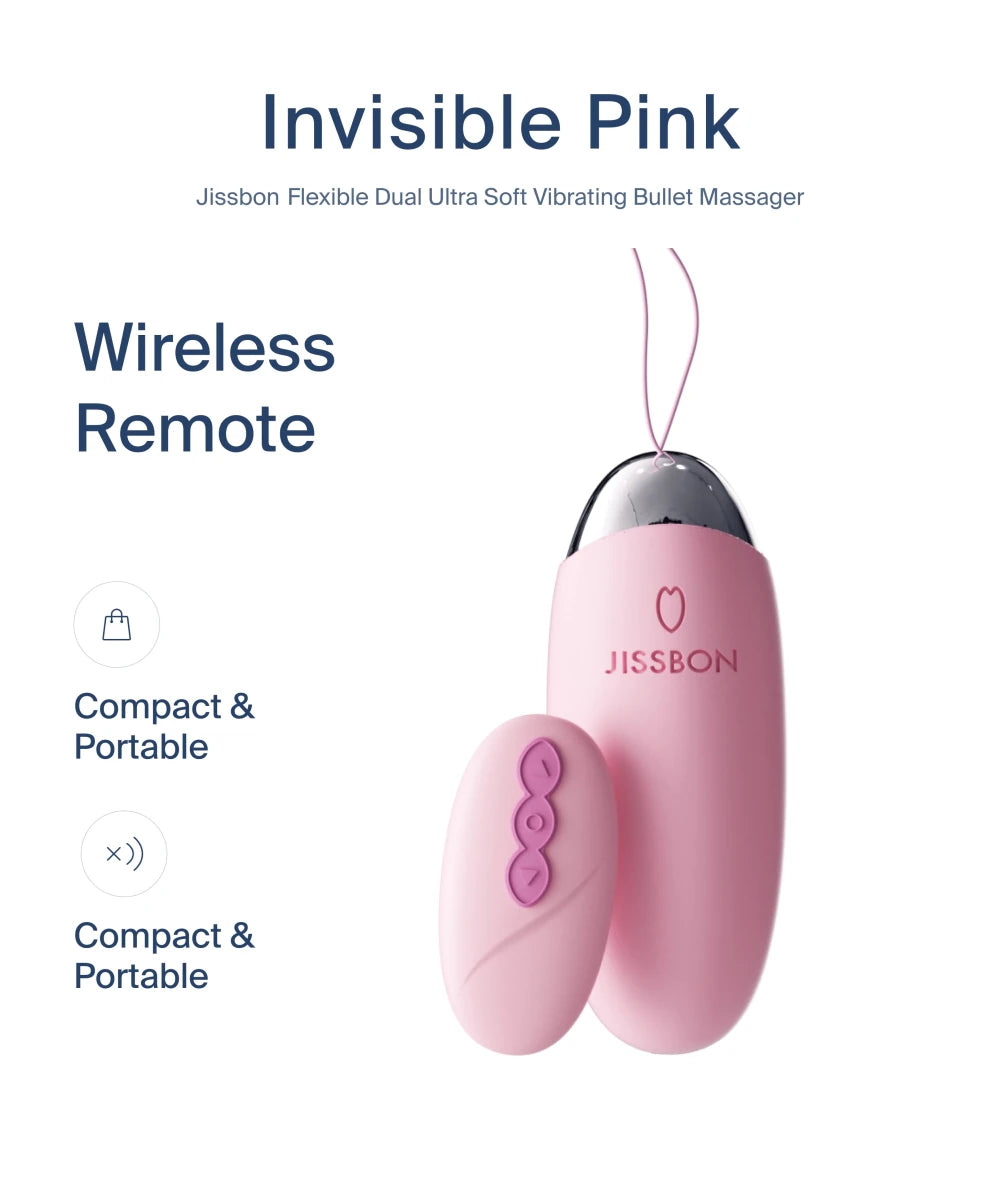
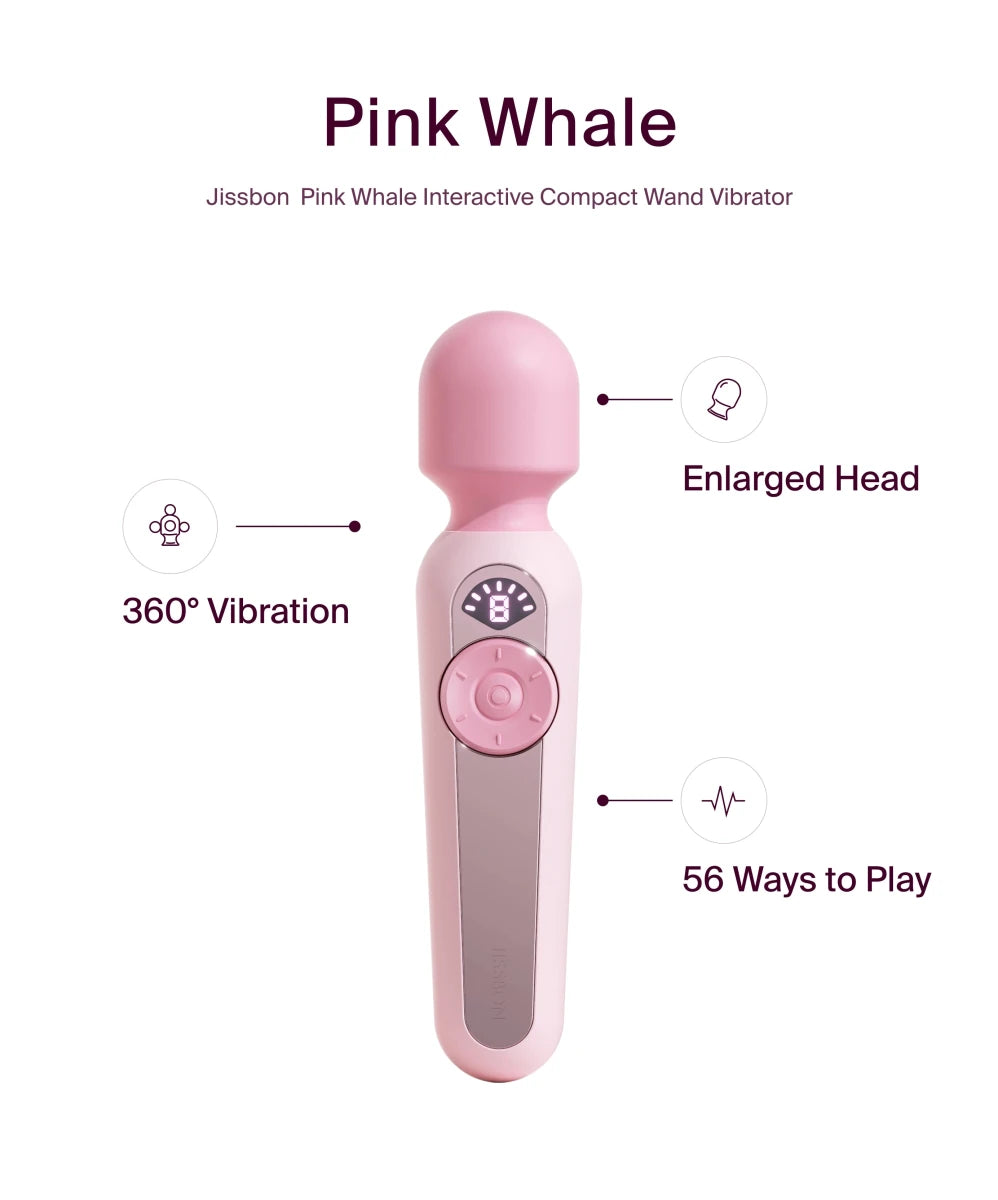
Adding a bullet vibrator or wand vibrator for clitoral stimulation during penetration enhances sensation. The person on top can hold the toy in place while moving their hips, or the person on bottom can control it.
Condom Compatibility
If using condoms, choose ones with extra lubrication or apply water-based lube inside and outside the condom. This reduces friction and prevents breakage during extended sessions.
Care & Maintenance (For Toys Used Alongside)

Before Use
Wash any toys with warm water and mild soap or a toy cleaner. Charge fully if rechargeable.
After Use
Rinse toys thoroughly to remove lube and bodily fluids. Pat dry with a lint-free towel and store in a breathable pouch or case.
Body Care
After trying new positions or motions, you might feel minor muscle soreness in your hips, thighs, or core. Gentle stretching, a warm bath, or a heating pad can ease tension.
Cleaning Up
Keep a towel or wipes nearby for easy cleanup of lube and fluids. If you used a lot of lube, a quick rinse in the shower afterward can feel refreshing.
Frequently Asked Questions
What is the coconut method?
The coconut method is an intimacy technique where you spell the word "COCONUT" with your hips during sex. Each letter represents a different movement—circles, curves, zigzags, and scoops—that shift angles and pressure for varied stimulation. It's a playful way to explore rhythm, communication, and sensation beyond repetitive thrusting.
Does the coconut method work for everyone?
It depends on personal preference and anatomy. Some people love the varied angles and slower pace, while others prefer faster, more direct movements. The best approach is to try it with open communication, adjust based on what feels good, and mix it with other techniques if spelling out letters feels too structured.
Which positions work best for the coconut method?
Positions where one partner has clear control over hip movement work best—cowgirl, reverse cowgirl, modified missionary with elevated hips, spooning, and sitting face-to-face. These allow the person moving to shift direction, depth, and pressure without losing balance or tiring quickly.
How do I know which letters feel best?
Pay attention to your partner's reactions and ask for feedback during each movement. Most people find that O (circles), C (curves), and U (scoops) hit sensitive internal spots like the G-spot or prostate. Once you identify what works, repeat those motions and drop the ones that feel neutral or uncomfortable.
Can I use toys with the coconut method?
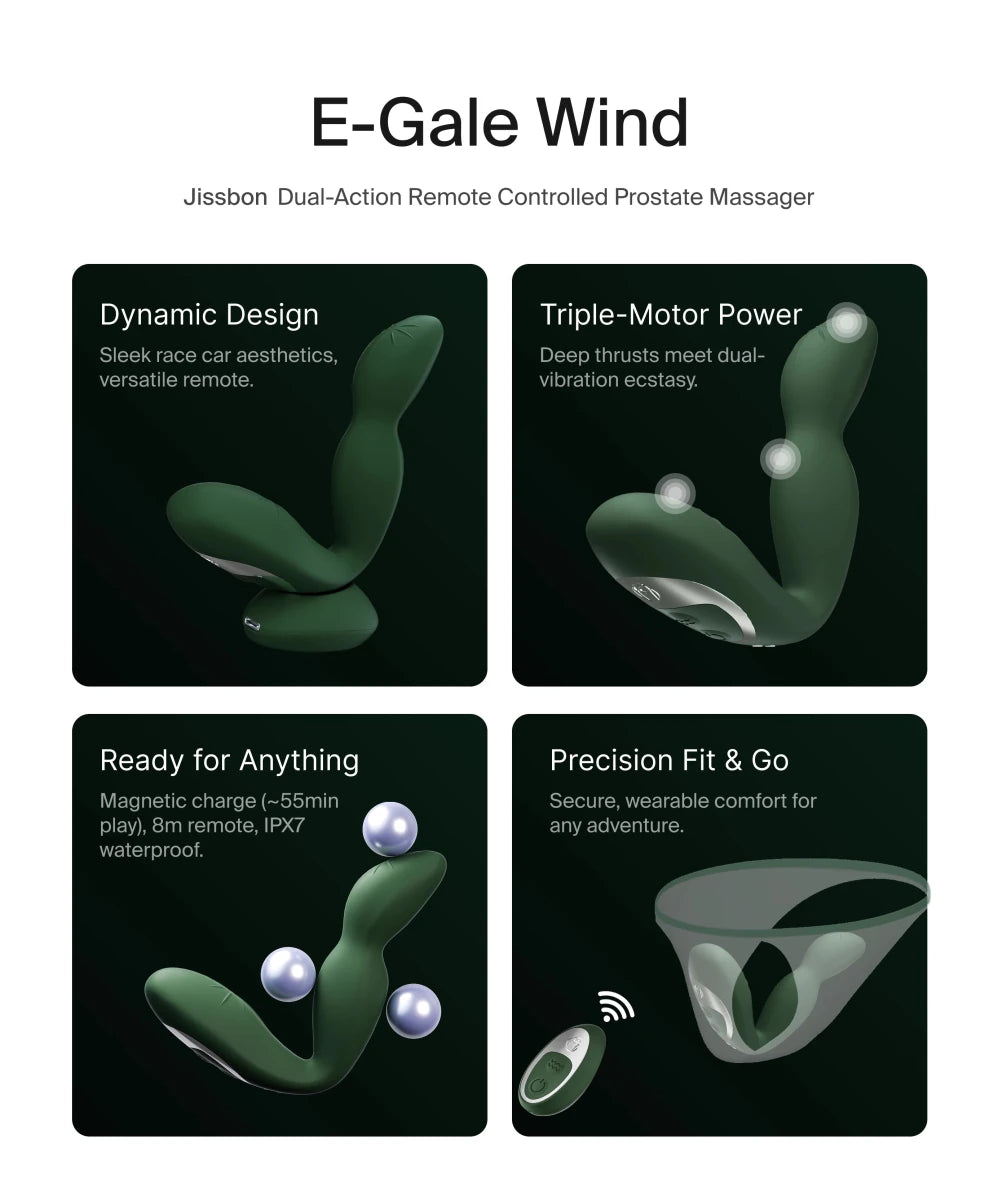
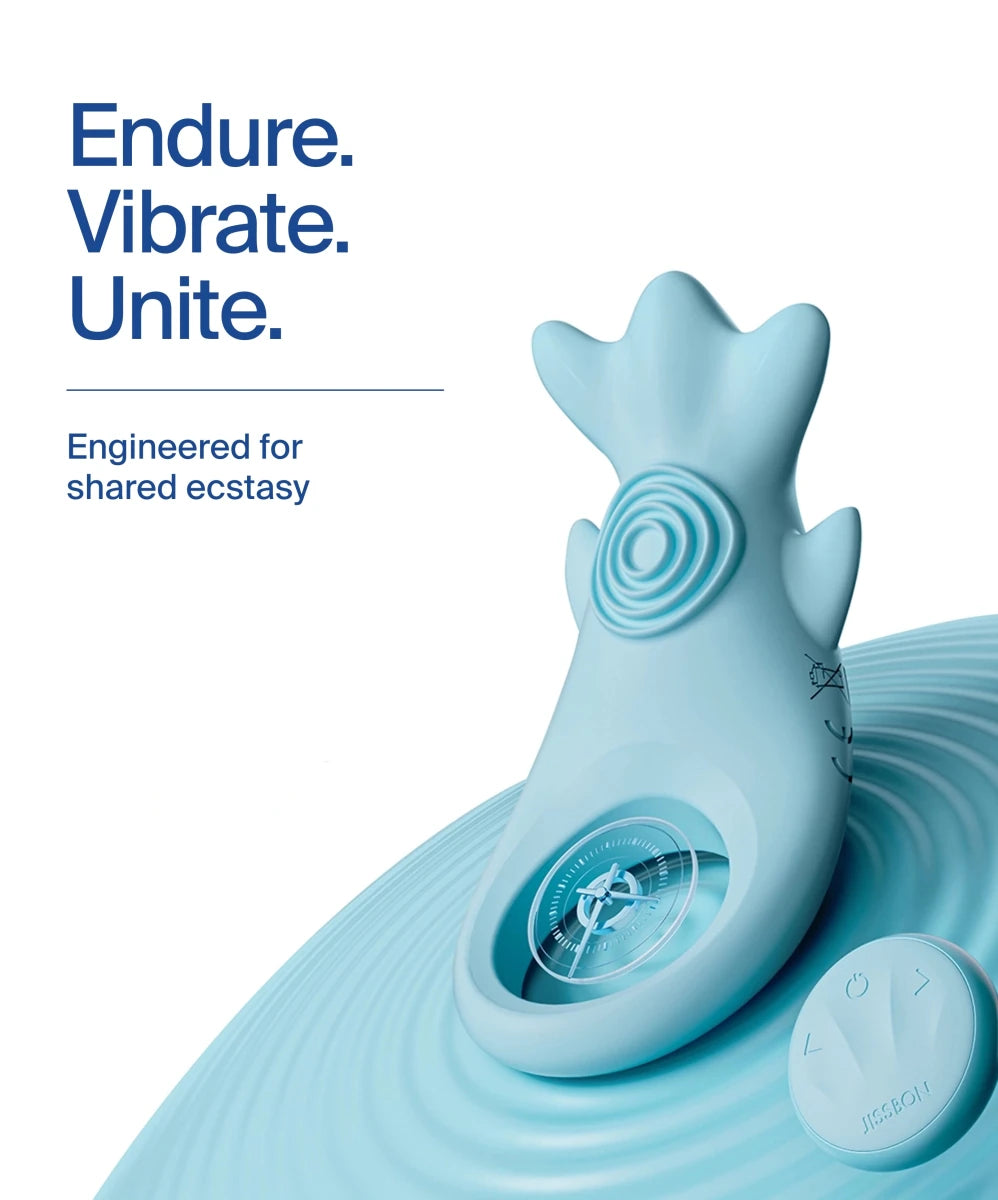
Absolutely. Adding a remote controlled vibrator for clitoral stimulation or a prostate massager during penetration enhances the experience. Toys provide consistent external stimulation while hip movements target internal zones, creating layered sensation.
Is the coconut method only for penetration?
Not at all. You can apply the same hip-spelling motions during grinding (both partners clothed or naked), dry humping, or while using external toys. The principle—varied, deliberate movement—works for any intimate activity where rhythm and angle matter.
Conclusion
The coconut method turns intimacy into a playful, communicative exploration of rhythm and sensation. By tracing letters with your hips, you create varied angles and pressure that stimulate different pleasure zones, moving away from repetitive patterns toward mindful, connected sex.
Ready to enhance your intimate experiences? Explore versatile sex toys for couples that pair perfectly with creative techniques at Jissbon.


Looking for something else?

What Is Flogging in Sex? Complete BDSM Flogging Guide
LEARN MORE
What Does Overstimulated Mean Sexually? Causes & Solutions
LEARN MORE
Can You Get a Tattoo on Your Vagina? Safety, Pain & What to Expect
LEARN MORE
Public Sex Kink: Understanding Exhibitionism & Safe Exploration
LEARN MORELooking for something else?

A-Spot Orgasm: Best Positions & How to Find It
LEARN MORE
Bondage Play: Complete Beginner's Guide to Rope BDSM
LEARN MORE
Vibrator Stories: Real Experiences, Tips & What to Expect
LEARN MOREYou may also like
20% off

20% off

20% off

20% off

20% off

20% off

Further reading

How to Clean an Automatic Blowjob Machine Without Damaging the Motor

Remote-Controlled Automatic Masturbators for Couples and Solo Play
Best Automatic Strokers for Edging and Stamina Training