










































Clitoris vs Penis: Complete Anatomical Comparison
Stack & Save: Extra 15% with Jissbon15
Jissbon15
The clitoris and penis are homologous organs—both develop from the same embryonic tissue called the genital tubercle, differentiating based on hormonal influence around week 9 of fetal development. Despite their shared origin, these structures diverge significantly in adult anatomy, nerve density, function, and sexual response, though they retain remarkable similarities in erectile tissue composition and pleasure capacity.
This comprehensive guide explores their embryonic development, structural anatomy, nerve ending distribution, erectile function, orgasm characteristics, size variations, surgical considerations, and pleasure optimization for each anatomy type.
Why the Clitoris and Penis Are Not “Opposites” but Variations of the Same Structure
Many people assume the clitoris is just a “mini penis,” but the reality is more nuanced. They are homologous (same origin) but not analogous (same function).
Both structures originate from:
- Genital tubercle → glans + shaft
- Urethral folds → labia minora OR penile urethra
- Genital swellings → labia majora OR scrotum
But hormonal exposure changes the developmental path:
- High testosterone & DHT → external elongation → penis
- Low androgen environment → internal differentiation → clitoris
The key takeaway
The clitoris is not a small penis — the penis is an elongated, multifunctional version of the clitoral structure, with urethra adaptation for urination and reproduction.
Updated Research: Does the Clitoris Really Have 8,000 Nerve Endings?
The often-quoted 8,000 nerve endings came from research on cow clitorises, later generalized to humans.
In 2022, researchers using advanced microscopy (presented at the International Society for the Study of Women’s Sexual Health) found:
- The human clitoris may have over 10,000 nerve fibers,
- While the penis has around 4,000–6,000, depending on tissue density.
Peer-review publication is still pending, but early findings suggest the clitoris has far more complex branching of nerves than previously understood.
Why this matters:
Higher branching → greater sensitivity variation → more individualized pleasure responses.
Shared Embryonic Origin
Understanding how both structures begin identically reveals why they share so many features.
The Genital Tubercle
According to research on genital tubercle development, both the penis and clitoris originate from the same fetal structure. In the human fetus, the genital tubercle develops around week four of gestation, and by week nine, becomes recognizably either a clitoris or penis.
Differentiation Process
Until approximately 7-9 weeks of fetal development, all embryos have identical external genital anatomy regardless of chromosomal sex. Differentiation occurs based on hormonal signals:
Male Pathway (Penis):
- Testes produce testosterone and anti-Müllerian hormone
- Testosterone converts to dihydrotestosterone (DHT)
- DHT triggers genital tubercle elongation and urethral plate fusion
- Forms tubular urethra running through the shaft
- Results in externalized, elongated structure
Female Pathway (Clitoris):
- Without high androgen levels, different development path proceeds
- Genital tubercle remains smaller, develops characteristic angle/bend
- Urethral plate becomes vestibular groove that stays open
- No urethral tube forms within the structure
- Results in primarily internal, protected structure
Homologous Structures
|
Clitoral Structure |
Penis Equivalent |
Notes |
|
Glans clitoris |
Glans penis |
Both highly sensitive tips |
|
Clitoral shaft |
Penile shaft |
Both contain erectile tissue |
|
Crura (legs) |
Corpus cavernosum |
Internal erectile bodies |
|
Clitoral bulbs |
Corpus spongiosum |
Surrounding erectile tissue |
|
Clitoral hood |
Foreskin |
Protective tissue covering glans |
Anatomical Structure Comparison

Despite shared origins, mature anatomy differs substantially.
Clitoral Anatomy
Visible External Portion:
- Glans clitoris: Visible tip, approximately 5-7mm in diameter typically
- Clitoral hood: Fold of skin covering and protecting the glans
Internal Structures (Not Externally Visible):
- Clitoral shaft: Extends upward from glans beneath skin
- Crura (clitoral legs): Two elongated erectile bodies extending 5-9cm internally along pubic bones
- Vestibular bulbs: Additional erectile tissue flanking vaginal opening
- Total structure spans 7-12cm when including all components
The clitoris is NOT just the small external nub—that's only the tip. The majority exists internally in a wishbone-like configuration.
Penile Anatomy
External Structure:
- Glans penis: Tip/head, typically 25-35mm in diameter
- Shaft: External visible length, average 12-16cm when erect
- Foreskin: Retractable skin covering glans (if not circumcised)
Internal Structures:
- Corpus cavernosum: Two parallel erectile chambers running length of shaft
- Corpus spongiosum: Third erectile chamber surrounding urethra
- Root: Internal portion anchoring to pelvic bones, extending 5-7cm internally
- Total structure (external + internal) approximately 17-23cm
The penis is primarily external while the clitoris is primarily internal—inverse presentations of similar underlying anatomy.
Nerve Ending Distribution
Nerve density significantly affects sensitivity and sexual response.
Clitoral Nerve Density
The clitoris has 8,000 nerve endings in the tip alone, making it one of the most densely innervated structures in the human body. These nerve endings concentrate in the glans, with additional innervation throughout the internal structures.
The clitoris serves NO reproductive or urinary function—its sole purpose is sexual pleasure. This specialization explains the extraordinary nerve concentration.
Penile Nerve Density
The penis contains 4,000 nerve endings in the head alone. Additional nerve endings distribute throughout the shaft, with particular concentration on the frenulum (sensitive underside ridge connecting glans to shaft).
While the penis has fewer nerve endings than the clitoris, it's still highly sensitive. The difference reflects dual function—sexual pleasure AND urination/reproduction.
Functional Implications
Higher nerve density in the clitoris means:
- More intense sensation from lighter touch
- Greater sensitivity to vibration
- Easier to over-stimulate (too intense quickly)
- More variation in what feels pleasurable (precision matters)
Penis nerve distribution means:
- Requires somewhat more pressure/friction for arousal
- Less prone to over-stimulation
- Broader range of pressure feels good
- More consistent response to varied stimulation types
Erectile Function

Both structures use similar mechanisms to engorge with blood.
Shared Mechanism
Both organs contain erectile tissue (corpus cavernosum and corpus spongiosum in the penis; crura and bulbs in the clitoris) that fills with blood during arousal:
- Sexual arousal triggers parasympathetic nervous system activation
- Arteries dilate, increasing blood flow to erectile tissue
- Spongy erectile tissue expands as blood fills chambers
- Veins compress, trapping blood in the structure
- Tissue becomes firm, enlarged, and more sensitive
- After orgasm or cessation of arousal, blood drains and tissue returns to baseline
Visible Differences
Penis:
- Dramatic visible size change (2-3x length, girth increase)
- Angle change (from downward to upward/forward)
- Firmness enables penetration
- Process typically takes 30 seconds to several minutes
- Visible engorgement serves reproductive function
Clitoris:
- More subtle external changes (glans may double in size but stays small)
- Internal structures engorge significantly but aren't visible
- Glans may retract under hood when highly aroused (paradoxically becoming less visible)
- Similar timeframe for full engorgement
- Changes optimize sensation rather than enabling specific mechanical function
Orgasm Characteristics
Both produce orgasm through similar neurological processes with some key differences.
Shared Orgasm Features
Both types involve:
- Rhythmic muscle contractions (pelvic floor muscles)
- Release of oxytocin, dopamine, and endorphins
- Activation of pleasure centers in brain
- Temporary decrease in lateral orbitofrontal cortex (decision-making/fear center)
- Sensation of peak pleasure followed by gradual decline
Distinct Differences
According to sexual health research, penile orgasms last on average around 10 seconds, while clitoral orgasms last around 20-30 seconds.
|
Feature |
Clitoral Orgasm |
Penile Orgasm |
|
Duration |
20-30 seconds average |
10 seconds average |
|
Contractions |
3-16 rhythmic contractions |
3-7 contractions typically |
|
Refractory Period |
None required—multiple orgasms possible |
Yes—minutes to hours before second orgasm possible |
|
Ejaculation Link |
No ejaculation component |
Usually (not always) accompanied by ejaculation |
|
Stimulation Required |
70-80% need direct clitoral stimulation for orgasm |
Most achieve through shaft friction |
|
Variation |
Highly variable between individuals |
More consistent pattern |
Multiple Orgasms
People with clitorises don't have a refractory period, meaning they can experience multiple orgasms in quick succession without a recovery period. This anatomical difference stems from the absence of ejaculation—the refractory period in penile orgasm appears linked to ejaculatory response rather than orgasm itself.
Some penis owners report "dry orgasms" (orgasm without ejaculation) that similarly don't require refractory periods, supporting this connection.
Size Variations & Measurements
Both structures show significant natural size variation.
Clitoral Size Range
- Glans width: 3-10mm (average 5-7mm)
- Total internal structure: 7-12cm including crura and bulbs
- Size variation doesn't correlate with pleasure capacity or sensitivity
- Hormonal factors (including testosterone levels) can affect size
- No correlation between clitoral size and vaginal size
Penile Size Range
- Flaccid length: 7-10cm average
- Erect length: 12-16cm average (measured from pubic bone to tip)
- Erect girth: 11-13cm circumference average
- Significant natural variation (9-20cm erect length)
- Size doesn't correlate with sexual function or partner satisfaction in most cases
Cultural Size Perception
Penis size receives disproportionate cultural attention and anxiety despite limited relevance to sexual satisfaction. Clitoral size awareness has historically been low due to lack of education about internal structures—many people don't realize the clitoris extends far beyond the visible glans.
Stimulation & Pleasure Optimization
Different anatomies benefit from different approaches.
Optimizing Clitoral Pleasure
Direct vs. Indirect: High nerve density means the glans can feel too intense with direct touch. Many people prefer:
- Stimulation through the clitoral hood rather than direct glans contact
- Side-to-side or circular motion rather than direct pressure
- Building intensity gradually from indirect to more direct
- Using lubricant to reduce friction
Product Recommendations:
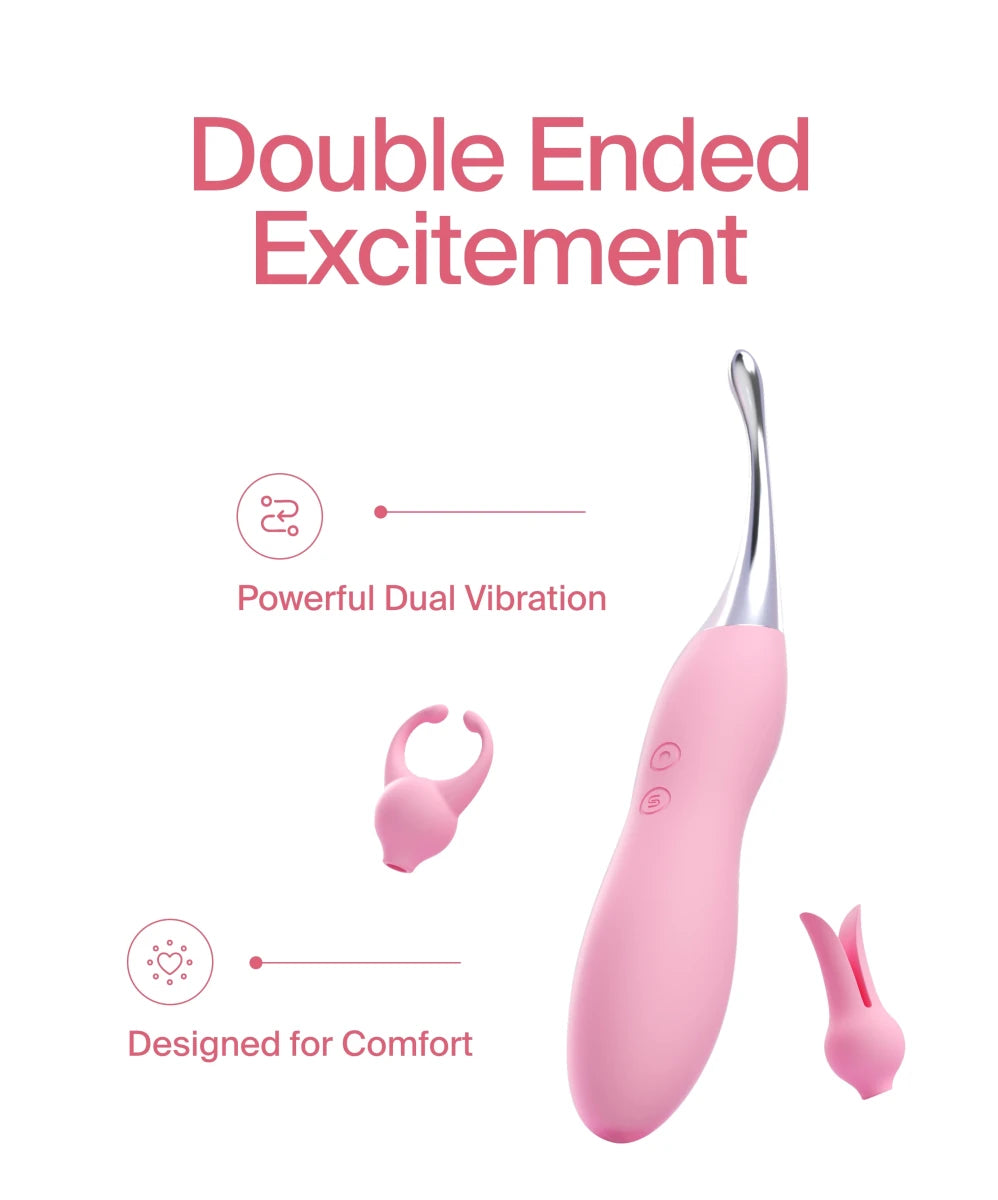
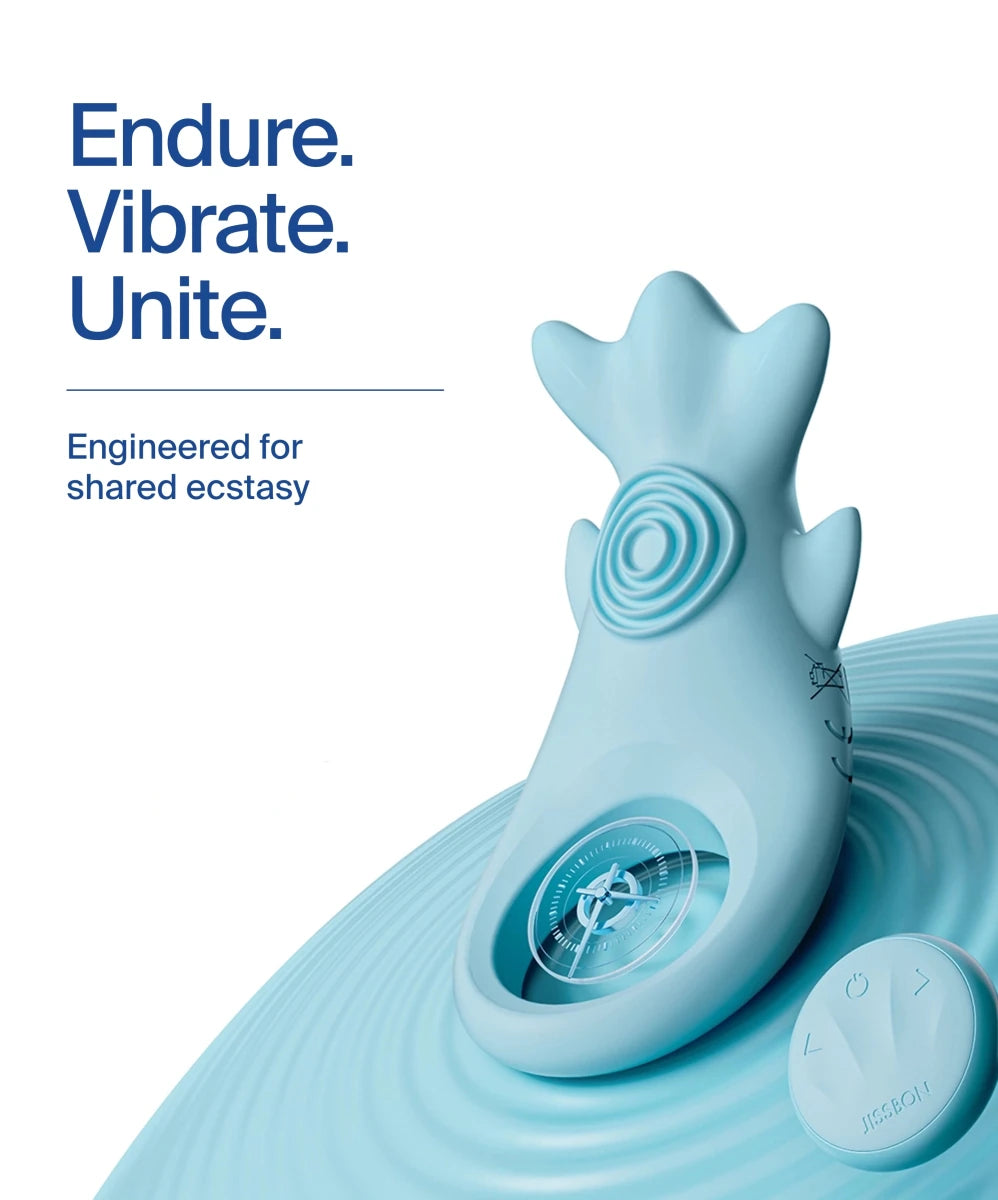
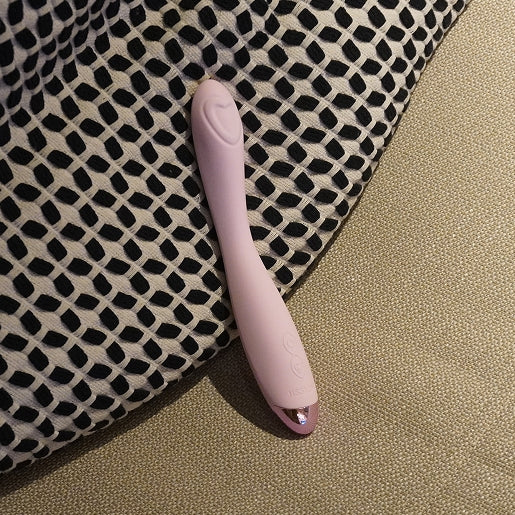
- Broad-surface vibrators for diffused stimulation
- Precision bullets for focused intensity (use with care)
- Clitoral suction toys using air pulsation rather than direct vibration
- Wand vibrators on low settings through fabric for gentler sensation
Technique Tips:
- Start with light touch, increase gradually
- Pay attention to the entire clitoral complex, not just the glans
- Experiment with pressure on the mons pubis (stimulates internal structures)
- Side-to-side and circular motions often preferred over up-down
Optimizing Penile Pleasure
Comprehensive Stimulation: While the glans has highest nerve density, shaft stimulation matters too:
- Vary pressure and speed rather than maintaining constant friction
- Pay attention to the frenulum (underside connection point)
- Include base and testicle stimulation in repertoire
- Combine different stimulation types (stroking, twisting, pressure)
Product Recommendations:
- Strokers and masturbators with varied internal textures
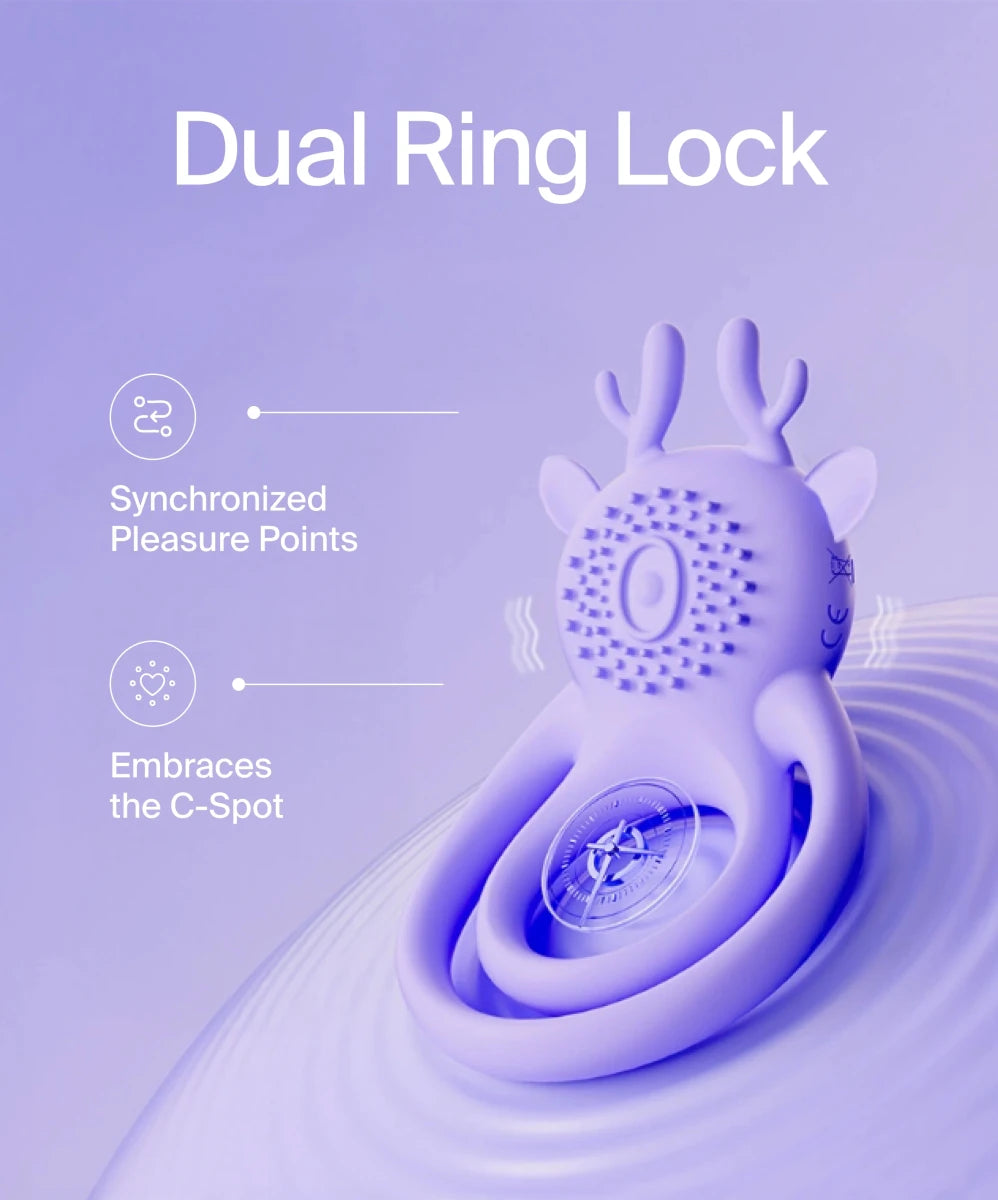
- Cock rings (vibrating or non-vibrating) for added sensation
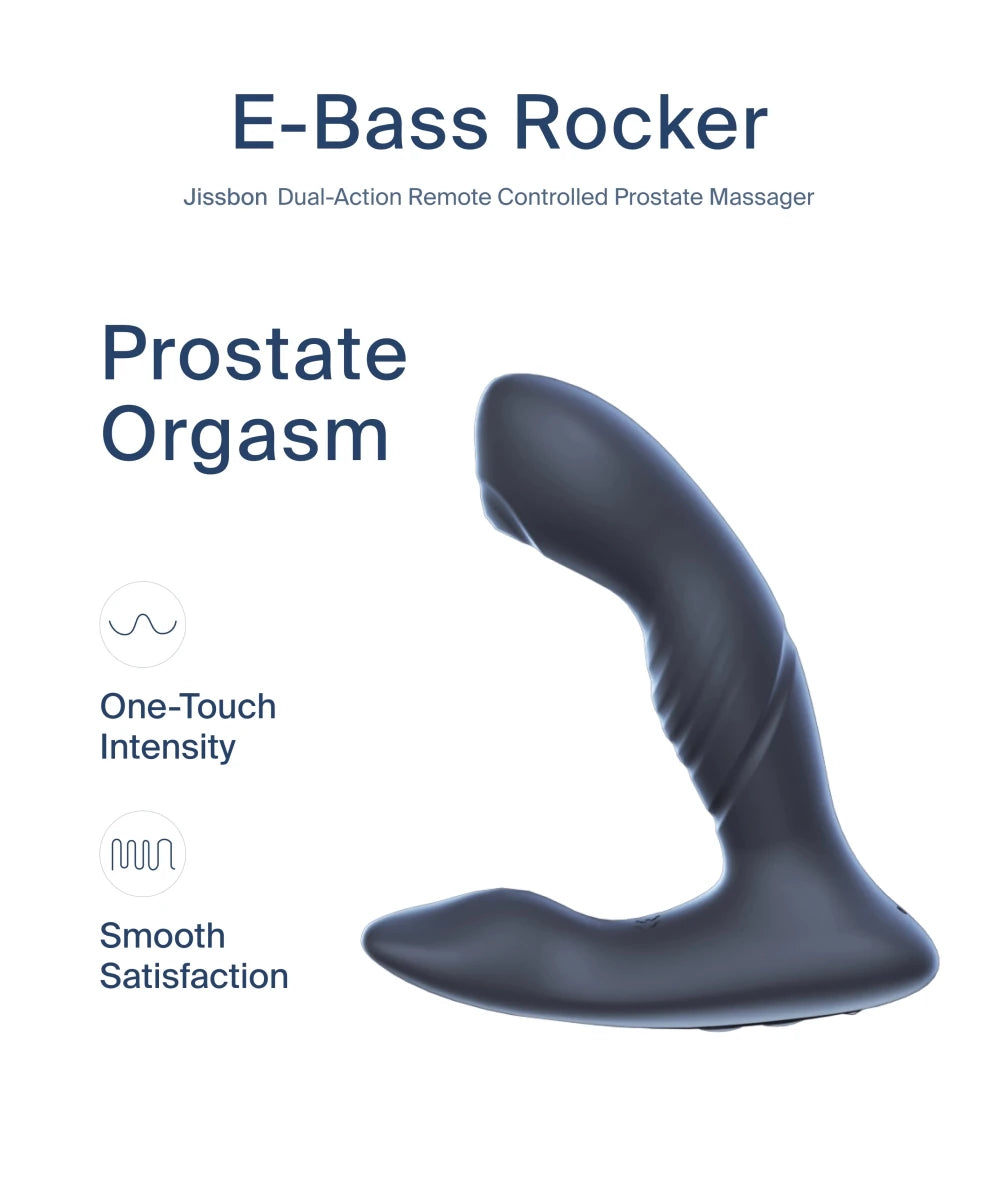
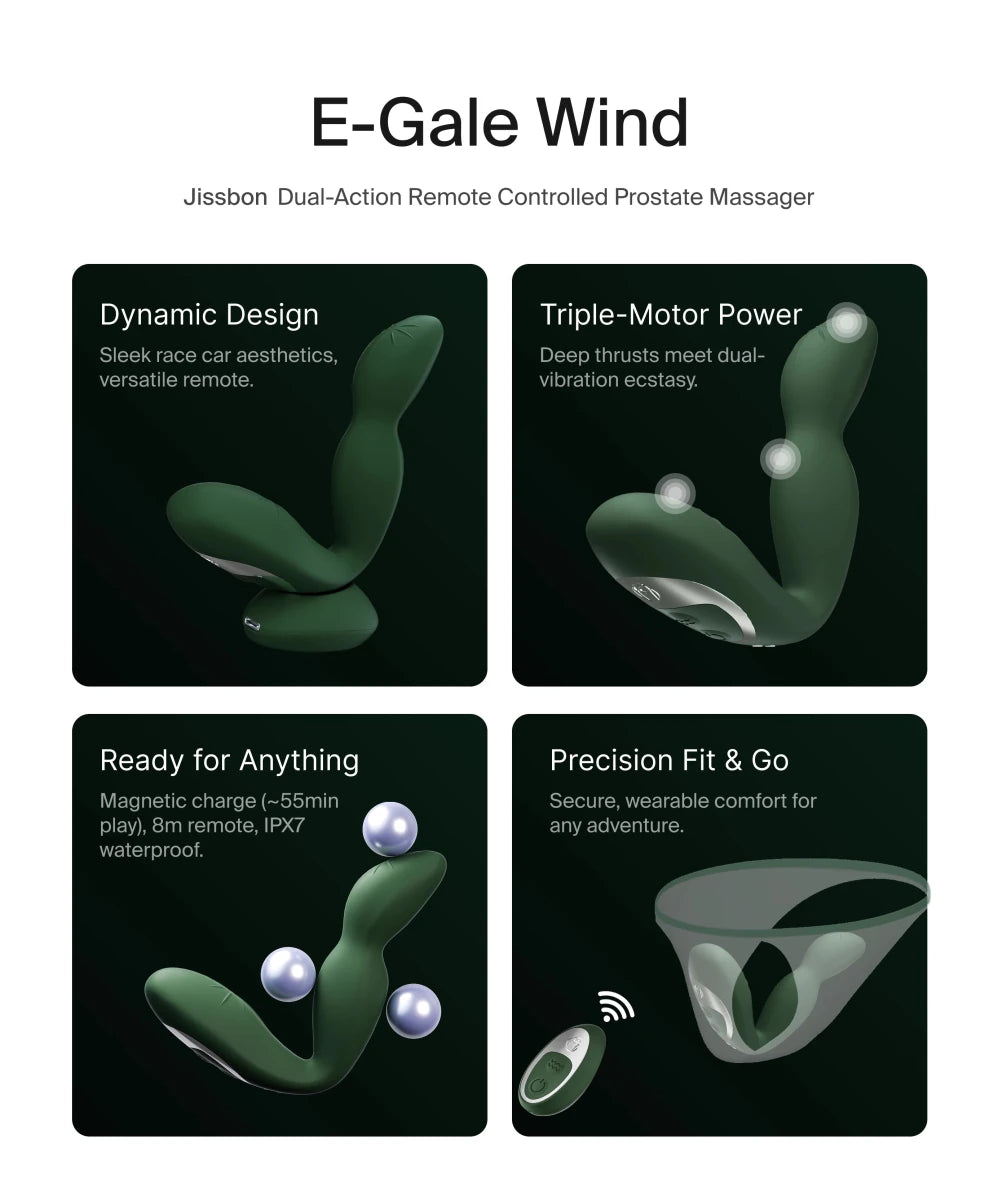
- Prostate massagers for internal stimulation
- Lubricant essential for reducing friction and increasing pleasure
Technique Tips:
- Vary grip tightness rather than using constant pressure
- Incorporate twisting motion along with up-down strokes
- Don't neglect the base and root (apply pressure to perineum)
- Experiment with edging (approaching orgasm then backing off)
Medical & Surgical Considerations

Both structures can require medical intervention for various reasons.
Clitoral Concerns
- Clitoral adhesions: Hood fuses to glans, potentially causing discomfort
- Clitoromegaly: Enlarged clitoris (often from hormonal conditions)
- FGM aftermath: Reconstructive surgery for survivors of cutting
- Gender-affirming surgery: Metoidioplasty uses clitoral tissue to construct penis
Penile Concerns
- Phimosis: Tight foreskin preventing retraction
- Peyronie's disease: Curvature from scar tissue formation
- Erectile dysfunction: Difficulty achieving/maintaining erection
- Gender-affirming surgery: Penile inversion vaginoplasty for trans women
Both structures are subject to unnecessary cosmetic surgery driven by cultural standards rather than medical need—ethical practitioners require clear medical indication or informed consent for gender affirmation.
Common Myths Debunked
Myth: The clitoris is just the small external nub Reality: That's only the glans. The full clitoral structure extends 7-12cm internally.
Myth: Bigger is better for either structure Reality: Size doesn't correlate with pleasure capacity or sexual function in normal ranges.
Myth: Vaginal orgasms don't involve the clitoris Reality: Internal clitoral structures (crura and bulbs) surround the vagina. "Vaginal orgasms" likely involve indirect clitoral stimulation.
Myth: Penis owners can't experience multiple orgasms Reality: With practice separating orgasm from ejaculation, multiple orgasms are possible.
Myth: One is more important than the other Reality: Both are central to sexual pleasure for their respective bodies. Neither is superior or inferior.
Frequently Asked Questions
Why is the penis urethra inside the shaft but the clitoris urethra is separate?
Because only the penis develops a fused urethral tube due to DHT hormone. The clitoris retains the open vestibular groove, separating the urethra from erectile tissue.
Which is more sensitive — the clitoris or penis?
Overall, the clitoris is more nerve-dense, especially the glans. But both can experience extreme pleasure through different touch types:
- Clitoris: light, precise, indirect movement
- Penis: rhythmic pressure and friction
Do both organs have foreskins?
Yes.
- Penile foreskin protects the glans
- Clitoral hood protects the clitoral glans
Both are homologous tissues.
Why is the clitoris “bigger” than most people think?
Because the visible tip is only 5–10% of the organ; the full internal structure is roughly the size of a small zucchini or wishbone.
Why does the clitoris have more nerve endings than the penis?
The clitoris serves solely as a pleasure organ with no reproductive or urinary function. Evolution concentrated sensation in this specialized structure. The penis serves triple duty (pleasure, urination, reproduction), distributing nerve endings across broader surface area for multiple functions.
Can the clitoris get erect like a penis?
Yes—the clitoral shaft, crura, and bulbs all engorge with blood during arousal, similar to penile erection. The change is less visible because most erectile tissue is internal, but the glans does enlarge and become firmer.
Are they equally sensitive?
Both are highly sensitive, but differently. Higher nerve density makes the clitoral glans more sensitive to lighter touch. The penis responds well to broader pressure and friction. Neither is "more sensitive"—they're optimized for different stimulation types.
Can penis owners stimulate the clitoral equivalent?
The frenulum and glans penis are homologous to the clitoris. Focused stimulation on these areas (especially the frenulum) provides similar concentrated pleasure.
Does testosterone affect clitoral size?
Yes. People taking testosterone (trans men, some non-binary people) experience clitoral growth (typically 1-3cm shaft elongation) as the tissue responds to hormones, similar to how the structure would have developed into a penis with fetal androgen exposure.
Why is there more focus on penis size than clitoral size?
Cultural visibility and outdated reproductive focus. The penis is externally visible and historically centered in discussions of reproduction and male virility. The clitoris was poorly understood anatomically until the 1990s and serves only pleasure—not valued equally in many cultures.
Conclusion
The clitoris and penis represent divergent development paths from shared embryonic origins, resulting in structures that are remarkably similar in erectile tissue composition, nerve distribution principles, and pleasure capacity, yet distinctly different in size, visibility, nerve density, and sexual response patterns.
Understanding these similarities and differences improves sexual education, medical treatment, partner communication, and personal pleasure exploration. Both organs deserve equal attention, accurate anatomical knowledge, and respect for their role in human sexuality and wellbeing.Ready to explore products optimized for your anatomy? Discover thoughtfully designed options at Jissbon supporting pleasure for all body types.


Looking for something else?

What Is Flogging in Sex? Complete BDSM Flogging Guide
LEARN MORE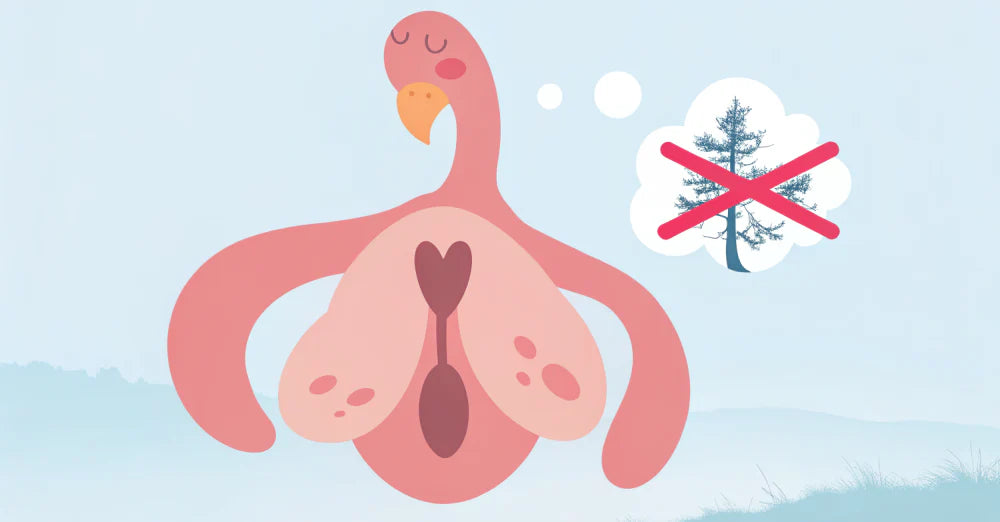
What Does Overstimulated Mean Sexually? Causes & Solutions
LEARN MORE
Can You Get a Tattoo on Your Vagina? Safety, Pain & What to Expect
LEARN MORE
Public Sex Kink: Understanding Exhibitionism & Safe Exploration
LEARN MORELooking for something else?

A-Spot Orgasm: Best Positions & How to Find It
LEARN MORE
Bondage Play: Complete Beginner's Guide to Rope BDSM
LEARN MORE
Vibrator Stories: Real Experiences, Tips & What to Expect
LEARN MOREYou may also like
20% off

20% off

20% off

20% off

20% off

20% off

Further reading
How to Clean an Automatic Blowjob Machine Without Damaging the Motor
Remote-Controlled Automatic Masturbators for Couples and Solo Play
Best Automatic Strokers for Edging and Stamina Training