






































Best Penis Extender: Evidence, Safety, and How to Choose (No Hype)
Stack & Save: Extra 15% with Jissbon15
Jissbon15
“Penis extender” usually refers to a penile traction device (PTD) that applies gentle, sustained stretch to the penis for set periods each day.
High-quality medical traction devices have the best evidence—especially for Peyronie’s disease (penile curvature) and length loss after prostate surgery. Some studies show modest length gains and curvature improvement with consistent use.
For otherwise healthy men seeking enlargement alone, the evidence is limited and mixed; mainstream medical sources warn that many “male enhancement” products are ineffective or risky. Manage expectations and prioritize safety.
This guide explains what the devices are, what the science says, how to pick the best penis extender for your goals, and how to use one safely.
What exactly is a penis extender?
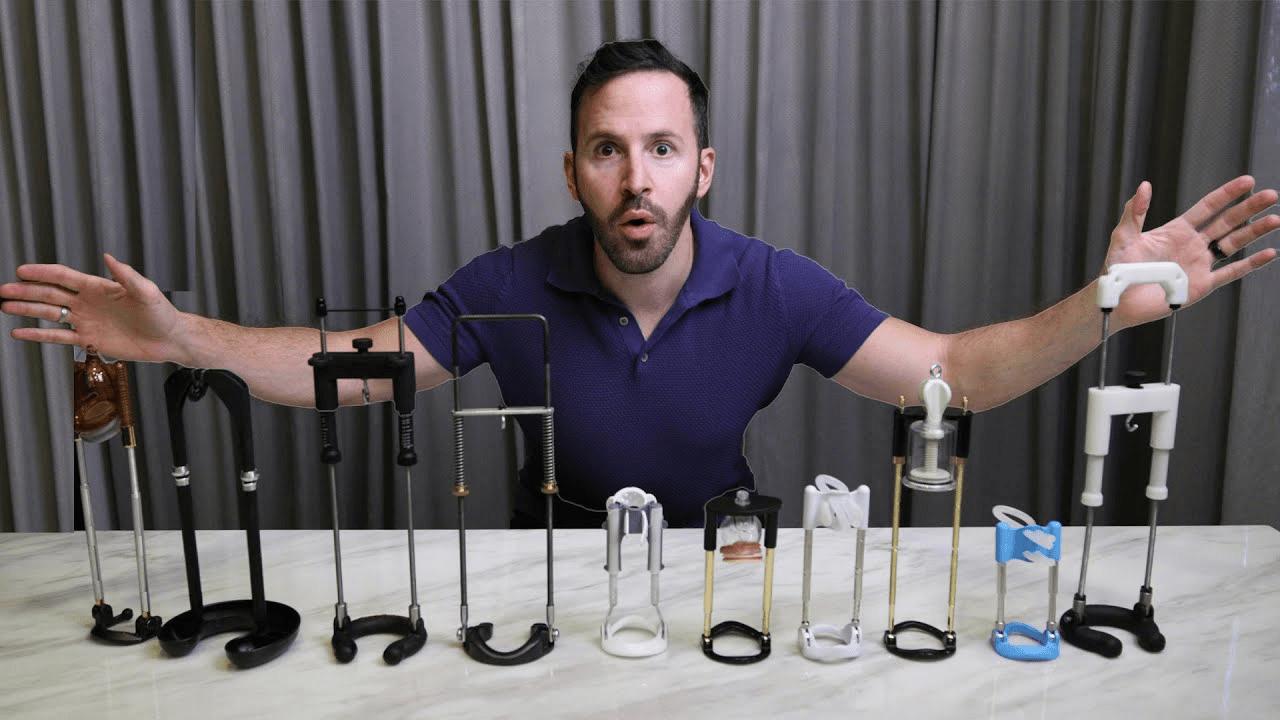
A penis extender (penile traction device) has three core parts:
- Base ring that sits at the root of the penis
- Rods that set the length/tension
- Glans attachment, which may be a silicone strap/noose or a vacuum bell that grips the head
The device applies controlled traction (gentle stretch) to tissues. Over time, repeated low-load mechanical stress can drive remodeling (mechanotransduction), which is the same general principle used in orthodontics or limb lengthening—but on a much smaller scale and with far lower forces.
A urologist’s quick breakdown of how PTDs fit, look, and work (base ring + rods + glans attachment) is also helpful if you’re visual: short expert videos describe the mechanism and typical use.
What does the evidence say?

Strongest evidence: Peyronie’s disease (PD)
- Several trials and follow-ups show that traction therapy can reduce curvature and preserve or increase length in PD, with relatively few adverse effects when used correctly. Newer devices report meaningful benefits with shorter daily wear than older models.
- Major centers and reviews acknowledge PTD as a valid, conservative option (often alongside injections or before/after surgery), though guideline strength varies because studies differ in design and compliance.
Post-prostatectomy length loss
- Early data suggest traction can improve or preserve length after radical prostatectomy with 30–90 minutes/day on some devices.
Cosmetic use in men without PD
- Authoritative medical sources caution that most marketed “enlargement” methods don’t work or can be harmful; traction may be safer than many alternatives, but robust proof of large, permanent gains in otherwise healthy men is lacking. Expectation management is essential.
Bottom line: the best-supported use of a penis extender is medical (PD, length preservation). If you’re considering one only for size, proceed carefully, set modest expectations, and prioritize device quality + correct technique.
How to choose the best penis extender (checklist)

When people say “best,” they usually mean: effective, comfortable, safe, usable daily, and backed by data. Use this checklist:
- Clinical evidence & medical pedigree
-
Look for devices cited in peer-reviewed trials or used in urology practices, especially for PD or post-prostatectomy care.
- Attachment type
- Vacuum bell (glans suction): Distributes pressure; many find it more comfortable for longer wear.
- Strap/noose: Simpler, sometimes cheaper, but can create hot spots if tension is high.
- Tension control & measurement
- Graduated rods or dials that quantify traction help you progress safely.
- Short, realistic wear-time option
-
Evidence with 30–90 min/day exists for some designs; traditional frames often specify 3–8+ hours/day—which many users won’t sustain.
- Materials & build
- Medical-grade plastics/silicone, smooth edges, easy cleaning, and spare parts.
- Support & instructions
- Clear manual, quick-start videos, and customer support matter more than you think.
- Return policy & warranty
- A realistic window to evaluate comfort/compliance.
Tip: If your primary goal is curvature improvement or length preservation (PD/after surgery), involve a urologist to choose and supervise the device.
What results are realistic?
- PD users: Studies report curvature reduction and length gains with consistent use; individual results vary with disease phase, daily minutes, and adherence.
- Post-prostatectomy: Early data show length improvements with short daily sessions on specific devices.
- Cosmetic users: Expect modest changes at best, over months, and only with regular wear. Reversals can occur if you stop. Mainstream sources emphasize realistic expectations.
Safety first: who should not use one?
Avoid traction devices (or get medical clearance) if you have:
- Active Peyronie’s pain/inflammation, open lesions, or infections
- Bleeding disorders or are on anticoagulants
- Severe curvature requiring surgical evaluation
- Numbness, uncontrolled diabetes with neuropathy, or skin breakdown
Stop immediately and consult a clinician if you notice numbness, color change, persistent pain, blistering, or skin tears.
Authoritative medical pages warn that many enlargement methods are ineffective or risky; PTDs have a safer profile than most but still require correct use.
How to use a penis extender (safe starter routine)

This is a general framework. Follow your device’s manual and any clinician advice.
Week 1–2: Acclimation (low tension, short sessions)
- Daily: 15–30 min, very light traction. Check skin every 5–10 min.
- Goal: learn fitting, attachment, and circulation checks.
Week 3–4: Build consistency
- Daily: 30–60 min, low-to-moderate traction.
- Break sessions into 2×15–30 min if needed.
Month 2+: Progressive plan
- Depending on device evidence, aim for 30–90 min/day (newer designs) or up to 3–8 h/day (traditional frames)—only if comfortable and practical.
- Increase traction gradually; never jump tension to “speed results.”
Fitting & circulation checks
- The glans should stay warm and pink, not pale/blue/purple.
- If tingling, coldness, or color change occurs, release immediately, rest, and reduce tension next session.
Hygiene & care
- Clean skin and device contact areas before/after use.
- For vacuum bells, keep the sleeve clean and replace if it loses seal.
Traction vs sleeves, pumps, and rings (don’t confuse categories)

- Traction extenders (PTDs) = evidence-bearing option for PD/length preservation when used correctly.
- Sleeves/“extenders” worn during sex = pleasure/coverage products, not tissue remodeling tools.
- Vacuum pumps = expand blood flow temporarily; not proven for permanent length change in healthy men (used in rehab contexts under supervision).
- Rings/clamps = for rigidity maintenance during arousal, not enlargement; misuse can be dangerous. Mainstream medical advice discourages relying on these for size change.
The “best penis extender” for different goals
For Peyronie’s disease (curvature, length preservation)
- Choose a device with published data and short, realistic daily wear if compliance is a concern. Discuss with a urologist to integrate with other treatments (e.g., traction alongside injections, before/after surgery).
For post-prostatectomy length rehab
-
Consider devices with post-surgical studies and 30–90 min/day protocols; coordinate with your surgeon.
For cosmetic length goals
- Pick a well-built, comfortable device you can actually wear consistently. Commit to months, expect modest changes, and monitor skin meticulously. Pair with pelvic health (sleep, exercise, cardiovascular health) for erectile quality. Medical sources stress expectation control.
Practical tips for comfort & compliance
- Start light. Your skin adapts over weeks, not days.
- Mind the attachment. If a strap/noose pinches, try a vacuum bell style.
- Use breaks. Multiple short sessions beat one long, uncomfortable session.
- Track data. Log minutes/day, traction level, and any skin notes.
- Stay patient. Tissue remodeling is slow and stops if you stop.
Red flags & when to seek help
Stop and seek medical advice if you experience:
- Cold, discolored glans that doesn’t normalize after release
- Open sores/blisters, numb areas, or persistent pain
- Worsening curvature or sudden deformity
Remember, many enlargement claims online are overstated; authoritative sources emphasize safety and realism.
Frequently Asked Questions
Do penis extenders really work?
They can, in specific contexts. Best evidence is for Peyronie’s disease (curvature reduction, length preservation) and post-prostatectomy length rehab. For cosmetic enlargement alone, evidence is limited; any gains are usually modest and require consistent, long-term use.
How long do I need to wear one each day?
Protocols vary by device. Newer designs report benefits with 30–90 minutes/day; traditional frames often specify 3–8+ hours/day. Choose what you can realistically maintain without skin issues.
Is traction safe?
When used correctly and on the right patient, traction is safer than many advertised alternatives. Misuse (excess tension, over-long sessions, poor attachment) raises risk. Follow instructions and monitor circulation.
Can I use an extender if I have Peyronie’s disease?
Often, yes—many urologists include PTD within nonsurgical plans or around procedures. It’s best done with clinical guidance to set goals, timing (acute vs chronic phase), and combination therapy.
Are sleeves, rings, or pumps as good as traction devices for growth?
No. Those tools can aid arousal or temporary function, but they don’t have strong evidence for permanent length change in healthy men.
What’s the biggest mistake beginners make?
Chasing quick results with too much tension or wear time, causing soreness or skin injury—then quitting. Progress slowly, stay consistent, and prioritize comfort.


Looking for something else?
What Is Flogging in Sex? Complete BDSM Flogging Guide
LEARN MORE
What Does Overstimulated Mean Sexually? Causes & Solutions
LEARN MORE
Can You Get a Tattoo on Your Vagina? Safety, Pain & What to Expect
LEARN MORE
Public Sex Kink: Understanding Exhibitionism & Safe Exploration
LEARN MORELooking for something else?

A-Spot Orgasm: Best Positions & How to Find It
LEARN MORE
Bondage Play: Complete Beginner's Guide to Rope BDSM
LEARN MORE
Vibrator Stories: Real Experiences, Tips & What to Expect
LEARN MOREYou may also like
20% off

20% off

20% off

20% off

20% off

20% off

Further reading

How to Clean an Automatic Blowjob Machine Without Damaging the Motor
Remote-Controlled Automatic Masturbators for Couples and Solo Play
Best Automatic Strokers for Edging and Stamina Training