




































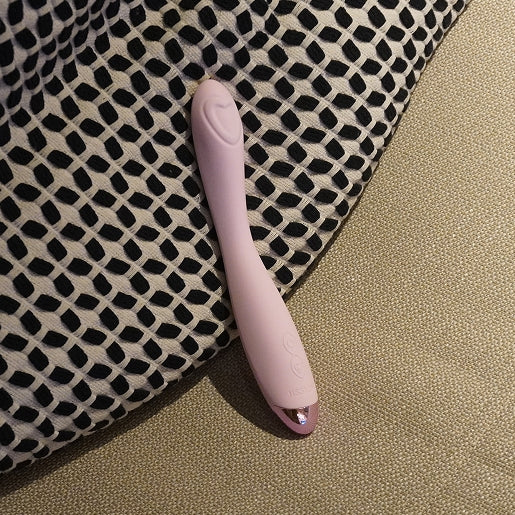

Benefits of Using a Vibrator: Pleasure & Sexual Wellness
Stack & Save: Extra 15% with Jissbon15
Jissbon15
Wondering about the benefits of using a vibrator—beyond the obvious? Good question. Vibrators aren’t just for solo thrills; they can support arousal, make orgasms easier, boost confidence, and even play a helpful role in sexual wellness.
In this guide, you’ll learn what vibrators are, how to use a vibrator comfortably, how to enjoy a vibrator during sex with a partner, and the most important safety tips—so using vibrators feels natural, respectful, and genuinely good for your body.
What are vibrators?
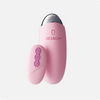
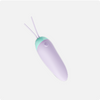
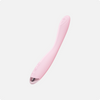
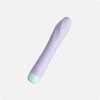
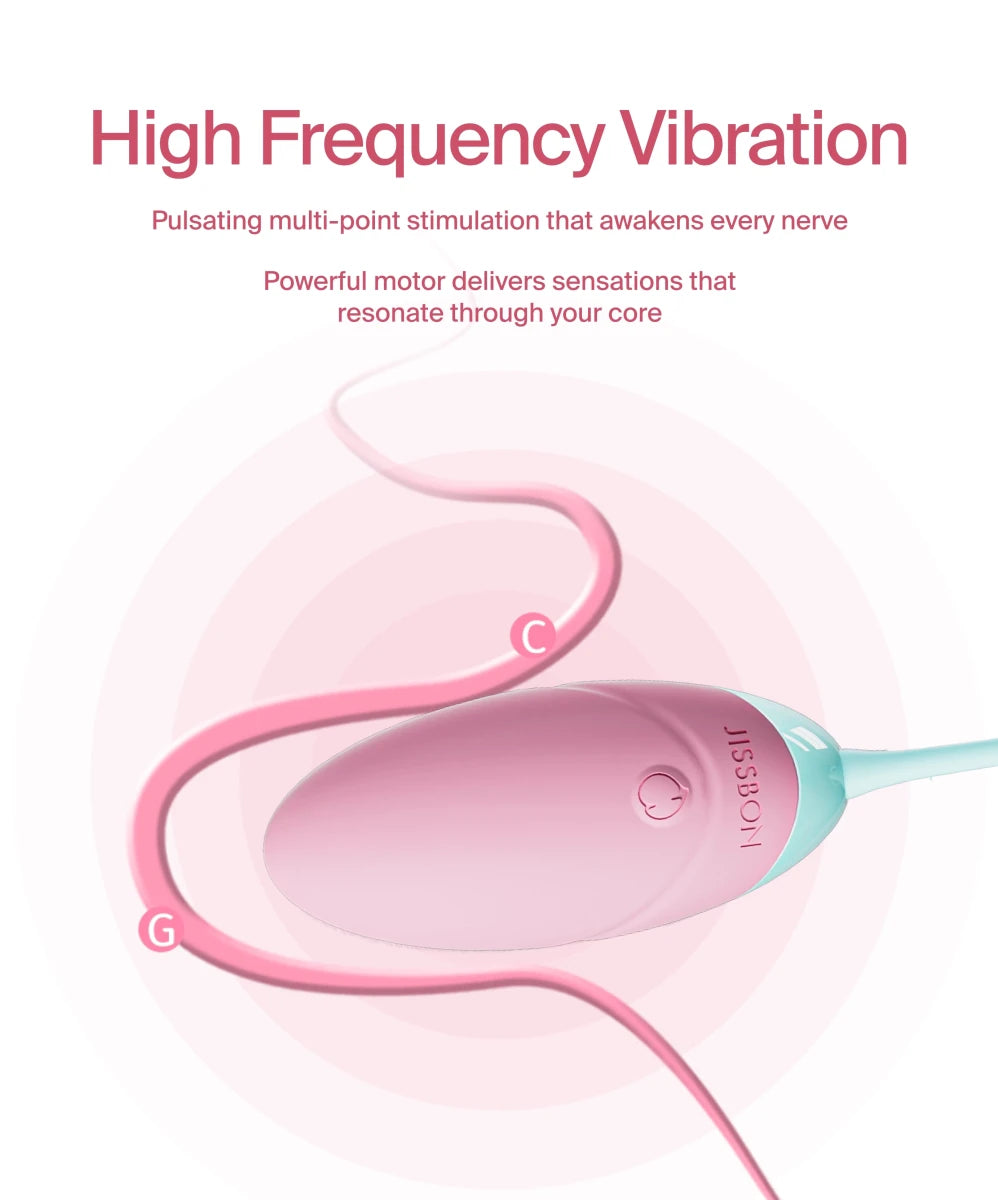
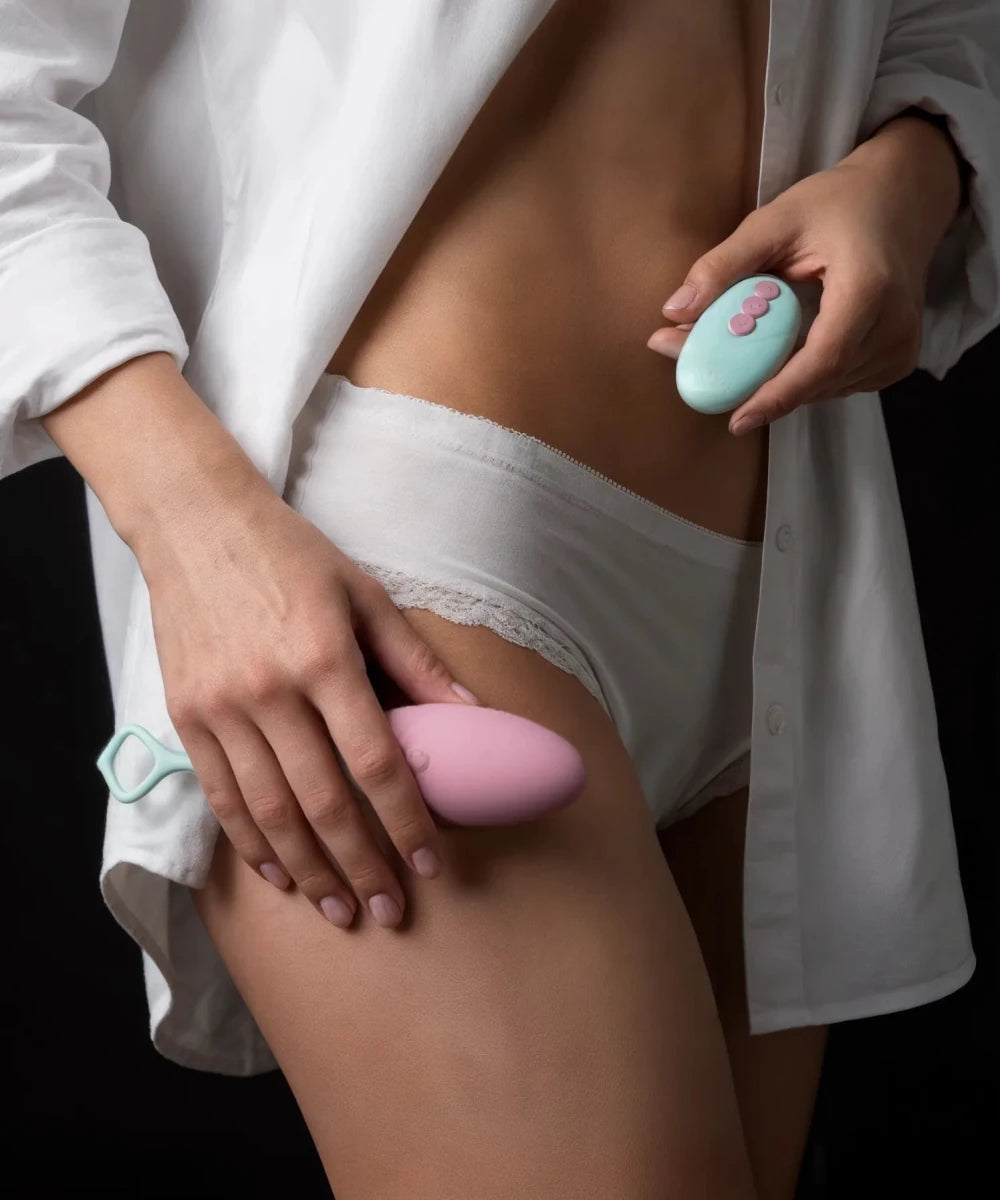
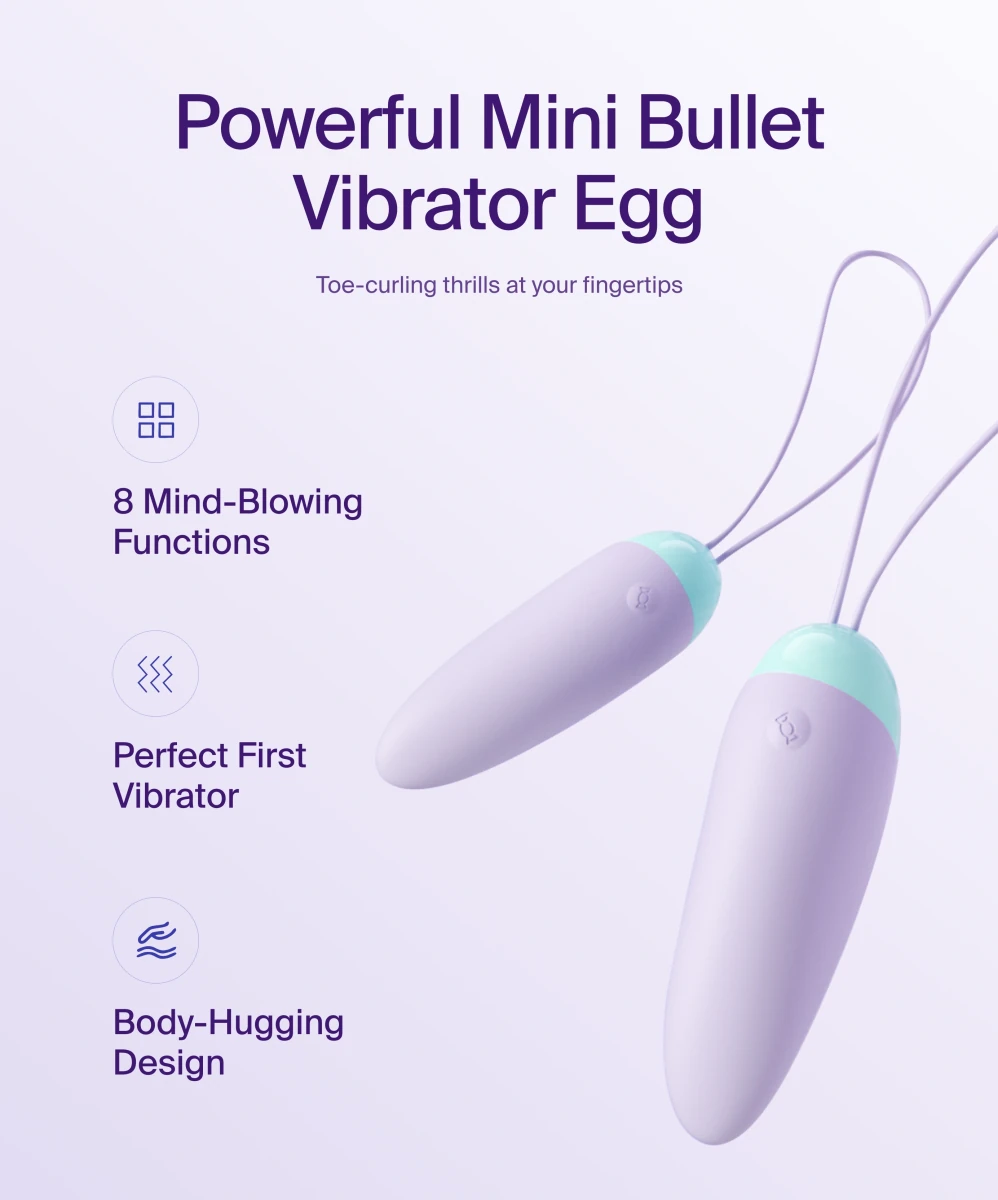
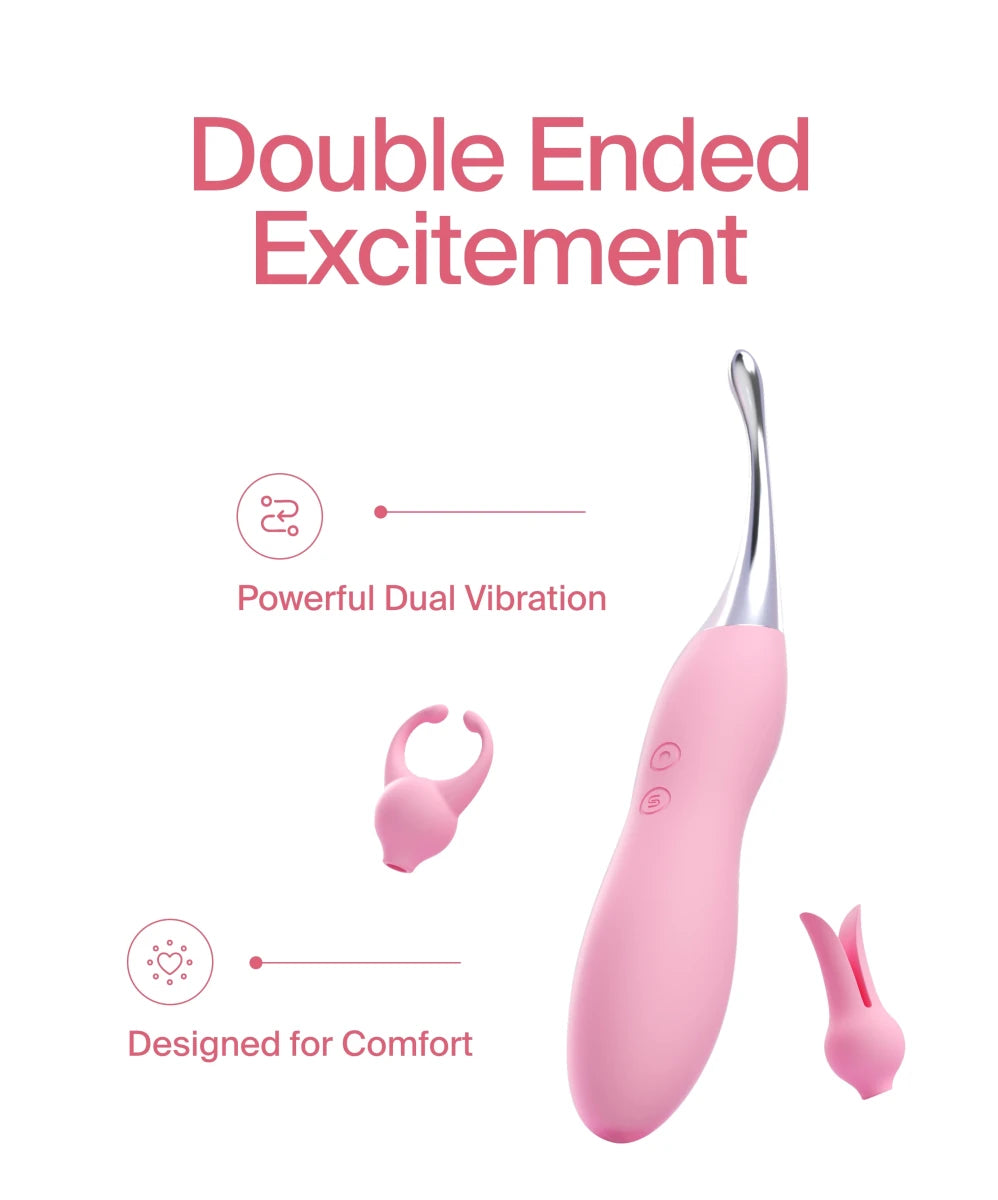
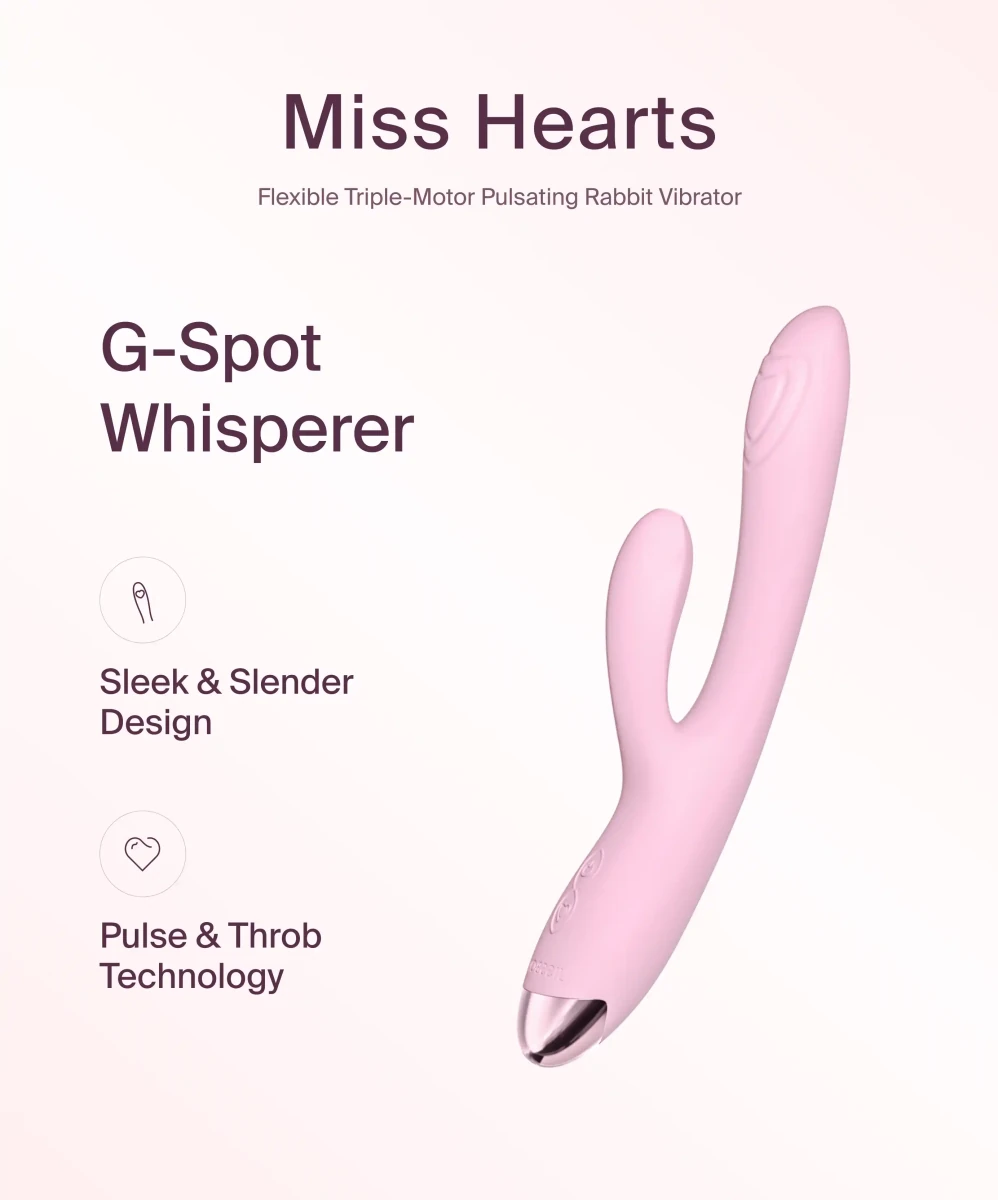
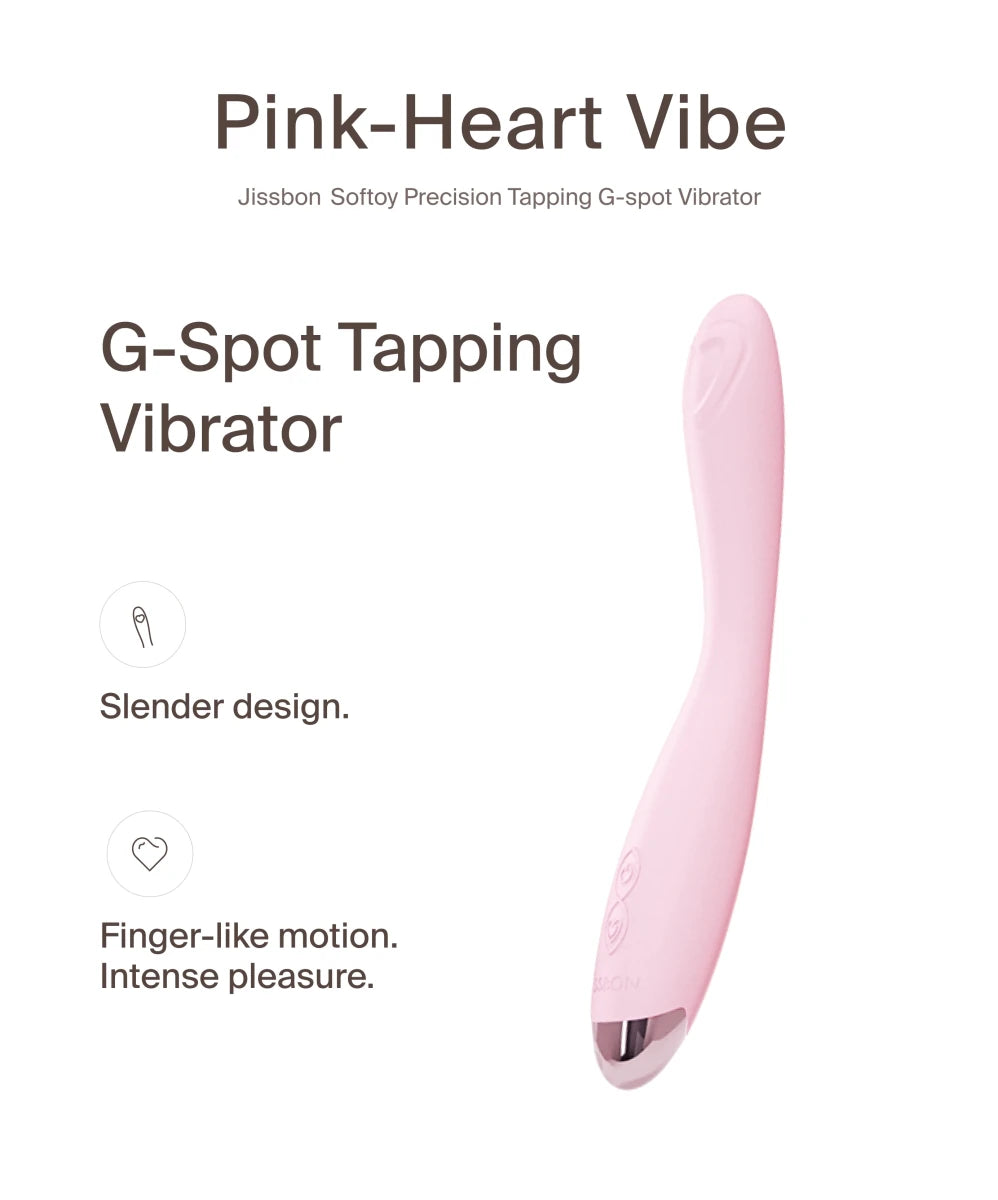
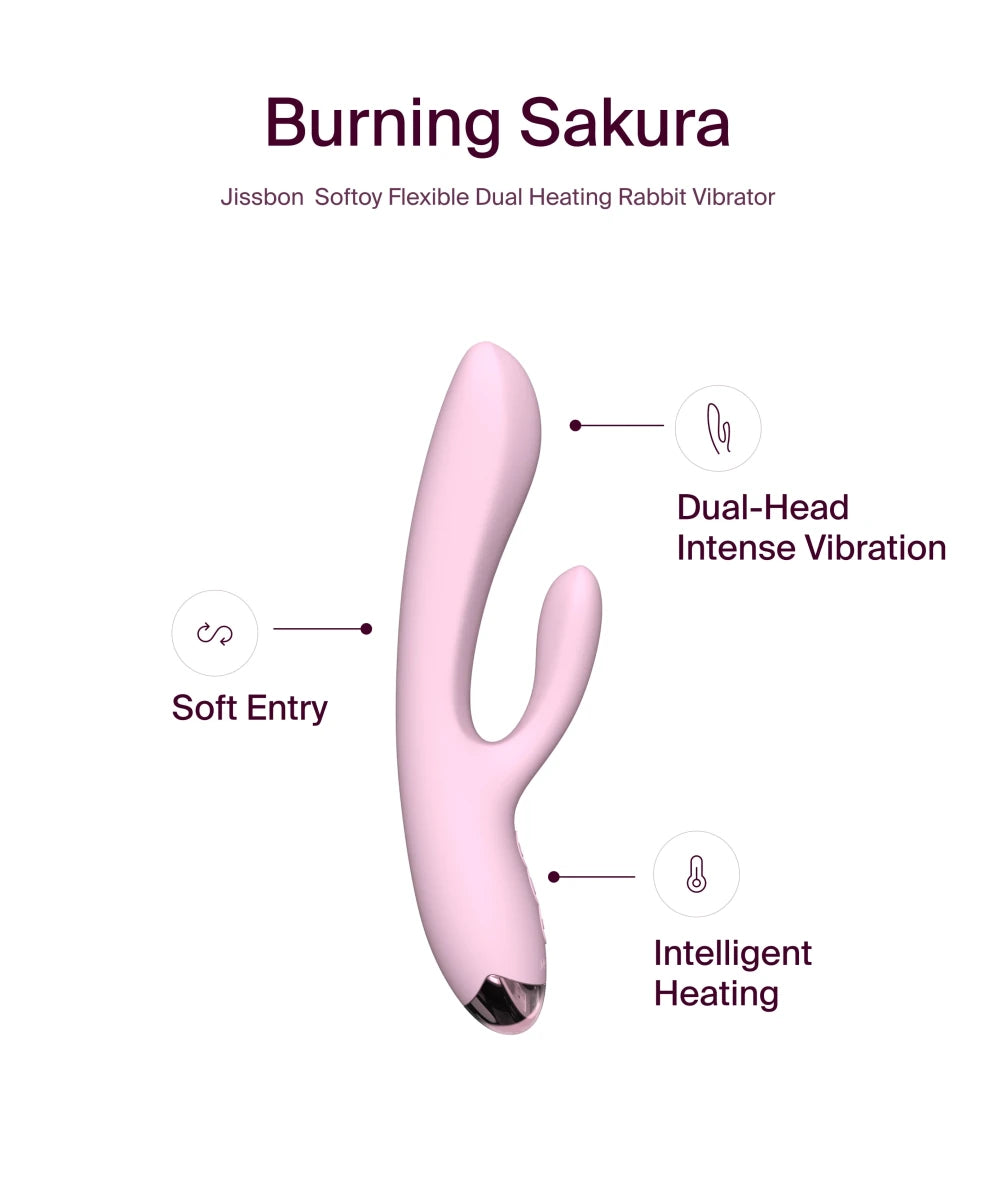
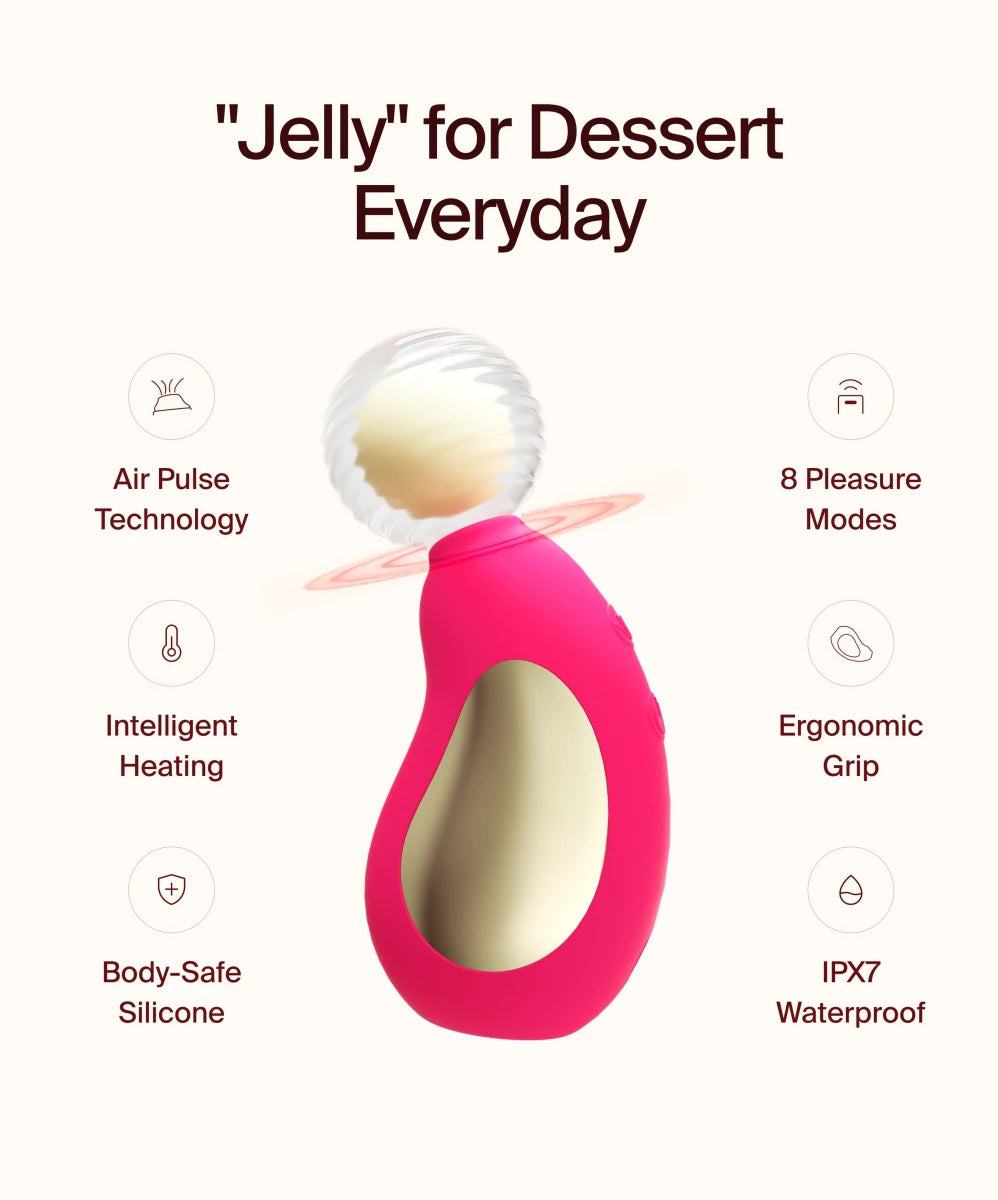
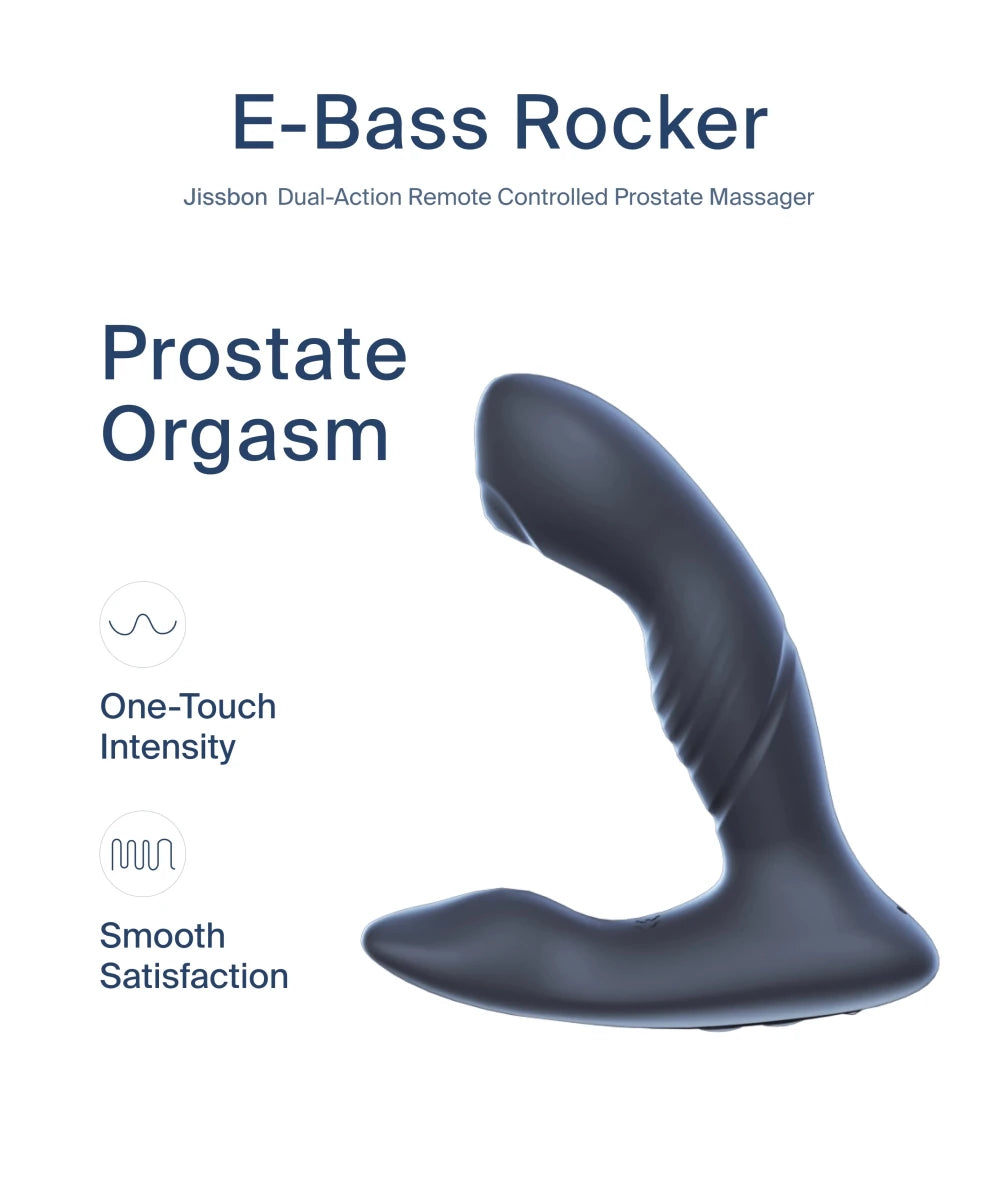
A vibrator is a powered device that creates steady or patterned vibration to stimulate external (clitoris, vulva, perineum, nipples) and/or internal areas (e.g., G‑spot or prostate, depending on the design). They come in many forms—bullets, lay‑ons, G‑spot curves, rabbits, wands, wearables—and many people use them solo and with partners. Research and mainstream health sources note that vibrators can increase pleasure and make orgasm easier for many users.
The biggest benefits of using a vibrator

Below are the most common, research‑supported benefits of using a vibrator—organized so you can connect them to real‑life needs.
1) More arousal, easier orgasms
Vibration adds consistent, repeatable stimulation—especially useful if manual touch feels too light or fatiguing. Medical organizations and research overviews associate vibrator use with increased sexual desire, arousal, satisfaction, and improved sexual function, including more reliable orgasm for many users.
2) Better blood flow = better sensation
Vibration can promote vasodilation (widening of blood vessels) and local blood flow in genital tissues, which often translates to heightened sensitivity and a stronger “build.” That’s a core reason vibrators can help when arousal is slow to start.
3) Helpful for common sexual function concerns
A narrative review in a medical journal links genital vibration with support for erectile and ejaculatory difficulties, delayed or absent orgasm, and arousal challenges. While more research is welcome, vibration shows promise as an accessible tool for sexual function across genders.
4) Potential pelvic‑floor and genitourinary benefits
Emerging studies suggest that regular use may improve pelvic‑floor parameters and mild urinary symptoms in some women by supporting circulation and muscle tone. Evidence is still developing, but early findings are encouraging.
5) Body literacy and confidence
Learning how you like to be stimulated builds sexual self‑knowledge—which makes it easier to communicate with partners. Surveys and clinical writing highlight that people using vibrators often report positive sexual enhancement and comfort discussing pleasure needs.
6) Bridging desire gaps in relationships
A vibrator during sex can “even out” differences in arousal or speed of climax—creating more shared, satisfying outcomes. Relationship‑focused guides emphasize experimentation, consent, and patience when bringing a vibrator into partnered play.
Myths & facts (quick debunk)
-
“Vibrators cause permanent desensitization.”
Evidence doesn’t support this. Some people notice temporary numbness after high‑intensity sessions, but sensation returns with rest. Varying settings, adding lube or fabric layers, and taking short breaks help prevent overstimulation. -
“Using a vibrator means I can’t enjoy ‘regular’ sex.”
Not at all. Many people find that a sex with vibrator routine improves partnered experiences by reducing pressure and making orgasms more consistent—especially when clitoral stimulation is essential. -
“Vibrators aren’t medical.”
While most are sold for pleasure, clinicians sometimes recommend vibratory stimulation as part of sexual function care or pelvic‑floor support.
How to use a vibrator (simple, step‑by‑step)

- Set up comfort. Warm room, soft light, privacy.
- Clean & lube. Rinse with mild soap and water, dry, then use a small amount of water‑based lubricant (widely recommended with silicone toys).
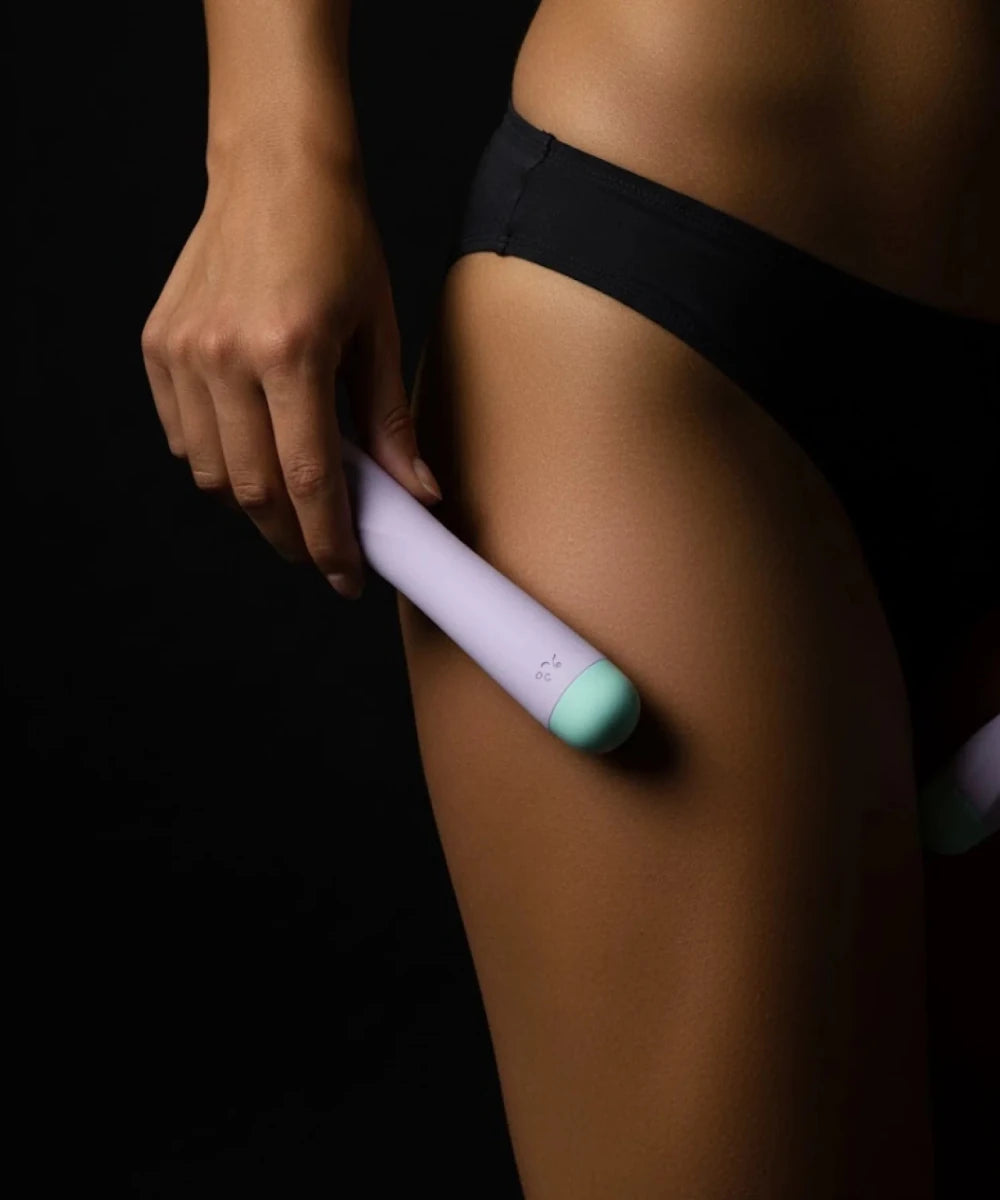
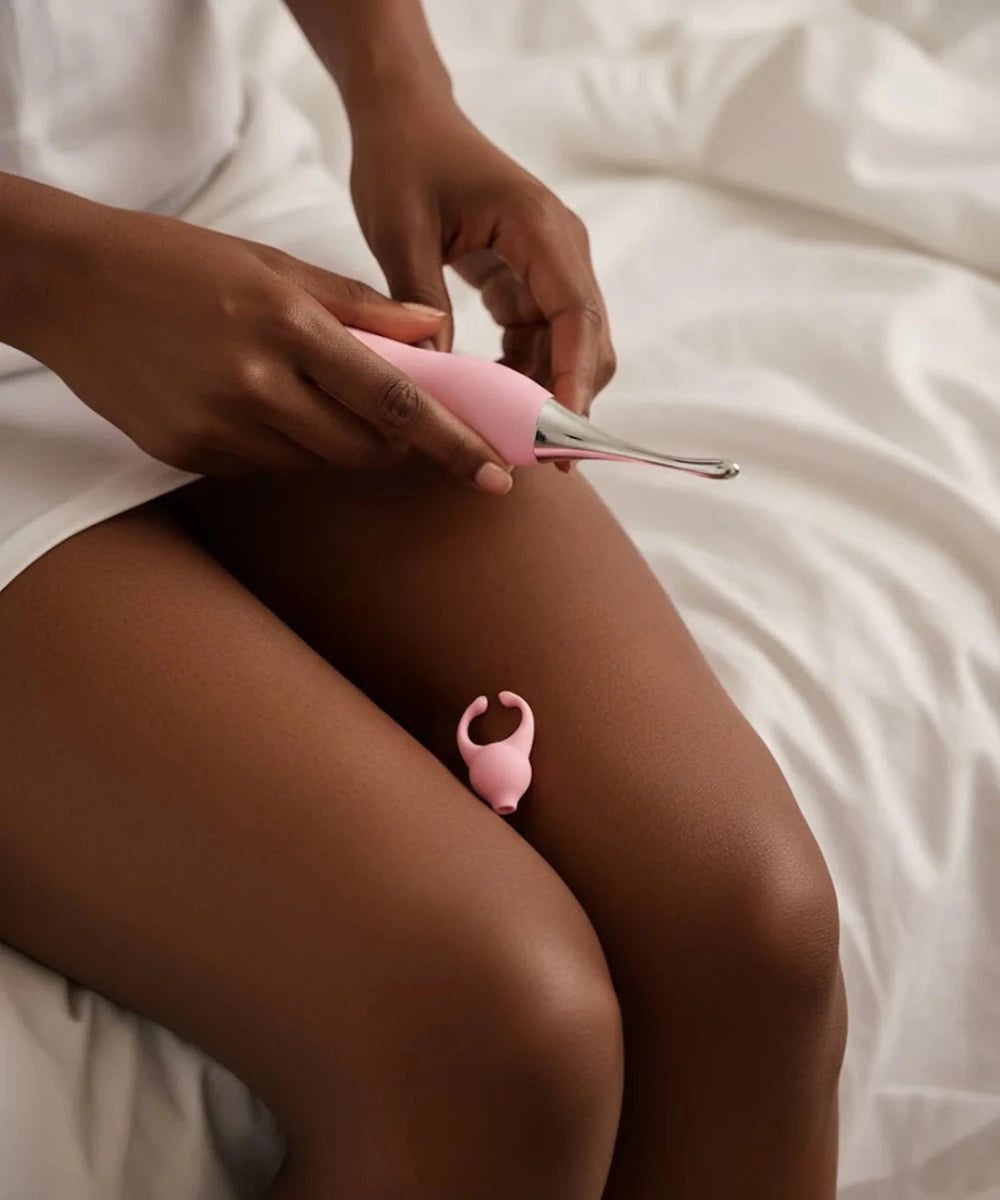
- Start on low. Place the toy on the clitoral hood, labia, perineum, or other external spot. Hold steady for 30–60 seconds before changing speed.
- Adjust angle before power. Tilting the toy or using its flat side often feels better than immediately increasing intensity.
- Internal? Go slow. If your device is insertable (e.g., a G‑spot curve), add more lube and use a gentle rocking motion toward the belly button rather than fast thrusting.
- Aftercare. Hydrate, relax, then wash and fully dry your toy before storage.
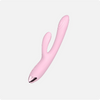
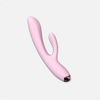
Want a shape that blends internal curve + external contact? Compare options in Rabbit Vibrators to see what might suit your routine.
Vibrator during sex: how to integrate with a partner
- Talk first. Share what you like and where vibration feels good. Agree on a “more/less/stop” signal.
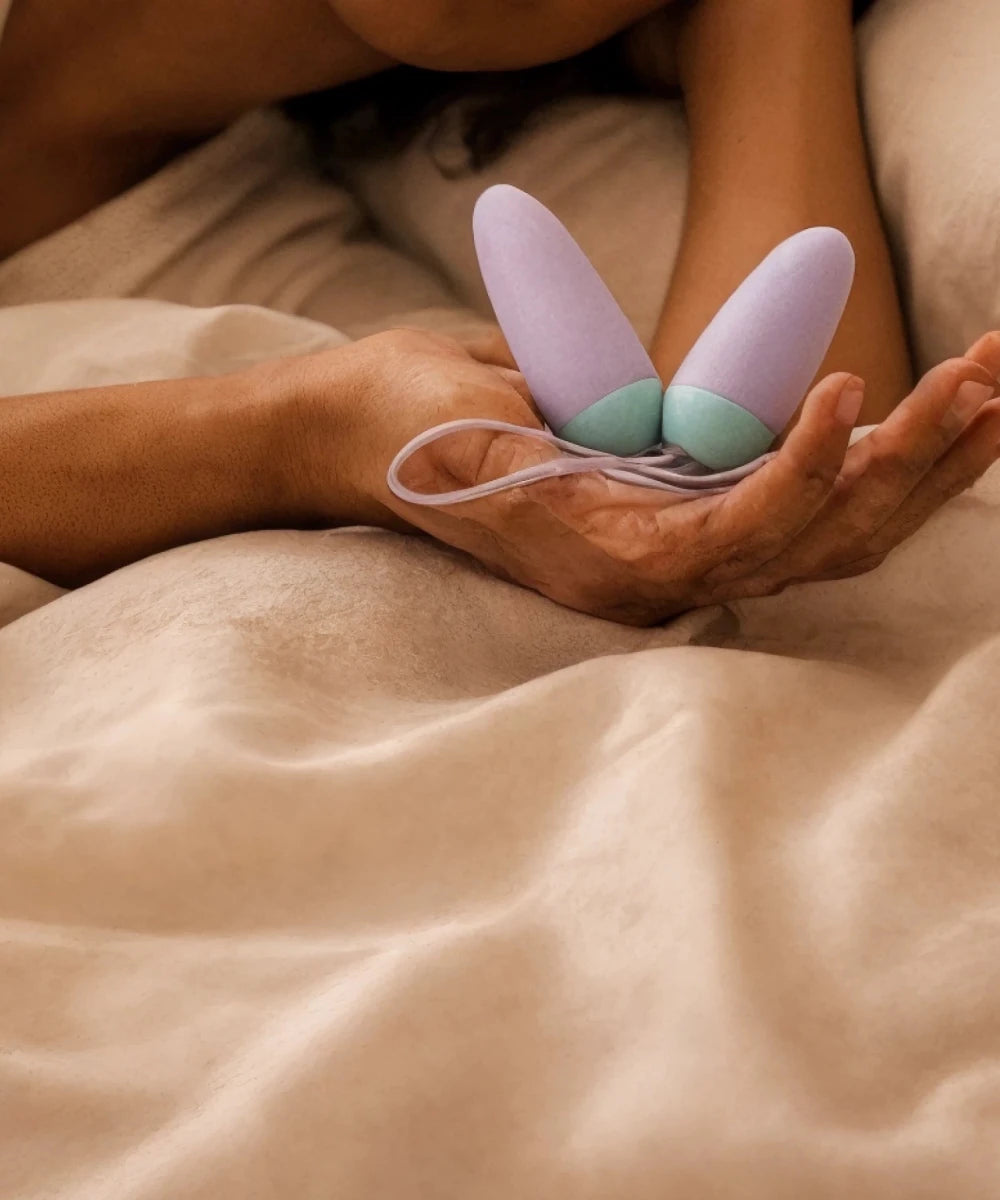
- Start outside. A small bullet or lay‑on between bodies keeps motion natural while adding consistent stimulation.
- Keep a “kill switch.” Know how to cut power instantly if intensity becomes distracting.
- Play with positions. Side‑lying or woman‑on‑top can make external contact easy without wrist strain.
- Be patient. Think “experiment,” not “performance.” Trying different placements, patterns, and speeds is the point.
Safety & hygiene: the non‑negotiables
- Material matters. Favor non‑porous silicone or ABS with smooth seams.
- Clean after every session. Mild soap + warm water (or a toy cleaner), then air‑dry completely. This reduces irritation risk and prevents microbial transfer—especially important if you ever share.
- Barriers & boundaries. If you switch from anal to vaginal use, clean first or use a fresh condom on the toy.
- Lube wisely. Water‑based is the easiest all‑around choice and is recommended with most silicone toys.
- Listen to your body. If something stings or feels numb, pause, lower intensity, add lube, or switch to broader contact.
Who benefits most? (use‑case snapshots)
- Busy minds, low arousal: Consistent sensation helps bypass overthinking and builds momentum.
- Postpartum, menopause, or medication changes: Vibration can support desire, lubrication, or arousal patterns when hormones or meds shift.
- Pelvic‑floor rehab & urinary symptoms (select cases): Early data suggests vibrators may aid circulation and muscle tone—always coordinate with a clinician for medical concerns.
- Erectile or ejaculatory challenges: Genital vibration is one of several tools clinicians may suggest; individual results vary.
Picking the right style (match your goal)
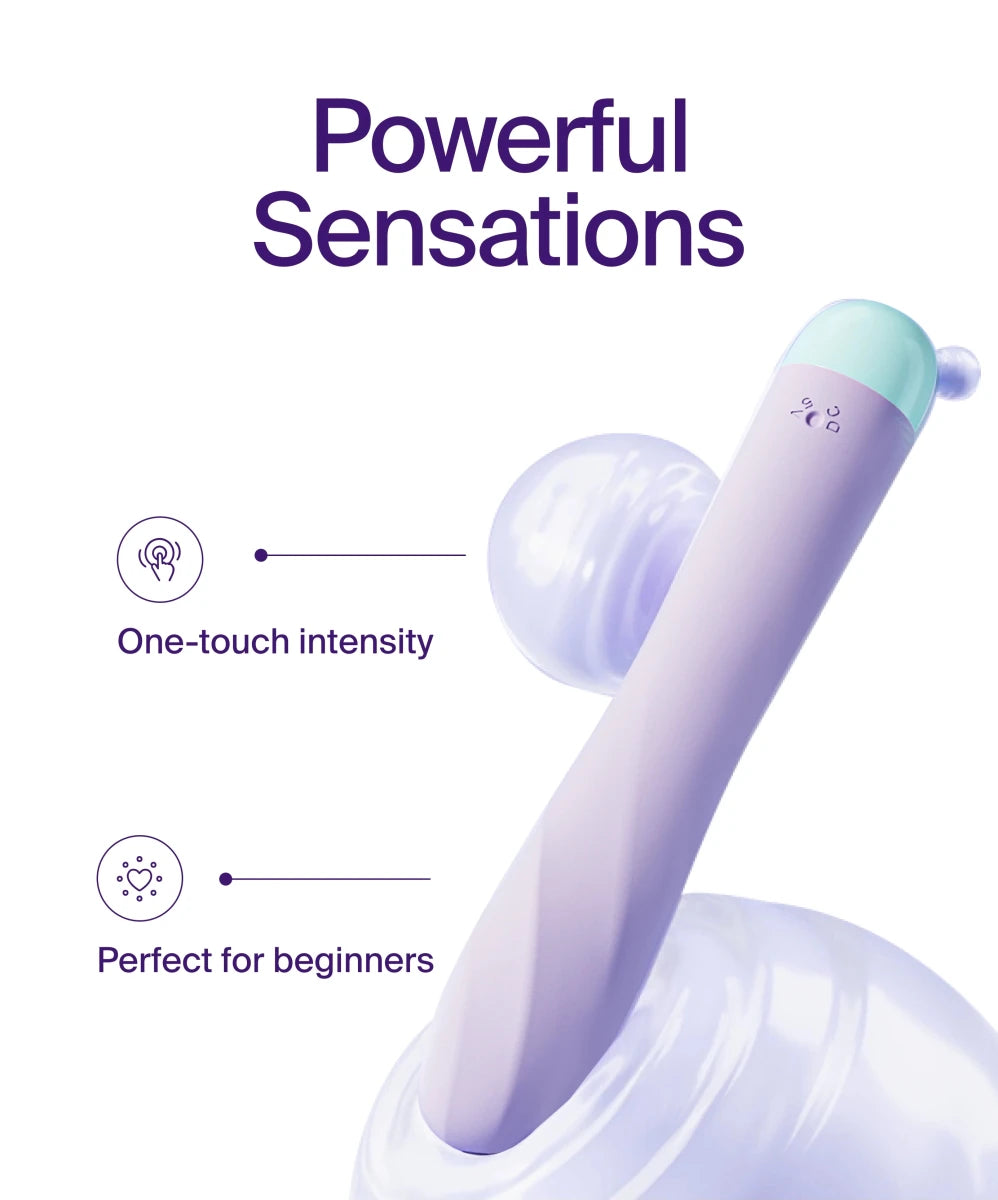
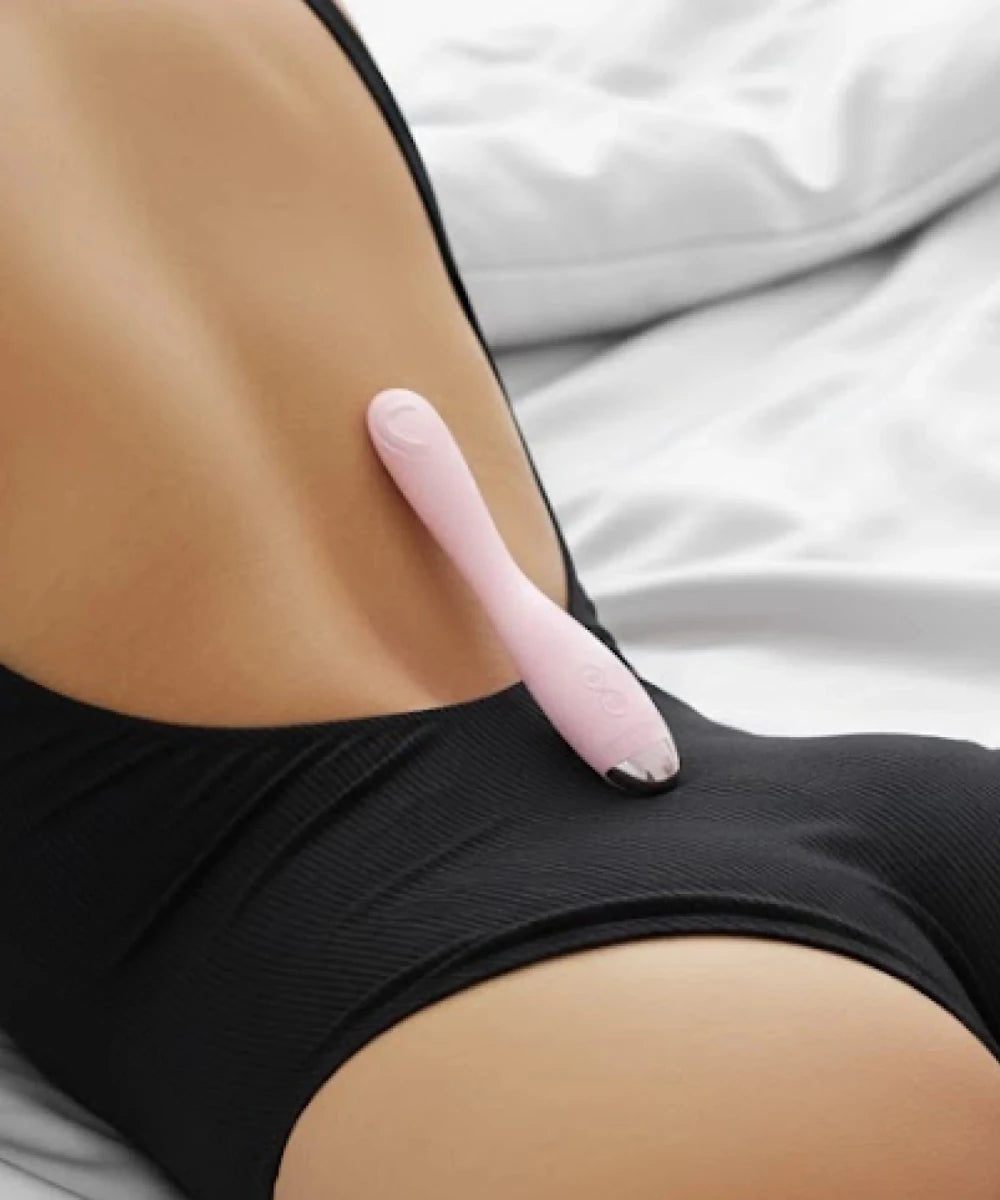
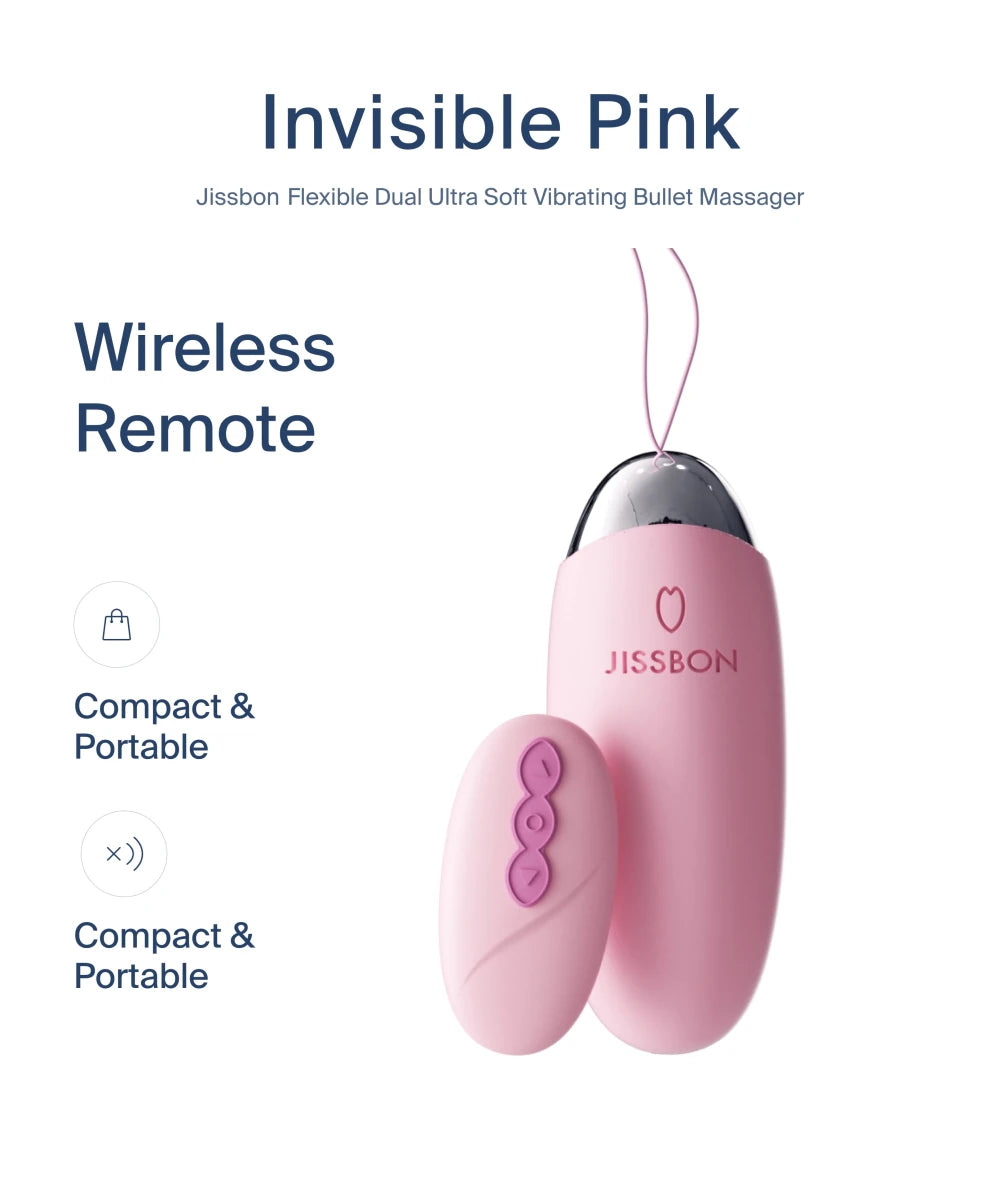
- External focus: Bullet or lay‑on—great for discreet clitoral stimulation.
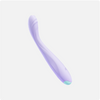
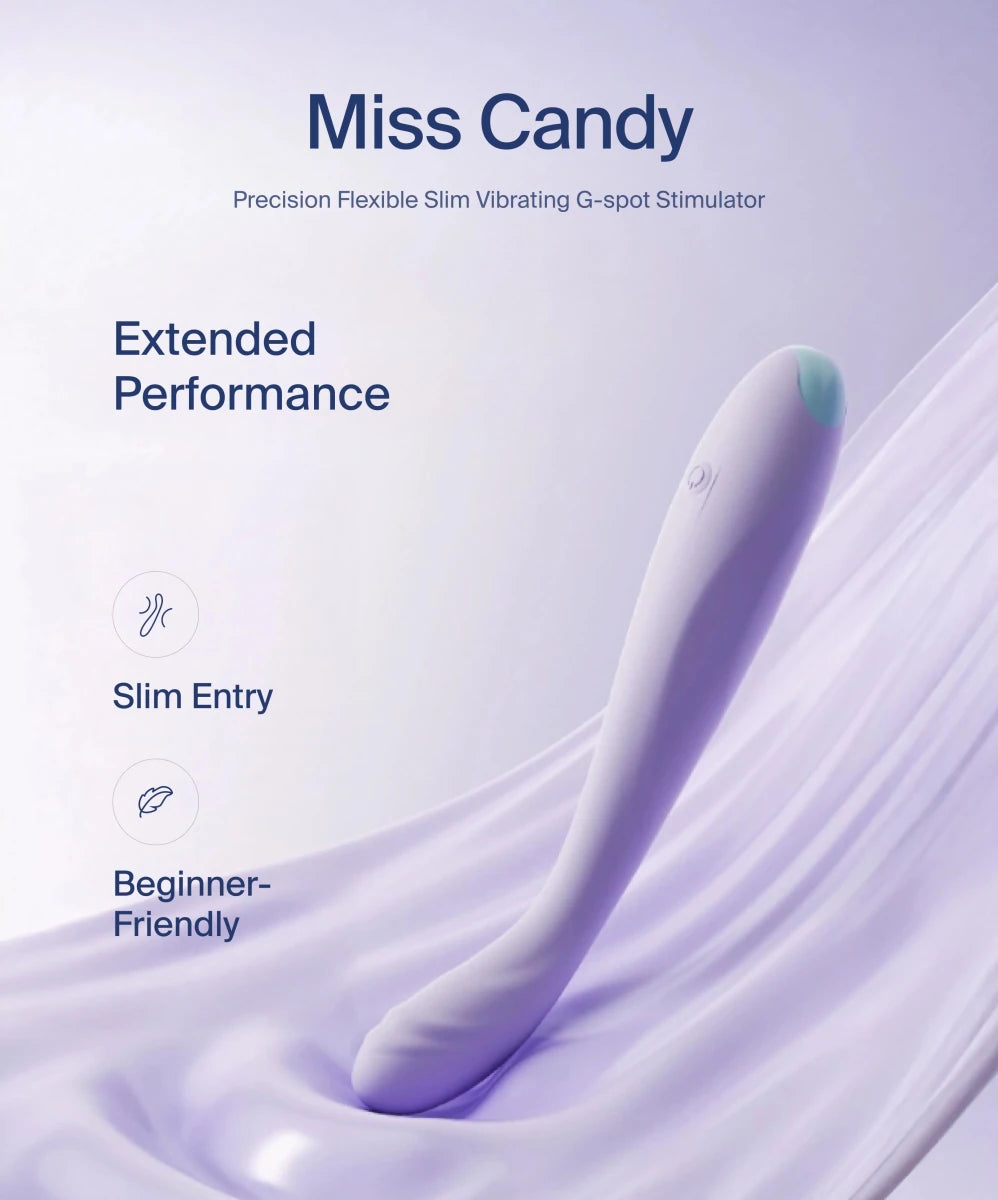
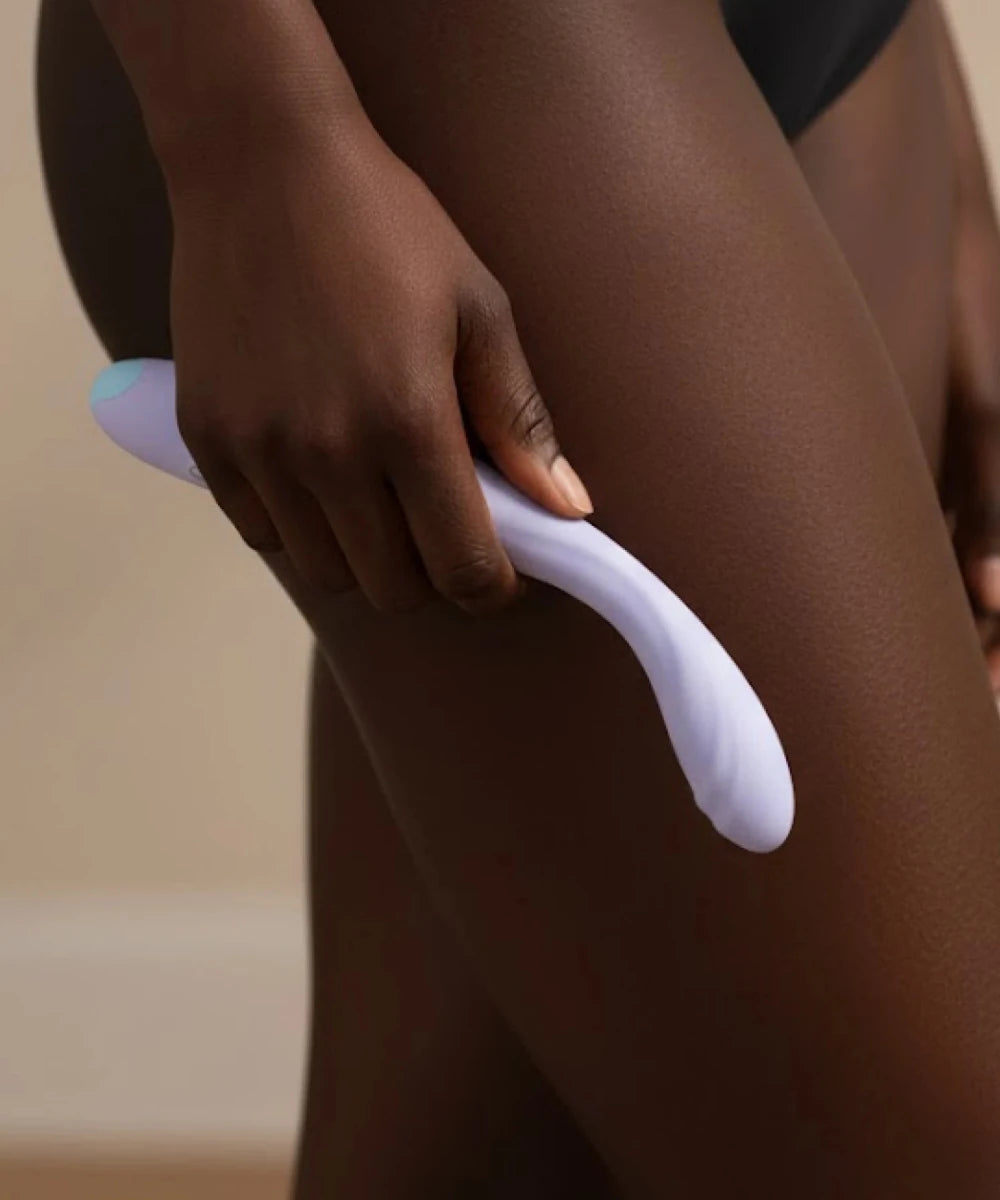
- Internal pressure: Curved G‑spot vibrator for that upward “press & rock” feel.
- Blended stimulation: Rabbit styles (internal + external at once).
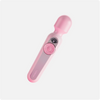
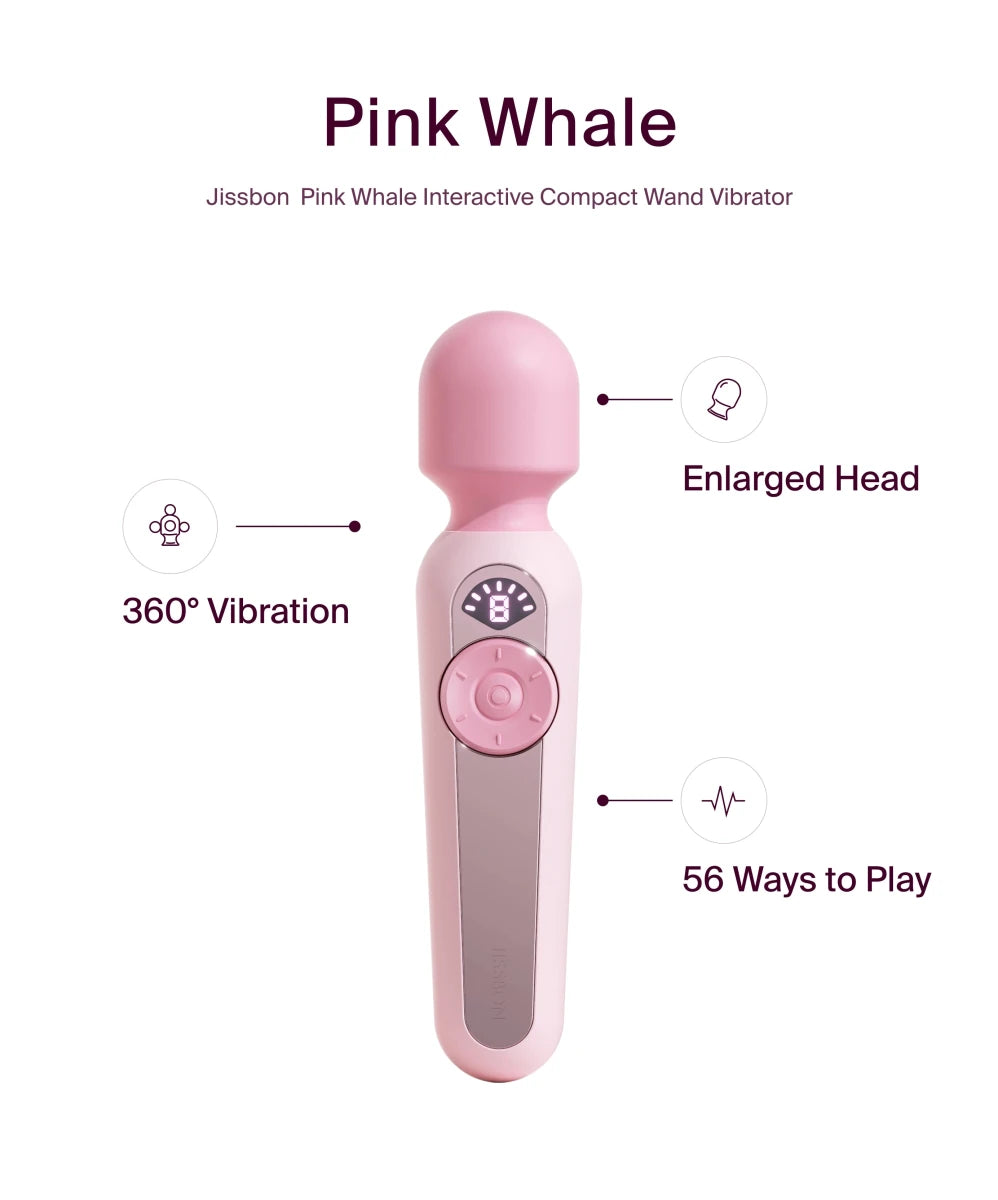
- Big power & massage: Wand (broad, rumbly head).
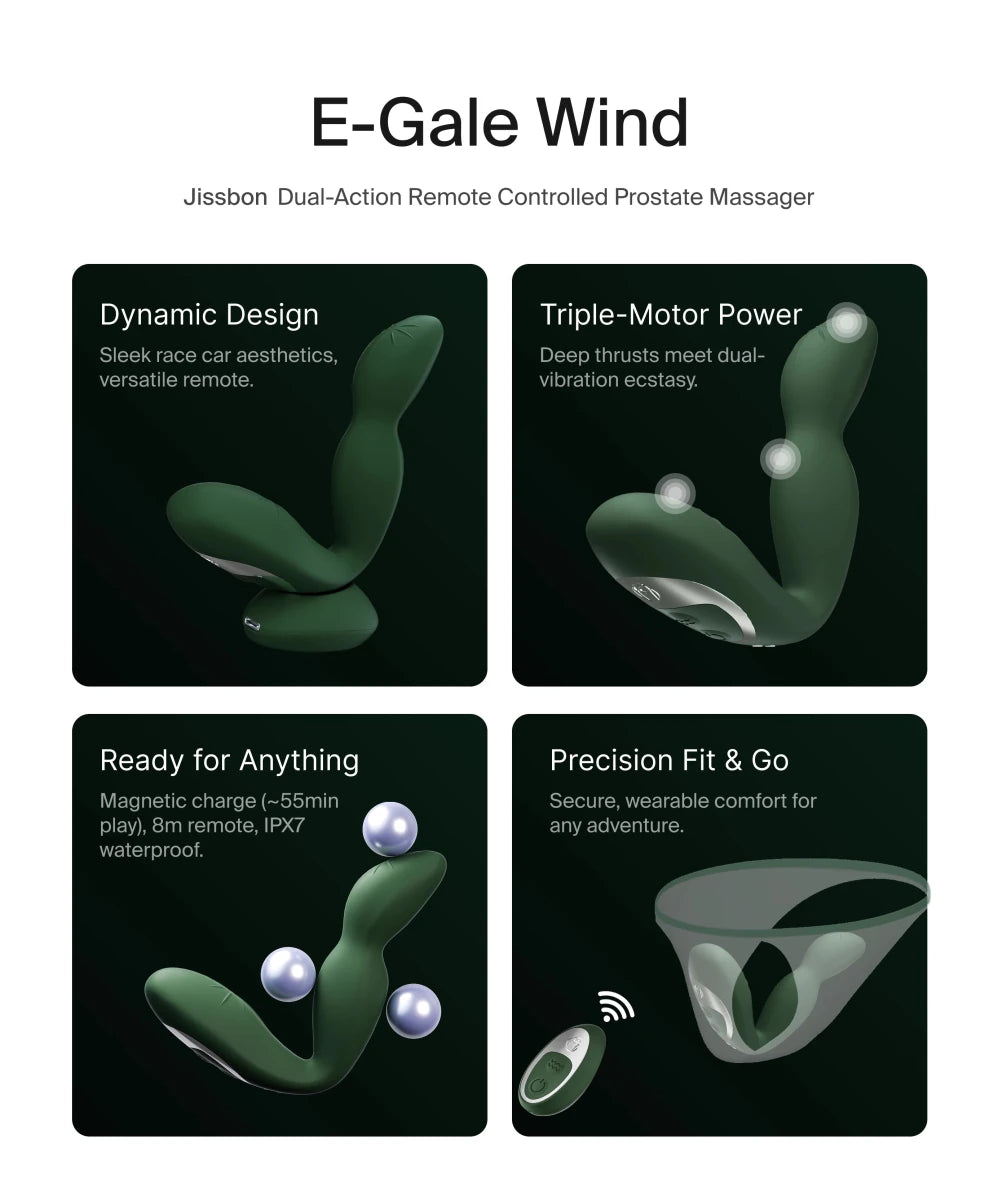
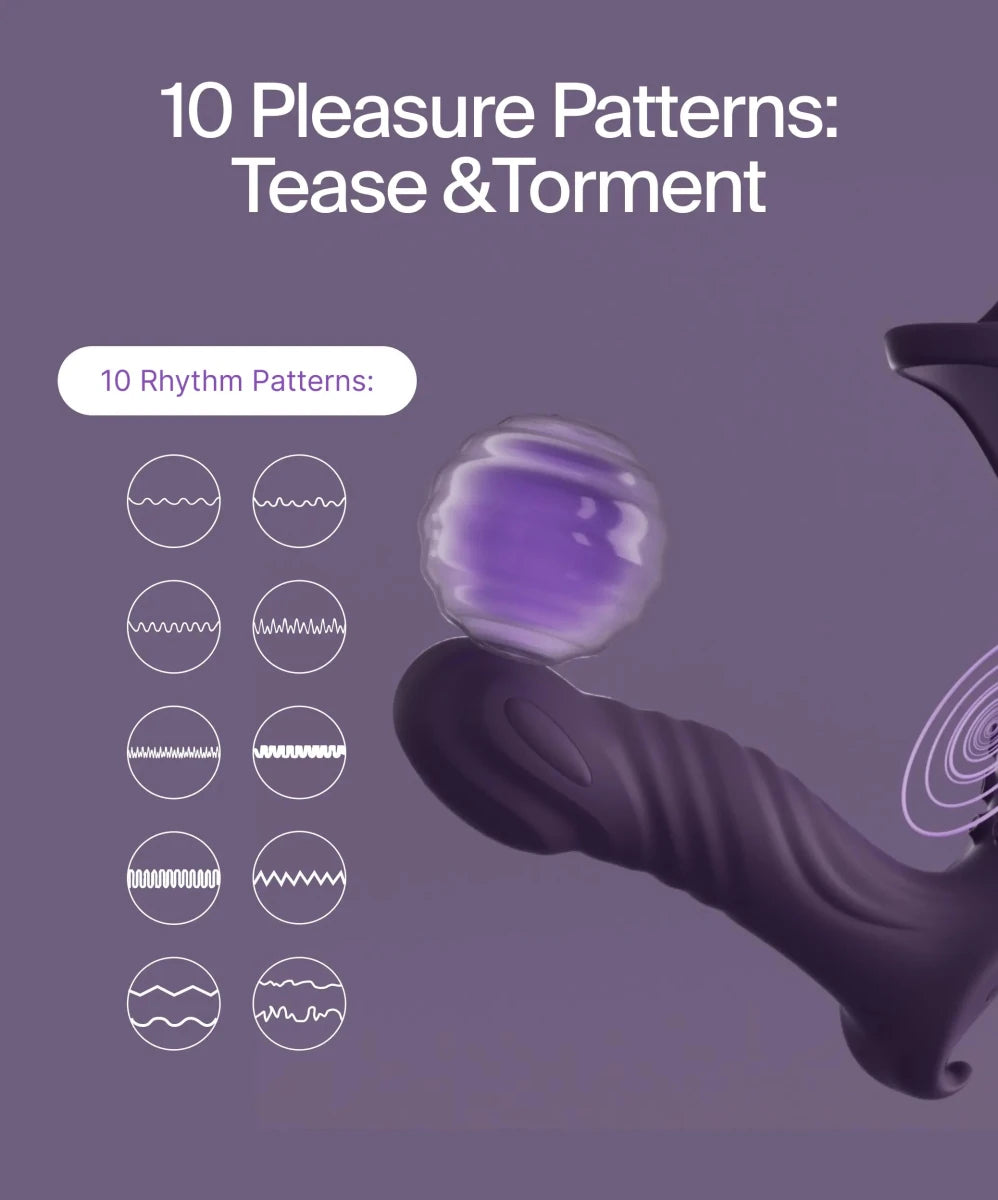
- Wearables & remotes: Hands‑free or long‑distance play.
“Is using a vibrator healthy?”—what evidence says

- Sexual function: Reviews and medical Q&As link vibrator use with improved sexual function, desire, arousal, and satisfaction.
- Pelvic health (early evidence): Some studies report improvements in pelvic‑floor symptoms and mild urinary incontinence, though more research is needed.
- Prevalence & normalization: Large surveys show many adults—across genders—have used vibrators, often finding them helpful for pleasure and partnered sex.
Final thoughts
The real benefits of using a vibrator go beyond faster climaxes. You get a reliable way to build arousal, clearer communication with partners, and—for many—gentle support for sexual function and pelvic comfort. Keep it simple: start on low, prioritize angle over power, use water‑based lube, and clean your toy each time. Whether you’re solo or exploring vibrator during sex, the point of using a vibrator is to make pleasure easier, confidence higher, and intimacy deeper—on your terms.
Frequently Asked Questions:
Is it okay to use a vibrator every day?
Generally yes—if you avoid pain and irritation, use lube, and clean your toy. Temporary numbness can happen after intense sessions; rest restores sensation.
Will I “depend” on a vibrator?
No clinical evidence suggests addiction. If your body gets used to one style of stimulation, varying patterns and taking short breaks retrain sensitivity easily.
Do I need a special cleaner?
Not necessarily. Mild soap + warm water works for most. Follow your device’s instructions, and use barriers/cleaning if switching between partners or body areas.
What’s the best first vibrator?
Start with a bullet/lay‑on for external use or a slim G‑spot curve if you love internal pressure. Choose low noise, simple controls, and good range on low–medium speeds.


Looking for something else?

What Is Flogging in Sex? Complete BDSM Flogging Guide
LEARN MORE
What Does Overstimulated Mean Sexually? Causes & Solutions
LEARN MORE
Can You Get a Tattoo on Your Vagina? Safety, Pain & What to Expect
LEARN MORE
Public Sex Kink: Understanding Exhibitionism & Safe Exploration
LEARN MORELooking for something else?

A-Spot Orgasm: Best Positions & How to Find It
LEARN MORE
Bondage Play: Complete Beginner's Guide to Rope BDSM
LEARN MORE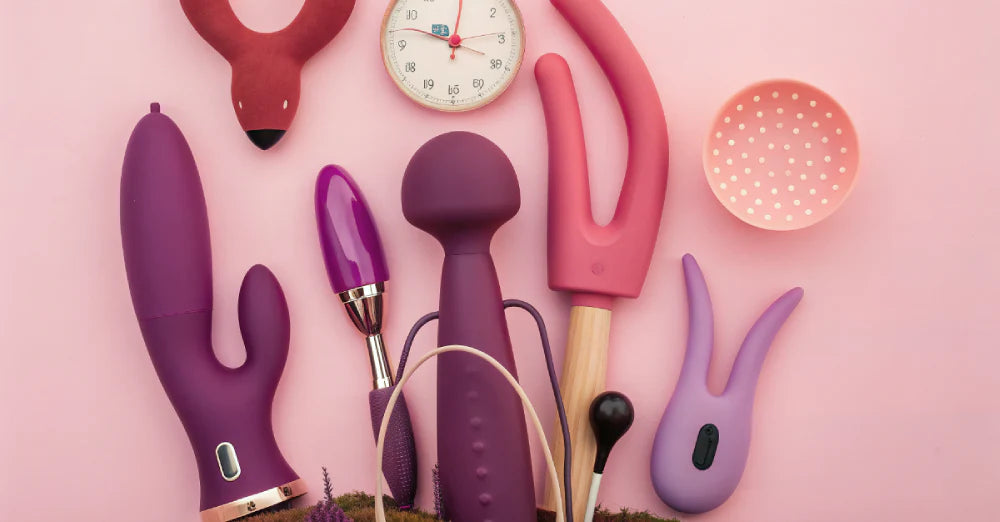
Vibrator Stories: Real Experiences, Tips & What to Expect
LEARN MOREYou may also like
20% off

20% off

20% off

20% off

20% off

20% off

Further reading
How to Clean an Automatic Blowjob Machine Without Damaging the Motor
Remote-Controlled Automatic Masturbators for Couples and Solo Play
Best Automatic Strokers for Edging and Stamina Training