































































Benefits of Edging: Enhanced Pleasure & Control Guide
Stack & Save: Extra 15% with Jissbon15
Jissbon15
Benefits of edging—the practice of bringing yourself or a partner to the brink of orgasm repeatedly before allowing climax—include dramatically intensified orgasms, improved ejaculatory control, extended sexual experiences, better body awareness, enhanced intimacy with partners, and effective management of premature ejaculation.
This deliberate delayed gratification technique builds sexual tension over time, creating more powerful releases while teaching conscious control over arousal and climax timing.
This guide explains what edging is, how it works physiologically, the benefits for solo and partnered experiences, techniques for effective practice, managing premature ejaculation through edging, and potential drawbacks to consider. You'll learn step-by-step methods, frequency recommendations, and how to incorporate edging into your sexual wellness routine.
Who Benefits from Edging Practice
Edging helps diverse people seeking:
- More intense orgasms through prolonged arousal building and delayed release
- Better ejaculatory control for those experiencing premature ejaculation during partnered sex
- Increased stamina wanting to last longer during sexual encounters
- Enhanced body awareness learning to recognize arousal levels and control points
- Deeper intimacy with partners through extended, mutually engaging sexual experiences
- Variety in sexual routine breaking from predictable patterns and discovering new sensations
- Mindful sexual practice developing present-moment awareness during intimate experiences
- Sexual confidence building through mastery over physical responses and timing
Edging serves both practical purposes (stamina building, premature ejaculation management) and pleasure enhancement goals (intensified orgasms, extended experiences).
What Is Edging and How Does It Work

Basic Definition
Edging explained:
Edging (also called "peaking" or "surfing") involves stimulating yourself or your partner until approaching orgasm—the point of no return—then stopping or significantly reducing stimulation. After arousal decreases slightly, you resume stimulation and repeat the cycle 3–10+ times before allowing orgasm.
The "edge" concept:
The edge is the moment just before ejaculation becomes inevitable—when you're at 8–9 out of 10 arousal. With practice, you learn to recognize this point precisely and control it consciously.
Solo vs. partnered:
You can practice edging alone during masturbation or with partners during any sexual activity. Solo practice builds skills translating to partnered experiences.
Physiological Process
Arousal building:
During sexual stimulation, arousal increases progressively. Blood flow to genitals increases, muscle tension builds, heart rate elevates, and neurochemical arousal cascades throughout your nervous system.
Approaching point of no return:
As you near orgasm, your body reaches a threshold where specific muscle contractions will trigger ejaculation and orgasm involuntarily. This is the point of no return.
Strategic pause:
By stopping or drastically reducing stimulation just before this threshold, you prevent orgasm while maintaining high arousal. Your body stays in the plateau phase of sexual response.
Arousal cycling:
Each edge-and-pause cycle keeps you in heightened arousal longer. Neurochemicals (dopamine, oxytocin, testosterone) continue building without the release that orgasm provides.
Eventual climax:
After multiple edges, when you finally allow orgasm, the prolonged buildup creates significantly more intense muscle contractions, fuller-body engagement, and longer-lasting pleasure.
Learn more about sexual response and arousal from Planned Parenthood's educational resources.
Key Benefits of Edging
Dramatically More Intense Orgasms
Why edging intensifies climax:
Prolonged arousal allows neurotransmitters (dopamine, serotonin) and hormones (testosterone, oxytocin) to build to higher concentrations. When orgasm finally occurs, the release is proportionally more powerful.
Physical differences:
Orgasms after edging feature stronger pelvic floor contractions (more frequent and forceful), involve more full-body muscle engagement, last longer (15–30 seconds vs. 5–10 seconds), and create more intense subjective pleasure sensations.
User reports:
Many people describe post-edging orgasms as "explosive," "overwhelming," or "the most intense I've experienced"—qualitatively different from quick, un-edged climaxes.
Applies to all genders:
While edging research focuses primarily on people with penises, people with vulvas also report significantly intensified orgasms after edging practice.
Improved Ejaculatory Control and Stamina
Learning your body:
Edging trains you to recognize subtle arousal level changes and identify your personal point of no return precisely. This awareness is critical for control.
Building tolerance:
Repeated practice at high arousal levels without ejaculating increases your tolerance for intense sensation, effectively raising the threshold triggering involuntary orgasm.
Neurological adaptation:
Your nervous system learns to differentiate between high arousal and inevitable ejaculation, giving you conscious control over timing previously felt automatic.
Real-world application:
Men practicing edging 2–3 times weekly often report lasting 2–5 times longer during partnered sex within 4–8 weeks of consistent practice.
Extended Sexual Experiences
Length transformation:
Quick masturbation or sex might last 5–10 minutes. Edging sessions extend to 20–60+ minutes, allowing more exploration, variety, and satisfaction.
Delayed gratification benefits:
Anticipation and buildup often create more satisfaction than immediate release. Edging leverages this psychological principle.
Partnered intimacy:
Longer sexual encounters create more opportunities for emotional connection, communication, experimentation, and mutual pleasure focus.
Enhanced Body Awareness
Recognizing arousal levels:
Edging requires conscious attention to where you are on the arousal scale (1–10). This mindfulness extends beyond edging to all sexual experiences.
Understanding triggers:
You discover which specific touches, thoughts, positions, or sensations rapidly increase arousal versus those maintaining steady plateaus.
Pelvic floor awareness:
Edging often involves learning to consciously engage or relax pelvic floor muscles, improving overall sexual function and control.
Mind-body connection:
Edging cultivates present-moment awareness—noticing breath, tension, sensation—rather than mentally checking out during sex.
Managing Premature Ejaculation
Clinical application:
Sex therapists frequently recommend edging (often called "stop-start technique") as primary treatment for premature ejaculation.
Success rates:
Studies show 60–80% of men practicing edging consistently for 4–8 weeks significantly improve ejaculatory control and duration.
Non-pharmaceutical approach:
Unlike medications for premature ejaculation, edging has no side effects, costs nothing, and builds skills rather than temporary symptom suppression.
Progressive improvement:
Stamina gains compound over time. Continued practice maintains and further improves control.
Increased Sexual Confidence
Mastery feeling:
Developing conscious control over something previously felt involuntary creates powerful confidence in sexual abilities.
Performance anxiety reduction:
Knowing you can control timing reduces worry about finishing too quickly, paradoxically making premature ejaculation less likely.
Improved partnered experiences:
Better stamina and control translate to more satisfying partnered sex, creating positive feedback loop boosting confidence further.
How to Practice Edging: Step-by-Step

Solo Edging Technique
Step 1: Create comfortable environment
Ensure privacy, remove distractions (silence phone), gather supplies (lubricant, tissues), and set aside 20–30 minutes minimum.
Step 2: Begin arousal building
Start masturbating at comfortable pace. Use lubricant for smoother sensation. Focus on physical sensations rather than rushing toward orgasm.
Step 3: Monitor arousal level
Mentally rate your arousal on 1–10 scale. Track your progression: 4 (moderately aroused), 6 (very aroused), 8 (approaching orgasm).
Step 4: Approach the edge
Continue stimulation until reaching 8–9 out of 10—very close to orgasm but not yet at point of no return. This feels like intense pressure or tingling.
Step 5: Stop completely
Cease all genital stimulation immediately. Remove hands entirely or maintain still contact without movement. Take deep breaths.
Step 6: Wait for arousal decrease
Hold the pause 30–90 seconds until arousal drops to approximately 6 out of 10. You'll feel the urgent ejaculation need subsiding.
Step 7: Resume stimulation
Begin masturbating again, building back toward the edge. This second approach to orgasm often happens faster than the first.
Step 8: Repeat cycles
Edge 3–5 times for beginners, working up to 5–10 edges as you build control. Each cycle should feel increasingly intense.
Step 9: Allow orgasm
After your final edge, continue stimulation through orgasm. Notice how much more intense it feels compared to non-edged orgasms.
Partnered Edging
Communication is essential:
Discuss edging beforehand. Establish signals (verbal cues like "stop" or "slow down," hand taps, or agreed-upon gestures) for communicating when approaching edge.
Partner role:
The stimulating partner watches closely for signals and stops immediately when receiving edge communication. No teasing or pushing past the edge without consent.
Mutual edging:
Take turns edging each other, or practice simultaneous edging where both partners stop stimulation at their respective edges.
Positions:
Any sexual position works. Slower-paced positions (partner on top controlling rhythm) often work best initially for learning control.
Learn about sexual techniques and control from Cleveland Clinic health resources.
Managing Premature Ejaculation Through Edging
Understanding Premature Ejaculation
Definition:
Ejaculating within 1–2 minutes of penetration (or less) consistently, causing distress. Affects 20–30% of men at some point.
Causes:
Psychological factors (performance anxiety, stress), physical sensitivity, learned patterns from rushed early masturbation, or neurological factors.
Impact:
Reduced sexual satisfaction, relationship stress, avoidance of intimacy, and lowered self-esteem.
Edging as Treatment
Stop-start method:
During partnered sex, stop all movement when approaching ejaculation. Resume after 30–60 seconds. Repeat throughout sexual encounter.
Solo practice building to partnered:
Master edging during masturbation first (4–6 weeks of practice). Then apply techniques during partnered sex.
Progressive difficulty:
Start with 3 edges per session, increase to 5, then 7, then 10. As control improves, practice with faster stimulation or more arousing techniques.
Consistency requirement:
Practice 2–3 times weekly minimum. Sporadic practice produces minimal improvement. Regular, sustained practice creates neurological adaptation.
Expected Timeline
Weeks 1–2:
Learning to recognize point of no return. Early edges may result in accidental ejaculation—normal learning curve.
Weeks 3–4:
Developing reliable edge recognition. Can consistently edge 3–5 times without accidental orgasm.
Weeks 5–8:
Noticeable stamina improvement during partnered sex. Lasting 1.5–3x longer than baseline.
Weeks 9–12:
Substantial control gains. Can edge 7–10+ times. Partnered sex duration increased 3–5x baseline.
Ongoing maintenance:
Continue regular practice to maintain gains. Skills persist but may diminish without ongoing reinforcement.
Optimal Edging Frequency and Duration

How Often to Edge
Beginners:
2–3 times per week allows practice without fatigue or frustration. Daily edging can feel overwhelming initially.
Intermediate:
3–5 times weekly once comfortable with technique. Mix edging sessions with regular masturbation.
Advanced:
Some people edge most or all masturbation sessions. Others edge 2–3 times weekly to maintain control while varying practices.
Listen to your body:
If edging feels tedious, frustrating, or you're avoiding sexual activity because of practice pressure, reduce frequency.
Session Duration
Minimum effective:
20 minutes total with 3 edges provides basic benefit.
Optimal for most people:
30–45 minutes with 5–7 edges balances intensity with time investment.
Extended sessions:
60–90+ minute sessions with 10+ edges create extremely intense orgasms but require significant time and may cause temporary sensitivity reduction.
Quality over quantity:
Three focused 30-minute sessions weekly surpass seven rushed 10-minute attempts.
How Many Edges Per Session
Beginners:
3–5 edges. More becomes frustrating or results in accidental ejaculation before developing control.
Intermediate:
5–8 edges once recognizing edge reliably and controlling pause duration effectively.
Advanced:
8–15 edges. Some practitioners edge for hours with dozens of cycles, though this intensity isn't necessary for most benefits.
Personal preference:
Experiment to find your optimal range. Some people prefer fewer, more intense edges; others enjoy many gentler approaches.
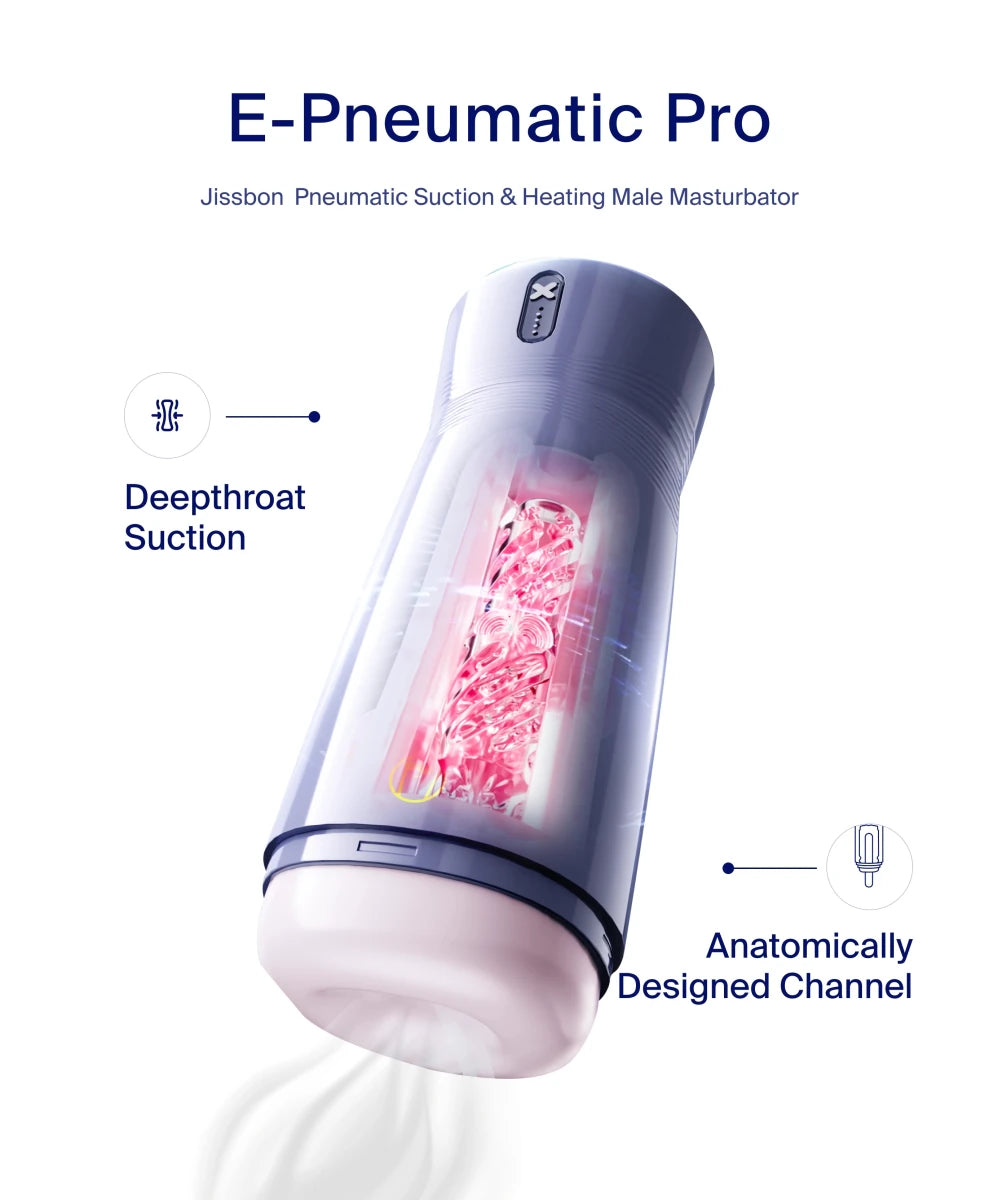
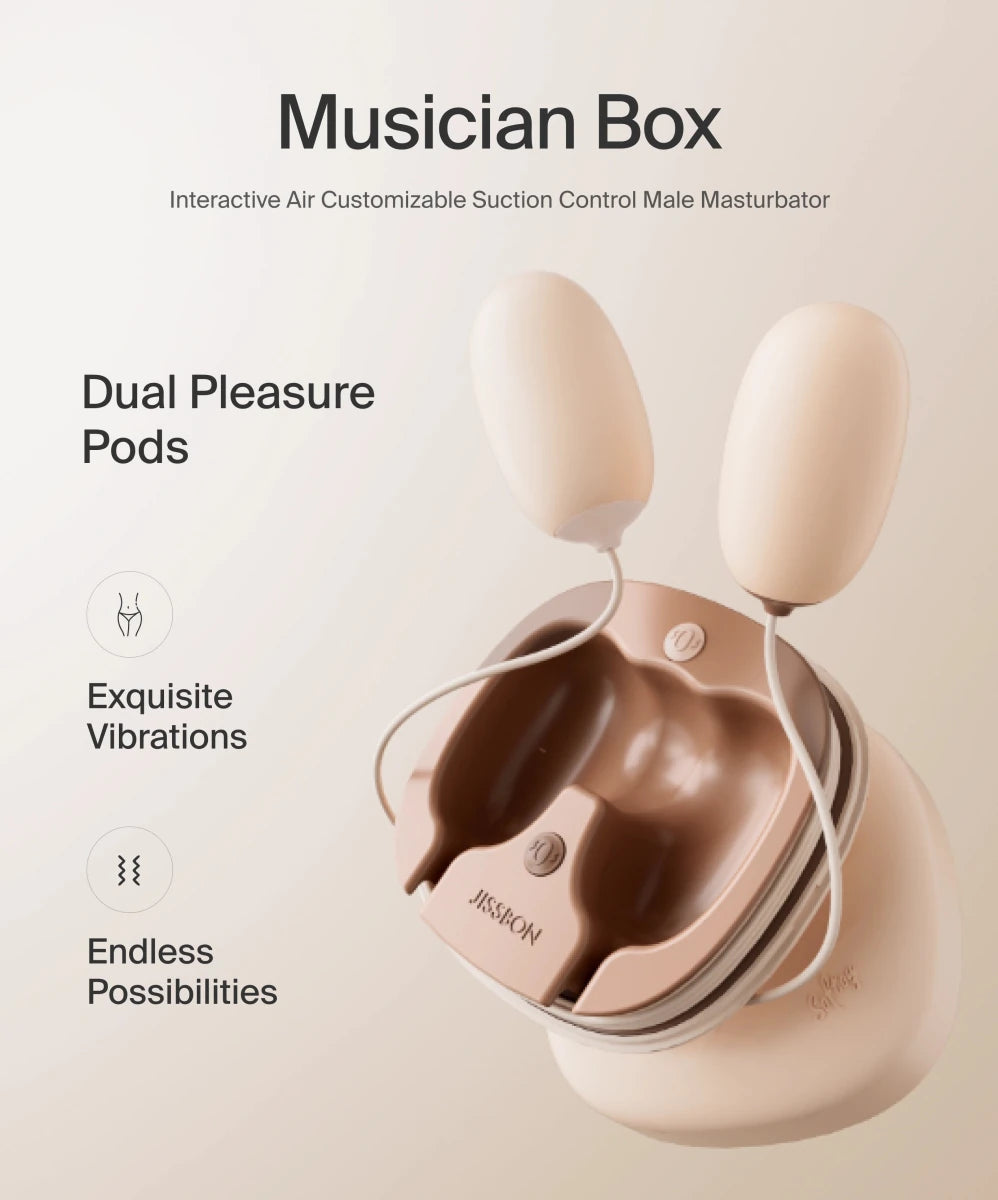
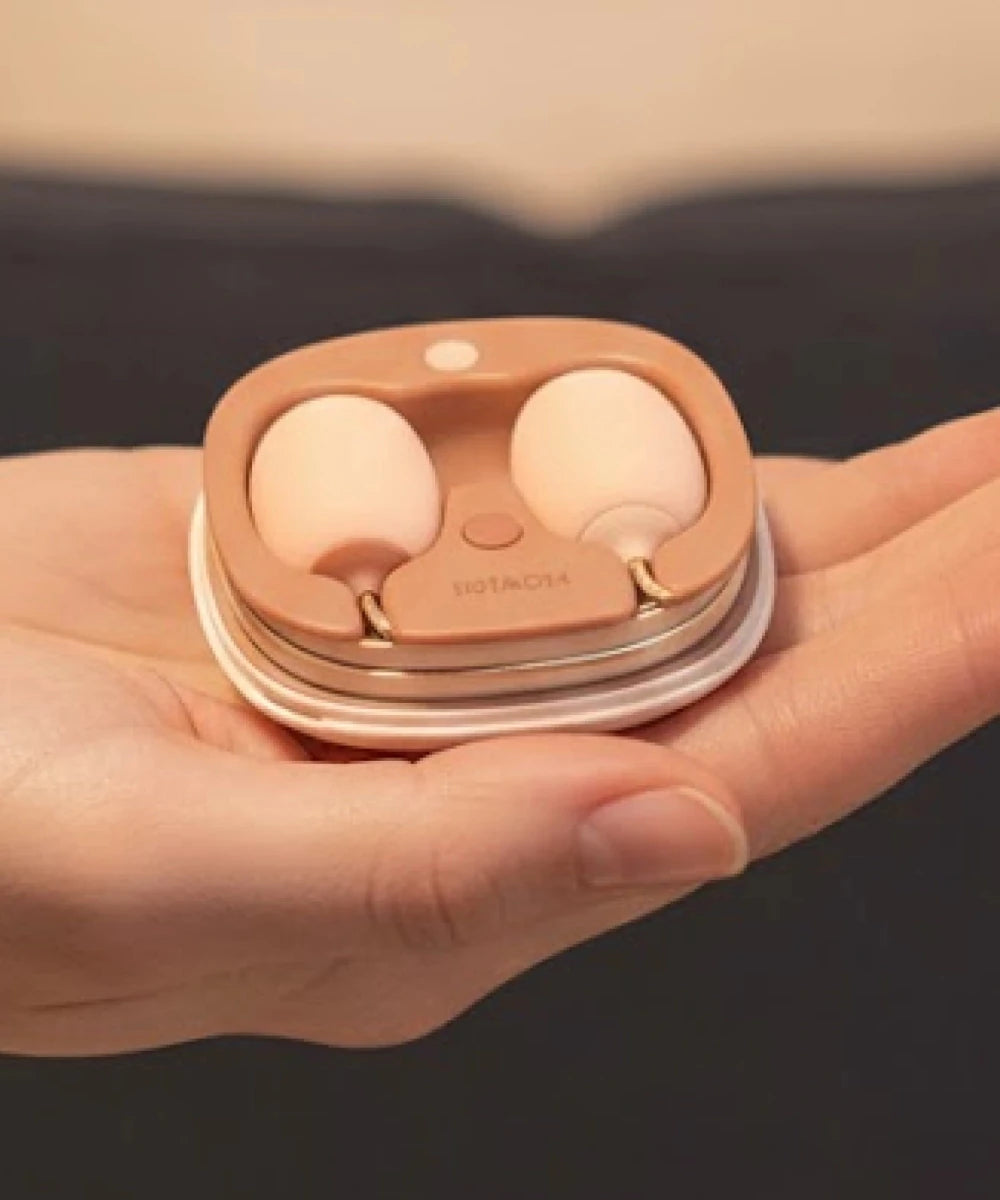
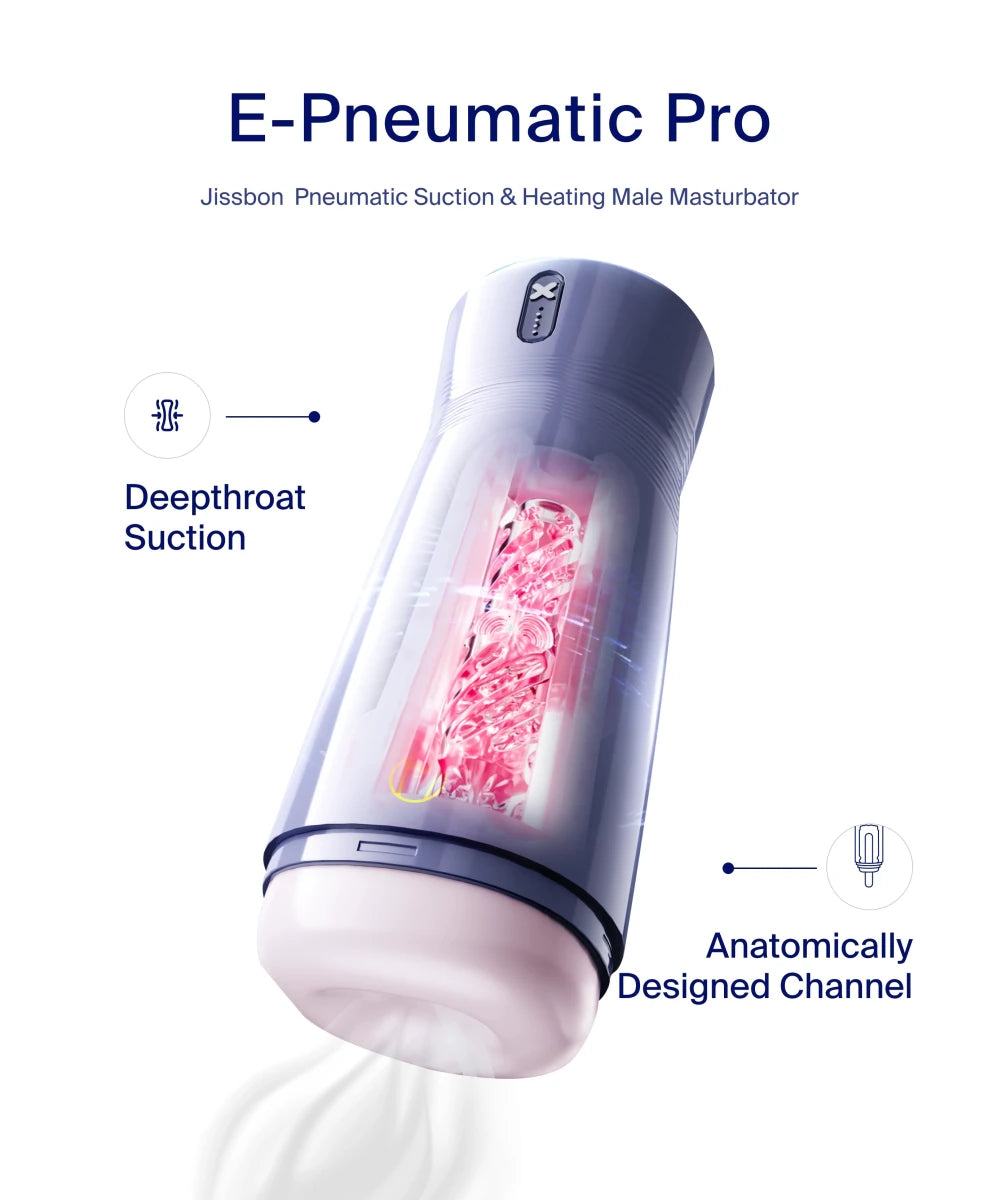
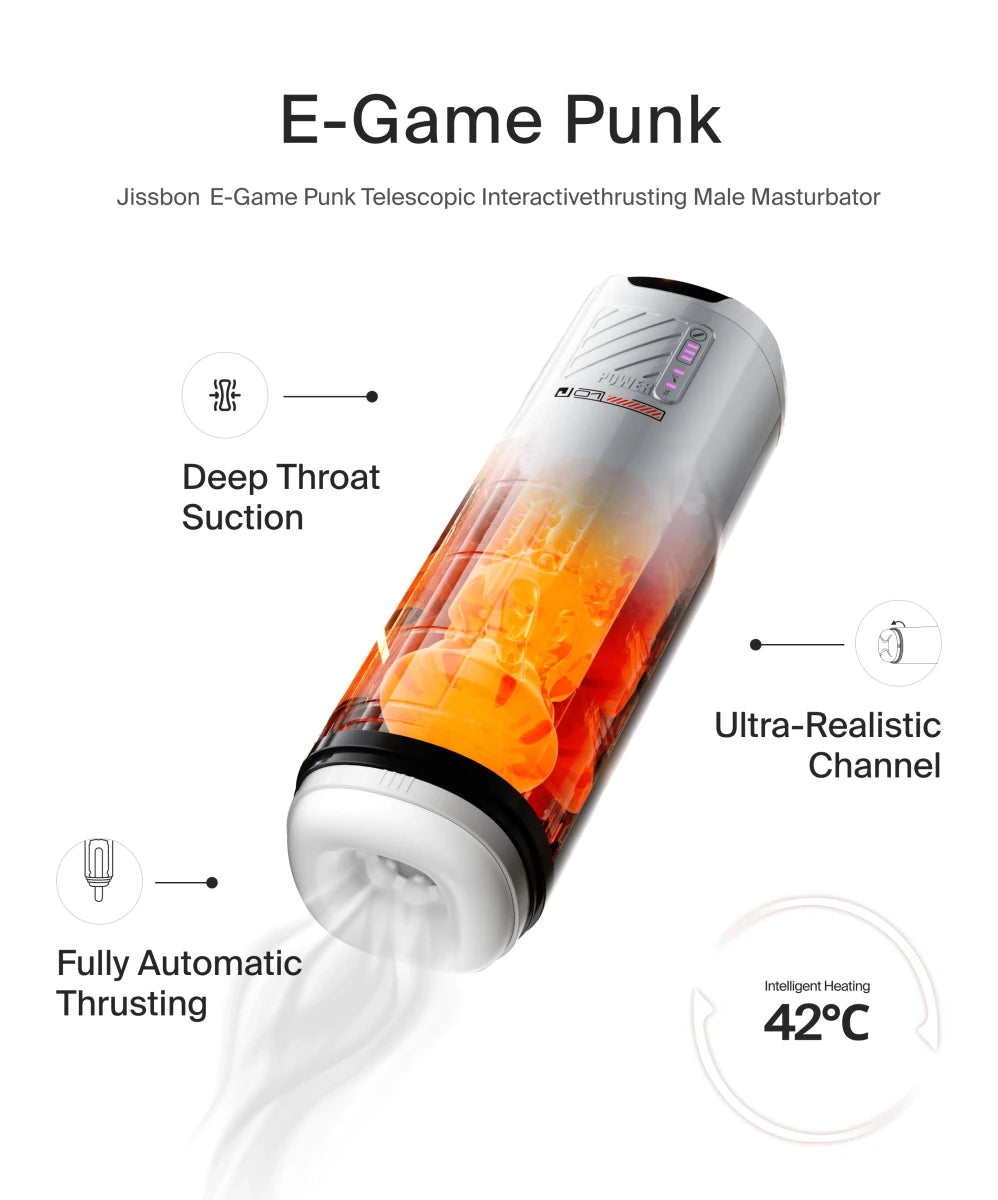
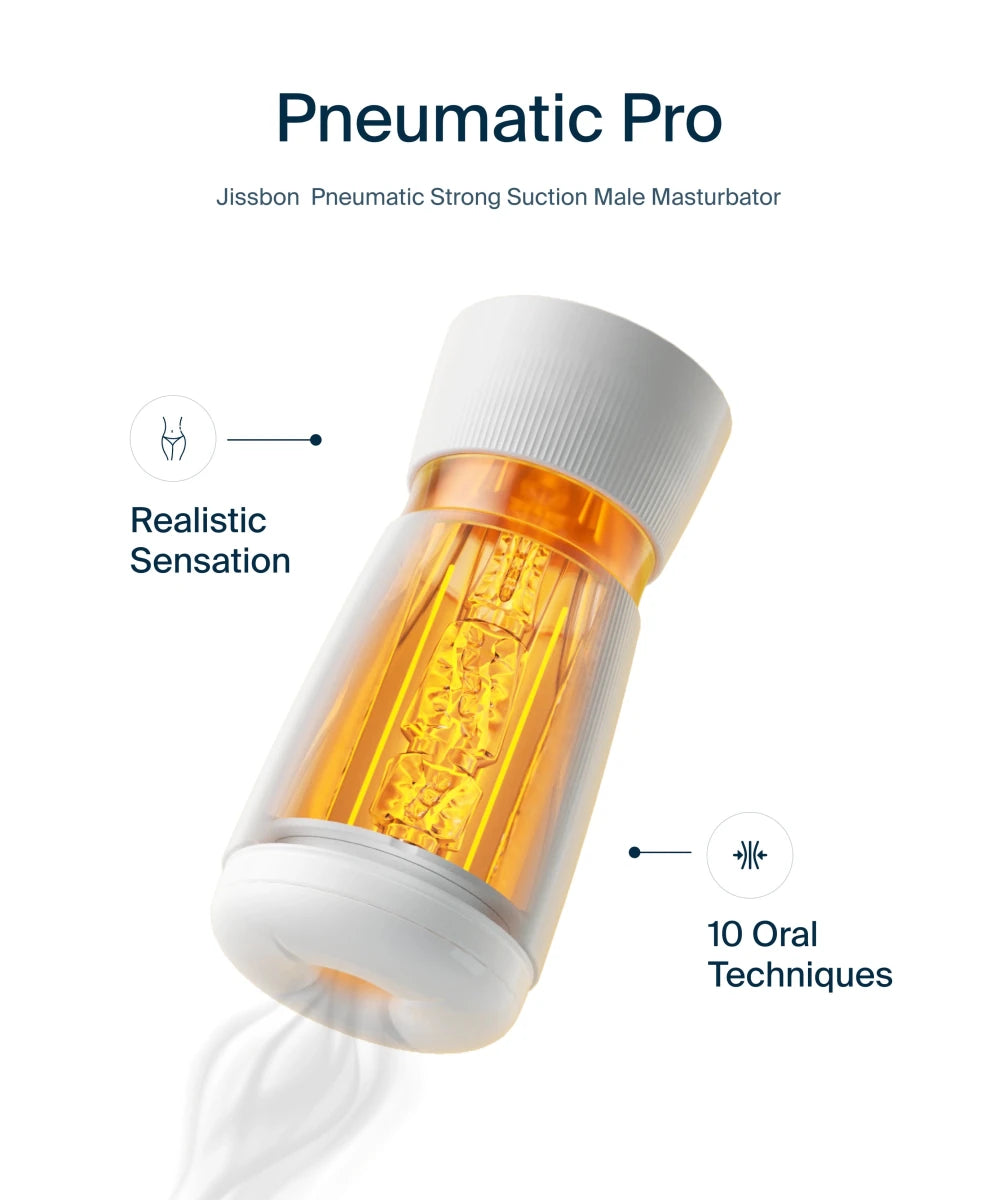
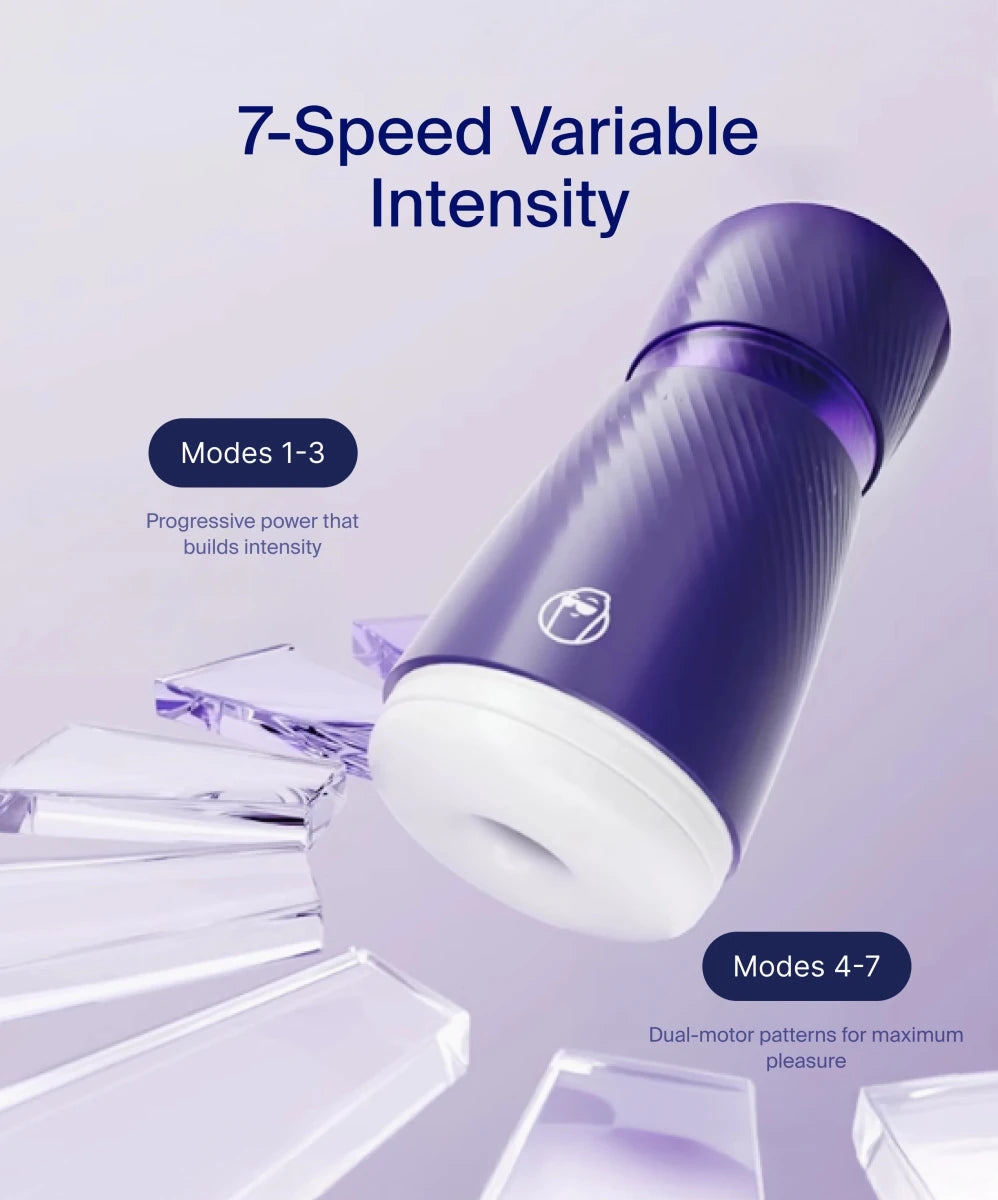
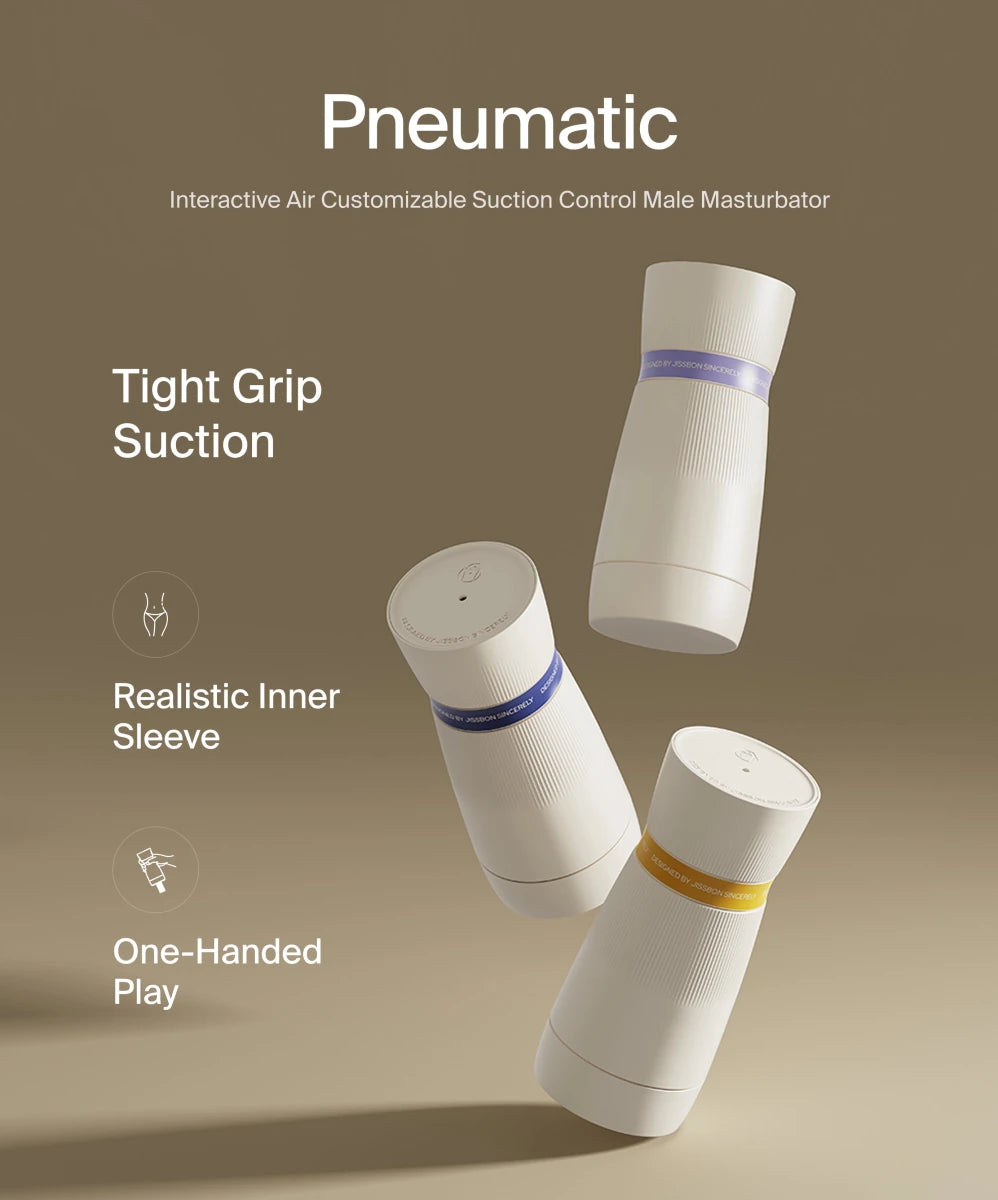
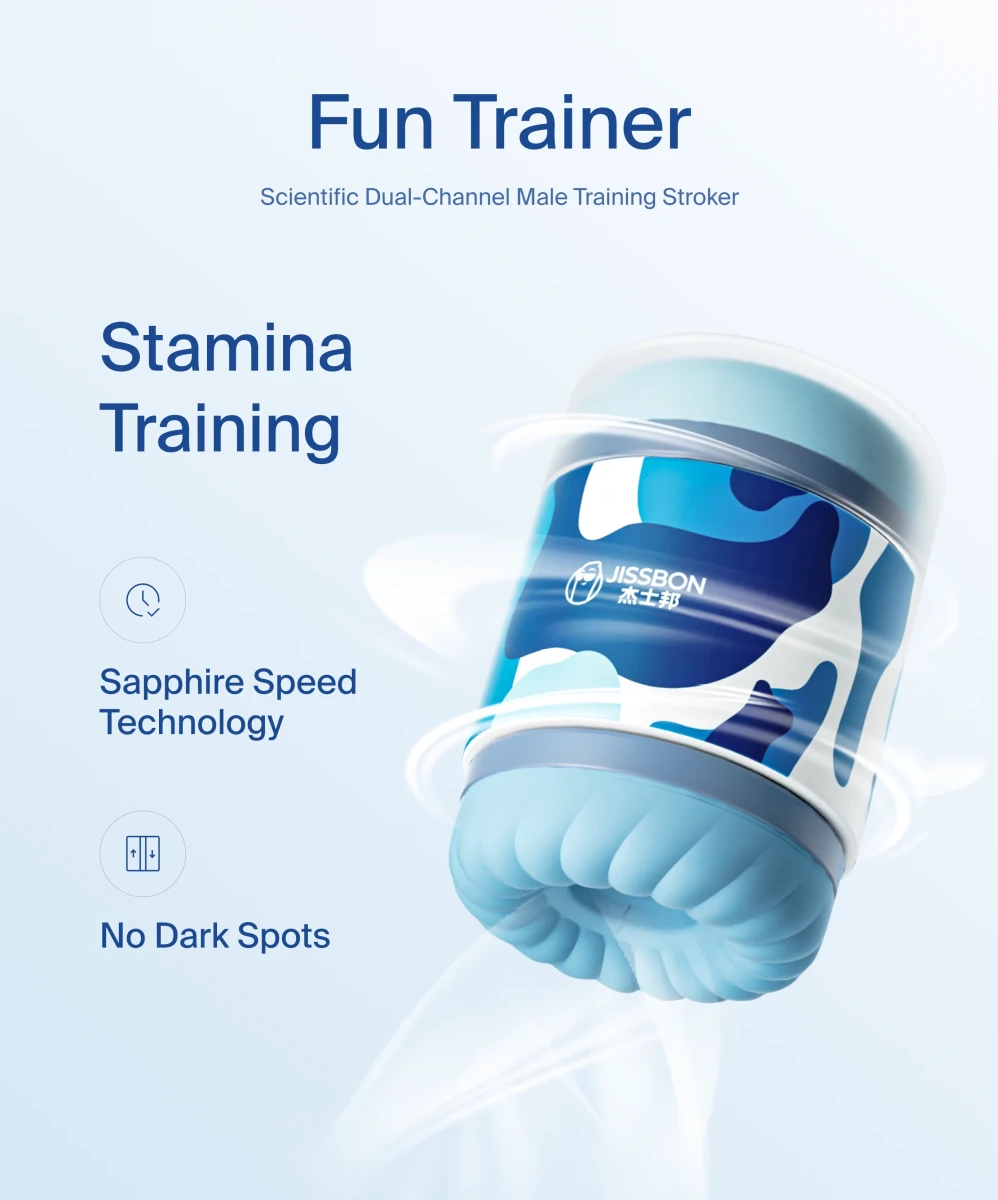
For male pleasure products supporting practice, explore male masturbators with varied intensity options.
Potential Drawbacks and Considerations
"Blue Balls" (Epididymal Hypertension)
What it is:
Aching discomfort in testicles after prolonged arousal without ejaculation. Caused by blood engorgement in genital area.
Frequency:
Not everyone experiences this. Some people edge extensively without discomfort; others feel it after 2–3 edges.
Duration:
Typically resolves within 1–2 hours naturally or immediately upon ejaculation.
Management:
If uncomfortable, simply allow yourself to orgasm. Cold compress and over-the-counter pain relievers help if needed.
Frustration and Psychological Pressure
Performance pressure:
Turning edging into rigid practice requirement can create stress, reducing sexual enjoyment.
Solution:
Approach edging playfully and curiously rather than as performance obligation. Skip sessions when not feeling motivated.
Time Investment
Extended sessions:
Edging requires significantly more time than quick masturbation. Not always practical with busy schedules.
Balance:
Mix edging sessions (when you have time) with quicker masturbation (when pressed for time).
Potential for Accidental Edges
Learning curve:
Initially, you may accidentally go past point of no return, resulting in unintended ejaculation.
Normal process:
This is expected while learning edge recognition. Practice improves accuracy significantly.
Not Suitable During Abstinence Practices
NoFap or semen retention:
Edging contradicts abstinence goals. It maintains high arousal and dopamine cycling some people avoid during abstinence periods.
Choose appropriate practice:
If abstaining, don't edge. If practicing sexual activity, edging enhances experiences.
Frequently Asked Questions
How many times should you edge before finishing?
No universal "correct" number exists—it depends on your goals and experience level. Beginners typically edge 3–5 times to build control without frustration. Intermediate practitioners edge 5–8 times balancing intensity with time. Advanced edgers may cycle 10–20+ times for extremely intense orgasms.
Is it healthy to edge every day?
Daily edging is generally safe but not necessary for most people. Benefits plateau—edging 2–3 times weekly provides similar stamina and control improvements as daily practice. Daily edging risks: (1) making sexual activity feel like chore rather than pleasure, (2) temporary sensitivity reduction from frequent intense stimulation,
Can edging help with premature ejaculation long-term?
Yes, research and clinical practice show edging (stop-start technique) effectively treats premature ejaculation. Studies indicate 60–80% of men practicing consistently for 4–8 weeks significantly improve ejaculatory control and duration during sex. Gains persist with occasional maintenance practice (1–2 times weekly).
Does edging increase testosterone?
Temporary increase: Arousal and sexual activity (including edging) cause short-term testosterone elevation during the session. Long-term increase: No scientific evidence supports claims that edging significantly raises baseline testosterone levels.
Is edging bad for your prostate?
No evidence suggests edging harms prostate health. Concerns about "blue balls" or prolonged arousal causing prostate issues are unfounded. Regular ejaculation (whether from edging sessions or regular orgasms) correlates with better prostate health in research.
Can you edge too much?
Yes, possible signs of excessive edging: (1) Reduced genital sensitivity from overstimulation requiring breaks to restore normal sensation, (2) Feeling obligated rather than enjoying practice, (3) Avoiding partnered sex to preserve arousal for solo edging, (4) Physical soreness or chafing from extended sessions.
Final Thoughts
Benefits of edging extend far beyond intensified orgasms—encompassing improved ejaculatory control, enhanced stamina, deeper body awareness, and effective premature ejaculation management. This accessible, zero-cost technique creates measurable improvements in sexual function and satisfaction through consistent, mindful practice over weeks and months.
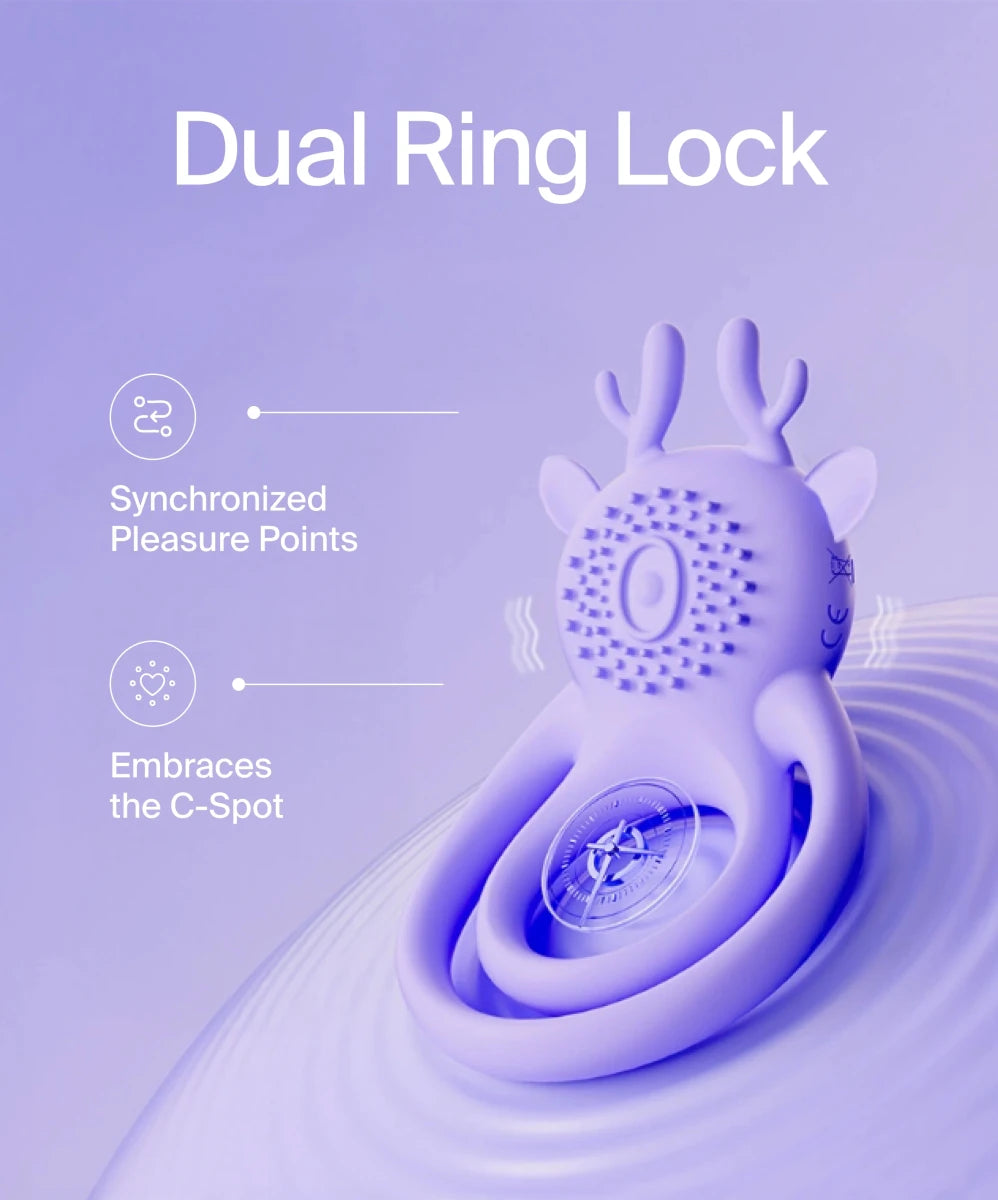
Approach edging with curiosity and patience rather than rigid performance expectations. Benefits accumulate gradually through regular practice, and individual responses vary—discover your optimal frequency, duration, and technique through experimentation.Ready to explore products supporting extended, comfortable sessions? Discover our collection of sex toys for men designed for varied techniques and intensities.


Looking for something else?

What Is Flogging in Sex? Complete BDSM Flogging Guide
LEARN MORE
What Does Overstimulated Mean Sexually? Causes & Solutions
LEARN MORE
Can You Get a Tattoo on Your Vagina? Safety, Pain & What to Expect
LEARN MORE
Public Sex Kink: Understanding Exhibitionism & Safe Exploration
LEARN MORELooking for something else?

A-Spot Orgasm: Best Positions & How to Find It
LEARN MORE
Bondage Play: Complete Beginner's Guide to Rope BDSM
LEARN MORE
Vibrator Stories: Real Experiences, Tips & What to Expect
LEARN MOREYou may also like
20% off

20% off

20% off

20% off

20% off

20% off

Further reading

How to Clean an Automatic Blowjob Machine Without Damaging the Motor

Remote-Controlled Automatic Masturbators for Couples and Solo Play
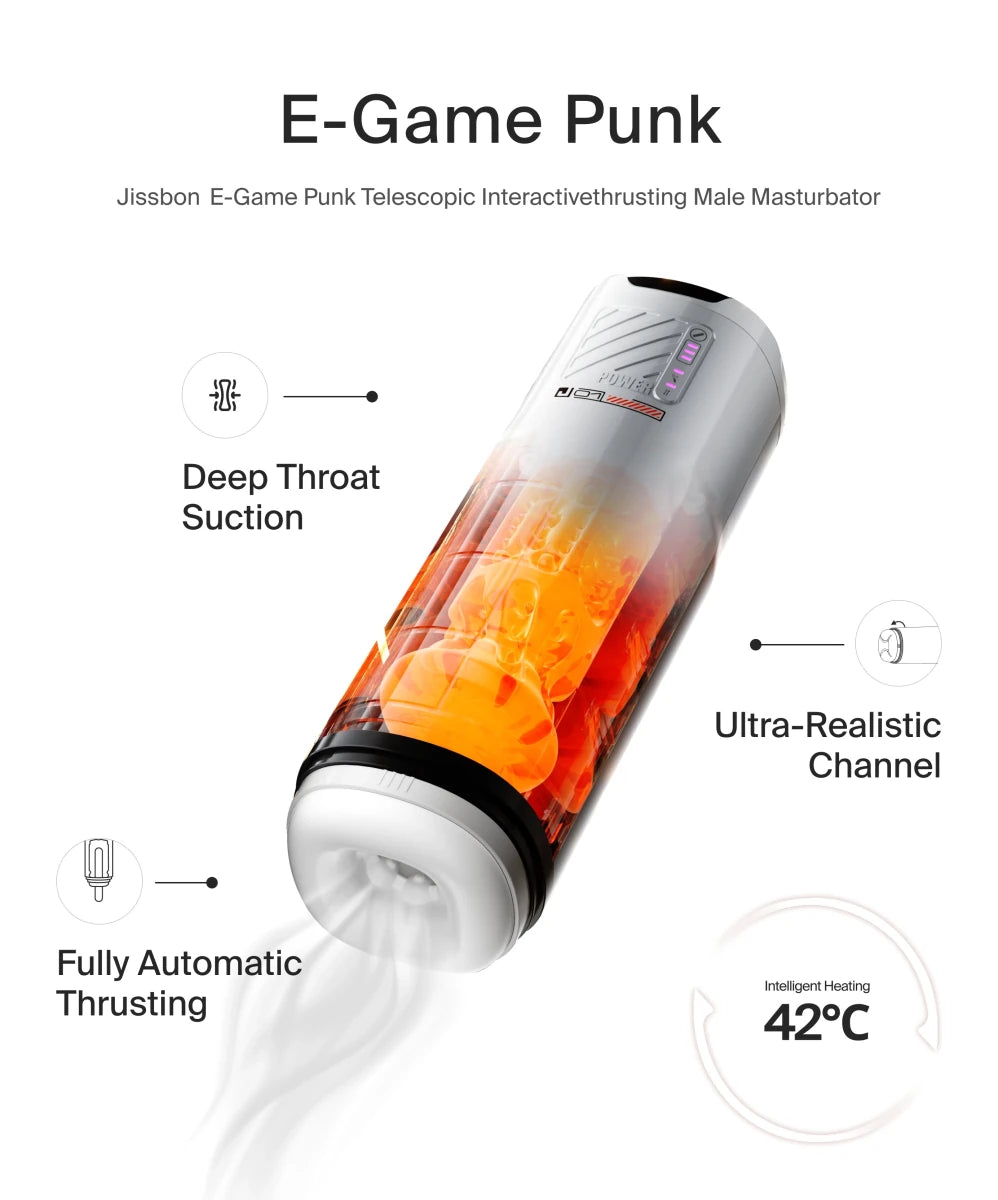
Best Automatic Strokers for Edging and Stamina Training