


















































































Beginner's Guide to Sexual Roleplay: Exploring Fantasy with Your Partner
Stack & Save: Extra 15% with Jissbon15
Jissbon15
Sexual roleplay lets couples explore fantasies, break routine, and connect through playful scenarios. This guide covers how to start conversations about roleplay, choose beginner-friendly scenarios, set boundaries, and actually execute your first experience without awkwardness derailing everything.
Whether you're curious about trying something new or ready to take the first step, you'll find practical advice for approaching this together.
Who Benefits from Roleplay
These scenarios work well for various couples:
- Long-term partners seeking fresh experiences
- Couples in routine patterns wanting variety
- People exploring fantasies in safe, consensual contexts
- Partners building confidence through character exploration
- Anyone curious about expanding intimate experiences
- Couples strengthening communication through creative play
- Those managing stress by escaping into fantasy together
The core benefit: stepping outside everyday personas to explore desires you might not express otherwise.
Understanding What Roleplay Actually Is

Roleplay means adopting characters or scenarios during intimate moments. It ranges from subtle (small attitude changes) to elaborate (full costumes and scripted scenes).
It's not about acting ability. You don't need theater training. Simple character adoption—a confident attitude, different speaking style, or basic scenario setup—creates the effect.
It doesn't require elaborate preparation. While some couples enjoy detailed planning, others improvise with minimal setup. Start simple and add complexity only if desired.
Fantasy stays separate from reality. Exploring a scenario doesn't mean you want that situation in real life. A teacher-student fantasy doesn't indicate actual interest in authority imbalances outside the bedroom.
Consent and boundaries remain paramount. Roleplay scenarios require the same (actually, more) communication and consent as any intimate activity. Characters provide cover for exploration, not excuses to violate boundaries.
How to Start the Conversation
Bringing up roleplay feels vulnerable. Here's how to approach it constructively.
Choosing the Right Moment
Good timing:
- Relaxed evening without distractions
- After watching a movie/show with a scenario that intrigued you
- During broader conversations about intimacy and desires
- When both partners are in good moods and well-rested
Poor timing:
- Immediately before or during intimate moments
- After arguments or tension
- When either person is stressed or exhausted
- In front of others or in public settings
Opening Phrases That Work
Gentle introduction:
- "I read something interesting about ways couples add variety..."
- "Would you ever be curious about trying roleplay?"
- "I've been thinking about exploring fantasies together. How do you feel about that?"
- "What would you think about pretending to be strangers meeting at a bar?"
Sharing your interest:
- "I have a fantasy I'd love to explore with you if you're open to it..."
- "There's a scenario I find exciting, and I'd only want to try it with you..."
- "I'm curious about [specific scenario]. Would you be interested in exploring that?"
What to avoid:
- Springing it as a surprise during intimate moments
- Making it sound like current intimacy is inadequate
- Pressuring for immediate agreement
- Comparing to past partners or pornography
Addressing Common Concerns
"I'll feel silly or can't take it seriously":
"That's totally normal. Most couples laugh during their first attempts. The silliness is part of the fun. We can stop if it feels too awkward, or lean into the humor together."
"I'm not creative enough to come up with scenarios":
"We don't need to invent anything elaborate. There are common scenarios we can adapt, or we can keep it incredibly simple—like just meeting as if we're strangers. No pressure to create complex stories."
"What if I discover you have weird fantasies?":
"Everyone has fantasies that might seem unusual. Sharing them requires trust. I'm sharing because I trust you, and we only explore things we're both comfortable with. You can always say no to anything."
"Does this mean you're bored with me?":
"Not at all. This is about enhancing what we already enjoy together. Think of it like trying a new restaurant when your favorite place is still great—variety for fun, not because something's missing."
Beginner-Friendly Scenarios to Try First
Start with simple scenarios that require minimal props or elaborate setup.
|
Scenario |
Appeal |
Complexity |
Props Needed |
|
Strangers meeting |
Fresh perspective, flirtation |
Very easy |
None |
|
Boss/employee |
Power dynamics |
Easy |
Business attire |
|
Massage therapist |
Touch-focused, service |
Very easy |
Oil/lotion |
|
Hotel encounter |
Unfamiliar setting |
Easy |
Different room (optional) |
|
Photography session |
Admiration, vulnerability |
Easy |
Phone/camera |
|
Personal trainer |
Physical, instructive |
Easy |
Workout clothes |
Strangers Meeting at a Bar
Why it works for beginners:
- Requires zero props or preparation
- Captures early relationship excitement
- Easy to improvise
- Low-stakes scenario
How to execute:
- Partner A sits in living room (pretending it's a bar)
- Partner B enters after 10 minutes, approaches
- Use different names, make up backstories
- Flirt as if meeting for first time
- "Go home together" naturally transitions to intimacy
Variations:
- Meeting at coffee shop
- Airplane seatmates
- Gym encounter
- Bookstore browsing
Massage Therapist and Client
Why it works for beginners:
- Touch-focused, naturally sensual
- Clear service dynamic
- Easy to maintain character
- Smooth transition to intimacy
How to execute:
- Set up bed/couch as massage table
- Client lies down, therapist applies oil/lotion
- Therapist uses professional tone initially
- Touch becomes gradually less clinical
- Tension builds through "accidental" contact
Variations:
- Spa treatment provider
- Physical therapist
- Personal grooming service
Boss and Employee
Why it works for beginners:
- Power dynamics many find exciting
- Office attire commonly available
- Clear roles and expectations
- Fantasy of forbidden workplace attraction
How to execute:
- One partner dresses professionally
- "Boss" calls "employee" into office for meeting
- Performance review or project discussion
- Tension builds through professional boundary pushing
- "Working late" scenario transitions naturally
Safety note: Ensure the "employee" has equal power to pause or stop. Roleplay power imbalance shouldn't reflect actual relationship dynamics where one partner feels genuinely pressured.
Hotel Encounter
Why it works for beginners:
- Change of location adds novelty
- Can combine with "strangers" scenario
- Removes domestic associations
- Feels like vacation escape
How to execute:
- Book hotel room for evening (optional but effective)
- Arrive separately if using "strangers" angle
- One partner texts the room number
- Knock on door as if arriving for first time
- Maintain scenario throughout encounter
Budget variation: Rearrange bedroom to feel different, use different sheets, light candles to change atmosphere.
Props, Costumes, and Atmosphere

You don't need elaborate setups, but small additions enhance immersion.
Minimal Investment Essentials
Clothing adjustments:
- Button-down shirt (professional scenarios)
- Skirt or dress pants (office characters)
- Robe or towel (massage/spa scenarios)
- Athletic wear (trainer/client scenarios)
Most people own these already. No need to buy specific costumes initially.
Atmosphere creators:
- Dim lighting or candles
- Different music than usual
- Rearranged furniture
- Locked door (prevents interruptions)
Useful multipurpose items:
- Massage oil (therapeutic scenarios)
- Blindfold (sensory play, mystery elements)
- Silk scarf (light restraint, costume accessory)
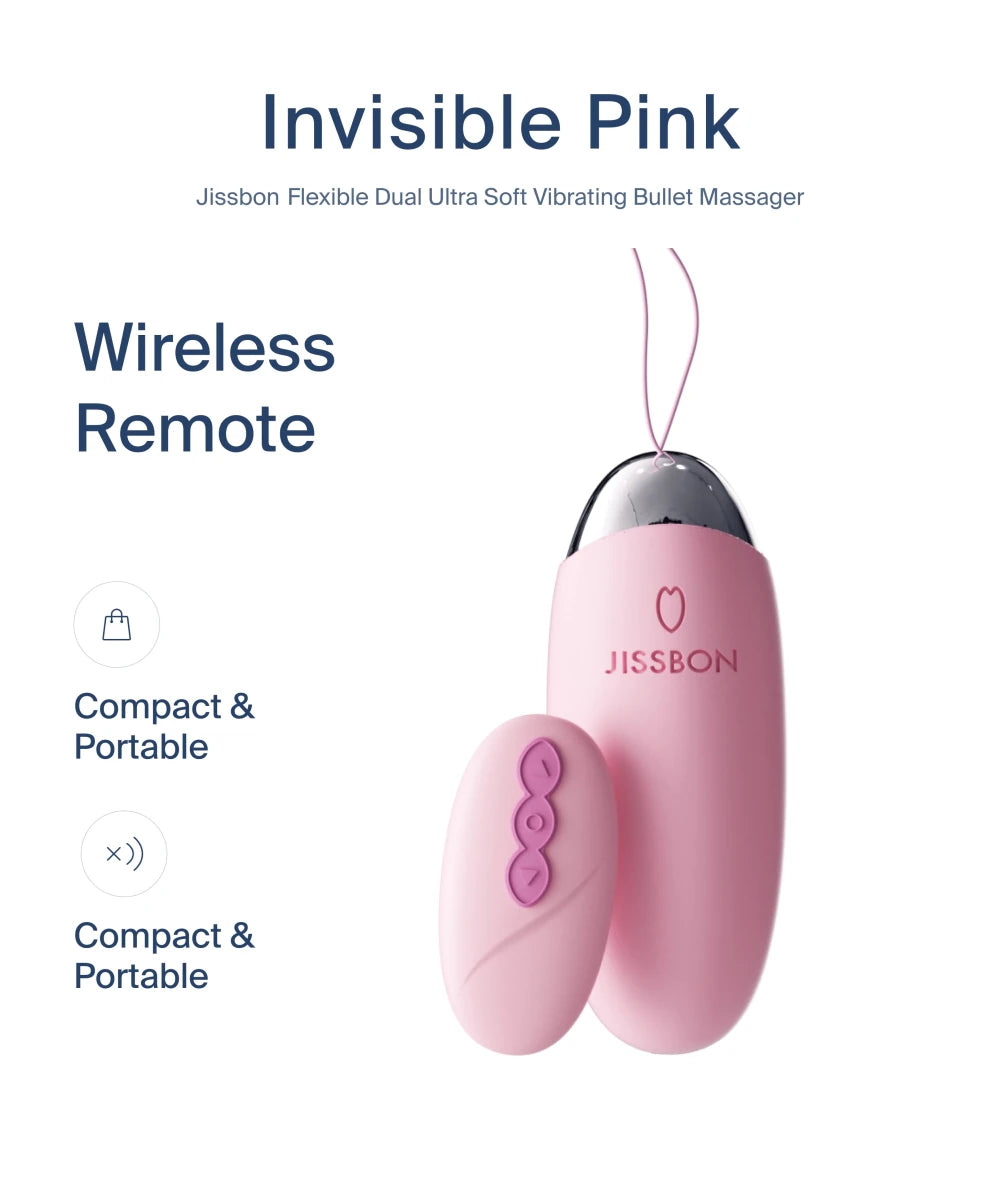
- Remote controlled vibrator (power exchange, public play scenarios)
When to Invest in Elaborate Props
Wait until:
- You've tried 3-5 scenarios successfully
- You both genuinely enjoy roleplay
- Specific scenarios become favorites
- You're comfortable with current complexity level
Then consider:
- Character-specific costumes
- Specialized furniture arrangements
- Recording equipment (with consent and security measures)
- More elaborate props for immersion
Setting Boundaries and Safe Words
Roleplay requires clear communication about limits before, during, and after.
Pre-Scene Negotiation
Discuss these elements every time:
Hard limits (absolutely off-limits):
- Specific acts or scenarios
- Language or names you won't use
- Physical boundaries
- Emotional triggers to avoid
Soft limits (maybe with conditions):
- Things you're curious about but uncertain
- Acts requiring specific moods or contexts
- Scenarios needing gradual introduction
- Activities dependent on comfort level that day
Safe words (essential):
- Choose a word that wouldn't come up naturally ("red" common choice)
- Establish non-verbal signal if mouth covered
- Discuss what happens when safe word used
- Test safe word during non-sexual moments to normalize
Scene duration:
- Approximate time commitment
- Permission to extend if going well
- Clear endpoint signal
- Transition plan back to normal interaction
During-Scene Communication
Check-ins that maintain immersion:
- "Are you okay?" stays in character while confirming consent
- Rating system (1-10, how's intensity?)
- Non-verbal signals (thumbs up/down)
- Established code phrases ("too much" = reduce intensity, "stop" = pause)
When to break character:
- Any discomfort, physical or emotional
- Something hurts unexpectedly
- Scenario isn't working
- External interruption requires attention
Getting back into character:
- Brief pause, quick discussion
- "Okay, ready? Continuing..."
- Resume from previous moment
- It's fine to end completely if momentum's gone
After-Scene Care (Aftercare)
Immediate aftermath (5-15 minutes):
- Return to normal personas explicitly
- Physical comfort (water, blankets, cuddling)
- Verbal reassurance ("That was fun with you")
- Address any discomfort immediately
Later discussion (same day or next):
- What worked well?
- What felt uncomfortable?
- What would you change next time?
- Interest in trying again or different scenario?
Emotional processing: Some people experience unexpected emotions after intense roleplay—vulnerability, embarrassment, confusion about enjoying certain dynamics. This is normal. Discuss openly without judgment.
Common First-Time Challenges
Most couples encounter similar obstacles initially. Here's how to navigate them.
Breaking Character or Laughing
Why it happens: Unfamiliarity, self-consciousness, saying something unintentionally funny, pet walks in.
How to handle:
- Laugh together—don't force seriousness
- Take a brief break, return to scenario
- Acknowledge "This is silly AND fun"
- Lower expectations for perfection
Prevention: Start with scenarios close to your personalities. Huge character leaps feel more awkward than subtle shifts.
Running Out of Things to Say
Why it happens: Improvisation anxiety, uncertainty about what's "appropriate" in character.
How to handle:
- Focus on actions rather than dialogue
- Use physical touch to communicate
- Keep phrases simple and repetitive
- Transition to intimacy rather than forcing conversation
Prevention: Outline general scenario arc beforehand. Knowing destination reduces pressure to create elaborate plot.
Feeling Self-Conscious
Why it happens: Vulnerability, fear of judgment, comparing to media portrayals.
How to handle:
- Start with lights dimmed
- Close eyes to reduce visual self-awareness
- Remember your partner chose this with you
- Focus on sensation rather than appearance
Prevention: Begin with scenarios where you play yourself with small modifications rather than completely different characters.
Partner Not Participating Fully
Why it happens: Uncertainty about expectations, discomfort, unclear on how much "acting" required.
How to handle:
- Pause and check in without judgment
- Ask what would make it easier
- Scale back complexity
- Accept this scenario might not work for them
Prevention: Choose scenarios based on mutual interest, not just one person's fantasy.
Escalating Complexity Over Time

As comfort increases, you can layer additional elements.
Progression Path
Stage 1 (First 3-5 experiences):
- Simple scenarios, minimal props
- Characters close to real personalities
- Short duration (15-30 minutes)
- Explicit beginning and end
- Immediate aftercare and discussion
Stage 2 (After initial success):
- More detailed scenarios
- Basic costume elements
- Extended duration
- Light improvisation
- Multiple scenes in one session
Stage 3 (Established comfort):
- Complex characters with backstories
- Elaborate setup and atmosphere
- Integration with sex toys for couples
- Public or semi-public scenarios
- Power exchange dynamics
Stage 4 (Advanced exploration):
- Multi-day scenarios
- Involving others (professional services, not other participants)
- Recording (with security precautions)
- Detailed scripts or plots
- Specific kink integration
When to Stay at Current Level
Don't escalate if:
- Either partner feels pressured
- Current scenarios still feel exciting
- Added complexity reduces enjoyment
- Time/energy investment becomes burdensome
- Simple approaches achieve desired connection
Many couples find their sweet spot at Stage 2 and happily remain there. Complexity isn't inherently better.
Integrating Toys into Scenarios
Physical products enhance many roleplay scenarios naturally.
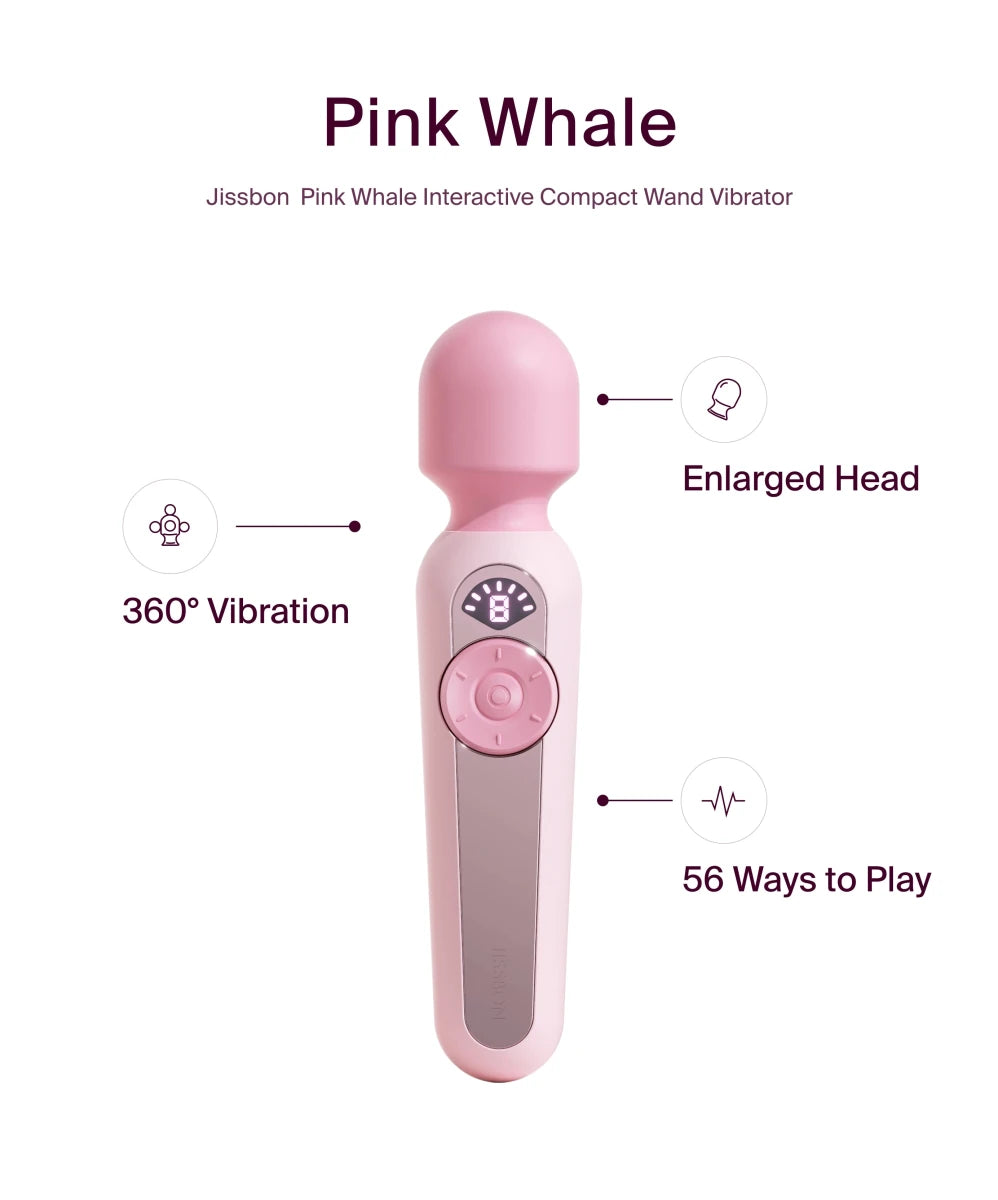
Massage therapist: Wand vibrators serve as legitimate massage tools that transition to intimate use.
Doctor/patient: Examine your partner's sensitivity using bullet vibrators as "medical instruments."
Power exchange: Dominant partner controls remote vibrator worn by submissive partner during dinner or movie.
Personal trainer: Client "rewards" themselves with pleasure after completing trainer's instructions.
Photography session: Model uses props including intimate products as part of artistic shoot.
The key is making toys feel organic to the scenario rather than randomly inserted. If it wouldn't make sense for that character to have that item, adjust your scene accordingly.
Frequently Asked Questions
What if we try roleplay and hate it?
That's valuable information about your preferences. Many couples discover roleplay isn't for them, and that's completely fine. You explored, learned something about yourselves, and can return to what works. Not every intimacy enhancement technique suits every couple. No pressure to continue something that doesn't increase enjoyment.
How elaborate do scenarios need to be?
As simple or complex as you want. Some couples spend 10 seconds establishing "you're a stranger, I'm approaching you" and that's sufficient. Others enjoy hour-long elaborate setups. Neither approach is superior. Match complexity to your mutual interest and available energy. Start minimal and add only if desired.
Can we use the same scenario repeatedly?
Absolutely. Many couples have favorite scenarios they return to regularly, just as they might prefer certain positions or activities. Familiarity can actually enhance comfort and enjoyment. Variety isn't mandatory—consistency with what works is equally valid.
What if my fantasy makes my partner uncomfortable?
Respect their boundary completely. Some fantasies work better staying private thoughts rather than enacted scenarios. Discuss whether modifications might make it acceptable, or whether this particular fantasy should remain unexplored. Partners aren't obligated to participate in every fantasy, and healthy relationships accept these limits.
Should we discuss fantasies before trying them?
Yes, always. Surprise roleplay scenarios violate consent principles. Your partner needs information to provide informed agreement. Spontaneity can exist within pre-negotiated scenarios ("tonight's the night we try that hotel thing"), but springing entirely new scenarios creates uncomfortable situations.
How do we transition back to normal after intense scenes?
Build in explicit transition rituals. Change clothes, have a specific snack or drink together, say a closing phrase ("Scene's done, I love you"), shower together. Physical and verbal markers help brains shift from character back to everyday relationship mode. Aftercare isn't optional—it's essential for emotional safety.
Moving Forward with Roleplay
Sexual roleplay offers couples creative ways to explore desires, break patterns, and strengthen connection through shared fantasy. Success requires communication, mutual enthusiasm, and permission to experiment imperfectly.
Start with simple scenarios close to your natural personalities. Build complexity slowly based on mutual interest. Prioritize ongoing consent, boundaries, and aftercare as much as the scenarios themselves.
Ready to enhance your intimate experiences? Explore Jissbon's collection of couples' products designed to complement creative exploration and deepen connection.


Looking for something else?

What Is Flogging in Sex? Complete BDSM Flogging Guide
LEARN MORE
What Does Overstimulated Mean Sexually? Causes & Solutions
LEARN MORE
Can You Get a Tattoo on Your Vagina? Safety, Pain & What to Expect
LEARN MORE
Public Sex Kink: Understanding Exhibitionism & Safe Exploration
LEARN MORELooking for something else?

A-Spot Orgasm: Best Positions & How to Find It
LEARN MORE
Bondage Play: Complete Beginner's Guide to Rope BDSM
LEARN MORE
Vibrator Stories: Real Experiences, Tips & What to Expect
LEARN MOREYou may also like
20% off

20% off

20% off

20% off

20% off

20% off

Further reading

How to Clean an Automatic Blowjob Machine Without Damaging the Motor

Remote-Controlled Automatic Masturbators for Couples and Solo Play
Best Automatic Strokers for Edging and Stamina Training