


















































































BDSM Primal Play: Complete Guide to Primal Kink
Stack & Save: Extra 15% with Jissbon15
Jissbon15
BDSM primal play taps into raw, instinctual energy by stripping away social constraints and embracing animalistic behavior during intimate encounters. Unlike structured BDSM dynamics, primal BDSM emphasizes spontaneity, physical intensity, and the thrill of the hunt.
Whether you're curious about primal play kink or exploring the primal prey BDSM dynamic, this guide covers everything you need to know. We'll explain what primal in BDSM means, how to practice safely, and the different roles partners can take in this electrifying form of power exchange.
What Is BDSM Primal Play?
Primal play is a form of BDSM that focuses on instinct, raw emotion, and animalistic energy rather than formalized protocols or elaborate roleplay scenarios.
Core Elements of Primal Play
- Instinct over intellect – Acting on gut feelings rather than planned scripts.
- Physical intensity – Wrestling, biting, scratching, chasing, and pinning.
- Minimal verbal communication – Relying on growls, grunts, body language, and non-verbal cues.
- Power struggle – A dynamic push-and-pull between hunter and prey or two equals fighting for dominance.
- Freedom from societal expectations – Letting go of "civilized" behavior in a safe, consensual context.
Primal BDSM doesn't necessarily involve traditional dominant/submissive labels. Instead, participants often identify as Primal Predator (hunter) or Primal Prey (hunted), though some enjoy switching between roles or engaging in equal-power struggles.
For more on BDSM fundamentals, see Wikipedia's guide to BDSM.
Who Enjoys Primal Play Kink?

Primal play appeals to a wide range of people for different reasons:
- Those who find traditional BDSM too structured – Prefer spontaneity over strict protocols and honorifics.
- People seeking physical release – Enjoy wrestling, roughhousing, and intense physical contact.
- Individuals craving emotional catharsis – Use primal play to release pent-up stress or aggression safely.
- Partners wanting to explore power dynamics – Without the formality of traditional Dom/sub relationships.
- Anyone interested in roleplay – Predator/prey scenarios add excitement and novelty.
- People who feel disconnected from their bodies – Primal play grounds you in physical sensation and instinct.
The key is mutual enthusiasm for raw, intense experiences within clearly negotiated boundaries.
Primal Predator vs. Primal Prey: Understanding the Dynamics
Primal play often involves two primary roles, though many people enjoy both or prefer equal-power struggles.
Primal Predator (Hunter)
The predator takes on the hunting role, seeking to capture, pin, or dominate the prey.
Characteristics:
- Enjoys the chase and pursuit.
- Takes pleasure in overpowering or "catching" their partner.
- May use growling, biting, scratching, or pinning.
- Derives satisfaction from the struggle and eventual conquest.
Mindset: "I want to hunt, capture, and claim."
Primal Prey (Hunted)
The prey embraces the role of being chased, caught, and (consensually) overpowered.
Characteristics:
- Enjoys the thrill of being pursued.
- May resist, fight back, or try to escape (all within negotiated limits).
- Finds arousal in the struggle and eventual surrender.
- Often makes sounds like whimpering, growling, or defiant snarls.
Mindset: "I want to be chased, caught, and taken."
Equal Power Struggles
Some primal players prefer no predefined roles. Both partners wrestle for dominance, with the "winner" claiming their prize. This dynamic shifts power based on physical strength, strategy, or sheer determination.
Role Comparison Table
|
Aspect |
Primal Predator |
Primal Prey |
Equal Struggle |
|
Energy |
Aggressive, hunting |
Evasive, defiant |
Competitive, equal |
|
Goal |
Capture and dominate |
Evade and surrender (or resist) |
Overpower and claim victory |
|
Arousal source |
The hunt, conquest |
The chase, capture |
The fight, proving strength |
|
Common behaviors |
Stalking, pinning, biting |
Running, hiding, playful resistance |
Wrestling, strategic combat |
What Does Primal Play Look Like? Common Activities

Primal play can include a wide range of physical and psychological elements. Here are some common activities:
Chasing & Hunting
The predator pursues the prey through physical space (bedroom, outdoors, designated play area).
How it works:
- Prey gets a head start.
- Predator tracks, chases, and attempts to capture.
- Once caught, the scene transitions to pinning, dominance, or sexual activity.
Safety tip: Agree on boundaries (e.g., certain rooms are off-limits) and establish a safe signal for stopping.
Wrestling & Pinning
Physical grappling to establish dominance or resist capture.
How it works:
- Partners wrestle for control.
- The "winner" pins the other and claims their reward (kissing, biting, penetration, etc.).
- Can be fully competitive or playfully one-sided.
Safety tip: Avoid strikes to the face, throat, or joints. Focus on safe grappling techniques.
Biting & Scratching
Marking your partner with teeth or nails to claim ownership or express intensity.
How it works:
- Light to moderate biting on shoulders, neck, thighs, or back.
- Scratching along the back, chest, or arms.
- Leave temporary marks (hickeys, light scratches) as "trophies."
Safety tip: Avoid breaking skin to prevent infection. Discuss intensity beforehand.
Growling, Snarling & Non-Verbal Communication
Replacing words with animalistic sounds enhances the primal atmosphere.
How it works:
- Growl when feeling dominant or aggressive.
- Whimper or snarl when resisting or submitting.
- Use body language (crouching, arching, baring teeth) to communicate.
Safety tip: Establish non-verbal safe signals (e.g., three taps) since verbal safewords may not fit the scene.
Claiming & Marking
Acts that symbolize ownership or dominance.
How it works:
- Biting or licking specific body parts.
- Holding your partner down by the neck (safely) or wrists.
- Post-capture sex in positions that emphasize dominance (e.g., from behind, pinned against a wall).
Safety tip: Always discuss what constitutes "claiming" beforehand. Never apply pressure to the throat that restricts breathing.
Planning Your First Primal Play Scene
![]()

Unlike spontaneous primal play, your first experience should involve thorough negotiation.
Step 1: Negotiate Boundaries & Desires
Discuss the following before you begin:
- Roles – Who will be predator, prey, or are you trying an equal struggle?
- Hard limits – Activities that are absolutely off-limits (e.g., no face strikes, no hair pulling, no genital contact).
- Soft limits – Activities you might try under the right conditions.
- Intensity level – Light playful wrestling or intense physical struggle?
- Safewords/signals – Verbal ("red," "yellow," "green") or non-verbal (three taps, dropping an object).
- Aftercare needs – What does each person need emotionally and physically after the scene?
Step 2: Prepare Your Space
Create a safe environment for physical activity:
- Clear obstacles – Remove furniture with sharp edges, fragile items, or tripping hazards.
- Soft surfaces – Use beds, padded floors, or exercise mats to prevent injury.
- Set boundaries – Decide which rooms or areas are part of the play space.
- Have supplies nearby – Water, first aid kit, tissues, blankets for aftercare.
Step 3: Warm Up Physically
Primal play is physically demanding. Prevent injury with:
- Light stretching – Focus on legs, back, shoulders, and neck.
- Gradual intensity build – Start with playful touching before full wrestling.
- Check fitness levels – Consider any injuries, joint issues, or physical limitations.
Step 4: Start the Scene
Once negotiation and prep are complete:
- Set the mood – Dim lights, play ambient music, or create a "wilderness" atmosphere.
- Begin gradually – Start with eye contact, circling each other, or light touching.
- Escalate naturally – Let instinct guide the intensity increase.
- Stay aware – Monitor your partner's reactions and energy levels.
- Use safewords – Either partner can pause or stop at any time.
Step 5: Transition to Aftercare
Primal play can trigger intense emotions and adrenaline. Aftercare is essential:
- Physical care – Check for bruises, scratches, or sore muscles. Apply ice or lotion if needed.
- Emotional reconnection – Cuddle, talk, or simply hold each other.
- Hydrate – Drink water and eat a light snack (chocolate, fruit).
- Debrief – Discuss what felt good, what didn't, and what to try next time.
Safety Considerations for Primal BDSM
Primal play's intensity requires extra attention to safety.
Physical Safety
- No strikes to vulnerable areas – Avoid face, throat, spine, kidneys, or genitals.
- Watch for joint locks – Hyperextending joints causes injury. Learn safe grappling techniques.
- Monitor breathing – Never restrict airways. If simulating choking, use visual pressure only (hand near throat without applying force).
- Take breaks – Intense exertion requires rest periods. Don't push through exhaustion.
Emotional Safety
- Discuss triggers beforehand – Primal play can evoke past trauma. Share any sensitive topics.
- Check in verbally – Even in non-verbal scenes, pause to ask "You okay?" or "Green?"
- Allow emotional release – Crying, laughing, or shaking during aftercare is normal. Provide support.
Consent Reminders
- Consent is ongoing – Just because someone agreed before doesn't mean they can't change their mind.
- Respect all safewords – Stopping immediately is non-negotiable.
- Never play under influence – Alcohol or drugs impair judgment and consent capacity.
Toys & Props for Primal Play

While primal play often emphasizes hands-on physicality, some toys enhance the experience:
Recommended Toys
- Bite-safe gags – Made from soft silicone; prevent accidental biting during intense moments.
- Soft restraints – Velcro or fabric cuffs for quick release if needed.
- Faux fur or leather – Add tactile elements to costumes or play spaces.
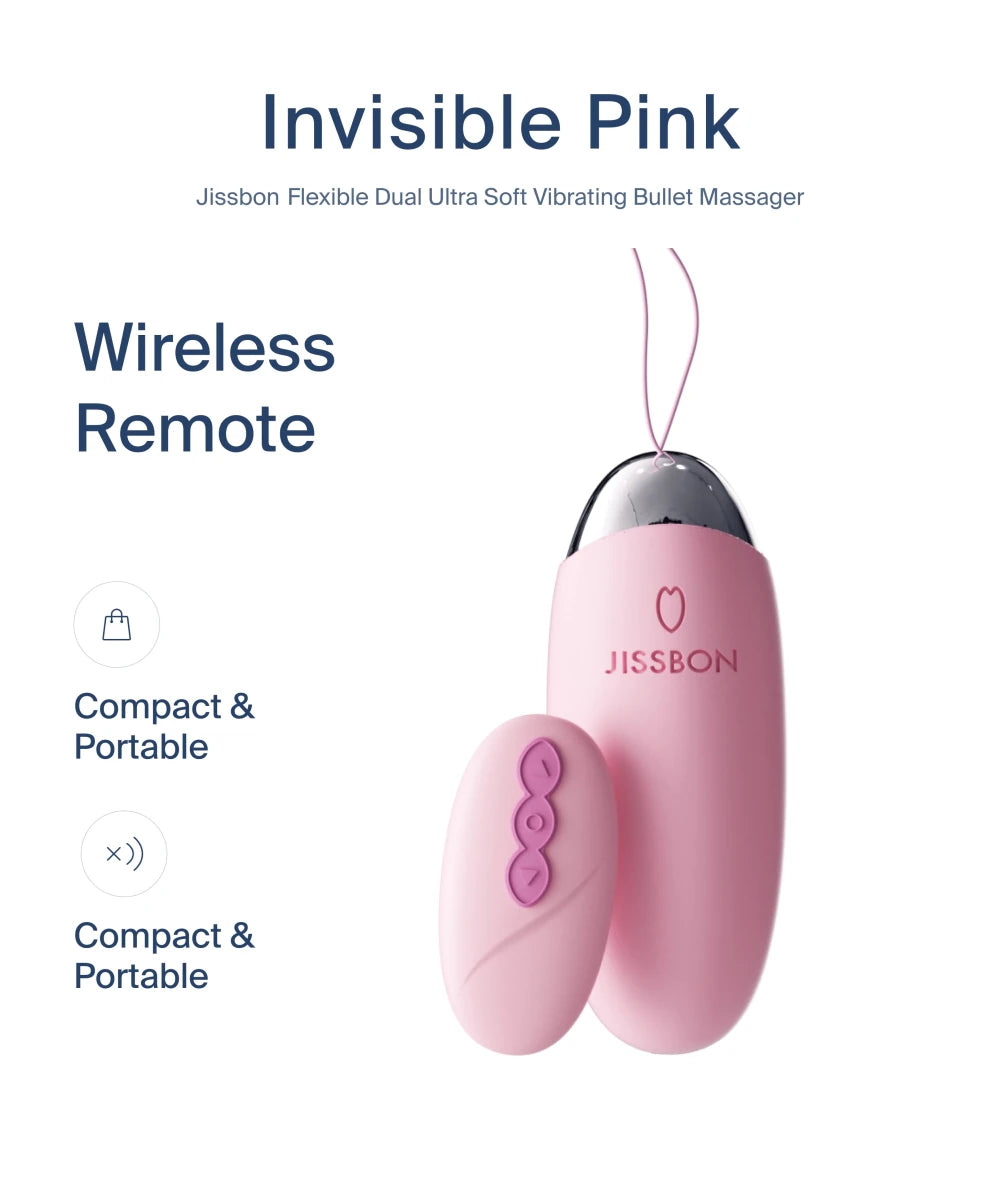
- Remote-controlled vibrators – Predator controls prey's pleasure from a distance.
- Blindfolds – Heighten other senses during the hunt.
Not Recommended
- Rigid metal restraints – Difficult to remove quickly if someone needs to stop.
- Impact toys requiring precision – Floggers or canes are hard to control during wrestling.
- Sharp objects – Even decorative claws or teeth risk injury during rough play.
Explore body-safe options at Jissbon for toys that complement primal dynamics.
Primal Play vs. Other BDSM Dynamics
How does primal BDSM compare to other kink styles?
|
Dynamic |
Structure |
Communication |
Intensity |
Best For |
|
Primal Play |
Low, instinct-driven |
Non-verbal, guttural |
High physical |
Raw, spontaneous energy |
|
Traditional D/s |
High, protocol-based |
Verbal, honorifics |
Varies |
Structure, control, service |
|
Sadism/Masochism |
Varies |
Verbal negotiation |
Varies |
Pain/pleasure exploration |
|
Pet Play |
Medium, roleplay |
Mix of verbal/non-verbal |
Low to medium |
Cuteness, caregiving, headspace |
When to Choose Primal Play
Pick primal play if you:
- Want less structure and more spontaneity.
- Enjoy physical roughhousing and wrestling.
- Feel aroused by the hunt/chase dynamic.
- Prefer expressing yourself through actions over words.
When to Choose Other Dynamics
Consider alternatives if you:
- Need clear protocols and rules (traditional D/s).
- Focus primarily on pain/pleasure sensations (S&M).
- Prefer cute, nurturing dynamics (pet play).
Many people blend primal elements with other BDSM styles for personalized experiences.
Common Primal Play Misconceptions
Myth 1: "Primal play is just an excuse to be violent."
Reality: Primal play is consensual, negotiated, and safe. It's about controlled intensity, not abuse.
Myth 2: "You have to be physically strong to enjoy primal play."
Reality: Physical strength matters less than enthusiasm and compatibility. Many primal players focus on psychological intensity over raw power.
Myth 3: "Primal play has no rules."
Reality: While less structured than traditional BDSM, primal play still requires negotiation, safewords, and respect for boundaries.
Myth 4: "Primal prey always loses."
Reality: Prey can fight back, resist, or even overpower the predator within negotiated limits. The struggle itself is the appeal.
Myth 5: "Primal play is only for cisgender heterosexual couples."
Reality: Primal play is inclusive. People of all genders and orientations enjoy primal dynamics.
Frequently Asked Questions
What is BDSM primal play?
BDSM primal play is a kink that emphasizes raw, instinctual behavior during intimate encounters. It involves physical intensity like chasing, wrestling, biting, and scratching, with minimal verbal communication. Participants often take on predator/prey roles or engage in equal-power struggles.
What does primal in BDSM mean?
Primal in BDSM refers to embracing animalistic, instinct-driven behavior during play. It strips away societal expectations of "civilized" conduct and allows participants to express aggression, desire, and physicality in consensual, controlled environments. It's about feeling rather than thinking.
What is the difference between primal predator and primal prey BDSM?
Primal predator (hunter) enjoys pursuing, capturing, and dominating their partner. Primal prey (hunted) finds arousal in being chased, caught, and (consensually) overpowered. Some people enjoy switching roles or prefer equal-power wrestling with no predefined winner.
Is primal play kink safe?
Yes, when practiced with clear negotiation, safewords, and respect for physical limits. Avoid strikes to vulnerable areas, monitor breathing, take breaks, and provide thorough aftercare. Like all BDSM, safety depends on communication, consent, and risk awareness.
Do I need special equipment for primal play?
No. Most primal play relies on hands, teeth, and body weight. However, some people enjoy adding soft restraints, blindfolds, or remote-controlled toys to enhance the experience. The focus is on physicality and instinct, not elaborate props.
Can I combine primal play with other BDSM dynamics?
Absolutely! Many people blend primal elements with traditional D/s, impact play, or pet play. For example, a dominant might incorporate primal chasing into a structured scene, or use primal intensity during aftercare cuddles.
Conclusion
BDSM primal play offers a thrilling way to explore power dynamics, physical intensity, and raw instinct within safe, consensual boundaries. Whether you're drawn to the predator/prey dynamic or prefer equal-power wrestling, primal kink invites you to let go of societal constraints and embrace your most authentic desires.
Ready to explore more ways to enhance your intimate experiences? Discover our curated collection of sex toys for couples designed to complement every dynamic.


Looking for something else?

What Is Flogging in Sex? Complete BDSM Flogging Guide
LEARN MORE
What Does Overstimulated Mean Sexually? Causes & Solutions
LEARN MORE
Can You Get a Tattoo on Your Vagina? Safety, Pain & What to Expect
LEARN MORE
Public Sex Kink: Understanding Exhibitionism & Safe Exploration
LEARN MORELooking for something else?

A-Spot Orgasm: Best Positions & How to Find It
LEARN MORE
Bondage Play: Complete Beginner's Guide to Rope BDSM
LEARN MORE
Vibrator Stories: Real Experiences, Tips & What to Expect
LEARN MOREYou may also like
20% off

20% off

20% off

20% off

20% off

20% off

Further reading

How to Clean an Automatic Blowjob Machine Without Damaging the Motor

Remote-Controlled Automatic Masturbators for Couples and Solo Play

Best Automatic Strokers for Edging and Stamina Training