











































Anal Sex Education: A Complete Beginner's Guide to Safe and Pleasurable Experiences
Stack & Save: Extra 15% with Jissbon15
Jissbon15
Anal sex remains one of the most misunderstood intimate activities, surrounded by myths, anxiety, and misinformation. Comprehensive anal sex education addresses anatomy, preparation techniques, communication strategies, and safety protocols that transform this from a painful ordeal into a potentially pleasurable experience for people of all genders and orientations.
Whether you're curious about exploring with a partner or understanding your body better, accurate information replaces fear with informed confidence.
This guide provides evidence-based education on physiology, preparation, techniques, and aftercare that prioritize comfort, consent, and pleasure.
Adding Anal Stimulation to Blended Orgasms Safely
Because blended orgasms often include clitoral + anal or G-spot + anal combinations, it’s important to treat anal play as its own skill set, not just “extra intensity.”
Key safety basics:
- Go slower than you think. Anal tissue is more delicate and doesn’t self-lubricate. Rushing is the main cause of pain and injury.
- Use lots of lube. Thick, cushiony, anal-safe lubricant is non-negotiable. Reapply frequently.
- Start small. Begin with a fingertip or slim butt plug rather than jumping straight to full penetration.
- One direction only. Don’t go from anus to vulva or vagina with the same toy or finger without washing or changing condoms—this helps prevent infections.
- Pain = pause, not push. Mild stretching or fullness is normal; sharp pain, burning, or a “tearing” feeling is a sign to stop immediately.
When anal play feels safe and comfortable on its own, it becomes much easier to fold it into blended orgasms.
Preparing Your Body for Anal-Inclusive Blended Orgasms
People often ask how to “prep for anal” before sex. For blended orgasms, you want comfort + relaxation, not a complicated ritual.
Helpful prep steps:
- Hygiene first.
-
- Use the bathroom beforehand.
- A gentle wash around (not inside) the anus with mild soap and water is usually enough.
- Enemas or douches are optional and should be done carefully and in moderation if chosen.
- Warm-up before insertion.
-
- Spend time on full-body arousal and external anal touch first.
- Massage around the outside, circle the opening, and let the muscles respond.
- Breathing and mindset.
-
- Deep, slow exhales help the anal sphincter relax.
- If you feel anxious, your muscles will clamp down and make penetration harder.
Remember: anal stimulation is never required for a blended orgasm. Prep only if you genuinely want to include it—not because you feel you “should.”
Anal-Friendly Positions That Support Blended Orgasms
Certain positions make it much easier to stimulate clitoral/G-spot + anus at the same time:
- Side-lying (spooning) with a plug or finger
-
- A small plug or a finger in the anus while you or your partner stimulate your clitoris and/or G-spot.
- The relaxed, cuddly posture reduces tension and performance pressure.
- On your back with hips elevated
-
- Pillow under hips, knees bent toward chest.
- Ideal for G-spot penetration (toy or partner) plus a finger or slim plug anally, while your clitoris is still accessible for hands or a vibrator.
- Doggy-style with external clitoral toy
-
- Penetration in the anus (if that’s your goal) or vagina, combined with a wand or bullet on the clitoris.
- You can control the angle by arching or rounding your lower back.
- Cowgirl with plug
-
- A small anal plug in place while you ride a partner or dildo.
- Grinding forward stimulates clitoris + G-spot while the plug adds fullness and extra nerve input.
Think of anal toys as supporting actors to your main stimulation (clitoral, G-spot, or both), not the star of the show.
Understanding Anal Anatomy: Why Education Matters
Knowledge of how the body works prevents injury and enhances pleasure.
The Anal Canal Structure
External sphincter: Voluntary muscle you can consciously control, similar to holding in a bowel movement.
Internal sphincter: Involuntary muscle that relaxes with arousal and proper technique—cannot be forced.
Rectal walls: Thin, delicate tissue more fragile than vaginal walls. Lacks natural lubrication.
Nerve density: The anus contains thousands of nerve endings, making it highly sensitive to touch, pressure, and temperature.
Key Anatomical Differences from Vaginal Sex
|
Aspect |
Vaginal Anatomy |
Anal Anatomy |
|
Lubrication |
Self-lubricates when aroused |
No natural lubrication ever |
|
Elasticity |
Designed to stretch significantly |
Limited stretch capacity; requires training |
|
Tissue strength |
Thicker, more resilient |
Thinner, more prone to micro-tears |
|
Muscle control |
Single voluntary sphincter |
Two sphincters (one voluntary, one involuntary) |
|
Pregnancy risk |
Yes |
No |
|
STI transmission |
Possible |
Higher risk due to tissue fragility |
Understanding these differences explains why anal sex requires different preparation, more lubricant, and slower progression than other intimate activities.
Why People Explore Anal Sex

Motivations vary widely across individuals and relationships:
- Curiosity and novelty in long-term relationships seeking new experiences
- Intense physical sensation from nerve-rich tissue stimulation
- Prostate stimulation for people with this anatomy—often producing powerful orgasms
- Psychological arousal from taboo breaking or power dynamics
- Alternative to vaginal intercourse during menstruation, pregnancy, or medical conditions
- Sexual expression for people without vaginas seeking penetrative experiences
- Variety and experimentation to explore full range of intimate possibilities
Essential Safety and Health Information
Before any exploration, understand risks and protective measures.
STI Transmission Risks
Anal tissue tears more easily than vaginal tissue, creating direct blood contact pathways. This increases transmission risk for HIV, hepatitis, gonorrhea, chlamydia, and other infections.
Protection: Use condoms consistently. Get tested regularly. Discuss status with partners before unprotected contact.
For comprehensive sexual health information, see Planned Parenthood's safer sex resources.
Bacterial Transfer
The rectum contains bacteria that cause urinary tract infections or other complications if transferred to the vagina or urethra.
Prevention: Never move from anal to vaginal contact without thorough washing or changing barriers. Use separate toys for each activity.
Physical Injury Risks
Forcing penetration, insufficient lubrication, or using inappropriate objects causes fissures, hemorrhoids, or sphincter damage.
Prevention: Progress slowly, use excessive lubrication, stop at pain, and only use body-safe toys with flared bases.
When to Avoid Anal Sex
- Active hemorrhoids or anal fissures
- Recent anal or rectal surgery
- Inflammatory bowel disease flare-ups
- Unhealed infections or wounds
- Pain conditions affecting the pelvic region
Consult healthcare providers about specific conditions and resuming activity safely.
Communication: The Foundation of Positive Experiences

Open dialogue before, during, and after prevents discomfort and builds trust.
Pre-Experience Discussion Points
Desire and boundaries: "Are you genuinely interested, or doing this for me?" Ensure mutual enthusiasm, not pressure.
Expectations: Discuss what you hope to experience and what concerns you have.
Safe words: Establish clear signals like "green" (continue), "yellow" (slow down), "red" (stop immediately).
Hygiene concerns: Address anxieties about cleanliness openly to reduce embarrassment during the act.
Safer sex practices: Agree on barrier use, testing status, and protocols.
During-Activity Communication
Constant check-ins: "How does this feel?" "Should I go slower?" "Tell me if anything hurts."
Permission at each step: Don't progress from fingers to toys to penetration without explicit consent at every stage.
Honesty about discomfort: If receiving, speak up immediately when something doesn't feel right. If giving, respect all feedback without defensiveness.
Post-Experience Debrief
What worked well: Reinforce positive aspects to repeat in future encounters.
What to adjust: Discuss pacing, angles, or techniques that need refinement.
Emotional processing: Address any unexpected feelings, vulnerability, or concerns that arose.
For guidance on sexual communication, explore relationship and consent resources.
Preparation: Physical and Mental Readiness
Proper preparation transforms experiences from painful to pleasurable.
Hygiene Considerations
Bowel movements: Use the bathroom 1–2 hours before anticipated activity. This empties the lower rectum naturally.
Showering: External washing with mild soap and water. Avoid harsh soaps or douches that irritate tissue.
Enemas (optional): Not medically necessary for most people. If using, do so 2–3 hours beforehand with plain warm water. Overuse disrupts natural flora and causes irritation.
Realistic expectations: Some fecal contact may occur despite preparation. This is normal biology—not a reflection on anyone's hygiene.
Mental Preparation
Arousal first: Never attempt anal penetration when you're not turned on. Arousal relaxes muscles and increases mental receptivity.
Stress reduction: Anxiety causes muscle tension that makes penetration painful. Practice deep breathing, take a warm bath, or engage in extended foreplay first.
No pressure: Agree that stopping at any point is acceptable. Performance pressure guarantees failure.
Physical Warm-Up
Start external: Massage around the opening with lubricated fingers. Circle the area without penetrating for 5–10 minutes.
Solo exploration first: Many experts recommend self-exploration before partnered attempts. You control pace and learn your body's responses privately.
Gradual progression: External touch → one finger → two fingers → small toy → larger toy/penis. This process may span days or weeks.
The Role of Lubrication: Non-Negotiable Priority

Lubricant is not optional—it's the single most important factor for safe anal sex.
Why So Much Lubricant?
The rectum produces zero natural lubrication. Without generous lube, friction causes pain, micro-tears, and increases infection risk dramatically.
Types of Lubricant
|
Type |
Pros |
Cons |
Best For |
|
Water-based |
Safe with all toys/condoms; easy cleanup |
Dries quickly; requires frequent reapplication |
Beginners; toy use |
|
Silicone-based |
Long-lasting; slippery; doesn't dry out |
May damage silicone toys; harder to clean |
Extended sessions; shower sex |
|
Hybrid |
Longer-lasting than water-based; toy-safe |
Mid-range performance |
Balanced option for most users |
|
Oil-based |
Very slippery; long-lasting |
Degrades latex condoms; stains fabrics |
Only with non-latex barriers |
Recommendation for beginners: Thick water-based or hybrid lubricants designed specifically for anal use. These provide cushioning and stay in place better than thin formulas.
How Much to Use
Start with a tablespoon and reapply every few minutes. If you think you've used enough, add more. Excessive lube is impossible—insufficient lube causes injury.
Apply liberally to:
- The receiving partner's anal opening and internal canal (insert lubricated finger to coat inside)
- The entire penetrating object (penis, toy, or fingers)
- Reapply throughout the experience whenever friction increases
Step-by-Step Technique for First-Time Anal Sex
Proper progression prevents pain and builds positive associations.
Step 1: Extended Foreplay (15–30 Minutes)
Build arousal through oral sex, manual stimulation, or whatever activities you both enjoy. The receiving partner should be highly turned on before any anal contact begins. For people with vulvas, achieving clitoral orgasm first often makes anal exploration easier due to increased relaxation.
Step 2: External Massage (5–10 Minutes)
Apply lubricant generously around the anal opening. Use fingertips to gently massage in circular motions without penetrating. This relaxes the external sphincter and acclimates the receiver to sensation in this area.
Step 3: Single Finger Insertion
Receiving partner: Take slow, deep breaths. Bear down slightly (as if having a bowel movement) while your partner applies gentle inward pressure. This counterintuitive technique relaxes the sphincter.
Giving partner: Slide one well-lubricated finger inside slowly—no more than first knuckle initially. Pause for 30–60 seconds allowing adjustment. Gradually insert to the second knuckle only when the receiver confirms comfort.
Movement: Once fully inserted, remain still or move very slowly in small circles. The goal is acclimation, not stimulation yet.
Step 4: Add a Second Finger (Only When Ready)
This may happen in the same session or require multiple sessions. Never rush. Insert the second finger only after the first moves freely without discomfort. Add more lubricant before insertion.
Gentle stretching: Once both fingers are comfortable, make slow scissoring motions to gradually stretch the sphincter. Stop immediately if this causes pain.
Step 5: Transition to Small Toy or Penis
Toy recommendation: Start with a slim anal vibrator or small butt plug (under 1 inch diameter). These provide controlled size progression.
Penis: If the receiving partner tolerates two fingers comfortably, a penis may be possible. However, many experts recommend toy progression first for better control.
Positioning: Choose a position allowing the receiver maximum control (see next section).
Insertion: Apply fresh lubricant. Align the tip with the opening. Receiver bears down slightly while giver applies steady, gentle pressure. Do NOT thrust initially—hold still once the head enters, allowing full adjustment (30–60 seconds).
Step 6: Gradual Depth Increase
Advance 1–2 inches at a time, pausing between progressions. The receiver dictates pace entirely. Aim for full insertion over 3–5 minutes minimum.
Step 7: Establish Rhythm
Start slow: Shallow, gentle thrusts. Communication remains constant: "Is this okay?" "Should I go faster?"
Increase gradually: Speed and depth increase only with explicit permission.
Maintain lubrication: Reapply frequently. Friction means insufficient lube.
Step 8: Conclusion and Withdrawal
Withdrawal: Pull out slowly and steadily. Avoid quick jerking motions.
Immediate cleanup: Wash toys, remove and dispose of condoms, and clean bodies with warm water.
Best Positions for Anal Sex Beginners
Position significantly impacts comfort and control.
Receiver on Top (Cowgirl/Reverse Cowgirl)
Why it's best for beginners: Complete control over depth, angle, and pace. Receiver lowers themselves at their own speed.
Technique: Giver lies on back. Receiver straddles facing forward or backward, lowering themselves onto penis or toy.
Spooning (Side-by-Side)
Why it works: Relaxed positioning reduces performance pressure. Shallow penetration angle suits beginners. Easy communication and eye contact.
Technique: Both partners lie on their sides, giver behind receiver. Receiver lifts top leg slightly for access.
Modified Doggy-Style (Face-Down, Hips Elevated)
Why it works: Receiver rests comfortably while giver controls motion. Pillow under hips creates ideal angle.
Technique: Receiver lies face-down with a pillow under their hips. Giver kneels behind, using hands to guide penetration.
Missionary with Legs Raised
Why it works: Face-to-face intimacy. Receiver controls angle by positioning legs.
Technique: Receiver lies on back, pulling knees toward chest. Giver kneels between legs for access.
Avoid initially: Standing, deep squatting, or positions requiring significant flexibility. Save these for after you've established comfort.
Enhancing Pleasure During Anal Sex
Once comfortable with basics, add elements that increase enjoyment.
Simultaneous Stimulation
For people with vulvas: Stimulate the clitoris with hands, bullet vibrators, or wand vibrators during anal penetration. Many find anal sensation alone insufficient for orgasm.
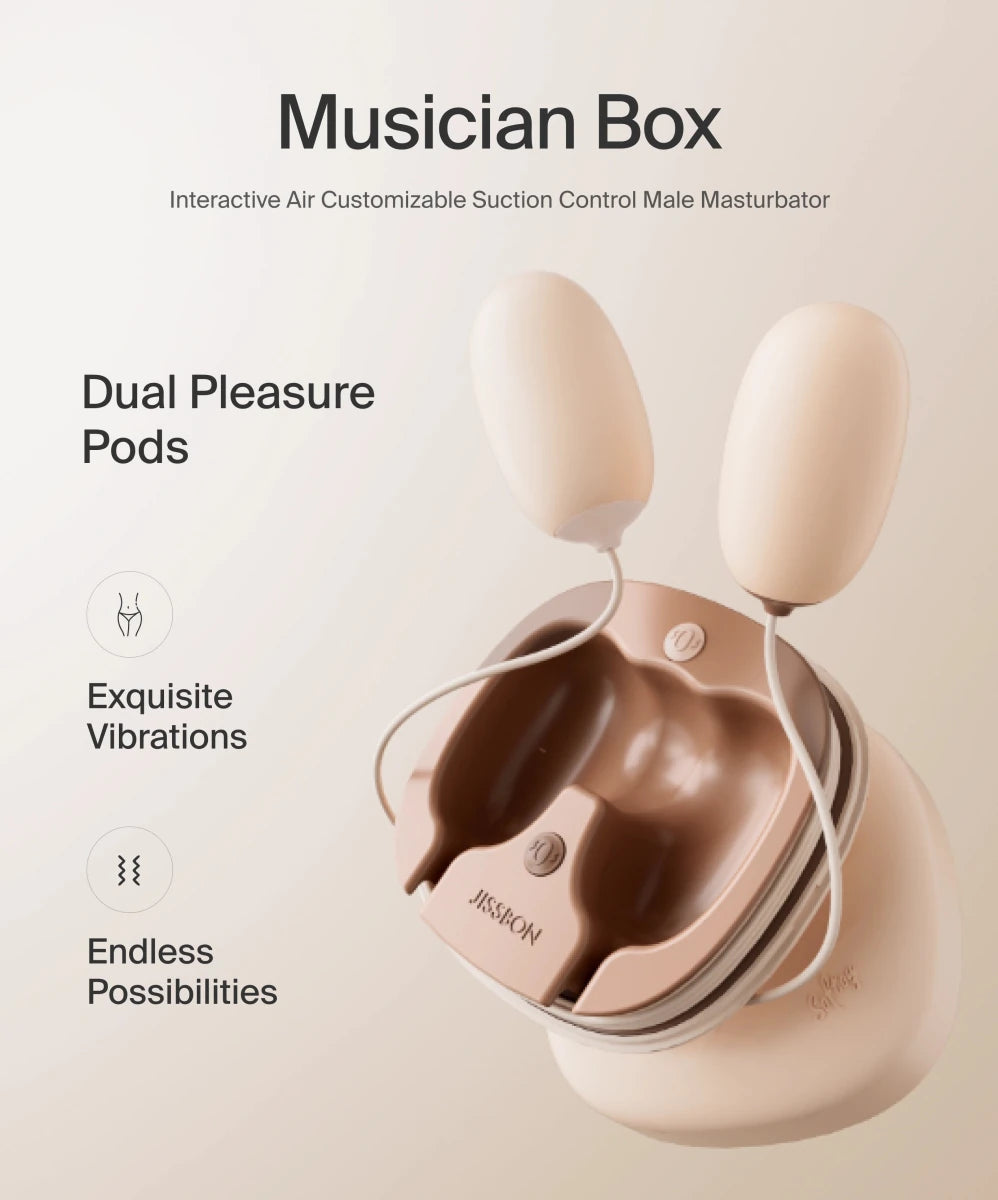
For people with penises: Stroke the penis manually or use a male masturbator while receiving anal penetration. Prostate stimulation combined with penile pleasure creates intense orgasms.
Prostate Stimulation
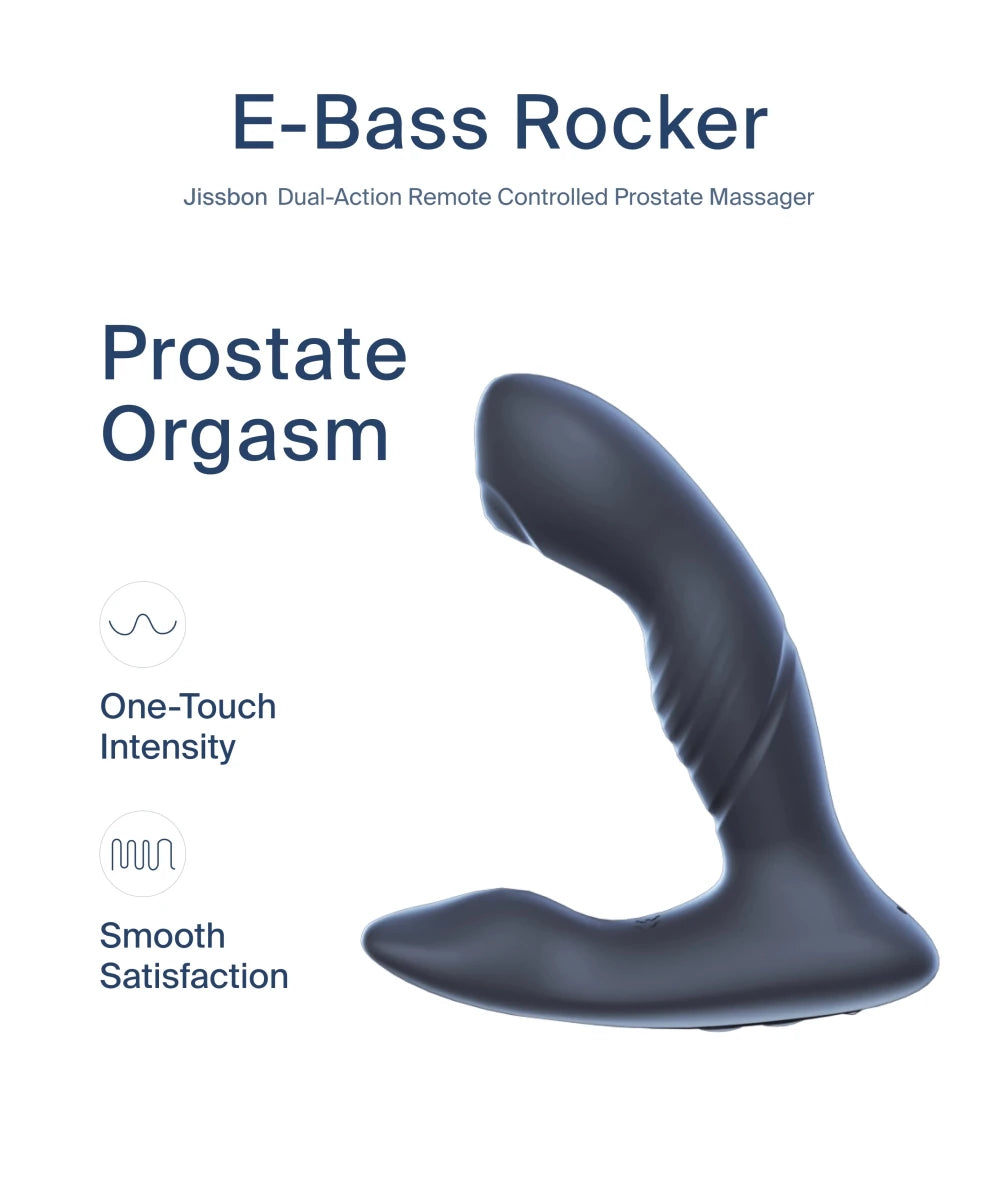
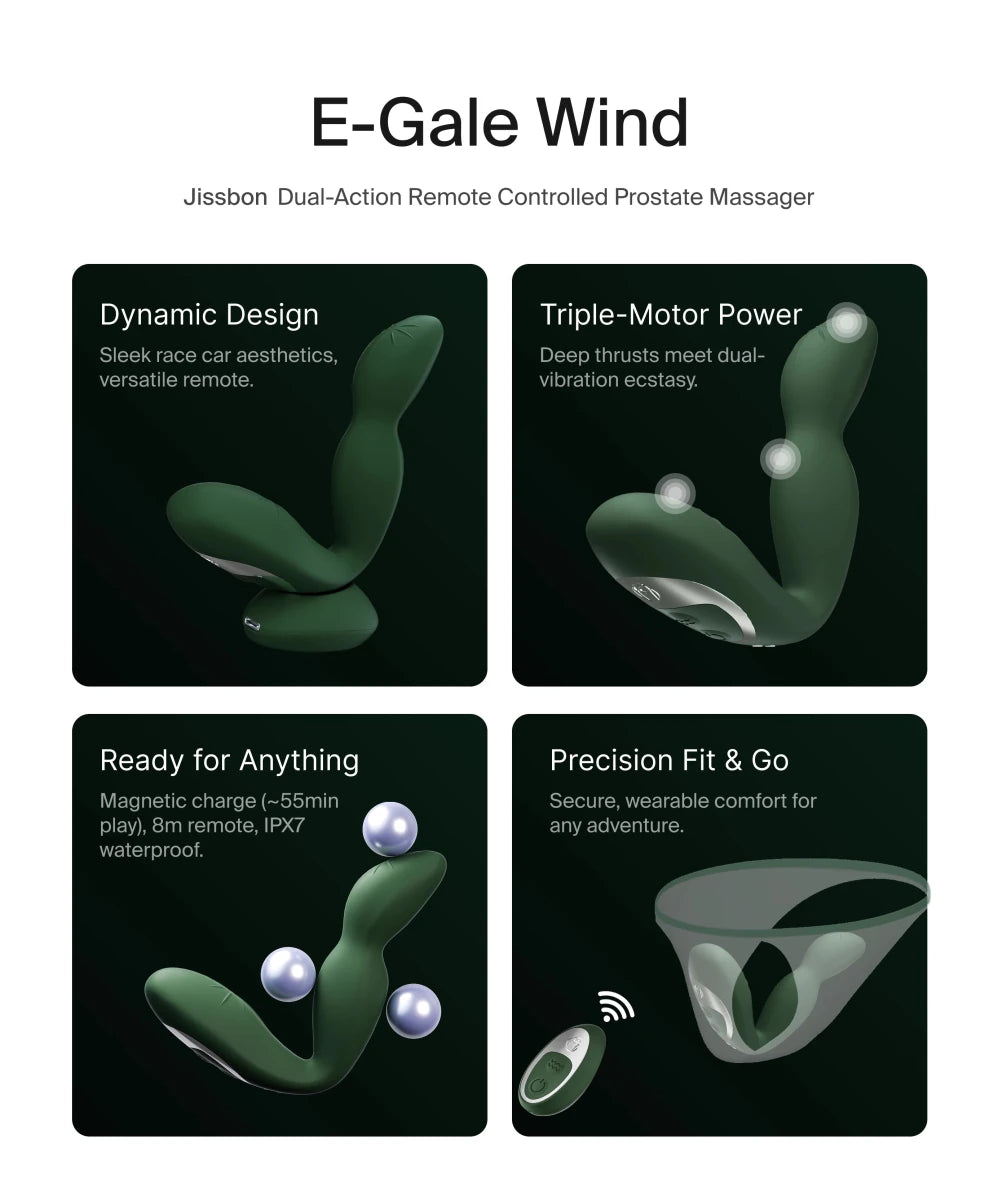
For people with prostates, anal penetration can directly stimulate this gland located 2–3 inches inside the front wall. This creates uniquely intense orgasms distinct from penile stimulation. Explore prostate massagers designed to target this area.
Verbal Encouragement
Dirty talk, reassurance, or guided narrative enhances psychological arousal. "You feel amazing," "You're doing so well," or describing sensations heightens mental engagement.
Toys for Progression
Training kits with graduated sizes help you advance safely. Start with finger-width plugs and progress to larger dimensions over weeks or months.
Aftercare: Physical and Emotional Care Post-Experience
The experience doesn't end at orgasm.
Physical Aftercare
Bathroom: Urinate afterward if possible to reduce UTI risk (applicable to all anatomies).
Cleansing: Gentle external washing with warm water. Pat dry carefully—irritated tissue is sensitive.
Monitoring: Mild soreness for 12–24 hours is normal. Severe pain, bleeding beyond slight spotting, or ongoing discomfort requires medical evaluation.
Hydration: Drink water to support overall body recovery.
Emotional Aftercare
Debrief: Discuss what felt good and what to adjust next time.
Reassurance: Address any vulnerability, embarrassment, or unexpected emotions.
Physical affection: Cuddling, gentle massage, or simply being close helps partners reconnect after intense vulnerability.
Alone time (if needed): Some people require privacy to process. Respect individual aftercare preferences.
For comprehensive sexual health guidance, see Mayo Clinic's sexual wellness resources.
Lubricants and Toys for Anal-Inclusive Blended Orgasms
Anal tissue has different needs than vaginal tissue, so your lube and toy choices matter when chasing blended orgasms that involve backdoor play.
Lubricants
- Choose thicker, long-lasting formulas labeled for anal use.
- Water-based: safe with all toys; may need more frequent reapplication.
- Silicone-based: very long-lasting, excellent for anal, but avoid with silicone toys unless the manufacturer says it’s compatible.
Toy ideas for blending:
- Small butt plugs during clitoral + vaginal stimulation
-
- Add fullness and extra nerve activation without needing continuous movement.
- Anal beads
-
- Can be slowly removed during or just before orgasm to add a wave of extra sensation.
- Dual-stimulation kits
-
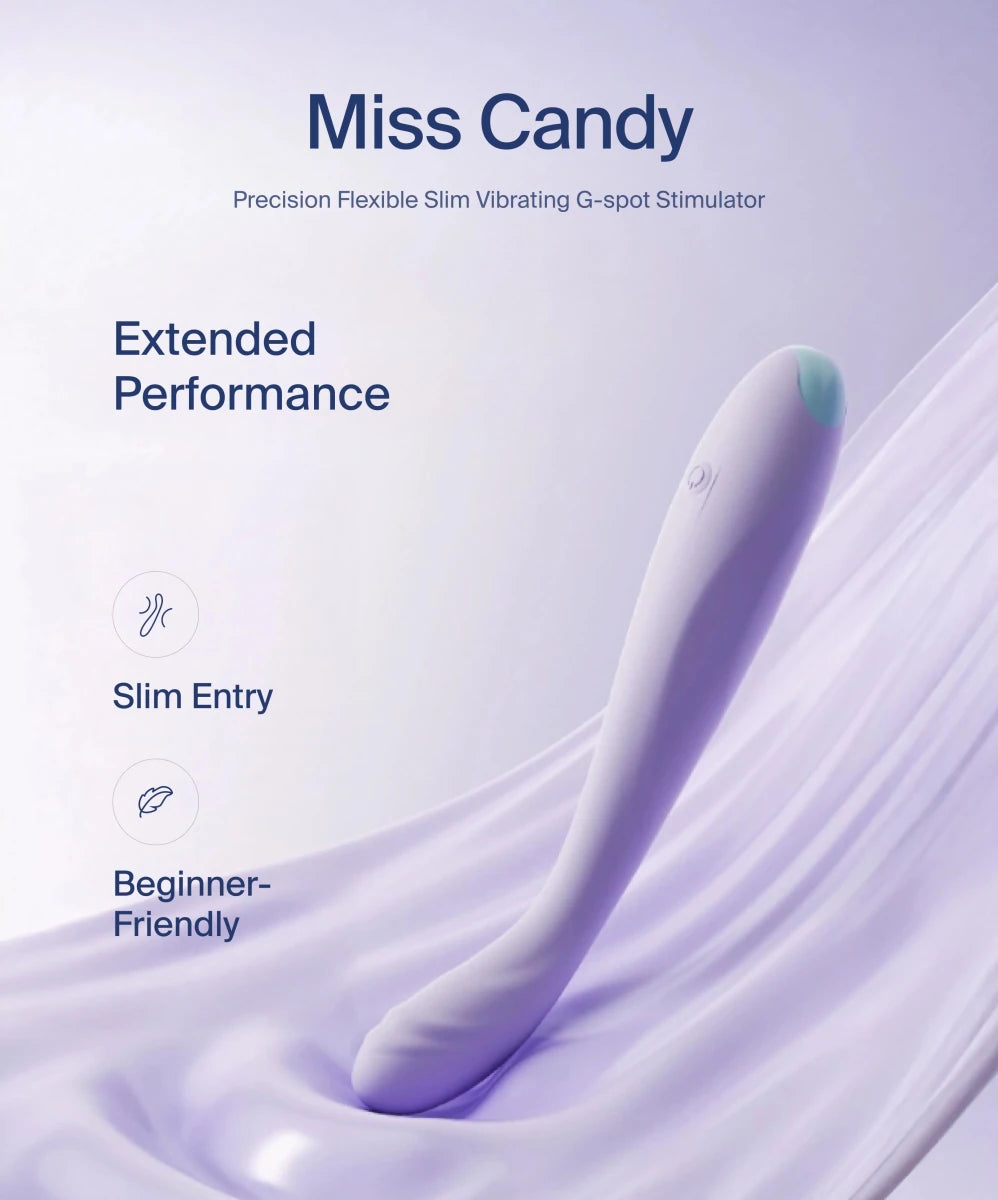
- A G-spot vibrator paired with a small anal toy, plus a separate clitoral vibe, lets you customize intensity on each zone.
Always start with small sizes and smooth textures, and never use anal toys without a flared base or secure handle.
Emotional & Communication Tips for Anal + Blended Play
Because anal sex is still stigmatized in many cultures, adding it to your blended orgasm exploration can bring up emotions too:
- Normalize talking about it.
-
- Discuss curiosity, fears, and boundaries when you’re not in the middle of sex.
- Use clear language and signals.
-
- Agree on phrases like “slower,” “stop,” or “just stay there” before you start.
- Decompress afterward.
-
- A quick check-in like “What felt amazing?” and “Anything you’d change next time?” keeps trust strong.
Good communication makes it far more likely that anal-inclusive blended orgasm attempts feel connecting, not stressful.
Frequently Asked Questions
Is anal stimulation necessary for a blended orgasm?
No. Blended orgasms simply require more than one erogenous zone being stimulated at once—often clitoris + G-spot. Anal touch is just one option. You can have powerful blended orgasms using clitoral + nipple, clitoral + vaginal, or other combinations without involving the anus at all.
Is anal sex safe when exploring blended orgasms?
It can be safe when you use plenty of lube, go slowly, start small, and respect pain signals. Risks increase if you rush, use toys without a flared base, skip hygiene, or ignore discomfort. If you have existing anal or rectal health issues, talk to a healthcare provider before adding anal penetration to your sex life.
How should I prepare for anal play as part of a blended orgasm?
Use the bathroom beforehand, wash the area gently, and spend time building arousal before any penetration. Start with external touch, then one lubricated finger or a very small toy. Communicate with your partner about pace and comfort, and keep thick anal-safe lubricant nearby for reapplication.
What should beginners know about anal stimulation and orgasms?
Anal stimulation can feel like pressure, fullness, or deep waves of pleasure—but it doesn’t feel good for everyone. Beginners should know:
- Pain is a sign to stop, not push through.
- Relaxation and breathing are just as important as technique.
- It’s okay if anal touch becomes a favorite part of your blended orgasms—or if you decide it isn’t for you at all.
How do you prepare for anal sex as a beginner?
Empty your bowels 1–2 hours beforehand, shower, and ensure high arousal through extended foreplay. Use massive amounts of lubricant and start with external massage, progressing to one finger, then two, before attempting penetration with toys or a penis. This progression may span multiple sessions—never rush.
What's the safest way to try anal sex?
Use condoms to prevent STI transmission, apply excessive water-based or silicone lubricant, progress gradually from fingers to small toys to larger penetration, establish safe words, and stop immediately at sharp pain. The receiver should control pace completely. Get tested regularly and discuss status with partners.
Does anal sex hurt?
It shouldn't with proper technique. Expect mild pressure or unusual fullness initially. Sharp pain indicates insufficient lubrication, inadequate warm-up, or progressing too quickly. Stop immediately if pain occurs. Many people find it pleasurable once they've built up gradually with proper preparation and communication.
How much lubricant do you need for anal sex?
Far more than you think—start with a tablespoon and reapply every few minutes. The rectum produces no natural lubrication, so excessive lube is impossible while insufficient lube causes pain and injury. When you believe you've used enough, add more. Reapply throughout the experience.
Can anal sex cause health problems?
Proper technique with adequate lubrication and gradual progression is generally safe. Forcing penetration, insufficient lube, or rushing causes micro-tears that increase infection risk. Use protection against STIs. Avoid anal sex during active hemorrhoids or infections. Consult healthcare providers about specific conditions.
What's the best position for first-time anal sex?
Receiver on top (controlling descent) provides the most control for beginners. Spooning (side-by-side) offers relaxed positioning with shallow angles. Both allow the receiver to dictate pace and depth entirely, which is essential for comfort during initial experiences.
Education Empowers Positive Exploration
Comprehensive anal sex education replaces fear and misinformation with evidence-based knowledge that enables safe, consensual exploration. By understanding anatomy, prioritizing lubrication and communication, progressing gradually, and using appropriate tools from sex toys designed for this purpose, individuals and couples transform curiosity into pleasurable experiences.
Remember that everyone's body responds differently—what works for others may not suit you, and all preferences are valid. The goal is informed choice, not following arbitrary scripts about what "should" feel good.


Looking for something else?

What Is Flogging in Sex? Complete BDSM Flogging Guide
LEARN MORE
What Does Overstimulated Mean Sexually? Causes & Solutions
LEARN MORE
Can You Get a Tattoo on Your Vagina? Safety, Pain & What to Expect
LEARN MORE
Public Sex Kink: Understanding Exhibitionism & Safe Exploration
LEARN MORELooking for something else?

A-Spot Orgasm: Best Positions & How to Find It
LEARN MORE
Bondage Play: Complete Beginner's Guide to Rope BDSM
LEARN MORE
Vibrator Stories: Real Experiences, Tips & What to Expect
LEARN MOREYou may also like
20% off

20% off

20% off

20% off

20% off

20% off

Further reading

How to Clean an Automatic Blowjob Machine Without Damaging the Motor
Remote-Controlled Automatic Masturbators for Couples and Solo Play
Best Automatic Strokers for Edging and Stamina Training