





















































Why Is It Called Masturbating? Etymology & History
Stack & Save: Extra 15% with Jissbon15
Jissbon15
Ever wondered why we call self-pleasure "masturbation"? The etymology of masturbation traces back to Latin roots, evolving through centuries of linguistic shifts and cultural attitudes.
This guide explores where the word masturbate comes from, how different cultures named the practice, and the colorful slang terms that emerged worldwide. We'll keep it educational, entertaining, and judgment-freebecause understanding language helps us talk about sexuality without shame.
The Latin Roots: Where Did the Word Masturbate Come From?
Breaking Down the Etymology
The word "masturbation" entered English around 1711 from French masturbation, which came from Modern Latin masturbationem. According to the Online Etymology Dictionary, this derived from the Latin verb masturbari, meaning "to masturbate."
But what does masturbari actually mean? Linguists debate two main theories:
Theory 1: Manus + Turbare
The most popular explanation combines:
- Manus = "hand"
- Turbare = "to disturb, agitate, stir up"
Together, they literally mean "to disturb with the hand" or "to agitate oneself manually." The verb turbare relates to turba (turmoil, disorder), giving the word a sense of stirring up or exciting.
Theory 2: Mas + Stuprare
Some scholars suggest an alternative origin:
- Mas = "male" (related to masculine)
- Stuprare = "to defile, violate, disgrace"
This interpretation reflects historical moral attitudes that viewed masturbation negatively, particularly for men. However, most modern linguists favor the manus + turbare theory as more linguistically sound.
Evolution Through Languages
The term traveled through European languages before reaching English:
- Latin (ancient): masturbari (verb form)
- Modern Latin (17th century): masturbationem (noun form)
- French (early 1700s): masturbation
- English (1711): First recorded use of "masturbation"
Earlier English records show variant spellings like "mastupration" (1620s), indicating the word was still settling into its modern form.
Why the Latin Connection Matters
Latin provided the clinical, medical terminology for many sexual and bodily functions in European languages. Using Latin roots allowed physicians and scholars to discuss taboo subjects with a veneer of scientific objectivitydistancing the conversation from crude slang.
This pattern appears across sexual vocabulary: "fellatio," "cunnilingus," "coitus," and "masturbation" all derive from Latin, creating a formal register for discussing intimate acts.
Historical Terms Before "Masturbation"

Before the Latin-derived term became standard, English speakers used various expressions:
Onanism (18th-19th Century)
Named after the Biblical figure Onan, who "spilled his seed on the ground" (Genesis 38:9). While Onan's story actually involved withdrawal during inter course not masturbation the term became synonymous with male self-pleasure.
Medical texts throughout the 1700s-1800s used "onanism" extensively, often in alarmist publications claiming masturbation caused insanity, blindness, and moral decay. These fears shaped anti-masturbation campaigns that persisted into the early 20th century.
Self-Pollution & Self-Abuse (Victorian Era)
Victorian moral panic around sexuality led to euphemistic terms emphasizing shame:
- Self-pollution: Implied contamination or dirtiness
- Self-abuse: Framed the act as harmful to oneself
- The solitary vice: Positioned masturbation as morally corrupt
- Secret sin: Emphasized guilt and hiding
These terms reveal cultural attitudes more than linguistic history. According to research on the history of masturbation, medical communities genuinely believed these practices caused physical and mental illness.
Older Medical Terms
- Manustupration (1600s): Early variant combining Latin roots
- Chirurgy of pleasure (archaic): Literally "hand-surgery of pleasure"
- Venery against nature (medieval): Positioned masturbation as unnatural sexual activity
Slang Terms for Masturbation: A Global Tour
Every culture developed colorful, creative language for self-pleasure. Here are some notable examples:
English Slang
Male-Oriented Terms:
- Jacking off / jerking off: "Jack" as slang for penis dates to 1916, likely from "jack" meaning a common tool or everyman
- Wanking: British term from "wank," possibly related to "wobble" or "waver"
- Beating the meat: American slang emphasizing physical action
- Choking the chicken: Humorous animal metaphor
- Flogging the dolphin: Australian variant with aquatic imagery
- Polishing the rocket: Space-age euphemism from the 1960s
Female-Oriented Terms:
- Flicking the bean: References clitoral stimulation
- Rubbing one out: Gender-neutral but commonly applied to women
- Playing DJ: Modern slang referencing circular motions
- Buffing the pearl: Poetic metaphor for clitoral touch
Gender-Neutral Terms:
- Getting off: Simple, direct, widely understood
- Self-love: Body-positive reframing emphasizing wellness
- Solo sex: Clinical modern alternative
- Me time: Euphemistic phrase avoiding explicit reference
International Expressions
Spanish:
- Hacerse una paja (literally "to make oneself straw"): Common in Spain and Latin America
- Tocarse ("to touch oneself"): Straightforward description
French:
- Se branler ("to shake oneself"): Emphasizes motion
- Se masturber: Direct French cognate of English term
German:
- Wichsen: Colloquial term roughly equivalent to "wanking"
- Selbstbefriedigung (literally "self-satisfaction"): Clinical German term
Japanese:
- Senzuri (千擦り, "thousand rubs"): Male masturbation
- Shiko-shiko (シコシコ): Onomatopoeia mimicking the sound/motion
Italian:
- Farsi una sega (literally "to make oneself a saw"): References back-and-forth motion
- Masturbarsi: Italian cognate from Latin roots
Creative Modern Euphemisms
Contemporary slang continues evolving:
- Taking matters into your own hands: Playful idiom
- Flying solo: Aviation metaphor
- Self-checkout: Retail humor
- Testing the plumbing: Mechanical metaphor
- Auditioning the finger puppets: Theatrical humor (female)
- Consulting Dr. Handsworth: Personification joke (male)
Why Language Matters in Sexual Wellness

Reducing Shame Through Vocabulary
The words we use shape how we think about masturbation. Clinical terms like "masturbation" allow neutral, shame-free discussion in educational and medical contexts. Playful slang helps people feel comfortable discussing sexuality with friends or partners.
Sexual health educators at Planned Parenthood emphasize that having multiple ways to discuss self-pleasurefrom formal to humoroushelps normalize a healthy, common practice.
Gender and Language Evolution
Historical language around masturbation focused overwhelmingly on male experiences. Terms like "jerking off" and "jacking off" assumed penis-centric mechanics.
Modern language increasingly recognizes diverse bodies and experiences:
- Gender-neutral terms: "Self-pleasure," "solo play," "masturbating"
- Anatomy-specific without gender assumptions: "Clitoral stimulation," "penile stimulation"
- Inclusive framing: "People with penises" rather than assuming "men"
This linguistic shift mirrors broader conversations about gender, anatomy, and sexual expression.
Moving Beyond Victorian Shame
Terms like "self-abuse" and "self-pollution" reveal how deeply shame was embedded in discussions of masturbation. By understanding this history, we can consciously choose language that promotes wellness rather than guilt.
Today's sexual wellness industryincluding brands like Jissbon emphasizes pleasure, self-discovery, and body-safe products rather than moral judgments.
Masturbation in Art and Literature Through History
Language wasn't the only way cultures expressed attitudes toward masturbation:
Prehistoric and Ancient Evidence
According to historical research on masturbation practices, prehistoric cave paintings and ancient figurines suggest humans have practiced and depicted masturbation for millennia.
Ancient cultures showed varied attitudes:
- Ancient Egypt: Some texts mentioned masturbation in creation myths
- Ancient Greece: Depicted in pottery; viewed as natural but less noble than partnered sex
- Ancient Rome: Mentioned in literature; attitudes ranged from acceptance to mockery
Medieval Through Victorian Periods
Religious doctrine increasingly condemned masturbation as sinful. Medical texts warned of dire physical consequencesclaims lacking scientific basis but widely believed.
Victorian-era "treatments" included:
- Physical restraints to prevent nighttime masturbation
- Cold water therapy
- Dietary restrictions (yes, corn flakes were invented partly to reduce sexual desire)
- Surgical interventions in extreme cases
These attitudes shaped language, explaining terms like "self-abuse."
Modern Sexual Revolution
The mid-20th century sexual revolution, informed by researchers like Kinsey and Masters & Johnson, helped reframe masturbation as normal, healthy behavior. Language shifted accordingly:
- Medical communities adopted neutral terminology
- Sex-positive movements reclaimed pleasure-focused language
- LGBTQ+ communities challenged heteronormative assumptions in sexual vocabulary
Modern Tools and Terminology

Contemporary masturbation practices include tools beyond hands, expanding our vocabulary:
Sex Toys and Masturbators
Modern language reflects technological advances:
- Male masturbators: Devices designed for penile stimulation
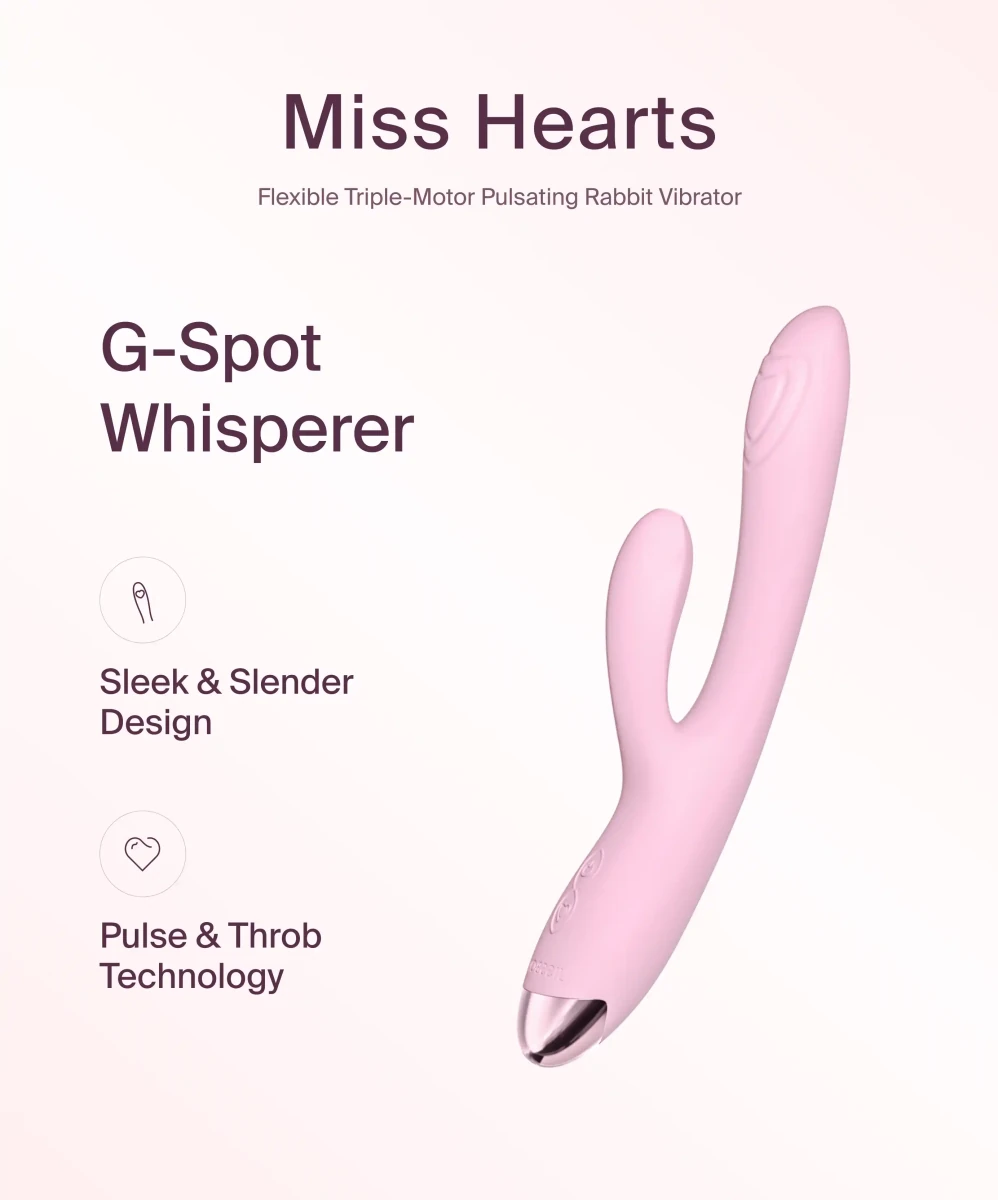
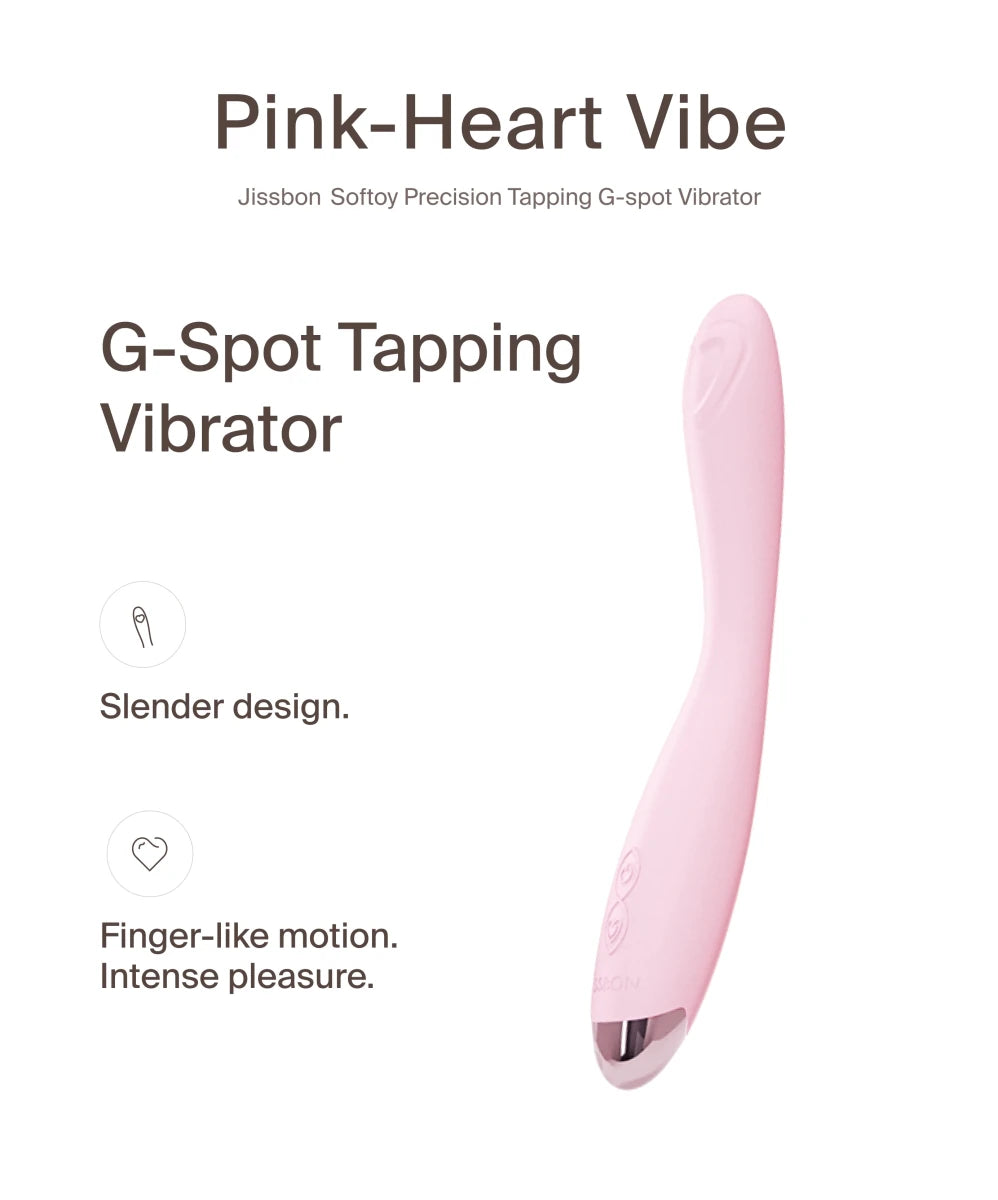
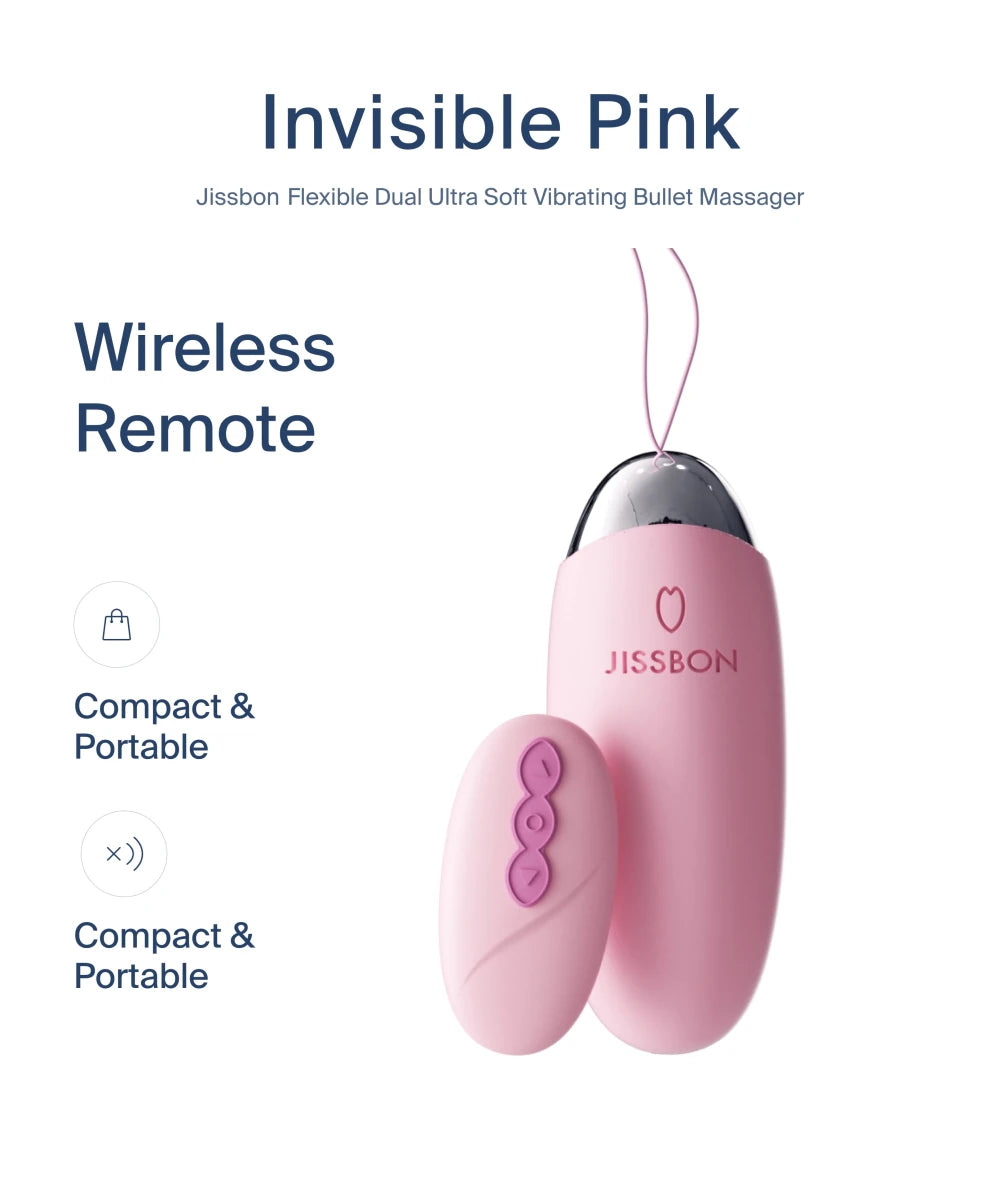
- Vibrators: Motor-powered pleasure devices (multiple types)
- Strokers: Manual or automatic devices for rhythmic stimulation
- Suction toys: Air-pulse technology for clitoral or penile sensation
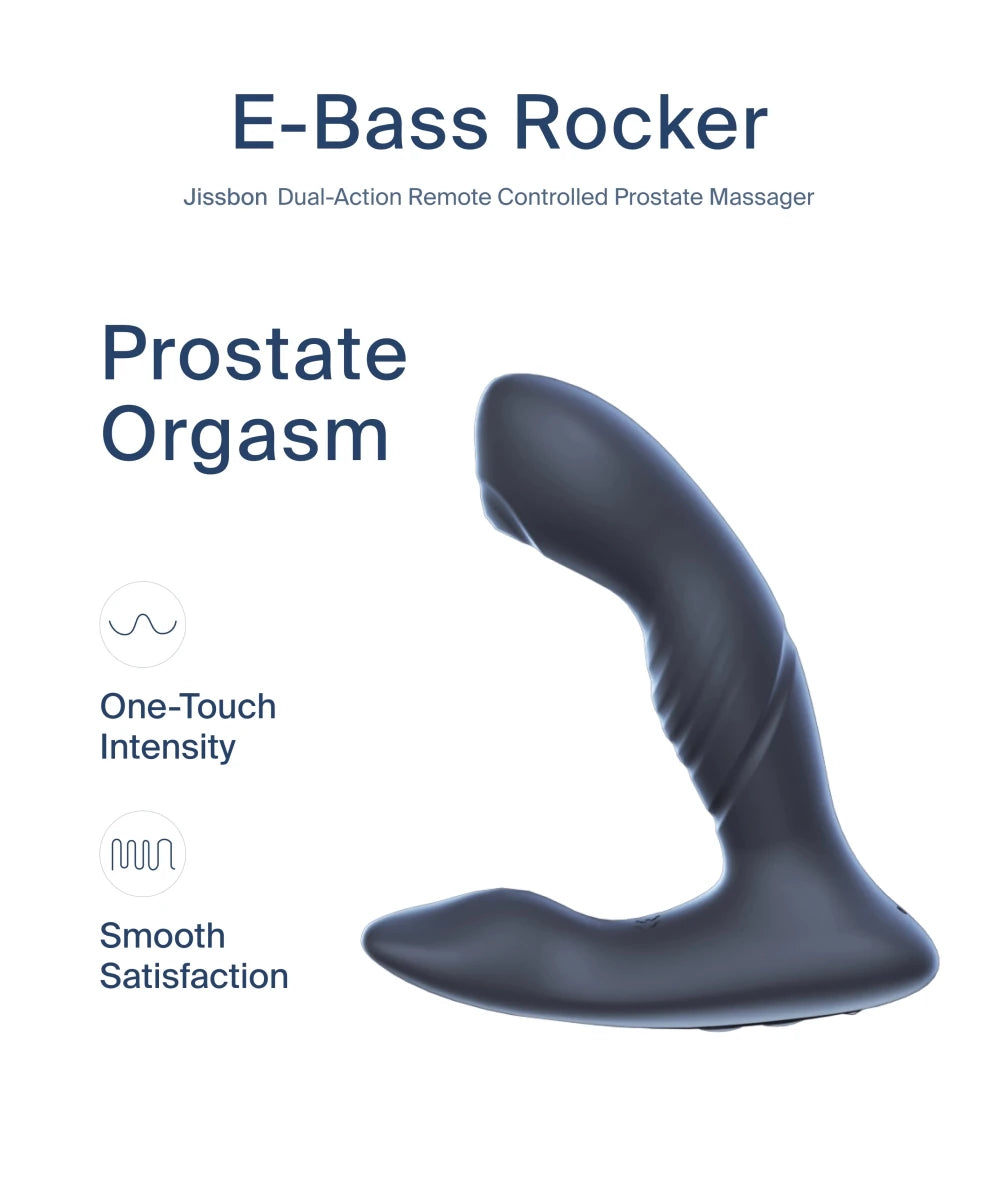
- Prostate massagers: Anatomically designed for internal male pleasure
These terms allow specific discussions about different sensations and preferences without resorting to vague euphemisms.
The Rise of "Solo Play"
"Solo play" and "self-pleasure" have emerged as sex-positive alternatives to "masturbation." They emphasize enjoyment and exploration rather than clinical detachment or moral judgment.
This linguistic shift parallels product innovationmodern automatic male strokers and rabbit vibrators represent technological advances in pleasure tools, requiring new vocabulary to describe their functions.
Online and Digital Language
Internet culture created new expressions:
- No Nut November (NNN): Challenge to abstain for a month
- Post-nut clarity: Humorous term for mental clarity after orgasm
- Edging: Bringing oneself close to orgasm repeatedly without finishing
- Gooning: Internet subculture term for prolonged masturbation sessions
These terms spread rapidly through memes and online communities, showing how language continues evolving in digital spaces.
Common Spelling Mistakes: Masturbating vs. Masterbating
One frequent question: Why do people spell it "masterbating" with an "e"?
The Confusion Explained
"Masterbating" is a common misspelling, likely influenced by:
- Master: A familiar English word suggesting control or skill
- Phonetic similarity: Both words sound nearly identical in casual speech
- Autocorrect interference: Some devices suggest "master" when typing quickly
Correct Spelling
The proper spelling is masturbating (with a "u") because it derives from Latin masturbari, not from the English word "master."
Think of it this way:
- Masturbate: From Latin roots meaning "to agitate with the hand"
- Masterbate: Not a real word; confusion with "master"
This mistake is so common that search engines return relevant results for both spellingsbut understanding the etymology helps remember the correct form.
Frequently Asked Questions
Why is it called masturbating?
The word "masturbating" comes from Latin masturbari, which most likely combines manus (hand) and turbare (to disturb or agitate), literally meaning "to disturb with the hand." The term entered English around 1711 through French, becoming the standard medical and common term for self-stimulation.
Where did the word masturbate come from?
"Masturbate" originated in Latin as masturbari, evolved into Modern Latin masturbationem, then entered French as masturbation before being adopted into English in the early 18th century. Earlier terms included "onanism" and "self-pollution," which carried more moral judgment than the clinical Latin-derived word.
What are some slang terms for masturbating?
Common slang includes "jacking off," "jerking off," and "wanking" (male); "flicking the bean" (female); and gender-neutral terms like "getting off," "solo play," and "self-love." Different languages have unique expressionsSpanish uses hacerse una paja ("making oneself straw"), while Japanese uses senzuri ("thousand rubs").
Is "masterbating" the correct spelling?
No, the correct spelling is masturbating with a "u," not "masterbating" with an "e." The confusion arises from similarity to the word "master," but the term actually derives from Latin masturbari. The misspelling is common but incorrect.
What did people call masturbation before the word existed?
Before "masturbation" became standard in the 1700s, English speakers used terms like "onanism" (after the Biblical figure Onan), "self-pollution," "self-abuse," "the solitary vice," and "manustupration." Most of these terms reflected negative moral attitudes prevalent at the time, unlike the more neutral Latin-derived word.
Why are there so many euphemisms for masturbation?
Euphemisms developed because many cultures considered direct discussion of masturbation taboo or embarrassing. Creative slang allowed people to reference the practice without using clinical terms or causing discomfort. The variety reflects both cultural attitudes and human creativity with languagehumor helps ease awkwardness around sexuality.
Continues
Today's sexual wellness movement emphasizes that masturbation is normal, healthy, and nothing to be ashamed of. Language reflects this shift:
Then: Self-abuse, secret sin, solitary vice
Now: Self-care, solo pleasure, personal wellness
This evolution parallels broader cultural acceptance of sexuality as a natural part of human experience. Organizations like the Kinsey Institute continue researching sexual behavior, helping inform evidence-based sexual health education.
Modern products from companies like Jissbon reflect this positive shiftdesigning tools that enhance pleasure safely and comfortably, without moral judgment. Whether exploring male stroker toys or any other wellness product, today's language emphasizes choice, consent, and body-positive exploration.
Understanding where our words come from helps us use language thoughtfully creating conversations that inform, normalize, and celebrate healthy sexuality rather than perpetuating shame.


Looking for something else?

Sex Positions from Behind: 8 Beyond Doggy Style
LEARN MORE
What Does a Vulva Taste Like? Facts & Myths Explained
LEARN MORE
Straddle Sex Position: 7 Variations & Tips
LEARN MORE
Mistress Slave Relationship in BDSM: Complete Guide
LEARN MORELooking for something else?

Sensual Domination: Guide to Affectionate Power Play
LEARN MORE
Best Prostate Massager for Beginners: Complete Guide
LEARN MORE
Dominant Sex Positions: 8 Power Positions & Tips
LEARN MOREYou may also like
20% off

20% off

20% off

20% off

20% off

20% off

Further reading
Automatic Male Masturbator vs Manual Stroker: Which Should You Buy?

11 Best Automatic Blowjob Machines for Men in 2026

Understanding Smoking Fetish: The Erotic Appeal of Cigarettes