








































Shallowing in Sex: Techniques for Comfort and Deeper Connection
Stack & Save: Extra 15% with Jissbon15
Jissbon15
Shallowing refers to intentional shallow penetration during intercourse or toy play—typically using just the first 1–3 inches of the vaginal or anal canal. Instead of deep thrusting, partners focus on the sensitive nerve-rich areas near the opening where many people experience the most intense sensations.
This technique gained attention because it challenges the assumption that deeper always means better. The entrance to the vagina contains the highest concentration of nerve endings, particularly around the clitoris and the first two inches inside. For many people, shallow movements provide more pleasure with less discomfort than deep penetration.
Why People Choose Shallowing
This approach solves several common concerns:
- Pain management—deep penetration can cause discomfort from cervix contact, endometriosis, or pelvic floor tension
- Postpartum recovery—new parents often need gentler intimacy while tissues heal
- Size compatibility—helps when one partner's anatomy feels too large or deep thrusting causes pain
- Medical conditions—useful for people with vaginismus, vulvodynia, or after pelvic surgery
- Enhanced sensation—the shallow area often feels more pleasurable than deeper zones
- Control and comfort—the receiving partner maintains better control over depth and angle
- Extended sessions—gentler movements allow longer intimacy without fatigue or soreness
- Exploring new sensations—couples seeking variety without introducing toys or positions
Shallowing vs. Other Penetration Techniques
|
Technique |
Depth |
Best For |
Sensation Focus |
Intensity |
|
Shallowing |
1–3 inches |
Comfort, sensitivity |
Nerve-dense entrance |
Gentle to moderate |
|
Standard thrusting |
Variable, 3–5 inches |
General pleasure |
Mid-vaginal |
Moderate |
|
Deep penetration |
Full depth, 5–7+ inches |
A-spot or fornix stimulation |
Internal pressure |
High |
|
Grinding/rocking |
Minimal depth, more pressure |
Clitoral contact during penetration |
External + shallow internal |
Moderate |
|
Angling techniques |
Variable |
G-spot or prostate targeting |
Specific internal zones |
Moderate to high |
When shallowing works best:
- You experience pain from cervical contact
- You want to emphasize clitoral stimulation during penetration
- You're recovering from childbirth or surgery
- You prefer gentler, more controlled intimacy
- You're using larger toys or working with size differences
When to try alternatives:
- You enjoy the sensation of fullness
- You're targeting deeper pleasure zones like the A-spot
- You want more intense, athletic activity
- You're comfortable with your current depth
Step-by-Step: How to Practice Shallowing

1. Communication Comes First
Before trying any new technique, discuss expectations and boundaries. Talk about:
- What prompted interest in shallowing (pain, curiosity, comfort)
- Current pain points or discomfort with deeper penetration
- How to signal if something feels wrong or needs adjustment
- Safe words or gestures for pausing or stopping
The receiving partner should feel empowered to guide depth, speed, and angle throughout.
2. Set the Scene for Relaxation
Tension in the pelvic floor muscles reduces comfort and pleasure. Create an environment that promotes relaxation:
- Spend 10–15 minutes on foreplay before penetration
- Use pillows to support hips, knees, or lower back
- Keep lighting soft and temperature comfortable
- Remove time pressure—this isn't a race
Arousal increases natural lubrication and tissue elasticity, making shallow movements more pleasurable.
3. Choose the Right Position
Some positions naturally limit depth and give the receiving partner more control:
Receiving partner on top: This position allows complete control over depth, angle, and rhythm. The person on top can lean forward or back to adjust which areas receive stimulation.
Spooning: Side-by-side positions limit how deeply penetration can occur. The natural angle keeps movements shallow while maintaining full-body contact.
Modified missionary: The receiving partner can place their hands on their partner's hips or chest to control depth. Keeping legs closer together (rather than wide apart) also limits penetration depth.
Edge of the bed: The receiving partner lies on their back at the edge while their partner stands. This position offers excellent control and easy adjustment.
For toy use, positions where you hold the device yourself offer the most precise control.
4. Apply Generous Lubrication
Even with shallow penetration, friction can cause irritation. Water-based lubricants work with all toy materials and condoms. Apply to both the penetrating object and the receiving area.
Reapply whenever things start to feel dry or sticky—there's no such thing as too much lubricant for comfort.
5. Start with Minimal Movement
Insert just the tip—literally the first inch. Pause and let the receiving partner's body adjust. Gradually increase depth by half-inch increments, checking in verbally or through body language.
Focus on slow, controlled movements rather than rapid thrusting. Circular motions, gentle rocking, or staying still while engaging pelvic floor muscles can all provide stimulation.
6. Combine with External Stimulation
Since shallowing naturally keeps partners' bodies closer together, it's easier to incorporate clitoral stimulation. Options include:
- Manual stimulation from either partner
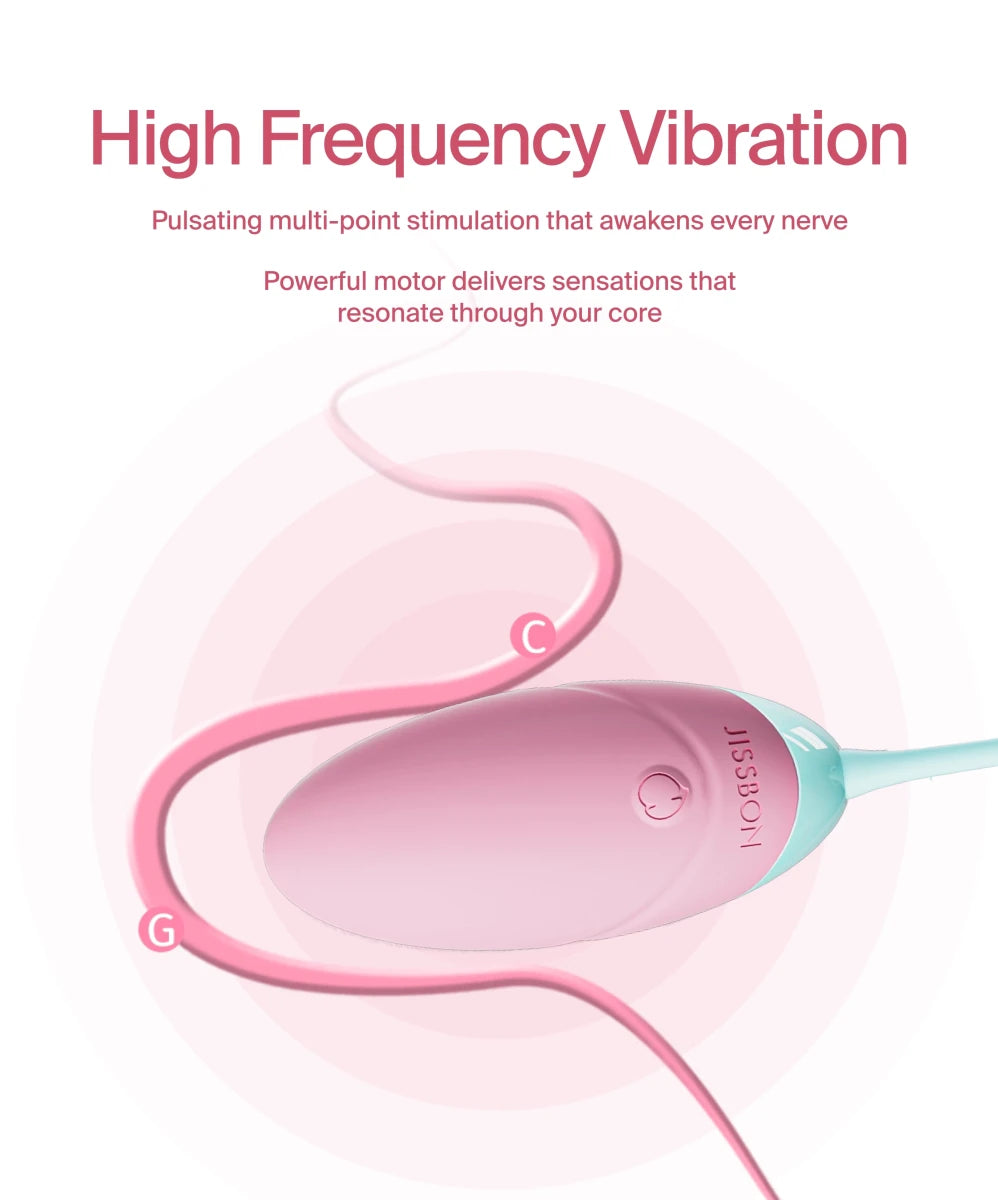
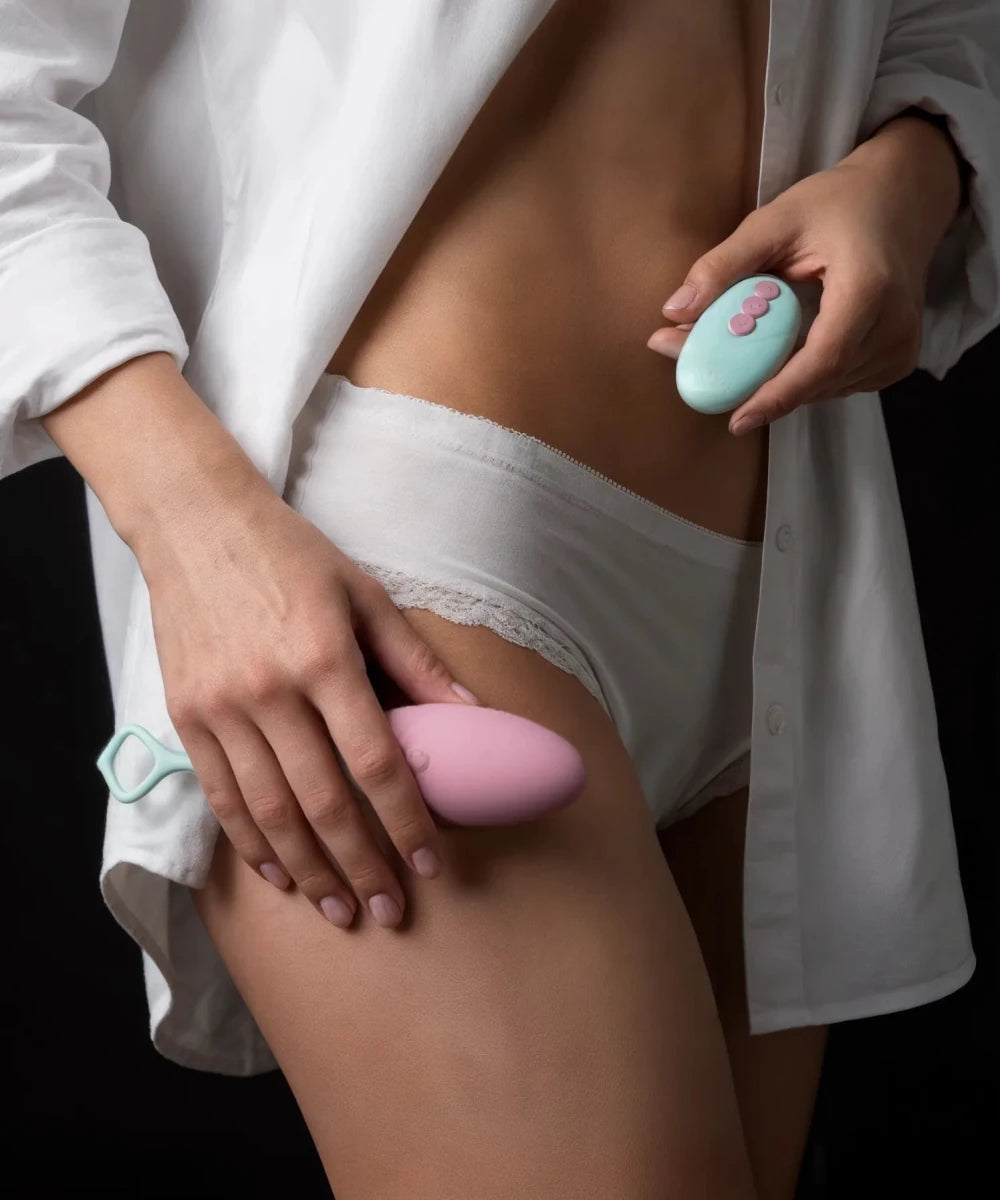
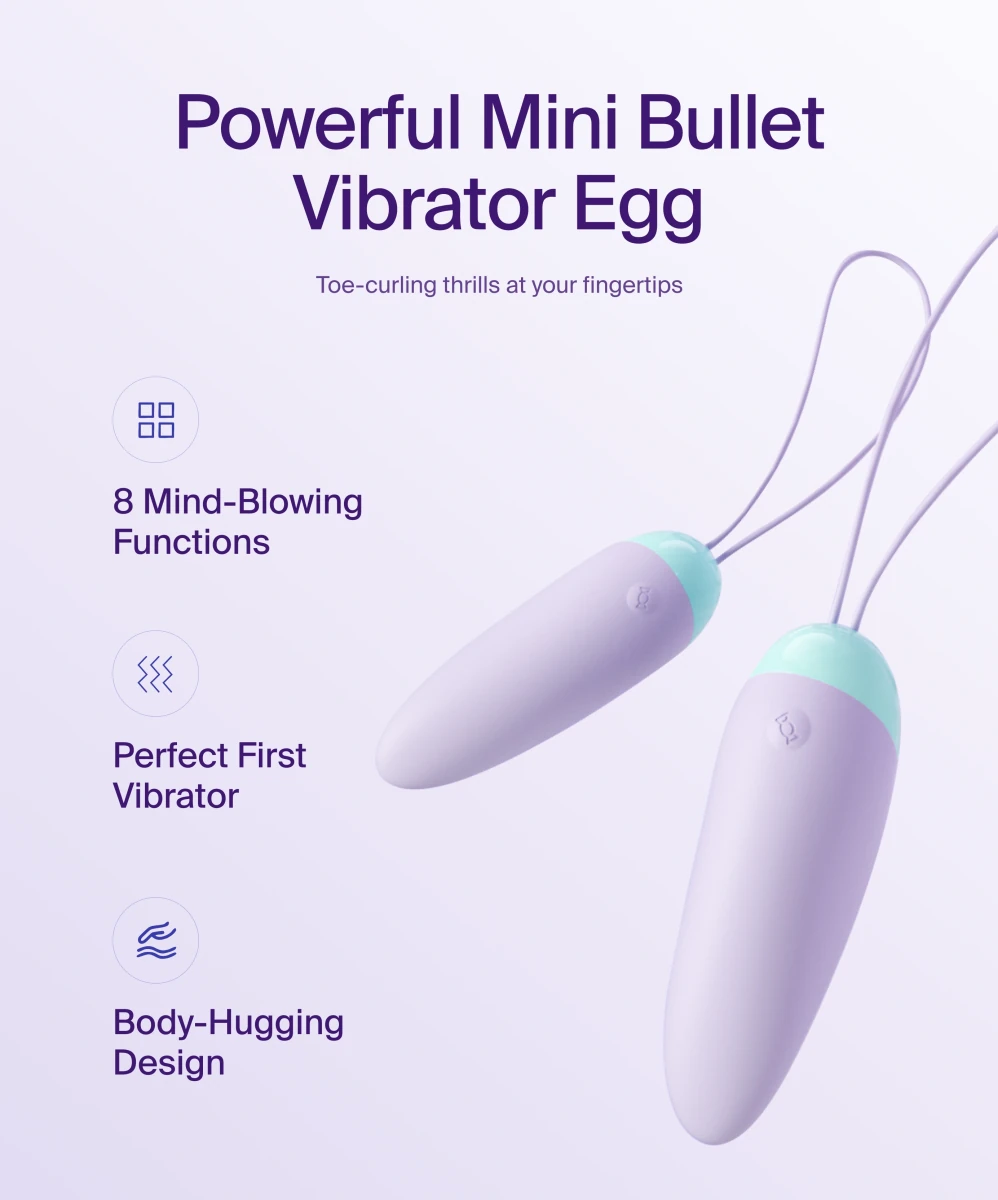
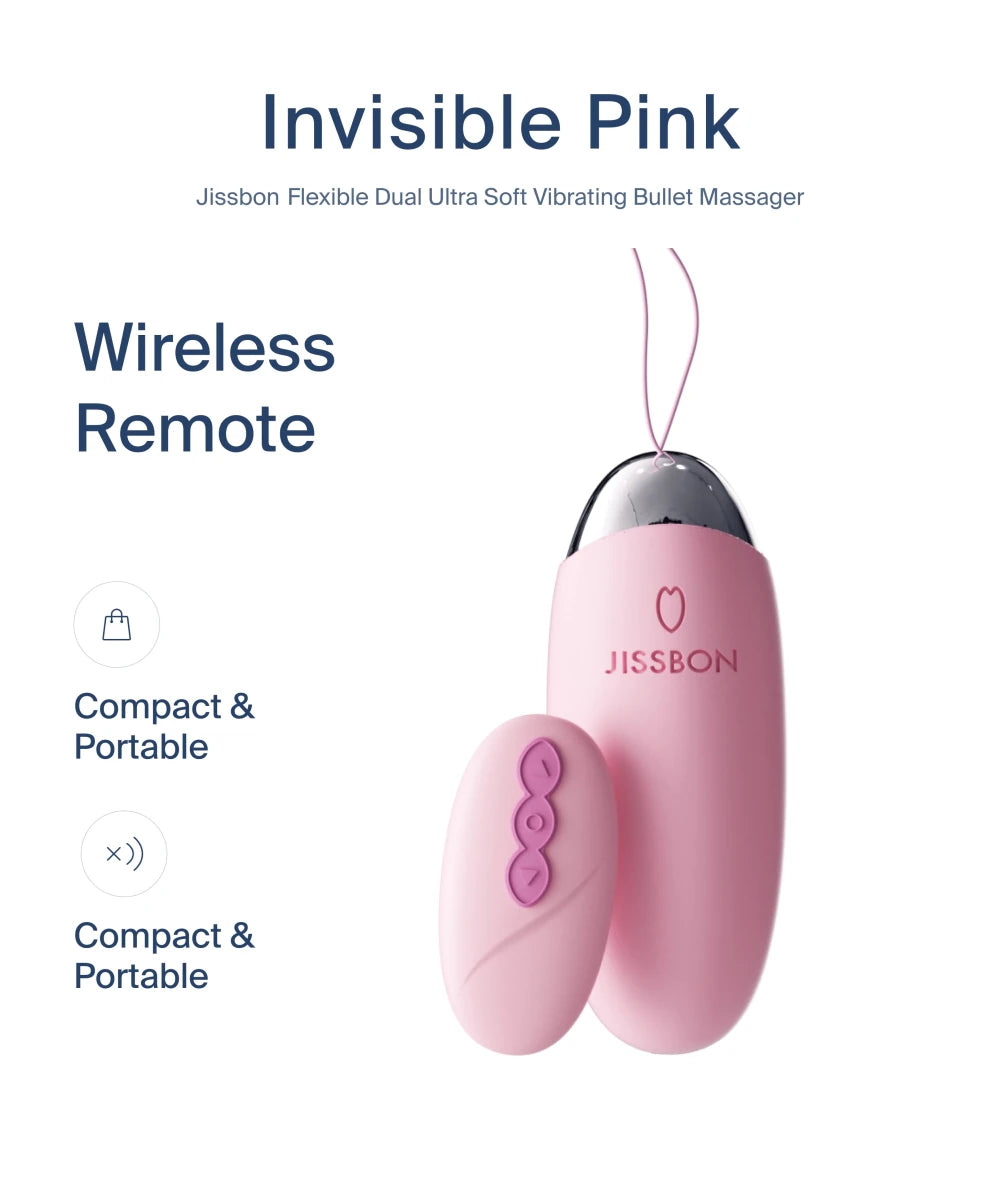
- A remote controlled bullet vibrator positioned between bodies
- Grinding movements that create pressure on the clitoral area
- Using fingers to stimulate the perineum or testicles
Many people find combining shallow penetration with external touch creates more satisfying experiences than deep thrusting alone.
7. Check In and Adjust
Every few minutes, pause to assess comfort. Simple questions work well:
- "How does this feel?"
- "Should I stay at this depth or adjust?"
- "Do you want more or less movement?"
Non-verbal cues matter too. If the receiving partner tenses up, pulls away, or shows facial signs of discomfort, slow down or stop.
Shallowing with Toys

Sex toys for couples often work beautifully with shallow techniques. Smaller toys or those designed for external and internal stimulation suit this approach.
Choosing Appropriate Toys
For vaginal use:
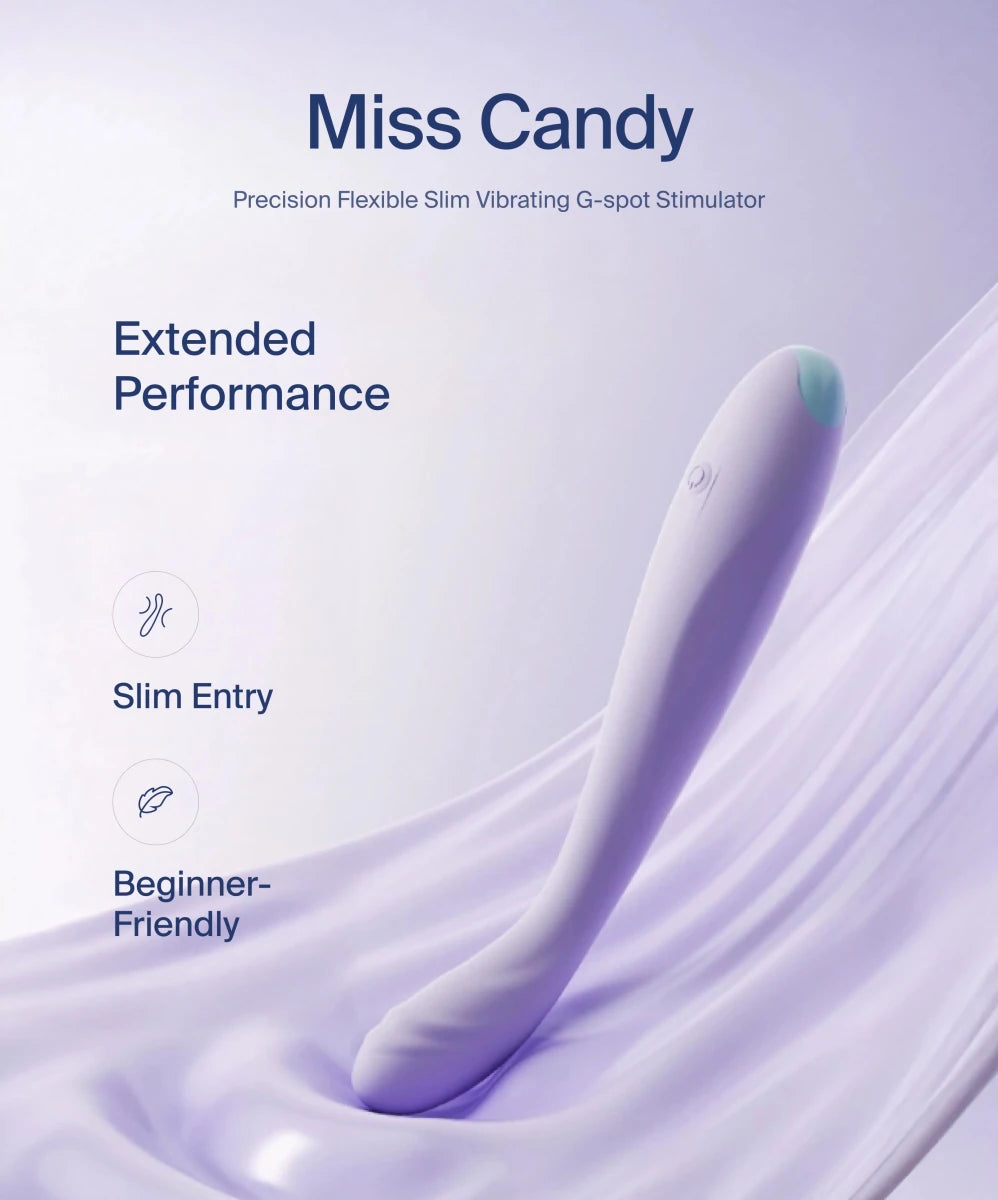
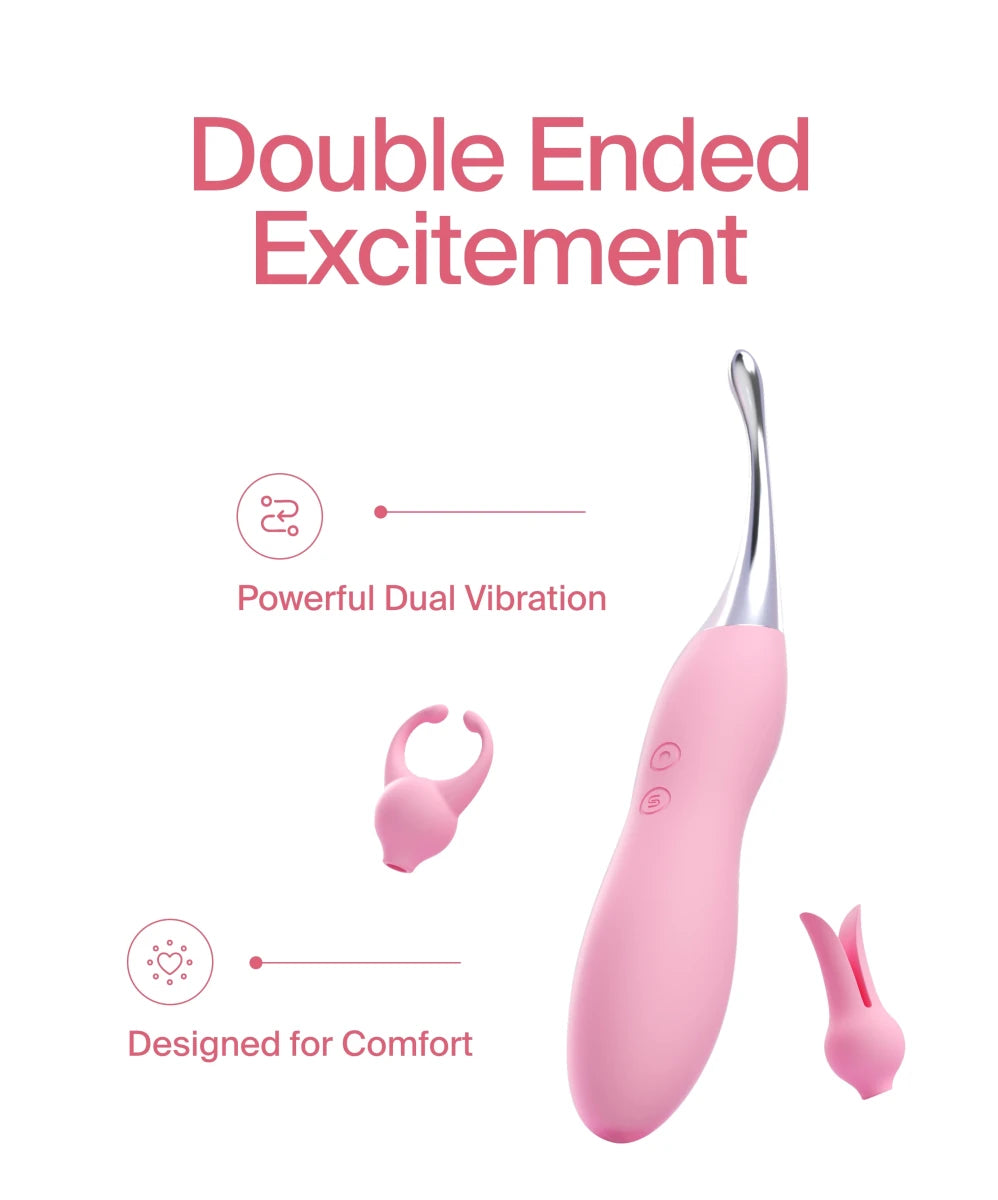
- Slim, tapered designs that don't require deep insertion for stability
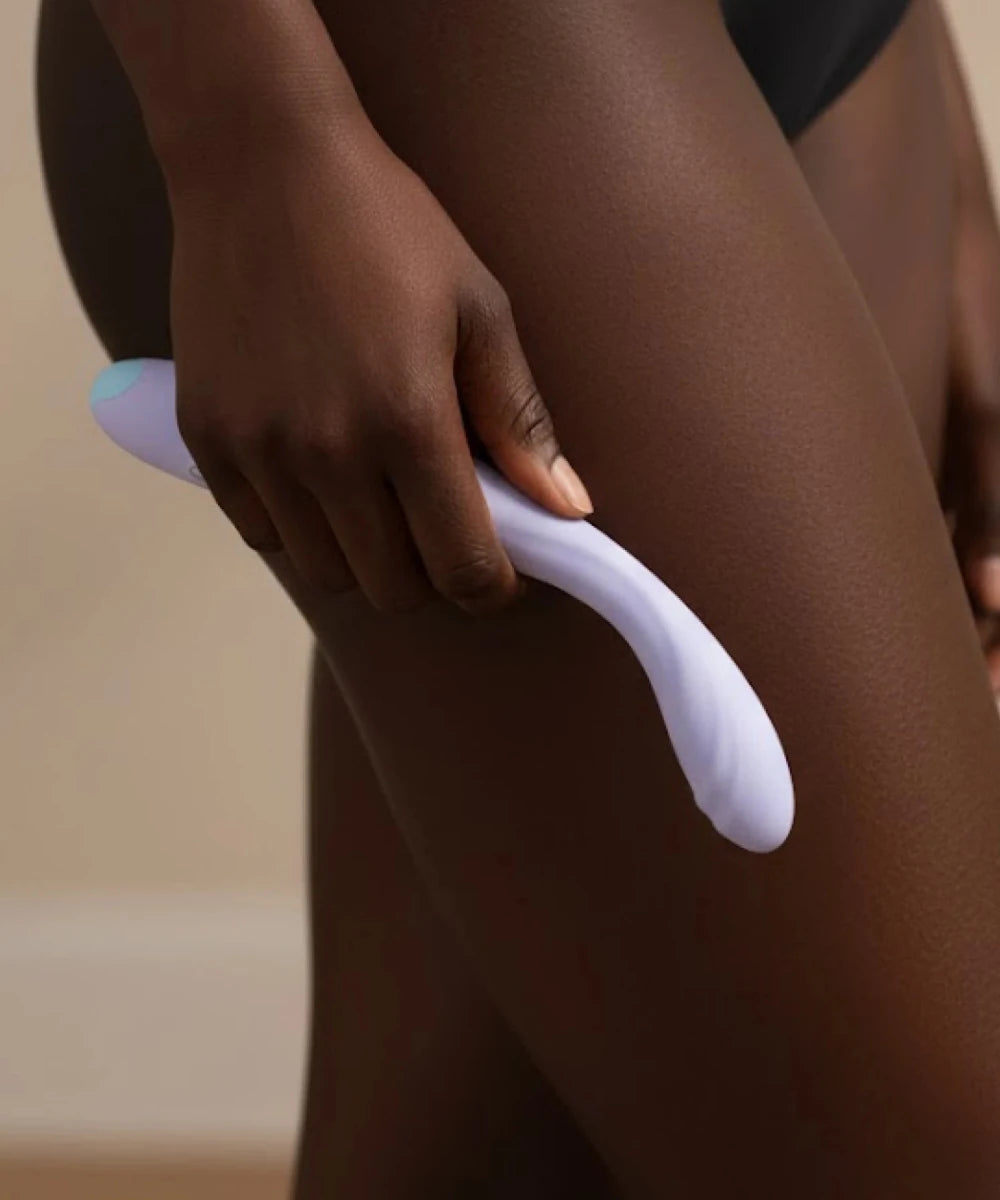
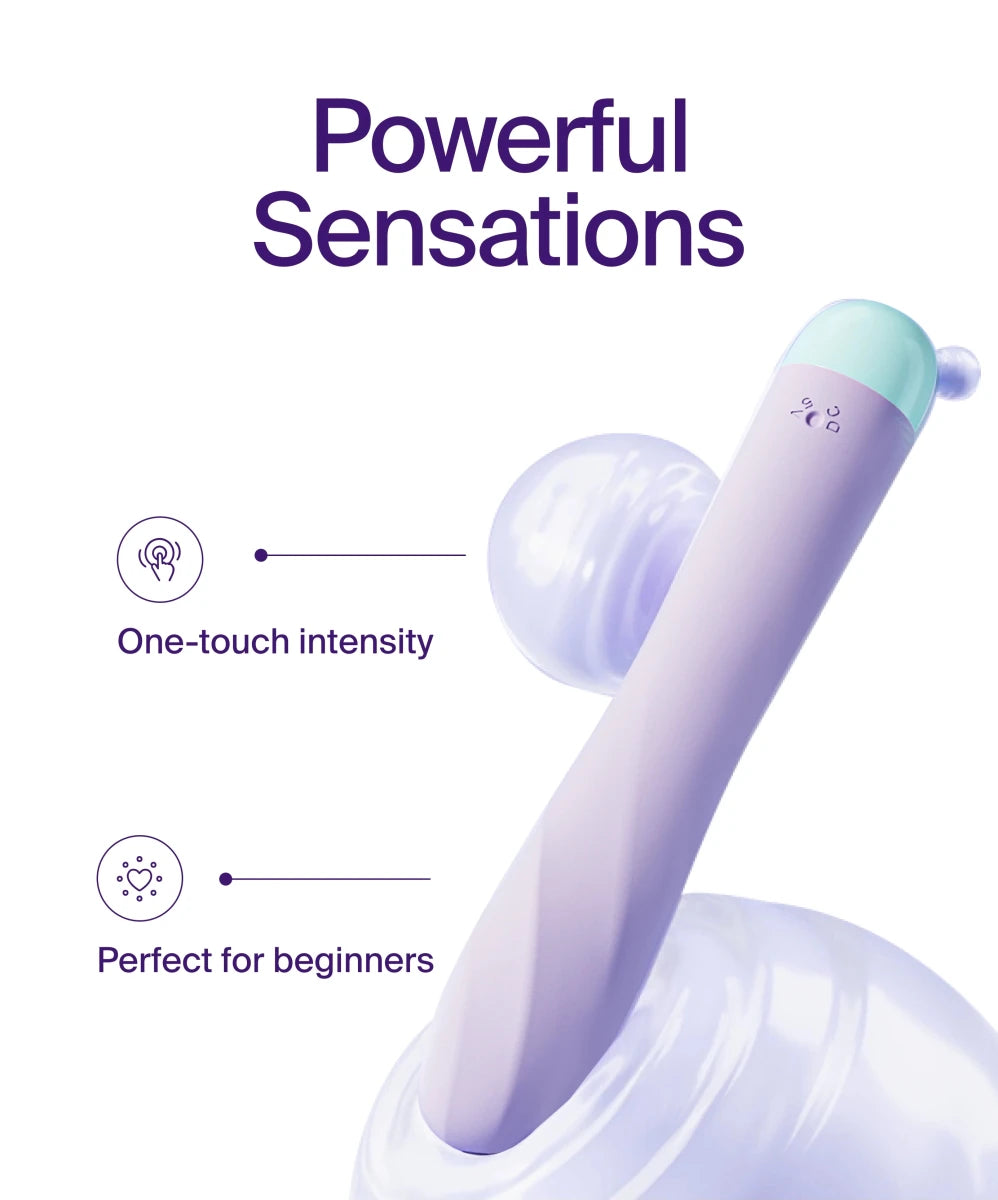
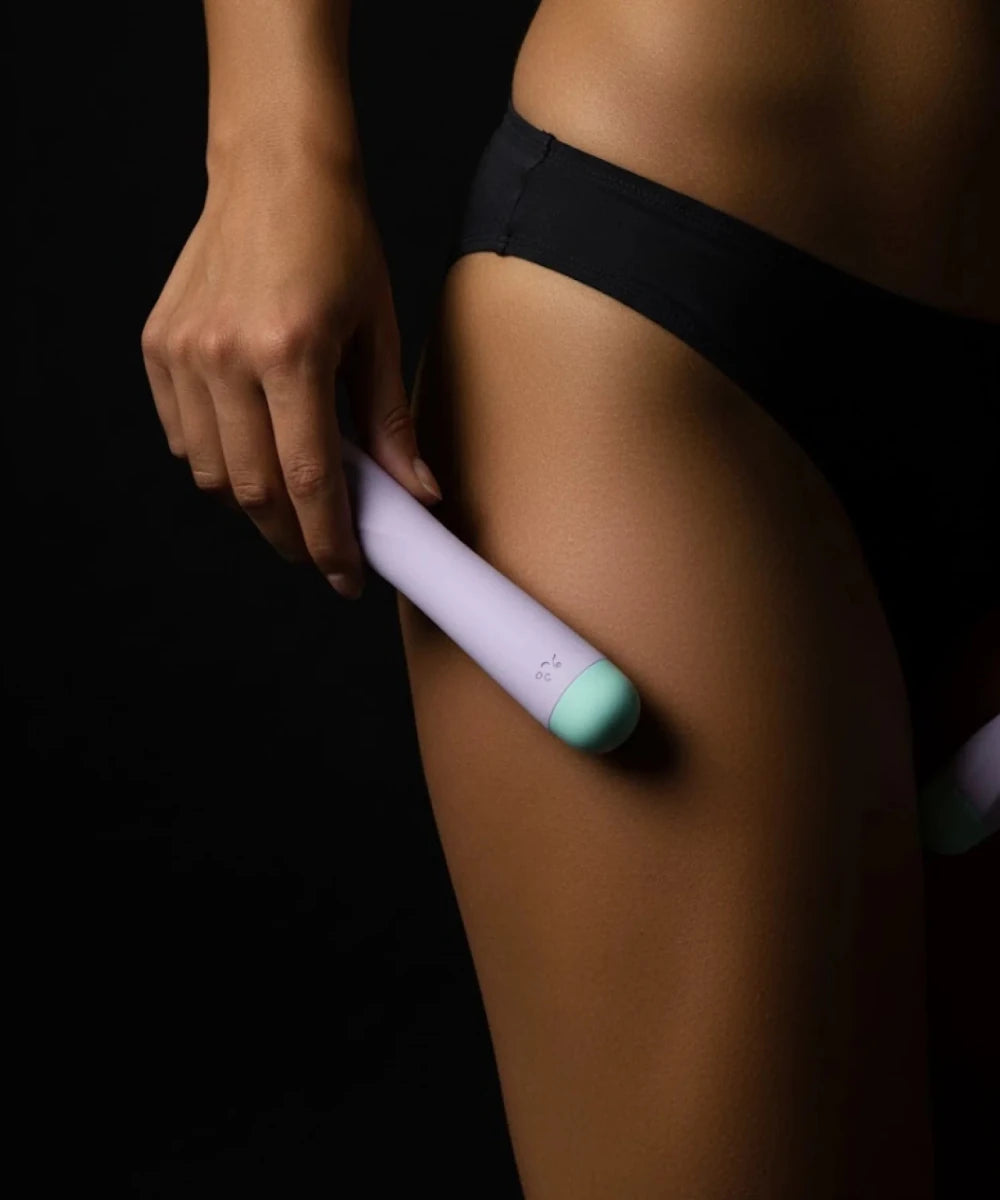
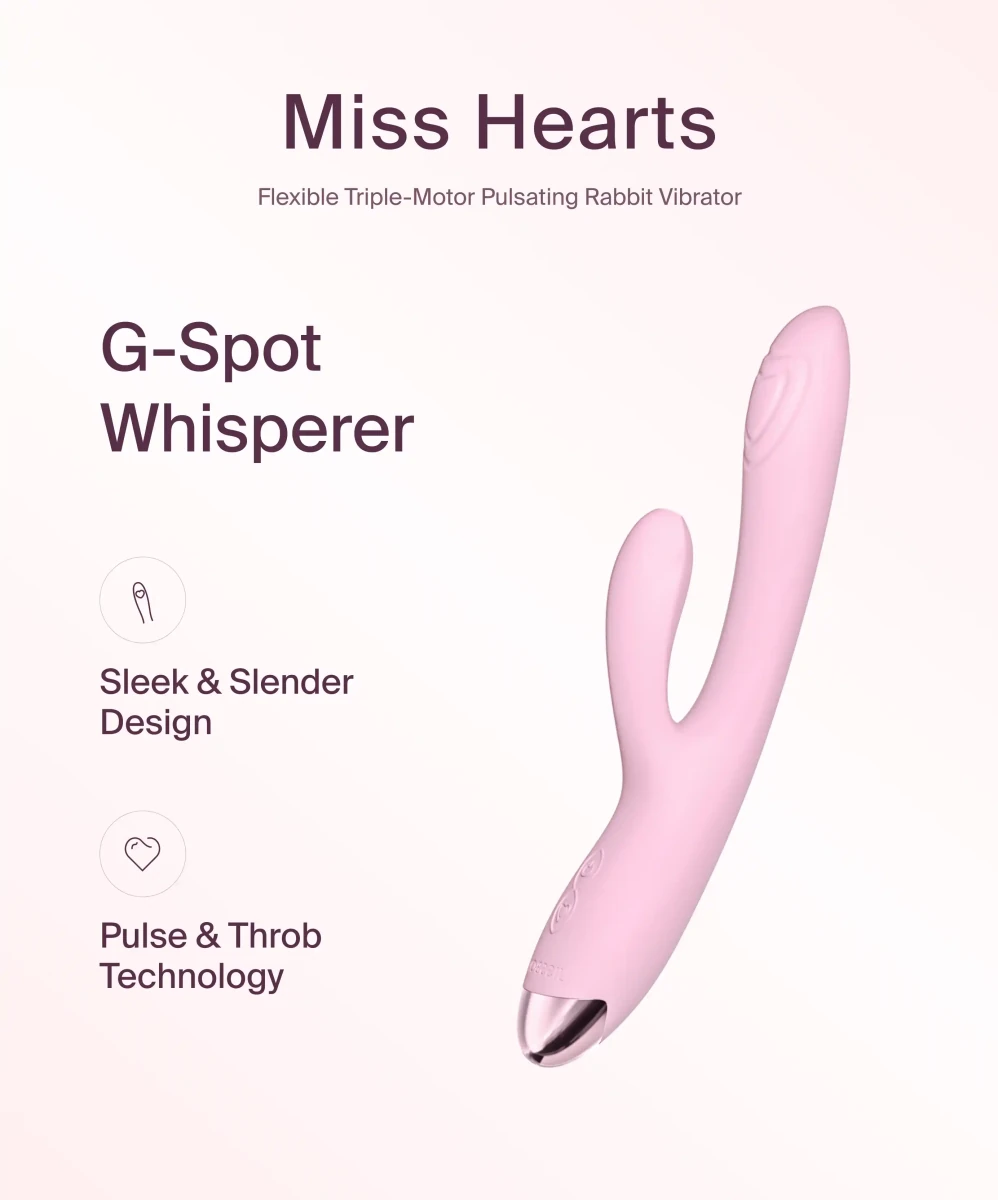
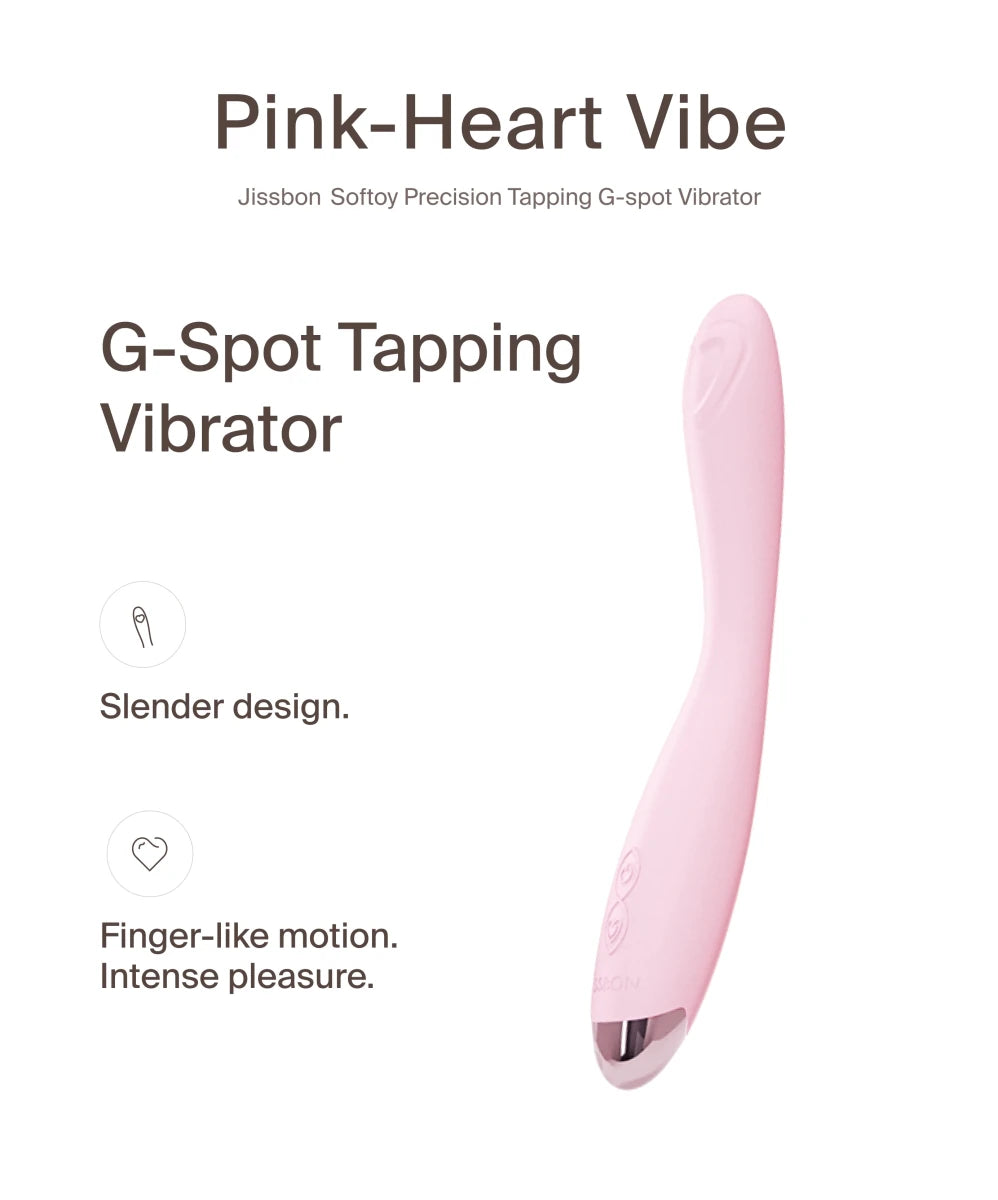
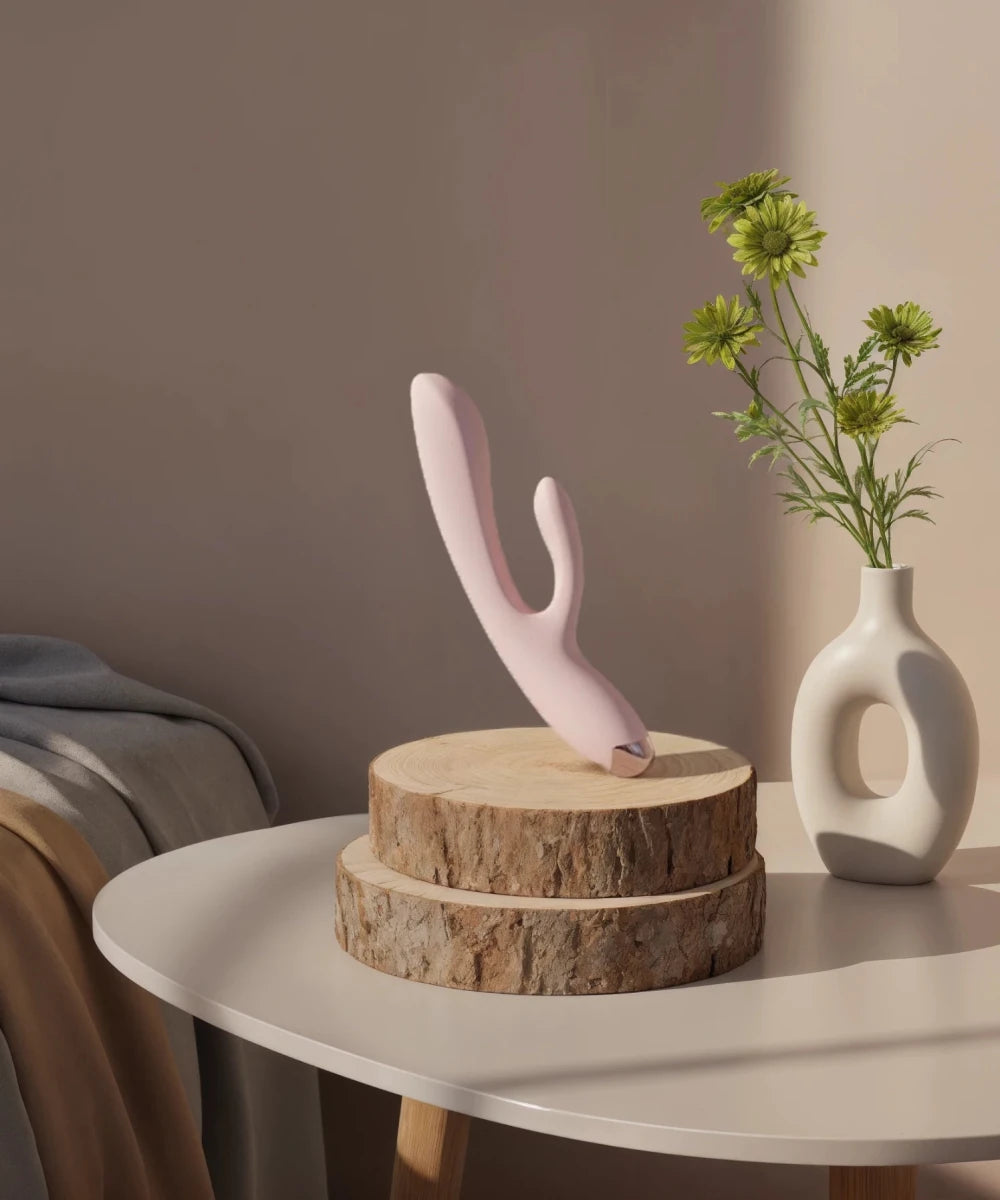
- G-spot vibrators with curved heads that reach sensitive areas with minimal depth
- Wearable toys that stay in place during shallow penetration with a partner
For anal play:
- Tapered plugs or slim probes with flared bases
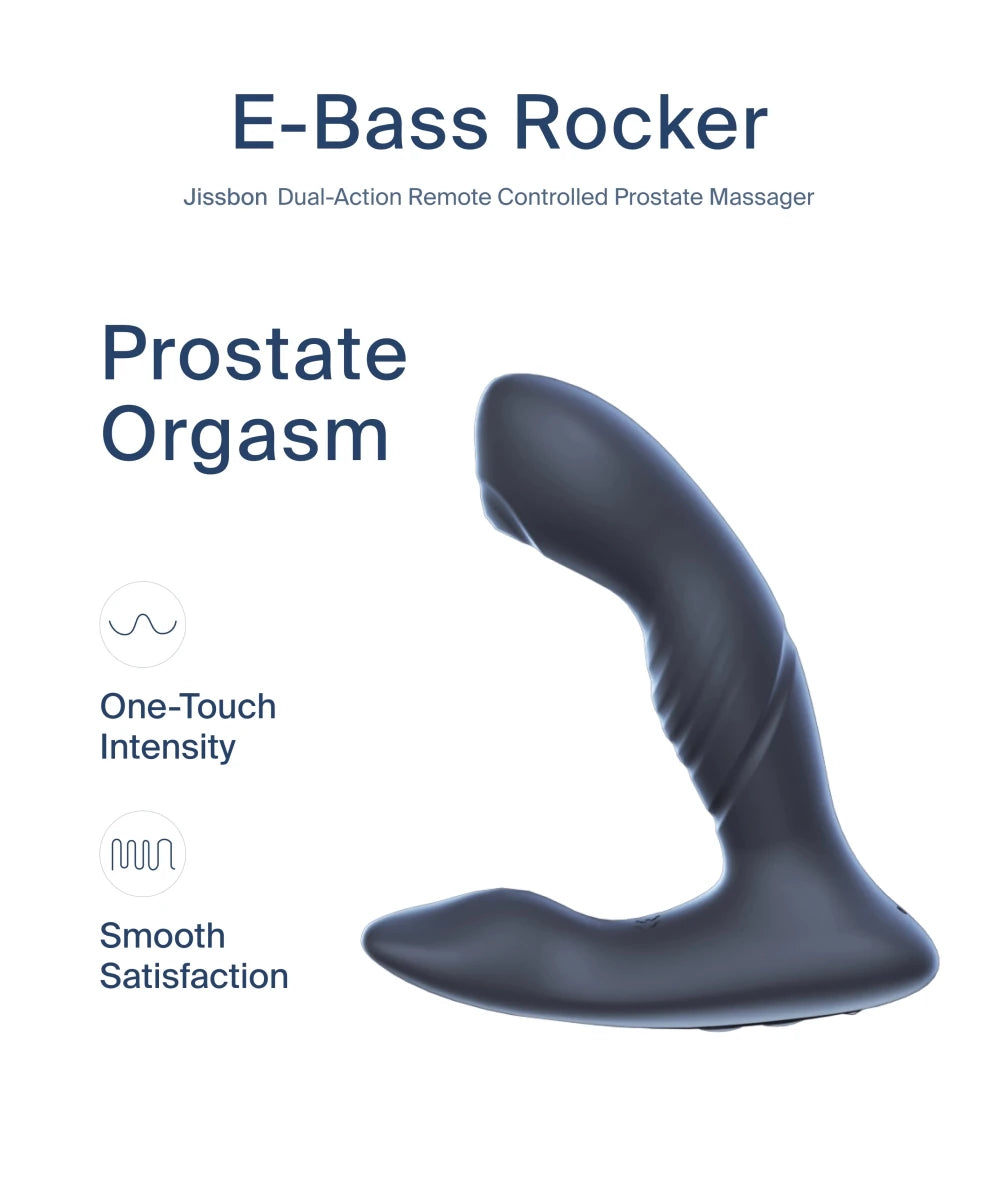
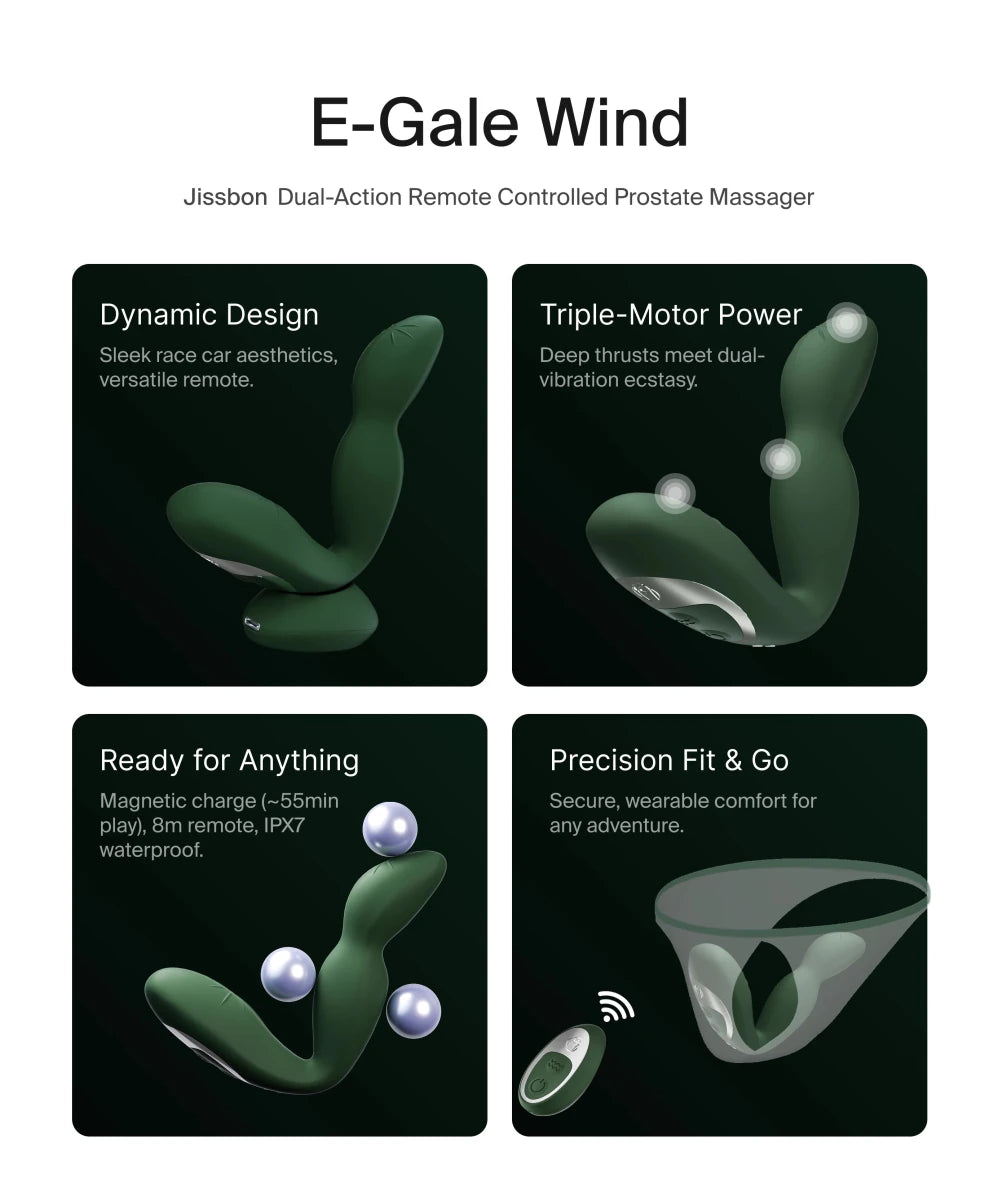
- Toys specifically designed for prostate stimulation, which sits just 2–3 inches inside
Control features:
- Toys with wide bases or handles prevent accidental full insertion
- Adjustable or flexible shafts let you control exactly how much length enters
Safe Toy Use with Shallow Techniques
Always use water-based lubricant with silicone toys. Apply it generously to both the toy and your body.
Insert slowly, stopping every half-inch to assess comfort. With shallow play, you might only use the first 2–3 inches of a longer toy—that's perfectly fine.
Clean toys thoroughly before and after each use, following manufacturer guidelines. For detailed instructions, consult resources on how to safely clean pleasure devices.
Benefits Beyond Comfort
Longer Sessions Without Fatigue
Shallow movements require less physical exertion from both partners. You can maintain intimacy for extended periods without muscle strain or exhaustion.
This particularly benefits people with chronic pain conditions, mobility limitations, or stamina concerns.
Heightened Sensation Through Focus
When you remove the distraction of discomfort or the pressure to perform deep penetration, you can concentrate on subtle sensations. Many people report discovering new areas of pleasure they'd previously overlooked.
The nerve-dense entrance area responds to light touch, pressure changes, and temperature variations that get lost during vigorous deep thrusting.
Improved Communication Skills
Practicing shallowing requires ongoing dialogue about comfort, pleasure, and preferences. These communication skills transfer to all aspects of intimate life, strengthening overall relationship quality.
Partners learn to read non-verbal cues more accurately and respond to needs without lengthy explanations.
Reduced Performance Anxiety
Deep penetration often comes with expectations about duration, vigor, or specific outcomes. Shallowing removes many of these pressures, allowing both partners to focus on connection and mutual pleasure rather than performance metrics.
For comprehensive information about sexual wellness and communication, medical resources provide evidence-based guidance.
Common Challenges and Solutions

"It doesn't feel like enough"
If shallow penetration seems insufficient, try these adjustments:
Add variety: Alternate between shallow strokes and occasional slightly deeper ones. The contrast creates interesting sensations.
Increase other stimulation: Incorporate hands, mouths, or toys on other erogenous zones simultaneously.
Change angles: Small shifts in hip position dramatically alter which internal areas receive pressure.
Work on arousal: Extended foreplay makes shallow sensations feel more intense and satisfying.
"My partner seems disappointed"
Open conversation addresses this concern best. Many people associate "good sex" with deep, vigorous thrusting because of media portrayals. Education about anatomy and genuine pleasure sources helps.
Share articles or have discussions about how different techniques serve different purposes. Emphasize that prioritizing comfort leads to better experiences for both people.
"I keep accidentally going too deep"
Physical barriers help maintain consistent shallow depth:
Use your hand: The penetrating partner can wrap their hand around the base of their penis or the toy, creating a buffer that prevents deeper insertion.
Try position modifications: Positions where the receiving partner's legs stay closer together naturally limit depth.
Practice with toys first: Solo exploration with a toy helps you learn exactly how much depth feels good before involving a partner.
"It feels awkward or unnatural"
New techniques always feel strange initially. Give yourself 3–5 sessions to adjust before deciding whether shallowing works for you.
Focus on the sensations rather than comparing to previous experiences. This isn't "worse" than deep penetration—it's simply different, with its own benefits.
When to Seek Additional Support
Consult healthcare providers if you experience:
- Persistent pain during any penetration, including shallow
- Bleeding during or after intimate activity
- Involuntary muscle spasms that prevent comfortable insertion
- Pain that worsens over time rather than improving
- Discomfort accompanied by unusual discharge or odor
Pelvic floor physical therapists specialize in addressing pain during intimacy. They can assess muscle tension, teach relaxation techniques, and provide targeted exercises.
Understanding pelvic anatomy and health helps contextualize why certain techniques work better for different bodies.
Frequently Asked Questions
Is shallowing only for people with pain conditions?
No, many people without any pain simply prefer the sensations of shallow penetration. The nerve-rich entrance area often provides more pleasure than deeper zones. Others enjoy shallowing as one technique among many, alternating based on mood or energy levels. There's no "right" reason to prefer this approach—personal pleasure is entirely valid.
Can you reach orgasm from shallow penetration alone?
Yes, many people can because the most sensitive areas concentrate near the entrance. However, most people find combining shallow penetration with clitoral or other external stimulation creates the most reliable results. Internal stimulation alone—whether shallow or deep—typically isn't sufficient for orgasm for people with vulvas.
Does shallowing work for anal play?
Absolutely. The prostate sits only 2–3 inches inside the rectum, making shallow techniques ideal for prostate stimulation. Anal tissue is more delicate than vaginal tissue, so controlled shallow movements often feel more comfortable than deep penetration. The same principles apply: start slowly, use generous lubrication, and maintain clear communication.
Will trying shallowing mean we can never do deep penetration again?
Not at all. Think of shallowing as adding another option to your intimate repertoire, not replacing everything else. Many couples alternate between techniques based on energy, comfort, or mood. Having variety keeps intimate life interesting and ensures both partners' needs get met across different situations.
How do I bring this up with my partner?
Frame it positively: "I read about a technique that might feel really good for both of us" rather than "Deep penetration hurts and we need to stop." Share this article or similar resources so your partner understands the concept isn't criticism of past experiences. Emphasize that you're interested in exploring new sensations together, which makes it feel like an adventure rather than a limitation.
Can shallowing help with premature ejaculation concerns?
Sometimes. Shallow movements create less intense stimulation for the penetrating partner, which can extend duration. However, this varies significantly by individual. Communication about pacing, taking breaks, and incorporating other activities ensures both partners enjoy extended sessions regardless of specific techniques used.
Moving Forward with Confidence
Shallowing demonstrates that effective intimacy isn't about following prescribed scripts or achieving maximum depth. Understanding your body's unique responses and communicating those needs with partners creates far more satisfaction than adhering to generic expectations.
Whether you're addressing discomfort, exploring new sensations, or simply curious about alternatives to conventional techniques, shallow penetration offers a gentle, pleasure-focused approach. With patience, communication, and willingness to experiment, many people discover this method enhances their intimate experiences significantly.
Ready to explore tools designed for comfortable, controlled pleasure? Browse the complete selection at Jissbon to find options that support your intimate wellness journey.


Looking for something else?

What Is Flogging in Sex? Complete BDSM Flogging Guide
LEARN MORE
What Does Overstimulated Mean Sexually? Causes & Solutions
LEARN MORE
Can You Get a Tattoo on Your Vagina? Safety, Pain & What to Expect
LEARN MORE
Public Sex Kink: Understanding Exhibitionism & Safe Exploration
LEARN MORELooking for something else?

A-Spot Orgasm: Best Positions & How to Find It
LEARN MORE
Bondage Play: Complete Beginner's Guide to Rope BDSM
LEARN MORE
Vibrator Stories: Real Experiences, Tips & What to Expect
LEARN MOREYou may also like
20% off

20% off

20% off

20% off

20% off

20% off

Further reading

How to Clean an Automatic Blowjob Machine Without Damaging the Motor

Remote-Controlled Automatic Masturbators for Couples and Solo Play
Best Automatic Strokers for Edging and Stamina Training