





































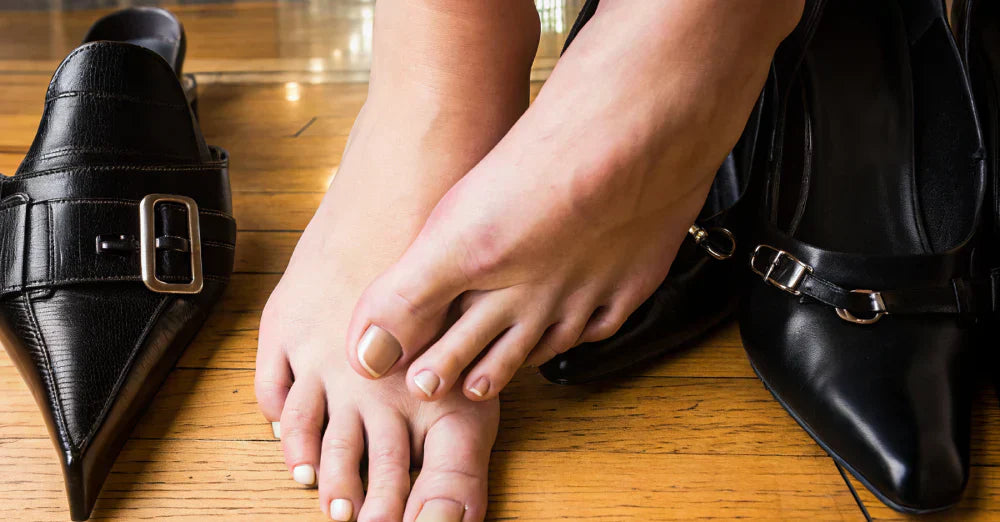
What Is My Fetish? Discover Your Sexual Interests Safely
Stack & Save: Extra 15% with Jissbon15
Jissbon15
Wondering "what is my fetish?" is a natural part of exploring your sexuality. A fetish is a specific object, body part, material, scenario, or activity that creates sexual arousal beyond typical stimulation. Everyone's desires exist on a spectrum—from mild preferences to intense fixations.
Understanding your particular interests helps you explore pleasure safely, communicate needs with partners, and embrace your authentic sexuality without shame. Whether you're curious about sensory experiences with sex toys, specific materials, power dynamics, or particular scenarios, identifying your fetishes opens doors to deeper satisfaction.
This guide helps you explore common fetishes, identify your own interests, and navigate this discovery journey with confidence and safety.
Who Benefits from Exploring Their Fetishes?
This self-discovery helps various people:
- Individuals curious about why certain things arouse them more than others
- Partners wanting to understand and share desires with each other
- People feeling shame about interests and seeking normalization
- Those experiencing arousal patterns they don't fully understand
- Anyone wanting to expand their sexual repertoire safely
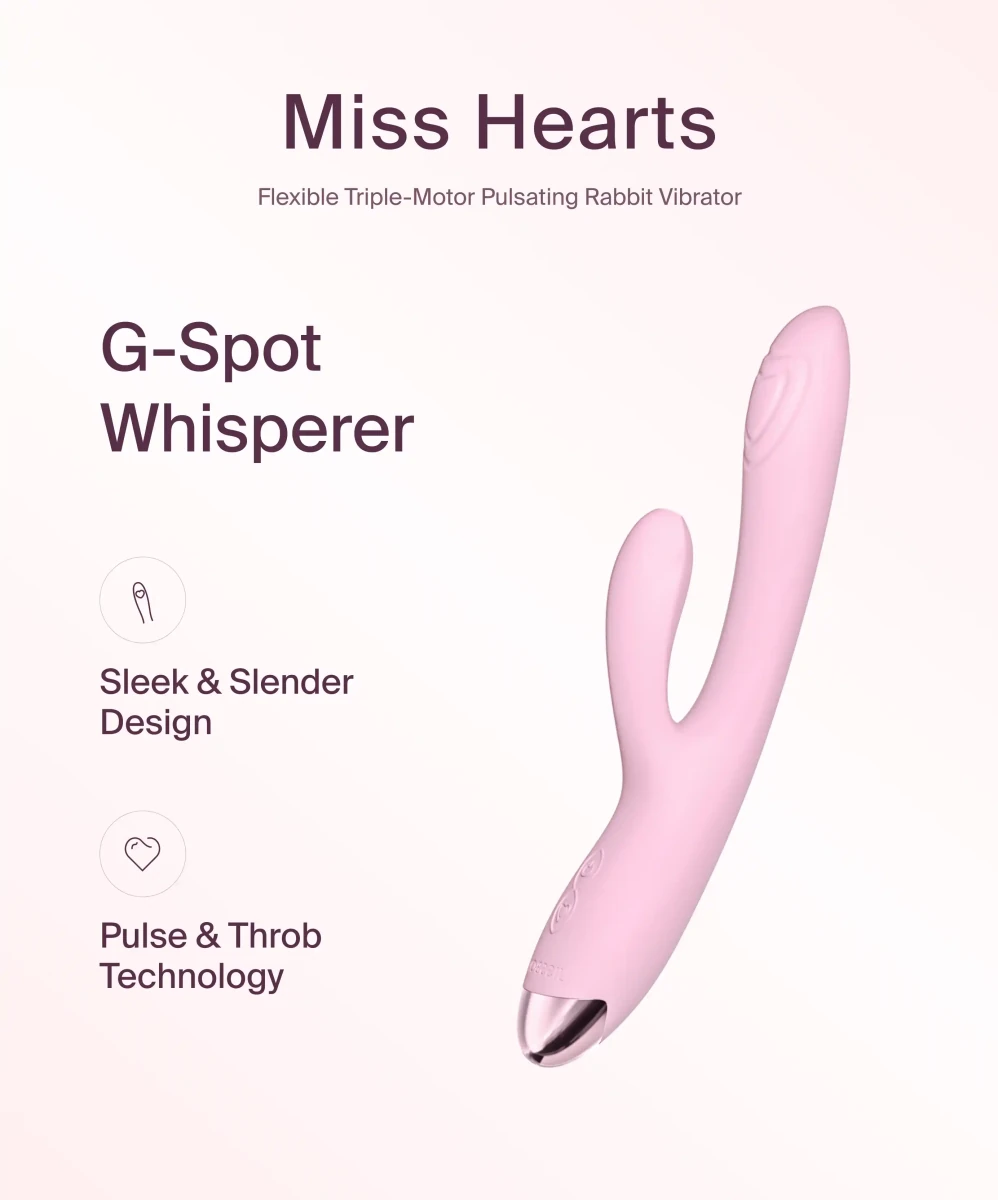
- Individuals exploring solo pleasure with rabbit vibrators or other specialized tools
- Couples seeking to deepen intimacy through shared exploration
Understanding your fetishes creates clarity, reduces anxiety, and enhances pleasure when approached thoughtfully.
Common Fetishes: What Arouses Different People

Material and Texture Fetishes
Latex and leather:
- Tight, shiny surfaces create visual and tactile stimulation
- Associated with power dynamics and dominance/submission
- Includes clothing, gloves, boots, full body suits
Silk and satin:
- Smooth, luxurious textures against skin
- Often linked to sensory pleasure and elegance
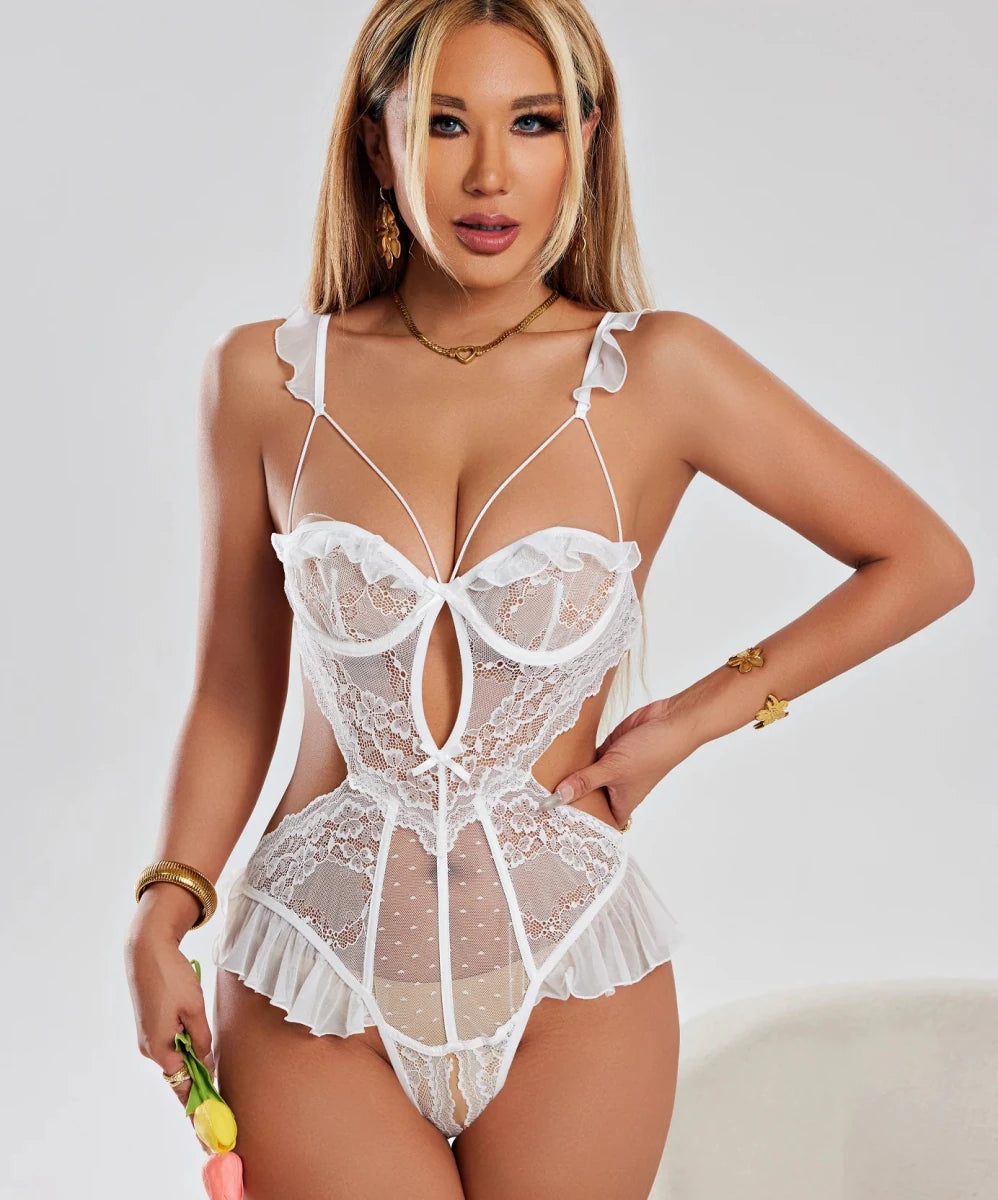
- Includes lingerie, sheets, blindfolds
Nylon and stockings:
- Sheer materials and specific garments
- Visual appeal of legs and feet
- Tactile sensation of fabric
Body Part Fetishes
Foot fetish (podophilia):
- One of the most common fetishes
- Arousal from seeing, touching, or worshipping feet
- Can include shoes, stockings, or bare feet
Hands:
- Attraction to specific hand features (fingers, nails, jewelry)
- Watching hands perform tasks
- Hand touching or massage
Hair:
- Specific textures, lengths, or colors
- Touching, smelling, or brushing hair
- Can focus on head hair or body hair
Power Exchange and Role Play
BDSM elements:
- Bondage (restraint and restriction)
- Discipline (rules and punishment)
- Dominance/submission (control exchange)
- Sadism/masochism (pain and pleasure blending)
Age play:
- Roleplay involving age differences (always between consenting adults)
- Caregiver/dependent dynamics
- Does not involve actual minors—ethical practice requires adult participants
Authority figures:
- Teacher/student, boss/employee, doctor/patient scenarios
- Power imbalance creates psychological arousal
- Fantasy exploration of control and submission
Sensory and Experience Fetishes
Voyeurism and exhibitionism:
- Arousal from watching others or being watched
- Must involve consent from all parties
- Includes consensual scenarios like partner watching or ethical adult content
Temperature play:
- Ice, hot wax, warmed massage oils
- Sensation contrast creates heightened awareness
- Requires careful safety protocols
Tickling:
- Light to intense tickling sensations
- Often involves restraint elements
- Combines touch sensitivity with control dynamics
Humiliation:
- Consensual psychological scenarios
- Verbal or situational embarrassment
- Requires extensive trust and clear boundaries
Object and Scenario Fetishes
Uniforms:
- Military, medical, school, service industry attire
- Combines visual appeal with authority or roleplay
- Can trigger specific fantasy scenarios
Specific settings:
- Particular locations (offices, outdoor spaces, vehicles)
- Environmental elements that enhance arousal
- Context-dependent excitement
Cross-dressing:
- Wearing clothing typically associated with different genders
- Can be about fabric sensation, appearance, or identity expression
- Separate from gender identity or orientation
Understanding human sexuality's diverse expressions helps normalize your experiences.
How to Identify Your Personal Fetishes

Self-Reflection Questions
Ask yourself:
- What imagery consistently appears in my fantasies?
- Which materials or textures do I find myself drawn to?
- Are there specific body parts I focus on more than others?
- Do certain scenarios or power dynamics excite me?
- What objects or clothing items trigger arousal?
- When do I feel most intensely turned on?
Pattern Recognition
Track your responses:
- Notice what captures your attention in media or daily life
- Identify recurring themes in your sexual fantasies
- Pay attention to what you gravitate toward when exploring adult content
- Recognize which aspects of intimacy feel most satisfying
Exploration Through Content
Ethical investigation:
- Browse diverse categories of consensual adult content
- Notice emotional and physical responses to different themes
- Read erotica covering various scenarios and interests
- Explore educational resources about different fetishes
Important: Always consume ethical content featuring consenting adults.
Physical Experimentation
Solo exploration:
- Try different textures and sensations during self-pleasure
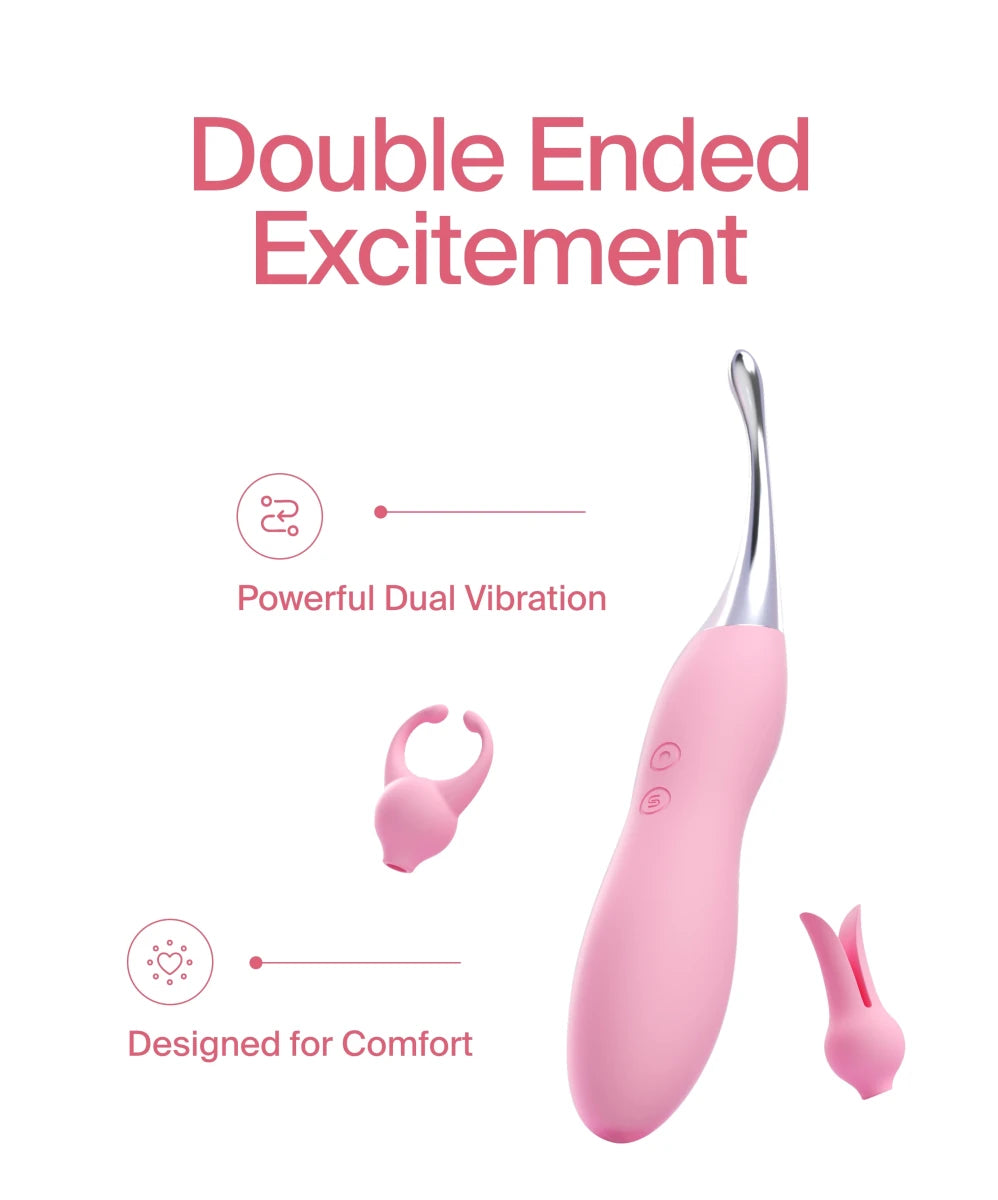
- Experiment with clitoral vibrators or other toys
- Explore temperature, pressure, or speed variations
- Notice which experiences create the strongest responses
Journaling Your Discoveries
Document patterns:
- Write about fantasies without judgment
- Track which experiences feel most arousing
- Note any shame or excitement attached to specific interests
- Review entries for recurring themes
Fetish vs. Kink vs. Preference: Understanding the Spectrum
|
Term |
Definition |
Intensity Level |
Example |
|
Preference |
Things you enjoy but aren't necessary |
Mild |
Preferring lights off or specific positions |
|
Kink |
Activities that enhance arousal but aren't required |
Moderate |
Enjoying light spanking or dirty talk |
|
Fetish |
Specific focus necessary for sexual satisfaction |
Strong |
Requiring specific objects or scenarios to climax |
Key distinction: A fetish typically means you need that element present for full arousal or satisfaction, while kinks and preferences enhance but aren't essential.
Where Do You Fall?
Mild interest (preference):
- You enjoy certain things when they happen
- Absence doesn't significantly affect satisfaction
- Flexible and varied arousal patterns
Moderate interest (kink):
- Specific activities notably enhance experiences
- You actively seek these elements
- Can enjoy sex without them but prefer inclusion
Strong interest (fetish):
- Particular elements feel necessary for full arousal
- Difficulty achieving satisfaction without them
- Central focus of your sexual imagination
All points on this spectrum are valid expressions of sexuality.
Safe Exploration: How to Try New Interests

Starting Solo
Personal experimentation:
- Research thoroughly before trying anything physical
- Start with imagination through fantasy or ethical content
- Progress gradually from mild to more intense versions
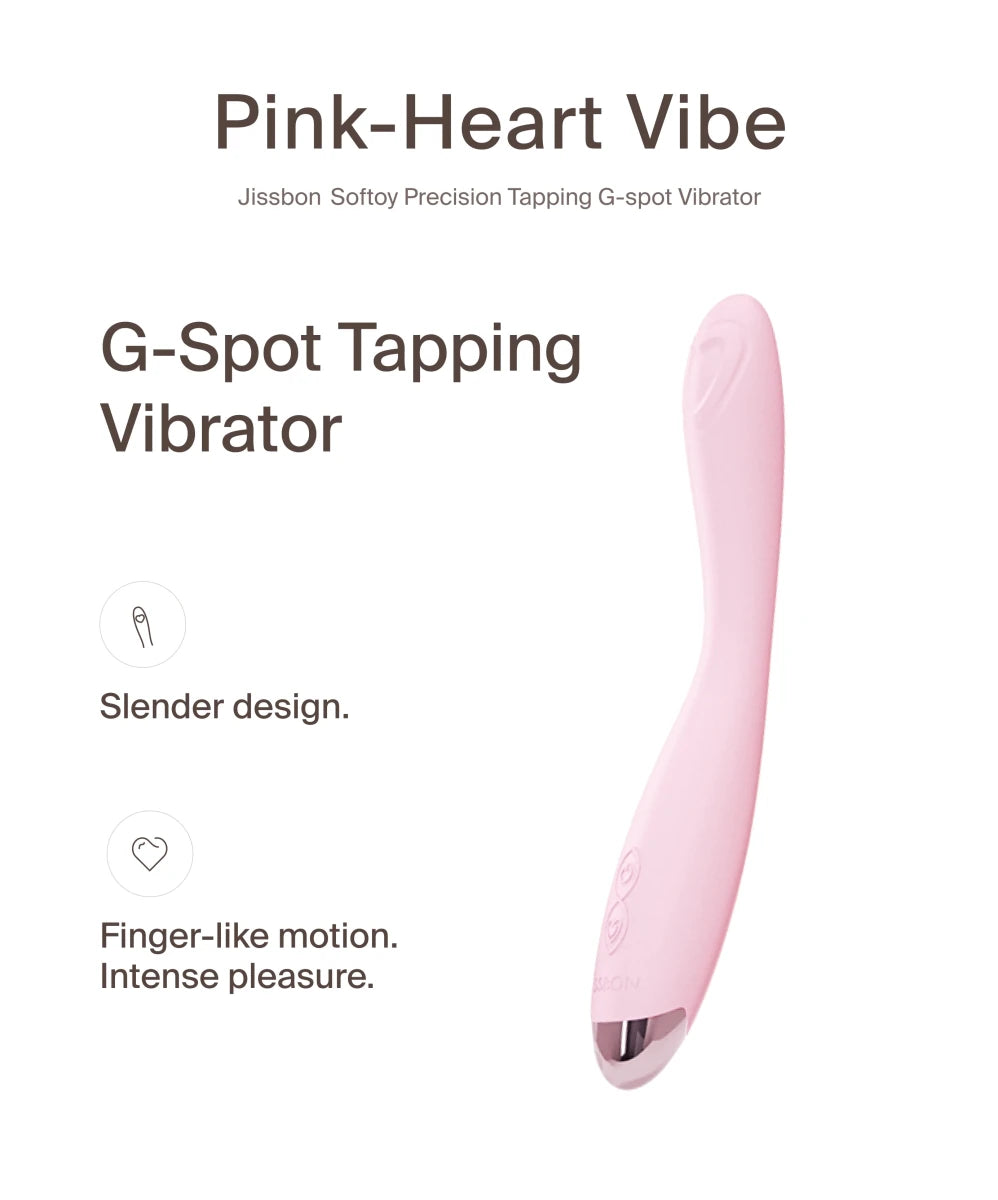
- Use appropriate tools like body-safe toys designed for your interests
- Reflect afterward on how the experience felt
Introducing Fetishes to Partners
Communication strategies:
Timing matters:
- Choose relaxed, non-sexual moments for discussions
- Avoid bringing up new interests immediately before or during intimacy
- Allow time for your partner to process information
Framing techniques:
- "I've been curious about exploring..." (non-demanding)
- "Would you be interested in trying..." (collaborative)
- "I find the idea of [X] really exciting" (honest sharing)
Managing responses:
- Prepare for various reactions (enthusiasm, curiosity, hesitation, discomfort)
- Don't pressure or guilt partners into participation
- Respect boundaries while expressing your needs
- Consider compromise or alternative ways to explore
Establishing Boundaries and Safety
Essential practices:
- Safe words: Clear signals to pause or stop (e.g., "red" for stop, "yellow" for slow down)
- Consent negotiation: Discuss limits before, during, and after experiences
- Aftercare: Check-ins and comfort following intense experiences
- Regular communication: Ongoing discussions as interests evolve
Learn about consent and healthy communication in intimate relationships.
When Fetishes Become Concerning
Healthy vs. Problematic Patterns
Healthy fetish expression:
- Involves only consenting adults
- Doesn't cause distress or harm
- Balanced with other life responsibilities
- Flexible enough to adapt when needed
- Enhances rather than replaces connection
Concerning signs:
- Interferes with daily functioning or relationships
- Involves non-consenting parties (even in fantasy about real people)
- Creates significant distress or shame
- Escalates to illegal or dangerous activities
- Replaces all other forms of intimacy or connection
Compulsive Behavior Indicators
Warning signals:
- Unable to experience arousal without specific fetish
- Spending excessive time or money pursuing fetish content
- Neglecting relationships, work, or health
- Engaging in risky or illegal behavior
- Feeling controlled by urges rather than enjoying exploration
When to seek help:
If fetishes cause significant life disruption, involve unwilling participants, or create overwhelming distress, consider consulting a sex-positive therapist. Understanding sexual health and wellness includes knowing when professional guidance helps.
Fetish-Friendly Toys and Tools
Specialized Equipment
For sensory exploration:
- Blindfolds for sensory deprivation
- Feathers or Wartenberg wheels for sensation play
- Temperature-safe items for hot/cold experiences
For power exchange:
- Soft restraints for bondage beginners
- Remote controlled vibrators for control dynamics
- Spanking implements (paddles, floggers)
For material fetishes:
- Body-safe latex or silicone accessories
- Textured toys matching preferred materials
- Specialty clothing or garments
Safety Considerations
Material compatibility:
- Verify body-safe certifications
- Check for latex allergies before use
- Understand cleaning requirements for different materials
Physical safety:
- Research proper techniques before restraint play
- Never leave anyone bound and alone
- Keep safety scissors accessible for quick release
- Avoid anything around necks (breath play carries extreme risks)
Emotional safety:
- Establish trust before introducing intense activities
- Check in frequently during exploration
- Provide aftercare following emotionally intense experiences
Proper toy safety and care protects both physical and emotional wellbeing.
Common Questions and Troubleshooting
Issue: Feeling shame about my fetish
Understanding shame:
- Cultural and religious messaging often create guilt around sexuality
- Shame thrives in secrecy and isolation
- Most fetishes are far more common than you realize
Reducing shame:
- Educate yourself about the prevalence of your interests
- Connect with sex-positive communities (online forums, groups)
- Challenge internalized judgments with self-compassion
- Consider therapy with a kink-aware counselor
Issue: Partner isn't interested in my fetish
Navigating differences:
- Assess whether this is a dealbreaker or a preference
- Explore compromise (maybe occasional participation)
- Consider whether solo exploration meets your needs
- Respect that incompatibility sometimes requires difficult decisions
Not every relationship can accommodate every fetish, and that's okay.
Issue: My fetish is evolving or changing
Normal progression:
- Interests often shift and develop over time
- New experiences can reveal additional preferences
- Some fetishes intensify while others fade
- Exploration naturally leads to discovery
Embrace evolution as part of sexual growth.
Issue: Difficulty finding ethical content
Quality resources:
- Look for ethically produced adult content with verified performers
- Support creators directly when possible
- Read reviews and community recommendations
- Avoid pirated or questionably sourced material
Frequently Asked Questions
Is it normal to have multiple fetishes?
Absolutely. Most people have several interests spanning different categories—material preferences, body parts, scenarios, and power dynamics can all coexist. Human sexuality is complex, and layered desires are typical. You might find certain fetishes dominate at different times or combine in specific ways. The key is understanding how your interests work together and finding healthy outlets for exploration.
Can fetishes develop later in life?
Yes, fetishes can emerge at any age. While some people recognize interests early, others discover new arousal patterns through experiences, relationships, or media exposure in their 20s, 30s, or beyond. Life changes, increased comfort with sexuality, and new experiences can all reveal previously unknown desires. Late discovery doesn't make interests less valid or significant.
What if my fetish involves something illegal or unethical?
If you experience arousal to genuinely harmful, non-consensual, or illegal scenarios, it's crucial to never act on these thoughts and to seek professional help from a specialized therapist. Fantasies alone aren't crimes, but therapists trained in sexuality can help you understand these patterns and develop healthy coping strategies. Many people manage intrusive thoughts successfully with proper support.
How do I know if I need therapy for my fetish?
Consider therapy if your fetish causes significant distress, interferes with relationships or daily life, involves non-consenting parties, creates compulsive behavior you can't control, or leads to illegal activities. A sex-positive, kink-aware therapist can help you explore these feelings without judgment. Therapy isn't only for problems—it can also help you integrate healthy sexuality into your life confidently.
Can I have a satisfying sex life if my partner doesn't share my fetish?
Often, yes. Many couples navigate different interest levels through compromise, occasional participation, solo exploration, or creative alternatives. The key is honest communication, mutual respect, and understanding which elements are essential versus nice-to-have. Some people find that partial incorporation of their fetish suffices, while others discover new shared interests through exploration.
Should I tell new partners about my fetishes immediately?
Timing depends on the fetish's importance to your satisfaction. If it's essential for sexual fulfillment, discussing it relatively early (after initial trust but before significant emotional investment) prevents later incompatibility pain. If it's a mild preference, you can wait until intimacy develops naturally. Frame discussions as sharing desires rather than demands, allowing relationships to develop organically.
Embrace Your Authentic Sexual Self
Asking "what is my fetish?" begins a journey of self-discovery that can deepen pleasure, improve communication, and build confidence. Whether you're drawn to specific materials, particular body parts, power dynamics, or unique scenarios, understanding your desires allows you to pursue satisfaction authentically and safely. Remember that fetishes exist on a spectrum from mild preferences to intense focuses, and all points are valid expressions of human sexuality when explored consensually.
Ready to explore your interests with quality tools? Discover body-safe sex toys for women designed to enhance pleasure across diverse preferences and desires.


Looking for something else?

What Is Flogging in Sex? Complete BDSM Flogging Guide
LEARN MORE
What Does Overstimulated Mean Sexually? Causes & Solutions
LEARN MORE
Can You Get a Tattoo on Your Vagina? Safety, Pain & What to Expect
LEARN MORE
Public Sex Kink: Understanding Exhibitionism & Safe Exploration
LEARN MORELooking for something else?

A-Spot Orgasm: Best Positions & How to Find It
LEARN MORE
Bondage Play: Complete Beginner's Guide to Rope BDSM
LEARN MORE
Vibrator Stories: Real Experiences, Tips & What to Expect
LEARN MOREYou may also like
20% off

20% off

20% off

20% off

20% off

20% off

Further reading

How to Clean an Automatic Blowjob Machine Without Damaging the Motor
Remote-Controlled Automatic Masturbators for Couples and Solo Play
Best Automatic Strokers for Edging and Stamina Training