



























































What Does Sex Feel Like? Physical & Emotional Guide
Stack & Save: Extra 15% with Jissbon15
Jissbon15
What does sex feel like? The answer varies dramatically between individuals, combining intense physical sensations warmth, pressure, tingling, rhythmic tension building toward orgasmwith emotional experiences ranging from deep intimacy and vulnerability to pure physical release. Sex encompasses everything from initial arousal through penetration, climax, and afterglow, with each phase creating distinct sensations shaped by anatomy, arousal level, emotional connection, and individual sensitivity.
This guide explains what sex feels like physically and emotionally for different anatomies, how sensations vary throughout the sexual experience, factors influencing pleasure, and realistic expectations for first-time and experienced individuals. You'll learn about the sexual response cycle, orgasm sensations, and why experiences differ so widely between people and encounters.
Who Wonders About Sexual Sensations
People curious about what sex feels like include:
- First-time individuals preparing for initial sexual experiences and managing expectations
- People exploring their sexuality wanting to understand what feels "normal" or pleasurable
- Those struggling with pleasure wondering if their experiences match others' descriptions
- Curious individuals who haven't had sex yet but want realistic information beyond media portrayals
- Partners seeking better understanding of what their significant other experiences during intimacy
- People with body differences or disabilities wondering how anatomy affects sensation
- Anyone reflecting on their experiences and whether they align with typical descriptions
Understanding sexual sensations helps set realistic expectations, improve communication with partners, and recognize that enormous variation exists in what people experience and enjoy.
The Sexual Response Cycle: Phases of Sensation

Phase 1: Desire and Arousal
What happens physically:
Blood flow increases to genitals causing engorgement. For people with vulvas, the clitoris swells and the vagina begins lubricating. For people with penises, erection occurs as blood fills erectile tissue.
What it feels like:
- Warmth spreading through the pelvic region and genitals
- Tingling or buzzing sensation in erogenous zones
- Heightened sensitivity to touch throughout the body
- Increased heart rate and breathing
- Mental focus narrowing toward sexual thoughts and sensations
- Anticipation and building excitement
Emotional experience:
Desire, anticipation, excitement, sometimes nervousness or vulnerability. Mental arousal often precedes or enhances physical arousal.
Phase 2: Plateau (Building Tension)
What happens physically:
Arousal intensifies. Genital engorgement maximizes, lubrication increases, muscles throughout the body begin tensing. Heart rate and blood pressure rise significantly.
What it feels like:
- Intense sensitivity in genitalssometimes almost overwhelming
- Fullness and pressure in the pelvic area
- Rhythmic tension building with each movement or touch
- Muscles tightening involuntarily (thighs, abdomen, buttocks)
- Breathing becomes rapid and shallow
- Time perception often distortsminutes feel like seconds
Emotional experience:
Intense focus, feeling "close" to orgasm, urgency, deep connection (in partnered sex), or complete absorption in sensation.
Phase 3: Orgasm (Climax)
What happens physically:
Rhythmic muscular contractions in the genitals and pelvic floor (typically 3–15 contractions occurring 0.8 seconds apart). Involuntary muscle spasms throughout the body. Massive release of tension.
What it feels like:
- Waves of intense pleasure radiating from genitals outward
- Electric or pulsing sensations
- Loss of voluntary muscle control
- Brief moment of suspended sensation followed by intense release
- Involuntary vocalizations or movements
- Total body involvementnot just genital sensation
Emotional experience:
Peak euphoria, temporary loss of self-awareness, profound relaxation, emotional vulnerability, sometimes tears or laughter from intensity.
Phase 4: Resolution (Afterglow)
What happens physically:
Blood flow returns to normal, muscles relax completely, heart rate and breathing slow. Many people experience profound relaxation or sleepiness.
What it feels like:
- Deep, full-body relaxationsimilar to post-massage calm
- Heightened skin sensitivity (touch may feel more intense)
- Warmth and contentment spreading through the body
- Sometimes hypersensitivity in genitals (making further stimulation uncomfortable)
- Feeling of peaceful exhaustion
Emotional experience:
Contentment, closeness to partner (in partnered sex), satisfaction, sometimes emotional release (crying), or simply peaceful calm.
What Does Sex Feel Like for People with Vulvas

Arousal Phase
External sensations:
The clitoris becomes engorged and extremely sensitivelight touch that felt neutral before arousal now creates intense pleasure. Labia swell slightly, and the entire vulva becomes warm and tingly.
Internal sensations:
The vagina begins self-lubricating (natural wetness). Internal walls swell with increased blood flow. Some describe a hollow or empty feelingdesire for penetration or fullness.
During Penetration
Initial insertion:
Stretching sensation at the vaginal openingthis ranges from mildly uncomfortable to pleasurable depending on arousal, lubrication, and relaxation. Well-aroused tissue stretches comfortably; inadequately aroused tissue feels tight or painful.
Depth and fullness:
Feeling of being "filled" internallypressure against vaginal walls. Some describe this as deeply satisfying; others find it neutral without external clitoral stimulation added.
G-spot stimulation:
Pressure or rubbing against the anterior (front) vaginal wall creates sensations distinct from clitoral pleasuredescribed as deeper, more internal, sometimes creating urge to urinate initially before transforming into intense pleasure.
Movement sensations:
Rhythmic in-and-out creates friction and pressure variation. Combined with clitoral contact (from positioning, manual stimulation, or toys), this builds toward orgasm.
Orgasm for People with Vulvas
Clitoral orgasms (most common):
Intense, sharp pleasure concentrated in the clitoris radiating outward. Quick, intense peak followed by satisfaction. Contractions felt externally around the vaginal opening.
Vaginal/internal orgasms:
Deeper, more diffuse pleasure. Feels like waves emanating from deep within the pelvis. Contractions felt internally along vaginal walls and uterus. Some describe as more emotionally intense than clitoral orgasms.
Blended orgasms (clitoral + vaginal):
Combination of bothsharp external pleasure plus deep internal waves. Often described as most intense type, creating full-body sensation.
Multiple orgasms:
After first orgasm, some people can continue stimulation and achieve additional orgasms without a refractory period (rest required). Each may feel slightly different in intensity.
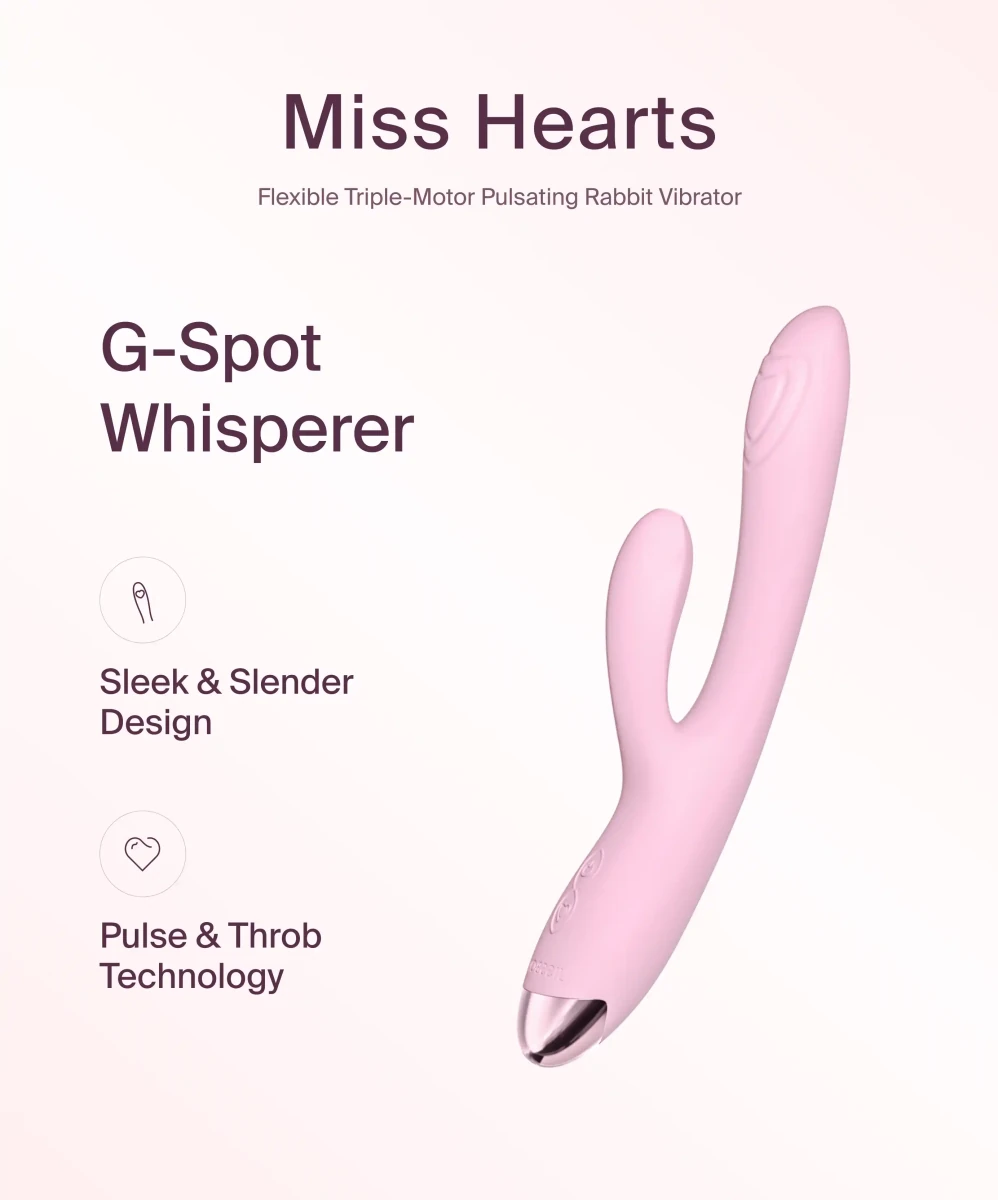
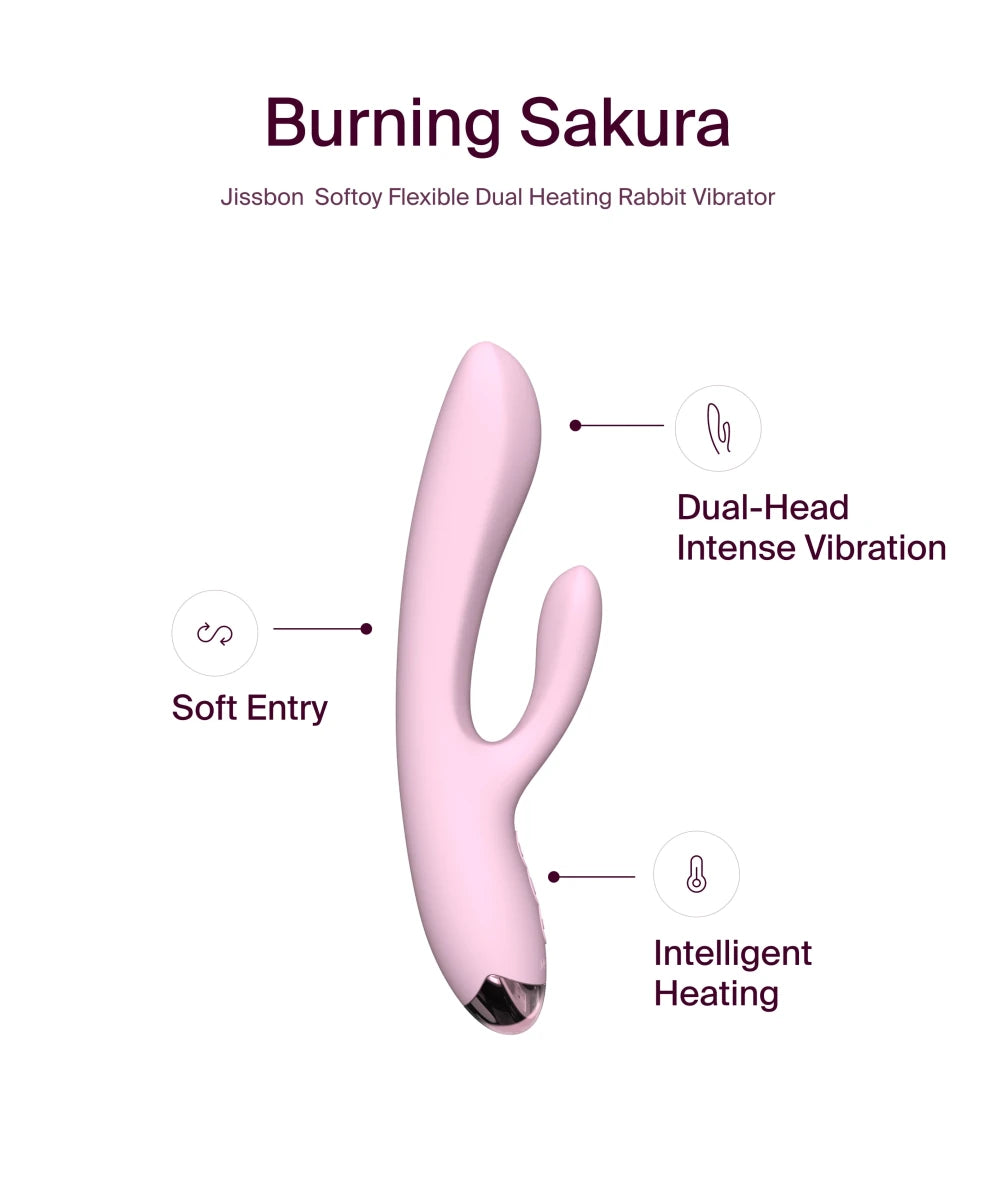
For products designed for external and internal pleasure, explore rabbit vibrators combining stimulation types.
What Does Sex Feel Like for People with Penises
Arousal Phase
Erection sensations:
Tingling as blood fills the penis, creating warmth and fullness. Skin becomes tighter, more sensitive. Head (glans) becomes especially sensitive to touch.
Pre-ejaculate (pre-cum):
Slight wetness at the tipnatural lubrication. Some people barely notice; others are very aware of it.
During Penetration
Initial entry:
Intense warmth and wetness enveloping the penis. Pressure around the shaftdescribed as gripping or squeezing sensation. Often the most intense moment for many.
Thrusting sensations:
Rhythmic friction creating waves of pleasure building progressively. Different depths and angles create varied sensationsshallow thrusts concentrate sensation on the sensitive head; deeper thrusts provide shaft friction.
Internal temperature:
Body-temperature warmth combined with wetness creates highly pleasurable sensation distinct from masturbation with hands or toys.
Testicle sensations:
During high arousal, testicles retract closer to the body and may ache slightlythis tension releases during orgasm.
Orgasm for People with Penises
Build-up (point of no return):
Intense pressure building at the base of the penis and in the prostate area. Moment where ejaculation becomes inevitablemuscle contractions about to begin.
Ejaculation:
Rhythmic contractions expelling semen through the urethradescribed as pulsing, pumping sensation. Typically 3–10 contractions. Most intense pleasure concentrates in the head of the penis.
Peak sensation:
Electric-like waves of pleasure radiating from genitals throughout the body. Brief moment of complete mental absorption in the physical sensation.
Resolution:
Immediate hypersensitivitycontinued stimulation of the head becomes uncomfortable or painful. Most people with penises require a refractory period (minutes to hours) before achieving another erection and orgasm.
Factors That Influence How Sex Feels

Arousal Level
High arousal:
Intensifies all sensations dramatically. What might feel uncomfortable or neutral when not aroused becomes intensely pleasurable. Natural lubrication increases, muscles relax, sensitivity heightens.
Low arousal:
Friction causes discomfort, penetration feels painful or neutral, orgasm is difficult or impossible to achieve. Mental distraction prevents physical engagement.
Emotional Connection
Strong connection:
Sex with someone you're emotionally bonded to often feels more intenseoxytocin (bonding hormone) release enhances pleasure. Vulnerability and trust deepen the experience.
Casual encounters:
Can still feel physically pleasurable but may lack the emotional depth or intensity of connected sex. Not better or worsesimply different experiences serving different needs.
Negative emotions:
Anxiety, resentment, or fear during sex significantly diminishes pleasure. Emotional safety directly impacts physical sensation.
Communication and Feedback
Open communication:
Telling partners what feels good (and what doesn't) dramatically improves sensation. Most people can't read mindsdirect feedback guides better stimulation.
Silence and guessing:
Without feedback, partners often continue ineffective techniques, reducing pleasure. Speaking up transforms experiences.
Experience Level
First times:
Often awkward, uncomfortable, or less pleasurable than expected due to nervousness, inadequate arousal, poor technique, or unrealistic expectations set by media.
With practice:
Bodies learn to relax, partners learn each other's preferences, confidence grows, and pleasure typically increases significantly.
Physical Factors
Lubrication:
Adequate natural or added lubricant prevents painful friction. Insufficient lubrication makes sex uncomfortable regardless of arousal.
Positioning:
Different positions create dramatically different sensationsangles affect which areas receive stimulation. Experimentation reveals preferences.
Stamina and fatigue:
Tiredness, stress, or physical exhaustion reduces pleasure capacity. Sex requires energydepleted bodies struggle to respond fully.
Common Descriptions: What People Say Sex Feels Like
Physical Metaphors
Like a really intense massage where tension builds then releases all at once"
Captures the physical tension accumulation and orgasmic release many people experience.
Warm, wet, and tight pressure enveloping you"
Common description of penetrative sensations for people with penises.
Being filled completelysatisfying an internal hunger you didn't know was there"
Describes penetration sensations for people with vulvas, especially when well-aroused.
Electric tingles that start at your genitals and spread everywhere"
Frequently used to describe orgasm sensationsthe radiating pleasure waves.
Like your whole body is being hugged from the inside out"
Describes the full-body engagement during intense orgasms.
Emotional Descriptions
Vulnerable and exposed, but in the best way"
Captures the emotional openness required for deeply connected sex.
Complete absorptionlike nothing else exists"
Describes the mental focus and present-moment awareness during peak arousal.
Feeling closer to someone than any conversation could create"
Illustrates the bonding aspect of emotionally connected sexual experiences.
Pure physical releaselike finally scratching an intense itch"
Describes casual or purely physical sexual encounters focused on sensation rather than connection.
First-Time Experiences: Setting Realistic Expectations

Common First-Time Realities
It often doesn't feel as amazing as expected:
First times involve nervousness, awkwardness, figuring out mechanics, and managing expectations. This is completely normalsex improves significantly with experience and comfort.
Discomfort is common (but pain shouldn't be):
Slight discomfort from new sensations is normal. Sharp pain indicates something wronginsufficient arousal, inadequate lubrication, or medical issues requiring attention.
It might be very brief:
Especially for people with penises, first penetrative experiences often end quickly due to high excitement and novelty. Stamina develops with experience.
Emotions may surprise you:
Feeling emotional, crying, laughing, or experiencing unexpected vulnerability is normal. Sex triggers powerful neurochemical releases affecting mood.
Making First Times Better
Communicate constantly:
Does this feel okay?" "Should I slow down?" "What feels good?" Open dialogue prevents discomfort and improves experience.
Focus on arousal first:
Spend significant time on foreplay before penetration. Adequate arousal makes everything more comfortable and pleasurable.
Use lubricant:
Even if naturally lubricated, extra lube prevents friction and discomfort. There's no such thing as too much lube.
Manage expectations:
Sex is a learned skill. First times are for figuring things out, not achieving perfection. Be patient and curious rather than performance-focused.
For intimate wellness products designed to enhance experiences, visit Jissbon for body-safe options.
When Sex Doesn't Feel Good: Common Issues
Physical Discomfort
Causes: Inadequate arousal, insufficient lubrication, penetration before readiness, positions creating uncomfortable angles, medical conditions (vaginismus, vulvodynia, erectile dysfunction).
Solutions: Increase foreplay duration, add lubricant generously, try different positions, consult healthcare providers if pain persists.
Difficulty Reaching Orgasm
Causes: Inadequate stimulation type (many people with vulvas need direct clitoral stimulation), performance anxiety, medications affecting sexual response, inadequate arousal buildup.
Solutions: Add clitoral stimulation during penetration, communicate needs clearly, remove pressure to orgasm, focus on pleasure rather than destination.
Numbness or Lack of Sensation
Causes: Desensitization from excessive masturbation with high pressure/intensity, medications (especially antidepressants), anxiety preventing physical engagement.
Solutions: Take breaks from intense stimulation, try gentler techniques, address anxiety through therapy or communication, consult doctors about medication side effects.
Emotional Disconnection
Causes: Unresolved relationship issues, past trauma, body image concerns, feeling pressured or obligated.
Solutions: Address underlying emotional factors, communicate boundaries, seek therapy if trauma-related, only engage in sex when genuinely desired.
For pleasure products designed to enhance solo and partnered experiences, explore sex toys for couples supporting mutual satisfaction.
Frequently Asked Questions
Does sex feel different every time?
Yes, significantly. Sensations vary based on arousal level, emotional state, energy, partner connection, time since last sexual activity, menstrual cycle phase (for people with cycles), stress levels, and countless other factors. Even with the same partner, sex feels different from encounter to encounterthis variety is normal and part of sexual exploration.
How does sex feel compared to masturbation?
Partnered sex typically feels warmer, wetter, and involves unpredictable movements and rhythms. Masturbation offers complete control and familiarityyou know exactly what works. Partnered sex adds emotional connection, body-to-body contact, and psychological arousal from being desired. Neither is inherently better; they're different experiences serving different purposes. Many people enjoy both regularly.
Why doesn't sex feel as good as I expected?
Common reasons: unrealistic expectations set by media/porn, inadequate arousal before penetration, poor communication with partners, anxiety or stress, medical issues, focusing on orgasm rather than pleasure, comparing your experience to others' descriptions. Sex often improves dramatically with experience, better communication, and removing pressure to perform or feel specific ways.
Should sex hurt the first time?
Some discomfort or pressure during first penetration is common, especially if nervous or inadequately aroused. However, significant pain indicates a problemusually insufficient arousal, inadequate lubrication, or rushing penetration. With proper preparation (arousal, lubrication, patience), first-time penetration should feel like stretching or fullness, not sharp pain. If experiencing severe pain, stop and address the underlying cause.
How long does it take to have an orgasm during sex?
This varies enormously. People with penises often orgasm within 5–10 minutes of penetrative sex (sometimes much faster during first experiences). People with vulvas typically require 15–40 minutes of stimulation (often including significant clitoral contact) to orgasmmany don't orgasm from penetration alone. These are averages; individual variation is enormous and completely normal.
Can you feel good during sex without having an orgasm?
Absolutely. Pleasure exists throughout the entire sexual experiencearousal, touching, penetration, intimacynot just at orgasm. Focusing exclusively on orgasm as the goal often reduces overall pleasure and creates performance anxiety. Many highly satisfying sexual encounters don't include orgasm but involve intense pleasure, connection, and satisfaction.
Final Thoughts
What does sex feel like? The answer combines intense physical sensationswarmth, pressure, tingling, building tension, explosive releasewith emotional experiences ranging from deep intimacy to pure physical satisfaction. Sexual pleasure varies dramatically between individuals, between different encounters, and across different life stages.
Understanding these sensations, managing realistic expectations, and communicating openly with partners transforms sexual experiences from awkward or disappointing to increasingly pleasurable and satisfying. Sex is a learned skill combining physical technique, emotional awareness, and vulnerable communication.
Ready to explore products designed to enhance pleasure? Discover our collection of couples vibrators supporting mutual satisfaction and exploration.


Looking for something else?

What Is Flogging in Sex? Complete BDSM Flogging Guide
LEARN MORE
What Does Overstimulated Mean Sexually? Causes & Solutions
LEARN MORE
Can You Get a Tattoo on Your Vagina? Safety, Pain & What to Expect
LEARN MORE
Public Sex Kink: Understanding Exhibitionism & Safe Exploration
LEARN MORELooking for something else?

A-Spot Orgasm: Best Positions & How to Find It
LEARN MORE
Bondage Play: Complete Beginner's Guide to Rope BDSM
LEARN MORE
Vibrator Stories: Real Experiences, Tips & What to Expect
LEARN MOREYou may also like
20% off

20% off

20% off

20% off

20% off

20% off

Further reading

How to Clean an Automatic Blowjob Machine Without Damaging the Motor

Remote-Controlled Automatic Masturbators for Couples and Solo Play
Best Automatic Strokers for Edging and Stamina Training