












































Watersports Kink: A Complete Guide to Urine Play
Stack & Save: Extra 15% with Jissbon15
Jissbon15
Watersports—also called golden showers, urophilia, or piss play—refers to sexual activities involving urine. This kink ranges from simple observation to direct contact and spans various motivations from power dynamics to sensory exploration.
Despite being more common than many realize, watersports remain misunderstood due to limited accurate information and cultural taboos around bodily functions. This guide covers the psychological foundations, safety considerations, hygiene practices, communication frameworks, and practical implementation for people curious about this form of play.
Important clarification: "Watersports" in sexual contexts exclusively refers to urine play, not literal water-based activities like sex in pools or showers, which is an entirely separate topic.
Understanding the Appeal: Why People Explore This

Psychological Motivations
Power exchange dynamics:
- Marking or claiming partner as territory
- Submission through accepting bodily fluids
- Dominance through "using" partner's body
- Vulnerability and trust demonstration
Taboo transgression:
- Breaking societal rules creates excitement
- Doing something "forbidden" intensifies arousal
- Psychological rebellion against childhood toilet training norms
- Thrill from challenging cultural disgust responses
Sensory experience:
- Warmth and wetness sensations
- Unique scent and taste elements
- Tactile novelty compared to other fluids
- Visual component for some participants
Intimacy and acceptance:
- Partner accepting all aspects of your body
- Sharing something typically private
- Non-judgment around natural functions
- Ultimate vulnerability and trust
Common Variations
|
Activity Type |
Description |
Typical Context |
|
Observation |
Watching partner urinate |
Voyeuristic element, minimal physical contact |
|
External contact |
Urinating on partner's body |
Sensory experience, marking, visual component |
|
Drinking |
Consuming partner's urine |
Extreme submission, bodily fluid exchange |
|
Clothing wetting |
Urinating in or on clothing |
Texture sensation, humiliation element |
|
Bath/shower play |
Incorporating into bathing |
Easier cleanup, gradual introduction |
|
Desperation play |
Holding until urgency |
Anticipation building, control dynamics |
Safety and Health Considerations

Medical Facts About Urine
Composition of healthy urine:
- 95% water
- 5% urea, creatinine, electrolytes
- Generally sterile when leaving healthy bladder
- Becomes colonized with bacteria once exposed to air and skin
Important clarifications:
Healthy urine is relatively low-risk for external contact on intact skin
Contains waste products but not inherently dangerous in small quantities
Not sterile once it leaves the body despite common myth
Can transmit infections if urinary tract infection present
Not safe for consumption in significant quantities due to waste product concentration
Health Risks to Consider
External contact (on skin):
Low risk for:
- Intact, healthy skin without cuts or abrasions
- Brief contact followed by washing
- Partners with no known infections
Higher risk for:
- Broken skin, rashes, or wounds
- Mucous membranes (eyes, nose, mouth, genitals)
- Extended contact without cleansing
- Partners with urinary tract or sexually transmitted infections
Ingestion (drinking):
Significant concerns:
- Waste products can cause nausea or digestive upset
- Dehydration risk if replacing water intake
- Medication concentration (partner's medications present in urine)
- Infection transmission if UTI present
- Electrolyte imbalance with large quantities
Medical professionals emphasize that while occasional small-quantity exposure for healthy individuals poses minimal risk, regular practice or large-volume consumption carries health concerns.
STI and Infection Transmission
Diseases that CAN transmit through urine:
- Chlamydia
- Gonorrhea
- Cytomegalovirus (CMV)
- Herpes (if lesions present in urinary tract)
- Hepatitis B (trace amounts possible)
Risk factors:
- Contact with mucous membranes
- Ingestion
- Contact with broken skin
- Partners with active infections
Protection strategies:
- Recent STI testing for all participants
- Avoiding activities during active infections
- Limiting mucous membrane contact
- Barrier methods where applicable
Hygiene and Preparation
Before Engaging in Play
Hydration status matters:
|
Hydration Level |
Urine Characteristics |
Considerations |
|
Well-hydrated |
Clear to pale yellow, minimal odor |
Less concentrated, less irritating, more volume |
|
Moderate hydration |
Yellow, noticeable odor |
Typical characteristics, balanced |
|
Dehydrated |
Dark yellow to amber, strong odor |
Highly concentrated, more irritating, smaller volume |
Preparation steps:
- Increase water intake 2-3 hours beforehand (creates more dilute urine)
- Empty bladder several hours before to allow fresh accumulation
- Avoid foods affecting odor (asparagus, coffee, alcohol)
- Check for UTI symptoms (burning, urgency, cloudy urine)
- Confirm both partners feeling healthy
During Activity
Practical considerations:
- Location selection – Bathroom, shower/tub, or prepared protected area
- Protection layers – Waterproof sheets, shower curtains, towels
- Temperature awareness – Fresh urine is body temperature (warm but not hot)
- Volume control – Partial release vs. full bladder emptying
- Aiming considerations – Communication about target areas
Safety practices:
- Avoid eyes (causes stinging and infection risk)
- Avoid open wounds or mucous membranes unless consciously accepting risks
- Have water available for immediate rinsing
- Keep distance from face unless explicitly agreed upon
- Use verbal check-ins throughout
After Play
Immediate cleanup:
- Rinse contact areas with warm water thoroughly
- Cleanse with mild soap (avoid harsh chemicals on genitals)
- Pat dry completely to prevent irritation
- Urinate if applicable to flush urethral area
- Hydrate to support normal kidney function
Longer-term care:
- Monitor skin for irritation or rash development
- Watch for UTI symptoms in following days
- Wash all affected fabrics promptly
- Sanitize play area appropriately
- Check in emotionally with all participants
Communication and Consent Framework

Initial Discussion Topics
Essential conversations before trying:
Interest levels:
- What specifically interests each person?
- What's absolutely off-limits?
- What requires gradual progression?
- Whose fantasy is this primarily?
Boundaries and limits:
- External contact only vs. ingestion?
- Specific body areas acceptable?
- Clothing involvement?
- Location constraints?
Practical logistics:
- Where will this occur?
- What protection/cleanup supplies needed?
- How will you signal discomfort or stop?
- What's the aftercare plan?
Emotional processing:
- How do you each feel about disgust/taboo elements?
- What if someone's reaction differs from expected?
- How will you debrief afterward?
During Activity Communication
Verbal check-ins:
- "Is this okay?"
- "Where would you like this?"
- "Should I continue or stop?"
- "How are you feeling?"
Non-verbal signals:
Establish beforehand:
- Thumbs up = continue
- Hand wave = pause
- Specific word = stop immediately
- Tapping partner = need to communicate
Managing unexpected reactions:
If disgust, discomfort, or negative feelings arise:
- Stop immediately without judgment
- Move to cleanup
- Process emotions afterward, not during
- Recognize trying and deciding "not for me" is valid
Practical Implementation: Starting Points
Beginner-Friendly Approaches
Level 1: Observation only
- Watch partner urinate during shower or bath
- No physical contact with urine
- Focuses on visual and psychological elements
- Lowest physical risk, tests interest
Level 2: Shower incorporation
- One partner urinates on other's legs/feet during shower
- Immediate water rinse available
- Controlled environment
- Easy cleanup
Level 3: Protected external contact
- Use waterproof barriers (tarp, shower curtain)
- External body areas only (legs, torso, back)
- Avoid face and genitals initially
- Immediate cleanup accessible
Level 4: Advanced exploration
- More intimate body areas
- Clothing elements
- Tasting (small amounts only)
- Public/semi-public settings (requires careful legality consideration)
Setting Up Your Space
Bathroom play:
Advantages:
- Easy cleanup with shower/tub access
- Waterproof surfaces already present
- Privacy in appropriate setting
Setup:
- Clear shower/tub of products
- Have towels immediately accessible
- Ensure good lighting
- Adjust water temperature beforehand
Bedroom play:
Required preparations:
- Multiple layers of waterproof protection (mattress protector, shower curtain, towels)
- Cleaning supplies immediately available
- Consider using older sheets you don't mind potentially staining
- Have robe or towel for moving to bathroom
Alternative locations:
- Outdoors (private property only, verify legality)
- Dedicated play space with washable surfaces
- Hotels (ethically questionable due to housekeeping)
Power Dynamics and Roleplay Integration
Dominance and Submission Contexts
Dominant perspective:
- Using submissive's body as "toilet"
- Marking submissive as territory/property
- Testing obedience through transgressive act
- Control over bodily functions (permission to urinate)
Submissive perspective:
- Accepting partner's bodily fluids as submission
- Being "used" demonstrating dedication
- Humiliation element if degradation appeals
- Serving partner's desires completely
Sample scenarios:
|
Scenario |
Dominant Role |
Submissive Role |
|
Permission protocol |
Grants/denies bathroom access |
Must ask permission to urinate |
|
Marking ritual |
Marks submissive after intimacy |
Receives marking as ownership |
|
Service provision |
Relieves self using submissive |
Serves as receptacle |
|
Humiliation scene |
Degrades while performing act |
Accepts degradation willingly |
Beyond Power Exchange
Not all watersports involve dominance/submission:
- Some couples explore purely for sensation
- Others focus on intimacy and vulnerability
- Many appreciate the taboo without power dynamics
- Some integrate playfully without heavy psychological elements
Addressing Disgust and Psychological Barriers
Understanding Visceral Reactions
Why disgust is normal:
Human evolution created strong disgust responses to waste products as disease prevention. Overriding this requires conscious cognitive reframing.
The cognitive dissonance:
- Intellectually knowing healthy urine is relatively safe
- Visceral emotional reaction of disgust
- Cultural conditioning about "dirty" vs. "clean"
- Childhood toilet training associations
Gradual Desensitization Approaches
For the curious but hesitant:
- Education – Understanding composition reduces fear
- Observation – Watching partner in bathroom setting
- Minimal contact – Single drop on finger to test reaction
- Controlled scenarios – Shower setting provides safety
- Processing feelings – Discussing responses openly
- No pressure – Accepting if this remains unappealing
Questions for self-reflection:
- Is my interest genuine or based on partner pressure?
- Can I separate disgust from actual danger?
- What specifically triggers my negative reaction?
- Am I comfortable with uncertainty about my response?
Toys and Accessories Considerations
Equipment That May Enhance Play
Waterproof toys:
Using sex toys during watersports requires specific considerations:
- Waterproof vibrators – Can be incorporated into shower play
- Non-porous materials only – Silicone, glass, metal (avoid anything that can absorb fluids)
- Thorough cleaning essential – Use toy cleaner immediately after
- Consider dedicating specific toys – Some people prefer separating watersports toys from others
Functional items:
- Waterproof bedding – Specifically designed for fluid play
- Puppy pads – Disposable absorbent layers
- Tarps or shower curtains – Inexpensive protection
- Funnel devices – For directed flow (medical supply stores)
- Specialized furniture – Designed for fluid play (niche market)
Clothing elements:
- Latex or PVC garments – Non-absorbent, wipe-clean materials
- Specific "play clothes" – Items designated for this activity
- Disposable options – Inexpensive items you don't mind discarding
Cleaning and Maintenance
For toys:
- Rinse immediately with water
- Wash with antibacterial toy cleaner or mild soap
- Sanitize if material allows (boiling, bleach solution)
- Air dry completely
- Store separately or mark clearly
For surfaces:
- Enzyme cleaners break down urine effectively
- Vinegar solution neutralizes odor
- Hydrogen peroxide for fabric stains
- Commercial urine-specific cleaners available
Legal and Ethical Considerations
Privacy and Consent
Critical principles:
- All participants must provide informed, enthusiastic consent
- No one should feel pressured or coerced
- Activities must occur in private spaces
- Recording requires explicit permission from everyone
- Sharing content requires ongoing consent
Public Space Concerns
Legal risks:
Most jurisdictions prohibit:
- Public urination (with or without sexual context)
- Public indecency or lewd behavior
- Creating unsanitary conditions
- Activities visible to non-consenting parties
Safe alternatives:
- Private property only
- Bathroom stalls (though technically semi-public)
- Home settings
- Designated private playspaces
- Nature settings on private land
Content Creation Cautions
If documenting for personal use or sharing:
- Verify all participants' ongoing consent
- Understand platform policies (most prohibit this content)
- Consider privacy implications (face visibility, identifying features)
- Recognize permanence of digital content
- Be aware of legal status in your jurisdiction
Troubleshooting Common Issues
"I'm interested but my partner isn't"
Approaches:
- Share educational resources
- Discuss what specifically interests you
- Offer compromise versions (observation only, shower setting)
- Respect firm boundaries without pressure
- Consider if this is negotiable or essential for you
If partner agrees reluctantly:
This requires extreme caution. Reluctant participation in intense kink can cause lasting negative associations and relationship damage.
"I tried it and felt worse than expected"
Processing negative experiences:
- Recognize trying and deciding "no" is valid and valuable
- Clean up thoroughly to help physical comfort
- Discuss feelings openly with partner
- Don't force continued participation
- Consider whether modification might help or complete avoidance is needed
"Cleanup is overwhelming"
Streamlining process:
- More preparation = easier cleanup
- Use bathroom/shower settings exclusively
- Employ multiple protective layers
- Keep cleaning supplies immediately accessible
- Consider if difficulty outweighs enjoyment
Frequently Asked Questions
Is drinking urine safe?
Occasional small-quantity consumption by healthy adults poses minimal immediate risk, but urine contains waste products your body intentionally eliminated. Regular consumption can cause digestive upset, dehydration if replacing water intake, and potential issues if partner has infections or takes medications. Medical professionals do not recommend this practice.
Can you get pregnant from watersports?
No. Urine doesn't contain sperm. However, if sexual activity also involves semen near the vaginal area, pregnancy is possible from that contact—not from urine itself.
How do I bring this up with my partner?
Frame as curious exploration: "I came across information about watersports and found myself intrigued. Would you be open to learning about it together?" Share educational resources. Emphasize no pressure and willingness to hear their thoughts. Be prepared for any response without taking rejection personally.
Does interest in this mean something is psychologically wrong?
- No. Sexual interests exist on a broad spectrum, and watersports falls within the range of common kinks. Interest in consensual adult activities doesn't indicate psychological pathology. If concerns exist about compulsive behavior or non-consensual urges, speak with a sex-positive therapist.
How do I get past the disgust factor?
Gradual exposure with low-stakes scenarios (observation, minimal contact in shower) helps some people. However, disgust serves protective purposes, and not all visceral reactions need overriding. If genuine interest exists beneath initial disgust, patience and education may help. If disgust feels insurmountable, accepting this activity isn't for you is equally valid.
Will this affect my urinary health?
External contact has minimal impact on urinary health. Holding urine for extended periods can increase UTI risk. Consuming urine regularly may affect kidney function over time. Standard practice of this kink with reasonable hygiene doesn't typically cause urinary issues for healthy individuals.
Moving Forward: Personal Authenticity
Watersports remains one of the more taboo kinks, and exploring it requires navigating cultural conditioning, potential disgust responses, and practical logistics. Like all intimate activities, satisfaction comes from genuine interest rather than obligation or pressure.
If curiosity draws you toward exploration, approach gradually with thorough communication, realistic expectations about responses, and commitment to safety and hygiene. If investigation reveals this doesn't appeal to you, that self-knowledge is equally valuable.
Your intimate life should reflect your authentic desires, not prescribed norms or attempts to fulfill every fantasy. Ready to explore body-safe products for other aspects of pleasure? Discover Jissbon's collection of sex toys for couples designed for diverse preferences and exploration styles.


Looking for something else?

What Is Flogging in Sex? Complete BDSM Flogging Guide
LEARN MORE
What Does Overstimulated Mean Sexually? Causes & Solutions
LEARN MORE
Can You Get a Tattoo on Your Vagina? Safety, Pain & What to Expect
LEARN MORE
Public Sex Kink: Understanding Exhibitionism & Safe Exploration
LEARN MORELooking for something else?

A-Spot Orgasm: Best Positions & How to Find It
LEARN MORE
Bondage Play: Complete Beginner's Guide to Rope BDSM
LEARN MORE
Vibrator Stories: Real Experiences, Tips & What to Expect
LEARN MOREYou may also like
20% off

20% off

20% off

20% off

20% off

20% off

Further reading

How to Clean an Automatic Blowjob Machine Without Damaging the Motor
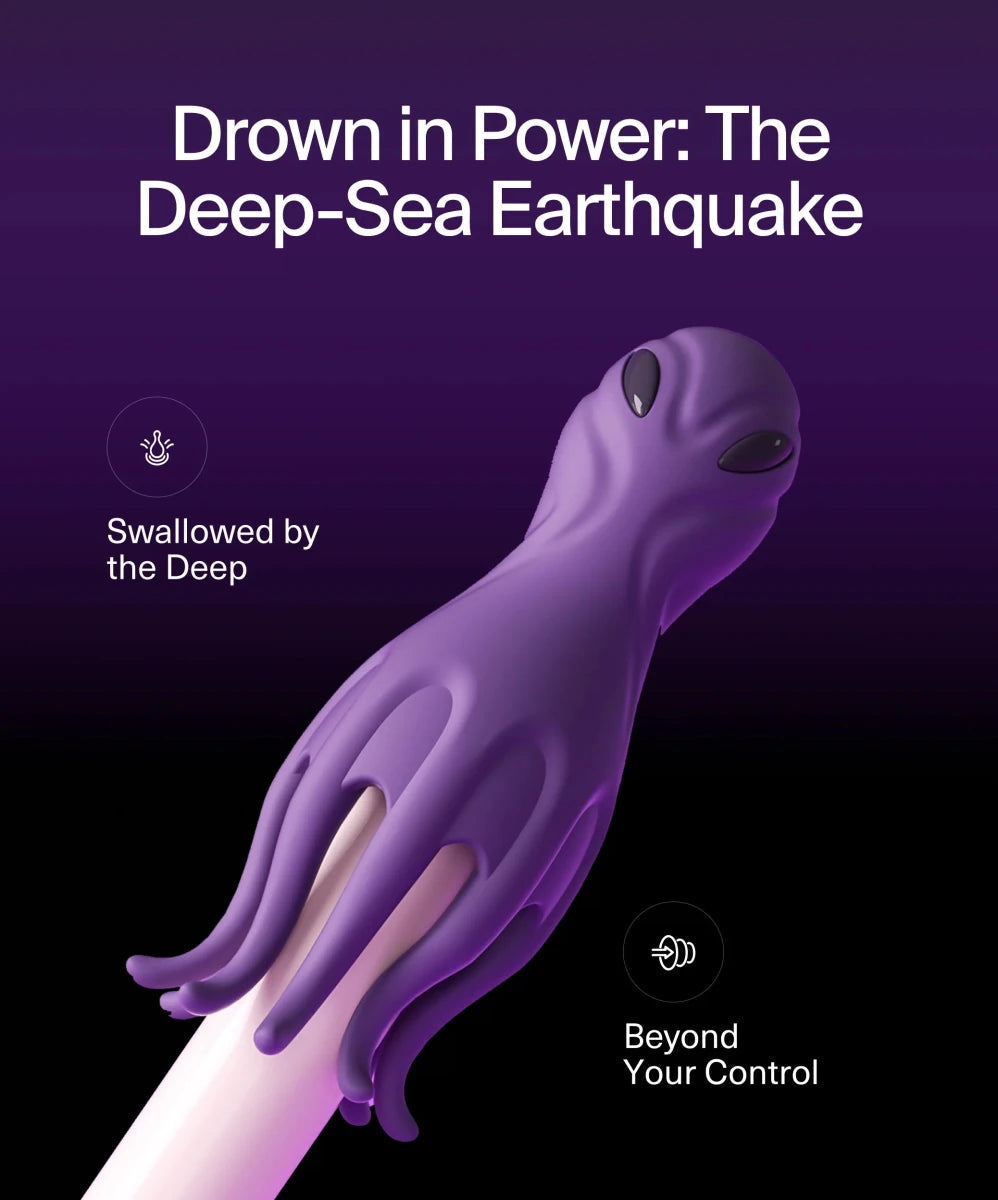
Remote-Controlled Automatic Masturbators for Couples and Solo Play
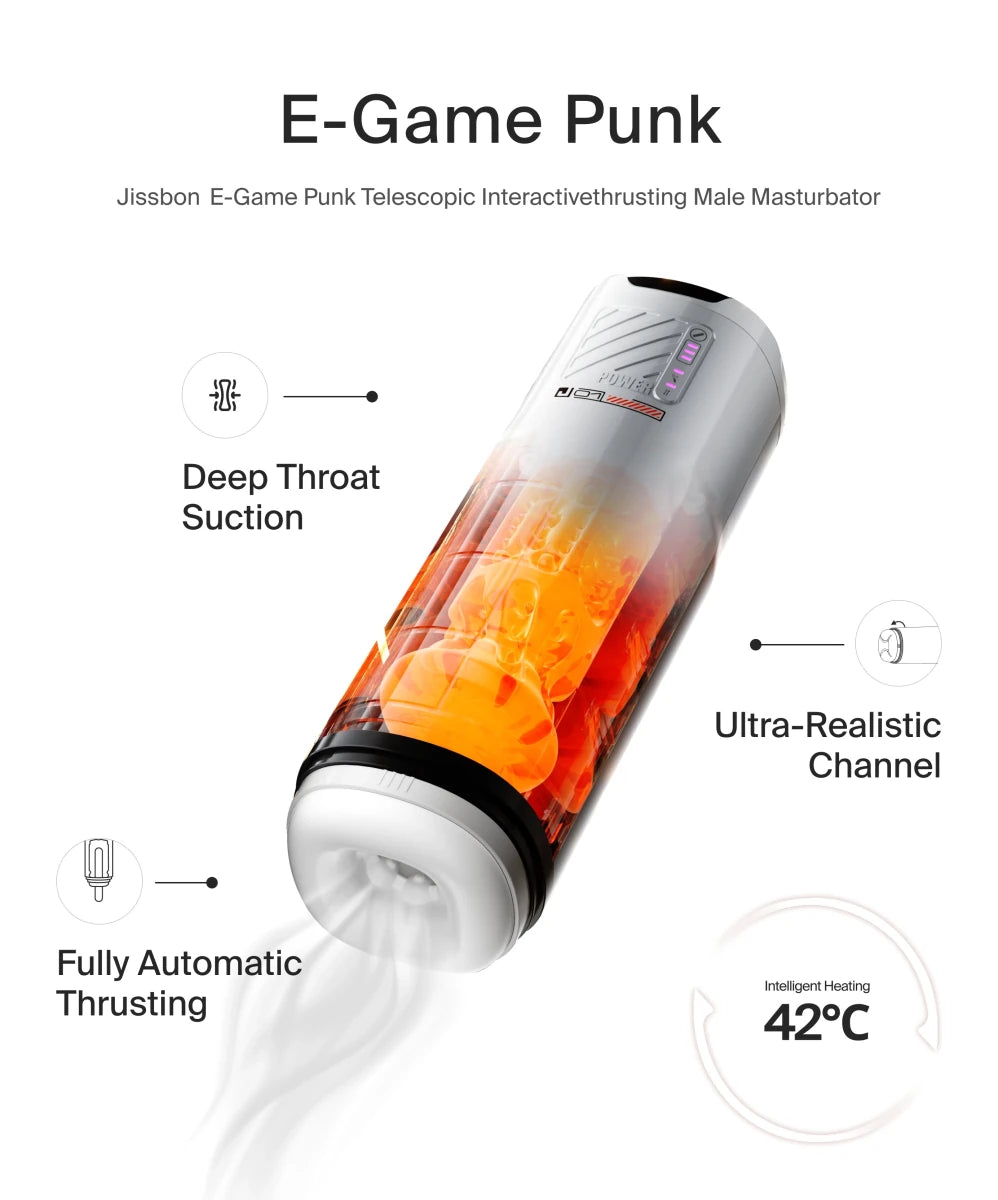
Best Automatic Strokers for Edging and Stamina Training