












































Urethral Sponge: Your Complete Guide to This Hidden Pleasure Zone
Stack & Save: Extra 15% with Jissbon15
Jissbon15
Ever heard of the urethral sponge but aren't quite sure what it is or where to find it? This often-overlooked anatomical structure plays a significant role in sexual pleasure, yet many people remain unaware of its existence or function.
This comprehensive guide explains exactly what the urethral sponge is, where it's located, how it relates to the famous G-spot, and practical techniques for stimulating it safely. Whether you're exploring solo or with a partner, understanding this tissue can unlock new dimensions of pleasure and deepen your body awareness.
Who This Guide Is For

This guide is perfect for:
- People with vaginas seeking deeper understanding of their anatomy
- Partners wanting to enhance intimacy through targeted stimulation techniques
- Those curious about the G-spot and its relationship to other structures
- Anyone experiencing female ejaculation and wanting to understand why
- Couples exploring new pleasure techniques beyond surface-level stimulation
- Educators and health enthusiasts interested in accurate anatomical knowledge
Understanding your body's anatomy empowers better communication, safer exploration, and more satisfying intimate experiences.
What Is the Urethral Sponge?
The urethral sponge is a cushion of erectile tissue that surrounds the urethra (the tube through which urine exits the body) on the anterior (front) wall of the vaginal canal. When aroused, this spongy tissue fills with blood and becomes more prominent, creating the sensation and texture commonly associated with the G-spot.
Key Anatomical Facts
|
Aspect |
Details |
|
Official Name |
Urethral sponge (also called paraurethral sponge or female prostate) |
|
Location |
Surrounds the urethra along the front vaginal wall, about 2–3 inches inside |
|
Size |
Approximately 1–2 inches long when engorged; varies by individual |
|
Texture |
Ridged, bumpy, or spongy feeling compared to smooth vaginal walls |
|
Function |
Protects urethra, contributes to sexual pleasure, may produce fluid during arousal |
|
Relation to G-spot |
The G-spot is the internal stimulation of the urethral sponge through the vaginal wall |
|
Glands Present |
Contains Skene's glands (paraurethral glands), analogous to the male prostate |
The urethral sponge was historically under-researched compared to other genital anatomy, leading to confusion and myths. Modern understanding recognizes it as a legitimate, functional structure central to many people's sexual pleasure.
For broader context on female reproductive anatomy, reliable sources provide detailed diagrams and explanations.
Urethral Sponge vs G-Spot: What's the Connection?
Many people wonder: are the urethral sponge and G-spot the same thing?
Short Answer: The G-spot is not a separate anatomical structure. It's the internal experience of stimulating the urethral sponge through the front vaginal wall.
How They Relate
The Urethral Sponge:
- An actual anatomical structure visible in medical imaging
- Consists of erectile tissue, glands, and blood vessels
- Surrounds and cushions the urethra
The G-spot:
- A sensitive area on the front vaginal wall
- Represents external access to the urethral sponge from inside the vagina
- Feels ridged or textured compared to surrounding smooth tissue
- Swells when aroused as the urethral sponge engorges with blood
Think of it this way: if the urethral sponge is a cushion wrapped around the urethra, the G-spot is what you feel when you press on that cushion from inside the vaginal canal.
Why the Confusion?
The term "G-spot" was popularized in the 1980s by researchers studying a pleasure zone on the vaginal wall. At the time, the urethral sponge's role wasn't fully understood. Decades of research now confirm the G-spot sensation comes from stimulating the urethral sponge and nearby structures (including internal parts of the clitoris).
For more on clitoral anatomy and pleasure, trusted health organizations clarify that the clitoris extends internally and interacts with the urethral sponge.
Where to Find the Urethral Sponge

Locating the urethral sponge takes a bit of exploration, but it's accessible to most people with vaginas.
Step-by-Step Location Guide
1. Get Comfortable: Sit or lie in a comfortable position where you can reach inside your vagina easily. Many people find lying on their back with knees bent or sitting propped up works best.
2. Ensure Arousal: The urethral sponge becomes more prominent when engorged with blood during arousal. Spend 5–10 minutes engaging in activities that turn you on (fantasy, touching, watching content).
3. Use Lubrication: Apply water-based lubricant to your fingers and vaginal opening. This prevents friction and discomfort during exploration.
4. Insert Fingers (Palm Up): Gently insert one or two fingers into the vagina with your palm facing upward (toward your belly button). Go about 2–3 inches deep.
5. Feel for Texture Change: Move your fingertips in a "come here" motion along the front wall. You're looking for an area that feels different from the rest—ridged, bumpy, or spongy instead of smooth.
6. Apply Gentle Pressure: When you locate the textured area, press gently with your fingertips. Many people describe the sensation as needing to urinate (this is normal due to urethra proximity). With continued arousal, this often shifts to pleasure.
7. Adjust Based on Sensation: Not everyone experiences intense pleasure from urethral sponge stimulation. Some feel mild sensation, others find it intensely pleasurable. Both are completely normal.
Visual & Sensory Cues
- Texture: Ridged or bumpy compared to smooth vaginal walls
- Firmness: Slightly firmer than surrounding tissue when engorged
- Location: Front wall, closer to belly button than spine
- Response: May swell further with continued stimulation
- Sensation: Can range from pressure to intense pleasure
Functions of the Urethral Sponge
Beyond sexual pleasure, the urethral sponge serves important anatomical roles.
Protective Function
Urethral Cushioning: The spongy tissue surrounds and protects the urethra from pressure during penetration, preventing injury or irritation to this delicate tube.
Structural Support: Helps maintain the position and function of the urethra and bladder opening, contributing to urinary continence.
Sexual Functions
Pleasure Generation: Rich in nerve endings, the urethral sponge responds to pressure and stimulation, creating pleasurable sensations for many individuals.
Fluid Production: Contains Skene's glands, which produce fluid that may be expelled during orgasm (sometimes called female ejaculation or squirting). This fluid is chemically distinct from urine.
Erectile Response: Like other erectile tissue (clitoris, labia), the urethral sponge engorges with blood during arousal, increasing sensitivity and prominence.
The Female Prostate Analogy
The urethral sponge and Skene's glands are often called the "female prostate" because they're embryologically similar to the male prostate and perform analogous functions:
|
Male Anatomy |
Female Anatomy |
Shared Function |
|
Prostate gland |
Skene's glands (in urethral sponge) |
Produces fluid that may be expelled during orgasm |
|
Surrounds urethra |
Urethral sponge surrounds urethra |
Protects and cushions urethra |
|
Responds to pressure/massage |
Responds to G-spot stimulation |
Generates pleasure through internal massage |
For scientific details on Skene's glands and their function, medical literature provides extensive documentation.
How to Stimulate the Urethral Sponge for Pleasure

Whether exploring solo or with a partner, these techniques maximize sensation safely.
Manual Stimulation (Solo)
The Come-Hither Motion:
- Insert one or two lubricated fingers, palm facing upward
- Curl fingertips in a beckoning motion, applying firm but gentle pressure to the front wall
- Vary speed and pressure based on sensation
- Combine with clitoral stimulation for blended orgasms
Circular Massage:
- Locate the textured area
- Move fingertips in small circles, applying steady pressure
- Gradually increase intensity as arousal builds
- Experiment with clockwise and counterclockwise motions
Tapping or Pulsing:
- Instead of constant pressure, try rhythmic tapping or pulsing against the area
- This can feel less intense than constant pressure but still pleasurable
- Combine with breathing patterns (tap on exhale, pause on inhale)
Partner-Assisted Techniques
Guided Exploration:
- The receiving partner guides their partner's fingers to the correct spot
- Verbal communication ("higher," "more pressure," "slower") ensures accuracy
- This builds trust and body awareness for both people
Combine with Oral:
- Partner provides clitoral stimulation with mouth while fingers stimulate the urethral sponge internally
- This dual stimulation often leads to powerful, blended orgasms
Communicate Throughout:
- Check in regularly: "Does this feel good?"
- Encourage feedback: "Tell me if you want more or less pressure"
- Respect boundaries: Stop immediately if anything feels uncomfortable
For guidance on sexual communication and consent, reputable organizations emphasize ongoing dialogue.
Using Toys for Urethral Sponge Stimulation
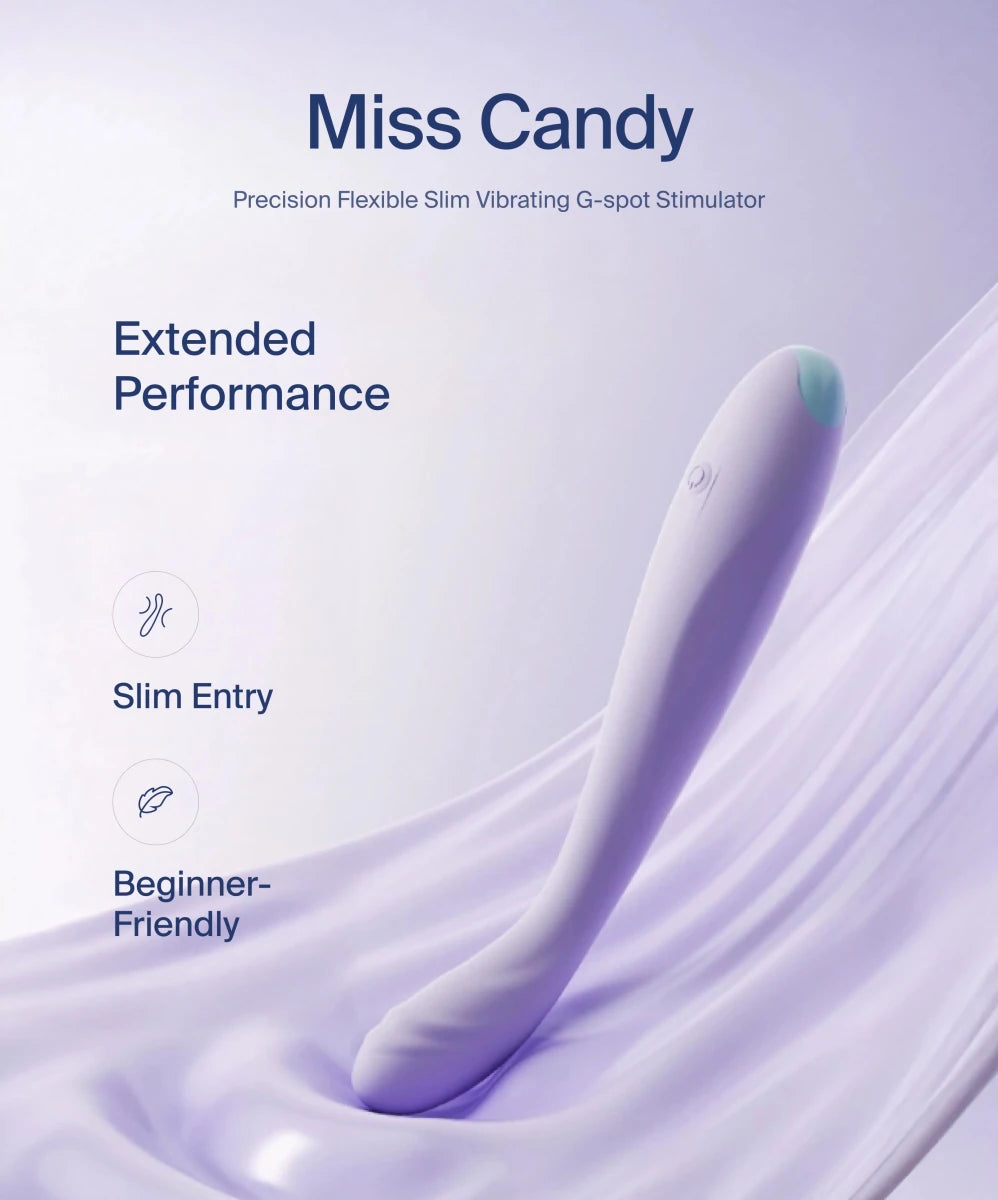
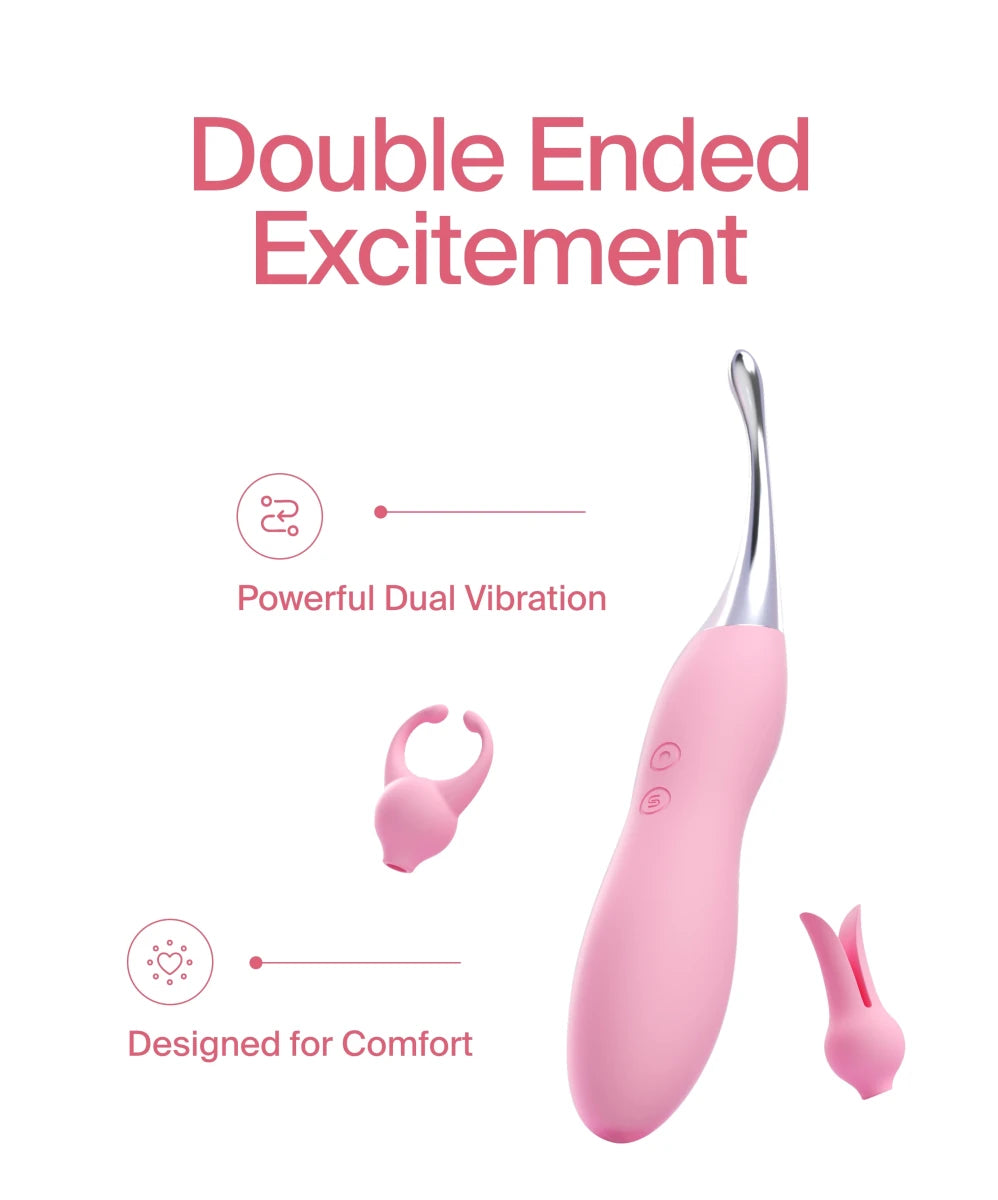
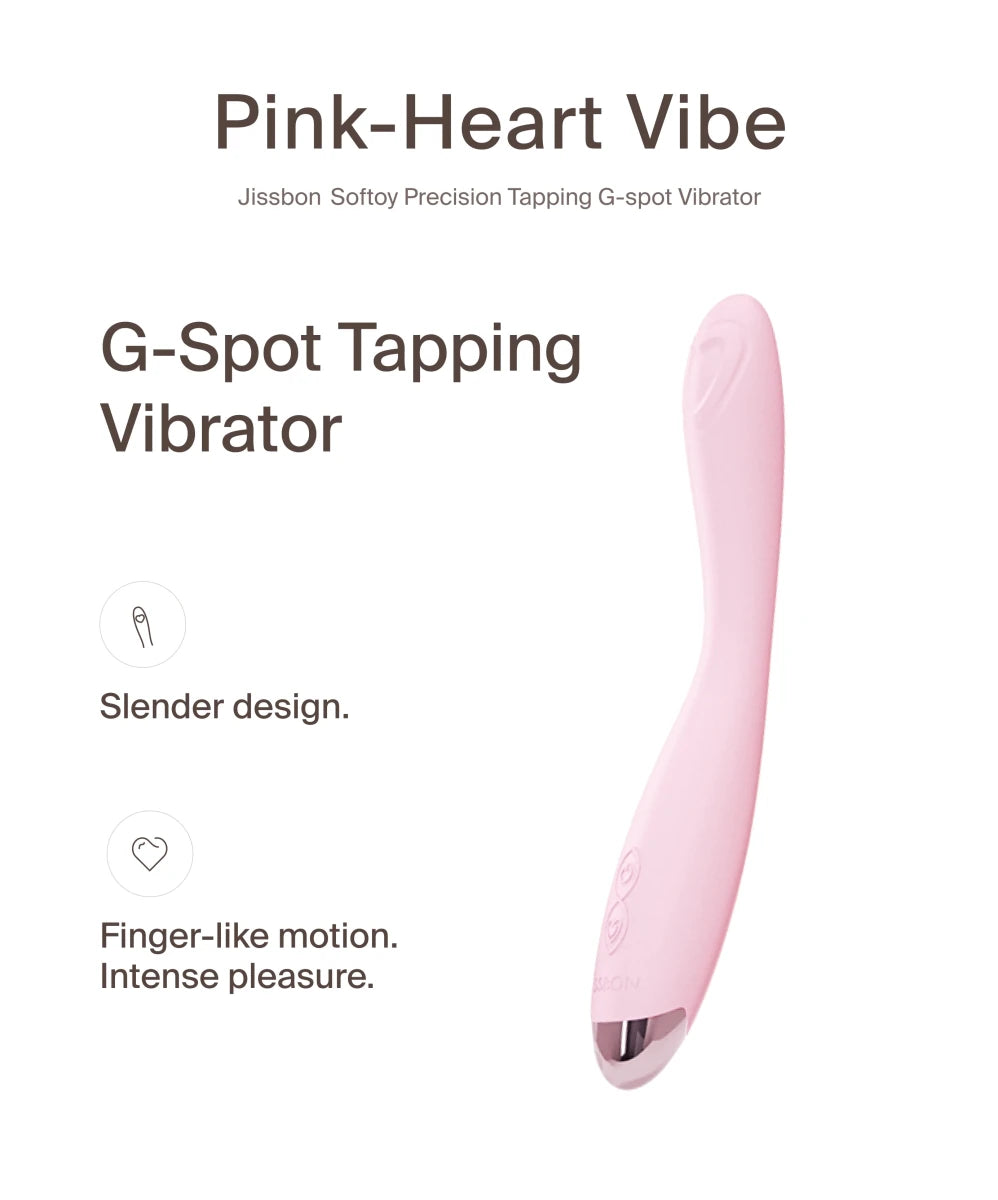
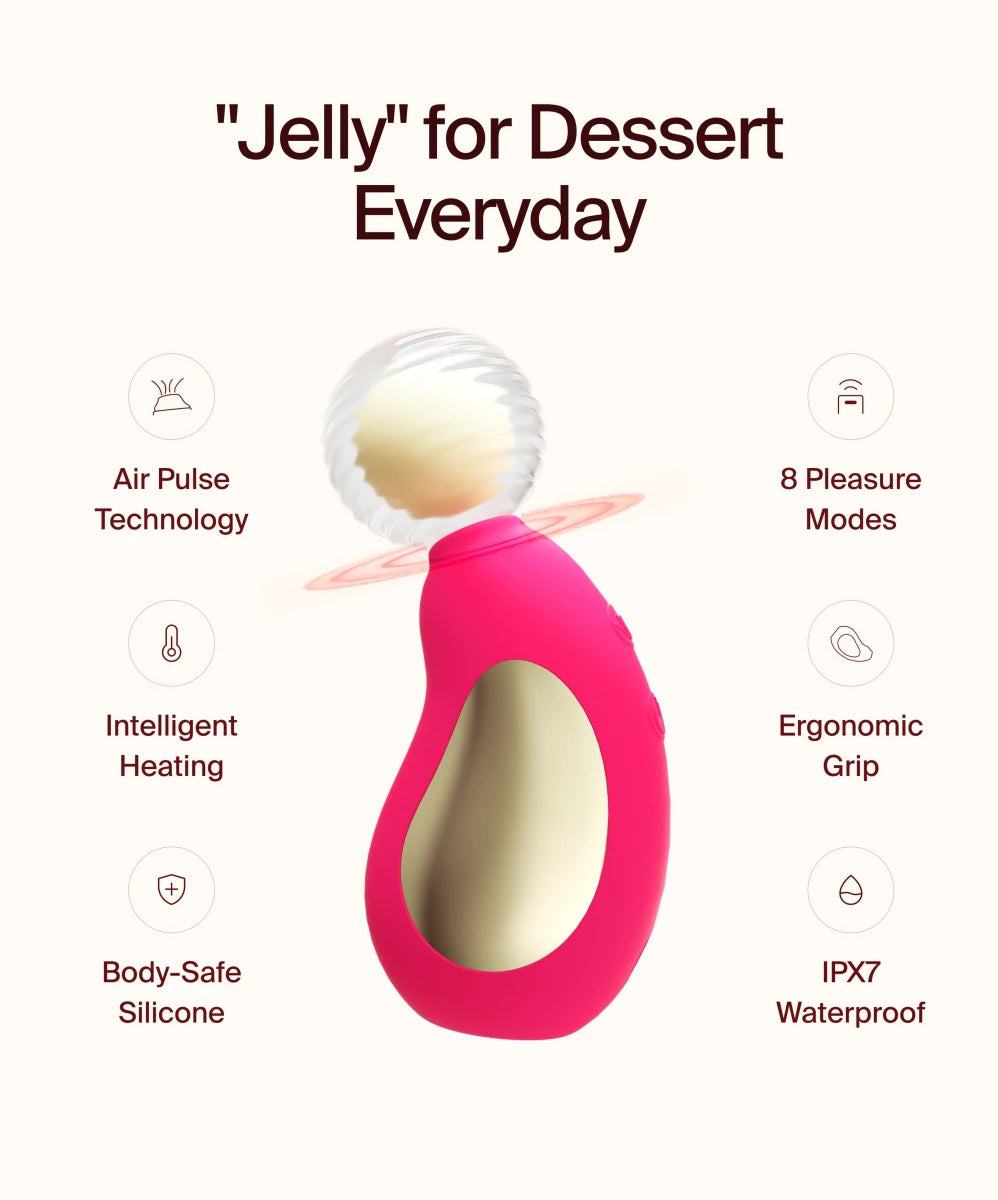
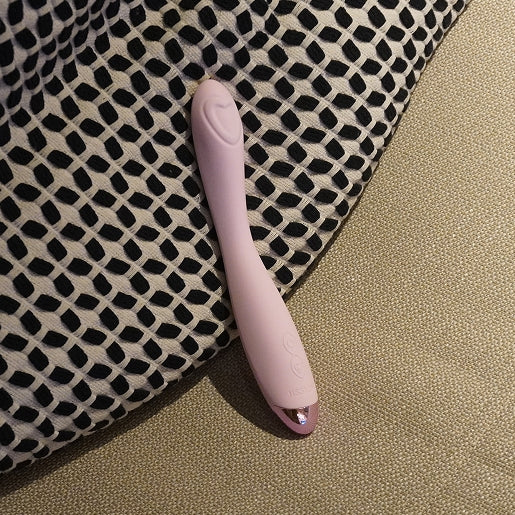
G-Spot Vibrators: Curved G-spot vibrators are specifically designed to reach and stimulate the urethral sponge. The angled head applies targeted pressure to the front vaginal wall.
Benefits:
- Consistent pressure without hand fatigue
- Vibration adds extra sensation
- Hands-free options allow simultaneous clitoral stimulation
- Easier to maintain angle and rhythm
Choosing the Right Toy:
- Look for pronounced curves or bulbous heads
- Start with smaller sizes if you're new to internal toys
- Choose body-safe materials (medical-grade silicone)
- Consider vibration strength options
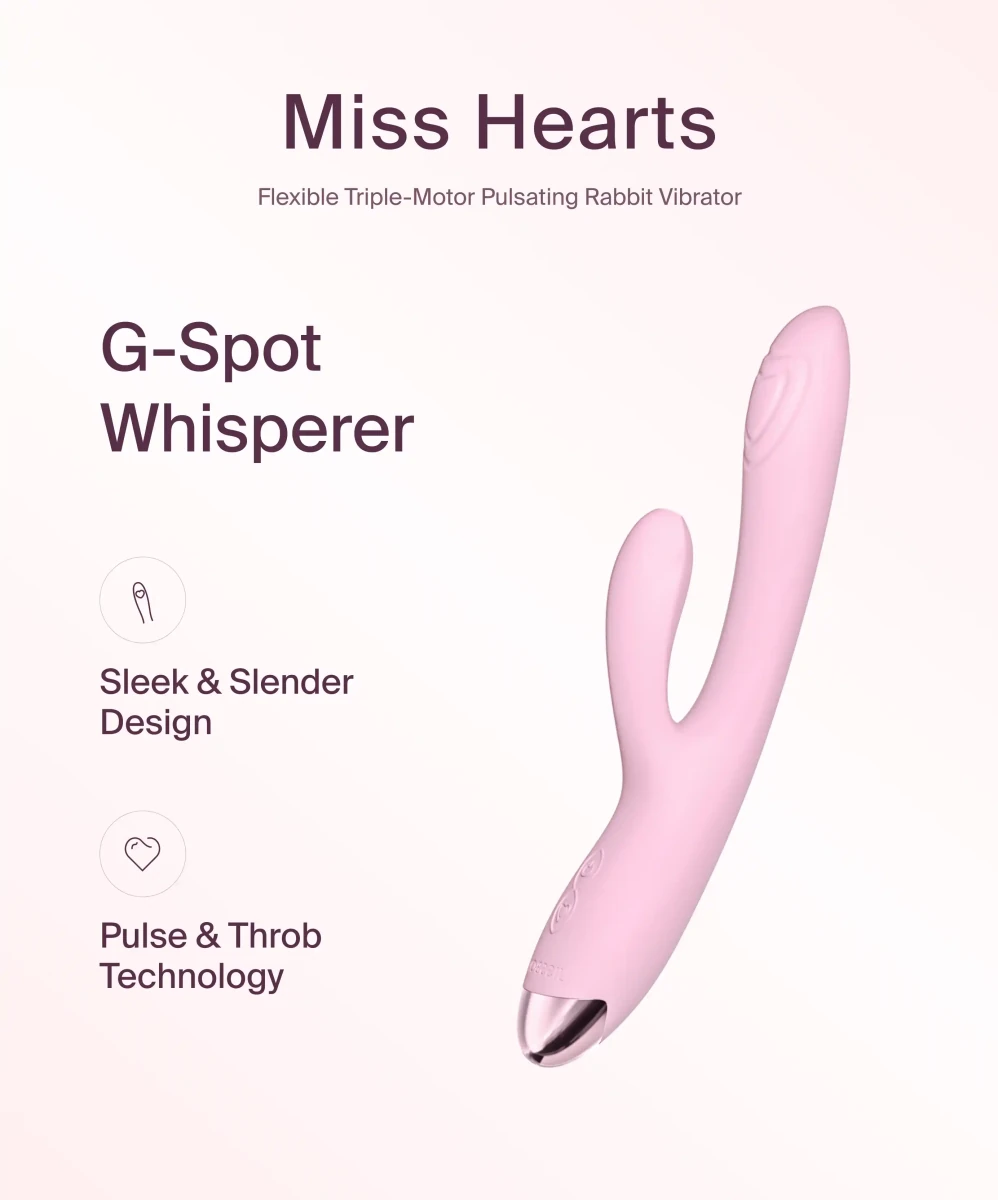
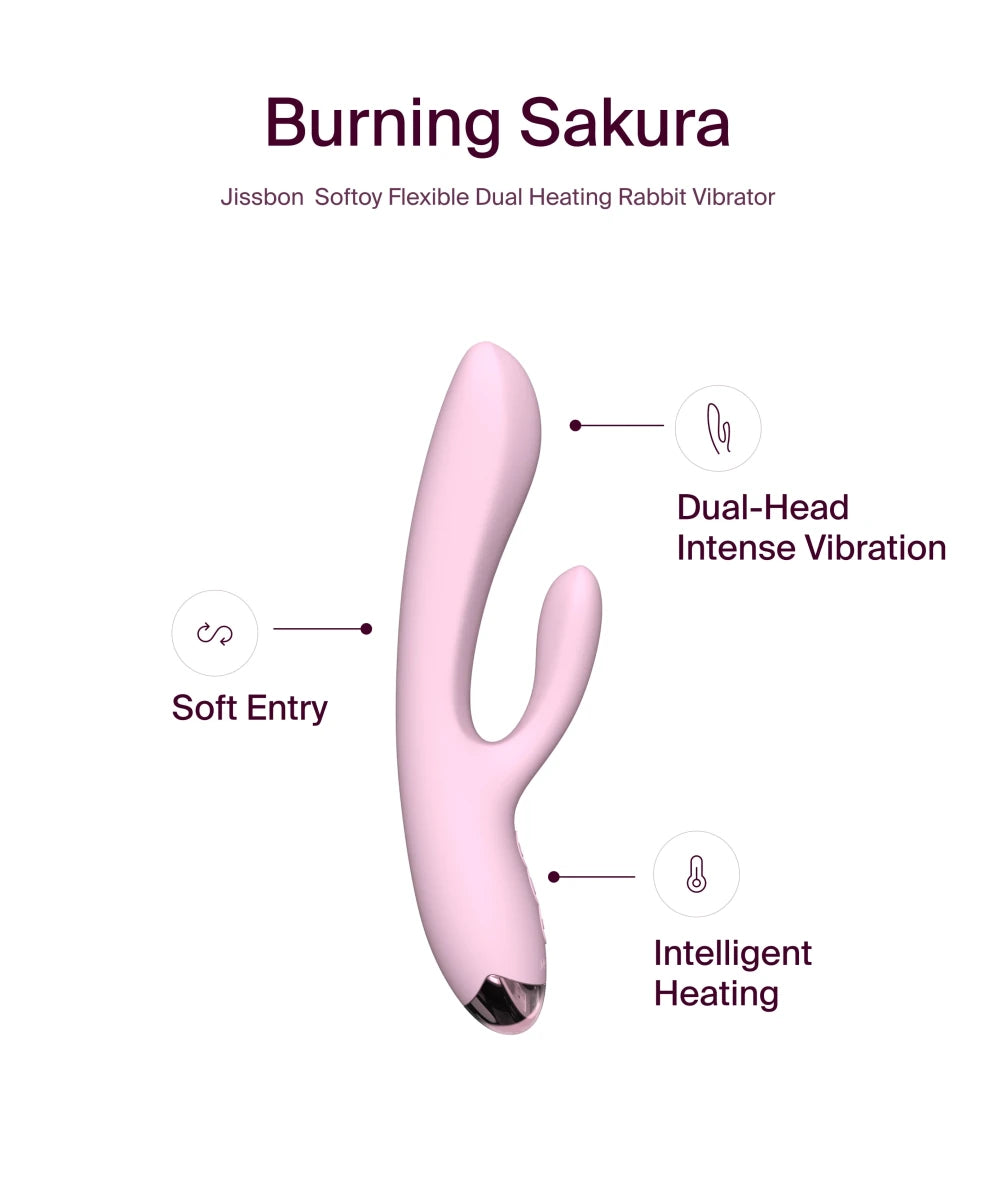
Rabbit Vibrators: Rabbit vibrators stimulate both the urethral sponge internally and the clitoris externally simultaneously, often resulting in intense blended orgasms.
Wand Vibrators (External): While wand vibrators primarily target the clitoris externally, the vibrations can travel internally and indirectly stimulate the urethral sponge through tissue conduction.
For information on body-safe intimate products, reliable sources explain material safety standards.
Common Sensations & What to Expect
Normal Experiences
Feeling Like You Need to Urinate: This is the most commonly reported sensation when first exploring urethral sponge stimulation. The pressure on the urethra triggers the same nerves involved in urination. This sensation often subsides with continued arousal and stimulation.
Pressure or Fullness: Many describe a deep, internal pressure that feels different from surface-level clitoral stimulation. This fullness can be pleasurable on its own or enhance other sensations.
Delayed Pleasure Response: Unlike clitoral stimulation, which often feels immediately pleasurable, urethral sponge stimulation may require several minutes of consistent pressure before pleasure builds.
Swelling or Bulging: As the tissue engorges, it may feel more prominent. This is a normal erectile response, similar to clitoral engorgement.
Fluid Release (Female Ejaculation): Some people release fluid from the urethra during intense urethral sponge stimulation or orgasm. This fluid comes from Skene's glands and is distinct from urine. It's completely normal, though not everyone experiences it.
When to Stop or Adjust
Sharp Pain: Dull pressure is normal; sharp, stabbing pain is not. Stop immediately and reassess angle, pressure, or try another day.
Prolonged Urge to Urinate: If the sensation doesn't shift toward pleasure after 5–10 minutes, take a break. Empty your bladder beforehand next time.
Numbness or Irritation: If the area becomes numb or irritated, you may be applying too much pressure or using insufficient lubrication. Reduce intensity or add more lube.
Discomfort Afterward: Mild sensitivity is normal; burning, stinging, or pain afterward indicates too much friction or pressure. Be gentler next session.
Safety & Hygiene Considerations
Before Exploration
Empty Bladder: Urinate before exploring urethral sponge stimulation to reduce the "need to pee" sensation and make the experience more comfortable.
Wash Hands: Clean hands thoroughly with soap and water. Trim and file nails to prevent scratches or cuts inside the vagina.
Use Lubricant: Always use water-based lubricant. The vaginal canal naturally lubricates, but added lube reduces friction, especially during focused internal stimulation.
During Exploration
Go Slowly: Start with gentle pressure and gradually increase. The urethral sponge and surrounding tissue are delicate.
Avoid Over-Stimulation: Too much pressure or prolonged stimulation can cause temporary soreness or irritation. Listen to your body's signals.
Check for Discomfort: Pain is your body's warning system. If something hurts, stop and adjust. Pleasure should never involve pushing through pain.
After Exploration
Urinate: Peeing after internal stimulation helps flush out any bacteria that may have been introduced, reducing UTI risk.
Clean Toys: Wash all toys immediately with warm water and mild soap or toy cleaner. Allow to air dry completely before storing.
Monitor for Symptoms: Occasional mild sensitivity is normal. If you experience burning, unusual discharge, or persistent pain, consult a healthcare provider.
For more on urinary tract health and prevention, medical resources offer evidence-based guidance.
Myths & Facts About the Urethral Sponge
Myth 1: The G-Spot Doesn't Exist
Fact: The G-spot is the external sensation of stimulating the urethral sponge through the vaginal wall. While not a distinct "button," the urethral sponge is a real, documented anatomical structure.
Myth 2: Everyone Should Be Able to Feel Intense Pleasure from G-Spot Stimulation
Fact: Sensitivity varies widely. Some people find urethral sponge stimulation intensely pleasurable; others feel minimal sensation. Both experiences are completely normal and don't indicate anything wrong.
Myth 3: Female Ejaculation Is Just Urine
Fact: While expelled through the urethra, the fluid produced by Skene's glands during ejaculation is chemically distinct from urine. It contains prostatic-specific antigen (PSA) and other compounds not found in urine.
Myth 4: You Can Damage the Urethra by Stimulating the Urethral Sponge
Fact: When done gently with adequate lubrication, stimulating the urethral sponge is safe. The protective tissue cushions the urethra. Avoid excessive pressure or sharp nails.
Myth 5: Only Women Have a Urethral Sponge
Fact: The urethral sponge is specific to people with vaginas. However, the analogous structure in people with penises is the prostate gland, which also surrounds the urethra and responds to internal massage.
Quick Reference: Urethral Sponge Stimulation Table
|
Method |
Description |
Best For |
Tips |
|
Come-Hither Motion |
Curl fingers in beckoning motion against front wall |
Beginners; precise control |
Start gently; increase pressure gradually |
|
Circular Massage |
Small circles with fingertips on textured area |
Building arousal slowly |
Combine with clitoral touch |
|
Tapping/Pulsing |
Rhythmic taps instead of constant pressure |
Those sensitive to sustained pressure |
Match rhythm to breath or music |
|
G-Spot Vibrators |
Curved toys designed for front wall |
Consistent, hands-free stimulation |
Choose body-safe silicone; start with low vibration |
|
Rabbit Vibrators |
Dual internal/external stimulation |
Blended orgasms |
Adjust arm to clitoral position before insertion |
|
Partner-Assisted |
Partner uses fingers with guidance |
Building intimacy and communication |
Use verbal cues; maintain eye contact |
Frequently Asked Questions
Where exactly is the urethral sponge located?
The urethral sponge surrounds the urethra along the front (anterior) wall of the vaginal canal, about 2–3 inches inside. When aroused, it becomes more prominent and feels ridged or spongy compared to the smooth surrounding tissue. Insert fingers with palm facing upward and curl them in a "come here" motion to locate it.
Is the urethral sponge the same as the G-spot?
The G-spot is not a separate structure—it's the internal stimulation of the urethral sponge through the vaginal wall. When you stimulate the textured area on the front vaginal wall (the G-spot), you're applying pressure to the urethral sponge and Skene's glands beneath.
Why does stimulating the urethral sponge make me feel like I need to pee?
The urethral sponge surrounds the urethra, so pressure on this area activates the same nerves involved in urination. This sensation is completely normal and often subsides as arousal increases. Emptying your bladder before exploration helps reduce this feeling.
Can everyone experience pleasure from urethral sponge stimulation?
No. Sensitivity varies widely among individuals. Some people find it intensely pleasurable, while others feel minimal sensation or even discomfort. All responses are normal. Focus on what feels good for your unique body rather than chasing specific outcomes.
What is the spongy part of the vagina called?
The spongy part felt on the front vaginal wall is the urethral sponge (also called the paraurethral sponge or female prostate). It consists of erectile tissue and Skene's glands that surround the urethra. This is the tissue commonly associated with G-spot stimulation.
Is female ejaculation related to the urethral sponge?
Yes. The urethral sponge contains Skene's glands, which produce fluid that may be expelled during orgasm (female ejaculation or squirting). This fluid is chemically distinct from urine and is released through the urethra when these glands are stimulated through the urethral sponge.
Final Thoughts: Embracing Your Body's Unique Responses
Understanding the urethral sponge demystifies one of the body's most intriguing pleasure zones and empowers you to explore with confidence and knowledge. Whether you experience intense G-spot orgasms, mild sensation, or something in between, remember that all bodies respond differently—and that's perfectly normal.
Take your time exploring, communicate openly with partners, and prioritize comfort and safety. There's no "right" way to experience pleasure from the urethral sponge. What matters is discovering what feels good for you and honoring your body's unique responses.
Ready to enhance your exploration? Visit Jissbon for body-safe, thoughtfully designed toys that support your journey of discovery and pleasure.


Looking for something else?

What Is Flogging in Sex? Complete BDSM Flogging Guide
LEARN MORE
What Does Overstimulated Mean Sexually? Causes & Solutions
LEARN MORE
Can You Get a Tattoo on Your Vagina? Safety, Pain & What to Expect
LEARN MORE
Public Sex Kink: Understanding Exhibitionism & Safe Exploration
LEARN MORELooking for something else?

A-Spot Orgasm: Best Positions & How to Find It
LEARN MORE
Bondage Play: Complete Beginner's Guide to Rope BDSM
LEARN MORE
Vibrator Stories: Real Experiences, Tips & What to Expect
LEARN MOREYou may also like
20% off

20% off

20% off

20% off

20% off

20% off

Further reading

How to Clean an Automatic Blowjob Machine Without Damaging the Motor

Remote-Controlled Automatic Masturbators for Couples and Solo Play
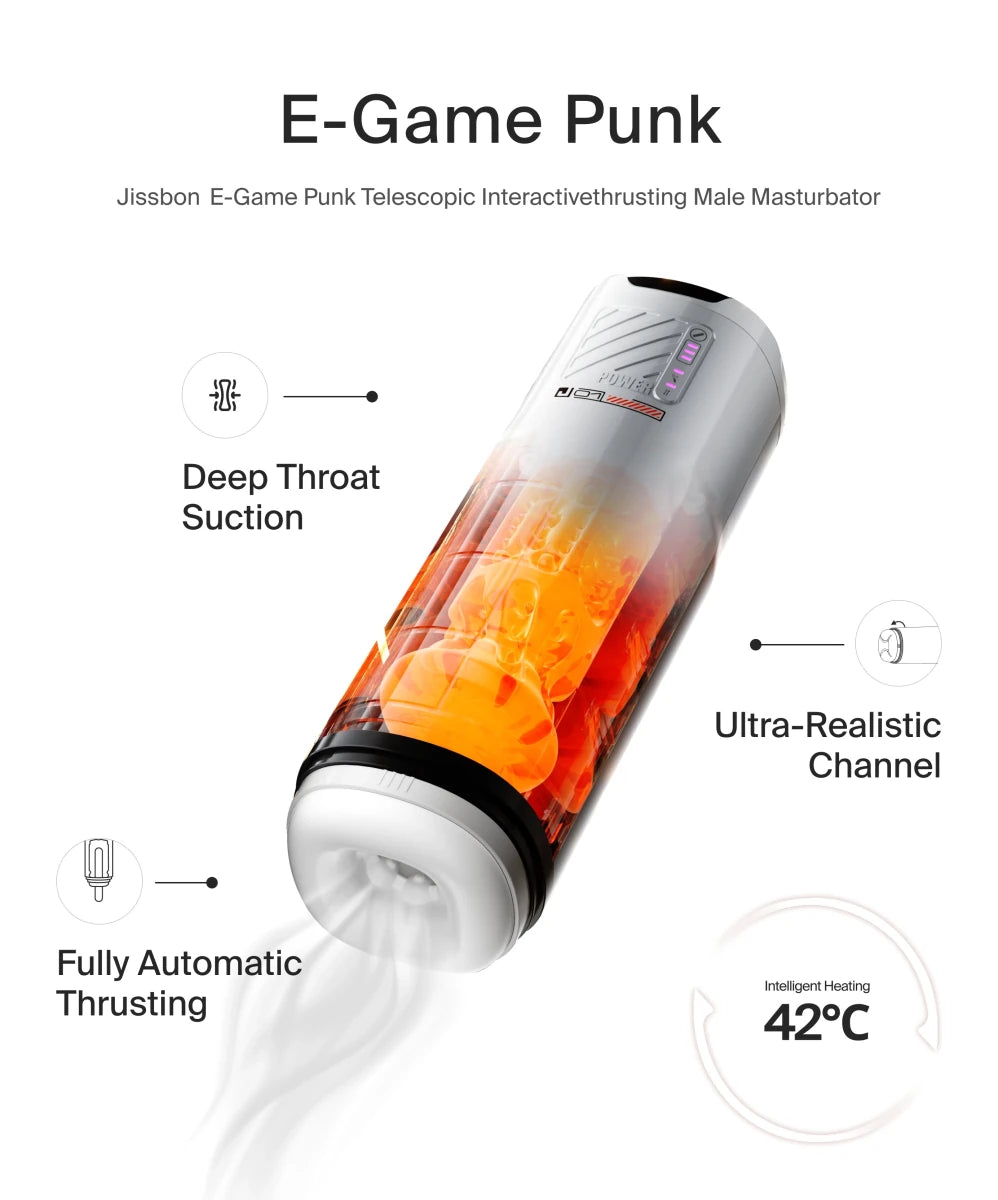
Best Automatic Strokers for Edging and Stamina Training