














































































Threesome Ideas: First-Time Tips & Communication Guide
Stack & Save: Extra 15% with Jissbon15
Jissbon15
A threesome involves three people engaging in intimate activity together. Success depends far more on communication, emotional preparation, and clear boundaries than on physical technique.
The most common mistake? Assuming everyone automatically knows what to expect or how to navigate multiple partners simultaneously.
Great threesome experiences prioritize:
- Explicit pre-discussion about boundaries and desires
- Checking in during the encounter to ensure comfort
- Managing expectations realistically (it won't look like scripted adult films)
- Addressing jealousy or insecurity before they escalate
- Focusing on mutual pleasure rather than performance
Understanding healthy relationship communication creates the foundation for any multi-partner encounter.
Before the Encounter: Essential Conversations

Establish Clear Motivations
Each person should articulate why they want this experience:
- Exploring curiosity about same-gender intimacy
- Adding variety to a long-term relationship
- Fulfilling a specific fantasy
- Experimenting with group dynamics
- Celebrating a special occasion
If motivations conflict (one person wants ongoing arrangements while another views this as a one-time event), address that gap before proceeding.
Define Boundaries Explicitly
Create a "yes/maybe/no" list for each person covering:
Physical activities:
- Which sexual acts are comfortable with which participants
- Who can touch whom and where
- Whether penetration will occur and with whom
- Kissing preferences (some couples exclude this)
- Whether certain acts remain exclusive to the primary couple
Emotional boundaries:
- Can participants spend one-on-one time together outside this encounter?
- Is ongoing contact afterward welcome or discouraged?
- How will you handle developing feelings if they emerge?
- Which pet names or intimate language stays private to the couple?
Logistical boundaries:
- Will you use protection with everyone (essential for safety)?
- Can photos or videos be taken?
- Where will this happen (neutral location vs. someone's home)?
- How long should the encounter last?
- What's the exit strategy if someone becomes uncomfortable?
Write these down. Verbal agreements get forgotten in the moment.
Choose the Third Person Carefully
Options include:
- Close friend (high trust, potential for awkwardness later)
- Acquaintance (less emotional risk, less familiarity)
- Someone met through dating apps specifically for this purpose
- Professional (eliminates emotional complications but involves financial exchange)
Avoid:
- Someone one partner knows well while the other doesn't
- People with unrequited feelings for anyone involved
- Individuals who seem coercive or pushy about boundaries
- Anyone uncomfortable with your relationship structure
For relationships involving multiple partners, understanding ethical non-monogamy provides helpful context.
Address Jealousy Proactively
Even people who intellectually support this idea may experience unexpected jealousy. Strategies include:
Pre-encounter:
- Acknowledge that jealousy might arise and create a signal for pausing
- Agree that the primary relationship takes priority if conflict occurs
- Establish check-in times before, during, and after
- Practice smaller boundary expansions first (watching partner flirt, kissing in front of each other)
During:
- Make eye contact with your partner regularly
- Touch or verbally include everyone so no one feels excluded
- Use your safe word or pause signal immediately if discomfort emerges
- Remember you can stop anytime—this isn't a commitment you must fulfill
After:
- Debrief honestly about what felt good and what didn't
- Offer reassurance about the primary relationship
- Process any unexpected emotions without blame
- Decide together whether to repeat the experience
Health and Safety Preparation
Physical safety:
- Get STI testing for everyone involved beforehand
- Use barriers (condoms, dental dams) appropriately
- Discuss contraception needs
- Have supplies ready (lube, barriers, towels, water)
- Ensure everyone is sober enough to consent clearly
Emotional safety:
- Establish safe words or signals (verbal and non-verbal)
- Create an exit plan if anyone needs to stop
- Confirm ongoing enthusiastic consent from everyone
- Check that no one feels pressured or obligated
Resources on safer sex practices emphasize protection with all partners.
Position Ideas for Including Three People
|
Position |
Configuration |
Who It Works For |
Key Benefit |
|
Triangle oral |
Each person pleasures another in a circle |
Any combination |
Everyone receives and gives simultaneously |
|
Double penetration assist |
Two people focus on one person (oral + manual/penetrative) |
Person receiving enjoys being center of attention |
Intense sensation for receiver |
|
Side-by-side attention |
Two people lie side-by-side while third moves between them |
When two people want equal attention |
Giver controls pace and distribution |
|
One watching, two active |
One person observes while the other two engage |
Voyeuristic interests or when someone needs a break |
Reduces pressure on the observer |
|
Stacked position |
One person on hands/knees, another underneath facing up, third behind |
Requires flexibility and communication |
Multiple simultaneous contact points |
|
Seated support |
One person sits in chair/edge of bed, another on their lap facing away, third in front |
Limited mobility for some participants |
Stable base for extended activity |
Rotation Strategies
Avoid the common pitfall of two people focusing exclusively on one person while the third feels left out:
Timed rotations: Set informal intervals (5–10 minutes) where the "center of attention" shifts. This ensures everyone experiences different roles.
Active communication: The person currently receiving less attention can verbally express desires: "I'd love to join you two" or "Can I take over for a minute?"
Fluid movement: Rather than rigid positions, encourage natural flow where people shift based on energy and interest.
Check-in questions: Regularly ask "What do you want right now?" or "Should we switch things up?"
During the Encounter: Practical Tips

Start Slowly with Lower-Stakes Activity
Don't jump straight to penetrative sex. Begin with:
- Kissing and touching while fully clothed
- Massage train (everyone rubs the person in front of them)
- Mutual undressing as a group activity
- Shared shower or bath
- Watching two people engage while the third observes
This gradual build allows everyone to adjust to the dynamic and assess comfort levels.
Maintain Verbal Communication
Silence can signal uncertainty or discomfort. Keep light conversation going:
- "Does this feel good?"
- "What would you like next?"
- "Should I keep doing this or try something different?"
- "You look amazing right now"
- Moaning and verbal appreciation
These check-ins confirm everyone remains engaged and enthusiastic.
Use Tools to Enhance Participation
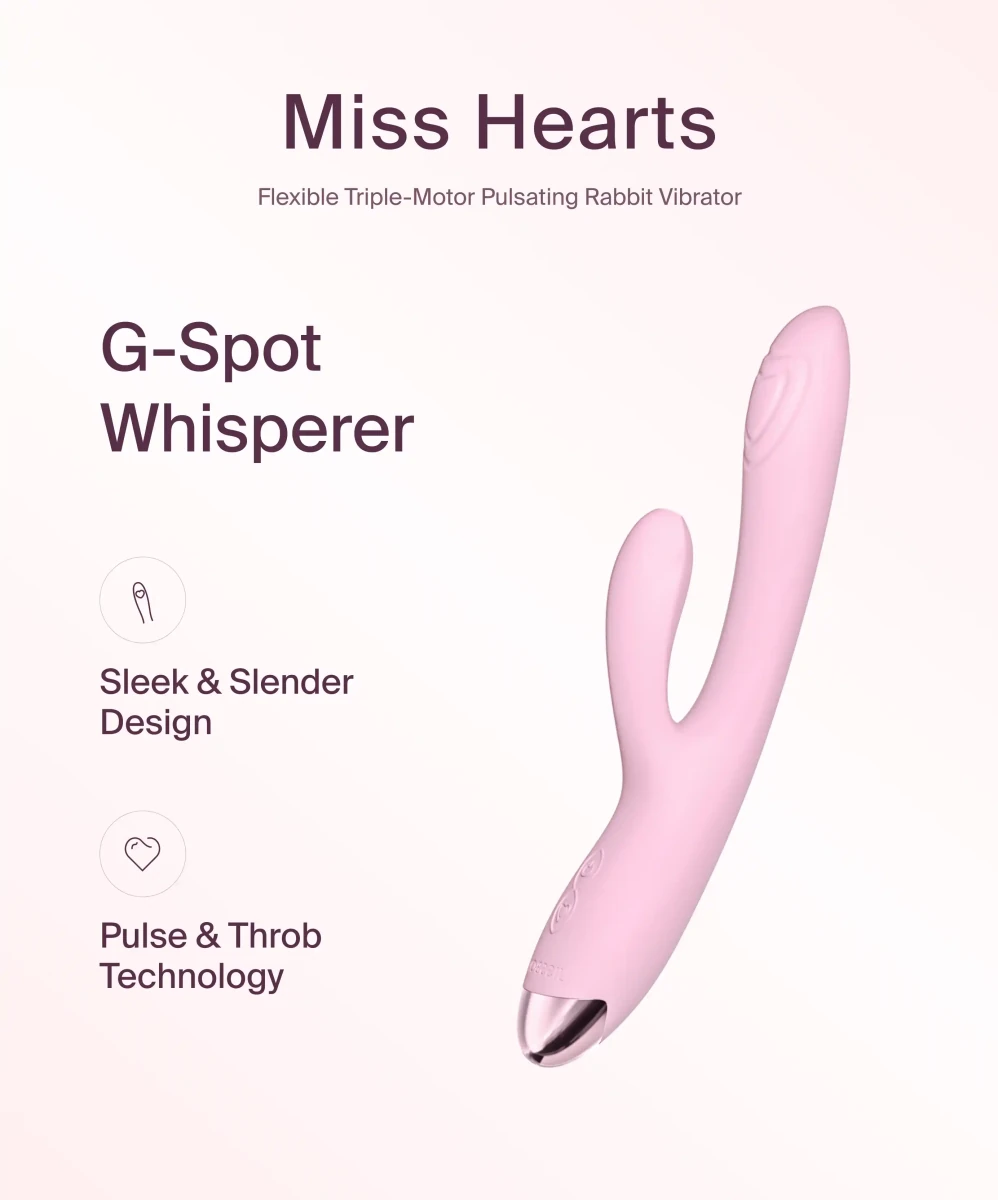
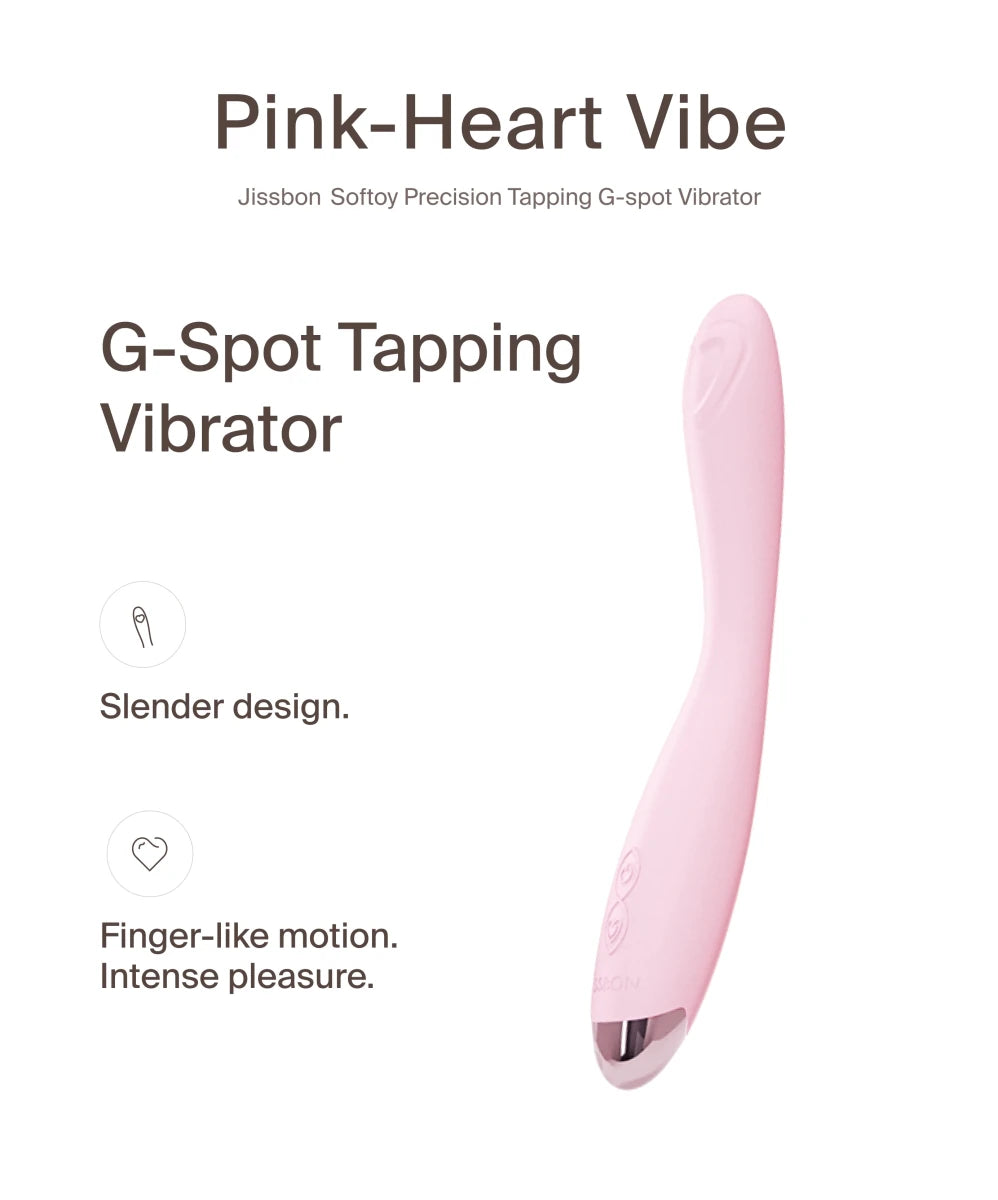
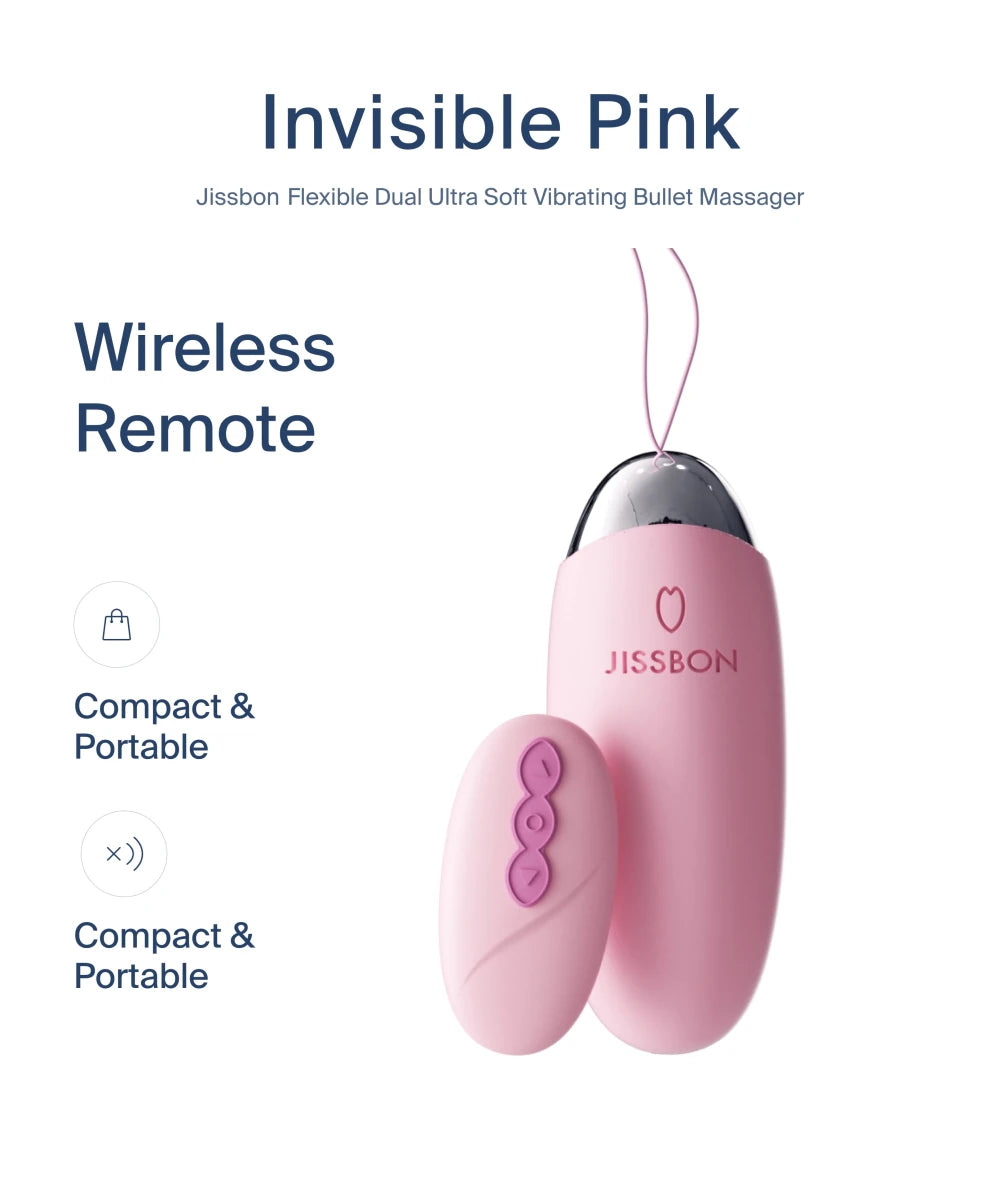
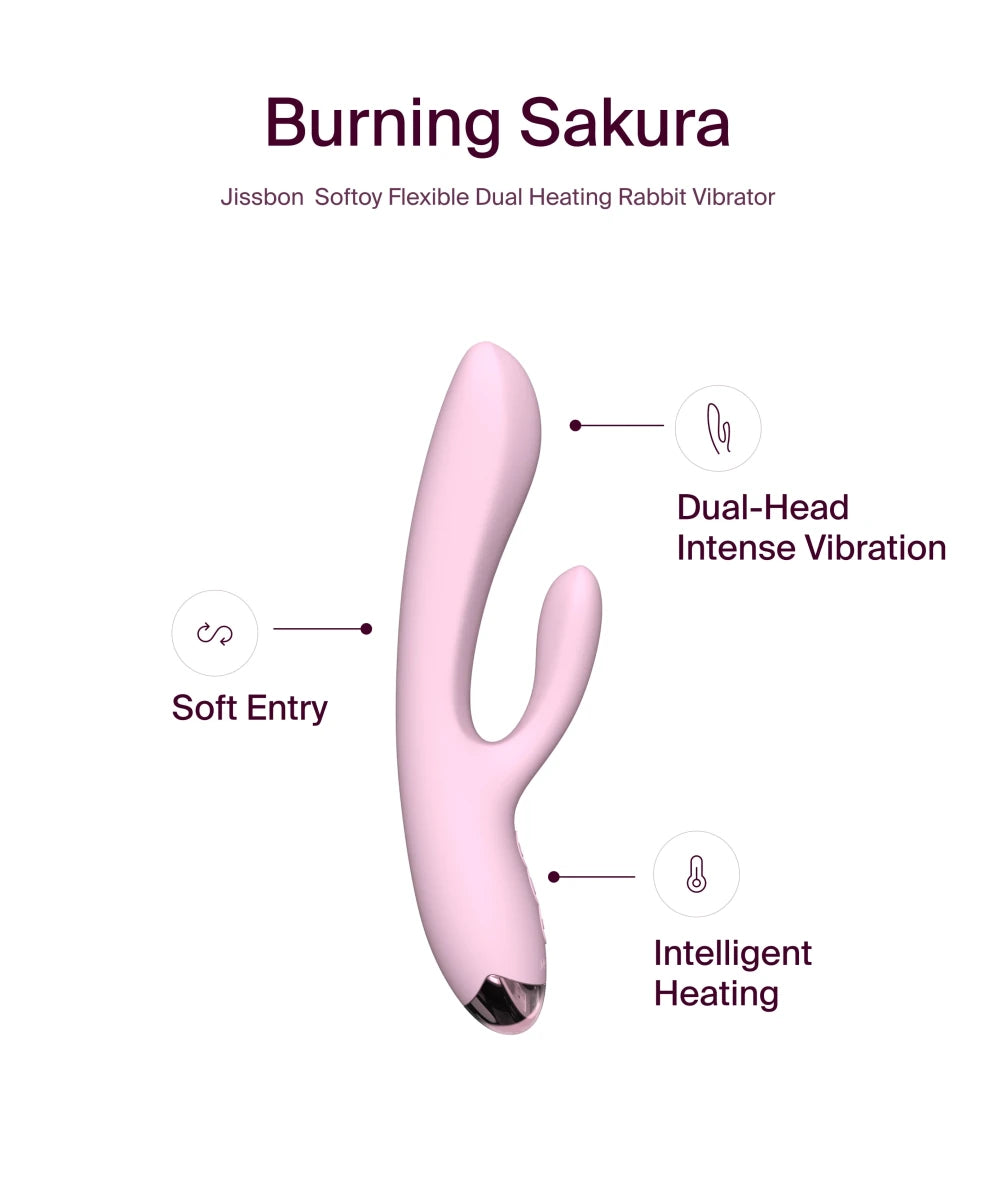
Sex toys for couples work beautifully in group settings:
Why toys help:
- A vibrator can provide stimulation while hands and mouths are occupied elsewhere
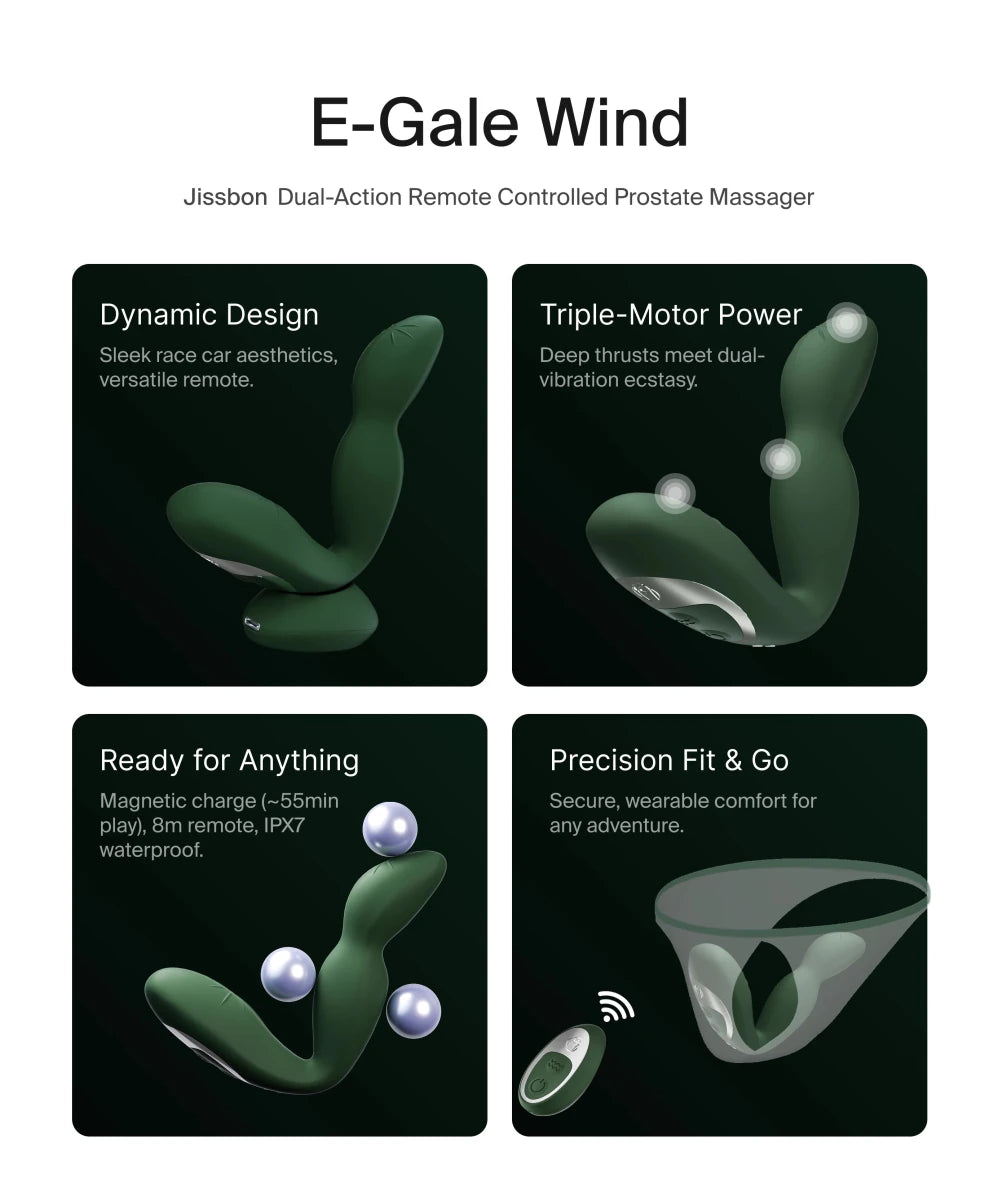
- Remote controlled vibrators let one person control sensation for another from any distance
- Multiple toys mean simultaneous pleasure without physical strain
- Toys help when stamina or dexterity become limiting factors
Practical integration:
- Person A uses hands on Person B while operating a toy on Person C
- Two people pleasure each other while a third uses a toy on themselves
- Pass toys between people, taking turns controlling each other's pleasure
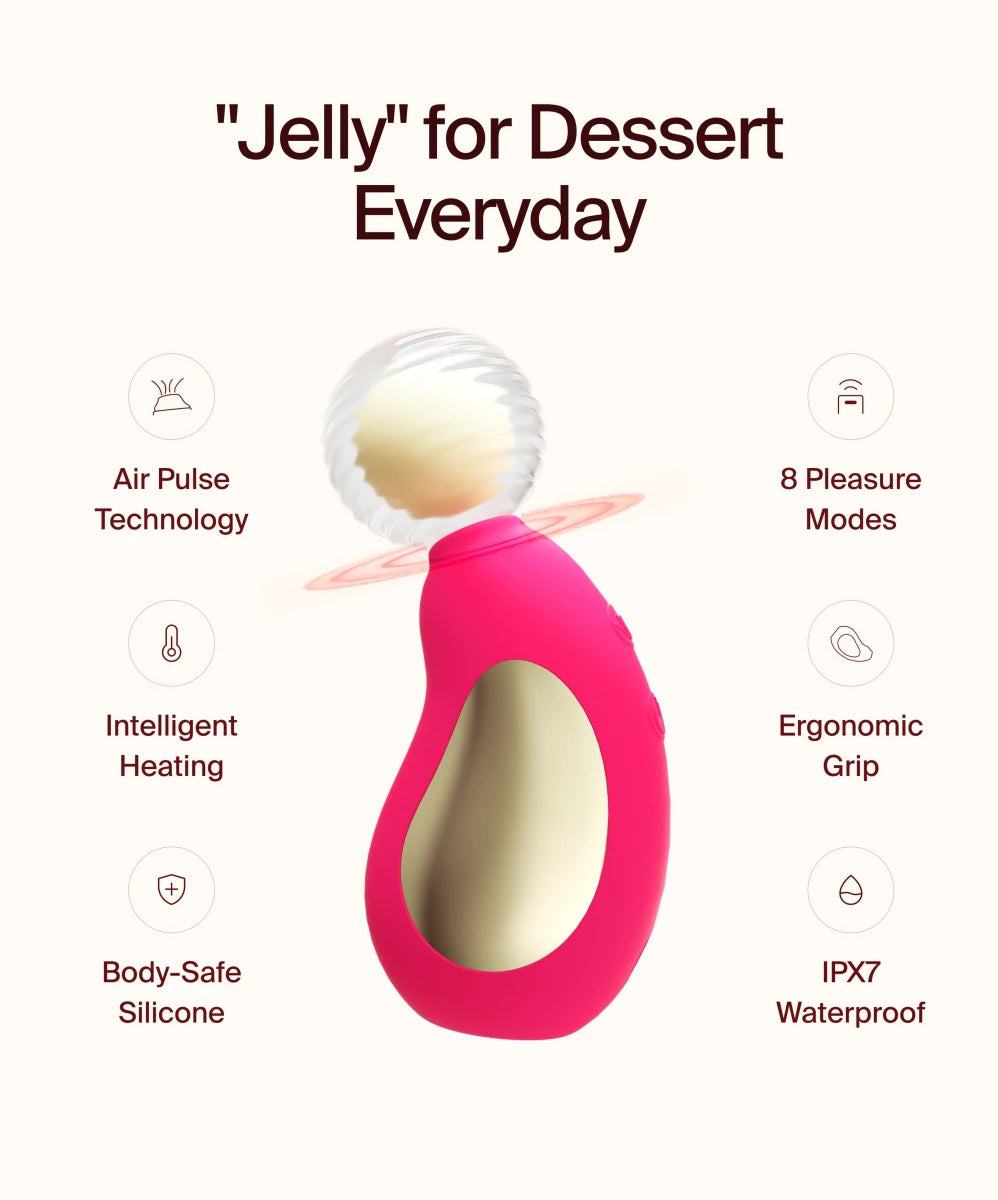
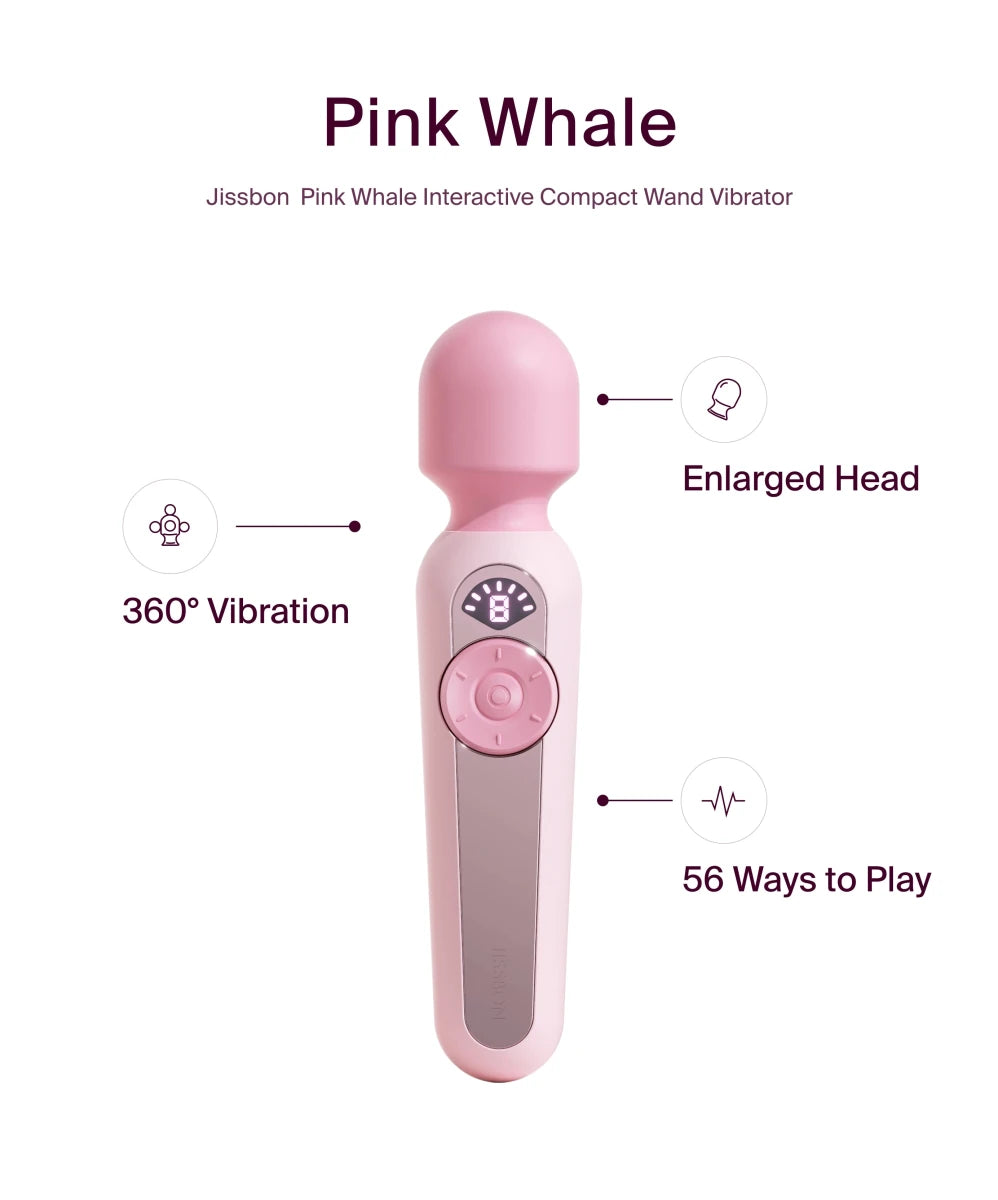
Explore options at Jissbon designed for partner play that scales well to three or more people.
Manage Energy and Stamina
Threesomes are physically demanding. Strategies for sustainability:
Take breaks: Pause for water, conversation, or cuddling. These intermissions aren't failures—they're natural parts of extended intimacy.
Rotate intensity: Alternate between high-energy activities (active penetration, vigorous oral) and lower-energy ones (kissing, massage, manual stimulation).
Let people tap out temporarily: If someone needs rest, they can watch or engage in light touching while recovering stamina.
Don't expect everyone to climax: Focus on pleasure rather than specific outcomes. Some people may orgasm multiple times, others not at all—both are fine.
Watch for Warning Signs
Pause or stop if you notice:
- Someone becoming quiet or withdrawn
- Facial expressions showing discomfort or sadness
- One person consistently excluded from activity
- Anyone drinking more alcohol mid-encounter (impaired judgment)
- Escalation to activities not discussed beforehand
- Pressure or coercion in any form
Trust your instincts. If something feels off, address it immediately.
For guidance on recognizing unhealthy relationship dynamics, advocacy organizations provide warning signs.
After the Encounter: Processing Together

Immediate Aftercare
All participants need care, not just people in the primary couple:
Physical care:
- Offer water, snacks, bathroom access
- Provide warm towels or blankets
- Help clean up respectfully
- Treat any physical discomfort (muscle soreness, irritation)
Emotional care:
- Verbal affirmation: "That was amazing, thank you for sharing that with us"
- Cuddling or gentle touch if everyone's comfortable
- Lighthearted conversation to ease any awkwardness
- Confirming plans for the third person's departure (if not staying overnight)
Couple reconnection:
- After the third person leaves, check in with each other
- Offer reassurance about your primary relationship
- Process immediate reactions without deep analysis (save that for later)
- Physical closeness if desired
Next-Day Debrief
Wait 12–24 hours before in-depth conversation. Immediate reactions can be heightened by hormones and tiredness.
Discussion points:
- What did each person enjoy most?
- Did anything feel uncomfortable or disappointing?
- Would you want to repeat this? If so, what would you change?
- How do you feel about the third person (grateful, awkward, attracted)?
- Did any boundaries get crossed, even minor ones?
- What surprised you about the experience?
If things went poorly:
- Take responsibility without blame
- Identify specific issues rather than vague dissatisfaction
- Decide whether trying again with adjustments makes sense
- Seek couples counseling if the experience created serious relationship strain
Following Up with the Third Person
Basic courtesy requires:
- A thank-you message acknowledging their participation
- Clarity about whether you'd like to repeat the experience
- Responding to their check-in messages
- Not ghosting someone after intimate vulnerability
If you agreed beforehand this was one-time only, reiterate that kindly but clearly.
Variations to Consider
Different Configurations
MFM (two men, one woman):
- Often focuses on the woman receiving attention from both men
- Consider comfort levels with male-male contact beforehand
- Address any performance anxiety or comparison concerns
FMF (two women, one man):
- Clarify whether women will engage with each other or only with the man
- The man may feel pressure to "perform" for both partners—discuss stamina expectations
- Consider jealousy dynamics if one woman is a primary partner
FFF or MMM (same gender):
- Removes some heteronormative scripts about who does what
- May feel more familiar or more foreign depending on participants' orientations
- Communication remains equally important
Ongoing vs. One-Time
One-time encounters:
- Lower emotional risk
- May feel more like "checking off a fantasy"
- Less skill development since you won't repeat
- Easier to find participants (people may agree to one-time but not ongoing)
Ongoing arrangements:
- Deeper trust and communication develop over time
- Better sex as everyone learns preferences
- Higher risk of emotional complications
- Requires more complex boundary negotiation
Soft Swap vs. Full Swap (for couples)
Soft swap: Couples engage in foreplay, oral, or manual stimulation with others but reserve penetrative sex for each other only.
Full swap: All activities are on the table with all participants.
Starting with soft boundaries and expanding if everyone remains comfortable creates gradual, safer exploration.
For perspectives on open relationships and agreements, psychology resources explain various structures.
Common Concerns Addressed
"What if my partner enjoys the third person more than me?"
This fear ranks among the most common. Reality check: novelty creates excitement, but it doesn't erase the history, trust, and emotional connection you've built together.
Prevention:
- Before the encounter, get reassurance from your partner
- During, maintain physical and eye contact with each other
- After, reconnect intimately as a couple
- Remember that sexual chemistry with someone new doesn't threaten established relationships unless emotional needs go unmet
If insecurity persists, that might indicate the relationship needs strengthening before adding complexity.
"How do we avoid awkwardness afterward?"
Some awkwardness is inevitable and normal. Reduce it by:
- Keeping initial encounters relatively brief (2–3 hours rather than overnight)
- Having a plan for winding down (transition to non-sexual activities like watching a movie)
- Not forcing deep friendship with the third person if it doesn't develop naturally
- Accepting that you may need distance before interacting again socially
"What if we can't find someone?"
Finding willing third participants can be challenging. They must be:
- Attracted to everyone involved (or at least attracted to one person and comfortable with the other)
- Available and interested in your specific boundaries
- Trustworthy regarding discretion
- Free of entanglements that create complications
Search strategies:
- Dating apps with filters for ethical non-monogamy (Feeld, OKCupid)
- Kink-friendly social events and munches
- Direct, honest communication with potential candidates
- Patience—rushing this decision leads to poor matches
"Is it normal to feel weird after even if it went well?"
Yes. Processing complex emotions after novel experiences takes time. You might feel:
- Vulnerable about being seen in such an intimate context
- Confused about whether you want to repeat it
- Protective of your primary relationship
- Unexpectedly aroused thinking about it
- Simultaneously excited and unsure
Give yourself permission to have mixed feelings. Humans are complicated.
Frequently Asked Questions
Do all three people need to be equally attracted to each other?
No. In many threesomes, one person is primarily attracted to one participant but comfortable engaging with the third person. What matters is that everyone has enthusiastic consent for the specific activities occurring. If someone is only comfortable with certain interactions, respect those boundaries without pressure.
What if someone develops feelings for the third person?
Address this immediately with your primary partner before involving the third person in that conversation. Determine whether those feelings are infatuation (common with novel experiences) or something deeper. Decide as a couple how to proceed—this might mean pausing group activities, transitioning to a different relationship structure, or ending contact with the third person.
How do we handle performance anxiety in a threesome?
Performance pressure intensifies with multiple partners watching. Strategies include starting with lower-pressure activities (massage, mutual touching), taking breaks when needed, remembering that pleasure matters more than specific outcomes, and communicating openly if someone feels anxious. Many people find subsequent encounters less stressful as familiarity develops.
Should we invite a stranger or someone we know?
Each option has pros and cons. Strangers offer anonymity and clear boundaries but less trust and familiarity. Friends provide comfort but risk changing the friendship permanently. Acquaintances often provide the best middle ground—enough familiarity for comfort without risking deep friendships. Ultimately, prioritize safety, trust, and clear communication regardless of who you choose.
What if one person wants to stop mid-encounter?
Anyone can stop at any time for any reason without explanation. Use your safe word or signal, then pause all activity immediately. The person who called the stop should communicate what they need (space, conversation, ending the encounter), and everyone should respect that without guilt or pressure. Process what happened later when emotions settle.
Can threesomes strengthen a relationship?
They can, but they can also expose existing cracks. Couples with strong communication, trust, and security often find that navigating this challenge together deepens their bond. Couples using threesomes to "fix" problems or avoid addressing issues typically find the experience worsens tensions. Treat this as an enhancement to an already healthy relationship, not a solution for an unhealthy one.
Moving Forward Thoughtfully
Threesomes require more preparation than two-person intimacy, but that effort pays off in safer, more satisfying experiences. The fantasy often focuses on physical excitement, while reality requires emotional intelligence, clear communication, and genuine care for everyone involved.
Whether you explore this once out of curiosity or build ongoing arrangements, prioritize honesty, respect boundaries, and remember that you can change your mind at any point. Sexual exploration should enhance your life and relationships, not create lasting harm or regret.
Ready to discover tools that enhance couple and group experiences? Explore options at Jissbon designed for adventurous intimate exploration.


Looking for something else?

What Is Flogging in Sex? Complete BDSM Flogging Guide
LEARN MORE
What Does Overstimulated Mean Sexually? Causes & Solutions
LEARN MORE
Can You Get a Tattoo on Your Vagina? Safety, Pain & What to Expect
LEARN MORE
Public Sex Kink: Understanding Exhibitionism & Safe Exploration
LEARN MORELooking for something else?

A-Spot Orgasm: Best Positions & How to Find It
LEARN MORE
Bondage Play: Complete Beginner's Guide to Rope BDSM
LEARN MORE
Vibrator Stories: Real Experiences, Tips & What to Expect
LEARN MOREYou may also like
20% off

20% off

20% off

20% off

20% off

20% off

Further reading

How to Clean an Automatic Blowjob Machine Without Damaging the Motor

Remote-Controlled Automatic Masturbators for Couples and Solo Play
Best Automatic Strokers for Edging and Stamina Training