























































Temperature Play: Your Complete Guide to Hot & Cold Sensation Exploration
Stack & Save: Extra 15% with Jissbon15
Jissbon15
Temperature play introduces exciting hot and cold sensations into intimate moments, creating heightened awareness and pleasure through simple thermal contrasts.
Whether you're curious about running an ice cube along your partner's skin or exploring warming massage oils, this approachable technique can deepen connection and awaken new sensations. This guide walks you through safe practices, starter techniques, and the best tools to explore temperature play with confidence and comfort.
Who Should Try Temperature Play & Why It Works
Temperature play suits nearly anyone looking to add variety without complicated equipment or extensive experience:
- Beginners exploring sensation play — ice cubes and warm water are free, accessible starting points
- Couples seeking playful connection — the surprise element builds anticipation and laughter
- Solo explorers — temperature shifts can heighten self-touch and mindfulness
- People with sensitive skin — gentle temperature changes avoid friction or pressure
- Those curious about BDSM basics — sensation play is a low-barrier introduction to power dynamics
The science is straightforward: our skin contains separate receptors for heat and cold. When you stimulate these receptors deliberately, you create contrast that amplifies touch sensitivity and draws attention to specific body areas. Alternating warm and cool sensations can make ordinary touches feel more intense and memorable.
How to Choose the Right Temperature Play Approach

Picking your method depends on experience level, desired intensity, and available tools.
Intensity Levels
|
Level |
Method |
Best For |
|
Gentle |
Room-temperature water, lukewarm oil |
First-timers, sensitive skin |
|
Moderate |
Ice cubes, warm (not hot) massage candles |
Established comfort with touch |
|
Advanced |
Metal toys chilled/warmed, menthol products |
Experienced players seeking stronger contrast |
Material Considerations
- Glass & metal — conduct temperature efficiently; hold heat/cold longer; easy to clean
- Silicone — slower temperature transfer; gentler transitions; body-safe and flexible
- Ceramic & stone — excellent for gradual warming; spa-like feel
- Avoid porous materials — wood, jelly rubber, or anything that can't be fully sanitized
Safety Features to Prioritize
- Smooth surfaces — no sharp edges or seams that could scratch
- Gradual temperature change — avoid extreme jumps (never boiling or freezing directly on skin)
- Body-safe composition — non-toxic, phthalate-free if using manufactured toys
- Easy grip — slippery when wet, so textured handles help
- Quick warm-up/cool-down — you should be able to adjust temperature within 30–60 seconds
Temperature Play vs. Other Sensation Techniques

Understanding how temperature play compares to alternatives helps you decide what fits your mood.
Temperature Play
Best when you want: accessible, budget-friendly exploration; full-body experiences; sensory surprise without pain.
Skip if: you dislike sudden cold or have Raynaud's syndrome; prefer consistent pressure.
Impact Play (spanking, paddles)
Best when you want: rhythmic sensation; visible marks; clear power exchange.
Skip if: noise is a concern; you're exploring solo without a partner.
Wax Play
Best when you want: dramatic visual element; sustained warmth; ritual feel.
Skip if: you're wary of cleanup; have sensitive skin prone to burns.
Feather/Tickle Sensation
Best when you want: lightest touch; giggly, playful mood; no temperature prep needed.
Skip if: you find tickling more annoying than arousing.
Electrostimulation (TENS units, violet wands)
Best when you want: precise, buzzing sensation; tech-forward experience.
Skip if: you have pacemakers or nerve conditions; prefer simple, low-tech play.
Step-by-Step: How to Start Temperature Play Safely
Following a clear sequence prevents discomfort and builds confidence.
-
Communicate boundaries
Discuss what sounds exciting (ice? warm oil?) and what's off-limits (no genital ice, no hot wax). Agree on a safe word or traffic-light system (red = stop, yellow = slow down, green = continue).
-
Gather your tools
Start simple: a bowl of ice water, a bowl of warm (not hot) water, a clean towel, and body-safe massage oil or sex toys if you're ready. Test water temperature on your wrist—it should feel pleasant, not painful.
-
Prep the environment
Lay down towels to catch drips. Keep the room comfortably warm so cold sensations feel contrasting, not punishing. Have a blanket nearby if your partner gets chilly.
-
Begin with non-erogenous zones
Run an ice cube along the collarbone, shoulder, or outer thigh. Gauge reactions. Follow with a warm, damp cloth on the same spot to create contrast.
-
Introduce alternating sensations
After 10–20 seconds of cold, switch to warmth. Notice goosebumps, breathing changes, or laughter—these signal engagement. Adjust speed and intensity based on feedback.
-
Progress to more sensitive areas gradually
Inner thighs, neck, and lower back respond well to temperature shifts. Move slowly; sudden cold on highly sensitive skin can cause sharp discomfort. Always ask before touching genitals with extreme temperatures.
-
Incorporate toys if desired
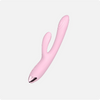
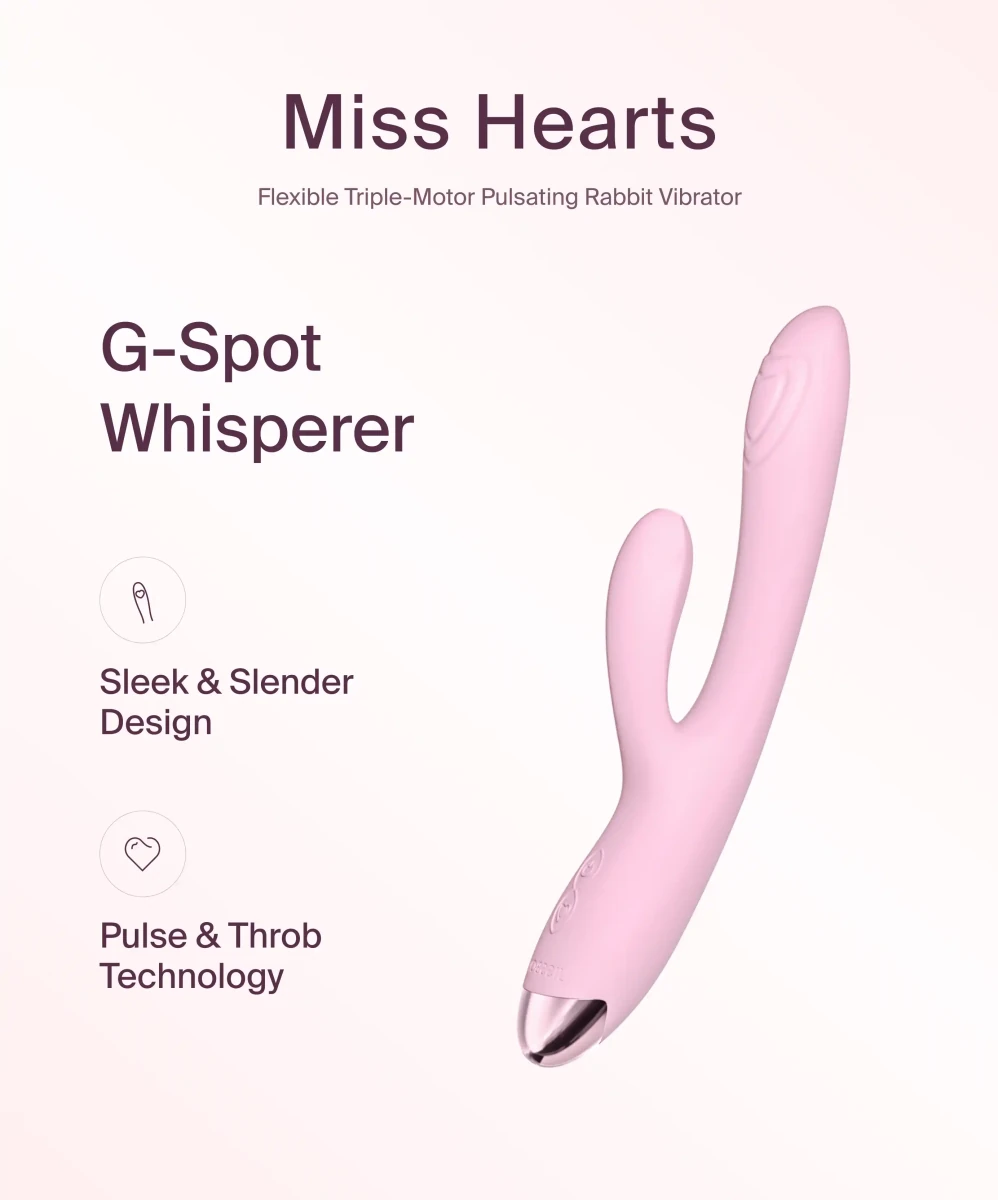
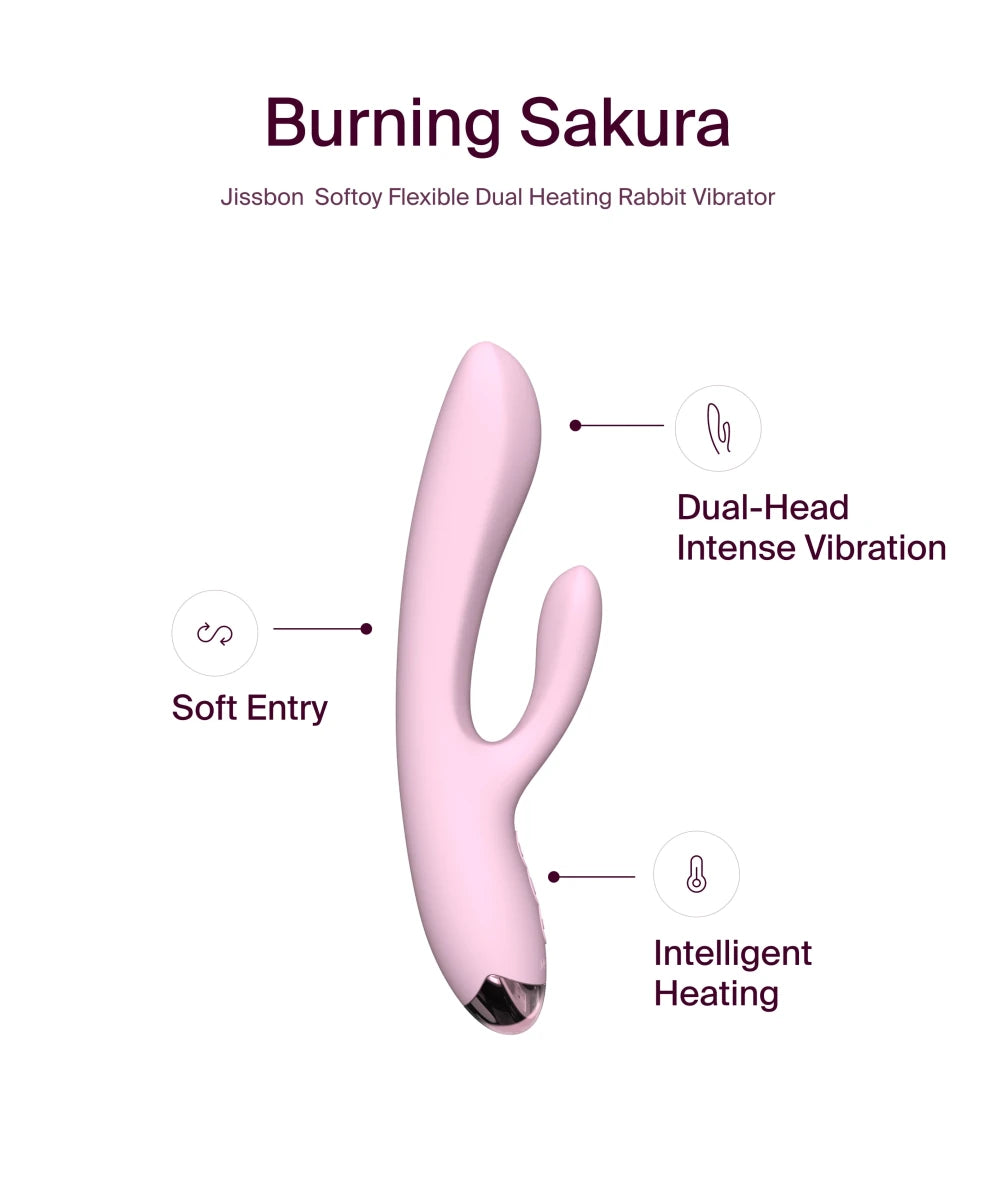
A chilled glass dildo or warmed rabbit vibrator adds internal or external sensation. Submerge the toy in warm/cool water for 2–3 minutes, then test on your wrist before use.
-
Close with warmth and comfort
End sessions with gentle warmth—a heated towel or embrace. This helps the body return to baseline and reinforces positive association.
Lube & Compatibility Essentials

Moisture and slip matter, especially when skin is wet from ice or oil.
Water-Based Lubricant
Safe with all toys and condoms; rinses off easily; reapply as it absorbs into skin. Ideal for temperature play because it won't interfere with warming oils or cooling gels.
Silicone-Based Lubricant
Longer-lasting; waterproof; creates silky glide. Do not use with silicone toys—it can degrade the material. Fine for glass or metal.
Oil-Based Products (massage oils, coconut oil)
Excellent for body massage and warmth play; not compatible with latex condoms. Use only with polyurethane condoms or for external play.
Cooling/Warming Lubes
Contain menthol or capsaicin for mild tingle. Test on inner arm first—some people find these irritating. Never use on broken skin or mucous membranes without a patch test.
Pro Tip: Keep lube at room temperature so it doesn't shock the skin when applied during temperature transitions.
Care & Maintenance for Temperature Play Tools
Proper cleaning and storage extend the life of your tools and prevent infections.
Before Each Session
- Wash hands with soap and warm water.
- Rinse toys with warm water and mild, unscented soap; dry completely.
- Check glass or metal for cracks or chips—discard anything damaged.
During Play
- Wipe away excess water or oil to maintain grip.
- If a toy becomes too cold or hot, set it aside for 30 seconds in room-temperature water.
After Play
- Wash all toys immediately with soap and water; air-dry on a clean towel.
- Disinfect glass/metal with a 10% bleach solution or boil for 5 minutes if manufacturer-approved.
- Silicone toys: clean with soap and water; avoid boiling unless specified.
Storage Best Practices
- Store toys in individual cloth bags or padded cases to prevent scratches.
- Keep metal items away from moisture to prevent tarnish.
- Avoid extreme temperatures during storage—no freezer or direct sunlight.
Material-Specific Cautions
- Glass: Handle over soft surfaces; inspect before each use.
- Metal: Can retain temperature longer than expected; test before reapplying.
- Silicone: Don't pair with silicone lube; avoid sharp objects during storage.
Frequently Asked Questions
What is temperature play and is it safe?
Temperature play involves using hot and cold sensations—like ice, warm water, or heated toys—to stimulate nerve endings and enhance touch. It's safe when you avoid extremes (no boiling water or dry ice), test temperatures on less sensitive skin first, and communicate openly with your partner. How to reduce skin irritation safely offers guidance on preventing reactions.
What are the best beginner tools for temperature play?
Ice cubes, warm water, and massage oils are ideal starting points—they're accessible, inexpensive, and easy to control. As you gain confidence, try glass or metal toys that can be warmed or chilled in water. Avoid anything with sharp edges or extreme temperature retention until you understand your body's responses.
Can I use temperature play with sex toys I already own?
Yes, if they're made from body-safe, non-porous materials like silicone, glass, or stainless steel. How silicone toys differ from other materials explains that silicone is heat-safe but warms/cools slowly, while glass and metal respond faster. Never heat toys in a microwave; use warm water baths instead.
How long should I apply cold or heat in one spot?
Limit cold to 15–30 seconds per area to avoid numbness or frostbite risk. Warmth can last 30–60 seconds, but check in frequently. Alternating every 20 seconds creates the most dynamic sensation without overwhelming the skin.
What if I have a medical condition—can I still try temperature play?
Consult your doctor if you have Raynaud's syndrome, diabetes-related neuropathy, or circulatory issues, as temperature sensitivity may be altered. For general safer sex tips, Planned Parenthood emphasizes communication and body awareness, which apply equally to sensation play.
What if I have a medical condition—can I still try temperature play?
Consult your doctor if you have Raynaud's syndrome, diabetes-related neuropathy, or circulatory issues, as temperature sensitivity may be altered. For general safer sex tips, Planned Parenthood emphasizes communication and body awareness, which apply equally to sensation play.
Where should I avoid temperature play?
Never apply extreme cold or heat directly to eyes, inside the ear canal, open wounds, or inflamed skin. Use caution on genitals and nipples—these areas are highly sensitive. Always start on less reactive zones like arms or legs.
Conclusion
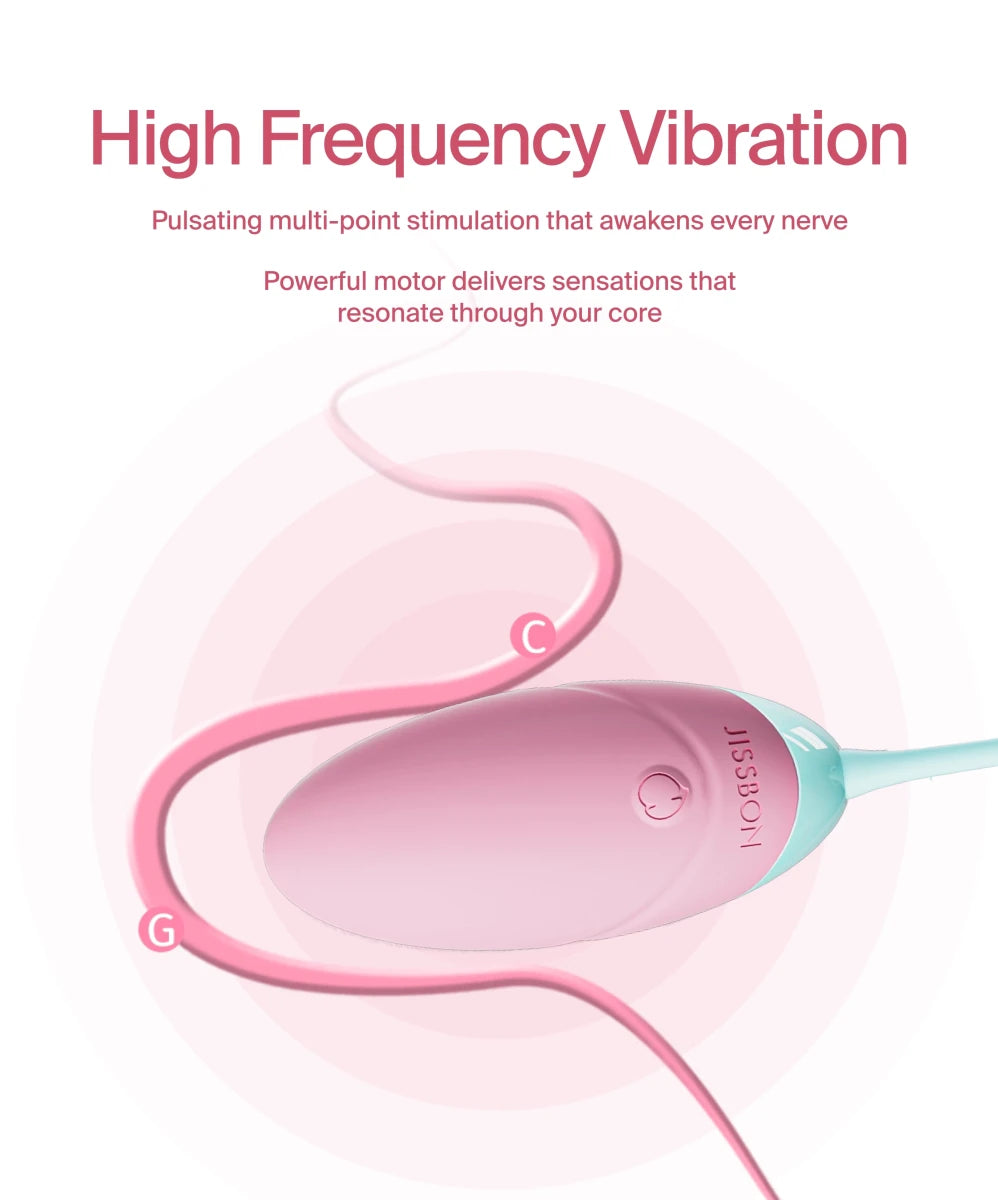
Temperature play offers an easy, playful entry into sensation exploration. With just ice, warm water, and clear communication, you can discover new dimensions of touch and connection. Ready to explore more? Check out our collection of rabbit vibrators designed for versatile pleasure—many can be safely warmed or cooled to complement your temperature experiments.


Looking for something else?

What Is Flogging in Sex? Complete BDSM Flogging Guide
LEARN MORE
What Does Overstimulated Mean Sexually? Causes & Solutions
LEARN MORE
Can You Get a Tattoo on Your Vagina? Safety, Pain & What to Expect
LEARN MORE
Public Sex Kink: Understanding Exhibitionism & Safe Exploration
LEARN MORELooking for something else?

A-Spot Orgasm: Best Positions & How to Find It
LEARN MORE
Bondage Play: Complete Beginner's Guide to Rope BDSM
LEARN MORE
Vibrator Stories: Real Experiences, Tips & What to Expect
LEARN MOREYou may also like
20% off

20% off

20% off

20% off

20% off

20% off

Further reading

How to Clean an Automatic Blowjob Machine Without Damaging the Motor

Remote-Controlled Automatic Masturbators for Couples and Solo Play
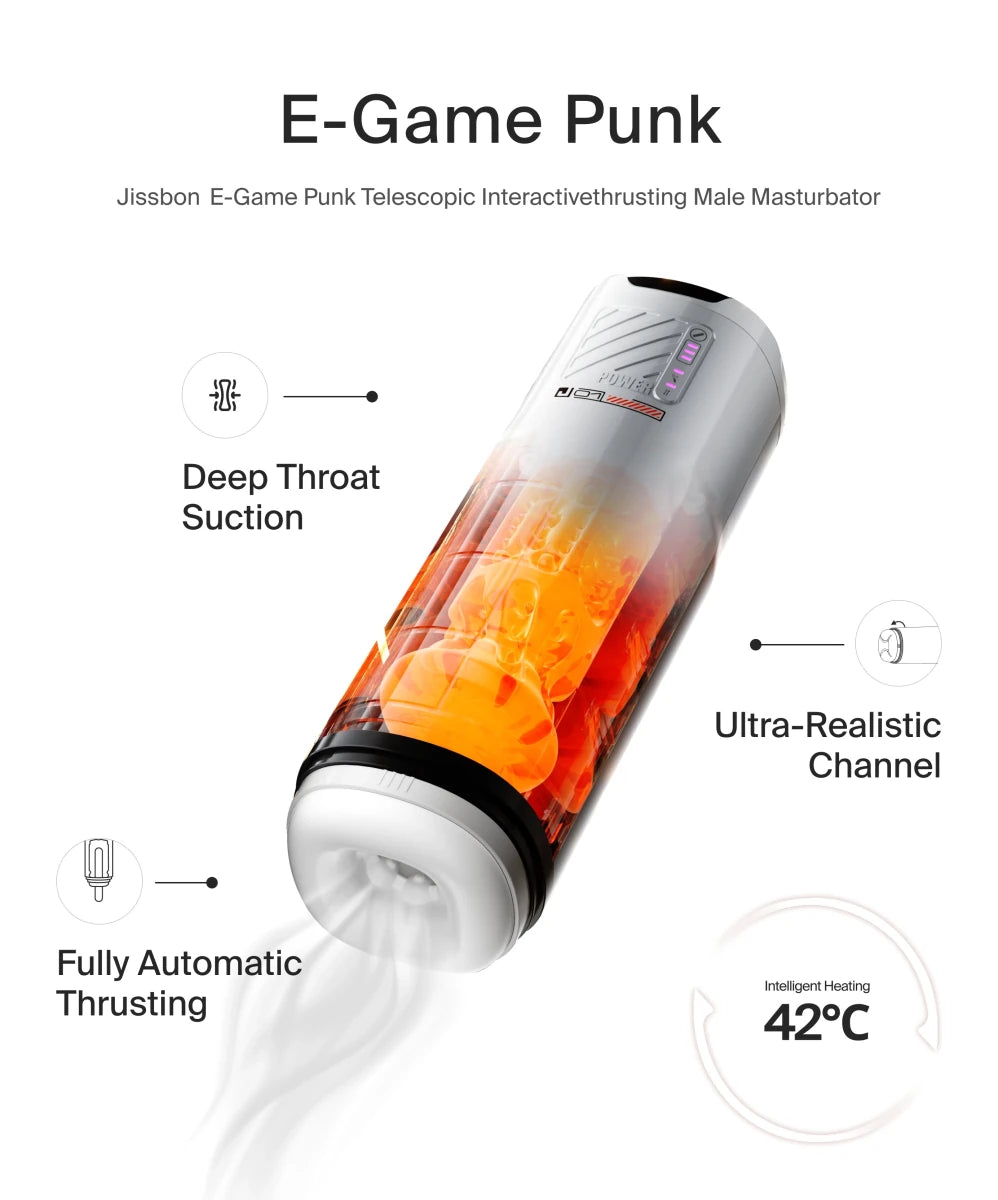
Best Automatic Strokers for Edging and Stamina Training