






























































Understanding Taboo Fantasy: Navigating Forbidden Sexual Thoughts
Stack & Save: Extra 15% with Jissbon15
Jissbon15
Taboo fantasies—sexual thoughts involving scenarios society deems inappropriate, forbidden, or transgressive—are far more common than most people realize. Research consistently shows that the majority of adults experience fantasies they'd never want to enact in reality, yet guilt and confusion often accompany these mental explorations.
This guide examines why forbidden thoughts occur, the crucial distinction between imagination and action, common categories people experience, psychological safety in fantasy, ethical ways to explore interests, and when professional support might help. Understanding that thought doesn't equal desire for reality creates healthier relationships with your inner mental landscape.
Why Taboo Fantasies Exist: The Psychology

Normal Brain Function
Fantasy serves multiple purposes:
- Safe exploration of scenarios without real-world consequences
- Arousal enhancement through novelty and intensity
- Stress processing via controlled mental scenarios
- Identity exploration without commitment to particular desires
- Forbidden fruit effect where restriction increases mental appeal
Key insight: The brain doesn't distinguish between "acceptable" and "unacceptable" fantasy material in the same way conscious morality does. Arousal can occur in response to stimuli that consciously disturb you.
The Transgression Element
Why forbidden content creates arousal:
Research on sexual psychology identifies several mechanisms:
- Dopamine response to novelty – Unusual scenarios trigger stronger reward system activation
- Anxiety arousal transfer – Nervous system activation from "wrong" content can be misinterpreted as sexual excitement
- Cognitive liberation – Fantasy space where social rules don't apply feels freeing
- Power dynamics – Many taboos involve control, submission, or dominance elements
- Ego dystonic arousal – Sometimes arousal occurs to content that conflicts with values, creating confusion
Important distinction: Arousal doesn't indicate actual desire to experience something. The body responds to stimulation; the mind determines real preferences.
Common Categories of Forbidden Thoughts
Consensual Scenarios Considered Taboo
|
Category |
Why It's Taboo |
Prevalence |
|
Age gap relationships |
Cultural concerns about power imbalance |
Very common |
|
Authority figures |
Professional boundaries and power dynamics |
Extremely common |
|
Voyeurism/exhibitionism |
Privacy violations, public indecency concerns |
Common |
|
Group activities |
Monogamy norms, religious teachings |
Common |
|
Same-gender scenarios |
(For heterosexual individuals) Orientation questioning |
Common |
|
Rough or forceful scenarios |
Consent concerns, violence associations |
Very common |
Critical note: These involve adult scenarios with theoretical consent—fundamentally different from non-consensual or harmful fantasies.
Power Exchange Fantasies
Dominance scenarios:
- Controlling partner's actions completely
- Being served or worshipped
- Inflicting consensual pain or discomfort
- Making demands partner must fulfill
Submission scenarios:
- Surrendering control entirely
- Being "forced" (within consensual framework)
- Following orders without question
- Experiencing consensual degradation
Why these are common: Power dynamics form fundamental human relationship patterns, and sexuality naturally incorporates these themes.
Roleplay and Identity Scenarios
Pretending to be:
- Different person (stranger, authority figure, fictional character)
- Different age (teacher/student dynamic, not actual minors)
- Different social status or occupation
- Non-human entities (fantasy creatures, supernatural beings)
Appeal factors:
- Psychological distance from everyday self
- Permission to behave differently than usual
- Narrative structure creating arousal buildup
- Creative imagination engagement
Fantasy vs. Reality: Critical Distinctions

What Makes Fantasy Safe
Key characteristics of healthy fantasy:
- Remains in imagination – No intention to actualize
- Involves theoretical adults – All imagined participants are consenting adults
- Doesn't cause distress – Thoughts don't create lasting anxiety
- Doesn't interfere with life – Can focus on daily activities normally
- Flexible content – Fantasy topics change and evolve
- Compartmentalized – Can distinguish between fantasy appeal and real preferences
When Fantasy Becomes Concerning
Warning signs requiring professional support:
- Obsessive thoughts interfering with daily functioning
- Genuine desire to harm others or violate consent
- Involving real minors in any capacity
- Inability to distinguish fantasy from reality
- Progressive escalation toward harmful content
- Planning actual illegal activity
- Causing severe distress or self-harm thoughts
The Consent Principle
Fundamental rule: Real-life sexual activity requires informed, enthusiastic consent from all participants. Fantasy requires no consent because it exists solely in your mind and involves no actual people.
Application:
- Mental scenarios about celebrities, acquaintances, or strangers = harmless fantasy
- Actually approaching these people without invitation = harassment
- Imagining forceful scenarios = common fantasy theme
- Actual force without consent = assault
Medical professionals emphasize that thought content doesn't define character—actions do.
Ethical Expression of Taboo Interests
Safe Outlets for Forbidden Thoughts
Fiction and media:
- Erotic literature exploring themes safely
- Adult entertainment featuring consensual roleplay of taboo scenarios
- Art and visual content created by consenting adults
- Audio content narrating fantasy scenarios
Benefits:
- No real people involved beyond creators who chose this work
- Provides outlet without real-world action
- Normalizes fantasy as separate from behavior
- Can satisfy curiosity without ethical concerns
Consensual Roleplay Options
If interests involve scenarios that CAN be ethically enacted:
Possible with consenting partner:
|
Interest |
Ethical Enactment |
Key Requirements |
|
Power exchange |
BDSM framework with negotiation |
Safe words, boundaries, aftercare |
|
Voyeurism |
Partner consensually performing for you |
Clear agreement, privacy protection |
|
Public elements |
Semi-public with no non-consenting observers |
Legal considerations, actual privacy |
|
Roleplay scenarios |
Costumes, scripts, character adoption |
Communication, ability to break character |
|
Group dynamics |
With consenting additional participants |
Extensive negotiation, STI protocols |
Not possible to ethically enact:
- Anything involving non-consent in reality
- Activities involving anyone underage
- Scenarios causing actual harm
- Public activities exposing non-consenting people
Discussing Fantasies with Partners

When and How to Share
Consider sharing if:
- Fantasy involves scenario you'd like to explore together
- Secret is creating emotional distance
- Partner has expressed openness to fantasy discussion
- You trust partner's non-judgmental response
- Relationship has strong communication foundation
Proceed cautiously if:
- Partner has expressed discomfort with particular topics
- Relationship is currently strained
- You're uncertain about your own comfort level
- Power dynamics might make sharing feel obligatory
Communication Framework
Approach structure:
1. Set context: "I've been thinking about something I'd like to share, but I want you to know there's no pressure for you to participate or even be comfortable with it."
2. Share gradually: Start with gentler aspects before revealing full fantasy details.
3. Emphasize distinction: "This is something I think about, but thinking about it doesn't mean I need to actually do it."
4. Invite response: "How do you feel about what I've shared? I'm interested in your honest reaction."
5. Accept outcome: Partner may respond with enthusiasm, curiosity, discomfort, or disinterest. All reactions are valid.
If Partner Reacts Negatively
Healthy responses:
- Acknowledge their feelings without defensiveness
- Clarify fantasy vs. reality distinction
- Reassure about your values and intentions
- Give space for processing
- Don't pressure for acceptance
What not to do:
- Demand they fulfill fantasy
- Express anger at their discomfort
- Shame them for not understanding
- Immediately share more intense details
- Threaten relationship over their response
Using Toys to Explore Fantasy Safely
How Products Can Facilitate Imagination
Sensation-focused toys:
Using sex toys allows exploring physical sensations while imagination supplies narrative context:
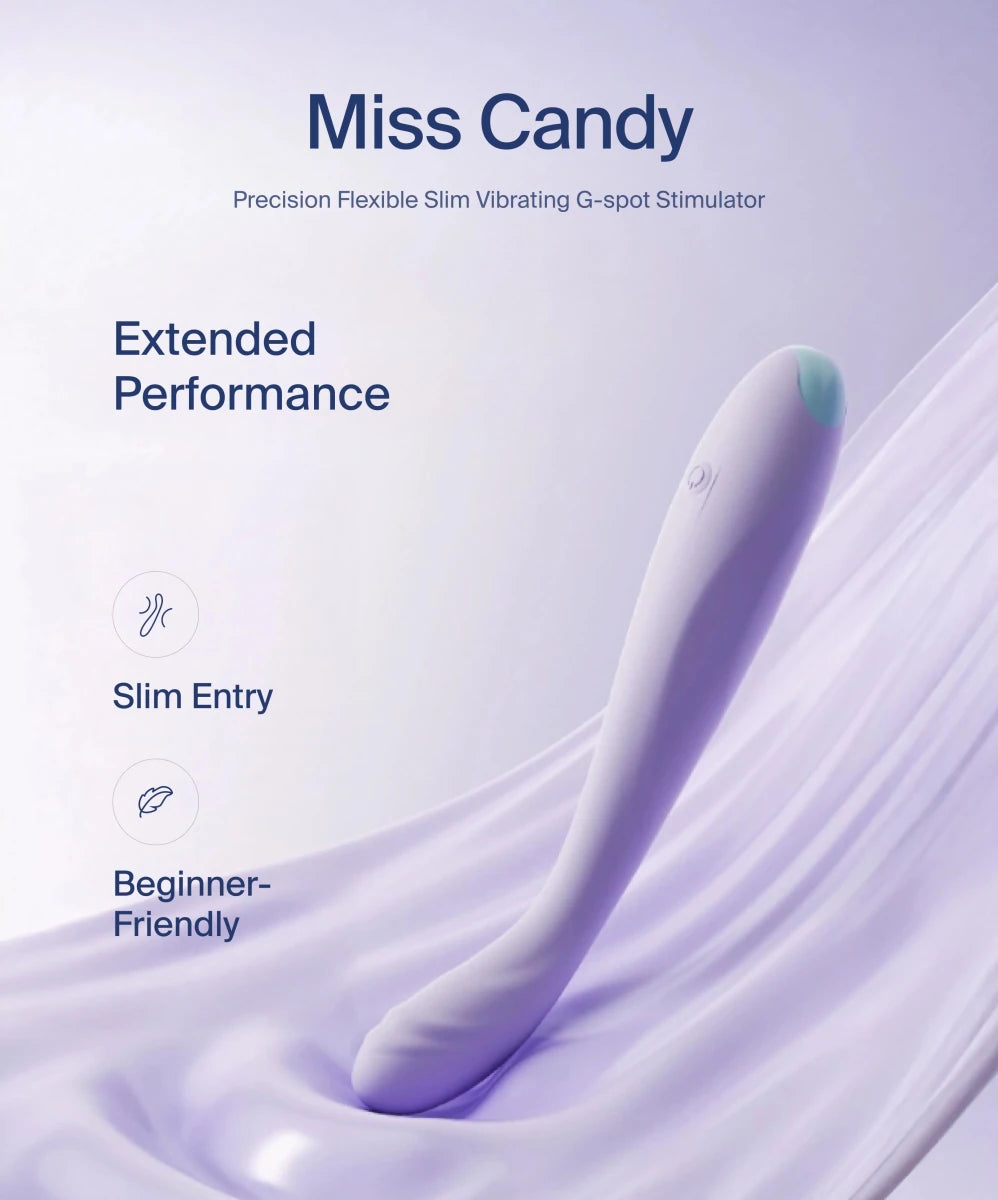
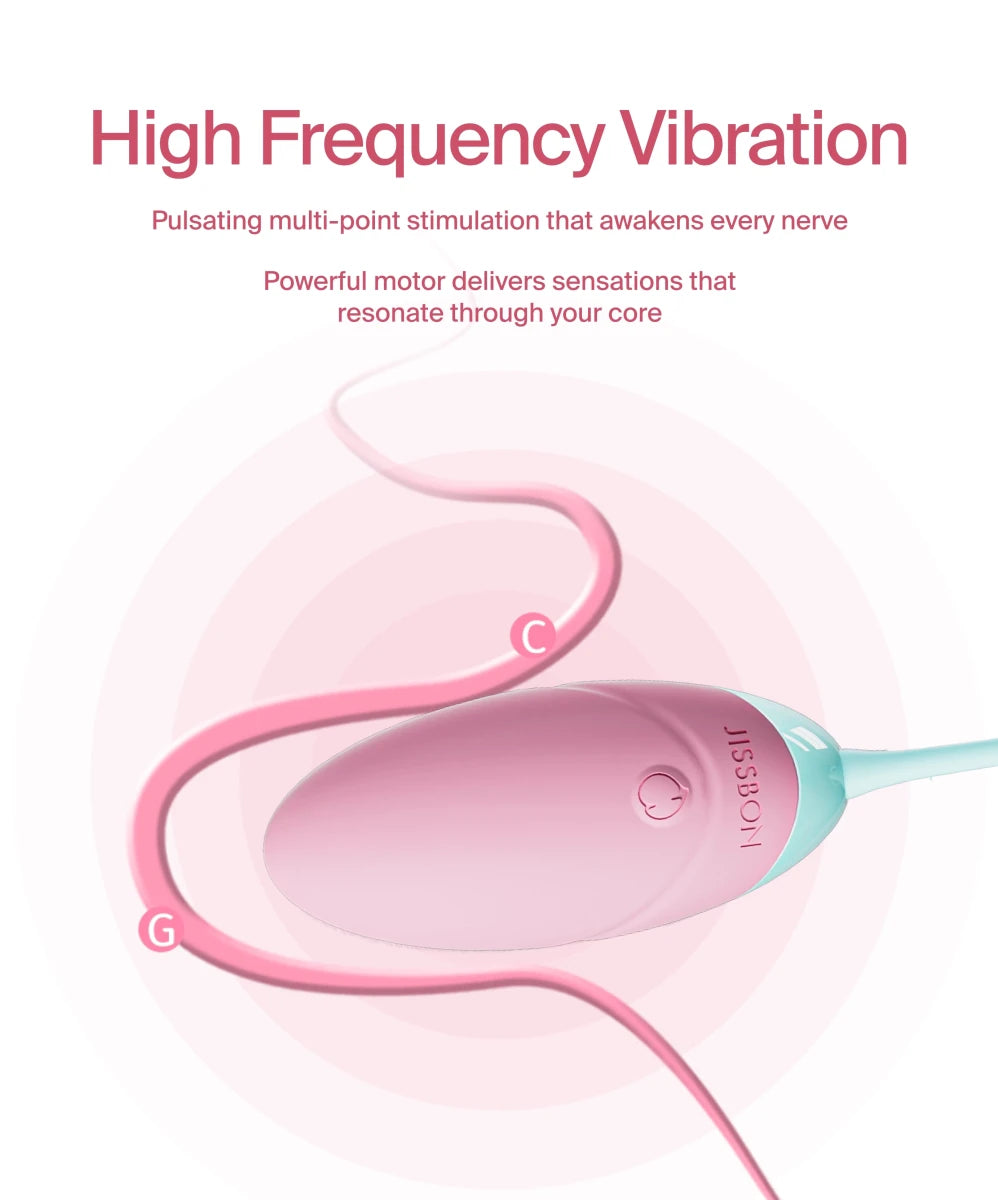
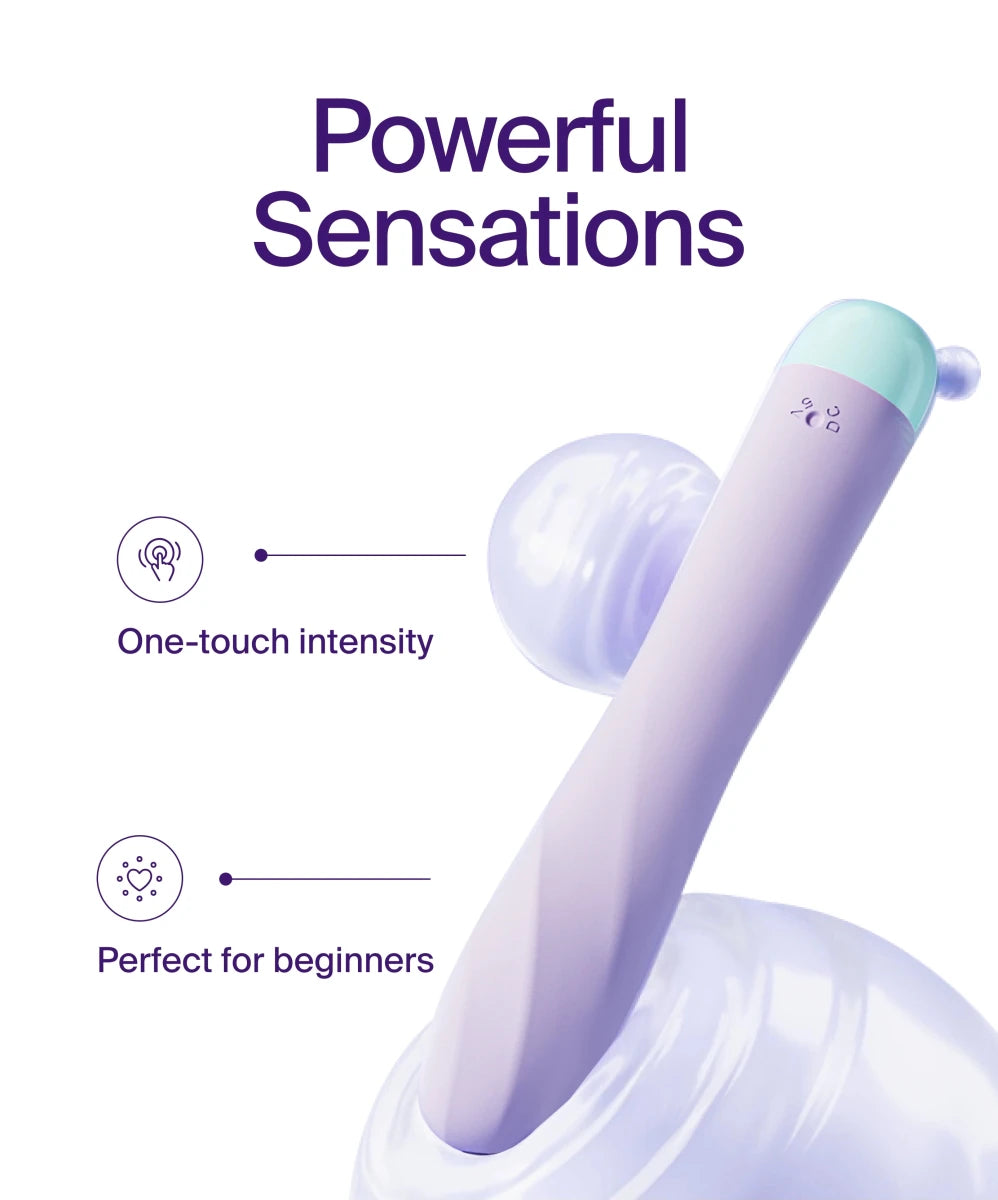
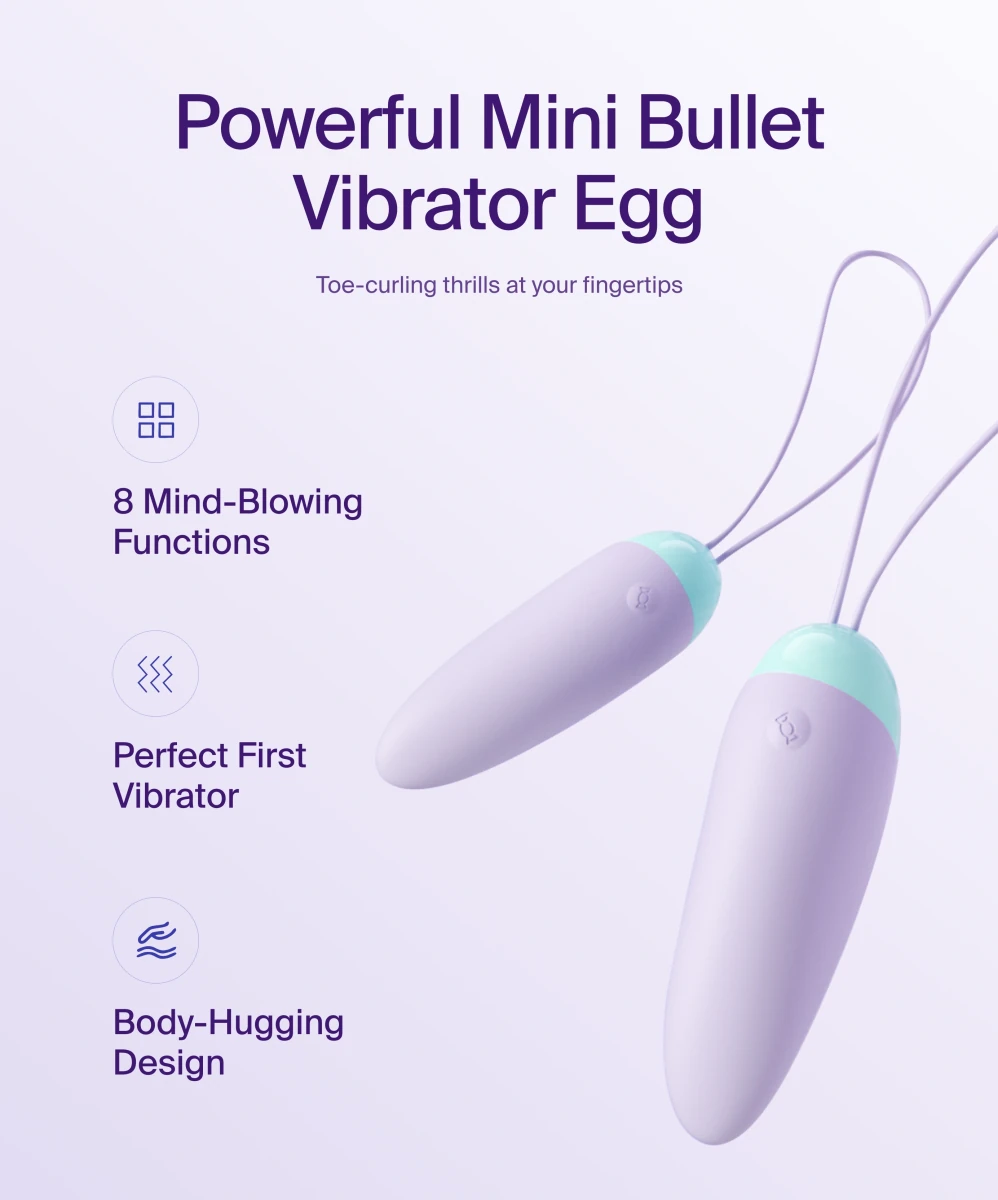
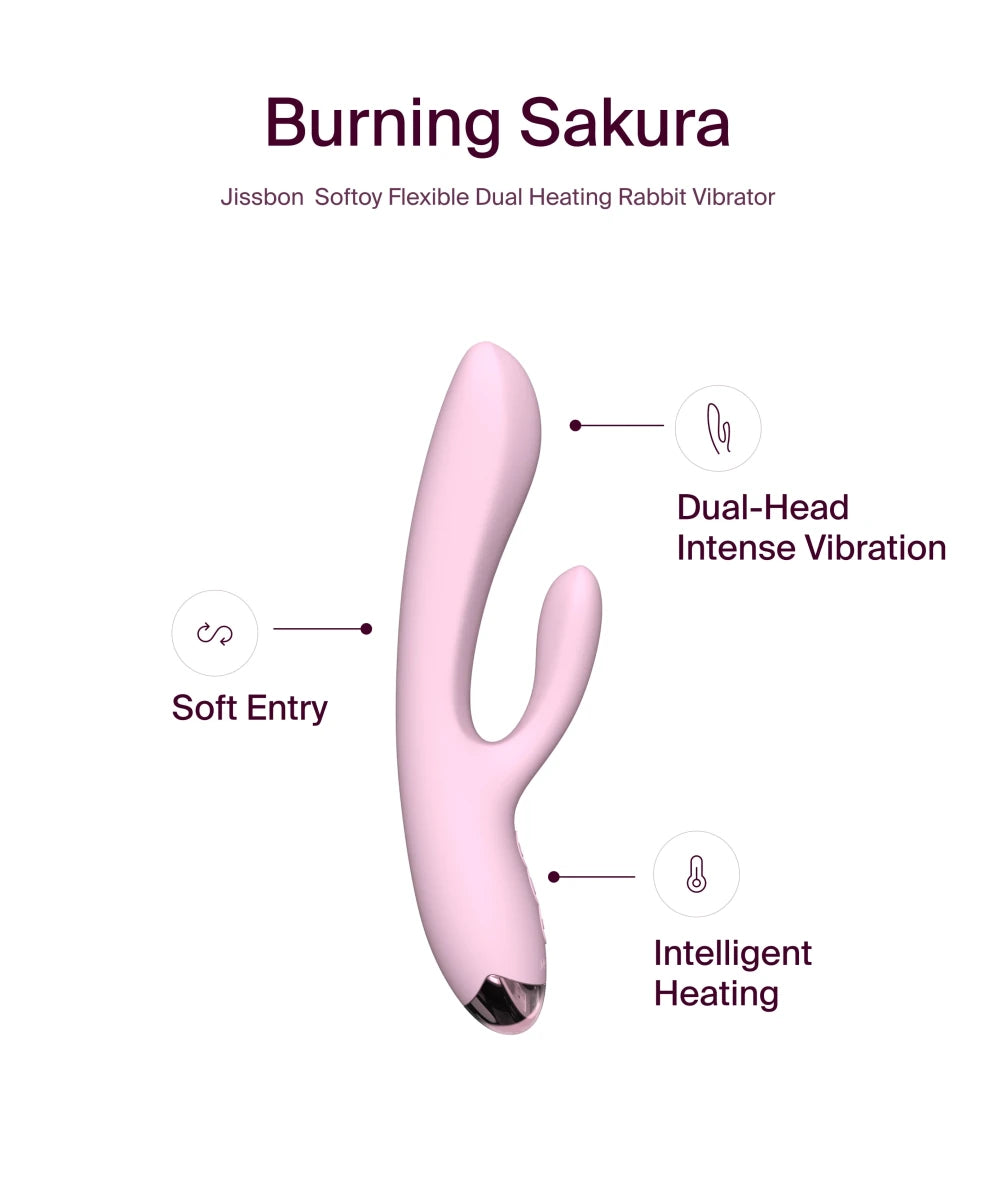
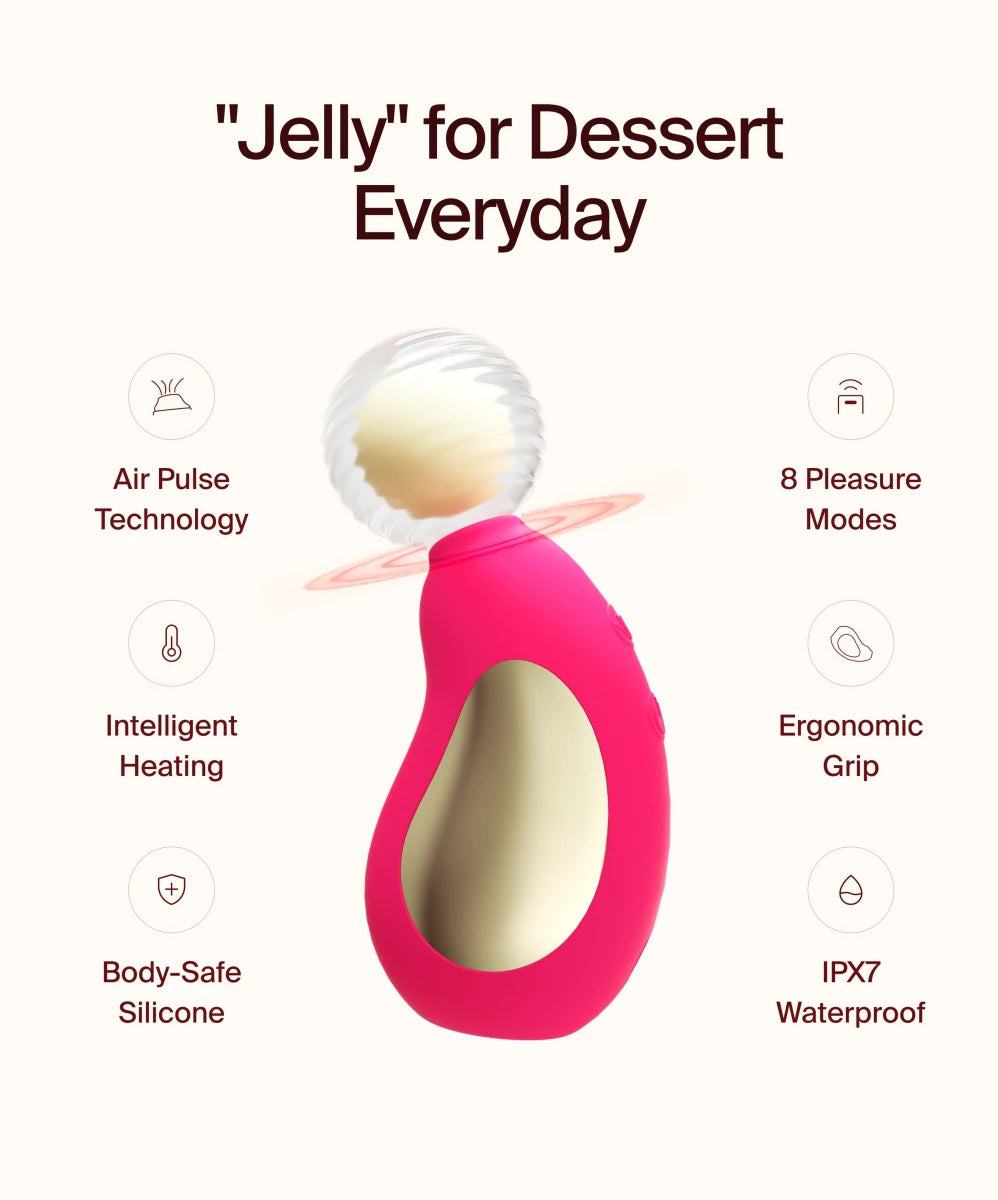
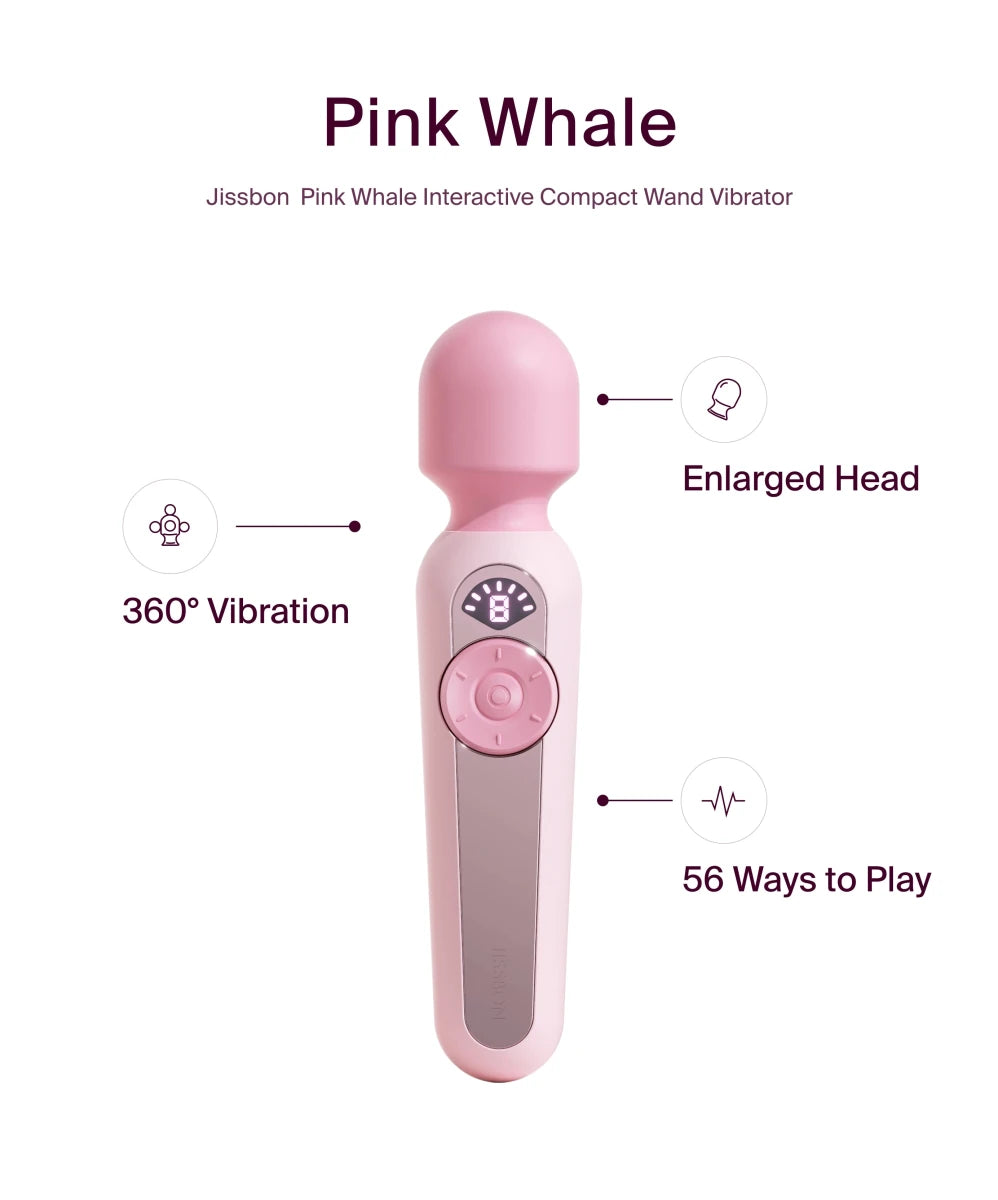
- Vibrators providing specific stimulation patterns
- Textured toys creating varied sensations
- Restraints or bondage items for power dynamic exploration
- Roleplay accessories (costumes, props) for scenario immersion
Benefits:
- Physical engagement enhances mental fantasy
- Solo exploration maintains complete control
- Can experiment without involving others
- Adjustable intensity matches comfort level
Fantasy-Enhancing Products
Sensory deprivation:
- Blindfolds removing visual input
- Earplugs or headphones altering auditory experience
- Heightens other senses and imagination
Sensation play:
- Temperature toys (glass, metal)
- Textures (feathers, leather, silicone)
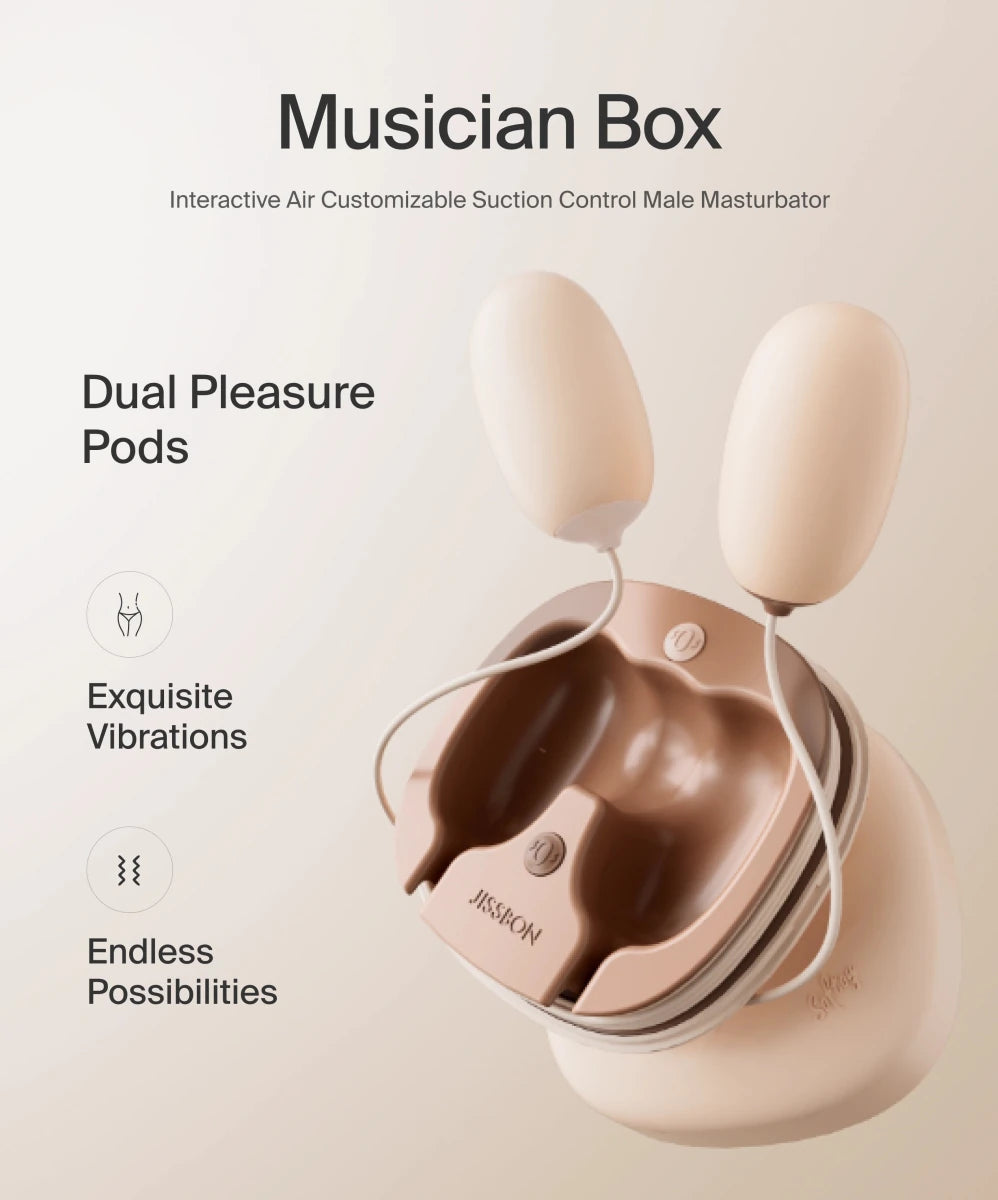
- Pressure variations (suction, vibration)
Roleplay support:
- Costumes establishing character
- Props creating scenario authenticity
- Setting elements (lighting, music)
Managing Guilt and Shame
Normalizing Internal Experience
Reality check statistics:
Research on sexual fantasy reveals:
- 85-95% of adults report sexual fantasies
- 65-75% have fantasies they'd never want to enact
- 40-60% experience fantasies involving scenarios they consciously find morally problematic
- Fantasy content doesn't correlate reliably with actual sexual preferences
Key takeaway: You're not alone, broken, or abnormal for having forbidden thoughts.
Cognitive Reframing Techniques
When guilt arises:
Instead of: "I'm terrible for thinking this"
Try: "My brain generated this thought. Thoughts aren't actions."
Instead of: "These fantasies mean I secretly want this"
Try: "Arousal to fantasy doesn't equal desire for reality."
Instead of: "I should be able to control my thoughts"
Try: "Mental content arises spontaneously. I control my behavior."
Instead of: "My partner would be disgusted if they knew"
Try: "Everyone has private mental experiences they don't share."
When to Seek Professional Support
Therapist consultation helpful for:
- Persistent shame interfering with intimacy or wellbeing
- Confusion about fantasy vs. actual desires
- Relationship strain due to fantasy content
- History of trauma affecting fantasy patterns
- Concerns about thought content becoming harmful
Finding appropriate help:
- Seek sex-positive therapists (AASECT certified)
- Specify interest in fantasy-related concerns
- Ensure provider distinguishes thought from behavior
- Avoid practitioners who pathologize common fantasies
Specific Fantasy Categories Explored
Forbidden Relationship Dynamics
Teacher/student, boss/employee, doctor/patient:
Why common:
- Clear power differential creates tension
- Real-world inappropriateness adds transgression element
- Familiarity with dynamic from experience
- Authority figure knowledge creates appeal
Reality check:
- Actual relationships with power imbalances often involve exploitation
- Fantasy removes real-world complications
- Ethical concerns in reality don't apply to imagination
- Can explore through consenting adult roleplay
Non-Consent Fantasies (CNC)
Consensual non-consent:
What this involves:
- Fantasy scenarios involving "force" within consensual framework
- Extremely common across genders
- Often involves relinquishing or taking control
- Bears no relationship to actual assault desires
Important distinctions:
|
Fantasy Element |
Real-World Reality |
|
Safety and trust established |
Violation and trauma |
|
Can stop at any time |
No control or safety |
|
Arousing within controlled context |
Terrifying and harmful |
|
Chosen scenario |
Non-consensual violation |
If exploring with partner:
- Extensive negotiation beforehand
- Clear safe words that immediately stop everything
- Aftercare discussion and processing
- Never assume consent without explicit discussion
Research emphasizes that CNC fantasy is among the most common across all demographics and has no correlation with assault history or actual non-consent desires.
Voyeurism and Exhibitionism
Watching or being watched:
Fantasy versions:
- Imagining strangers observing you
- Mental scenarios of watching others
- Public or semi-public exposure thoughts
Ethical reality options:
- Consensual video with partner
- Sex clubs or parties with attending guidelines
- Webcam platforms where participants choose visibility
- Windows/mirrors in private spaces
- Discussing fantasy without enactment
Legal/ethical boundaries:
- Actual voyeurism without consent is illegal and harmful
- Public exposure to non-consenting people is illegal
- All actual activity requires explicit consent from everyone involved
Age Gaps and Experience Differentials

Why This Fantasy Occurs
Common manifestations:
- Experienced/inexperienced dynamic
- Teaching/learning scenarios
- Mentor/protégé frameworks
- Generational gap relationships
Psychological appeal:
- Knowledge differential creates tension
- Taboo element of "inappropriate" pairing
- Power dynamics inherent in experience gap
- Nostalgia or projection to different life stage
Critical boundary:
All fantasy participants must be adults. Interest in adult age-gap scenarios (both partners over 18) is entirely separate from any content involving minors, which is both illegal and harmful.
Group and Multiple Partner Scenarios
Threesome and Beyond Fantasies
Why common:
- Novelty and variety appeal
- Multiple sensations simultaneously
- Being desired by multiple people
- Voyeuristic element within participation
- Transgression against monogamy norms
Fantasy vs. reality considerations:
Fantasy doesn't include:
- Coordination challenges
- Jealousy or insecurity
- Logistical complications
- Emotional aftermath
- Communication requirements
Reality requires:
- Extensive negotiation
- Emotional preparation
- Clear boundaries
- Safer sex protocols
- All participants enthusiastically consenting
Many people enjoy group fantasy but prefer monogamous reality—both positions are valid.
Same-Gender Fantasies for Heterosexual People
Understanding Cross-Orientation Fantasy
Why this occurs:
- Curiosity about different physical experiences
- Appreciation of bodies regardless of orientation
- Fantasy space allows exploration without identity implications
- Media exposure to diverse content
- Natural variation in mental arousal triggers
What it means:
Doesn't necessarily indicate:
- Different orientation than you identify
- Desire to change relationship structure
- Actual attraction you need to act on
May indicate:
- Fluidity in attractions (common)
- Bi-curiosity or bisexuality
- Appreciation for diverse forms of intimacy
- Simply brain generating arousing content
Key principle: You define your orientation based on persistent patterns, not occasional fantasy content.
Frequently Asked Questions
If I fantasize about something, does that mean I secretly want to do it?
No. Fantasy serves many purposes beyond reflecting actual desires. The brain generates arousing content based on novelty, transgression, and intensity—not necessarily preference for reality. Many people enjoy fantasies about scenarios they'd find unpleasant or unacceptable in real life.
Should I tell my partner about all my fantasies?
Not necessarily. Sharing can enhance intimacy if done thoughtfully, but you're entitled to private mental space. Share if the fantasy involves something you'd like to explore together, if keeping it secret creates emotional distance, or if discussion feels natural. Don't share if it would hurt your partner unnecessarily or if you're uncertain about their response.
Is it normal to have fantasies that conflict with my values?
Yes, extremely normal. Fantasy occurs in psychological space separate from moral judgment. Arousal responses don't align perfectly with conscious values. The disconnect between "what turns me on in fantasy" and "what I believe/want in reality" is common and doesn't indicate hypocrisy or dysfunction.
Can fantasies become more extreme over time?
Sometimes fantasy content evolves as familiar scenarios become less arousing. This doesn't necessarily mean escalating toward harmful behavior. If concerned about progressive intensification, particularly toward illegal or harmful content, consulting a sex-positive therapist can provide perspective and support.
How do I stop feeling guilty about my fantasy life?
Recognize that thoughts aren't actions or character indicators. Practice self-compassion and remind yourself that fantasy is universal. If guilt persists despite cognitive reframing, consider therapy to address underlying shame messages. Remember that your behavior defines your character—not your involuntary mental content.
What if my fantasies involve scenarios I find morally wrong?
This is common and doesn't make you hypocritical. The fantasy mind and moral mind operate somewhat independently. As long as you never act on fantasies that would harm others, don't involve real minors, and can distinguish imagination from acceptable behavior, your private thoughts remain ethically neutral.
Moving Forward: Integration and Acceptance
Taboo fantasies are normal aspects of human sexuality deserving curiosity rather than shame. Your private mental landscape is yours to explore without judgment, provided you maintain clear boundaries between imagination and action.
Understanding that thoughts don't define you—your choices and behavior do—creates healthier relationships with your inner experience. Whether you choose to share fantasies, explore them consensually, or simply acknowledge them privately, self-acceptance around normal human sexuality supports overall wellbeing.
Ready to explore products that support diverse intimate experiences? Discover Jissbon's collection of body-safe options designed for imagination, exploration, and pleasure.


Looking for something else?

What Is Flogging in Sex? Complete BDSM Flogging Guide
LEARN MORE
What Does Overstimulated Mean Sexually? Causes & Solutions
LEARN MORE
Can You Get a Tattoo on Your Vagina? Safety, Pain & What to Expect
LEARN MORE
Public Sex Kink: Understanding Exhibitionism & Safe Exploration
LEARN MORELooking for something else?

A-Spot Orgasm: Best Positions & How to Find It
LEARN MORE
Bondage Play: Complete Beginner's Guide to Rope BDSM
LEARN MORE
Vibrator Stories: Real Experiences, Tips & What to Expect
LEARN MOREYou may also like
20% off

20% off

20% off

20% off

20% off

20% off

Further reading

How to Clean an Automatic Blowjob Machine Without Damaging the Motor
Remote-Controlled Automatic Masturbators for Couples and Solo Play
Best Automatic Strokers for Edging and Stamina Training