











































































Spice Up Sex: 25 Creative Ideas to Refresh Your Bedroom
Stack & Save: Extra 15% with Jissbon15
Jissbon15
Even the most passionate connections experience periods where intimacy feels routine. This doesn't signal relationship problems—it's a natural consequence of familiarity. The excitement of novelty fades as bodies and patterns become predictable. Rather than interpreting comfort as boredom, view it as an opportunity to intentionally cultivate variety.
Research on long-term relationships shows that couples who actively introduce novelty—whether through activities, experiences, or intimate exploration—report higher satisfaction than those who passively accept routine. The good news: refreshing your intimate life doesn't require dramatic changes. Small adjustments in communication, environment, timing, or technique create significant shifts in connection and pleasure.
Start with Communication

The Foundation for Everything
Before implementing any new ideas, establish open dialogue about desires, boundaries, and curiosities:
Effective conversation starters:
- "What's something you've fantasized about but never mentioned?"
- "Is there anything we used to do that you'd like to revisit?"
- "What feels missing from our current intimate life?"
- "If we could try one completely new thing, what would it be?"
Creating safe space for honesty:
- Choose neutral times outside the bedroom
- Frame discussions as collaborative exploration, not criticism
- Acknowledge that desires can feel vulnerable to share
- Respond to disclosures with curiosity rather than judgment
- Agree that "no" is always acceptable for any idea
Understanding healthy communication in relationships provides tools for navigating intimate conversations.
The Yes/No/Maybe List Exercise
Create three columns and categorize activities:
|
Yes |
Maybe |
No |
|
Comfortable, willing to try now |
Curious but need more info or gradual approach |
Hard boundaries, not interested |
Categories to consider:
- Locations (shower, outdoors, different rooms)
- Timing (morning, afternoon, spontaneous vs. planned)
- Positions you haven't tried
- Toy types (vibrators, restraints, sensation tools)
- Roleplay scenarios
- Power dynamics (dominance, submission, switching)
- Sensory experiences (blindfolds, temperature play, massage)
- Verbal elements (dirty talk, commands, praise)
Exchange lists and discuss overlaps. Focus on shared "yes" and "maybe" items for exploration.
For comprehensive perspectives on sexual communication, health organizations emphasize ongoing consent conversations.
Environmental Changes

Transform Your Space
Small environmental shifts create different psychological contexts:
Lighting adjustments:
- Candles create intimate, flattering ambiance
- Colored bulbs (red, warm amber) shift mood
- String lights add playful, celebratory atmosphere
- Complete darkness heightens non-visual senses
- Daylight sessions feel fresh and different from nighttime routines
Sensory enhancements:
- Scented candles or essential oils (lavender for relaxation, citrus for energy, vanilla for warmth)
- Fresh sheets in luxurious fabrics (satin, high-thread-count cotton)
- Temperature control (cooler for active sessions, warmer for slow intimacy)
- Music playlists that match desired energy (sultry R&B, energetic pop, instrumental ambient)
- White noise machines if sound concerns inhibit freedom
Location changes:
- Different rooms in your home (living room floor, kitchen counter, guest bedroom)
- Hotel stays specifically for intimacy without household distractions
- Tent or backyard (if private) for novel environment
- Shower or bathtub for water-based experiences
- Car parked in your own garage (nostalgic teenage feeling with adult privacy)
Timing Variations
Breaking habitual patterns refreshes experiences:
Morning sessions: Higher testosterone levels, energized rather than tired, sunlight creates different mood
Afternoon quickies: Unexpected spontaneity, break in daily routine, sense of "playing hooky"
Late night: Deep relaxation, no time pressure, easier to access vulnerable emotions
Scheduled dates: Builds anticipation throughout the day, allows mental preparation, signals priority
Completely spontaneous: Recaptures early relationship unpredictability, responds to natural desire rather than obligation
Physical Exploration
Position Variations
Moving beyond standard repertoire introduces new angles, sensations, and visual perspectives:
Standing positions:
- Against wall or door
- Bent over furniture (bed edge, countertop, table)
- Standing from behind with receiving partner braced against furniture
- Face-to-face standing (requires some height compatibility or platform)
Seated options:
- Chair or edge of bed with partner straddling
- Both seated facing each other, legs intertwined
- One partner seated, other standing or kneeling
- Rocking chair for unique motion
Angled penetration:
- Receiving partner on stomach with hips elevated by pillows
- Legs-over-shoulders variations
- Pretzel position (side-by-side with leg positioning)
- T-position allowing deep penetration and clitoral access
Using furniture creatively:
- Ottoman or coffee table for height adjustments
- Arm of couch or chair for body support
- Stairs for multi-level positioning
- Exercise ball for balance challenges
For anatomical understanding of pleasure zones, educational resources explain how different positions stimulate varied areas.
Extended Foreplay Techniques
Sensual massage:
- Full-body attention before genital contact
- Warm massage oil or lotion
- Focus on tension areas (shoulders, lower back, thighs)
- Tease by approaching then avoiding most sensitive zones
- Take 20–30 minutes minimum
Oral exploration:
- Extended attention to often-neglected areas (inner thighs, hipbones, lower abdomen)
- Temperature play (ice in mouth, warm drinks before oral activities)
- Varying pressure, speed, and patterns
- Asking specifically what feels best rather than assuming
Anticipation building:
- Start touching non-sexually hours before planned intimacy
- Send suggestive texts throughout the day
- Engage in extended kissing without immediately progressing
- Set timer for how long before allowing penetration
Incorporating Toys
Pleasure devices offer sensations hands and bodies alone cannot provide:
For external stimulation:
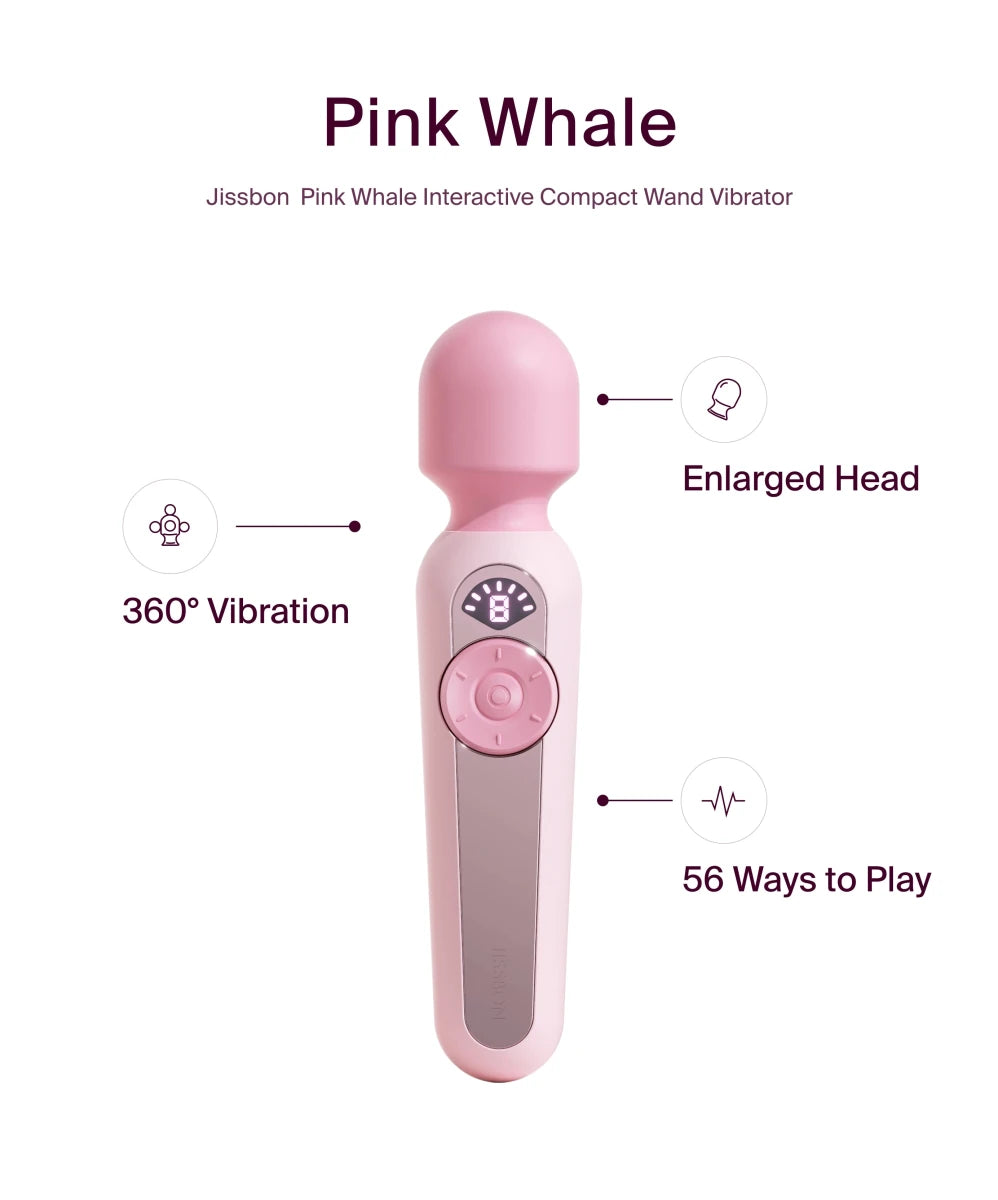
- Wand vibrators deliver powerful, broad stimulation
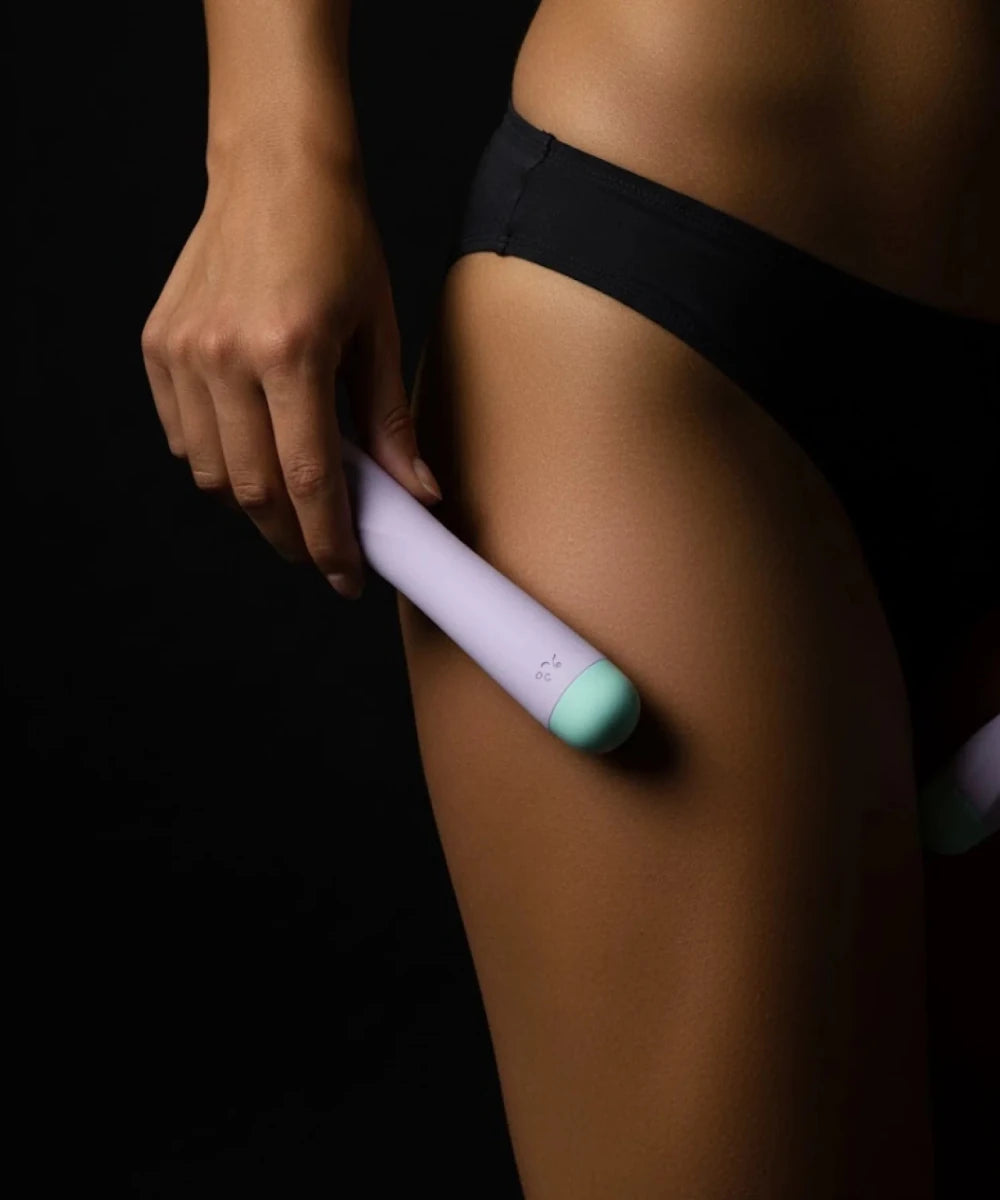
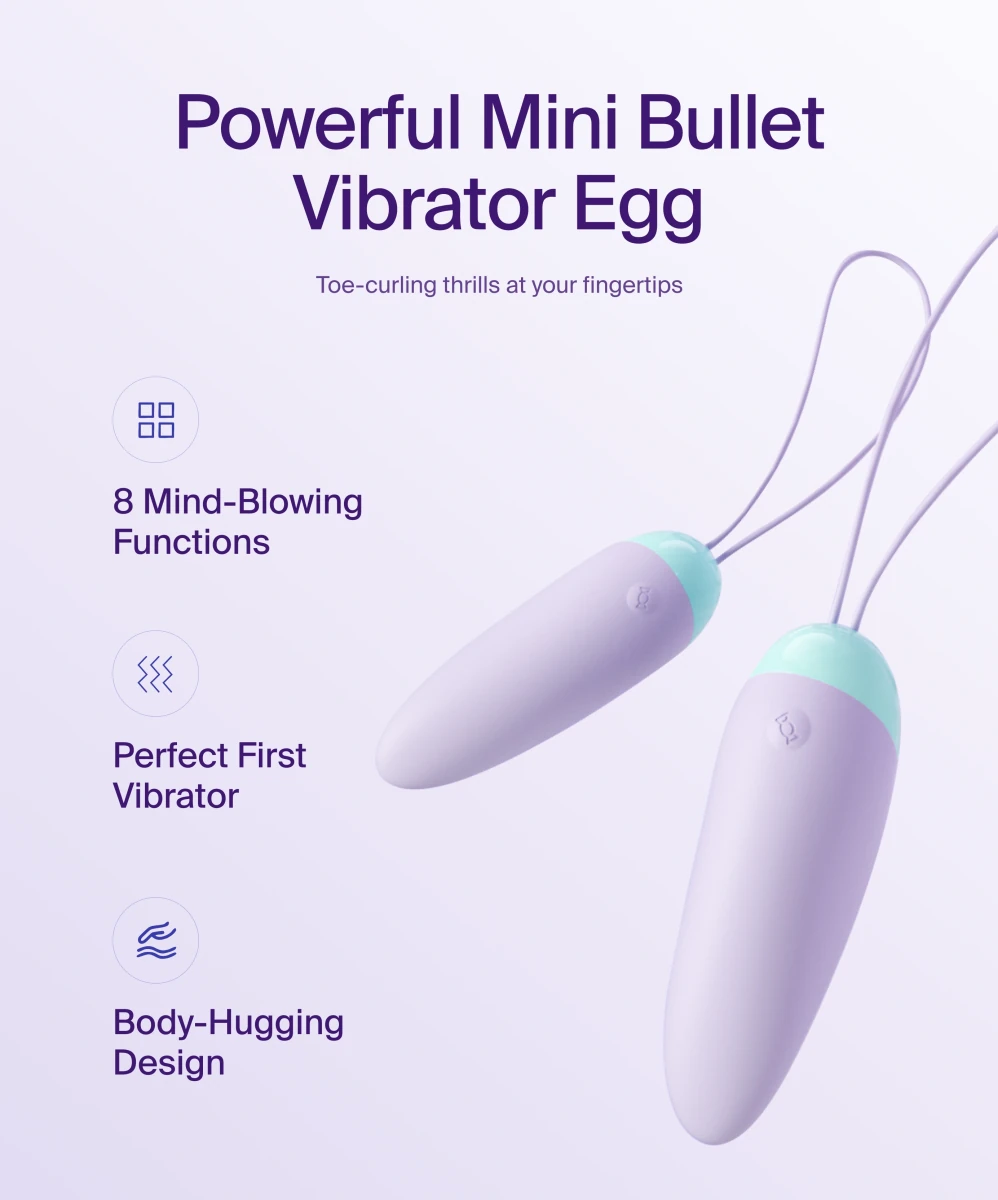
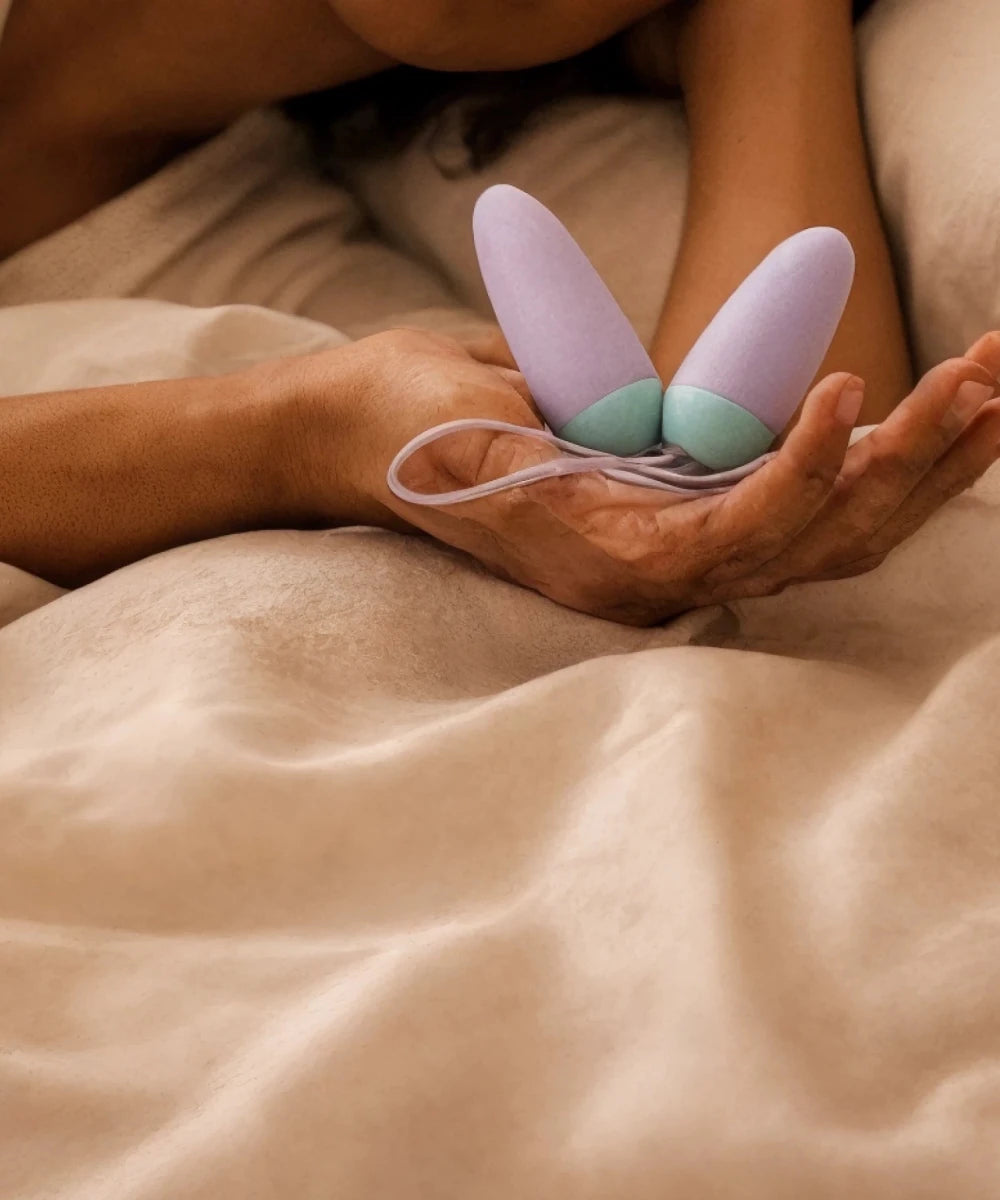
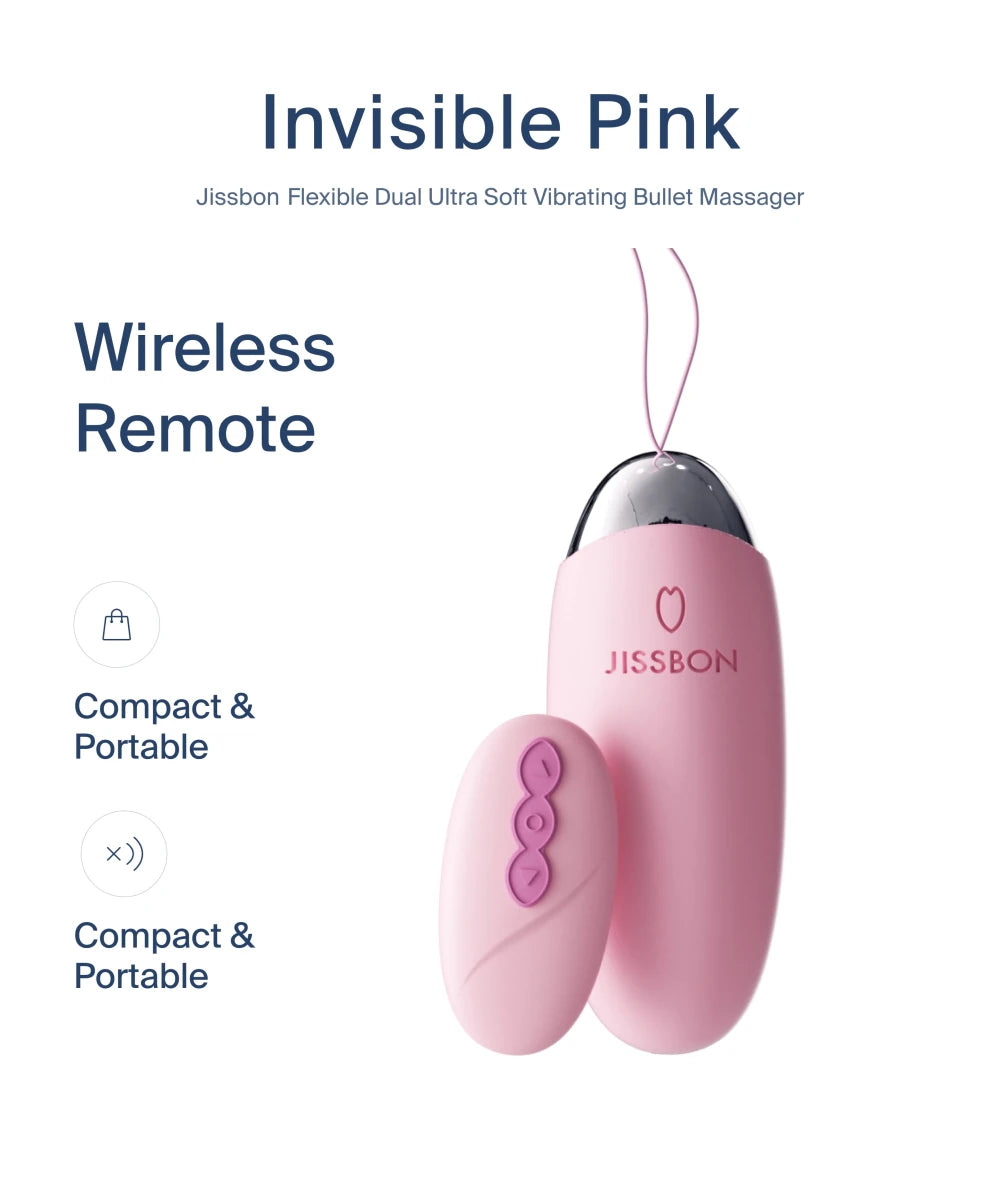
- Bullet vibrators provide pinpoint precision
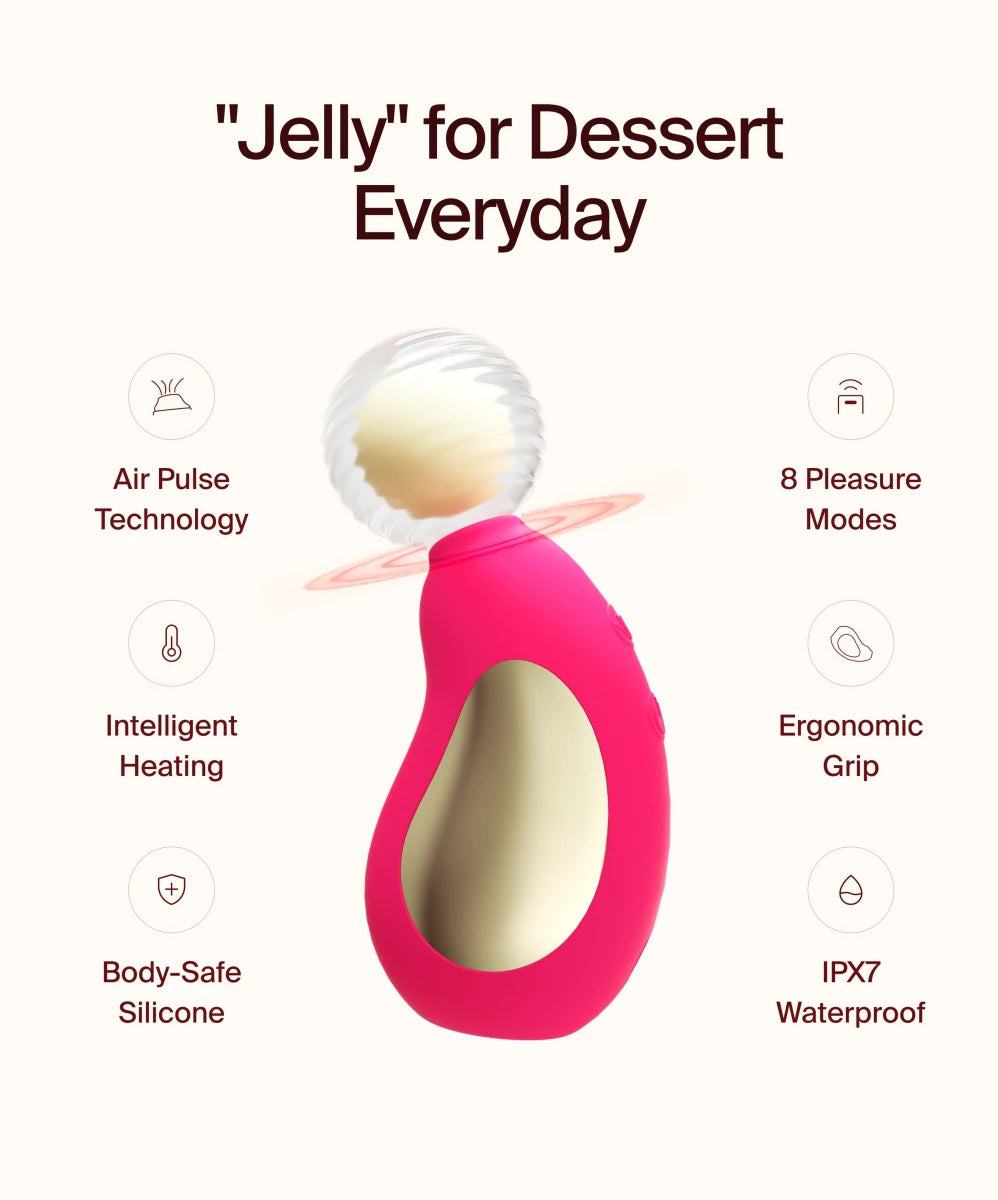
- Suction toys create unique oral-simulation sensations
- Use during penetration for blended experiences
For internal pleasure:
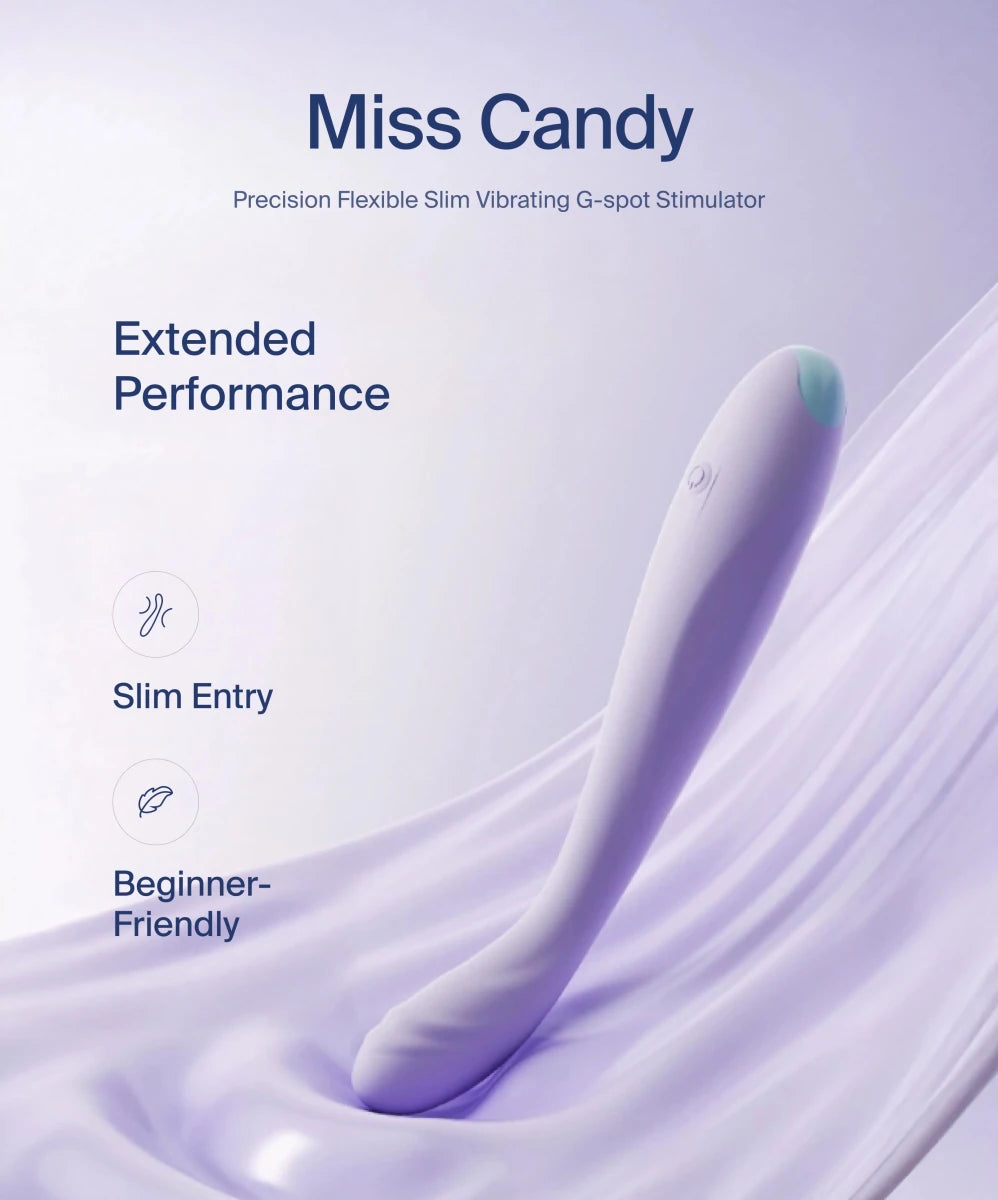
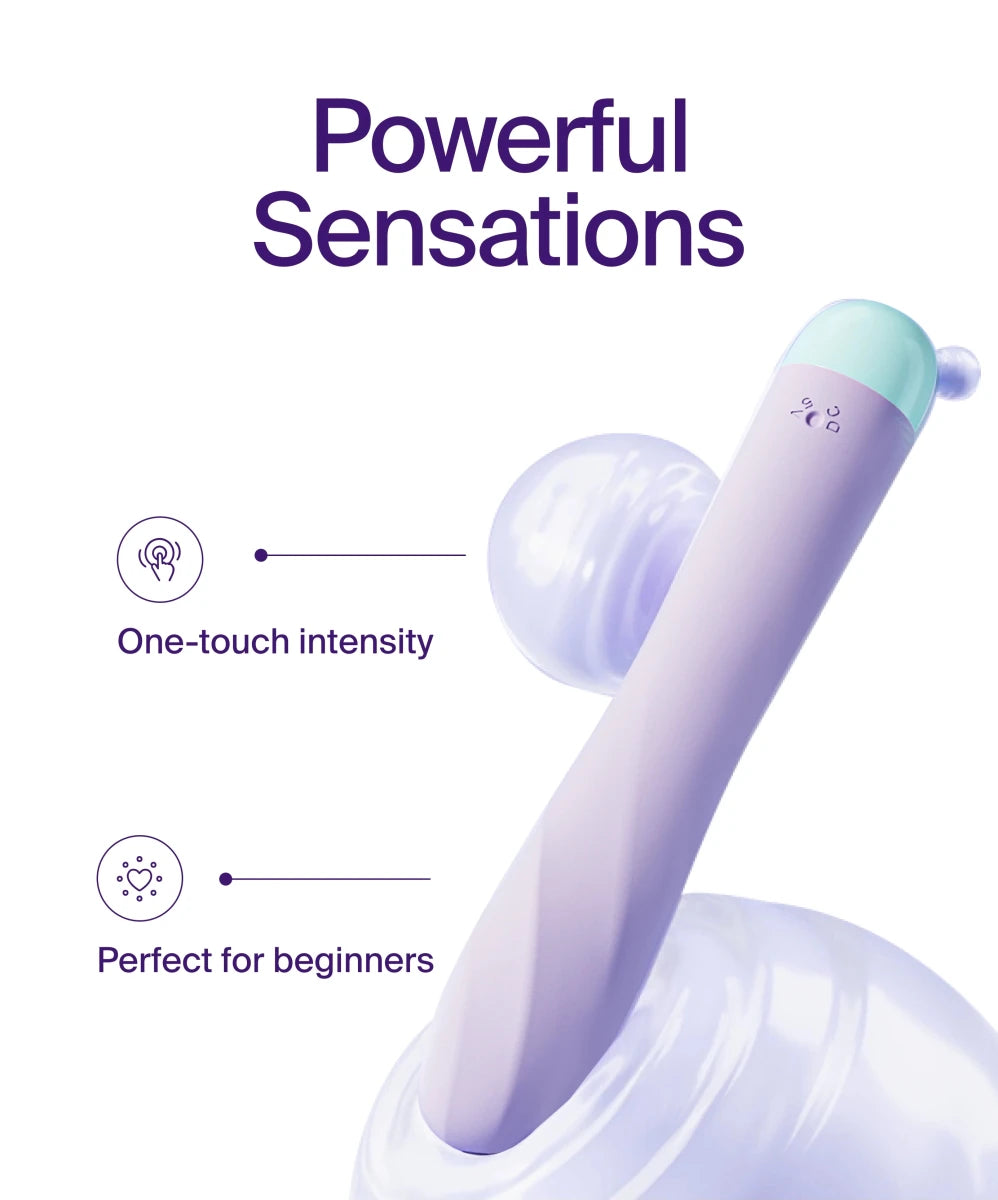
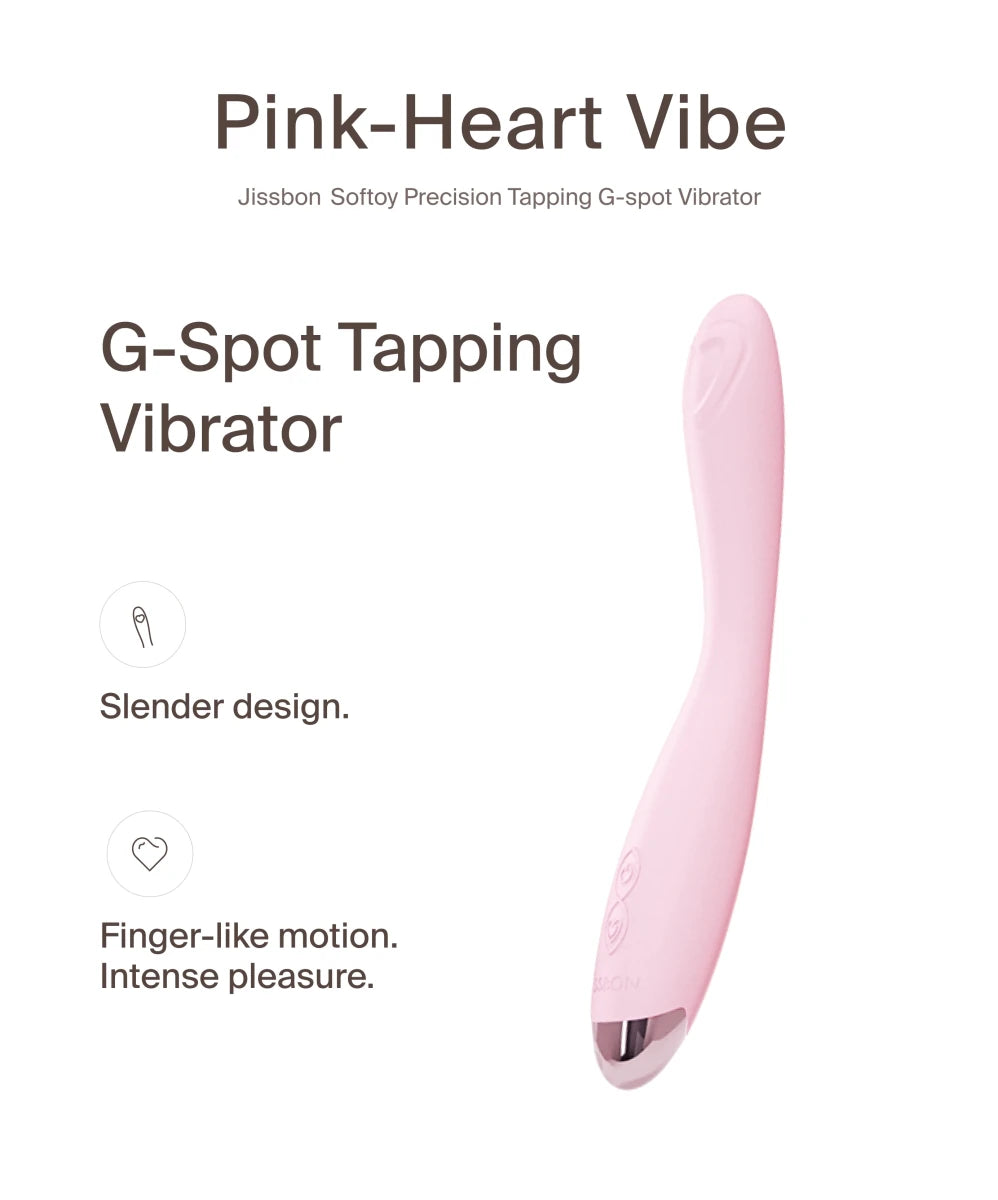
- G-spot vibrators target specific internal areas
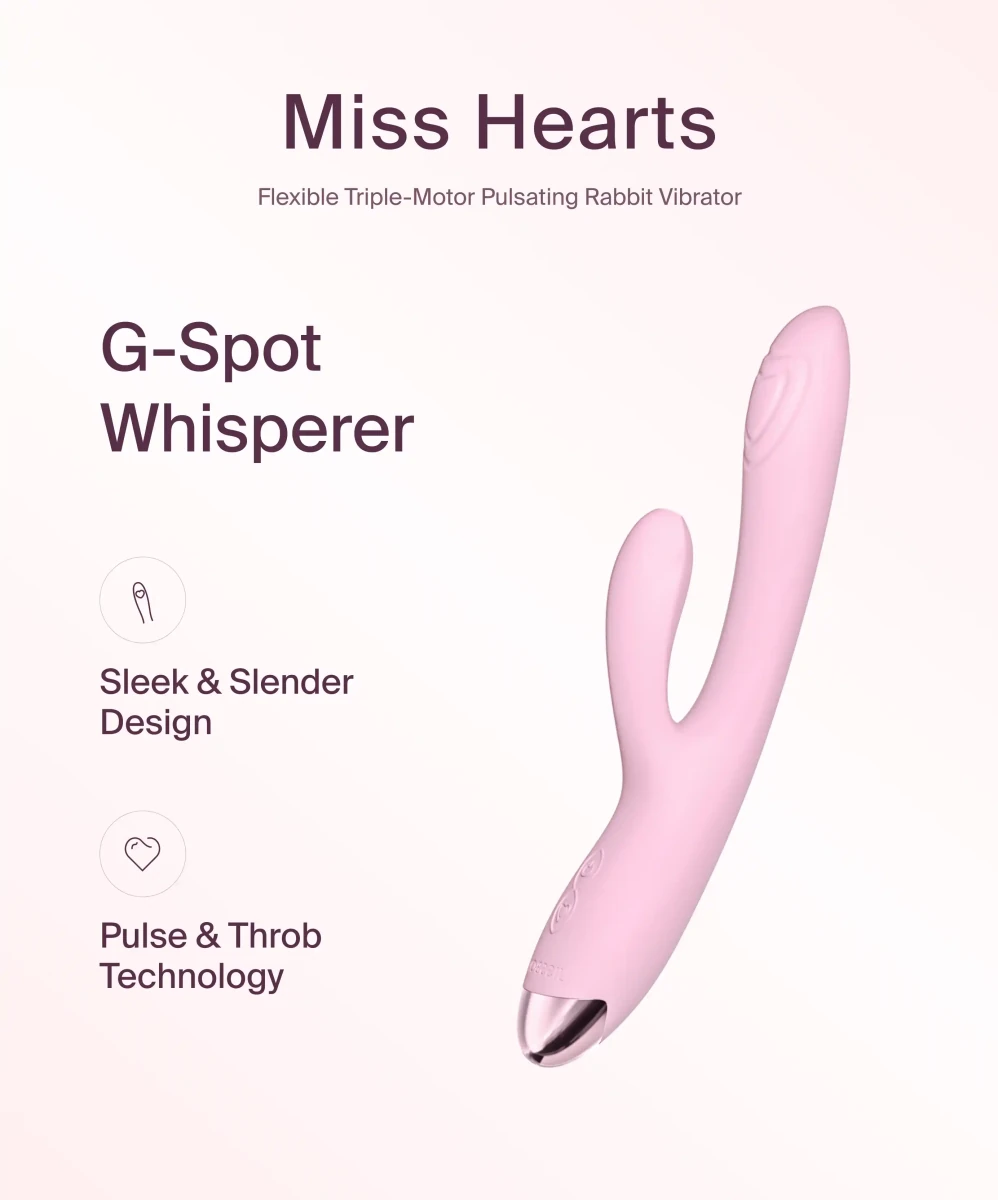
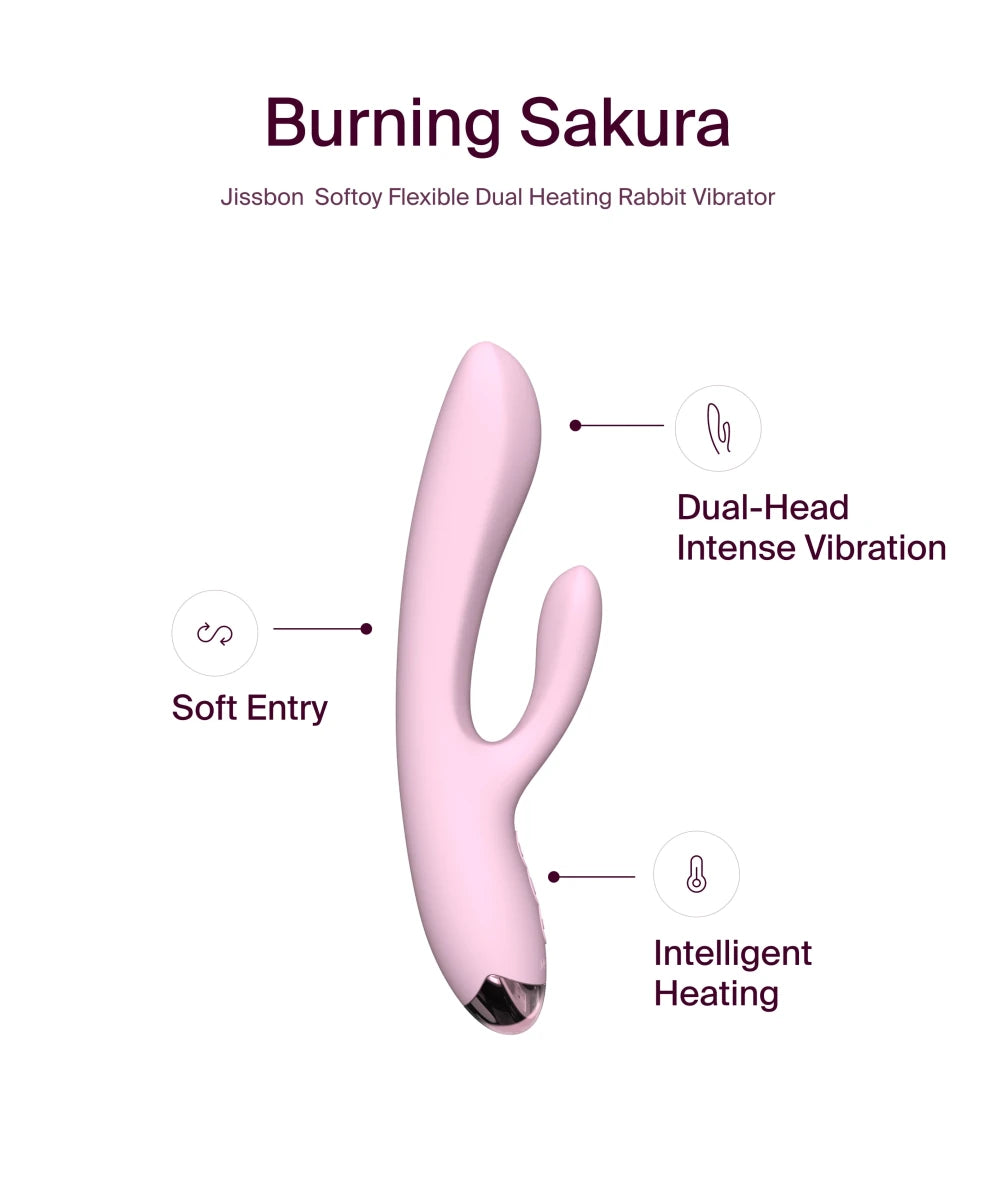
- Rabbit vibrators stimulate internally and externally simultaneously
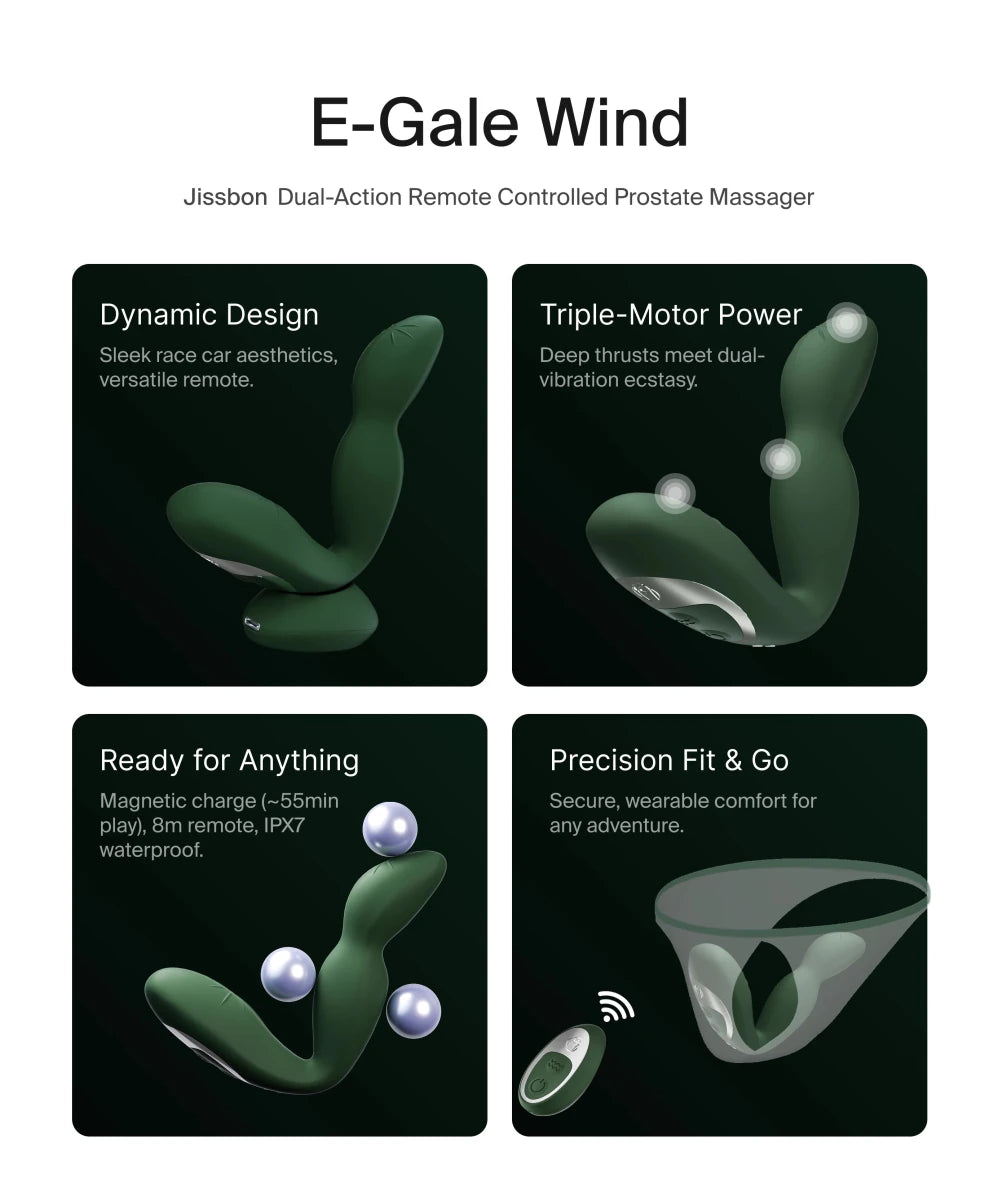
- Prostate massagers for people with prostates
- Dildos in various sizes, materials, and shapes
For partner play:
- Remote controlled vibrators let one partner control the other's pleasure
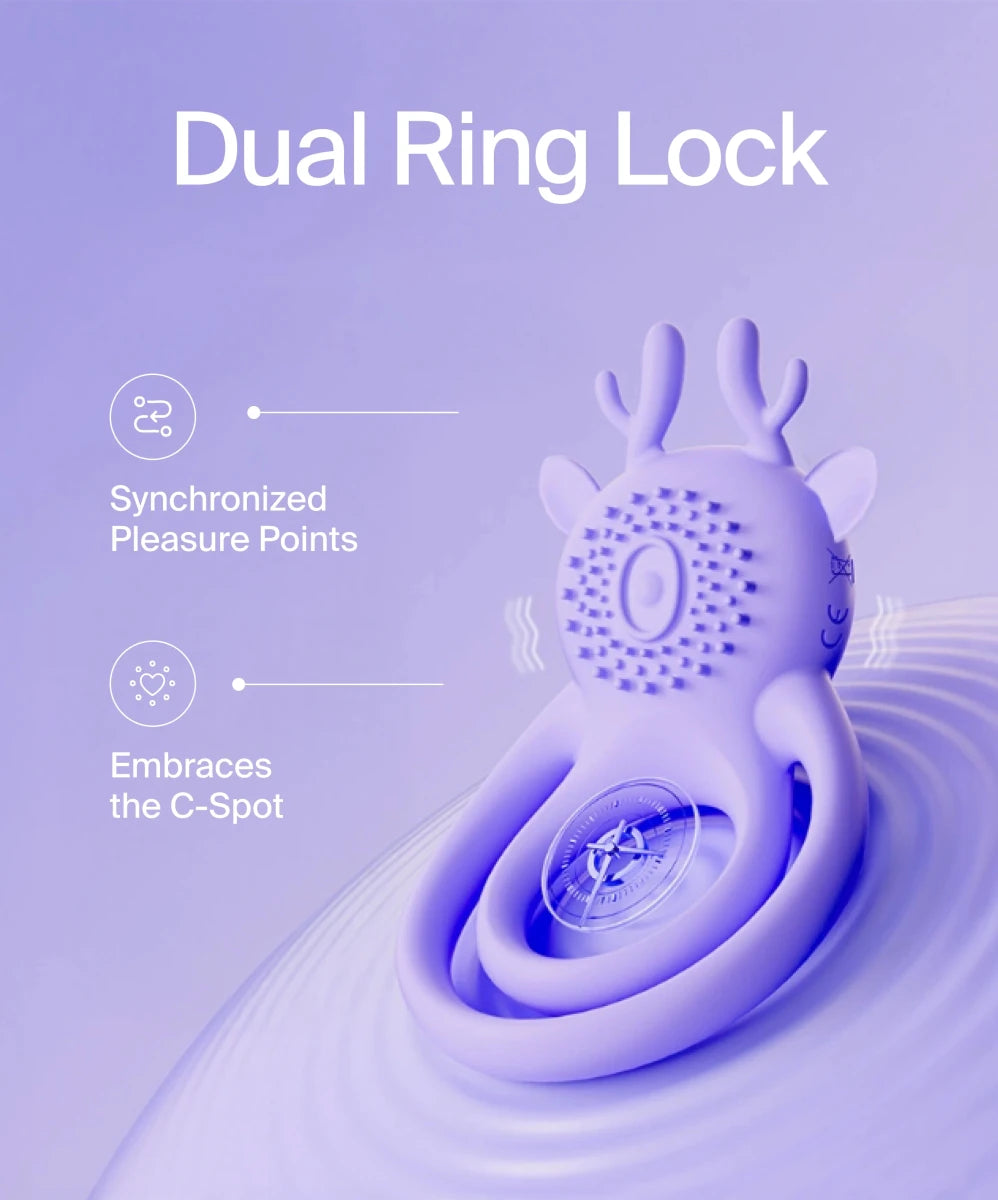
- Cock rings enhance sensation for both partners
- Couples vibrators worn during penetration
- Strap-on systems for versatile role exploration
For power dynamics:
- Soft restraints (cuffs, under-bed systems)
- Blindfolds to remove visual control
- Impact toys (paddles, crops) if both interested
- Temperature toys (glass or metal for warming/cooling)
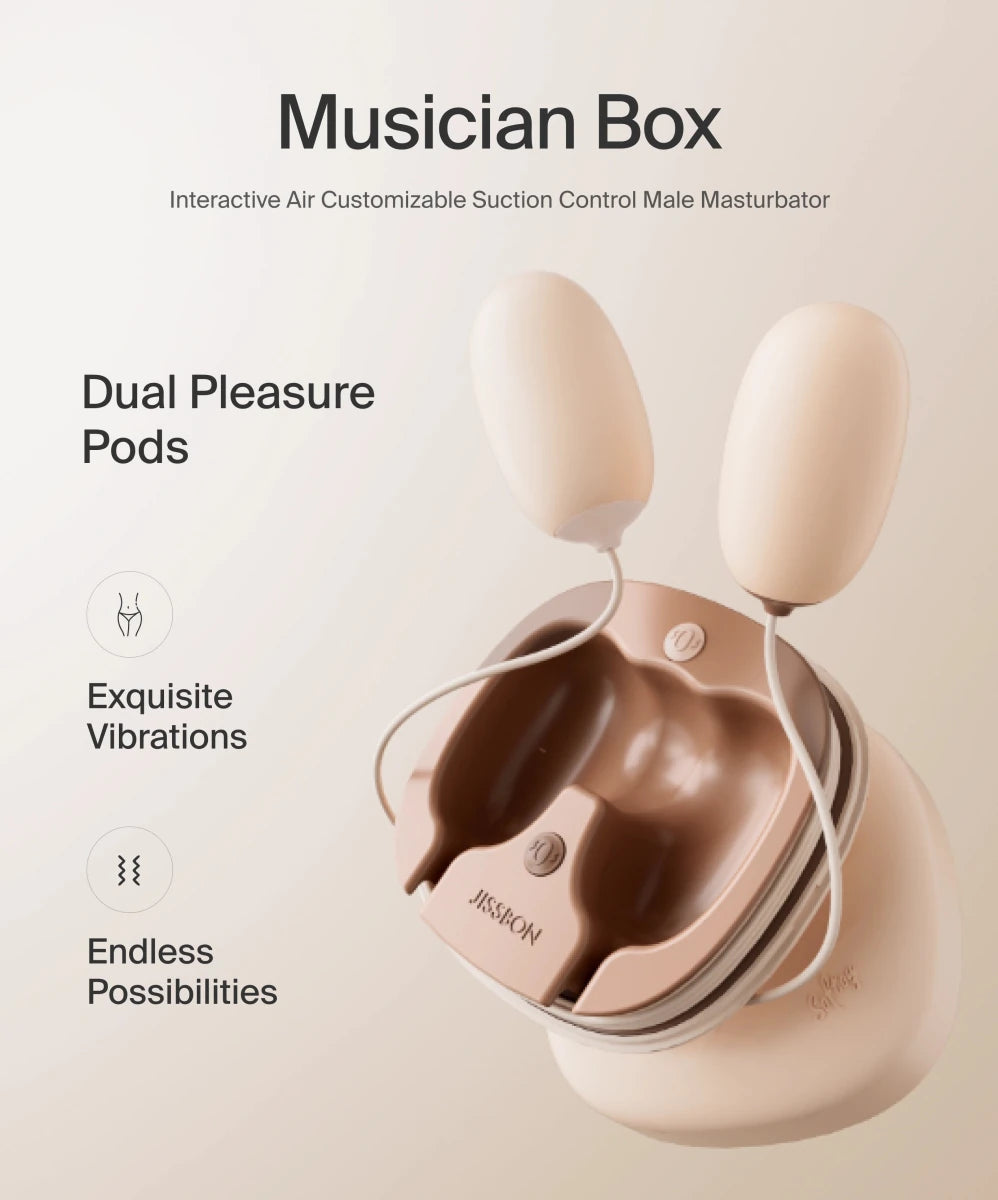
Explore options at Jissbon designed specifically for sex toys for couples seeking variety.
Psychological Excitement
Roleplay Scenarios
Acting out fantasies introduces playfulness and psychological novelty:
Low-effort scenarios:
- Strangers meeting at a bar (go out separately, "pick each other up")
- Boss and employee power dynamic
- Teacher and student (adult college setting)
- Personal trainer and client
- Massage therapist and customer
Moderate preparation:
- Doctor/nurse and patient
- Home repair person and homeowner
- Photographer and model
- Celebrity and fan
- Royalty and servant
Advanced roleplay:
- Elaborate historical period scenarios
- Science fiction or fantasy characters
- Specific movie or book character pairings
- Detailed storylines developed over multiple sessions
Making roleplay work:
- Discuss boundaries beforehand (what stays in character, what doesn't)
- Use costumes or props that help you embody the role
- Create backstories together
- Allow yourself to feel silly initially—it gets easier
- Establish a signal for dropping character if needed
Understanding fantasy and sexuality helps normalize imagination in intimate contexts.
Power Exchange Dynamics
Exploring dominance and submission (even lightly) introduces psychological intensity:
Mild dominance ideas:
- One partner chooses all positions and activities for a session
- "Simon Says" style commands
- Restricting when/how the submissive partner can touch
- Requiring permission before orgasm
- Verbal praise or light scolding
Submission expressions:
- Following instructions on what to wear, how to position body
- Asking permission for various activities
- Verbal acknowledgment of partner's control ("Yes, Sir/Ma'am")
- Maintaining eye contact when instructed
- Holding positions without restraints
Why this works: Power exchange creates psychological novelty even when physical activities remain familiar. The mental shift often proves more exciting than specific acts.
Erotic Communication
Words create arousal independent of physical touch:
Dirty talk basics:
- Describe what you're doing or about to do
- Express how your partner's body or actions affect you
- Ask what your partner wants
- Give explicit compliments
- Use progressively explicit language as comfort increases
Sharing fantasies verbally:
- Describe scenarios during foreplay or intimacy
- Tell stories about imagined encounters
- Narrate what you'd like to do to your partner
- Invite partner to contribute to the fantasy narrative
Written communication:
- Erotic texts sent during the day
- Handwritten notes describing desires
- Shared journal where you alternate writing fantasies
- Email exchanges building a storyline
Sensory Experiences

Temperature Play
Contrast creates intense sensation:
Cooling methods:
- Ice cubes traced along skin
- Chilled glass or metal toys (refrigerate, never freeze)
- Cold drinks held in mouth during oral activities
- Menthol-based products for tingling sensation
Warming techniques:
- Massage candles (melt at safe temperature for skin)
- Warm towels from dryer
- Heated massage oil or stones
- Warm breath along skin
- Warming lubricants (test for sensitivity first)
Safety considerations:
- Test temperature on inner wrist before applying to genitals
- Never apply frozen items directly to skin
- Watch for numbness indicating too much cold
- Discontinue if burning sensation occurs with warming products
Sensation Play
Varying tactile experiences heightens awareness:
Texture variety:
- Feathers for light, tickling sensation
- Silk or satin fabric dragged across skin
- Soft brushes or makeup brushes
- Textured gloves or massage tools
- Natural materials (fur, leather)
Removing senses:
- Blindfolds eliminate visual input, heightening touch and sound
- Earplugs or noise-canceling headphones focus attention on physical sensation
- Combining both creates profound sensory deprivation
Strategic sensation:
- Alternate between gentle and firm touch
- Trace patterns or write words on skin with fingertips
- Use unexpected objects (ice cream for taste/temperature, champagne bubbles for fizzy sensation)
- Focus extended attention on typically ignored areas (backs of knees, inner elbows, scalp)
Structured Experiences
Game Elements
Adding playful structure removes performance pressure:
Dice games:
- Label sides with body parts and actions
- Roll to determine who does what to whom
- Commercial adult dice games available or DIY versions
Card games:
- Strip poker or other removing-clothing games
- Truth or dare with intimate questions and challenges
- Card decks specifically designed for couple's intimacy
Wheel of fortune:
- Create spinner with various activities
- Person whose turn it is spins to determine next activity
- Digital versions available via apps
Why games help: They introduce unpredictability, share decision-making, add humor, and remove the pressure of "performing" since activities are determined by chance.
Challenges and Exploration Lists
30-day challenges:
- Commit to intimacy daily with different focus each day
- Explore one new position, location, or technique per week for a month
- Complete pre-made intimacy challenge found online or create custom
Bucket list creation:
- Write fantasies on slips of paper, draw randomly
- Create ranked list of curiosities to work through gradually
- Pinterest-style vision board of scenes, aesthetics, or scenarios that appeal
Learning together:
- Take online courses about intimacy, pleasure anatomy, or specific techniques
- Read books aloud to each other (educational or erotic fiction)
- Watch educational videos about various activities
- Attend workshops (virtual or in-person) for couples
For evidence-based intimacy education, resources from sexual health educators provide comprehensive information.
Breaking Routine Patterns
Initiation Variations
If one partner always initiates:
- Non-initiating partner commits to starting things X times per week
- Use signals (specific clothing item, candle lit, music playing)
- Schedule turns for who initiates
If initiation feels stale:
- Try non-verbal cues (lingering kisses, suggestive touching)
- Leave notes or send messages indicating interest
- Create advance notice rituals ("I'd love to connect tonight")
- Initiate in unexpected locations or times
Removing Distractions
Digital detox:
- No phones in bedroom during intimate time
- Turn off notifications hour before bed
- Use phone-locking apps or physical safe
- Establish bedroom as tech-free zone
Mental space clearing:
- Brief check-in conversation to "download" day's stress before transitioning
- Five minutes of meditation or breathing together
- Physical activity (walk, yoga) to shift from daily mindset
- Showering together as transition ritual
Addressing Underlying Issues
Sometimes routine stems from unaddressed relationship dynamics:
Common intimacy obstacles:
- Unresolved conflict creating emotional distance
- Mismatched desire levels causing pressure or resentment
- Body image insecurity limiting vulnerability
- Communication patterns that shut down requests
- Mental health challenges affecting libido
- Medical conditions or medications reducing desire
When to seek support: If implementing variety doesn't improve connection, underlying issues may need professional attention. Sex therapists, relationship counselors, and medical providers all offer specialized support for intimacy challenges.
For finding qualified professionals, AASECT (American Association of Sexuality Educators, Counselors and Therapists) maintains directories of certified specialists.
Practical Implementation
Start Small
Overwhelming yourself guarantees failure:
- Choose 2–3 ideas maximum to try initially
- Give each several attempts before assessing whether it works
- Celebrate experimentation regardless of outcome
- Build confidence before tackling more intimidating options
Create Anticipation
Build-up enhances experience:
- Mention plans hours or days in advance
- Send teasing messages about what you'd like to try
- Shop together for supplies (toys, lingerie, massage oil)
- Create playlist or prepare environment together
Debrief After
Processing strengthens future experiences:
- What felt especially good?
- What would you adjust next time?
- Which elements surprised you?
- Do you want to repeat this or try something different?
- How did it affect your connection?
Frequently Asked Questions
How often should we try new things?
There's no ideal frequency—it depends on your relationship, energy levels, and curiosity. Some couples experiment weekly, others monthly or quarterly. What matters is maintaining connection and enthusiasm rather than hitting arbitrary variety quotas. Balance novelty with favorite familiar activities. Too much newness can feel exhausting rather than exciting.
What if my partner isn't interested in trying new things?
Understand their hesitation through conversation: Is it fear of the unknown, satisfaction with current routine, energy limitations, or past negative experiences? Address concerns rather than pressuring. Sometimes demonstrating enthusiasm while respecting boundaries eventually sparks curiosity. Other times, accepting different comfort levels prevents resentment. Couples don't need identical desires to have fulfilling intimate lives.
Are these ideas appropriate for all relationship stages?
Early relationships often have natural novelty through discovering each other. Long-term partnerships typically benefit most from intentional variety. However, any couple experiencing routine can implement these ideas. New couples might focus on communication and learning preferences, while established partners might explore more adventurous options. Adapt suggestions to your specific context and comfort levels.
How do we overcome embarrassment about trying something new?
Acknowledge that vulnerability is inherent in intimacy. Start with activities requiring minimal performance or exposure (lighting changes, music, location shifts). Build confidence through small successes. Maintain humor—laughing together when something feels awkward strengthens bonds. Remember your partner likely feels similar nervousness. Frame attempts as collaborative adventure rather than individual performance.
What if we try something and don't enjoy it?
That's valuable information, not failure. Debrief about what specifically didn't work—timing, technique, mental state, or genuine disinterest in that activity. Some things require multiple attempts with adjustments. Others simply don't appeal despite curiosity. Cross it off your list without judgment and move to other options. The willingness to explore together matters more than whether every experiment succeeds.
Can trying new things fix relationship problems?
Intimacy variety can strengthen already-healthy relationships and sometimes improves communication or connection. However, it cannot resolve fundamental incompatibility, unaddressed conflict, betrayed trust, or individual mental health challenges. If relationship issues extend beyond bedroom routine, seek couples counseling before assuming intimate experiments will solve deeper problems. Address root causes rather than symptoms.
Sustaining Long-Term Excitement
Refreshing intimate life isn't one-time project—it's ongoing practice. Relationships evolve constantly, and what feels exciting today may become routine tomorrow. The goal isn't achieving permanent novelty but rather cultivating curiosity, communication, and willingness to adapt together.
Couples who maintain satisfying intimate lives across decades share common traits: they talk openly about desires and boundaries, prioritize time for connection despite competing demands, approach each other with playfulness and creativity, and view intimacy as collaborative rather than transactional.
Ready to discover tools that support adventurous exploration? Visit Jissbon for comprehensive selections designed to enhance connection and pleasure.


Looking for something else?

What Is Flogging in Sex? Complete BDSM Flogging Guide
LEARN MORE
What Does Overstimulated Mean Sexually? Causes & Solutions
LEARN MORE
Can You Get a Tattoo on Your Vagina? Safety, Pain & What to Expect
LEARN MORE
Public Sex Kink: Understanding Exhibitionism & Safe Exploration
LEARN MORELooking for something else?

A-Spot Orgasm: Best Positions & How to Find It
LEARN MORE
Bondage Play: Complete Beginner's Guide to Rope BDSM
LEARN MORE
Vibrator Stories: Real Experiences, Tips & What to Expect
LEARN MOREYou may also like
20% off

20% off

20% off

20% off

20% off

20% off

Further reading

How to Clean an Automatic Blowjob Machine Without Damaging the Motor

Remote-Controlled Automatic Masturbators for Couples and Solo Play
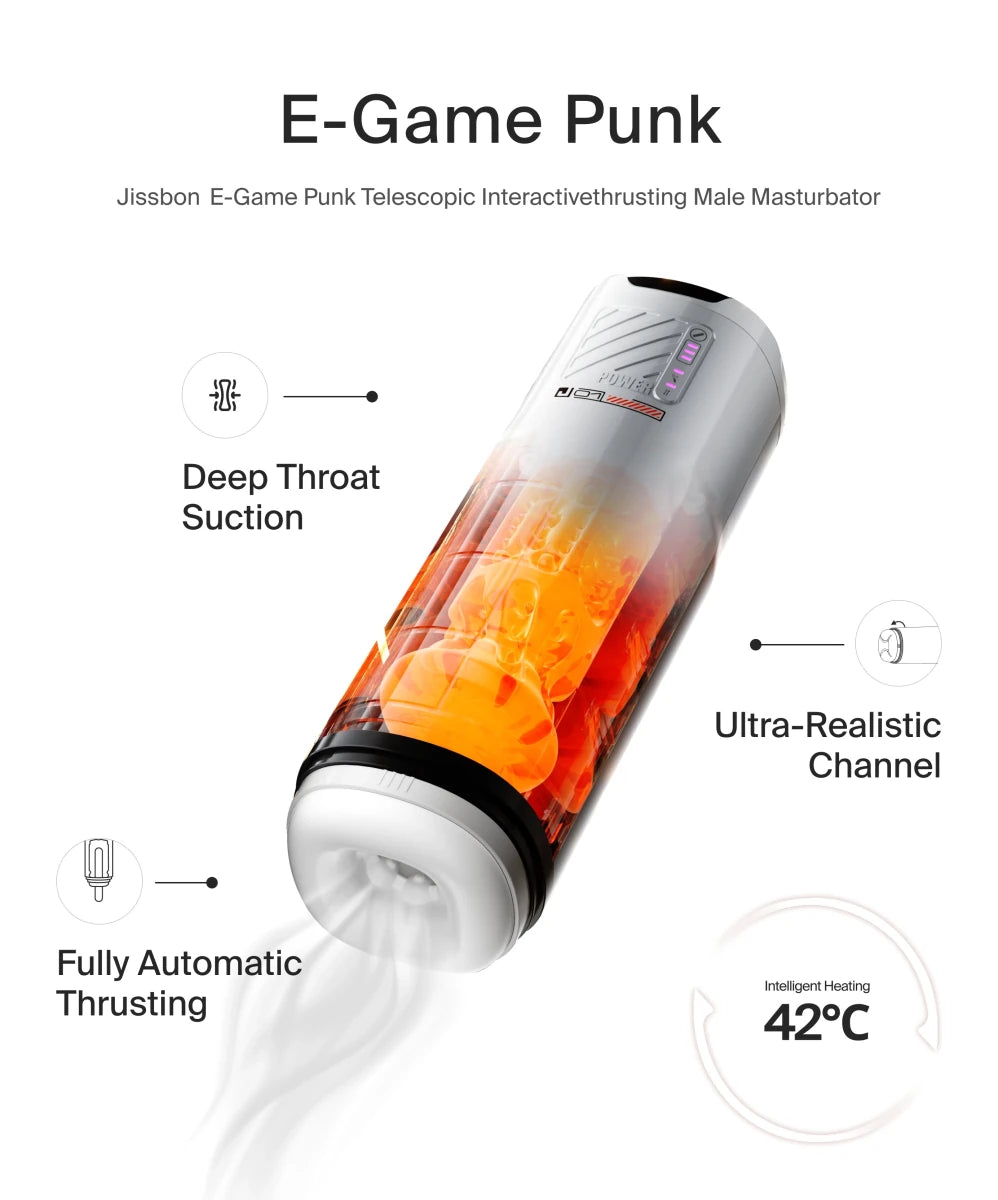
Best Automatic Strokers for Edging and Stamina Training